Equipment for Backpacking
If you're an outdoor enthusiast looking to embark on your next adventure into the wilderness, having the right equipment for backpacking is essential for a successful and enjoyable trip. From lightweight tents and durable sleeping bags to compact stoves and versatile cookware, our selection of backpacking gear is designed to help you stay comfortable, safe, and well-equipped while exploring the great outdoors. Whether you're a seasoned backpacker or new to the world of hiking and camping, our range of equipment is curated to meet the needs of all types of adventurers. Gear up for your next backpacking journey with high-quality essentials that are built to withstand the demands of rugged terrain and changing weather conditions.
Sort



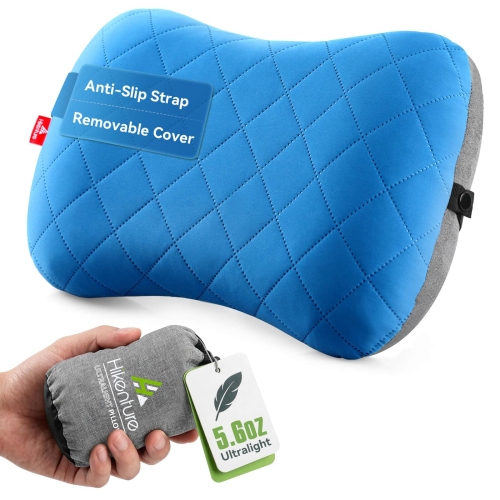
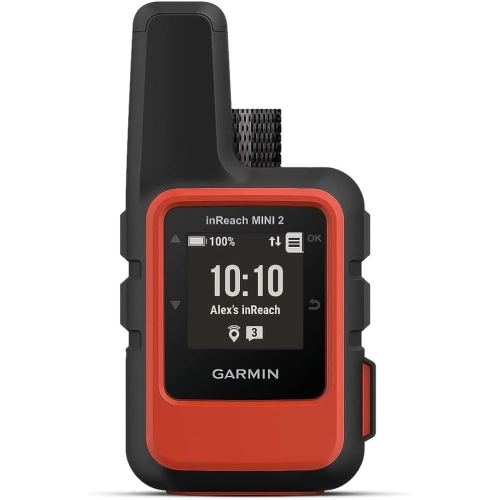
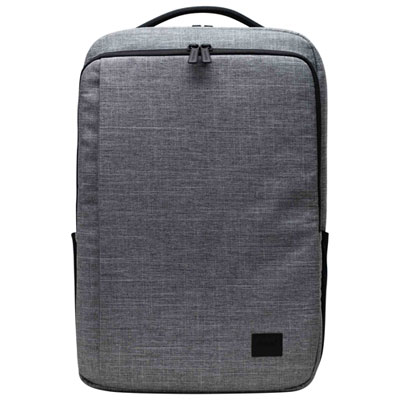
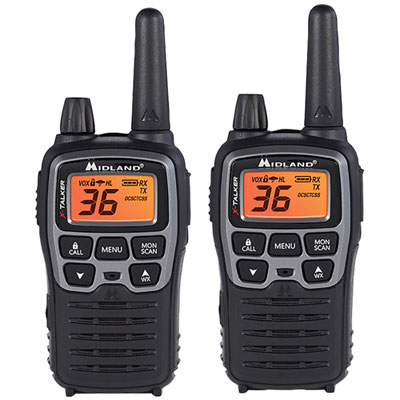
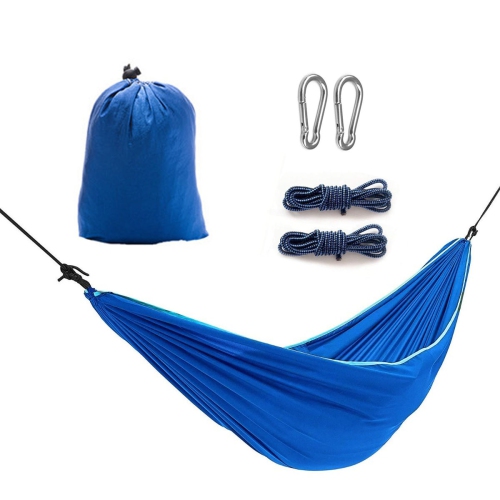
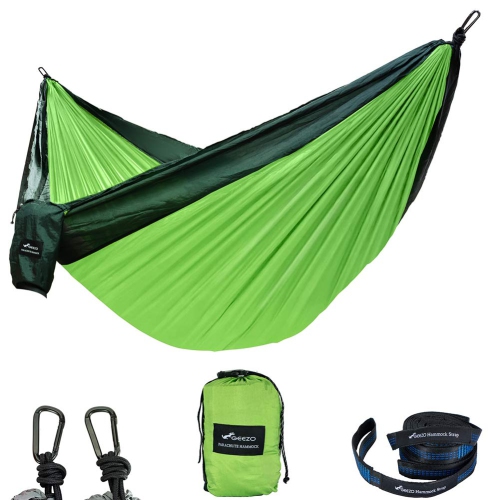
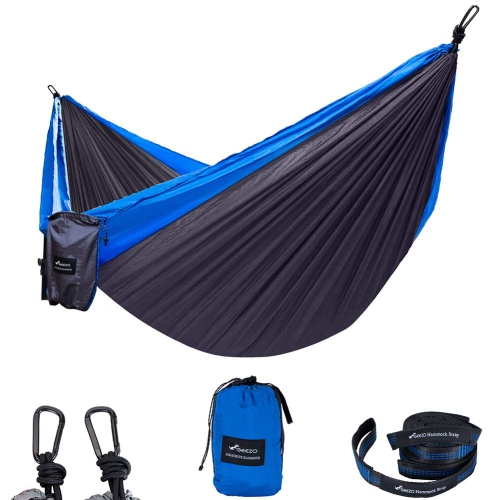
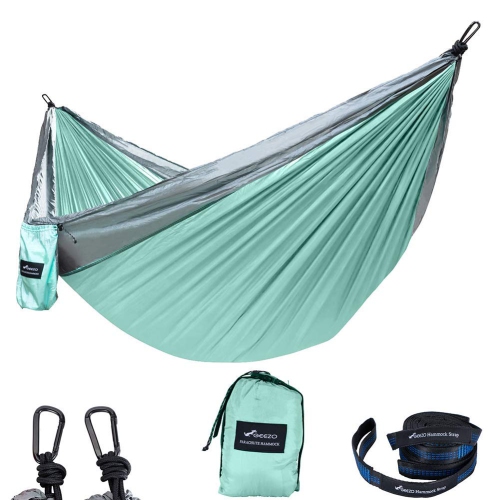

The essentials behind a reliable multi-day trail setup
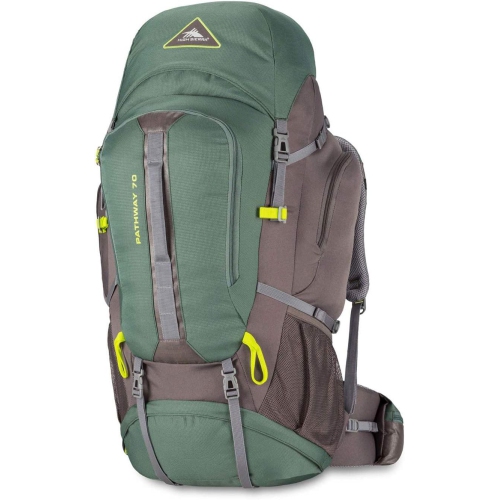
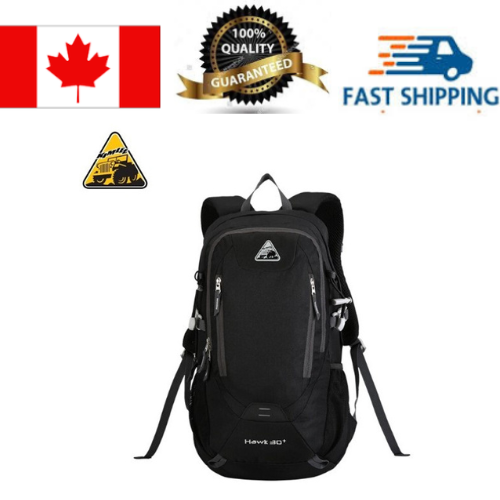
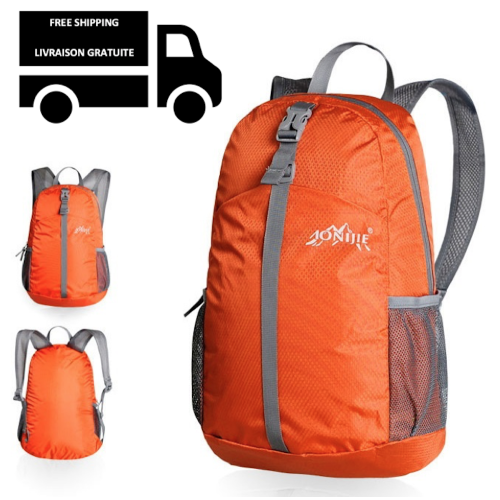
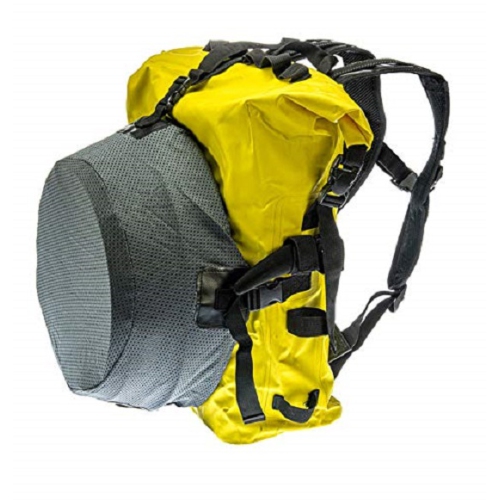
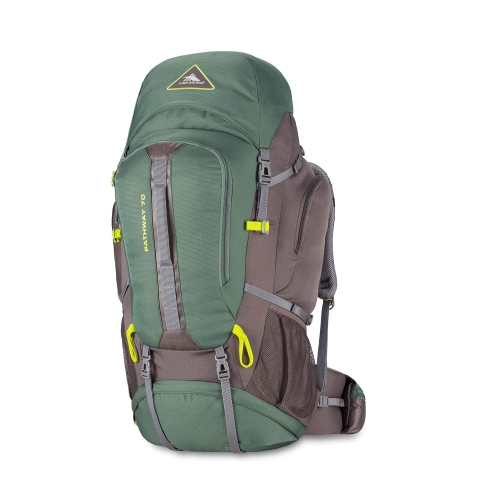
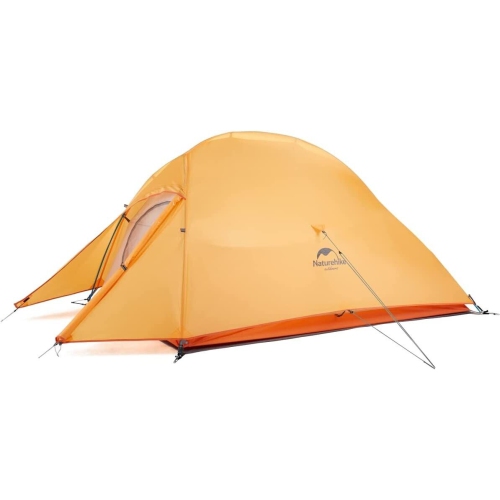
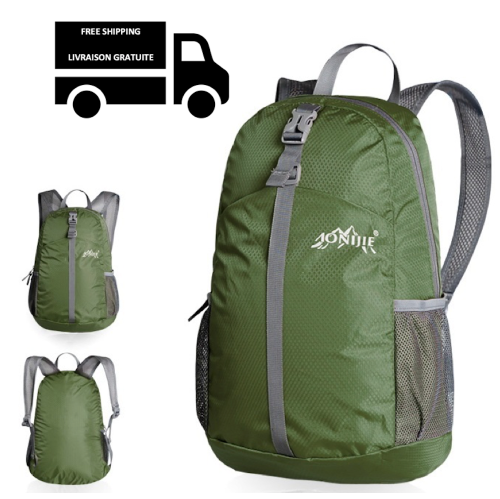
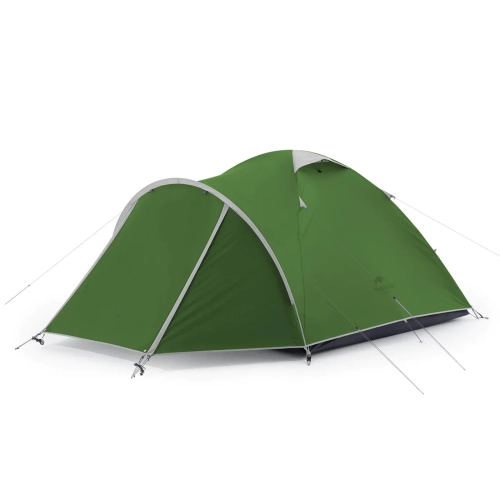
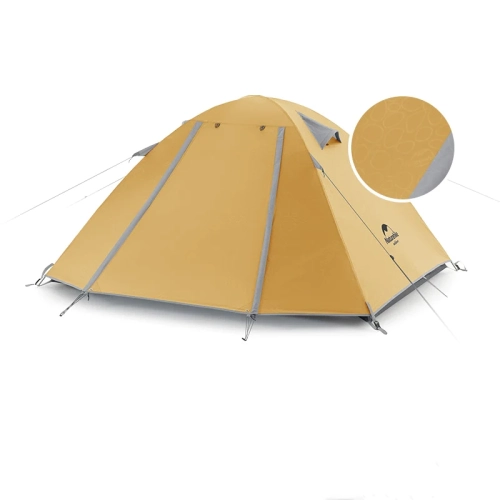
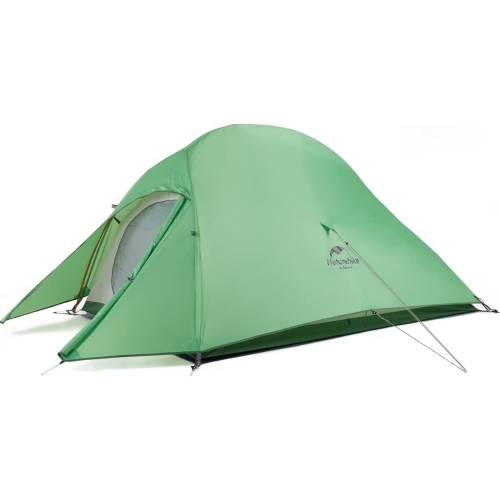
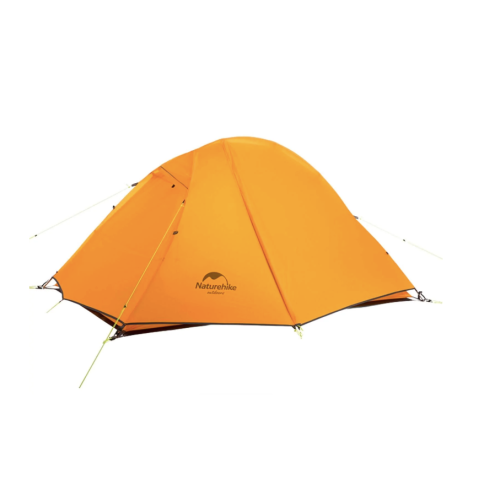
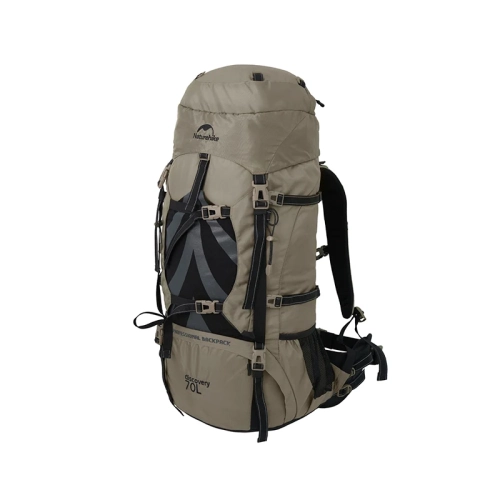
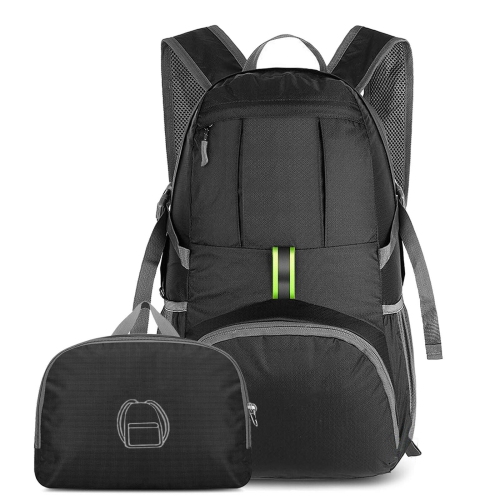
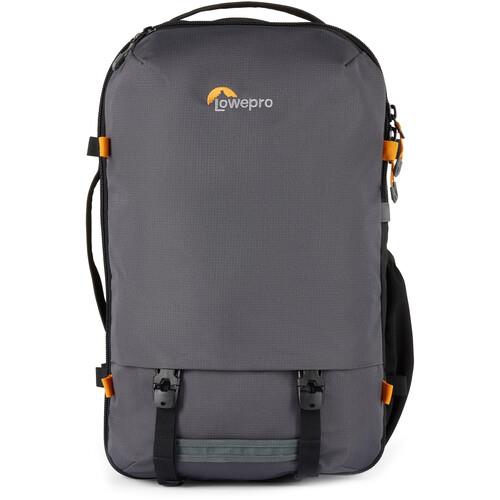
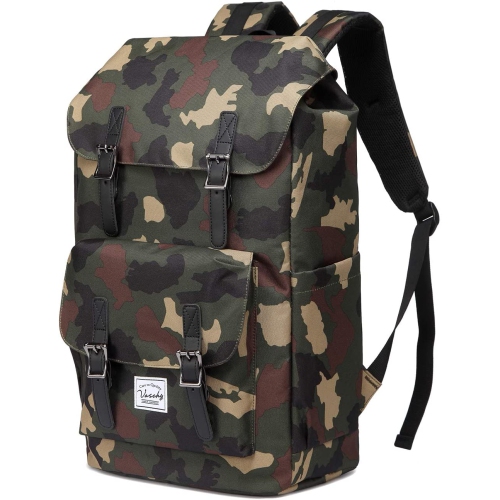
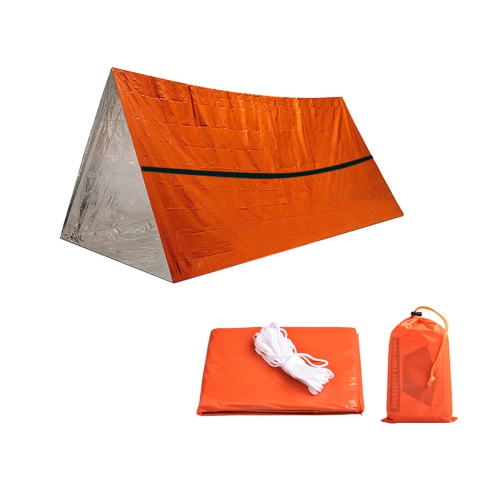
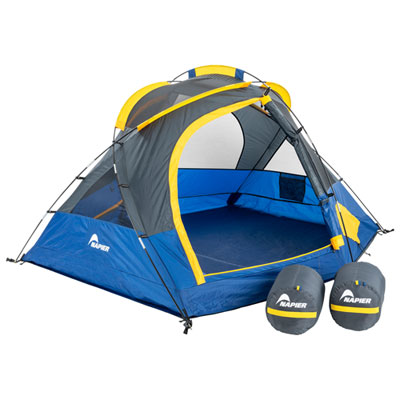
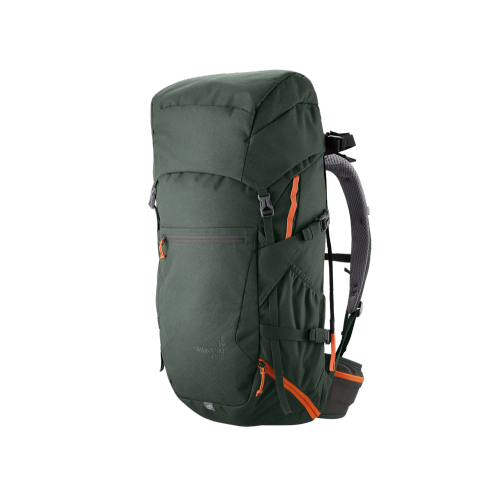
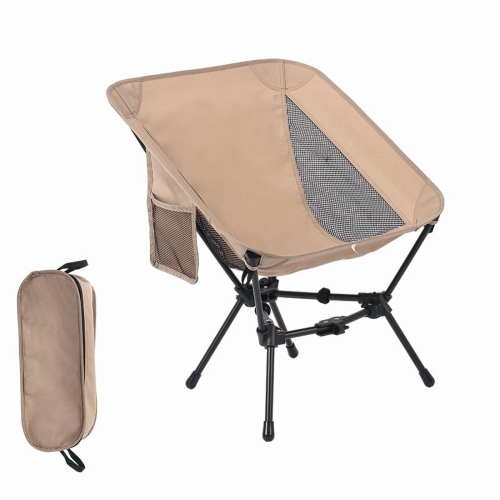
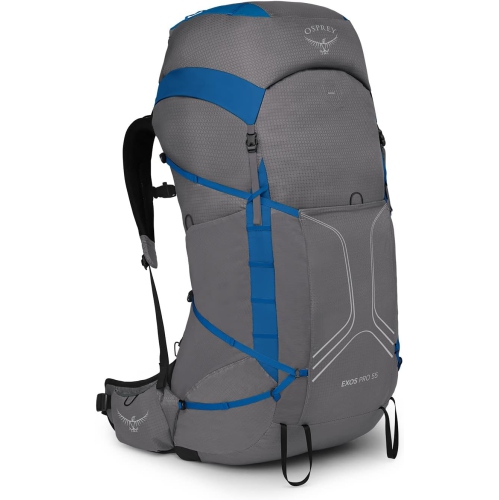
Backpacking equipment brings together the practical essentials for carrying your shelter, sleep system, food, water and safety supplies beyond the trailhead. For many multi-day trips, the core setup is often described as the “Big Three”: a comfortable backpack, a reliable shelter and a sleeping system suited to the conditions. A backpack in the 50 to 65 L range can provide useful capacity for several days while leaving room for clothing layers, cooking equipment and personal items, although the ideal size depends on the length of the trip, the season and how compact the rest of the kit is. Look for an adjustable internal frame, padded hip belt and shoulder straps that can be fitted to your torso, since a pack that sits correctly helps distribute weight across your hips instead of placing all the strain on your shoulders. Features such as accessible water-bottle pockets, a separate sleeping-bag compartment, compression straps and rain coverage can make a noticeable difference when the trail becomes steep or the weather turns unsettled. Explore Backpacking Backpacks to compare carrying options for different loads and trip lengths. A tent or other compact shelter should offer enough space to sit, change layers and keep gear protected from wind and rain without adding unnecessary bulk. A two-person shelter can be useful for one person who prefers extra room, or for a pair of hikers sharing equipment, while a lighter solo design may suit those travelling alone. Check packed dimensions, assembled size, ventilation and weather protection, and practise setting it up before heading into the backcountry. Even a familiar shelter can feel surprisingly complicated in fading light, especially with cold fingers or wet ground underfoot.
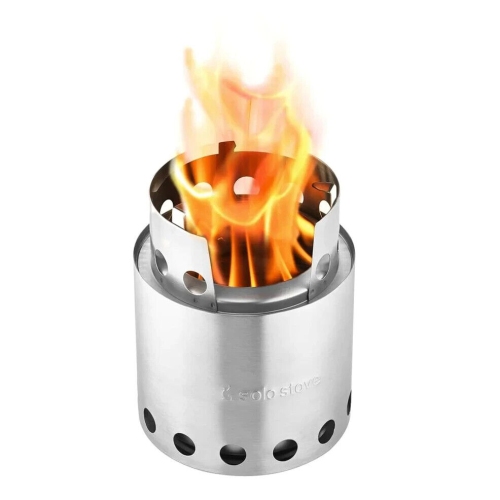
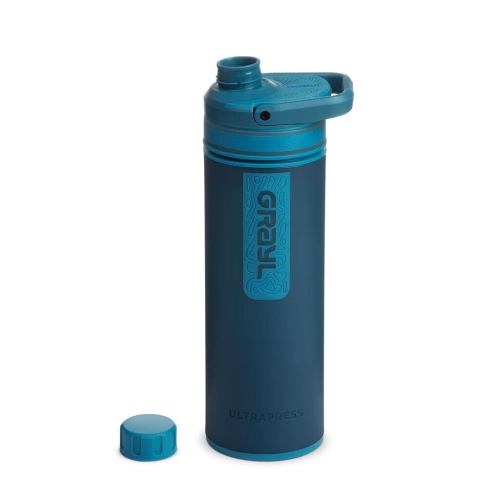
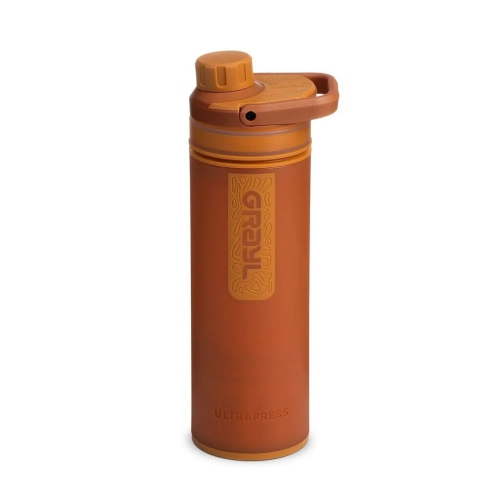
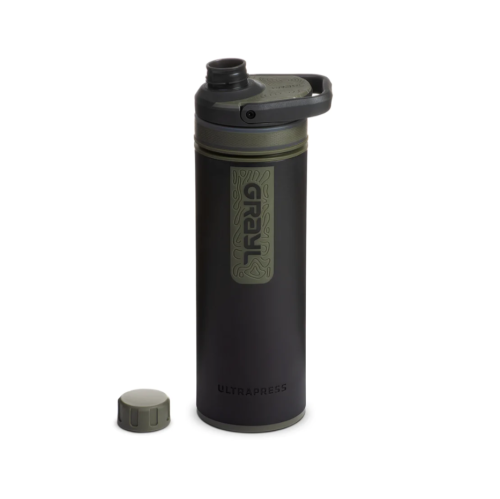
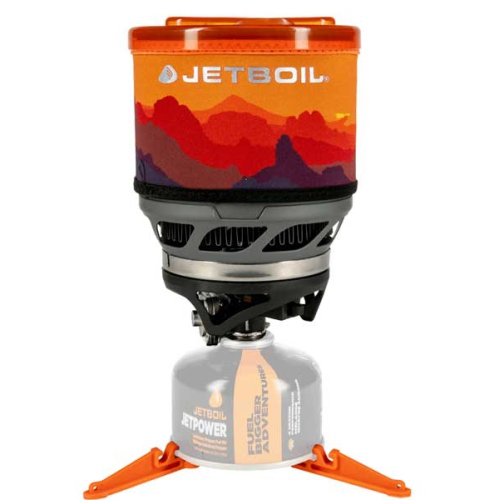
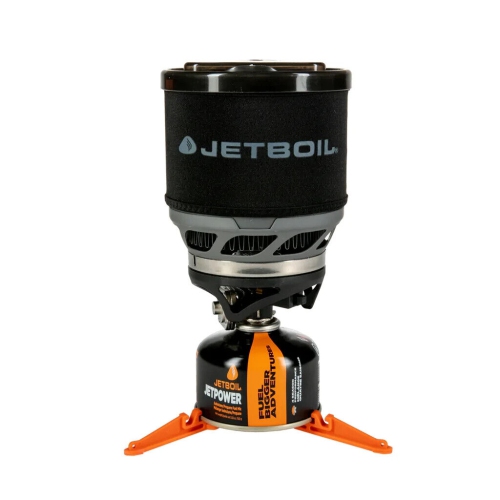
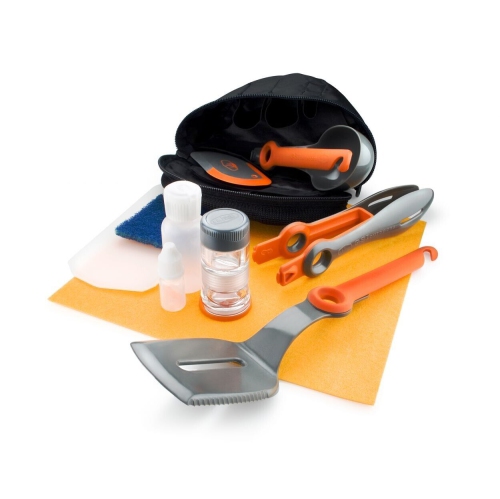
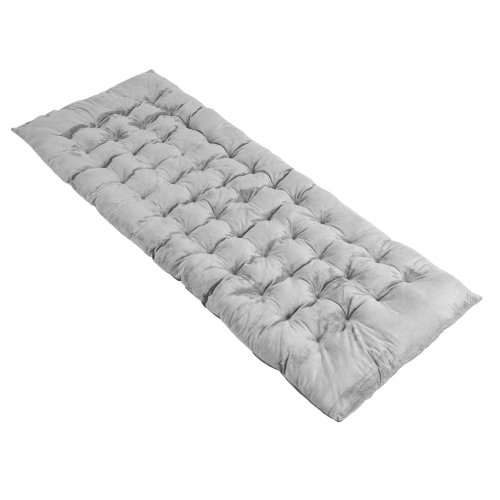
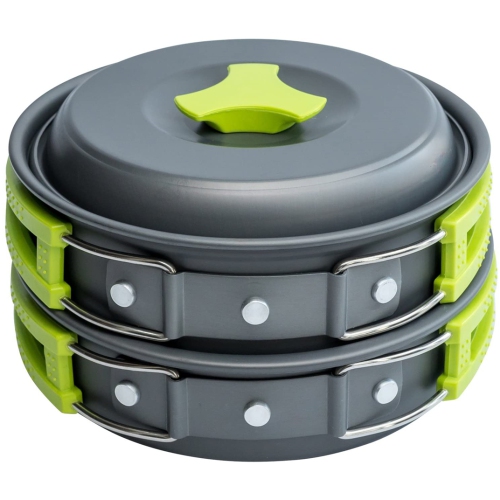
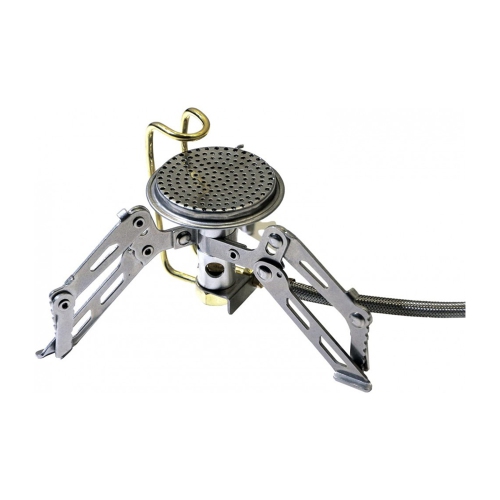
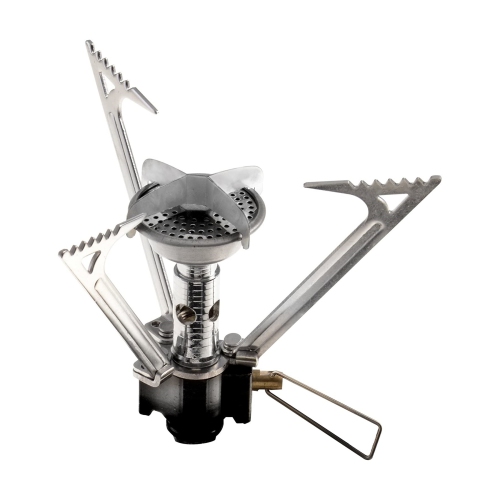
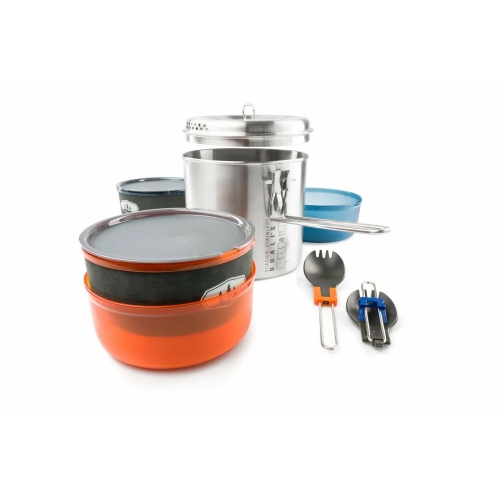
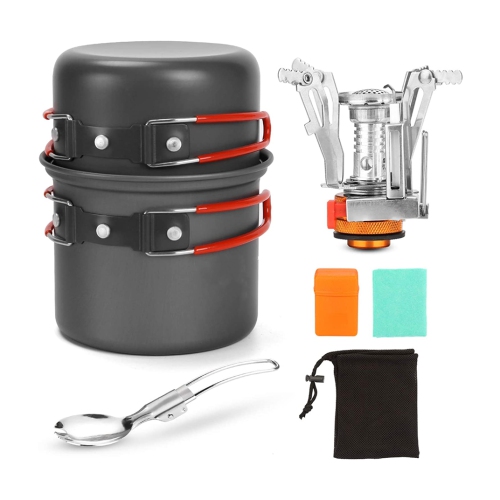
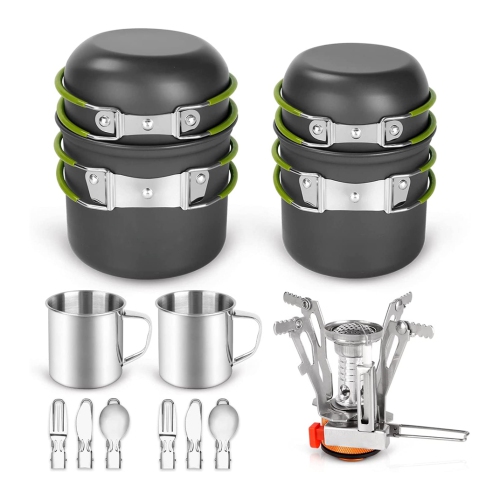
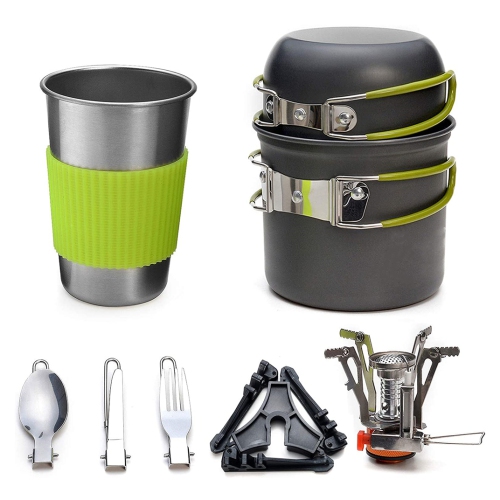
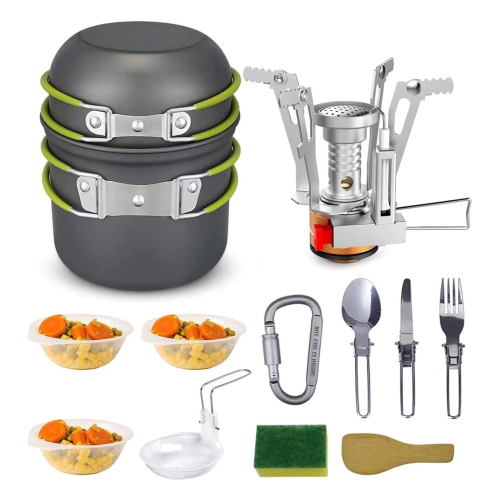
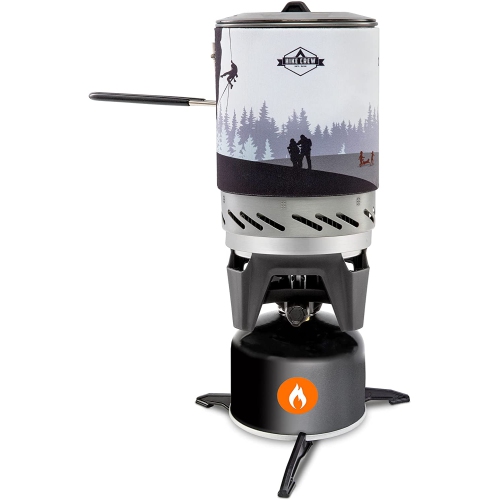
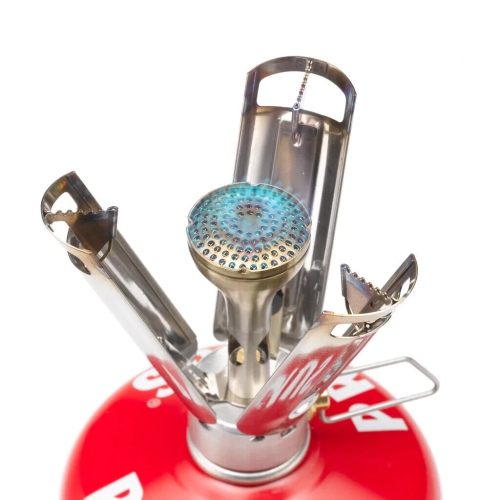
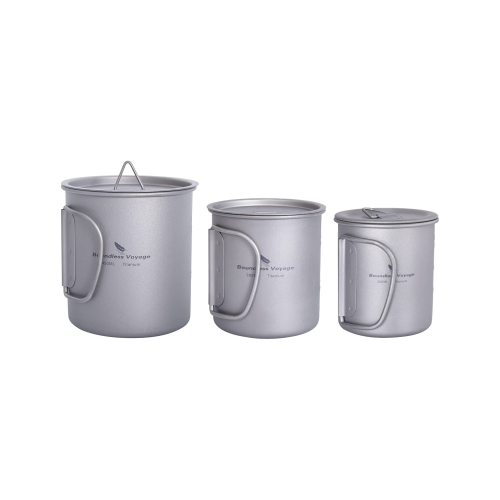
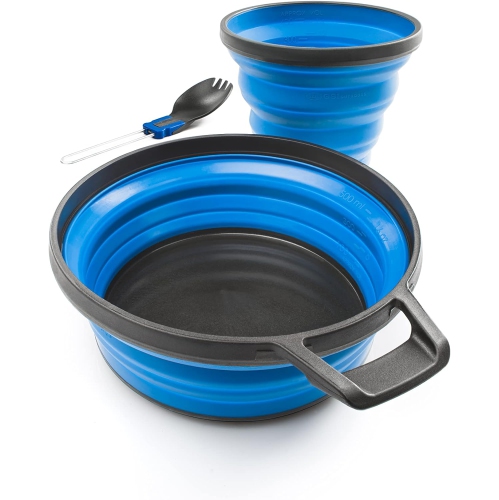
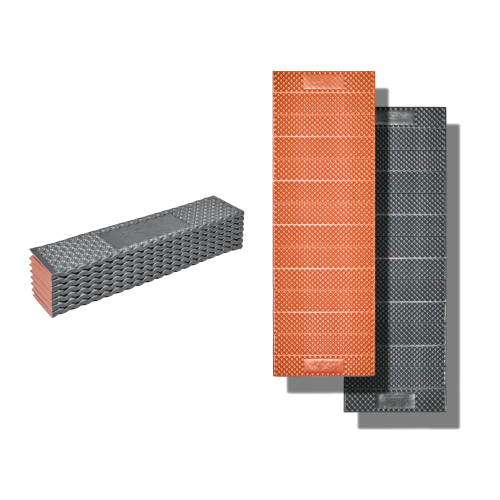
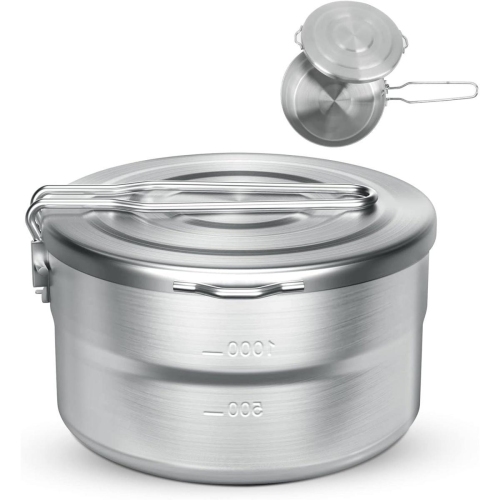
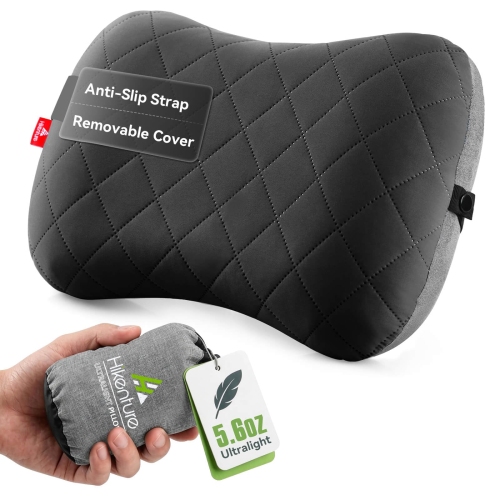
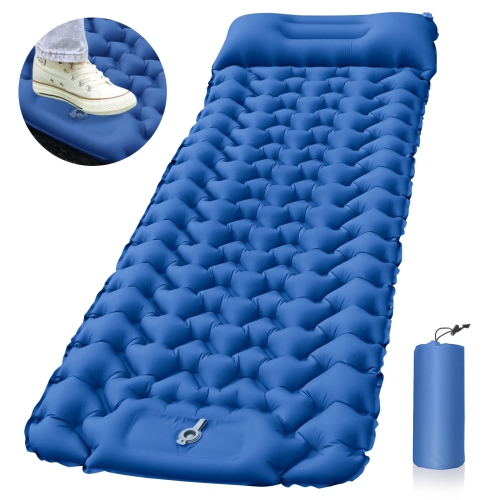
A warm and comfortable sleep system is just as important as the shelter above it. A sleeping bag or quilt should be rated for the lowest temperatures you expect, with three-season options commonly selected for nights that may approach approximately -7°C, depending on the model and the sleeper’s comfort preferences. Temperature ratings are useful points of comparison, but clothing, humidity, wind and individual sleeping habits also affect how warm a person feels. Pair the bag or quilt with an insulated sleeping pad, paying attention to its R-value, which indicates resistance to heat loss into the ground. An R-value of 3 or higher is a common starting point for three-season trips, while colder conditions may call for more insulation. Packed size, weight, inflation method and sleeping width are worth considering, particularly when every item must fit inside a limited-volume pack. Backpacking cooking equipment should be compact, dependable and simple to use. A small stove, compatible fuel, lightweight pot, cup and utensils can support hot drinks, dehydrated meals, oatmeal and other foods that provide energy without taking up much space. Plan meals around calories, preparation time and water availability, and pack a way to store food securely where local rules require it. Water treatment is another essential part of the kit: a filtration system, purification method or combination of approaches can help turn water from a suitable natural source into drinking water. Carry enough capacity for dry stretches between reliable sources, and remember that filters may require cleaning or protection from freezing. A small repair kit, waterproof storage bags and a compact method for managing waste can help keep routine camp tasks orderly when rain is falling or the nearest flat campsite is still a kilometre away.
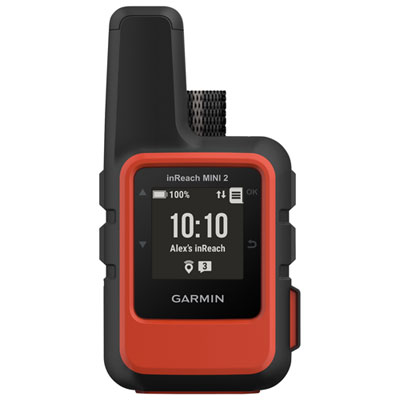
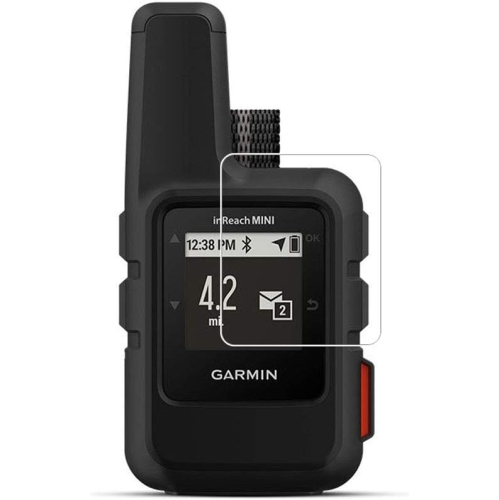
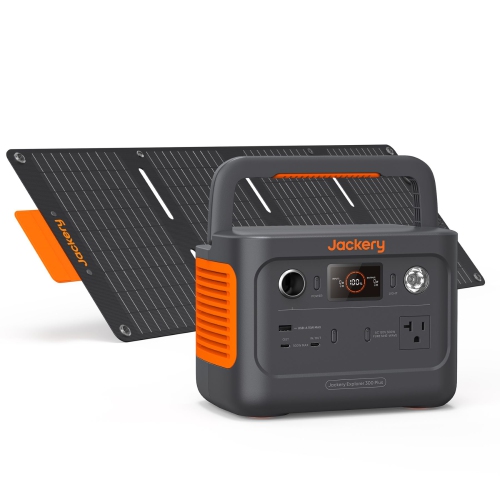
The rest of a backpacking kit supports comfort, navigation and good decision-making over changing terrain and weather. Dress in adaptable layers rather than relying on one heavy garment: a moisture-wicking base layer helps manage perspiration, an insulating mid-layer provides warmth during rest stops, and a waterproof outer layer helps shield against rain and wind. Avoid cotton for active layers because it can stay damp and cool against the skin; instead, consider quick-drying synthetic or wool-based fabrics, along with spare socks and a warm hat or gloves for cooler mornings. Footwear should match the trail, pack weight and personal preference, whether that means supportive trail shoes or lightweight hiking boots. Make sure footwear is broken in before a longer trip, and bring blister care because a small hot spot can become a serious comfort issue after hours of walking. The Ten Essentials remain useful even with modern navigation tools and include illumination, first aid, navigation, sun protection, insulation, fire-starting supplies, repair tools, food, water and emergency shelter. A headlamp with spare batteries or a charged backup, a first-aid kit with blister treatment, a map and compass, a multi-tool, fire starter and emergency blanket can all earn their space when plans change. Power banks and charging cables can support phones or GPS devices, but electronic navigation should complement rather than replace basic route-finding skills. Equipment for backpacking can be a thoughtful gift for a new hiker, a student planning a first overnight trip or an experienced camper preparing for longer routes. For beginners, focus on versatile essentials that are easy to understand and comfortable to use; for seasoned backpackers, accessories that improve organization, warmth, water access or camp cooking may be more valuable. Before purchasing, consider the recipient’s usual trip length, carrying capacity, preferred sleeping style and the conditions they expect to encounter during the warmer and cooler parts of the hiking season. The best setup is one that feels manageable on the walk in, works reliably at camp and helps the hiker stay prepared when a clear afternoon gives way to a chilly, rain-darkened evening.
A warm and comfortable sleep system is just as important as the shelter above it. A sleeping bag or quilt should be rated for the lowest temperatures you expect, with three-season options commonly selected for nights that may approach approximately -7°C, depending on the model and the sleeper’s comfort preferences. Temperature ratings are useful points of comparison, but clothing, humidity, wind and individual sleeping habits also affect how warm a person feels. Pair the bag or quilt with an insulated sleeping pad, paying attention to its R-value, which indicates resistance to heat loss into the ground. An R-value of 3 or higher is a common starting point for three-season trips, while colder conditions may call for more insulation. Packed size, weight, inflation method and sleeping width are worth considering, particularly when every item must fit inside a limited-volume pack. Backpacking cooking equipment should be compact, dependable and simple to use. A small stove, compatible fuel, lightweight pot, cup and utensils can support hot drinks, dehydrated meals, oatmeal and other foods that provide energy without taking up much space. Plan meals around calories, preparation time and water availability, and pack a way to store food securely where local rules require it. Water treatment is another essential part of the kit: a filtration system, purification method or combination of approaches can help turn water from a suitable natural source into drinking water. Carry enough capacity for dry stretches between reliable sources, and remember that filters may require cleaning or protection from freezing. A small repair kit, waterproof storage bags and a compact method for managing waste can help keep routine camp tasks orderly when rain is falling or the nearest flat campsite is still a kilometre away.
The rest of a backpacking kit supports comfort, navigation and good decision-making over changing terrain and weather. Dress in adaptable layers rather than relying on one heavy garment: a moisture-wicking base layer helps manage perspiration, an insulating mid-layer provides warmth during rest stops, and a waterproof outer layer helps shield against rain and wind. Avoid cotton for active layers because it can stay damp and cool against the skin; instead, consider quick-drying synthetic or wool-based fabrics, along with spare socks and a warm hat or gloves for cooler mornings. Footwear should match the trail, pack weight and personal preference, whether that means supportive trail shoes or lightweight hiking boots. Make sure footwear is broken in before a longer trip, and bring blister care because a small hot spot can become a serious comfort issue after hours of walking. The Ten Essentials remain useful even with modern navigation tools and include illumination, first aid, navigation, sun protection, insulation, fire-starting supplies, repair tools, food, water and emergency shelter. A headlamp with spare batteries or a charged backup, a first-aid kit with blister treatment, a map and compass, a multi-tool, fire starter and emergency blanket can all earn their space when plans change. Power banks and charging cables can support phones or GPS devices, but electronic navigation should complement rather than replace basic route-finding skills. Equipment for backpacking can be a thoughtful gift for a new hiker, a student planning a first overnight trip or an experienced camper preparing for longer routes. For beginners, focus on versatile essentials that are easy to understand and comfortable to use; for seasoned backpackers, accessories that improve organization, warmth, water access or camp cooking may be more valuable. Before purchasing, consider the recipient’s usual trip length, carrying capacity, preferred sleeping style and the conditions they expect to encounter during the warmer and cooler parts of the hiking season. The best setup is one that feels manageable on the walk in, works reliably at camp and helps the hiker stay prepared when a clear afternoon gives way to a chilly, rain-darkened evening.
Top selling and popular products
-
 Your price for this item is $109.95
 -
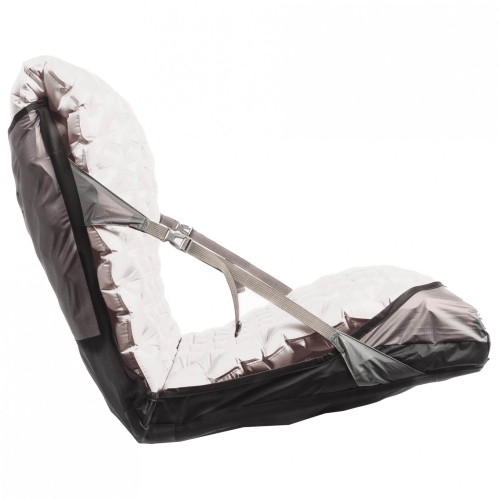 Your price for this item is $89.95
 -
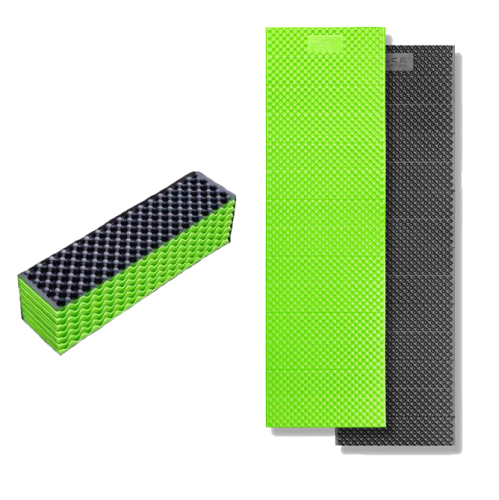 Your price for this item is $39.95
 -
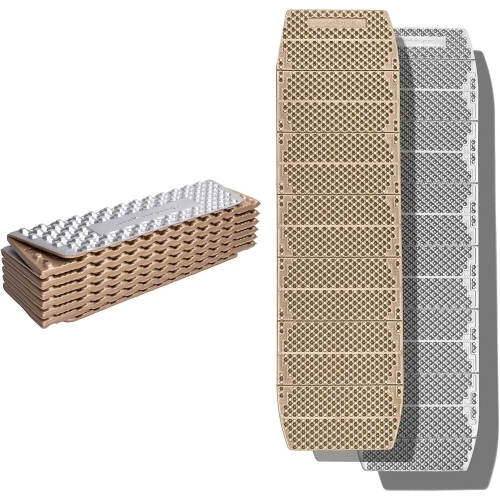 Your price for this item is $59.95
 -
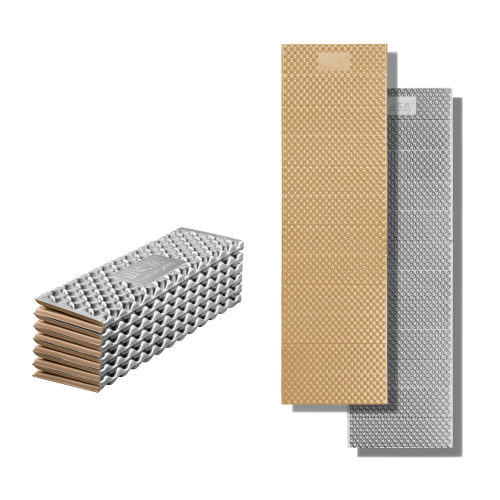 Your price for this item is $75.95
 -
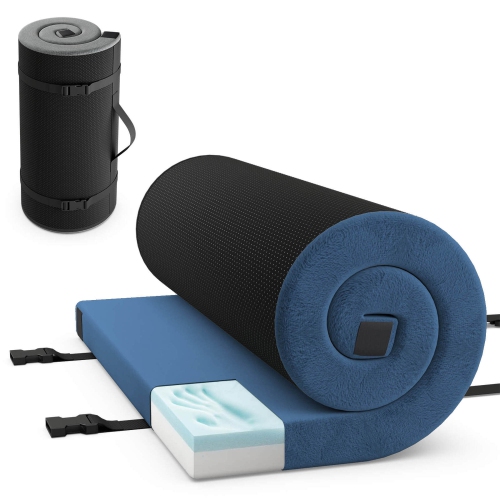 Your price for this item is $108.99
 -
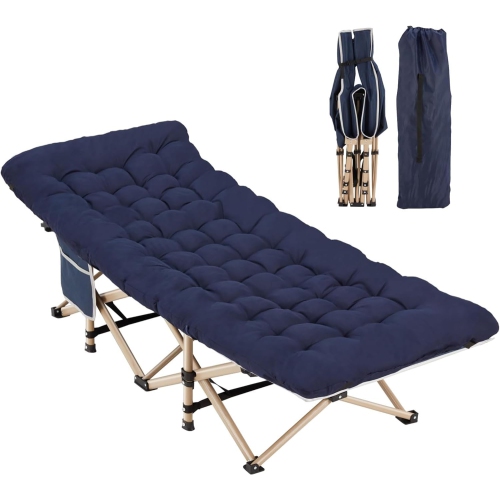 Your price for this item is $106.99
 -
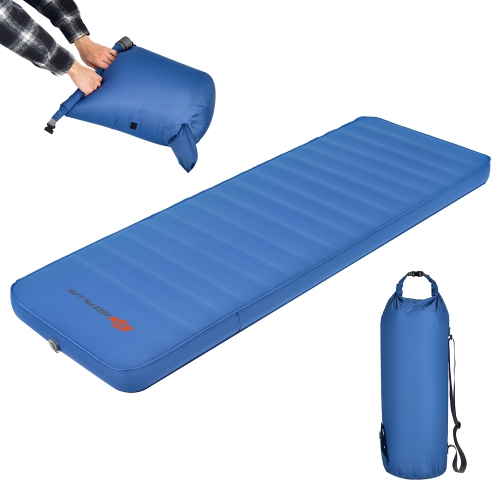 Your price for this item is $107.99
Discover more categories related to Equipment for Backpacking
Top Collections:
Best Laptops for Video Editing, Pokemon Centers, Samsung Z Fold, Kindle Devices, Best Cell Phones Under $300, Best Laptops for Writers, Best Budget Office Chairs, Best Cell Phones Under $500, Best Laptop Computers for Students, iPhone 15 Apple
Some products may be subject to Environmental Handling Fees
(EHF) depending on your province.
Learn more about EHFs.