Freestanding Punching Bags
Looking to enhance your home gym or boxing practice with a versatile and effective piece of equipment? Freestanding punching bags are the perfect addition for anyone looking to improve their strength, speed, and overall fitness levels. Designed to withstand powerful punches and kicks, these durable bags provide a challenging workout while improving your technique and coordination. Whether you're a seasoned athlete or just starting out, freestanding punching bags offer a convenient and efficient way to elevate your training sessions. Browse our selection of freestanding punching bags to find the perfect fit for your fitness goals.
Sort
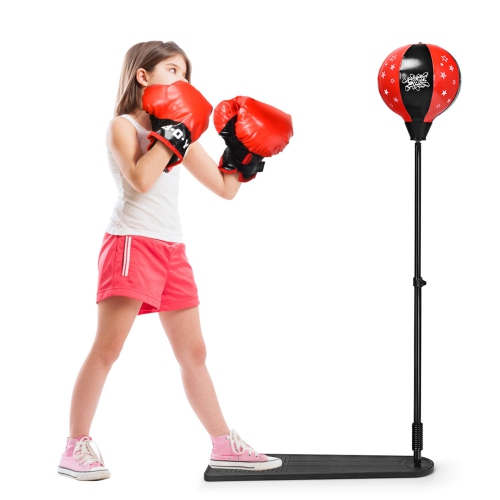
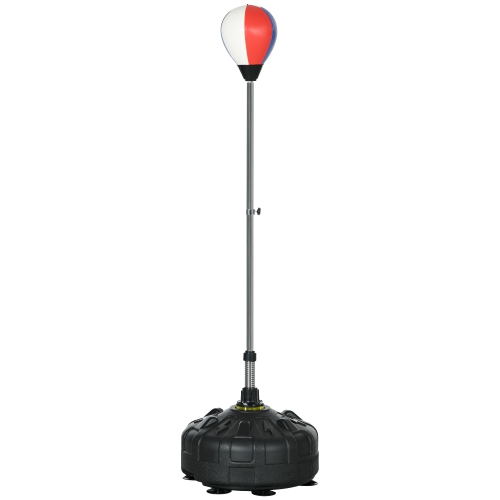
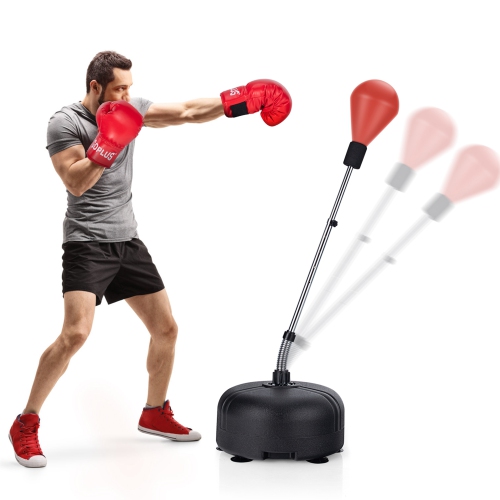
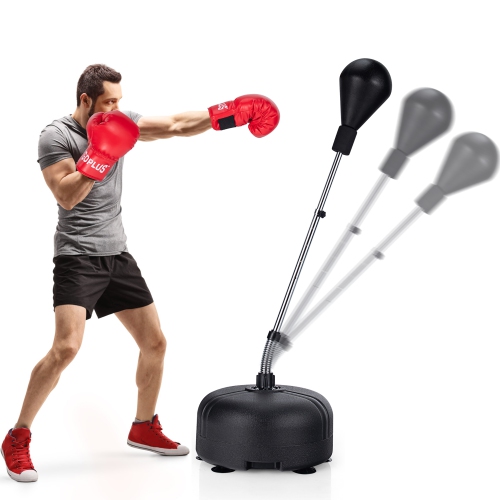
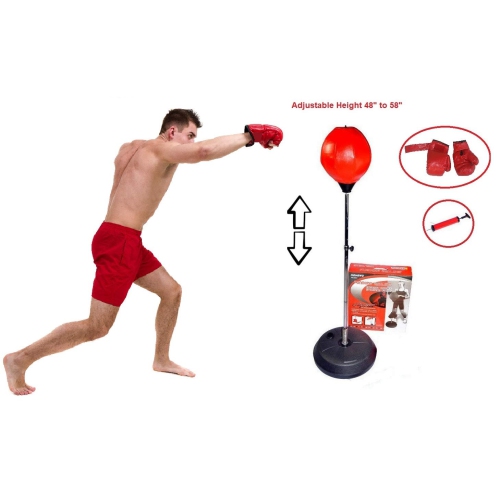
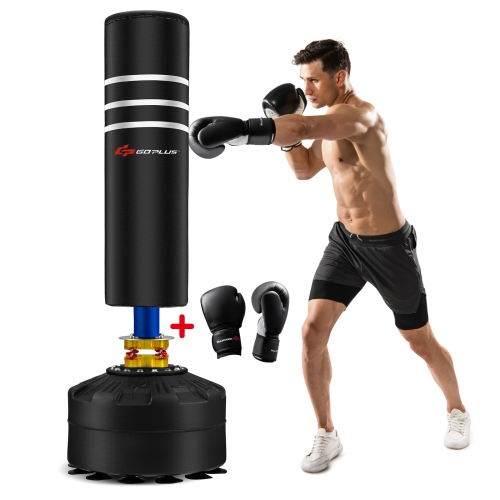
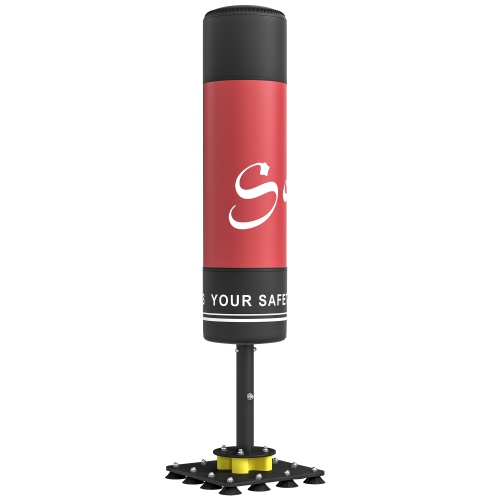
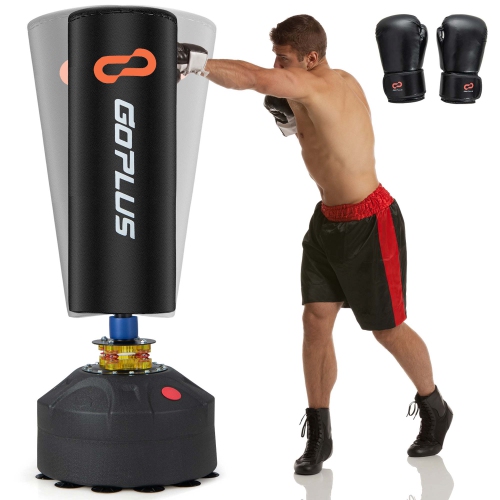
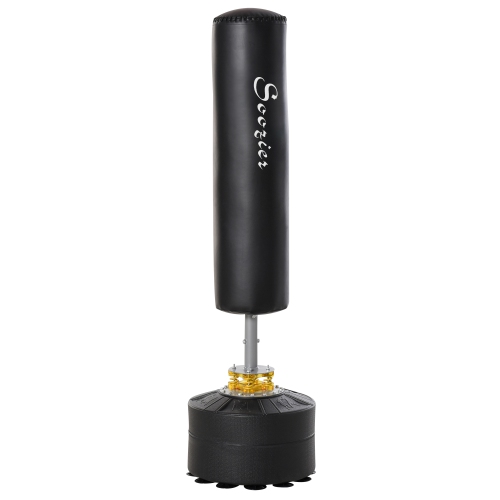
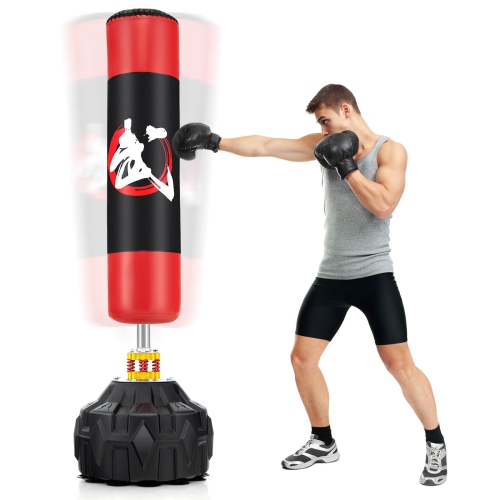
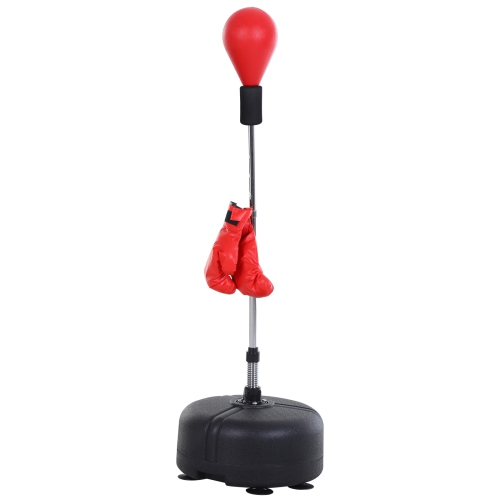
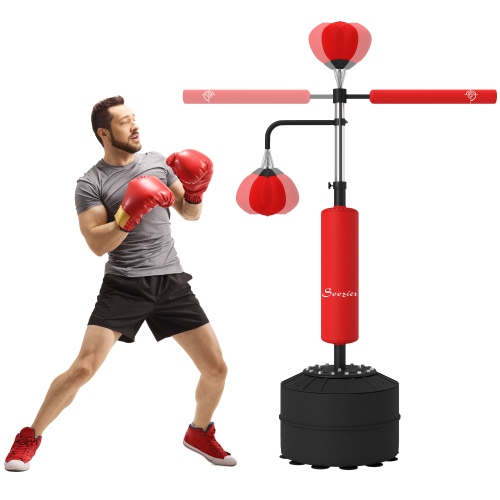
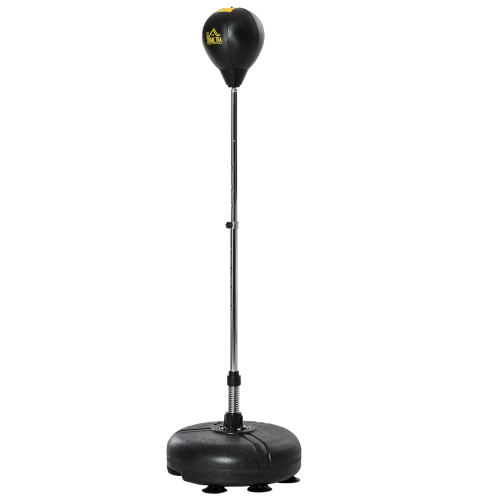
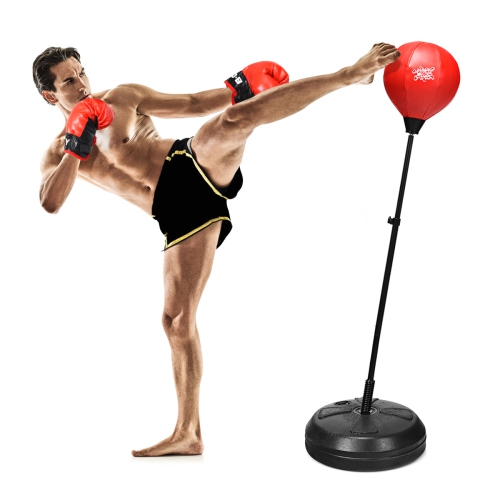
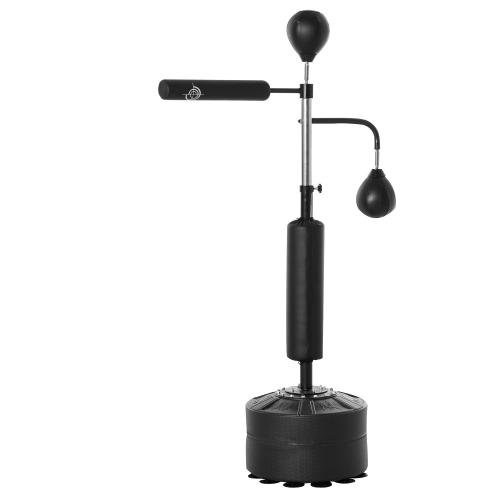
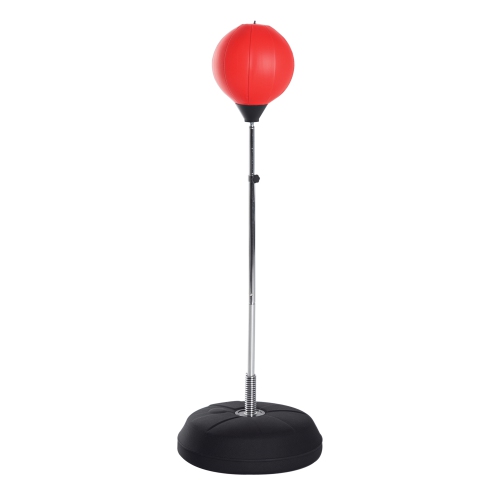
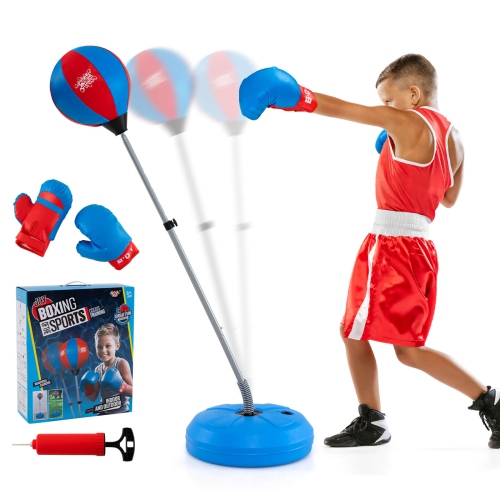

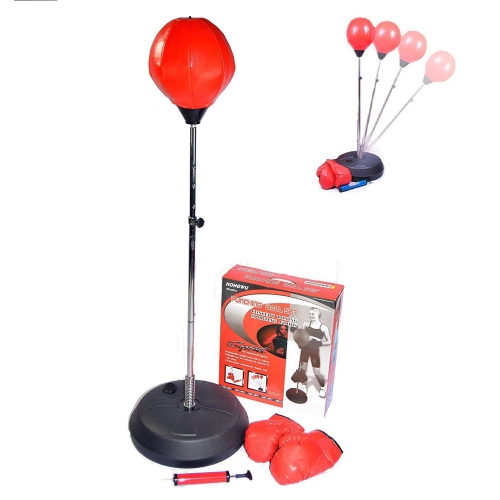
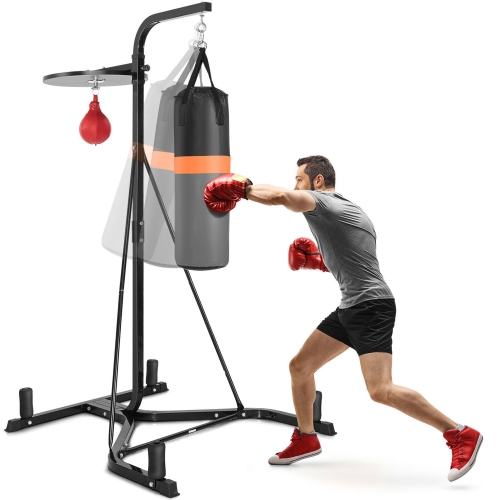
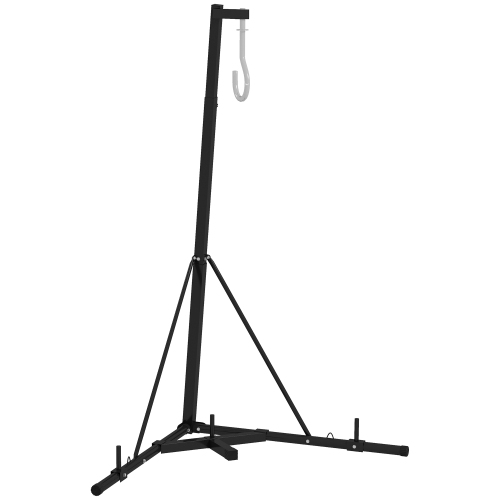
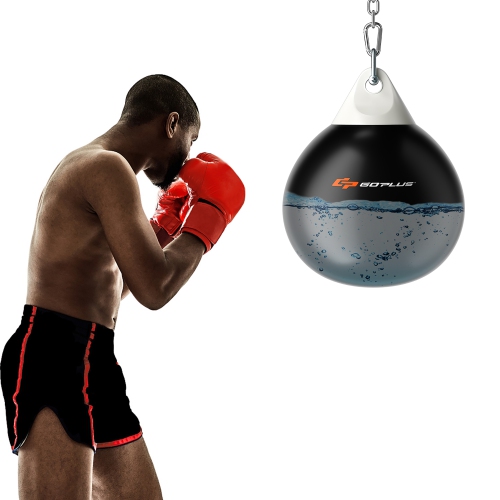
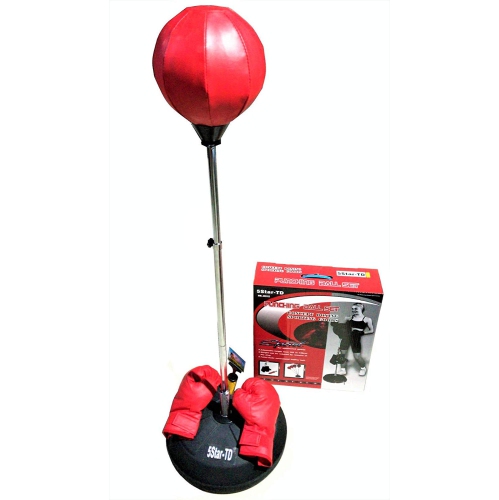
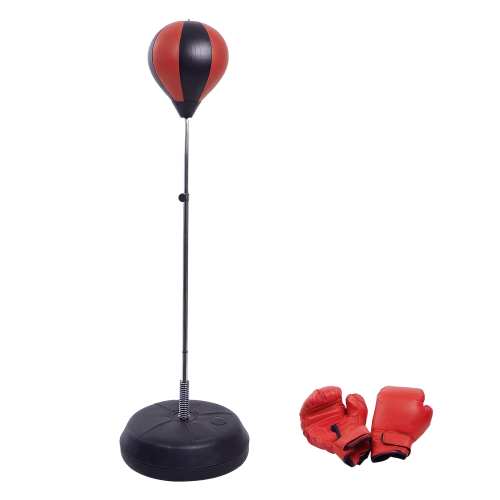
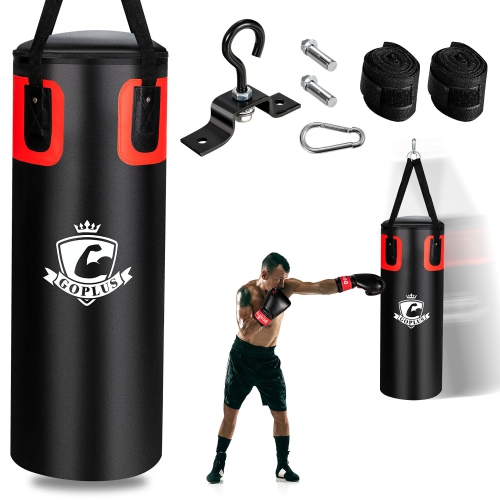
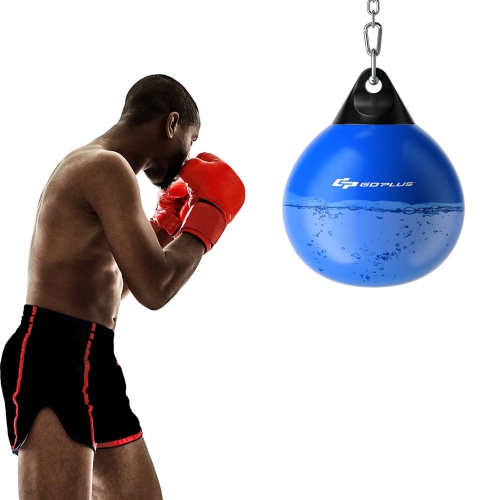
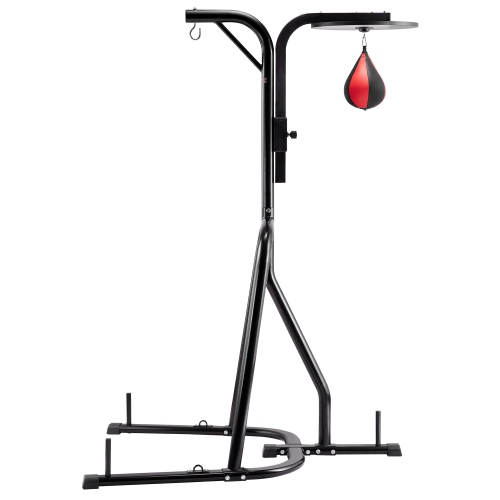
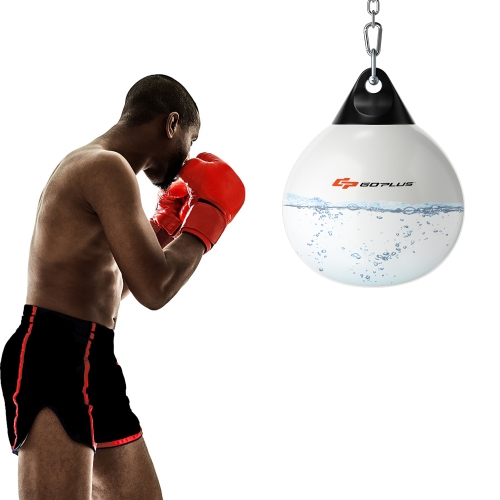
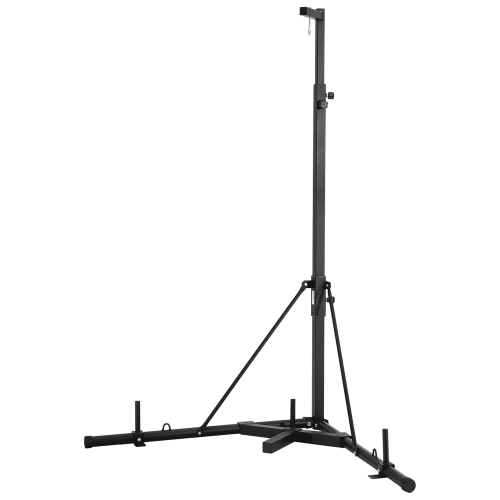
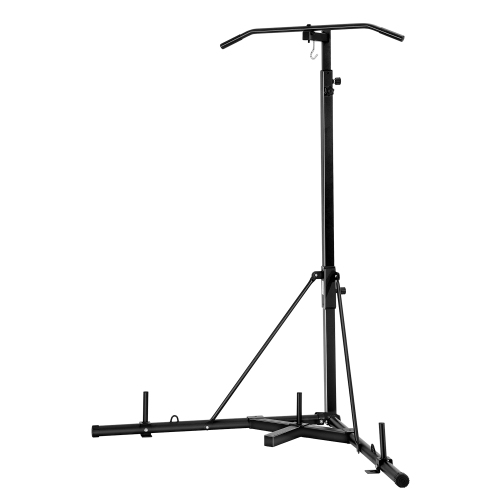
Versatile training that fits home gyms and changing seasons
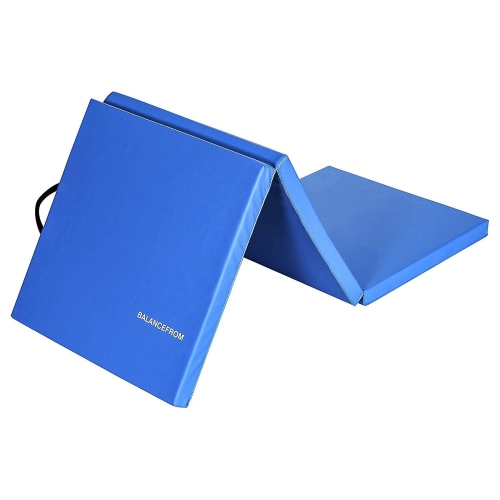
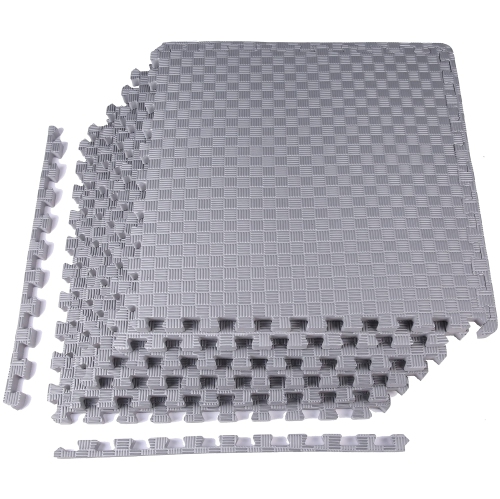
Freestanding punching bags offer a practical way to practise boxing, kickboxing, martial arts techniques, and cardio combinations without attaching equipment to a ceiling or wall. Unlike hanging bags, these models use a hollow, weighted base for stability, making them well suited to home gyms, basements, garages, spare rooms, and other multipurpose spaces. Setup is generally straightforward: assemble the bag, place it on a level surface, and fill the base with water or sand according to the manufacturer’s instructions. Water is convenient when you want to empty and relocate the bag, while sand usually adds more weight and can help reduce sliding during harder sessions. Before choosing a location, measure the available area and leave enough clearance around the bag for footwork, kicks, defensive movement, and safe access. A bag tucked too close to a wall may limit training and could leave marks if it rocks or shifts. A floor mat can also provide extra grip, help protect flooring, and make the training area more comfortable during warmups, stretches, and bodyweight exercises. As the weather warms, a freestanding design can be moved into a garage or covered outdoor area when appropriate; during cooler months, its ability to fit into an indoor training space can make it easier to maintain a regular routine.
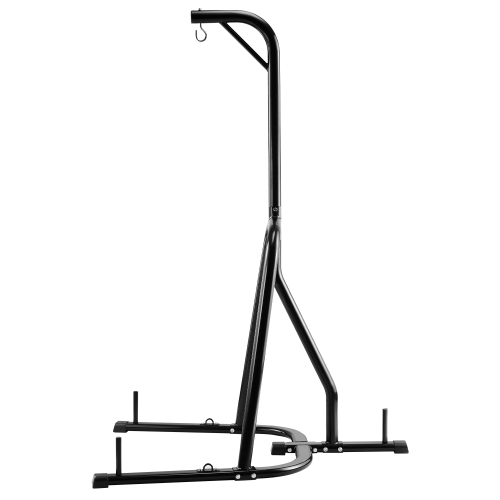
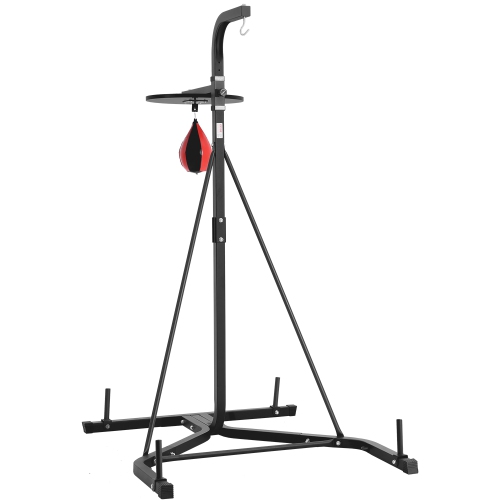
When comparing freestanding punching bags, consider the height, striking surface, base capacity, materials, and intended training style. Taller designs provide more room to work on punches, body shots, roundhouse kicks, and combinations that move from low to high targets. Shorter options may suit children, younger teens, or users who primarily want a compact cardio station, although the bag should always match the user’s height and reach. Look for a striking surface with enough padding for repeated contact, particularly if several people will use the bag or if training sessions include fast combinations. A firm surface can provide useful feedback, but excessive stiffness may feel uncomfortable without properly padded gloves and hand wraps. The base is equally important: a broader, heavier base generally offers greater resistance to movement, while a lighter or partially filled base may be easier to reposition but more likely to rock or “walk” across the floor under powerful strikes. Freestanding bags are especially effective for speed drills, agility work, technique practice, conditioning, and controlled combinations. They can absorb plenty of everyday training, but even a well-filled base may shift during maximum-power strikes, particularly on smooth flooring. If your routine centres on very heavy blows, check the recommended use and construction carefully, and consider whether a fixed training setup or Punching Bag Stands better suits your space and goals. Gloves, hand wraps, suitable footwear, and a clear training area are important additions. Beginners should start with light contact, focus on stance and balance, and increase intensity gradually rather than treating the bag as an outlet for unrestricted power.
A freestanding punching bag can be useful for a wide range of people, from someone building a compact home gym to an experienced athlete adding conditioning work between coached sessions. It can also be a thoughtful gift for a boxing enthusiast, martial arts student, fitness-minded family member, or teenager who enjoys active training at home, provided the recipient has enough room and the bag’s size is appropriate. A typical session might begin with several minutes of light movement, followed by rounds of straight punches, hooks, uppercuts, front kicks, and controlled combinations separated by rest periods. The bag’s movement can encourage better footwork: instead of standing in one place and swinging repeatedly, the user can practise stepping in, changing angles, circling, and returning to a balanced stance. It also works well for interval training, such as alternating quick combinations with lower-intensity movement, making the equipment useful even for people who are more interested in general fitness than competitive boxing. Keep the base filled to the recommended level, inspect the fasteners and surface regularly, and give the bag enough room to move without contacting furniture, shelving, windows, or other equipment. Children and beginners should train with appropriate supervision, and everyone should use proper technique to protect the wrists, elbows, shoulders, knees, and ankles. With the right placement and realistic expectations, freestanding punching bags provide an accessible, versatile training station that can support short daily workouts, longer skill sessions, and active routines throughout the changing seasons.
When comparing freestanding punching bags, consider the height, striking surface, base capacity, materials, and intended training style. Taller designs provide more room to work on punches, body shots, roundhouse kicks, and combinations that move from low to high targets. Shorter options may suit children, younger teens, or users who primarily want a compact cardio station, although the bag should always match the user’s height and reach. Look for a striking surface with enough padding for repeated contact, particularly if several people will use the bag or if training sessions include fast combinations. A firm surface can provide useful feedback, but excessive stiffness may feel uncomfortable without properly padded gloves and hand wraps. The base is equally important: a broader, heavier base generally offers greater resistance to movement, while a lighter or partially filled base may be easier to reposition but more likely to rock or “walk” across the floor under powerful strikes. Freestanding bags are especially effective for speed drills, agility work, technique practice, conditioning, and controlled combinations. They can absorb plenty of everyday training, but even a well-filled base may shift during maximum-power strikes, particularly on smooth flooring. If your routine centres on very heavy blows, check the recommended use and construction carefully, and consider whether a fixed training setup or Punching Bag Stands better suits your space and goals. Gloves, hand wraps, suitable footwear, and a clear training area are important additions. Beginners should start with light contact, focus on stance and balance, and increase intensity gradually rather than treating the bag as an outlet for unrestricted power.
A freestanding punching bag can be useful for a wide range of people, from someone building a compact home gym to an experienced athlete adding conditioning work between coached sessions. It can also be a thoughtful gift for a boxing enthusiast, martial arts student, fitness-minded family member, or teenager who enjoys active training at home, provided the recipient has enough room and the bag’s size is appropriate. A typical session might begin with several minutes of light movement, followed by rounds of straight punches, hooks, uppercuts, front kicks, and controlled combinations separated by rest periods. The bag’s movement can encourage better footwork: instead of standing in one place and swinging repeatedly, the user can practise stepping in, changing angles, circling, and returning to a balanced stance. It also works well for interval training, such as alternating quick combinations with lower-intensity movement, making the equipment useful even for people who are more interested in general fitness than competitive boxing. Keep the base filled to the recommended level, inspect the fasteners and surface regularly, and give the bag enough room to move without contacting furniture, shelving, windows, or other equipment. Children and beginners should train with appropriate supervision, and everyone should use proper technique to protect the wrists, elbows, shoulders, knees, and ankles. With the right placement and realistic expectations, freestanding punching bags provide an accessible, versatile training station that can support short daily workouts, longer skill sessions, and active routines throughout the changing seasons.
Top selling and popular products
-
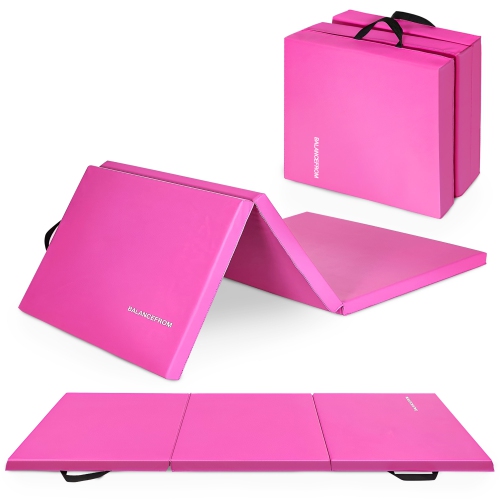 Your price for this item is $79.99
 -
 Your price for this item is $79.99
 -
 Your price for this item is $49.97
 -
 Your price for this item is $113.99
 -
 Your price for this item is $89.99
 -
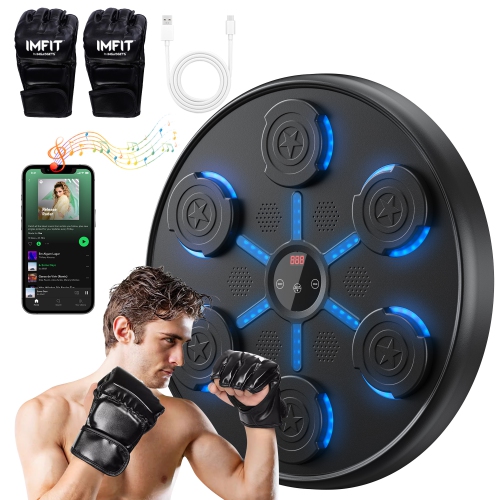 Your price for this item is $99.97
 -
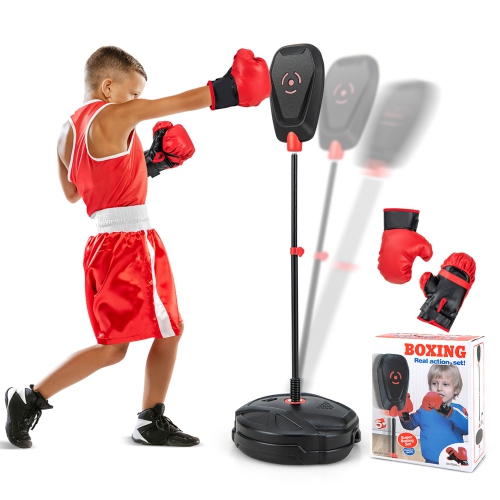 Your price for this item is $55.99
 -
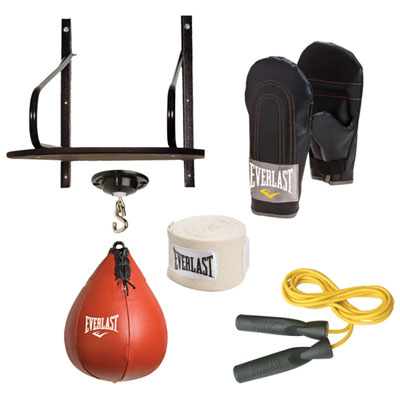 Your price for this item is $119.98
Discover more categories related to Freestanding Punching Bags
Top Collections:
Pokemon Centers, Kindle Devices, Best Budget Office Chairs, Apple iPhones 16, Best Laptops for Writers, iPhone 15 Apple, Canon G7X Cameras, Refurbished Apple Laptops, Alarm Clock, Motorola Razr Phones
Some products may be subject to Environmental Handling Fees
(EHF) depending on your province.
Learn more about EHFs.