Golf Cart Accessories
Enhance your golfing experience with our wide selection of top-notch golf cart accessories. From practical add-ons to stylish upgrades, we have everything you need to customize your ride and make a statement on the course. Whether you're looking to improve functionality, increase comfort, or simply add a touch of personal flair, our range of accessories is sure to cater to your needs. Explore our collection today and take your golf cart to the next level!
Sort
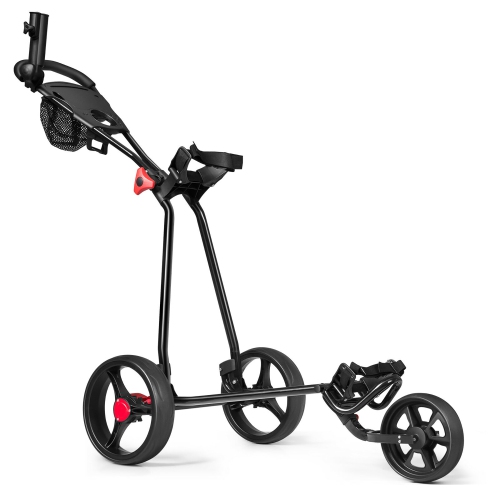
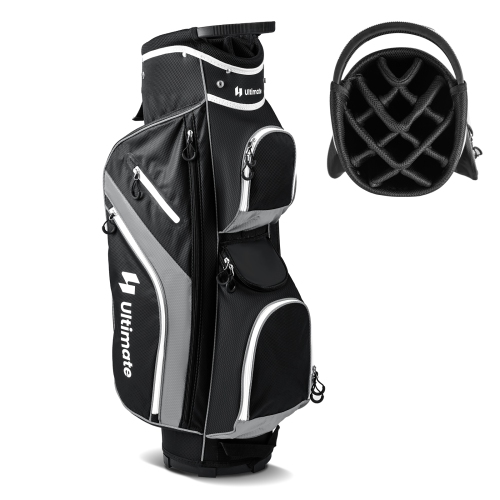
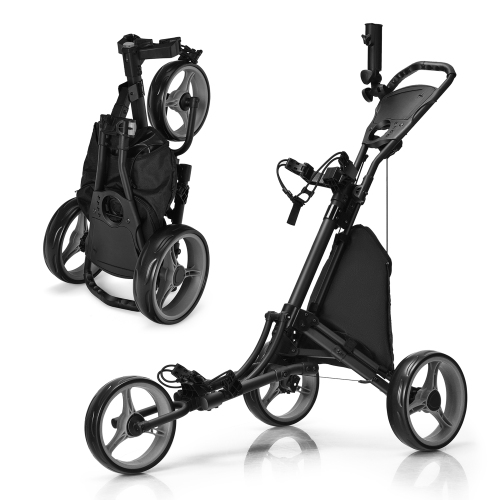
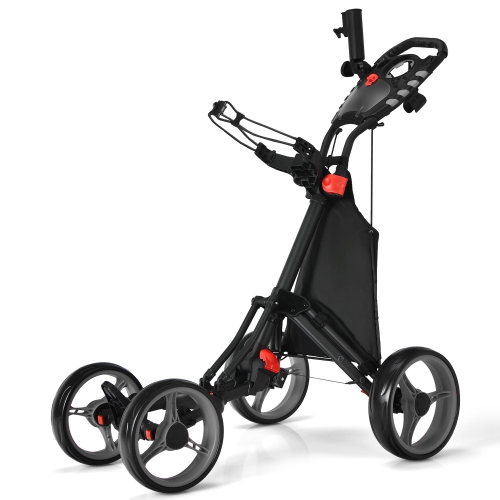
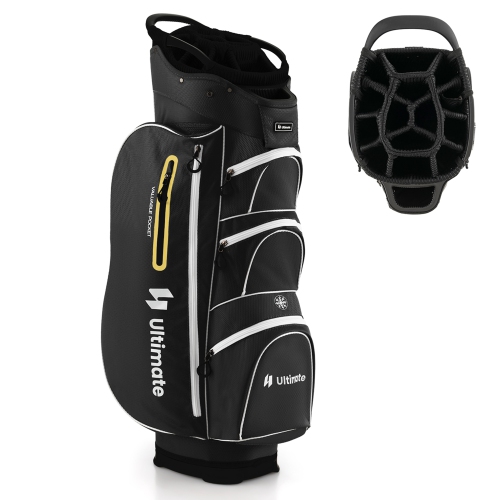
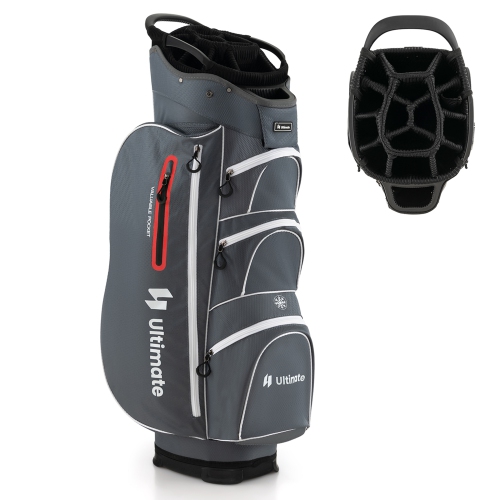
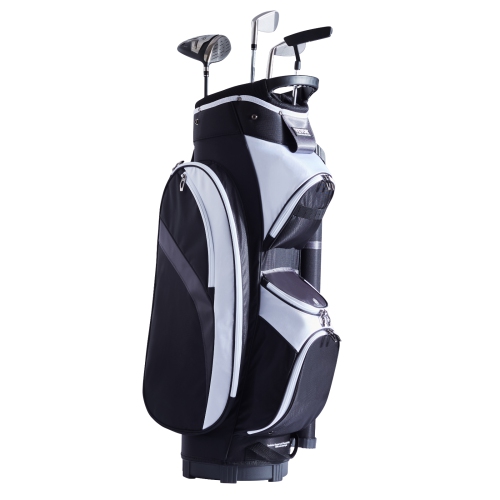
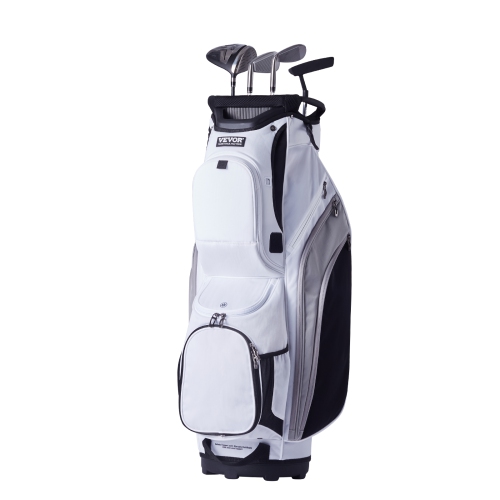
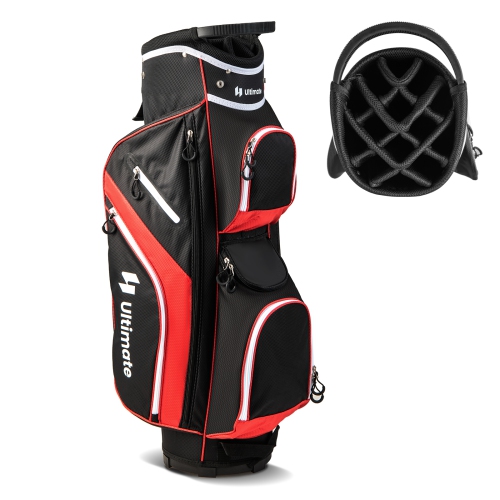
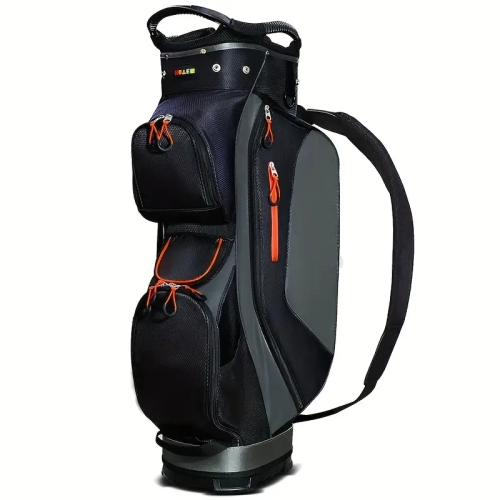
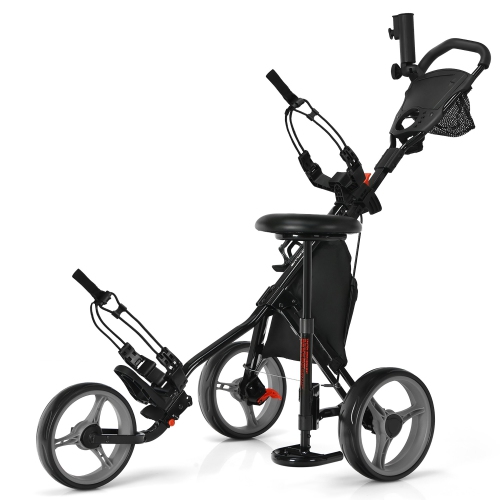
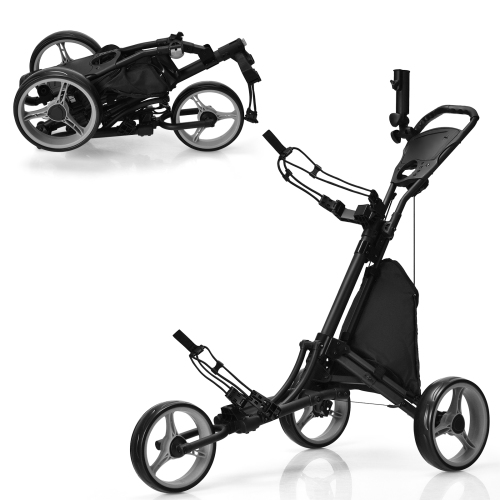
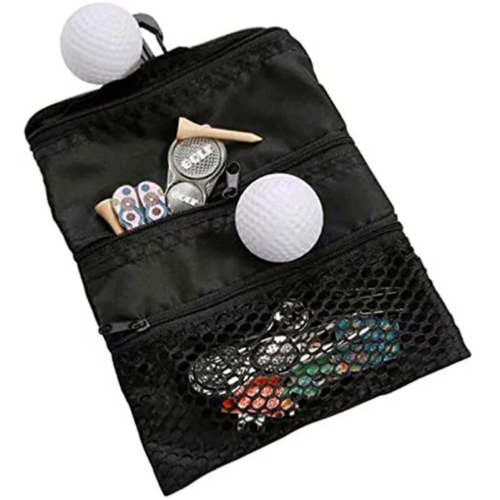
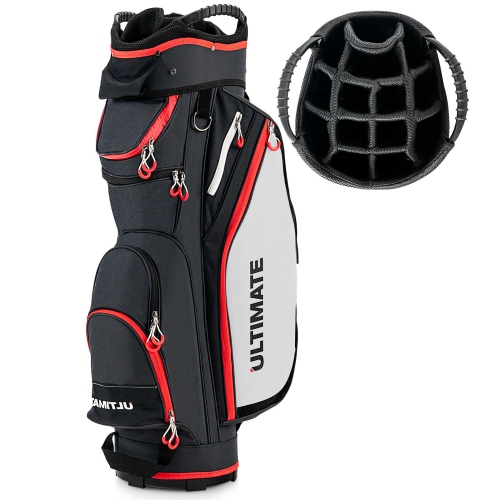
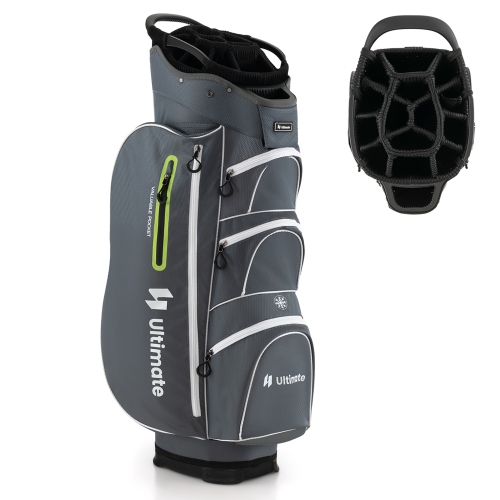
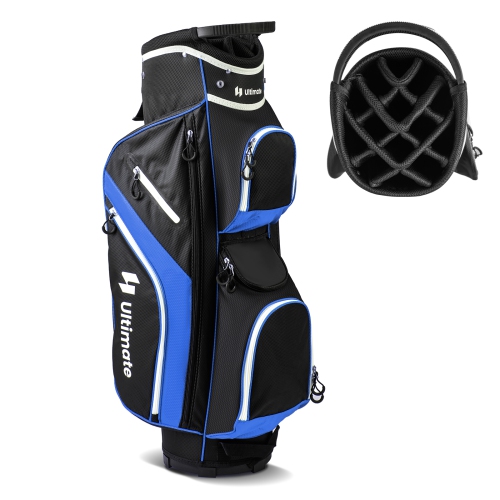
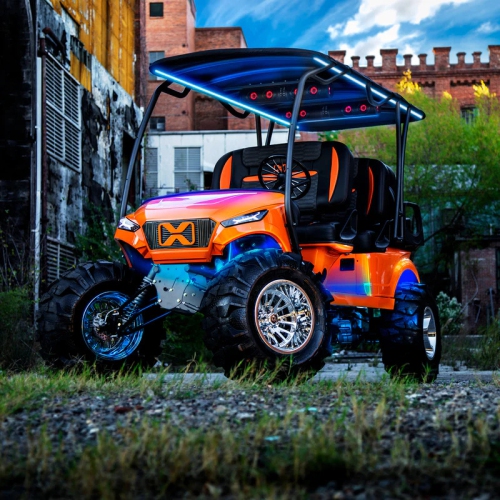
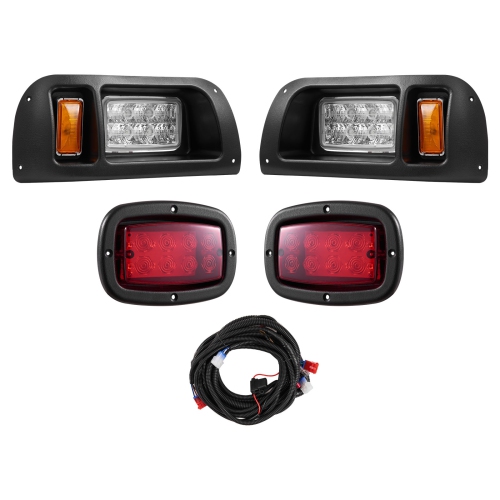
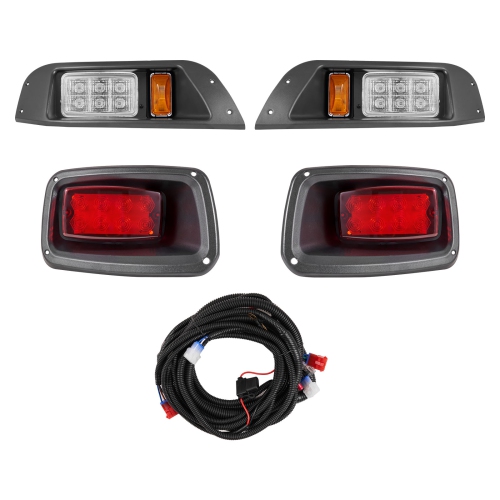
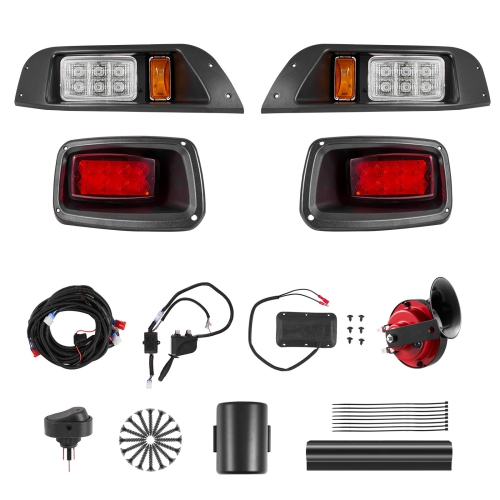
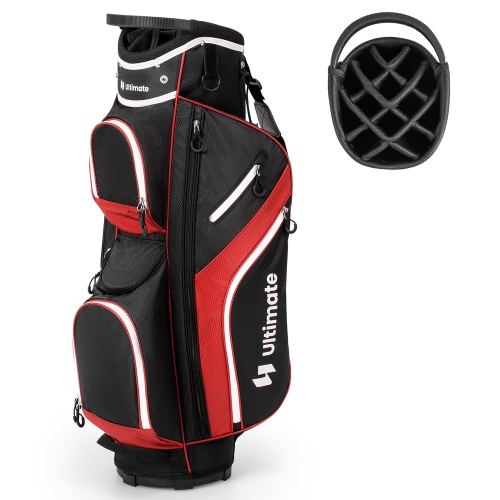
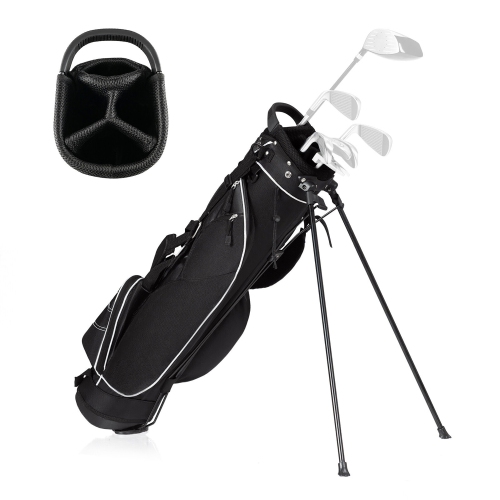
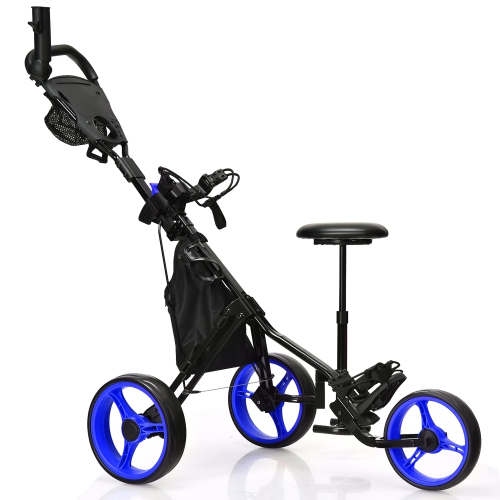
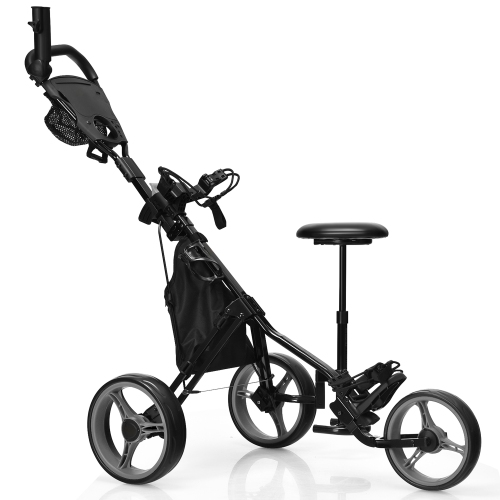
The right fit for golf rounds and supply runs
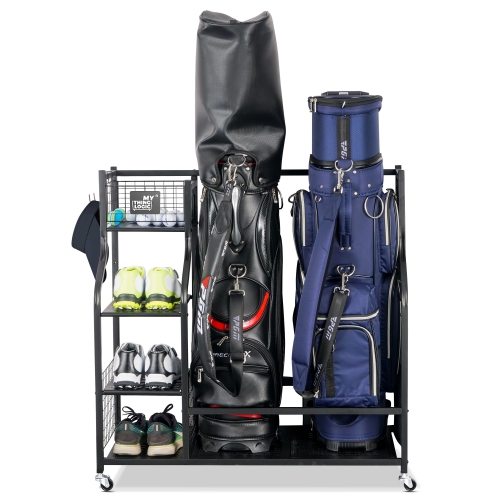
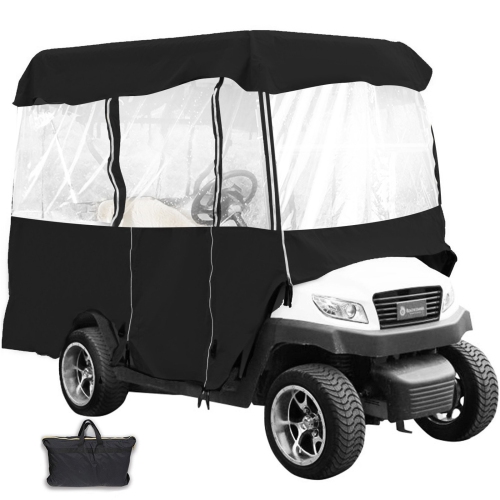
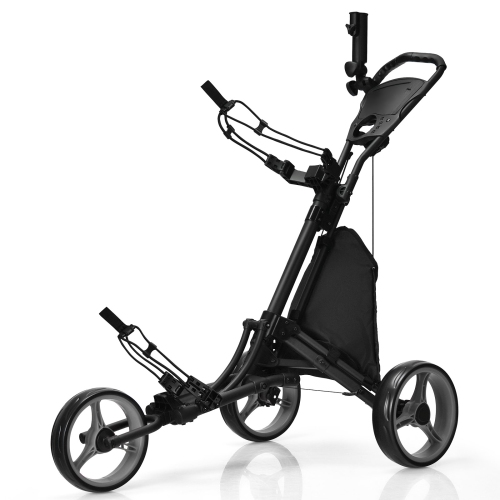
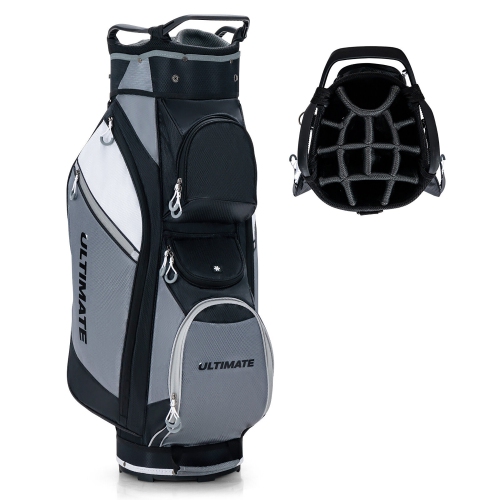
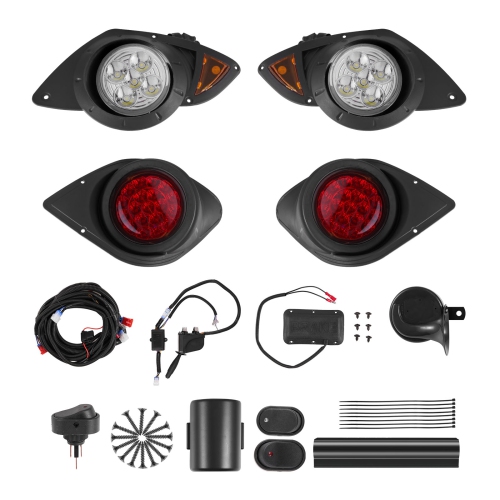
Golf cart accessories add storage, comfort, visibility, and practical features to the small vehicles used on golf courses, private properties, and other permitted routes. The category includes lighting kits, mirrors, windshields, seat accessories, storage organizers, protective covers, and components that change passenger or cargo capacity. Each serves a different purpose: a secure bag attachment keeps clubs organized between holes, an accessible storage compartment gives personal belongings a dedicated place, and a properly positioned mirror helps the driver monitor the space around the cart. For golfers, useful additions often centre on keeping scorecards, tees, towels, and drinks within reach without crowding the seating area. For property owners or facility staff, the emphasis may be on carrying supplies, keeping frequently used tools organized, or making repeated stops more convenient. Accessories for ride-on golf carts are distinct from those designed for walking golf trolleys, so the intended vehicle matters as much as the feature itself. Compatibility usually depends on the cart’s manufacturer, model, production year, body configuration, and mounting points. Two carts with a similar silhouette can have different roof supports, dashboard layouts, or seat dimensions, which affects how an accessory attaches and how much room it occupies. Whether the vehicle uses petrol or electric power also matters for certain parts, especially electrical components and fittings near the power system. An electric golf cart provides the vehicle platform, while compatible accessories adapt its layout to the way it is used. A practical setup leaves the driver’s controls unobstructed, keeps loose belongings contained, and allows passengers to enter and exit comfortably. The strongest match is not necessarily the accessory with the most features, but the one that fits the cart correctly and supports a familiar task, whether that means retrieving a golf ball without searching through a bag or carrying equipment securely across a property. Small details such as reachable fasteners, a stable mounting bracket, and sufficient clearance around moving parts can make a noticeable difference during everyday use.
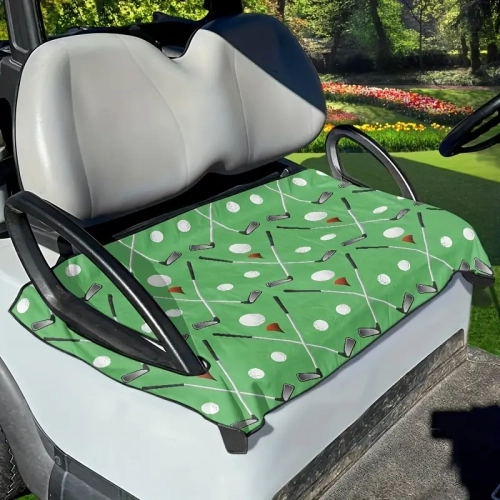
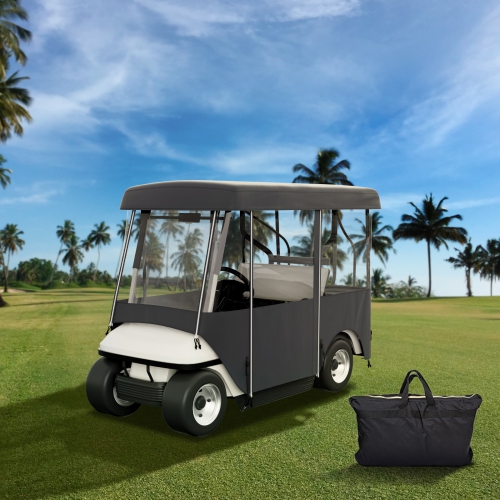
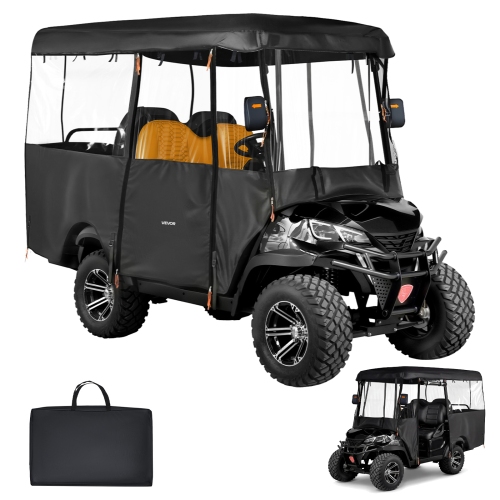
Materials and construction shape how golf cart accessories feel, function, and hold up to repeated handling. Moulded plastics are common in trays and organizers because they can provide defined compartments with relatively little added weight, while metal brackets offer firm attachment points for accessories that need a more rigid mount. Powder-coated steel and aluminium are often used in structural components, although material alone does not establish strength or carrying capacity; design, hardware, and the manufacturer’s stated limits remain important. Seat coverings may use coated fabrics or vinyl surfaces that are easy to wipe clean, with stitching, edge finishing, and attachment straps affecting how neatly the cover stays in place. A close-fitting cover should accommodate the seat’s shape without bunching beneath passengers or interfering with hinges and handles. For fitted storage covers, dimensions need to account for the roof, rear seating, and any attached equipment rather than just the main body of the cart. Windshields commonly use acrylic or polycarbonate, with different balances of clarity, impact resistance, and surface hardness depending on their construction and coating. Folding designs also need enough clearance to open and latch as intended. Mirrors are most useful when their mounting position suits the driver’s sightline and the joint holds its adjustment through normal cart movement. Storage accessories benefit from smooth edges, secure closures, and layouts that separate small valuables from heavier equipment. A compartment intended for a phone, for example, should keep it from sliding against keys or getting trapped beneath other belongings. Care requirements vary by material: abrasive cleaners can mark clear panels, unsuitable chemicals can damage upholstery, and trapped grit can wear contact surfaces beneath straps or covers. Manufacturer-approved cleaning methods help preserve finishes and attachment points. Regular attention to loose fasteners, worn straps, damaged seams, and cracked brackets also helps identify accessories that need adjustment or replacement. Easy access for cleaning and inspection is a useful quality in its own right, particularly on carts shared by several people.
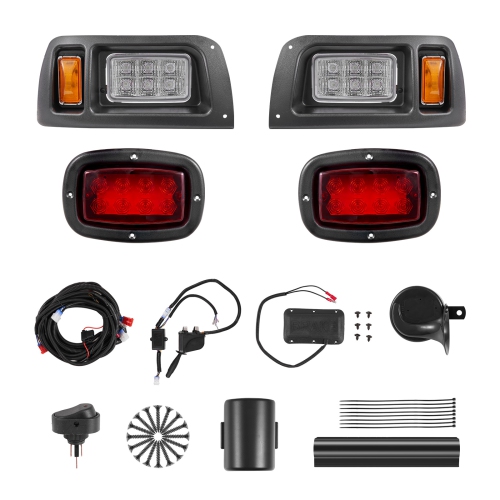
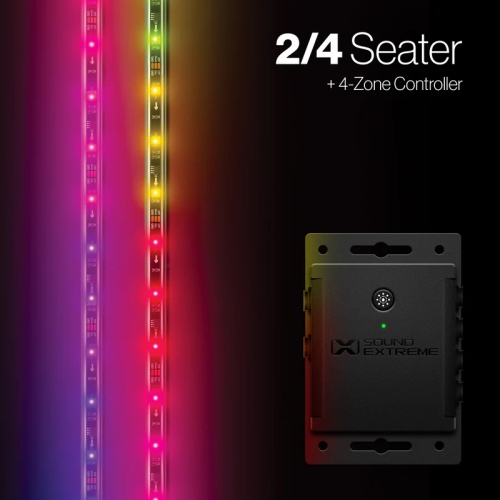
Larger golf cart upgrades affect more than appearance, making their intended use and installation requirements especially important. Rear seat kits can add passenger positions when designed for a compatible cart, and some configurations incorporate a platform for carrying cargo. That change does not automatically increase the vehicle’s permitted load: passengers, bags, accessories, and equipment all contribute to total weight, which must stay within the applicable limits. Proper foot support, secure handholds, and any manufacturer-specified restraints are important parts of a passenger setup. Cargo needs secure attachment as well, with weight positioned according to the vehicle’s guidance rather than concentrated at the back. Lift kits alter suspension geometry and may provide clearance for larger tires, but they can also change handling, entry height, and stability. Their suitability depends on the complete vehicle configuration, including wheel clearance, steering movement, braking requirements, and the surfaces where the cart is used. Lighting kits may include headlights, tail lights, turn signals, or other visibility features, but adding lights does not by itself make a golf cart legal for public-road use. Access rules and required equipment depend on local regulations and the location in which the vehicle operates. Electrical compatibility is another key distinction: an accessory’s required input voltage must match the approved supply arrangement, and some installations require an appropriate voltage reducer, protected wiring, and professional fitting. Cables should remain clear of pedals, steering components, hinges, and other moving parts. Less involved additions can still make thoughtful gifts for golfers, cart owners, or people who regularly use a cart for work, especially when the vehicle details and recipient’s routine are known. A golfer who likes an uncluttered seating area may value compact organization, while someone transporting supplies may place greater importance on secure cargo storage. Colour, texture, and finish can give these additions a coordinated appearance, but dependable fit and straightforward use are what make them part of the daily routine. Well-matched golf cart accessories support the vehicle’s intended role without compromising access, visibility, or the operating limits established by its manufacturer.
Materials and construction shape how golf cart accessories feel, function, and hold up to repeated handling. Moulded plastics are common in trays and organizers because they can provide defined compartments with relatively little added weight, while metal brackets offer firm attachment points for accessories that need a more rigid mount. Powder-coated steel and aluminium are often used in structural components, although material alone does not establish strength or carrying capacity; design, hardware, and the manufacturer’s stated limits remain important. Seat coverings may use coated fabrics or vinyl surfaces that are easy to wipe clean, with stitching, edge finishing, and attachment straps affecting how neatly the cover stays in place. A close-fitting cover should accommodate the seat’s shape without bunching beneath passengers or interfering with hinges and handles. For fitted storage covers, dimensions need to account for the roof, rear seating, and any attached equipment rather than just the main body of the cart. Windshields commonly use acrylic or polycarbonate, with different balances of clarity, impact resistance, and surface hardness depending on their construction and coating. Folding designs also need enough clearance to open and latch as intended. Mirrors are most useful when their mounting position suits the driver’s sightline and the joint holds its adjustment through normal cart movement. Storage accessories benefit from smooth edges, secure closures, and layouts that separate small valuables from heavier equipment. A compartment intended for a phone, for example, should keep it from sliding against keys or getting trapped beneath other belongings. Care requirements vary by material: abrasive cleaners can mark clear panels, unsuitable chemicals can damage upholstery, and trapped grit can wear contact surfaces beneath straps or covers. Manufacturer-approved cleaning methods help preserve finishes and attachment points. Regular attention to loose fasteners, worn straps, damaged seams, and cracked brackets also helps identify accessories that need adjustment or replacement. Easy access for cleaning and inspection is a useful quality in its own right, particularly on carts shared by several people.
Larger golf cart upgrades affect more than appearance, making their intended use and installation requirements especially important. Rear seat kits can add passenger positions when designed for a compatible cart, and some configurations incorporate a platform for carrying cargo. That change does not automatically increase the vehicle’s permitted load: passengers, bags, accessories, and equipment all contribute to total weight, which must stay within the applicable limits. Proper foot support, secure handholds, and any manufacturer-specified restraints are important parts of a passenger setup. Cargo needs secure attachment as well, with weight positioned according to the vehicle’s guidance rather than concentrated at the back. Lift kits alter suspension geometry and may provide clearance for larger tires, but they can also change handling, entry height, and stability. Their suitability depends on the complete vehicle configuration, including wheel clearance, steering movement, braking requirements, and the surfaces where the cart is used. Lighting kits may include headlights, tail lights, turn signals, or other visibility features, but adding lights does not by itself make a golf cart legal for public-road use. Access rules and required equipment depend on local regulations and the location in which the vehicle operates. Electrical compatibility is another key distinction: an accessory’s required input voltage must match the approved supply arrangement, and some installations require an appropriate voltage reducer, protected wiring, and professional fitting. Cables should remain clear of pedals, steering components, hinges, and other moving parts. Less involved additions can still make thoughtful gifts for golfers, cart owners, or people who regularly use a cart for work, especially when the vehicle details and recipient’s routine are known. A golfer who likes an uncluttered seating area may value compact organization, while someone transporting supplies may place greater importance on secure cargo storage. Colour, texture, and finish can give these additions a coordinated appearance, but dependable fit and straightforward use are what make them part of the daily routine. Well-matched golf cart accessories support the vehicle’s intended role without compromising access, visibility, or the operating limits established by its manufacturer.
Top selling and popular products
-
 Your price for this item is $699.99
 -
 Your price for this item is $7249.99
 -
 Your price for this item is $2249.95
 -
 Your price for this item is $250
 -
 Your price for this item is $1003.99
 -
 Your price for this item is $448.99
 -
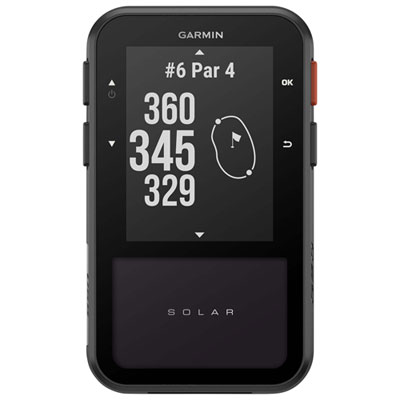 Your price for this item is $439.99
 -
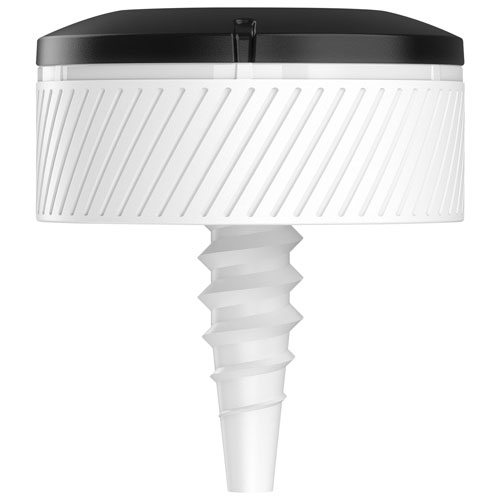 Your price for this item is $119.99
Discover more categories related to Golf Cart Accessories
Top Collections:
Pokemon Centers, Kindle Devices, Best Budget Office Chairs, Apple iPhones 16, Best Laptops for Writers, iPhone 15 Apple, Canon G7X Cameras, Refurbished Apple Laptops, Alarm Clock, Motorola Razr Phones
Some products may be subject to Environmental Handling Fees
(EHF) depending on your province.
Learn more about EHFs.