Green Scooters
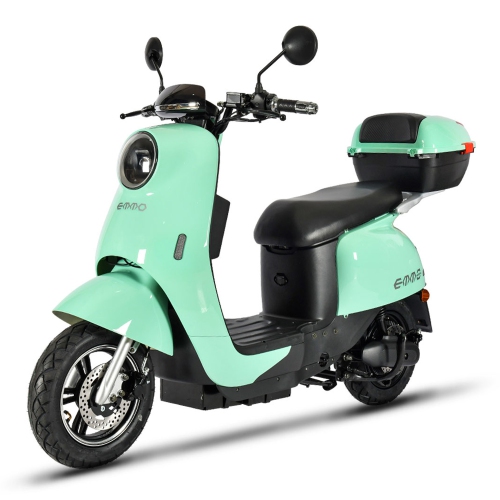
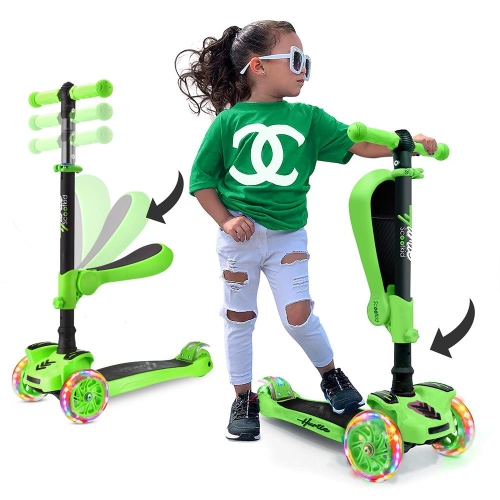
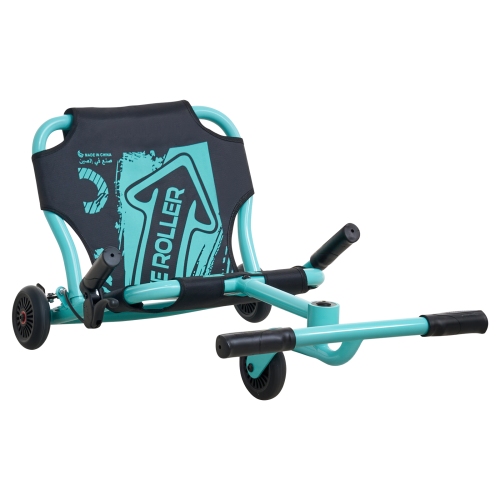
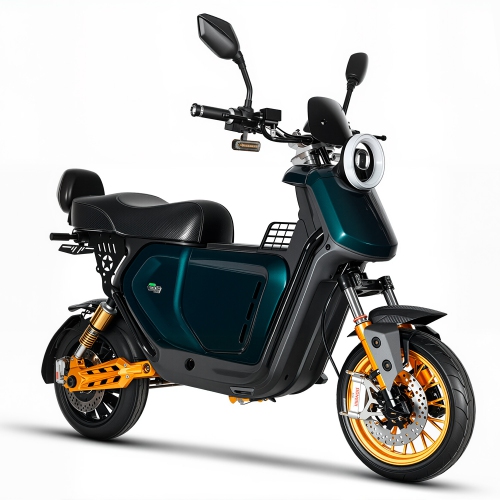
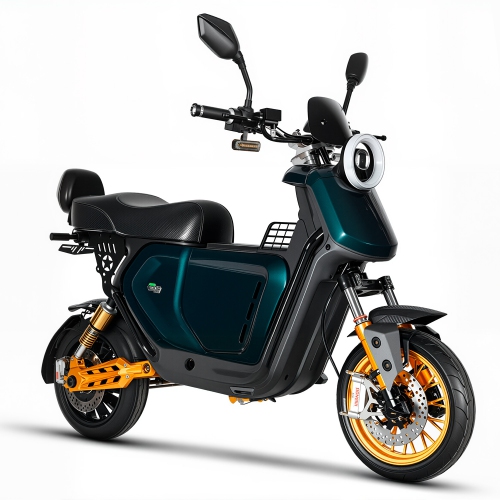
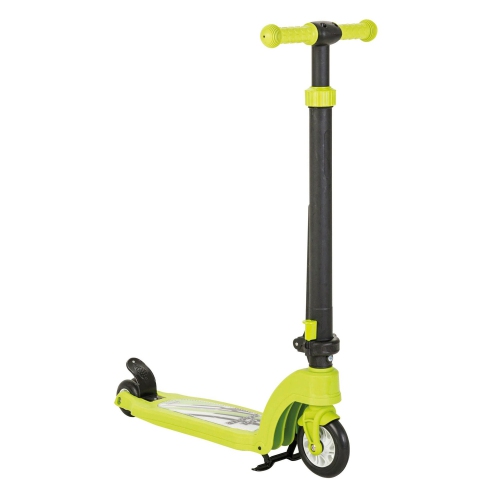
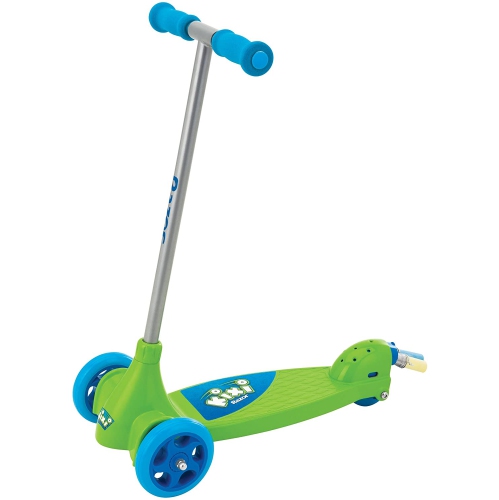
Looking to add a pop of vibrant color to your weekend adventures? Look no further than our collection of green scooters. Whether you're zipping through city streets or exploring scenic trails, these sleek and stylish scooters in various shades of green are sure to turn heads. With their cool designs and efficient performance, our green scooters offer a fun and sustainable way to get around town. Explore our wide range of options and find the perfect green scooter that matches your style and needs.
Sort





The right scooter goes beyond its green finish
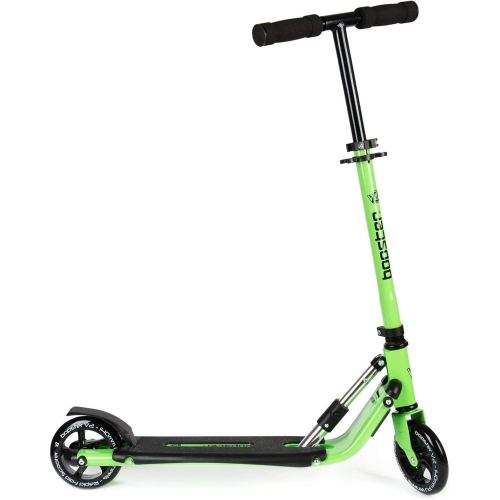
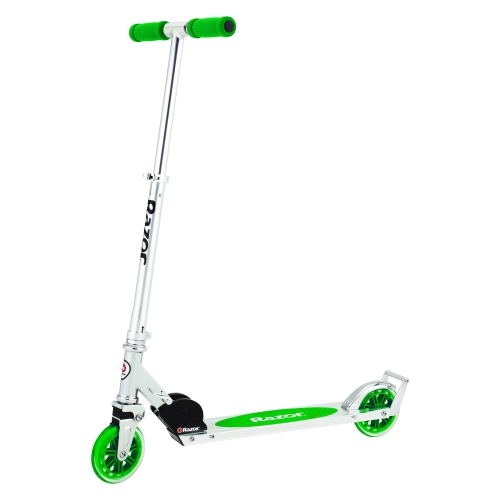
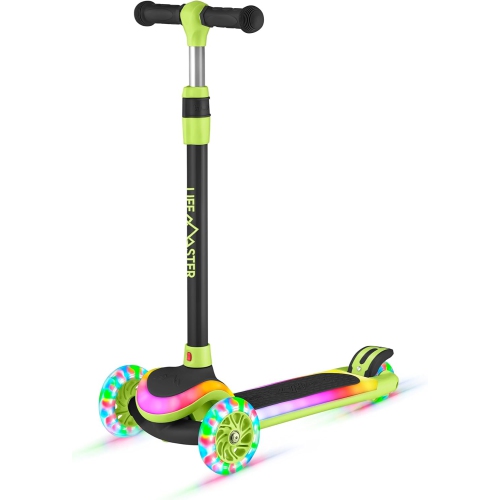
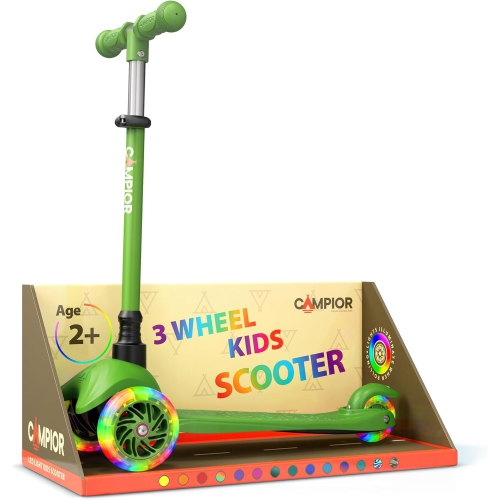
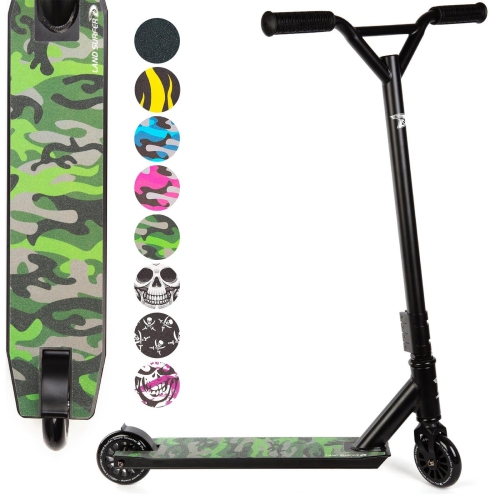
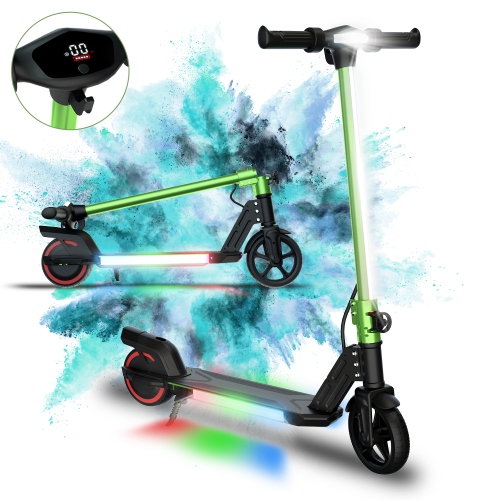
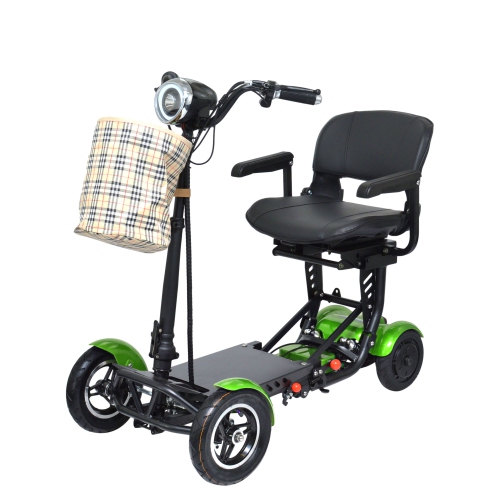
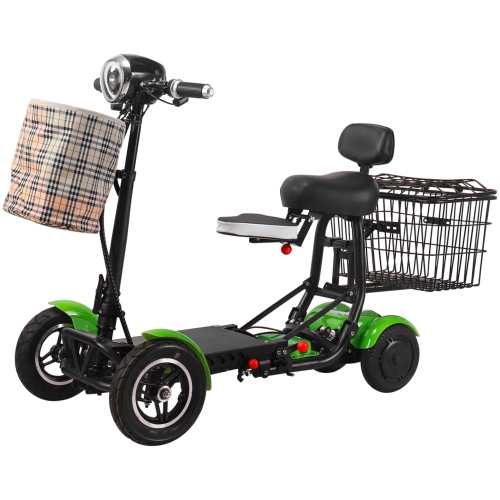
Green scooters are scooters with green colouring on the frame, deck, handlebar stem, or other visible components. The term can also appear in searches for shared electric scooter rentals, but a retail collection centres on scooters for personal ownership rather than app-based hire. Within that collection, colour is a starting point: the more important distinctions are how a scooter is powered, who it is designed for, and where it will be used. A kick scooter moves through the rider’s own pushing motion, while an electric scooter uses a battery and motor to assist travel. Depending on the design, green scooters can suit children learning to balance, older riders enjoying recreational outings, or adults travelling short distances where local rules permit. Shades ranging from vivid lime to deeper forest green create quite different looks, and a fully coloured frame has a stronger visual presence than small green accents against a neutral finish. Colour can make a scooter easier to identify beside similar equipment, although it does not replace lights, reflectors, or other visibility measures. For a child, a favourite colour can make a practical gift feel personal; for an adult, it may simply be a finish that fits their style. Anyone comparing colour options can also explore Red Scooters while keeping the same priorities for fit, construction, and intended use. A scooter meant for a relaxed ride through a permitted recreation area may have different requirements from one carried up apartment stairs or folded beside a desk. Thinking about those everyday moments helps put the colour choice in context. A compact shape matters when storage is tight, a manageable carrying weight matters when lifting is unavoidable, and a comfortable riding position matters whenever a short outing becomes a longer one. The most useful match is a green scooter whose design supports the rider’s actual routine, rather than one chosen on appearance alone.
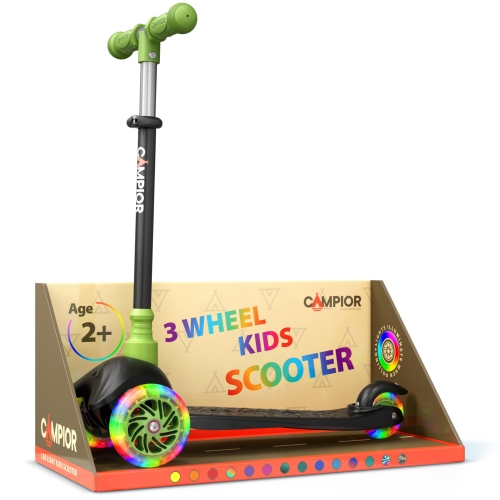
Fit begins with the manufacturer’s intended age range, rider weight limit, and height guidance. Children’s scooters and adult scooters are not interchangeable simply because their handlebars adjust, and a child should not be expected to grow into equipment that is difficult to steer or stop. Handlebar height should allow a comfortable, controlled stance without forcing the rider to hunch forward or reach awkwardly. Deck dimensions matter, too: enough usable standing space helps with foot placement, while the height of the deck affects how far a rider bends the supporting leg when pushing a kick scooter. A three-wheel layout may provide a broader base for some beginners, but steering systems differ; lean-to-steer designs respond to body movement differently from handlebars that turn the front wheel directly. Two-wheel scooters generally ask more of the rider’s balance, particularly when starting and slowing down. Wheel size, wheel material, and tyre construction influence the feel underfoot. Solid polyurethane wheels are common on kick scooters, while electric designs may use solid or air-filled tyres. Air-filled tyres can cushion some surface vibration but require pressure checks and may need puncture repairs. Solid tyres avoid punctures, though ride comfort still depends on their construction, the surface, and any suspension. Frame materials also shape the experience. Aluminium is often used to help keep weight manageable, while steel components can add strength in areas that take repeated stress; neither material alone tells the whole story about durability. Welds, fasteners, steering bearings, deck grip, and the quality of moving joints all contribute to how securely a scooter feels assembled. A folding mechanism is useful only when its latch locks firmly and is straightforward for the intended user to operate. Brake controls deserve the same attention. Rear foot brakes, hand-operated brakes, and electronic braking systems behave differently, so the rider should be able to reach and use the controls comfortably. For a gift, confirming the recipient’s height, experience, and storage situation is more helpful than guessing from age alone. Protective equipment, including a properly fitted helmet suitable for the activity, belongs in that decision as well.
Electric green scooters bring additional considerations around charging, handling, and permitted use. Battery capacity and stated range help describe a scooter’s capabilities, but a published range is not a promise that every rider will travel the same distance. Rider weight, hills, speed, repeated starts, and tyre pressure where applicable can all affect the distance between charges. A route with frequent stops or a steep climb places different demands on a scooter than a steady trip along a level path. Motor output should therefore be considered alongside the scooter’s load limit, braking system, and intended terrain, rather than treated as the single measure of suitability. Carrying weight can be especially noticeable with an electric model: folding the stem makes the shape more compact, but it does not make the battery and frame lighter. For someone combining riding with public transit, the operator’s carriage rules and the space needed to hold a folded scooter are practical details worth checking. Canadian rules for electric scooters vary by province, territory, and municipality, and local requirements may address rider age, helmets, speed, and permitted routes. A scooter’s specifications do not automatically make it legal on every street, path, or sidewalk. Care requirements are equally specific to the design. Regular checks of wheel wear, brake function, handlebar alignment, and loose hardware help keep small issues from becoming larger problems. Grip surfaces should stay clean and securely attached, and any folding joint should be inspected according to the manufacturer’s directions. Painted green finishes are best cleaned with methods approved for the material, avoiding abrasive treatments that could dull the colour or damage protective coatings. For electric scooters, follow the supplied charging and storage instructions, use the approved charger, and keep electrical connections free of debris. Access to suitable replacement tyres, wheels, brake components, and grips can also matter over the life of a scooter. Whether the appeal is a bright finish, a compact ride, or a gift chosen around someone’s interests, lasting satisfaction comes from a combination of comfortable fit, dependable construction, appropriate use, and consistent care.
Top selling and popular products
-
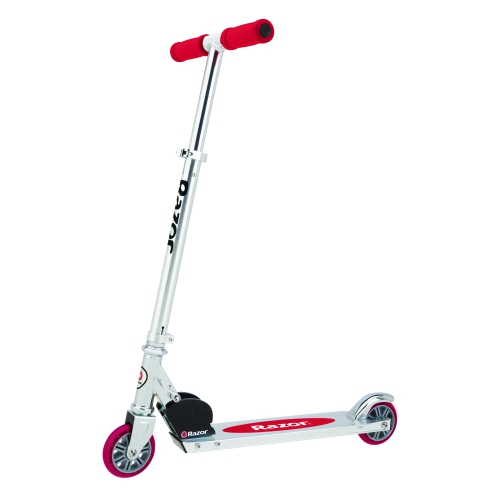 Your price for this item is $49.99
-
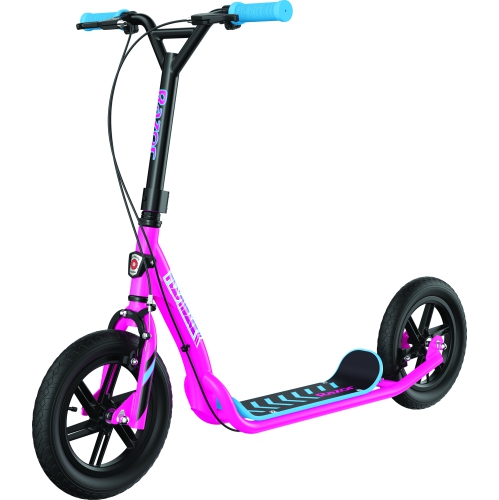 Your price for this item is $229.99
-
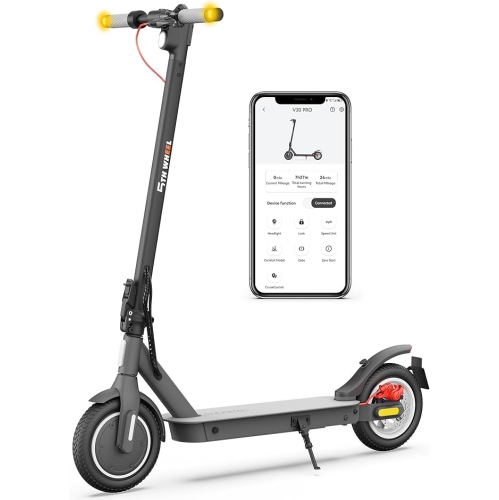 Your price for this item is $417.32
-
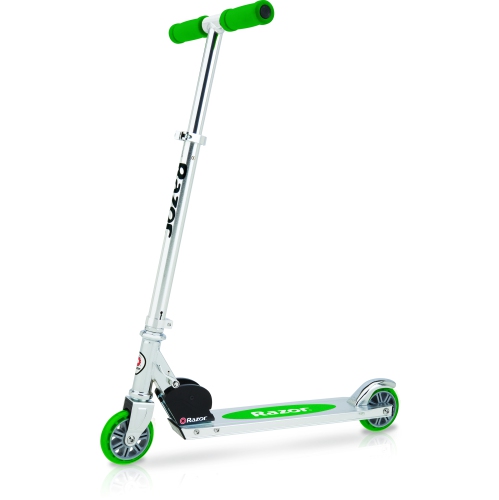 Your price for this item is $49.99
-
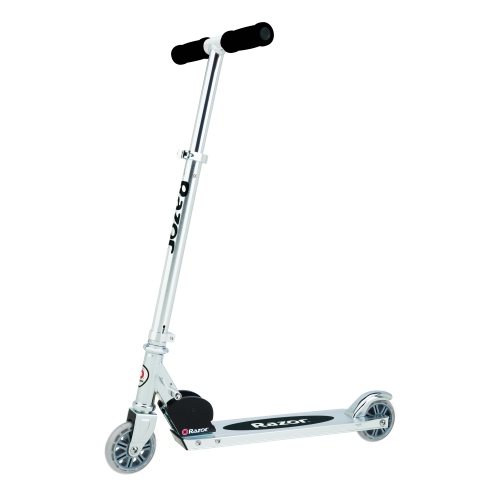 Your price for this item is $49.99
-
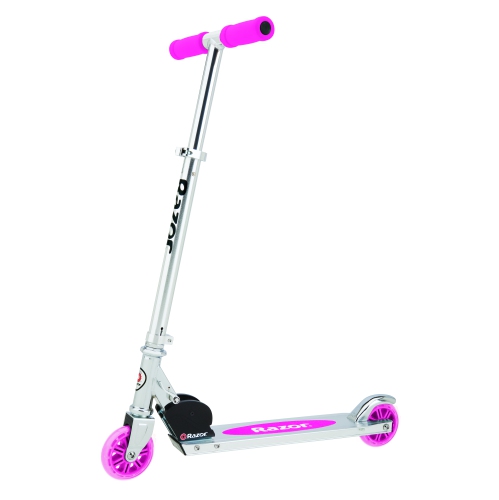 Your price for this item is $49.99
-
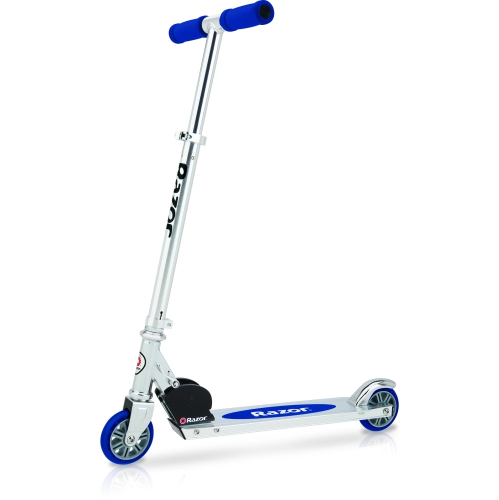 Your price for this item is $49.99
-
 Your price for this item is $153.99
Discover more categories related to Green Scooters
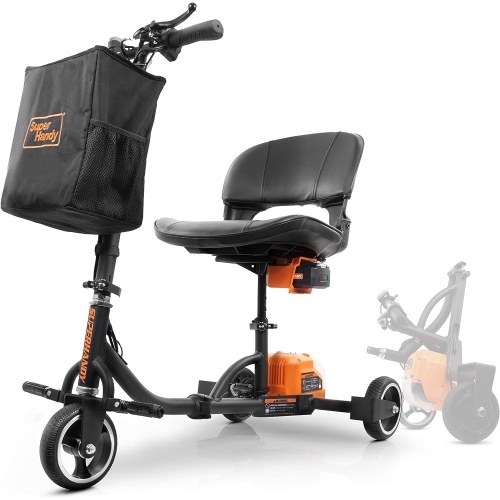
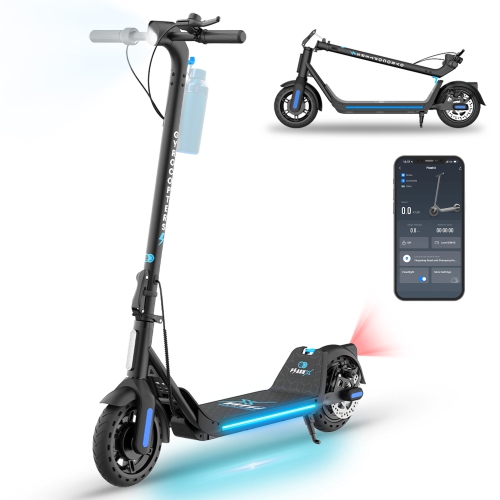
Top Collections:
Pokemon Centers, Kindle Devices, Best Budget Office Chairs, Canon G7X Cameras, Apple iPhones 16, Samsung Galaxy Phones, Refurbished Apple Laptops, Laptops for Students, iPhone 15 Apple, Budget Smartphones
Some products may be subject to Environmental Handling Fees
(EHF) depending on your province.
Learn more about EHFs.