Large Bike Helmets
Finding the perfect bike helmet is essential for both safety and style. If you have a larger head size and struggle to find helmets that fit comfortably, you've come to the right place. Our collection of large bike helmets offers a wide range of options designed specifically for those who need a little extra room. From sleek and aerodynamic designs to helmets with added features for enhanced protection, we have something to suit every rider's needs. Explore our selection of large bike helmets and ride with confidence knowing you're protected in both style and comfort.
Sort

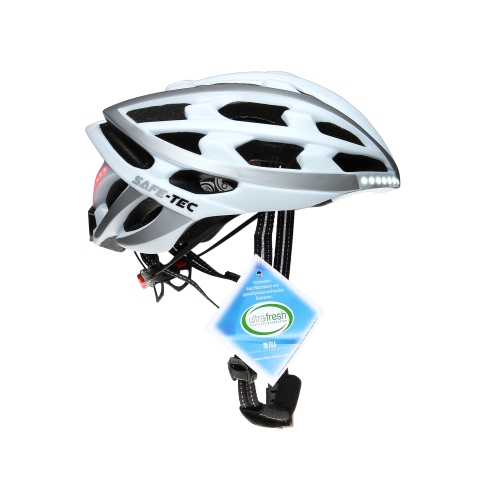
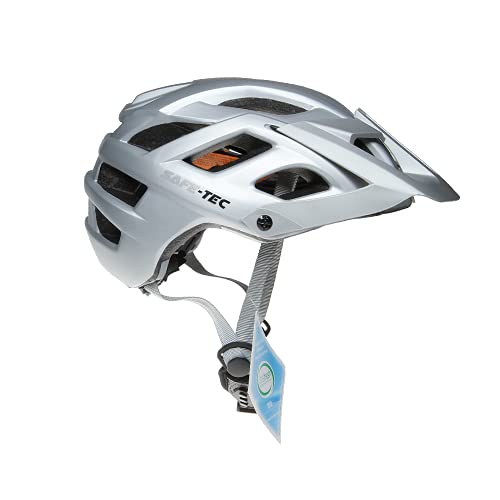
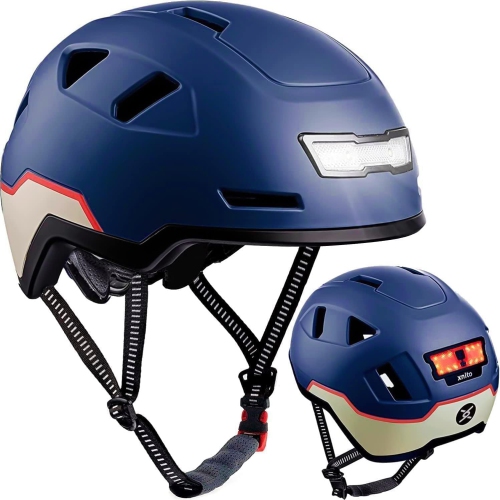
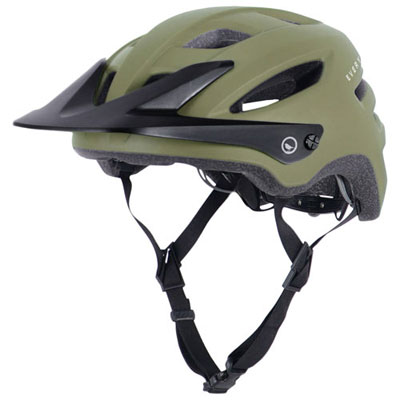
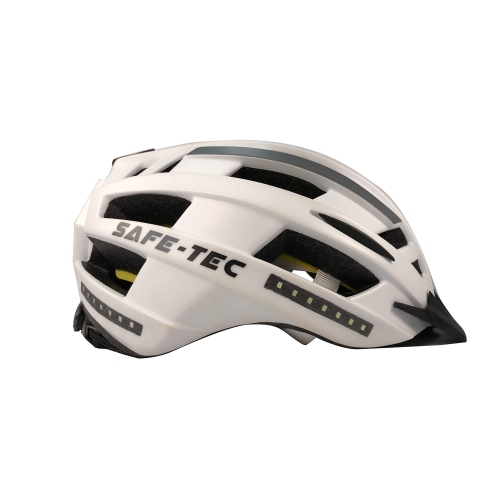
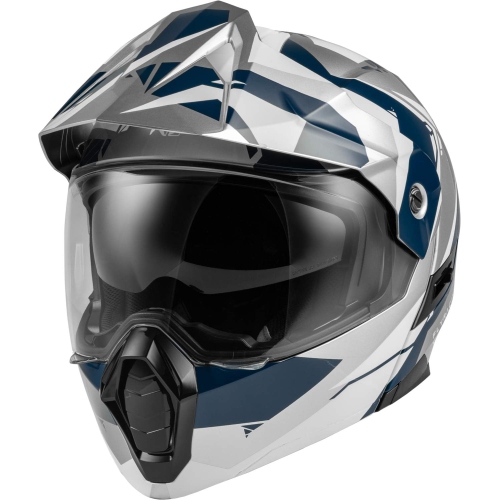
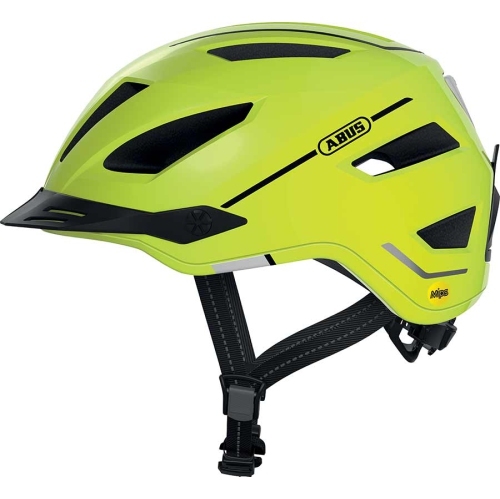
Sizing and fit guidance for comfortable longer rides
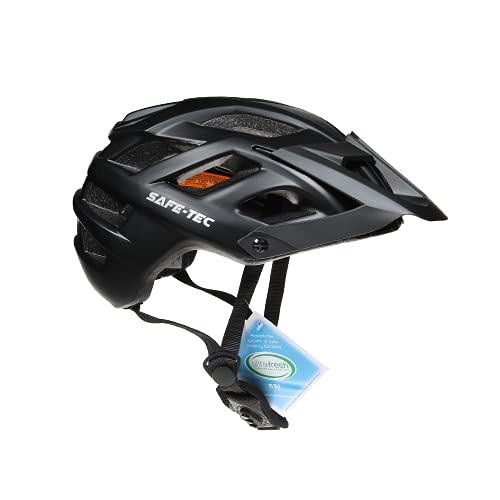
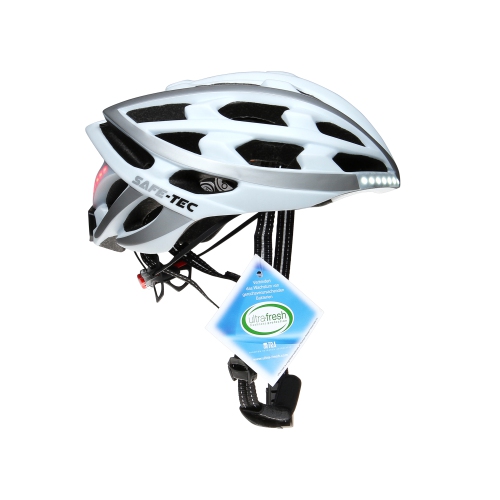
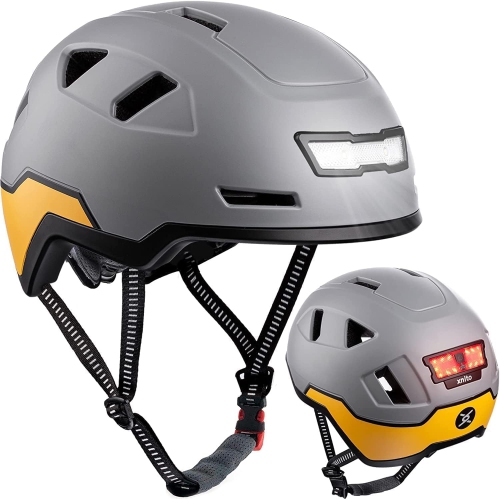
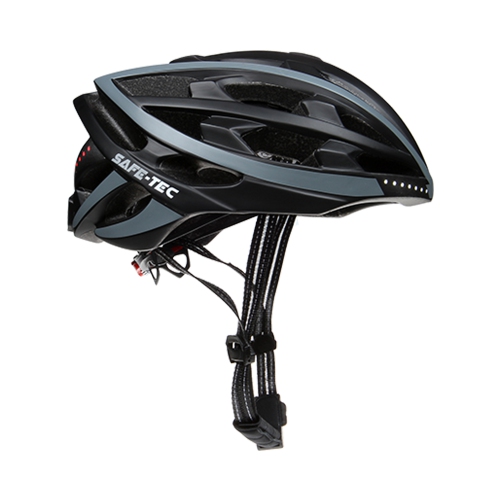
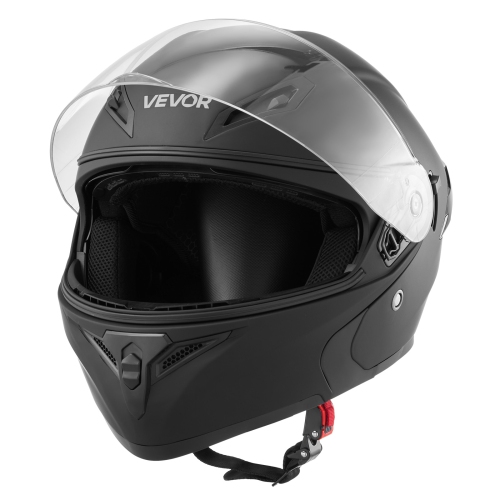
Large bike helmets are designed for riders who need more room than standard adult sizing provides, with many large sizes fitting head circumferences from approximately 59 to 63 cm (23.2 to 24.8 inches), while extra-large and extended-size options may reach 65 cm (25.6 inches) or more. Sizing can vary between manufacturers, so measuring your head is the best place to start. Use a flexible tape measure and wrap it horizontally around the widest part of your head, about 2.5 cm (1 inch) above your eyebrows and just above your ears. Keep the tape level as it passes around the back of your head, record the measurement in centimetres, and compare it with the sizing chart for each helmet. If your measurement falls between two sizes, consider the shape of the helmet and the type of adjustment system before choosing. A large helmet should feel comfortably snug without creating pressure points, rocking from side to side, or leaving excessive space around your head. Head shape matters as well: some riders have a rounder profile, while others have a longer or narrower profile, and a helmet that fits one shape may feel uncomfortable on another. Trying a few different shell shapes and adjustment ranges can make a noticeable difference, especially on longer rides when small areas of pressure can become distracting. Large bike helmets can be useful for adult commuters, recreational cyclists, road riders, mountain bikers, e-bike users, and anyone who has struggled to find a comfortable fit in a smaller size. They can also make a practical gift for a cyclist when the recipient’s head measurement and preferred riding style are known. For a broader selection of adult sizing and riding styles, explore Adult Bicycle Helmets.
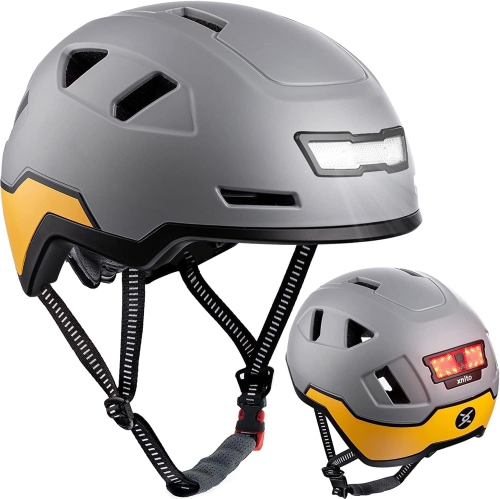
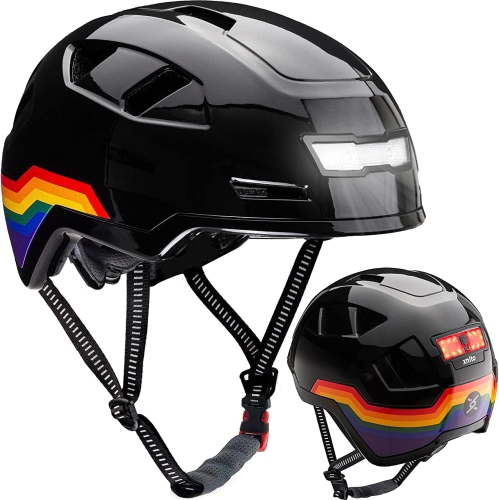
A proper fit is just as important as choosing the correct size. Place the helmet level on your head so the front edge sits roughly one finger-width above your eyebrows. It should cover the top and back of your head without tipping backwards, and the rear adjustment dial or fit system should sit comfortably around the occipital area at the back of your skull. Tighten the dial gradually until the helmet feels secure but not constricting. The side straps should meet just below each ear and form an even V shape on both sides. Fasten the chin buckle so that it rests comfortably beneath your chin, leaving enough room for a finger or two without allowing the helmet to lift easily when you move your head. Open and close your mouth, turn your head from side to side, and gently nod to check that the helmet stays in position. Hair, caps, ponytails, glasses, and winter layers can all affect the fit, so account for anything you normally wear while riding. A large bike helmet should not be worn over a thick toque or another bulky item that changes how the shell sits on your head. Ventilation is another consideration, particularly for riders who travel uphill, commute over longer distances, or spend warm afternoons on paved paths. Larger shells can feel roomy, but well-placed vents and internal channels help air move across the scalp and out the rear of the helmet. For cooler months, a thin, helmet-compatible layer may provide warmth without interfering with the fit. Visors can help shade the eyes and reduce glare, while reflective details or an integrated light may improve visibility to other road users in lower-light conditions. These features do not replace front and rear bicycle lights, reflective clothing, or cautious riding, but they can complement a well-equipped setup.
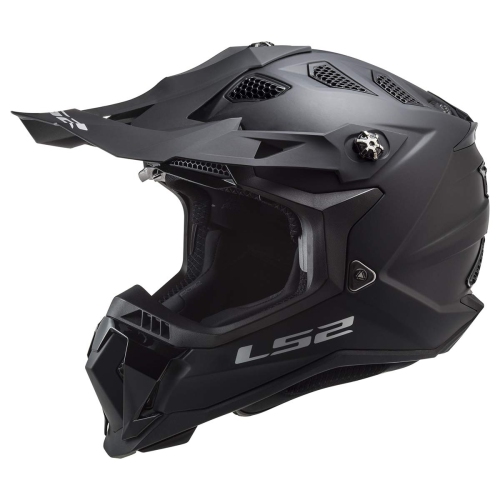
Choose the style of large bike helmet according to where and how it will be used. A commuter or urban helmet may suit daily trips, bike lanes, paved paths, and errands, with an emphasis on easy adjustment, ventilation, visibility features, and a streamlined shape. Road-oriented designs are often lightweight and highly ventilated for riders who spend extended periods in a forward-leaning position. Trail and mountain bike helmets typically offer more coverage around the back and sides of the head, which can be reassuring on uneven terrain, while some include features designed to help manage certain angled impacts. Technology such as rotational-impact systems may be included, but riders should still look for a certified bicycle helmet that fits correctly and is appropriate for the intended activity. Check the safety label and product details for applicable certification, and avoid using a bicycle helmet for activities it was not designed to support. Helmets should be replaced after a significant impact, even when there are no obvious cracks or other visible damage, because the protective foam may have compressed internally. It is also sensible to replace a helmet that has become brittle, damaged, excessively worn, or too small after changes in hair style or fit. Store it away from extreme heat, such as inside a hot vehicle, and clean it with mild soap and water rather than harsh chemicals that may affect the materials. During the warmer riding season and through the cooler months, a well-fitting large bike helmet can make regular cycling feel more comfortable and help riders stay focused on the road, trail, or path ahead. With accurate measurement, dependable adjustment, suitable coverage, and features that match the riding environment, finding a helmet that feels secure from the first kilometre to the last becomes much easier.
A proper fit is just as important as choosing the correct size. Place the helmet level on your head so the front edge sits roughly one finger-width above your eyebrows. It should cover the top and back of your head without tipping backwards, and the rear adjustment dial or fit system should sit comfortably around the occipital area at the back of your skull. Tighten the dial gradually until the helmet feels secure but not constricting. The side straps should meet just below each ear and form an even V shape on both sides. Fasten the chin buckle so that it rests comfortably beneath your chin, leaving enough room for a finger or two without allowing the helmet to lift easily when you move your head. Open and close your mouth, turn your head from side to side, and gently nod to check that the helmet stays in position. Hair, caps, ponytails, glasses, and winter layers can all affect the fit, so account for anything you normally wear while riding. A large bike helmet should not be worn over a thick toque or another bulky item that changes how the shell sits on your head. Ventilation is another consideration, particularly for riders who travel uphill, commute over longer distances, or spend warm afternoons on paved paths. Larger shells can feel roomy, but well-placed vents and internal channels help air move across the scalp and out the rear of the helmet. For cooler months, a thin, helmet-compatible layer may provide warmth without interfering with the fit. Visors can help shade the eyes and reduce glare, while reflective details or an integrated light may improve visibility to other road users in lower-light conditions. These features do not replace front and rear bicycle lights, reflective clothing, or cautious riding, but they can complement a well-equipped setup.
Choose the style of large bike helmet according to where and how it will be used. A commuter or urban helmet may suit daily trips, bike lanes, paved paths, and errands, with an emphasis on easy adjustment, ventilation, visibility features, and a streamlined shape. Road-oriented designs are often lightweight and highly ventilated for riders who spend extended periods in a forward-leaning position. Trail and mountain bike helmets typically offer more coverage around the back and sides of the head, which can be reassuring on uneven terrain, while some include features designed to help manage certain angled impacts. Technology such as rotational-impact systems may be included, but riders should still look for a certified bicycle helmet that fits correctly and is appropriate for the intended activity. Check the safety label and product details for applicable certification, and avoid using a bicycle helmet for activities it was not designed to support. Helmets should be replaced after a significant impact, even when there are no obvious cracks or other visible damage, because the protective foam may have compressed internally. It is also sensible to replace a helmet that has become brittle, damaged, excessively worn, or too small after changes in hair style or fit. Store it away from extreme heat, such as inside a hot vehicle, and clean it with mild soap and water rather than harsh chemicals that may affect the materials. During the warmer riding season and through the cooler months, a well-fitting large bike helmet can make regular cycling feel more comfortable and help riders stay focused on the road, trail, or path ahead. With accurate measurement, dependable adjustment, suitable coverage, and features that match the riding environment, finding a helmet that feels secure from the first kilometre to the last becomes much easier.
Top selling and popular products
-
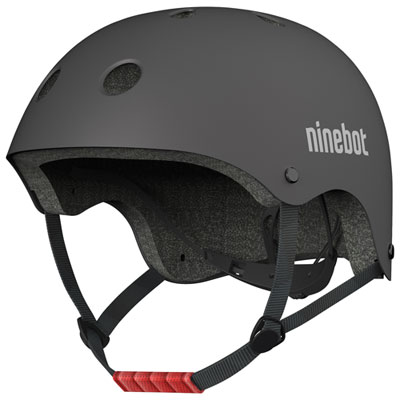 Your price for this item is $69.99
 -
 Your price for this item is $157.99
 -
![UNIVERSAL STUDIOS Pokémon Journeys: Season 23 - Destination: Coronation [DVD] In Multicolor](https://multimedia.bbycastatic.ca/multimedia/products/500x500/181/18197/18197813.jpeg) Your price for this item is $19.99
Your price for this item is $19.99 -
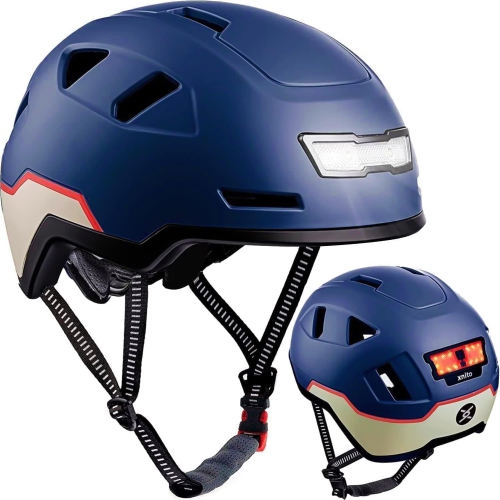 Your price for this item is $169
 -
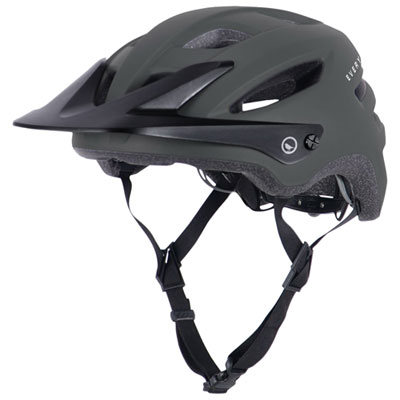 Your price for this item is $39.99
 -
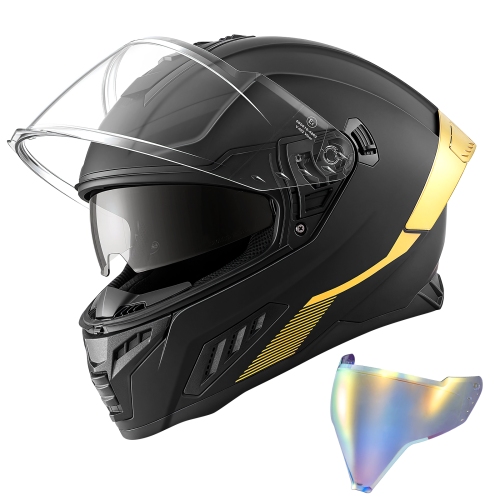 Your price for this item is $101.99
 -
 Your price for this item is $169
 -
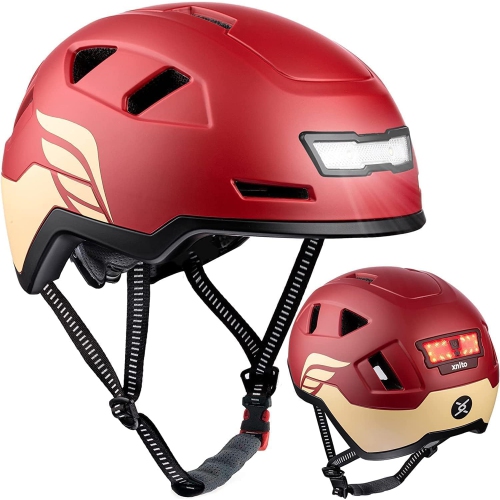 Your price for this item is $169
Discover more categories related to Large Bike Helmets

Top Collections:
Pokemon Centers, Kindle Devices, Best Budget Office Chairs, Apple iPhones 16, Best Laptops for Writers, iPhone 15 Apple, Canon G7X Cameras, Refurbished Apple Laptops, Alarm Clock, Motorola Razr Phones
Some products may be subject to Environmental Handling Fees
(EHF) depending on your province.
Learn more about EHFs.