Lithium Battery Bikes
If you're looking for an eco-friendly and efficient way to get around town, look no further than these lithium battery bikes. These innovative bikes combine the power of lithium batteries with the convenience of cycling, giving you a smooth and effortless ride every time. Whether you're commuting to work, running errands, or simply exploring the great outdoors, these lithium battery bikes are designed to offer enhanced performance and longer rides.
Sort
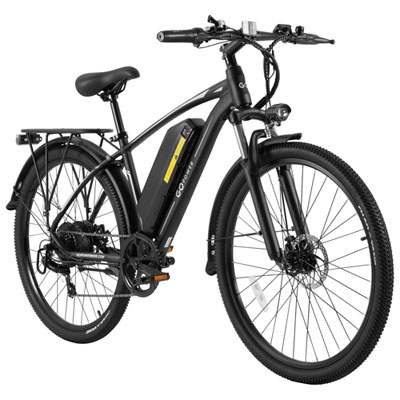
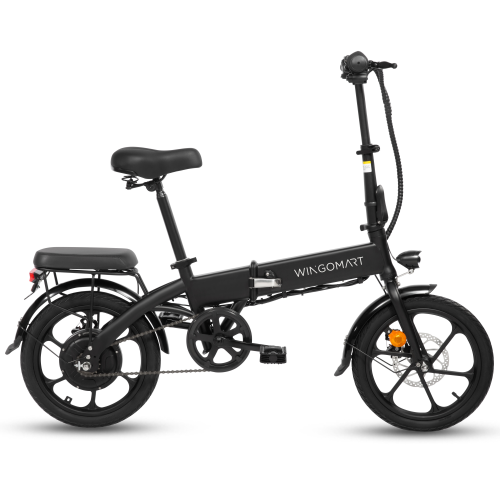
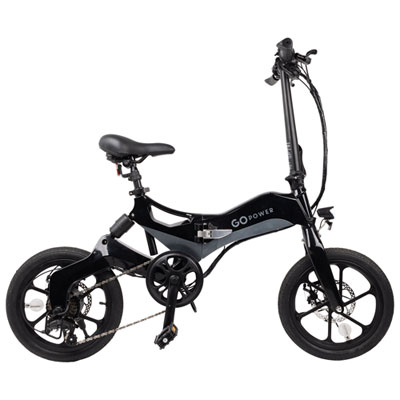
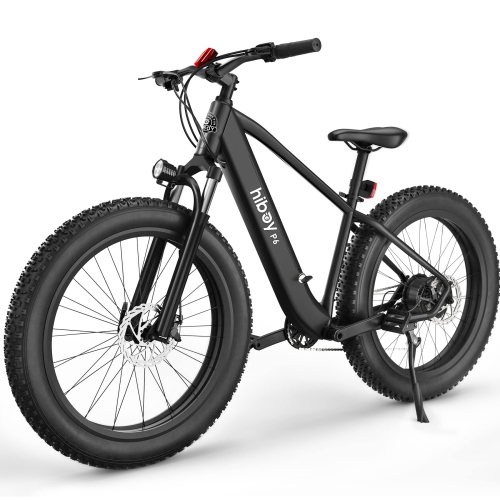
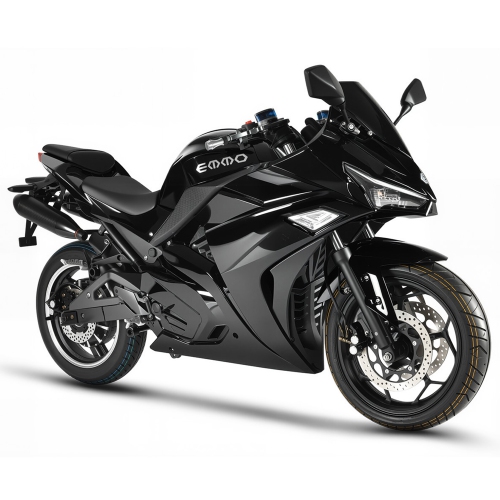
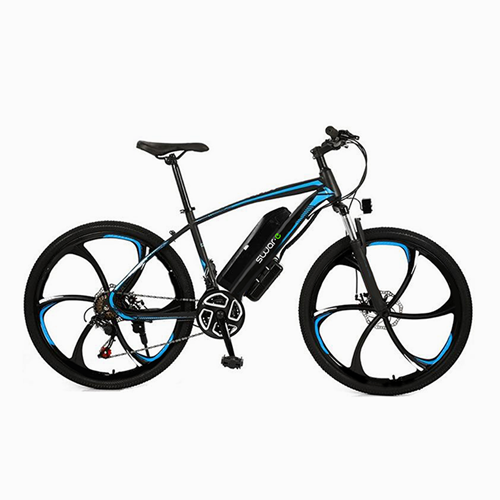
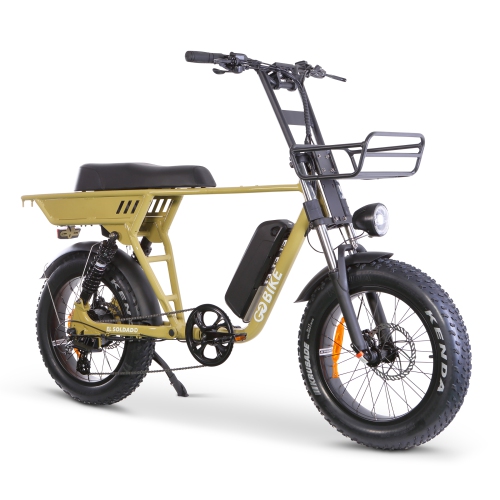
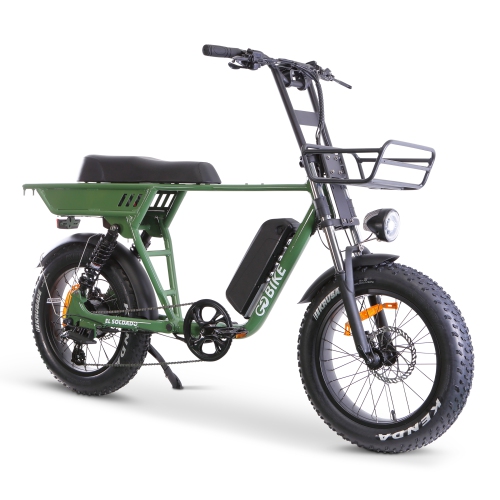
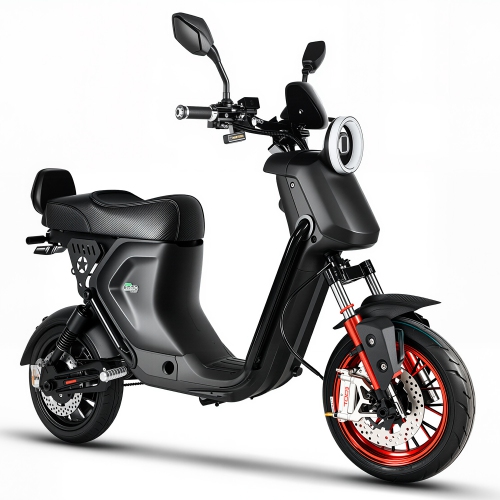
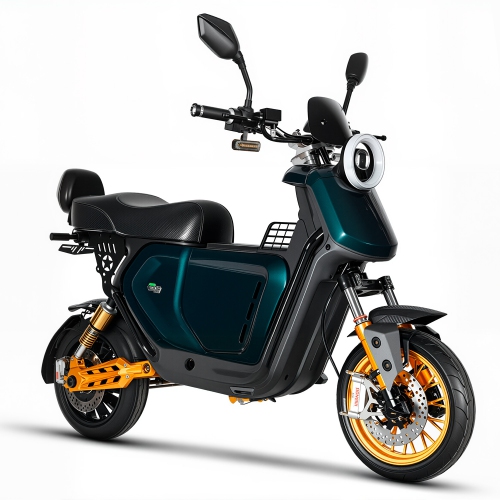
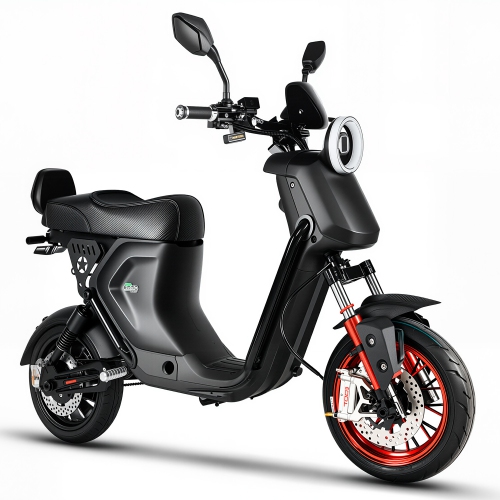
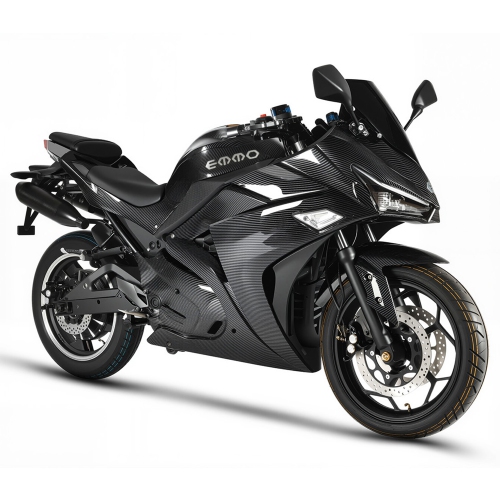


Why battery capacity tells only part of the story
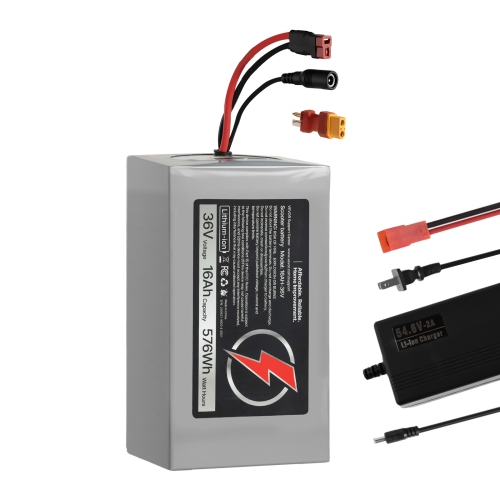
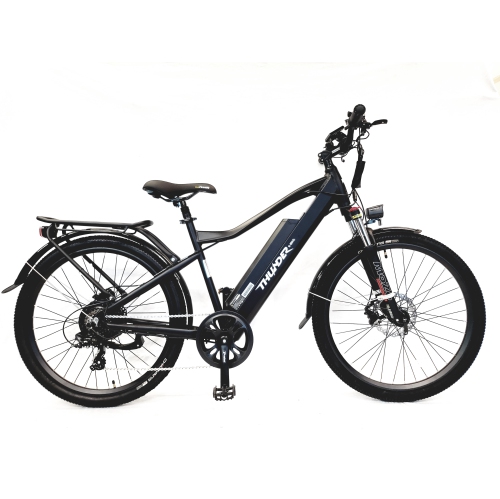
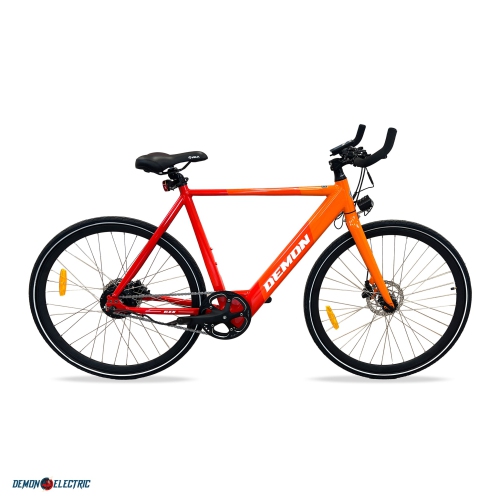
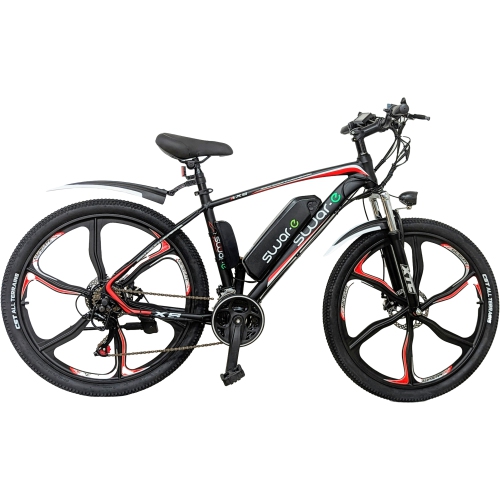
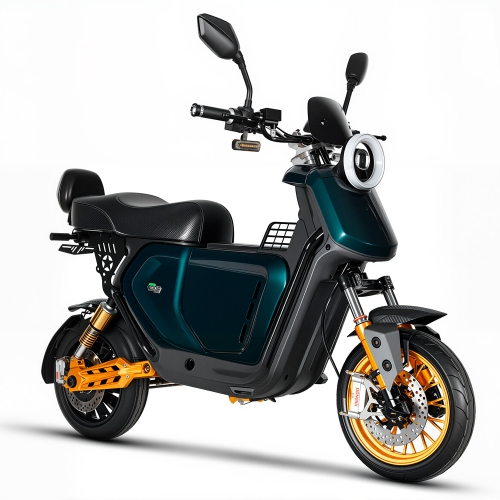
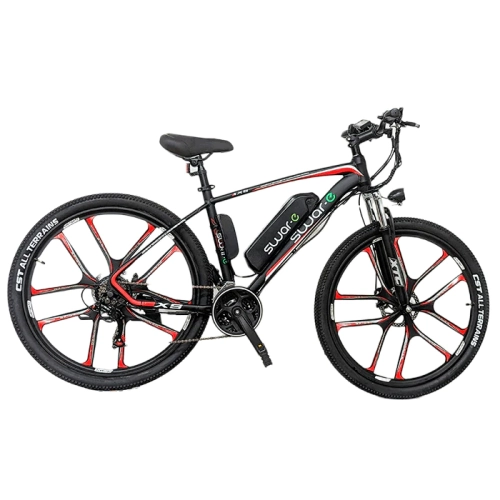
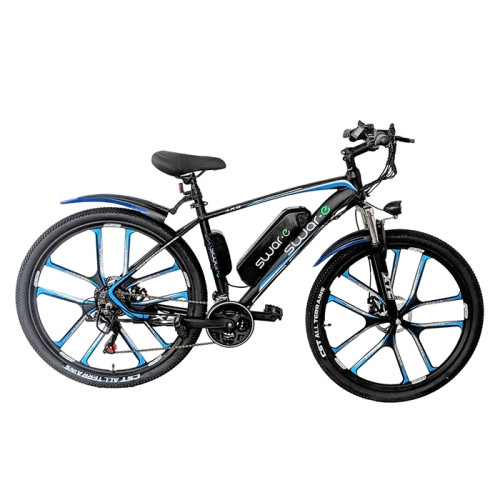
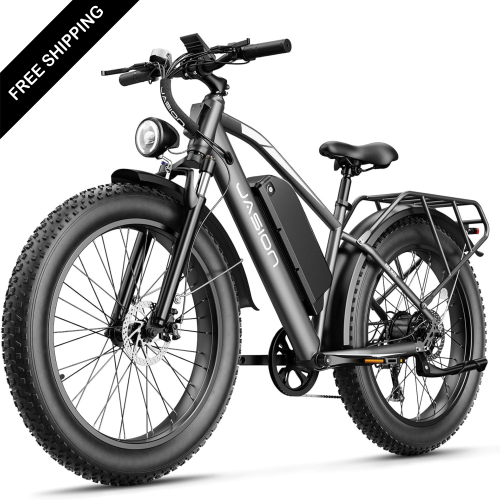
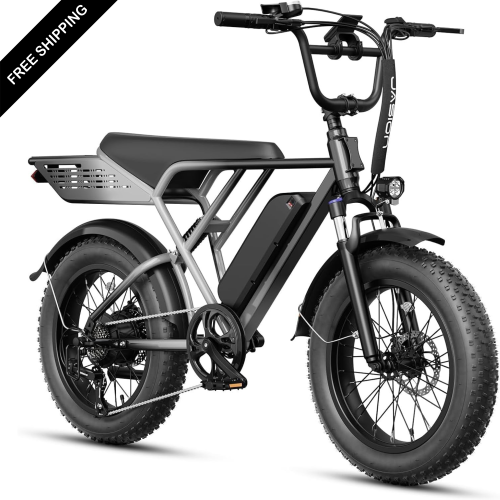
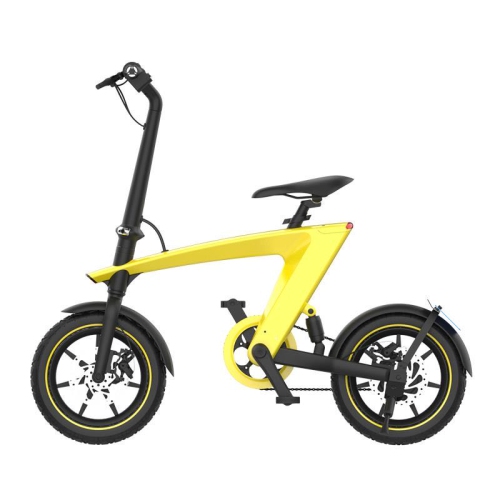
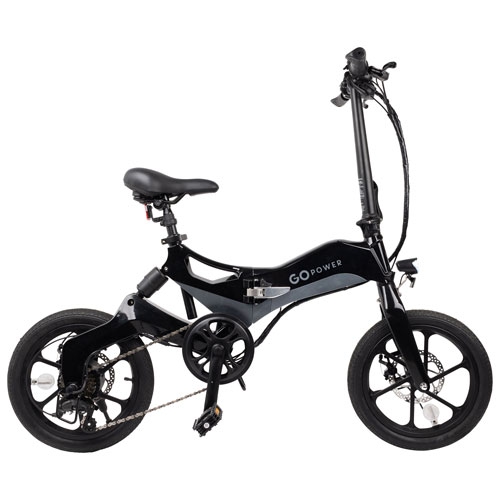
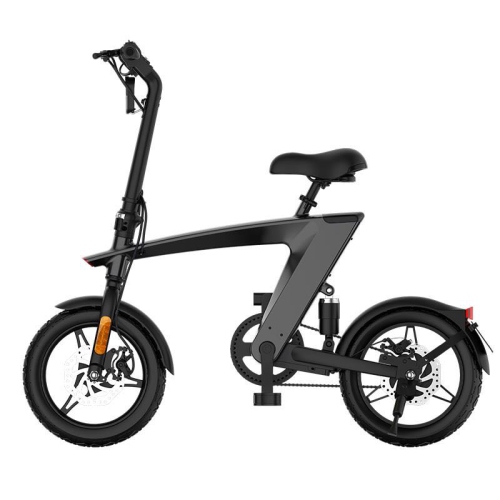
Lithium battery bikes are electric bicycles that use rechargeable lithium-ion batteries to power a motor, providing assistance for commuting, leisure rides, errands, and other everyday trips. Most offer pedal assistance, which adds motor support while the rider pedals; some also include a throttle, depending on the bike’s design and applicable riding rules. Lithium-ion batteries store considerable energy relative to their weight and are generally lighter than lead-acid batteries with comparable capacity. That balance makes them well suited to bicycles, where battery weight affects handling, carrying, and storage. For a commuter travelling across town, assistance can make a hill or a longer route more manageable without removing the familiar experience of riding a bicycle. For recreational riders, adjustable assistance levels allow anything from a gentle boost to stronger support on demanding stretches. Battery capacity is commonly expressed in amp-hours or watt-hours, with watt-hours providing a useful basis for comparing stored energy across batteries with different voltages. Watt-hours are calculated by multiplying nominal voltage by amp-hours, though battery capacity alone does not determine riding range. Rider and cargo weight, hills, riding speed, assistance settings, tire pressure, and frequent starts all influence how far a charge will last. Published range figures are estimates based on particular test conditions, not a promise that every rider will cover the same distance. A route with repeated climbs and loaded panniers can use more battery energy than a steady ride along a level path. Motor design also shapes the experience: hub motors apply power through a wheel, while mid-drive motors work through the bicycle’s drivetrain. Some pedal-assist systems respond to pedal rotation, while others use a torque sensor to adjust assistance according to how firmly the rider pedals. Neither battery size nor motor output tells the whole story. The way power arrives, the available gears, and the bike’s overall fit all contribute to whether an electric bicycle feels comfortable and predictable on the routes it is intended to cover.
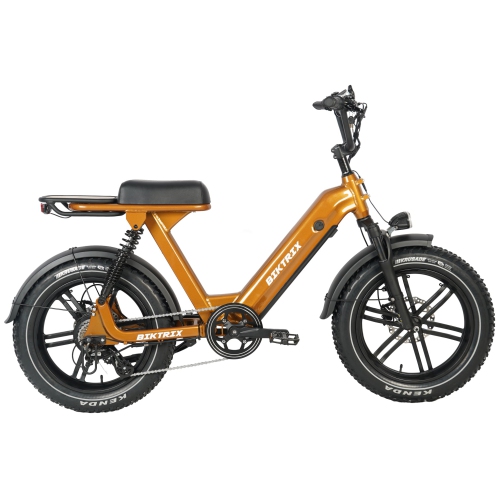
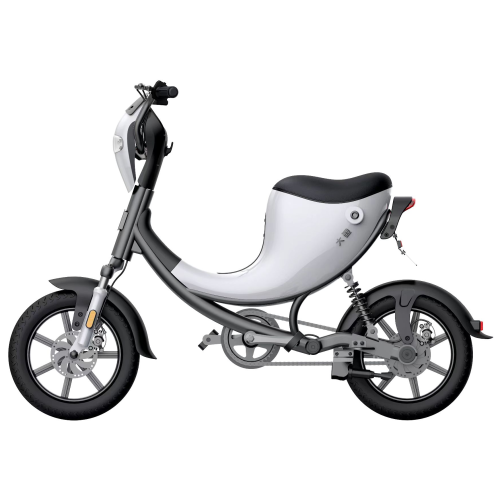
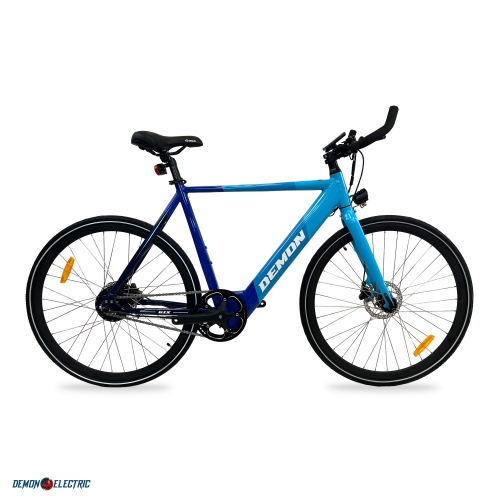
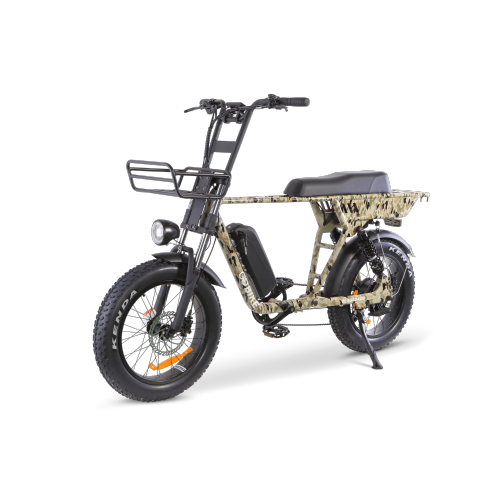
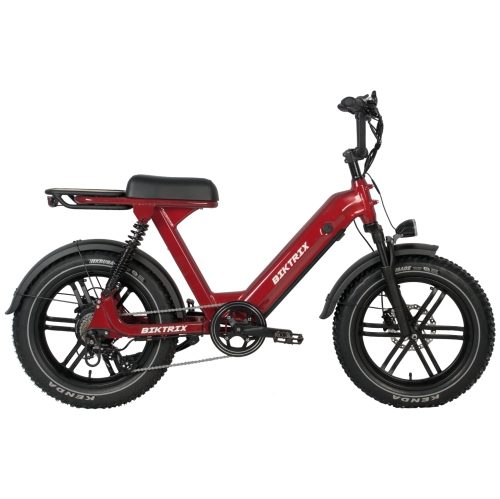
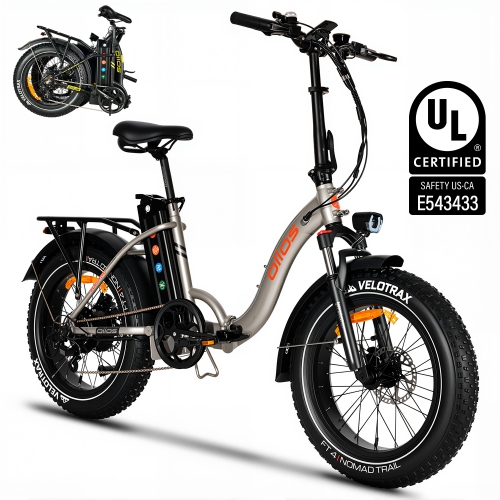
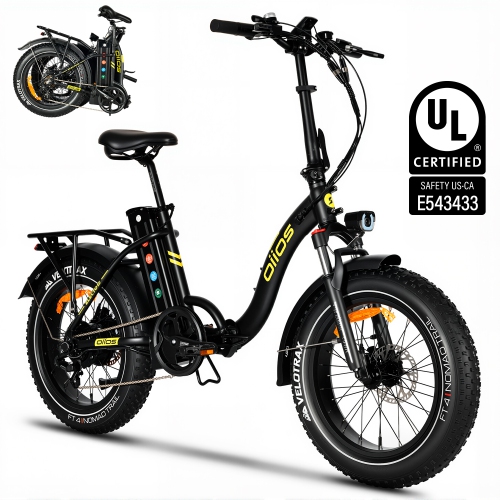
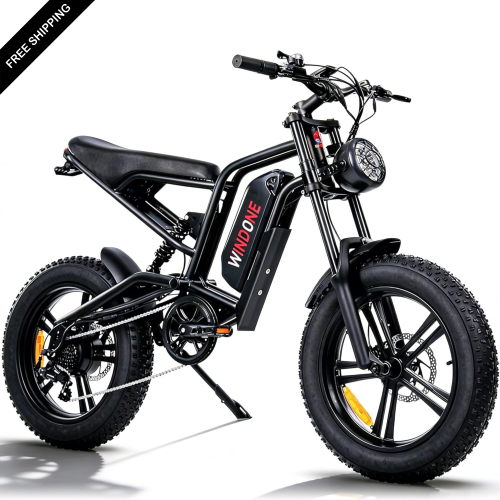
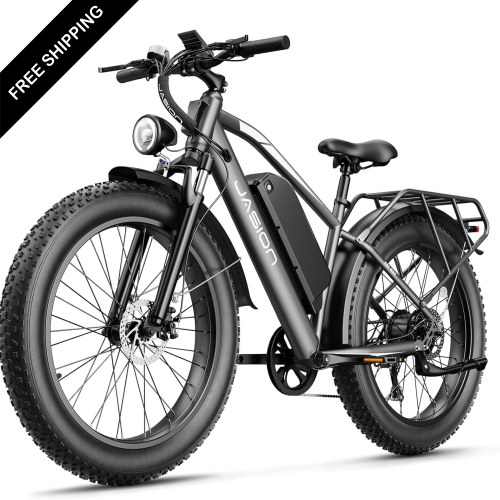
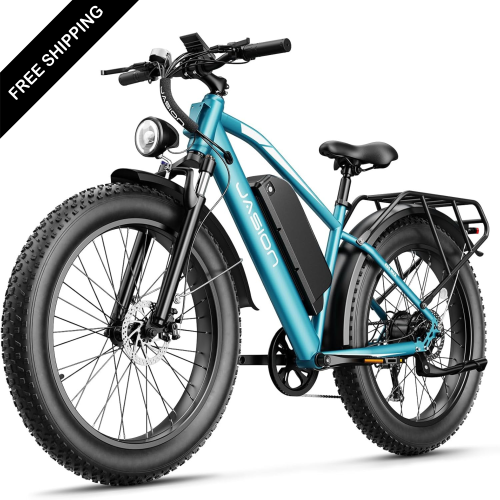
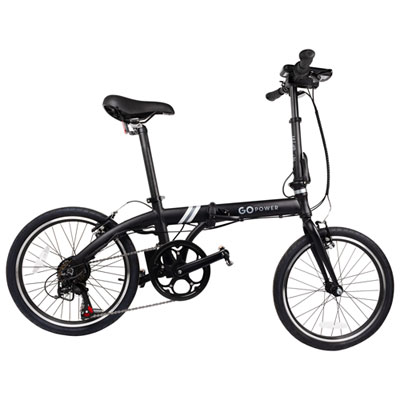
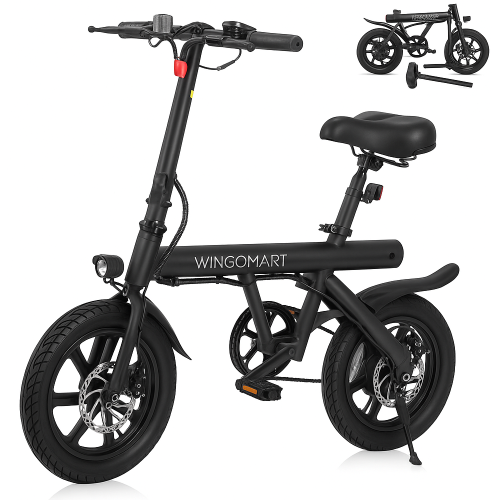
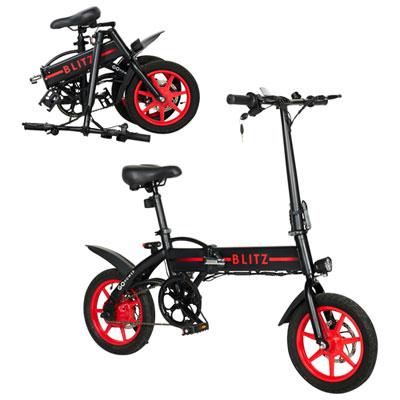
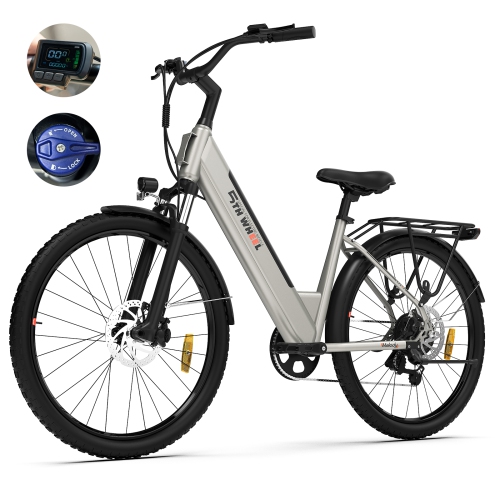
The variety of lithium battery bikes reflects the different places bicycles fit into daily life. Upright commuter designs can offer a comfortable view of the route ahead, while step-through frames make mounting and dismounting easier, particularly with a bag secured to a rear rack. Folding electric bicycles suit riders who need to store a bike in an apartment, fit it into a vehicle, or combine cycling with another form of transportation. Their folded dimensions and total weight matter as much as the folding mechanism itself; a compact bike may still be awkward to carry up several flights of stairs. Cargo-oriented frames can accommodate compatible racks and carrying accessories, although the stated total weight limit must account for the rider and any load. Wider tires can add cushioning and traction on suitable surfaces, while narrower tires often suit paved routes and a more responsive ride. Suspension can soften bumps, but it also adds weight and maintenance considerations. Trail use depends on the bicycle’s intended purpose and whether electric bicycles are permitted on the route. Frame materials also influence the riding experience: aluminium is common for its balance of weight and corrosion resistance, while steel can offer durability but often adds weight. Frame size, saddle adjustment, handlebar position, and the distance to the grips and brake levers help determine comfort. A rider should be able to control the bike confidently, especially when starting, stopping, or manoeuvring with added weight. Battery placement contributes to that feel, with centrally positioned packs often helping distribute weight more evenly. Removable batteries can be convenient when an electrical outlet is not close to the storage area, while integrated packs may give the frame a tidier appearance. Riders planning longer outings may also explore Dual Battery Electric Bikes, which use two batteries in compatible configurations to increase onboard energy capacity. Their total weight, charging arrangements, and battery management features remain important considerations alongside the additional capacity.
Long-term satisfaction with a lithium battery bike depends on the quality of the complete bicycle, not just the battery specification. Reliable brakes, suitable tires, secure electrical connections, and a frame designed for the intended load support consistent everyday use. Disc brakes are common on electric bicycles, and the extra weight of the motor and battery makes brake condition particularly important. A commuter making repeated stops at intersections benefits from controls that are easy to reach and braking that feels predictable, while someone carrying groceries needs a securely mounted rack and a load that does not interfere with steering. Routine care includes checking tire pressure, inspecting brake pads, keeping the drivetrain clean and lubricated as directed, and ensuring that folding joints or removable battery mounts lock securely. Battery care should follow the manufacturer’s instructions, including charging procedures and storage requirements. Only a charger specified as compatible with the battery should be used; a connector that fits does not establish electrical compatibility. Charging in a dry, clear area away from combustible materials and keeping exit routes unobstructed are sensible precautions. A damaged, swollen, leaking, or unusually hot battery should not be used or charged and requires qualified support. Avoiding deep discharge where the manufacturer advises against it, and following its guidance for longer storage periods, can help preserve battery performance. Capacity gradually declines with age and use, so a fixed lifespan or charge-cycle claim should not be treated as universal. Replacement packs need to match the bike’s electrical system, mounting arrangement, and manufacturer requirements. Recognized electrical safety certification applicable in Canada is another useful consideration for the battery, charger, and complete system. Lithium battery bikes can suit regular commuters, casual riders, and people returning to cycling, and can be a thoughtful gift when the recipient’s fit, storage space, and riding preferences are known. A properly fitted helmet, appropriate lights, and familiarity with provincial and local e-bike rules complete the picture, helping match the bicycle to both the rider and the places it will be used.
The variety of lithium battery bikes reflects the different places bicycles fit into daily life. Upright commuter designs can offer a comfortable view of the route ahead, while step-through frames make mounting and dismounting easier, particularly with a bag secured to a rear rack. Folding electric bicycles suit riders who need to store a bike in an apartment, fit it into a vehicle, or combine cycling with another form of transportation. Their folded dimensions and total weight matter as much as the folding mechanism itself; a compact bike may still be awkward to carry up several flights of stairs. Cargo-oriented frames can accommodate compatible racks and carrying accessories, although the stated total weight limit must account for the rider and any load. Wider tires can add cushioning and traction on suitable surfaces, while narrower tires often suit paved routes and a more responsive ride. Suspension can soften bumps, but it also adds weight and maintenance considerations. Trail use depends on the bicycle’s intended purpose and whether electric bicycles are permitted on the route. Frame materials also influence the riding experience: aluminium is common for its balance of weight and corrosion resistance, while steel can offer durability but often adds weight. Frame size, saddle adjustment, handlebar position, and the distance to the grips and brake levers help determine comfort. A rider should be able to control the bike confidently, especially when starting, stopping, or manoeuvring with added weight. Battery placement contributes to that feel, with centrally positioned packs often helping distribute weight more evenly. Removable batteries can be convenient when an electrical outlet is not close to the storage area, while integrated packs may give the frame a tidier appearance. Riders planning longer outings may also explore Dual Battery Electric Bikes, which use two batteries in compatible configurations to increase onboard energy capacity. Their total weight, charging arrangements, and battery management features remain important considerations alongside the additional capacity.
Long-term satisfaction with a lithium battery bike depends on the quality of the complete bicycle, not just the battery specification. Reliable brakes, suitable tires, secure electrical connections, and a frame designed for the intended load support consistent everyday use. Disc brakes are common on electric bicycles, and the extra weight of the motor and battery makes brake condition particularly important. A commuter making repeated stops at intersections benefits from controls that are easy to reach and braking that feels predictable, while someone carrying groceries needs a securely mounted rack and a load that does not interfere with steering. Routine care includes checking tire pressure, inspecting brake pads, keeping the drivetrain clean and lubricated as directed, and ensuring that folding joints or removable battery mounts lock securely. Battery care should follow the manufacturer’s instructions, including charging procedures and storage requirements. Only a charger specified as compatible with the battery should be used; a connector that fits does not establish electrical compatibility. Charging in a dry, clear area away from combustible materials and keeping exit routes unobstructed are sensible precautions. A damaged, swollen, leaking, or unusually hot battery should not be used or charged and requires qualified support. Avoiding deep discharge where the manufacturer advises against it, and following its guidance for longer storage periods, can help preserve battery performance. Capacity gradually declines with age and use, so a fixed lifespan or charge-cycle claim should not be treated as universal. Replacement packs need to match the bike’s electrical system, mounting arrangement, and manufacturer requirements. Recognized electrical safety certification applicable in Canada is another useful consideration for the battery, charger, and complete system. Lithium battery bikes can suit regular commuters, casual riders, and people returning to cycling, and can be a thoughtful gift when the recipient’s fit, storage space, and riding preferences are known. A properly fitted helmet, appropriate lights, and familiarity with provincial and local e-bike rules complete the picture, helping match the bicycle to both the rider and the places it will be used.
Top selling and popular products
-
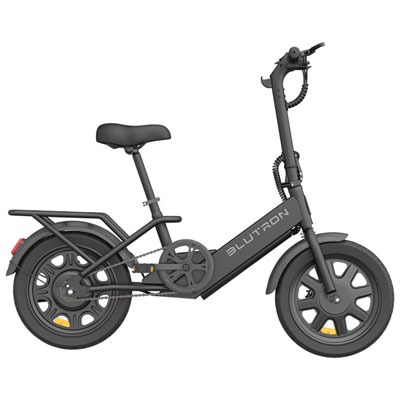 Your price for this item is $499.99
 -
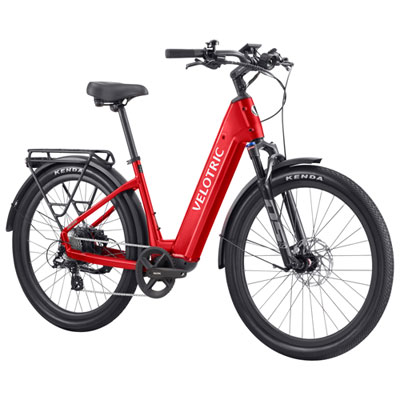 Your price for this item is $2499.99
 -
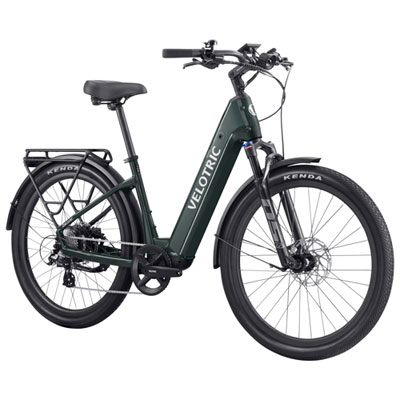 Your price for this item is $2499.99
 -
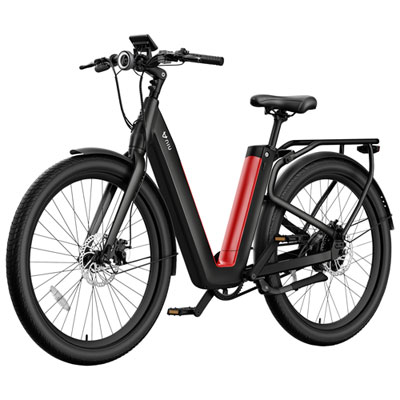 Your price for this item is $2699.99
 -
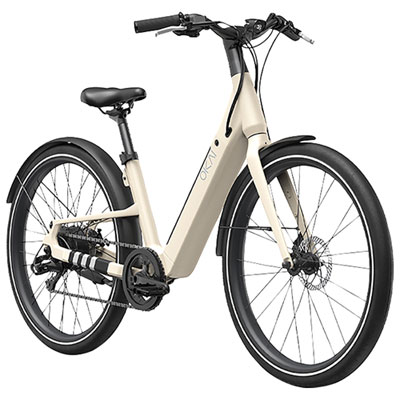 Your price for this item is $2199.99
 -
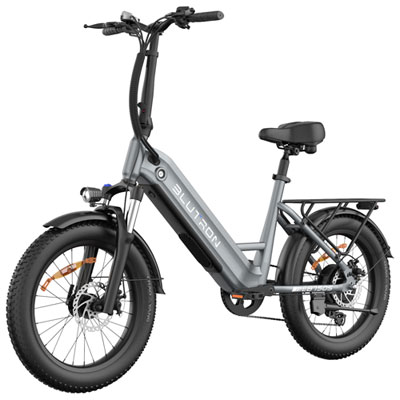 Your price for this item is $999.99
 -
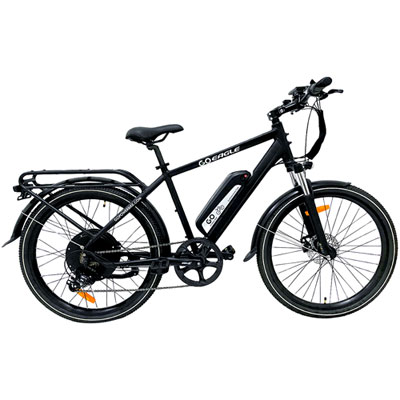 Your price for this item is $1399.97
 -
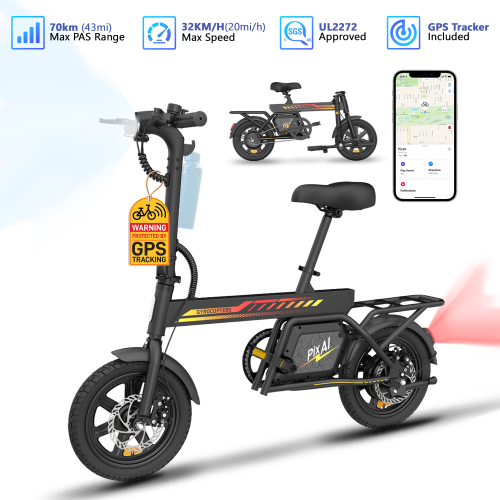 Your price for this item is $399.97
Discover more categories related to Lithium Battery Bikes
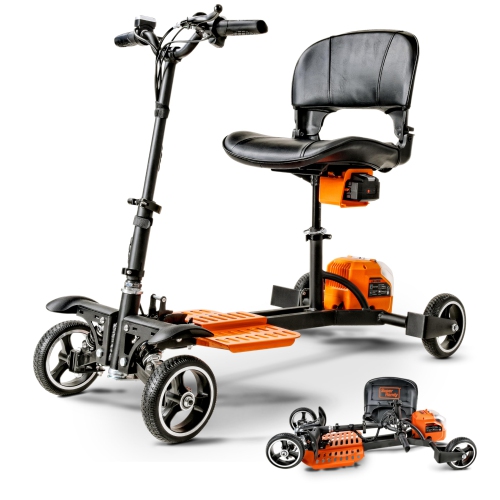
Top Collections:
Pokemon Centers, Kindle Devices, Best Budget Office Chairs, Apple iPhones 16, Canon G7X Cameras, iPhone 15 Apple, Alarm Clock, Refurbished Apple Laptops, Flip Phones, Best Laptops for Writers
Some products may be subject to Environmental Handling Fees
(EHF) depending on your province.
Learn more about EHFs.