Long Distance E Bikes
Discover the freedom of exploring new horizons with our selection of long distance e-bikes. Designed to effortlessly conquer challenging terrains and cover extensive distances, these electric bicycles are perfect for adventure seekers and commuters alike. With their powerful motors and long-lasting batteries, you can ride farther and faster than ever before. Whether you're embarking on a cross-country journey or simply navigating your daily commute, our range of long distance e-bikes will revolutionize your riding experience.
Sort



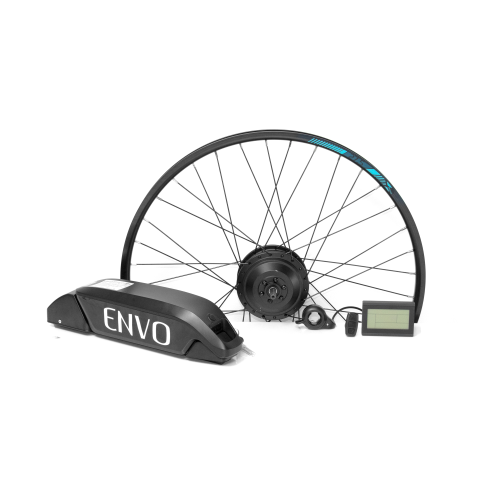
What affects range on extended electric bike rides
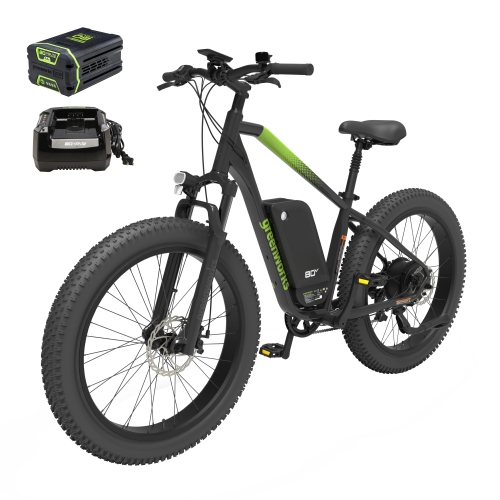
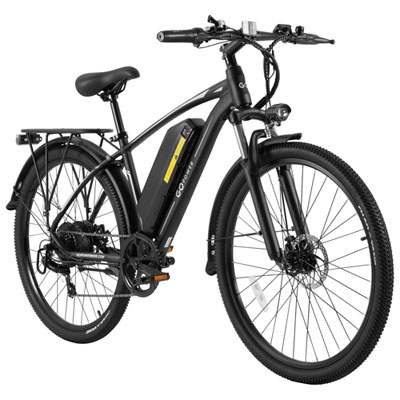
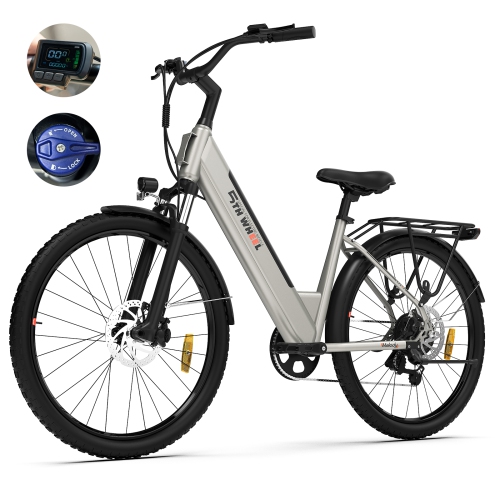
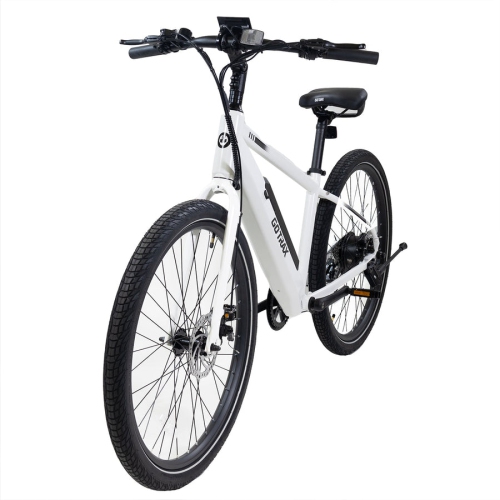
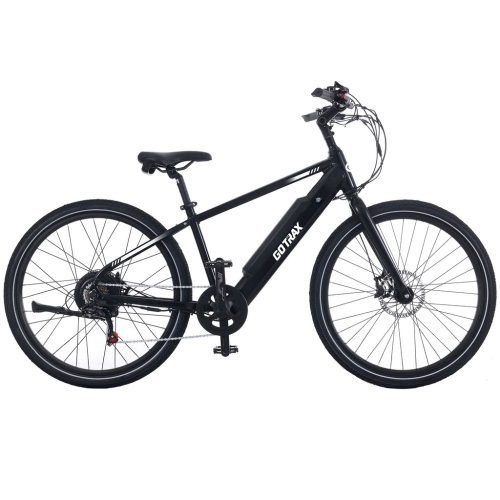
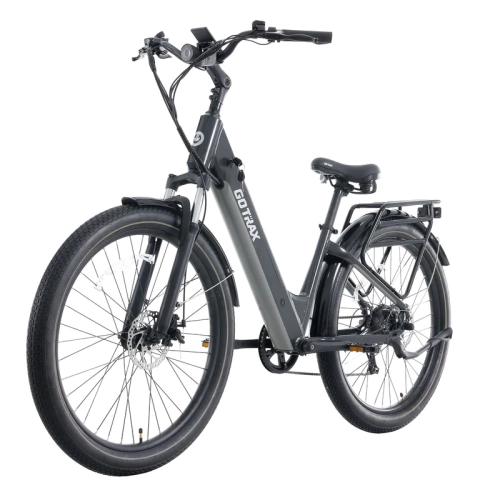
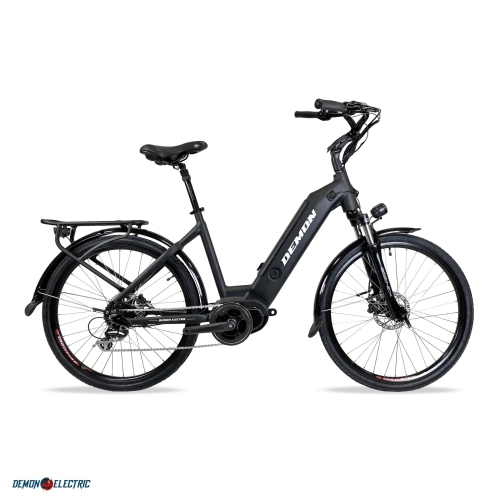
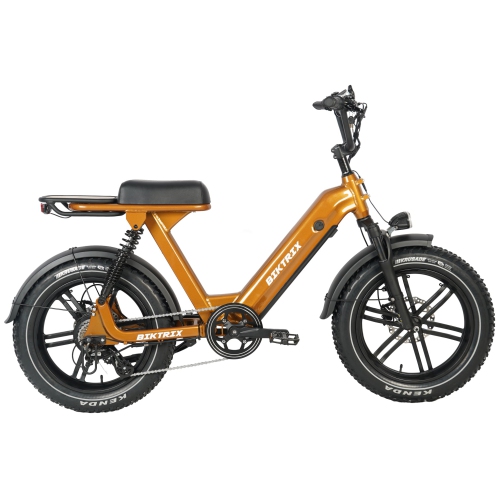
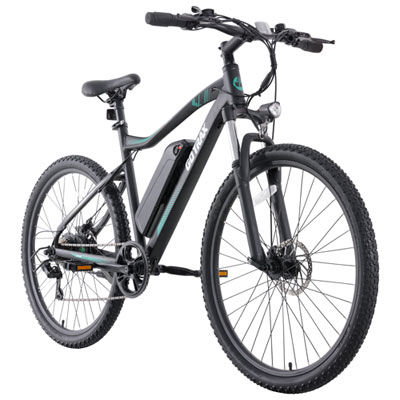
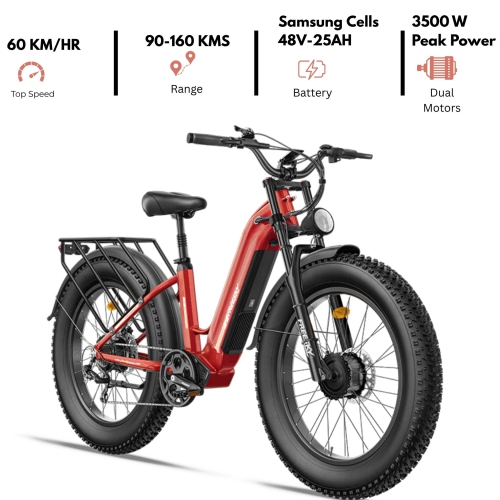
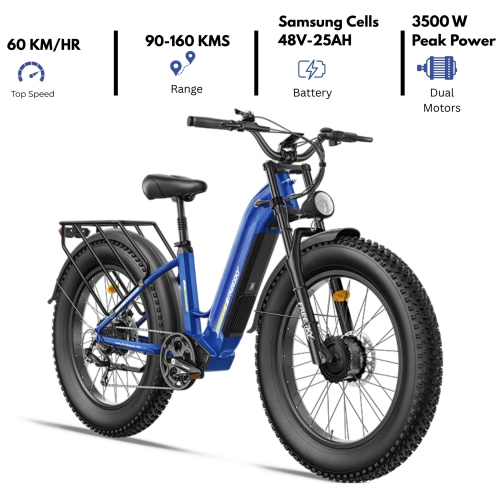
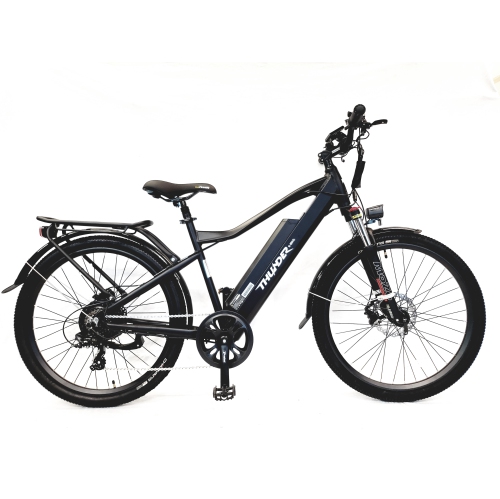
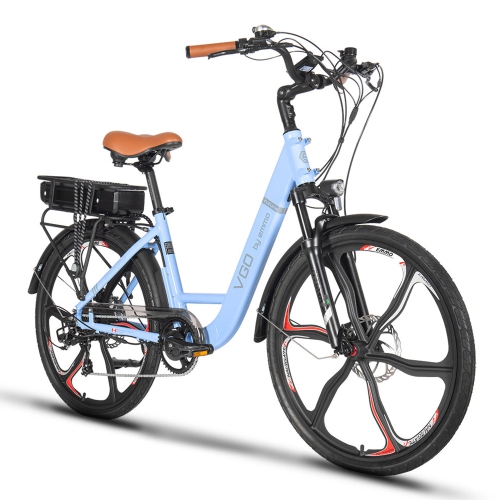
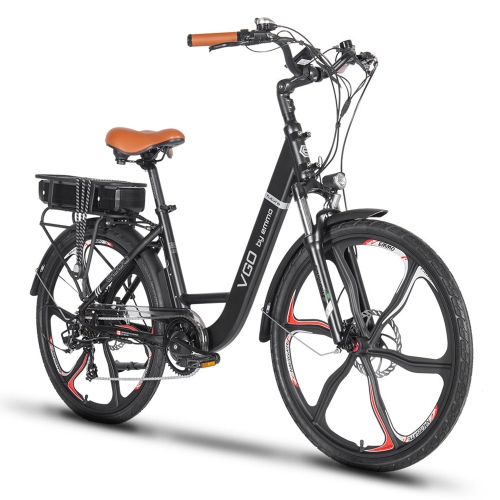
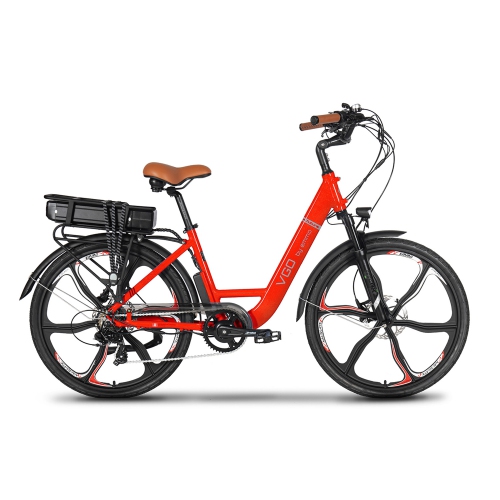
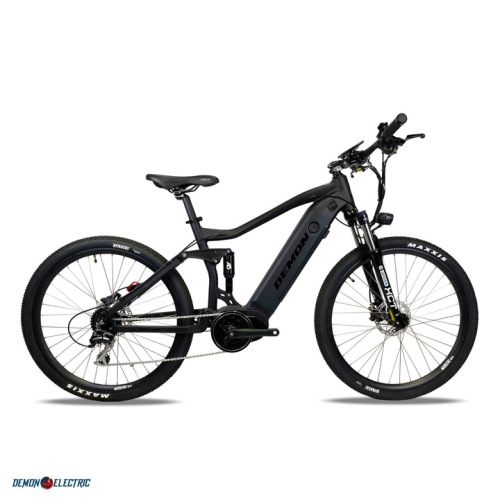
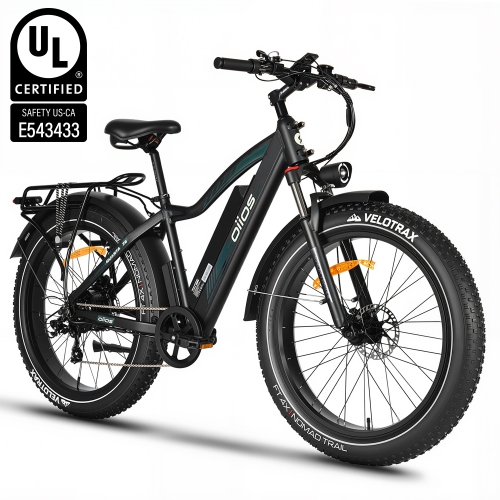
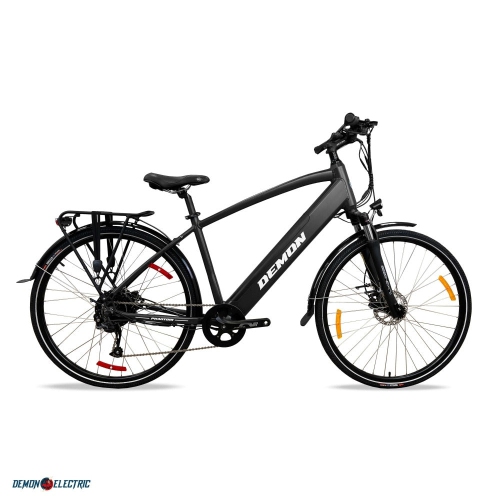
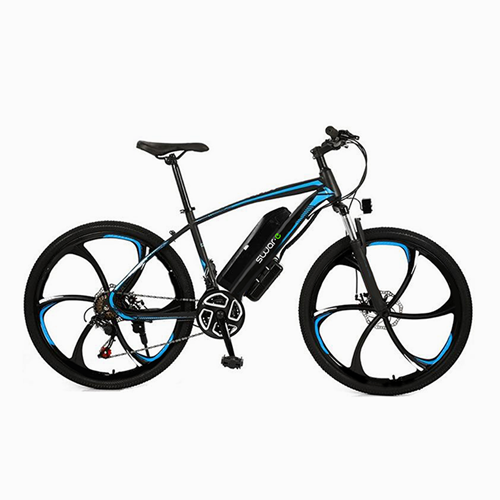
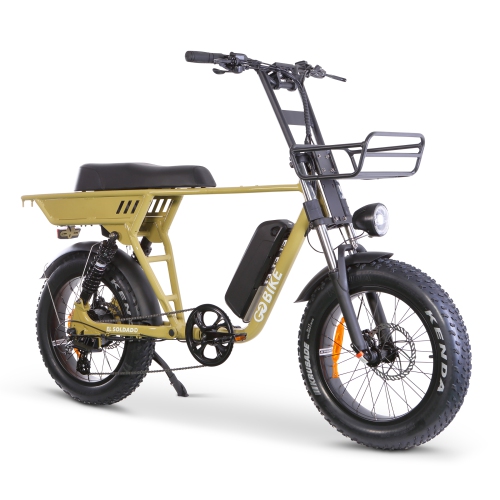
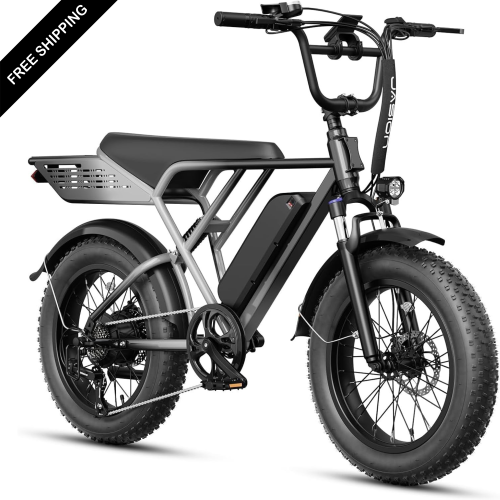
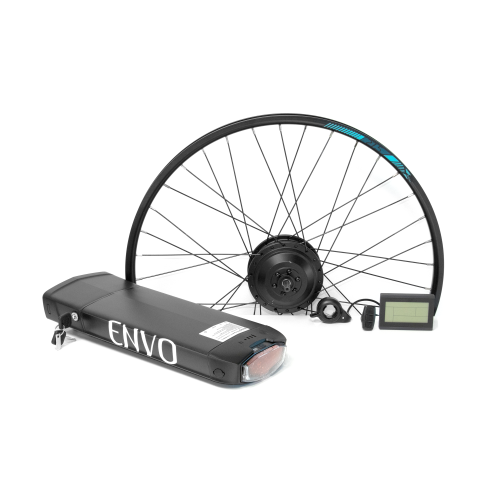
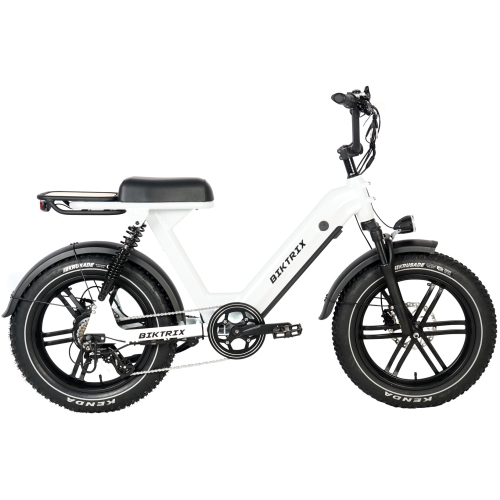
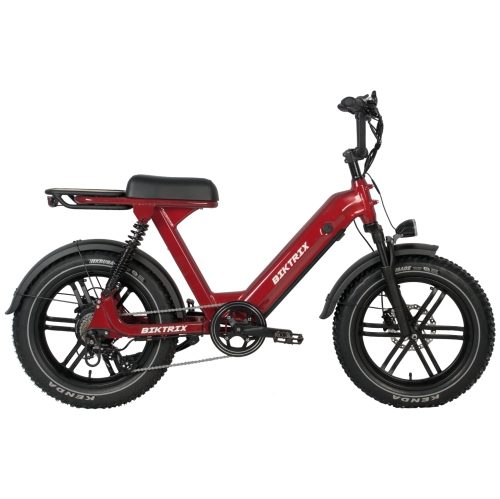
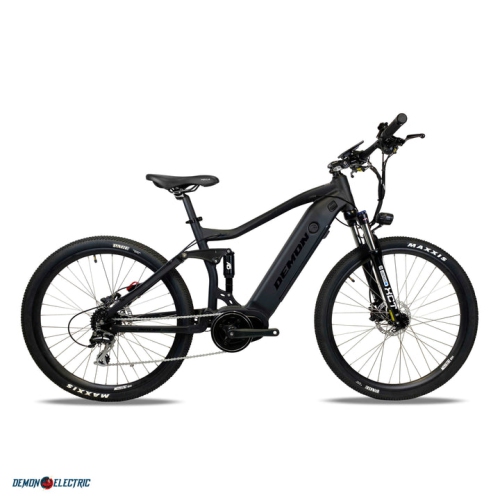
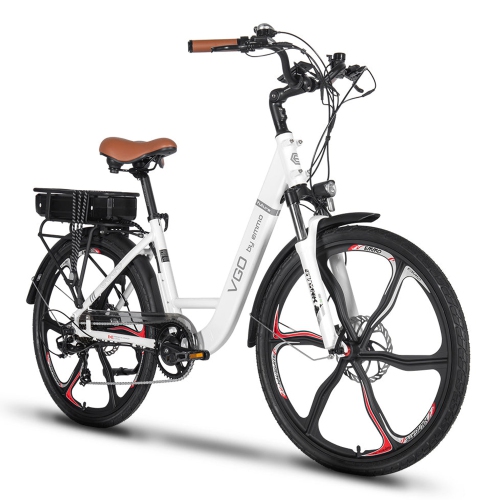
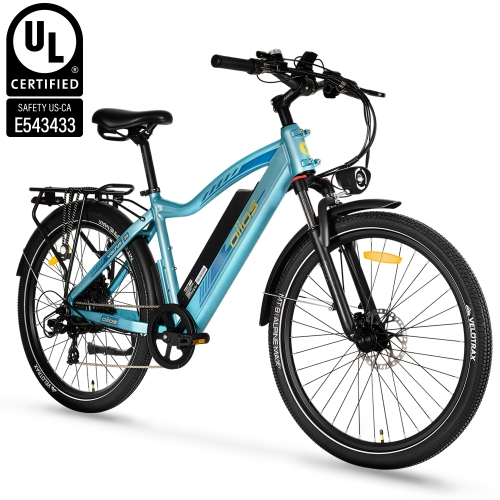
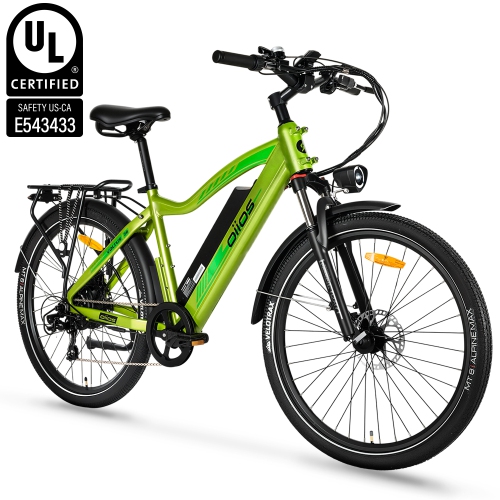
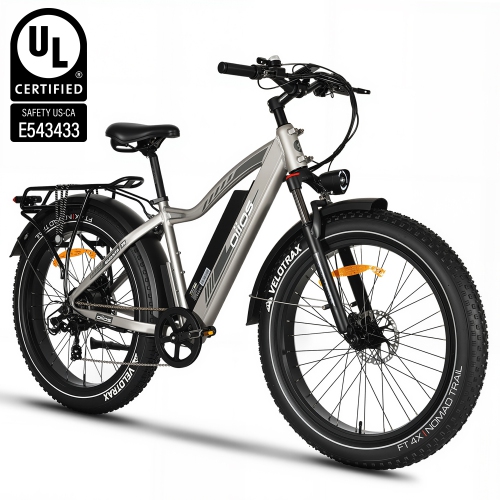
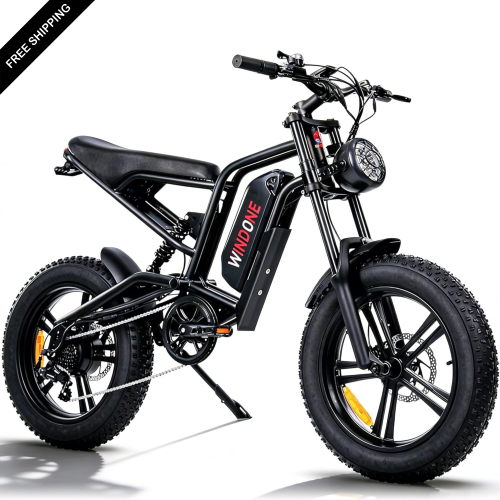
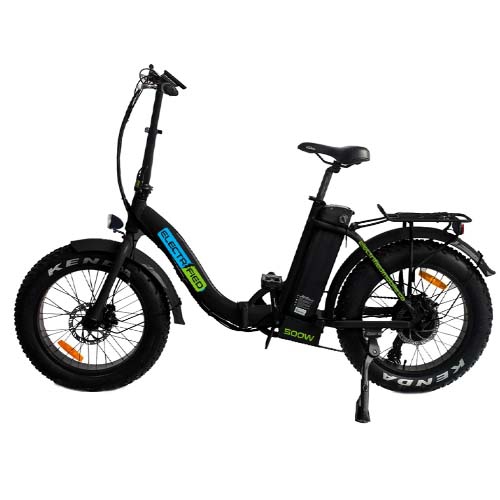
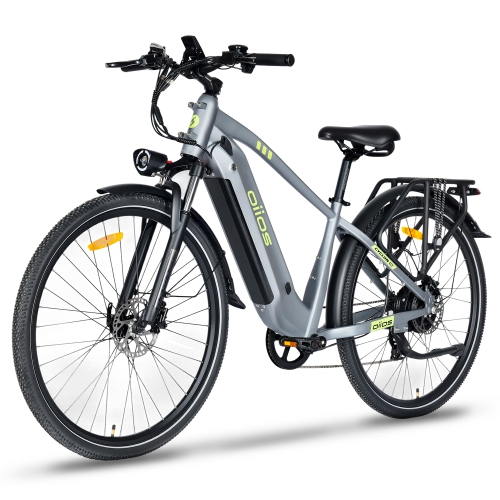
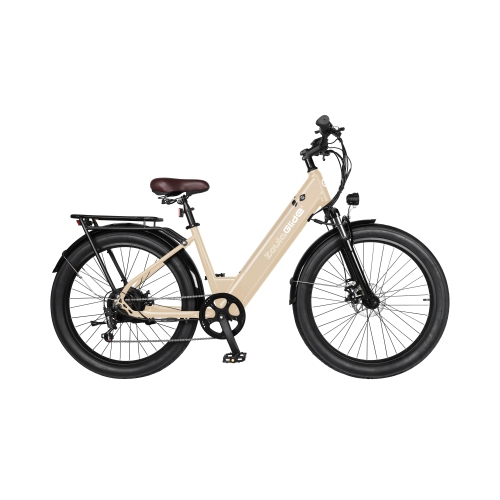
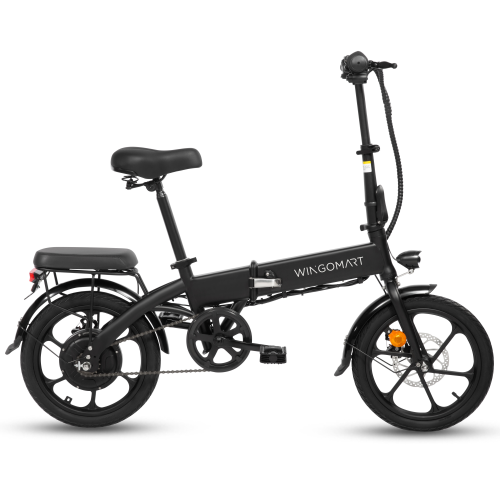
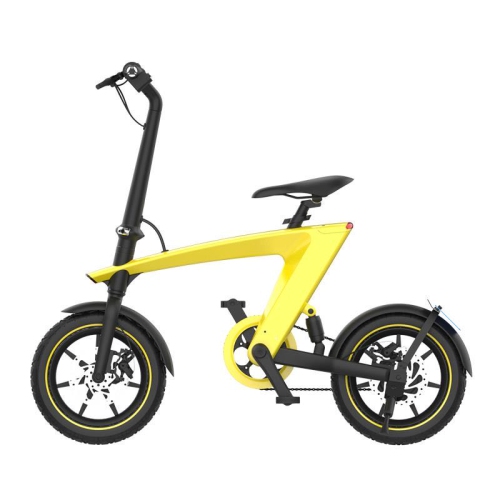
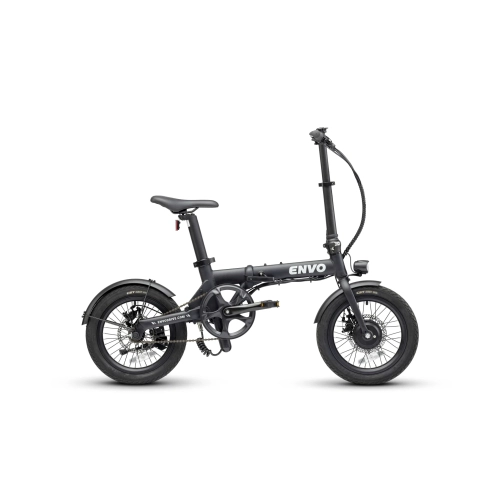
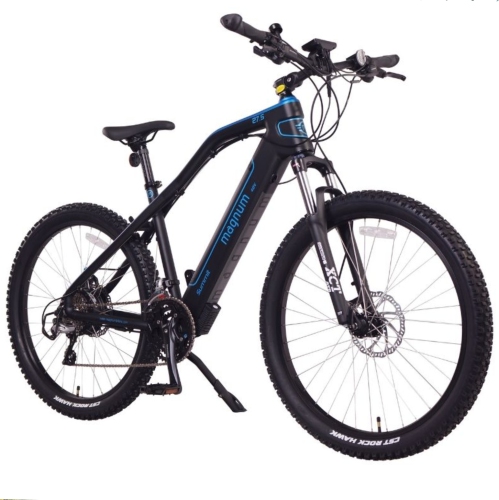
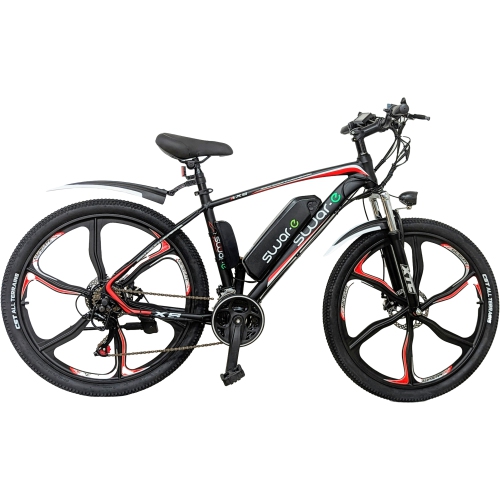
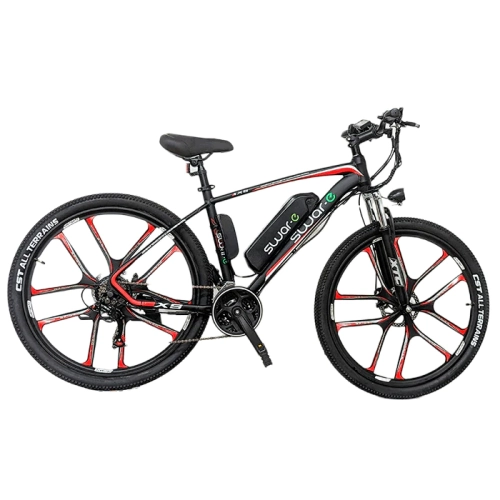
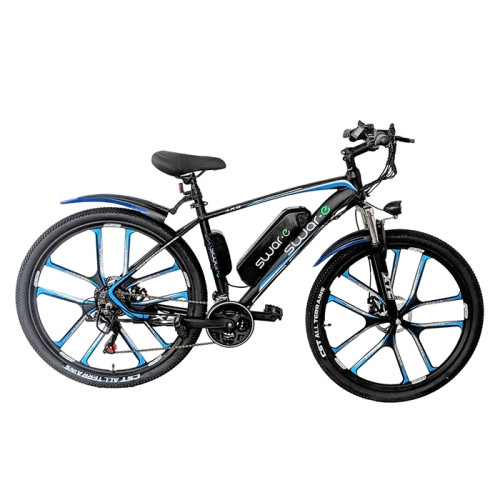
Long distance e bikes are designed for riders who want to travel farther between charges, whether that means commuting across a large city, connecting several neighbourhoods on one ride, exploring paved trails, or carrying supplies on an extended weekend outing. Depending on the battery capacity, riding mode, terrain, rider weight, cargo and weather, some long-range electric bikes are advertised for distances of roughly 100 km to more than 300 km on a single charge. These figures are typically measured under favourable conditions, using lower levels of pedal assist on relatively flat ground, so real-world range can be lower. A high-capacity battery stores more energy for extended rides, while a dual-battery design can provide additional capacity for longer routes or riders who prefer not to recharge as often. Battery capacity is commonly expressed in watt-hours (Wh), which is a useful way to compare how much energy different models can store. When comparing e bikes for long distance travel, look beyond the battery size and consider the motor, frame design, riding position, wheel and tire setup, available assist levels, charging time and the amount of weight the bike is built to carry. A practical long-range bike should also offer comfortable contact points, dependable stopping power and controls that are easy to use when the route stretches well beyond the usual daily commute. Step-through frames can make mounting and dismounting more convenient, particularly when the bike is loaded with a rear rack, panniers or other accessories, while standard frames may appeal to riders who prefer a more traditional cycling position. A suspension fork and wider tires can help smooth out cracked pavement, gravel paths and uneven surfaces, although they may add weight. If a bike will be stored or transported in a vehicle, remember that larger batteries and dual-motor systems can make it considerably heavier than a conventional bicycle.
The way an electric bike is ridden has a major effect on distance. Pedal assist generally uses less battery power than relying on a throttle alone because the motor is helping the rider rather than doing all the work. Lower assist settings are often suitable for flat streets, shared paths and gentle inclines, while higher settings can make steep hills, headwinds or a heavy load more manageable. A bike with several pedal-assist levels gives riders more control over the balance between effort and range. Throttle capability can be useful for starting from a stop, navigating a busy intersection or taking a short break from pedalling, but frequent throttle-only riding can reduce the distance available from a charge. Terrain and conditions matter just as much. Hills, loose surfaces, strong winds, cold temperatures, frequent stops and added cargo can all increase energy consumption. A heavier rider or a bike carrying groceries, work equipment or camping gear may see a noticeably shorter range than the manufacturer’s maximum estimate; in demanding conditions, the difference can be substantial. Planning with a margin is wise, especially when travelling beyond familiar roads. Check the route for charging opportunities, keep the battery properly charged before setting out and consider carrying the appropriate charger when practical. Follow the manufacturer’s charging instructions, use the supplied equipment, inspect the battery and connectors for damage, and store the battery in a dry location away from extreme heat or freezing conditions. Tire pressure also deserves attention: tires that are underinflated can increase rolling resistance, while the correct pressure can support a smoother, more efficient ride. Before purchasing, confirm the bike’s rated payload, battery removal options, charge time, warranty coverage and compatibility with the accessories you plan to use. It is also worth checking local requirements for electric bikes, including rules related to maximum assisted speed, motor output, helmets, paths and road use, since regulations can vary by province, municipality and trail system.
Long distance e bikes can suit a wide range of routines. A commuter may use one to replace a car trip for part of the week, arriving at work with less effort while still getting fresh air along the way. A recreational rider may use the extra range to connect trails that would otherwise require a vehicle shuttle, stop for a picnic or take an unplanned detour without worrying about returning before the battery is depleted. They can also be useful for errands, visits to friends and family, and daily transportation in communities where destinations are spread out. Riders who are returning to cycling after time away may appreciate the ability to choose how much assistance they receive, while experienced cyclists may use a lower setting for fitness and increase the support on longer climbs or during cooler weather. They can be thoughtful gifts for a partner, parent or adult child who enjoys practical outdoor gear, local exploring or an easier way to get around, provided the recipient’s height, riding experience, storage space and intended routes are considered first. A suitable helmet, lock, lights, reflective accessories, fenders, a rack and weather-resistant bags can make a long-distance setup more comfortable and useful, though compatibility should be confirmed before adding accessories. During the cooler months, layered clothing, gloves and visibility equipment can help extend the riding season, while planning shorter routes may be sensible when daylight is limited or surfaces are wet. Riders who are comparing the broader category can browse Electric Bikes to consider different frame styles, motor configurations and battery capacities. The best choice depends on the distance you expect to cover, how much pedalling you want to do, the terrain near your home and the storage and charging arrangements available to you. A model with the largest advertised range is not automatically the right fit; comfort, dependable controls, manageable weight and a battery capacity suited to your regular journeys can make a greater difference to how often the bike is used and how confidently each ride is planned.
The way an electric bike is ridden has a major effect on distance. Pedal assist generally uses less battery power than relying on a throttle alone because the motor is helping the rider rather than doing all the work. Lower assist settings are often suitable for flat streets, shared paths and gentle inclines, while higher settings can make steep hills, headwinds or a heavy load more manageable. A bike with several pedal-assist levels gives riders more control over the balance between effort and range. Throttle capability can be useful for starting from a stop, navigating a busy intersection or taking a short break from pedalling, but frequent throttle-only riding can reduce the distance available from a charge. Terrain and conditions matter just as much. Hills, loose surfaces, strong winds, cold temperatures, frequent stops and added cargo can all increase energy consumption. A heavier rider or a bike carrying groceries, work equipment or camping gear may see a noticeably shorter range than the manufacturer’s maximum estimate; in demanding conditions, the difference can be substantial. Planning with a margin is wise, especially when travelling beyond familiar roads. Check the route for charging opportunities, keep the battery properly charged before setting out and consider carrying the appropriate charger when practical. Follow the manufacturer’s charging instructions, use the supplied equipment, inspect the battery and connectors for damage, and store the battery in a dry location away from extreme heat or freezing conditions. Tire pressure also deserves attention: tires that are underinflated can increase rolling resistance, while the correct pressure can support a smoother, more efficient ride. Before purchasing, confirm the bike’s rated payload, battery removal options, charge time, warranty coverage and compatibility with the accessories you plan to use. It is also worth checking local requirements for electric bikes, including rules related to maximum assisted speed, motor output, helmets, paths and road use, since regulations can vary by province, municipality and trail system.
Long distance e bikes can suit a wide range of routines. A commuter may use one to replace a car trip for part of the week, arriving at work with less effort while still getting fresh air along the way. A recreational rider may use the extra range to connect trails that would otherwise require a vehicle shuttle, stop for a picnic or take an unplanned detour without worrying about returning before the battery is depleted. They can also be useful for errands, visits to friends and family, and daily transportation in communities where destinations are spread out. Riders who are returning to cycling after time away may appreciate the ability to choose how much assistance they receive, while experienced cyclists may use a lower setting for fitness and increase the support on longer climbs or during cooler weather. They can be thoughtful gifts for a partner, parent or adult child who enjoys practical outdoor gear, local exploring or an easier way to get around, provided the recipient’s height, riding experience, storage space and intended routes are considered first. A suitable helmet, lock, lights, reflective accessories, fenders, a rack and weather-resistant bags can make a long-distance setup more comfortable and useful, though compatibility should be confirmed before adding accessories. During the cooler months, layered clothing, gloves and visibility equipment can help extend the riding season, while planning shorter routes may be sensible when daylight is limited or surfaces are wet. Riders who are comparing the broader category can browse Electric Bikes to consider different frame styles, motor configurations and battery capacities. The best choice depends on the distance you expect to cover, how much pedalling you want to do, the terrain near your home and the storage and charging arrangements available to you. A model with the largest advertised range is not automatically the right fit; comfort, dependable controls, manageable weight and a battery capacity suited to your regular journeys can make a greater difference to how often the bike is used and how confidently each ride is planned.
Top selling and popular products
-
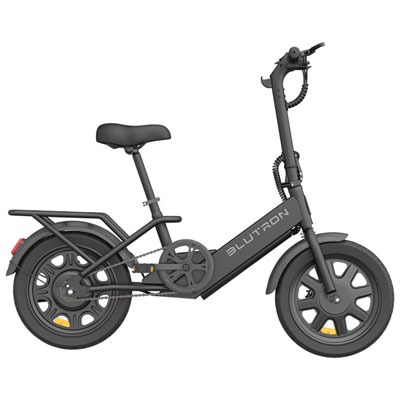 Your price for this item is $499.99
 -
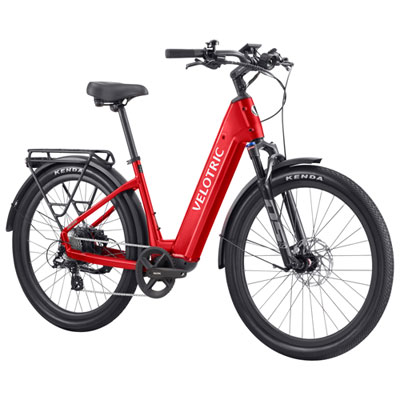 Your price for this item is $2499.99
 -
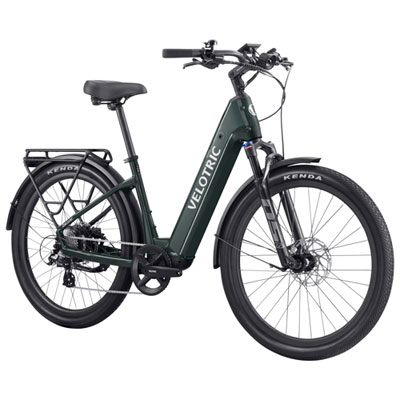 Your price for this item is $2499.99
 -
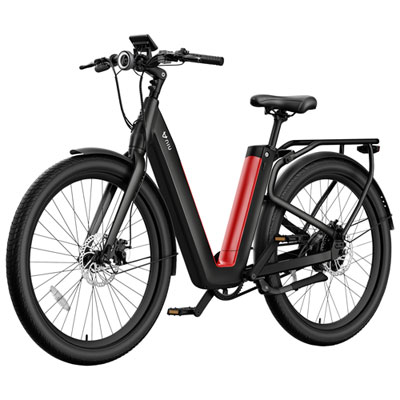 Your price for this item is $2699.99
 -
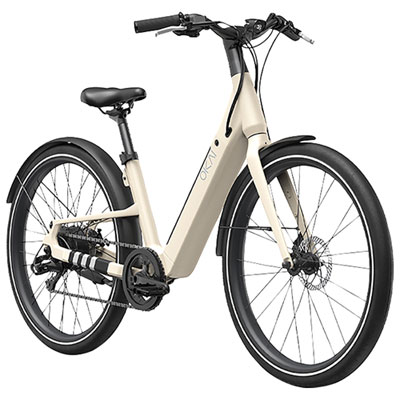 Your price for this item is $2199.99
 -
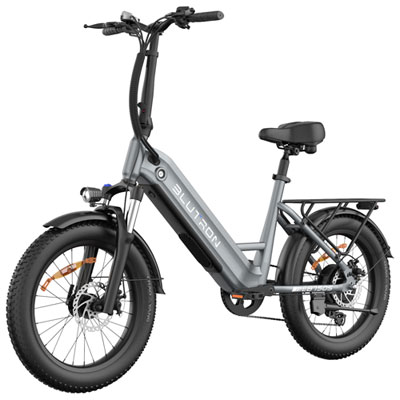 Your price for this item is $999.99
 -
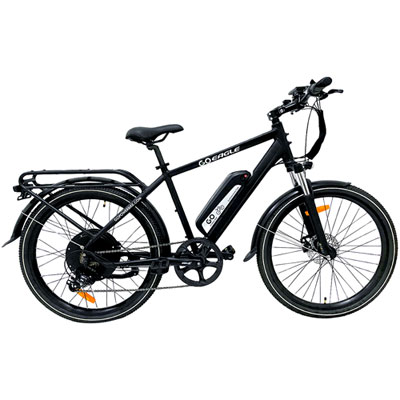 Your price for this item is $1399.97
 -
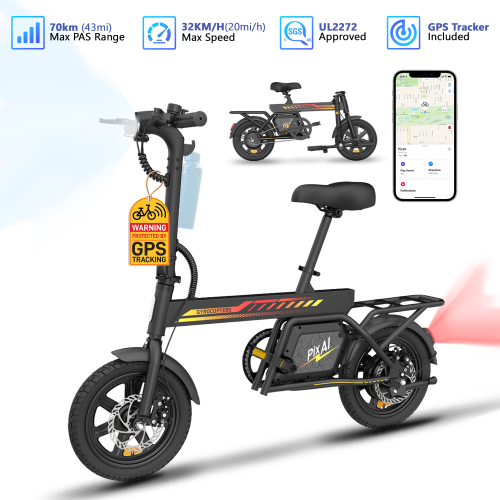 Your price for this item is $399.97
Discover more categories related to Long Distance E Bikes
Top Collections:
Pokemon Centers, Kindle Devices, Best Budget Office Chairs, Apple iPhones 16, Canon G7X Cameras, iPhone 15 Apple, Alarm Clock, Refurbished Apple Laptops, Flip Phones, Best Laptops for Writers
Some products may be subject to Environmental Handling Fees
(EHF) depending on your province.
Learn more about EHFs.