Must Haves for RV Living
Must Haves for RV Living bring comfort, convenience, and efficiency to life on the road. Whether you’re embarking on a cross-country adventure or settling in for a weekend getaway, the right essentials can make all the difference in your travel experience. Discover a wide selection of products designed to help you stay organized, maximize your space, and enjoy every moment of your journey. Find everything you need to create a relaxing and well-equipped home away from home with these top picks for RV living.
Sort


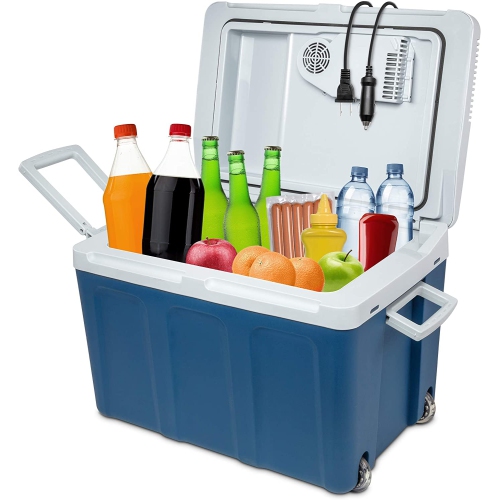
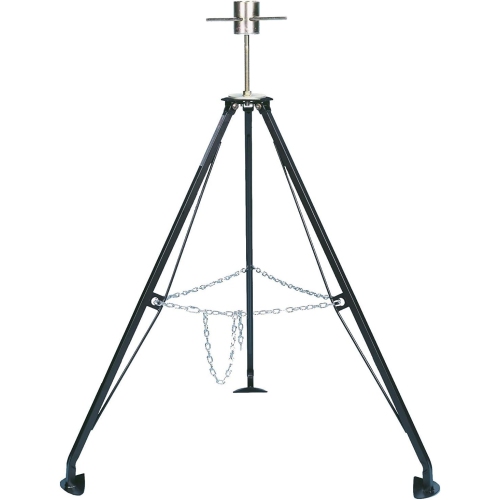
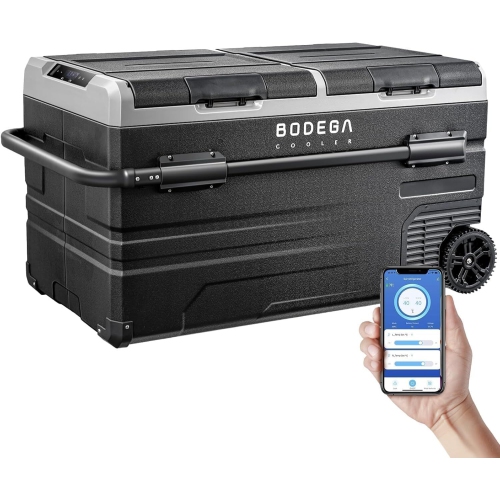
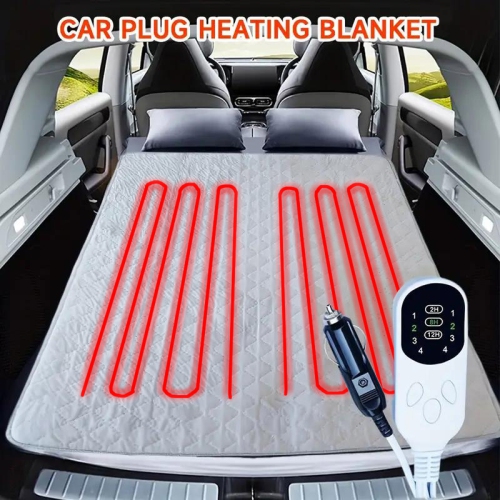
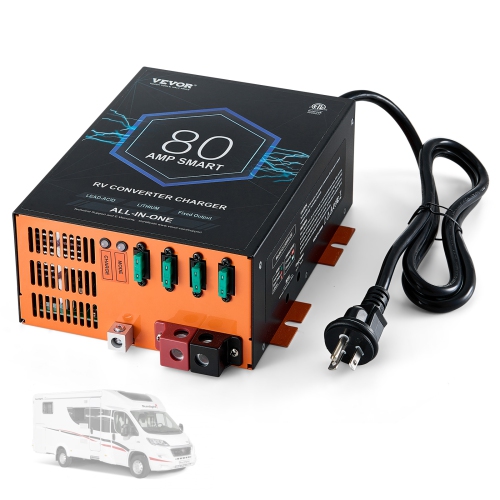
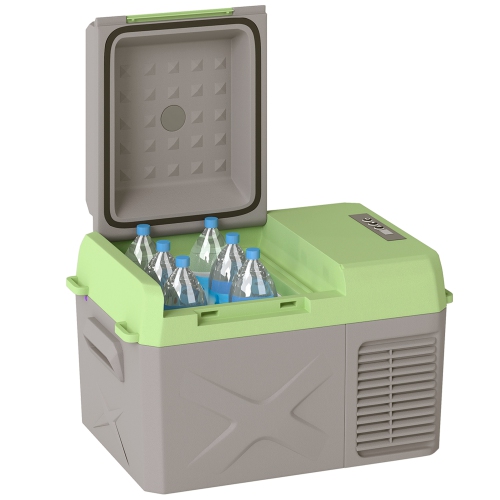

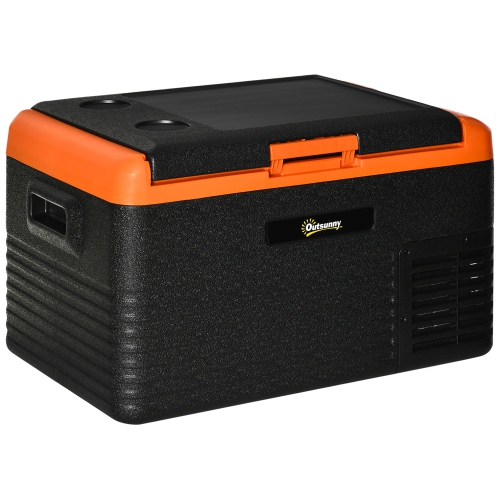
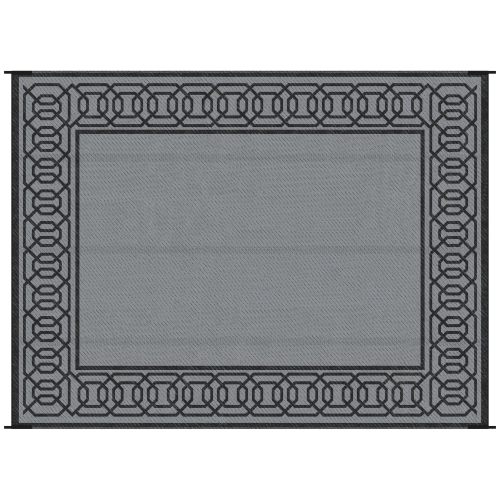

Why RV essentials need more than a compact size
Must haves for RV living support the everyday tasks that make a compact home on wheels feel comfortable and manageable: connecting to power, handling water safely, preparing meals, keeping belongings secure, and settling into a campsite. The most useful essentials suit both the vehicle and the way it is used, whether that means occasional road trips, extended stays, or full-time travel. Compatibility matters more than simply choosing the smallest option. Electrical accessories need to match the RV’s service rating, connection type, and manufacturer requirements. An RV electrical management system can provide protection against faults such as high or low voltage and incorrectly wired campground connections, depending on its features; a basic surge protector does not necessarily provide those same safeguards. Adapters change connection compatibility, not the amount of power a source can safely supply, so appliance use still needs to stay within the limits of the connection. Cord length, electrical rating, and suitability for the intended setting also matter, particularly when the hookup is farther from the parking space than expected. Water accessories deserve the same attention to fit and purpose. Drinking-water connections should use materials specifically rated for potable water, while pressure regulation helps protect plumbing from supply pressure that exceeds the vehicle’s limits. Filtration performance varies by design and certification, and filtering water does not automatically make an unsafe source drinkable. Fresh-water and wastewater equipment should remain separate during use, cleaning, and storage, with secure connections and dedicated storage spaces helping keep setup tidy. These practical details are especially valuable when arriving after a long drive: clearly organized compartments, accessible connection equipment, and components that fit without makeshift adjustments make routine tasks less frustrating. Durable fittings, readable markings, and surfaces that are straightforward to clean can be more useful than extra features that rarely get used. For longer stays, essentials that can be inspected, maintained, and stored neatly help keep the RV’s limited utility space functional rather than crowded.
Inside an RV, good fit is about more than whether something passes through the door. Storage openings, shelf depth, seating clearances, sleeping-space dimensions, and access to service panels all influence what works in daily use. A compact kitchen still needs room to open a cupboard while someone stands at the counter, and bedding should suit the actual mattress measurements rather than an assumed household size. RV sleeping spaces can have shorter lengths, rounded corners, or unusual widths, making measured dimensions particularly important. In shared spaces, lightweight, nesting, stackable, or collapsible designs can reduce clutter, provided they remain stable and appropriate for their intended use. Multipurpose furnishings are useful when their functions genuinely match the routine: a dining space that also supports remote work needs comfortable seating, usable surface area, and somewhere for cables to go without crossing a walkway. Storage works best when frequently used belongings are easy to reach and heavier loads sit low in properly secured compartments, within the vehicle’s loading limits. A tidy shelf at a campsite may behave very differently during travel, so secure closures and suitable restraints matter alongside capacity. Materials influence both comfort and upkeep. Washable fabrics, removable covers, smooth wipeable surfaces, and corrosion-resistant hardware can simplify cleaning, though care instructions should always determine which cleaning methods are suitable. Soft furnishings benefit from fabrics that tolerate repeated handling, while kitchen materials should suit food contact and the cooking method being used. The largest appliance is not necessarily the most practical choice for a small galley; usable counter space, ventilation clearances, electrical demand, and secure travel storage all matter. Running several high-draw appliances together may exceed the available supply even when each works well on its own. A comfortable interior leaves room for ordinary movements, from getting dressed beside the bed to carrying a meal past the seating area. For couples sharing a compact layout or families keeping separate sleeping and activity spaces organized, thoughtful sizing can make the cabin feel easier to live in without filling every available gap.
Beyond the cabin, RV essentials support stable parking, dependable communication, and readiness for everyday interruptions. Parking equipment should be rated for the vehicle and used according to its instructions; wheel restraint, levelling, and stabilization serve different purposes and are not interchangeable. Stabilizing supports should not be treated as lifting equipment unless specifically designed for that use. Vehicle weight, tyre size, surface conditions, and the manufacturer’s setup procedure all affect suitability. Basic maintenance and roadside supplies are most useful when they match the vehicle and the owner’s skills, with accessible storage that does not require unloading an entire compartment to reach something important. Safety provisions also need to suit the RV’s layout and installed systems, including appropriate fire, smoke, carbon monoxide, and propane safeguards where applicable. Fuel-burning equipment intended for outdoor use must stay outside and away from openings; an open door or window does not make indoor use safe. For travellers who work remotely or keep in touch with family, connectivity depends on more than having a device with Wi-Fi. Coverage, campground network capacity, service-plan limits, and a dependable power supply all shape what can realistically be done from a campsite. A designated workspace with secured cables and comfortable positioning helps separate work from meals and downtime. Travellers planning stays without campground hookups have different needs around stored power, water capacity, and waste handling, which makes Must Haves for Boondocking a useful related collection. Across any travel style, easy care and manageable packing tend to matter more over time than novelty. Components that dry thoroughly before storage, fabrics with clear washing instructions, and equipment with accessible replacement parts can simplify ownership. Gifts for RV owners are most thoughtful when they suit a known layout, routine, or hobby rather than adding another bulky possession. A new owner may appreciate help with everyday organization, while an experienced traveller may value comfort or convenience tailored to an established setup. The strongest assortment of RV living essentials leaves space for living, with each addition earning its place through practical use, suitable fit, and dependable performance.
Inside an RV, good fit is about more than whether something passes through the door. Storage openings, shelf depth, seating clearances, sleeping-space dimensions, and access to service panels all influence what works in daily use. A compact kitchen still needs room to open a cupboard while someone stands at the counter, and bedding should suit the actual mattress measurements rather than an assumed household size. RV sleeping spaces can have shorter lengths, rounded corners, or unusual widths, making measured dimensions particularly important. In shared spaces, lightweight, nesting, stackable, or collapsible designs can reduce clutter, provided they remain stable and appropriate for their intended use. Multipurpose furnishings are useful when their functions genuinely match the routine: a dining space that also supports remote work needs comfortable seating, usable surface area, and somewhere for cables to go without crossing a walkway. Storage works best when frequently used belongings are easy to reach and heavier loads sit low in properly secured compartments, within the vehicle’s loading limits. A tidy shelf at a campsite may behave very differently during travel, so secure closures and suitable restraints matter alongside capacity. Materials influence both comfort and upkeep. Washable fabrics, removable covers, smooth wipeable surfaces, and corrosion-resistant hardware can simplify cleaning, though care instructions should always determine which cleaning methods are suitable. Soft furnishings benefit from fabrics that tolerate repeated handling, while kitchen materials should suit food contact and the cooking method being used. The largest appliance is not necessarily the most practical choice for a small galley; usable counter space, ventilation clearances, electrical demand, and secure travel storage all matter. Running several high-draw appliances together may exceed the available supply even when each works well on its own. A comfortable interior leaves room for ordinary movements, from getting dressed beside the bed to carrying a meal past the seating area. For couples sharing a compact layout or families keeping separate sleeping and activity spaces organized, thoughtful sizing can make the cabin feel easier to live in without filling every available gap.
Beyond the cabin, RV essentials support stable parking, dependable communication, and readiness for everyday interruptions. Parking equipment should be rated for the vehicle and used according to its instructions; wheel restraint, levelling, and stabilization serve different purposes and are not interchangeable. Stabilizing supports should not be treated as lifting equipment unless specifically designed for that use. Vehicle weight, tyre size, surface conditions, and the manufacturer’s setup procedure all affect suitability. Basic maintenance and roadside supplies are most useful when they match the vehicle and the owner’s skills, with accessible storage that does not require unloading an entire compartment to reach something important. Safety provisions also need to suit the RV’s layout and installed systems, including appropriate fire, smoke, carbon monoxide, and propane safeguards where applicable. Fuel-burning equipment intended for outdoor use must stay outside and away from openings; an open door or window does not make indoor use safe. For travellers who work remotely or keep in touch with family, connectivity depends on more than having a device with Wi-Fi. Coverage, campground network capacity, service-plan limits, and a dependable power supply all shape what can realistically be done from a campsite. A designated workspace with secured cables and comfortable positioning helps separate work from meals and downtime. Travellers planning stays without campground hookups have different needs around stored power, water capacity, and waste handling, which makes Must Haves for Boondocking a useful related collection. Across any travel style, easy care and manageable packing tend to matter more over time than novelty. Components that dry thoroughly before storage, fabrics with clear washing instructions, and equipment with accessible replacement parts can simplify ownership. Gifts for RV owners are most thoughtful when they suit a known layout, routine, or hobby rather than adding another bulky possession. A new owner may appreciate help with everyday organization, while an experienced traveller may value comfort or convenience tailored to an established setup. The strongest assortment of RV living essentials leaves space for living, with each addition earning its place through practical use, suitable fit, and dependable performance.
Top selling and popular products
-
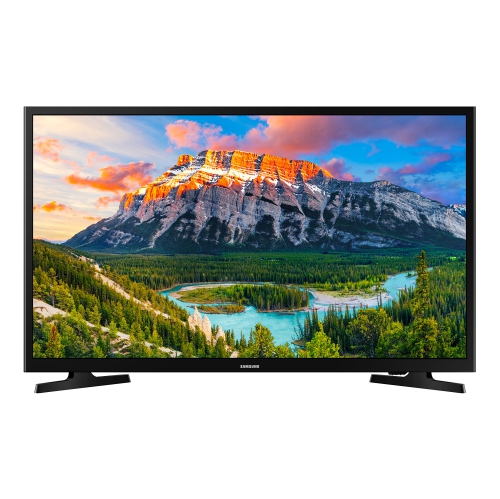 Your price for this item is $349.99
 -
 Your price for this item is $199.99
 -
 Your price for this item is $199.99
 -
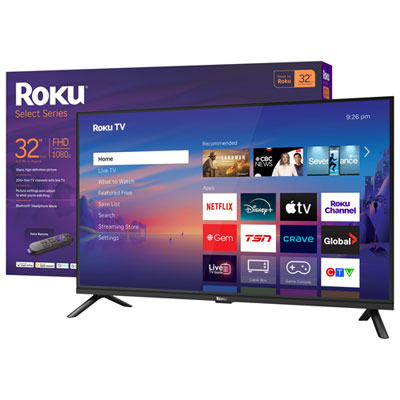 Your price for this item is $159.99
 -
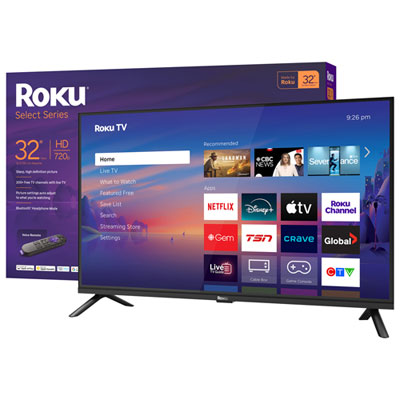 Your price for this item is $199.99
 -
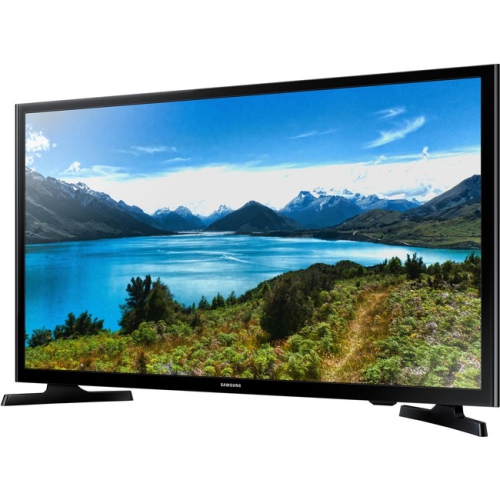 Your price for this item is $349.99
 -
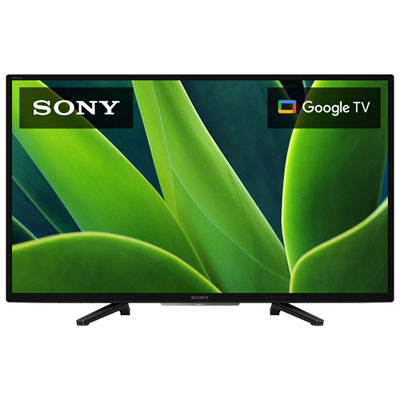 Your price for this item is $379.99
 -
 Your price for this item is $4999.99
Discover more categories related to Must Haves for RV Living
Top Collections:
Pokemon Centers, Kindle Devices, Best Budget Office Chairs, Apple iPhones 16, Canon G7X Cameras, iPhone 15 Apple, Alarm Clock, Refurbished Apple Laptops, Flip Phones, Best Laptops for Writers
Some products may be subject to Environmental Handling Fees
(EHF) depending on your province.
Learn more about EHFs.