Outdoor Blankets
Transform your outdoor adventures with the perfect outdoor blanket, a must-have accessory for any nature enthusiast. Whether you're planning a picnic at the park, a day at the beach, or a cozy evening under the stars, an outdoor blanket provides comfort and convenience in any setting. Designed to withstand various weather conditions, these blankets offer durability and style, making them ideal for any occasion. Easy to carry and simple to clean, they are perfect companions for creating memorable moments in the great outdoors. Explore our selection of outdoor blankets to find the one that suits your lifestyle and elevates your outdoor experience.
Sort
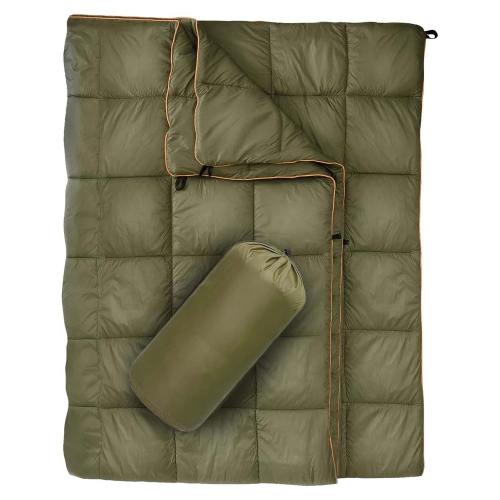
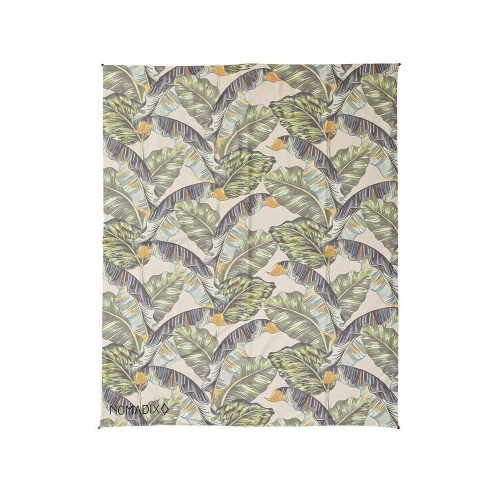
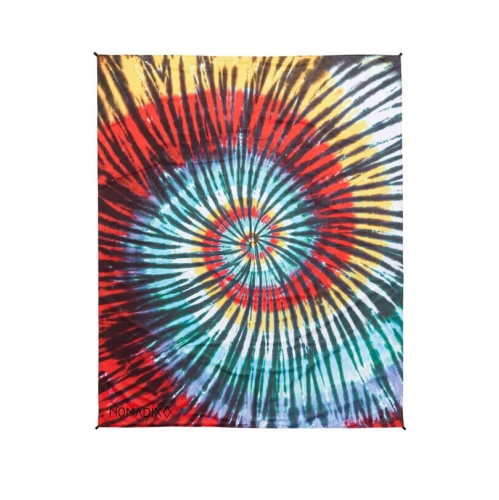
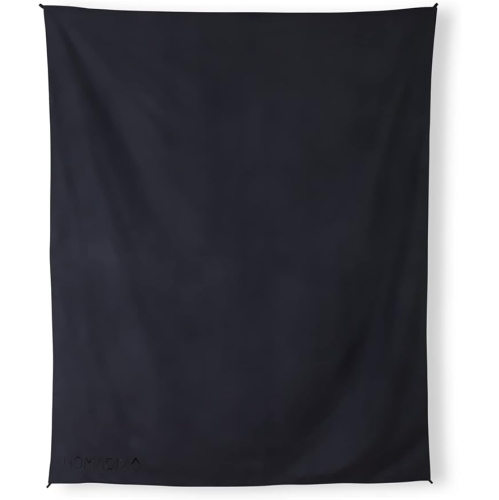
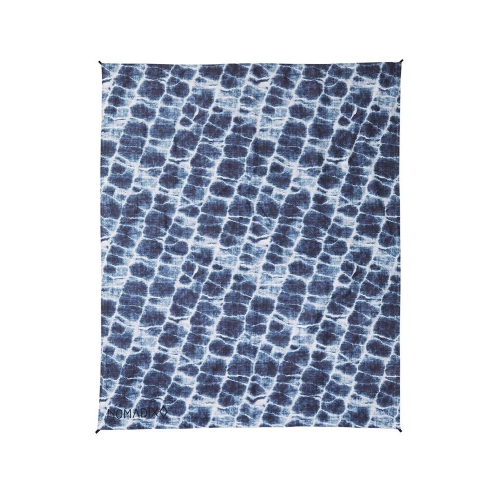
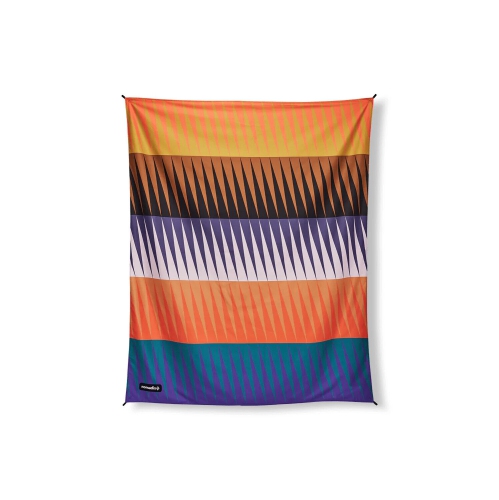
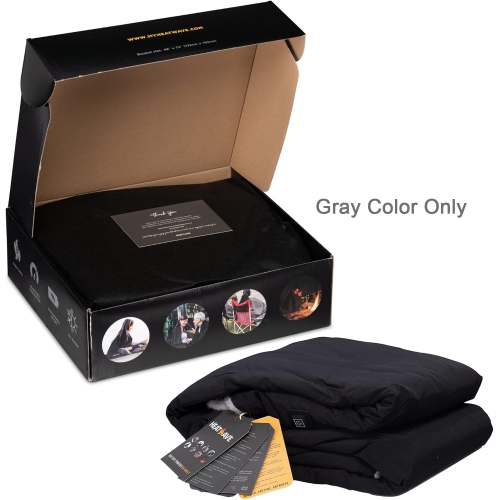

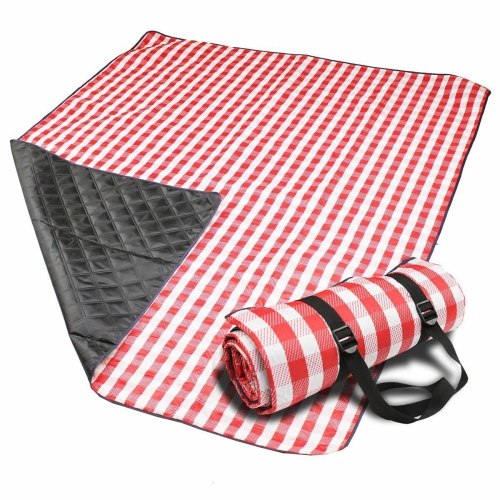
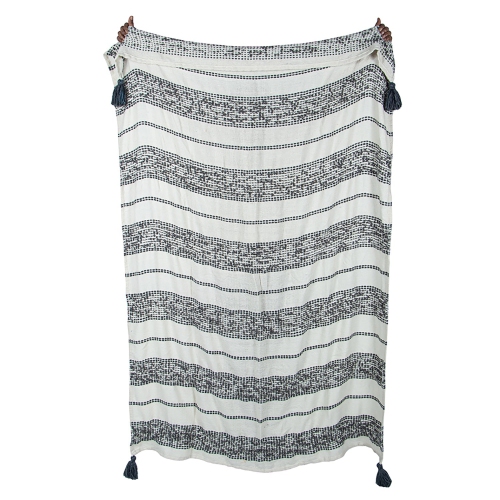
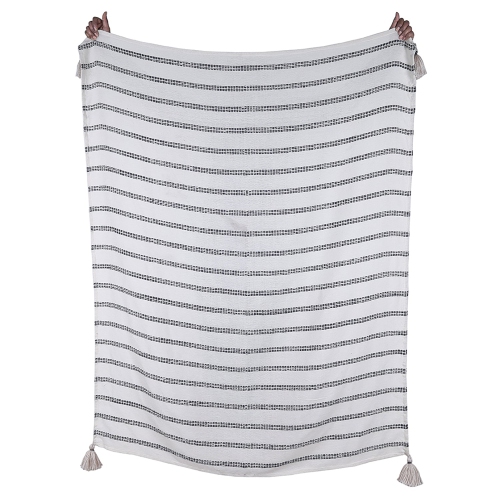
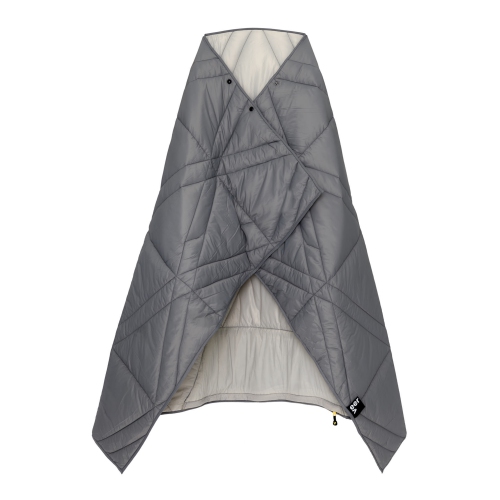

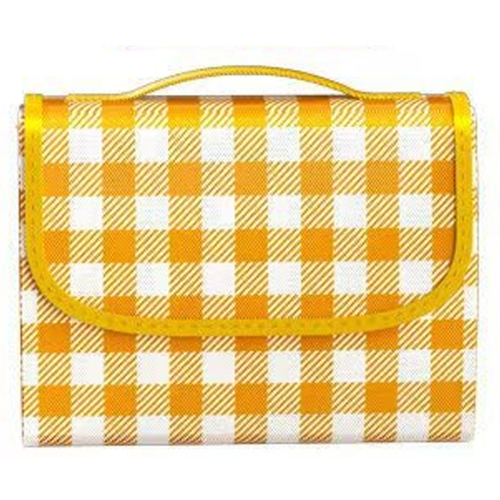
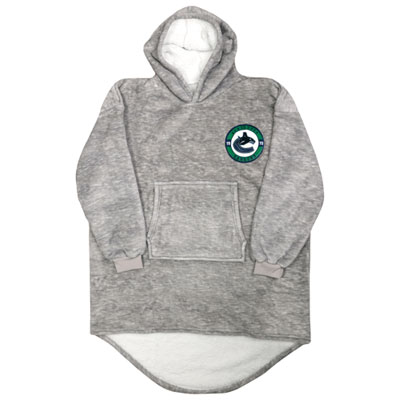
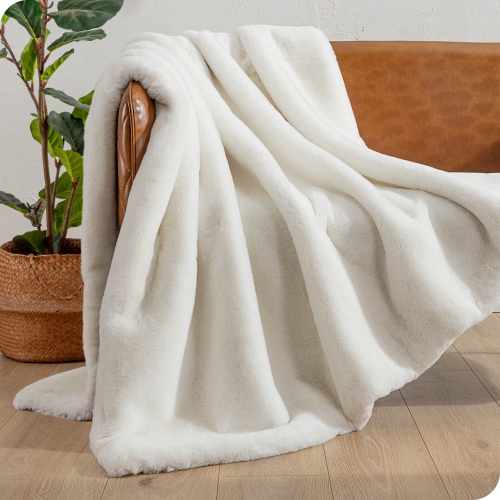
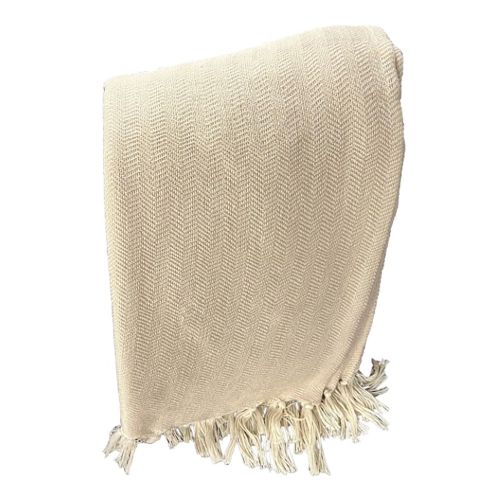
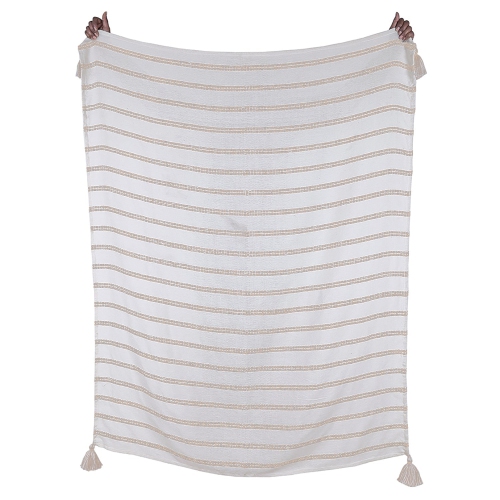
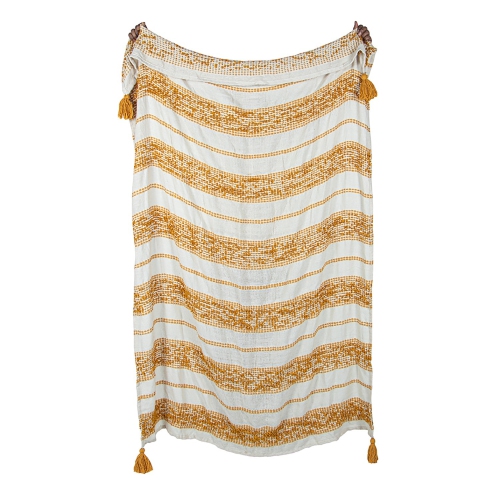
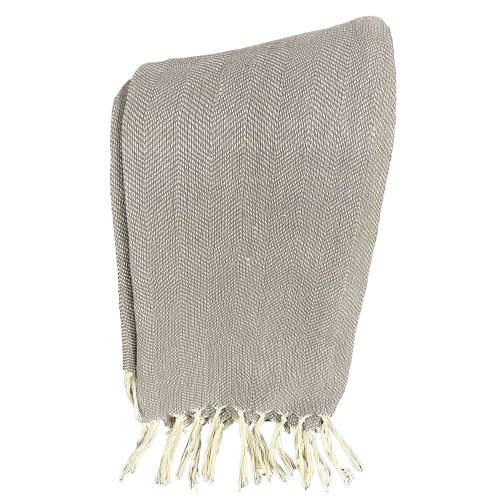
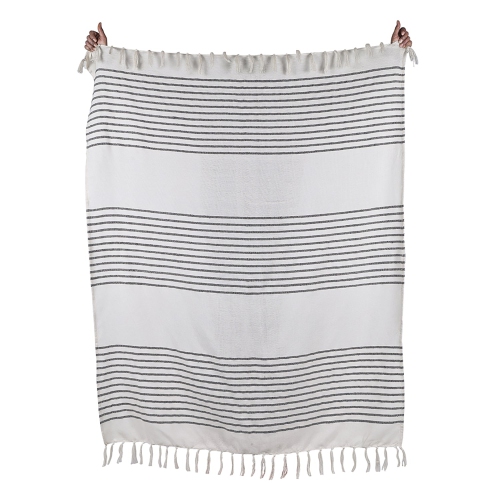
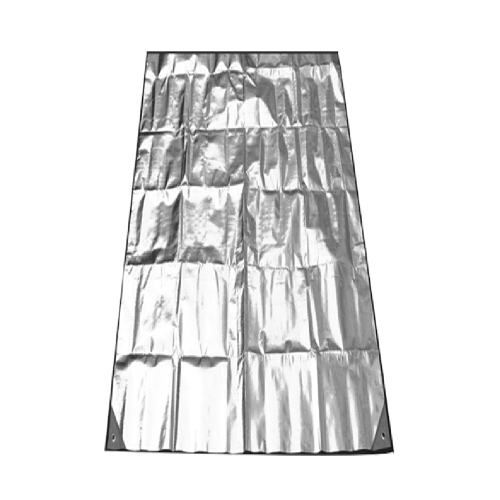
Ground protection or wraparound warmth for your next outing
Outdoor blankets provide a portable layer of comfort for picnics, camping trips, beach visits, and spectator seating at outdoor sporting events. Depending on their construction, they can serve as a barrier against damp ground, add cushioning over firm surfaces, or wrap around shoulders and legs for warmth. The main distinction is between blankets designed to sit on and those designed to wrap around the body. A picnic blanket typically has a durable underside and a comfortable upper surface, while an insulated camping blanket puts more emphasis on warmth, flexibility, and packability. Some designs combine these qualities, making them useful for a family lunch on the grass followed by an evening around the campsite. Waterproof outdoor blankets generally use a coated backing or moisture-blocking layer to help prevent ground moisture from reaching the sitting surface. Water-resistant fabrics offer more limited protection, so they should not be treated as interchangeable with waterproof construction. Seams, edges, and the condition of any coating also affect how well a blanket handles moisture. For a picnic on damp grass, a protective underside matters more than a particularly thick top layer; for sitting in the stands, a soft, insulated design that drapes comfortably over the knees may be more useful. Beach blankets often favour a smooth surface that is easy to shake clean, although sand can still collect in folds and textured fabrics. Padding adds comfort on packed earth or a wooden bench, but even a generously padded blanket will not completely disguise stones or uneven ground. Size changes the experience, too. A compact blanket may suit one person reading in a park, while a larger rectangular design gives a couple or family room to sit alongside a picnic bag and shoes. Listed dimensions are more helpful than capacity labels alone: space for four people sitting close together is different from space for four people stretching out with lunch between them.
Materials influence how an outdoor blanket feels, how much space it takes up, and how easily it handles repeated use. Fleece offers a soft, brushed surface that feels comfortable against bare arms and can work well as a picnic blanket’s upper layer or a wrap for a seated spectator. Its texture can catch grass, pet hair, and small bits of debris, so it may need more than a quick shake after use. Woven polyester or nylon shells tend to have a smoother feel and can help an insulated blanket slide into a stuff sack without taking up excessive room. Tightly woven fabric, reinforced edges, and secure stitching are useful details for blankets that will be folded, carried, and spread out frequently. Ripstop construction can help limit the spread of small tears, but it does not make fabric immune to sharp rocks, thorns, or snagging. Cotton-rich surfaces offer a familiar, soft feel, though they can absorb moisture and take longer to dry than many synthetic alternatives. Wool can provide warmth and a substantial drape, with weight, texture, and washing requirements that deserve attention before choosing it for regular outings. Synthetic fill adds loft to puffy camping blankets, while down-filled designs can offer warmth with relatively little packed weight but require particular attention to keeping the fill dry. The outer shell’s water resistance does not necessarily mean the whole blanket is waterproof. For carrying comfort, packed dimensions and total weight matter just as much as unfolded size. A blanket that stays in a vehicle can be bulkier than one carried in a daypack alongside food and water. Integrated handles, adjustable straps, and storage pouches make transport easier, while simple folding patterns can be especially welcome when packing up with children. Corner loops or attachment points may help secure compatible designs on open ground; any stakes or fasteners should stay out of walking paths. For wraparound use, snaps or closures can help keep a blanket in place while leaving hands free.
Everyday practicality often comes down to care and the details that suit a household’s routines. A family picnic blanket benefits from an easy-clean surface and enough room for a dropped cracker or tipped cup to land away from bags and clothing. Dog owners may prefer a tightly woven top that releases loose hair readily, along with a sturdy backing for regular park stops. Campers and frequent travellers may place greater value on a blanket that packs neatly and dries thoroughly between outings. For outdoor concerts or sporting events, a manageable folded size makes it easier to carry a blanket along with a seat cushion or small bag, subject to venue rules. Outdoor blankets can also make thoughtful gifts for people who enjoy road trips, lakeside lunches, or watching a child’s weekend games, particularly when the size and care needs match how the recipient spends time outside. Patterns and darker colours may make everyday marks less noticeable, while a contrasting underside can help distinguish the ground-facing surface during folding. After use, shaking off grit before packing helps prevent abrasive particles from rubbing against the fabric. Mud is often easier to brush away once dry, but the care label should determine the cleaning method. Some blankets can be machine washed, while others need spot cleaning or a gentle hand wash; waterproof backings, coatings, and insulation can require different treatment from an ordinary household blanket. High heat, bleach, or fabric softener may damage certain materials, so washing and drying instructions matter. A blanket should be fully dry before storage, and lofted insulation is generally better stored loosely rather than left tightly compressed for long periods. Keep any blanket away from flames and hot cooking equipment unless its stated specifications expressly support that use. For a softer layer intended mainly for a sofa, reading chair, or indoor lounging, throw blankets serve a different purpose from ground-ready outdoor designs. Matching the backing, surface texture, dimensions, and packed size to the outing makes an outdoor blanket easier to carry, use, and care for over time.
Materials influence how an outdoor blanket feels, how much space it takes up, and how easily it handles repeated use. Fleece offers a soft, brushed surface that feels comfortable against bare arms and can work well as a picnic blanket’s upper layer or a wrap for a seated spectator. Its texture can catch grass, pet hair, and small bits of debris, so it may need more than a quick shake after use. Woven polyester or nylon shells tend to have a smoother feel and can help an insulated blanket slide into a stuff sack without taking up excessive room. Tightly woven fabric, reinforced edges, and secure stitching are useful details for blankets that will be folded, carried, and spread out frequently. Ripstop construction can help limit the spread of small tears, but it does not make fabric immune to sharp rocks, thorns, or snagging. Cotton-rich surfaces offer a familiar, soft feel, though they can absorb moisture and take longer to dry than many synthetic alternatives. Wool can provide warmth and a substantial drape, with weight, texture, and washing requirements that deserve attention before choosing it for regular outings. Synthetic fill adds loft to puffy camping blankets, while down-filled designs can offer warmth with relatively little packed weight but require particular attention to keeping the fill dry. The outer shell’s water resistance does not necessarily mean the whole blanket is waterproof. For carrying comfort, packed dimensions and total weight matter just as much as unfolded size. A blanket that stays in a vehicle can be bulkier than one carried in a daypack alongside food and water. Integrated handles, adjustable straps, and storage pouches make transport easier, while simple folding patterns can be especially welcome when packing up with children. Corner loops or attachment points may help secure compatible designs on open ground; any stakes or fasteners should stay out of walking paths. For wraparound use, snaps or closures can help keep a blanket in place while leaving hands free.
Everyday practicality often comes down to care and the details that suit a household’s routines. A family picnic blanket benefits from an easy-clean surface and enough room for a dropped cracker or tipped cup to land away from bags and clothing. Dog owners may prefer a tightly woven top that releases loose hair readily, along with a sturdy backing for regular park stops. Campers and frequent travellers may place greater value on a blanket that packs neatly and dries thoroughly between outings. For outdoor concerts or sporting events, a manageable folded size makes it easier to carry a blanket along with a seat cushion or small bag, subject to venue rules. Outdoor blankets can also make thoughtful gifts for people who enjoy road trips, lakeside lunches, or watching a child’s weekend games, particularly when the size and care needs match how the recipient spends time outside. Patterns and darker colours may make everyday marks less noticeable, while a contrasting underside can help distinguish the ground-facing surface during folding. After use, shaking off grit before packing helps prevent abrasive particles from rubbing against the fabric. Mud is often easier to brush away once dry, but the care label should determine the cleaning method. Some blankets can be machine washed, while others need spot cleaning or a gentle hand wash; waterproof backings, coatings, and insulation can require different treatment from an ordinary household blanket. High heat, bleach, or fabric softener may damage certain materials, so washing and drying instructions matter. A blanket should be fully dry before storage, and lofted insulation is generally better stored loosely rather than left tightly compressed for long periods. Keep any blanket away from flames and hot cooking equipment unless its stated specifications expressly support that use. For a softer layer intended mainly for a sofa, reading chair, or indoor lounging, throw blankets serve a different purpose from ground-ready outdoor designs. Matching the backing, surface texture, dimensions, and packed size to the outing makes an outdoor blanket easier to carry, use, and care for over time.
Top selling and popular products
-
 Your price for this item is $199
 -
 Your price for this item is $418.99
 -
 Your price for this item is $481.99
 -
 Your price for this item is $226.99
 -
 Your price for this item is $133.99
 -
 Your price for this item is $69.45
 -
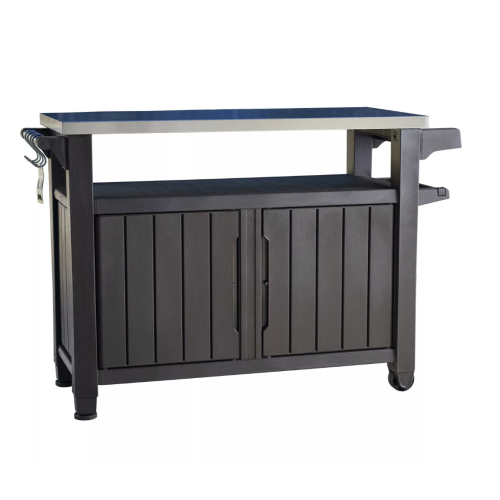 Your price for this item is $562.99
 -
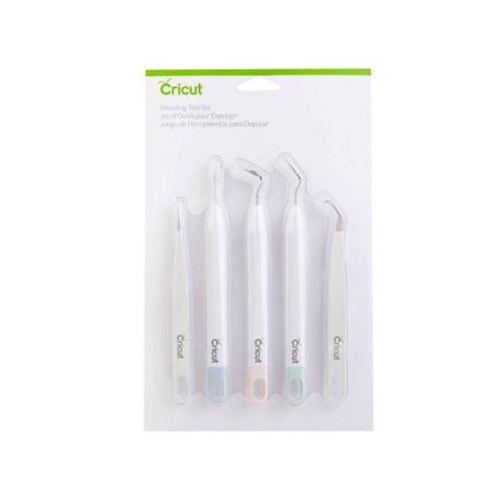 Your price for this item is $26.99
Discover more categories related to Outdoor Blankets
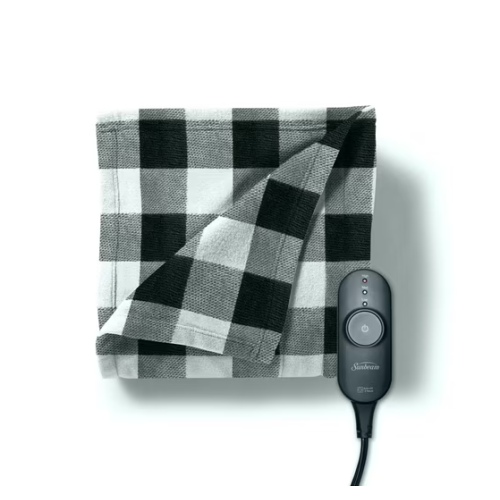
Top Collections:
Pokemon Centers, Kindle Devices, Best Budget Office Chairs, Apple iPhones 16, Best Laptops for Writers, iPhone 15 Apple, Canon G7X Cameras, Refurbished Apple Laptops, Alarm Clock, Motorola Razr Phones
Some products may be subject to Environmental Handling Fees
(EHF) depending on your province.
Learn more about EHFs.