Plumbing Hoses
At Best Buy, we offer a wide selection of high-quality plumbing hoses that are designed to meet your needs and exceed your expectations. Whether you're replacing an old hose or starting from scratch, our range of options ensures that you'll find the perfect fit for any plumbing application. From flexible and durable materials to various lengths and sizes, our plumbing hoses are built to withstand the demands of everyday use while providing exceptional performance. Upgrade your plumbing system with confidence and shop our collection of top-notch hoses today!
Sort
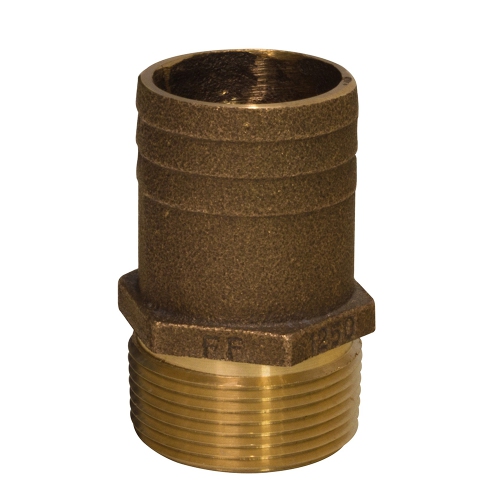
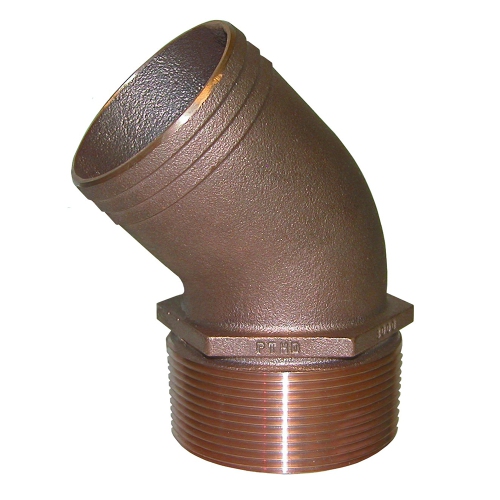
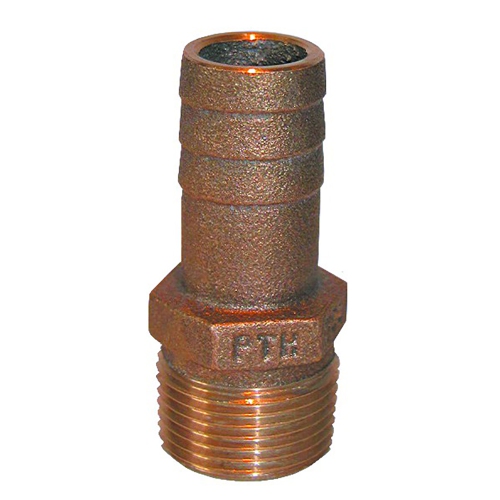
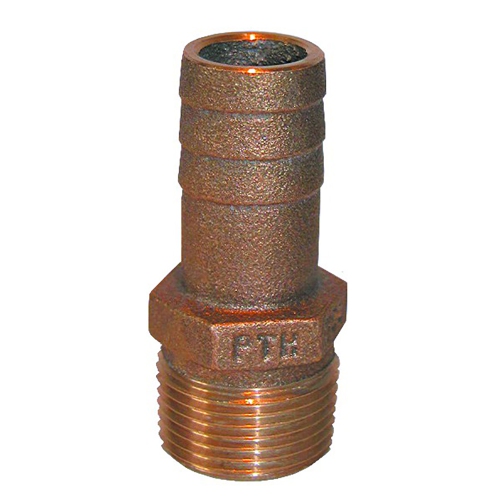

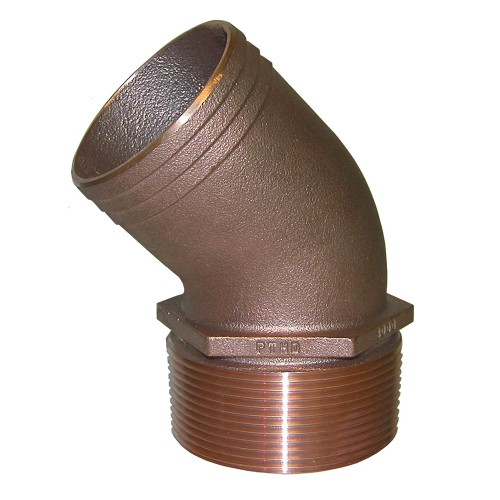
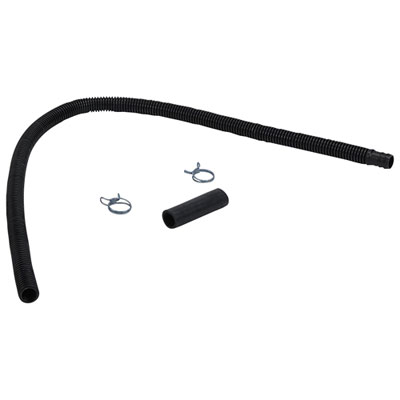

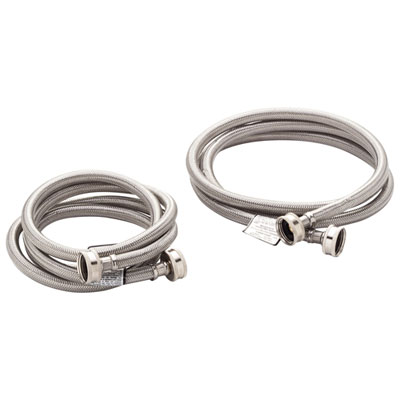

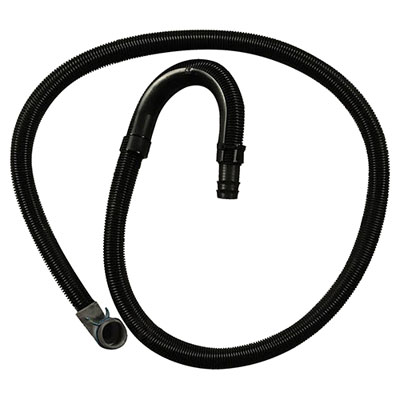
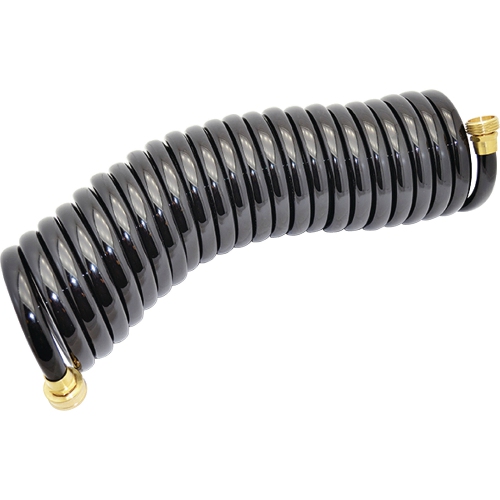
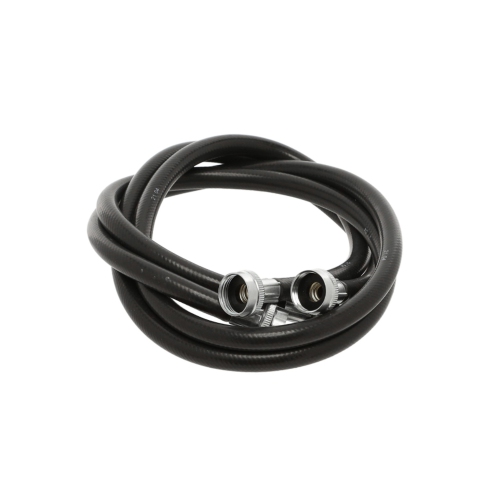
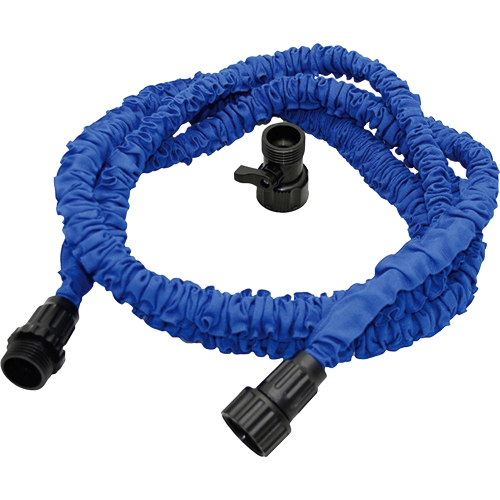
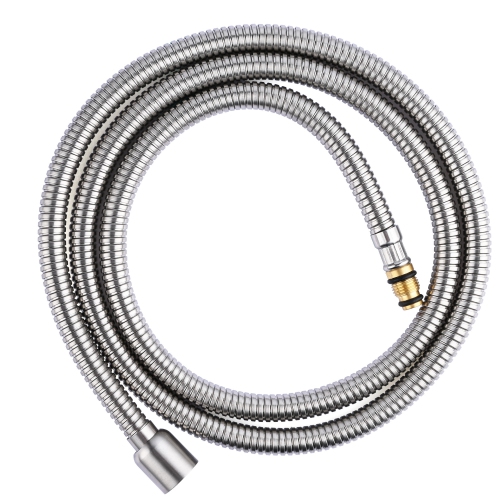
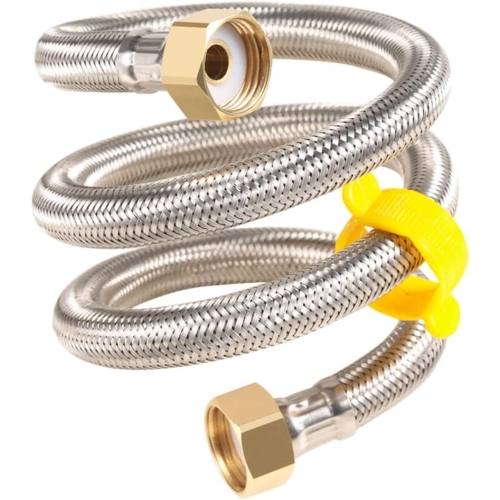
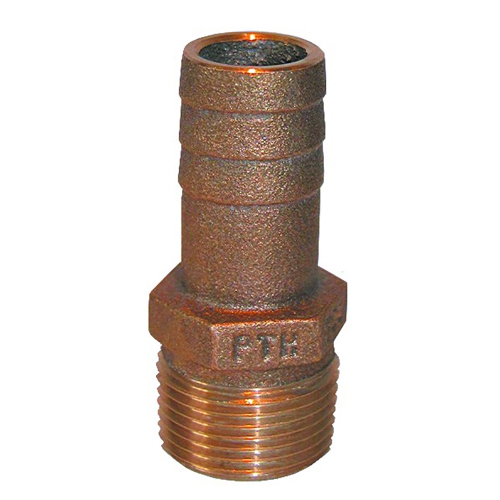
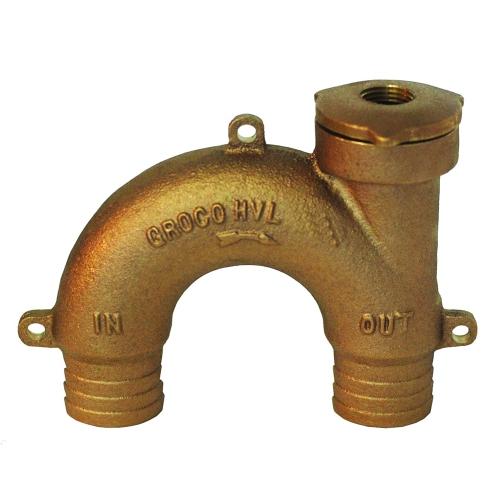
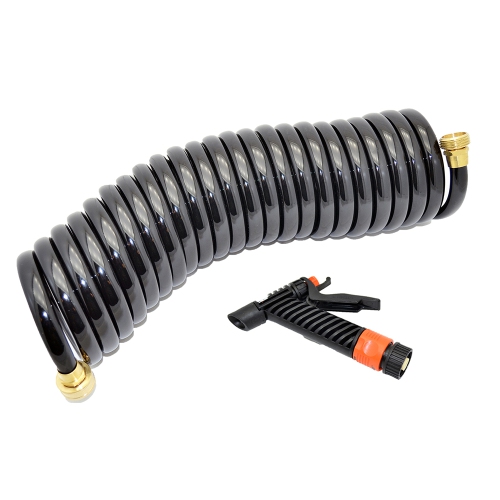

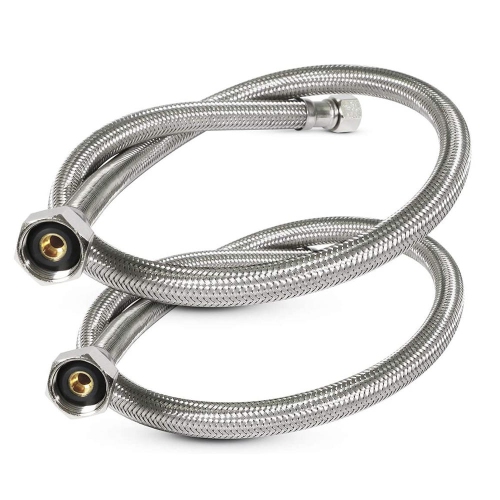
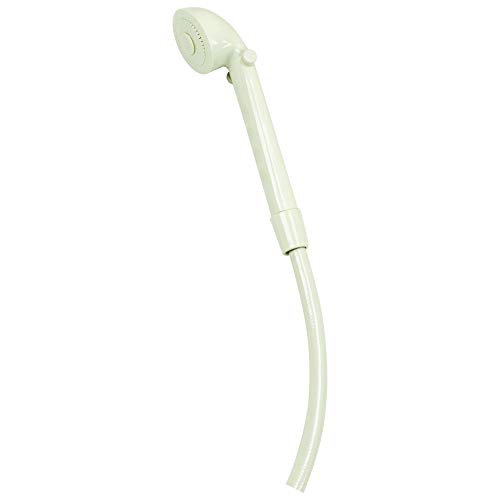
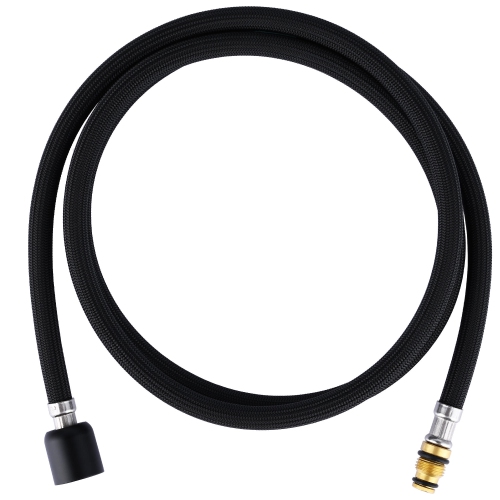

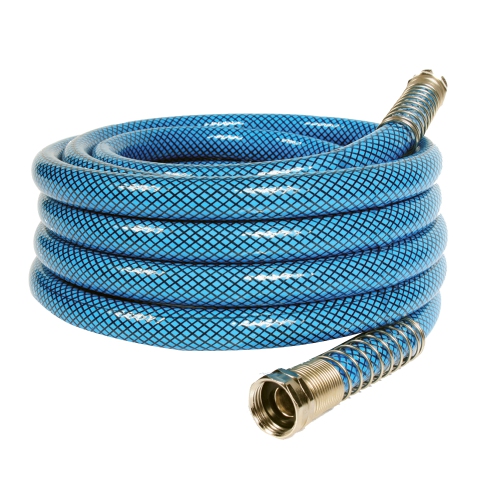
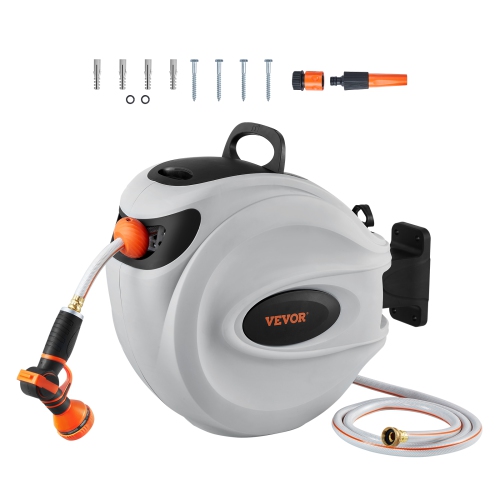
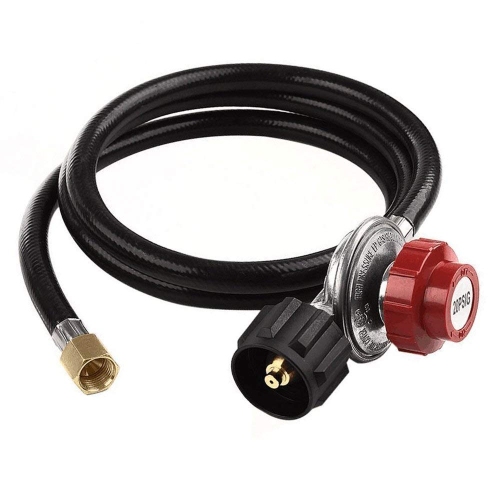
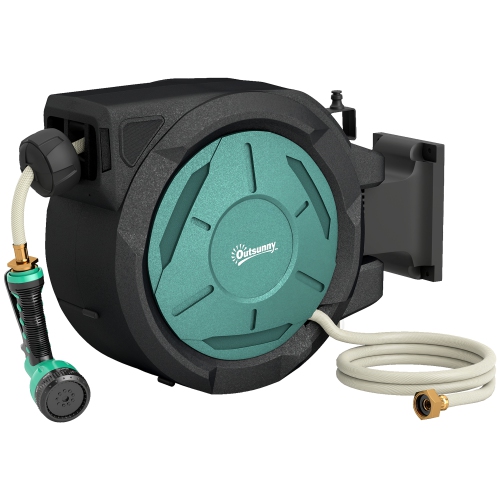
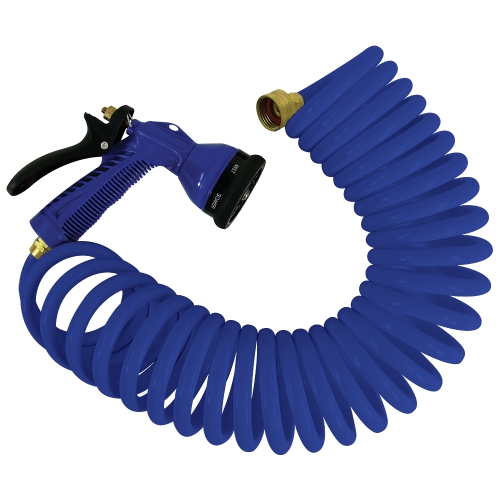
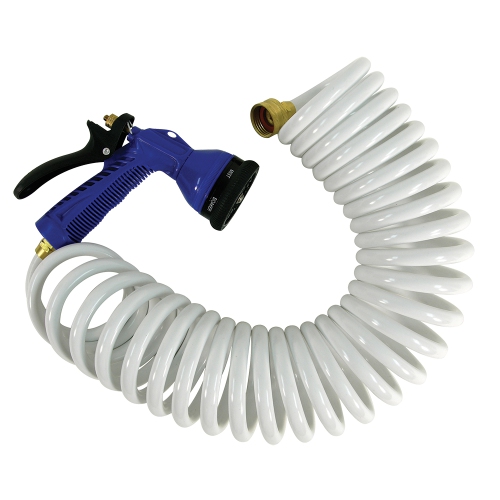
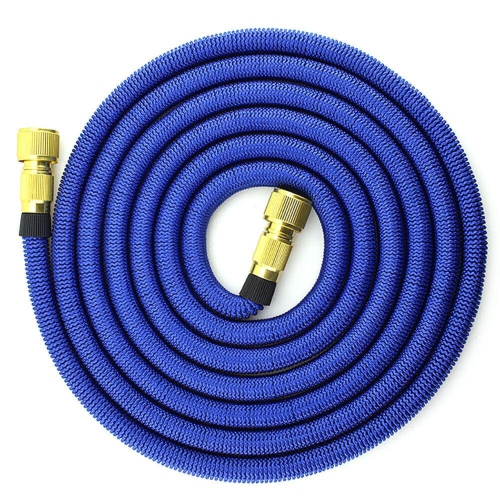
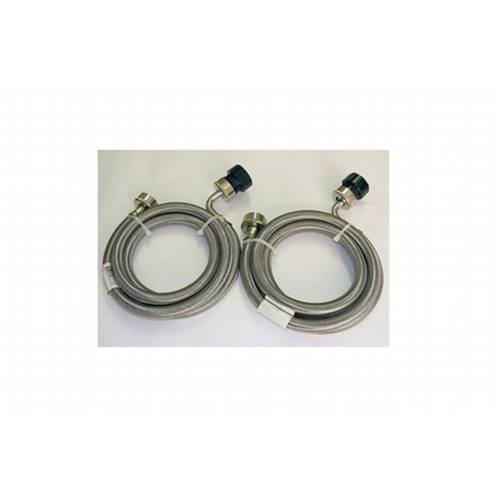
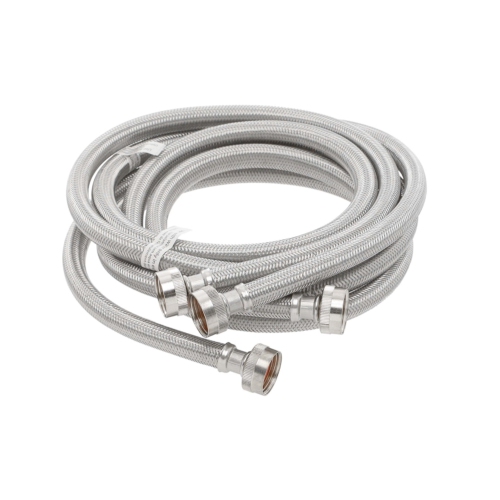
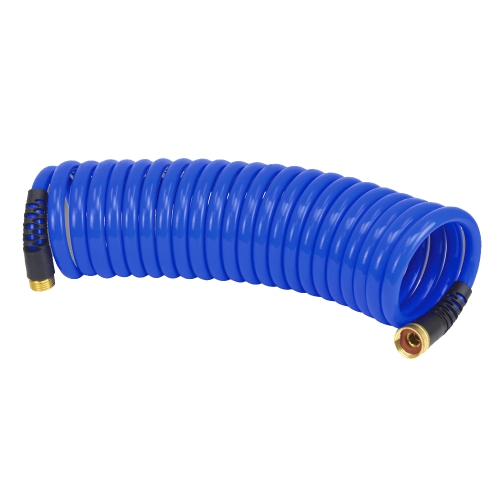
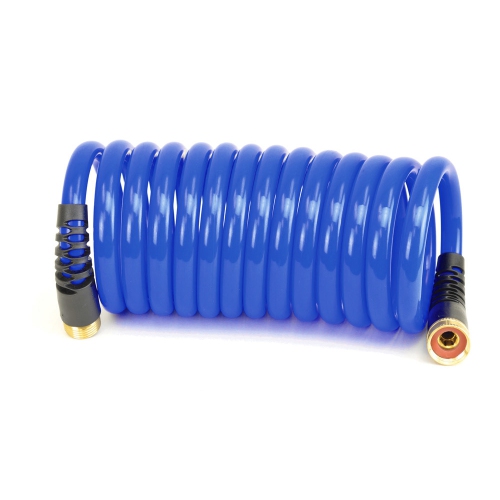
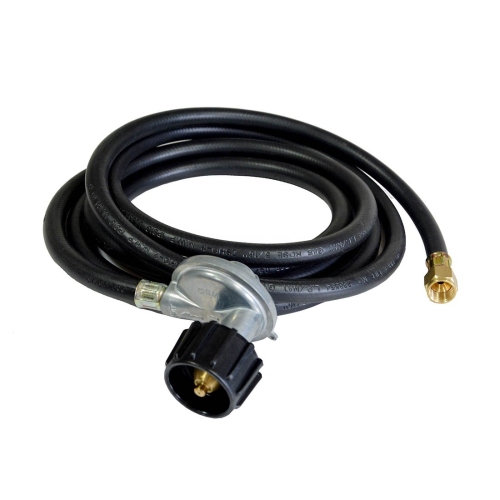

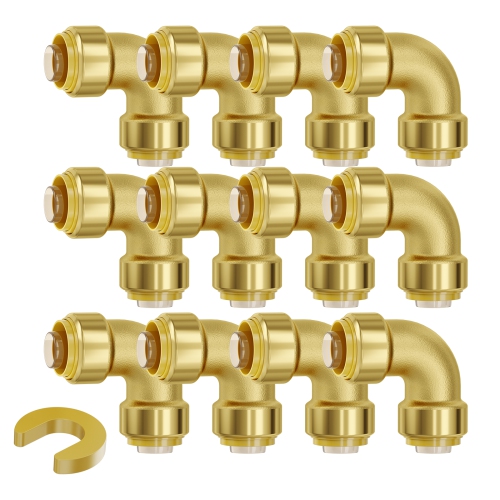
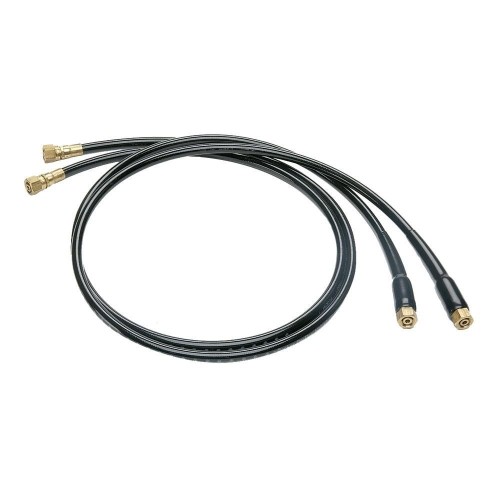
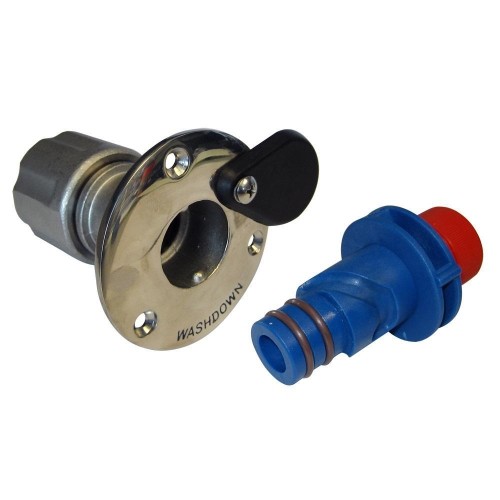
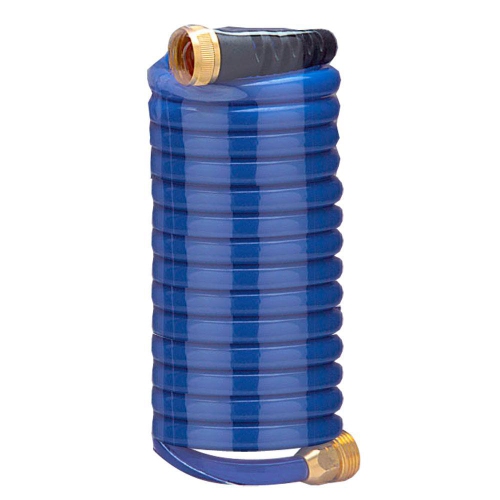
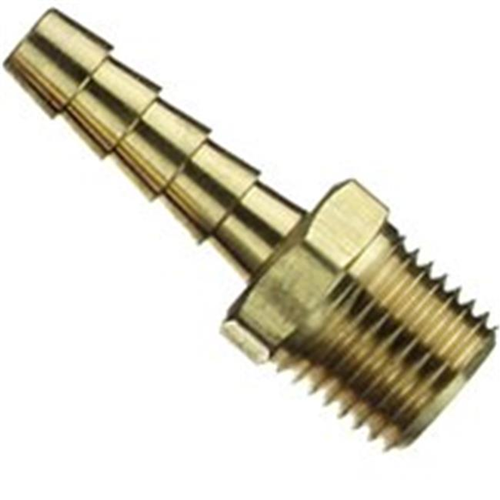
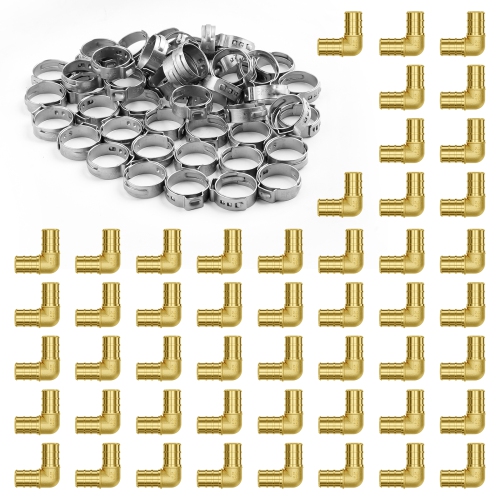
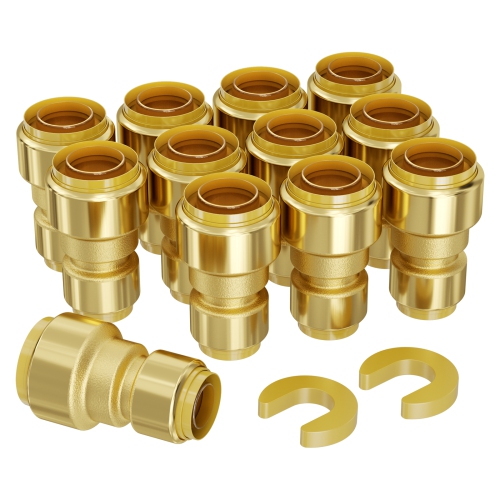

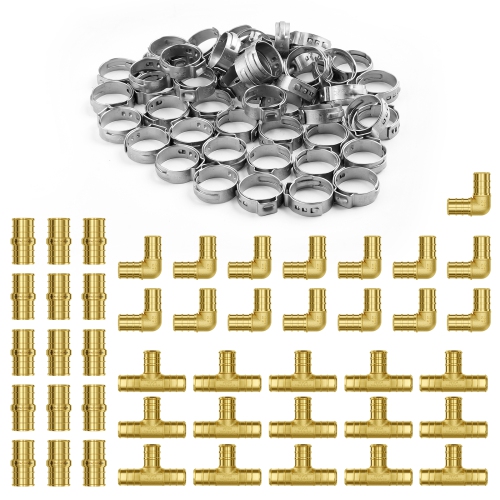
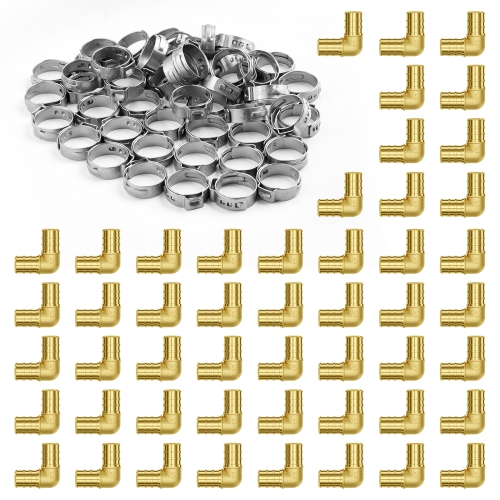
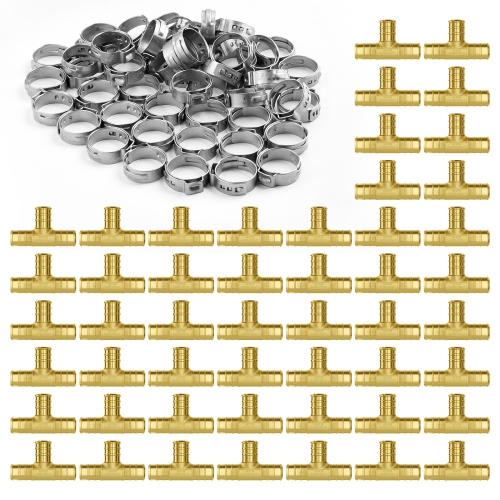
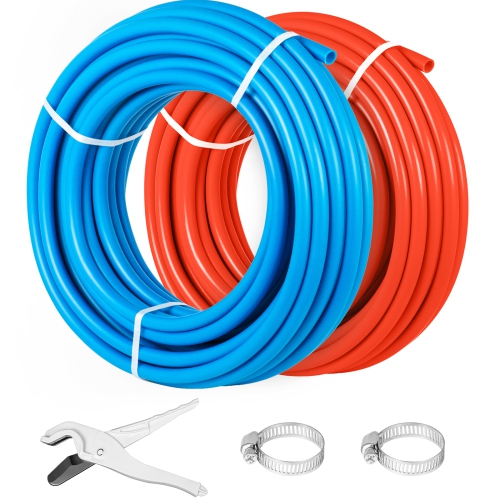
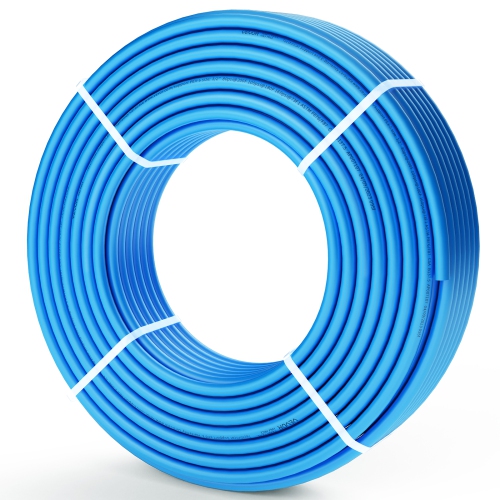
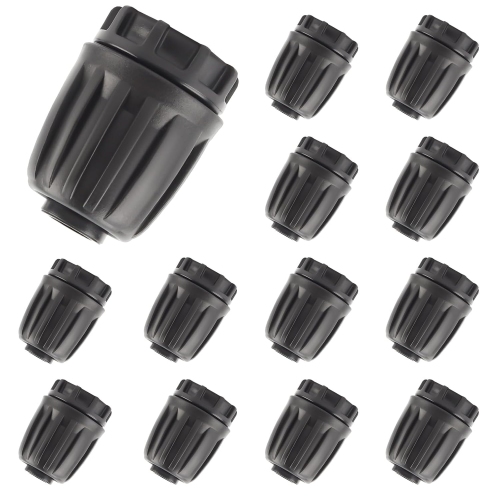
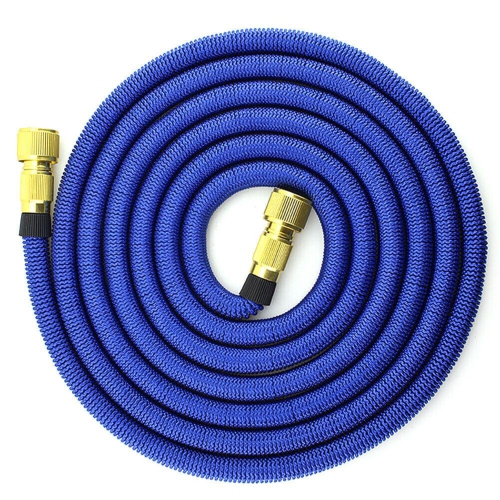
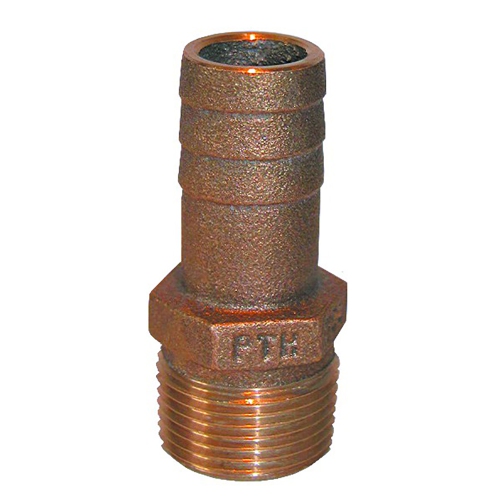
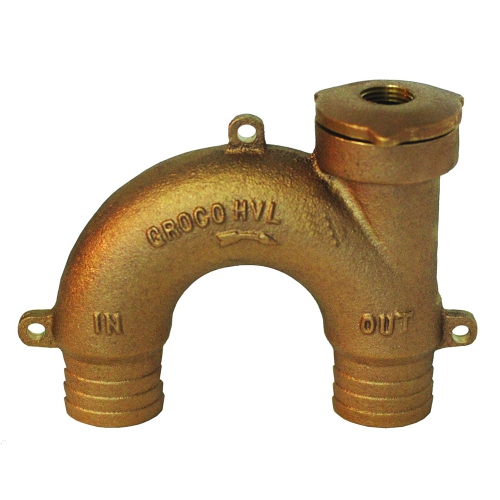
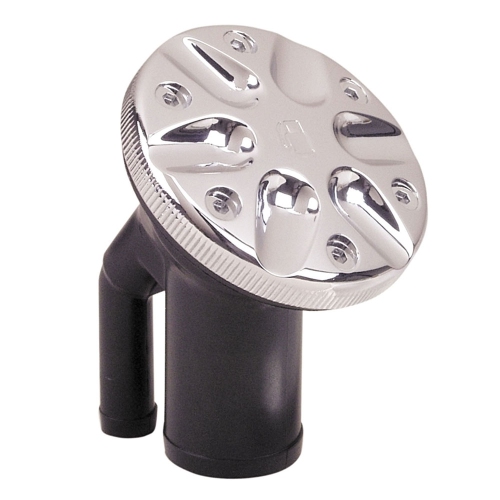
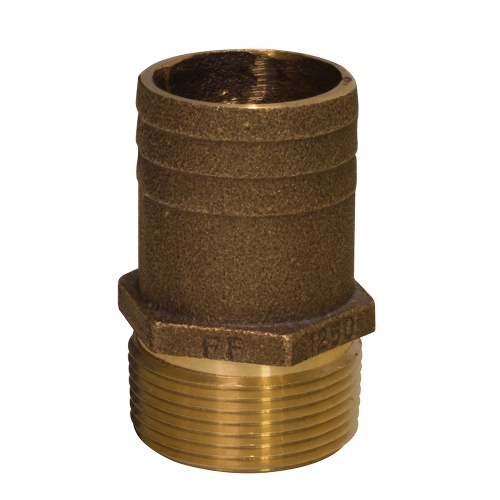
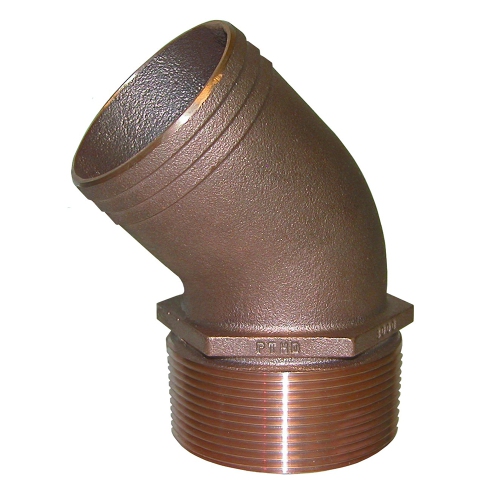
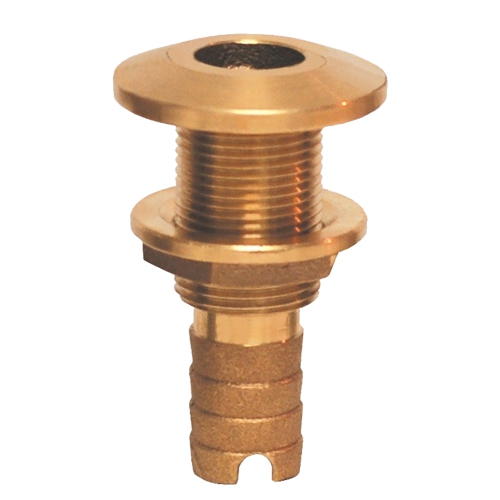
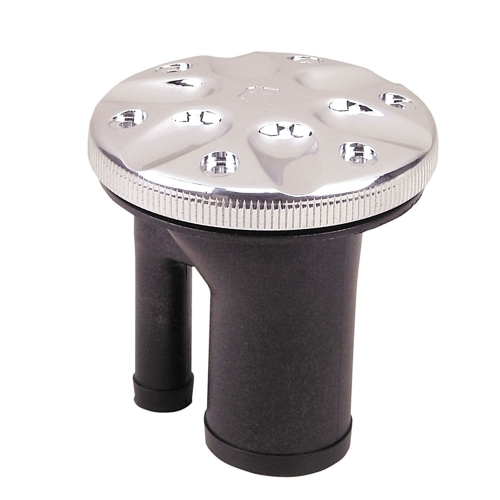
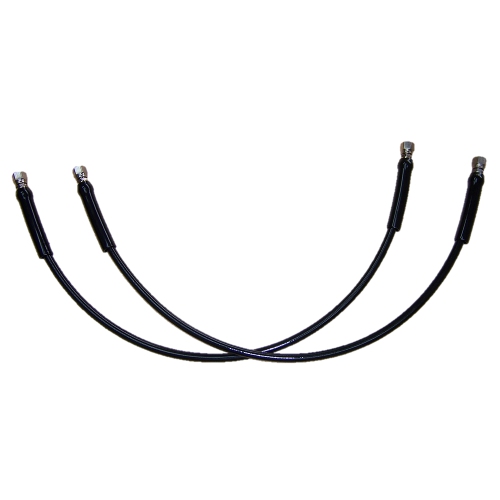
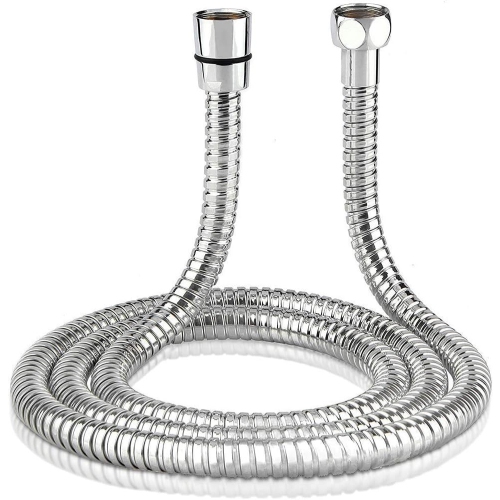
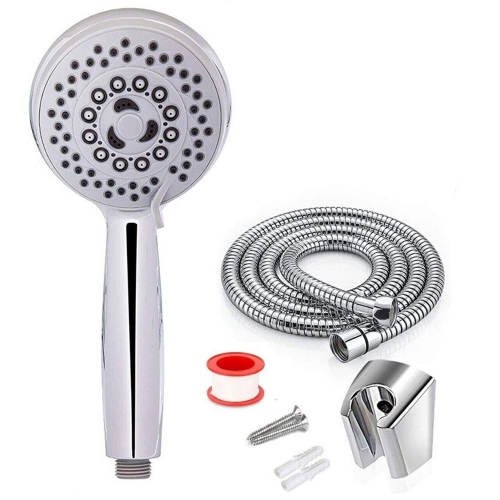
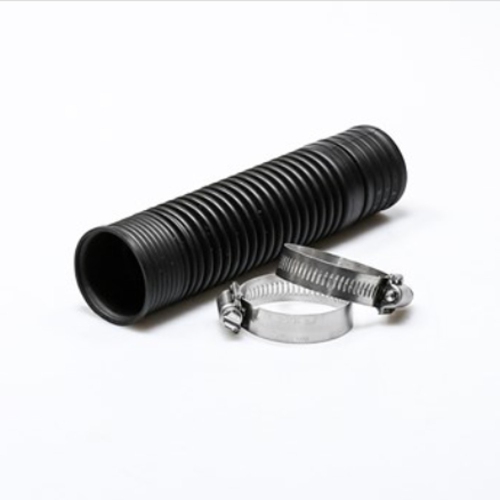
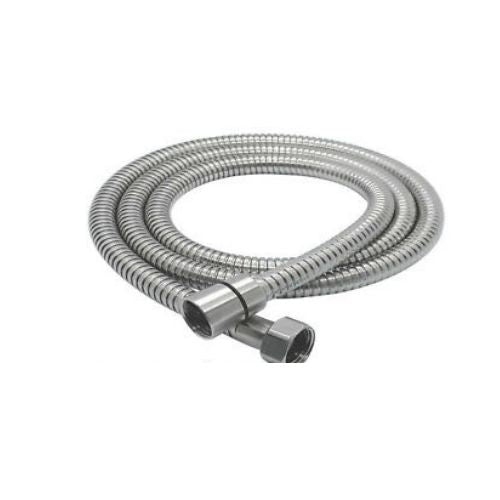
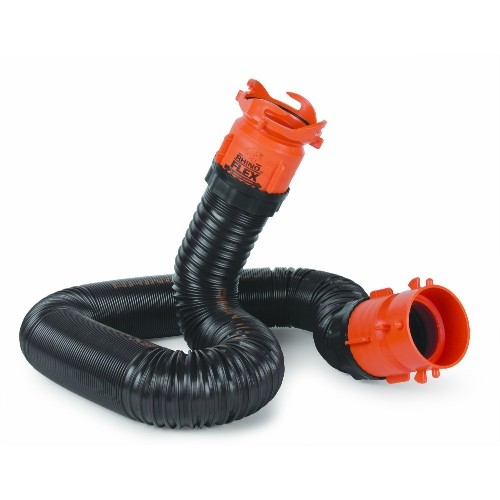
Flexible connections simplify plumbing repairs and appliance installations
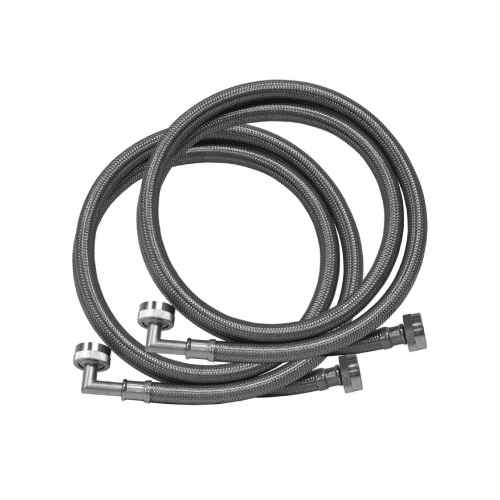
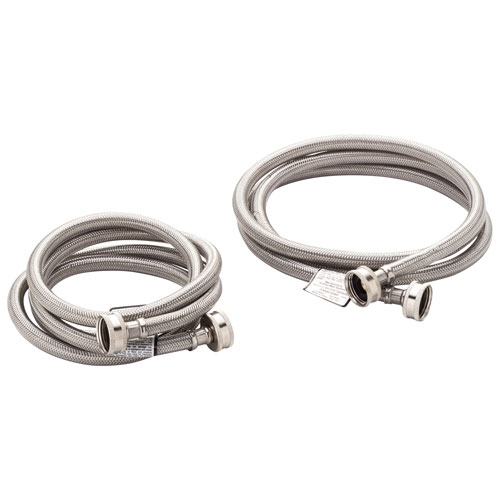
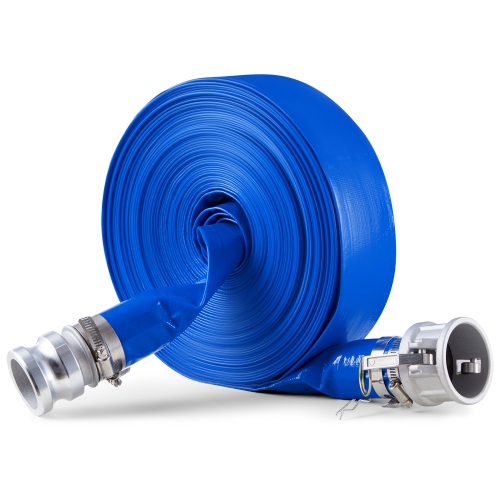
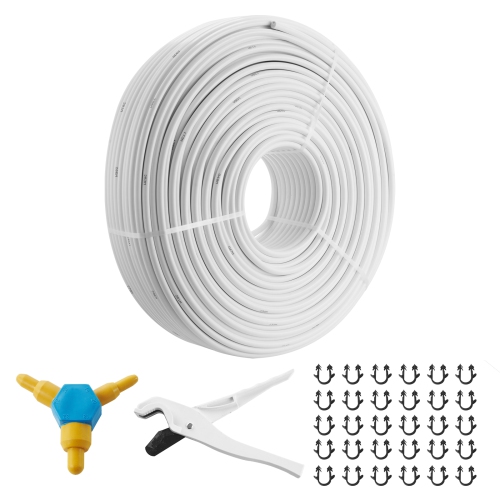
Plumbing hoses, also called flexible connectors or supply lines, carry water between a home’s rigid plumbing pipes and fixtures or appliances. They can be used beneath kitchen and bathroom sinks, behind toilets, and with washing machines, dishwashers, ice makers, water filtration systems, sump pumps, and other water-handling equipment. Their flexibility makes installation easier in tight cabinets and spaces where copper or other rigid pipes would be difficult to position. When selecting a plumbing hose, start by identifying the job it needs to perform. A fixture supply line is designed to deliver pressurized water to a faucet or toilet, while a drain hose carries used water away from an appliance or pump. These are not interchangeable, even when their diameters appear similar. Check the connection type at both ends, the hose length, the required diameter, and whether the fitting is straight or angled. A hose that is too short can place strain on the fittings, while an excessively long hose may bend sharply, rub against a cabinet wall, or form a low spot where water can collect. Measuring the existing connection from end to end, then allowing enough room for a gentle curve, is a dependable way to find a practical fit. It is also important to confirm that the hose is rated for potable water when it will supply a drinking-water fixture, and that its temperature and pressure ratings match the appliance or plumbing system. A braided stainless steel hose is a common choice for indoor supply connections because the outer braid helps resist kinking and provides added strength around bends. Reinforced plastic or vinyl hoses are often suited to drain applications, sump pump discharge, or other lighter-duty uses, while PEX tubing is generally used for longer plumbing runs and behind-wall installations rather than as a simple exposed fixture connector. For outdoor water movement, including seasonal water features, a separate category such as Pool Hoses may be more appropriate than a household supply line.
The right plumbing hose can make routine repairs and upgrades far less disruptive. A homeowner replacing a worn toilet connector may appreciate a flexible line that reaches the shut-off valve without forcing the toilet tank fitting out of alignment. Someone installing a new washing machine may need a pair of hot- and cold-water hoses that are long enough to reach the supply taps without being stretched behind the appliance. A dishwasher or ice maker installation may call for a narrower line and a particular connector, so checking the appliance documentation before purchasing can prevent an inconvenient return trip. Repair-focused hoses and flexible connectors can also be useful when an existing section of plumbing needs to be joined, extended, or replaced without soldering equipment, although the connection must still match the pipe material and fitting standard. Before installation, shut off the water supply and open the fixture briefly to release pressure. Remove the old hose carefully, keeping a shallow pan and absorbent cloth nearby for the water that remains in the line. Inspect the shut-off valve, threaded connection, and rubber washer for corrosion, damaged threads, or mineral buildup. A clean, undamaged sealing surface is essential; overtightening a fitting can deform the washer or damage the valve, while leaving it too loose can cause a slow leak. Hand-tighten the connector first, then use an appropriate wrench for a modest final turn if the manufacturer’s instructions call for it. Avoid twisting the hose body, and make sure it is not pinched behind an appliance or pressed against a sharp edge. After turning the water back on gradually, dry the connections and watch them closely for several minutes. Running the fixture or appliance through its normal fill and drain cycle can reveal leaks that do not appear when the line is under only light pressure.
Regular inspection is a simple way to protect cabinets, flooring, and stored belongings from an unexpected leak. Look for bulges, cracking, discolouration, rust at the braid or fittings, dampness, and signs that the hose has been rubbing against another surface. Areas under sinks can be easy to overlook, particularly when cleaning supplies or storage bins cover the connections, and a small drip may remain hidden until it has damaged the cabinet base. Flexible supply hoses are commonly replaced around every five years as a precaution, or sooner when they show wear, have been disturbed during a renovation, or are connected to a heavily used appliance. Drain hoses deserve attention as well: confirm that the route is supported, free from kinks, and positioned according to the appliance or pump instructions so water can flow without backing up. During the cooler months, exposed hoses in unheated areas should be protected from freezing, since trapped water can expand and split the hose or its fittings. Plumbing hoses are practical purchases for homeowners, landlords, maintenance staff, renovators, and anyone preparing a utility room or laundry area for dependable everyday use. They can also be a thoughtful addition to a housewarming or home-repair gift for someone settling into a new space, particularly when paired with basic measuring and installation supplies. Choosing by application rather than appearance helps ensure the hose is built for the pressure, temperature, water type, and connection style involved, giving each sink, toilet, appliance, or pump a properly matched path for water.
The right plumbing hose can make routine repairs and upgrades far less disruptive. A homeowner replacing a worn toilet connector may appreciate a flexible line that reaches the shut-off valve without forcing the toilet tank fitting out of alignment. Someone installing a new washing machine may need a pair of hot- and cold-water hoses that are long enough to reach the supply taps without being stretched behind the appliance. A dishwasher or ice maker installation may call for a narrower line and a particular connector, so checking the appliance documentation before purchasing can prevent an inconvenient return trip. Repair-focused hoses and flexible connectors can also be useful when an existing section of plumbing needs to be joined, extended, or replaced without soldering equipment, although the connection must still match the pipe material and fitting standard. Before installation, shut off the water supply and open the fixture briefly to release pressure. Remove the old hose carefully, keeping a shallow pan and absorbent cloth nearby for the water that remains in the line. Inspect the shut-off valve, threaded connection, and rubber washer for corrosion, damaged threads, or mineral buildup. A clean, undamaged sealing surface is essential; overtightening a fitting can deform the washer or damage the valve, while leaving it too loose can cause a slow leak. Hand-tighten the connector first, then use an appropriate wrench for a modest final turn if the manufacturer’s instructions call for it. Avoid twisting the hose body, and make sure it is not pinched behind an appliance or pressed against a sharp edge. After turning the water back on gradually, dry the connections and watch them closely for several minutes. Running the fixture or appliance through its normal fill and drain cycle can reveal leaks that do not appear when the line is under only light pressure.
Regular inspection is a simple way to protect cabinets, flooring, and stored belongings from an unexpected leak. Look for bulges, cracking, discolouration, rust at the braid or fittings, dampness, and signs that the hose has been rubbing against another surface. Areas under sinks can be easy to overlook, particularly when cleaning supplies or storage bins cover the connections, and a small drip may remain hidden until it has damaged the cabinet base. Flexible supply hoses are commonly replaced around every five years as a precaution, or sooner when they show wear, have been disturbed during a renovation, or are connected to a heavily used appliance. Drain hoses deserve attention as well: confirm that the route is supported, free from kinks, and positioned according to the appliance or pump instructions so water can flow without backing up. During the cooler months, exposed hoses in unheated areas should be protected from freezing, since trapped water can expand and split the hose or its fittings. Plumbing hoses are practical purchases for homeowners, landlords, maintenance staff, renovators, and anyone preparing a utility room or laundry area for dependable everyday use. They can also be a thoughtful addition to a housewarming or home-repair gift for someone settling into a new space, particularly when paired with basic measuring and installation supplies. Choosing by application rather than appearance helps ensure the hose is built for the pressure, temperature, water type, and connection style involved, giving each sink, toilet, appliance, or pump a properly matched path for water.
Top selling and popular products
-
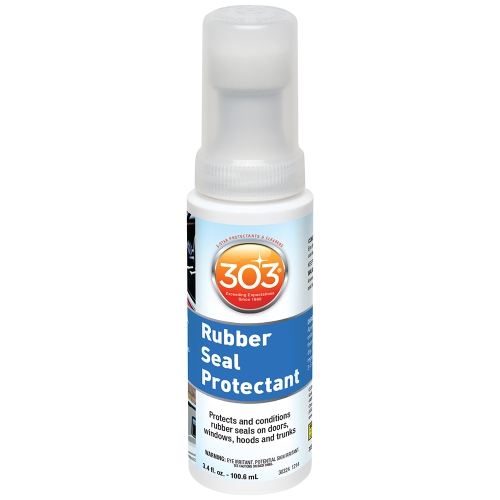 Your price for this item is $30.59
 -
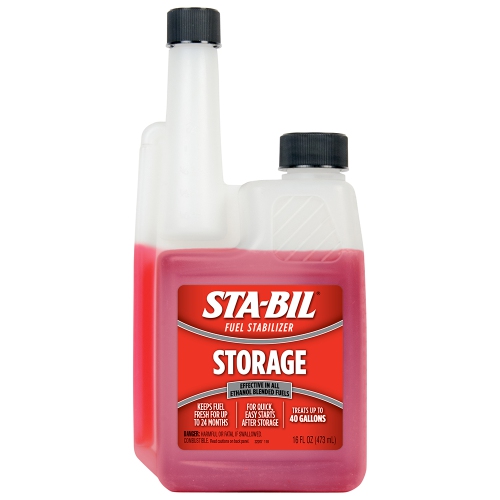 Your price for this item is $30.54
 -
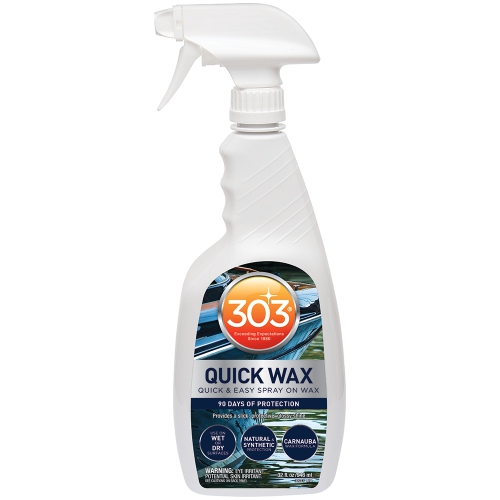 Your price for this item is $38.85
 -
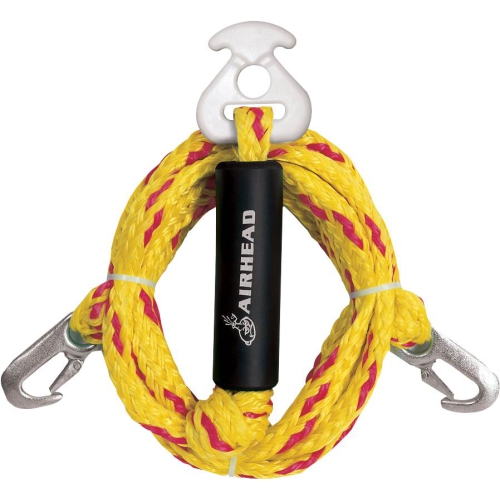 Your price for this item is $92.99
 -
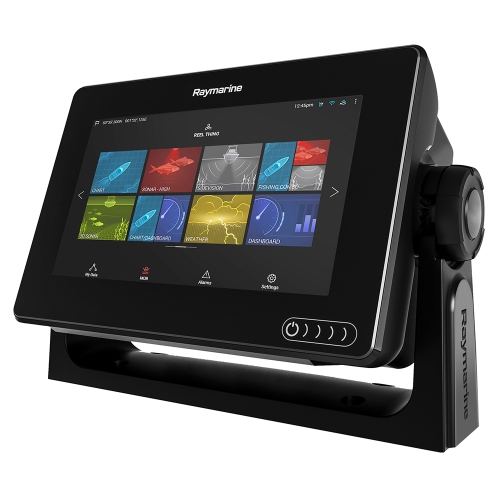 Your price for this item is $844.91
 -
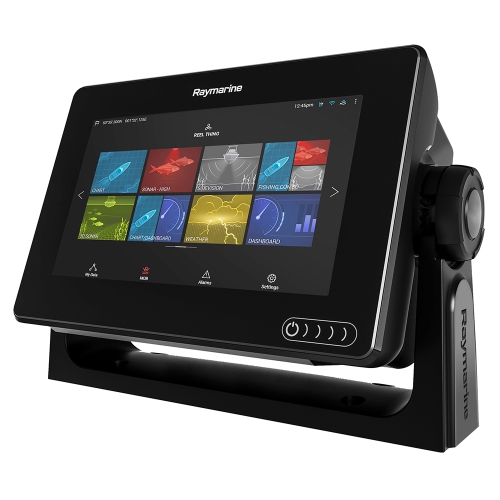 Your price for this item is $909.33
 -
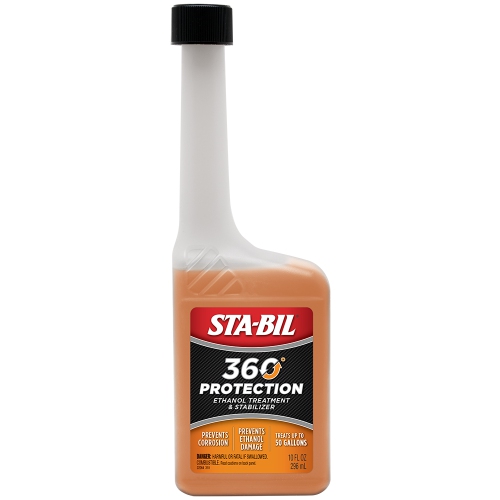 Your price for this item is $30.62
 -
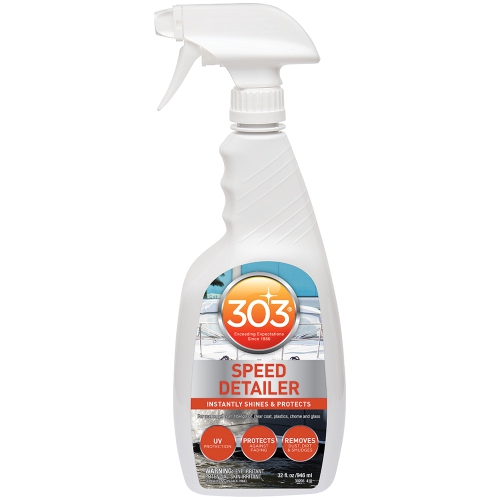 Your price for this item is $34.93
Discover more categories related to Plumbing Hoses
Top Collections:
Pokemon Centers, Kindle Devices, Best Budget Office Chairs, Apple iPhones 16, Best Laptops for Writers, iPhone 15 Apple, Canon G7X Cameras, Refurbished Apple Laptops, Alarm Clock, Motorola Razr Phones
Some products may be subject to Environmental Handling Fees
(EHF) depending on your province.
Learn more about EHFs.