Polishing Accessories
For those looking to elevate their polishing game, our selection of polishing accessories is here to help you achieve a professional finish with ease. From buffing pads and polishing compounds to microfiber cloths and applicator pads, these accessories are essential for maintaining the shine and luster of your surfaces. Whether you're a detailing enthusiast or a professional auto body technician, our range of high-quality polishing accessories is designed to deliver exceptional results on a variety of materials. Explore our collection and take your polishing projects to the next level.
Sort
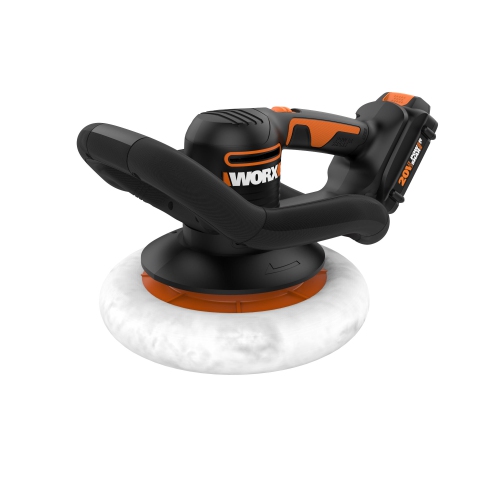
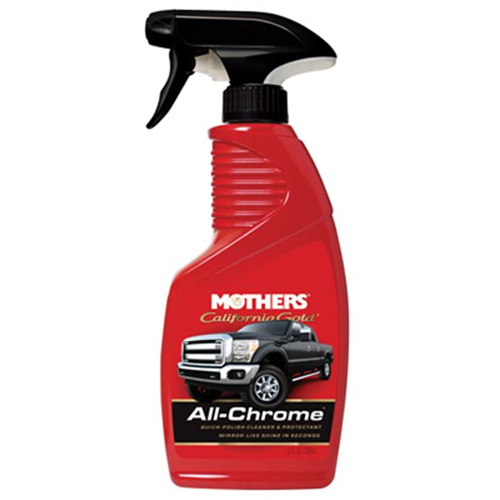
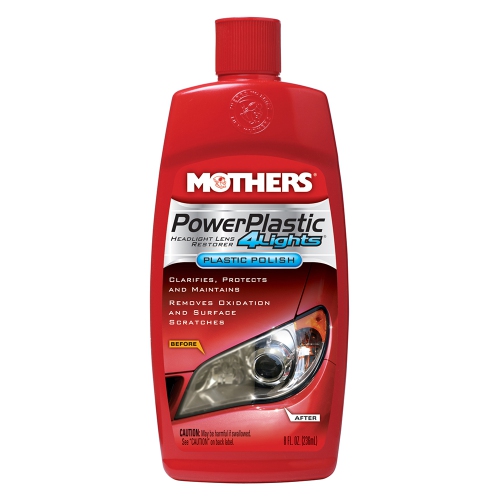

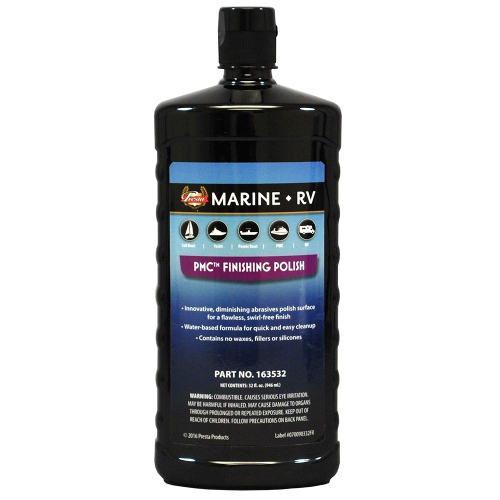
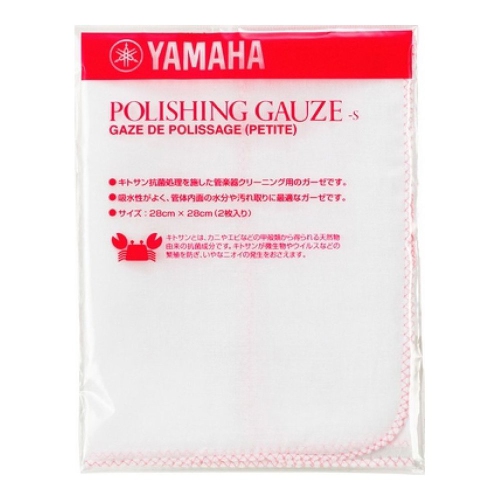
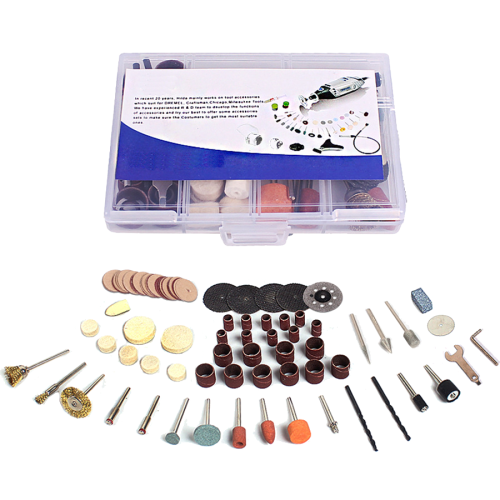
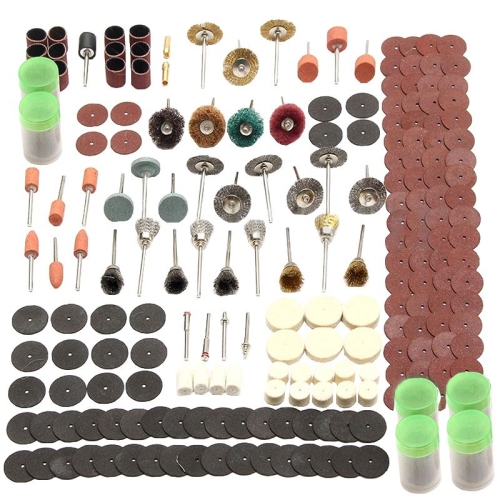
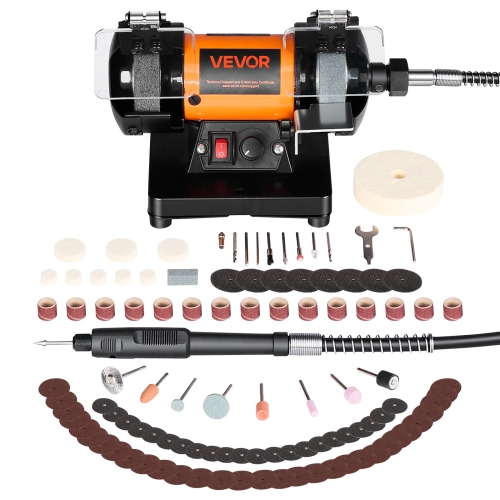
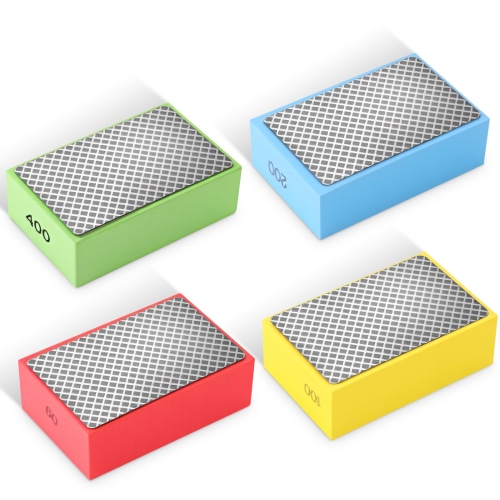
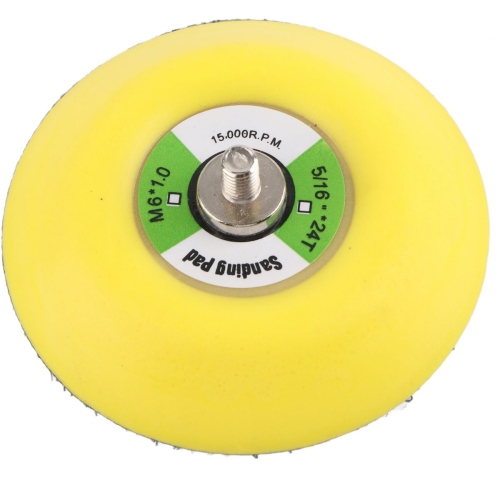
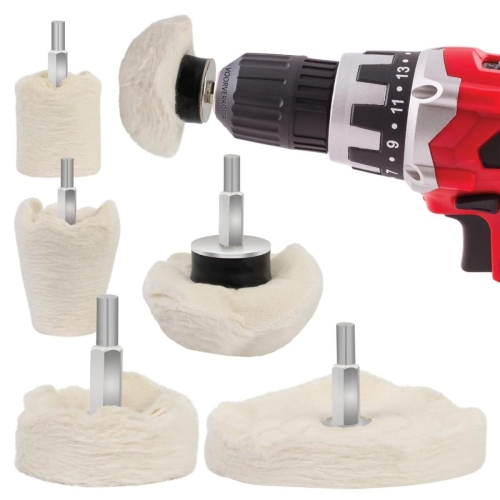
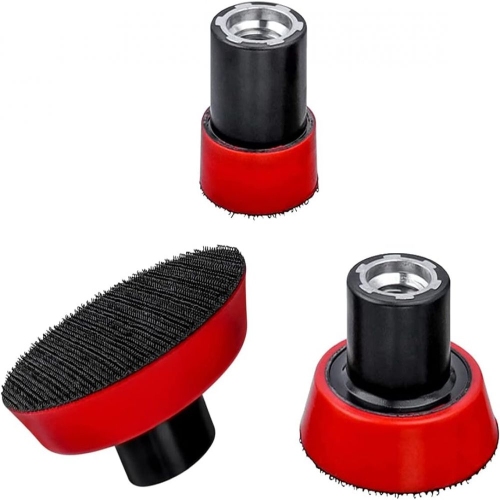
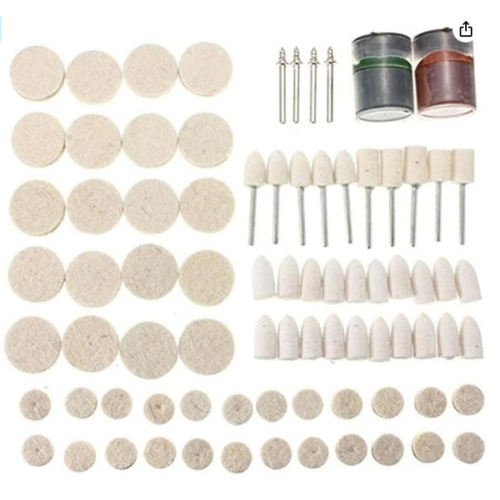
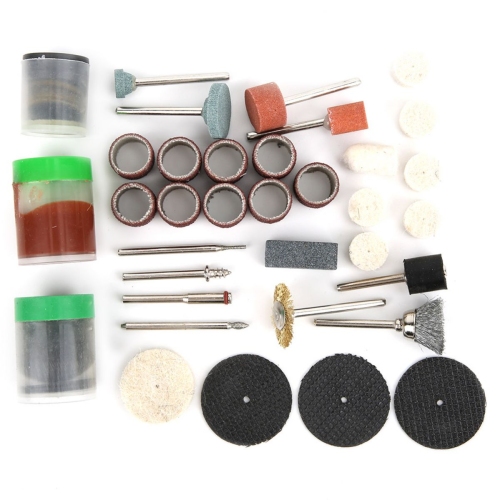
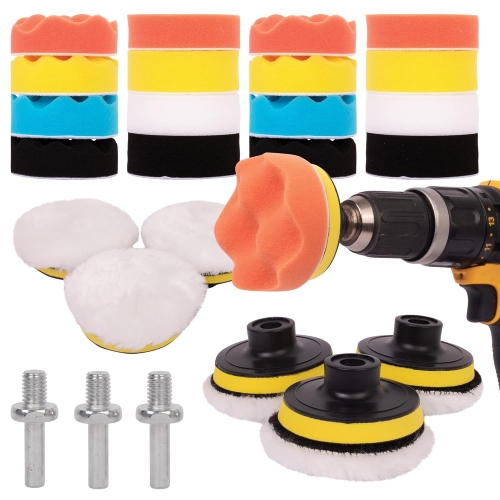
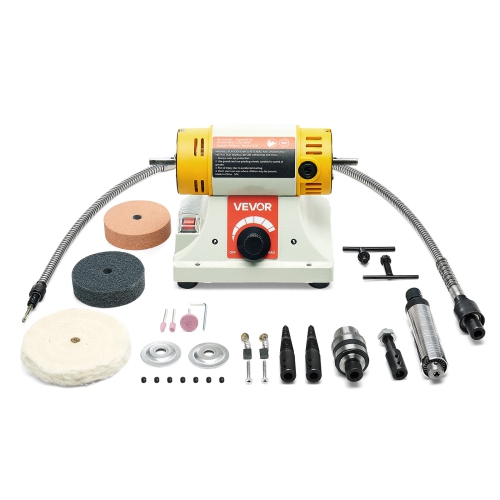
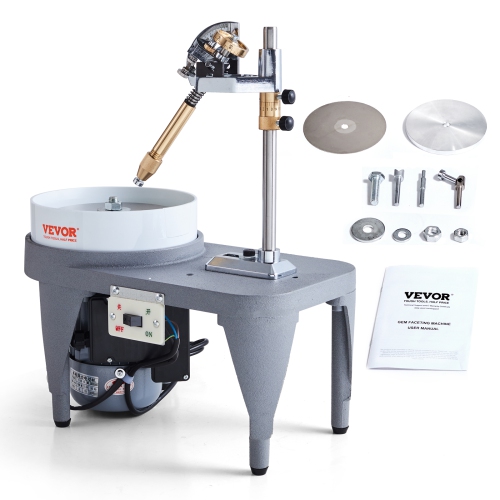
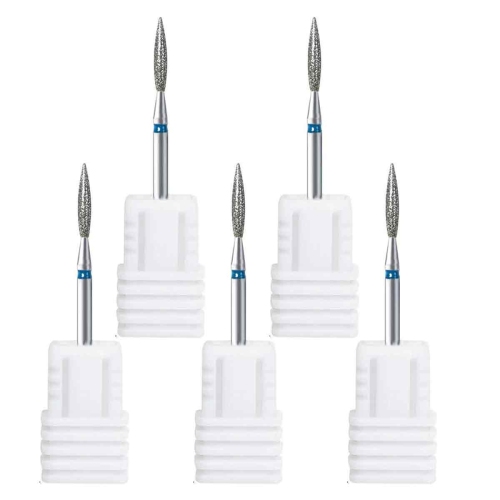
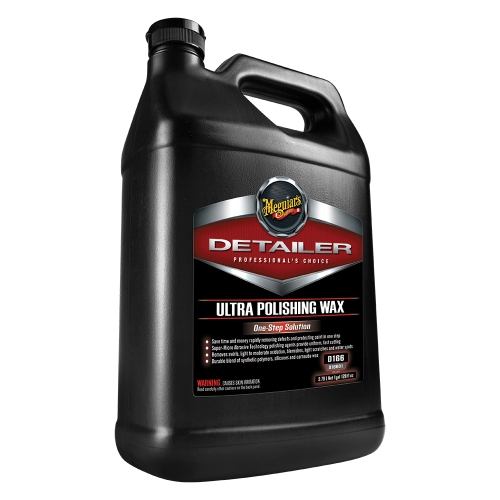
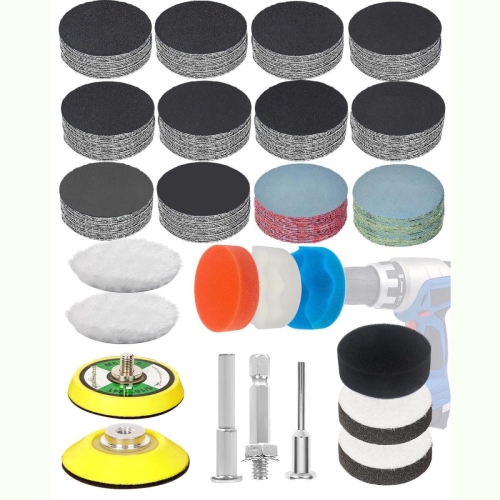
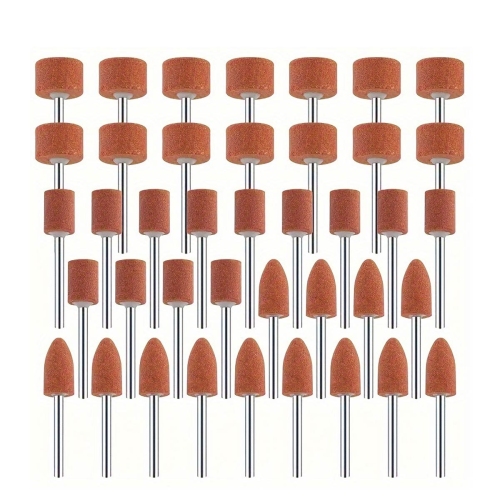
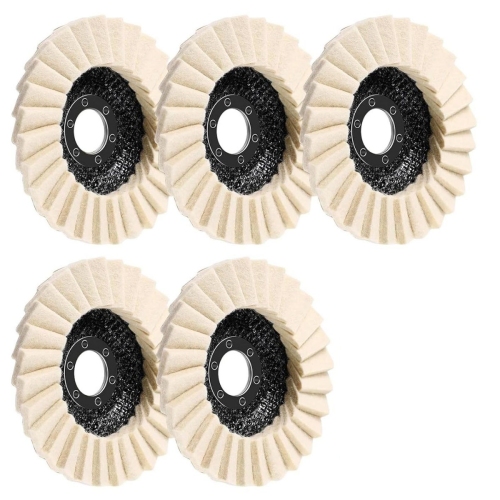
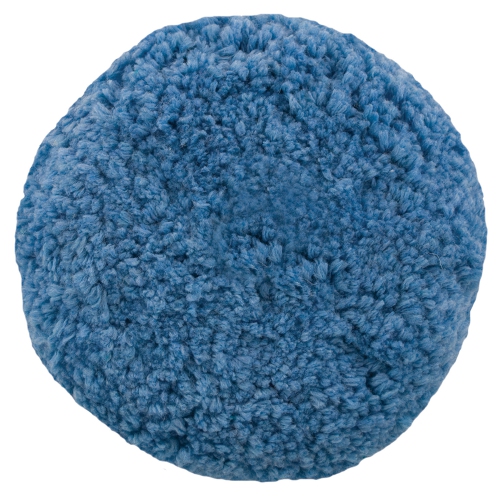
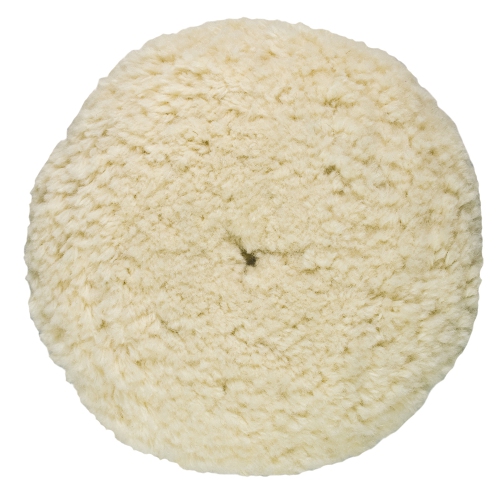
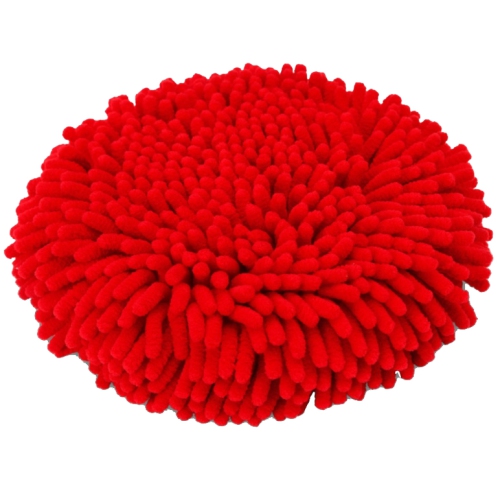
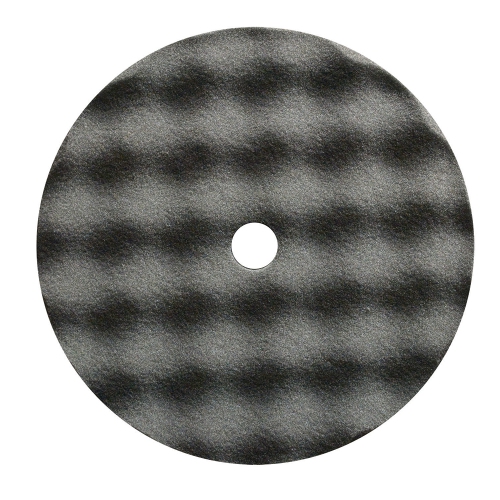
How pad material and tool fit affect your finish
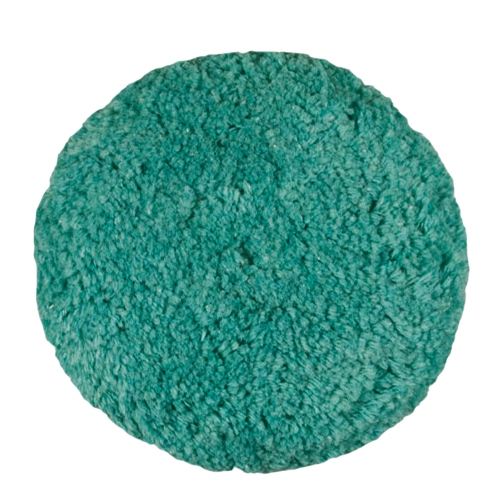
Polishing accessories are the pads, bonnets, buffing wheels, backing plates, adapters, and related attachments used to refine a surface, work with polishing compounds, or apply compatible finishing products. They connect the polishing tool to the material being treated, making their construction and fit just as important as the machine itself. Their uses range from bringing clarity back to suitable automotive finishes to brightening uncoated metal hardware or refining a fully cured coating on a woodworking project. Although cleaning, cutting, polishing, and waxing are sometimes grouped together, each serves a different purpose. Cleaning removes surface contamination; cutting uses abrasives to reduce suitable defects; polishing refines the finish; and waxing adds a protective layer rather than correcting scratches. Different accessories support these tasks with different levels of firmness, fibre density, and surface contact. Foam pads are common for finishing, applying wax, and abrasive polishing, with performance determined by their structure and the compound used alongside them. Wool and microfibre pads can offer greater cutting ability in compatible systems, but they are not interchangeable, and their effect depends on the machine, liquid, surface, and technique. Cotton buffing wheels and felt attachments are often associated with metal polishing and smaller detail work, where shape and density help determine access and contact. A broad, flat panel calls for different contact than a curved handle, a narrow trim piece, or a recessed fitting. That distinction matters whether the person using the accessories is a vehicle owner maintaining a finish, a hobbyist working on metal parts, or a tradesperson refining a completed project. A glossy result is only one possible goal: an even sheen, reduced haze, and a surface free of polishing residue may be more appropriate for the material. Polishing accessories work best when their intended purpose matches both the finish and the amount of material that can safely be removed.
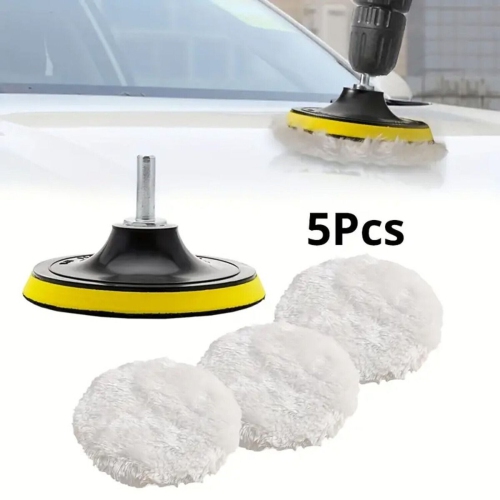
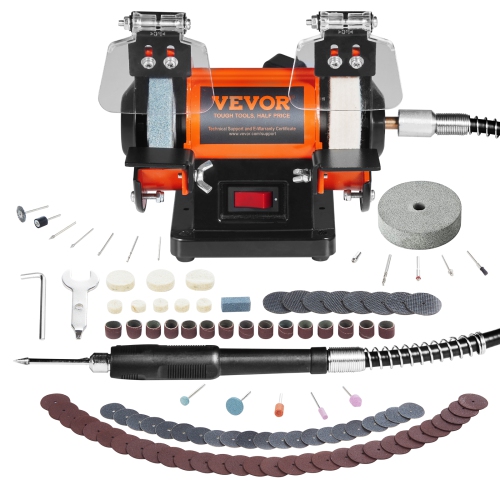
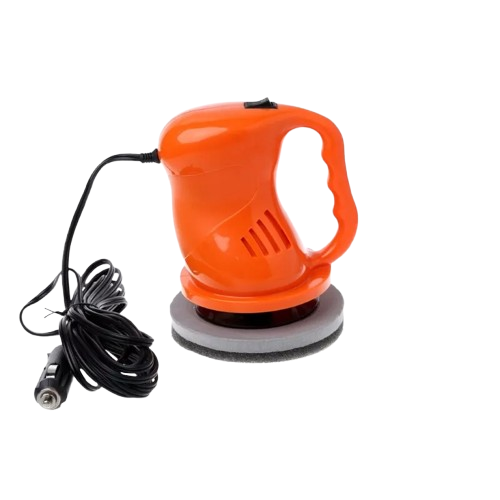
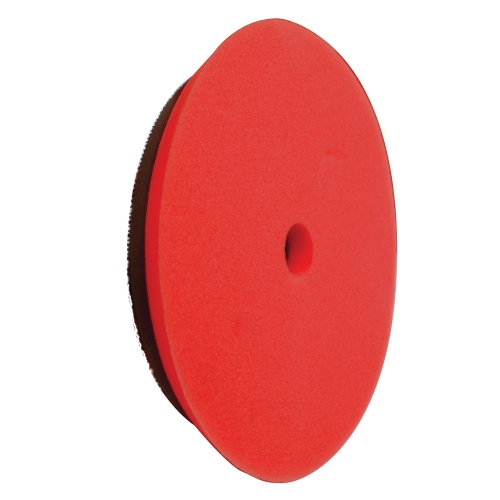
Material choice shapes how a polishing accessory feels against the surface and how it behaves during use. Softer finishing foam generally conforms more readily to gentle contours, while firmer cutting foam is designed for more corrective work within a compatible polishing system. Pad colour alone is not a reliable measure of aggressiveness, because colour coding varies between manufacturers. Microfibre pads use a pile of fine fibres to carry polishing liquid and contact the finish; wool pads have their own fibre structures and cutting characteristics. Both need suitable cleaning during use to keep spent compound and removed material from building up. Felt can provide controlled contact on small areas, while stitched and loose cotton wheels differ in firmness and flexibility. The surface underneath matters equally. Automotive clear coat, gelcoat, bare aluminium, stainless steel, plated hardware, and coated wood have different tolerances, and an accessory suited to one is not automatically appropriate for another. Thin plating and sharp edges are especially vulnerable to excessive abrasion, while matte and satin finishes can develop unwanted glossy patches if treated with polishing products intended to increase shine. For vehicle-focused applications, Auto Polishing Pads relate specifically to the contact pads used for compatible paint-care and detailing tasks. Machine compatibility adds another layer to the choice. Rotary polishers, dual-action polishers, drills, and bench-mounted buffers move attachments differently, so accessories need to be approved for the tool type and operating speed. Pad diameter, backing-plate diameter, spindle thread, arbor size, and attachment style all affect fit. Hook-and-loop pads require a compatible plate and secure engagement; threaded or shaft-mounted attachments need the correct connection without improvised fittings. A smaller pad may reach a narrow painted section more comfortably, but size alone does not establish compatibility. Extensions can improve access in some applications, yet they also change handling and clearance. Maximum speed ratings, mounting instructions, and the tool manufacturer’s guidance remain essential, particularly for wheels and attachments that rotate at high speed.
Durability in polishing accessories depends on construction, task intensity, and care rather than appearance alone. Foam integrity, fibre retention, stitching, and the bond between the working face and its backing influence how consistently an accessory performs over repeated sessions. A pad that remains flat and securely attached is easier to control than one with a distorted face or lifting backing. Torn foam, loose fibres beyond normal shedding, damaged mounting holes, or separated attachment layers are reasons to stop using an accessory. Cleanliness is equally important: a pad that touches a gritty floor can carry particles capable of marking an otherwise smooth finish. Separate accessories for cutting, finishing, and applying protective products help prevent compound carryover, while keeping metal-polishing wheels apart from paint-care pads limits cross-contamination between very different tasks. Care requirements vary with the material and bonding method. Some pads can be washed with a suitable cleaner, while others need a different maintenance approach, so cleaning and drying should follow the accessory manufacturer’s directions. Thorough drying before storage helps avoid trapped moisture, and storage that protects the working face from dust or compression preserves its shape. During polishing, accumulated residue can reduce performance and make the accessory behave less predictably; access to clean pads makes larger jobs more manageable without relying on one overloaded working surface. These practical details are useful for anyone maintaining a car, refreshing suitable metal fittings, or completing small workshop projects. For a hobbyist receiving polishing accessories as a gift, a known tool connection and a clear understanding of the surfaces they work on are more valuable than a broad assortment of mismatched attachments. Even a carefully matched accessory has limits: deep scratches, failing coatings, and damaged plating may require repair rather than further polishing. A small test area can help establish how a compatible surface responds before treating a larger section. Secure workpieces, appropriate eye protection, and control of dust or polishing residue also belong with the task. The most useful assortment is one that offers suitable reach, predictable contact, and clear compatibility for the work at hand, whether that means refining a broad panel or bringing an even lustre to a small metal detail.
Material choice shapes how a polishing accessory feels against the surface and how it behaves during use. Softer finishing foam generally conforms more readily to gentle contours, while firmer cutting foam is designed for more corrective work within a compatible polishing system. Pad colour alone is not a reliable measure of aggressiveness, because colour coding varies between manufacturers. Microfibre pads use a pile of fine fibres to carry polishing liquid and contact the finish; wool pads have their own fibre structures and cutting characteristics. Both need suitable cleaning during use to keep spent compound and removed material from building up. Felt can provide controlled contact on small areas, while stitched and loose cotton wheels differ in firmness and flexibility. The surface underneath matters equally. Automotive clear coat, gelcoat, bare aluminium, stainless steel, plated hardware, and coated wood have different tolerances, and an accessory suited to one is not automatically appropriate for another. Thin plating and sharp edges are especially vulnerable to excessive abrasion, while matte and satin finishes can develop unwanted glossy patches if treated with polishing products intended to increase shine. For vehicle-focused applications, Auto Polishing Pads relate specifically to the contact pads used for compatible paint-care and detailing tasks. Machine compatibility adds another layer to the choice. Rotary polishers, dual-action polishers, drills, and bench-mounted buffers move attachments differently, so accessories need to be approved for the tool type and operating speed. Pad diameter, backing-plate diameter, spindle thread, arbor size, and attachment style all affect fit. Hook-and-loop pads require a compatible plate and secure engagement; threaded or shaft-mounted attachments need the correct connection without improvised fittings. A smaller pad may reach a narrow painted section more comfortably, but size alone does not establish compatibility. Extensions can improve access in some applications, yet they also change handling and clearance. Maximum speed ratings, mounting instructions, and the tool manufacturer’s guidance remain essential, particularly for wheels and attachments that rotate at high speed.
Durability in polishing accessories depends on construction, task intensity, and care rather than appearance alone. Foam integrity, fibre retention, stitching, and the bond between the working face and its backing influence how consistently an accessory performs over repeated sessions. A pad that remains flat and securely attached is easier to control than one with a distorted face or lifting backing. Torn foam, loose fibres beyond normal shedding, damaged mounting holes, or separated attachment layers are reasons to stop using an accessory. Cleanliness is equally important: a pad that touches a gritty floor can carry particles capable of marking an otherwise smooth finish. Separate accessories for cutting, finishing, and applying protective products help prevent compound carryover, while keeping metal-polishing wheels apart from paint-care pads limits cross-contamination between very different tasks. Care requirements vary with the material and bonding method. Some pads can be washed with a suitable cleaner, while others need a different maintenance approach, so cleaning and drying should follow the accessory manufacturer’s directions. Thorough drying before storage helps avoid trapped moisture, and storage that protects the working face from dust or compression preserves its shape. During polishing, accumulated residue can reduce performance and make the accessory behave less predictably; access to clean pads makes larger jobs more manageable without relying on one overloaded working surface. These practical details are useful for anyone maintaining a car, refreshing suitable metal fittings, or completing small workshop projects. For a hobbyist receiving polishing accessories as a gift, a known tool connection and a clear understanding of the surfaces they work on are more valuable than a broad assortment of mismatched attachments. Even a carefully matched accessory has limits: deep scratches, failing coatings, and damaged plating may require repair rather than further polishing. A small test area can help establish how a compatible surface responds before treating a larger section. Secure workpieces, appropriate eye protection, and control of dust or polishing residue also belong with the task. The most useful assortment is one that offers suitable reach, predictable contact, and clear compatibility for the work at hand, whether that means refining a broad panel or bringing an even lustre to a small metal detail.
Top selling and popular products
-
 Your price for this item is $15.97
 -
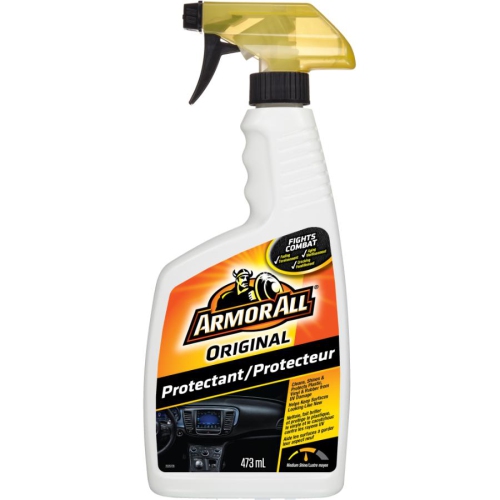 Your price for this item is $18.96
 -
 Your price for this item is $16.97
 -
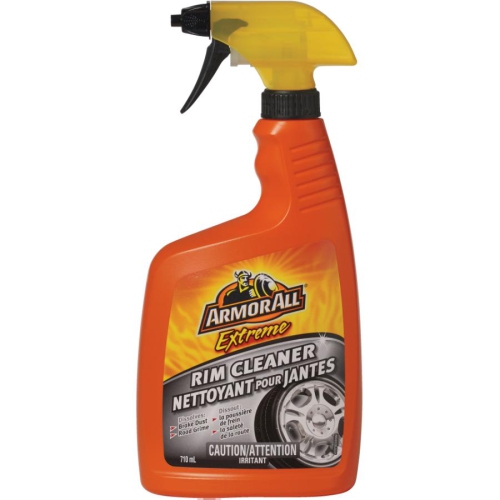 Your price for this item is $16.96
 -
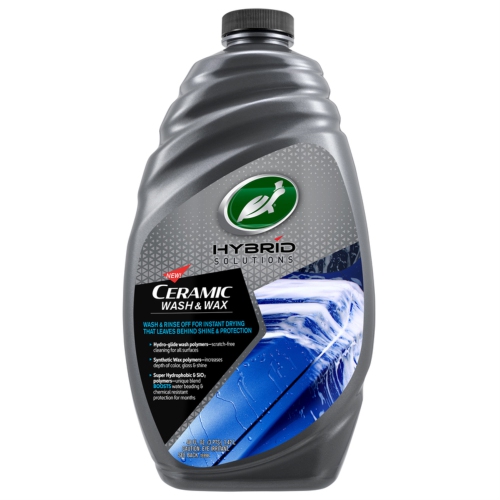 Your price for this item is $36.19
 -
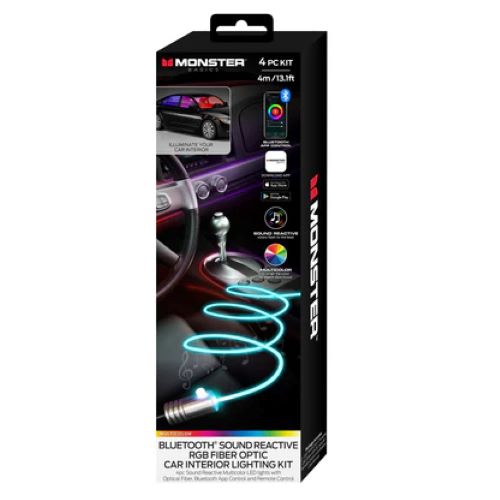 Your price for this item is $37.99
 -
 Your price for this item is $29.63
 -
 Your price for this item is $71.86
Discover more categories related to Polishing Accessories
Top Collections:
Pokemon Centers, Kindle Devices, Best Budget Office Chairs, Apple iPhones 16, Best Laptops for Writers, iPhone 15 Apple, Canon G7X Cameras, Refurbished Apple Laptops, Alarm Clock, Motorola Razr Phones
Some products may be subject to Environmental Handling Fees
(EHF) depending on your province.
Learn more about EHFs.