Portable Power Sources
Stay powered up on the go with our selection of portable power sources. Whether you're heading out for a camping trip, embarking on a long road trip, or simply need a reliable backup power solution, our range of portable power sources has got you covered. From compact power banks that can easily fit in your pocket to robust solar generators that harness the power of the sun, we have options to suit every need and adventure. Say goodbye to worrying about running out of battery and hello to uninterrupted power wherever you are. Shop from our collection of portable power sources today and stay charged up no matter where life takes you.
Sort


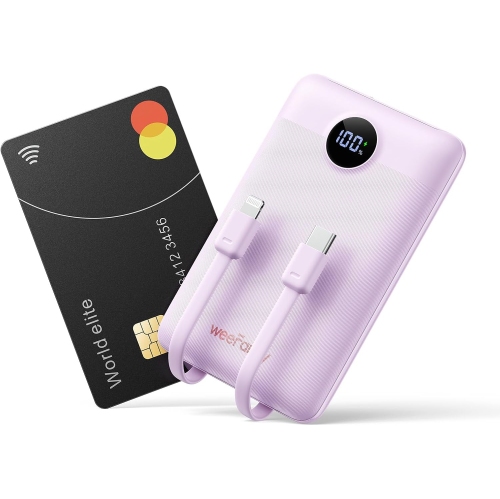
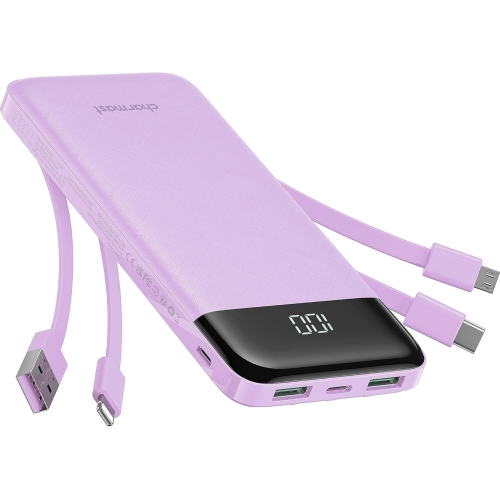
![GENERIC Portable Charger Built-In Cables And Ac Wall Plug, USB C Power Bank 10000Mah, [2024 Upgraded Version] Phone](https://multimedia.bbycastatic.ca/multimedia/products/500x500/199/19938/19938088.jpeg)
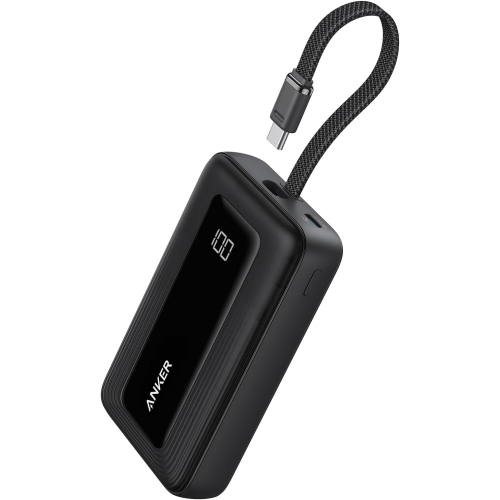
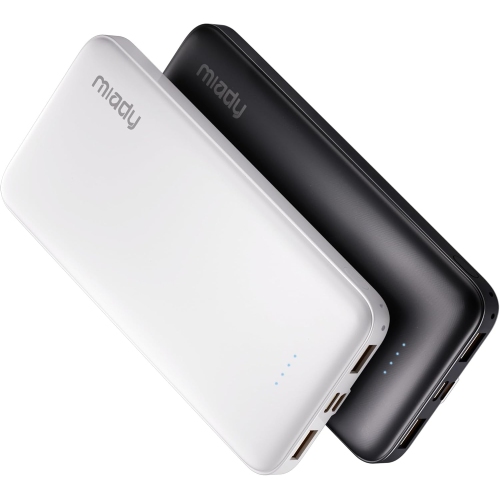
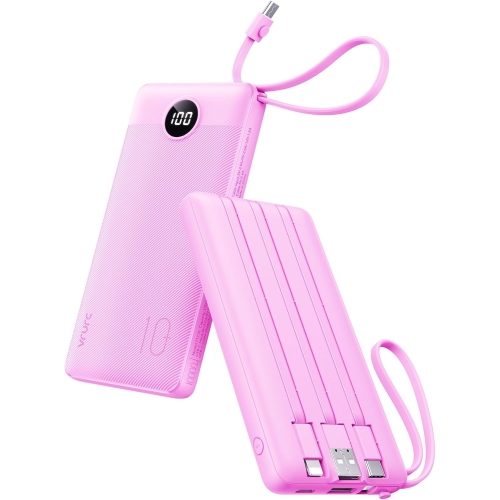
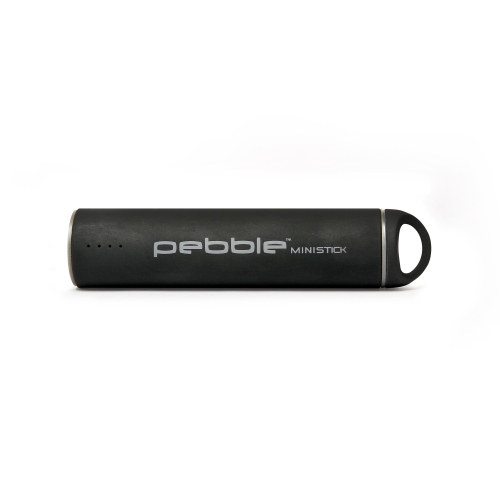
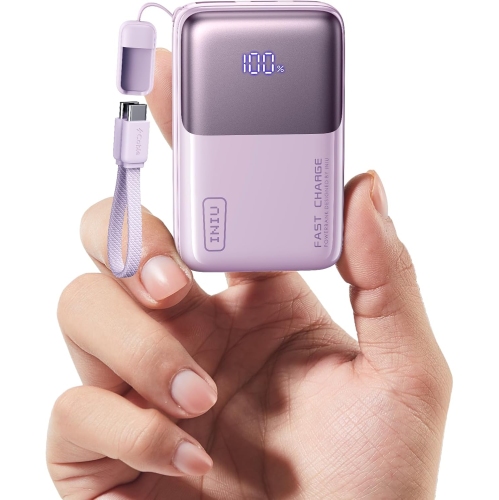
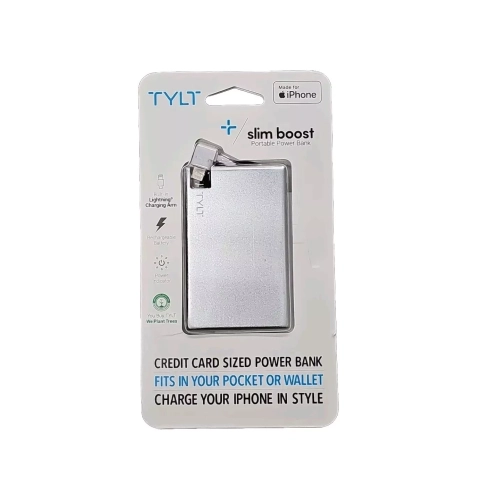
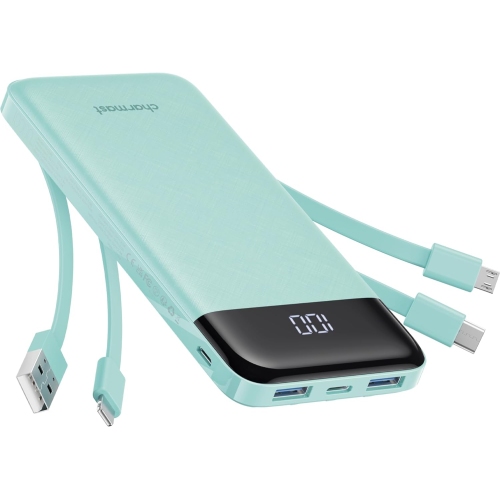
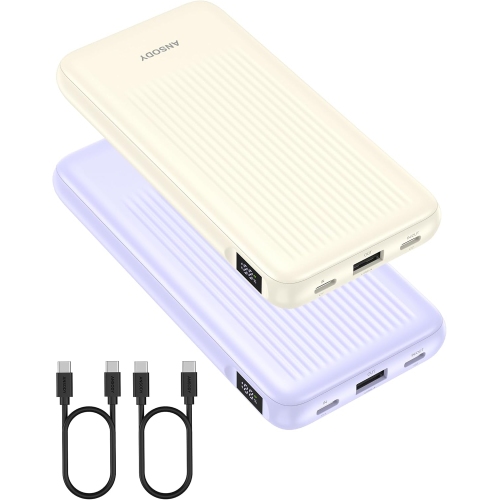
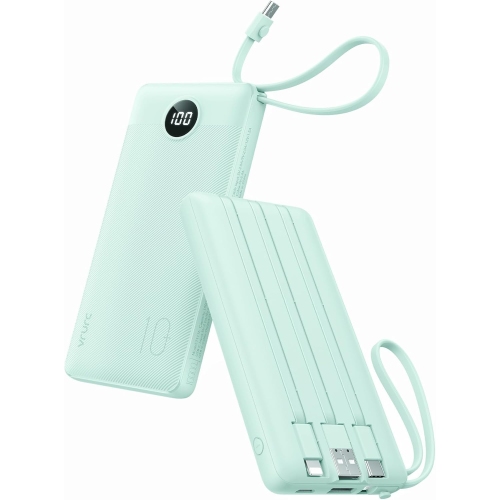
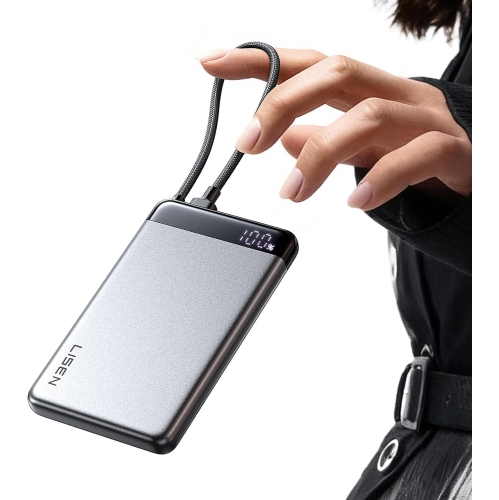
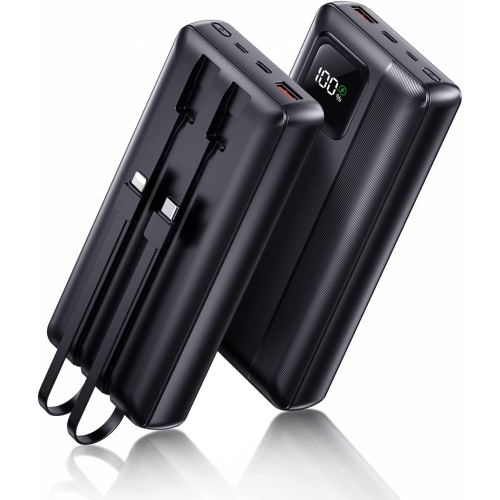
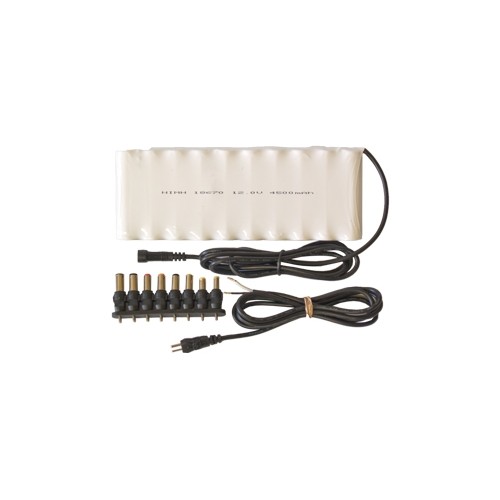
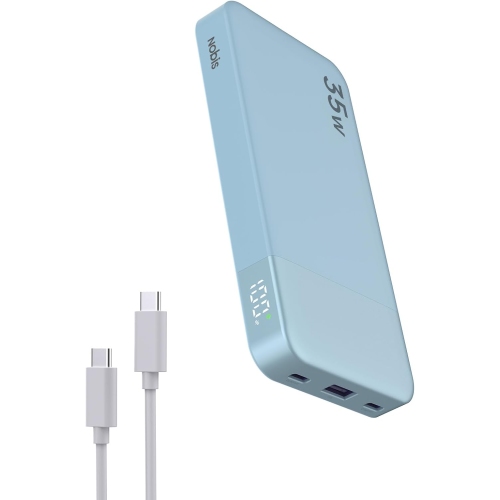
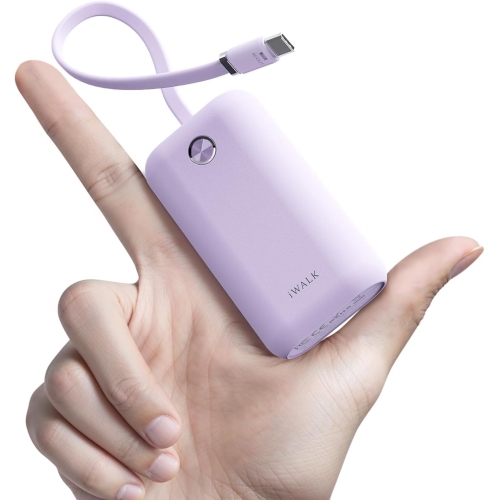
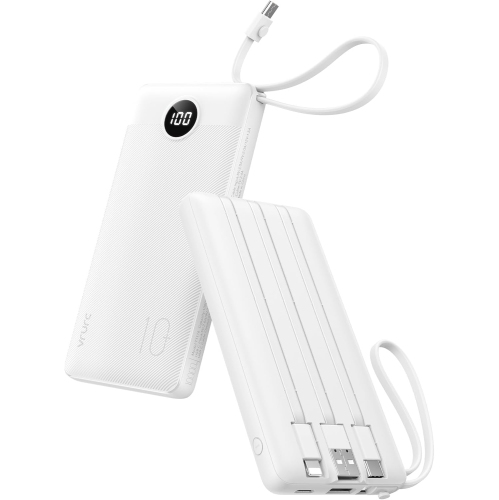
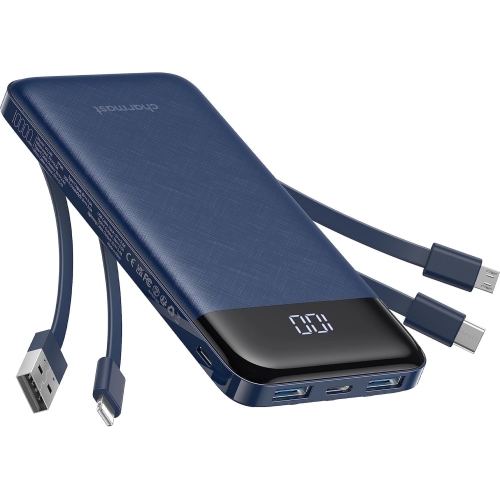
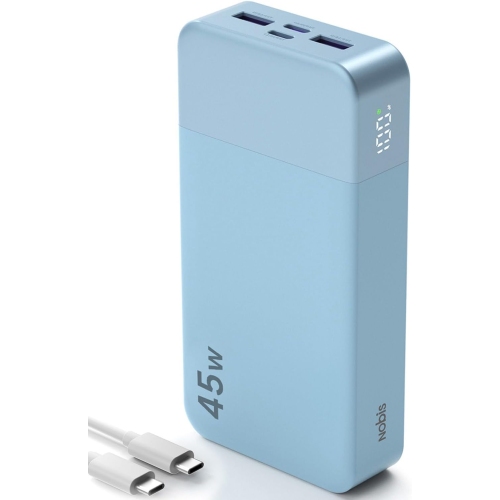
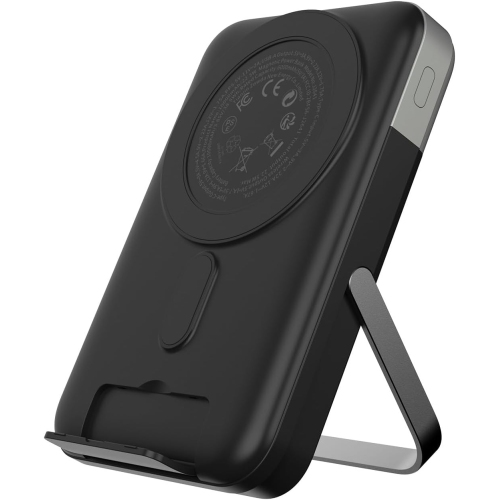
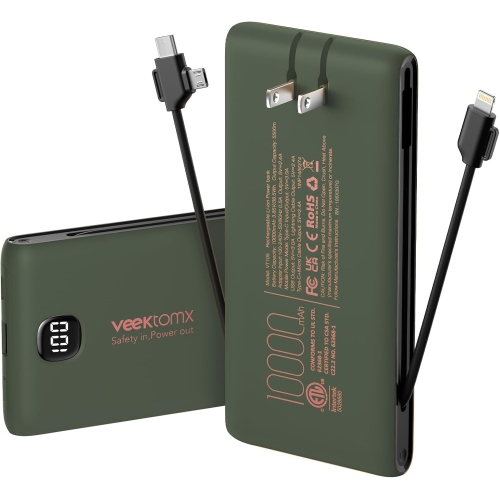
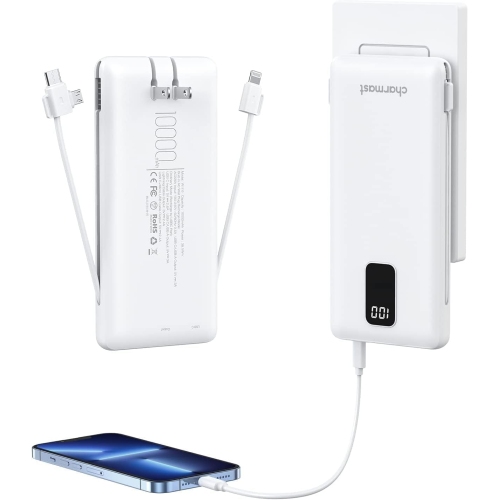
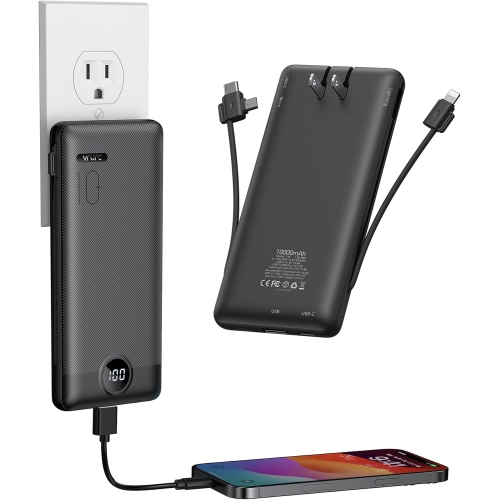
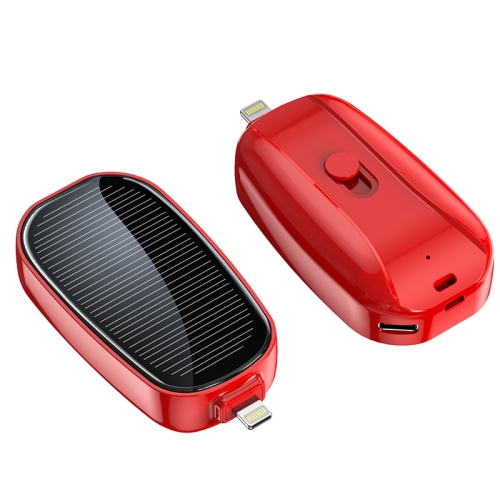
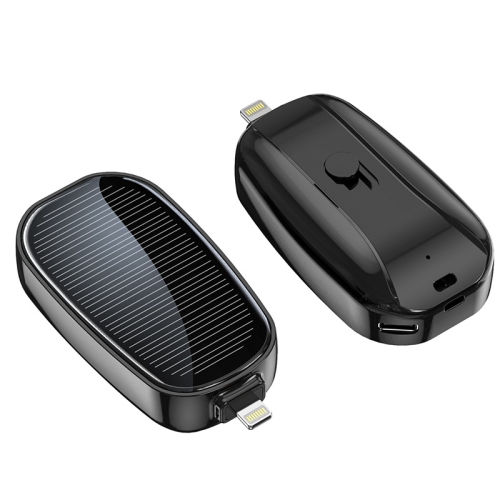
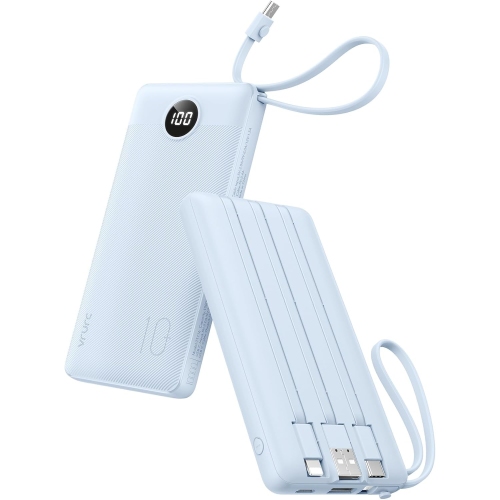
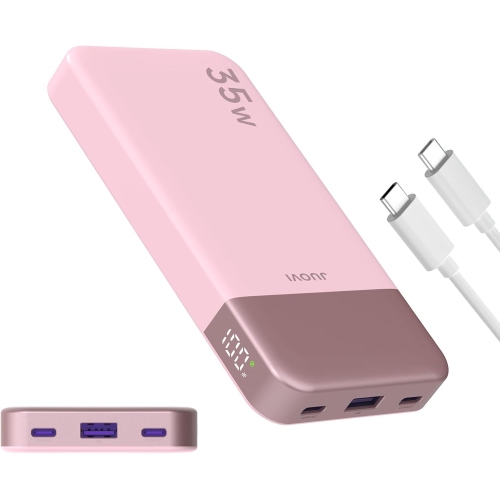
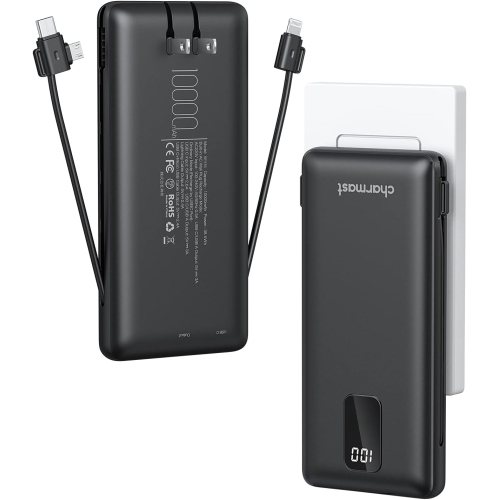

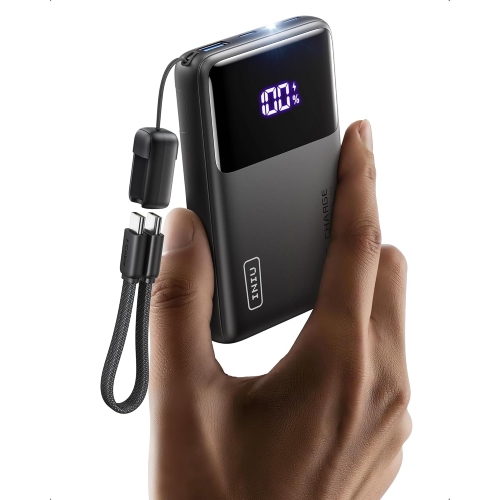
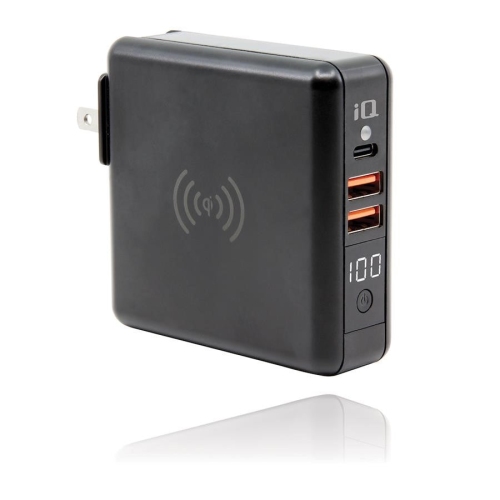
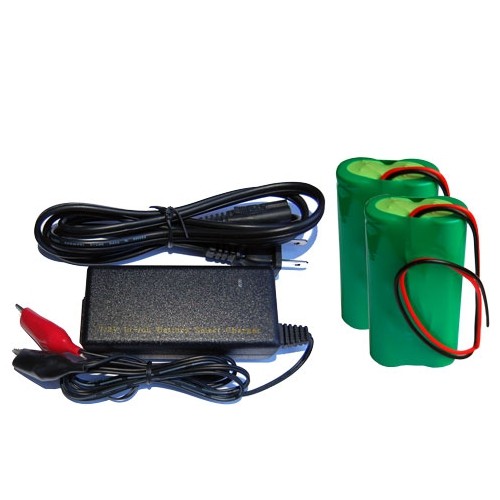
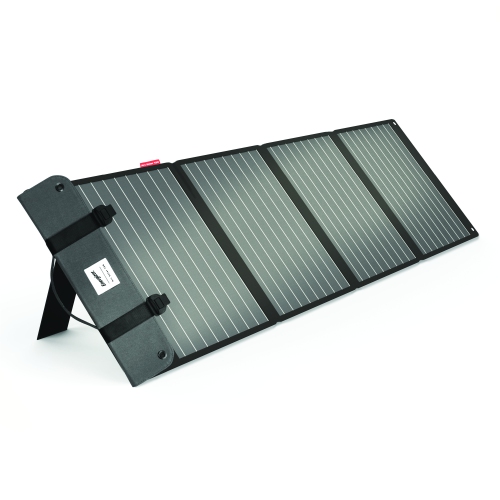
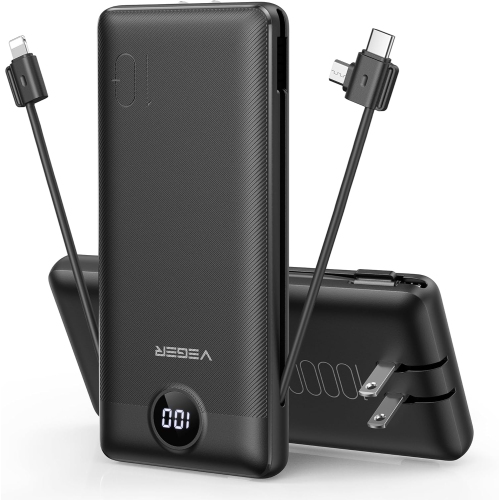
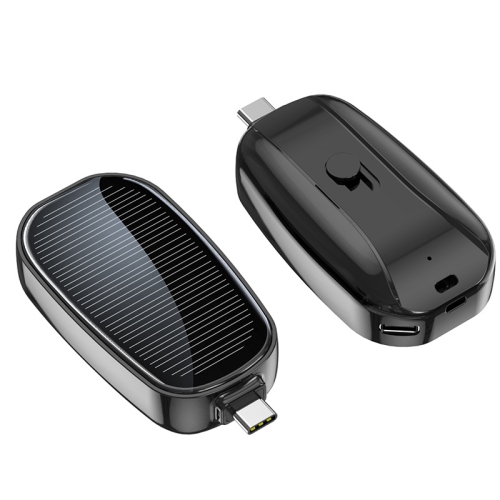
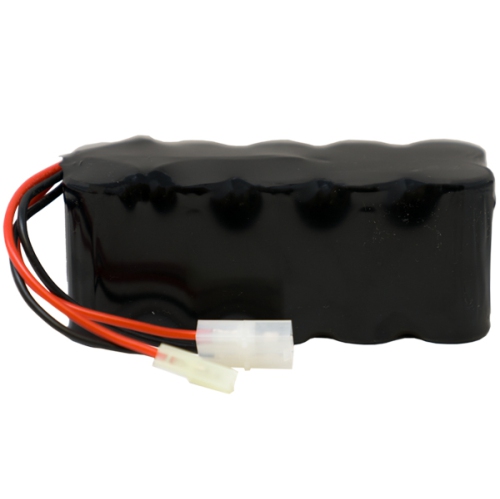
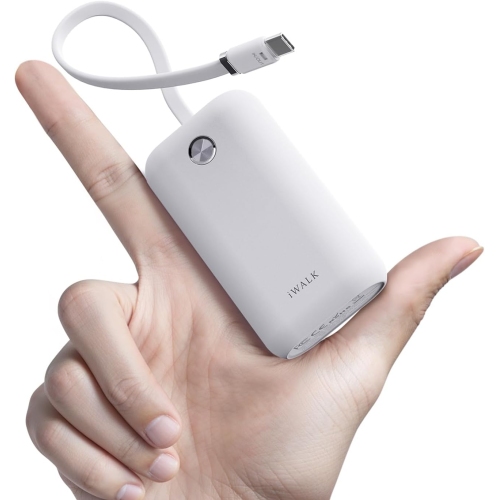
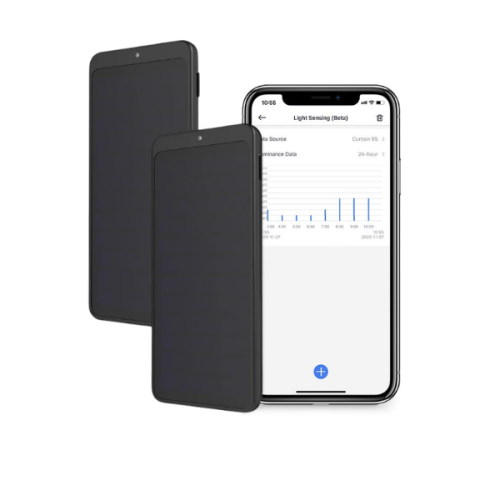

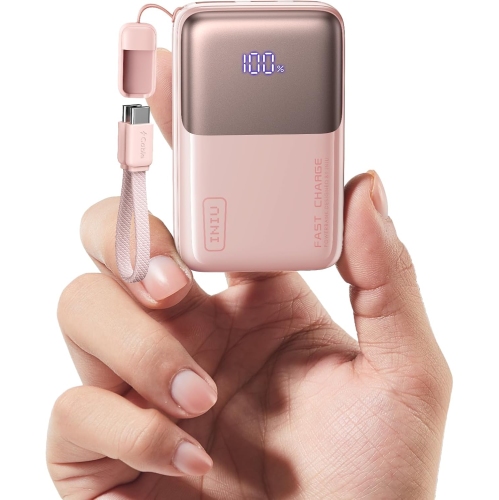

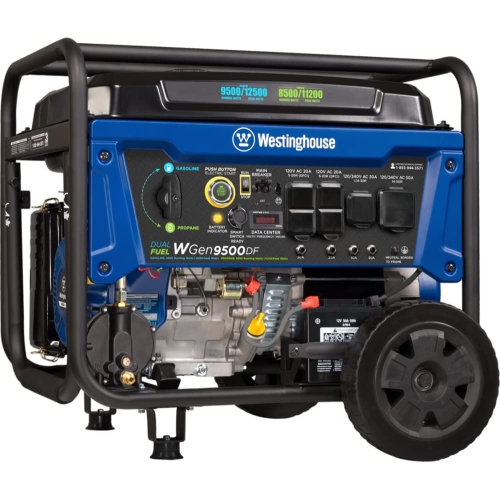
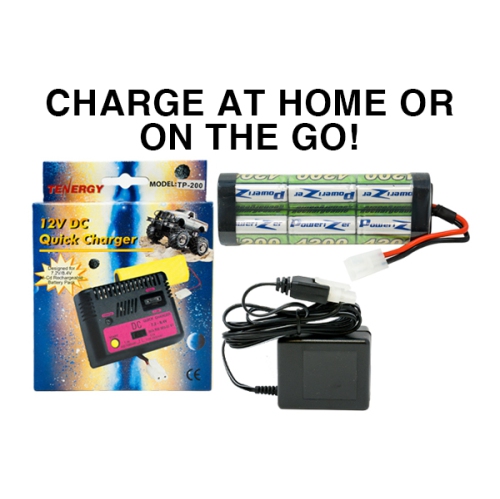
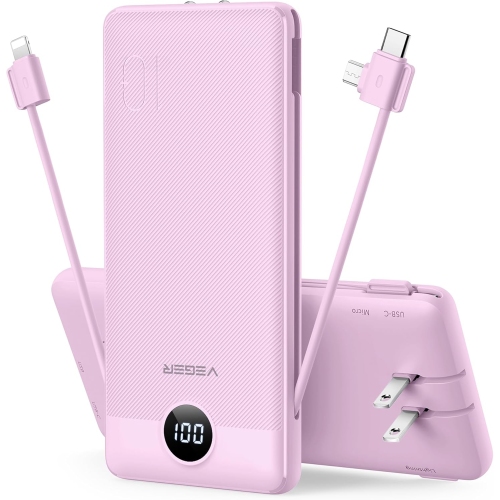
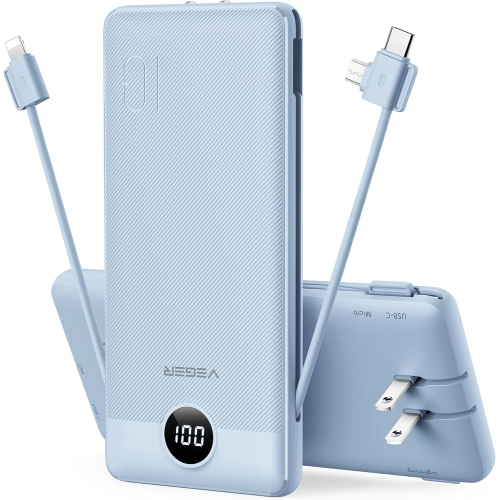
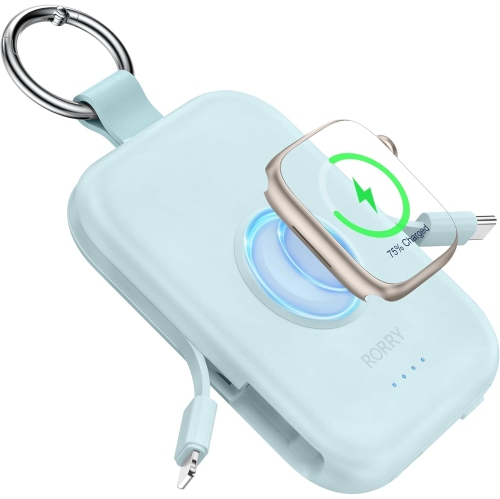
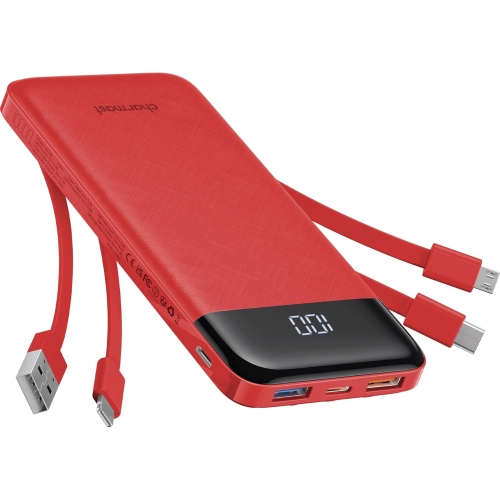
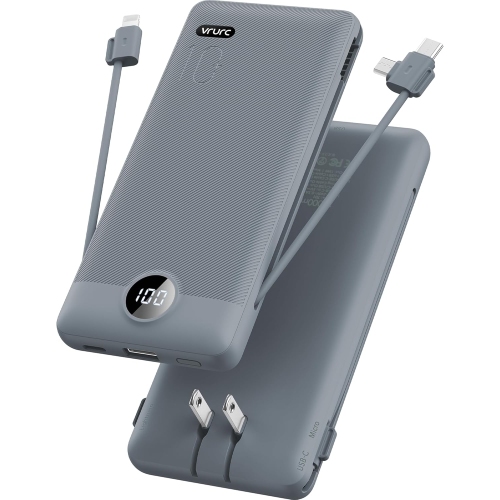
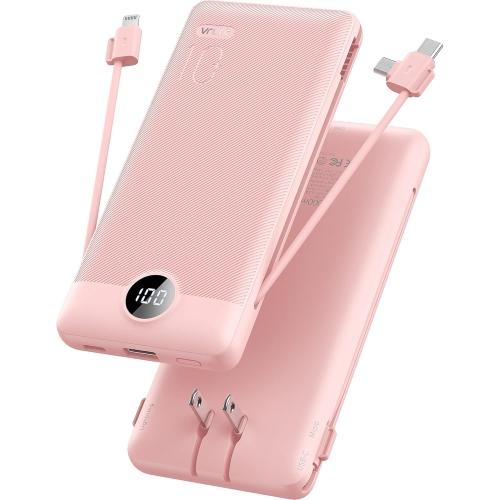
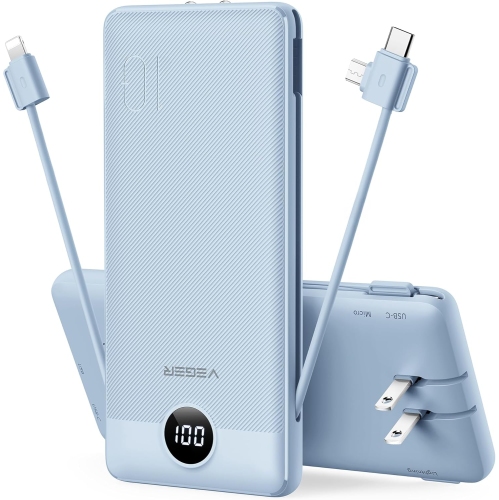
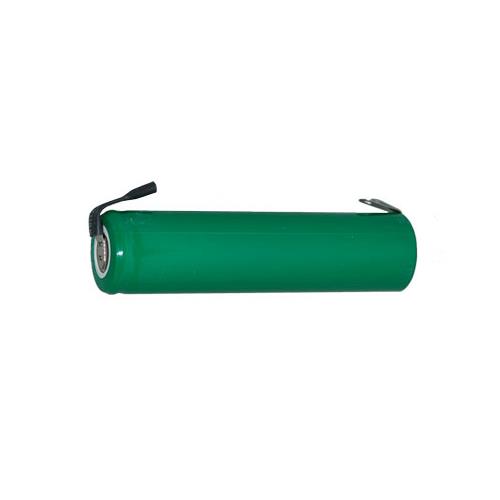
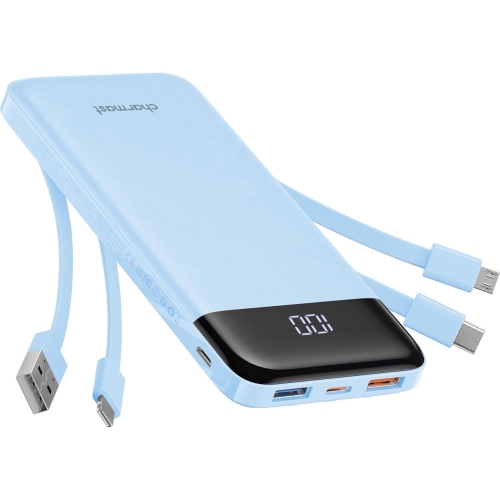
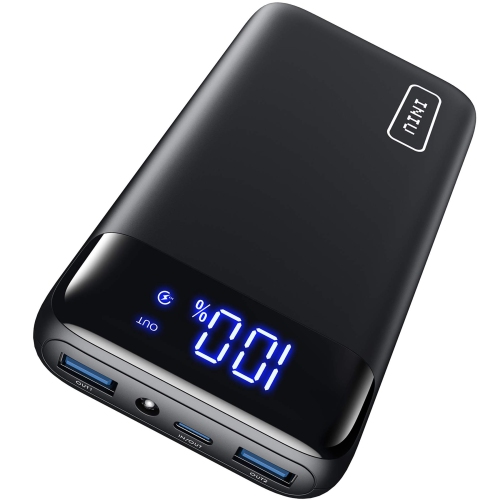
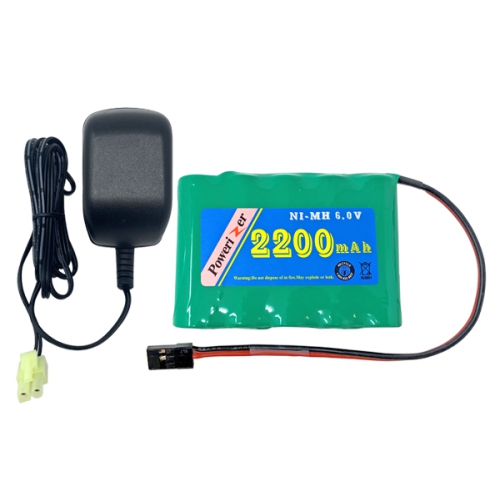
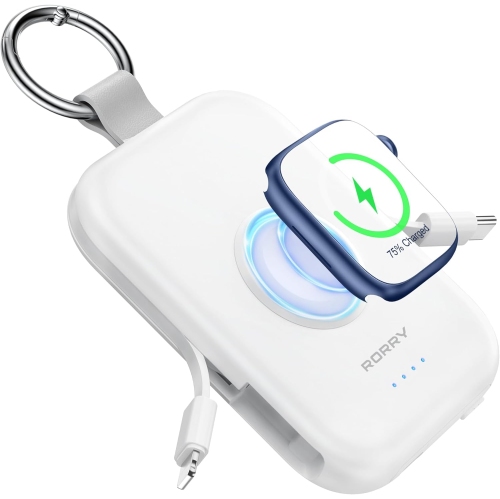
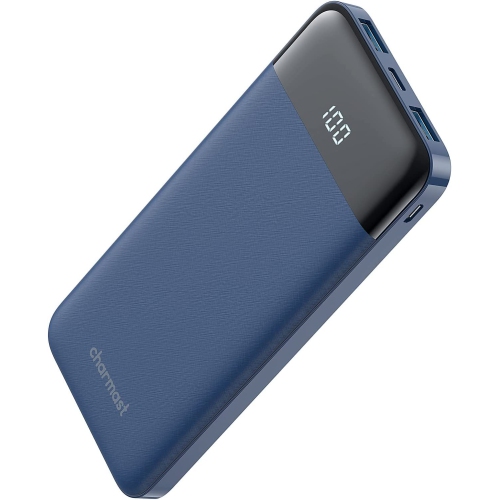
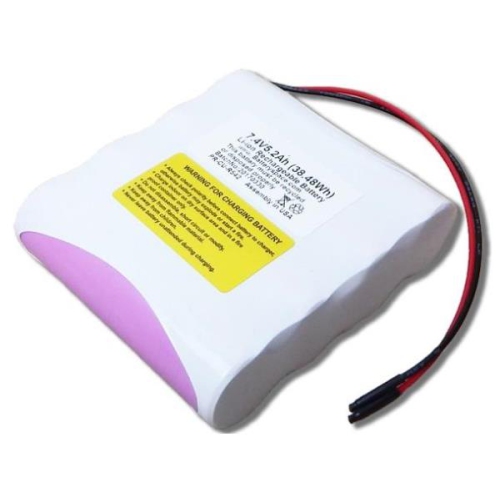
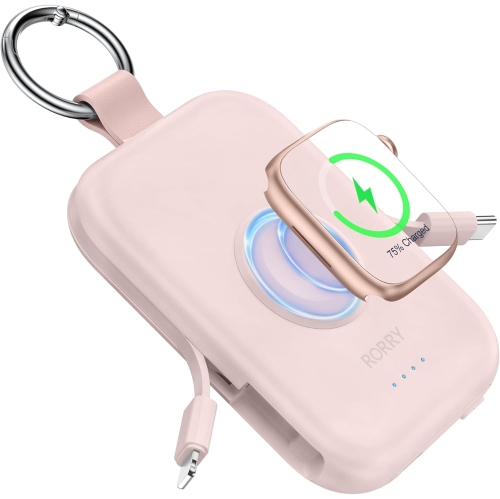
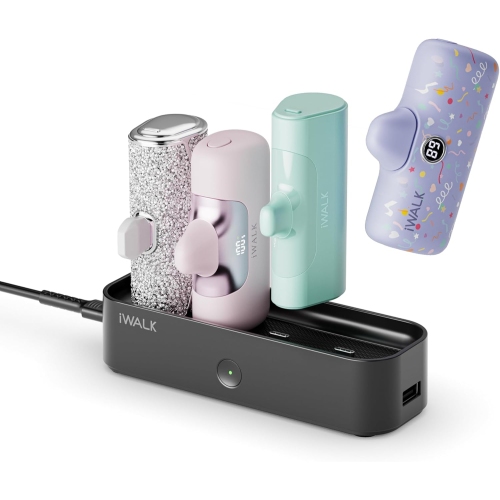
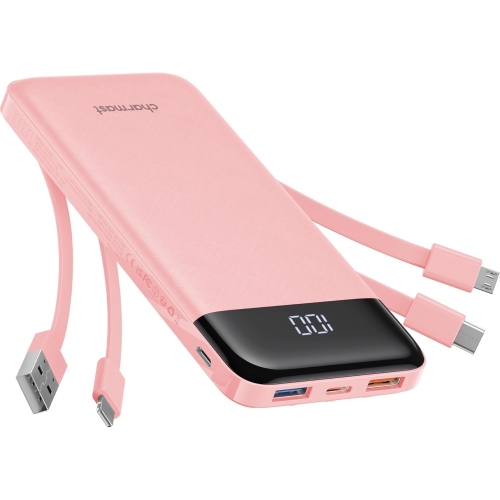
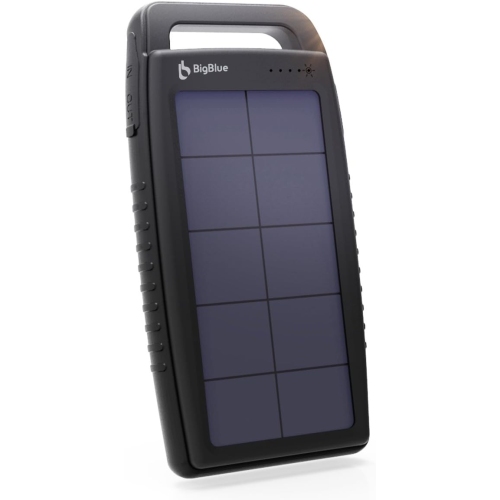
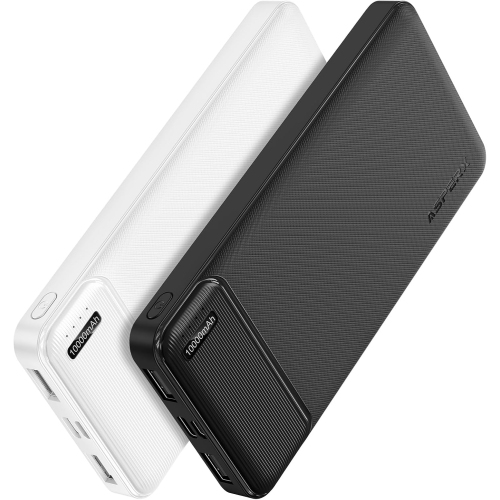


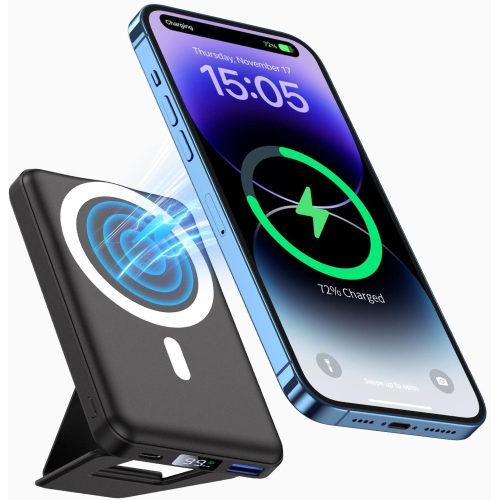
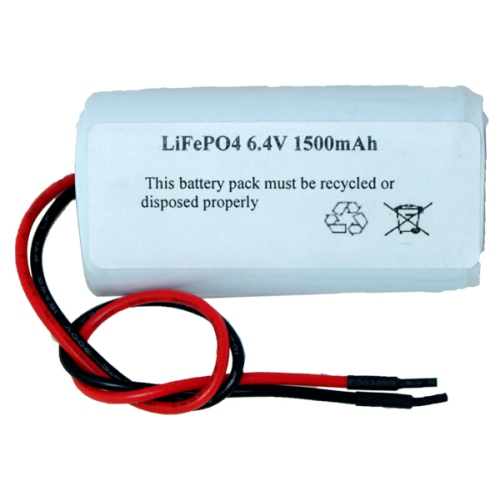
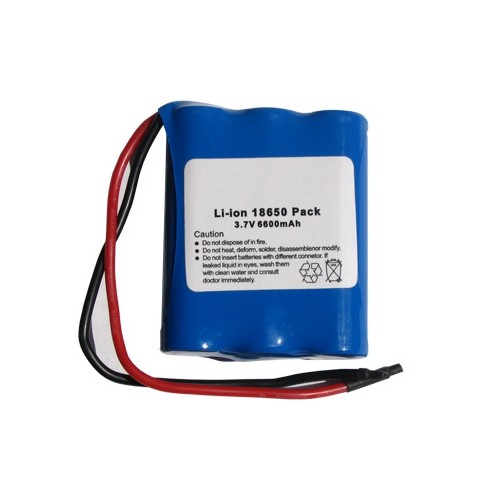
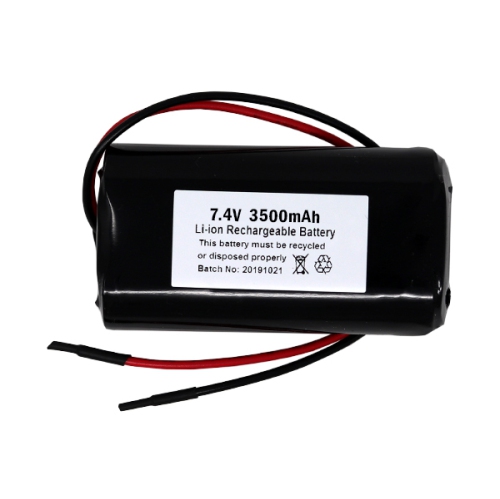
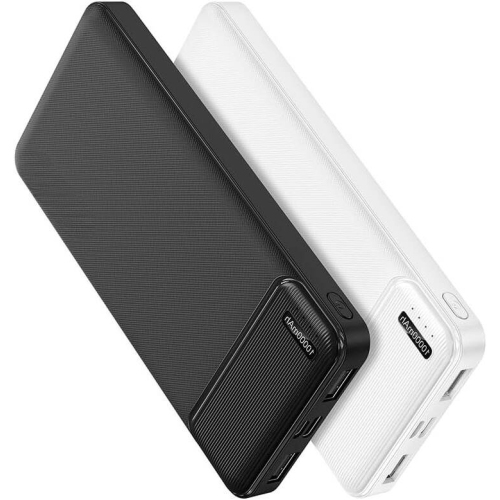
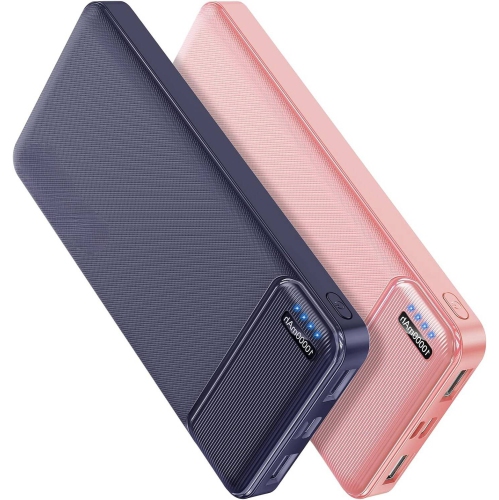
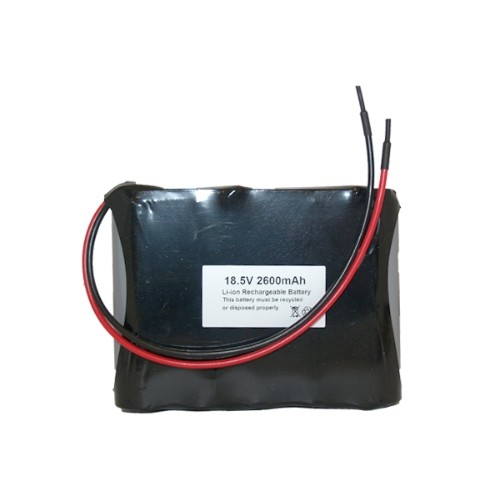
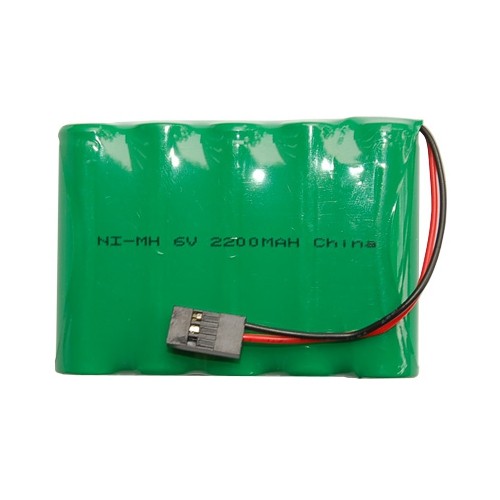
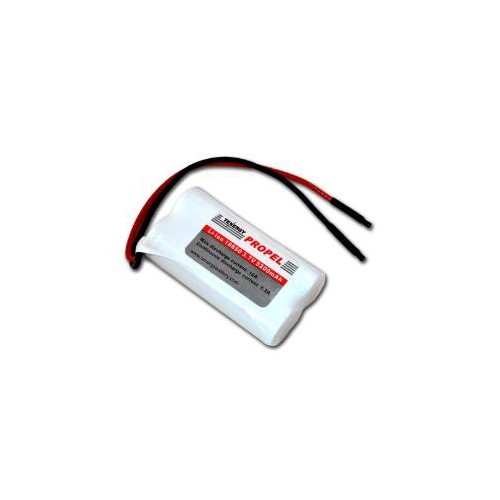
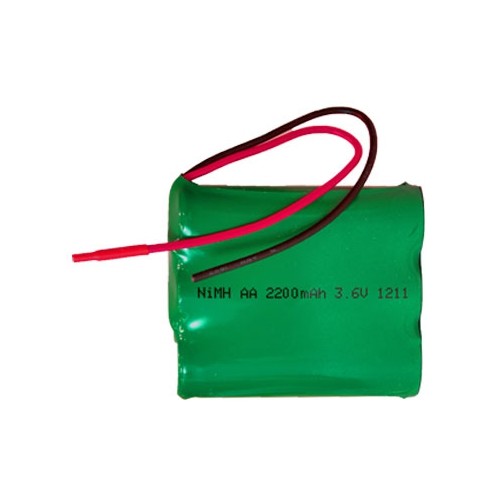
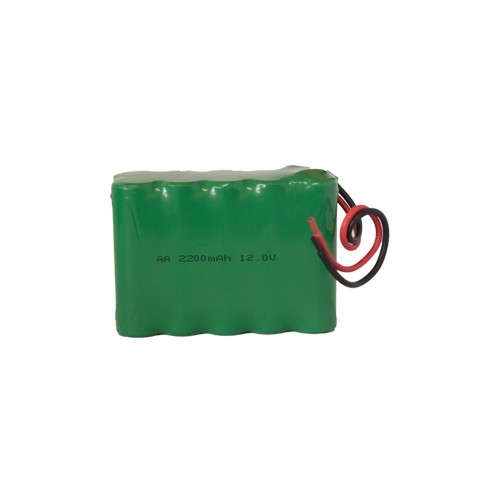
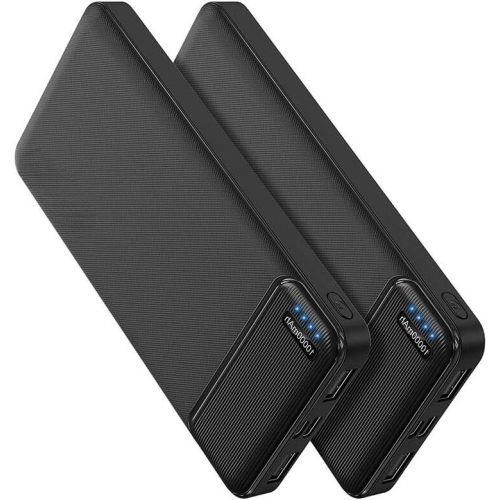

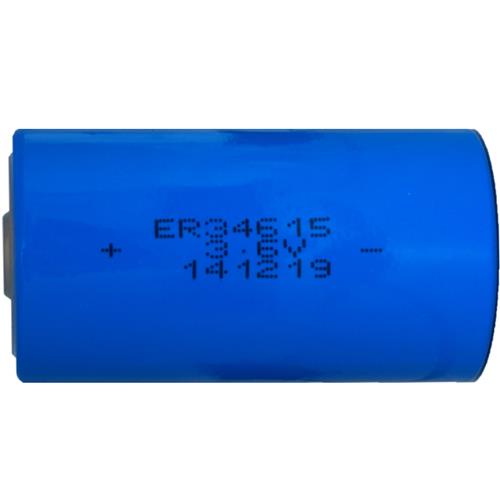


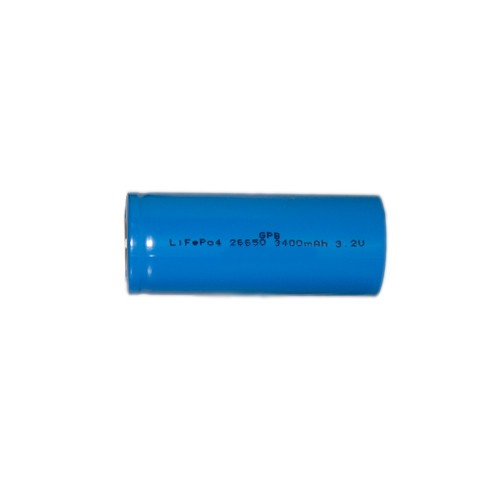
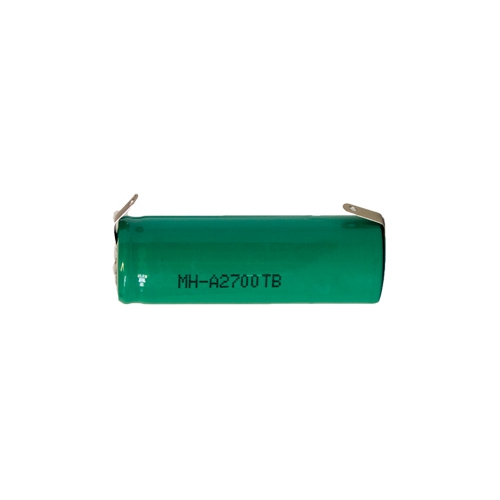
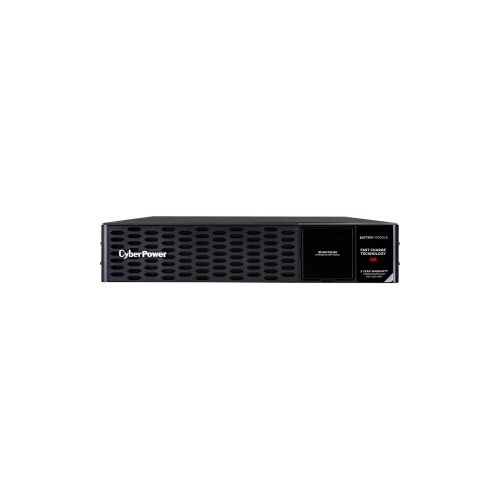


Reliable backup power for outages, travel, and outdoor use
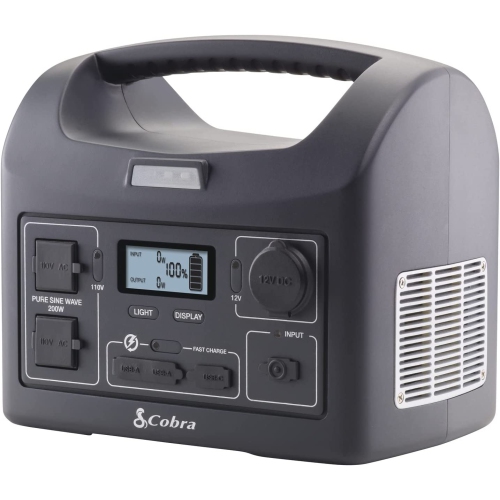
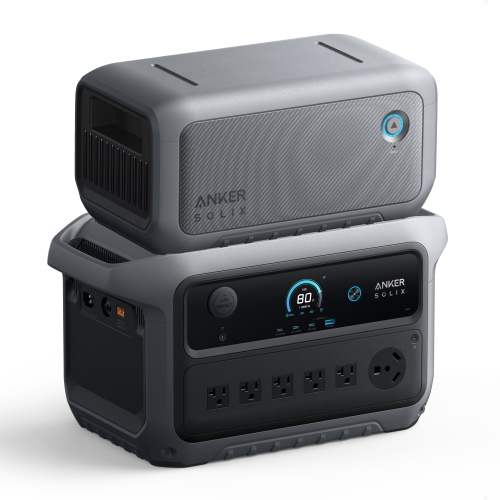
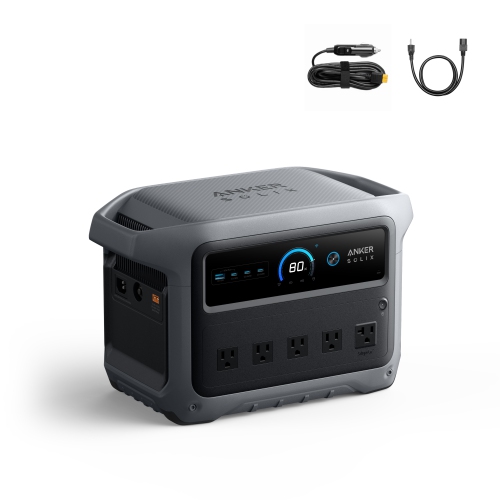
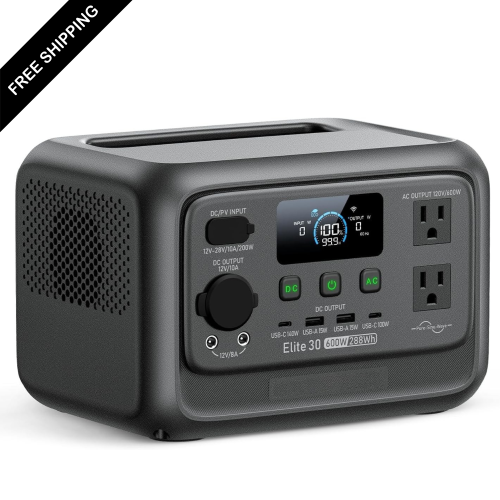
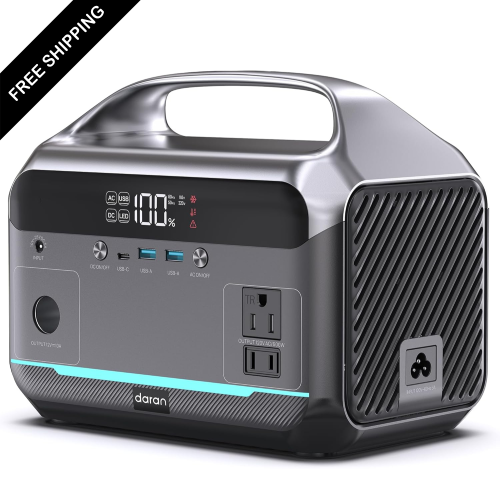
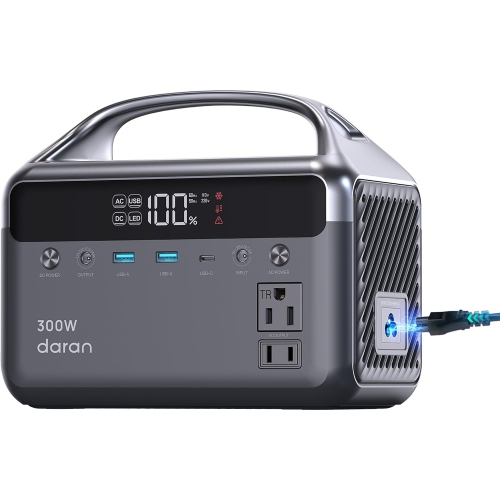
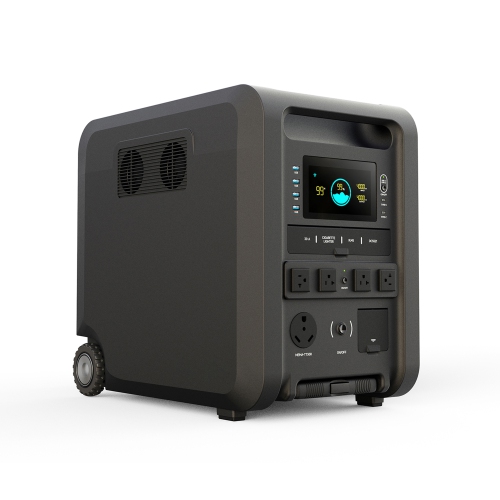
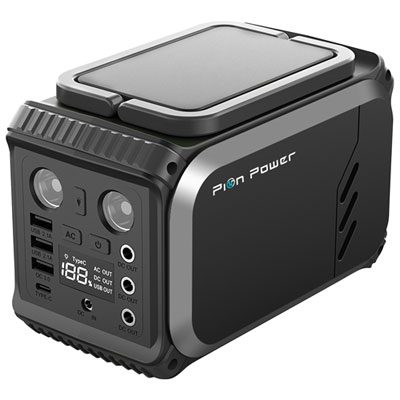
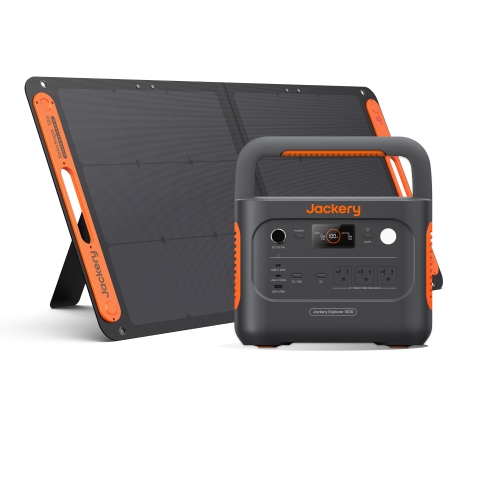
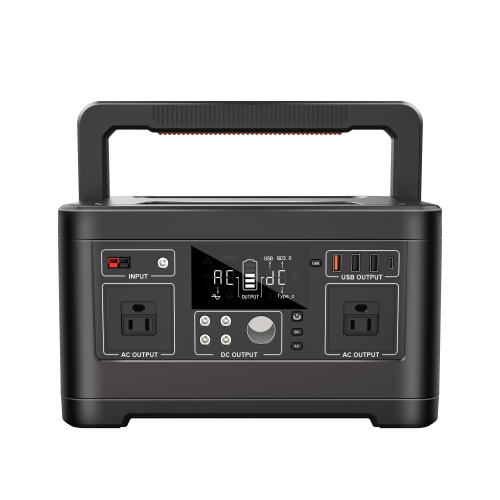
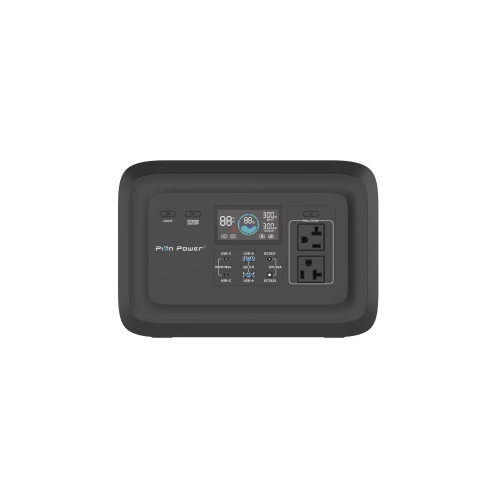
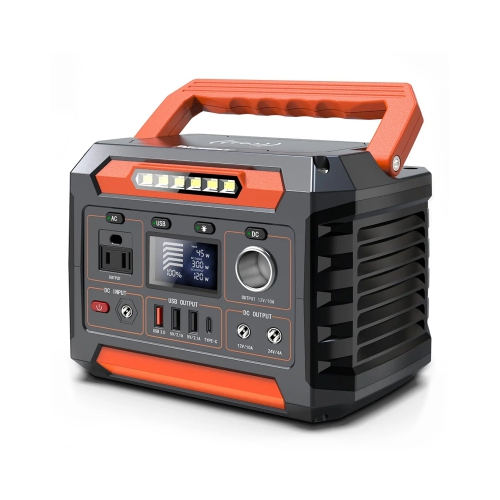
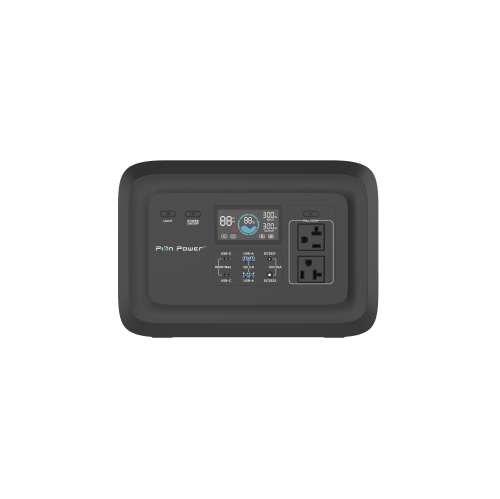
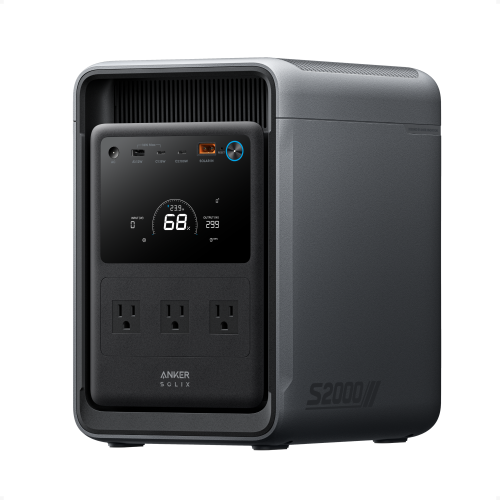
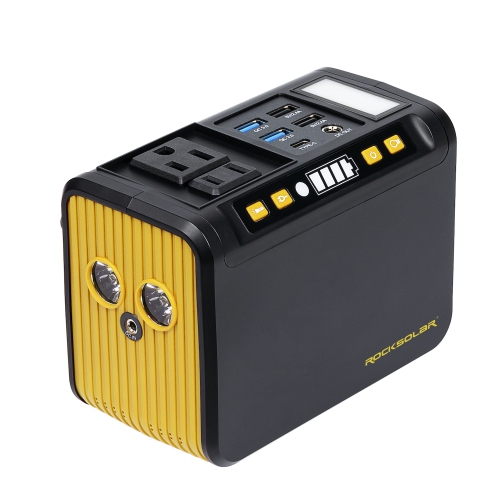
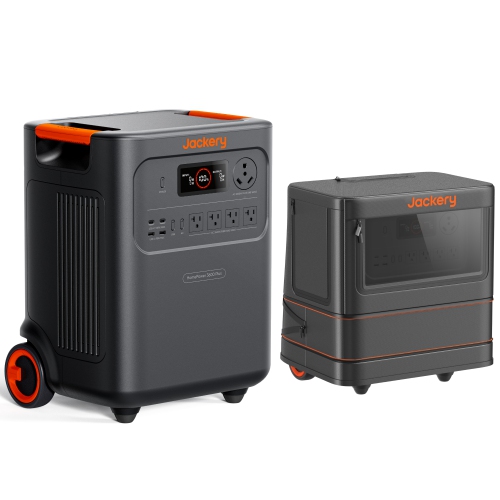
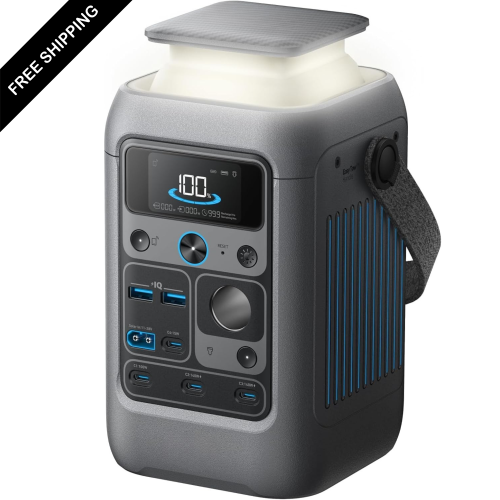
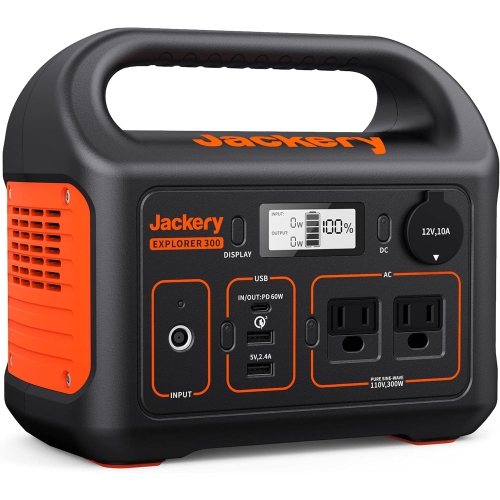
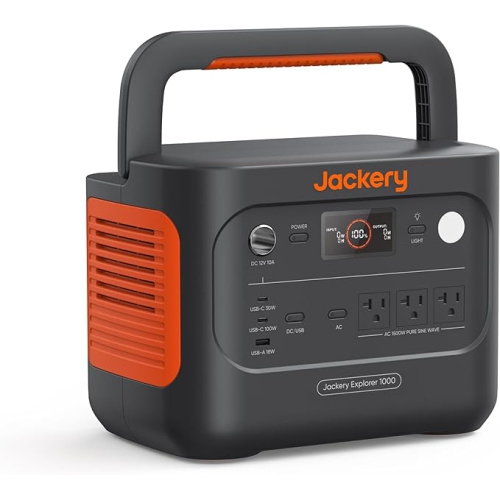
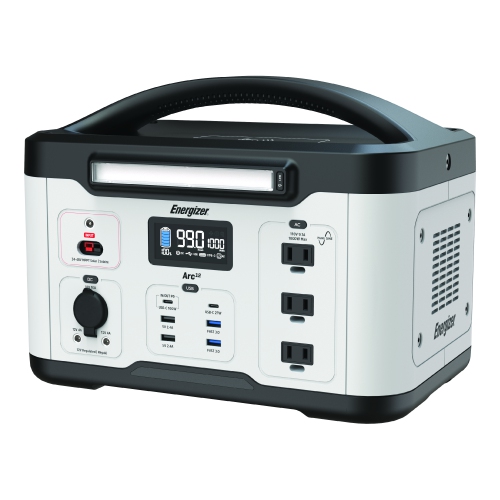
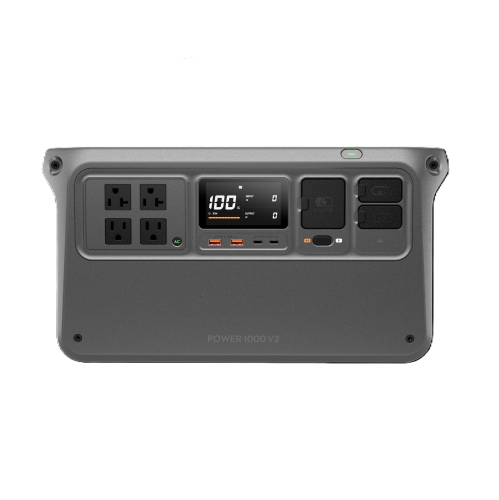
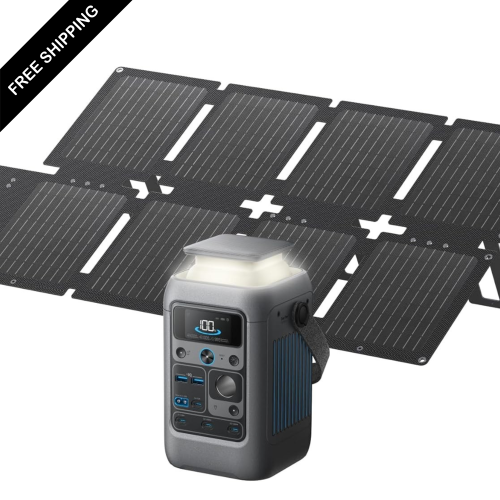
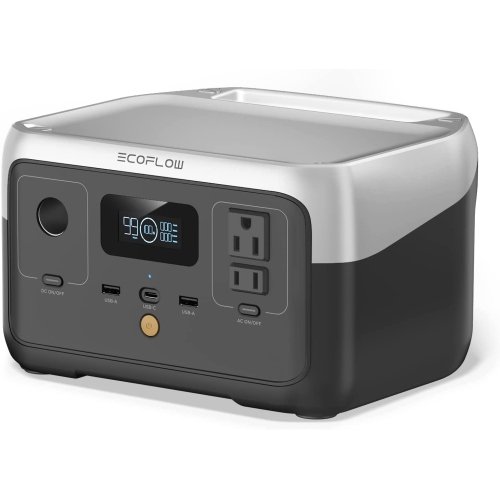
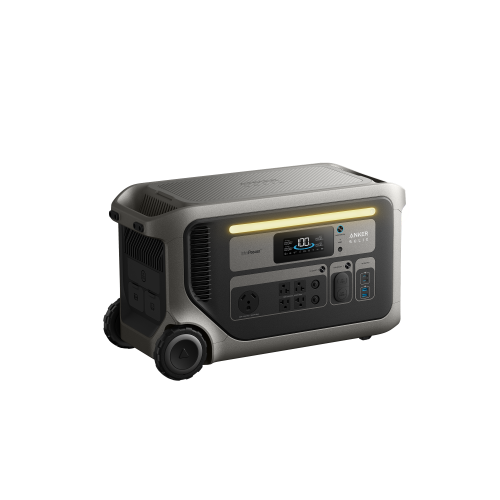
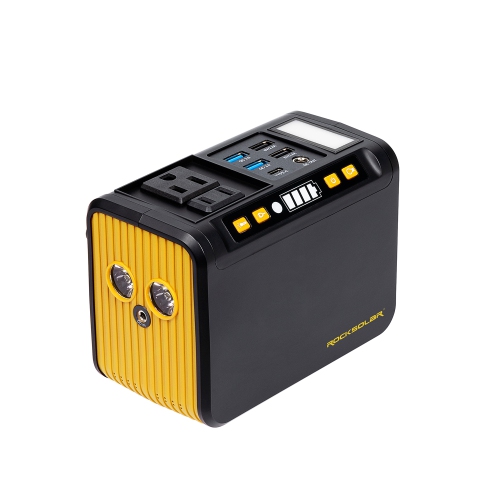
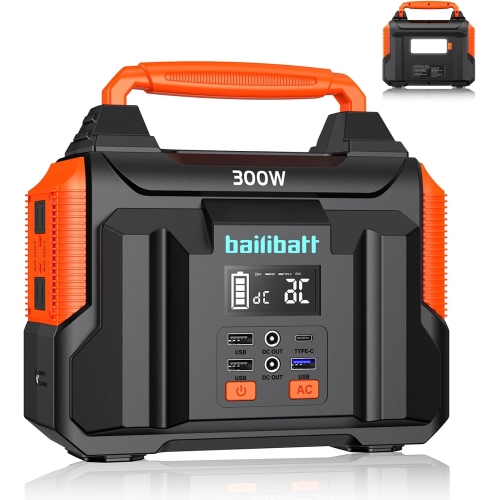
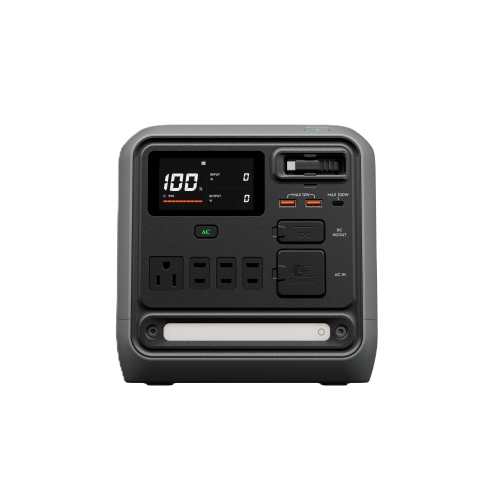
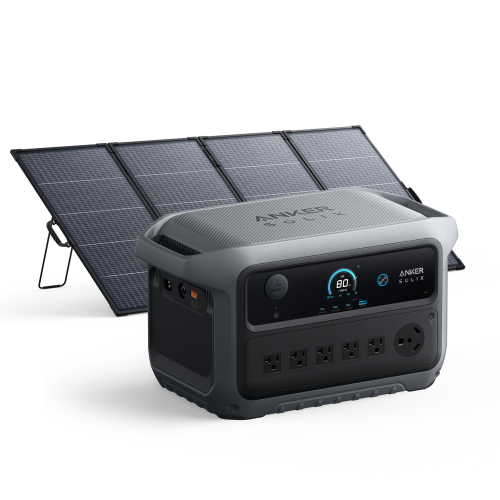
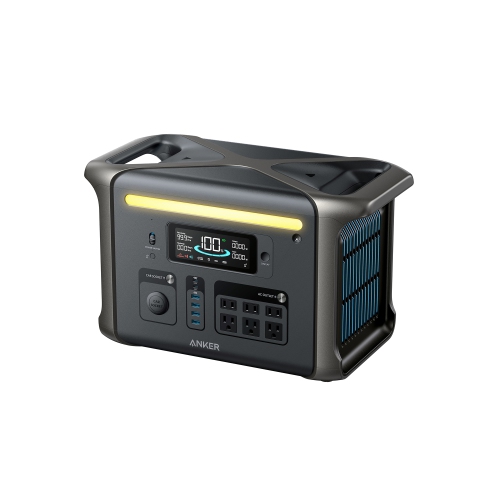
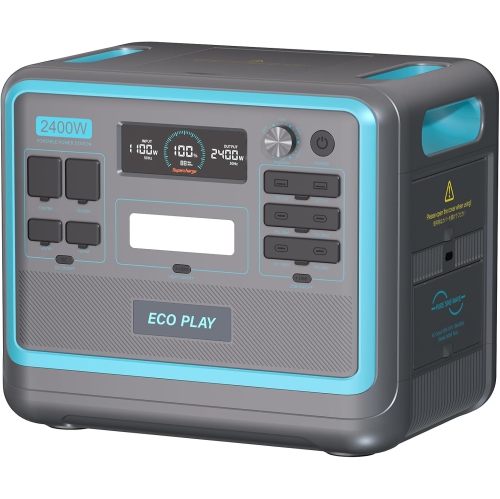
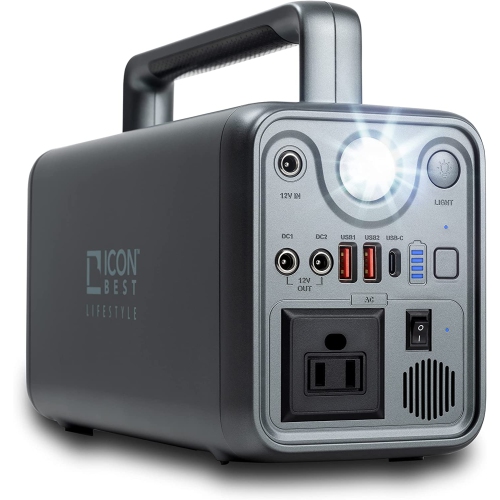
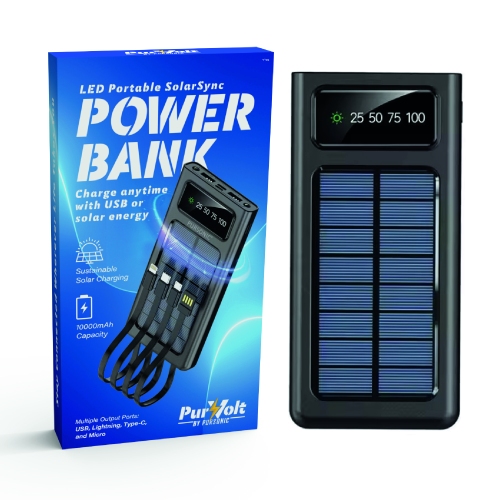
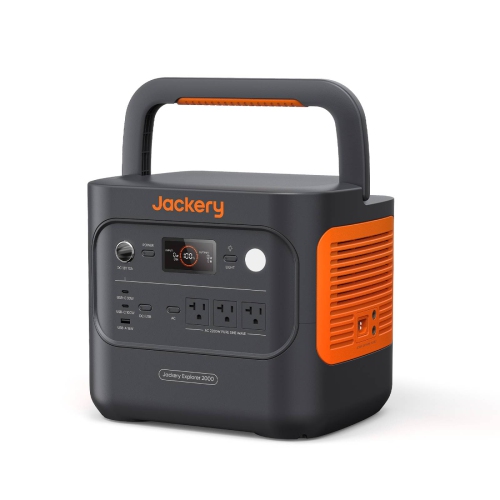
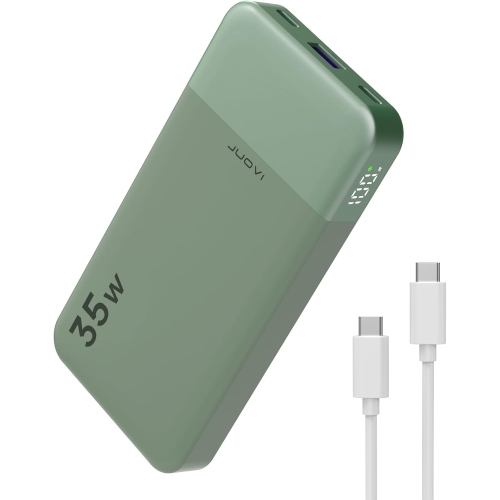
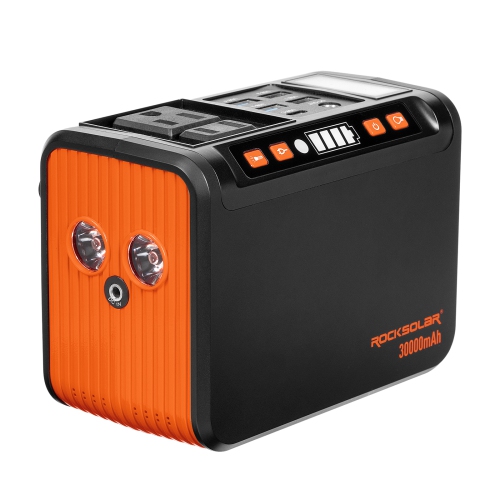
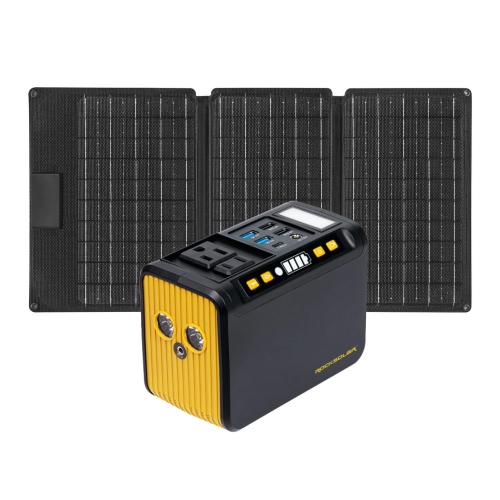
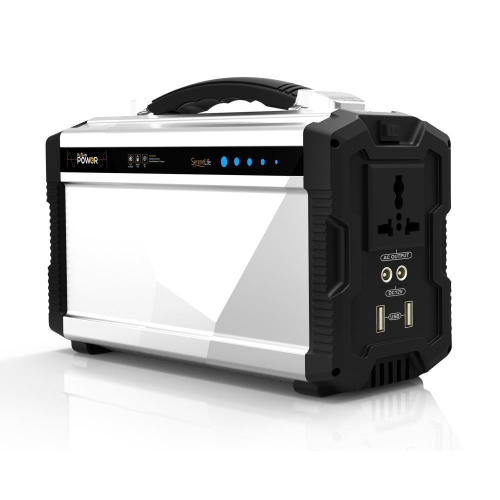
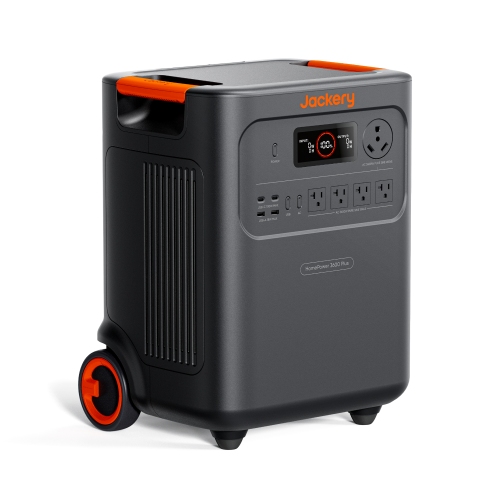
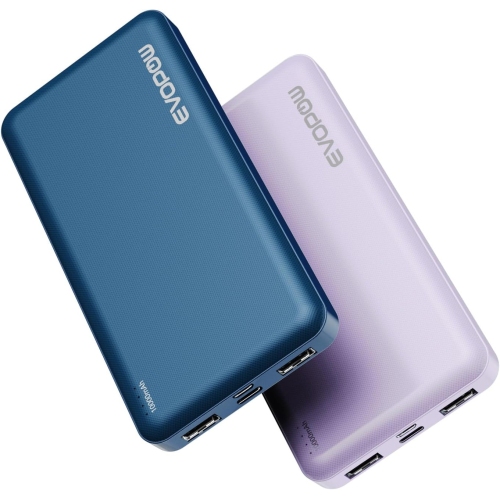
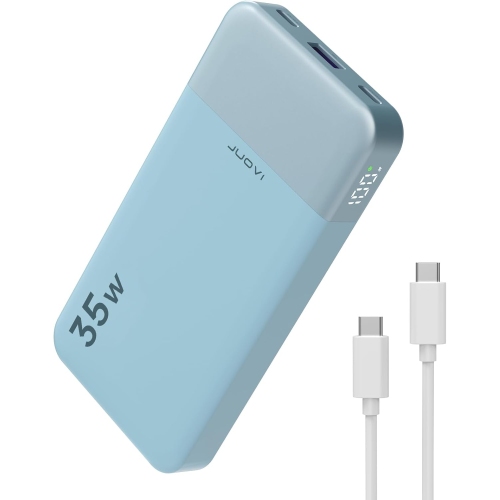
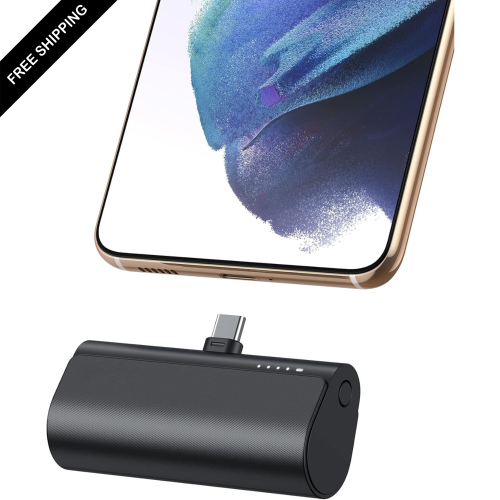
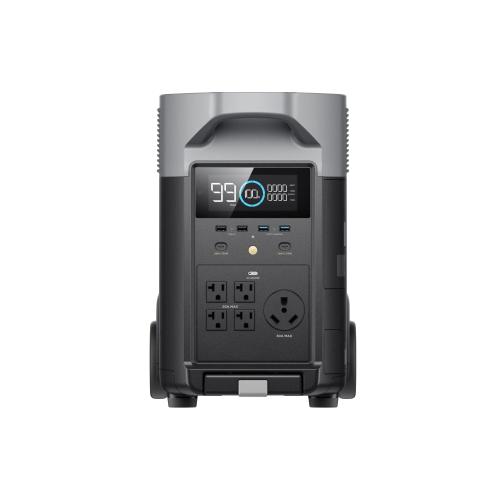
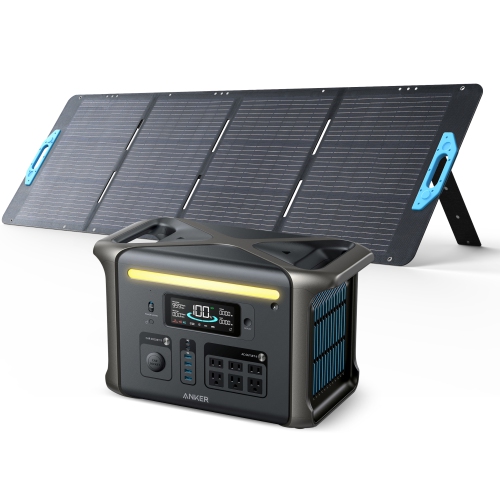
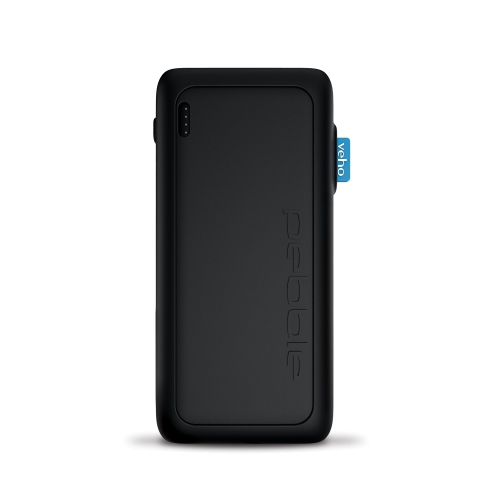
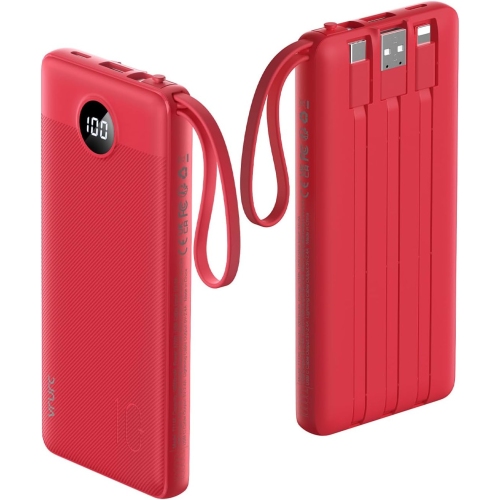
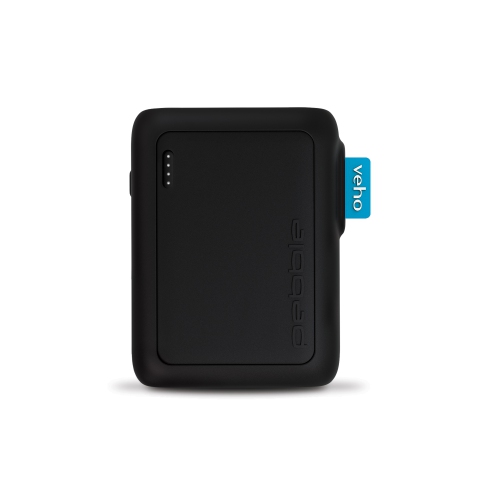
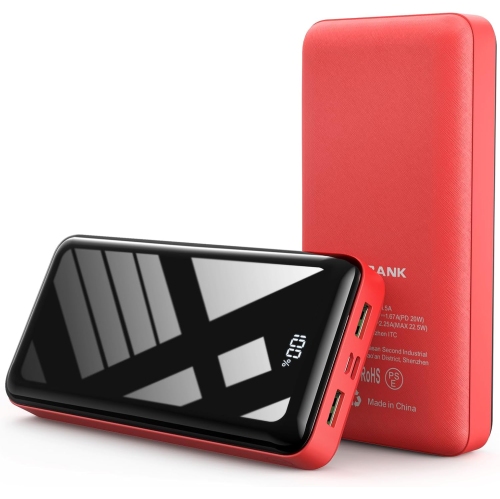
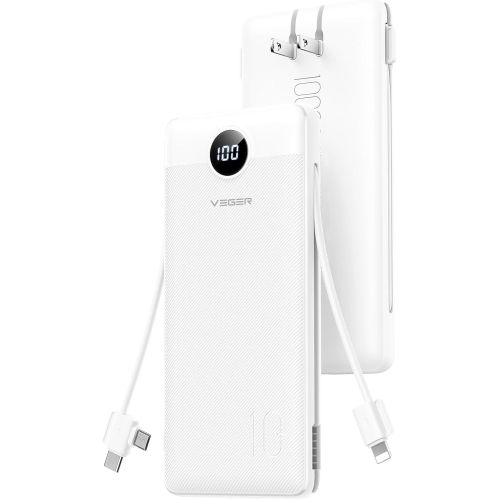
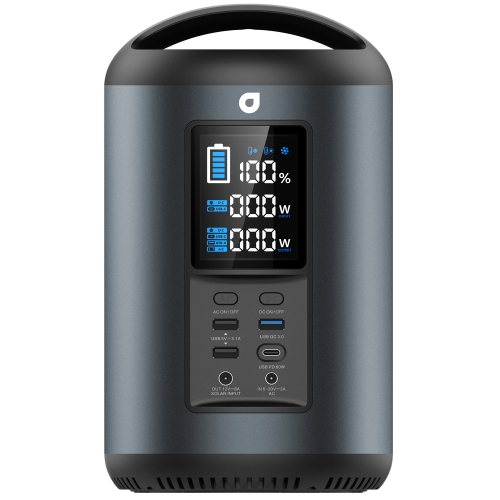
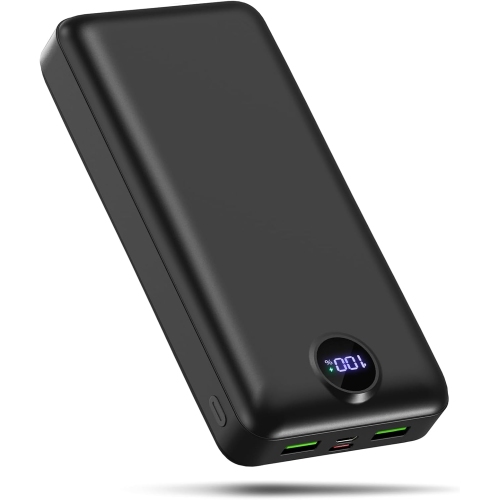
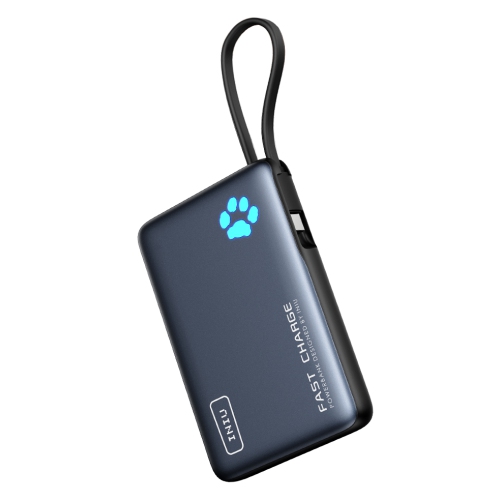
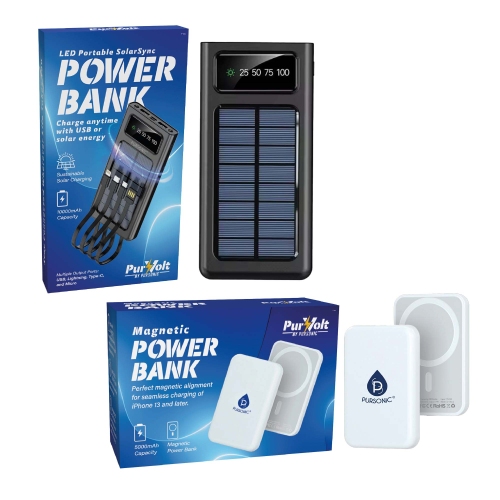
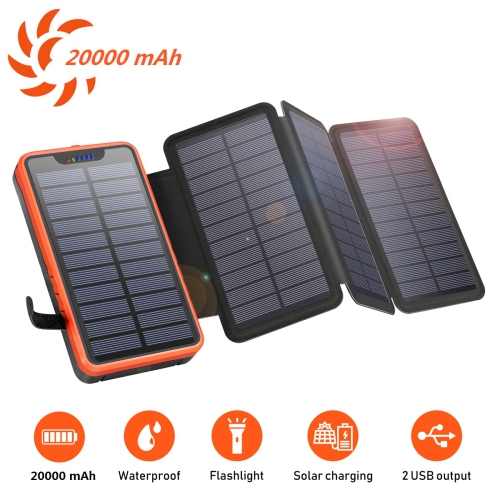
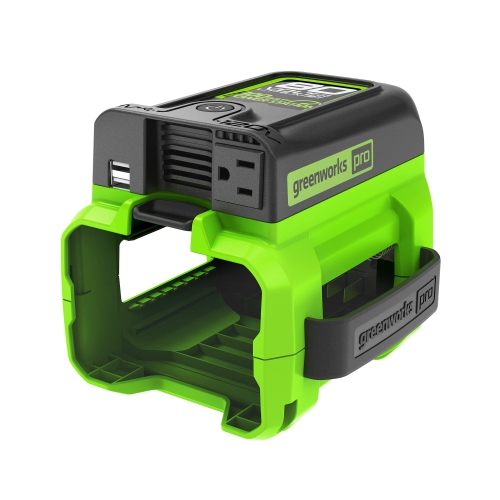
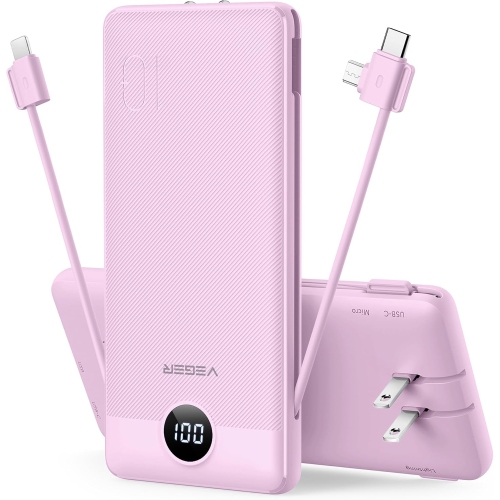
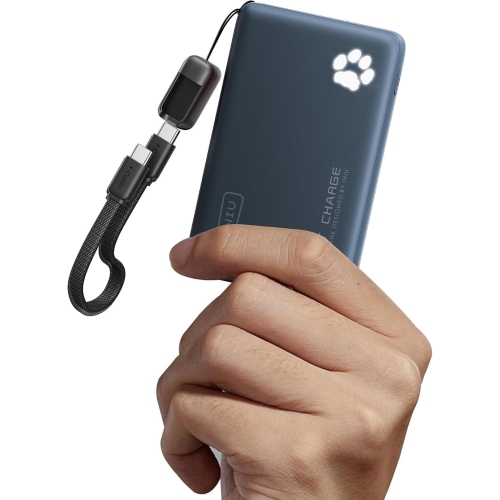
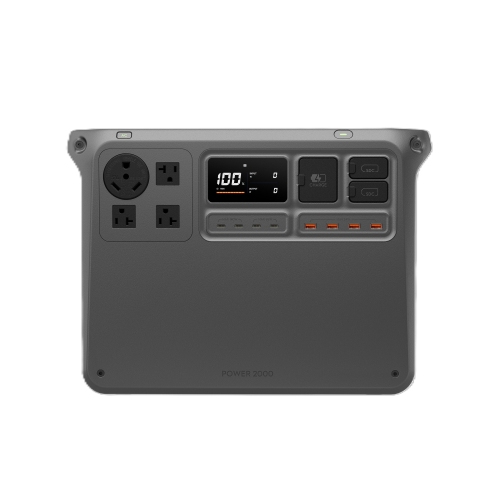
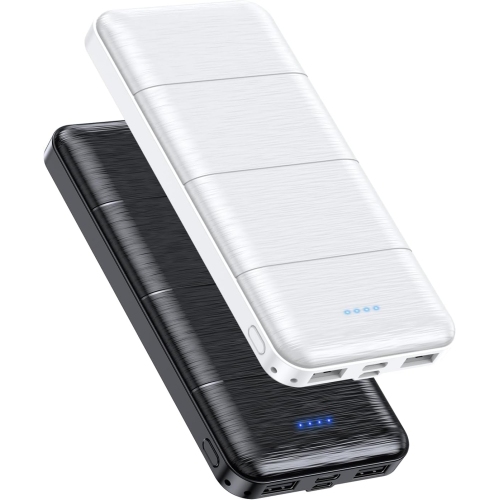
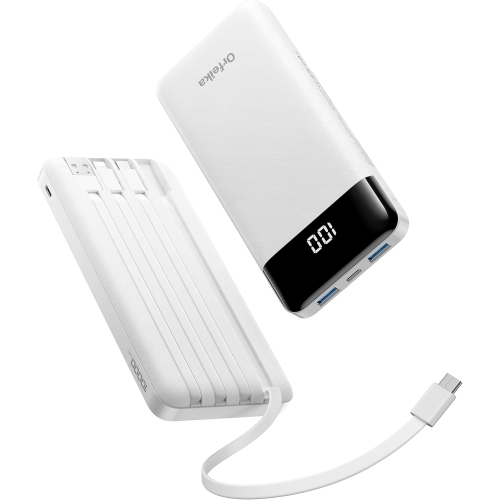
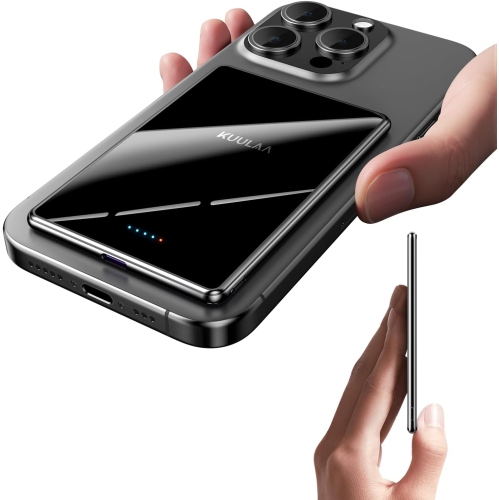
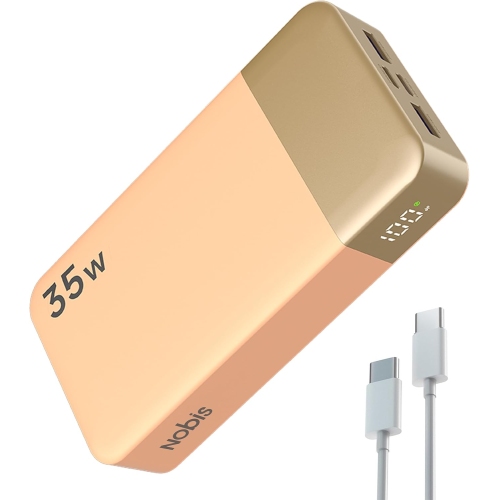
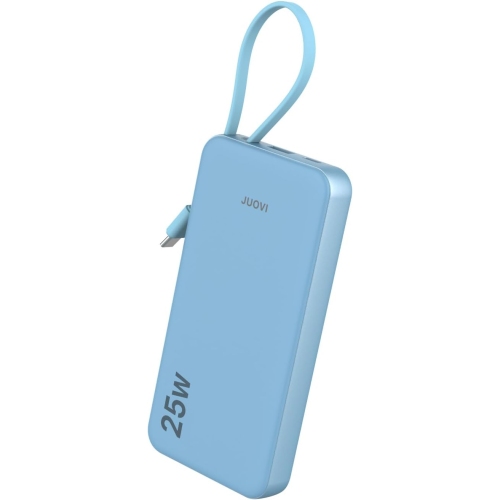
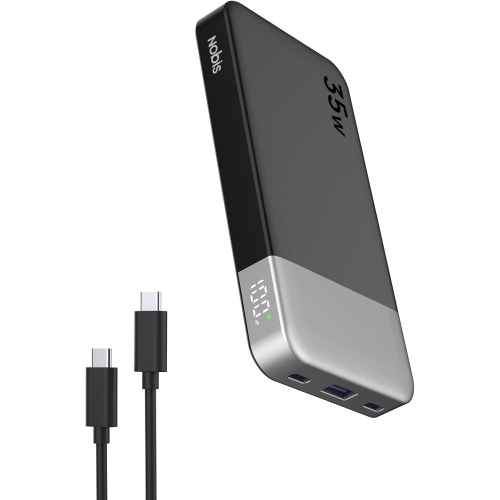
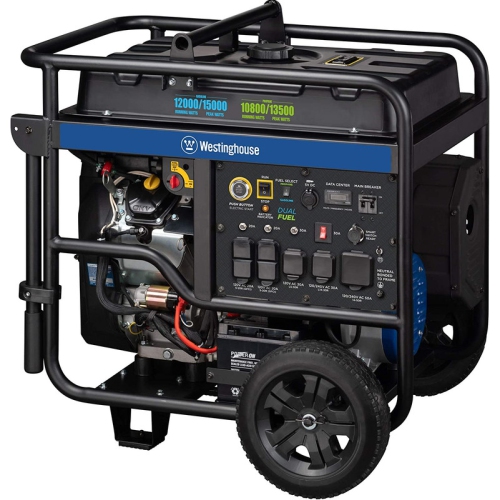
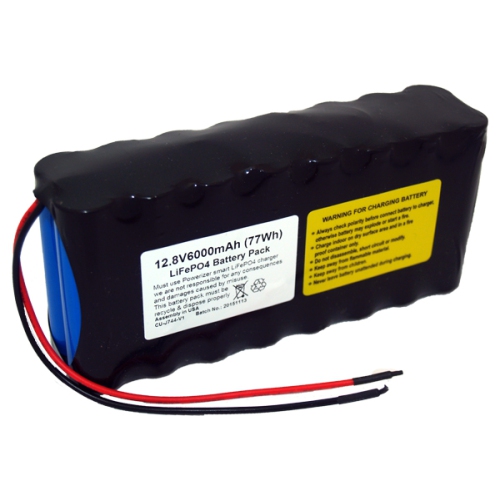
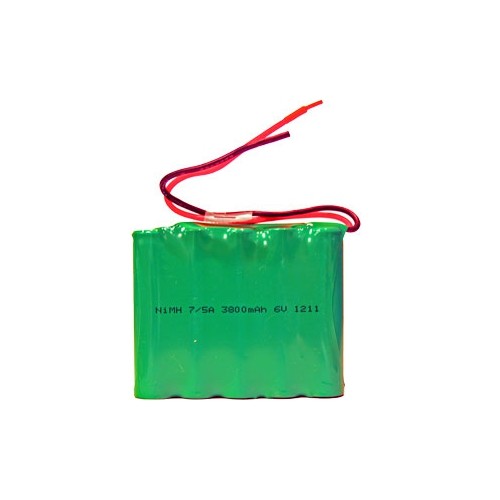
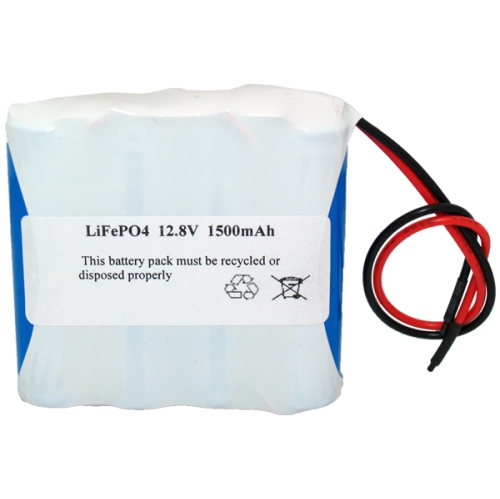
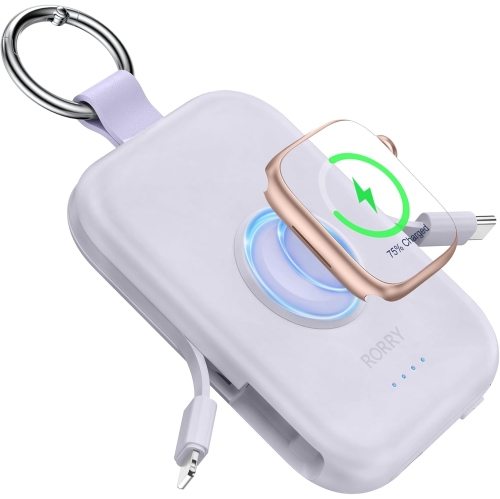
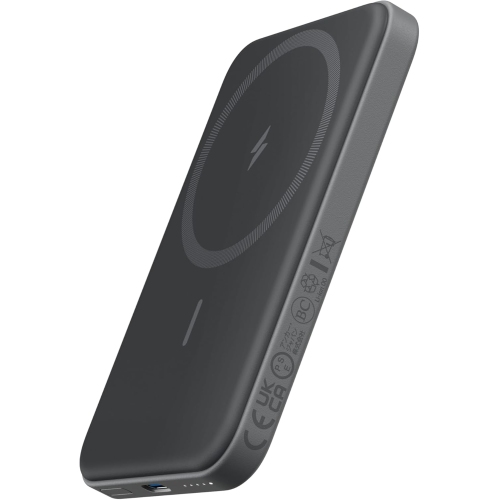
Portable power sources provide convenient access to stored electricity when a wall outlet is out of reach or a temporary interruption leaves your usual devices without power. A portable power station is a rechargeable battery system designed to store energy and deliver it through several types of connections, often including standard AC outlets, DC ports, and USB-A or USB-C ports. You can recharge the internal battery from a household outlet before leaving home, from a vehicle’s 12-volt socket while travelling, or with compatible portable solar panels when you are away from the grid. Unlike a fuel-powered generator, a battery power station operates quietly and does not produce exhaust, making it suitable for indoor emergency preparation when used according to the manufacturer’s instructions. Smaller units are often a practical choice for charging phones, tablets, cameras, wireless headphones, portable speakers, lamps, and other low-power electronics. They can sit in a vehicle’s cargo area, travel in a tent or cabin, or remain ready in a closet for a brief outage. Larger portable power sources store more energy and provide higher output for equipment such as small refrigerators, coffee makers, televisions, fans, heated blankets, and some medical equipment. For anyone who relies on a CPAP machine or another essential electronic device overnight, check the device’s power requirements and the power station’s approved use, runtime, connection options, and battery capacity before purchase. A power station can also be useful during home repairs, outdoor gatherings, tailgating, remote work, or a long drive through an area with limited access to charging.
The two specifications that matter most are capacity, measured in watt-hours (Wh), and output, measured in watts (W). Capacity indicates how much energy the battery can hold, while output indicates the maximum power the unit can deliver at one time. For example, a device rated for several hundred watt-hours may be well suited to keeping personal electronics and lights running, whereas a higher-capacity model may be better for appliances that draw more power or need to operate for longer periods. Look at the wattage listed on each device you plan to connect, and remember that motors, compressors, heating elements, and other equipment can require a higher starting surge than their regular running wattage. A unit may have enough total capacity but still be unable to start an appliance if its peak output is too low. Runtime also depends on conversion losses, the number of connected devices, battery age, temperature, and the selected charging mode, so the advertised capacity should be treated as a useful guide rather than an exact promise of operating time. Port selection is equally important: USB-C can be convenient for newer phones, tablets, laptops, and cameras; USB-A remains useful for many everyday accessories; AC outlets support standard plugs; and DC or vehicle-style ports can suit compatible coolers, lights, and travel equipment. A built-in display can make it easier to check remaining charge, current output, input speed, and estimated runtime, while a compact handle, manageable weight, and sturdy construction can make a noticeable difference when moving the unit between a home office, car, campsite, or cottage. If your needs are focused on supplying power through a vehicle connection, browse Portable Power Inverters for products designed around that type of use.
Portable power sources can be especially helpful during the cooler months, when a charged phone, radio, lamp, or other communication device may be important during a storm-related outage or a delayed journey. They are also useful for keeping everyday routines moving: charging a laptop at a kitchen table during a renovation, powering a light while setting up a campsite after sunset, or running a small fan and personal electronics during a warm-weather gathering. For travel, consider how the unit will be transported and stored, including its weight, dimensions, carry handle, charging cables, and compatibility with your vehicle or other equipment. For home backup, think through the devices that need priority and add their wattage together rather than choosing based only on the number of outlets. Someone who enjoys camping may appreciate a compact model for lights, phones, cameras, and small accessories, while a frequent road-tripper may value a unit with vehicle charging, multiple USB connections, and a clear battery display. Portable power sources can also make thoughtful gifts for new homeowners, students setting up a first apartment, cottage owners, photographers, campers, and anyone who spends time working or travelling away from conventional power. Before using one, read the safety instructions, place it on a stable surface with adequate ventilation, keep ports and connectors dry, use the supplied or approved charging equipment, and store the battery within the recommended temperature range. Avoid connecting appliances beyond the rated output, inspect cables for damage, and recharge the unit periodically if it remains in storage. Choosing a portable power source with the right capacity, output, connections, charging methods, and carrying design helps ensure that it fits naturally into the way you travel, work, prepare, and spend time outdoors.
The two specifications that matter most are capacity, measured in watt-hours (Wh), and output, measured in watts (W). Capacity indicates how much energy the battery can hold, while output indicates the maximum power the unit can deliver at one time. For example, a device rated for several hundred watt-hours may be well suited to keeping personal electronics and lights running, whereas a higher-capacity model may be better for appliances that draw more power or need to operate for longer periods. Look at the wattage listed on each device you plan to connect, and remember that motors, compressors, heating elements, and other equipment can require a higher starting surge than their regular running wattage. A unit may have enough total capacity but still be unable to start an appliance if its peak output is too low. Runtime also depends on conversion losses, the number of connected devices, battery age, temperature, and the selected charging mode, so the advertised capacity should be treated as a useful guide rather than an exact promise of operating time. Port selection is equally important: USB-C can be convenient for newer phones, tablets, laptops, and cameras; USB-A remains useful for many everyday accessories; AC outlets support standard plugs; and DC or vehicle-style ports can suit compatible coolers, lights, and travel equipment. A built-in display can make it easier to check remaining charge, current output, input speed, and estimated runtime, while a compact handle, manageable weight, and sturdy construction can make a noticeable difference when moving the unit between a home office, car, campsite, or cottage. If your needs are focused on supplying power through a vehicle connection, browse Portable Power Inverters for products designed around that type of use.
Portable power sources can be especially helpful during the cooler months, when a charged phone, radio, lamp, or other communication device may be important during a storm-related outage or a delayed journey. They are also useful for keeping everyday routines moving: charging a laptop at a kitchen table during a renovation, powering a light while setting up a campsite after sunset, or running a small fan and personal electronics during a warm-weather gathering. For travel, consider how the unit will be transported and stored, including its weight, dimensions, carry handle, charging cables, and compatibility with your vehicle or other equipment. For home backup, think through the devices that need priority and add their wattage together rather than choosing based only on the number of outlets. Someone who enjoys camping may appreciate a compact model for lights, phones, cameras, and small accessories, while a frequent road-tripper may value a unit with vehicle charging, multiple USB connections, and a clear battery display. Portable power sources can also make thoughtful gifts for new homeowners, students setting up a first apartment, cottage owners, photographers, campers, and anyone who spends time working or travelling away from conventional power. Before using one, read the safety instructions, place it on a stable surface with adequate ventilation, keep ports and connectors dry, use the supplied or approved charging equipment, and store the battery within the recommended temperature range. Avoid connecting appliances beyond the rated output, inspect cables for damage, and recharge the unit periodically if it remains in storage. Choosing a portable power source with the right capacity, output, connections, charging methods, and carrying design helps ensure that it fits naturally into the way you travel, work, prepare, and spend time outdoors.
Top selling and popular products
-
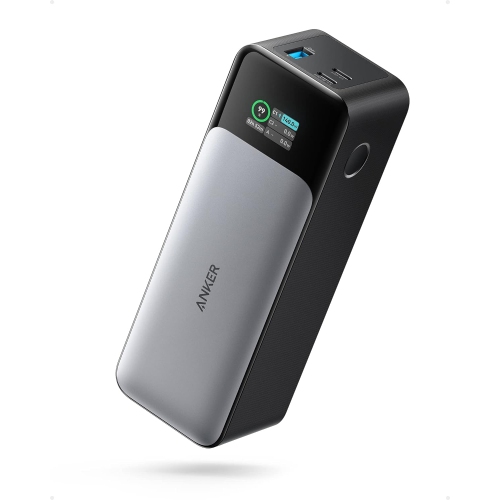 Your price for this item is $234
 -
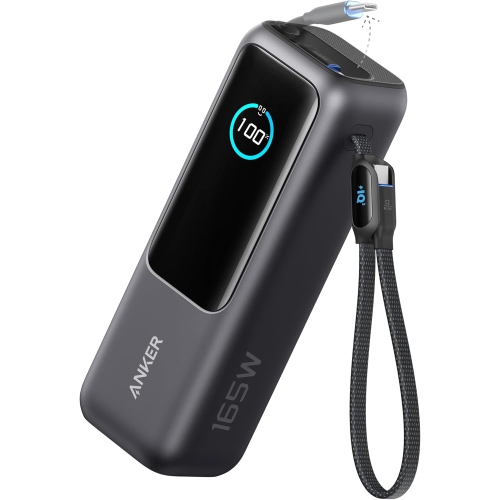 Your price for this item is $238.9
 -
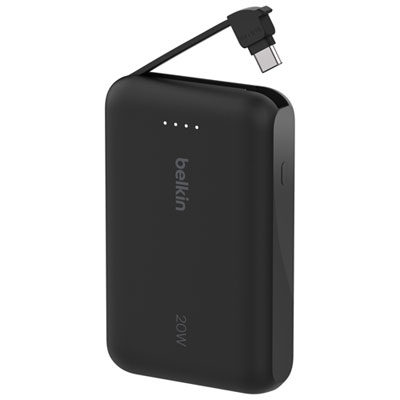 Your price for this item is $49.99
 -
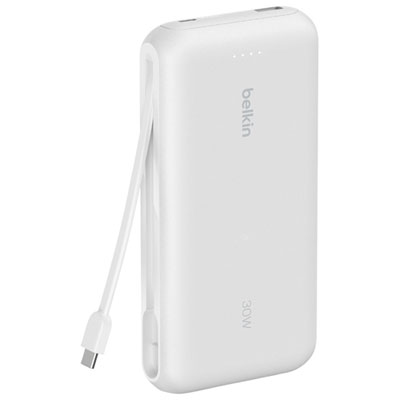 Your price for this item is $69.99
 -
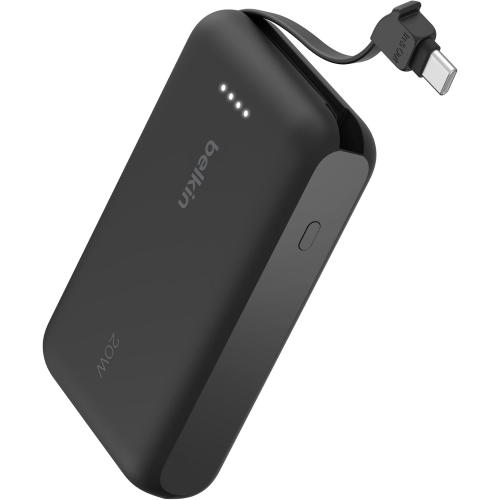 Your price for this item is $74.99
 -
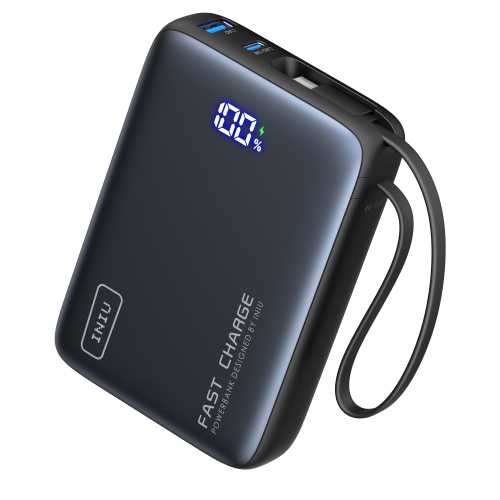 Your price for this item is $54.99
 -
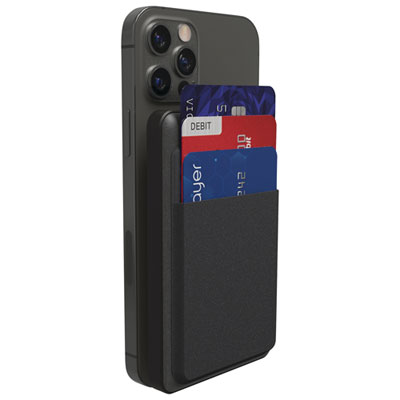 Your price for this item is $48.97
 -
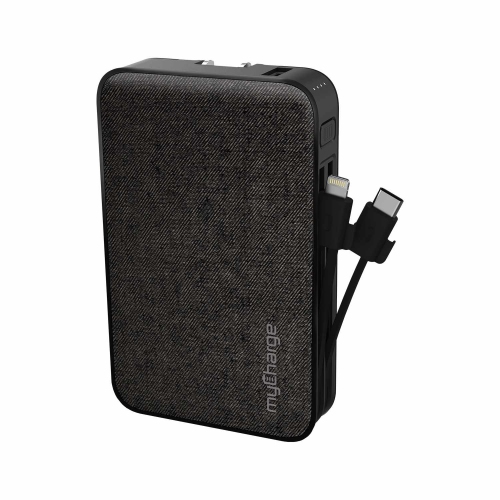 Your price for this item is $79.99
Discover more categories related to Portable Power Sources
Top Collections:
Pokemon Centers, Kindle Devices, Best Budget Office Chairs, Canon G7X Cameras, Apple iPhones 16, Samsung Galaxy Phones, Refurbished Apple Laptops, Laptops for Students, iPhone 15 Apple, Budget Smartphones
Some products may be subject to Environmental Handling Fees
(EHF) depending on your province.
Learn more about EHFs.