Rv Solar Generators
If you're looking to power up your RV on the go, look no further than these RV solar generators. These innovative devices harness the power of the sun to provide clean and reliable energy for all your camping adventures. Whether you're looking to charge your electronics, run appliances, or keep your lights on, this range of RV solar generators has got you covered. Say goodbye to noisy and polluting traditional generators and embrace a more sustainable and efficient way to power up your RV.
Sort
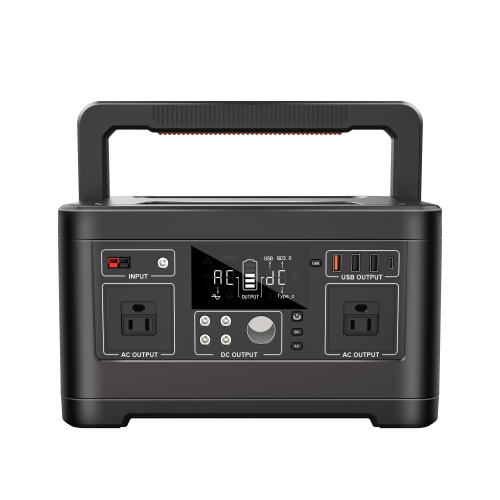
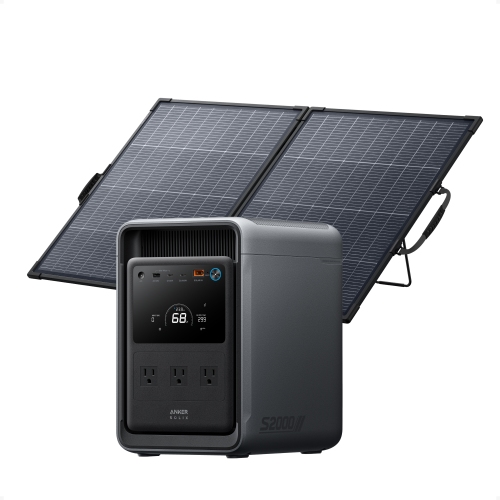
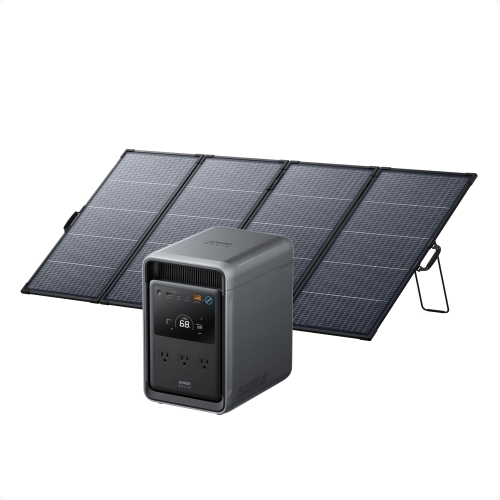
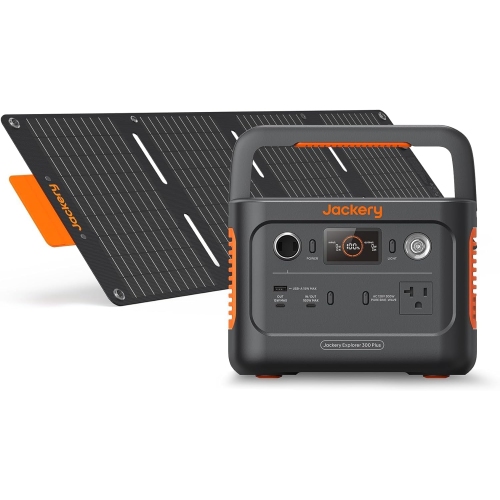
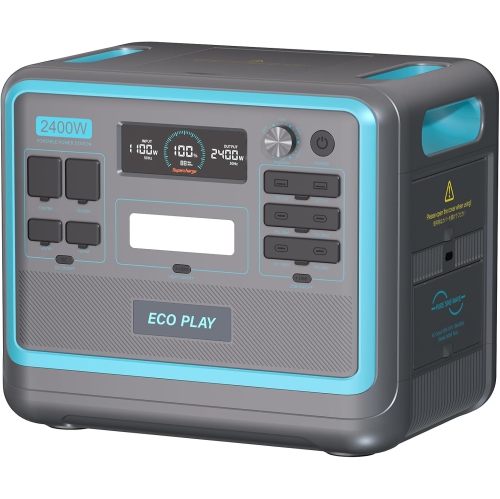
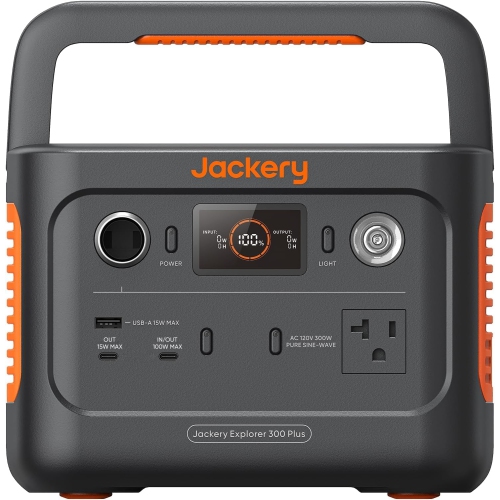
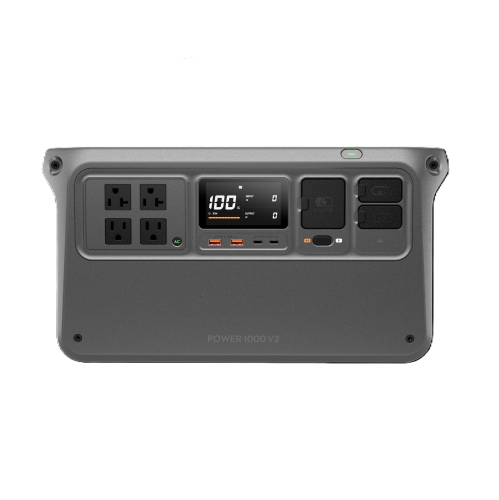
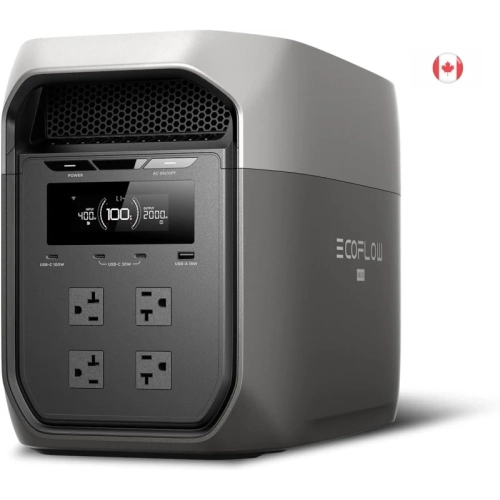
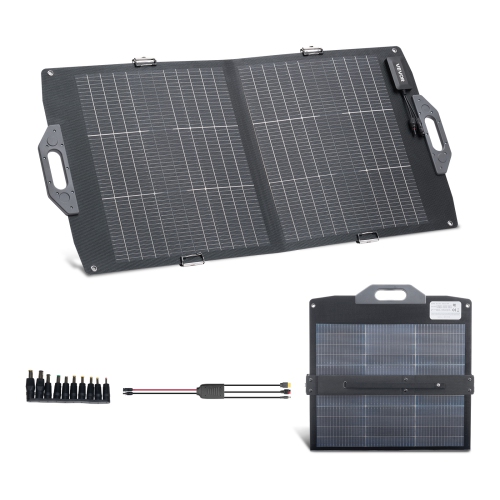
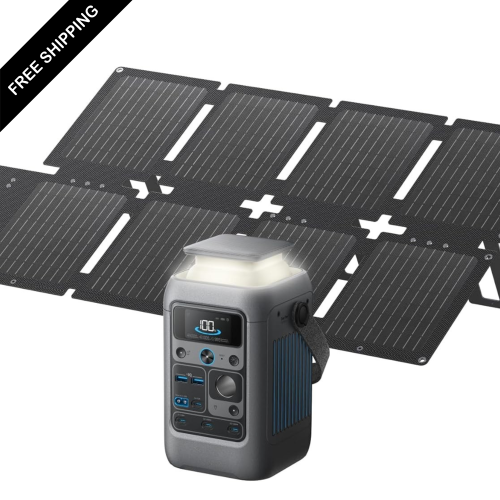
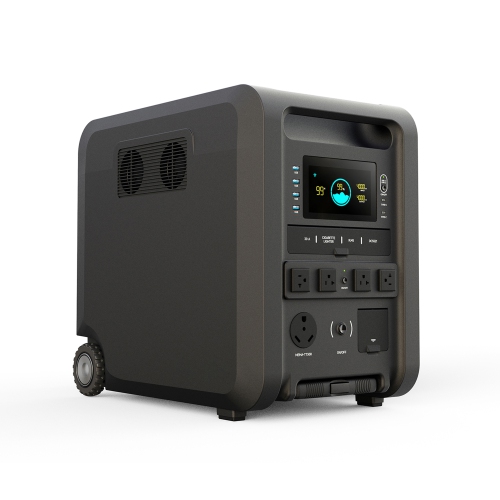
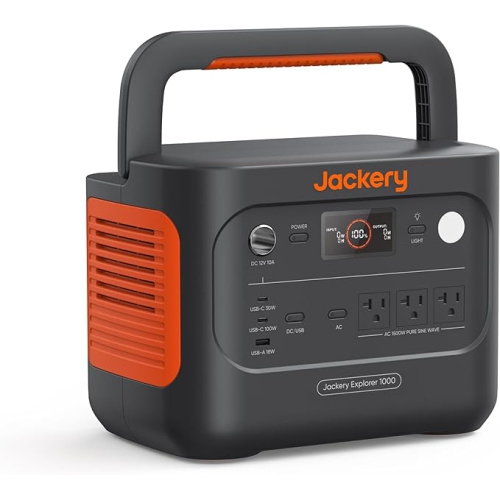
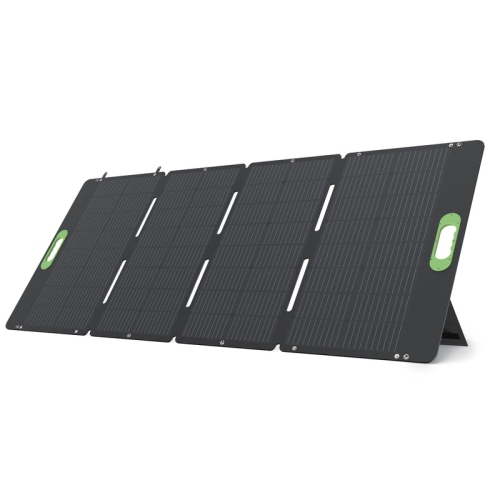
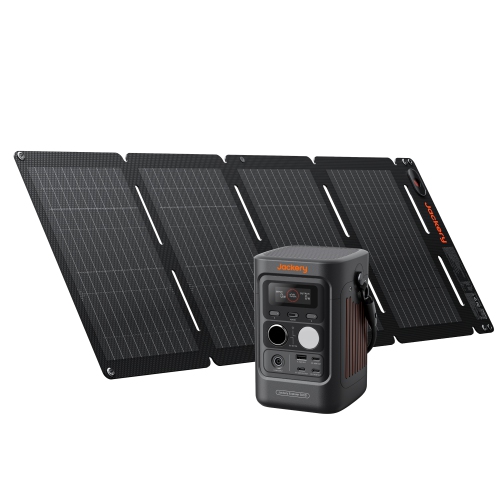
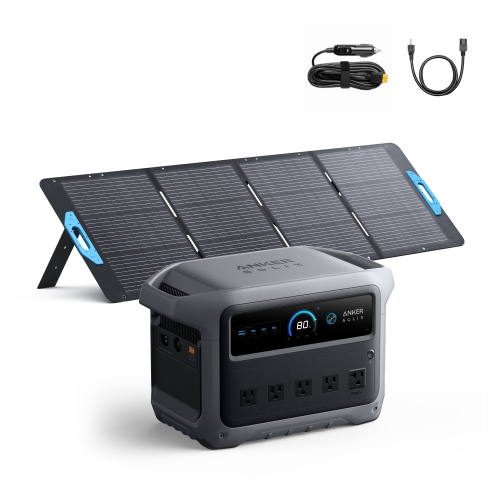
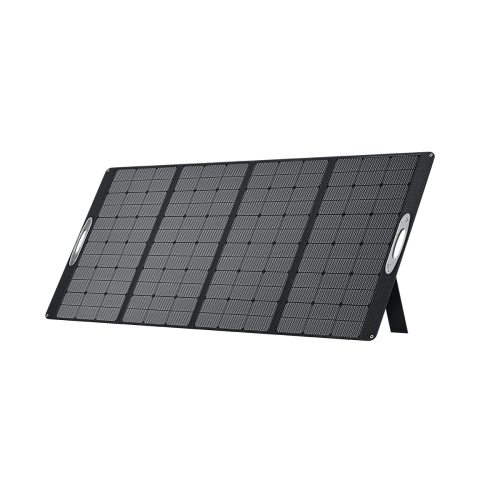

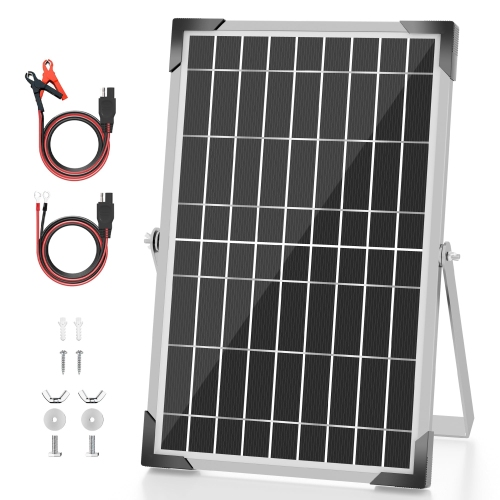
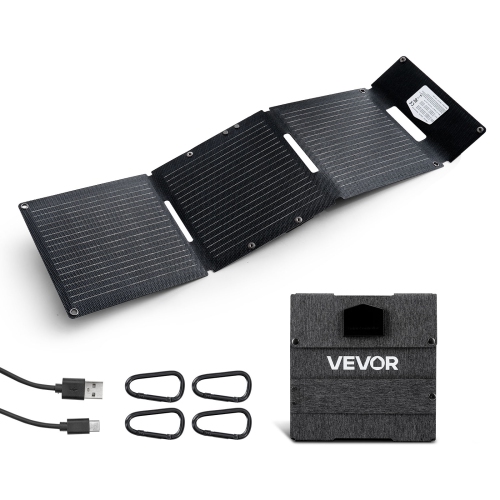
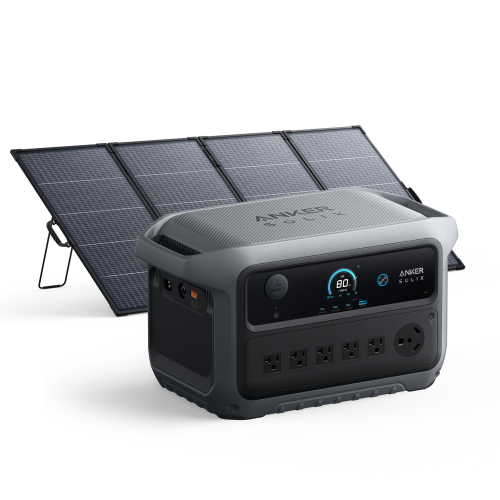
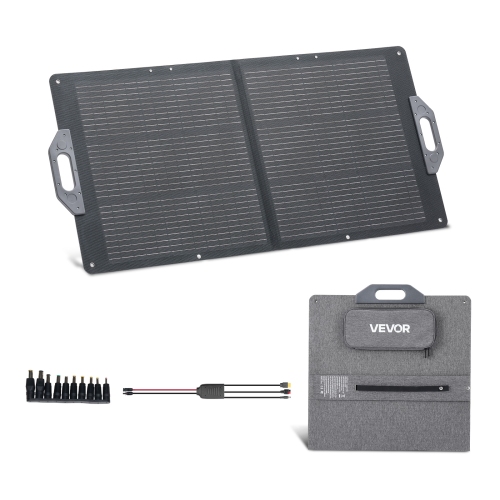
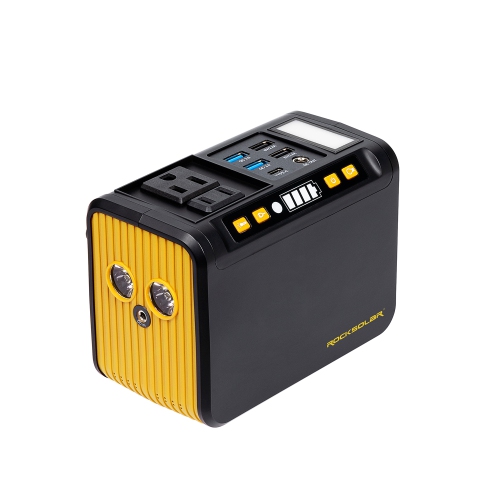
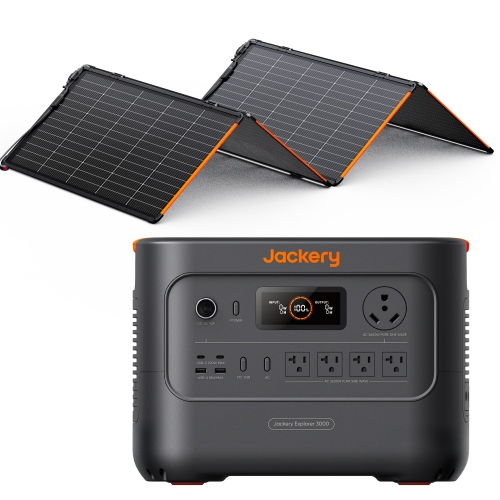
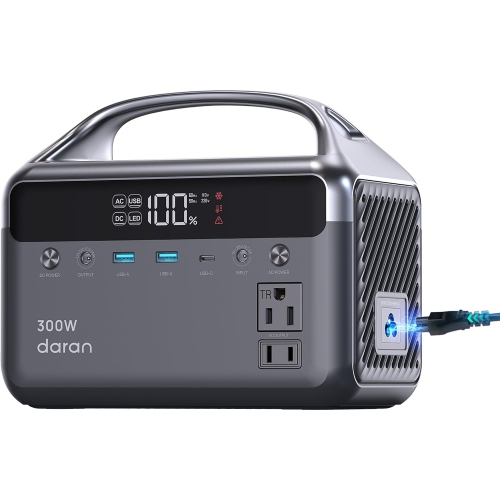
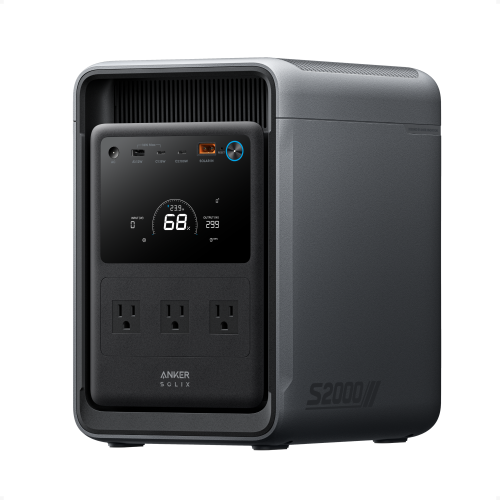
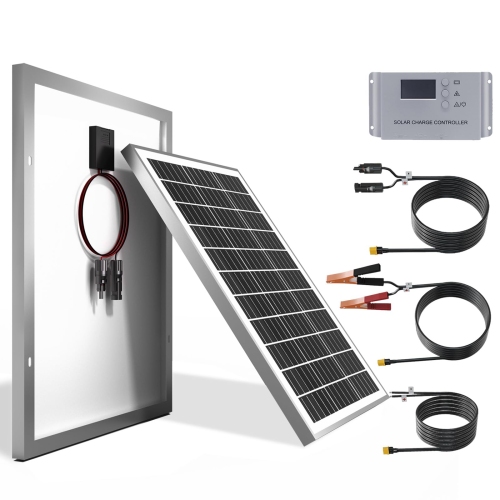
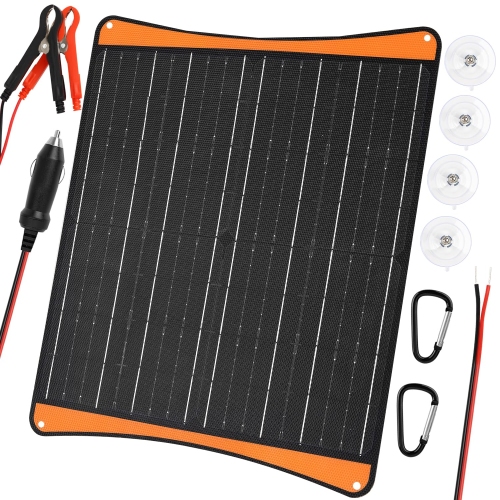
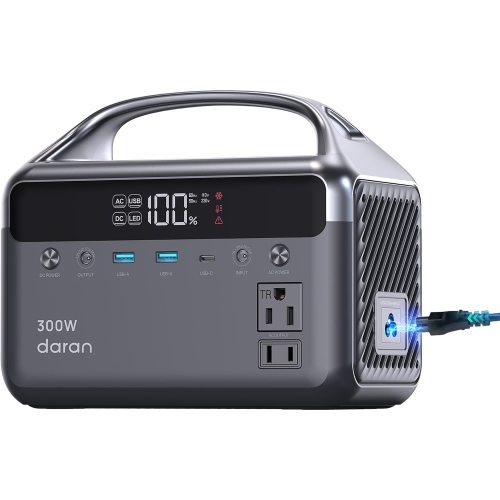
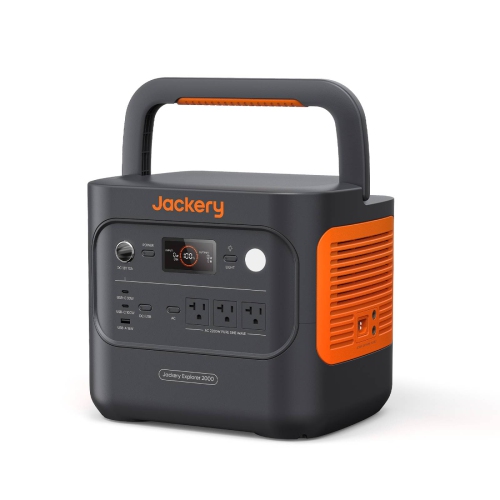
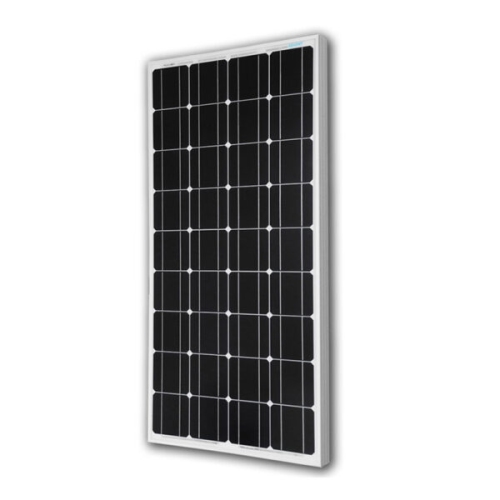
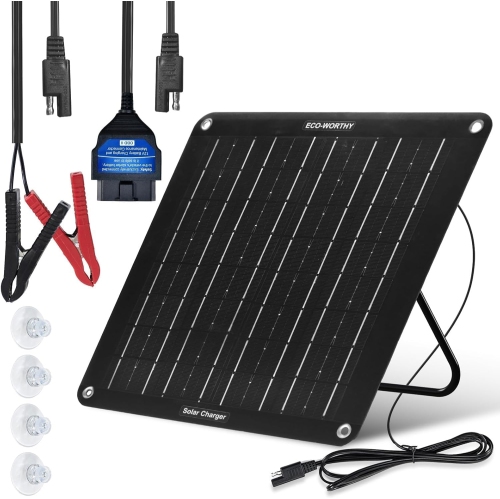
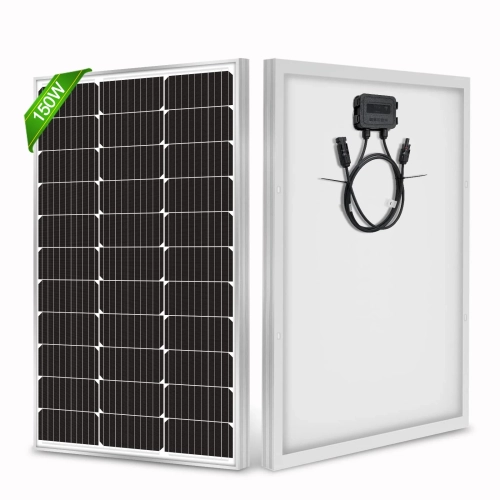
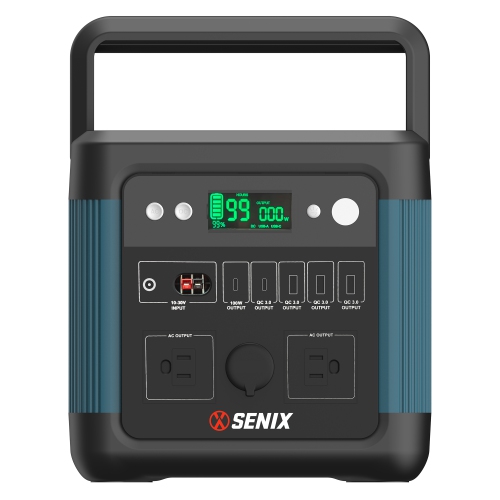
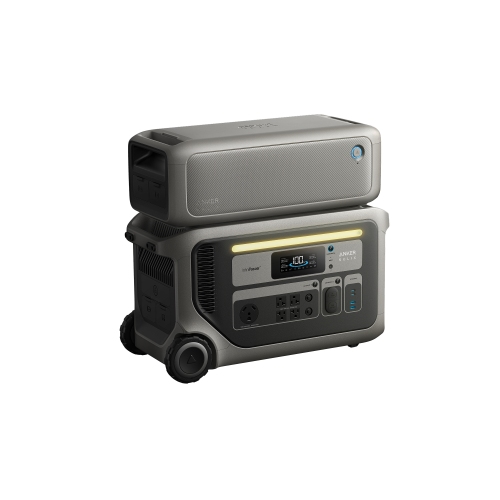
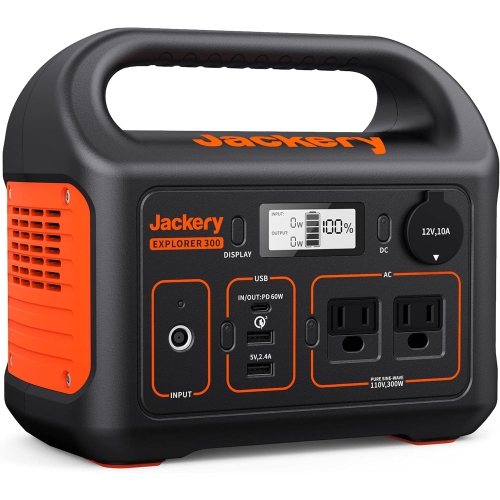
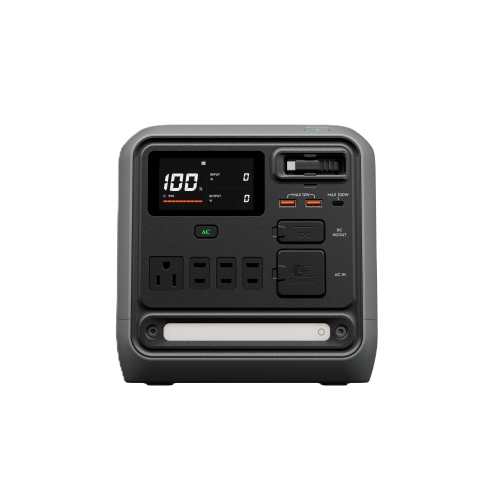
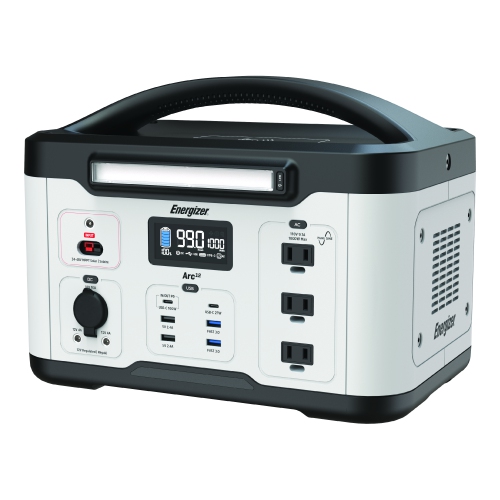
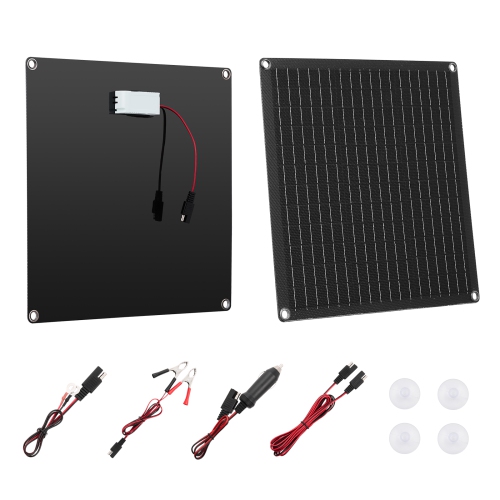
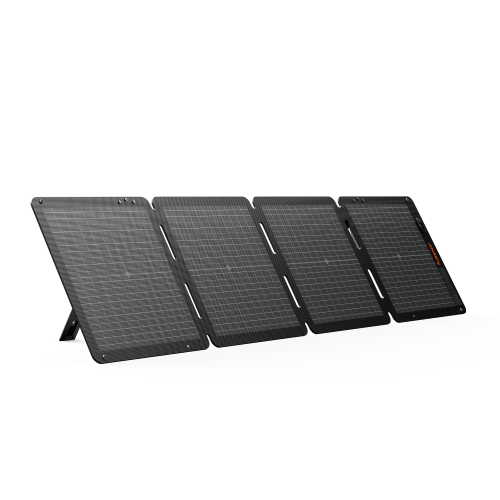
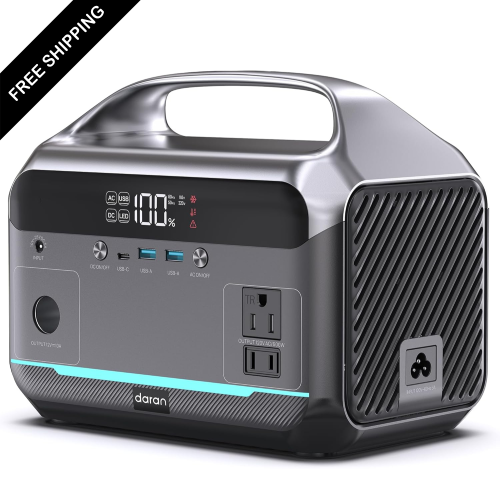
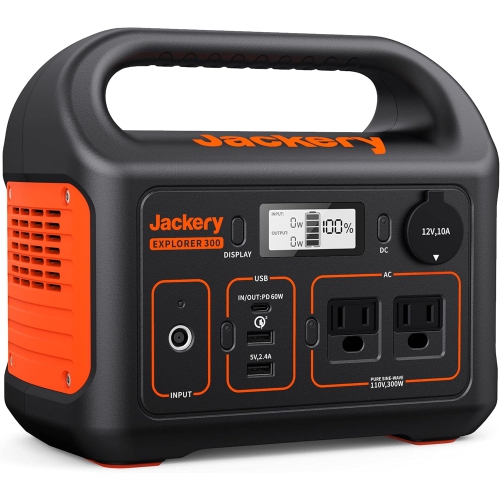
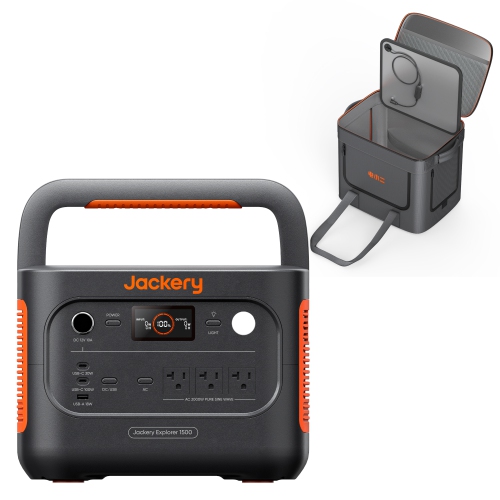
Reliable off-grid power for RV essentials and everyday comforts
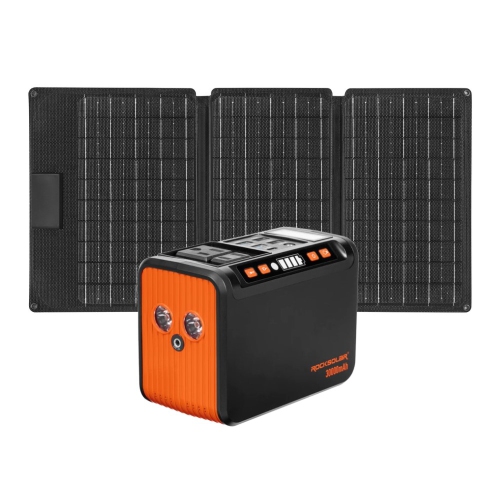
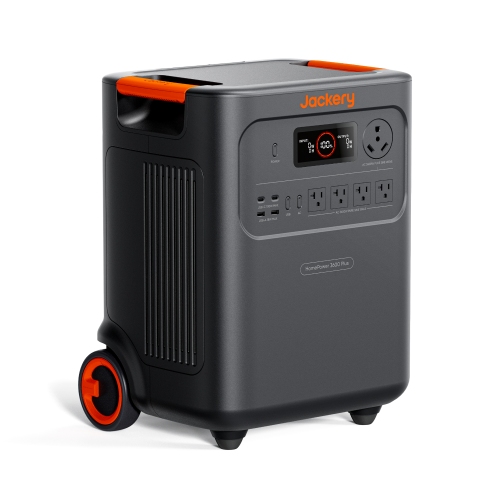
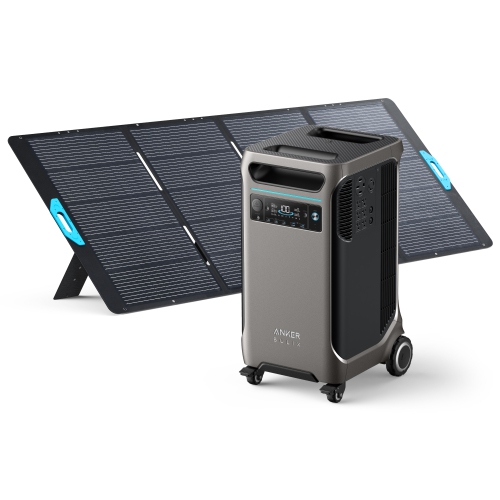
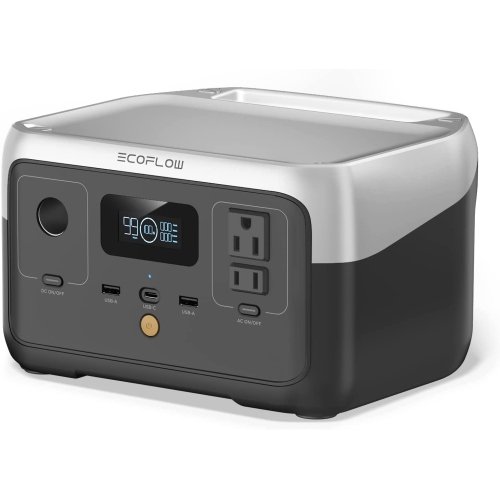
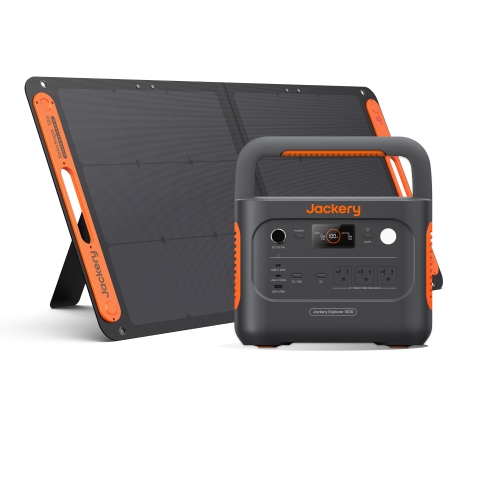
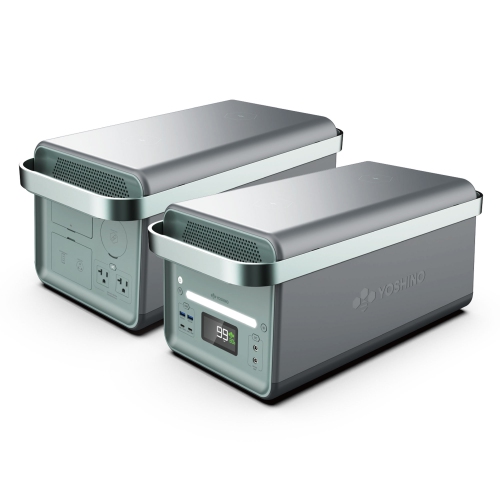
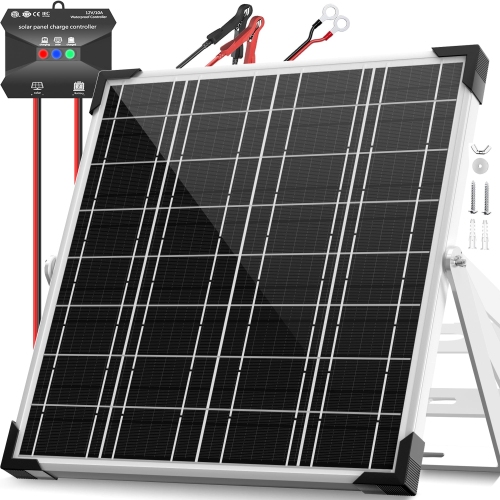
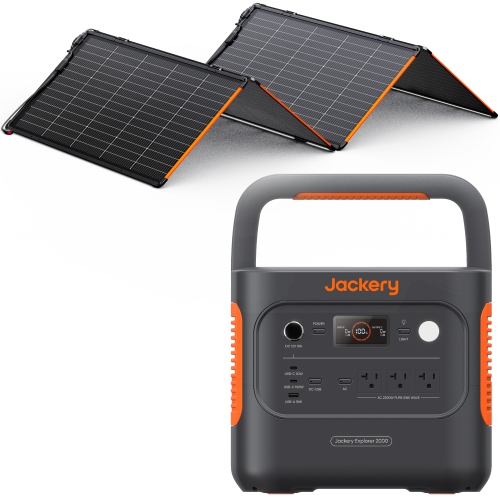
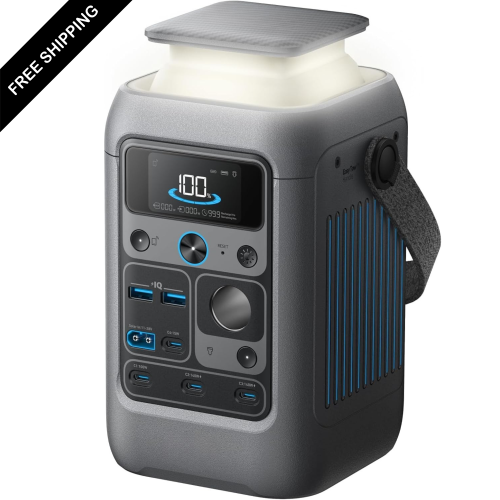
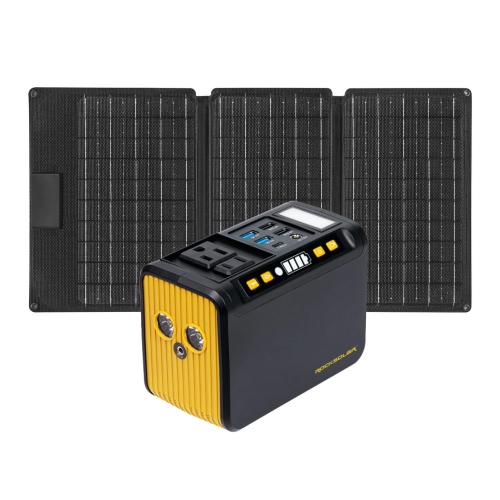
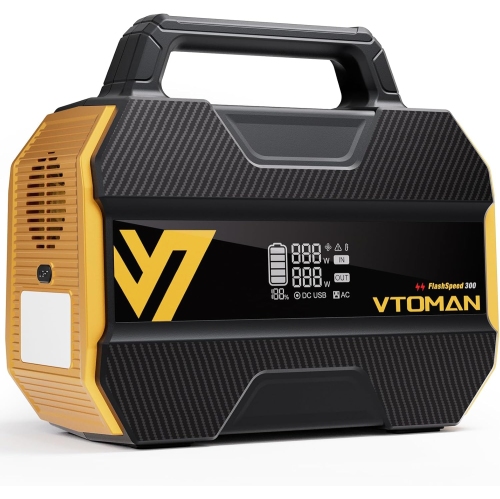
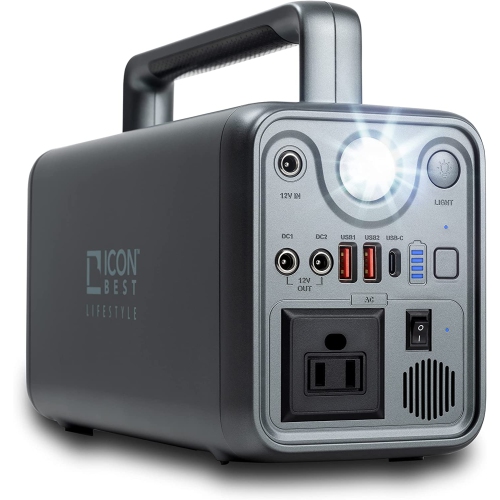
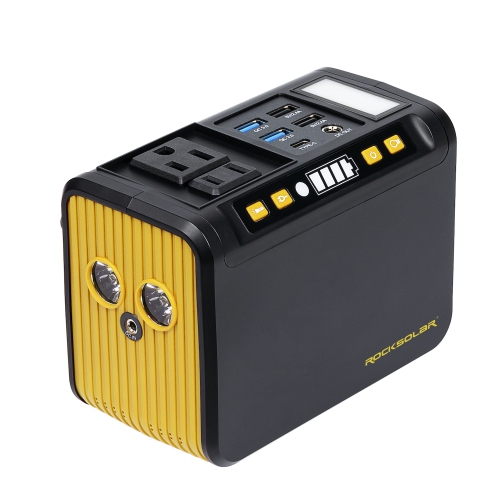
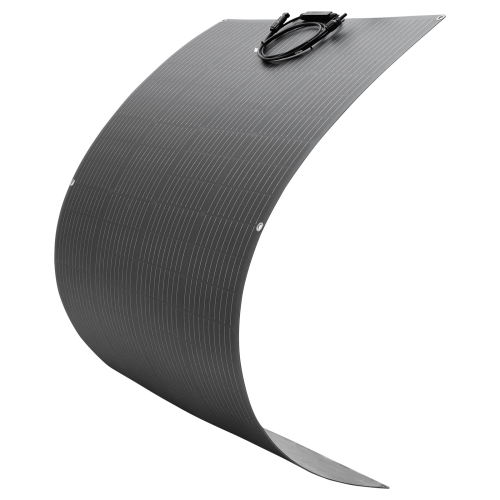
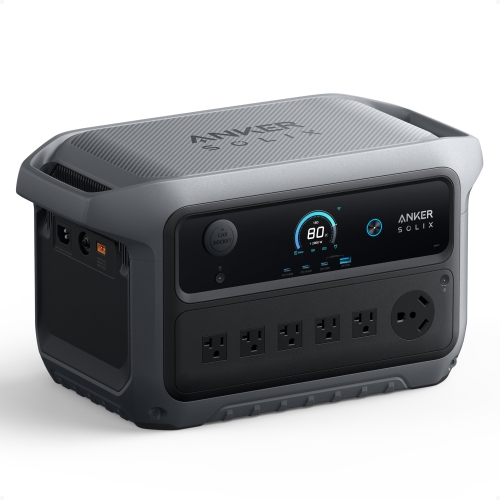
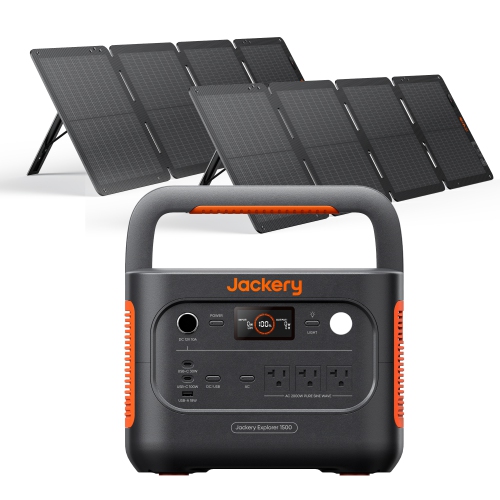
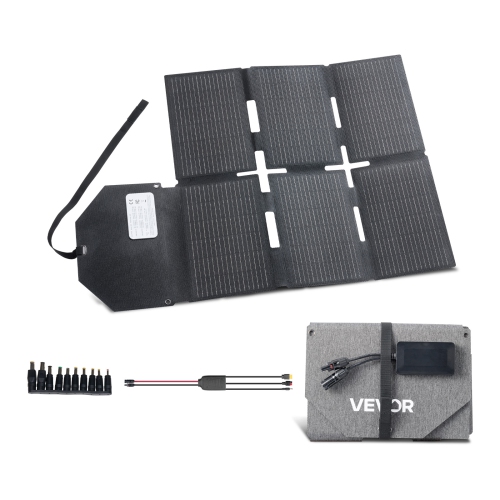
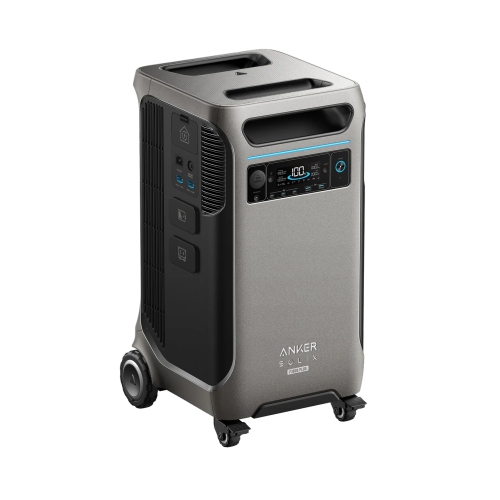
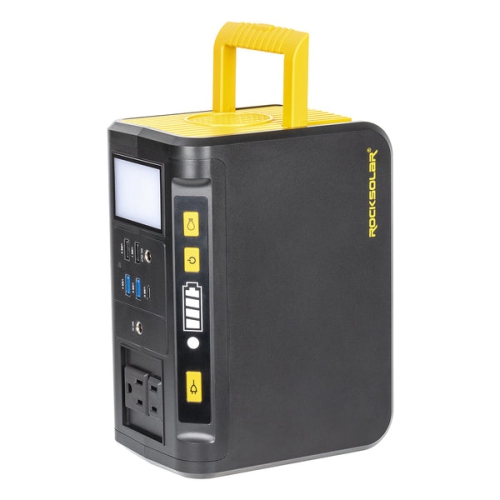
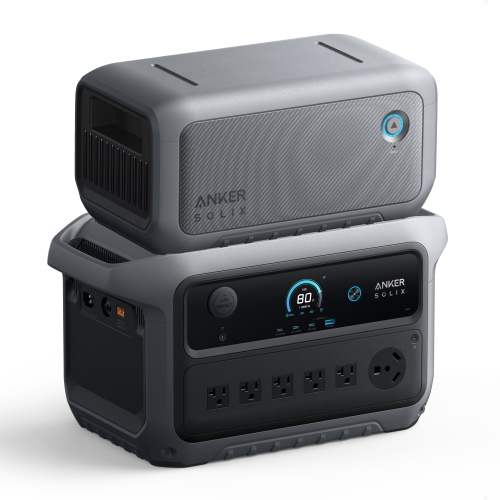
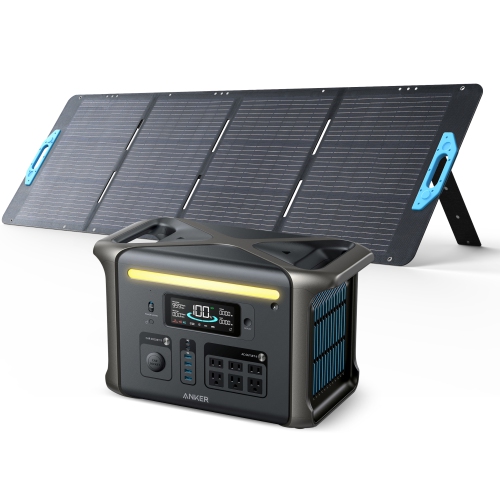
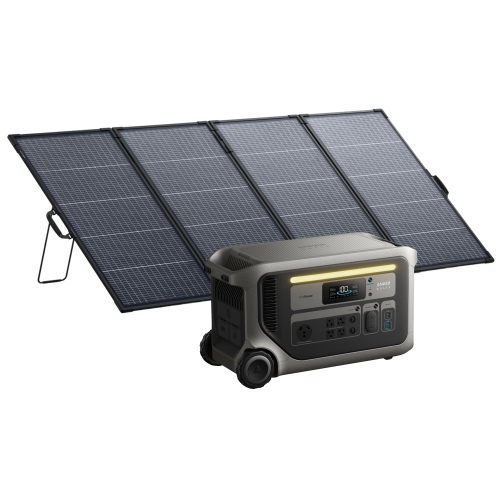
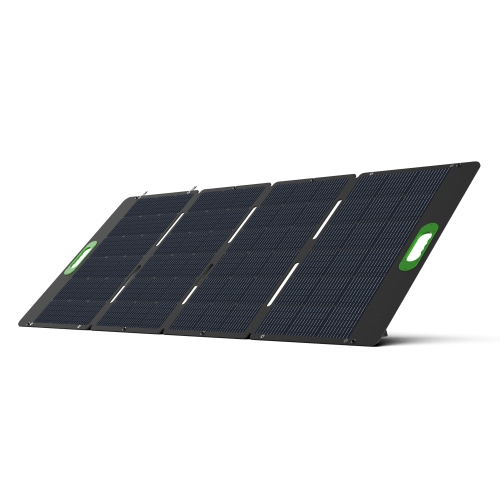
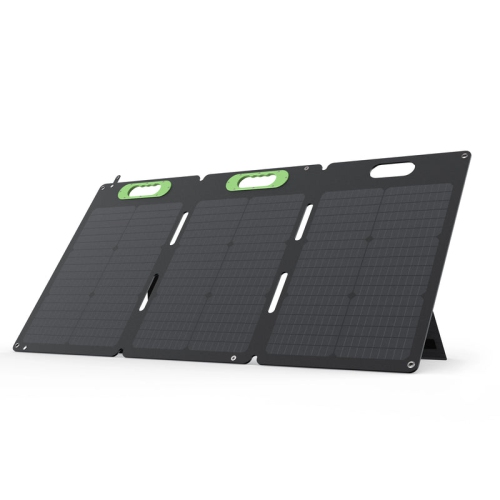
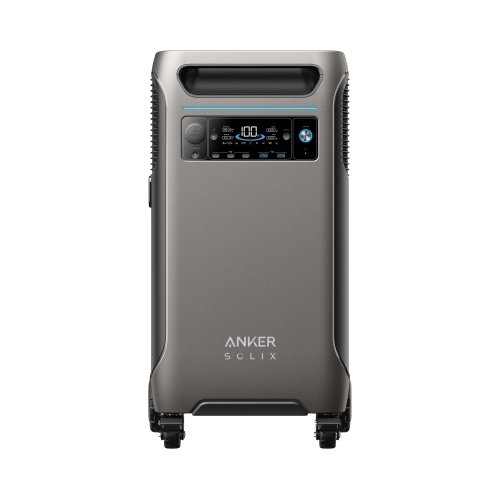
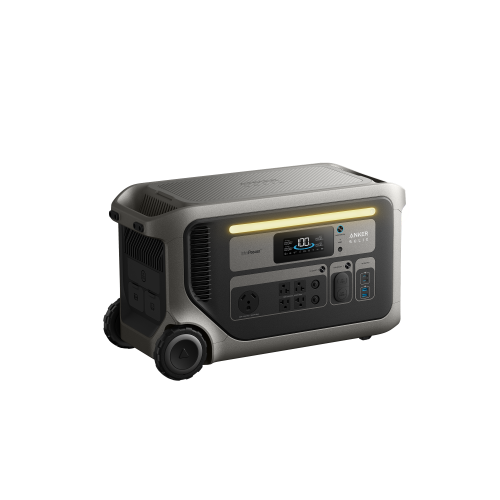
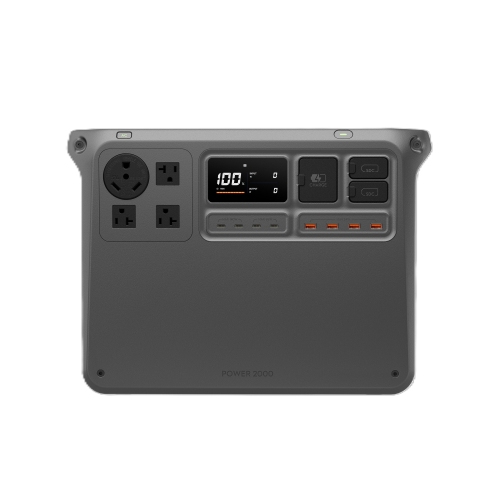
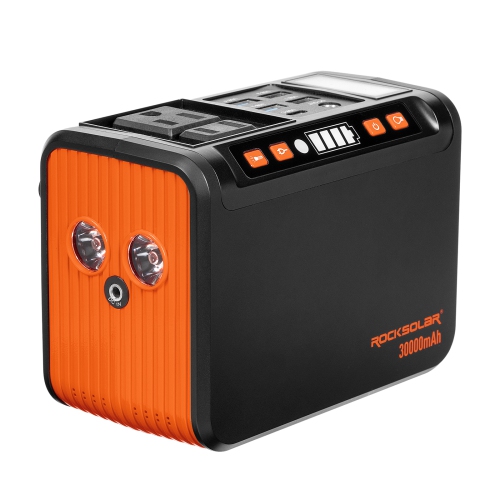
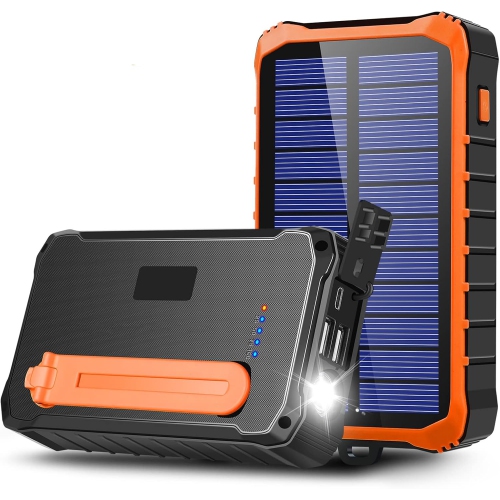
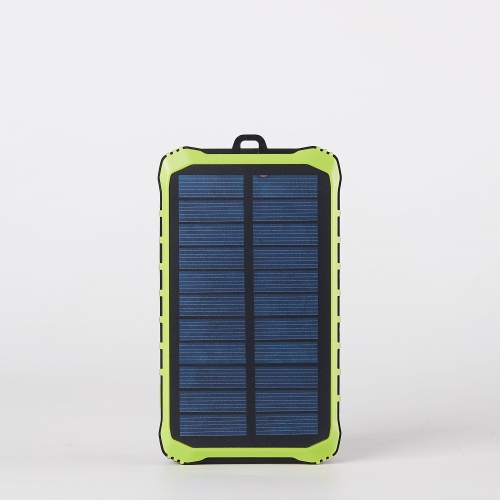
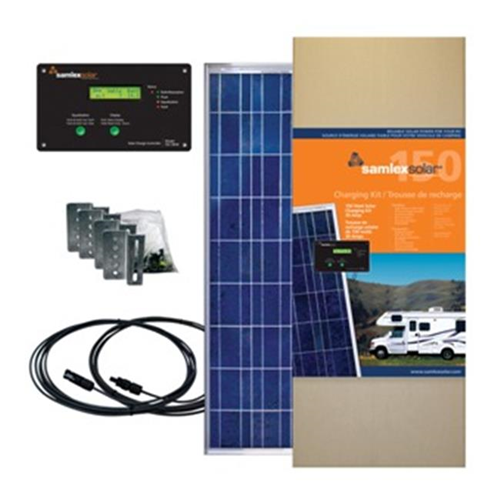
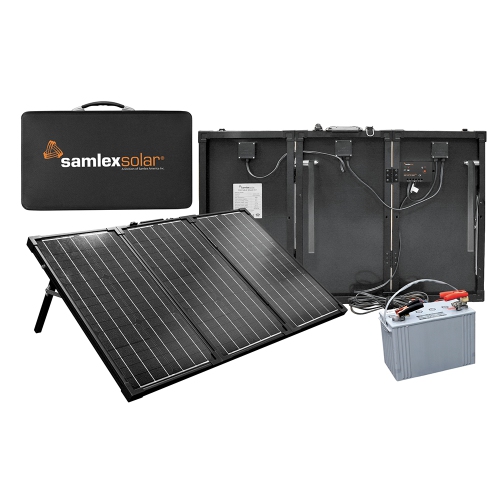
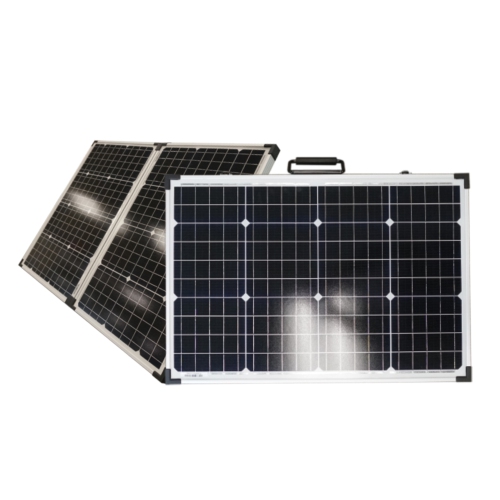
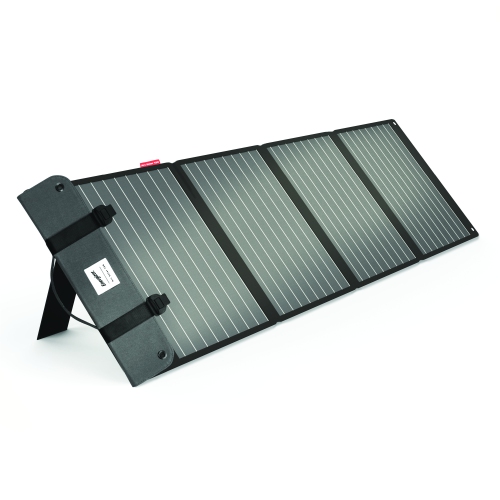
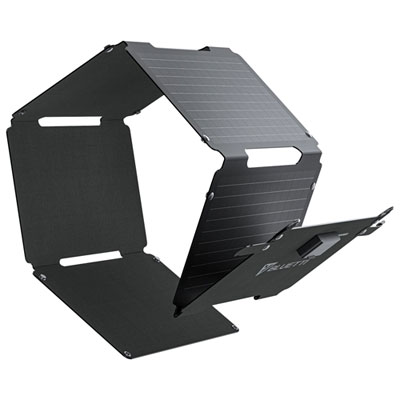
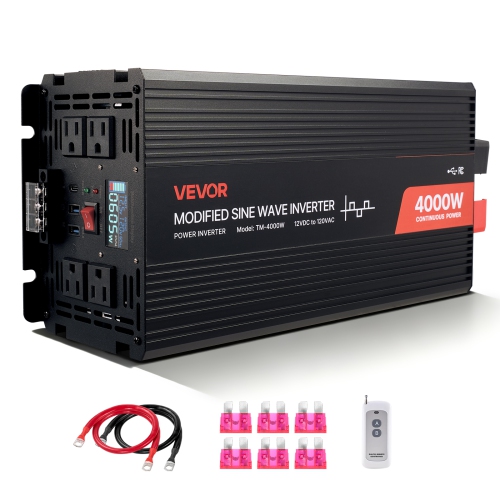
RV solar generators bring portable electrical power to campsites, rest areas, and off-grid stops without requiring a permanent installation in the vehicle. An RV solar generator is typically an all-in-one power station with a rechargeable lithium battery, inverter, and charge controller. Depending on the model, it can recharge from compatible solar panels, a household outlet before departure, or a vehicle connection while driving. Once charged, it can provide power through AC outlets, USB ports, and 12-volt outputs for everyday essentials such as phones, tablets, laptops, LED lights, fans, cameras, radios, and other small electronics. This makes these units useful for RV owners who spend time boondocking, travelling between serviced campgrounds, or setting up away from electrical hookups. They can also serve as a convenient backup for a CPAP machine, compact refrigerator, coffee maker, television, or other equipment when the RV is parked away from a pedestal. Operation is generally quiet, which is helpful when the evening has settled into the soft sounds of wind through the trees and the only light around the campsite comes from a lantern near the picnic table. Solar generators can be especially appealing to travellers who want a flexible power source that packs away when not needed and can be used beyond the RV, including at a cabin, during a roadside stop, or in a backyard during the cooler months. They may also make thoughtful gifts for new RV owners, frequent campers, photographers, remote workers, and anyone who enjoys planning self-contained trips. For a broader selection of portable power options suited to outdoor use, explore Solar Generators for Camping.
The most important specifications to compare are battery capacity, continuous output, peak or surge output, charging speed, solar input, port selection, and physical size. Battery capacity is measured in watt-hours, or Wh, and indicates how much stored energy is available. To estimate your needs, list the devices you expect to use, note each device’s wattage, and multiply that figure by the number of hours it will run each day. A 10-watt light used for five hours consumes about 50 Wh, while a 60-watt laptop used for four hours consumes about 240 Wh before normal conversion losses. Add those figures together, then leave additional capacity for charging phones, unexpected use, and days when the panels receive less sunlight than planned. A compact unit may be well suited to lights, communication devices, cameras, and laptops, while a medium-capacity unit can provide more flexibility for a CPAP machine, refrigerator, small cooking appliance, or several devices used throughout the day. Larger units offer more stored energy and higher output, but they are also heavier and may require more room in a storage compartment. Output is measured in watts and should be checked separately from capacity. Continuous output must be high enough for the appliance’s normal operating draw, while peak output should cover the brief surge that motors and compressors can require when starting. A refrigerator, microwave, coffee maker, air conditioner, or other heating and cooling appliance may demand considerably more power at startup than its running rating suggests. If an RV has a 30-amp or 50-amp connection, check whether the power station is designed to support that connection and whether its inverter can handle the intended load. A standard outlet on a portable unit is not automatically equivalent to full RV service, and running multiple high-draw appliances at the same time can quickly exceed the available output.
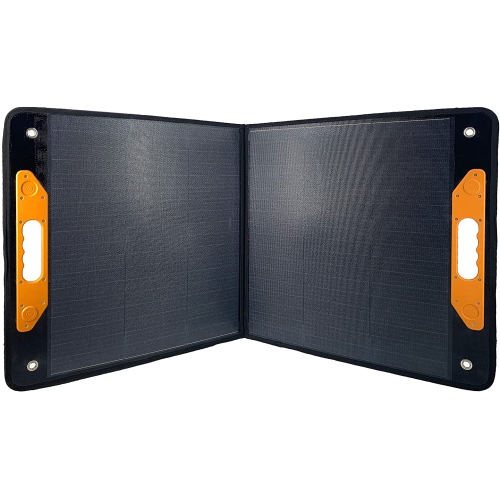
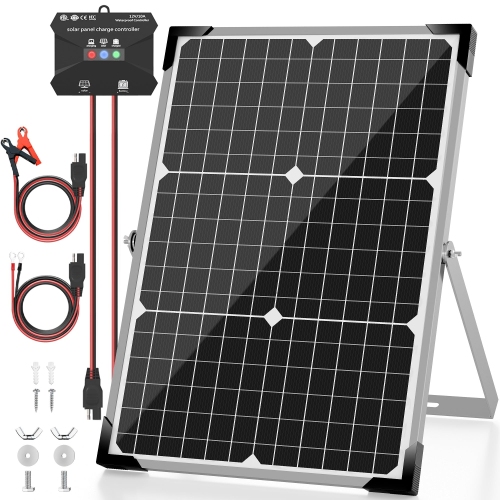
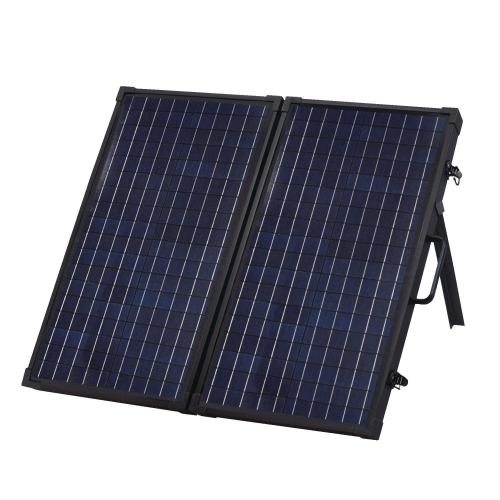
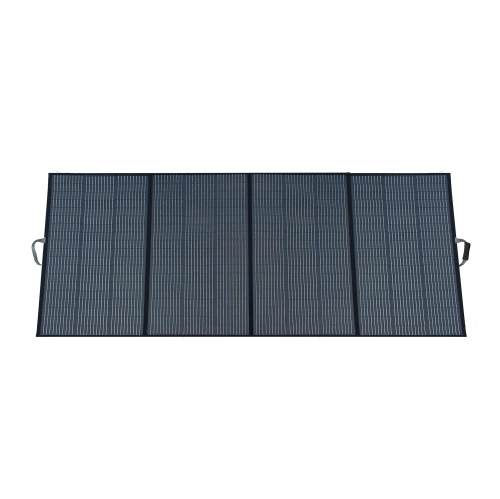
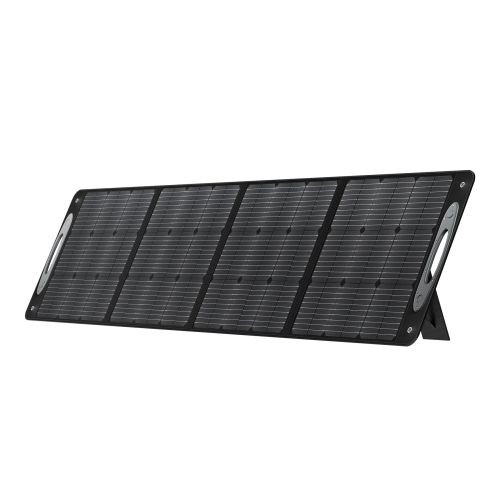
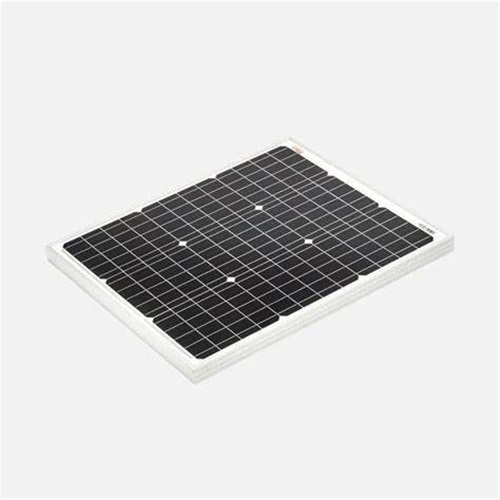
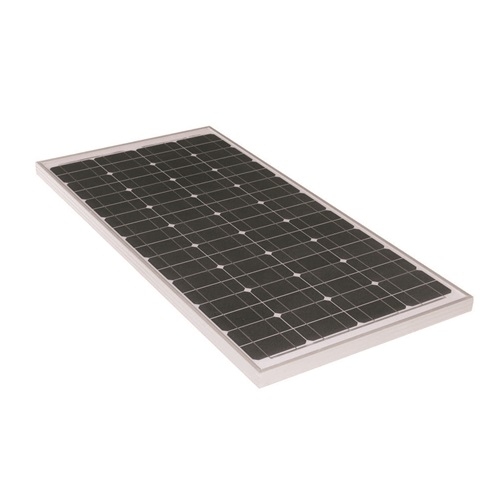
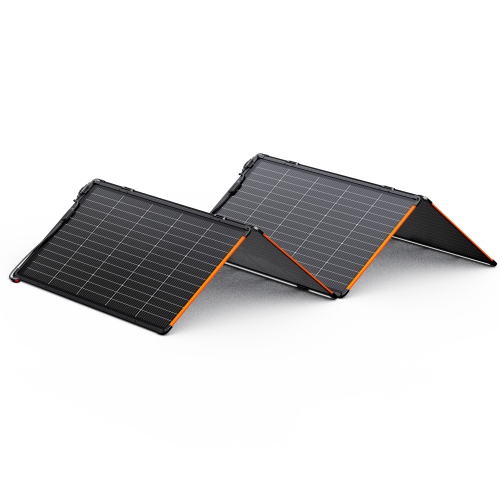
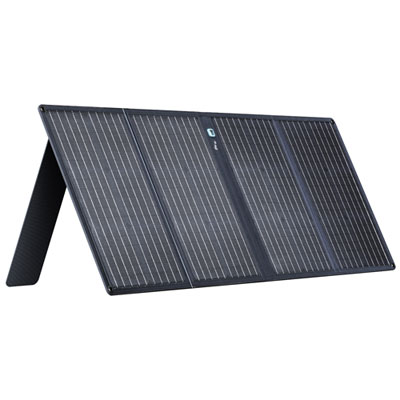
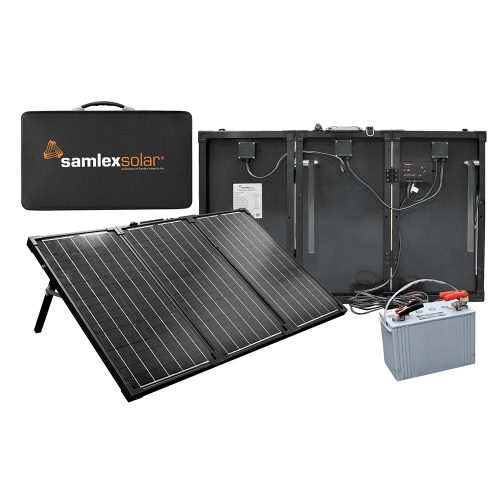
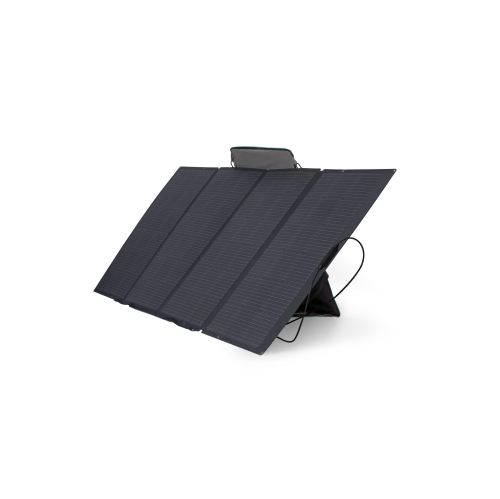
Solar charging adds useful flexibility, but performance depends on panel wattage, sunlight, placement, temperature, and the generator’s maximum solar input. Panels generally work best when positioned where they receive direct light and are kept clear of shade from trees, awnings, roof accessories, or nearby vehicles. In practice, a bright stretch of afternoon can restore a meaningful amount of capacity, while overcast conditions may lengthen the charging time. It is helpful to compare the generator’s solar input limit with the panels being considered so the system can use the available charging capability without exceeding its specifications. Also review the included cables, connector types, display information, app features if offered, recharge times, battery chemistry, warranty coverage, and recommended operating temperatures. A clear display can show remaining capacity, input from the panels, and the power being drawn by connected devices, making it easier to decide whether to recharge a phone, run a fan, or save energy for overnight use. Portable handles and manageable weight matter when moving the unit from a storage bay to a campsite table, while expandable battery compatibility may be valuable for longer stays. Keep the unit dry, provide adequate ventilation around its cooling areas, protect it from extreme heat or freezing conditions, and follow the manufacturer’s instructions for connecting panels, vehicle charging cables, and RV loads. With the right balance of watt-hours, output, recharge options, and portability, an RV solar generator can make daily routines on the road feel more comfortable, from brewing a morning coffee beside a quiet lake to keeping essential devices ready as the weather shifts and daylight becomes shorter.
The most important specifications to compare are battery capacity, continuous output, peak or surge output, charging speed, solar input, port selection, and physical size. Battery capacity is measured in watt-hours, or Wh, and indicates how much stored energy is available. To estimate your needs, list the devices you expect to use, note each device’s wattage, and multiply that figure by the number of hours it will run each day. A 10-watt light used for five hours consumes about 50 Wh, while a 60-watt laptop used for four hours consumes about 240 Wh before normal conversion losses. Add those figures together, then leave additional capacity for charging phones, unexpected use, and days when the panels receive less sunlight than planned. A compact unit may be well suited to lights, communication devices, cameras, and laptops, while a medium-capacity unit can provide more flexibility for a CPAP machine, refrigerator, small cooking appliance, or several devices used throughout the day. Larger units offer more stored energy and higher output, but they are also heavier and may require more room in a storage compartment. Output is measured in watts and should be checked separately from capacity. Continuous output must be high enough for the appliance’s normal operating draw, while peak output should cover the brief surge that motors and compressors can require when starting. A refrigerator, microwave, coffee maker, air conditioner, or other heating and cooling appliance may demand considerably more power at startup than its running rating suggests. If an RV has a 30-amp or 50-amp connection, check whether the power station is designed to support that connection and whether its inverter can handle the intended load. A standard outlet on a portable unit is not automatically equivalent to full RV service, and running multiple high-draw appliances at the same time can quickly exceed the available output.
Solar charging adds useful flexibility, but performance depends on panel wattage, sunlight, placement, temperature, and the generator’s maximum solar input. Panels generally work best when positioned where they receive direct light and are kept clear of shade from trees, awnings, roof accessories, or nearby vehicles. In practice, a bright stretch of afternoon can restore a meaningful amount of capacity, while overcast conditions may lengthen the charging time. It is helpful to compare the generator’s solar input limit with the panels being considered so the system can use the available charging capability without exceeding its specifications. Also review the included cables, connector types, display information, app features if offered, recharge times, battery chemistry, warranty coverage, and recommended operating temperatures. A clear display can show remaining capacity, input from the panels, and the power being drawn by connected devices, making it easier to decide whether to recharge a phone, run a fan, or save energy for overnight use. Portable handles and manageable weight matter when moving the unit from a storage bay to a campsite table, while expandable battery compatibility may be valuable for longer stays. Keep the unit dry, provide adequate ventilation around its cooling areas, protect it from extreme heat or freezing conditions, and follow the manufacturer’s instructions for connecting panels, vehicle charging cables, and RV loads. With the right balance of watt-hours, output, recharge options, and portability, an RV solar generator can make daily routines on the road feel more comfortable, from brewing a morning coffee beside a quiet lake to keeping essential devices ready as the weather shifts and daylight becomes shorter.
Top selling and popular products
-
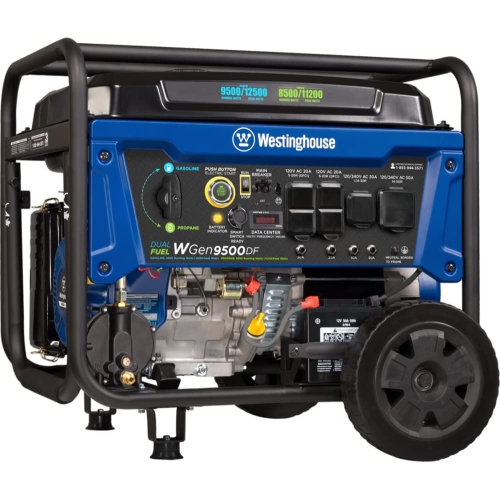 Your price for this item is $2799
 -
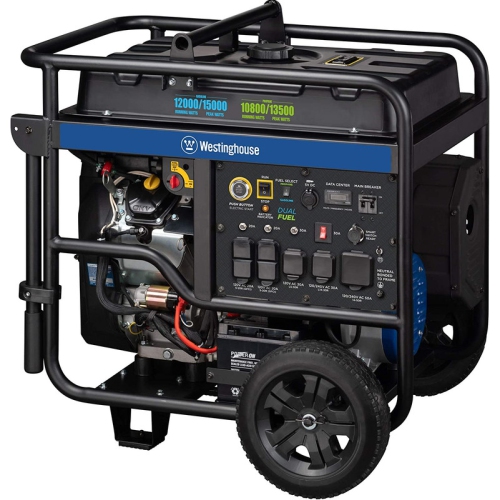 Your price for this item is $6199
 -
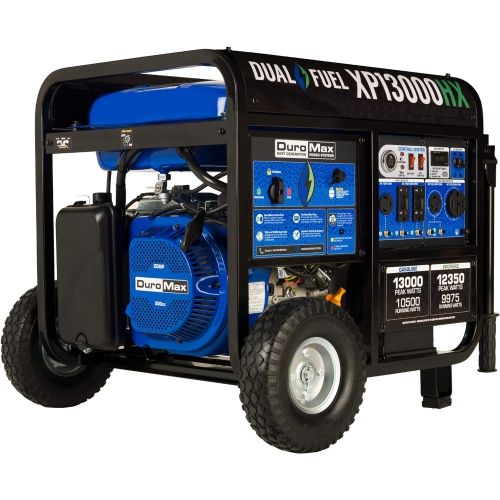 Your price for this item is $3499
 -
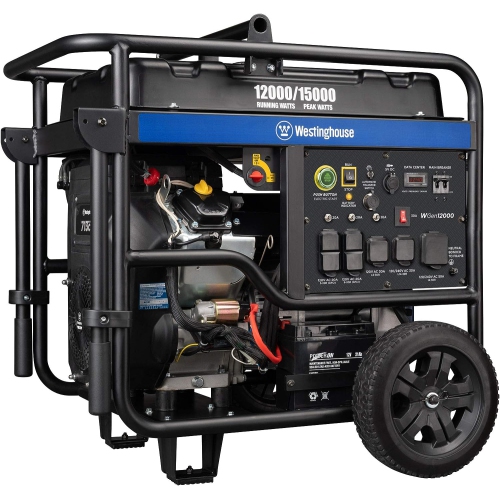 Your price for this item is $5499
 -
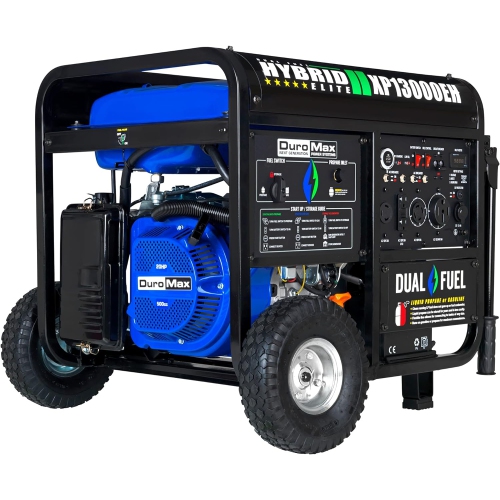 Your price for this item is $2899
 -
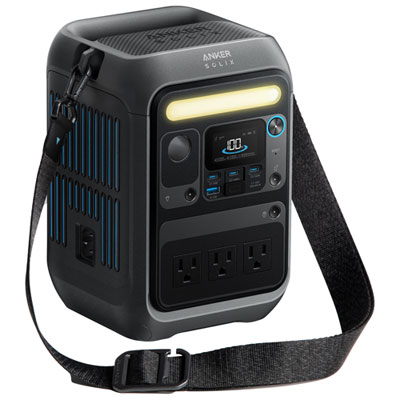 Your price for this item is $369.99
 -
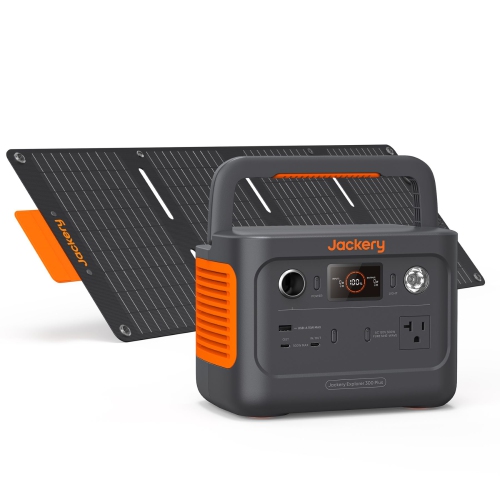 Your price for this item is $399
 -
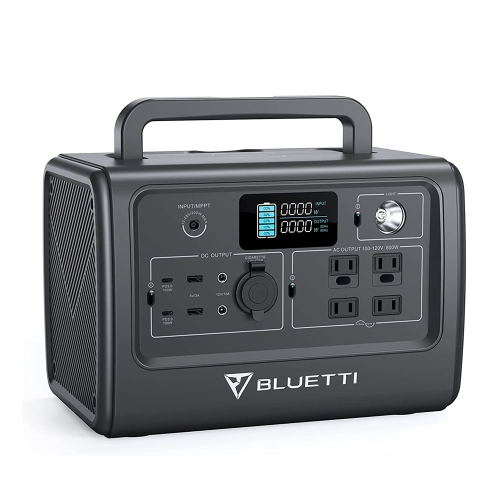 Your price for this item is $549
Discover more categories related to Rv Solar Generators
Top Collections:
Pokemon Centers, Kindle Devices, Best Budget Office Chairs, Canon G7X Cameras, Apple iPhones 16, Samsung Galaxy Phones, Refurbished Apple Laptops, Laptops for Students, iPhone 15 Apple, Budget Smartphones
Some products may be subject to Environmental Handling Fees
(EHF) depending on your province.
Learn more about EHFs.