Scooters for Teenagers Under $500
Cruise through the neighborhood in style with our selection of scooters for teenagers under $500. Whether your teen is looking for a fun way to get around or wants to add some excitement to their daily commute, we have a range of options to suit every preference and budget. From sleek designs to durable builds, these scooters offer a perfect blend of performance and affordability. Encourage outdoor adventures and active living with a quality scooter that won't break the bank.
Sort
Why scooter fit matters more than flashy features
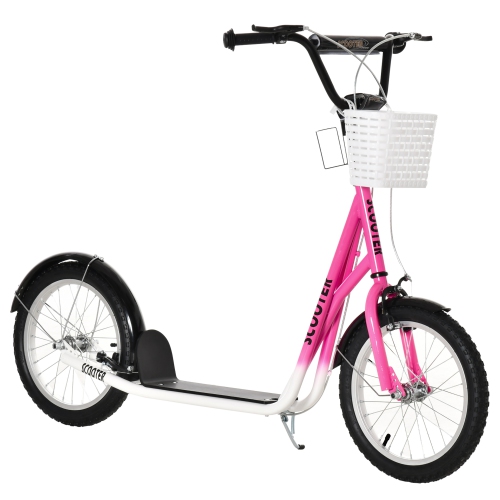
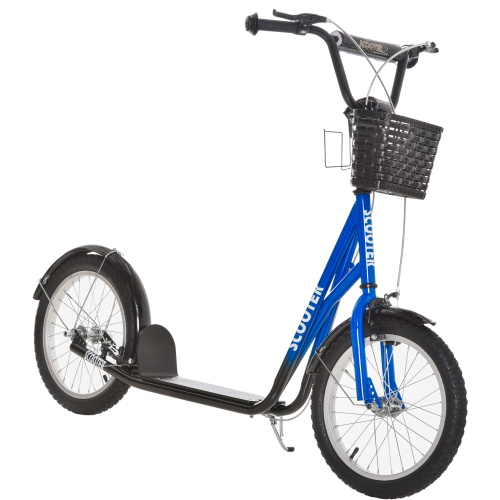
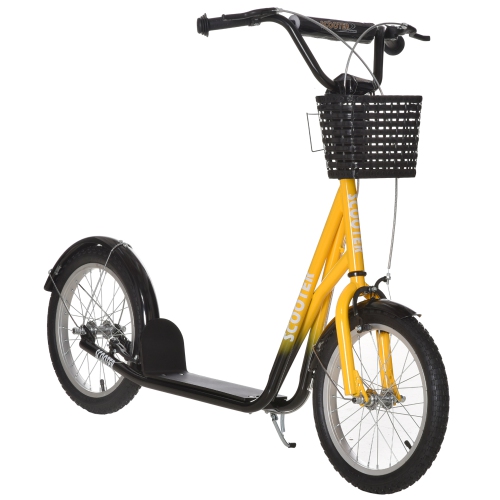
Scooters for teenagers bring together everyday recreation, developing independence, and a practical way to cover shorter distances where riding is permitted. The most suitable choice depends on the rider’s age, height, experience, and usual route, with a clear distinction between kick scooters and electric scooters. A kick scooter moves through the rider’s own pushing effort, making it a straightforward option for casual outings, practising balance, and travelling between nearby destinations. An electric scooter adds powered assistance and requires closer attention to speed controls, braking, charging, and local rules. For either type, a comfortable fit and predictable handling matter more than an impressive feature list. The handlebar should sit at a height that allows a relaxed, upright stance with slightly bent elbows, without forcing the rider to reach or hunch over. An adjustable handlebar can accommodate growth, provided the locking mechanism holds firmly and the rider remains within the manufacturer’s stated height and weight limits. Deck dimensions matter, too: there should be enough room for secure foot placement and a comfortable riding stance, with a textured surface that helps shoes stay in position. A teenager carrying a school bag needs to account for that additional weight when checking the maximum load rating. The scooter’s own weight is equally relevant to daily use. A manageable frame is easier to lift over a doorstep, carry up stairs, or move through a building where riding is not allowed. Folding designs can fit more neatly into a storage space or vehicle, but the folded dimensions and latch operation deserve as much attention as the folding feature itself. For a teenager who will regularly carry the scooter, a secure folded position and a comfortable place to grip the frame can make a noticeable difference. Colour and styling help a scooter feel personal, while the details that shape every ride—fit, grip, steering, and braking—remain the foundation of a good match.
Frame construction, wheel design, and component quality influence how a teen scooter feels after the first few outings. Aluminium is commonly used for relatively light frames, while steel can provide sturdy construction with additional weight; neither material alone determines durability. Sound joints, secure fasteners, a stable steering assembly, and a well-designed folding mechanism all contribute to a solid feel. A folding commuter-style scooter also serves a different purpose from a stunt scooter built for skatepark use. Folding hinges and height-adjustable handlebars should not be assumed suitable for jumps or tricks unless the manufacturer explicitly permits that use. For everyday riding, larger wheels generally roll across small pavement irregularities more easily than smaller wheels, although wheel material, bearings, and overall geometry also affect handling. Firm polyurethane wheels are common on kick scooters and suit smooth, paved surfaces. Air-filled tyres can cushion the ride but need pressure checks and may require puncture repairs. Solid tyres remove the need to maintain air pressure, though they can transmit more vibration through the deck and handlebar. Suspension, where fitted, can soften some bumps, but it does not make a scooter suitable for every surface. Braking systems vary between designs and may include a rear foot brake, hand-operated brake, electronic brake, or a combination. A rider should be able to reach and operate the controls comfortably while maintaining a steady grip and balanced stance. A quiet, permitted practice area gives a teenager space to become familiar with starting, turning, and stopping before sharing a route with others. A properly fitted helmet appropriate to the activity is essential, and additional protective gear may be useful while learning. Secure footwear, tucked-away laces, and a bag worn close to the body help keep loose belongings away from moving parts. Hanging a heavy bag from the handlebar can interfere with steering. These practical details are particularly important on journeys that involve frequent stops, entrances, and places where the scooter must be walked rather than ridden.
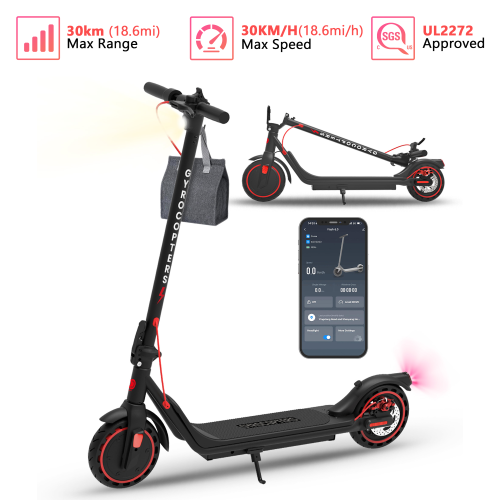
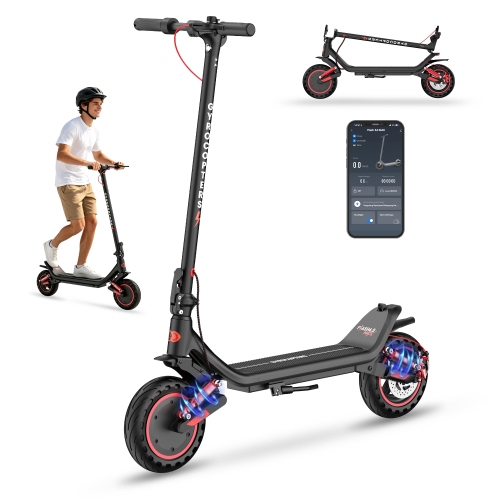
For teenagers considering powered riding, Electric Scooters for Teens brings the focus to features such as manageable acceleration, accessible controls, and battery care. Electric scooters are not automatically appropriate or legal for every teenage rider: minimum ages, helmet requirements, permitted riding areas, and other restrictions vary by province and municipality. Manufacturer age guidance also applies, and permission to ride on a road, path, or school property should never be assumed. Where use is allowed, a lower-speed riding mode can help a new rider become familiar with powered movement, but it does not replace supervision or safe riding habits. Advertised range is measured under particular conditions; rider weight, hills, speed, and repeated starts can all affect the distance travelled on a charge. A typical journey therefore needs some margin rather than relying on the maximum stated range. The charging routine should fit the household, with the manufacturer-approved charger used according to its instructions and the scooter kept clear of exits while charging. Battery and electrical-system safety certifications from recognized testing bodies are useful details to check in the specifications. Day-to-day care is just as important for non-powered scooters. Wiping the frame with a soft cloth, keeping deck grip free of debris, checking wheels for wear, and inspecting brakes and fasteners help maintain reliable operation. Any looseness in the handlebar, unusual noise, damaged wiring, or change in braking performance calls for attention before another ride. Storage works best in a dry, secure space where the scooter will not become a trip hazard, with electric models stored within the manufacturer’s specified conditions. Access to compatible replacement grips, wheels, brake components, or tyres can also matter as use adds up. As a gift, a scooter is most thoughtful when it matches the teenager’s actual size, interests, and permitted riding opportunities, rather than simply their age. A compact kick scooter for neighbourhood recreation and a powered scooter for an eligible, experienced rider meet different needs, but both benefit from comfortable proportions, manageable handling, and a routine that keeps the equipment ready for its intended use.
Frame construction, wheel design, and component quality influence how a teen scooter feels after the first few outings. Aluminium is commonly used for relatively light frames, while steel can provide sturdy construction with additional weight; neither material alone determines durability. Sound joints, secure fasteners, a stable steering assembly, and a well-designed folding mechanism all contribute to a solid feel. A folding commuter-style scooter also serves a different purpose from a stunt scooter built for skatepark use. Folding hinges and height-adjustable handlebars should not be assumed suitable for jumps or tricks unless the manufacturer explicitly permits that use. For everyday riding, larger wheels generally roll across small pavement irregularities more easily than smaller wheels, although wheel material, bearings, and overall geometry also affect handling. Firm polyurethane wheels are common on kick scooters and suit smooth, paved surfaces. Air-filled tyres can cushion the ride but need pressure checks and may require puncture repairs. Solid tyres remove the need to maintain air pressure, though they can transmit more vibration through the deck and handlebar. Suspension, where fitted, can soften some bumps, but it does not make a scooter suitable for every surface. Braking systems vary between designs and may include a rear foot brake, hand-operated brake, electronic brake, or a combination. A rider should be able to reach and operate the controls comfortably while maintaining a steady grip and balanced stance. A quiet, permitted practice area gives a teenager space to become familiar with starting, turning, and stopping before sharing a route with others. A properly fitted helmet appropriate to the activity is essential, and additional protective gear may be useful while learning. Secure footwear, tucked-away laces, and a bag worn close to the body help keep loose belongings away from moving parts. Hanging a heavy bag from the handlebar can interfere with steering. These practical details are particularly important on journeys that involve frequent stops, entrances, and places where the scooter must be walked rather than ridden.
For teenagers considering powered riding, Electric Scooters for Teens brings the focus to features such as manageable acceleration, accessible controls, and battery care. Electric scooters are not automatically appropriate or legal for every teenage rider: minimum ages, helmet requirements, permitted riding areas, and other restrictions vary by province and municipality. Manufacturer age guidance also applies, and permission to ride on a road, path, or school property should never be assumed. Where use is allowed, a lower-speed riding mode can help a new rider become familiar with powered movement, but it does not replace supervision or safe riding habits. Advertised range is measured under particular conditions; rider weight, hills, speed, and repeated starts can all affect the distance travelled on a charge. A typical journey therefore needs some margin rather than relying on the maximum stated range. The charging routine should fit the household, with the manufacturer-approved charger used according to its instructions and the scooter kept clear of exits while charging. Battery and electrical-system safety certifications from recognized testing bodies are useful details to check in the specifications. Day-to-day care is just as important for non-powered scooters. Wiping the frame with a soft cloth, keeping deck grip free of debris, checking wheels for wear, and inspecting brakes and fasteners help maintain reliable operation. Any looseness in the handlebar, unusual noise, damaged wiring, or change in braking performance calls for attention before another ride. Storage works best in a dry, secure space where the scooter will not become a trip hazard, with electric models stored within the manufacturer’s specified conditions. Access to compatible replacement grips, wheels, brake components, or tyres can also matter as use adds up. As a gift, a scooter is most thoughtful when it matches the teenager’s actual size, interests, and permitted riding opportunities, rather than simply their age. A compact kick scooter for neighbourhood recreation and a powered scooter for an eligible, experienced rider meet different needs, but both benefit from comfortable proportions, manageable handling, and a routine that keeps the equipment ready for its intended use.
Top selling and popular products
-
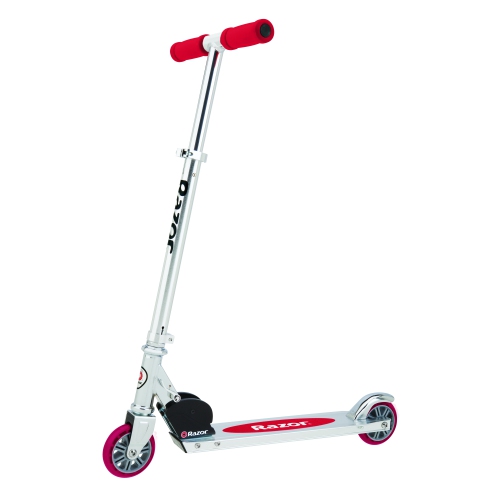 Your price for this item is $49.99
 -
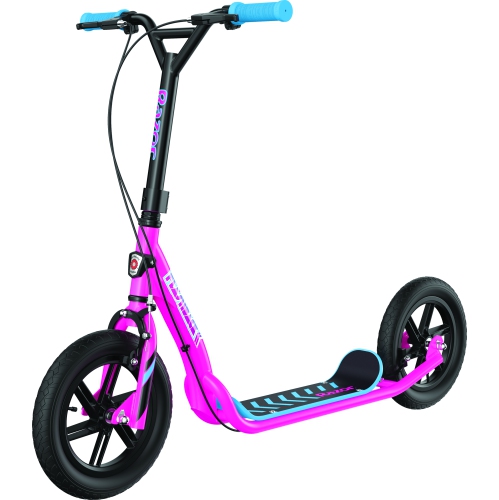 Your price for this item is $229.99
 -
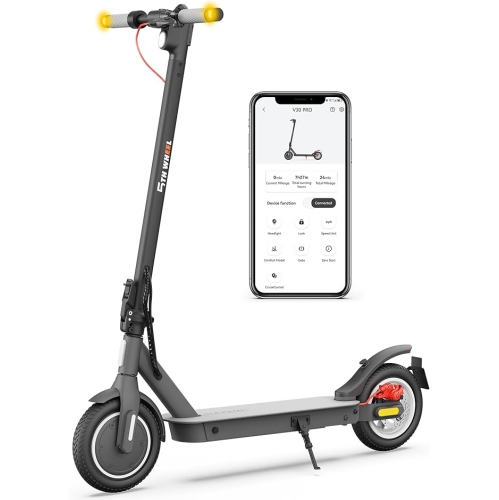 Your price for this item is $417.32
 -
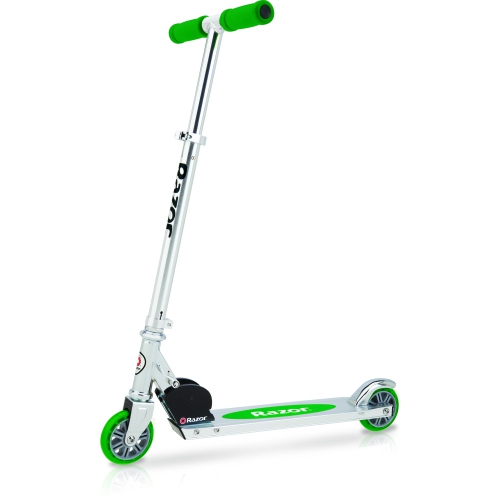 Your price for this item is $49.99
 -
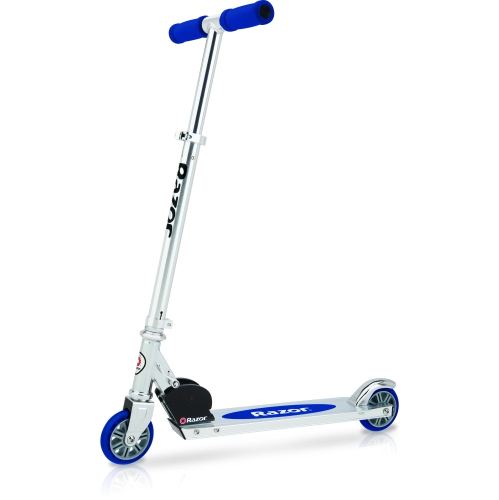 Your price for this item is $49.99
 -
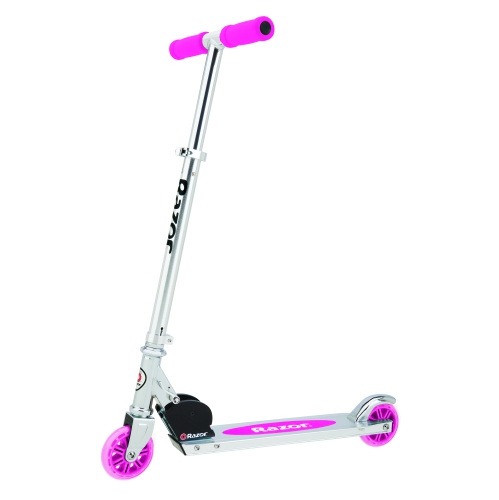 Your price for this item is $49.99
 -
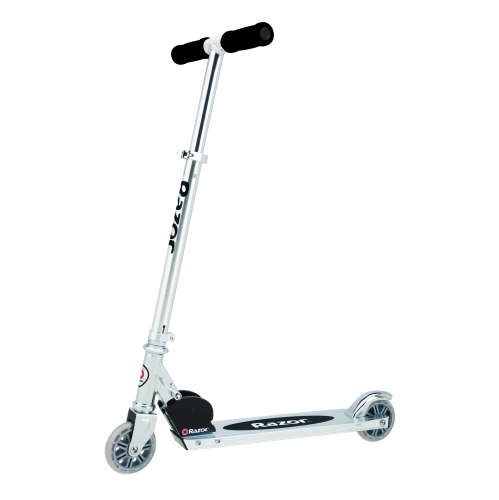 Your price for this item is $49.99
 -
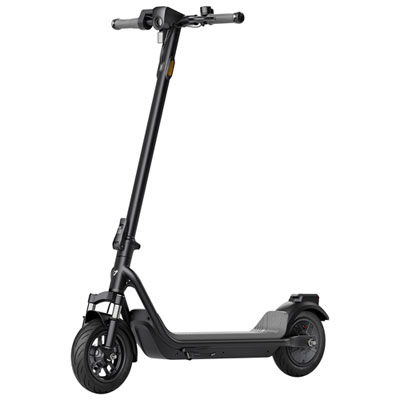
 Your price for this item is $153.99
Discover more categories related to Scooters for Teenagers Under $500
Top Collections:
Pokemon Centers, Kindle Devices, Best Budget Office Chairs, Apple iPhones 16, Samsung Galaxy Phones, Canon G7X Cameras, iPhone 15 Apple, Flip Phones, Best Laptops for Writers, Alarm Clock
Some products may be subject to Environmental Handling Fees
(EHF) depending on your province.
Learn more about EHFs.