Electric Scooters for Teens
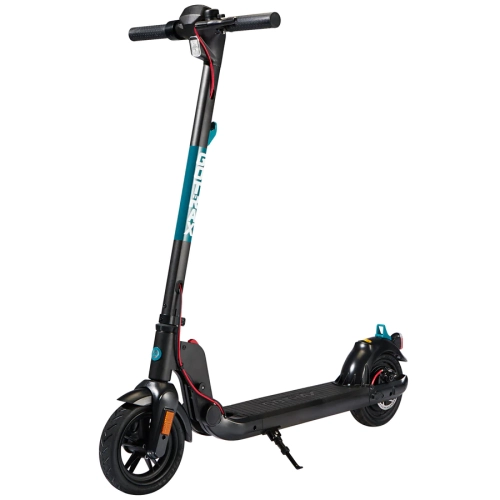
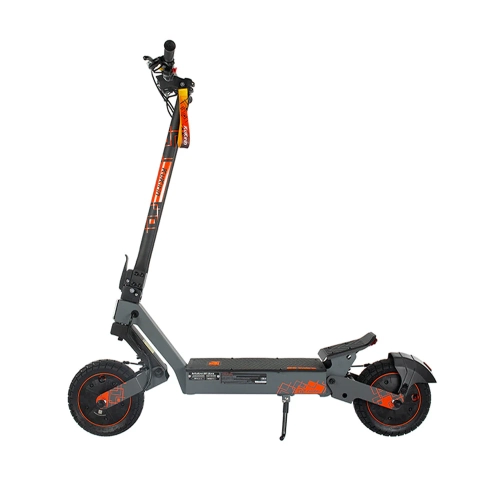
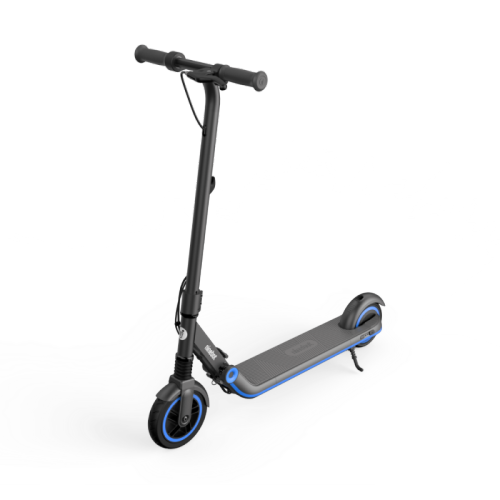
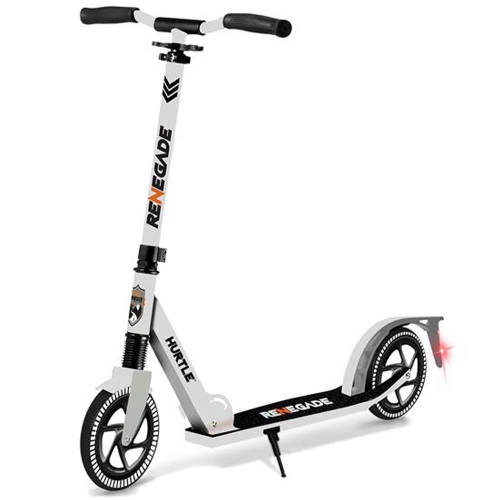
Looking for an exciting and eco-friendly way for your teen to zip around town? Look no further than our collection of electric scooters designed specifically for teenagers. These sleek and stylish rides offer a fun and efficient mode of transportation that will have your teen cruising in style. Whether they're heading to school, meeting up with friends, or simply exploring the neighborhood, our range of electric scooters for teens is sure to provide a thrilling and convenient ride every time. With features like powerful motors, long-lasting batteries, and sturdy construction, these scooters are built to keep up with the active lifestyle of today's tech-savvy teens.
Sort
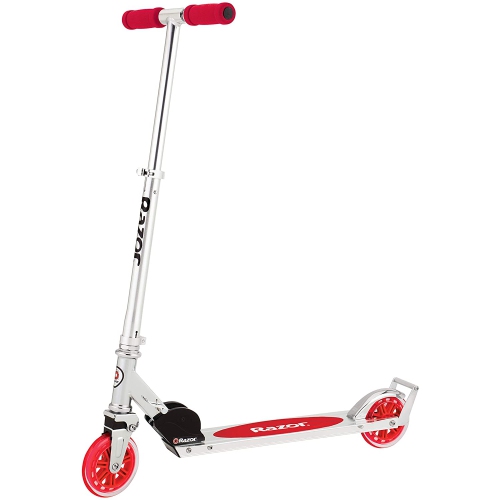
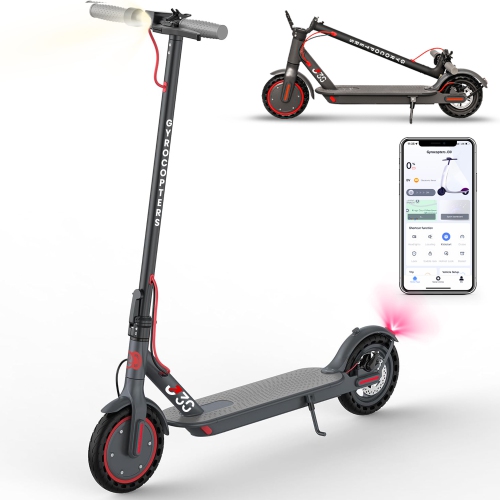
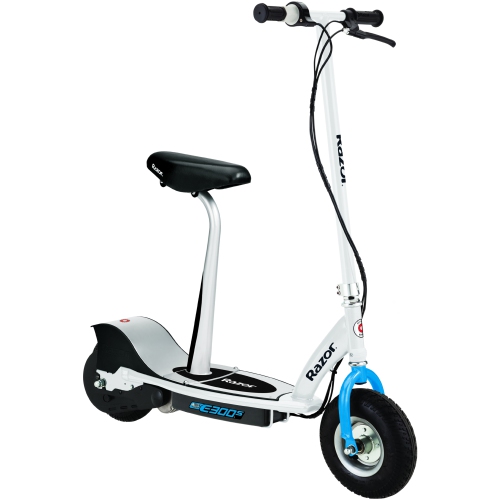
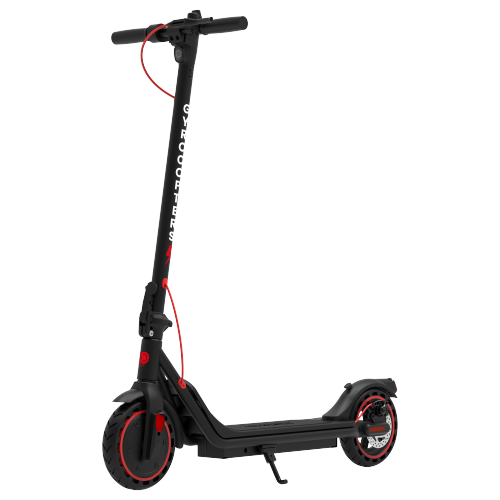
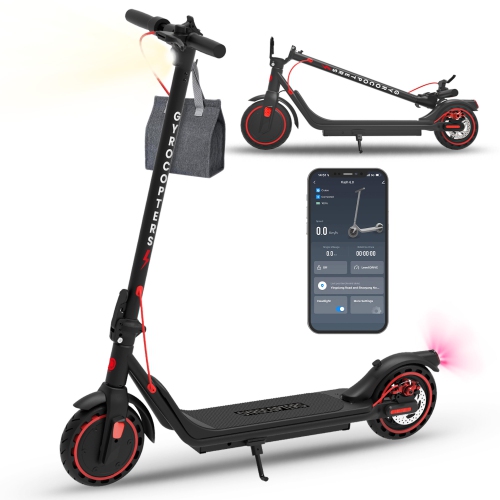
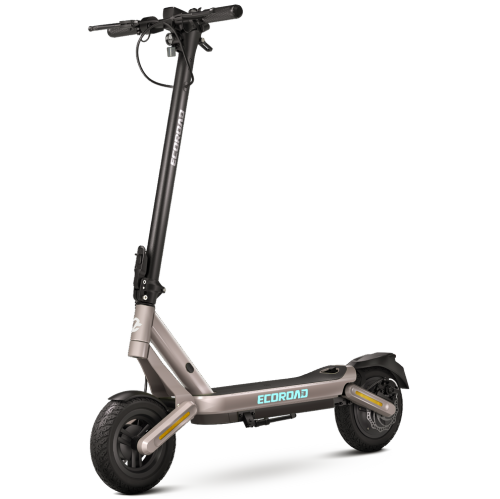
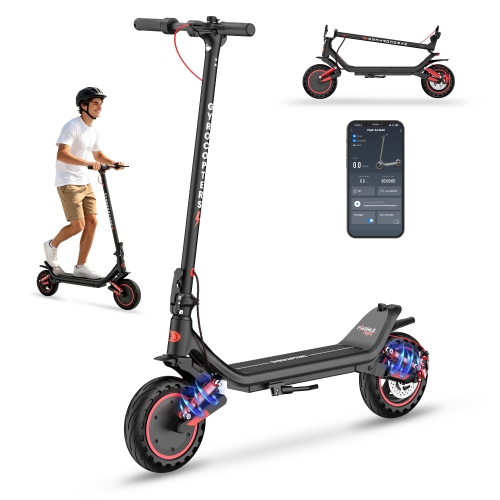
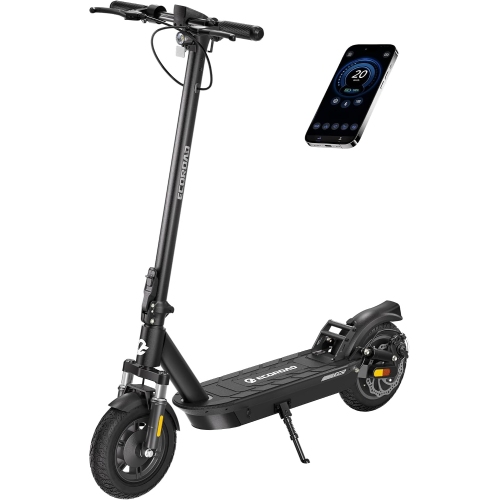
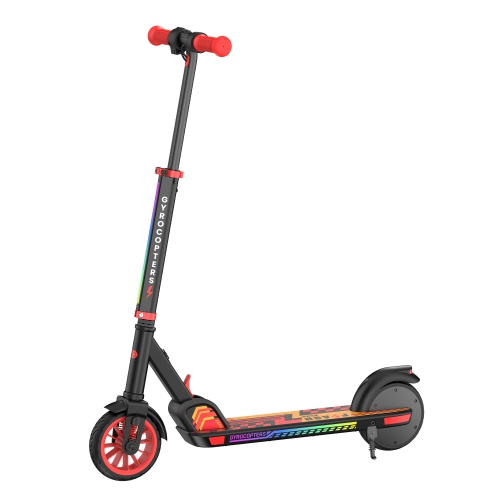
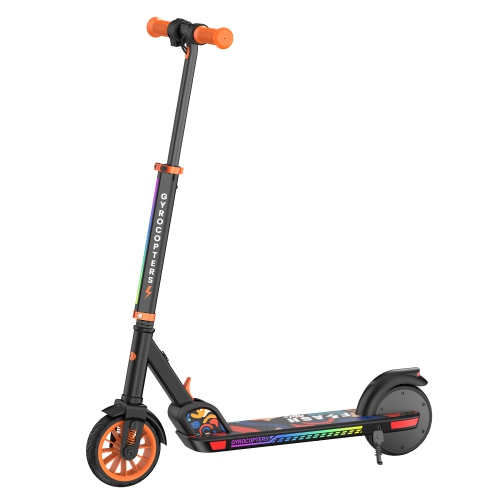
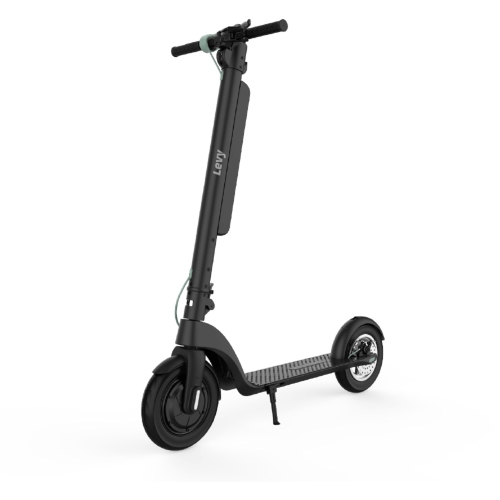
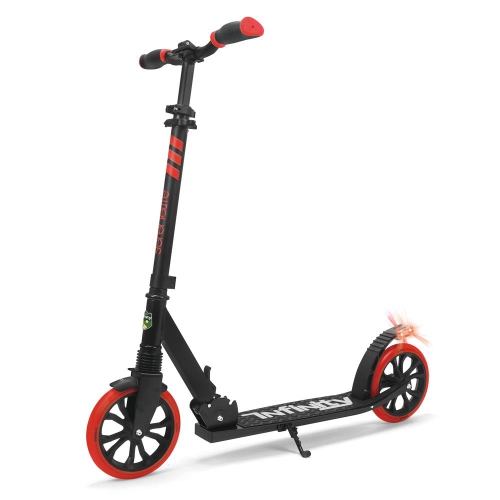
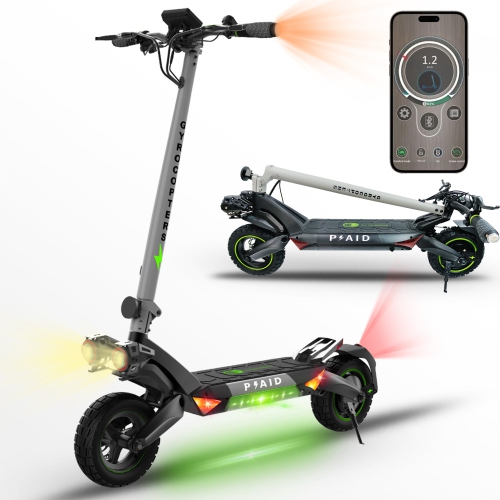
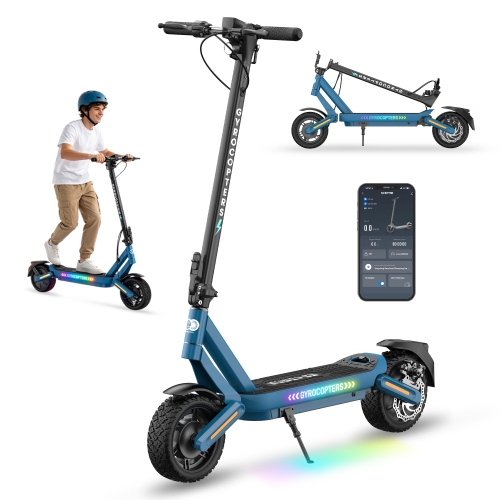
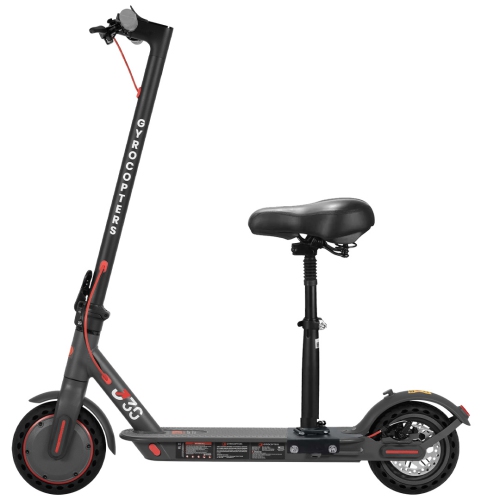
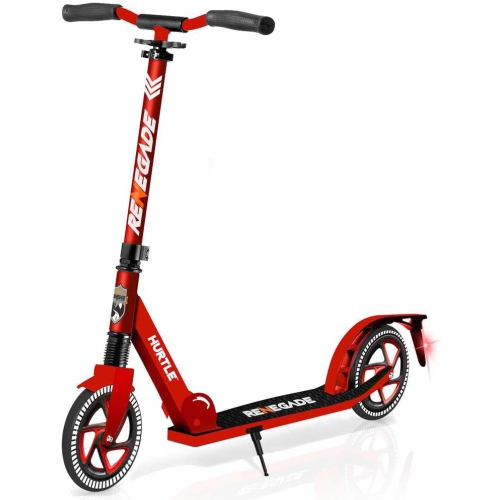
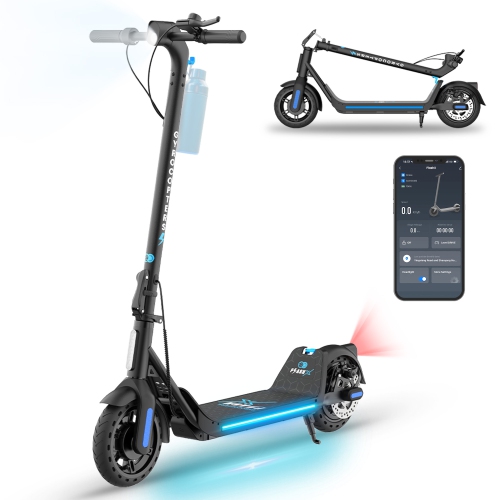
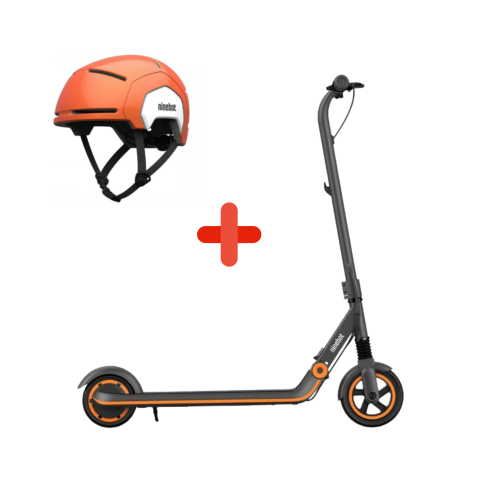
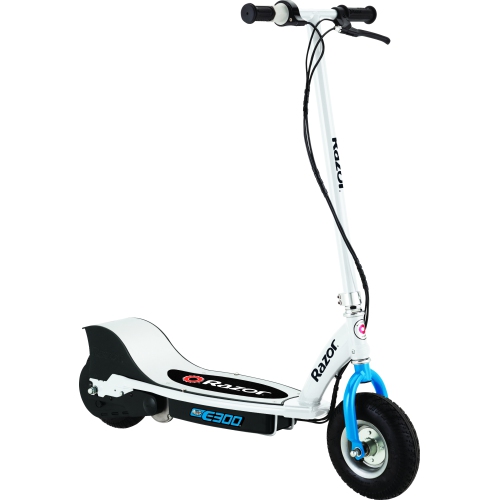
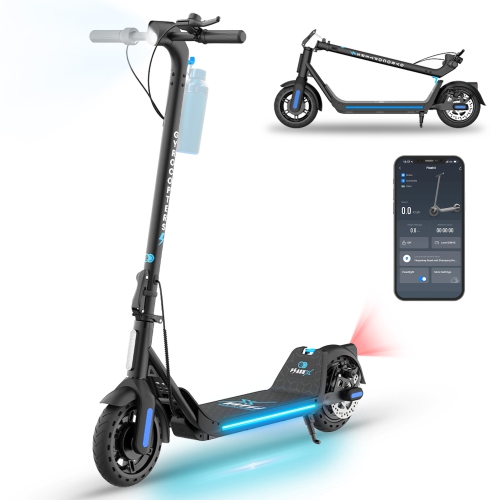
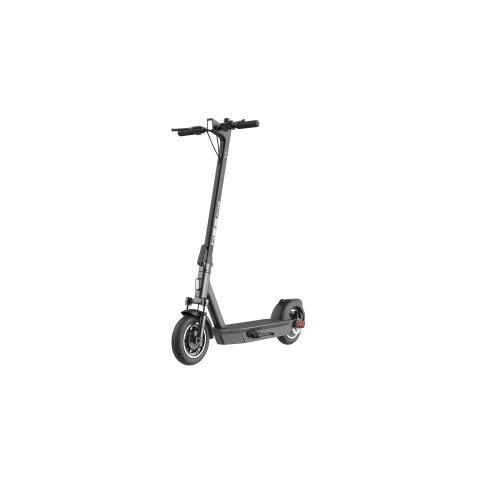
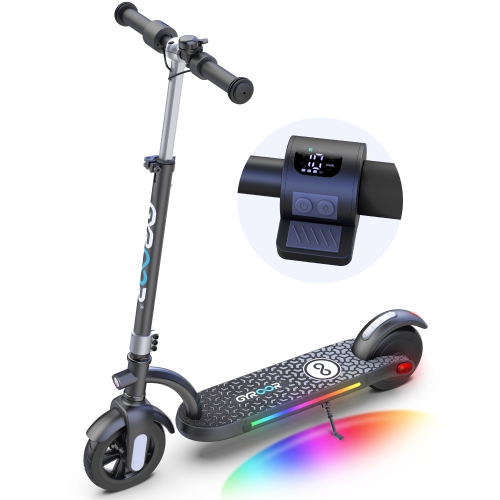
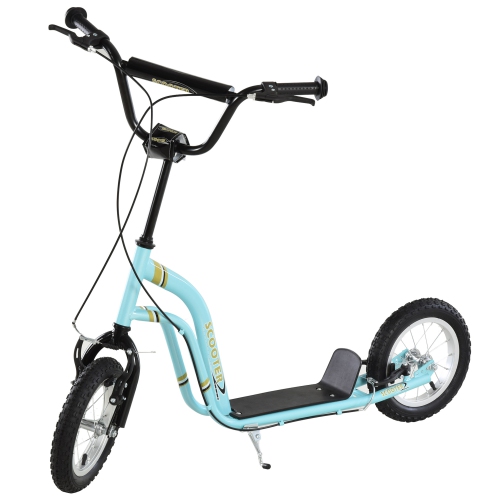
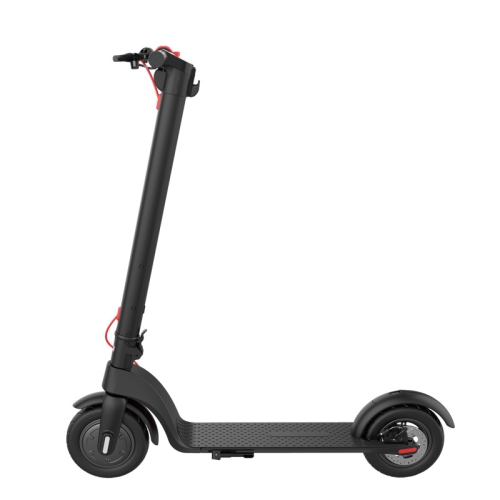
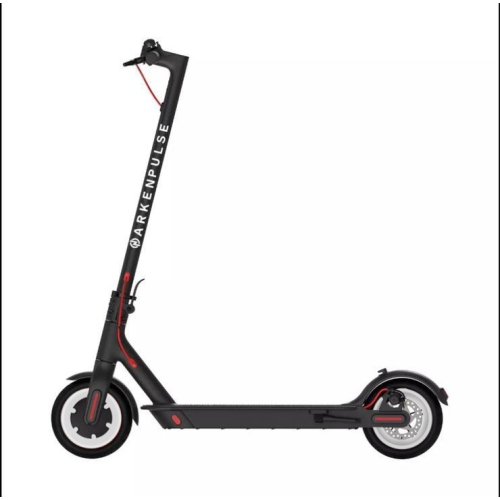
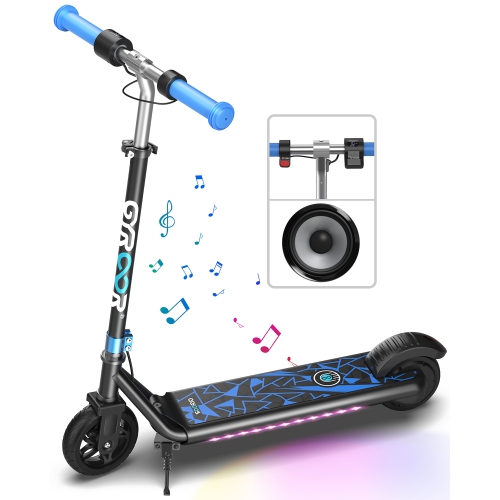
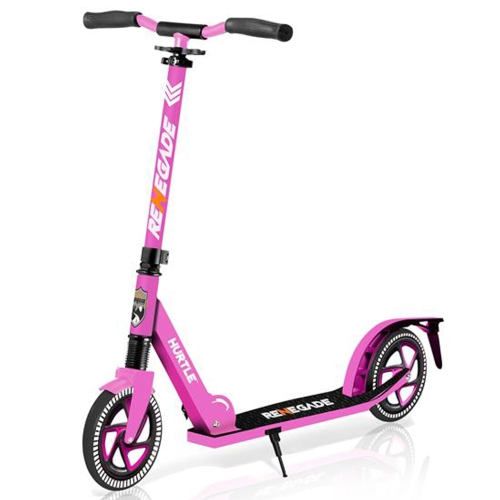
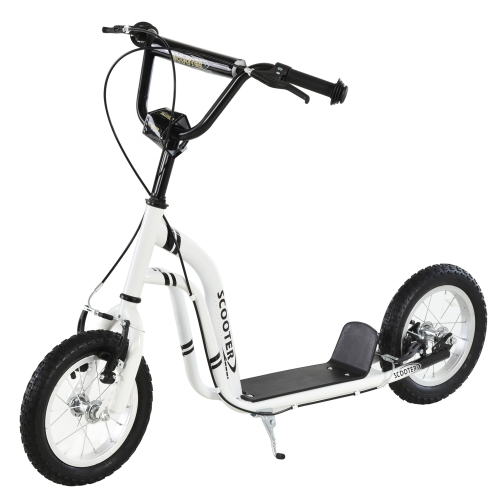
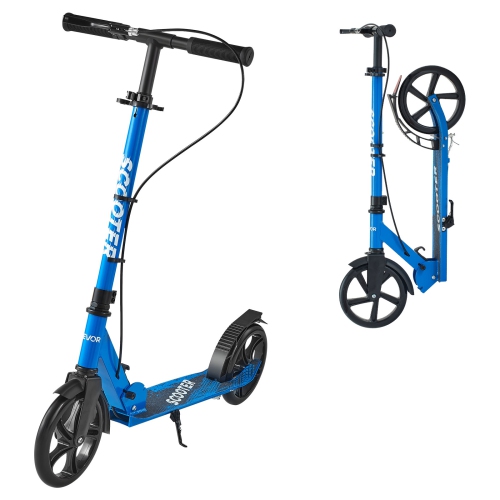
The right scooter fit goes beyond motor power
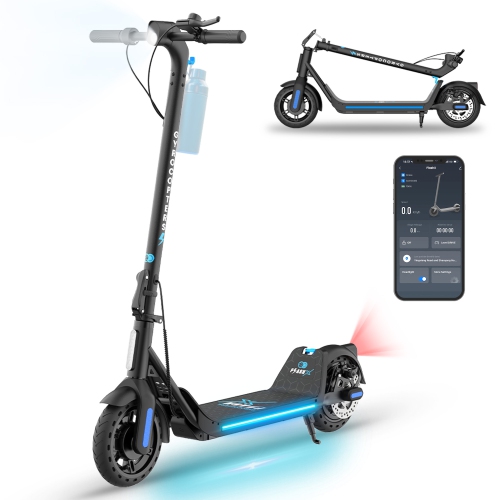
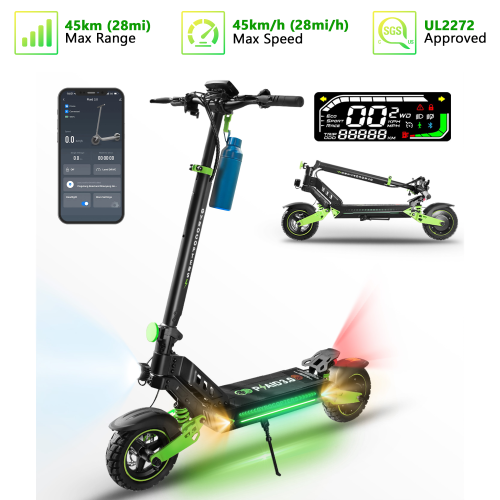
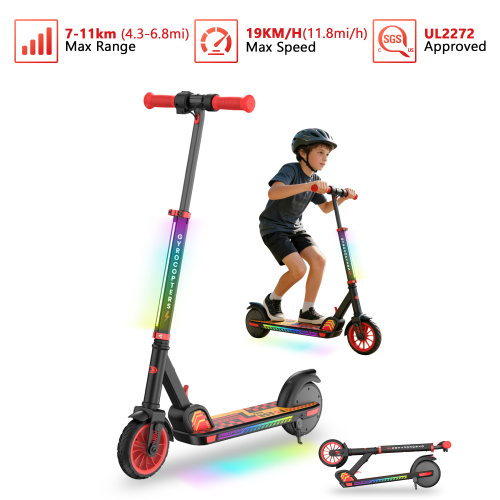
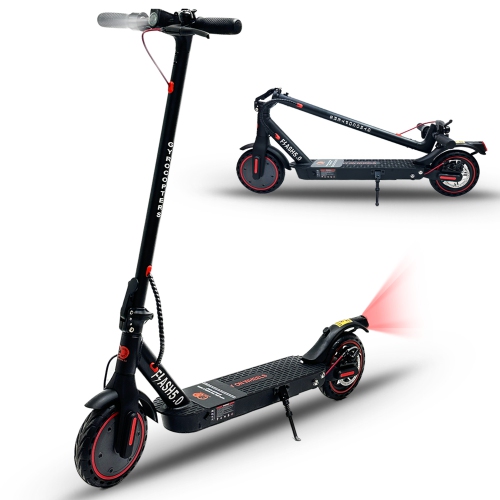
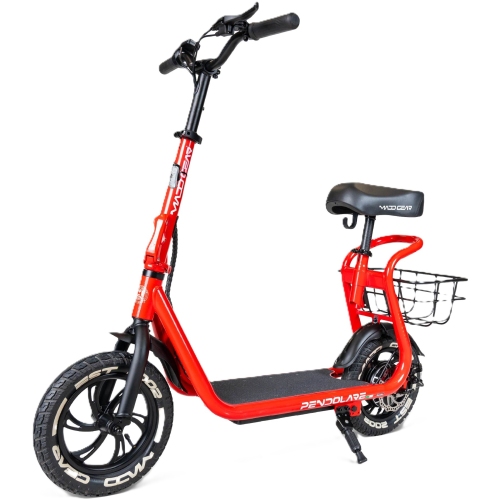
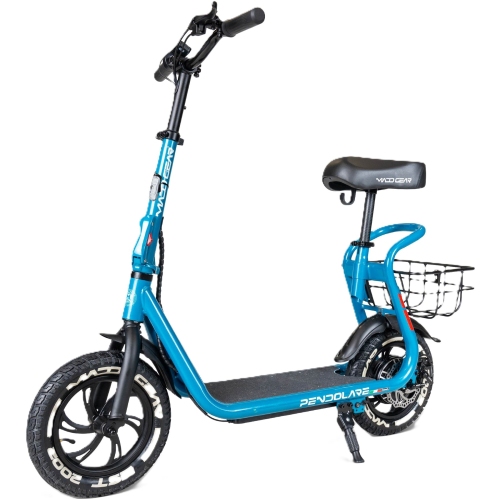
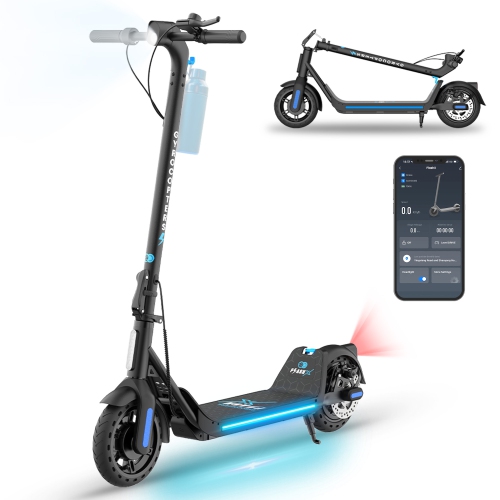
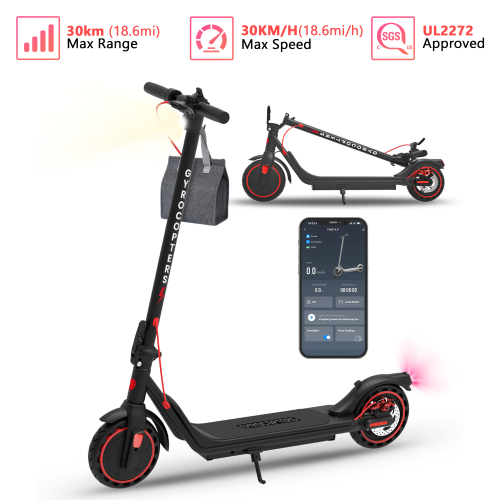
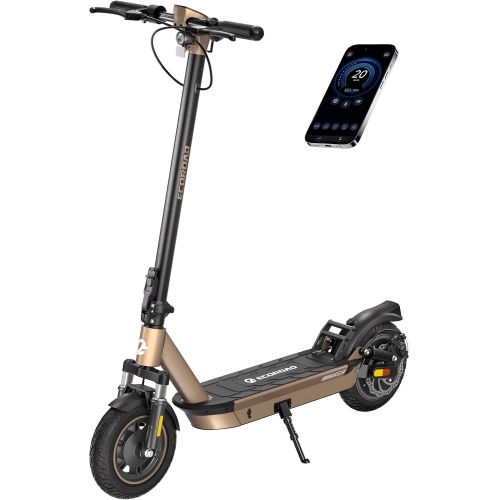
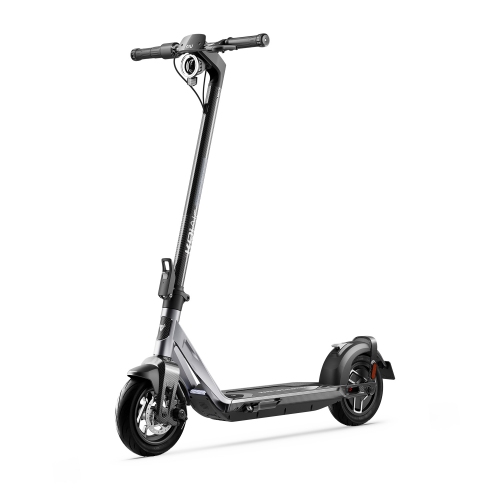
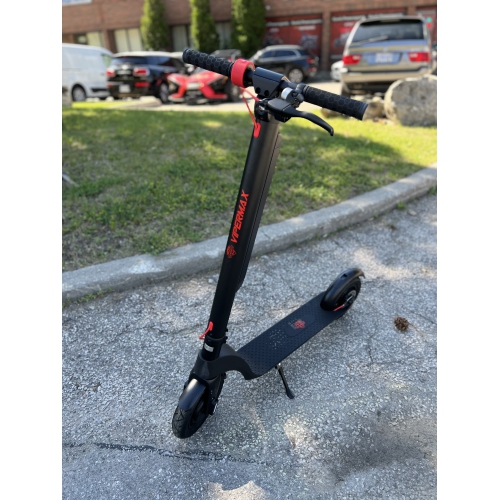
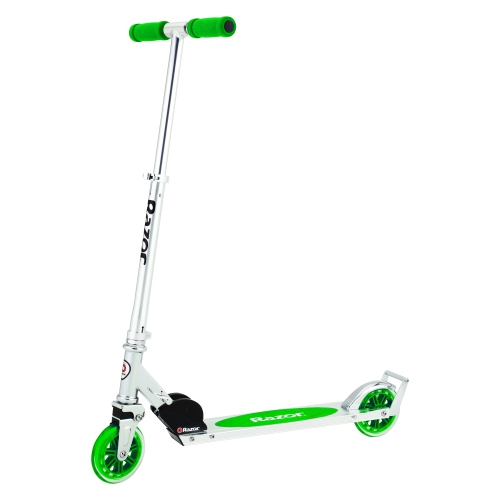
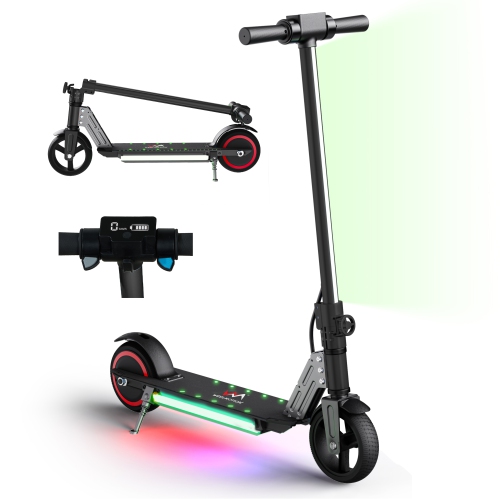
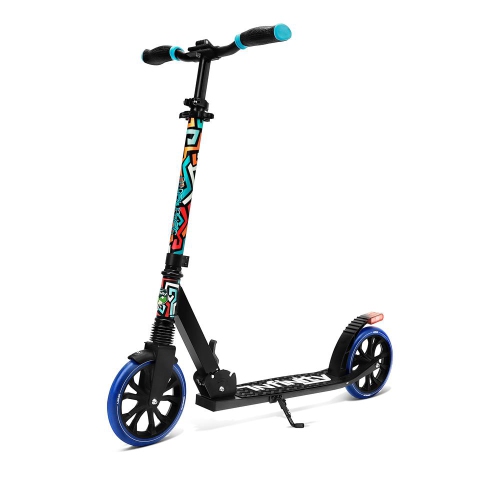
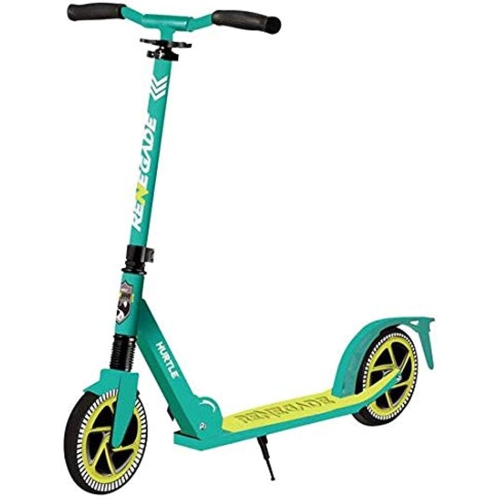
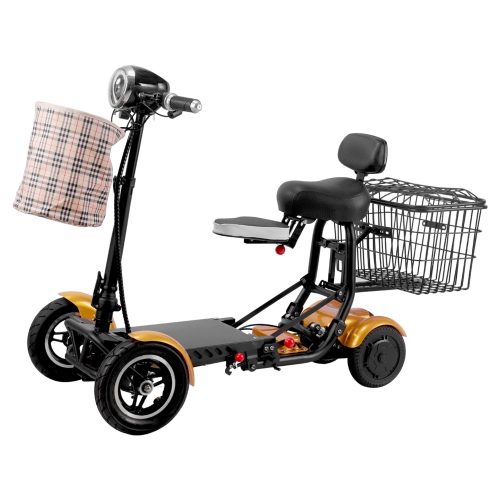
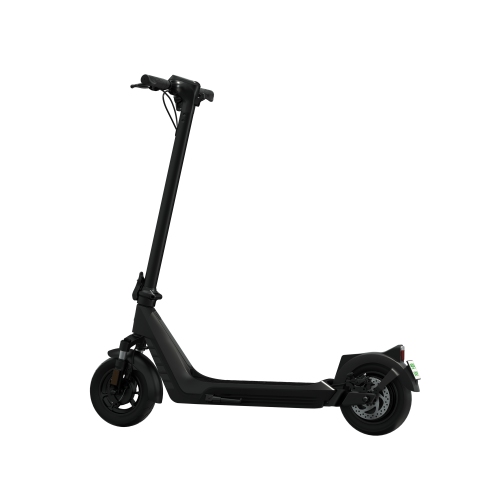
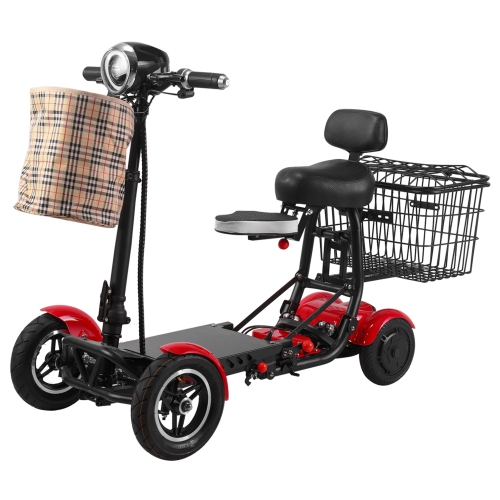
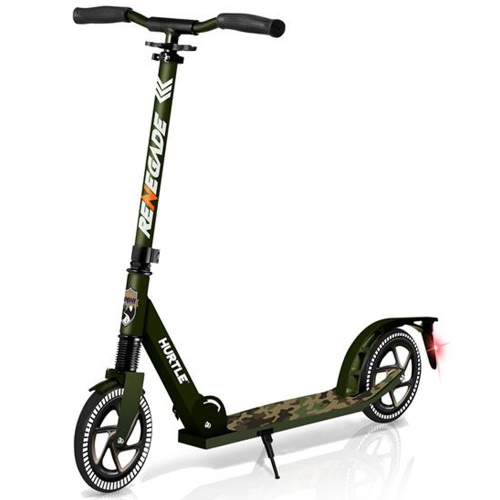
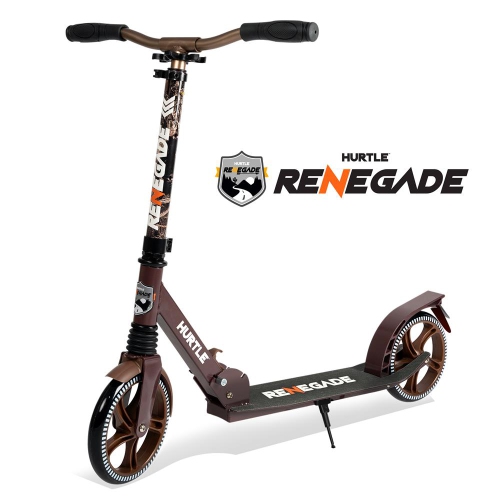
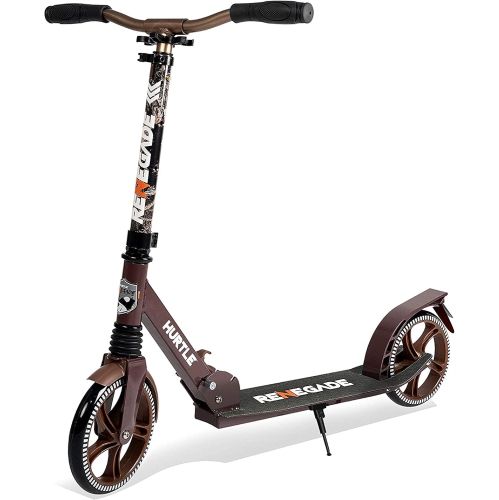
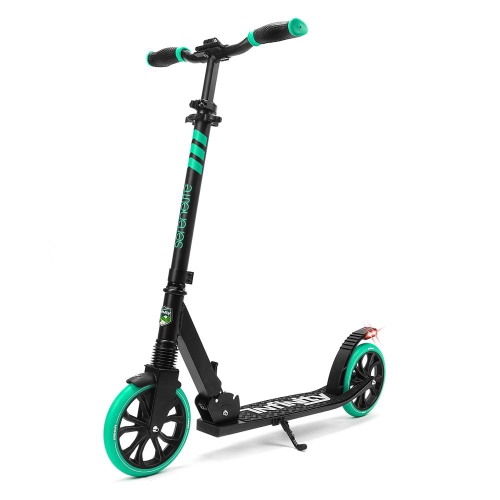
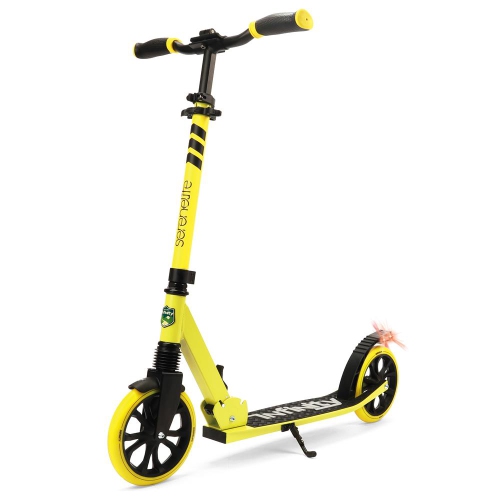
Electric scooters for teens bring together battery-powered travel, a compact frame, and the freedom of a short ride, whether the destination is a nearby recreation centre or a friend’s home. The right fit depends on the rider’s age, height, experience, and the places where riding is permitted, rather than motor power alone. A scooter described as suitable for teens is not automatically legal for every teenager to ride on public routes: minimum ages, helmet requirements, permitted locations, and equipment rules vary across Canadian provinces and municipalities. The manufacturer’s age guidance and local requirements both matter, including for trips to school, where storage and school policies also come into play. For an eligible beginner, predictable acceleration, accessible brake controls, and a manageable starting speed can be more useful than a high maximum speed. Some electric scooters offer selectable riding modes or app-based settings that allow speed adjustments, though these features differ by model and do not replace supervision or practice. Physical fit is just as important. Handlebars should allow a comfortable stance with relaxed shoulders and slightly bent elbows, while the deck needs enough usable space for secure foot placement. An adjustable stem can accommodate different heights within its stated limits, but buying an oversized scooter for a teen to grow into can make handling awkward. Maximum rider weight should account for clothing and a carried backpack as well as the rider, without exceeding the manufacturer’s limit. Scooter weight deserves attention, too: a frame that feels steady on pavement may be difficult to lift up front steps or carry through a doorway. For parents, caregivers, or relatives considering an electric scooter as a gift, checking these details with the intended rider helps match the surprise to everyday use. A properly fitted helmet, suitable footwear, and a permitted place to practise are part of making those first rides comfortable and controlled.
Construction and ride quality shape how a teen electric scooter feels well beyond its first outing. Aluminium frames are common because they balance strength with relatively low weight, while steel components may add weight in areas that need reinforcement. Material alone does not determine durability; secure joints, a solid steering stem, and a folding mechanism that locks firmly are equally important. A folding scooter can be convenient in a hallway or vehicle, provided its folded dimensions fit the space and the rider can operate the latch correctly. On the deck, a textured surface helps shoes maintain their footing, although mud, moisture, and worn grip material can reduce traction. Wheel size and tire construction also influence comfort and upkeep. Air-filled tires can soften small bumps but need pressure checks and may puncture. Solid tires avoid punctures, though they generally pass more vibration through to the rider. Suspension, where fitted, may improve comfort on uneven pavement, but it does not make a scooter suitable for potholes, curbs, or terrain outside its intended use. Braking systems may use mechanical brakes, electronic braking, or a combination; accessible controls and a response the rider understands are essential. A quiet practice area where riding is allowed gives a new rider room to learn smooth starts, turns, and controlled stops before encountering other people. Published battery range is another useful comparison, but actual distance varies with rider weight, hills, tire pressure, speed, temperature, and repeated acceleration. A route with a long uphill stretch can demand more energy than an equally long, level path, so extra range beyond the planned return trip is useful. Motor wattage provides context, but it does not by itself establish hill-climbing ability or suitability for a younger rider. Scooters intended for paved surfaces also serve a different purpose from Electric Dirt Bikes for Teens, which are designed for a different riding style and require their own assessment of rider fit, protective equipment, permitted terrain, and supervision.
Day-to-day care helps keep an electric scooter dependable, especially when cooler weather brings damp pavement, fallen leaves, and shorter daylight hours. Front and rear lights, reflectors, and a bell or other required warning device support visibility and communication, but they do not guarantee that a driver or pedestrian has noticed the rider. Clear sightlines, a speed suited to the conditions, and enough space to stop remain important. Wet leaves, painted markings, and metal covers can be slippery, while snow and ice are reasons to put the scooter away rather than test its grip. A water-resistance rating describes limited protection under specified conditions; it should not be treated as permission to ride through puddles, charge a wet scooter, or leave it outside in rain. After a ride, dirt can usually be removed with a soft cloth using the cleaning method in the manual, without spraying water into the charging port, controls, or wheel assemblies. Regular checks of tire condition, brake function, fasteners, and the folding latch can catch wear before it affects handling. Battery care calls for similar attention. Use only the charger supplied or explicitly approved for the scooter, follow the stated charging temperatures, and let a cold battery reach the manufacturer’s permitted temperature before connecting it. Charging should take place in a dry location away from exits and combustible materials, with someone present rather than while the household sleeps. Recognized third-party electrical safety certification, verified for the complete scooter, is a useful consideration when comparing construction and battery systems. For longer periods between rides, the manual’s storage charge and temperature instructions help protect the battery; a dry indoor location within those limits is preferable to an unheated shed exposed to freezing conditions. Access to compatible replacement tires, brake parts, and servicing also matters over time. With an appropriate fit, sensible riding limits, and consistent care, an electric scooter can suit an eligible teen’s routine without asking the rider—or the equipment—to do more than it was designed to handle.
Construction and ride quality shape how a teen electric scooter feels well beyond its first outing. Aluminium frames are common because they balance strength with relatively low weight, while steel components may add weight in areas that need reinforcement. Material alone does not determine durability; secure joints, a solid steering stem, and a folding mechanism that locks firmly are equally important. A folding scooter can be convenient in a hallway or vehicle, provided its folded dimensions fit the space and the rider can operate the latch correctly. On the deck, a textured surface helps shoes maintain their footing, although mud, moisture, and worn grip material can reduce traction. Wheel size and tire construction also influence comfort and upkeep. Air-filled tires can soften small bumps but need pressure checks and may puncture. Solid tires avoid punctures, though they generally pass more vibration through to the rider. Suspension, where fitted, may improve comfort on uneven pavement, but it does not make a scooter suitable for potholes, curbs, or terrain outside its intended use. Braking systems may use mechanical brakes, electronic braking, or a combination; accessible controls and a response the rider understands are essential. A quiet practice area where riding is allowed gives a new rider room to learn smooth starts, turns, and controlled stops before encountering other people. Published battery range is another useful comparison, but actual distance varies with rider weight, hills, tire pressure, speed, temperature, and repeated acceleration. A route with a long uphill stretch can demand more energy than an equally long, level path, so extra range beyond the planned return trip is useful. Motor wattage provides context, but it does not by itself establish hill-climbing ability or suitability for a younger rider. Scooters intended for paved surfaces also serve a different purpose from Electric Dirt Bikes for Teens, which are designed for a different riding style and require their own assessment of rider fit, protective equipment, permitted terrain, and supervision.
Day-to-day care helps keep an electric scooter dependable, especially when cooler weather brings damp pavement, fallen leaves, and shorter daylight hours. Front and rear lights, reflectors, and a bell or other required warning device support visibility and communication, but they do not guarantee that a driver or pedestrian has noticed the rider. Clear sightlines, a speed suited to the conditions, and enough space to stop remain important. Wet leaves, painted markings, and metal covers can be slippery, while snow and ice are reasons to put the scooter away rather than test its grip. A water-resistance rating describes limited protection under specified conditions; it should not be treated as permission to ride through puddles, charge a wet scooter, or leave it outside in rain. After a ride, dirt can usually be removed with a soft cloth using the cleaning method in the manual, without spraying water into the charging port, controls, or wheel assemblies. Regular checks of tire condition, brake function, fasteners, and the folding latch can catch wear before it affects handling. Battery care calls for similar attention. Use only the charger supplied or explicitly approved for the scooter, follow the stated charging temperatures, and let a cold battery reach the manufacturer’s permitted temperature before connecting it. Charging should take place in a dry location away from exits and combustible materials, with someone present rather than while the household sleeps. Recognized third-party electrical safety certification, verified for the complete scooter, is a useful consideration when comparing construction and battery systems. For longer periods between rides, the manual’s storage charge and temperature instructions help protect the battery; a dry indoor location within those limits is preferable to an unheated shed exposed to freezing conditions. Access to compatible replacement tires, brake parts, and servicing also matters over time. With an appropriate fit, sensible riding limits, and consistent care, an electric scooter can suit an eligible teen’s routine without asking the rider—or the equipment—to do more than it was designed to handle.
Top selling and popular products
-
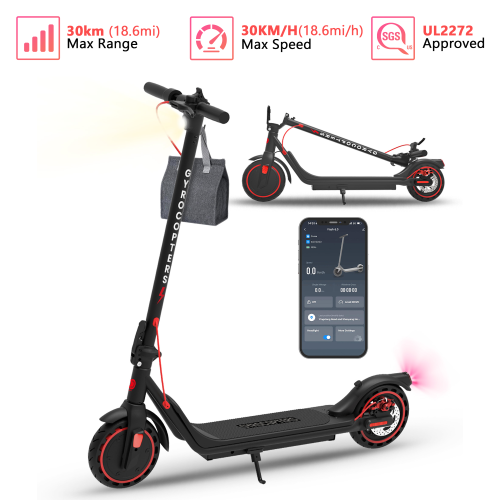 Your price for this item is $269.97
 -
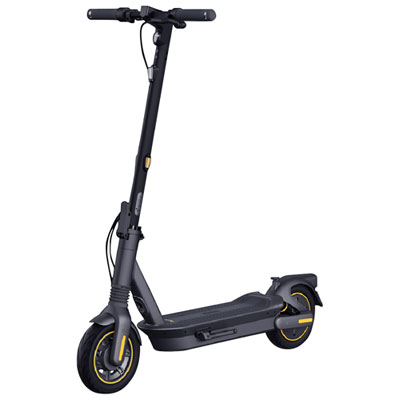 Your price for this item is $1199.99
 -
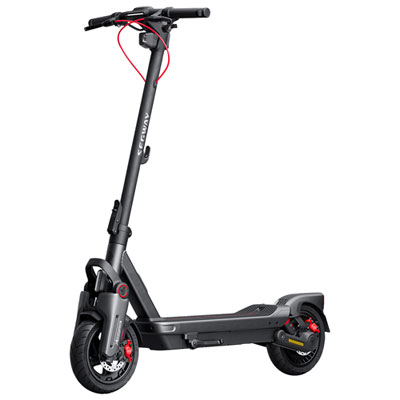 Your price for this item is $1199.99
 -
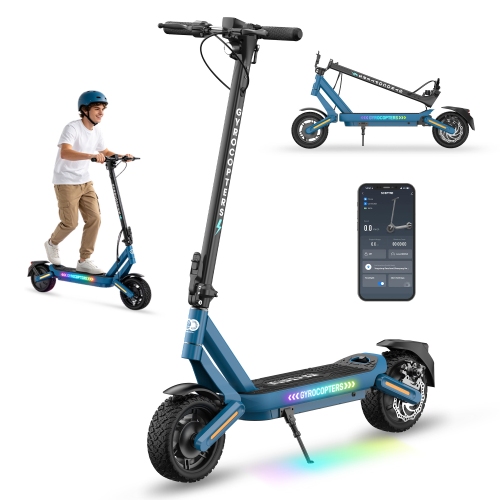 Your price for this item is $599.97
 -
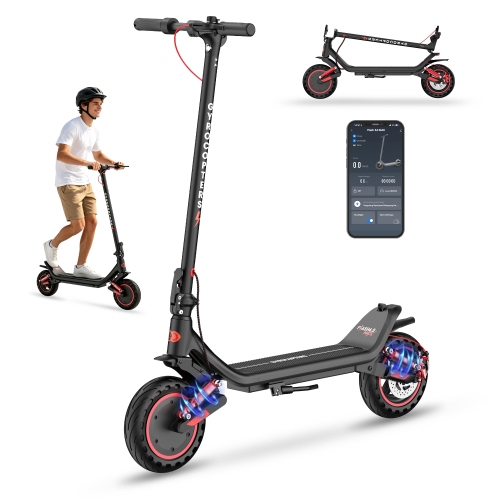 Your price for this item is $499.97
 -
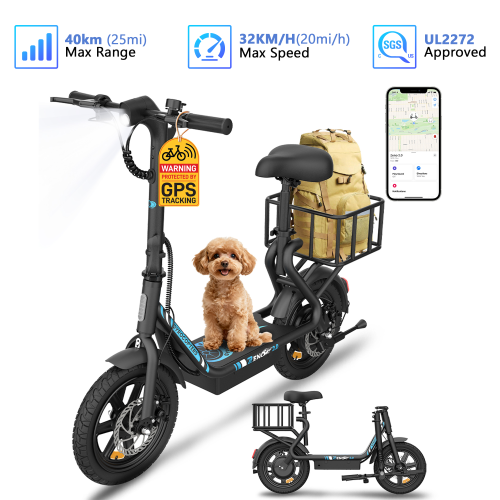 Your price for this item is $499.97
 -
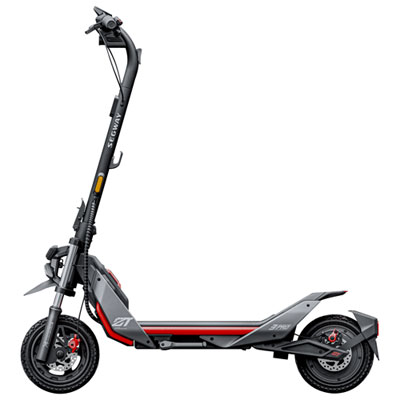 Your price for this item is $1599.99
 -
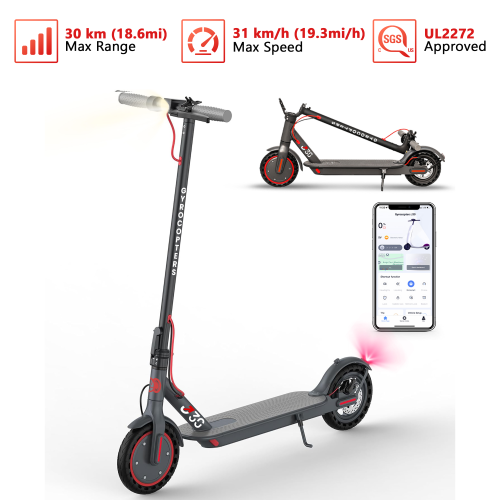 Your price for this item is $319.97
Discover more categories related to Electric Scooters for Teens
Top Collections:
Pokemon Centers, Kindle Devices, Best Budget Office Chairs, Apple iPhones 16, Best Laptops for Writers, iPhone 15 Apple, Canon G7X Cameras, Refurbished Apple Laptops, Alarm Clock, Motorola Razr Phones
Some products may be subject to Environmental Handling Fees
(EHF) depending on your province.
Learn more about EHFs.