Sleeping Bags Canada
Explore the great outdoors with confidence and comfort by choosing the perfect sleeping bag for your adventures. Whether you're planning a summer camping trip, a fall hiking excursion, or a winter overnight in the snowy wilderness, finding the right sleeping bag is essential for a restful night's sleep under the stars. With a wide range of options suited to various climates and terrains, you can enjoy warmth and coziness no matter where your journey takes you. Dive into our selection to find sleeping bags that cater to every type of camper, from lightweight designs for backpacking enthusiasts to plush, insulated options for those chilly nights. Embrace nature with peace of mind knowing you're well-equipped for any adventure.

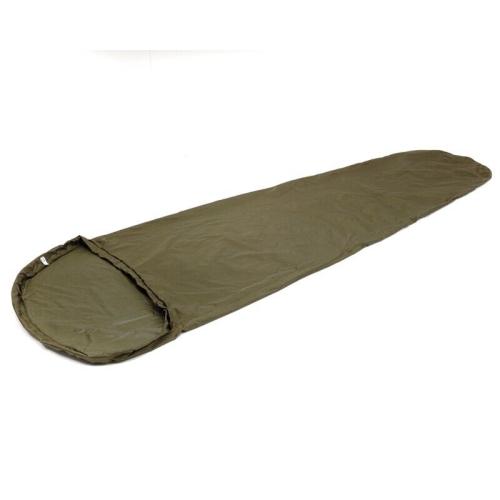
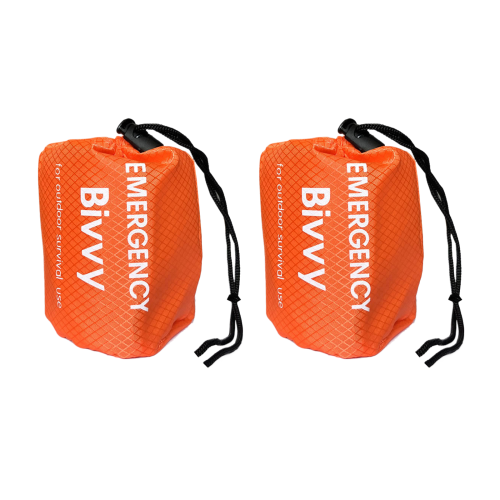
Understanding warmth, insulation and packability for every camping trip
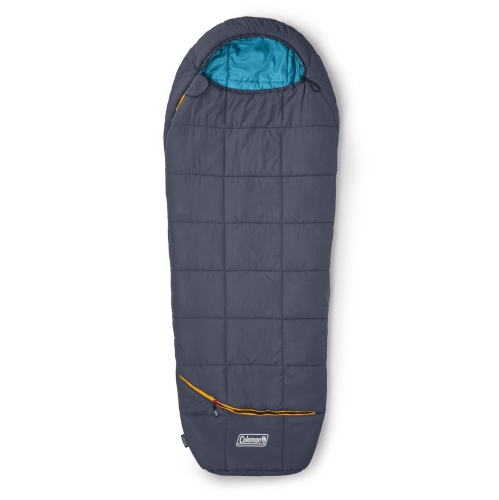
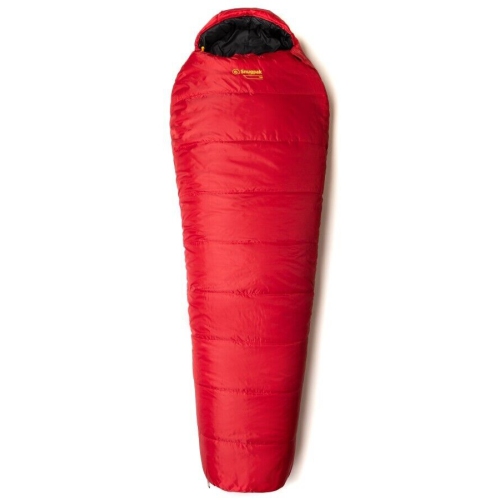
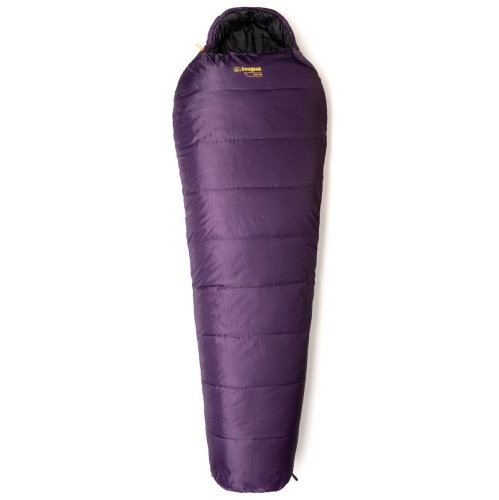
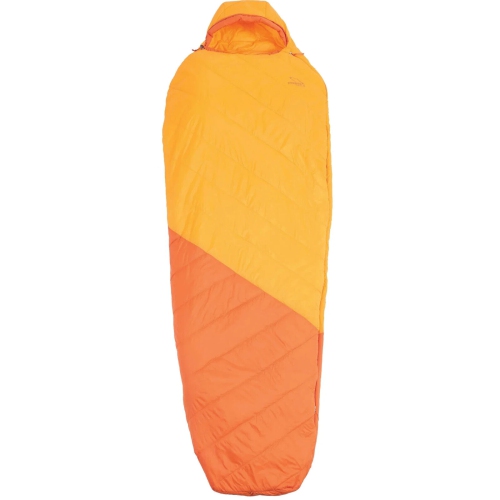
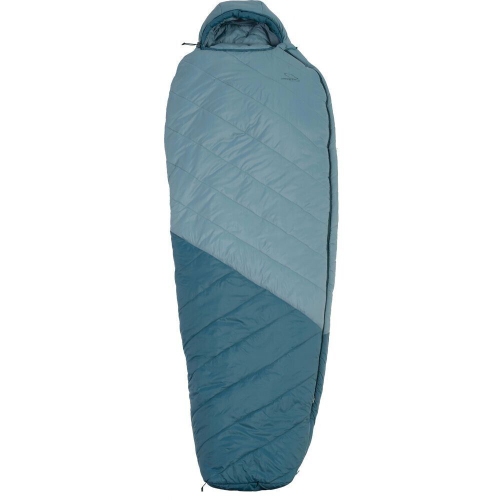
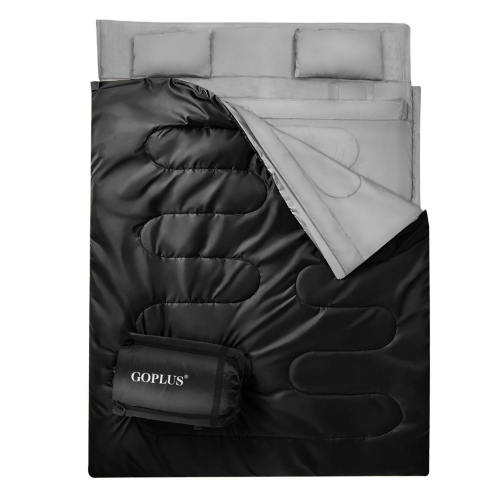
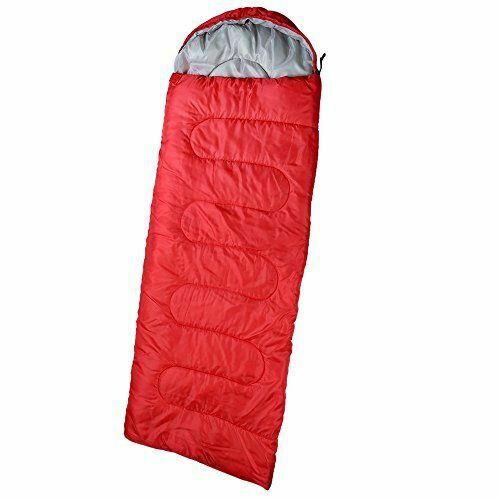
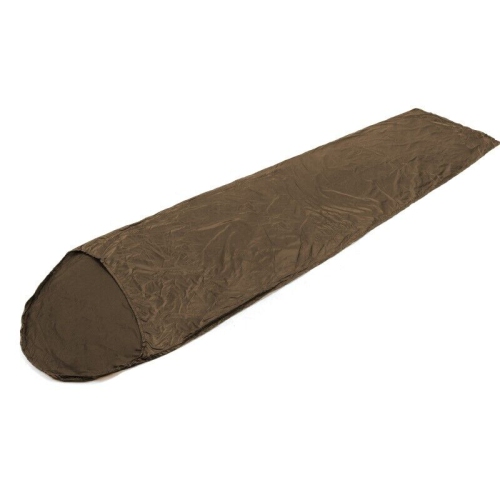
The shape and insulation of a sleeping bag have a noticeable effect on comfort, warmth and packability. Mummy-style bags taper toward the feet and usually include a hood and adjustable features that help reduce heat loss, making them a popular choice for backpacking, canoe trips and cooler-weather camping. Their closer fit can feel snug, particularly for sleepers who move around during the night, but the reduced air space is efficient to warm. Rectangular or envelope-style bags provide more room through the shoulders and legs, allowing a relaxed sleeping position and making them well suited to car camping, guest rooms, cottages and summer use. Some designs sit between these two shapes, offering extra room without giving up as much warmth or compactness. When choosing insulation, down is valued for its low weight, warmth and ability to compress into a smaller pack, which can be helpful on long hikes or flights to an outdoor destination. Synthetic insulation is often easier to manage in damp conditions, dries more readily and can be a practical choice for humid campsites, family trips and general-purpose use. Synthetic bags can also be a comfortable introduction to camping for occasional users who want dependable warmth without investing in highly technical gear. Look at the bag’s packed size and weight as carefully as its temperature rating, especially if it will be carried in a backpack or stored with other equipment. A larger, roomier bag may be ideal when you are driving to the campsite, whereas a lighter, more compressible design can make a considerable difference when every litre and gram matters. Features such as a full-length zipper, draft tube, insulated hood, footbox, zipper guard and internal pocket can improve everyday convenience. Zippers that open fully may allow the bag to be used as a blanket, and compatible bags may be zipped together for couples or children who prefer to share warmth.
Sleeping bags can suit a wide range of campers and make thoughtful gifts for people building their first outdoor kit, families planning campground holidays, students heading to a summer camp or experienced travellers replacing older gear. For children, consider a manageable size, a simple zip, soft materials and a temperature rating that matches supervised use in mild conditions. A child’s sleeping bag can also be useful for sleepovers, visiting relatives and indoor forts, although outdoor temperature ratings should not be treated as a substitute for adult supervision or suitable clothing. Families often appreciate easy-care synthetic designs that can handle frequent use, while dedicated hikers may prioritize low weight, compact storage and weather-appropriate warmth. Before a trip, unpack the bag fully to check the zippers and seams, and avoid storing it compressed for long periods; a loose storage sack or spacious closet helps preserve the loft of the insulation. During a trip, keep the bag as dry as possible by using a tent with adequate ventilation, changing out of damp clothing before bed and placing the bag on a dry sleeping surface. In the morning, air it out before packing whenever conditions allow, then follow the care instructions for cleaning and drying. A sleeping bag should complement, rather than replace, a complete sleep system that includes shelter, insulation beneath the body and clothing suited to the forecast. With the right combination of shape, fill, size and temperature rating, it can turn a chilly campsite into a warm retreat, help a new camper feel more at ease outdoors and provide dependable comfort from mild evenings through the cooler months.
Top selling and popular products
-
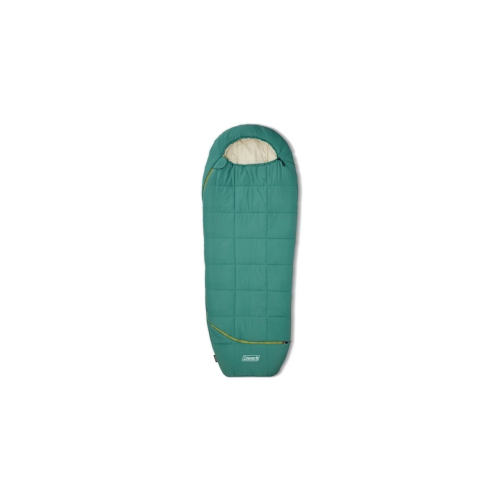 Your price for this item is $149.99
 -
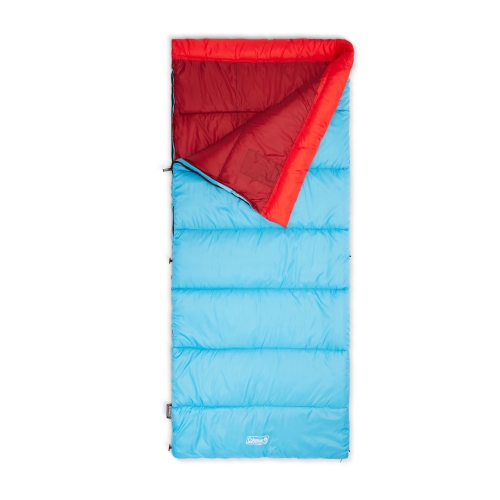 Your price for this item is $134.99
 -
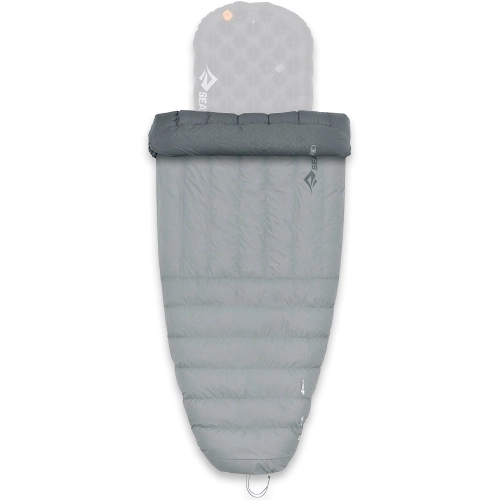 Your price for this item is $378.95
 -
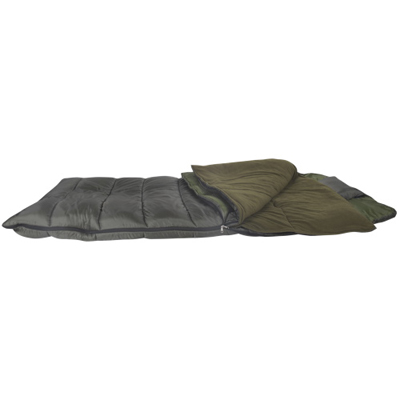 Your price for this item is $219.99
 -
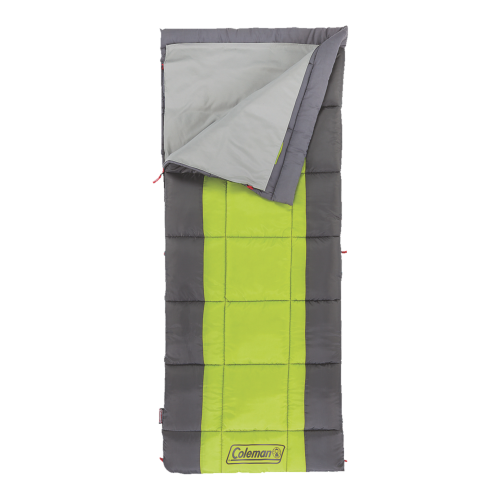 Your price for this item is $90
 -
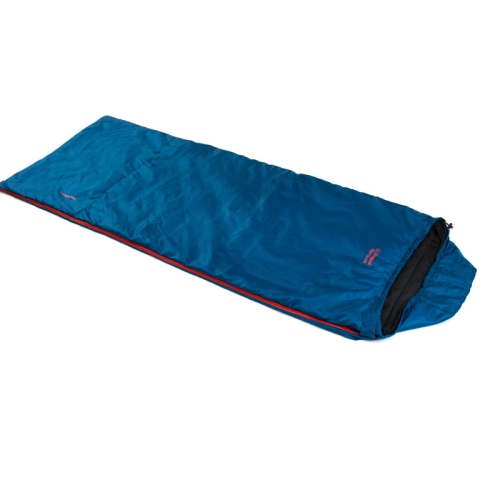 Your price for this item is $124.95
 -
 Your price for this item is $99.95
 -
 Your price for this item is $99.95