Soccer Accessories
Elevate your soccer game with a wide range of top-quality soccer accessories, designed to enhance every aspect of your play. From durable gear that ensures safety on the field to convenient storage solutions for your equipment, find everything you need to stay organized and focused. Whether you’re a seasoned player or just starting out, our collection offers the perfect blend of functionality and style. Discover accessories that cater to all levels of expertise, helping you perform at your best while showcasing your passion for the sport. Dive into a world where performance meets convenience and gear up for success in every match.
Sort

Why fit matters from shin guards to gloves
Soccer accessories include protective gear, carrying bags, ball-care essentials, and training aids that support players before, during, and after a match. From a child’s first organized practice to an adult recreational league, these accessories help keep equipment organized and make familiar routines easier to manage. Protective accessories are especially important in a contact sport with quick changes of direction and frequent challenges for the ball. Shin guards provide coverage over the shin, with designs ranging from lightweight slip-in shells to styles with attached ankle protection. Rigid outer materials help distribute impact, while foam backing provides cushioning against the leg. A suitable fit covers the intended area without digging into the ankle or interfering with knee movement; sizing should follow the manufacturer’s measurements rather than age alone. Long soccer socks cover the guards, while compatible sleeves or straps can help limit shifting during play. Stretch, seam placement, and fabric thickness all affect comfort, particularly when socks need to fit inside closely fitted soccer footwear. Moisture-wicking synthetic blends are common, and reinforced heels and toes can help withstand repeated wear. Goalkeeper gloves serve a different role, combining a grippy palm with cushioning for catching and handling the ball. Latex palms can offer a soft, responsive feel, though their durability depends on the surface, frequency of use, and care. A glove that is too tight may restrict finger movement, while an overly loose fit can make handling feel less precise. Wrist closures should feel secure without pinching, and finger-protection features vary between designs. For younger players, accessories that are easy to put on independently can make the transition from the sideline to the pitch less hectic. Comfort matters throughout a session: a sock seam pressing against the toes or a guard slipping towards the ankle can become a persistent distraction. League requirements, body measurements, and the player’s position all help shape which protective accessories make sense.
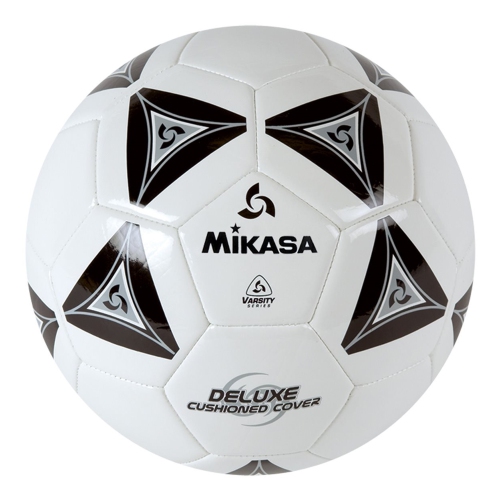
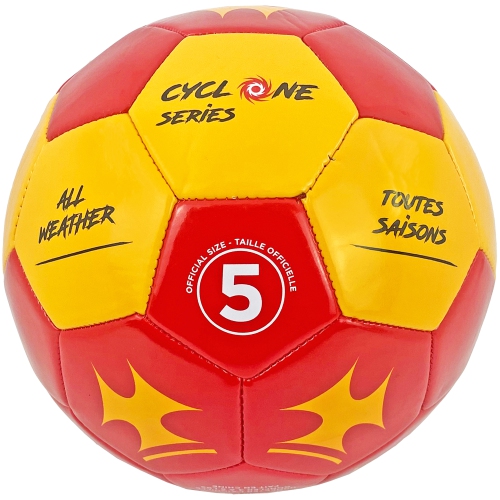
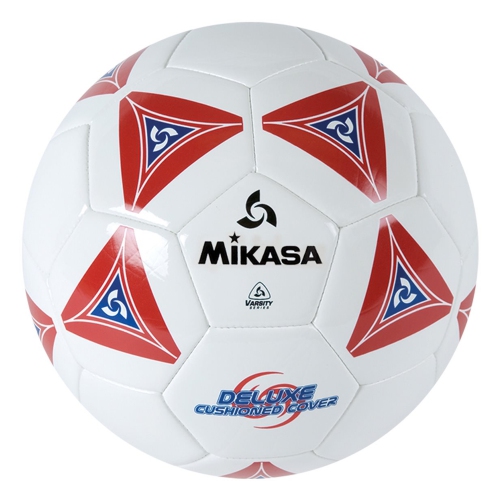
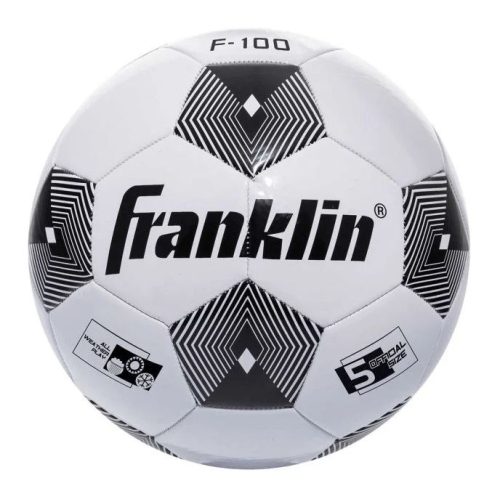
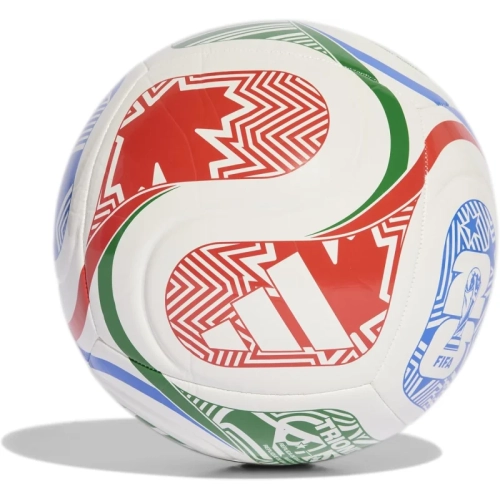
Carrying and maintenance accessories handle the practical side of soccer: getting everything to the field, keeping it together, and preparing it for the next session. A soccer bag with separate sections can keep footwear away from clean clothing and give smaller essentials a consistent place to live. Dedicated ball storage frees up room in the main compartment, while an accessible bottle pocket makes it easier to reach a drink during a break. Capacity matters as much as the number of pockets. A younger player carrying their own kit may be more comfortable with a compact backpack than a large duffel, whereas a coach transporting equipment for a group may need a wider opening and more substantial handles. Padded straps, reinforced stitching, and durable zipper construction become useful details when a bag regularly travels between home, school, and the pitch. Polyester and nylon are common bag materials because they can combine relatively low weight with resistance to everyday abrasion. Ventilated compartments help air circulate, but damp clothing and footwear still need to be removed after use rather than left zipped away. Ball-care accessories are equally practical. A compatible pump and inflation needle help maintain the pressure specified on the ball; excess pressure can make the ball feel unusually hard, while insufficient pressure changes its response and shape during play. Ball size should match the player’s age group and competition rules, with size 3 commonly used for younger children, size 4 for many youth groups, and size 5 for older youth and adults. Surface suitability also matters, since indoor and outdoor play can call for different ball construction. Routine care helps accessories last: loose dirt can often be brushed away, washable textiles should be cleaned according to their labels, and protective shells should be checked for cracks or damaged straps. Goalkeeper glove palms need care suited to their material, while socks and sleeves benefit from attention to their washing instructions. These small habits help preserve fit, grip, and structure through repeated use.
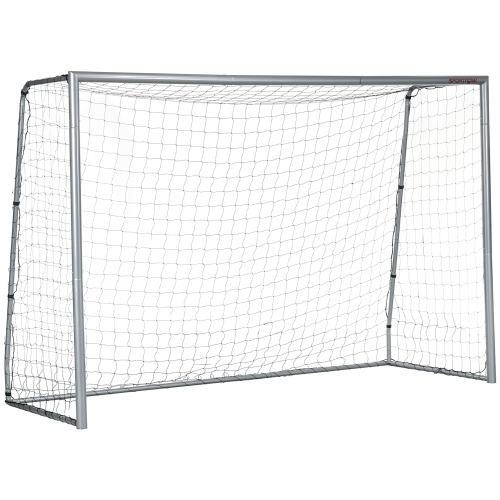
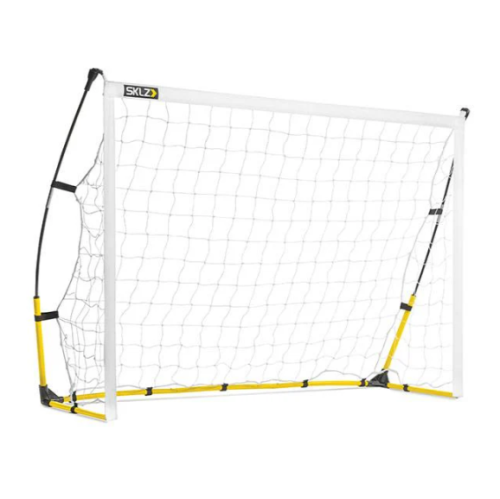
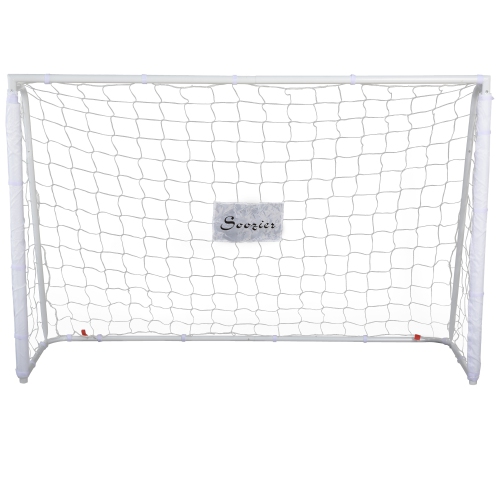
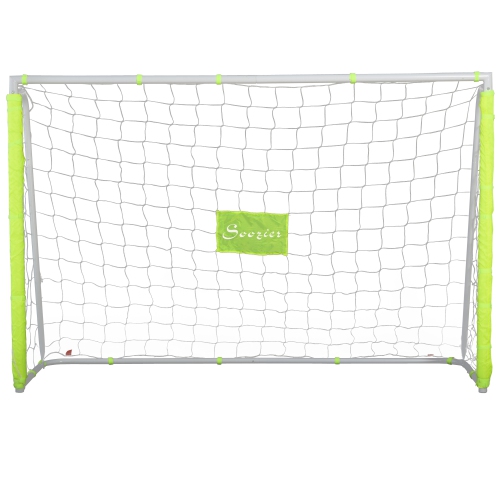
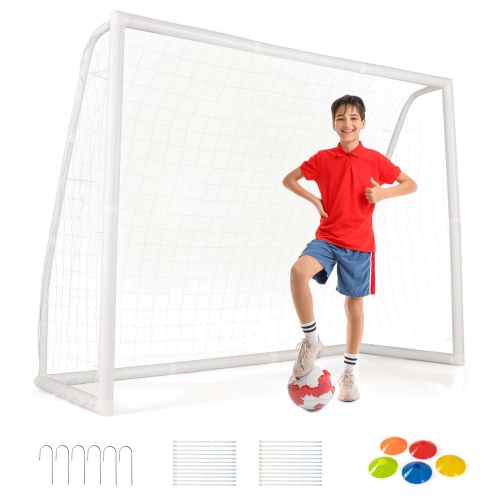
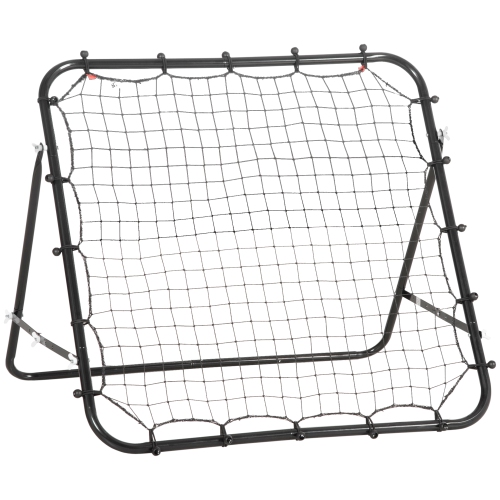
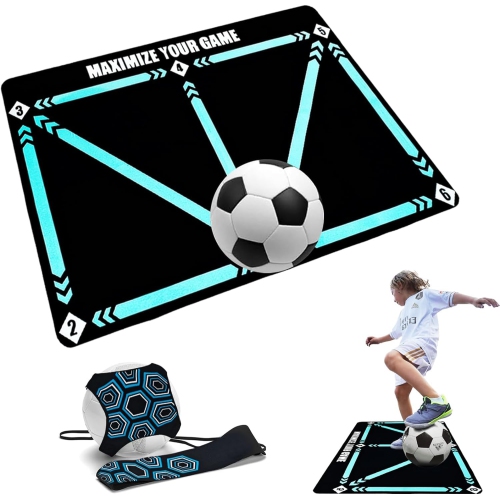
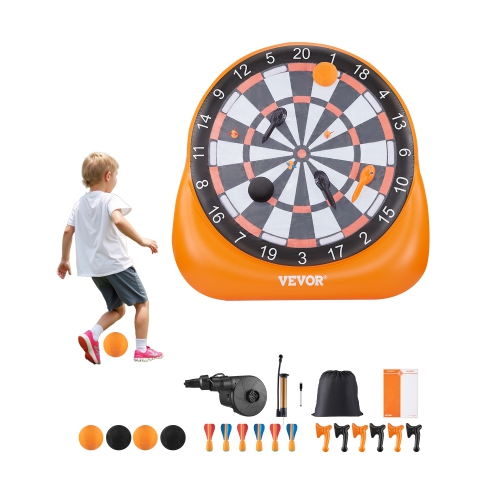
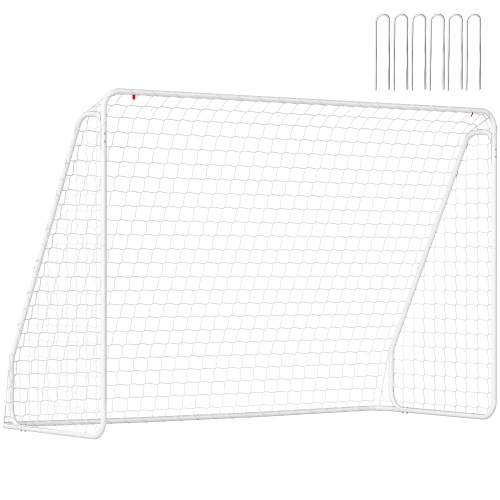
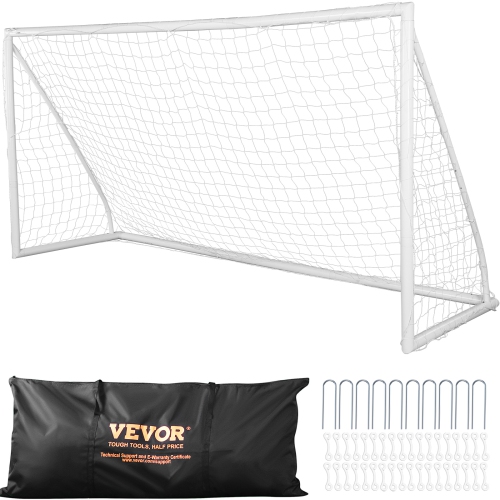
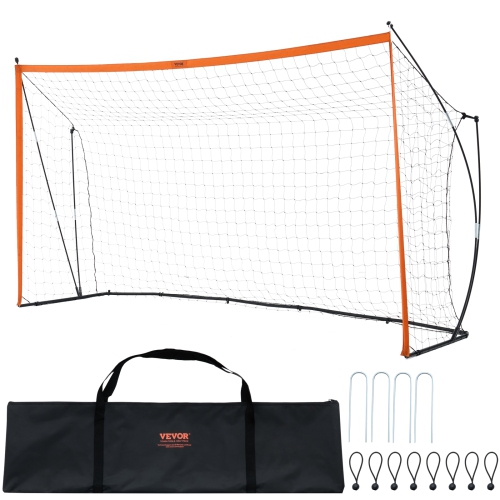
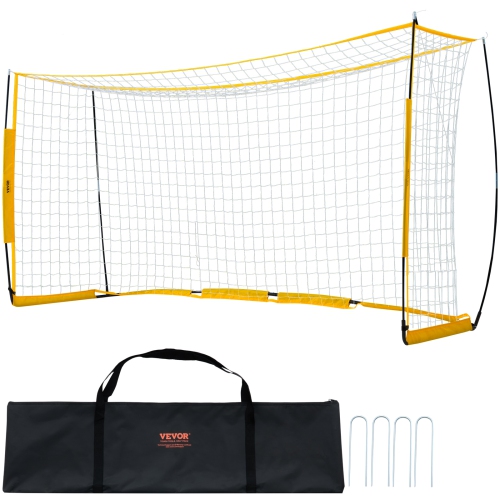
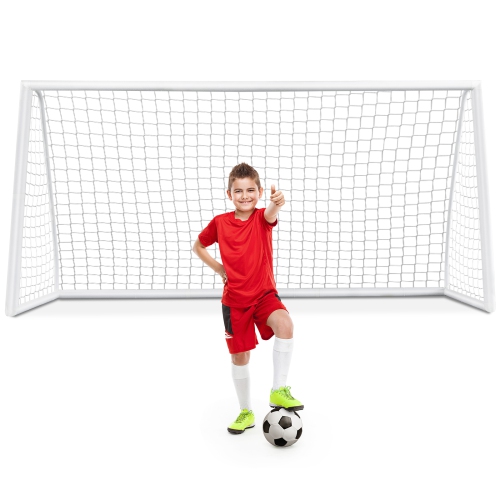
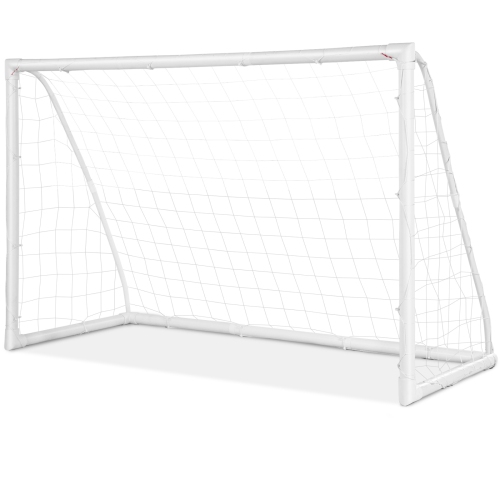
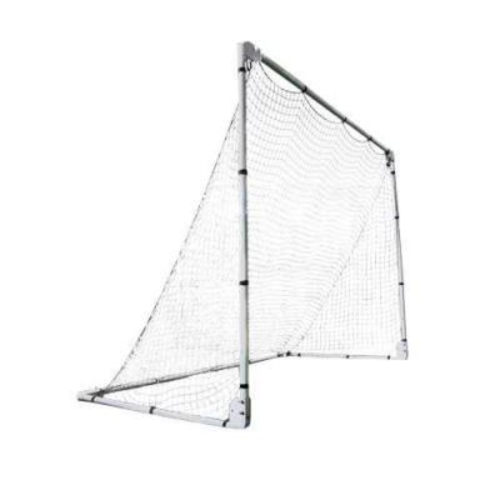
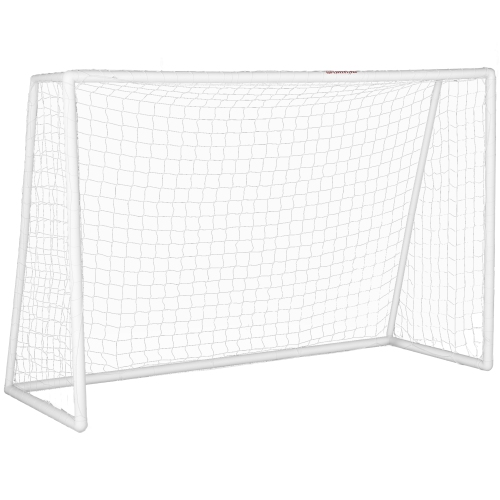
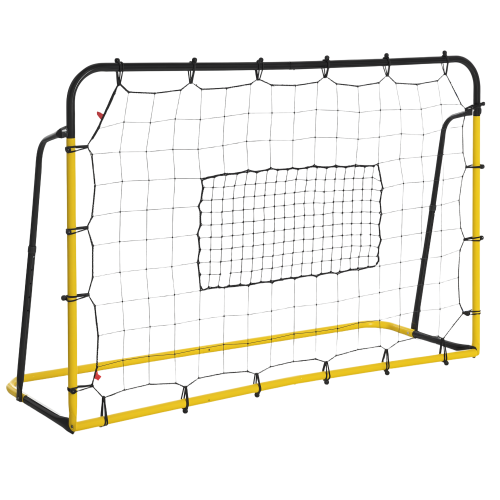
Practice accessories give players and coaches ways to organize purposeful repetition, whether the space is a shared field, a club facility, or an indoor court. Cones and flat markers define passing lanes, dribbling routes, and small-sided playing areas without requiring permanent lines. Their shape and material affect how they behave underfoot: low-profile, flexible markers can suit close-control exercises, while taller cones provide a more visible reference for weaving drills. Agility ladders create a layout for foot-placement patterns, though quick feet in a ladder are only one part of the movement skills used in a match. Rebounders return the ball for repeated touches, helping a player practise receiving, passing, and adjusting body position between contacts. Return angle, net tension, frame stability, and the available space all influence the experience. A firm pass into a rebounder can come back quickly, so its placement needs to allow a clear playing area and a safe distance from other people and fragile objects. Portable goals can support shooting practice and small-sided games, provided they are assembled and secured exactly as directed; goal frames should never be climbed or hung from. For accessories centred on drills and skill development, Soccer Training Equipment brings the practice-focused side of the sport into view. Intended use helps distinguish what is useful for an individual player from what suits a whole team. Someone working on first touch may value a repeatable ball return, while a volunteer coach may place more importance on equipment that packs down neatly and sets up quickly for a group. Durable joints, replaceable components where offered, and straightforward storage can matter more over time than a complicated design. Soccer accessories can also make thoughtful gifts for players, goalkeepers, or coaches when they suit an established routine. Size-dependent gear calls for accurate measurements, while carrying and organization accessories depend more on how much equipment the recipient brings along. The most useful choice fits the way someone actually plays, practises, and looks after their kit.
Carrying and maintenance accessories handle the practical side of soccer: getting everything to the field, keeping it together, and preparing it for the next session. A soccer bag with separate sections can keep footwear away from clean clothing and give smaller essentials a consistent place to live. Dedicated ball storage frees up room in the main compartment, while an accessible bottle pocket makes it easier to reach a drink during a break. Capacity matters as much as the number of pockets. A younger player carrying their own kit may be more comfortable with a compact backpack than a large duffel, whereas a coach transporting equipment for a group may need a wider opening and more substantial handles. Padded straps, reinforced stitching, and durable zipper construction become useful details when a bag regularly travels between home, school, and the pitch. Polyester and nylon are common bag materials because they can combine relatively low weight with resistance to everyday abrasion. Ventilated compartments help air circulate, but damp clothing and footwear still need to be removed after use rather than left zipped away. Ball-care accessories are equally practical. A compatible pump and inflation needle help maintain the pressure specified on the ball; excess pressure can make the ball feel unusually hard, while insufficient pressure changes its response and shape during play. Ball size should match the player’s age group and competition rules, with size 3 commonly used for younger children, size 4 for many youth groups, and size 5 for older youth and adults. Surface suitability also matters, since indoor and outdoor play can call for different ball construction. Routine care helps accessories last: loose dirt can often be brushed away, washable textiles should be cleaned according to their labels, and protective shells should be checked for cracks or damaged straps. Goalkeeper glove palms need care suited to their material, while socks and sleeves benefit from attention to their washing instructions. These small habits help preserve fit, grip, and structure through repeated use.
Practice accessories give players and coaches ways to organize purposeful repetition, whether the space is a shared field, a club facility, or an indoor court. Cones and flat markers define passing lanes, dribbling routes, and small-sided playing areas without requiring permanent lines. Their shape and material affect how they behave underfoot: low-profile, flexible markers can suit close-control exercises, while taller cones provide a more visible reference for weaving drills. Agility ladders create a layout for foot-placement patterns, though quick feet in a ladder are only one part of the movement skills used in a match. Rebounders return the ball for repeated touches, helping a player practise receiving, passing, and adjusting body position between contacts. Return angle, net tension, frame stability, and the available space all influence the experience. A firm pass into a rebounder can come back quickly, so its placement needs to allow a clear playing area and a safe distance from other people and fragile objects. Portable goals can support shooting practice and small-sided games, provided they are assembled and secured exactly as directed; goal frames should never be climbed or hung from. For accessories centred on drills and skill development, Soccer Training Equipment brings the practice-focused side of the sport into view. Intended use helps distinguish what is useful for an individual player from what suits a whole team. Someone working on first touch may value a repeatable ball return, while a volunteer coach may place more importance on equipment that packs down neatly and sets up quickly for a group. Durable joints, replaceable components where offered, and straightforward storage can matter more over time than a complicated design. Soccer accessories can also make thoughtful gifts for players, goalkeepers, or coaches when they suit an established routine. Size-dependent gear calls for accurate measurements, while carrying and organization accessories depend more on how much equipment the recipient brings along. The most useful choice fits the way someone actually plays, practises, and looks after their kit.
Top selling and popular products
-
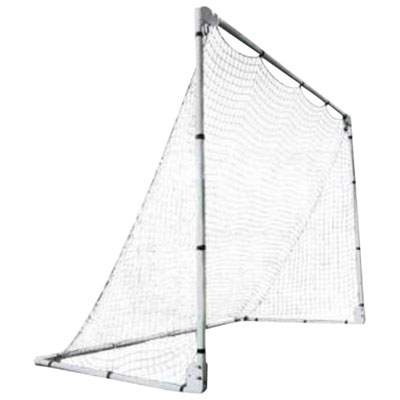 Your price for this item is $199.98
 -
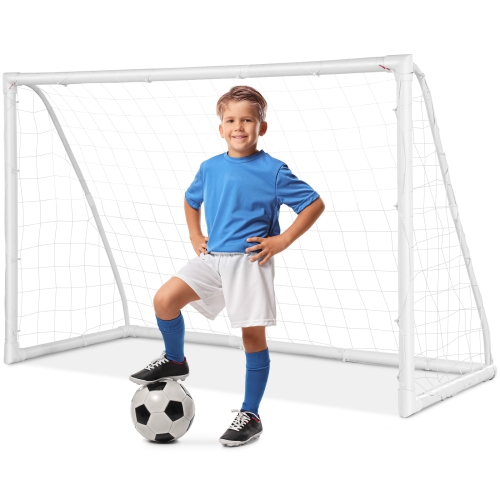 Your price for this item is $78.99
 -
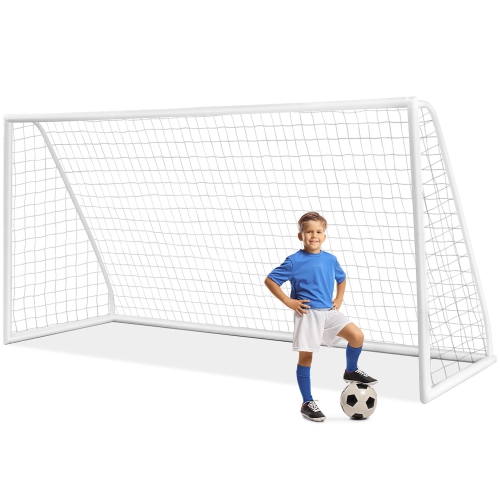 Your price for this item is $129.99
 -
 Your price for this item is $49.99
 -
 Your price for this item is $112.99
 -
 Your price for this item is $64.99
 -
 Your price for this item is $20.07
 -
 Your price for this item is $55.99
Discover more categories related to Soccer Accessories

Top Collections:
Pokemon Centers, Kindle Devices, Best Budget Office Chairs, Apple iPhones 16, Best Laptops for Writers, iPhone 15 Apple, Canon G7X Cameras, Refurbished Apple Laptops, Alarm Clock, Motorola Razr Phones
Some products may be subject to Environmental Handling Fees
(EHF) depending on your province.
Learn more about EHFs.