Sparring Gloves
If you're looking to take your combat training to the next level, look no further than these sparring gloves. Whether you're a seasoned fighter or just starting out, these gloves are designed to provide optimal protection and performance during intense sparring sessions. With a variety of styles and sizes available, finding the perfect pair to suit your needs has never been easier. From durable materials that ensure longevity to advanced padding systems that offer maximum impact absorption, these sparring gloves are crafted with the utmost precision and attention to detail.
Sort
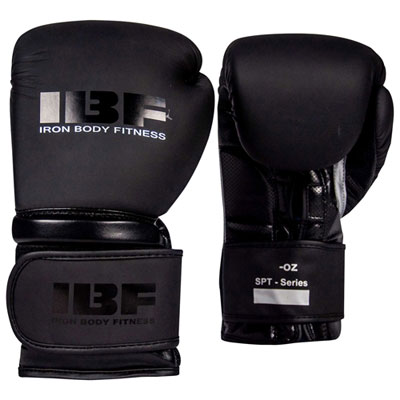
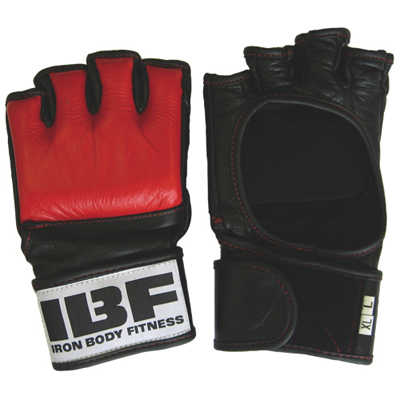
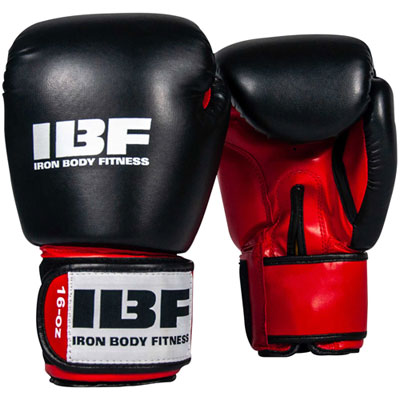
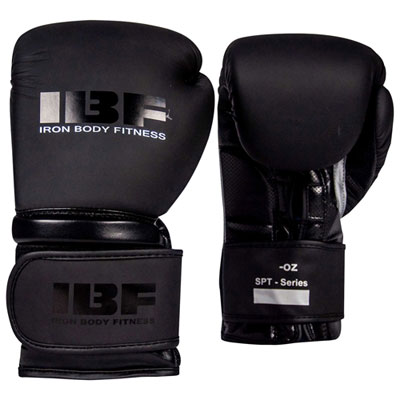


Why padding and fit matter for partner practice
Sparring gloves are designed for controlled partner practice in boxing and other striking sports, with cushioning, hand support, and a padded striking surface suited to contact drills. Unlike gloves intended mainly for heavy bag work, dedicated sparring gloves generally emphasize padding that cushions contact for both the wearer and their training partner. Many designs use layered foam to balance impact absorption with support around the knuckles, although foam construction and firmness vary. Padding should feel evenly distributed, without hard ridges or thin patches over the striking area. No glove makes sparring risk-free: controlled technique, appropriate protective equipment, and a coach’s supervision remain essential. For adult boxing sessions, 16 oz gloves are a common requirement, while some gyms call for 18 oz or another weight based on the athlete’s size, experience, and type of practice. These weights describe the gloves, not the size of the hand compartment, so a heavier glove is not automatically a better fit or a safer choice. The gym’s rules and a coach’s assessment are more useful than choosing by weight alone. Intended use also matters across disciplines. Boxing gloves typically support a closed fist and repeated punching combinations, while some Muay Thai designs allow more flexibility for clinch work and defensive movements. Open-finger mixed martial arts sparring gloves serve a different purpose and should not be treated as interchangeable with full boxing gloves for every partner drill. Beginners moving from pad work into supervised contact, experienced boxers refining timing, and martial artists practising controlled combinations may all need sparring-specific equipment. During a drill built around a jab, a defensive movement, and a measured counter, the right glove should let the wearer close the hand comfortably without shifting at the wrist. A secure fit and suitable cushioning help keep attention on technique rather than on a slipping strap or cramped fingers. For anyone dividing sessions between bag work, pads, and partner practice, the distinction between general training gloves and dedicated sparring gloves is especially important.
Materials and construction influence how sparring gloves feel, how they hold their shape, and how much care they need between sessions. Leather outer shells can be supple and durable with suitable maintenance, while synthetic leather and microfibre constructions offer alternatives with different textures, flexibility, and cleaning requirements. The material name alone does not establish quality; stitching, lining, foam coverage, and closure construction deserve equal attention. Closely finished seams and a smooth exterior are particularly important for partner work, where rough edges or exposed fasteners can scrape skin. Some gloves include mesh panels or perforations to help moisture escape, though these features do not replace drying after use. Inside, a smooth lining should sit comfortably against wrapped hands without bunching at the fingertips. Fit is best assessed with the hand wraps normally worn for training, since wraps take up space and affect how firmly the glove holds the hand. Fingers should settle into the compartment without being painfully curled, and the thumb should rest naturally rather than being pulled outward or compressed against a seam. An attached thumb is common on full boxing gloves and helps limit excessive separation from the fist, but it cannot prevent every thumb injury. A grip bar can provide a reference point for closing the hand, provided it suits the wearer’s finger length and does not force an awkward fist. At the wrist, hook-and-loop closures allow relatively quick adjustment and are practical when gloves need to come off between drills. Lace-up closures can offer an adjustable fit along the wrist, but usually require another person’s help and may need covers or tape under gym rules. Neither closure compensates for poor punching alignment or an unsuitable fit. The wrist should feel supported without numbness, tingling, or excessive pressure. Shoppers comparing equipment for different parts of a session can also explore Boxing Training Gloves, while checking whether each glove is intended for bags, pads, sparring, or a combination of uses. A versatile training designation does not necessarily mean a glove meets a particular gym’s sparring requirements.
Regular care helps sparring gloves stay comfortable and makes changes in their condition easier to spot. After training, wipe the exterior with a soft cloth according to the manufacturer’s directions, open the wrist closures, and allow the lining to dry fully in a well-ventilated space. Leaving damp gloves zipped inside a gym bag encourages persistent odour and can shorten the useful life of the lining. Wash hand wraps regularly and let them dry before the next session; clean wraps help keep perspiration and residue from building up inside the gloves. Avoid soaking, machine washing, or using direct heat unless the care instructions explicitly permit it, as these methods can damage the shell, adhesives, or padding. Leather may require a suitable care treatment, while synthetic surfaces often need a different approach, so cleaning products should match the material. Before partner practice, check for loose stitching, cracked surfaces, exposed hook-and-loop edges, and foam that feels flattened, lumpy, or noticeably firmer in one area. A glove can still look presentable while its cushioning has deteriorated. Frequent heavy bag use can compact padding, which is one reason many athletes keep a separate pair for sparring. Replacement should depend on condition and training demands rather than a fixed calendar: several hard sessions each week place different demands on gloves than occasional controlled drills. A coach can help assess whether worn gloves remain appropriate for contact work. For a gift, sparring gloves make the most sense for someone already participating in supervised boxing or martial arts training, with their preferred fit, required weight, and gym rules confirmed beforehand. Youth participants need sizing and equipment approved for their programme rather than an adult glove chosen simply because it has more padding. Colour and styling can reflect personal taste, but comfort, smooth construction, and suitability for partner practice should lead the choice. Well-chosen sparring gloves belong within a broader training routine that includes wraps, any required mouthguard and protective gear, clear communication with a partner, and controlled contact throughout each round.
Top selling and popular products
-
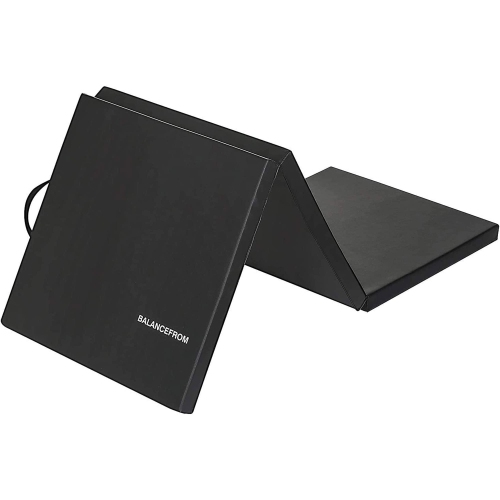 Your price for this item is $75.99
-
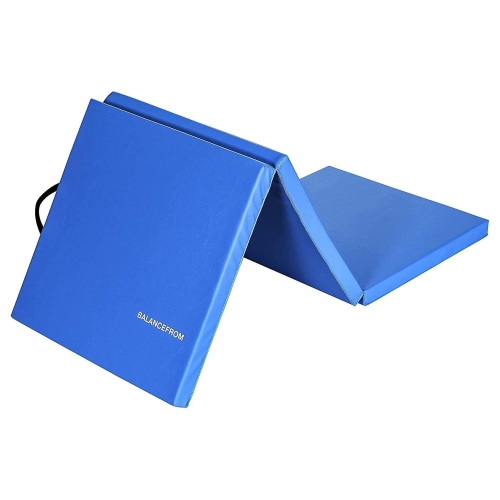 Your price for this item is $84.99
-
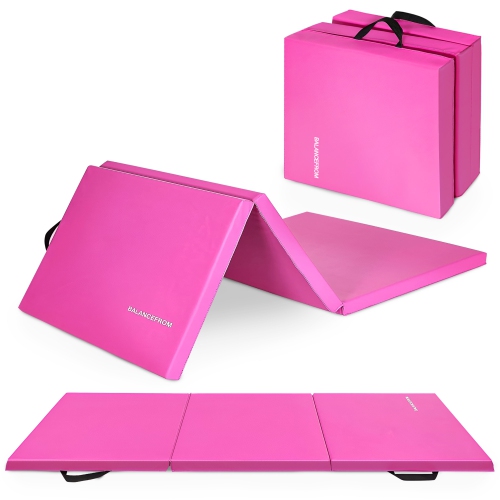 Your price for this item is $79.99
-
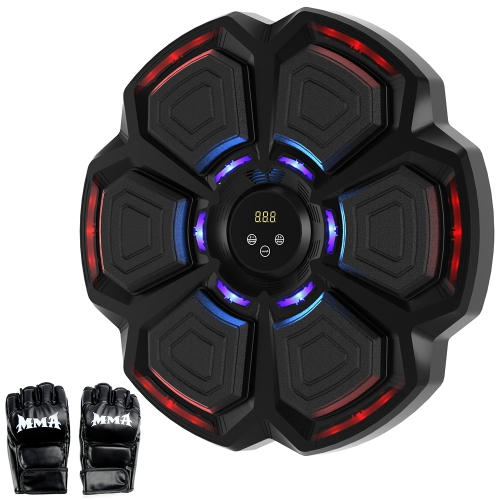 Your price for this item is $49.97
-
 Your price for this item is $97.99
-
 Your price for this item is $139.99
-
 Your price for this item is $99.97
-
 Your price for this item is $99.99
Discover more categories related to Sparring Gloves
Top Collections:
Pokemon Centers, Kindle Devices, Best Budget Office Chairs, Canon G7X Cameras, Apple iPhones 16, Samsung Galaxy Phones, Refurbished Apple Laptops, Laptops for Students, iPhone 15 Apple, Budget Smartphones
Some products may be subject to Environmental Handling Fees
(EHF) depending on your province.
Learn more about EHFs.