Speed Bag Stands
Looking to enhance your boxing or martial arts training at home? Explore our selection of speed bag stands designed to help you improve your speed, accuracy, and hand-eye coordination. Whether you are a beginner looking to add a new element to your workout routine or a seasoned athlete wanting to take your skills to the next level, these sturdy and adjustable stands provide the perfect platform for practicing your punches and honing your techniques. Upgrade your home gym setup with a quality speed bag stand that offers durability, stability, and versatility for an effective and challenging workout session every time.
Sort
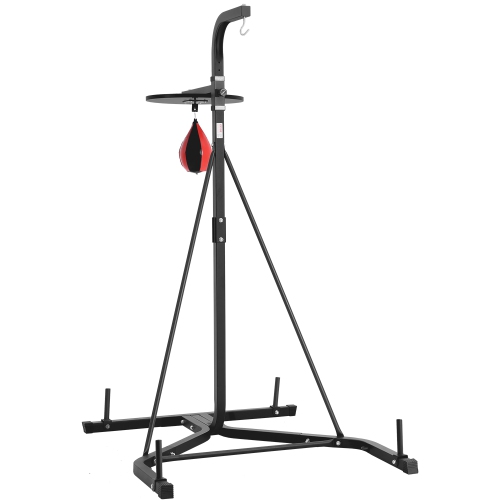
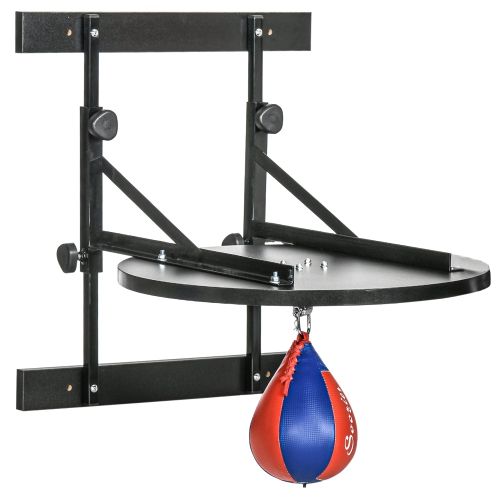
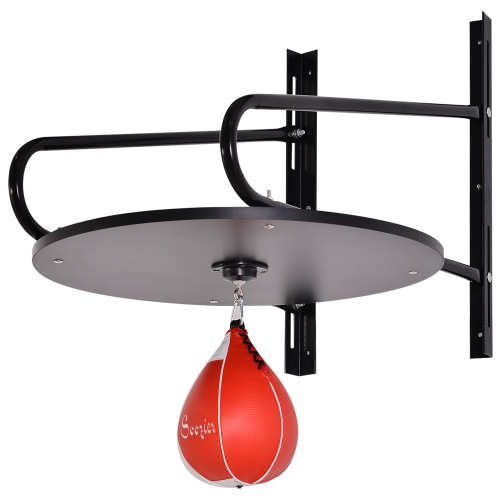
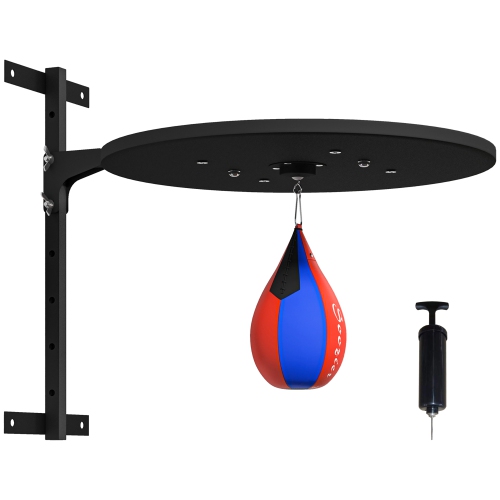
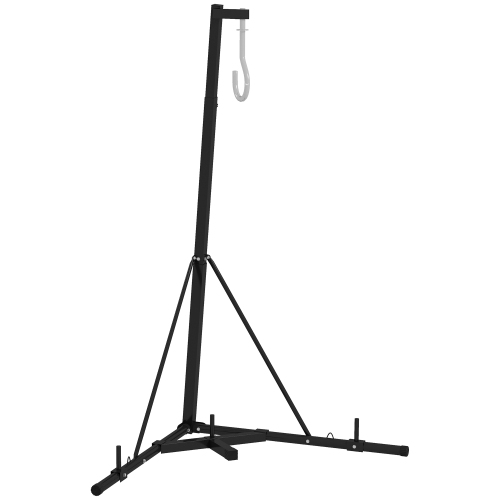
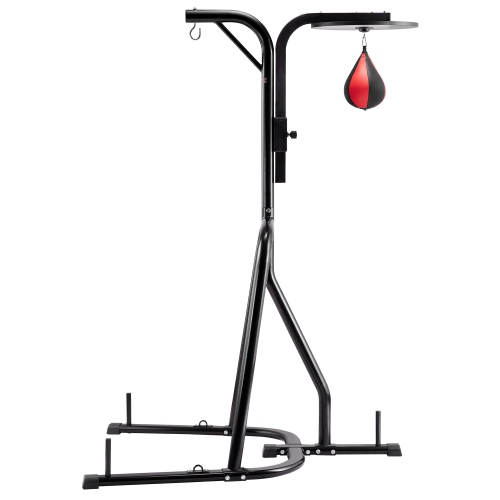
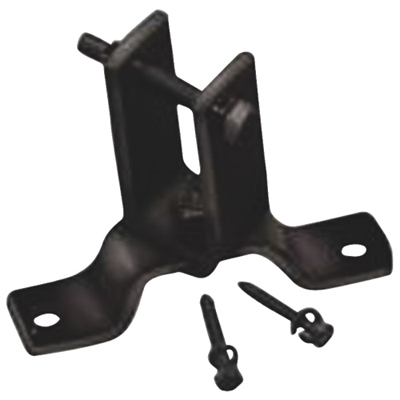
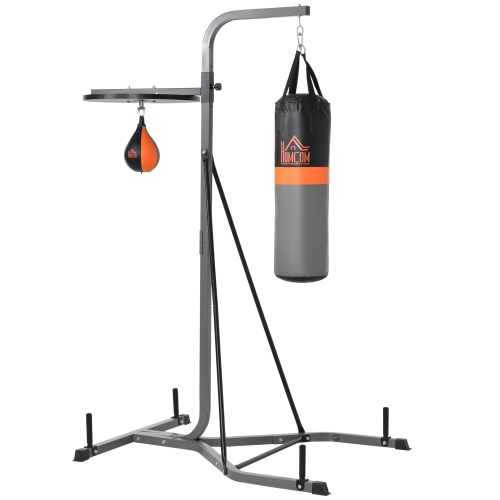


Stable support sets the rhythm for boxing drills
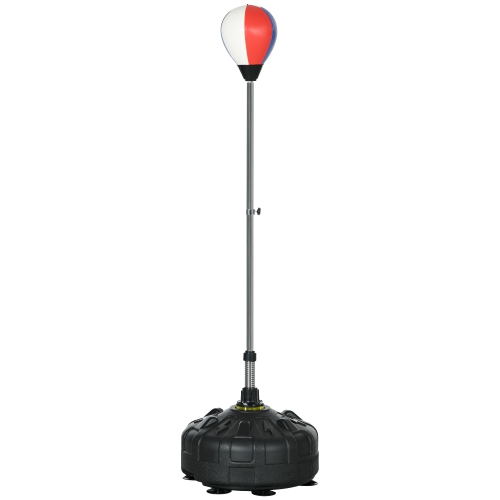
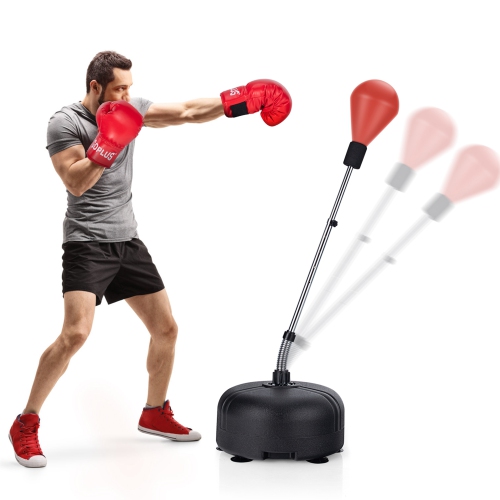
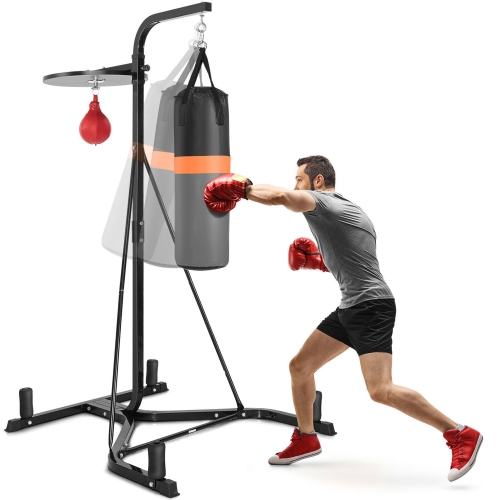
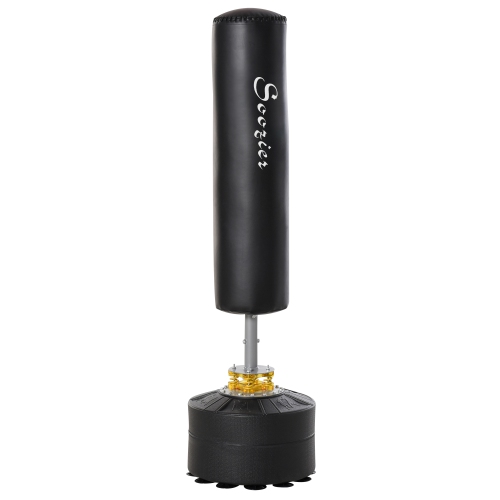
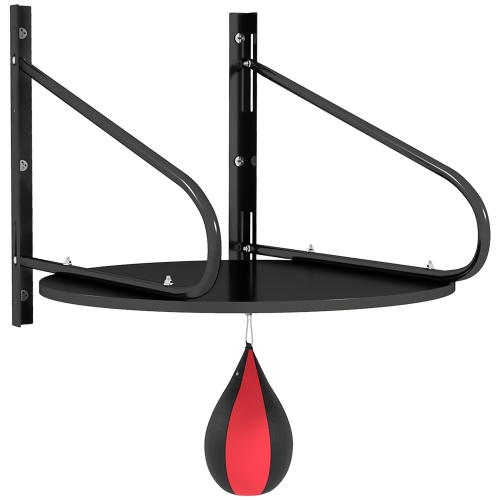
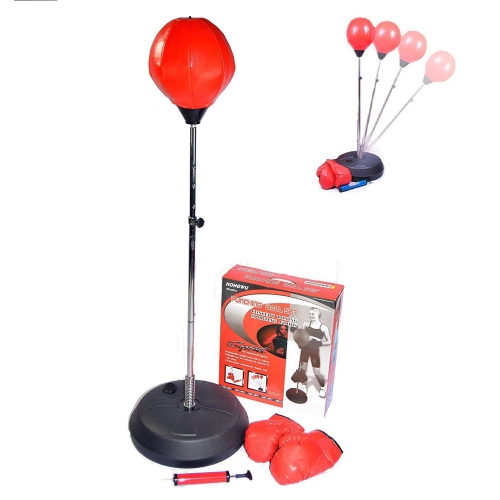
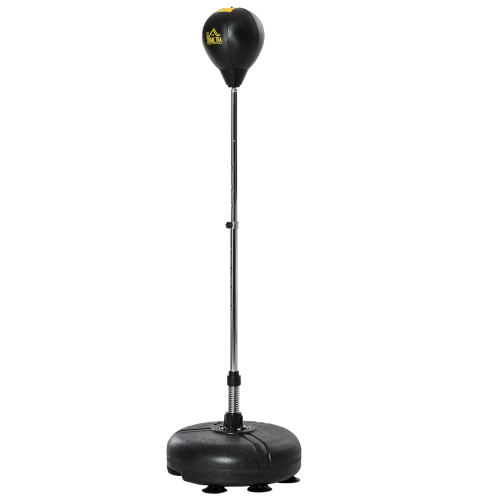
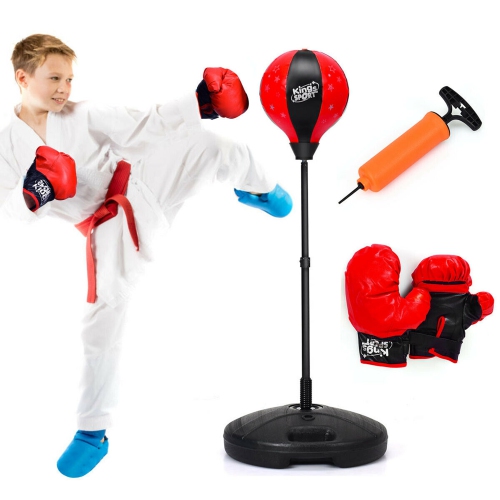
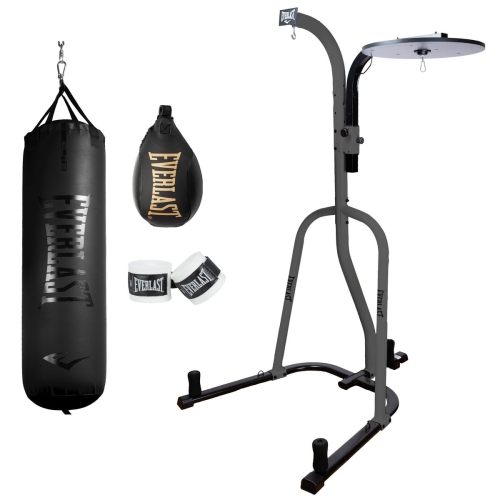
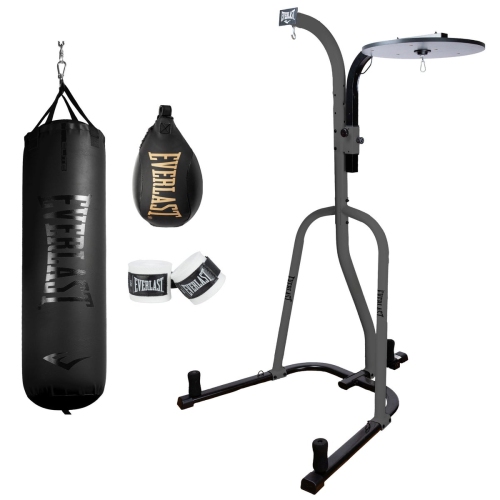
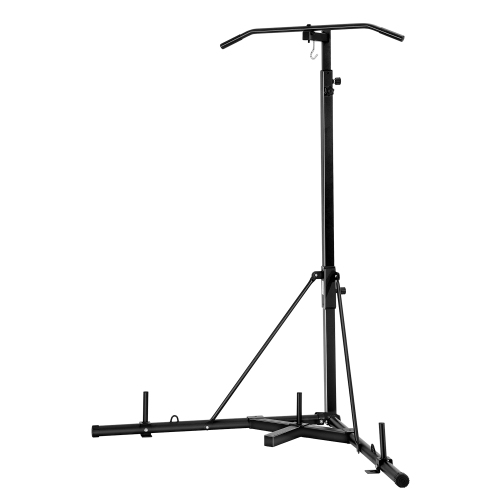
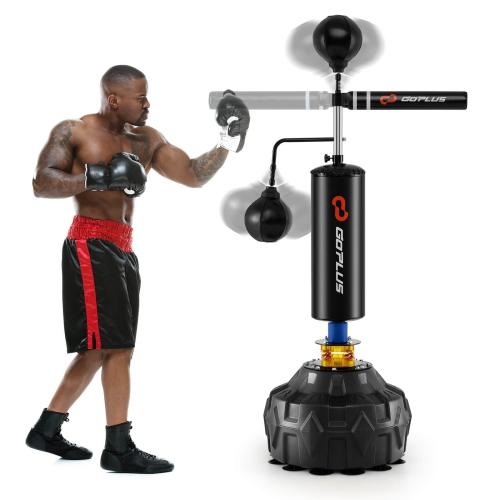
Speed bag stands support a rebound platform and swivel, giving a speed bag a stable place to move through the quick, repeating rhythm used in boxing training. Unlike a heavy bag stand, which supports a larger hanging bag for forceful punches, a speed bag setup is built around controlled contact, consistent rebounds, and an accessible striking height. These supports suit home gyms, dedicated training rooms, and shared workout spaces where hand-eye coordination, timing, and shoulder endurance are part of the routine. The main formats include freestanding speed bag stands, combination stations with separate positions for a heavy bag and speed bag, and wall-mounted platforms that keep the floor beneath the bag relatively open. A freestanding design avoids attaching the platform to a wall, though its legs and any required ballast need a generous, level footprint. A wall-mounted platform uses less floor space but requires a suitable supporting structure and installation that follows the manufacturer’s directions. Foldable wall platforms can help make a multipurpose room easier to use between workouts, provided there is enough clearance for the folding mechanism and the platform locks securely into its working position. Combination stations bring two types of bag training into one area, but the space needed includes more than the frame itself: a heavy bag needs room to swing, while speed bag practice needs clear space in front of the platform for a comfortable stance. For a broader view of support styles, Boxing Stands includes the wider category of frames used for bag workouts. The practical difference comes down to the type of training each structure supports. Someone adding short rhythm drills beside a weight bench may prefer a dedicated speed bag platform, while a boxer alternating timed rounds between striking power and faster hand work may find a combination station more useful. Neither arrangement removes the need to match the support to the bag and the room.
Materials and construction influence how a speed bag stand feels during use. Steel frames are common, with bracing, secure joints, and a well-supported platform helping limit unwanted movement. A frame that flexes noticeably can make the bag’s rhythm harder to follow, particularly as punching speed increases. The rebound board is often made from wood or a wood-based material; its thickness, rigidity, smooth underside, and attachment to the frame all contribute to a consistent striking surface. Platform diameter matters as well, because the bag needs enough board area to rebound without catching an edge. A larger platform is not automatically the better fit for every room, and the platform and bag should be compatible with one another. The swivel also affects movement, so its mounting pattern, attachment style, and suitability for the bag deserve attention alongside the stand itself. A stand, platform, swivel, and speed bag may be supplied separately, making the included components an important part of understanding a setup. Height adjustment is especially useful when people of different heights share the equipment. For many users, a comfortable starting position places the fullest part of the bag around mouth level, allowing relaxed shoulders and controlled arm movement rather than an awkward upward reach. The adjustment range needs to work within the room’s ceiling height, with clearance above the platform where required by the design. Secure locking pins or adjustment knobs should hold the chosen position without slipping during use. Stability also depends on the floor and the way the frame is supported. Some freestanding stands require weight plates or other specified ballast, and those requirements should be followed rather than replaced with improvised objects. A protective floor mat may help protect the surface beneath a frame, but it cannot correct an uneven floor or make an unsuitable mounting arrangement safe. In a spare room with wood flooring, frame contact points, vibration, and sound transfer may matter just as much as the dimensions shown for the assembled stand.
Intended use helps distinguish a practical speed bag stand from one that simply fits into an empty corner. A beginner practising a few minutes at a time benefits from a stable platform that makes a steady rebound easier to hear and follow. More experienced users working through longer rounds may place greater importance on frame rigidity, convenient height changes, and access around the platform. Speed bag work emphasizes rhythm rather than maximum punching force, and a suitable support allows light, repeated strikes without encouraging the user to chase a shifting target. For a shared home gym, accessible adjustment controls make transitions easier, but changes should always be completed with the equipment stopped and the platform secured before training resumes. Noise is another everyday consideration: the bag repeatedly contacts the board, and that tapping can travel through a wall or floor. A garage or dedicated workout room may offer more separation from quiet living areas than a wall shared with a bedroom. During the cooler months, an indoor setup can keep a familiar training routine close at hand, provided the space is dry and comfortable enough for movement. Regular care is straightforward but important. Wiping the frame and platform with a soft cloth, drying off moisture, and keeping adjustment tracks free of dust help maintain usable surfaces and moving parts. Hardware, mounting points, welds, and the swivel should be checked for looseness, wear, or damage according to the manufacturer’s maintenance instructions. Lubrication is appropriate only where specified, since swivel designs differ. Persistent wobbling, new rattling, or movement at a wall attachment calls for stopping use until the cause is addressed. Keeping the area around the base clear also leaves room for foot placement and reduces tripping hazards. As a gift for someone who enjoys boxing or home fitness, a speed bag stand is most useful when their room dimensions, existing bag, preferred mounting style, and installation needs are known. Those details help turn a substantial piece of training equipment into a comfortable, repeatable part of an everyday workout.
Materials and construction influence how a speed bag stand feels during use. Steel frames are common, with bracing, secure joints, and a well-supported platform helping limit unwanted movement. A frame that flexes noticeably can make the bag’s rhythm harder to follow, particularly as punching speed increases. The rebound board is often made from wood or a wood-based material; its thickness, rigidity, smooth underside, and attachment to the frame all contribute to a consistent striking surface. Platform diameter matters as well, because the bag needs enough board area to rebound without catching an edge. A larger platform is not automatically the better fit for every room, and the platform and bag should be compatible with one another. The swivel also affects movement, so its mounting pattern, attachment style, and suitability for the bag deserve attention alongside the stand itself. A stand, platform, swivel, and speed bag may be supplied separately, making the included components an important part of understanding a setup. Height adjustment is especially useful when people of different heights share the equipment. For many users, a comfortable starting position places the fullest part of the bag around mouth level, allowing relaxed shoulders and controlled arm movement rather than an awkward upward reach. The adjustment range needs to work within the room’s ceiling height, with clearance above the platform where required by the design. Secure locking pins or adjustment knobs should hold the chosen position without slipping during use. Stability also depends on the floor and the way the frame is supported. Some freestanding stands require weight plates or other specified ballast, and those requirements should be followed rather than replaced with improvised objects. A protective floor mat may help protect the surface beneath a frame, but it cannot correct an uneven floor or make an unsuitable mounting arrangement safe. In a spare room with wood flooring, frame contact points, vibration, and sound transfer may matter just as much as the dimensions shown for the assembled stand.
Intended use helps distinguish a practical speed bag stand from one that simply fits into an empty corner. A beginner practising a few minutes at a time benefits from a stable platform that makes a steady rebound easier to hear and follow. More experienced users working through longer rounds may place greater importance on frame rigidity, convenient height changes, and access around the platform. Speed bag work emphasizes rhythm rather than maximum punching force, and a suitable support allows light, repeated strikes without encouraging the user to chase a shifting target. For a shared home gym, accessible adjustment controls make transitions easier, but changes should always be completed with the equipment stopped and the platform secured before training resumes. Noise is another everyday consideration: the bag repeatedly contacts the board, and that tapping can travel through a wall or floor. A garage or dedicated workout room may offer more separation from quiet living areas than a wall shared with a bedroom. During the cooler months, an indoor setup can keep a familiar training routine close at hand, provided the space is dry and comfortable enough for movement. Regular care is straightforward but important. Wiping the frame and platform with a soft cloth, drying off moisture, and keeping adjustment tracks free of dust help maintain usable surfaces and moving parts. Hardware, mounting points, welds, and the swivel should be checked for looseness, wear, or damage according to the manufacturer’s maintenance instructions. Lubrication is appropriate only where specified, since swivel designs differ. Persistent wobbling, new rattling, or movement at a wall attachment calls for stopping use until the cause is addressed. Keeping the area around the base clear also leaves room for foot placement and reduces tripping hazards. As a gift for someone who enjoys boxing or home fitness, a speed bag stand is most useful when their room dimensions, existing bag, preferred mounting style, and installation needs are known. Those details help turn a substantial piece of training equipment into a comfortable, repeatable part of an everyday workout.
Top selling and popular products
-
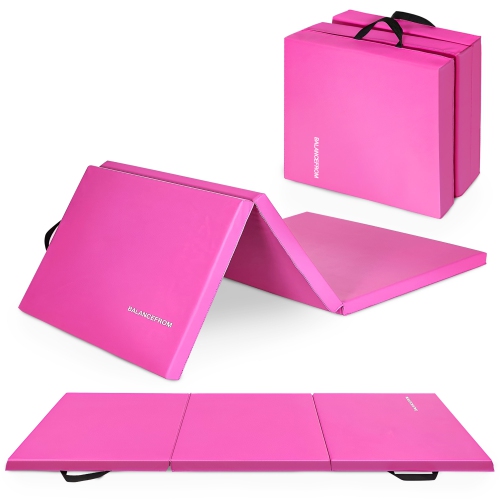 Your price for this item is $79.99
 -
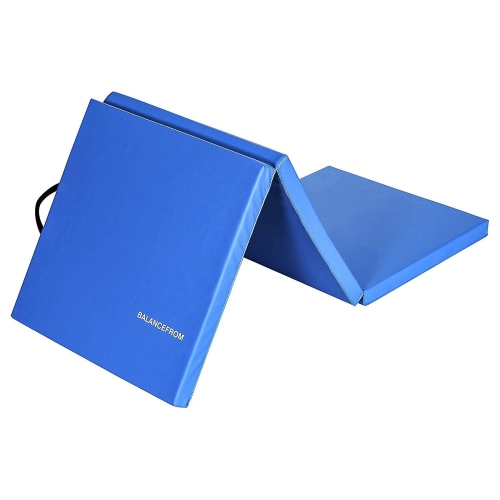 Your price for this item is $79.99
 -
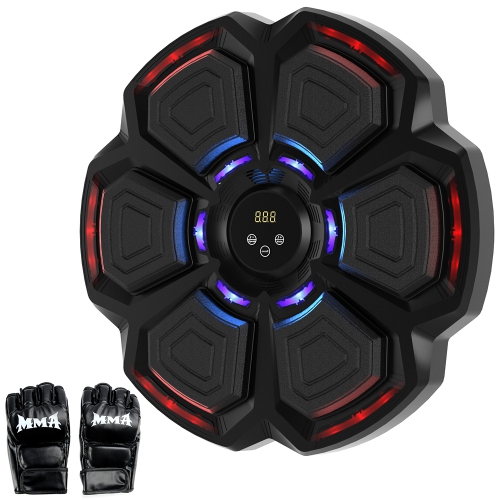 Your price for this item is $49.97
 -
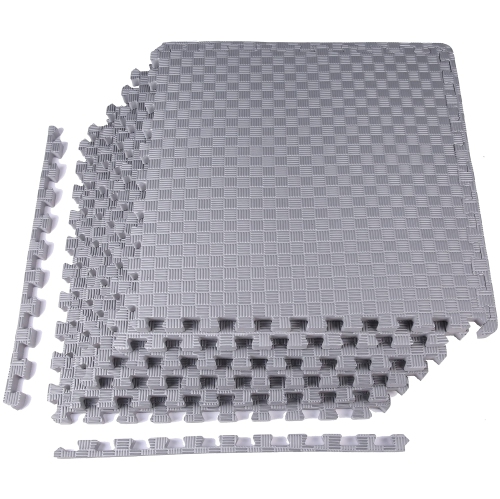 Your price for this item is $113.99
 -
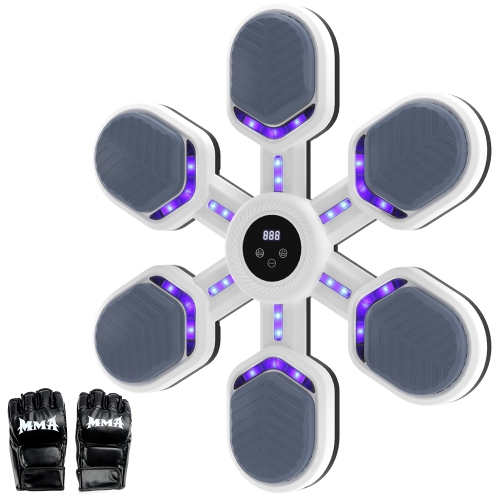 Your price for this item is $89.99
 -
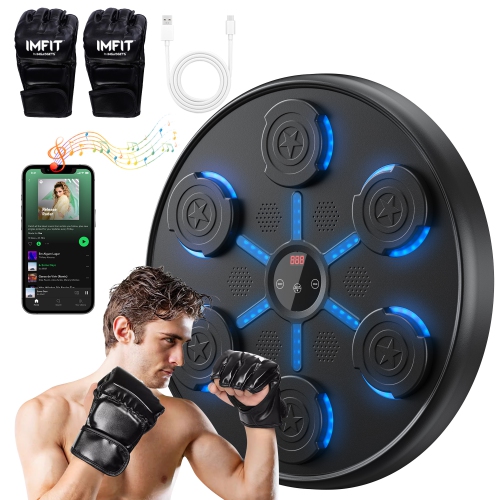 Your price for this item is $99.97
 -
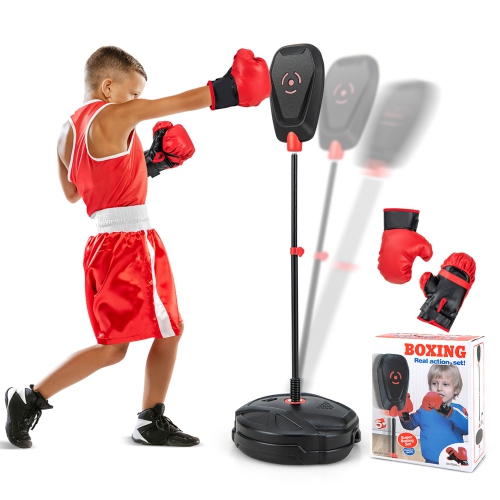 Your price for this item is $55.99
 -
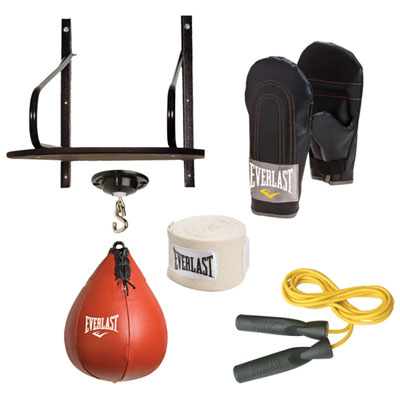 Your price for this item is $119.98
Discover more categories related to Speed Bag Stands
Top Collections:
Pokemon Centers, Kindle Devices, Best Budget Office Chairs, Apple iPhones 16, Best Laptops for Writers, iPhone 15 Apple, Canon G7X Cameras, Refurbished Apple Laptops, Alarm Clock, Motorola Razr Phones
Some products may be subject to Environmental Handling Fees
(EHF) depending on your province.
Learn more about EHFs.