Sports Apparel
Whether you're hitting the gym, going for a run, or just looking to upgrade your athleisure style, our collection of sports apparel has you covered. From moisture-wicking materials to comfortable fits, we offer a wide range of options to suit every workout and lifestyle need. Explore our selection of performance-driven activewear that combines functionality with style, so you can look and feel your best while staying active.
Sort

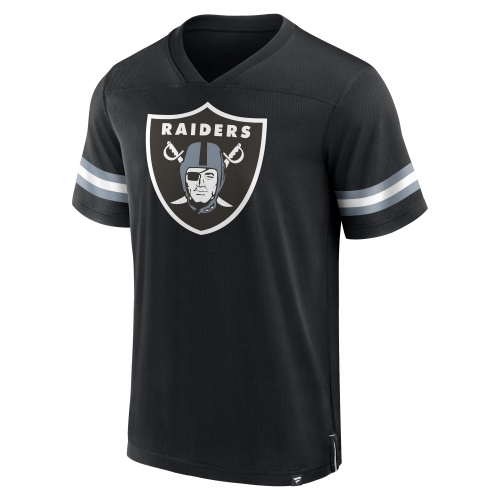

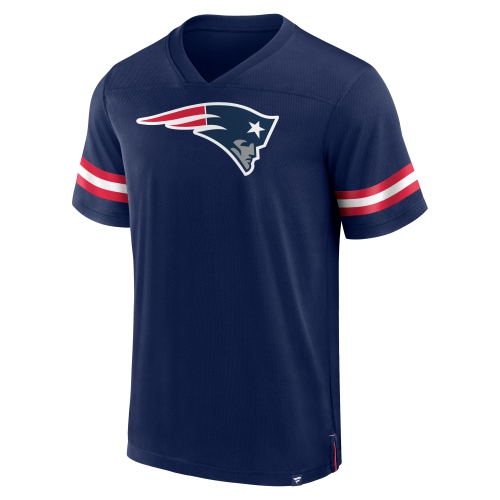


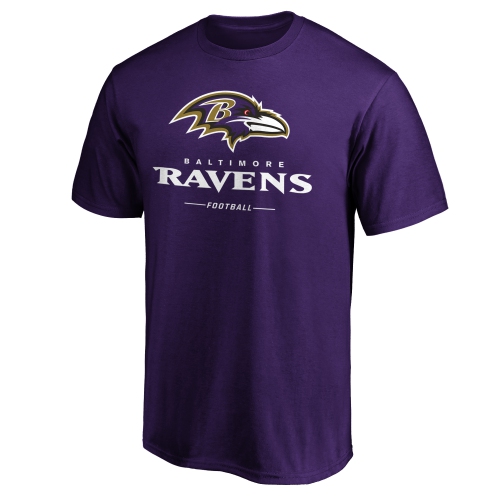


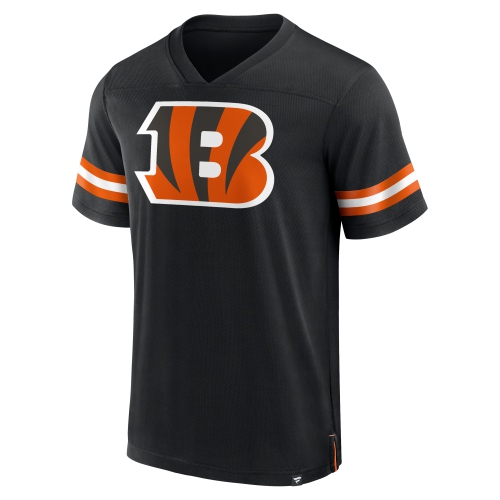
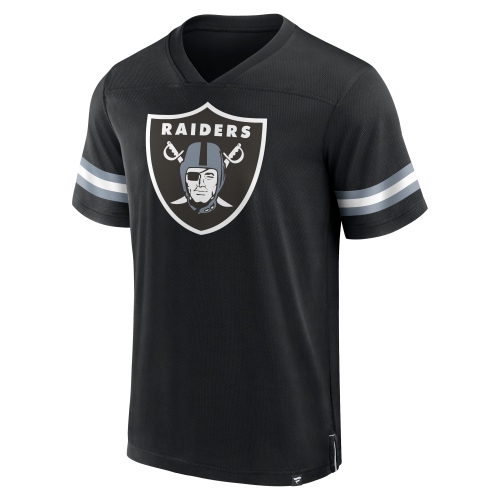

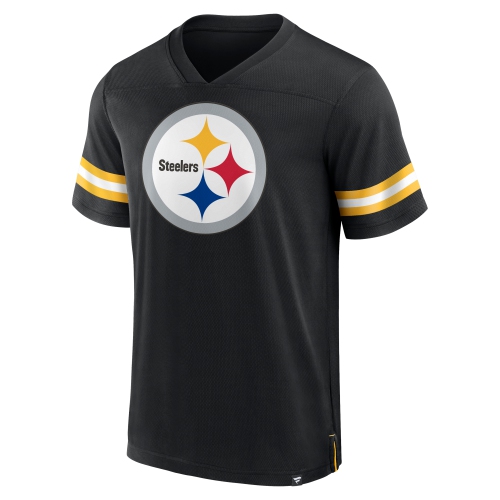


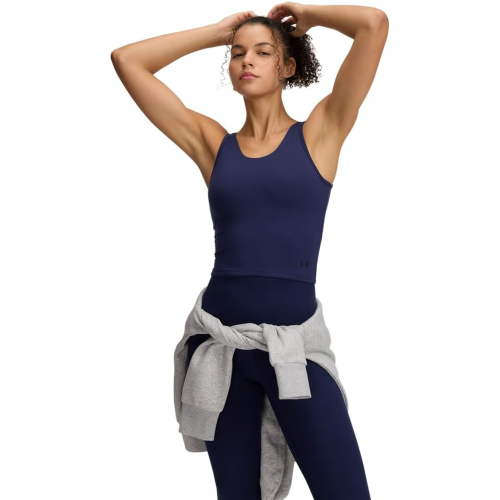
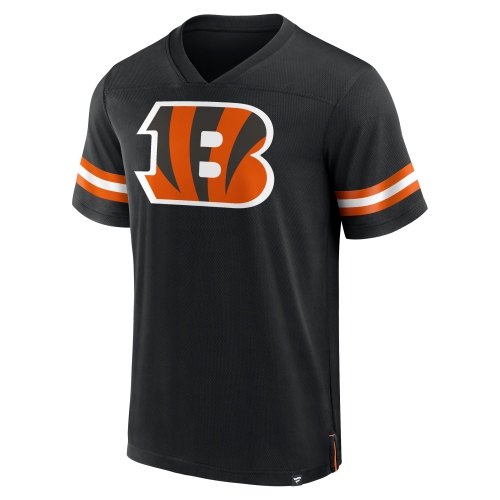




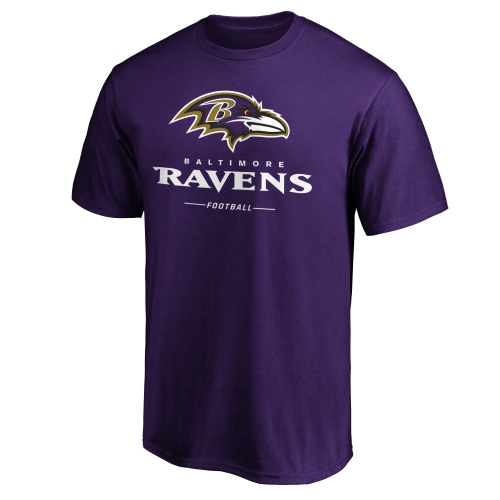
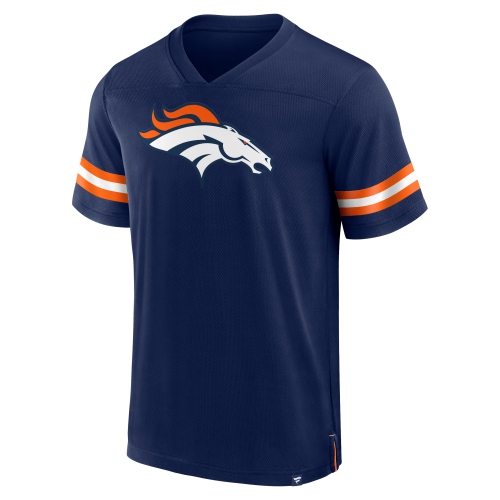
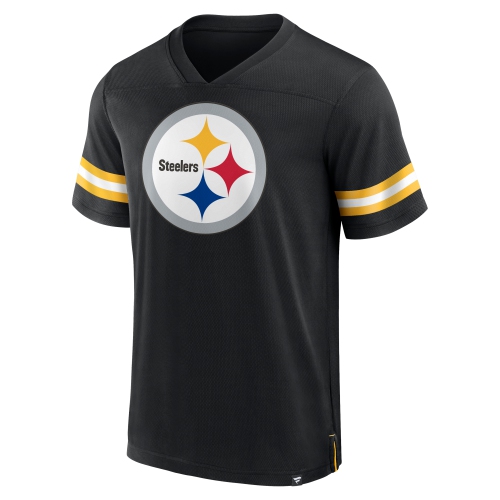
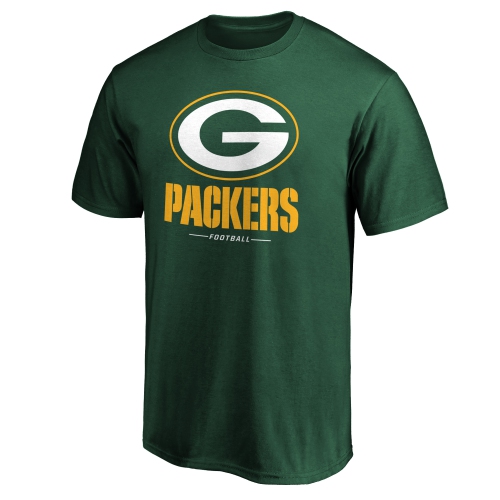


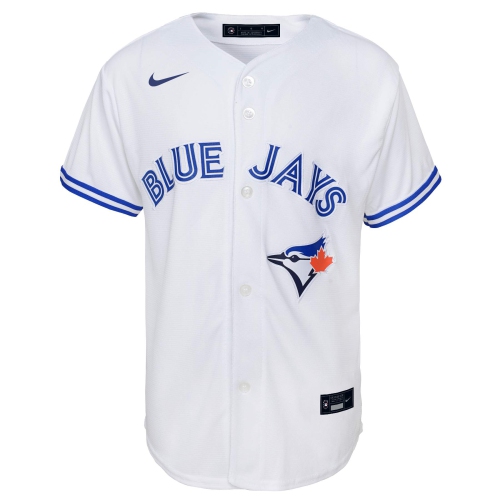
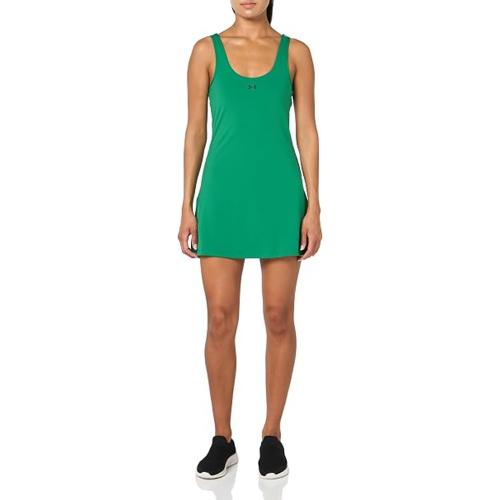

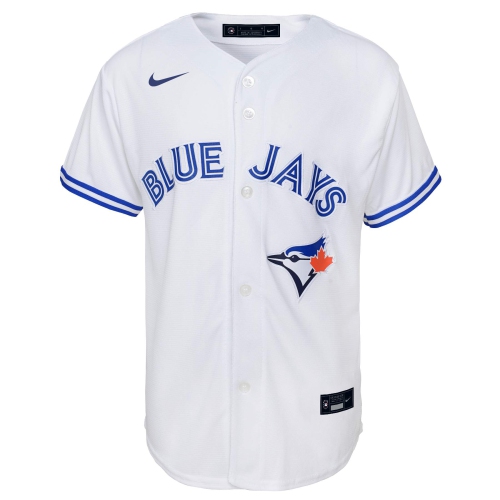
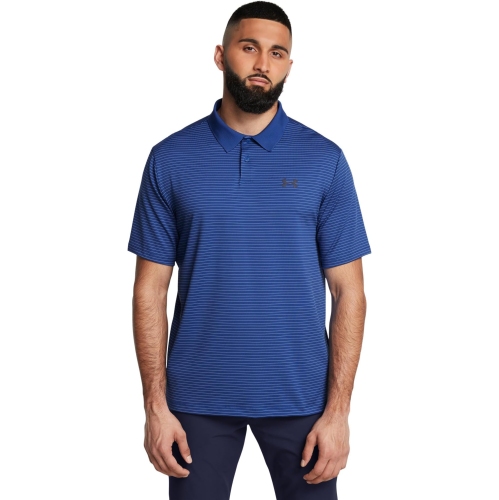



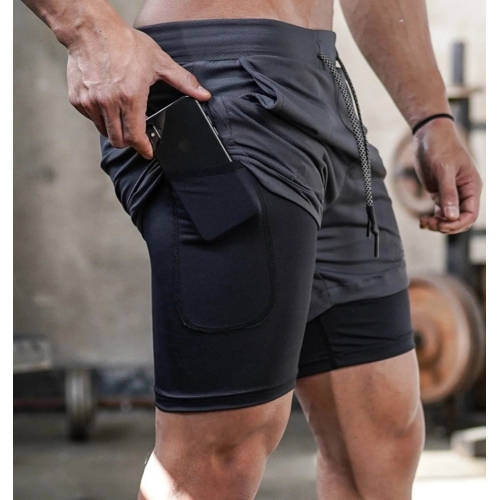
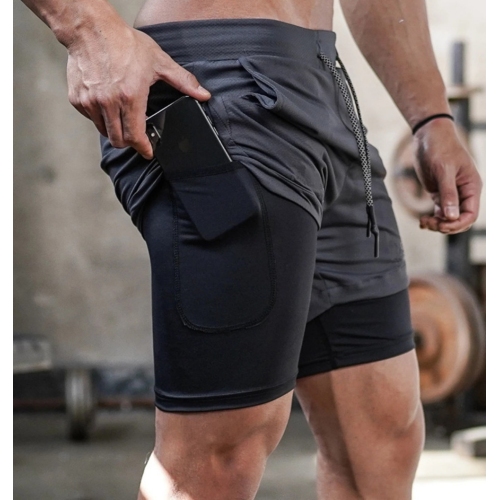
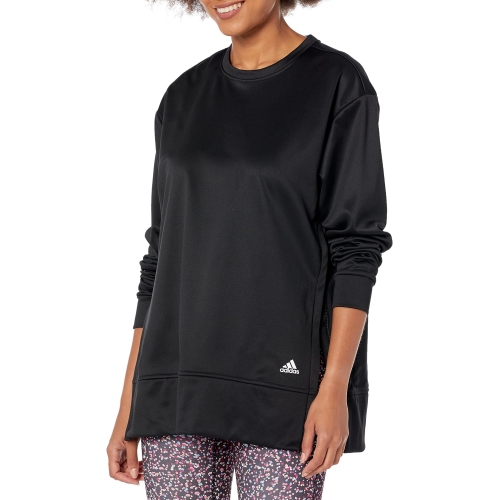


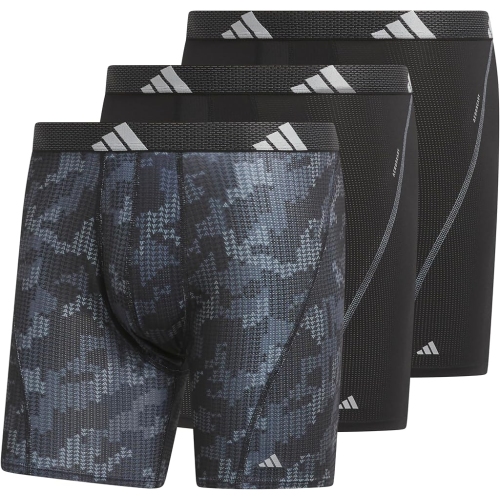













What sets training clothes apart from fan gear
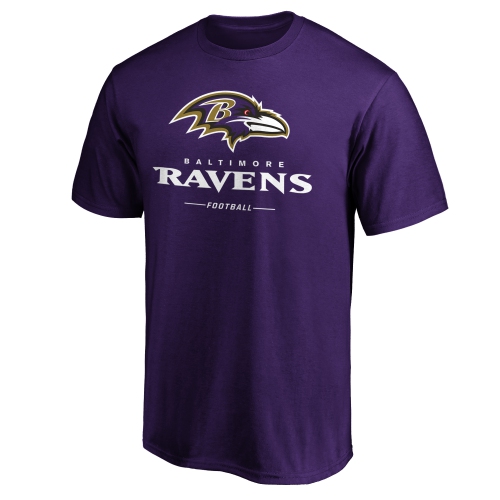
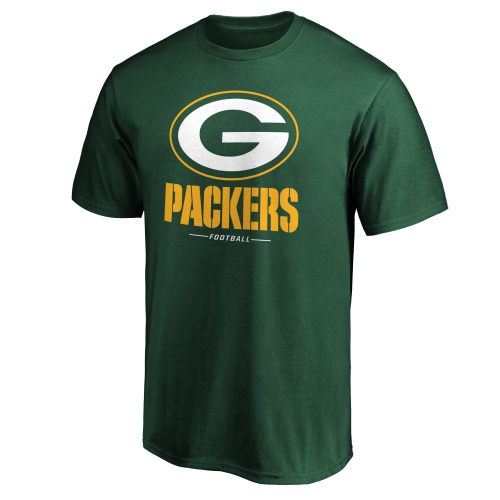
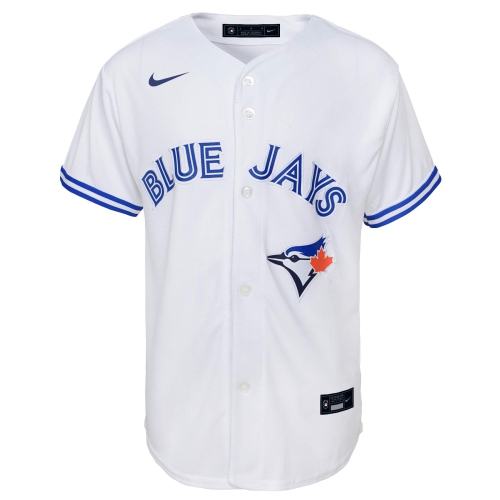
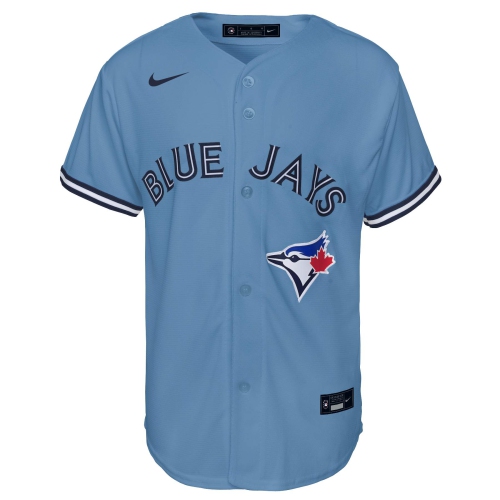
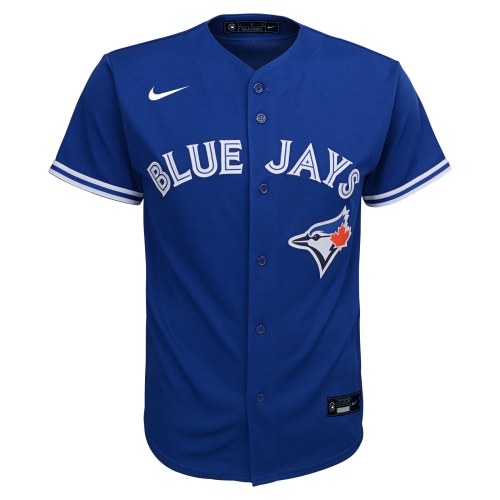
Sports apparel includes performance clothing, activewear, and fan gear worn for exercise, recreation, and supporting a favourite team. Its purpose ranges from allowing unrestricted movement during a workout to providing comfortable everyday clothing that reflects an interest in sport. Performance apparel is designed around the demands of physical activity, with features such as stretch, moisture management, and carefully placed seams. Activewear often combines those practical details with styles that suit the trip to the gym, a walk with friends, or a relaxed day at home. Fan apparel puts team identity at the forefront through colours, crests, and graphics; officially licensed clothing carries authorized team or league branding. These categories can overlap, but the intended use matters more than the label. A loose top that feels comfortable in the stands may behave differently from a close-fitting training layer during repeated overhead movements. For someone lifting weights, bending and reaching without a hem riding up can make a noticeable difference. A runner may prefer clothing that stays in place through a steady stride, while someone attending a studio class might value coverage during stretches and floor exercises. Recreational athletes, regular gym-goers, people returning to an activity, and supporters watching a game all have different reasons to wear sports apparel. Personal style also plays a role: understated colours can blend easily with an everyday wardrobe, while bold team graphics make the connection to a club unmistakable. Clothing worn for organized play may need to meet team requirements for colour, coverage, or fit, whereas individual training usually allows more flexibility. The distinction between training clothing and supporter clothing is useful when matching an outfit to its purpose. A team crest communicates loyalty, but does not by itself indicate technical fabric or a sport-specific construction. Sports apparel earns its place in a wardrobe when its shape, fabric, and details suit the activity rather than simply looking athletic.
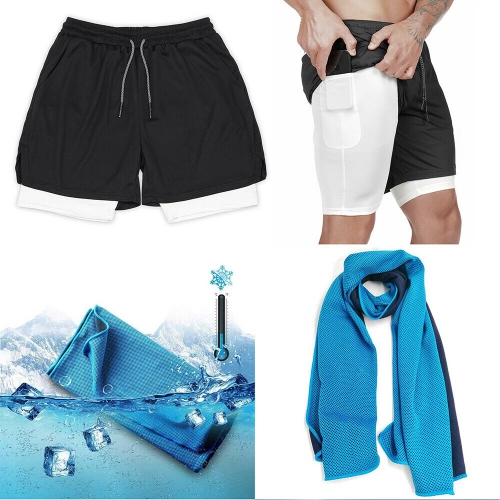
Materials influence how sports apparel feels against the skin, how it handles perspiration, and how well it holds its shape through repeated wear. Polyester and nylon are commonly used in performance fabrics because they can be lightweight, durable, and quicker to dry than cotton, although the weave or knit and any fabric treatments affect the result. Elastane adds stretch, helping clothing move with the body and return towards its original shape. Cotton offers a familiar, soft feel for casual wear and lower-intensity activities, but it absorbs moisture and can remain damp longer after a demanding workout. Blended fabrics balance different qualities, so the fibre composition is only part of the picture. A smooth knit may feel different from a textured fabric with the same fibre content, and mesh panels can allow more airflow in areas where perspiration tends to collect. Fit is equally important. Close-fitting apparel should allow a full range of motion without pinching, while a relaxed cut should leave room to move without excess fabric getting in the way. A comfortable waistband stays secure when sitting, stretching, or changing direction; one that needs constant adjustment can become distracting during activity. Shoulder placement, sleeve shape, and the rise of bottoms all affect how clothing moves. Size charts based on body measurements are more useful than assuming that the same size fits identically across different cuts. For younger wearers, a little room for growth can be practical, provided hems and sleeves do not interfere with movement. Durability often comes down to construction details as much as fabric choice. Reinforced stitching at stress points, securely attached trims, and seams that lie comfortably against the body help clothing withstand repeated use. Pockets also deserve attention: a pocket that holds a phone securely during a walk may not keep it stable during running. Coverage can change as fabric stretches, making opacity and garment length relevant for bending, lunging, and floor work. Compression-style clothing offers a snug feel, but tighter is not automatically better; comfort and freedom of movement remain essential.
Caring for sports apparel helps preserve the qualities that make it useful, from stretch and softness to the appearance of printed graphics. The care label is the most reliable starting point because fabrics, trims, and decoration can require different treatment. Clothing that is damp with perspiration benefits from being allowed to dry rather than staying bundled in a gym bag until the next wash. Washing garments inside out can reduce friction on their outer surfaces and help protect prints, while fastening zippers keeps them from catching on neighbouring fabrics. Fabric softener can interfere with the moisture-management properties of some performance textiles, so it is worth checking the label before using it. Recommended drying methods matter too: excessive dryer heat can affect elastic fibres and some graphics, while air-drying may be appropriate where the care instructions allow it. Separating rough or heavily fastened clothing from delicate activewear can help limit snags and abrasion. Everyday habits have an effect on longevity as well. Carrying a loaded bag against the same area of fabric, repeatedly pulling on a waistband, or forcing a phone into an undersized pocket can put extra strain on clothing. Sports apparel works alongside Sports Equipment, with clothing supporting comfort and movement while equipment supplies the tools used for practice and play. Neither technical styling nor a close fit replaces any protective gear an activity requires. Apparel can also make a thoughtful gift for someone who enjoys training, recreational sport, or following a team. The strongest match reflects the recipient’s actual routine: preferred activities, usual clothing size, favourite colours, and the level of coverage or looseness they find comfortable. For a supporter, confirming the correct team and preferred style matters more than choosing the most prominent graphic. For an active recipient, familiar fits and easy-care fabrics can be especially useful. Whether worn for a workout, a casual outing, or a game-day gathering, sports apparel is most practical when it feels comfortable, suits its purpose, and holds up to regular use.
Top selling and popular products
-
 Your price for this item is $349.99
-
 Your price for this item is $28.99
-
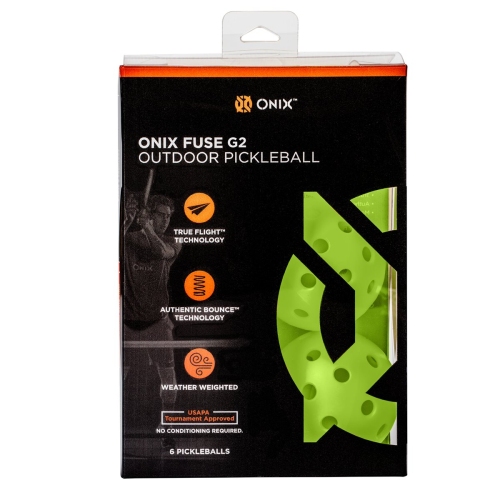 Your price for this item is $28.99
-
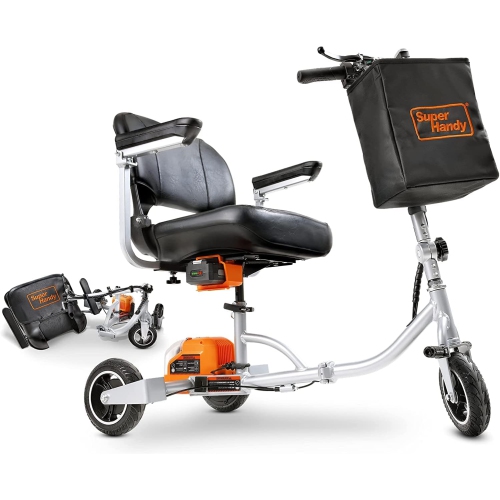 Your price for this item is $719.99
-
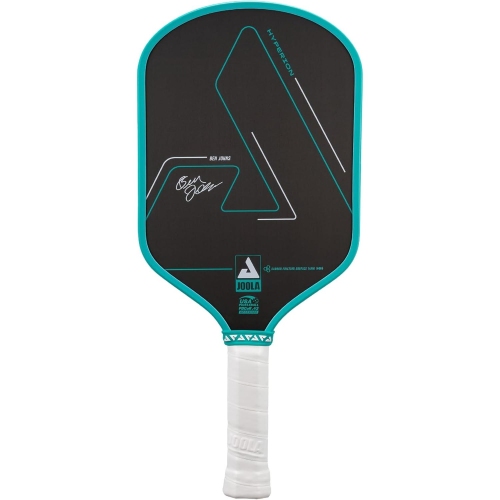 Your price for this item is $208.19
-
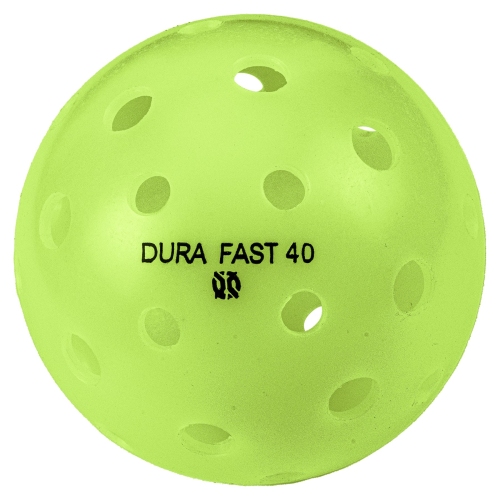 Your price for this item is $18.99
-
 Your price for this item is $81.99
-
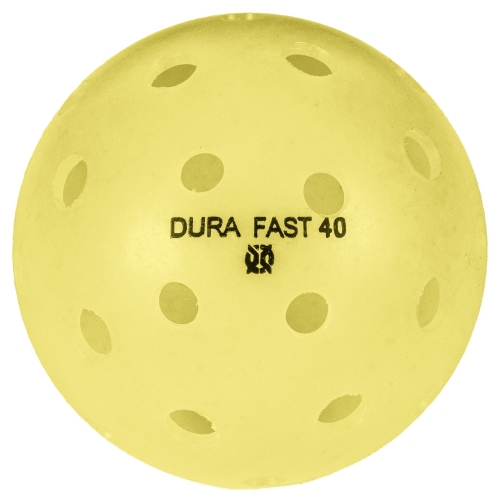 Your price for this item is $18.99
Discover more categories related to Sports Apparel


Top Collections:
Pokemon Centers, Kindle Devices, Best Budget Office Chairs, Canon G7X Cameras, Apple iPhones 16, Samsung Galaxy Phones, Refurbished Apple Laptops, Laptops for Students, iPhone 15 Apple, Budget Smartphones
Some products may be subject to Environmental Handling Fees
(EHF) depending on your province.
Learn more about EHFs.