Teenager Outdoor Games
Looking to keep your teenagers entertained and active outdoors? Our selection of outdoor games for teenagers is sure to provide hours of fun and excitement. From classic lawn games to high-energy activities, these games are perfect for backyard gatherings, family picnics, or weekend hangouts with friends. Get ready to unplug, enjoy the fresh air, and create lasting memories with our top picks for teenager outdoor games.
Sort
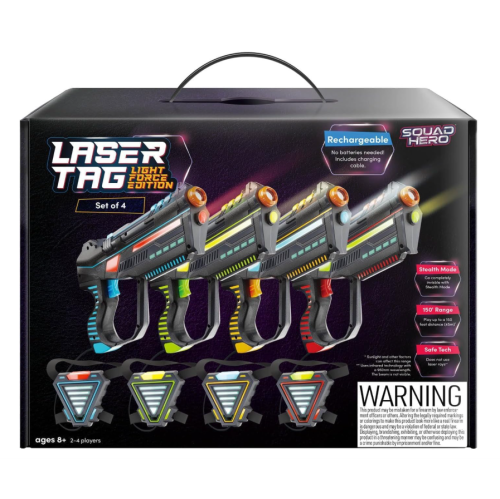
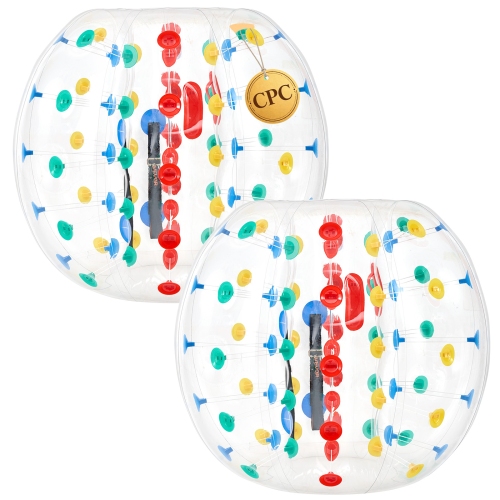
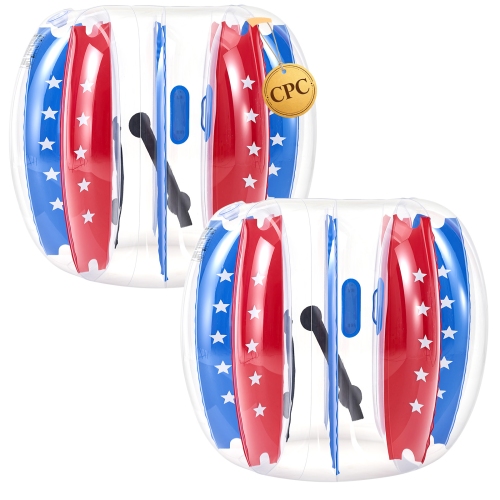

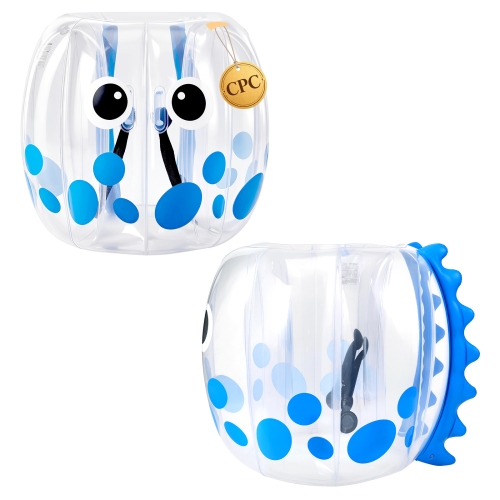
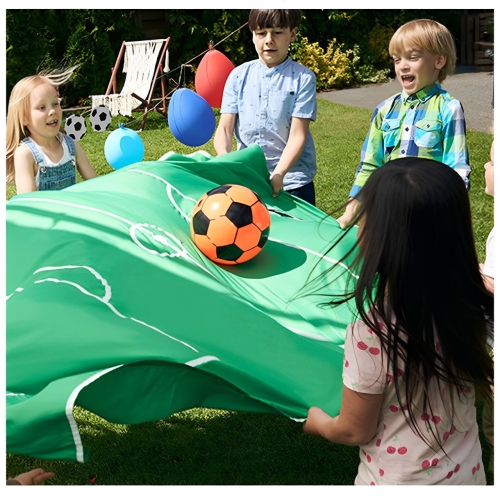

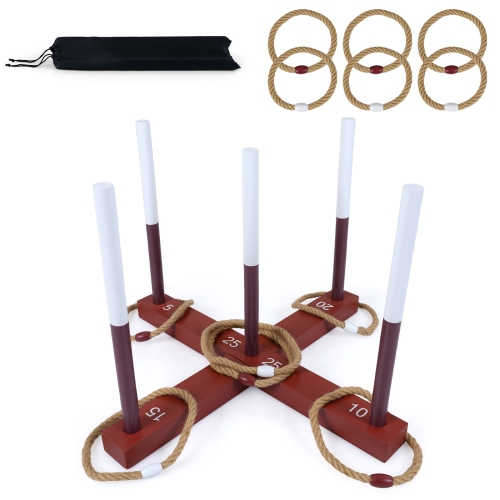
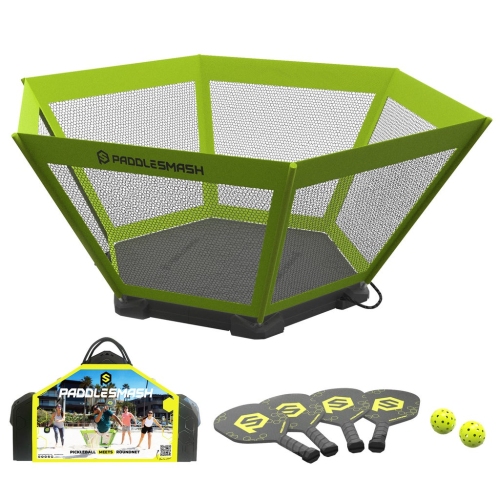
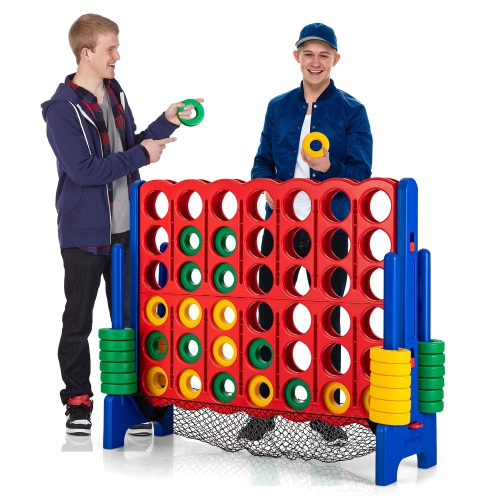


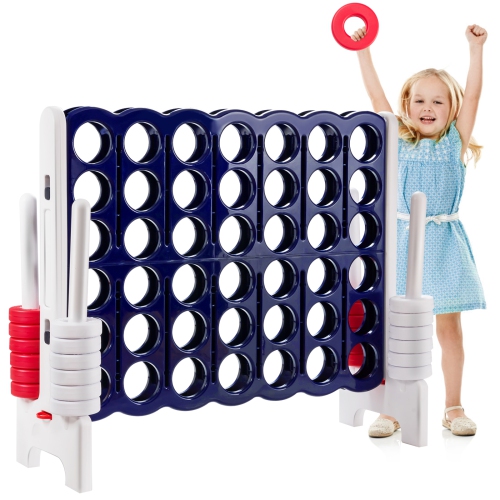
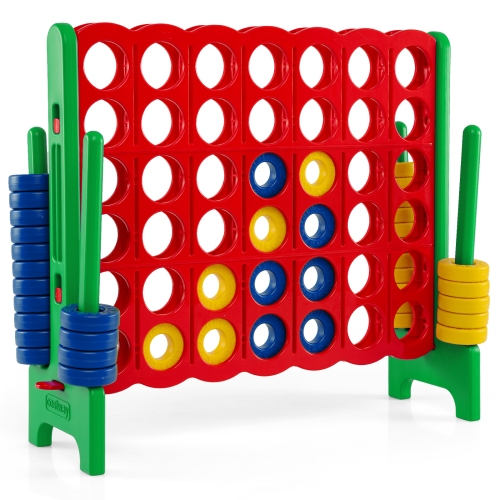

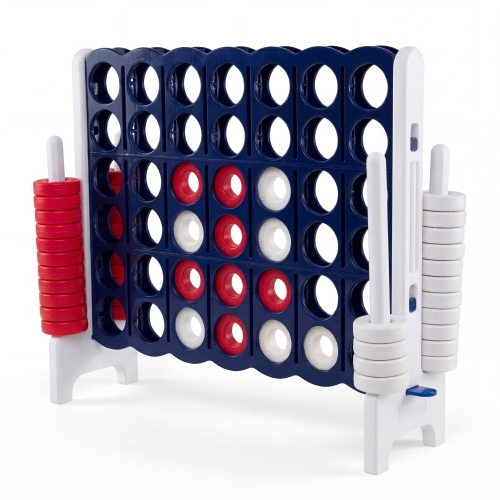

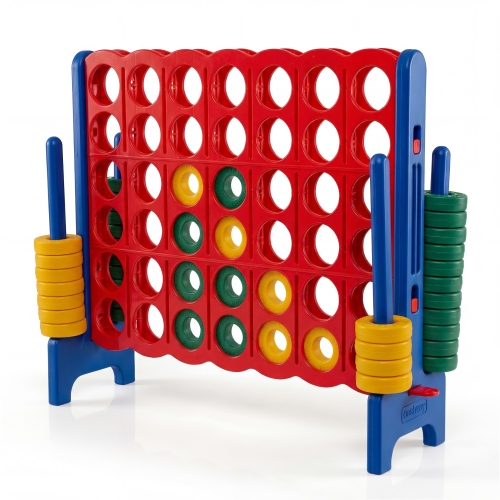

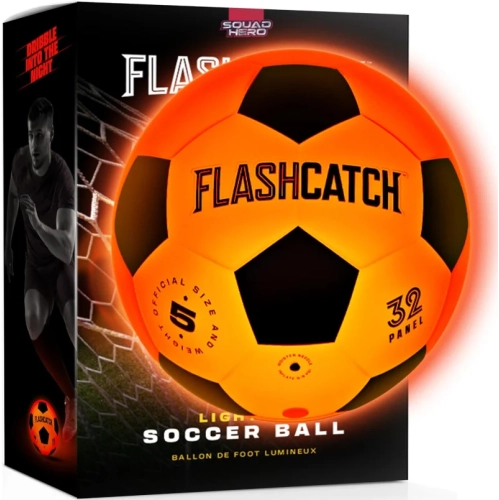
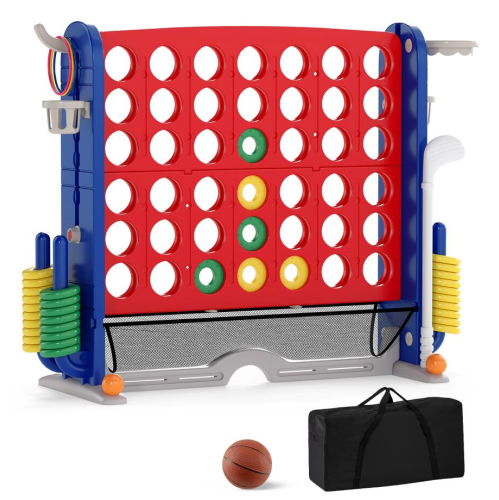
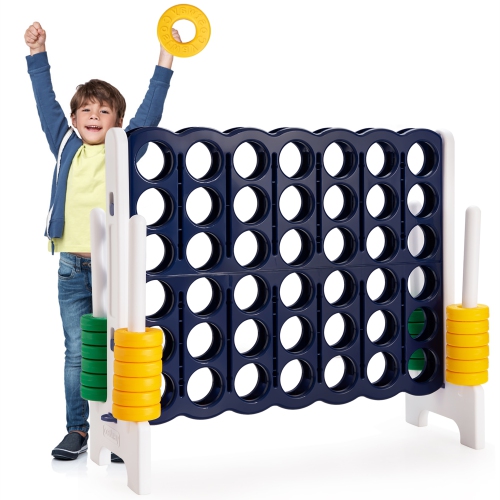
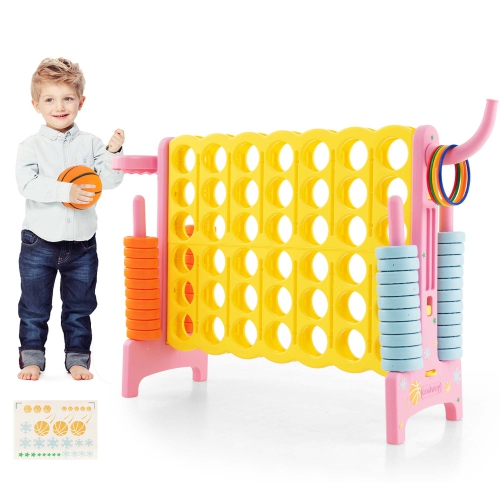
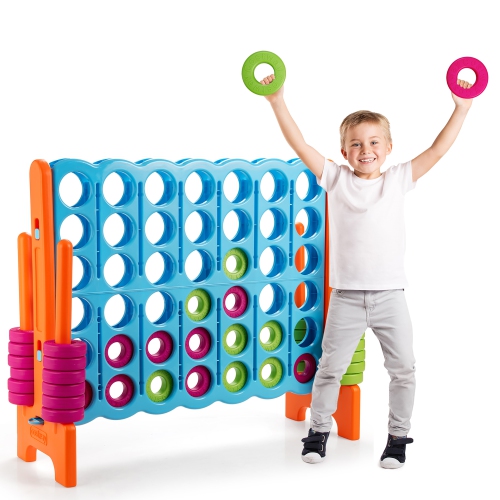
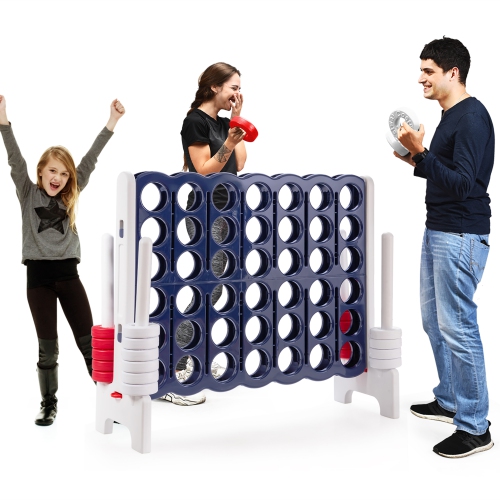
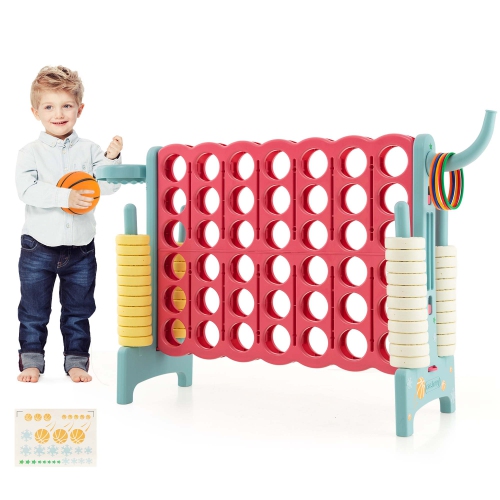

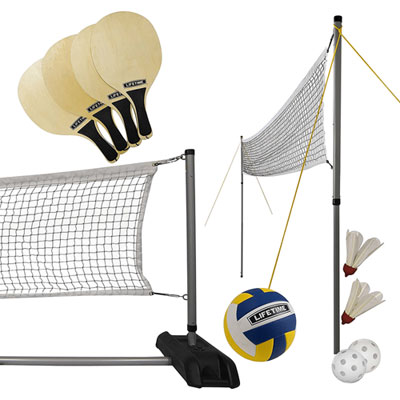
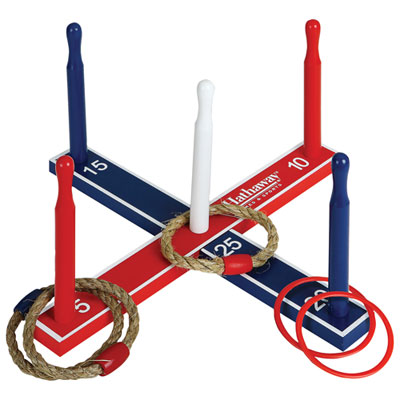
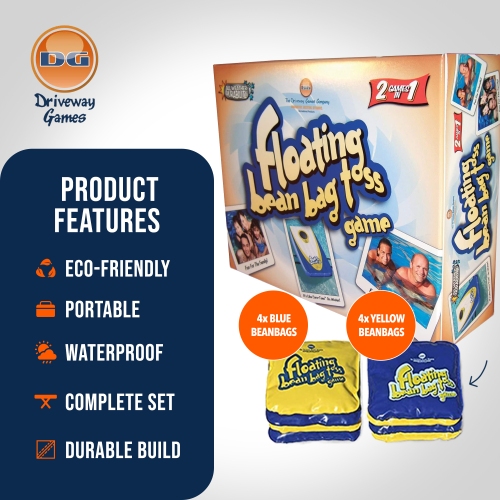


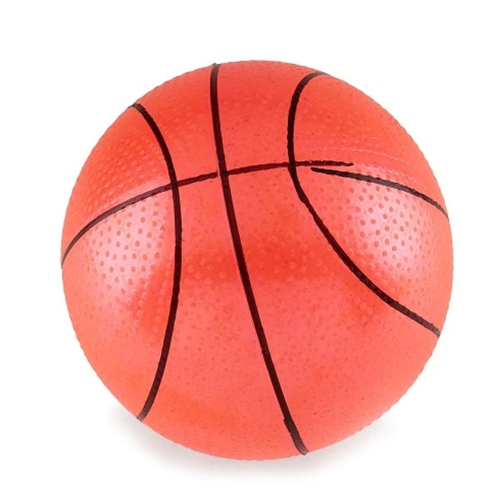
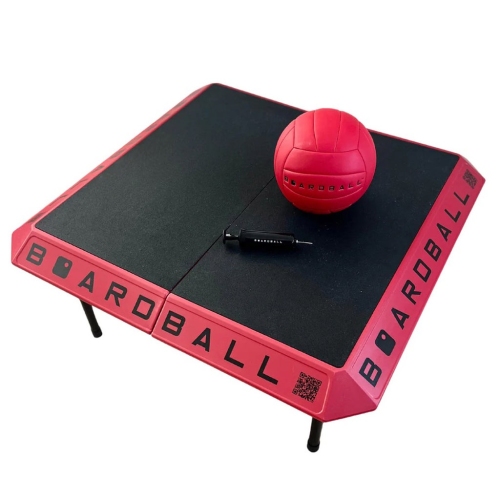

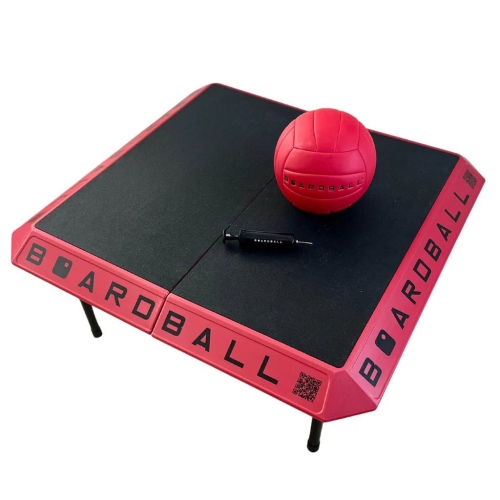
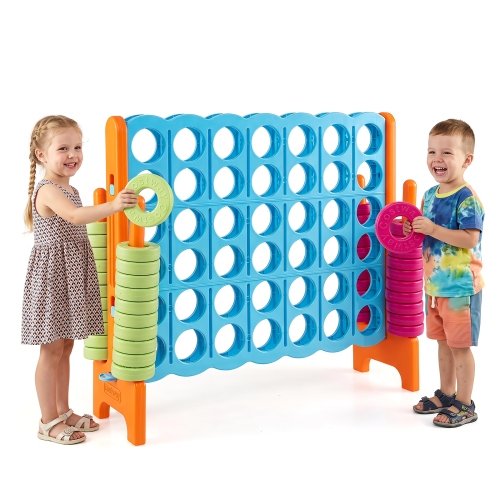


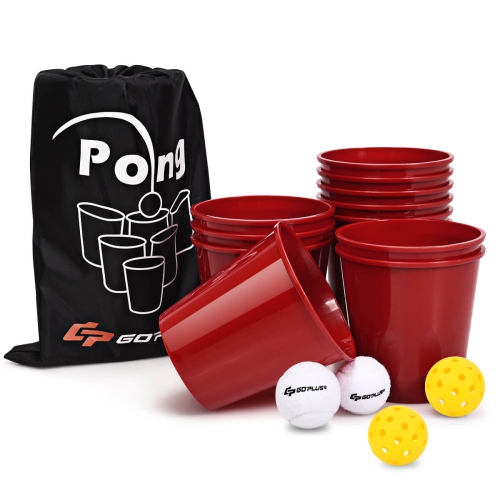
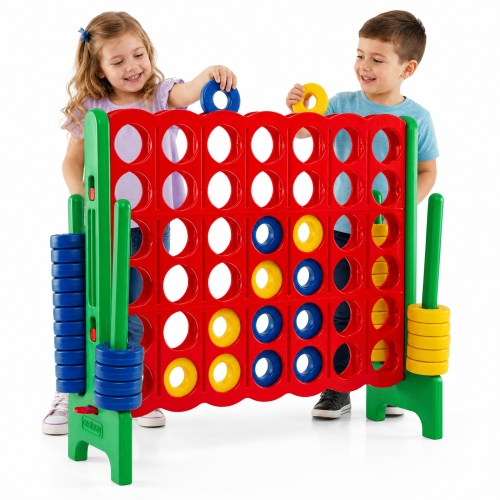
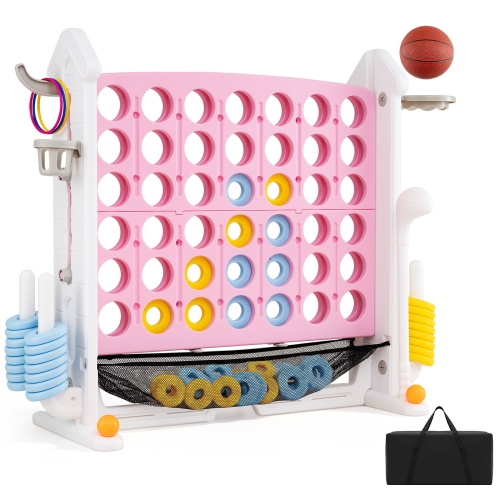
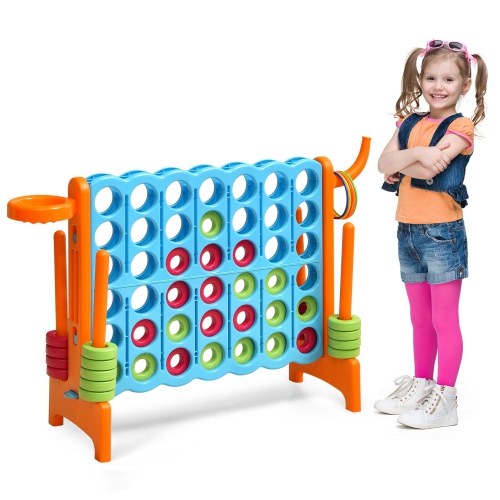
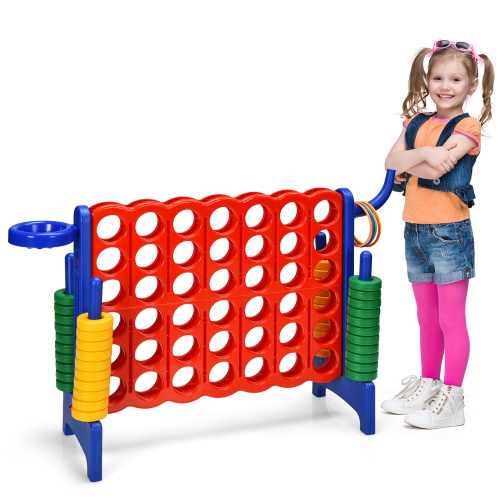
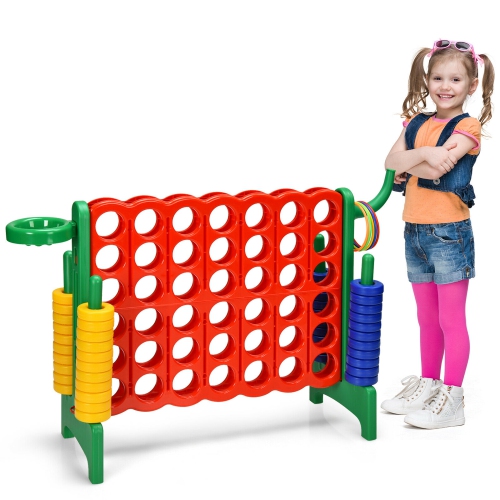


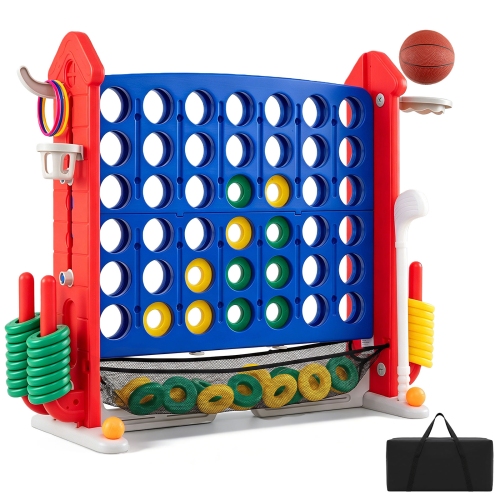
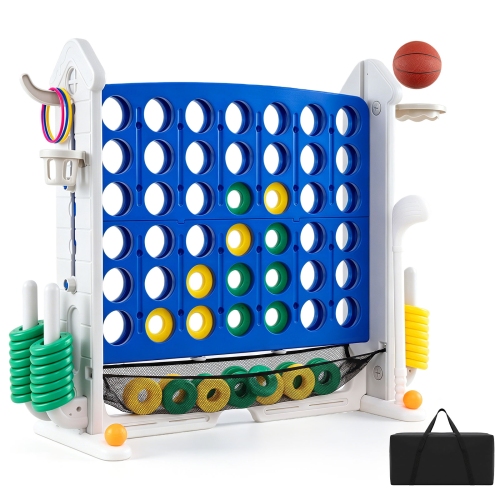
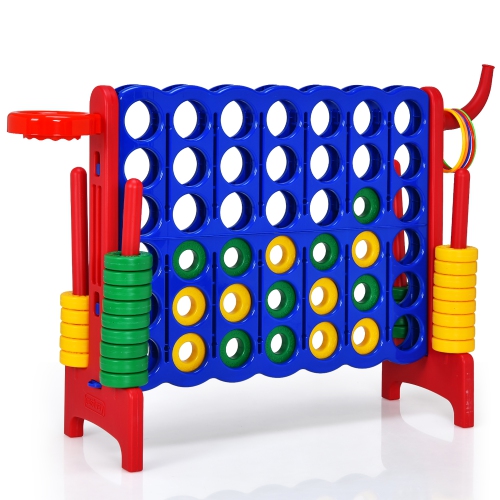



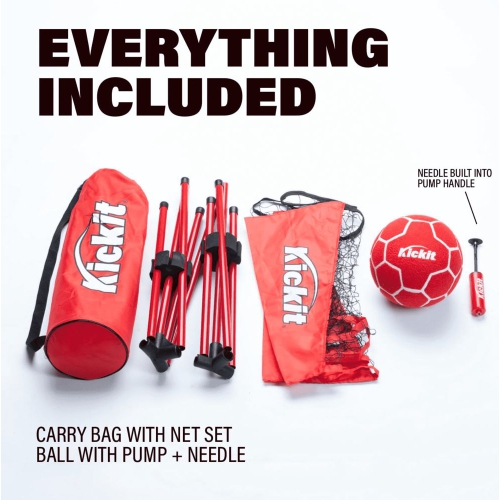
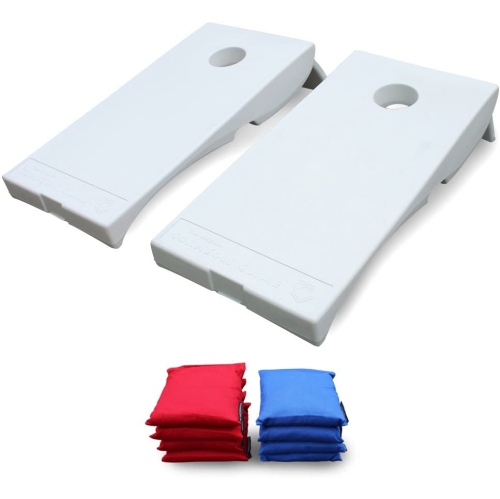
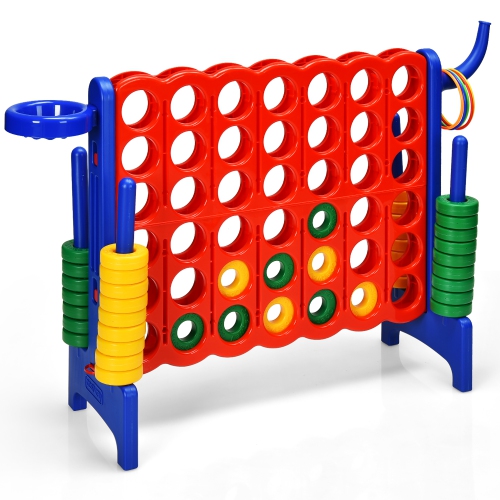


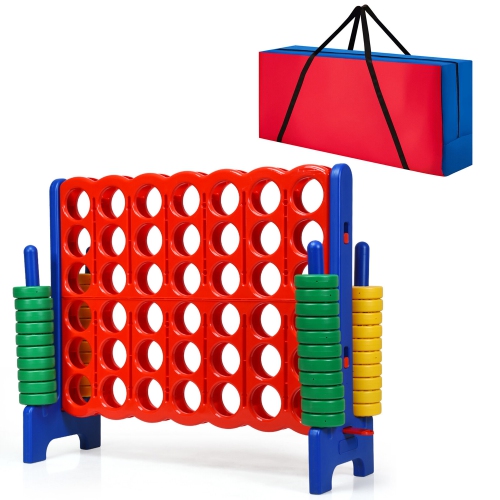


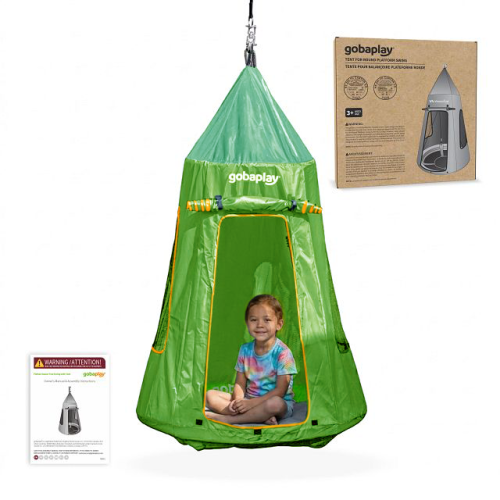


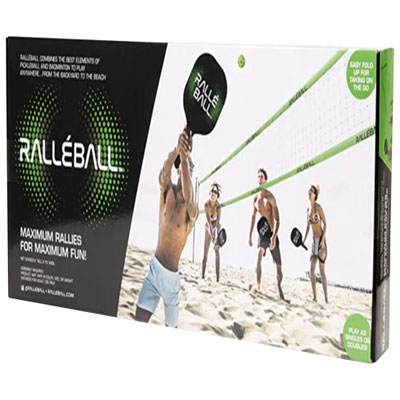


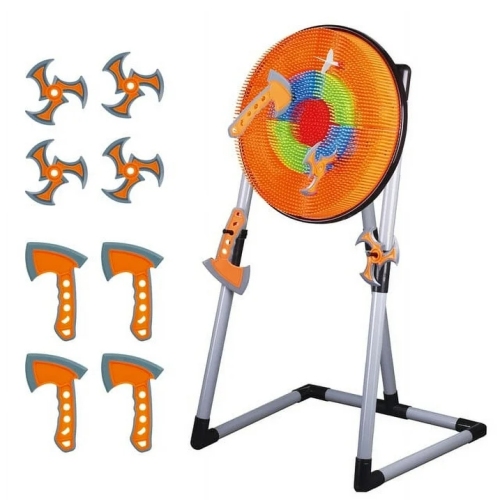


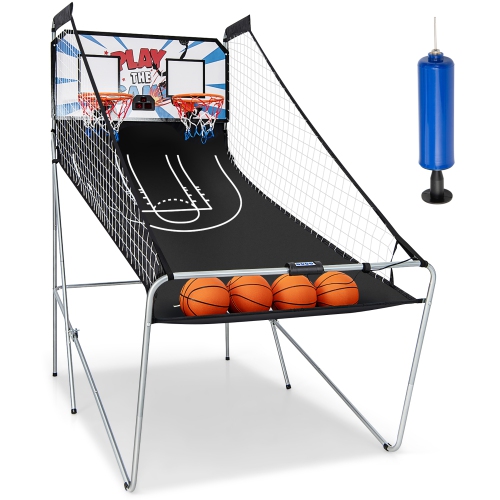

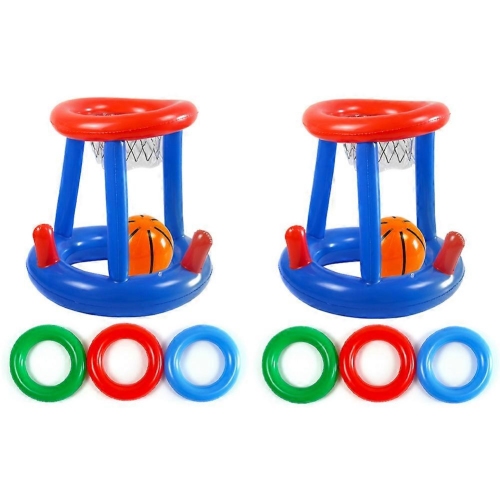
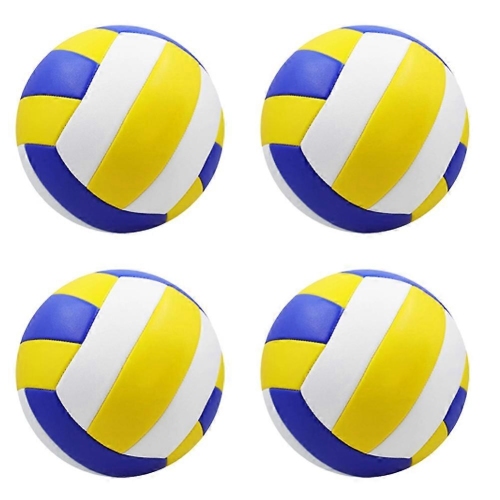

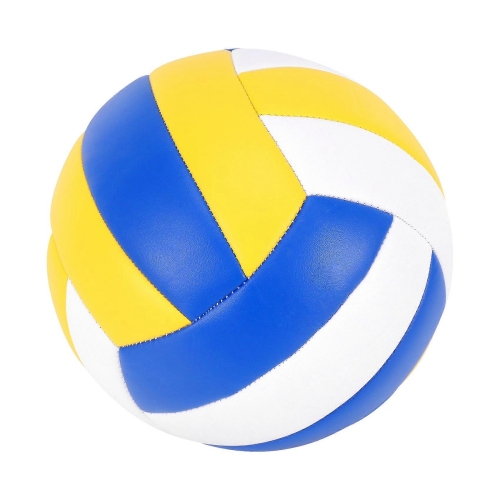






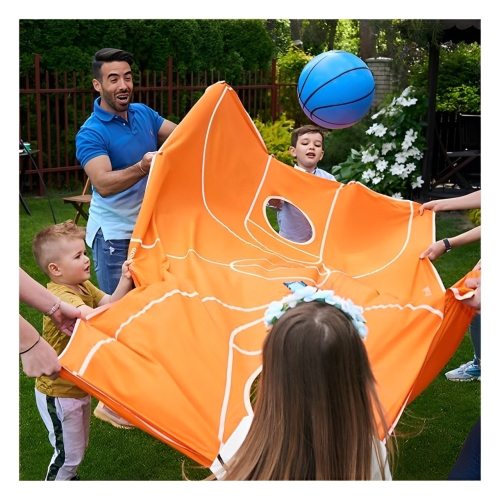


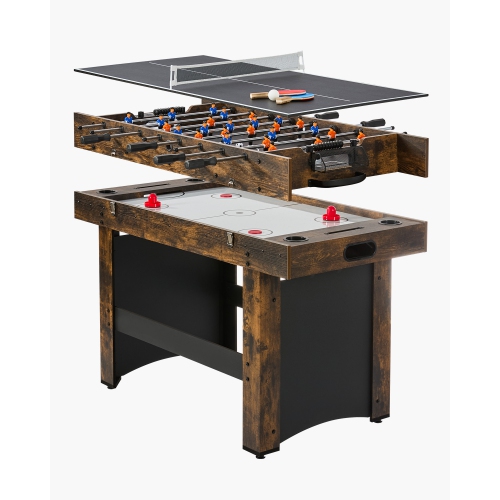
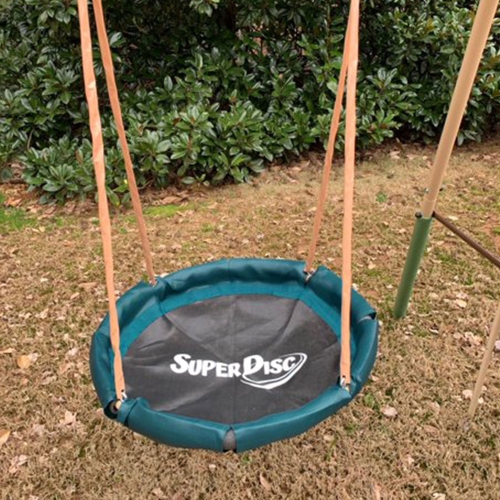
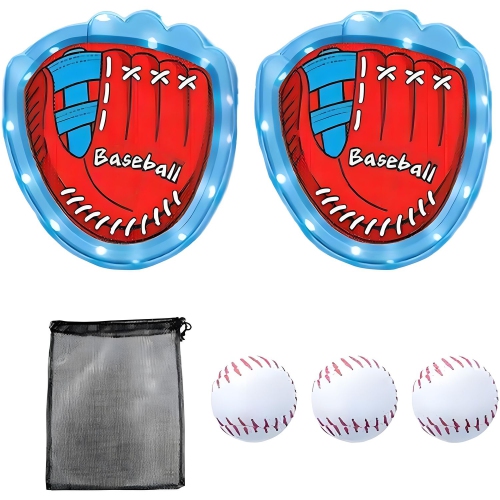

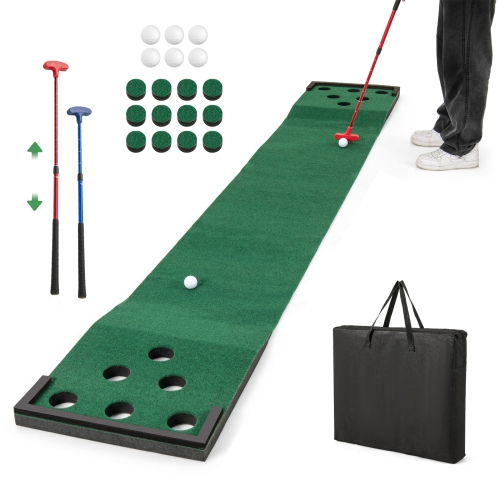

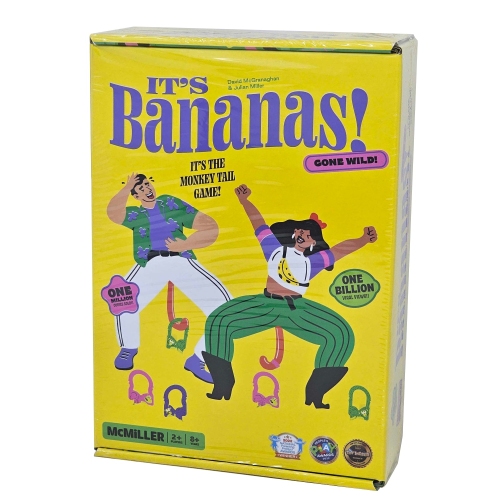










Friendly competition with room for every skill level
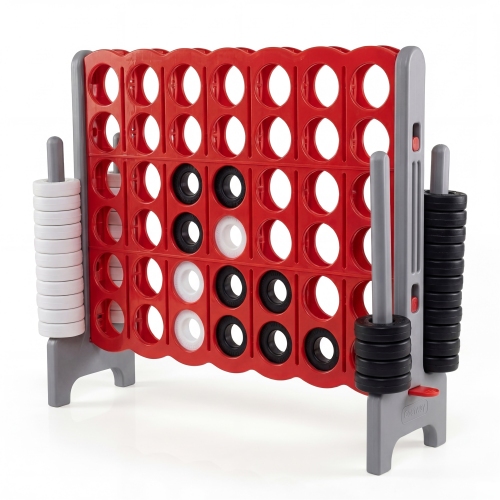
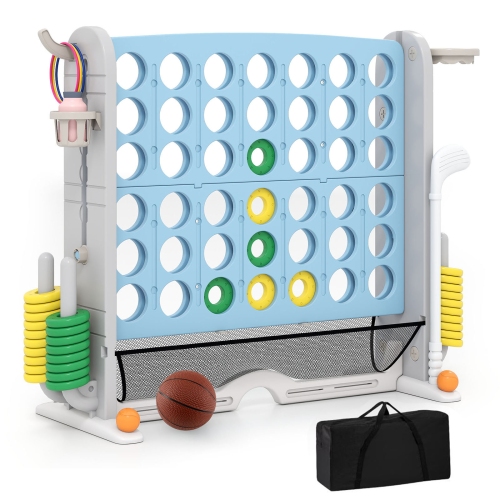
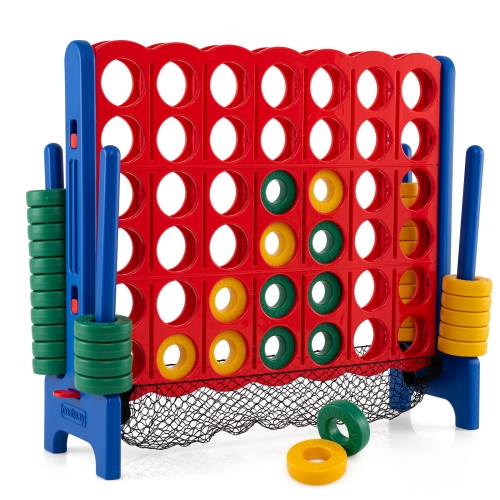
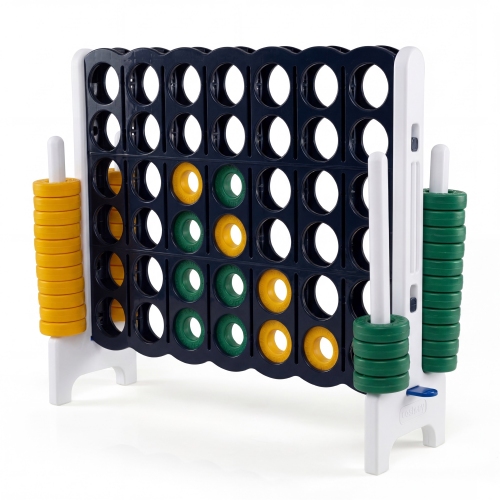
Outdoor games for teenagers bring active play, friendly competition, and face-to-face time into backyards, parks, and other shared outdoor spaces. The most appealing formats give teens something clear to aim for, whether that means landing a precise throw, keeping a rally going, defending a target, or working together to reach a team score. Outdoor game equipment can support everything from a casual match between two friends to a lively gathering with rotating teams. Target-based games reward patience and accuracy, while court-style and team games tend to involve more movement, communication, and quick decisions. For a group with different interests and abilities, a simple scoring system and adjustable playing distance can matter more than complicated rules. A shorter distance lets a newcomer build confidence, while a longer one gives an experienced player a meaningful challenge without requiring a separate activity. Games with brief rounds also make it easier for friends to join after play has started, swap partners, or take a break without disrupting the whole group. Teenagers often appreciate equipment that feels suited to their age rather than designed for younger children, with comfortable proportions, straightforward setup, and enough depth to keep a rematch interesting. The setting helps determine which format makes sense: a compact backyard may suit controlled throws and defined targets, while a larger permitted playing area can accommodate running and wider team formations. Beyond the match itself, these games create small shared moments, from a last-point comeback to the satisfaction of finally landing a difficult shot. They can be a natural part of a family gathering, a visit with friends, or a youth group activity without requiring everyone to have formal sports experience. For get-togethers that combine outdoor competition with other group activities, teenage party games offer another way to think about participation, pacing, and bringing different personalities into the fun. A game that rewards steady aim can give a quieter participant just as much opportunity to contribute as an energetic teammate.
Materials, construction, and fit make a noticeable difference to how outdoor game equipment feels during play and how well it holds up to repeated use. Moulded plastic components can be lightweight and easy to carry, although their resistance to impact depends on their construction and intended purpose. Wooden components can provide a substantial feel and a stable playing surface, with smooth edges and a well-finished exterior contributing to comfortable handling. Metal frames may offer a firm structure for repeated rounds, while fabric panels, mesh, and stitched sections benefit from secure attachment points and reinforced areas where tension is greatest. No single material is best for every game; the useful balance is between manageable weight, comfortable handling, stability, and the demands of the activity. For teens, fit is less about a clothing size and more about whether a grip sits comfortably in the hand, a playing height is appropriate, and equipment can be moved safely during setup. Larger dimensions do not automatically mean a better experience, especially when storage space or the playing area is limited. The stated footprint may describe only the assembled equipment, so room for throwing, following through, retrieving pieces, and moving around other players also matters. On a lawn, a frame should sit securely without rocking; on a permitted hard surface, the equipment needs to be designed for that type of use. Durability also involves the small details that receive constant handling, including connectors, hinges, fastenings, and closures on carrying bags. Removable components that fit neatly together are easier to keep organized between outings. Care should follow the manufacturer's directions, particularly when different materials need different cleaning methods. Removing grass and grit, allowing cleaned parts to dry fully, and checking for loosened fittings or rough edges help keep equipment ready for the next game. Outdoor use does not necessarily mean permanent outdoor storage, and a designated storage spot can help prevent misplaced pieces and unnecessary wear. A complete, well-kept set makes an impromptu match much easier to start.
Intended use is just as important as the style of game, especially when choosing equipment for a teenager who will share it with friends or siblings. A portable format suits families who carry activities to a park or bring them along when visiting relatives, while a larger setup may make more sense for a home with a dedicated playing area. Packed dimensions, total carrying weight, and the number of separate components all affect convenience; a bag that closes securely is useful when everything needs to travel together. Setup should also match the occasion. A casual afternoon with a few friends leaves little appetite for lengthy assembly, whereas an organized gathering may allow time to establish boundaries and arrange multiple playing stations. Player capacity deserves a closer look than a simple minimum or maximum: some games keep everyone involved at once, while others work through turns, partners, or elimination. When a large group is sharing one playing area, short rounds and planned rotations can reduce waiting and keep the atmosphere relaxed. Clear boundaries, an agreed scoring method, and enough separation from walkways, windows, and bystanders help make play more comfortable for everyone. Product age recommendations and any stated protective equipment requirements remain relevant even when the rules seem familiar. For mixed-age groups, modifying a throwing distance or offering practice attempts can make participation more welcoming, provided those changes stay within the equipment's intended use. As gifts, outdoor games can suit teenagers who enjoy hosting friends, practising a physical skill, or spending time together as a family. The strongest match reflects the recipient's actual habits rather than an assumption that every teen wants intense competition. Someone who enjoys a measured challenge may prefer accuracy-focused play, while a teen who likes constant movement may get more from an active team format. Equipment that fits the space, is comfortable to use, and packs away without fuss has a better chance of becoming a familiar part of gatherings rather than a one-time activity.
Top selling and popular products
-
 Your price for this item is $266.99
-
 Your price for this item is $139.99
-
 Your price for this item is $44.99
-
 Your price for this item is $359.99
-
 Your price for this item is $34.99
-
 Your price for this item is $429.99
-
 Your price for this item is $349.99
-
 Your price for this item is $28.99
Discover more categories related to Teenager Outdoor Games


Top Collections:
Pokemon Centers, Kindle Devices, Best Budget Office Chairs, Canon G7X Cameras, Apple iPhones 16, Samsung Galaxy Phones, Refurbished Apple Laptops, Laptops for Students, iPhone 15 Apple, Budget Smartphones
Some products may be subject to Environmental Handling Fees
(EHF) depending on your province.
Learn more about EHFs.