Training Skates
Training skates are the perfect choice for anyone looking to build their skating skills with confidence and ease. Designed to offer stability and support, these skates cater to beginners and those who want to refine their technique. Whether you're hitting the rink for the first time or aiming to improve your balance and control, training skates provide a reliable foundation for your journey. Explore our selection of training skates and find the ideal pair that suits your needs and helps you glide smoothly toward your skating goals.
Sort
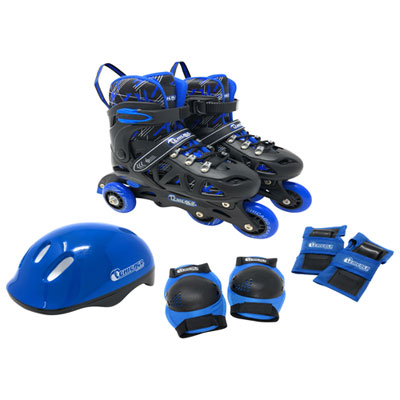


Early support for balance, confidence and safer skating skills
Training skates are designed to help new skaters develop balance, coordination and confidence before moving to more advanced roller, inline or ice-skating equipment. They are commonly chosen for toddlers, children and first-time skaters who need additional stability while learning how to stand, glide, turn and stop. Depending on the style, training skates may use a wider wheel arrangement, a supportive frame, adjustable sizing or a setup that gradually transitions from a stable base to a more traditional skating configuration. This extra support can make early practice feel more manageable, especially for a child who is still learning how to distribute their weight over both feet. Training skates can also be a thoughtful gift for a child who enjoys active play, wants to try skating for the first time or has been inspired by time spent at a rink or outdoor skating area. Look for a design that matches the intended skating surface and the skater’s experience level, since roller and inline skates are suited to smooth, dry ground while ice skates are made for frozen surfaces. For families planning indoor skating sessions during the cooler months, explore Rink Skates for equipment intended for use on an ice rink. Training skates can be useful at home for practising basic posture before a rink visit, but they should always be used on a clear, suitable surface and with enough room to move without obstacles, loose rugs, steps or sharp corners nearby.
Fit is one of the most important considerations when choosing training skates. Skates should hold the heel securely, support the ankle without painful pressure and allow the toes to rest comfortably without being curled or crushed. A loose fit can make it harder to control the skates, while an overly tight fit can cause discomfort and discourage a new skater from practising. Adjustable designs can be helpful for growing children, particularly when the skates will be used across more than one season, but adjustment should never replace a secure fit. Check the manufacturer’s sizing information rather than relying only on everyday shoe size, and consider the socks the skater will wear during use. Athletic socks that are comfortable and not excessively thick can help reduce rubbing. Before the first session, inspect the wheels, frames, fasteners, buckles and brakes to make sure everything is properly attached and functioning as intended. Protective equipment is equally important: a properly fitted helmet, wrist guards, elbow pads and knee pads can help reduce the impact of common beginner falls. Clothing should allow free movement without trailing drawstrings or loose fabric that could catch on wheels. A young skater may need an adult nearby for every practice session, particularly while learning to stop and while using equipment that converts between different configurations. Keep practice sessions short and positive at first. A few steady trips across a smooth area can be more productive than a long session that leaves a child tired, frustrated or unsteady.
Good skating habits begin with body position. Encourage the skater to bend their knees slightly, keep their feet about shoulder-width apart and lean gently forward from the ankles rather than sitting back on the heels. Keeping the knees aligned over the toes helps create a lower, more stable centre of gravity, while relaxed arms can assist with balance. New skaters should practise standing still, shifting weight from one foot to the other and taking small marching steps before attempting longer glides. Learning to slow down and stop is just as important as moving forward. On suitable roller equipment, a beginner may practise bringing the toes slightly inward to create a gentle “pizza” shape, if that technique is appropriate for the skate design; braking methods vary, so follow the product instructions and practise at a slow speed. When balance is lost, bending the knees and moving forward into a controlled kneeling position is generally safer than leaning backwards, but protective pads should always be worn and children should receive clear instruction before practising. Choose a flat, dry, well-lit surface away from traffic, water and crowded walkways, and stop when wheels become wet or visibility declines. As the weather changes between early fall and winter, indoor rinks and clear recreation areas can provide dependable places to build skills. With patient supervision, a comfortable fit and equipment suited to the skater’s age and ability, training skates can turn those first uncertain movements into the steady glides that make skating enjoyable.
Top selling and popular products
-
 Your price for this item is $59.99
-
 Your price for this item is $59.99
-
 Your price for this item is $96.99
-
 Your price for this item is $79.99
-
 Your price for this item is $351.49
-
 Your price for this item is $79.99
-
 Your price for this item is $62.99
-
 Your price for this item is $206.99
Discover more categories related to Training Skates


Top Collections:
Pokemon Centers, Best Budget Office Chairs, Kindle Devices, Best Cameras for Sports Photography, Pokémon 30th Celebration Cards, Best Laptops for Writers, Apple iPhones 16, Laptops for Business Work, Canon G7X Cameras, iPhone 15 Apple
Some products may be subject to Environmental Handling Fees
(EHF) depending on your province.
Learn more about EHFs.