Trolling Motors
Discover the perfect solution for enhancing your boating adventures with a trolling motor that offers precision and control on the water. Whether you're an avid angler seeking the quietest approach or a recreational boater looking to navigate with ease, our selection of trolling motors is designed to meet a variety of needs and preferences. Explore options that deliver reliable performance, energy efficiency, and durability to ensure smooth sailing every time you set out. With features tailored for both freshwater and saltwater environments, finding the right trolling motor has never been easier. Dive into our collection and elevate your boating experience today.
Sort

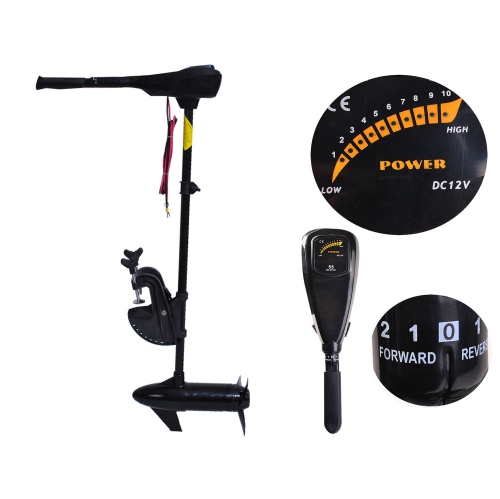
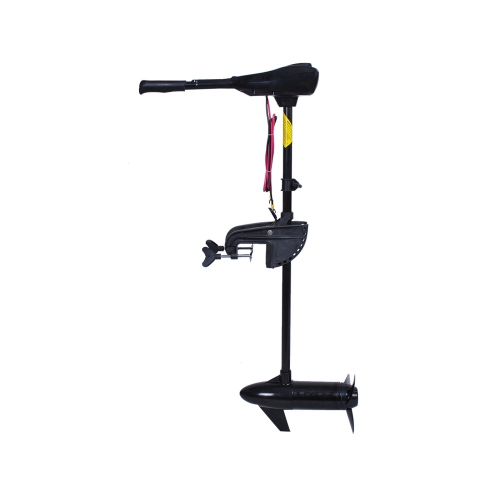
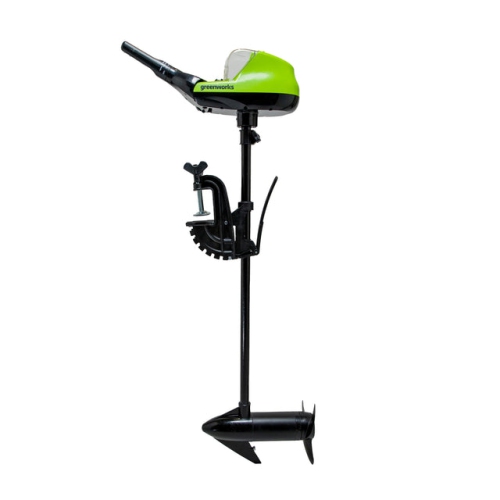
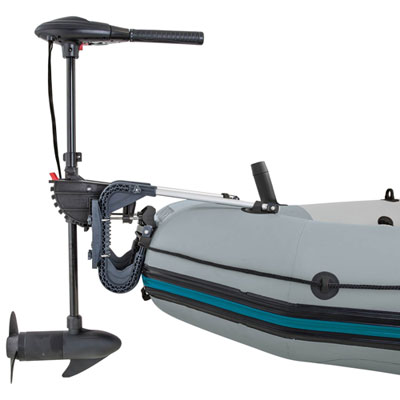
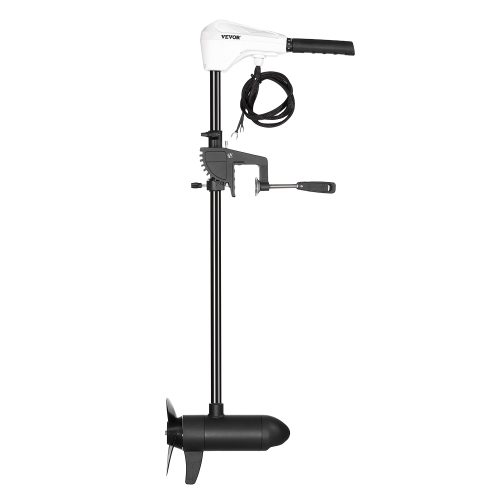
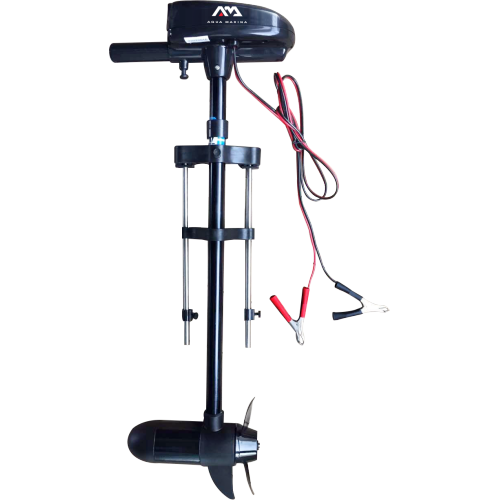
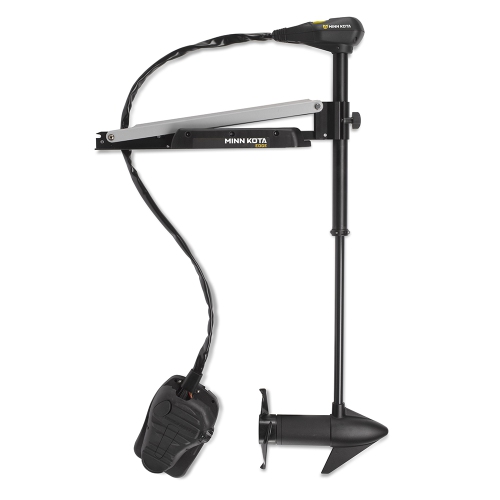
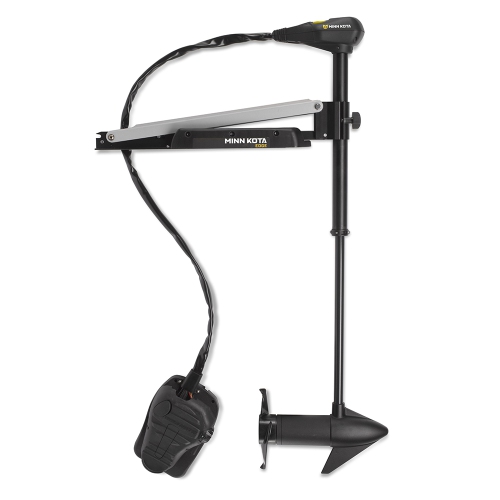
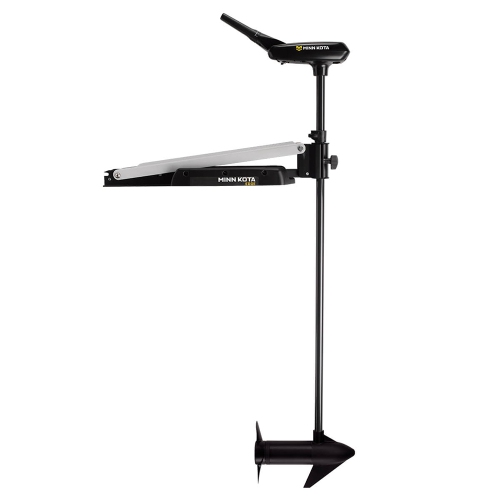
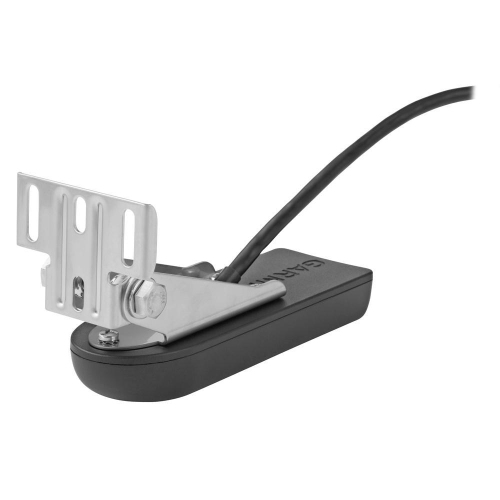
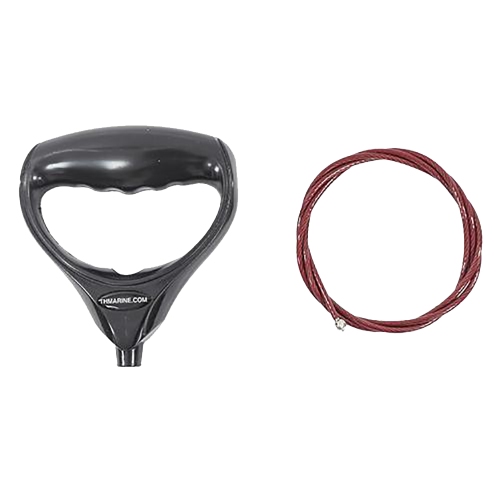
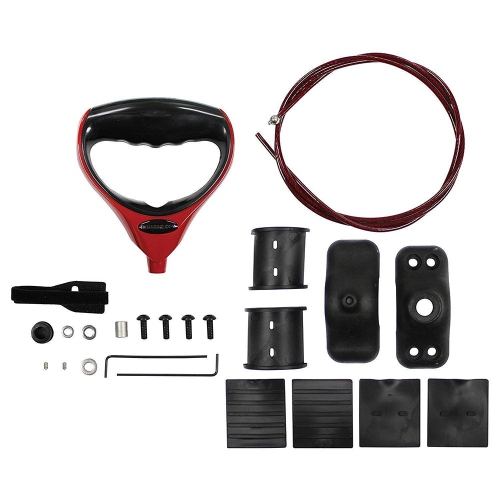
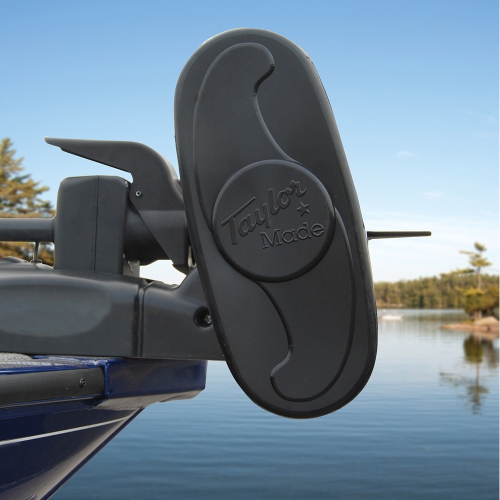
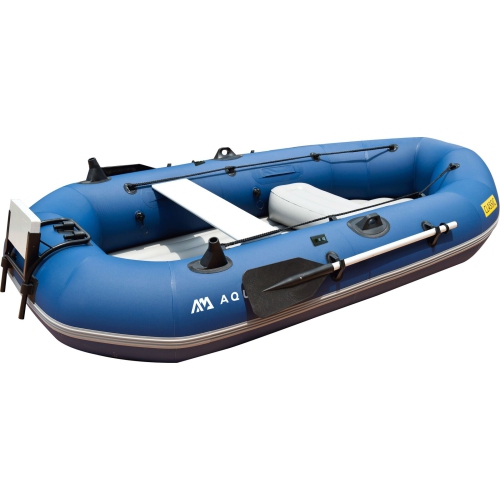
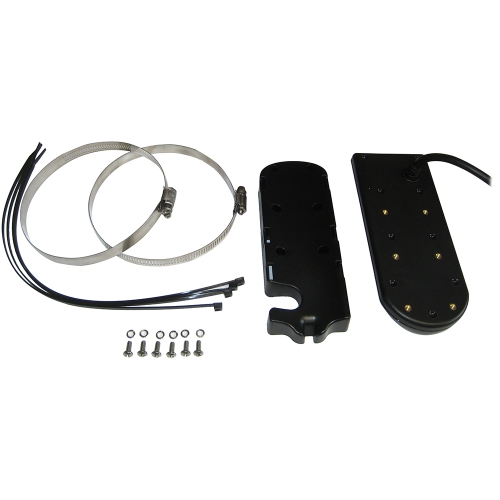
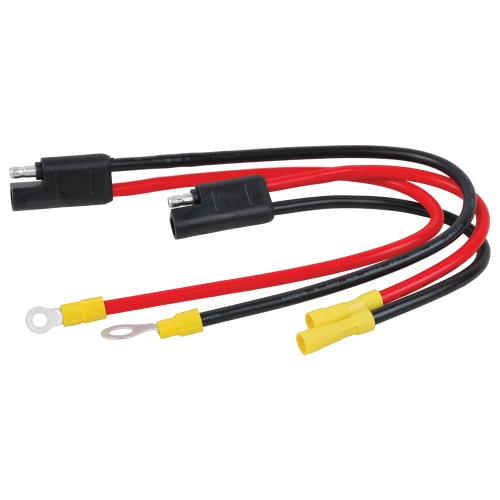
Quiet, precise boat control for fishing and peaceful outings
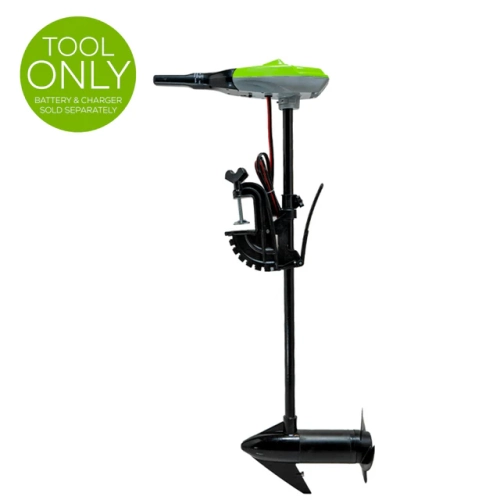
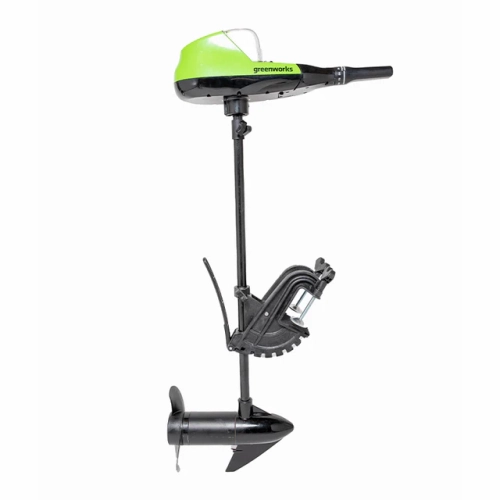
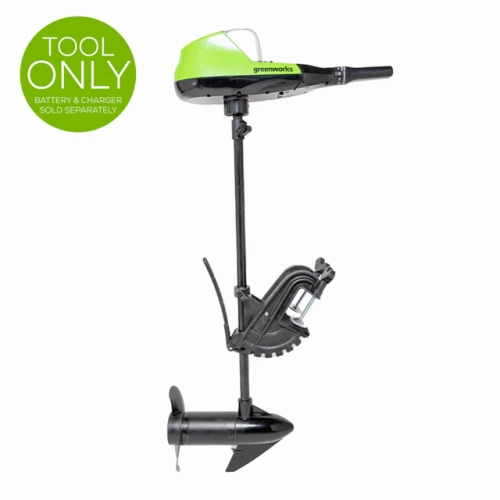
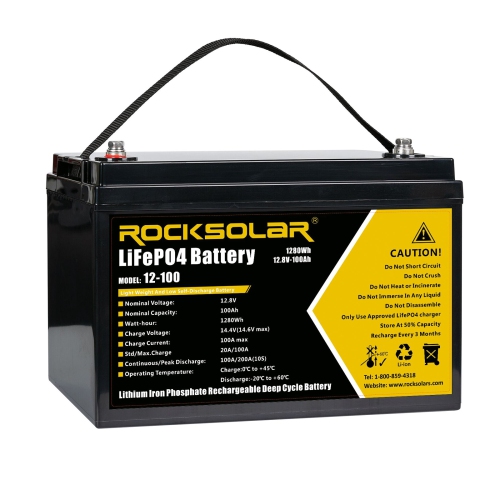
Trolling motors provide controlled, low-speed propulsion for anglers and boaters who want to move quietly across the water, position a boat along a shoreline, or hold a steady course while casting. Unlike a primary outboard motor, a trolling motor is designed for precise manoeuvring rather than covering long distances at high speed. It may be mounted on the bow or transom of a boat, depending on the vessel and the way it is used. Bow-mounted models are popular with anglers who want to pull the boat forward and steer from the front, while transom-mounted motors are often a practical fit for canoes, inflatables, small fishing boats, and compact watercraft. Many trolling motors are electric, drawing power from a marine battery and converting that electrical energy into the rotation of a propeller. This setup allows for smooth movement through sheltered bays, narrow channels, and fishing spots where a larger engine may be inconvenient. A trolling motor can be useful during the cooler months for storing and preparing a boat, and during warmer weather it can help make early-morning outings, calm-water excursions, and leisurely afternoons on the lake more enjoyable. Explore related Trolling Equipment to find accessories and equipment that can complement time on the water.
Choosing the right trolling motor starts with matching its thrust and power requirements to the boat. Thrust is the force that moves the boat through the water, and a larger, heavier vessel generally needs more thrust than a lightweight canoe or compact fishing boat. Consider the boat’s fully loaded weight, including passengers, batteries, fishing gear, coolers, and other equipment, rather than relying on the empty hull weight alone. Voltage is another important consideration because the motor and battery system must be compatible. Smaller motors may use a single battery, while higher-powered models can require a multi-battery setup. Battery capacity affects how long the motor can run between charges, so think about the length of typical outings and whether the motor will be used continuously or in short bursts while drifting between casts. Shaft length also deserves careful attention. A shaft that is too short may allow the propeller to come out of the water in waves, while one that is too long may be awkward to position on a shallow or compact boat. The mounting location, transom height, bow design, available deck space, and clearance around the propeller can all influence the best fit. Steering and controls range from hand-operated tillers to foot pedals and wireless remotes. A tiller can feel direct and familiar on a small boat, whereas a foot pedal may let an angler keep both hands available for casting. Remote controls can provide flexibility when moving around the boat. Some advanced trolling motors include GPS-assisted functions that help maintain a position, follow a route, control speed, or steer toward a selected location. These features can be especially useful when wind or current makes it difficult to stay over a productive fishing area, although they may add complexity and cost. As a general guide, compact freshwater motors may suit smaller boats and sheltered water, mid-range thrust can provide extra control for larger loads, and advanced bow-mounted systems with digital navigation features are intended for boaters who spend more time on the water and want more automated control.
Trolling motors can be a thoughtful gift for someone who spends weekends fishing, exploring quiet waterways, or improving a small boat setup. They may also be useful for new boat owners who have discovered that a primary engine is not ideal for slow, precise movement near docks, weed beds, docks, shorelines, or shallow coves. Before choosing one as a gift, it is worth checking the recipient’s boat type, mounting arrangement, preferred steering method, battery voltage, and typical fishing environment. A motor intended for a small freshwater boat may not be suitable for a larger vessel, saltwater use, or areas with stronger current. Pay attention to the propeller design and available replacement parts, particularly if the motor will be used around weeds, submerged branches, or rocky shorelines. Installation should be completed according to the manufacturer’s instructions, with the battery secured, electrical connections protected, and the propeller kept clear of hands, lines, and debris. After an outing, rinsing equipment as directed, checking cables and mounts, and allowing components to dry can help keep the setup ready for the next trip. During cooler months, many boaters remove the motor or battery, inspect the shaft and propeller, and store the equipment in a dry place protected from freezing conditions. With the right combination of thrust, shaft length, voltage, controls, and mounting style, a trolling motor can make a boat feel more responsive and comfortable, whether it is guiding a quiet shoreline drift, holding position while a line is in the water, or helping passengers move safely and steadily across a sheltered lake.
Choosing the right trolling motor starts with matching its thrust and power requirements to the boat. Thrust is the force that moves the boat through the water, and a larger, heavier vessel generally needs more thrust than a lightweight canoe or compact fishing boat. Consider the boat’s fully loaded weight, including passengers, batteries, fishing gear, coolers, and other equipment, rather than relying on the empty hull weight alone. Voltage is another important consideration because the motor and battery system must be compatible. Smaller motors may use a single battery, while higher-powered models can require a multi-battery setup. Battery capacity affects how long the motor can run between charges, so think about the length of typical outings and whether the motor will be used continuously or in short bursts while drifting between casts. Shaft length also deserves careful attention. A shaft that is too short may allow the propeller to come out of the water in waves, while one that is too long may be awkward to position on a shallow or compact boat. The mounting location, transom height, bow design, available deck space, and clearance around the propeller can all influence the best fit. Steering and controls range from hand-operated tillers to foot pedals and wireless remotes. A tiller can feel direct and familiar on a small boat, whereas a foot pedal may let an angler keep both hands available for casting. Remote controls can provide flexibility when moving around the boat. Some advanced trolling motors include GPS-assisted functions that help maintain a position, follow a route, control speed, or steer toward a selected location. These features can be especially useful when wind or current makes it difficult to stay over a productive fishing area, although they may add complexity and cost. As a general guide, compact freshwater motors may suit smaller boats and sheltered water, mid-range thrust can provide extra control for larger loads, and advanced bow-mounted systems with digital navigation features are intended for boaters who spend more time on the water and want more automated control.
Trolling motors can be a thoughtful gift for someone who spends weekends fishing, exploring quiet waterways, or improving a small boat setup. They may also be useful for new boat owners who have discovered that a primary engine is not ideal for slow, precise movement near docks, weed beds, docks, shorelines, or shallow coves. Before choosing one as a gift, it is worth checking the recipient’s boat type, mounting arrangement, preferred steering method, battery voltage, and typical fishing environment. A motor intended for a small freshwater boat may not be suitable for a larger vessel, saltwater use, or areas with stronger current. Pay attention to the propeller design and available replacement parts, particularly if the motor will be used around weeds, submerged branches, or rocky shorelines. Installation should be completed according to the manufacturer’s instructions, with the battery secured, electrical connections protected, and the propeller kept clear of hands, lines, and debris. After an outing, rinsing equipment as directed, checking cables and mounts, and allowing components to dry can help keep the setup ready for the next trip. During cooler months, many boaters remove the motor or battery, inspect the shaft and propeller, and store the equipment in a dry place protected from freezing conditions. With the right combination of thrust, shaft length, voltage, controls, and mounting style, a trolling motor can make a boat feel more responsive and comfortable, whether it is guiding a quiet shoreline drift, holding position while a line is in the water, or helping passengers move safely and steadily across a sheltered lake.
Top selling and popular products
-
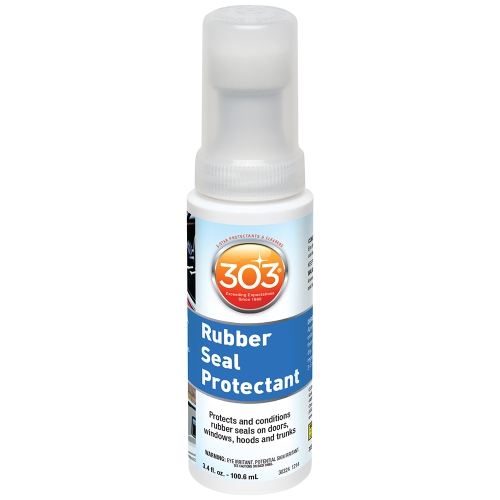 Your price for this item is $31.43
 -
 Your price for this item is $30.54
 -
 Your price for this item is $38.85
 -
 Your price for this item is $92.99
 -
 Your price for this item is $917.79
 -
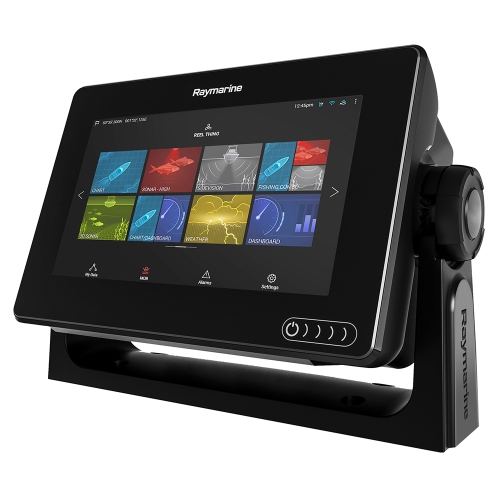 Your price for this item is $844.31
 -
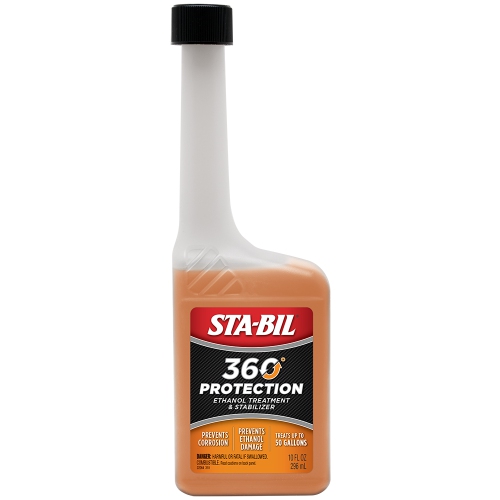 Your price for this item is $31.46
 -
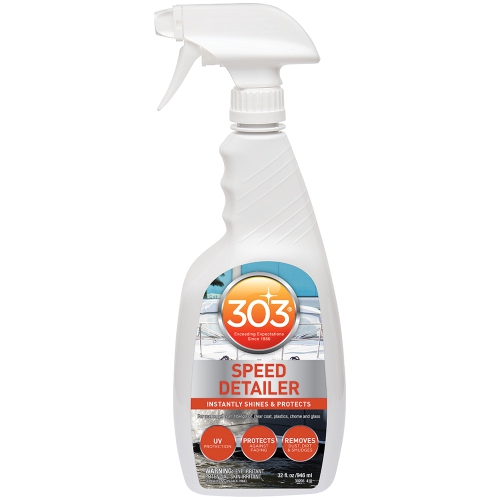 Your price for this item is $34.93
Discover more categories related to Trolling Motors
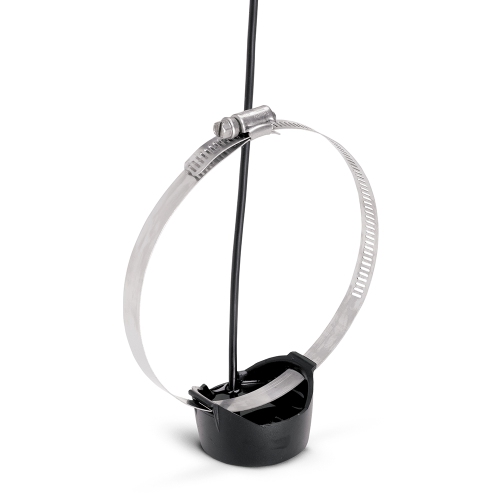
Top Collections:
Pokemon Centers, Kindle Devices, Best Budget Office Chairs, Apple iPhones 16, Samsung Galaxy Phones, Canon G7X Cameras, iPhone 15 Apple, Flip Phones, Best Laptops for Writers, Alarm Clock
Some products may be subject to Environmental Handling Fees
(EHF) depending on your province.
Learn more about EHFs.