Affordable Trolling Motors
Looking to take your boating experience to the next level? Look no further than our collection of affordable trolling motors. Whether you're a seasoned angler or just enjoy leisurely days out on the water, these powerful and efficient motors are designed to enhance your time on the boat. With a variety of options to choose from, finding the perfect trolling motor to suit your needs and budget has never been easier. Get ready to navigate the waters with ease and precision, all at a price that won't break the bank.
Sort
The details that shape quiet small-boat performance
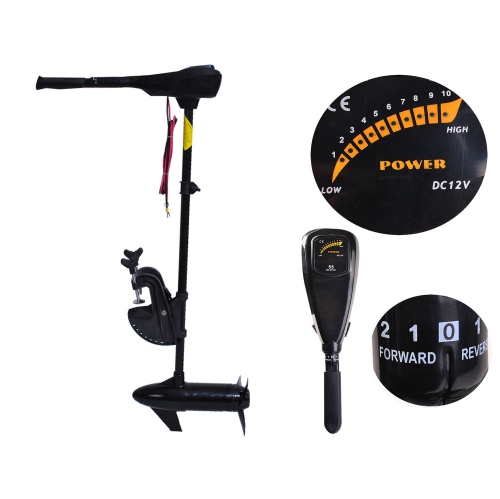
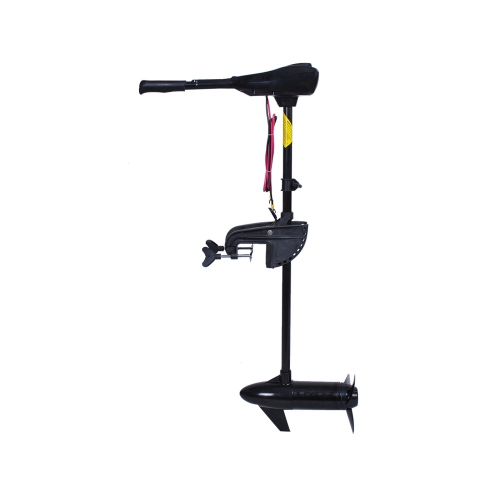
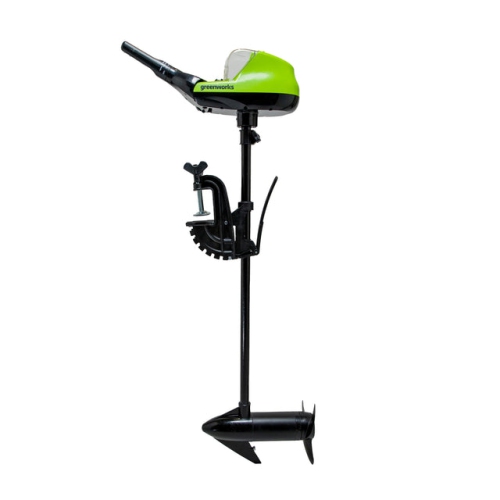
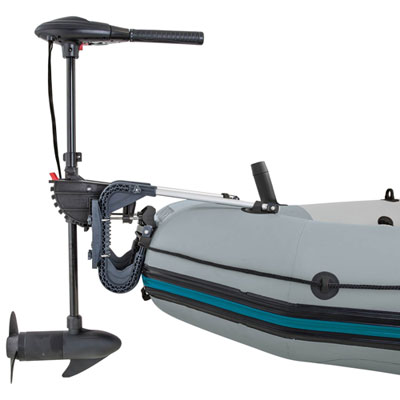
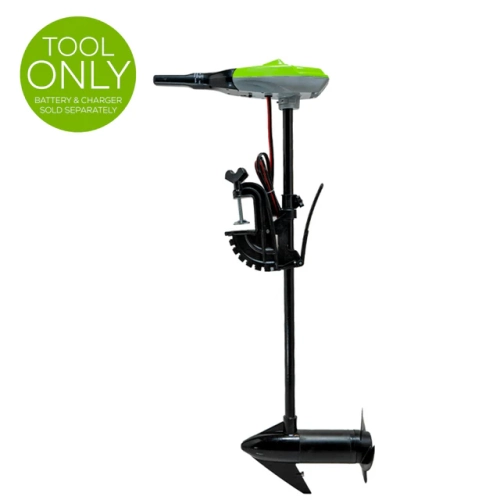
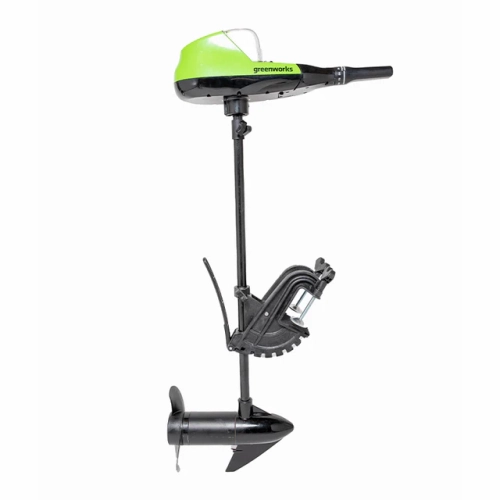
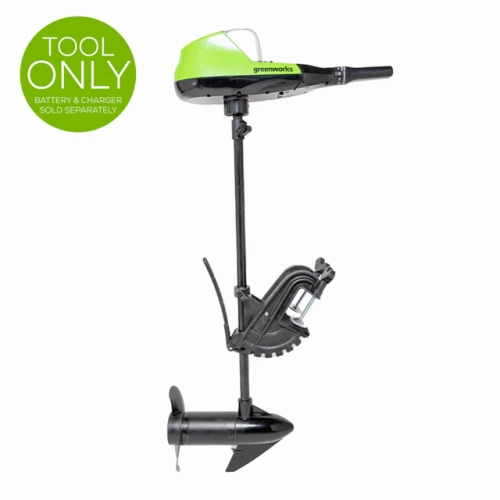
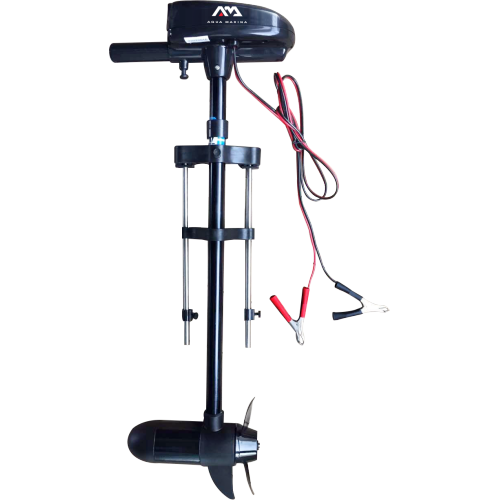
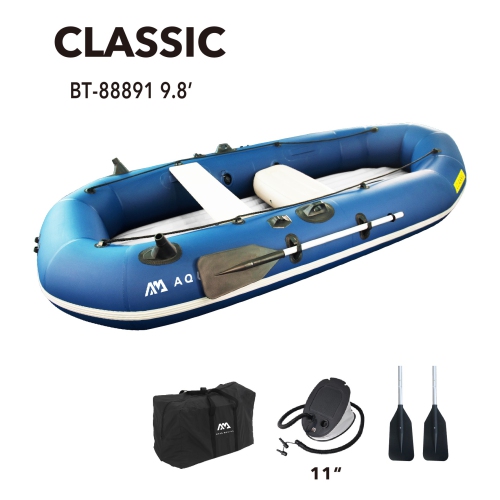
Affordable trolling motors offer a practical way to add quiet, controlled propulsion to a small fishing boat, canoe, kayak, inflatable boat, or compact jon boat without moving up to the cost and complexity of a larger outboard. They are designed for low-speed manoeuvring, steady positioning, and short trips across calm water, making them useful for anglers who want to approach a promising shoreline quietly, hold a boat near a weed bed, or move between fishing spots without paddling. They can also be handy for recreational boaters who need a simple backup motor or a more comfortable way to navigate sheltered lakes and slow-moving waterways. Most budget-friendly options are electric, use a 12V deep-cycle marine battery, and are controlled with a tiller handle mounted directly on the motor. Some offer several forward and reverse speed settings, while others include features such as a telescoping handle, a weedless propeller, a battery meter, or adjustable depth placement. The motor itself may cost around $200 to $300, but the complete setup can require a separate battery, charger, wiring, and mounting hardware, depending on what is included. Checking the full package before buying helps prevent surprises and makes it easier to compare the real cost of different options. For a broader selection of electric propulsion options, browse Electric Trolling Motors.
Thrust is one of the most important specifications when choosing an affordable trolling motor. A useful starting point is to plan for approximately 2 pounds of thrust for every 100 pounds of fully loaded boat weight, including passengers, fishing equipment, safety gear, the battery, and any supplies brought aboard. For example, a small craft weighing 600 pounds when loaded may need at least 12 pounds of thrust according to this basic guideline, while a heavier boat or one used in wind, current, or choppy conditions may benefit from additional power. This calculation is not a substitute for checking the manufacturer’s recommendations, but it provides a practical way to narrow down suitable options. Shaft length also deserves attention. A shaft that is too short may allow the propeller to lift out of the water when the boat rocks, while an unnecessarily long shaft can be awkward to handle in shallow water. Transom-mounted motors are often a good fit for small boats with a suitable flat mounting area and can be installed or removed with relatively little effort. A bow-mounted motor may provide different handling characteristics, but it requires compatible mounting space and a boat designed to support that arrangement. Consider the shape and height of the boat, the location of the operator, and the water depth where the motor will be used. For canoes and compact fishing boats, a lightweight motor with straightforward controls can make launching and storage easier, especially when one person is handling the equipment alone.
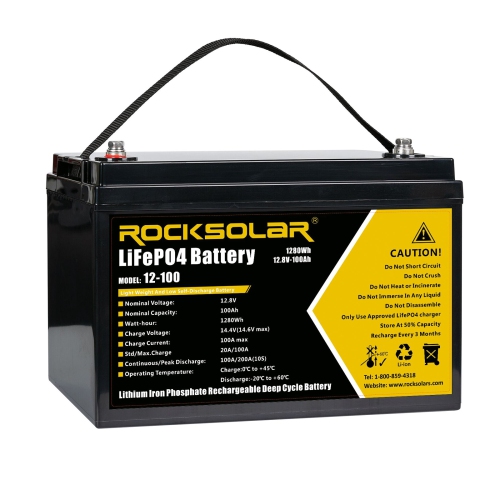
Battery planning is just as important as motor selection. Most affordable trolling motors do not include the required 12V deep-cycle marine battery or charger, so these items should be included in the purchase budget. A deep-cycle battery is made to provide steady power over a longer period, unlike a typical automotive battery, which is intended for short bursts of starting power. Battery capacity affects how long the motor can run, and run time changes with speed, boat weight, wind, current, water conditions, and how frequently the motor is stopped and started. Carrying a fully charged spare may be useful for longer outings, although the extra weight should be included in the boat’s total load calculation. The battery should be secured in a dry, stable location where it will not shift as the boat moves, and the connections should be checked before each trip. Freshwater and saltwater use also call for different considerations: saltwater can be more demanding on metal components and electrical connections, so buyers should confirm that a motor is intended for the environment where it will be used and follow the care instructions after each outing. During the cooler months, proper storage helps protect the motor, propeller, battery, and cables between trips. Affordable trolling motors can be useful gifts for new anglers, canoe owners, cottage families, and anyone setting up a small boat for relaxed days on sheltered water. The best choice will match the boat’s mounting style, loaded weight, shaft length, water conditions, battery setup, and intended speed, creating a dependable and manageable addition to time spent on the water.
Thrust is one of the most important specifications when choosing an affordable trolling motor. A useful starting point is to plan for approximately 2 pounds of thrust for every 100 pounds of fully loaded boat weight, including passengers, fishing equipment, safety gear, the battery, and any supplies brought aboard. For example, a small craft weighing 600 pounds when loaded may need at least 12 pounds of thrust according to this basic guideline, while a heavier boat or one used in wind, current, or choppy conditions may benefit from additional power. This calculation is not a substitute for checking the manufacturer’s recommendations, but it provides a practical way to narrow down suitable options. Shaft length also deserves attention. A shaft that is too short may allow the propeller to lift out of the water when the boat rocks, while an unnecessarily long shaft can be awkward to handle in shallow water. Transom-mounted motors are often a good fit for small boats with a suitable flat mounting area and can be installed or removed with relatively little effort. A bow-mounted motor may provide different handling characteristics, but it requires compatible mounting space and a boat designed to support that arrangement. Consider the shape and height of the boat, the location of the operator, and the water depth where the motor will be used. For canoes and compact fishing boats, a lightweight motor with straightforward controls can make launching and storage easier, especially when one person is handling the equipment alone.
Battery planning is just as important as motor selection. Most affordable trolling motors do not include the required 12V deep-cycle marine battery or charger, so these items should be included in the purchase budget. A deep-cycle battery is made to provide steady power over a longer period, unlike a typical automotive battery, which is intended for short bursts of starting power. Battery capacity affects how long the motor can run, and run time changes with speed, boat weight, wind, current, water conditions, and how frequently the motor is stopped and started. Carrying a fully charged spare may be useful for longer outings, although the extra weight should be included in the boat’s total load calculation. The battery should be secured in a dry, stable location where it will not shift as the boat moves, and the connections should be checked before each trip. Freshwater and saltwater use also call for different considerations: saltwater can be more demanding on metal components and electrical connections, so buyers should confirm that a motor is intended for the environment where it will be used and follow the care instructions after each outing. During the cooler months, proper storage helps protect the motor, propeller, battery, and cables between trips. Affordable trolling motors can be useful gifts for new anglers, canoe owners, cottage families, and anyone setting up a small boat for relaxed days on sheltered water. The best choice will match the boat’s mounting style, loaded weight, shaft length, water conditions, battery setup, and intended speed, creating a dependable and manageable addition to time spent on the water.
Top selling and popular products
-
 Your price for this item is $30.58
 -
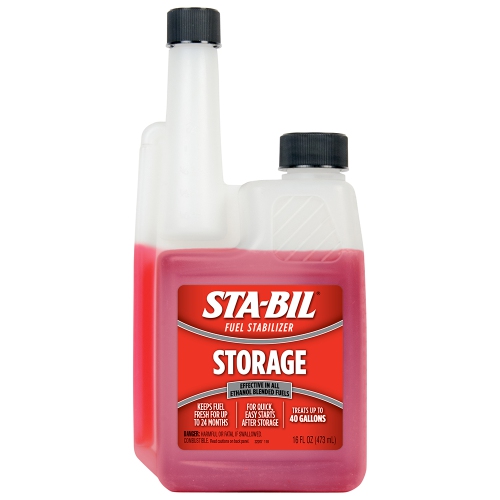 Your price for this item is $30.54
 -
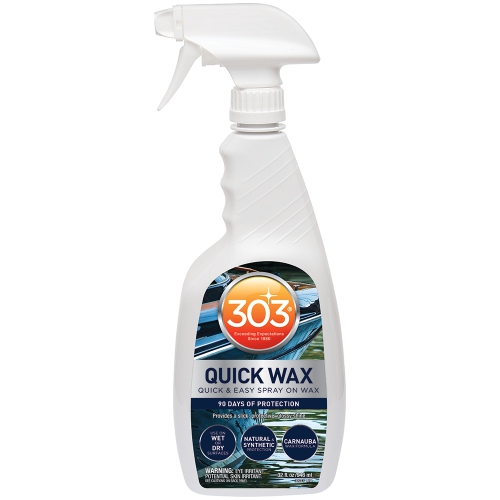 Your price for this item is $38.85
 -
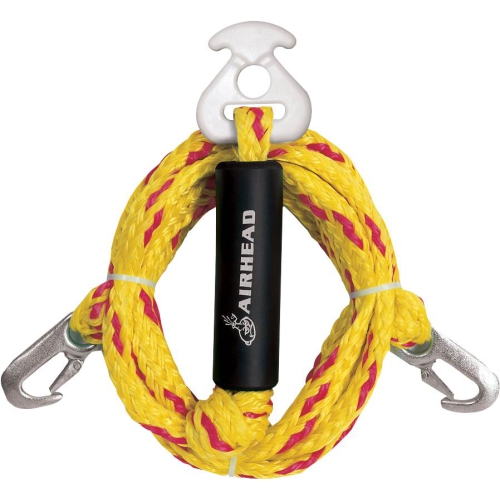 Your price for this item is $92.99
 -
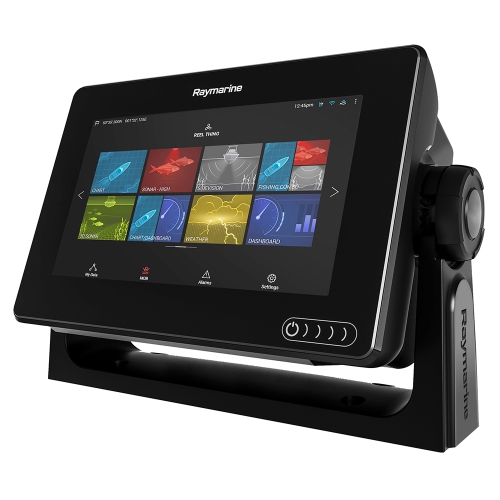 Your price for this item is $917.79
 -
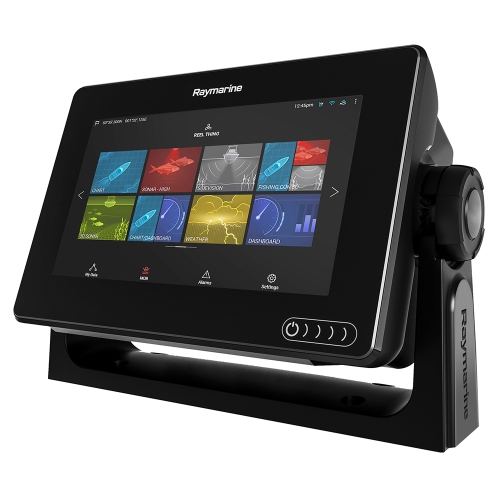 Your price for this item is $844.31
 -
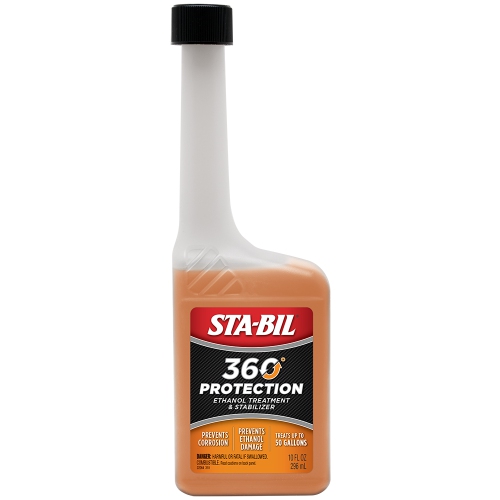 Your price for this item is $30.62
 -
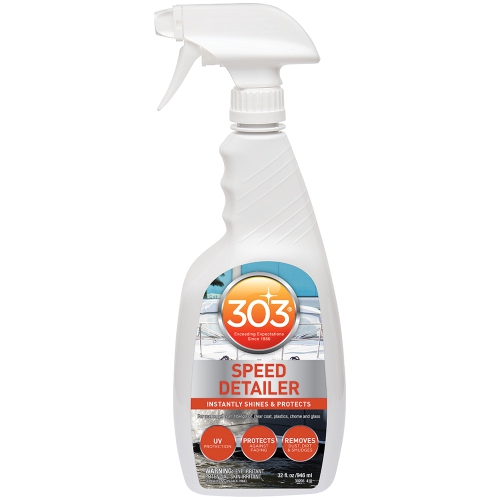 Your price for this item is $34.93
Discover more categories related to Affordable Trolling Motors
Top Collections:
Pokemon Centers, Kindle Devices, Best Budget Office Chairs, Apple iPhones 16, Canon G7X Cameras, iPhone 15 Apple, Alarm Clock, Refurbished Apple Laptops, Flip Phones, Best Laptops for Writers
Some products may be subject to Environmental Handling Fees
(EHF) depending on your province.
Learn more about EHFs.