Velo a Vendre
Find your perfect ride with Velo a Vendre, where a wide selection of bicycles awaits to suit every style and need. Whether you're exploring city streets, hitting the trails, or enjoying family outings, discover options designed for comfort and performance. Shop with confidence and enjoy seamless browsing as you search for the ideal bicycle to match your lifestyle. Start your cycling adventure today with Velo a Vendre.
Sort
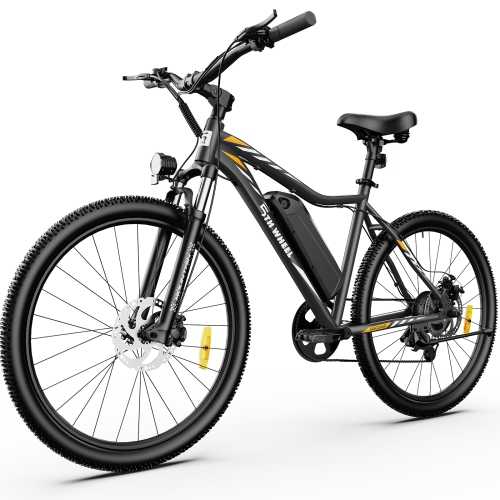
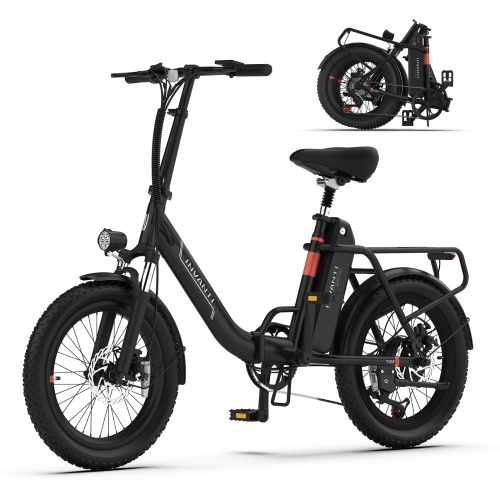
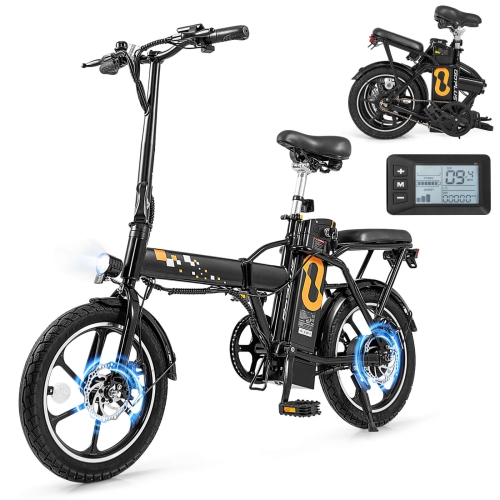
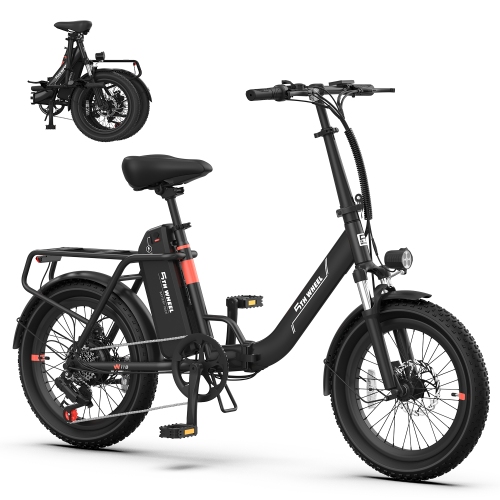
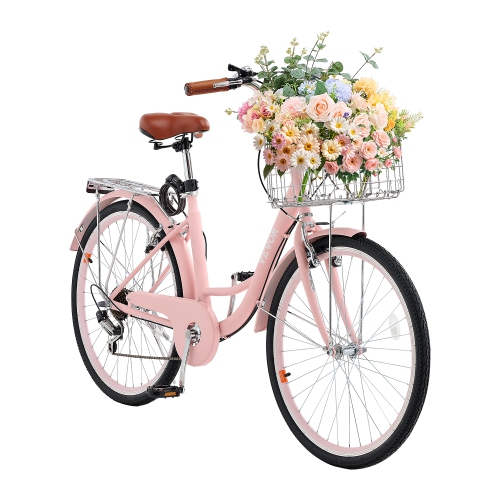
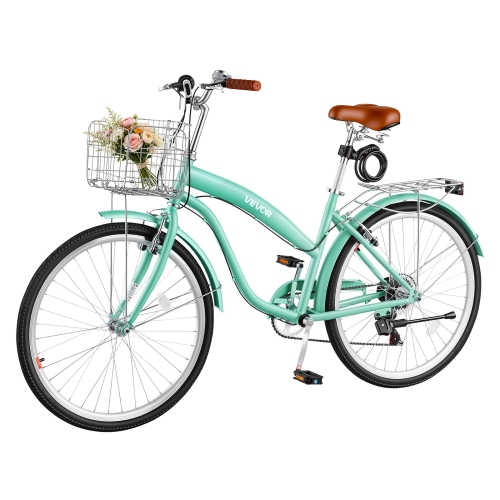
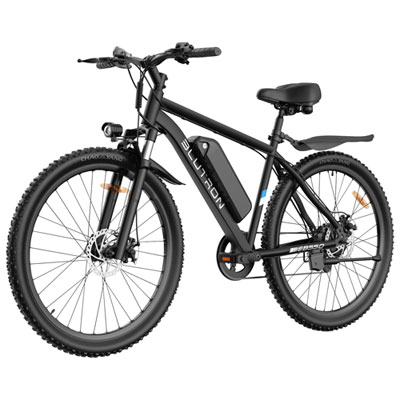
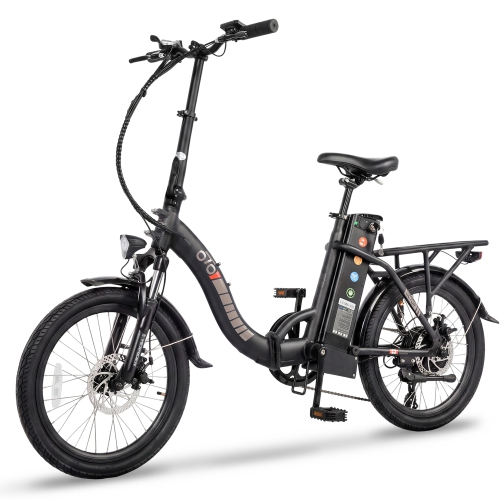
How bike design shapes comfort on your everyday routes
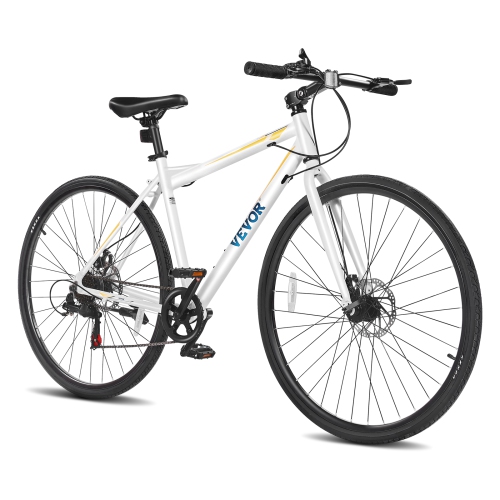
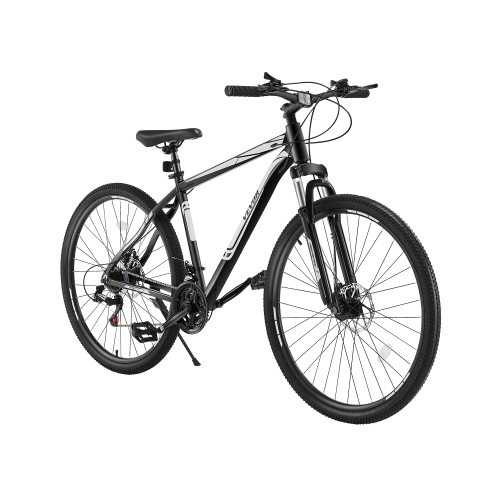
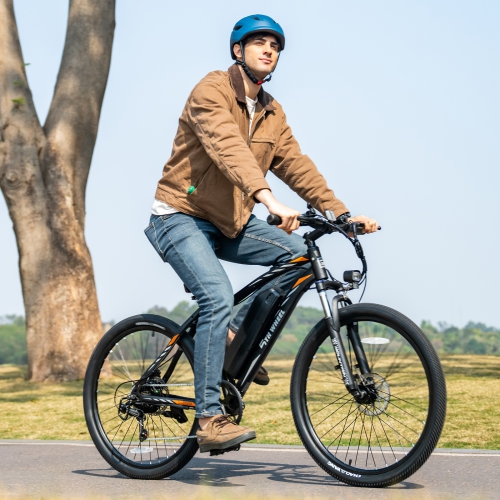
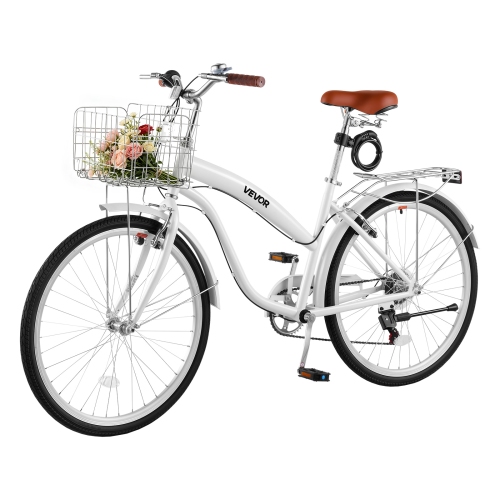
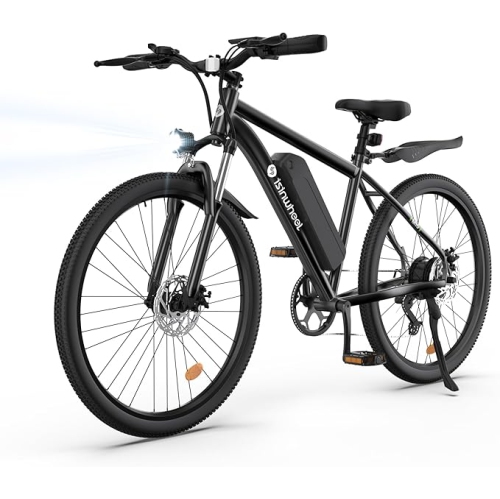
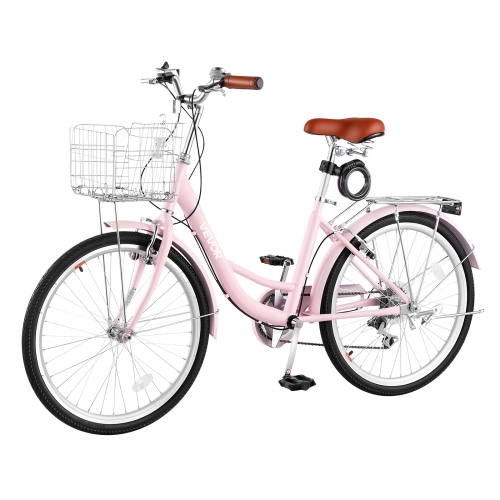
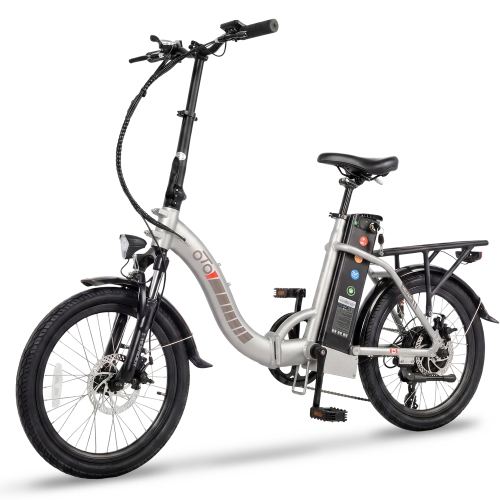
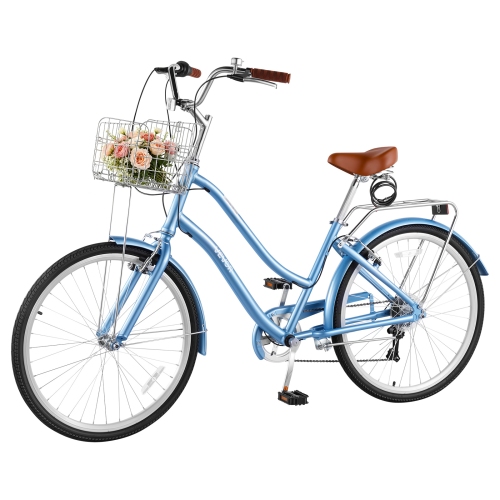
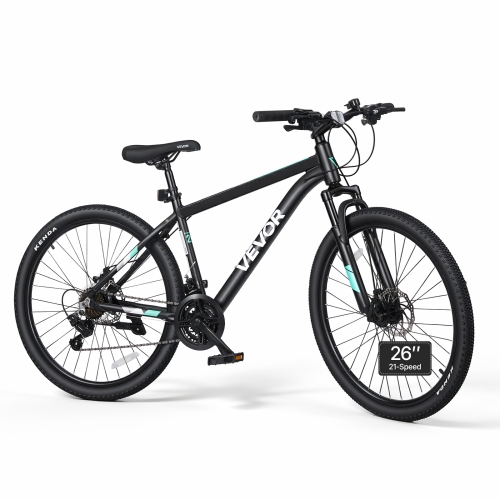
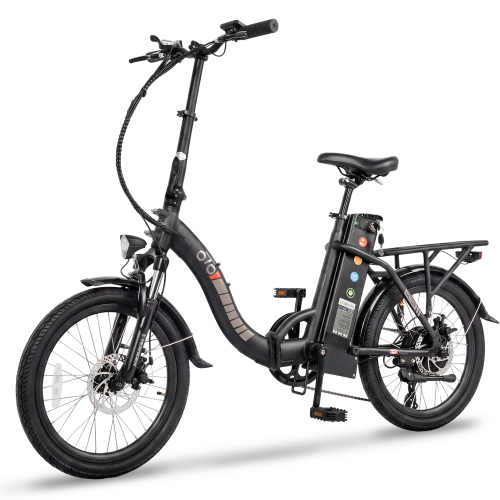
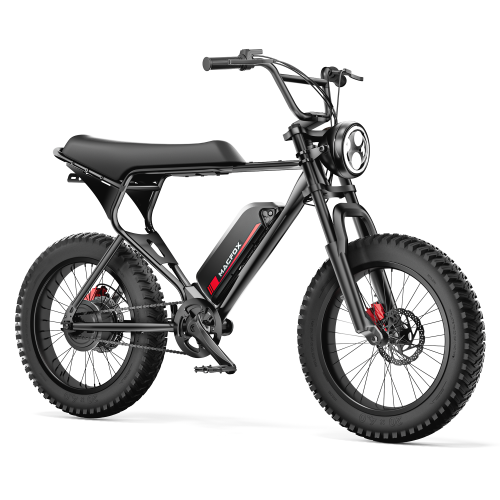
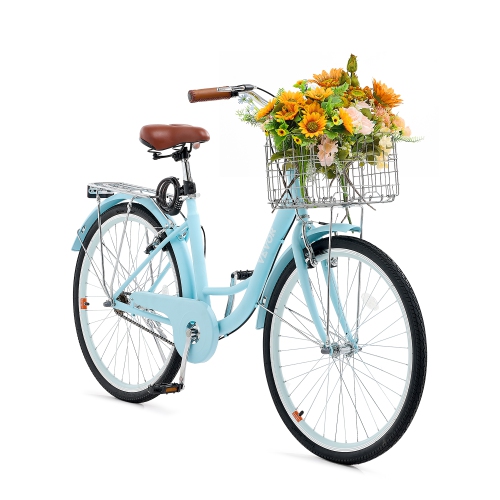
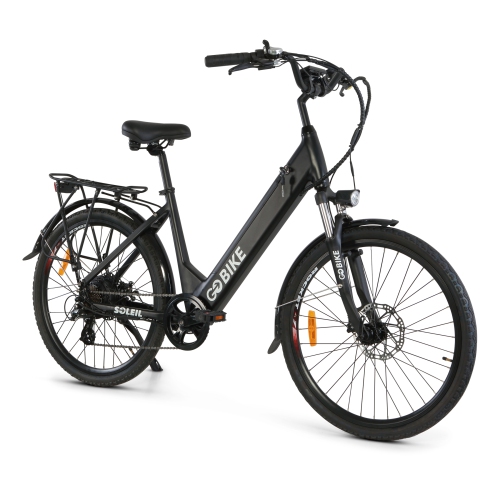
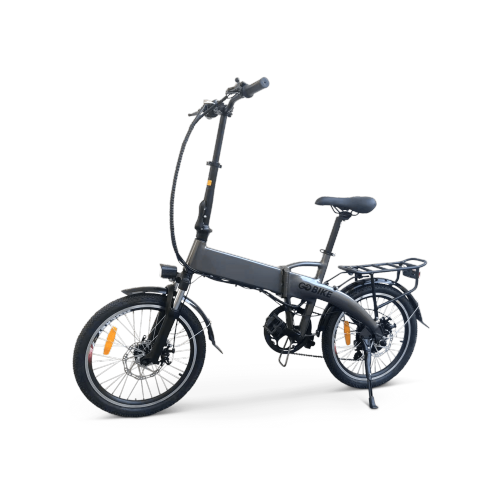
Bicycles bring a practical kind of freedom to everyday travel, whether the destination is a workplace, a neighbourhood café, or a favourite stretch of recreational trail. Bikes for sale span several distinct riding styles, and the differences go well beyond frame colour or the shape of the handlebars. Road bikes typically pair relatively narrow tyres with efficient riding positions for paved routes and longer distances. Mountain bikes use wider, more heavily treaded tyres, sturdy frames, and geometry suited to uneven terrain, with suspension on many designs to help manage bumps and maintain traction. Hybrid bikes sit between these categories, combining features that suit everyday trips, shared pathways, and relaxed fitness rides. City bikes often favour an upright posture that makes it comfortable to look ahead and take in surrounding traffic, while folding bikes offer a compact option for riders combining cycling with public transit or storing a bicycle in an apartment. Electric bikes add motor assistance to pedalling, which can make hills, longer commutes, or carrying a load feel more manageable; their handling, weight, and assistance controls still deserve attention. A short ride with a backpack places different demands on a bicycle than an extended outing with panniers, so intended use helps explain why different designs exist. Even within a single category, handlebar position, tyre width, gearing, and frame geometry can noticeably change the experience. A rider navigating frequent intersections may appreciate easy starts and predictable braking, while someone covering longer paved distances may prefer a position that supports steady pedalling. For households considering another compact transport option, scooters for sale offer a different riding format, with their own requirements for balance, storage, and permitted use. A bicycle remains a distinctive choice for people who enjoy seated pedalling, opportunities for physical activity, and the ability to adapt their ride with suitable carrying accessories. Commuters, recreational cyclists, students, and families may all use bicycles, but the most suitable style depends on the routes and routines it needs to support.
Comfort starts with fit, and a bicycle’s labelled frame size is only one part of that relationship. Reach to the handlebars, clearance over the frame, saddle height, and access to the brake levers all influence how naturally a rider can steer, stop, and pedal. Manufacturer sizing charts provide a useful starting point because sizing varies across bicycle categories and frame designs. An upright riding position can reduce the need to lean forward, while a more extended position may suit riders who prefer sustained efforts on open paved routes. Neither position should leave the rider struggling to reach the controls or feeling cramped through each pedal stroke. Step-through frames can make mounting and dismounting easier, particularly during frequent stops, although their suitability still depends on the rider’s measurements and mobility. For children, wheel diameter is a common sizing reference, but height, coordination, and the ability to operate the brakes matter just as much. A bicycle chosen with excessive room to grow can be difficult to control. Materials also shape the feel and practicality of a bike. Aluminium frames are common and can offer a useful balance of manageable weight and resistance to corrosion. Steel frames are often valued for their strength and ride feel, although overall weight and protection of exposed metal deserve consideration. Carbon fibre can allow lighter construction and carefully tuned stiffness, but it requires care around impacts, clamping, and tightening fasteners. Frame material alone does not determine comfort or durability: tyre volume, wheel construction, component quality, and correct adjustment all contribute. Wider tyres can provide cushioning and grip, whereas narrower designs may suit smooth paved riding, depending on their construction and pressure. Suspension can help on rough surfaces but adds weight and maintenance needs that may not benefit every route. Braking feel matters in practical moments, such as slowing before a busy crossing or controlling speed on a descent. Gearing also affects comfort, with lower gears helping riders maintain a manageable pedalling effort on climbs. These details make a bicycle feel suited to its rider rather than simply appropriate on paper.
Daily ownership involves more than the ride itself, especially when a bicycle needs to fit through a narrow hallway, travel on a vehicle rack, or carry groceries home. Overall weight matters when lifting a bike onto a storage hook or carrying it up stairs, and an electric bike can be substantially heavier than a similar bicycle without assistance. Folding dimensions are worth distinguishing from riding dimensions because a compact folded frame may still be awkward to lift or store. Carrying capacity is equally important: the bicycle, rack, and any child-carrying equipment each have their own limits and compatibility requirements. Mounting points for racks, bottle cages, and other accessories can make a meaningful difference to everyday convenience. A properly fitted cycling helmet, suitable lights, and a dependable lock complement the bike’s intended use, while local rules determine requirements for riding equipment and where particular bicycles may be used. Electric bike riders also need to account for applicable motor-assistance rules, battery charging instructions, and secure storage. Battery range varies with assistance level, hills, rider and cargo weight, tyre pressure, and other operating factors, so a stated range is not a promise for every journey. Routine care supports reliable performance across bicycle types. Keeping the drivetrain clean and correctly lubricated helps shifting stay smooth, while checking tyre pressure against the manufacturer’s recommendations supports handling and reduces avoidable wear. Brake pads, cables, chains, and tyres are wear components; changes in stopping power, shifting accuracy, or unusual noises can signal a need for adjustment or service. Fasteners should be tightened to the specified torque, particularly around carbon components, and unfamiliar repairs are best handled by a qualified bicycle technician. Assembly and safety checks are important before the first ride, especially if a bicycle arrives partially assembled. As a gift, a bicycle can suit a child developing riding skills, an adult returning to cycling, or someone building an active commuting routine. Involving the recipient in sizing and style decisions helps turn a thoughtful gesture into a bike that feels comfortable, fits its storage space, and earns a regular place in everyday life.
Comfort starts with fit, and a bicycle’s labelled frame size is only one part of that relationship. Reach to the handlebars, clearance over the frame, saddle height, and access to the brake levers all influence how naturally a rider can steer, stop, and pedal. Manufacturer sizing charts provide a useful starting point because sizing varies across bicycle categories and frame designs. An upright riding position can reduce the need to lean forward, while a more extended position may suit riders who prefer sustained efforts on open paved routes. Neither position should leave the rider struggling to reach the controls or feeling cramped through each pedal stroke. Step-through frames can make mounting and dismounting easier, particularly during frequent stops, although their suitability still depends on the rider’s measurements and mobility. For children, wheel diameter is a common sizing reference, but height, coordination, and the ability to operate the brakes matter just as much. A bicycle chosen with excessive room to grow can be difficult to control. Materials also shape the feel and practicality of a bike. Aluminium frames are common and can offer a useful balance of manageable weight and resistance to corrosion. Steel frames are often valued for their strength and ride feel, although overall weight and protection of exposed metal deserve consideration. Carbon fibre can allow lighter construction and carefully tuned stiffness, but it requires care around impacts, clamping, and tightening fasteners. Frame material alone does not determine comfort or durability: tyre volume, wheel construction, component quality, and correct adjustment all contribute. Wider tyres can provide cushioning and grip, whereas narrower designs may suit smooth paved riding, depending on their construction and pressure. Suspension can help on rough surfaces but adds weight and maintenance needs that may not benefit every route. Braking feel matters in practical moments, such as slowing before a busy crossing or controlling speed on a descent. Gearing also affects comfort, with lower gears helping riders maintain a manageable pedalling effort on climbs. These details make a bicycle feel suited to its rider rather than simply appropriate on paper.
Daily ownership involves more than the ride itself, especially when a bicycle needs to fit through a narrow hallway, travel on a vehicle rack, or carry groceries home. Overall weight matters when lifting a bike onto a storage hook or carrying it up stairs, and an electric bike can be substantially heavier than a similar bicycle without assistance. Folding dimensions are worth distinguishing from riding dimensions because a compact folded frame may still be awkward to lift or store. Carrying capacity is equally important: the bicycle, rack, and any child-carrying equipment each have their own limits and compatibility requirements. Mounting points for racks, bottle cages, and other accessories can make a meaningful difference to everyday convenience. A properly fitted cycling helmet, suitable lights, and a dependable lock complement the bike’s intended use, while local rules determine requirements for riding equipment and where particular bicycles may be used. Electric bike riders also need to account for applicable motor-assistance rules, battery charging instructions, and secure storage. Battery range varies with assistance level, hills, rider and cargo weight, tyre pressure, and other operating factors, so a stated range is not a promise for every journey. Routine care supports reliable performance across bicycle types. Keeping the drivetrain clean and correctly lubricated helps shifting stay smooth, while checking tyre pressure against the manufacturer’s recommendations supports handling and reduces avoidable wear. Brake pads, cables, chains, and tyres are wear components; changes in stopping power, shifting accuracy, or unusual noises can signal a need for adjustment or service. Fasteners should be tightened to the specified torque, particularly around carbon components, and unfamiliar repairs are best handled by a qualified bicycle technician. Assembly and safety checks are important before the first ride, especially if a bicycle arrives partially assembled. As a gift, a bicycle can suit a child developing riding skills, an adult returning to cycling, or someone building an active commuting routine. Involving the recipient in sizing and style decisions helps turn a thoughtful gesture into a bike that feels comfortable, fits its storage space, and earns a regular place in everyday life.
Top selling and popular products
-
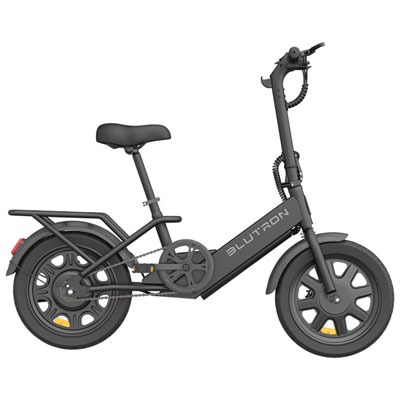 Your price for this item is $499.99
 -
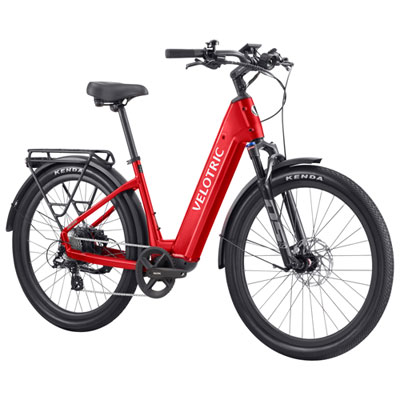 Your price for this item is $2499.99
 -
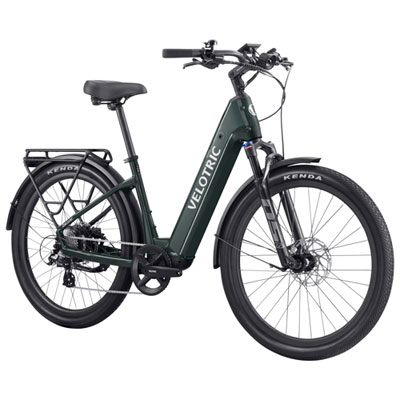 Your price for this item is $2499.99
 -
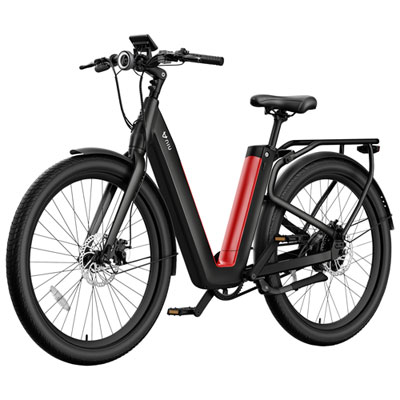 Your price for this item is $2699.99
 -
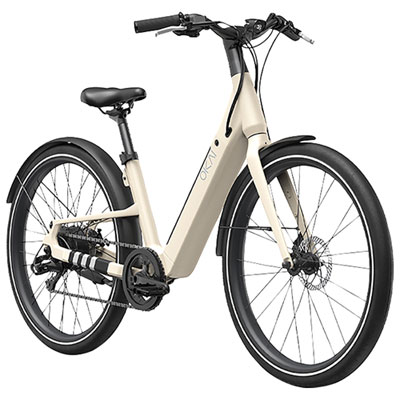 Your price for this item is $2199.99
 -
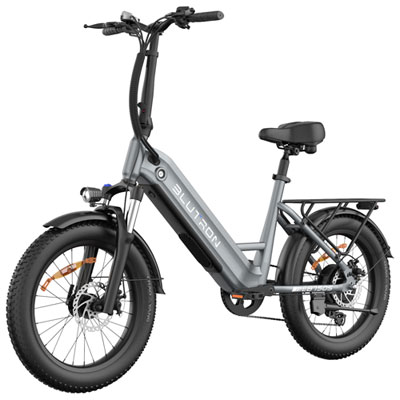 Your price for this item is $999.99
 -
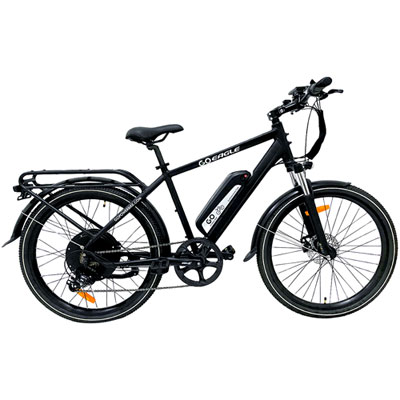 Your price for this item is $1399.97
 -
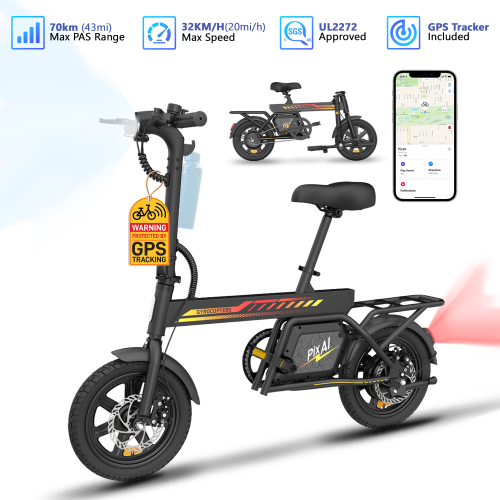 Your price for this item is $399.97
Discover more categories related to Velo a Vendre
Top Collections:
Pokemon Centers, Kindle Devices, Best Budget Office Chairs, Apple iPhones 16, Samsung Galaxy Phones, Canon G7X Cameras, iPhone 15 Apple, Flip Phones, Best Laptops for Writers, Alarm Clock
Some products may be subject to Environmental Handling Fees
(EHF) depending on your province.
Learn more about EHFs.