Velo Cargo
Velo Cargo offers a convenient way to transport your essentials with ease and efficiency. Designed for those who need extra space on the go, these versatile solutions make it simple to carry everything from groceries to gear. Explore a wide range of options to find the perfect fit for your lifestyle and enjoy enhanced mobility wherever your journey takes you. Discover how Velo Cargo can help streamline your daily routine and keep you organized on every ride.
Sort
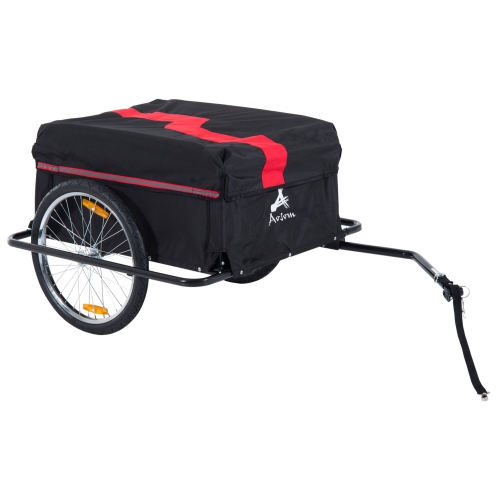
How cargo bike layouts shape everyday trips
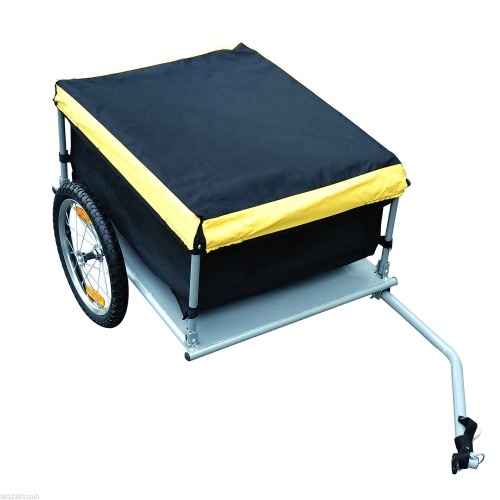
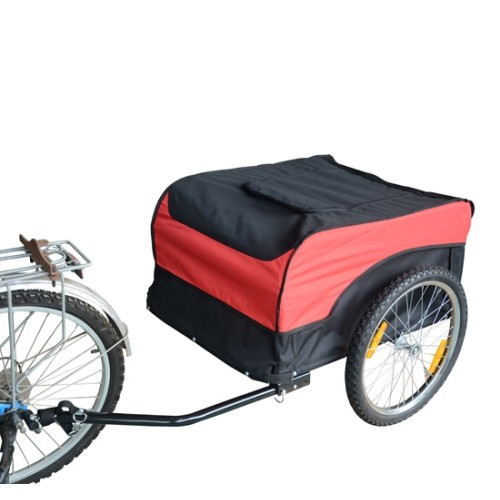
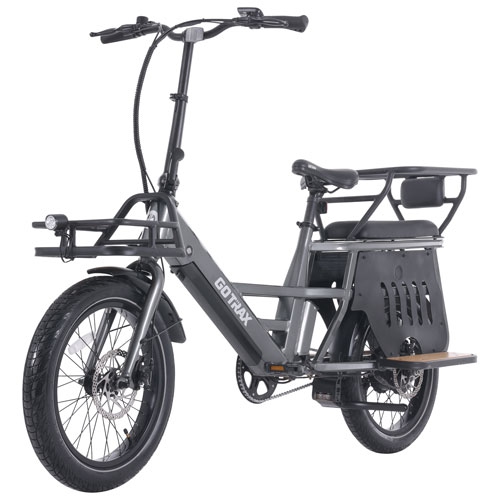
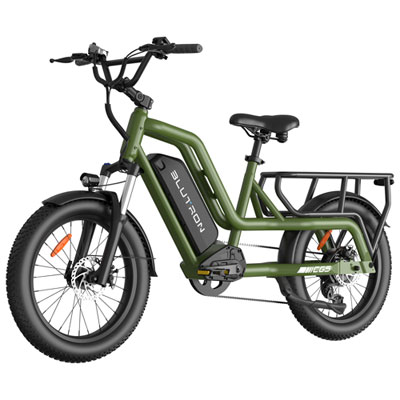
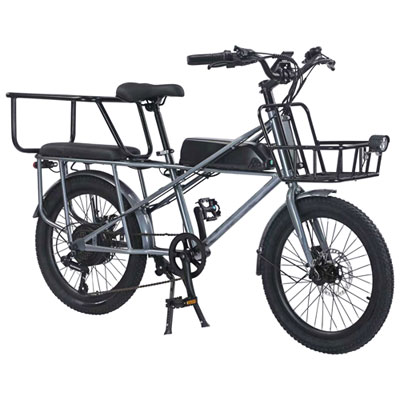
A cargo bike, often called a vélo cargo, is a bicycle designed to carry more than the rider, with a reinforced frame and dedicated space for groceries, work equipment, or passengers when fitted with approved seating. Its carrying area may sit ahead of the handlebars, extend behind the saddle, or form part of a three-wheel layout. These differences shape how the bike fits into everyday routines, from collecting groceries on the way home to carrying a child’s backpack alongside properly secured passenger seating. Longtail cargo bikes have an extended rear section that supports compatible racks, bags, and, on suitable models, passenger accessories. Their relatively narrow profile can be useful along bike routes and through storage entrances, although the longer wheelbase needs more room when turning or parking. Front-loading cargo bikes place a box or platform between the rider and front wheel, keeping the load in view. A two-wheel front-loader leans through turns, while a three-wheel cargo cycle can support itself when stopped but requires careful cornering because its handling differs from a conventional bicycle. Neither layout removes the need to distribute weight correctly or stay within the manufacturer’s limits. A bike trailer offers another way to carry cargo behind a compatible bicycle, but it is a separate attachment rather than a cargo bike and adds its own requirements for hitch compatibility, clearance, and storage. For shoppers also considering conventional bicycles, the Velo a Vendre page provides a broader point of comparison. Cargo bikes are particularly relevant to households making frequent short trips, riders carrying bulky bags, and businesses moving tools or parcels over local routes. Their appeal is practical: a stable place for the shopping, room for daily essentials, and a riding position suited to repeated stops rather than speed alone.
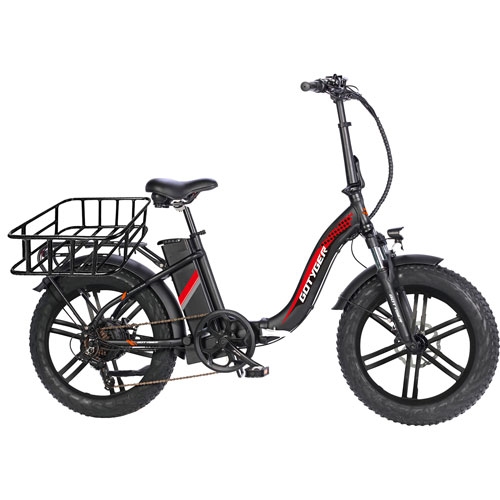
Carrying capacity matters most when it matches the actual load. A total weight rating may include the bicycle, rider, passengers, and luggage, while a rear rack or front box can have a separate, lower limit. Those figures are not interchangeable, and a spacious box does not necessarily support a heavier load. Dense cargo belongs low and securely fastened, with weight distributed according to the bike’s instructions; loose bags hanging from handlebars can interfere with steering. A grocery run with cartons, produce, and a full pannier places different demands on a bike than a lightweight but bulky sports bag. Frame materials also influence ownership. Aluminium is common where lower frame weight and resistance to rust are priorities, while steel can provide a durable structure but needs attention wherever its protective finish is damaged. Overall strength depends on construction and rated use, not the frame material alone. Cargo boxes may use coated plywood, moulded plastic, or other materials, each with different care needs around edges, drainage points, and fasteners. Washable liners and removable bags can make muddy footwear or a leaking grocery container easier to deal with. Rider fit remains important even on a bicycle built around carrying space. A low step-through frame can make getting on and off easier without swinging a leg over rear cargo, and adjustable handlebars and saddle height can help accommodate different riders within the stated fit range. Reach, standover clearance, and the ability to stop with control deserve as much attention as box dimensions. Passenger transport adds another layer of compatibility: an ordinary rack or cargo box is not automatically a passenger seat. Children need manufacturer-approved seating and restraints appropriate to their age and size, along with the specified foot supports and protection from wheels and moving parts. Applicable helmet and passenger rules also matter. For a shared household bike or a substantial gift, the intended rider’s measurements, storage space, and comfort handling a loaded bicycle are more useful than appearance alone.
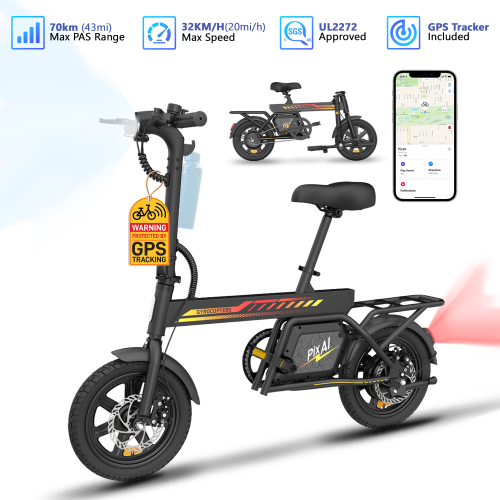
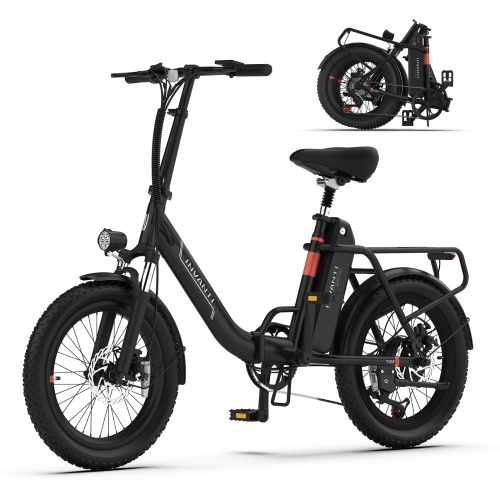
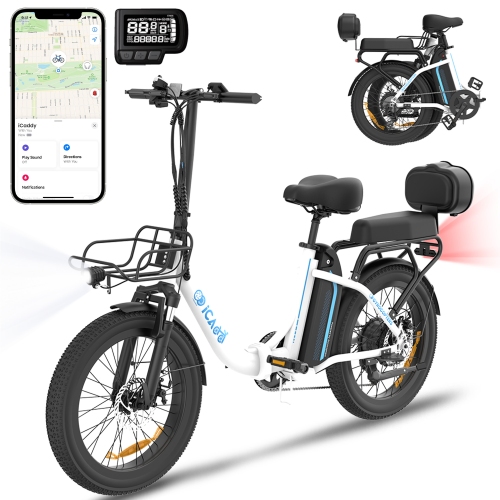
Electric cargo bikes add motor assistance to help with starts, hills, and the effort of moving a loaded bicycle. Assistance does not increase the frame’s rated capacity, shorten every stop, or replace the need for suitable gearing and controlled braking. Motor torque can be relevant on hilly routes, but the complete setup matters: rider input, gear range, total load, and wheel size all affect how a bike feels pulling away from a junction. Battery range varies with assistance level, terrain, temperature, tyre pressure, and carried weight, so an unloaded range estimate may not reflect a trip with passengers and shopping. During the cooler months, battery care is especially important; charging and storage should follow the manufacturer’s temperature limits, using the supplied or explicitly approved charger. Electrical system certification to applicable safety standards is another useful consideration. Local rules determine where an electric cargo bike may be ridden and which equipment or operating limits apply. Day-to-day usability also depends on details that are easy to overlook beside a large cargo box. Strong, well-maintained brakes help manage loaded stops, correctly rated tyres support the intended weight, and mudguards reduce spray on wet roads. Lights and reflectors need to remain visible rather than hidden behind bags or covers. A compatible parking stand can help during loading, but children should never be left unattended on a parked bike. Secure parking takes planning because a longer frame or wider front box may not fit an ordinary rack, lift, or narrow hallway, and the bike’s weight can make stairs impractical. Regular care includes checking tyre pressure, inspecting brakes, maintaining the chain as directed, and checking cargo mounts and other fasteners at the specified intervals. Road salt and grit should be removed using manufacturer-approved cleaning methods, with electrical components protected from high-pressure water. Covers, cushions, and fabric bags benefit from drying before storage, while cracks, loose fittings, or damaged restraints need attention before the next ride. These practical details help a cargo bike remain a dependable part of school runs, errands, commuting, or local deliveries through changing weather and repeated use.
Carrying capacity matters most when it matches the actual load. A total weight rating may include the bicycle, rider, passengers, and luggage, while a rear rack or front box can have a separate, lower limit. Those figures are not interchangeable, and a spacious box does not necessarily support a heavier load. Dense cargo belongs low and securely fastened, with weight distributed according to the bike’s instructions; loose bags hanging from handlebars can interfere with steering. A grocery run with cartons, produce, and a full pannier places different demands on a bike than a lightweight but bulky sports bag. Frame materials also influence ownership. Aluminium is common where lower frame weight and resistance to rust are priorities, while steel can provide a durable structure but needs attention wherever its protective finish is damaged. Overall strength depends on construction and rated use, not the frame material alone. Cargo boxes may use coated plywood, moulded plastic, or other materials, each with different care needs around edges, drainage points, and fasteners. Washable liners and removable bags can make muddy footwear or a leaking grocery container easier to deal with. Rider fit remains important even on a bicycle built around carrying space. A low step-through frame can make getting on and off easier without swinging a leg over rear cargo, and adjustable handlebars and saddle height can help accommodate different riders within the stated fit range. Reach, standover clearance, and the ability to stop with control deserve as much attention as box dimensions. Passenger transport adds another layer of compatibility: an ordinary rack or cargo box is not automatically a passenger seat. Children need manufacturer-approved seating and restraints appropriate to their age and size, along with the specified foot supports and protection from wheels and moving parts. Applicable helmet and passenger rules also matter. For a shared household bike or a substantial gift, the intended rider’s measurements, storage space, and comfort handling a loaded bicycle are more useful than appearance alone.
Electric cargo bikes add motor assistance to help with starts, hills, and the effort of moving a loaded bicycle. Assistance does not increase the frame’s rated capacity, shorten every stop, or replace the need for suitable gearing and controlled braking. Motor torque can be relevant on hilly routes, but the complete setup matters: rider input, gear range, total load, and wheel size all affect how a bike feels pulling away from a junction. Battery range varies with assistance level, terrain, temperature, tyre pressure, and carried weight, so an unloaded range estimate may not reflect a trip with passengers and shopping. During the cooler months, battery care is especially important; charging and storage should follow the manufacturer’s temperature limits, using the supplied or explicitly approved charger. Electrical system certification to applicable safety standards is another useful consideration. Local rules determine where an electric cargo bike may be ridden and which equipment or operating limits apply. Day-to-day usability also depends on details that are easy to overlook beside a large cargo box. Strong, well-maintained brakes help manage loaded stops, correctly rated tyres support the intended weight, and mudguards reduce spray on wet roads. Lights and reflectors need to remain visible rather than hidden behind bags or covers. A compatible parking stand can help during loading, but children should never be left unattended on a parked bike. Secure parking takes planning because a longer frame or wider front box may not fit an ordinary rack, lift, or narrow hallway, and the bike’s weight can make stairs impractical. Regular care includes checking tyre pressure, inspecting brakes, maintaining the chain as directed, and checking cargo mounts and other fasteners at the specified intervals. Road salt and grit should be removed using manufacturer-approved cleaning methods, with electrical components protected from high-pressure water. Covers, cushions, and fabric bags benefit from drying before storage, while cracks, loose fittings, or damaged restraints need attention before the next ride. These practical details help a cargo bike remain a dependable part of school runs, errands, commuting, or local deliveries through changing weather and repeated use.
Top selling and popular products
-
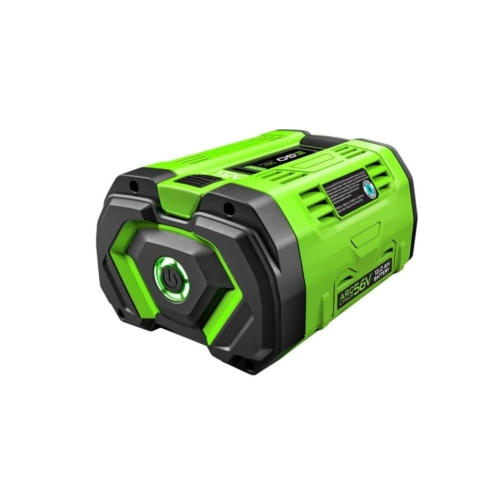 Your price for this item is $674.99
 -
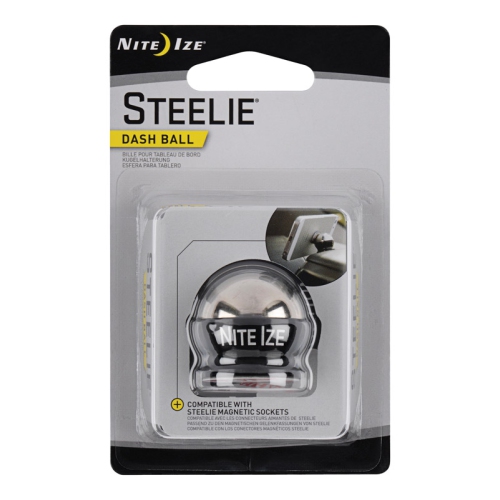 Your price for this item is $26.99
 -
 Your price for this item is $104.99
 -
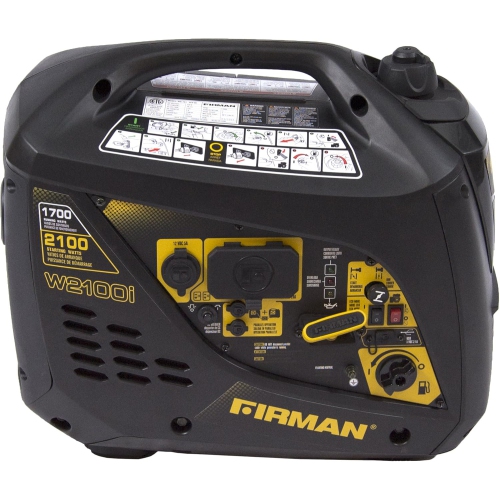 Your price for this item is $854.05
 -
 Your price for this item is $130.99
 -
 Your price for this item is $1504.99
 -
 Your price for this item is $99.99
 -
 Your price for this item is $223.99
Discover more categories related to Velo Cargo
Top Collections:
Pokemon Centers, Kindle Devices, Best Budget Office Chairs, Apple iPhones 16, Samsung Galaxy Phones, Canon G7X Cameras, iPhone 15 Apple, Flip Phones, Best Laptops for Writers, Alarm Clock
Some products may be subject to Environmental Handling Fees
(EHF) depending on your province.
Learn more about EHFs.