Water Sports Boards
Looking to make a splash this summer? Look no further than our wide selection of water sports boards. Whether you're a seasoned pro or just starting out, these boards are designed to enhance your aquatic adventures and provide endless hours of fun in the sun. From paddleboards to wakeboards, surfboards to inflatable rafts, we have a variety of options to suit every skill level and preference. So grab your gear and get ready to conquer the waves with confidence and style. Dive into our collection of water sports boards and get ready for an unforgettable summer on the water.
Sort
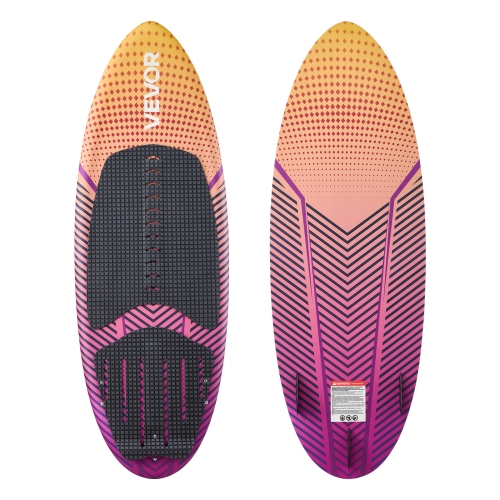

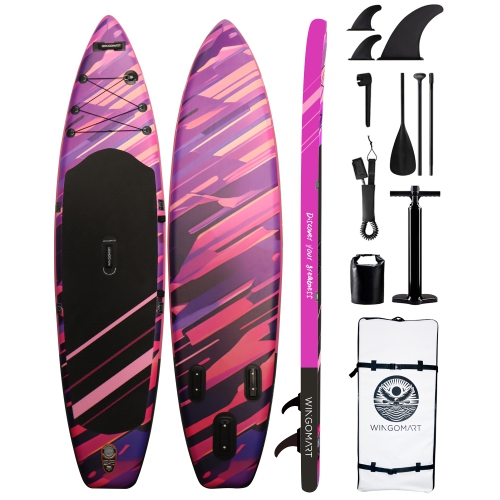
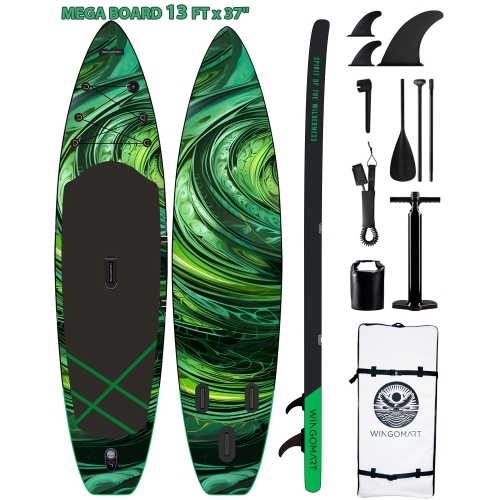
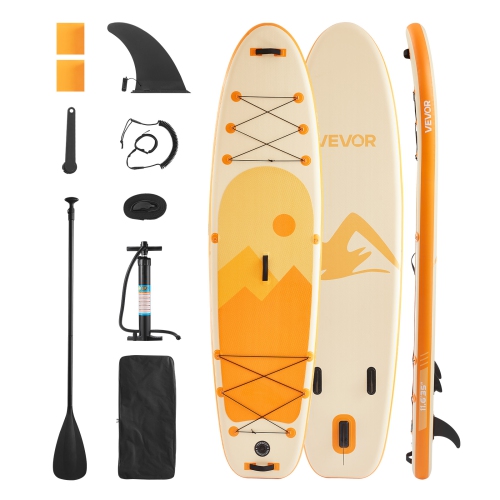
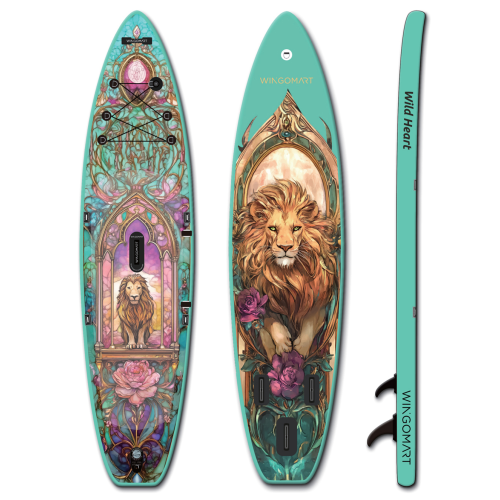
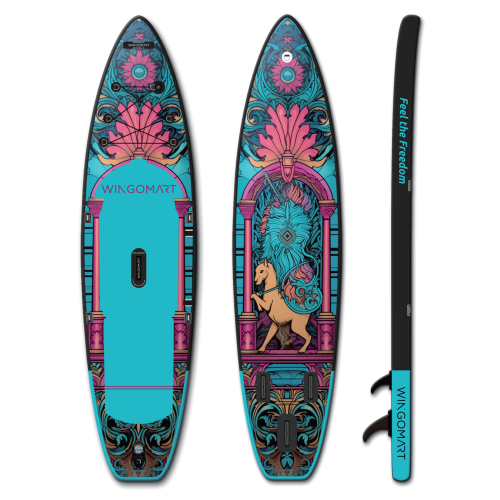
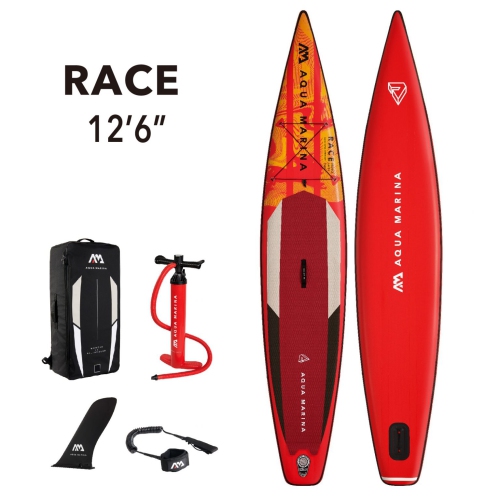
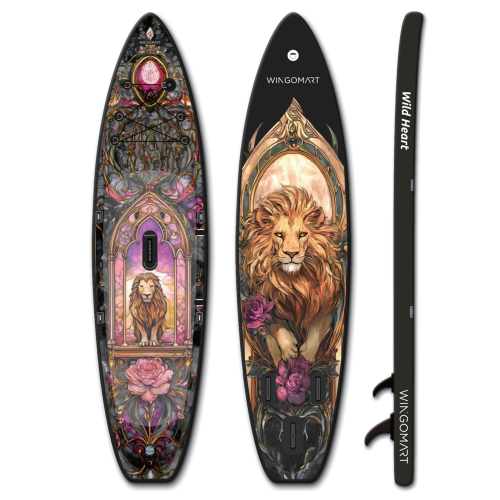
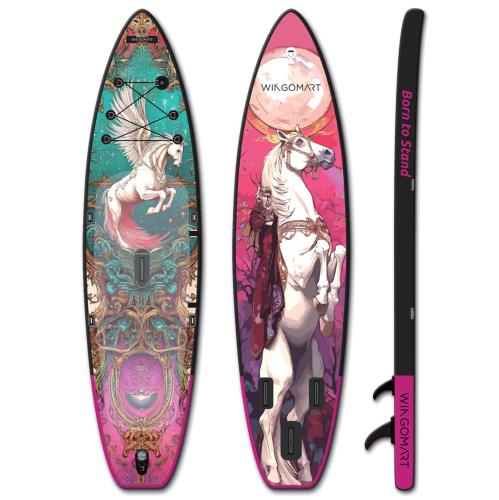
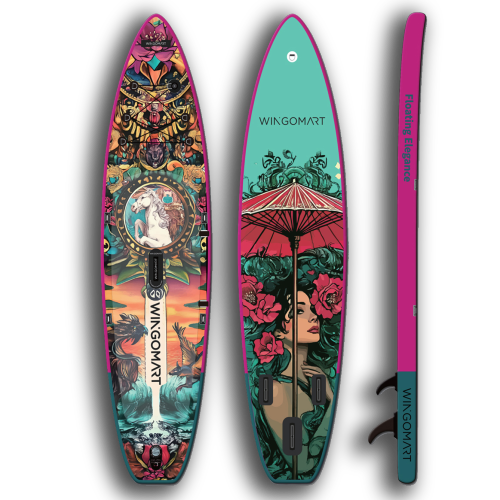
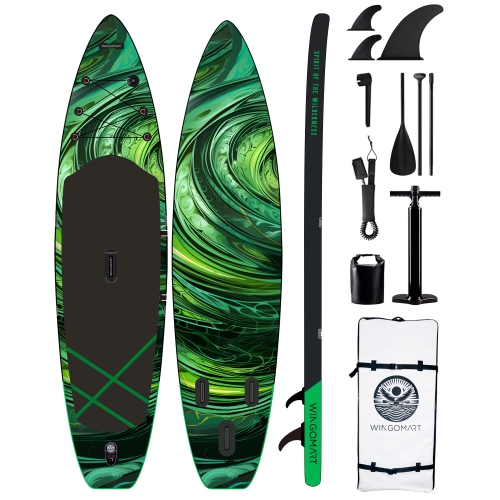
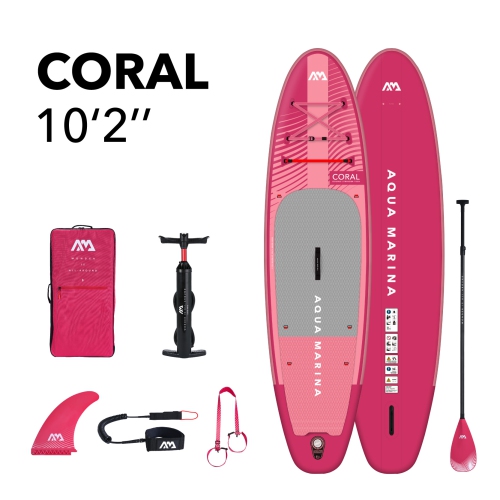
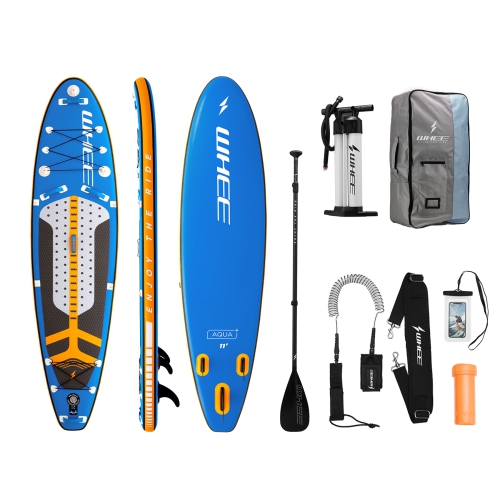
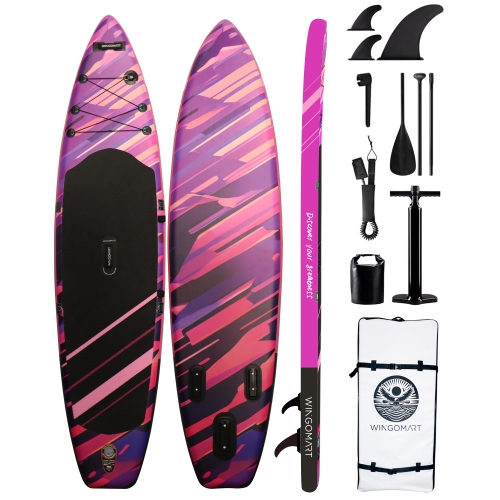
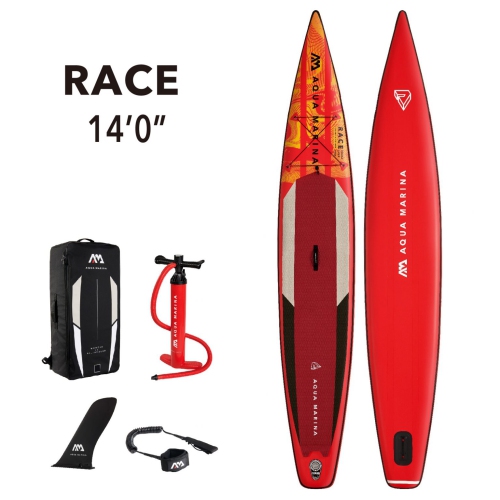
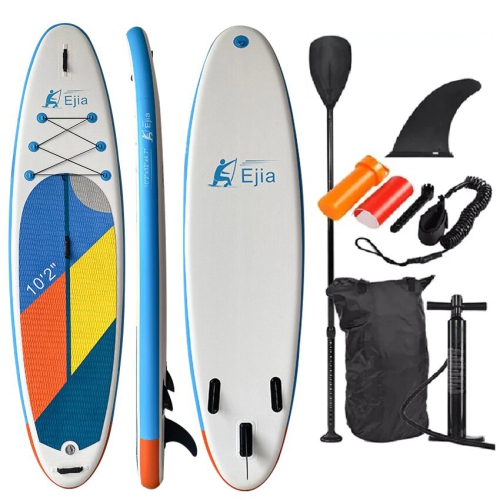

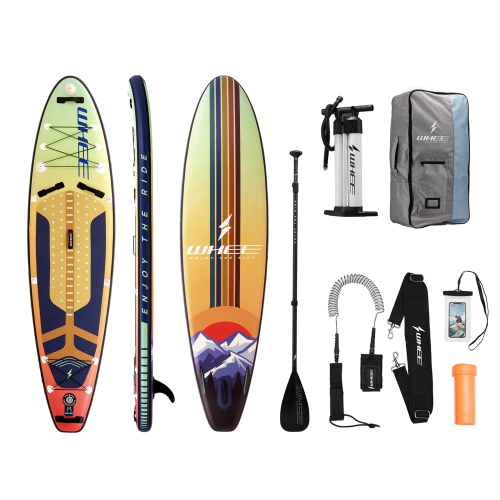
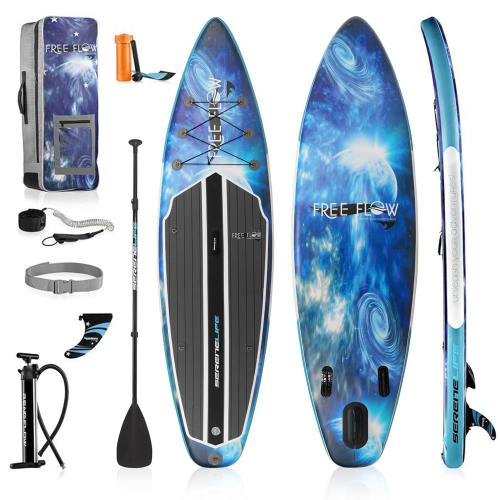
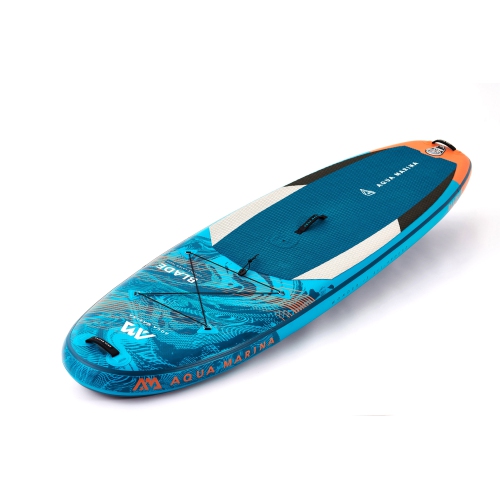
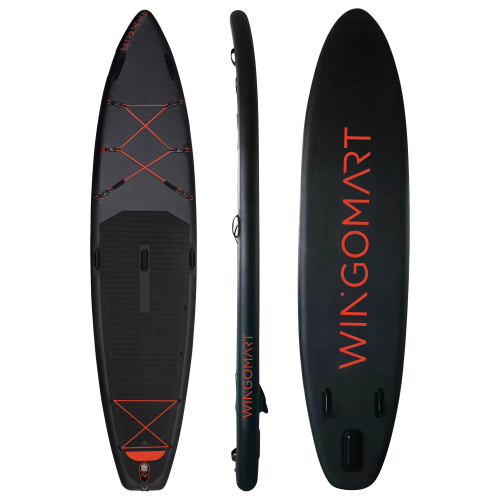
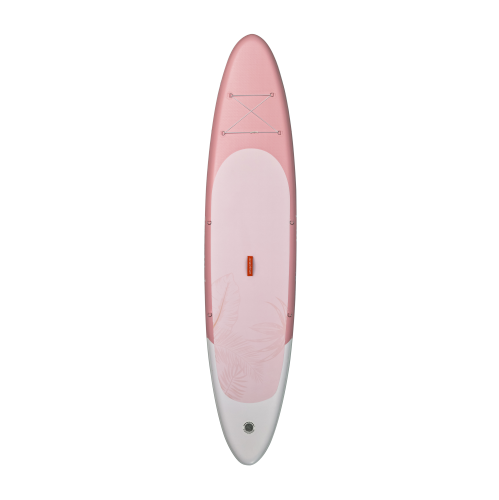
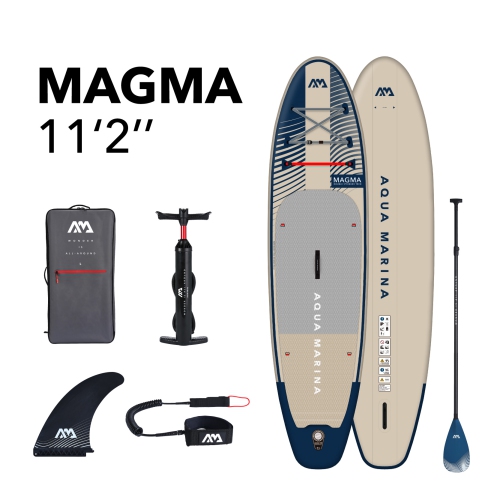
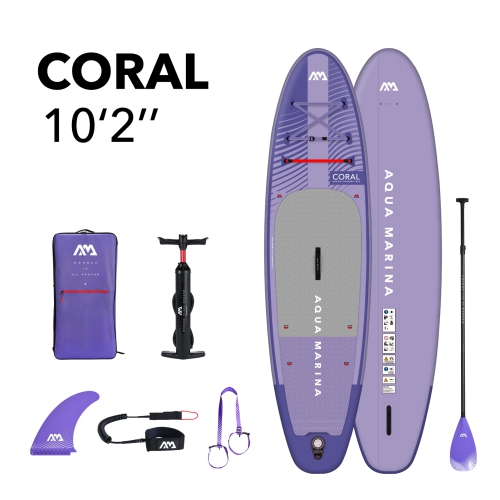
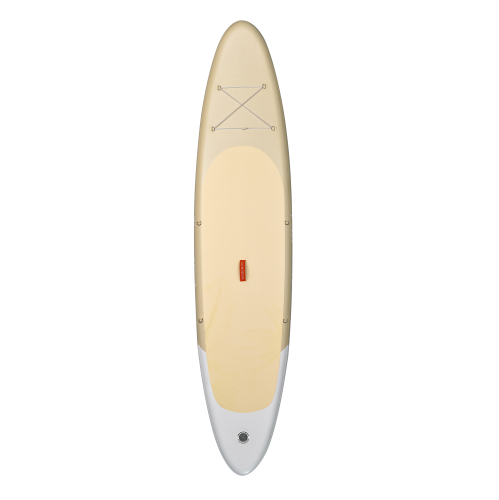
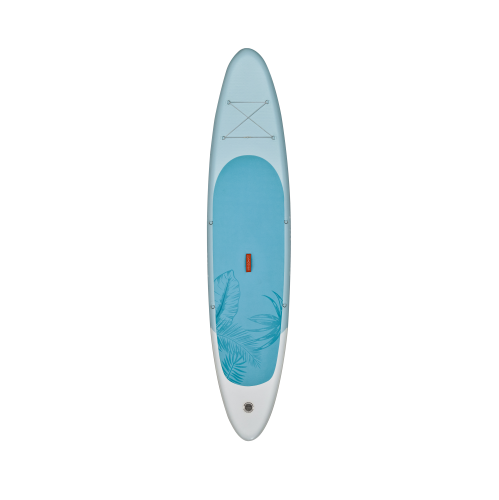
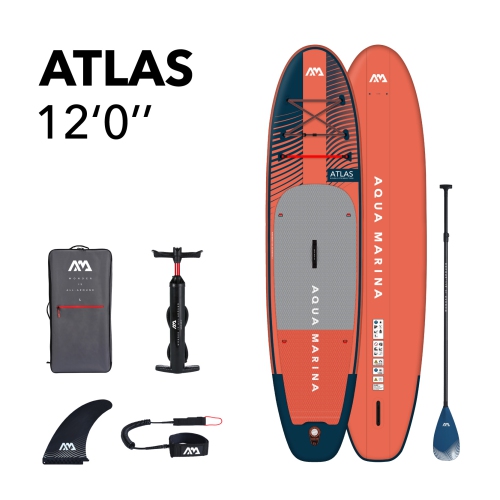
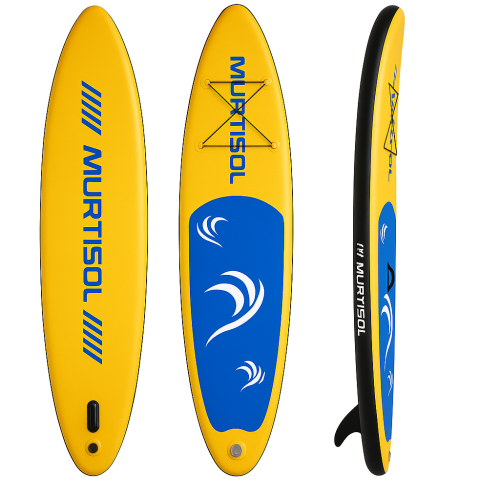
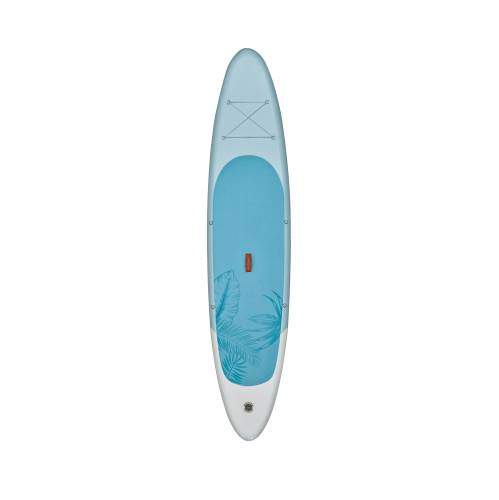
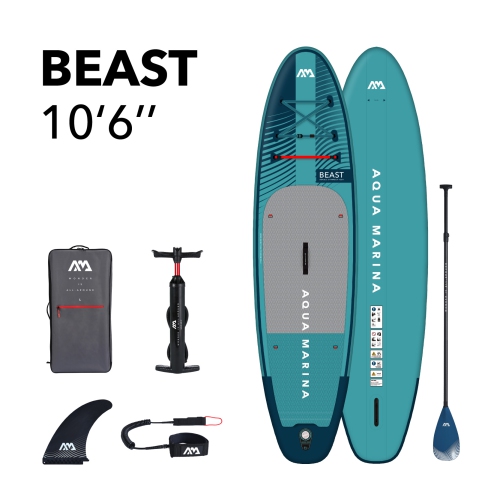
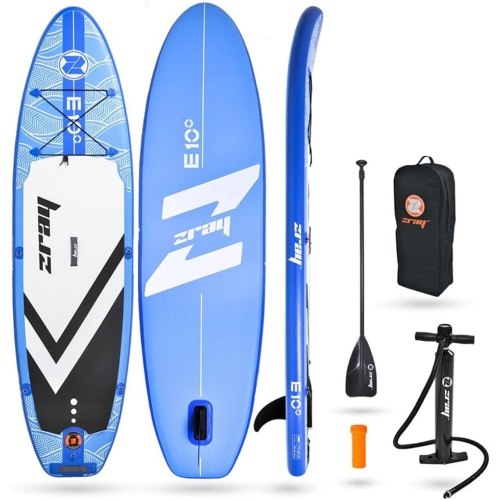
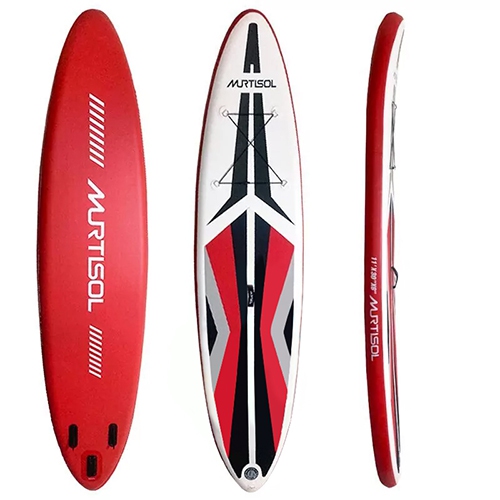

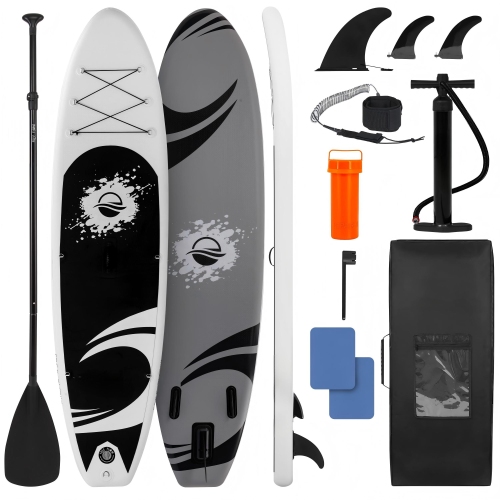
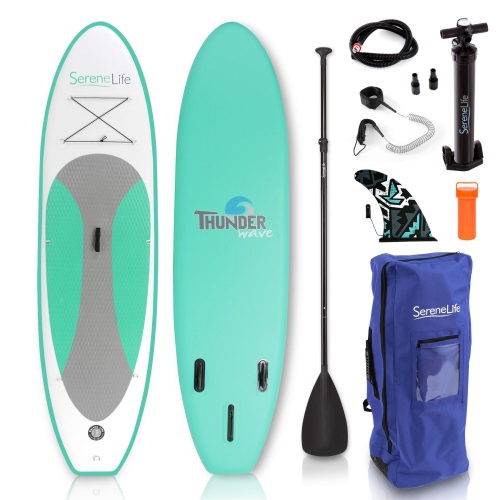
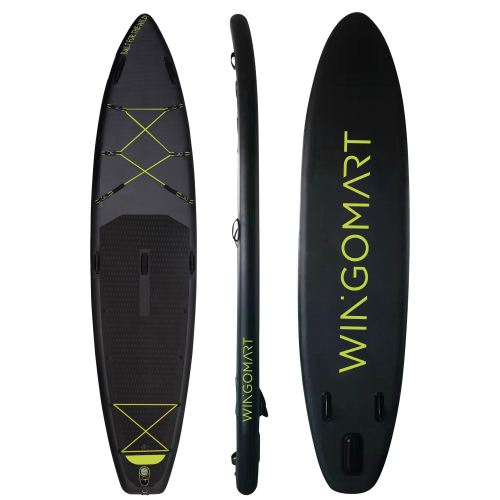
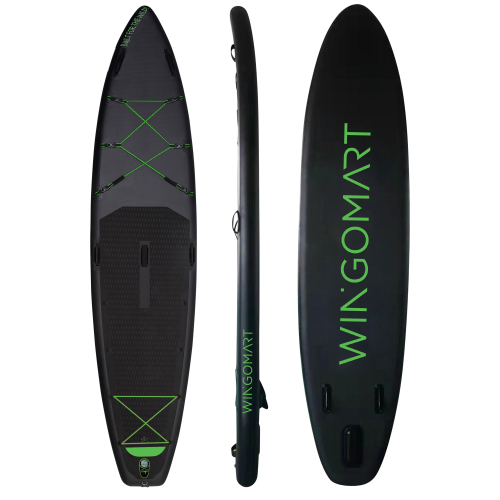
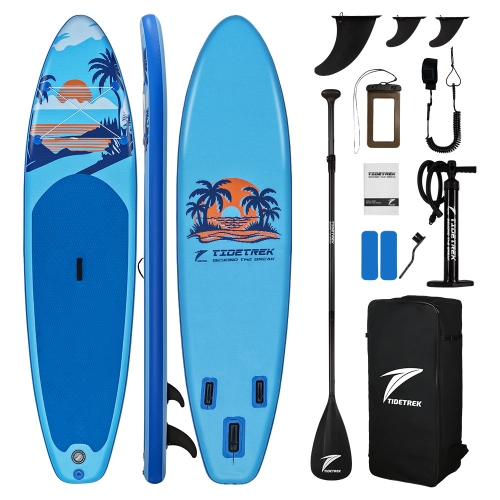
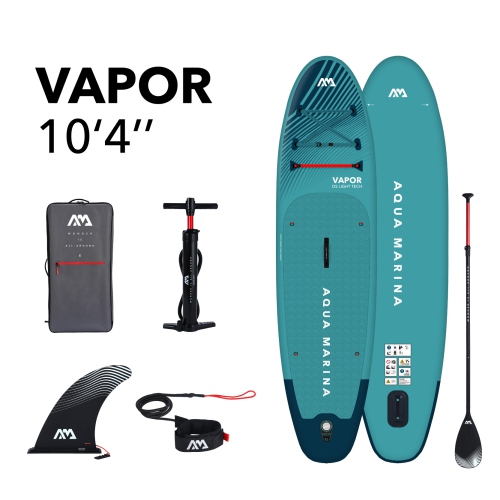
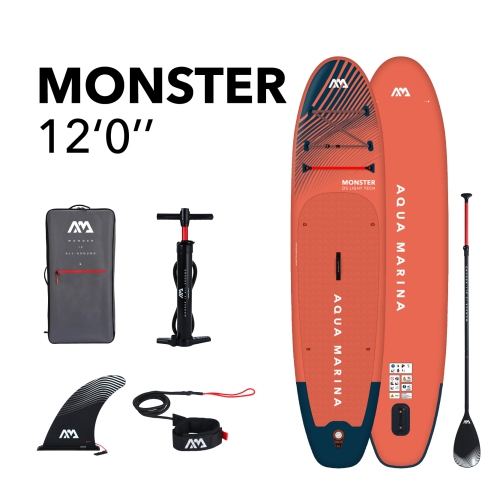
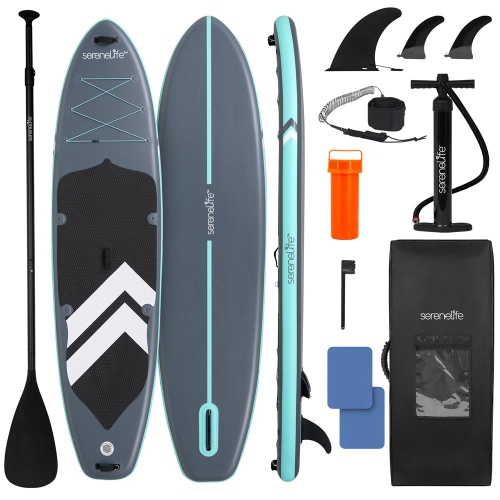
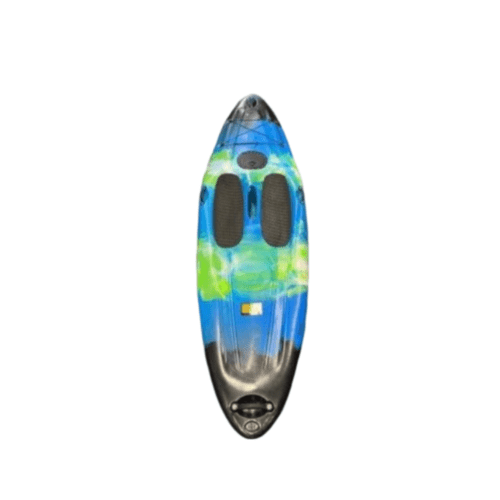

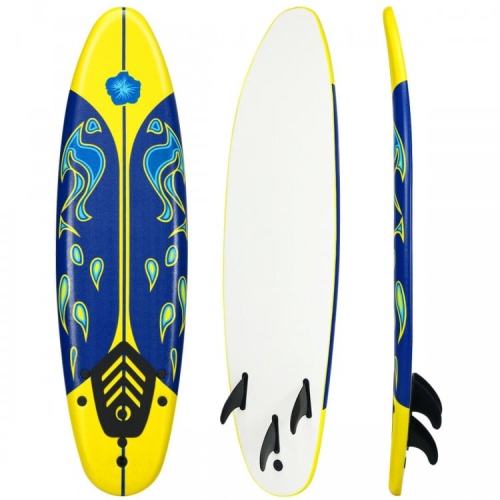
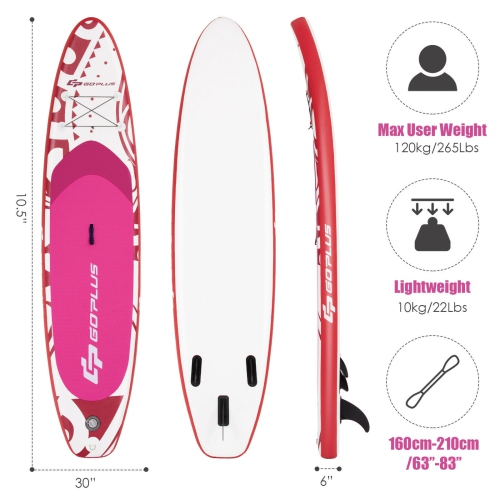
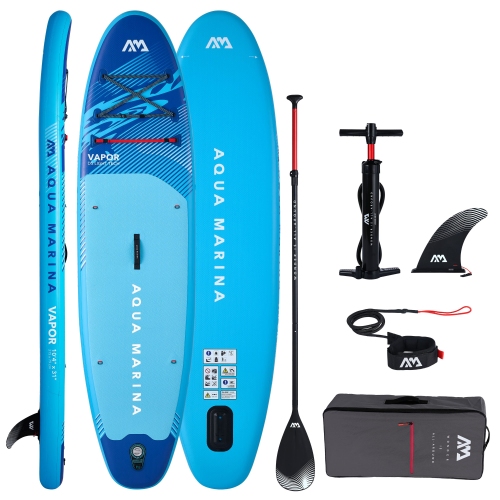
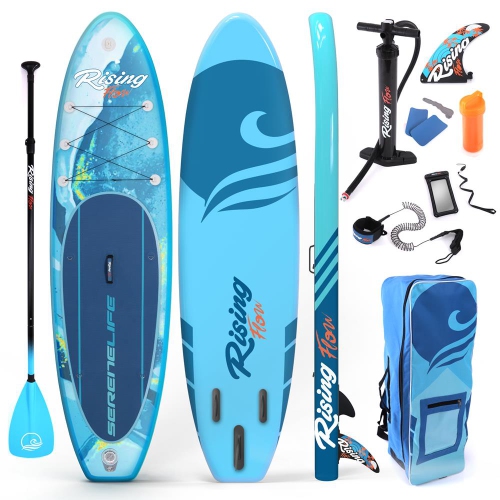
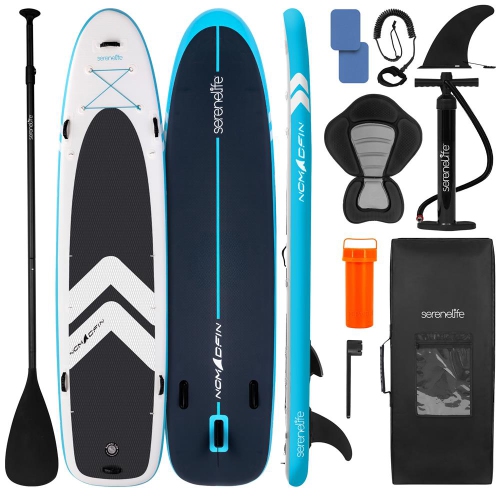
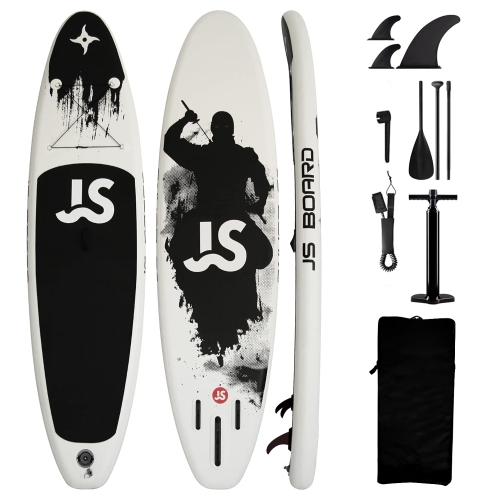
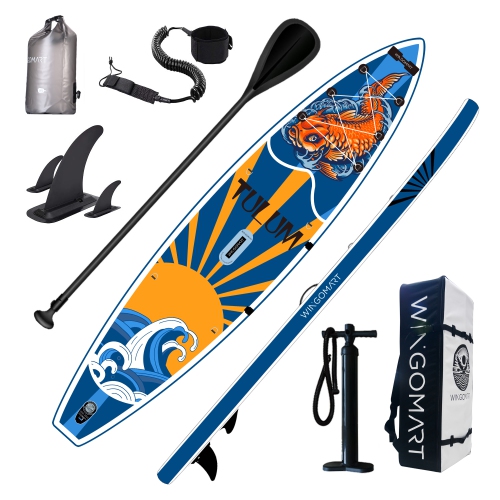
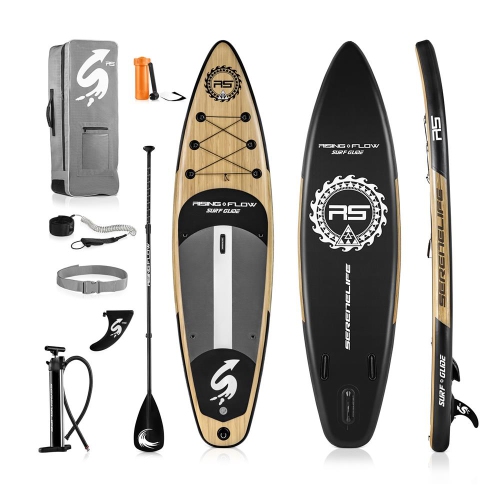
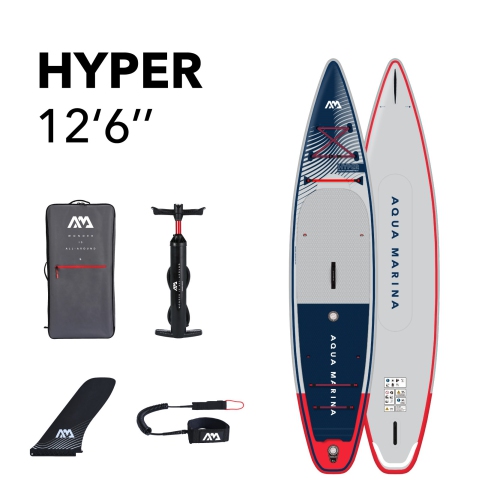
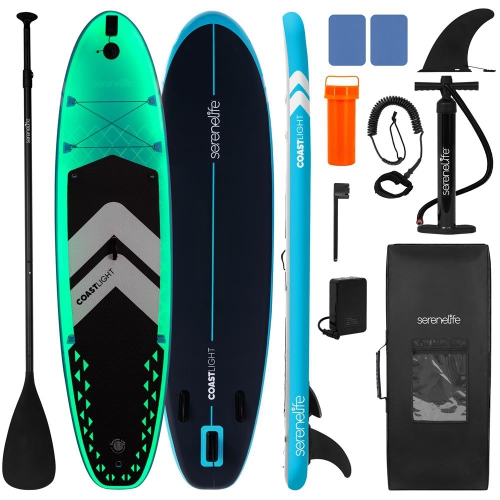

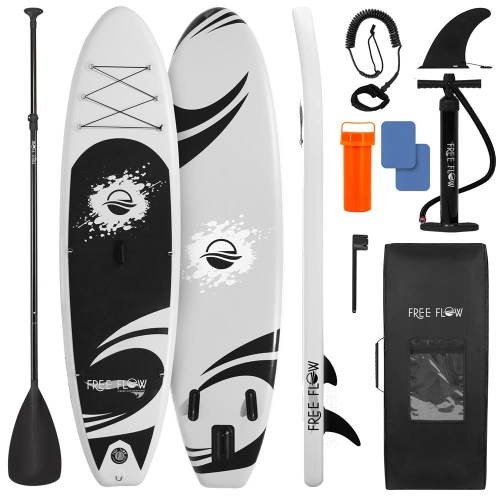

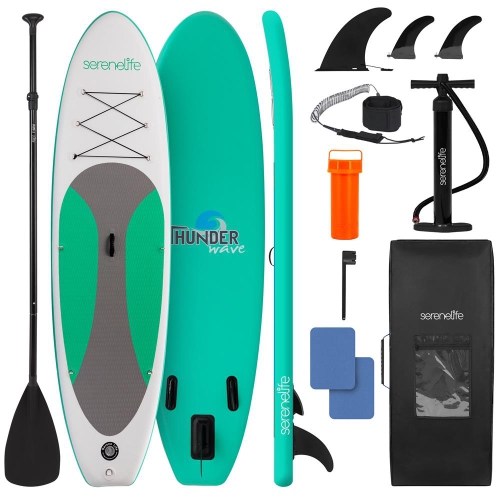
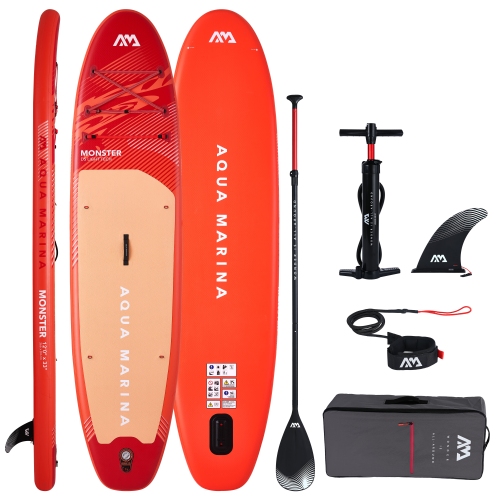
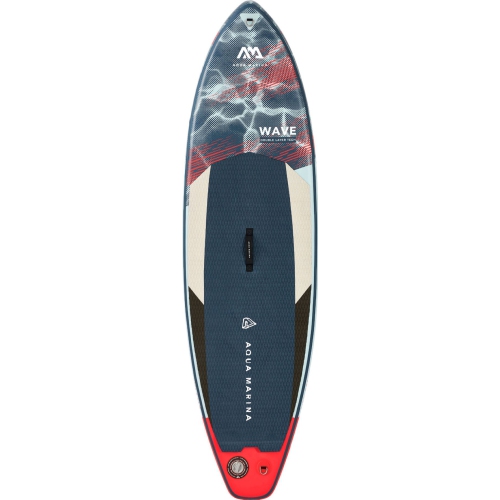

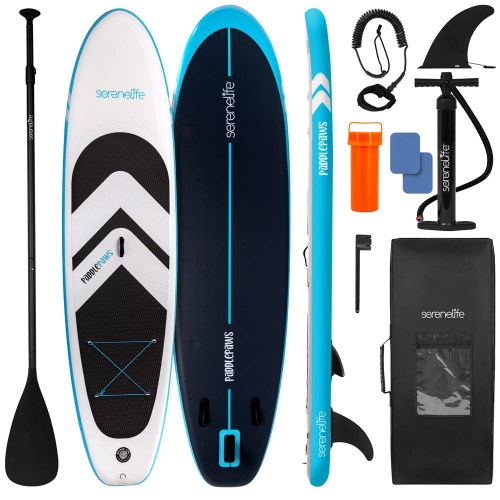
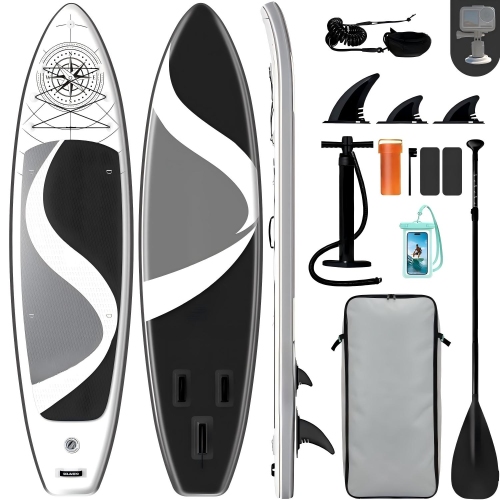
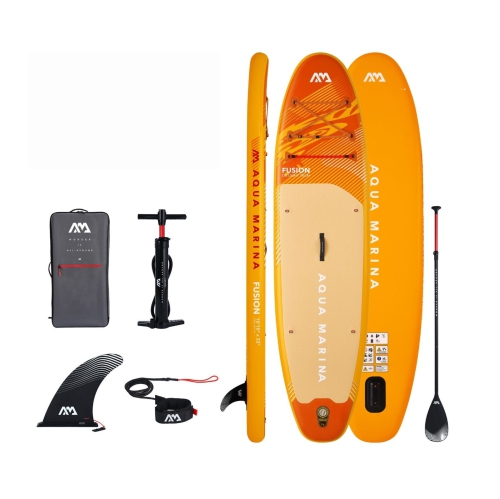
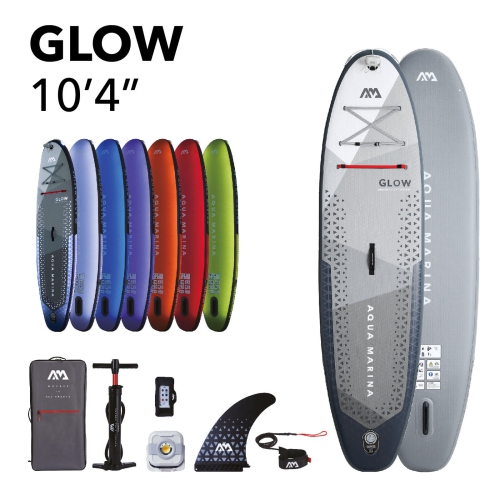
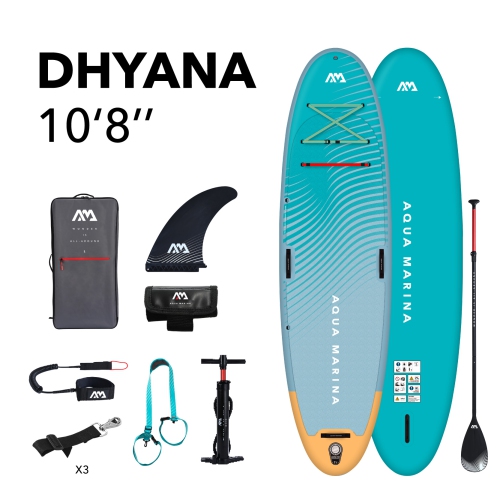

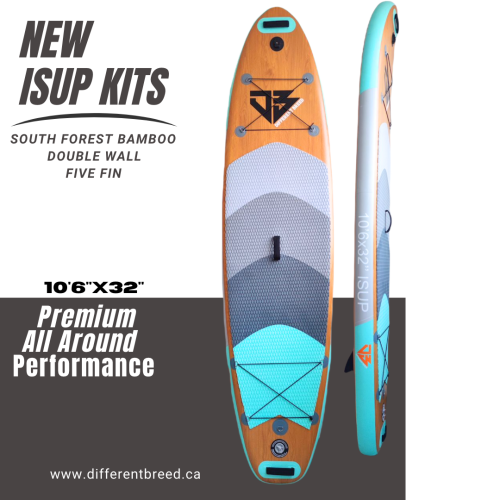
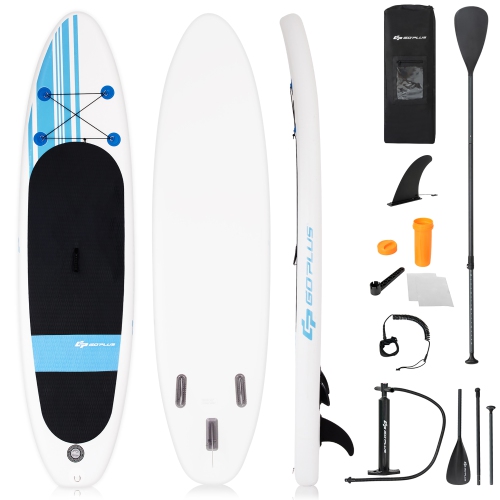
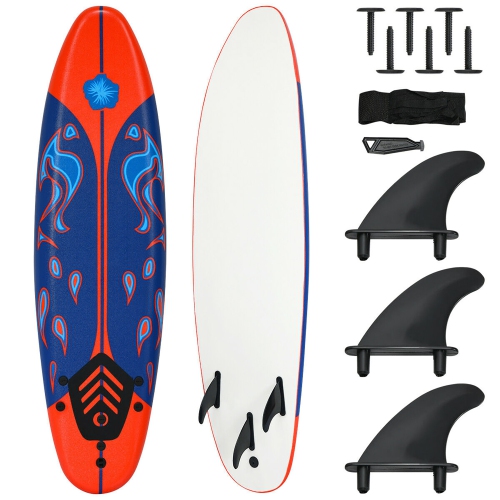
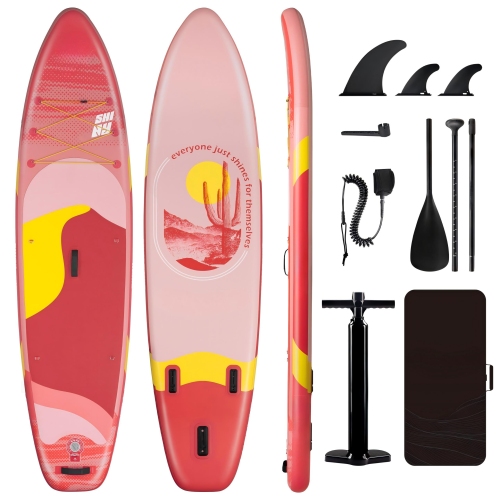
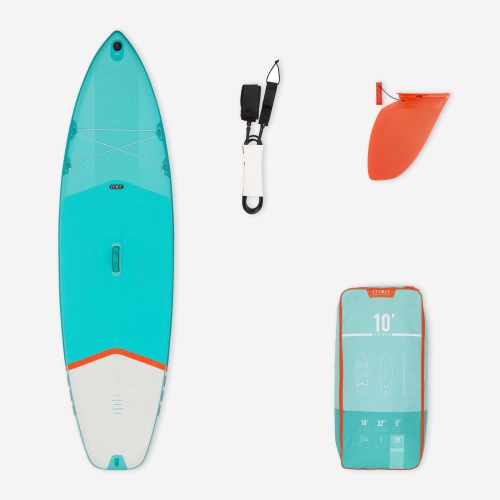
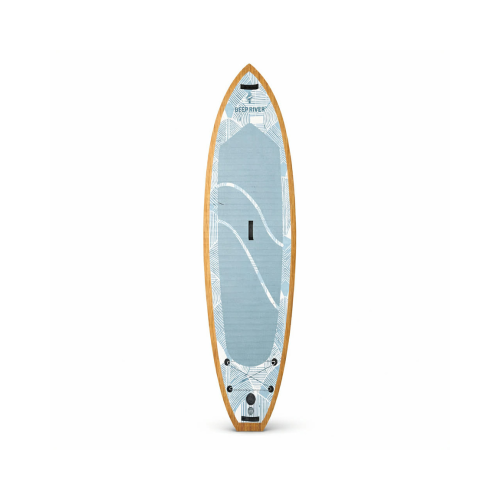
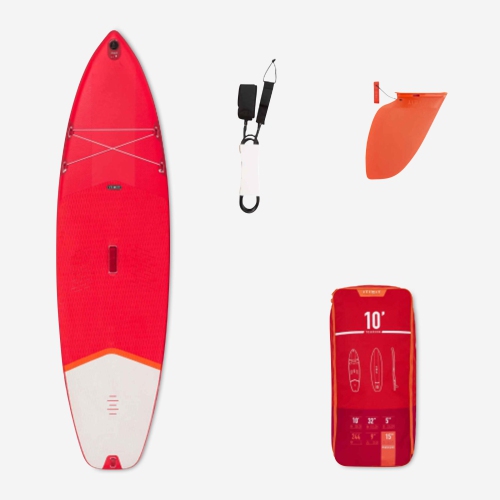
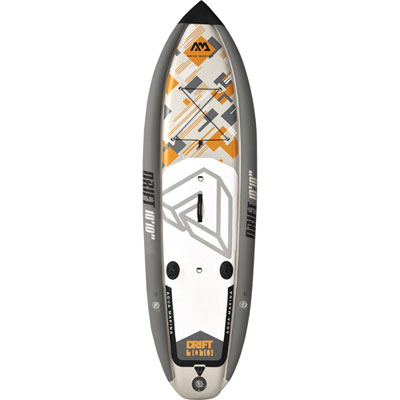
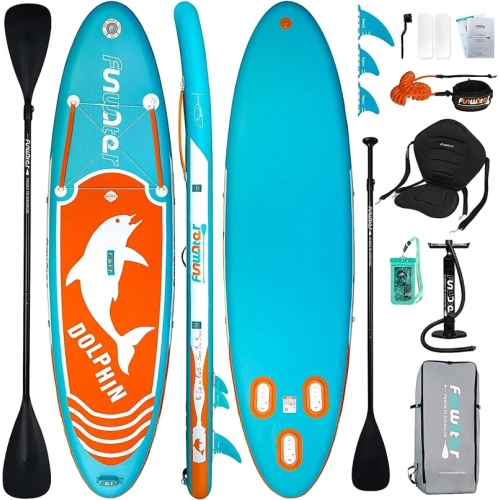
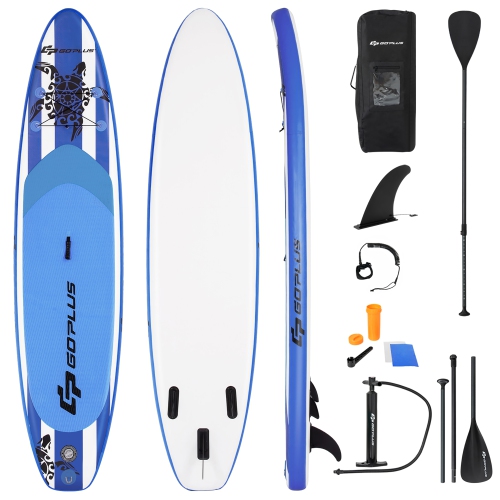

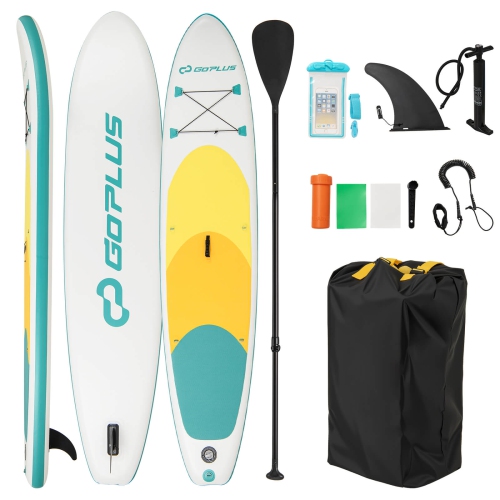
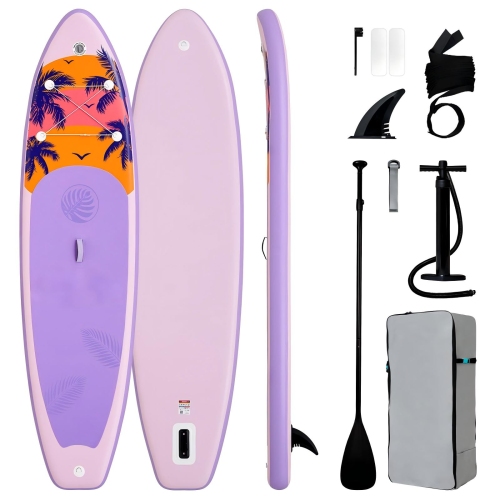
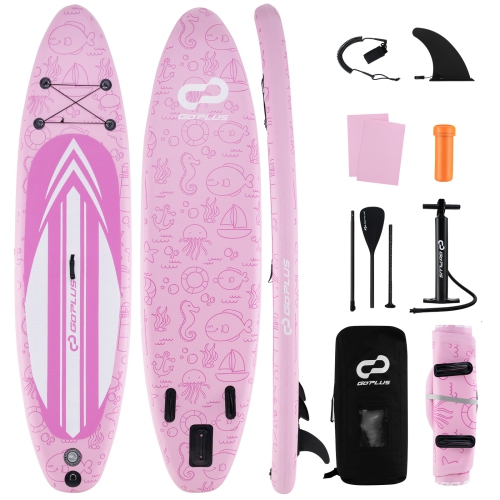
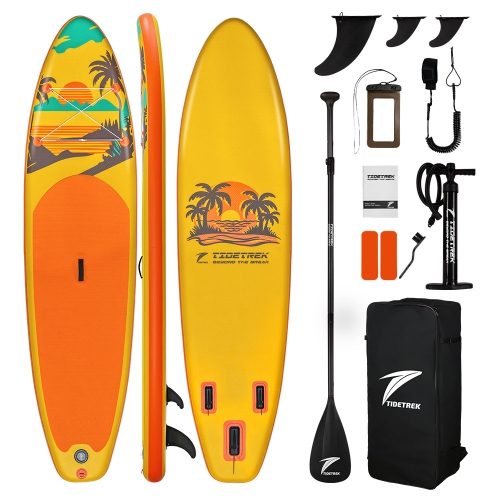
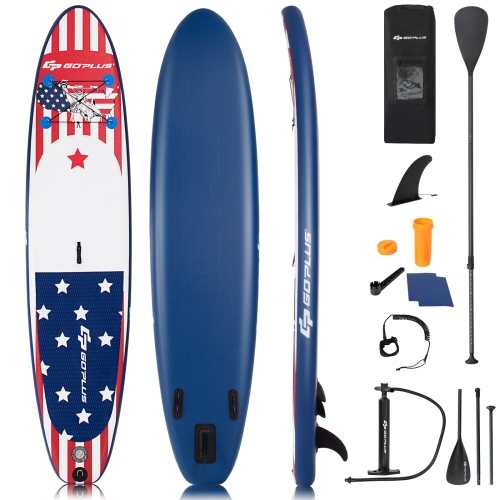

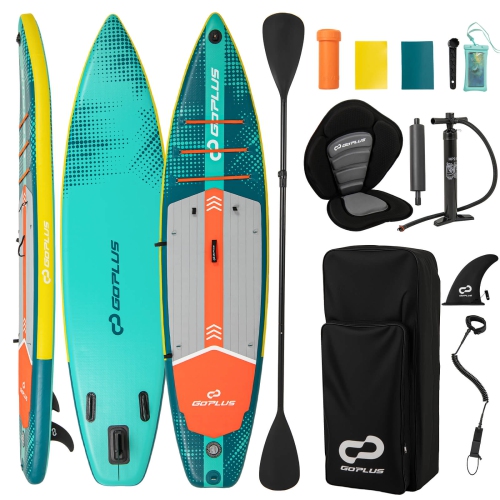
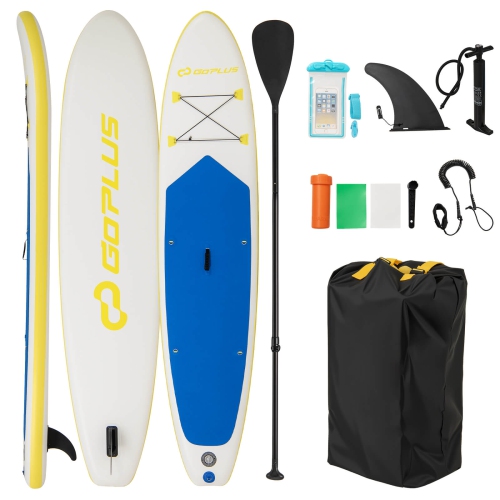
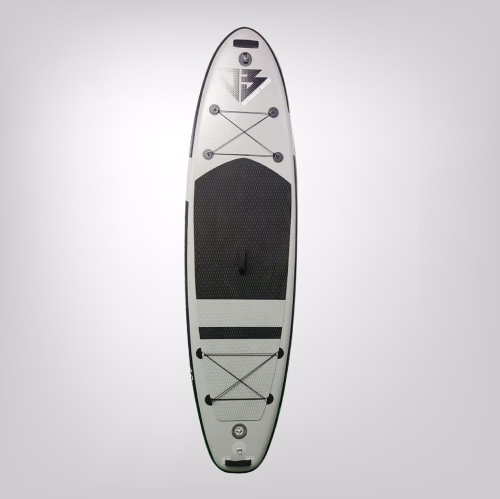
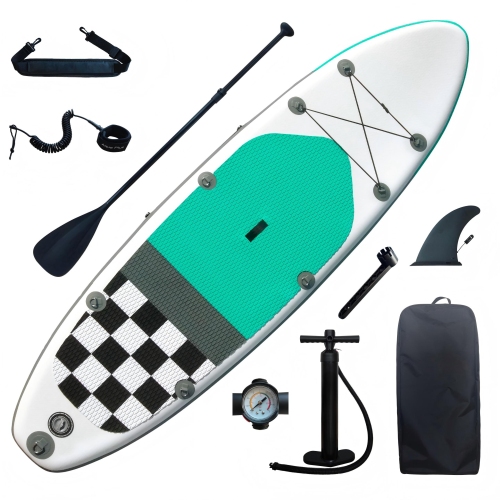
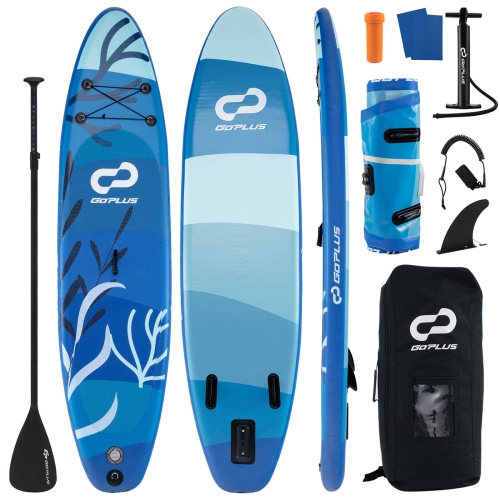
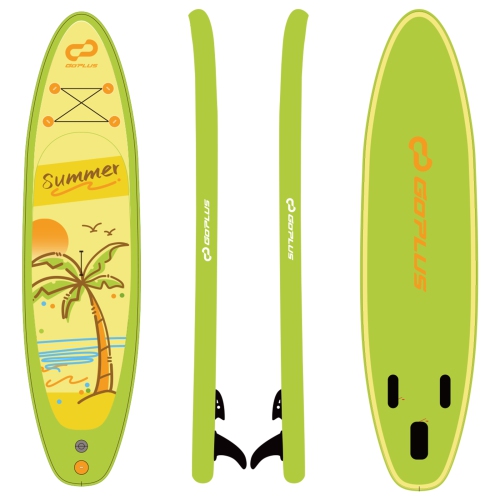
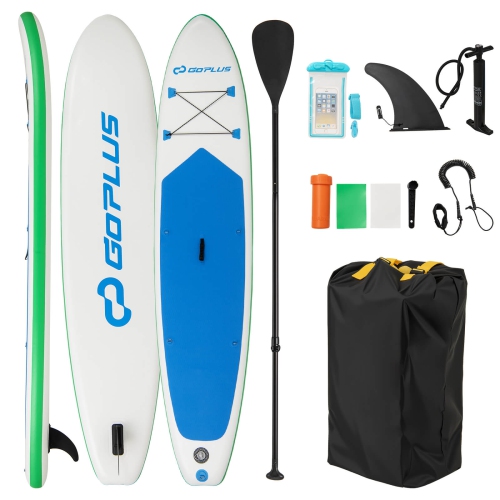
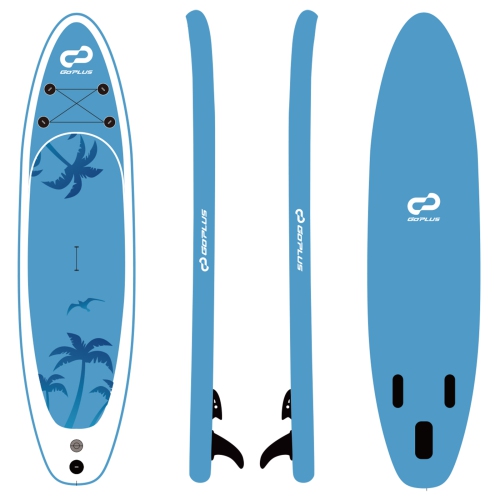
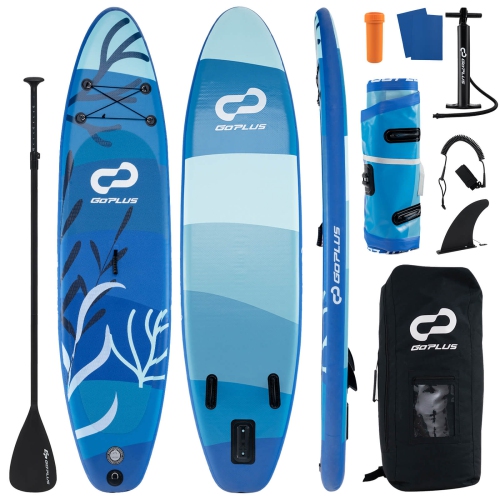
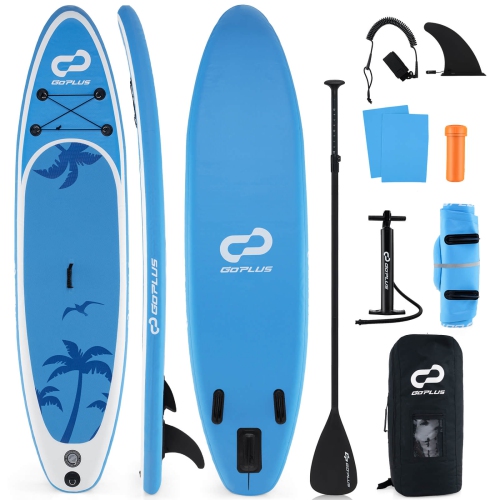

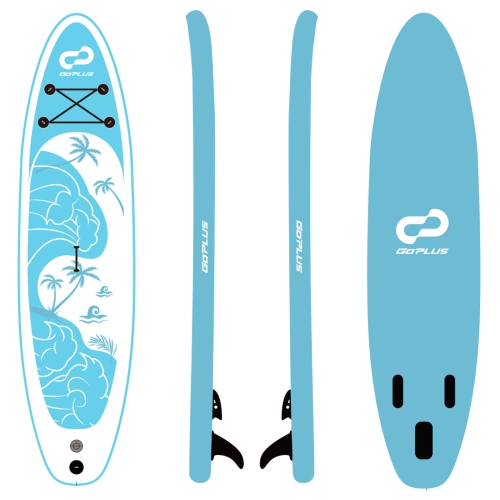
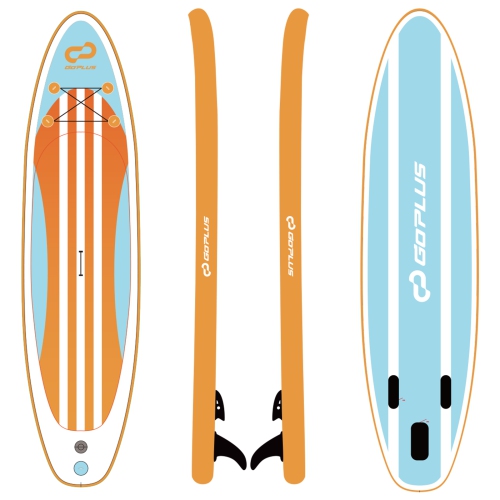
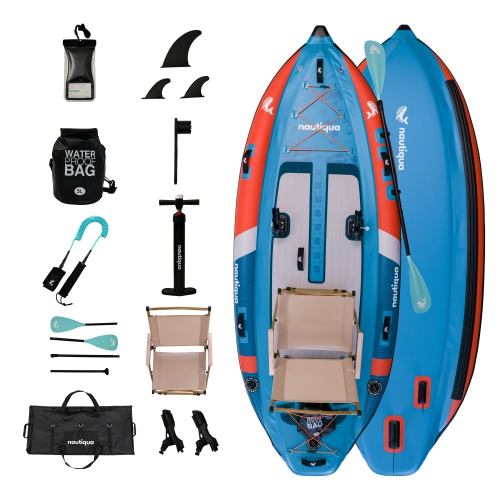
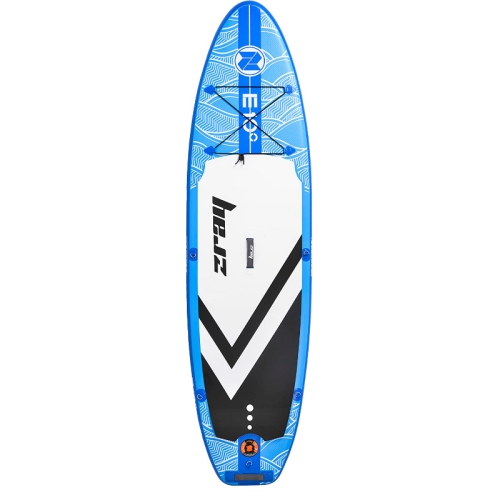


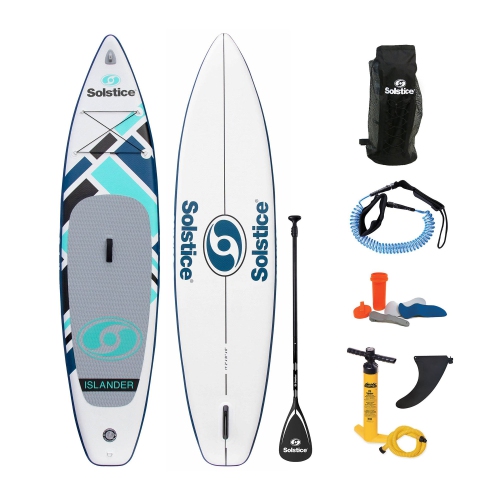


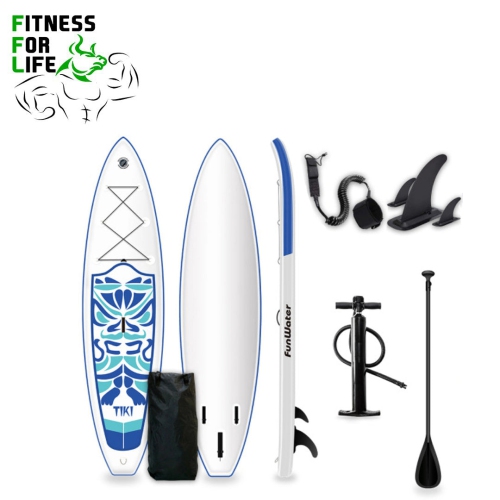

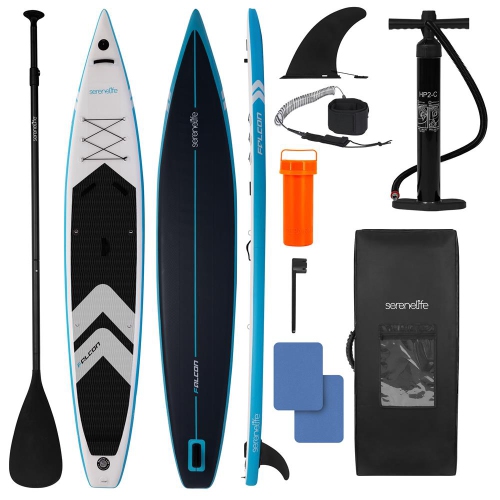
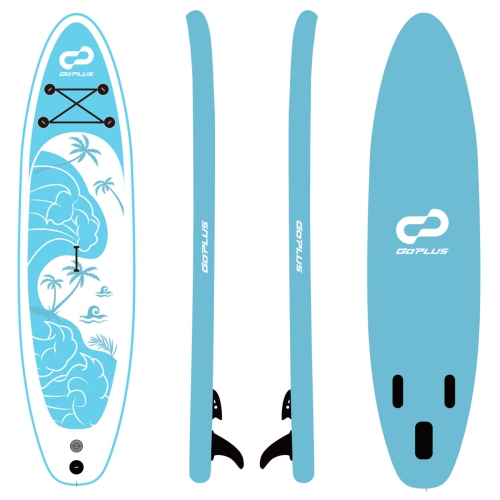





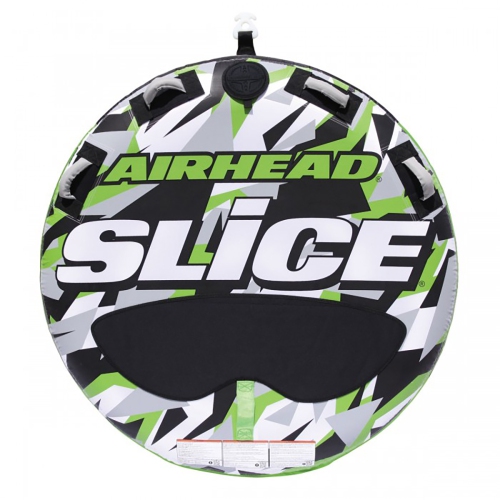

From calm lake paddles to boat-towed rides
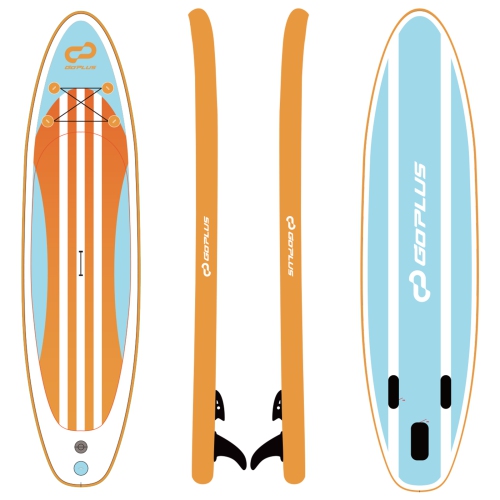
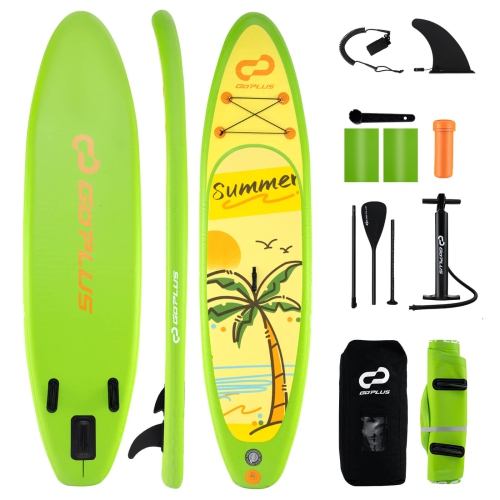
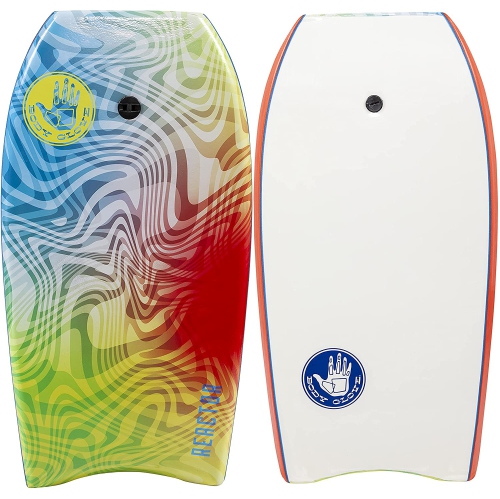
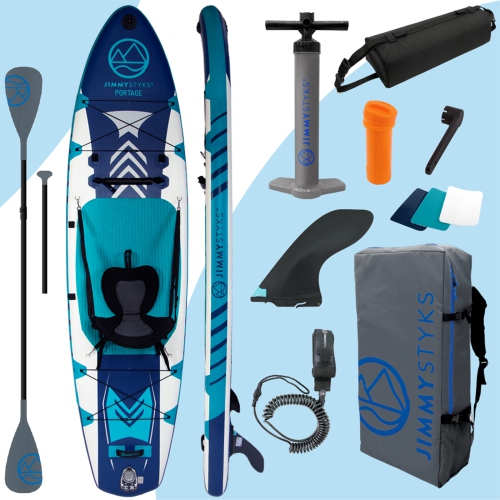
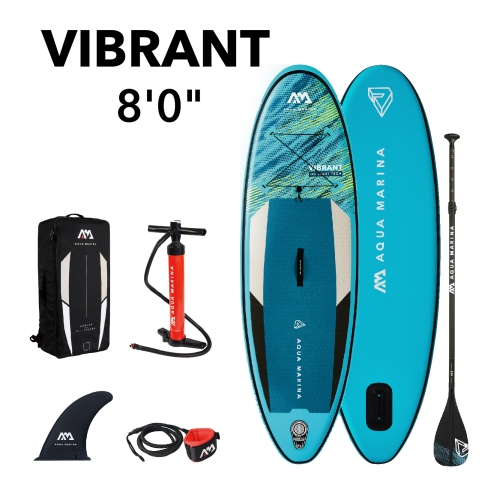
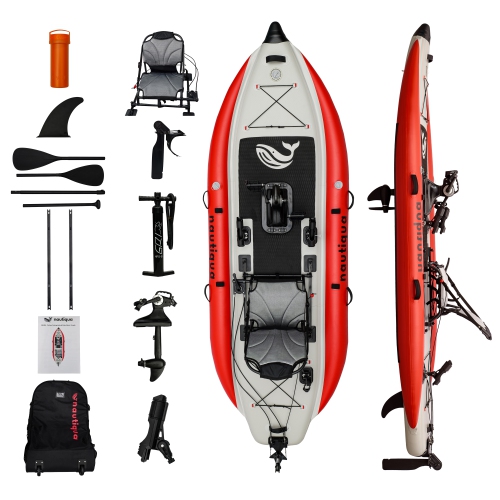
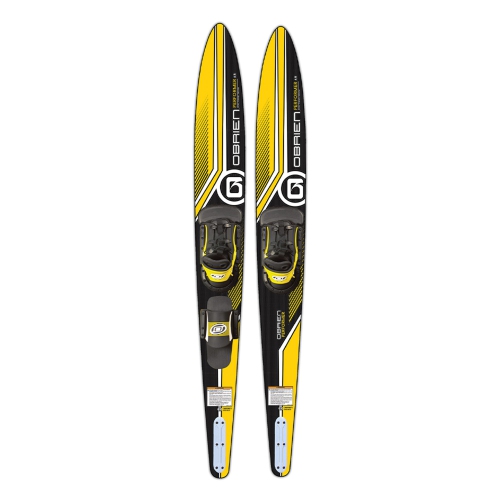
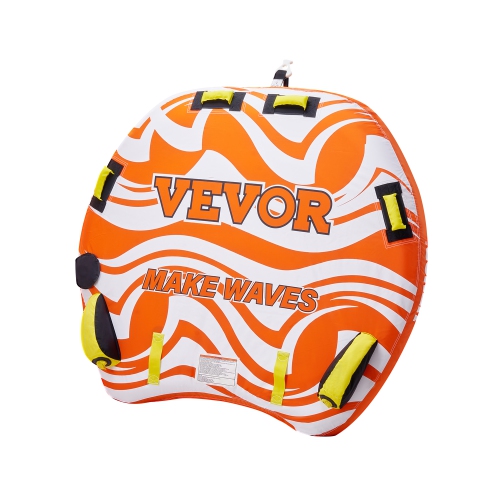
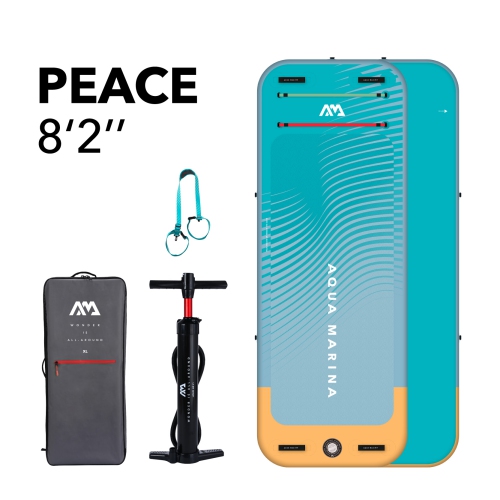
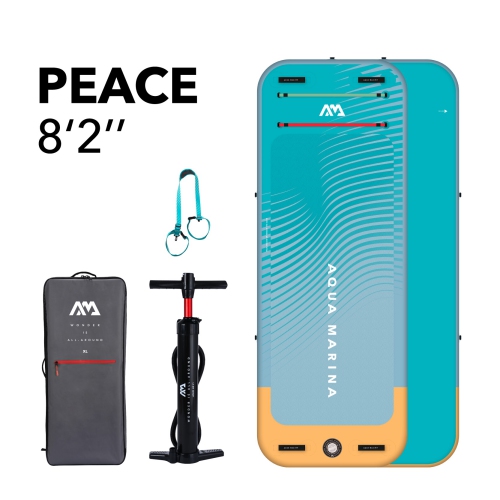
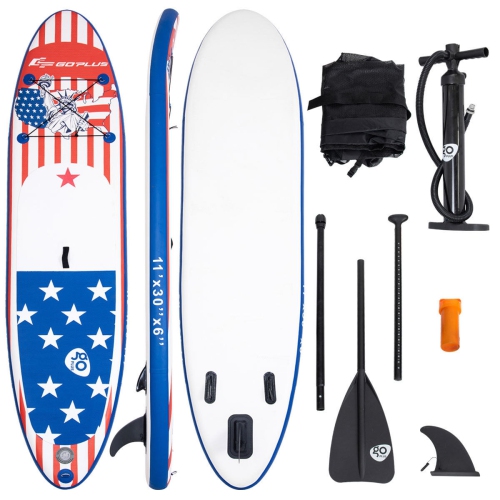
Water sports boards bring together a wide range of activities, from quiet paddles across a calm lake to fast, energetic rides behind a motorboat. The right board depends on the way it will be used, the rider’s experience, and the type of water they plan to explore. Stand-up paddleboards, often called SUPs, are long, wide boards designed for standing while using a single paddle. Their broad shape offers a steady platform for beginners, relaxed cruising, fitness sessions, fishing, and sightseeing, while longer touring designs can provide improved tracking for extended trips. Inflatable stand-up paddleboards are especially practical for people with limited storage space or those who travel to different shorelines, since they can be packed away between outings and transported more easily than rigid boards. Surfboards are shaped for ocean waves and come in several profiles, including wider, longer designs that offer stability for newer surfers and shorter boards intended for experienced riders who want quicker turns and more responsive handling. Wakeboards are compact, rigid boards fitted with bindings that secure the rider’s feet while being towed behind a boat. They are made for carving across the wake, building speed, and learning jumps or other manoeuvres. Kneeboards provide a lower-to-the-water alternative, with the rider kneeling on a cushioned board and using a strap for support while being pulled behind a boat. This position can feel approachable for beginners and offers an engaging way for families and friends to enjoy time on the water together. Skimboards are smaller, finless boards used in shallow water along a shoreline, where riders run, place the board on a thin layer of water, and glide towards small breaking waves. For riders interested in wave play at the beach, Body Boards for Surfing offer another style of board-based fun, with a compact format that is typically ridden closer to the surface of the water.
When choosing among water sports boards, start with the activity and setting rather than appearance alone. A board intended for a calm lake will have different characteristics from one built for ocean surf or boat-towed riding. Consider the rider’s height, weight, balance, and experience level, then check the manufacturer’s recommended weight capacity and size range before purchasing. Wider boards generally feel more stable, which can help first-time paddlers gain confidence as they learn to stand, kneel, turn, and control their speed. Narrower boards may offer greater manoeuvrability or efficiency, but they can require more balance and practice. Length affects stability, glide, and ease of turning, while construction influences durability, weight, transport, and storage. Inflatable models are convenient for apartments, cottages, road trips, and smaller vehicles, but they need to be inflated to the proper pressure and dried thoroughly before storage. Rigid boards can provide a firm, responsive feel, though they may require a roof rack, storage room, or a dedicated carrier. Towed-water boards should be matched with compatible bindings, tow ropes, life jackets, and boat equipment. Riders should also look for secure foot straps, comfortable deck padding, reliable handles, and fins or tracking features that suit the intended activity. Safety equipment is an essential part of every outing: a properly fitted personal flotation device should be worn where required, and riders should understand local boating regulations, weather conditions, water temperature, current, and visibility before entering the water. Beginners benefit from calm conditions, patient instruction, and an open area away from swimmers, rocks, docks, and boat traffic. During the cooler months, water temperatures can remain much lower than the air temperature, making appropriate thermal layers and supervised outings particularly important.
Water sports boards can be enjoyed by individuals, couples, and families, and they can make thoughtful gifts for people who spend free time at cottages, campsites, beaches, marinas, or riverside parks. A stand-up paddleboard may appeal to someone who enjoys gentle exercise and scenic exploration, while a wakeboard or kneeboard can suit a boating enthusiast who looks forward to active afternoons with friends. A surfboard or skimboard can be a memorable choice for someone who regularly visits coastal beaches and wants to build skills over time. When buying a board as a gift, it helps to consider where the recipient lives, whether they have access to suitable water, how they will transport and store it, and whether they already own essential accessories. A complete setup may require a paddle, pump, leash, fins, bindings, tow rope, carrying bag, repair supplies, or board storage, depending on the type of board. It is also useful to think about how the board will be used throughout the year. As the weather warms, boards may become part of weekend lake trips, beach days, and holiday travel; during cooler periods, they can be cleaned, inspected, and stored so they are ready for the next suitable outing. Before each use, check for cracks, punctures, loose hardware, worn straps, damaged fins, and secure inflation. Rinse boards and accessories with fresh water after use, allow them to dry completely, and keep them away from sharp edges and excessive heat during storage. With the right match between board design, rider ability, and water conditions, water sports boards can turn an ordinary day outdoors into a memorable experience filled with movement, fresh air, and time spent on the water.
Top selling and popular products
-
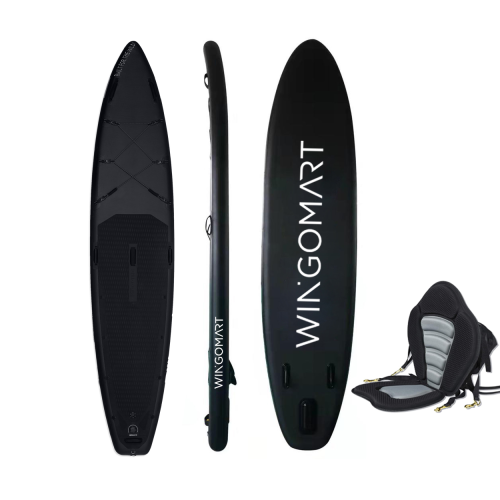 Your price for this item is $299.9
-
 Your price for this item is $599
-
 Your price for this item is $249.99
-
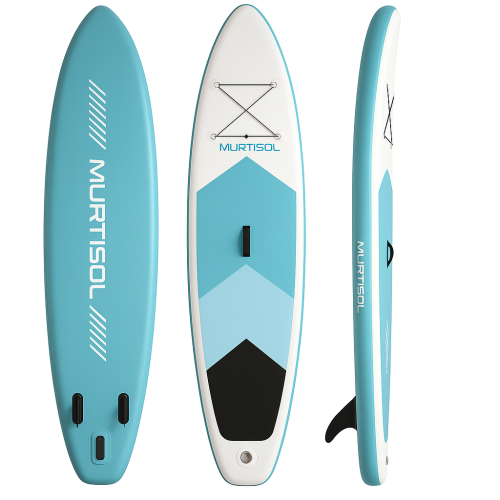 Your price for this item is $179.7
-
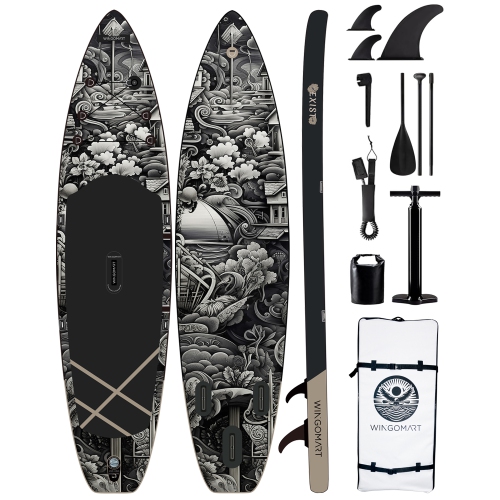 Your price for this item is $259.99
-
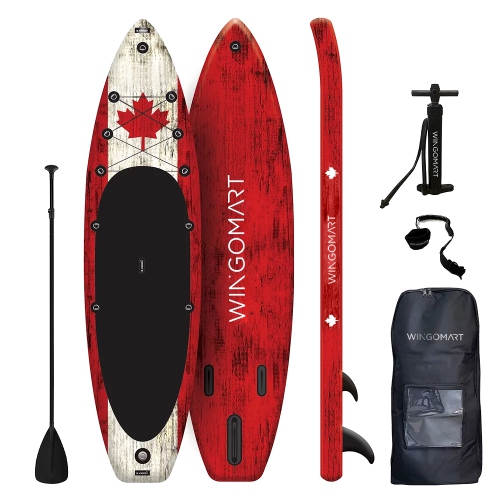 Your price for this item is $329.99
-
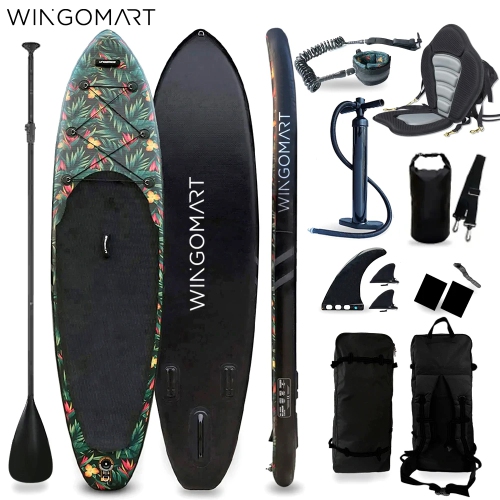 Your price for this item is $279.7
-
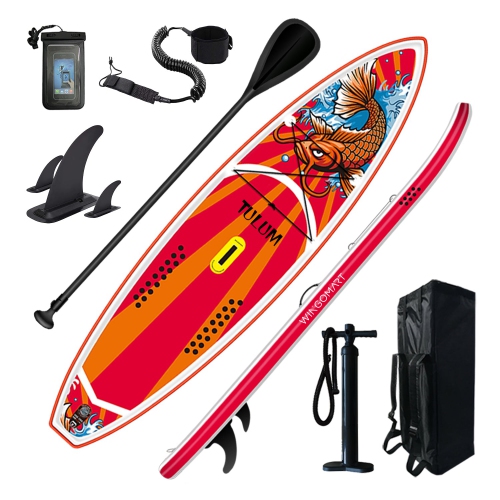 Your price for this item is $269.99
Discover more categories related to Water Sports Boards
Top Collections:
Pokemon Centers, Kindle Devices, Best Budget Office Chairs, Canon G7X Cameras, Apple iPhones 16, Samsung Galaxy Phones, Refurbished Apple Laptops, Laptops for Students, iPhone 15 Apple, Budget Smartphones
Some products may be subject to Environmental Handling Fees
(EHF) depending on your province.
Learn more about EHFs.