Youth Boxing Training Equipment
Elevate your young athlete's skills with youth boxing training equipment designed to support every stage of their fitness journey. Whether they're just starting out or looking to refine their technique, the right gear can help boost confidence and performance in the ring. Discover a wide selection of youth boxing training equipment that offers options for all experience levels, making it easy to find the perfect fit for your aspiring boxer’s needs.
Sort


Why glove fit matters more than age alone
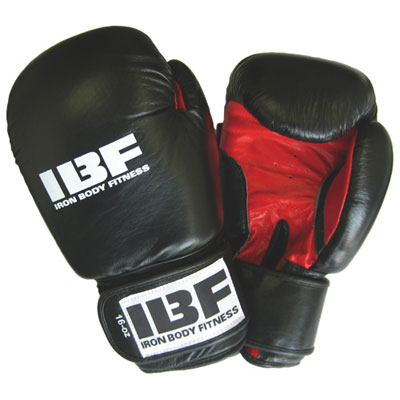
Youth boxing training equipment includes gloves sized for smaller hands, supportive hand wraps, punching bags suited to lighter strikes, and targets used for supervised practice. These products support non-contact activities such as learning a basic stance, practising straight punches, moving around a target, and building coordination through short combinations. For children beginning with boxing-inspired fitness, manageable equipment helps keep the focus on controlled movement rather than hitting as hard as possible. Older youth attending structured training may need equipment that meets their club’s requirements, particularly when moving beyond introductory drills. Youth boxing gloves are commonly offered in weights such as 4 oz, 6 oz, and 8 oz, but ounce markings describe glove weight rather than providing a universal hand size. The appropriate choice depends on the child’s hand measurements, the manufacturer’s sizing information, and the intended activity; older or larger youth may need a different weight or fit. A well-fitting glove feels secure without squeezing the fingers, leaves room for any required hand wraps, and allows the hand to close comfortably into a fist. The wrist closure should fasten fully without leaving a loose cuff that shifts during a punch. Padding distribution, thumb placement, and the shape of the inner hand compartment matter as much as the number printed on the glove. Hook-and-loop closures are practical for supervised home sessions because they are relatively easy to adjust, although younger children may still need an adult’s help. Hand wraps add support beneath compatible gloves, but their length and thickness need to suit smaller hands without creating bulky folds. A coach can demonstrate a wrapping method that leaves the fingers comfortable and does not restrict circulation. Families exploring coordinated training gear can find related options on the Youth Punching Bag and Gloves page. Whether equipment is for a beginner or a child already attending lessons, fit and the planned type of practice are more useful starting points than age alone.
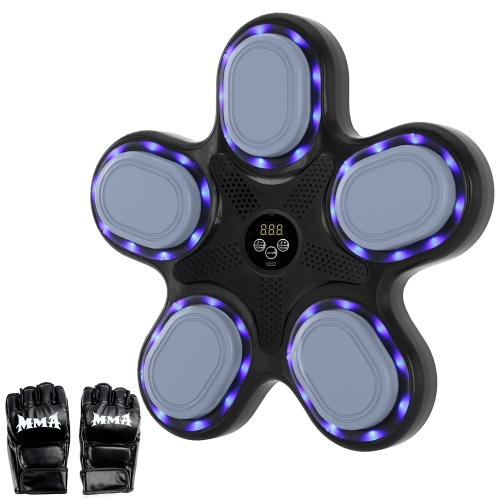
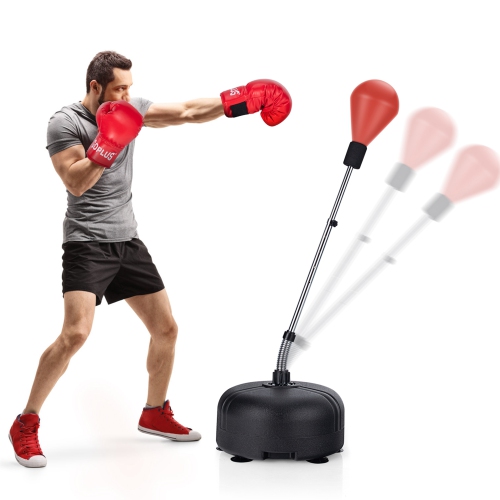
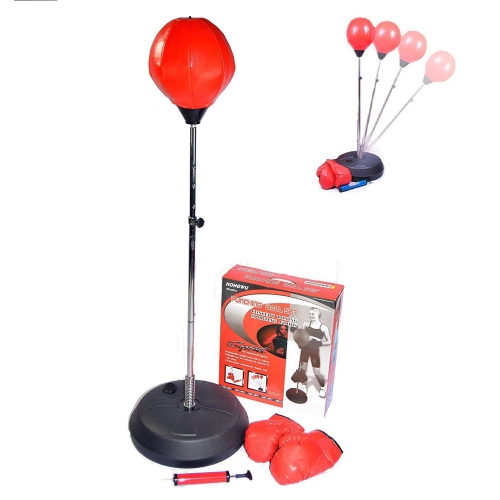
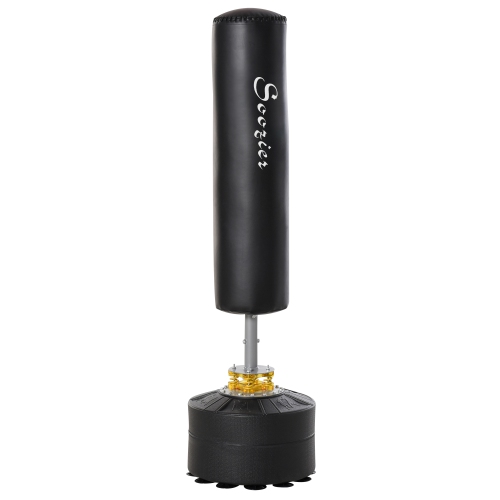
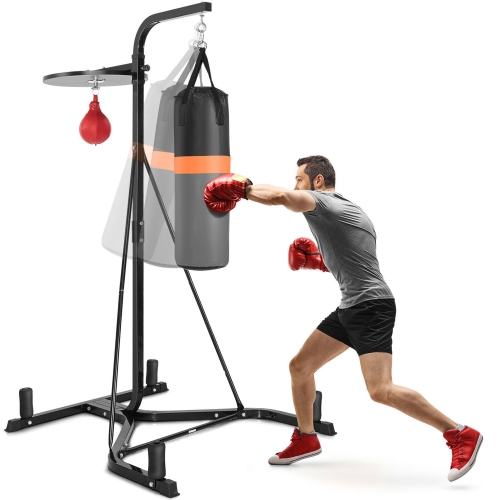
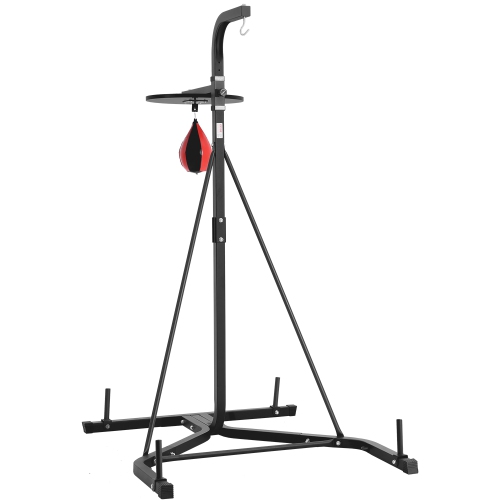
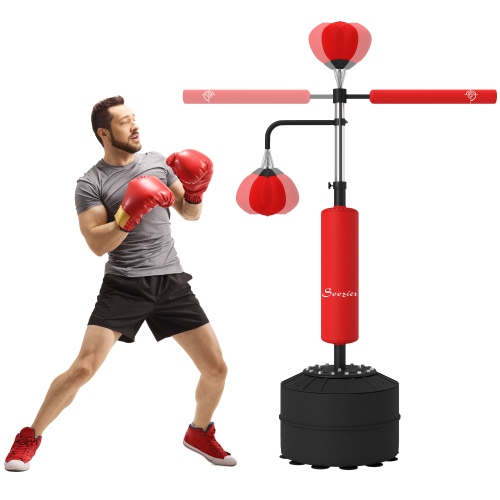
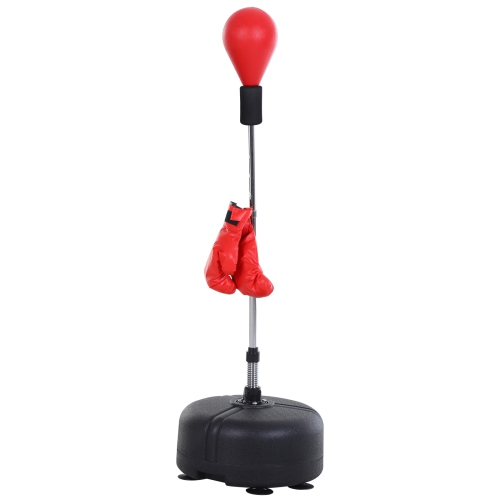
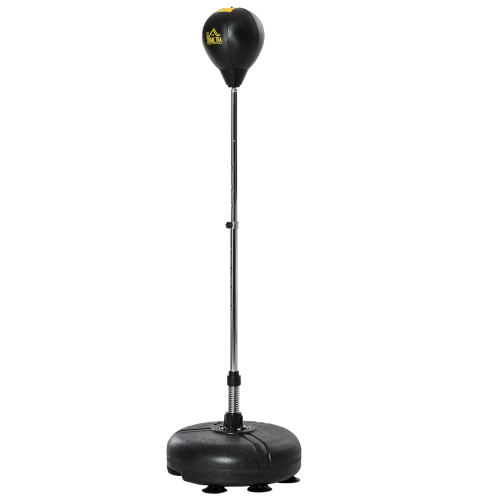
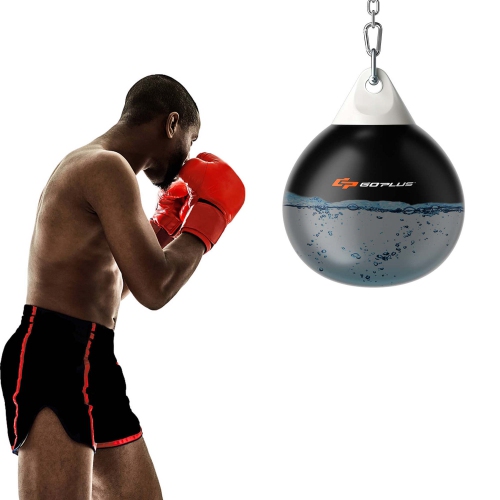
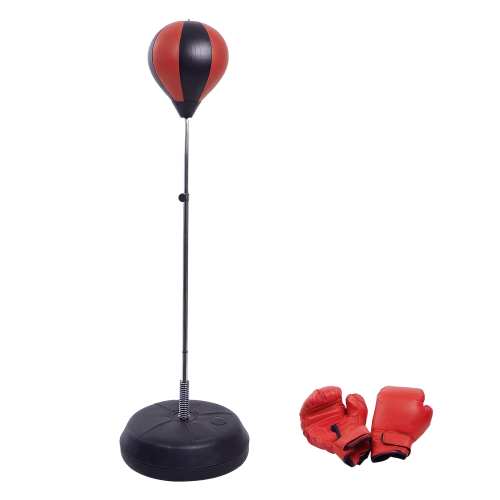
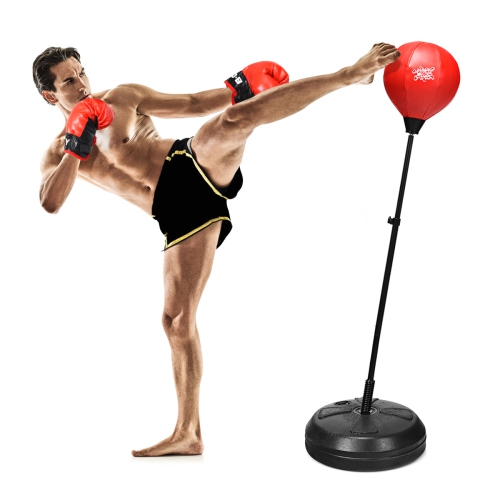
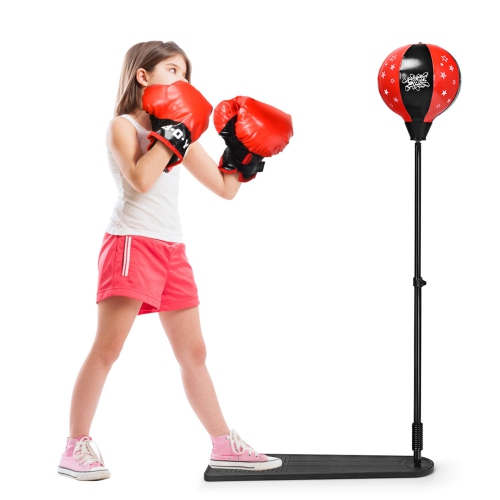
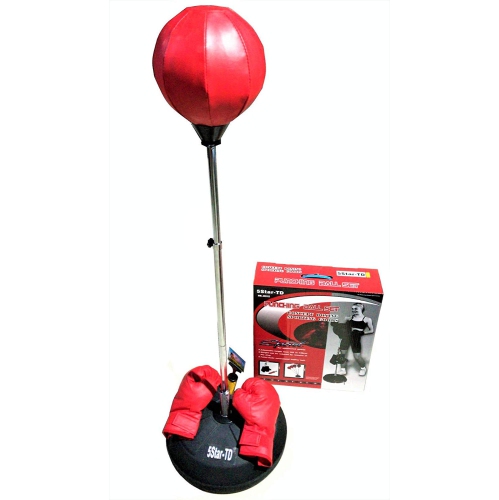
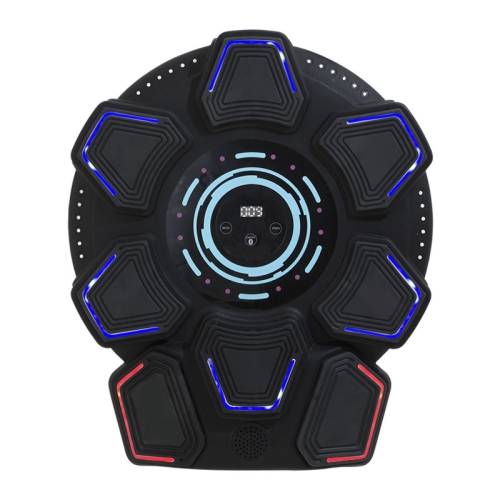
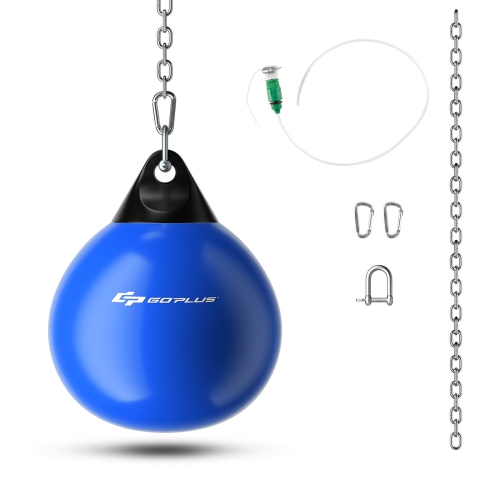
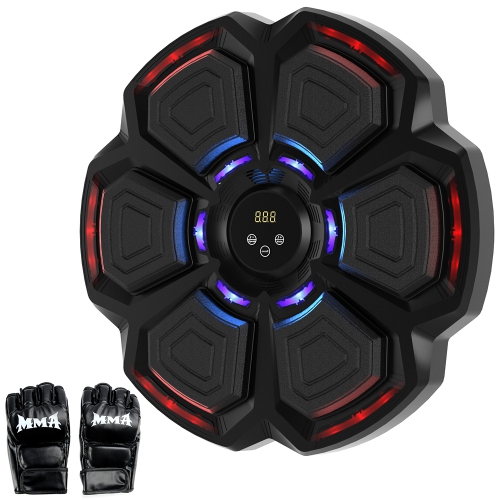
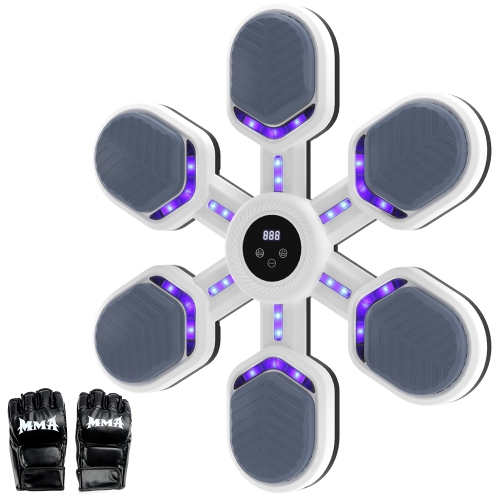
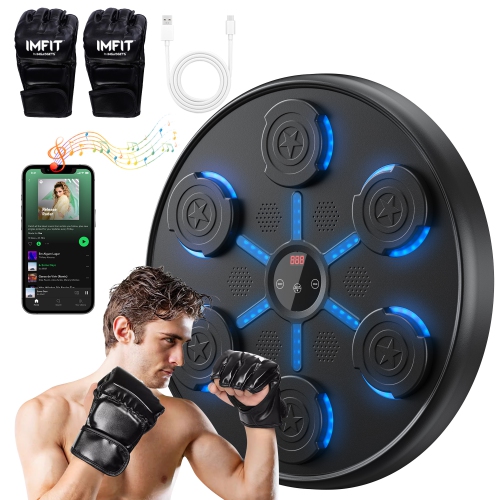
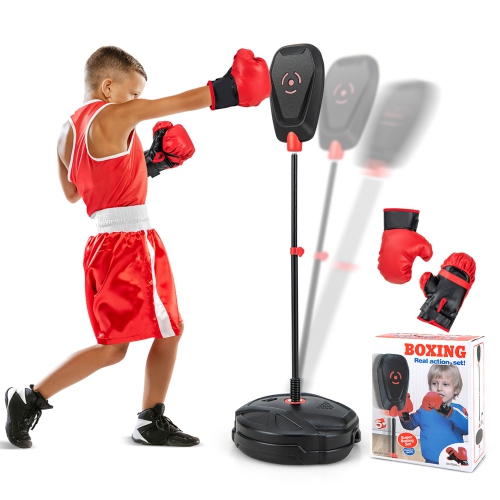
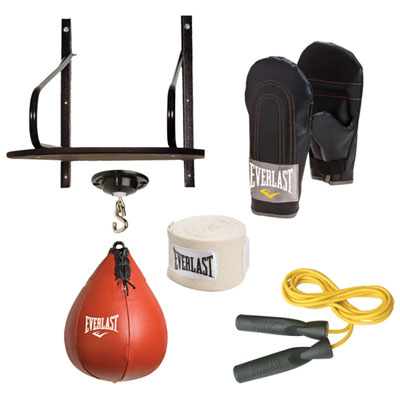
The punching target shapes how youth boxing equipment is used and how much room a practice area needs. A freestanding punching bag avoids an overhead mounting point, while a hanging bag requires suitable structural support and correctly rated mounting hardware. Freestanding designs often use a fillable base, with the specified fill material and quantity varying by manufacturer. Base stability is especially important when a child begins moving around the bag rather than standing directly in front of it. Adjustable-height targets can accommodate different users, provided the adjustment range places the striking surface at a suitable level and the locking mechanism remains secure. Reflex-style targets move after contact and can introduce timing and accuracy drills, although the speed and distance of their return need to suit the participant’s ability. A junior hanging bag provides a broader striking surface, but its weight, firmness, and swing should match the training setting. A very hard or heavy target is not automatically a better choice for a young beginner. Lighter recreational sets and equipment intended for repeated boxing practice also serve different purposes, so the stated age range and intended use deserve attention. In a shared family room, the usable footprint includes more than the base itself: a child needs space to step back, move sideways, and avoid furniture, while a moving target needs clearance throughout its travel. A dedicated practice area also keeps siblings and pets outside the striking space. Focus mitts and other handheld targets offer another format for coached combinations, with an experienced adult controlling the position and pace of the drill. They are not a substitute for instruction, and holding targets correctly is a skill in its own right. Boxing gloves and punching bags intended for bag work should not be assumed suitable for partner contact. For home practice, non-contact drills offer a straightforward way to work on movement and technique without striking another person, while any contact training requires qualified supervision and the protective equipment specified by the programme.
Materials, construction, and care affect how youth boxing training equipment feels over time, particularly when it is used several times a week. Gloves may have synthetic leather or leather outer surfaces, foam padding, fabric linings, and reinforced stitching around areas that experience repeated movement. Synthetic surfaces are often straightforward to wipe clean, while leather may require care products and methods specified by the manufacturer. Neither material alone establishes quality: even stitching, smooth interior seams, secure closures, and padding that stays evenly positioned are all relevant details. Inside a glove, a rough seam or bunched lining can become distracting long before the exterior looks worn. Breathable panels may help with moisture management, but gloves still need to air out after use rather than remaining zipped inside a training bag. Hand wraps should be washed according to their care label and dried fully before being rolled for storage. Bag surfaces benefit from regular cleaning with approved methods, and hanging straps, attachment points, base caps, and height-adjustment fittings need periodic checks. Splitting covers, exposed filling, loose hardware, and noticeably compressed padding are reasons to stop using the affected equipment until it can be assessed, repaired as permitted, or replaced. Storage matters, too: gear left where it can be stepped on, crushed, or tripped over creates problems unrelated to the quality of the equipment itself. A simple routine of airing gloves, separating used wraps, and clearing the practice space makes shared use easier to manage. For a birthday gift or a milestone in a child’s training, youth boxing gear is most useful when the recipient’s measurements, interests, and coaching requirements are known. Oversized gloves bought with growth in mind can shift on small hands, while a target beyond the child’s reach may encourage awkward movement. Equipment that fits the child’s present needs supports more comfortable, controlled practice. With adult supervision, appropriate instruction, and realistic expectations, a modest setup can provide space for learning combinations, following movement patterns, and enjoying the satisfaction of landing a measured punch on a target.
The punching target shapes how youth boxing equipment is used and how much room a practice area needs. A freestanding punching bag avoids an overhead mounting point, while a hanging bag requires suitable structural support and correctly rated mounting hardware. Freestanding designs often use a fillable base, with the specified fill material and quantity varying by manufacturer. Base stability is especially important when a child begins moving around the bag rather than standing directly in front of it. Adjustable-height targets can accommodate different users, provided the adjustment range places the striking surface at a suitable level and the locking mechanism remains secure. Reflex-style targets move after contact and can introduce timing and accuracy drills, although the speed and distance of their return need to suit the participant’s ability. A junior hanging bag provides a broader striking surface, but its weight, firmness, and swing should match the training setting. A very hard or heavy target is not automatically a better choice for a young beginner. Lighter recreational sets and equipment intended for repeated boxing practice also serve different purposes, so the stated age range and intended use deserve attention. In a shared family room, the usable footprint includes more than the base itself: a child needs space to step back, move sideways, and avoid furniture, while a moving target needs clearance throughout its travel. A dedicated practice area also keeps siblings and pets outside the striking space. Focus mitts and other handheld targets offer another format for coached combinations, with an experienced adult controlling the position and pace of the drill. They are not a substitute for instruction, and holding targets correctly is a skill in its own right. Boxing gloves and punching bags intended for bag work should not be assumed suitable for partner contact. For home practice, non-contact drills offer a straightforward way to work on movement and technique without striking another person, while any contact training requires qualified supervision and the protective equipment specified by the programme.
Materials, construction, and care affect how youth boxing training equipment feels over time, particularly when it is used several times a week. Gloves may have synthetic leather or leather outer surfaces, foam padding, fabric linings, and reinforced stitching around areas that experience repeated movement. Synthetic surfaces are often straightforward to wipe clean, while leather may require care products and methods specified by the manufacturer. Neither material alone establishes quality: even stitching, smooth interior seams, secure closures, and padding that stays evenly positioned are all relevant details. Inside a glove, a rough seam or bunched lining can become distracting long before the exterior looks worn. Breathable panels may help with moisture management, but gloves still need to air out after use rather than remaining zipped inside a training bag. Hand wraps should be washed according to their care label and dried fully before being rolled for storage. Bag surfaces benefit from regular cleaning with approved methods, and hanging straps, attachment points, base caps, and height-adjustment fittings need periodic checks. Splitting covers, exposed filling, loose hardware, and noticeably compressed padding are reasons to stop using the affected equipment until it can be assessed, repaired as permitted, or replaced. Storage matters, too: gear left where it can be stepped on, crushed, or tripped over creates problems unrelated to the quality of the equipment itself. A simple routine of airing gloves, separating used wraps, and clearing the practice space makes shared use easier to manage. For a birthday gift or a milestone in a child’s training, youth boxing gear is most useful when the recipient’s measurements, interests, and coaching requirements are known. Oversized gloves bought with growth in mind can shift on small hands, while a target beyond the child’s reach may encourage awkward movement. Equipment that fits the child’s present needs supports more comfortable, controlled practice. With adult supervision, appropriate instruction, and realistic expectations, a modest setup can provide space for learning combinations, following movement patterns, and enjoying the satisfaction of landing a measured punch on a target.
Top selling and popular products
-
 Your price for this item is $79.99
 -
 Your price for this item is $79.99
 -
 Your price for this item is $49.97
 -
 Your price for this item is $113.99
 -
 Your price for this item is $89.99
 -
 Your price for this item is $99.97
 -
 Your price for this item is $55.99
 -
 Your price for this item is $119.98
Discover more categories related to Youth Boxing Training Equipment
Top Collections:
Pokemon Centers, Kindle Devices, Best Budget Office Chairs, Apple iPhones 16, Best Laptops for Writers, iPhone 15 Apple, Canon G7X Cameras, Refurbished Apple Laptops, Alarm Clock, Motorola Razr Phones
Some products may be subject to Environmental Handling Fees
(EHF) depending on your province.
Learn more about EHFs.