Youth Snow Gear
Get ready for winter adventures with our collection of youth snow gear. Whether your little ones are hitting the slopes for the first time or are seasoned snow enthusiasts, we have everything they need to stay warm, comfortable, and stylish in the snow. From jackets and pants to gloves and goggles, our selection of youth snow gear offers a wide range of options to suit every budget and preference. Explore our assortment of high-quality gear that is designed to withstand the elements and keep your kids protected while they enjoy all the fun that winter has to offer.
Sort
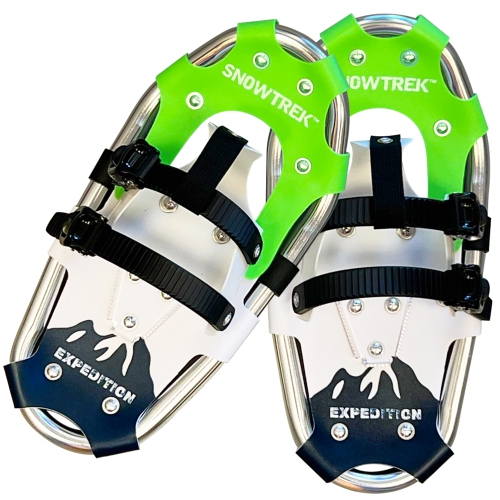
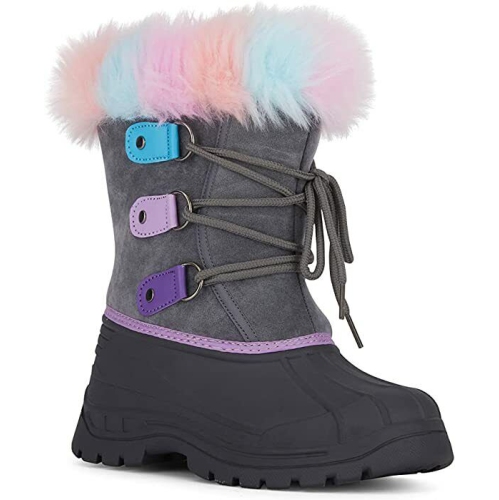
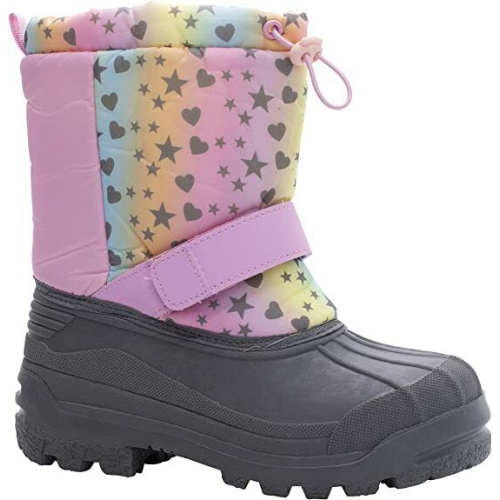
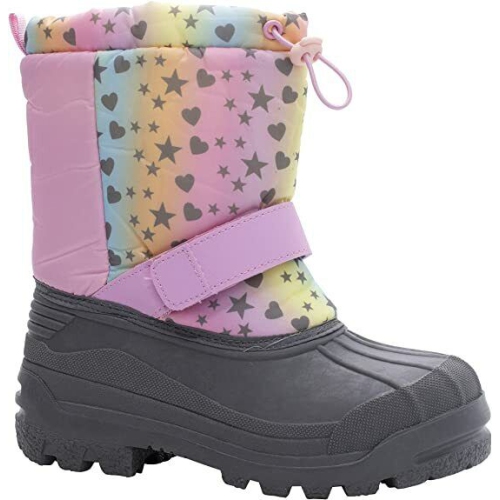
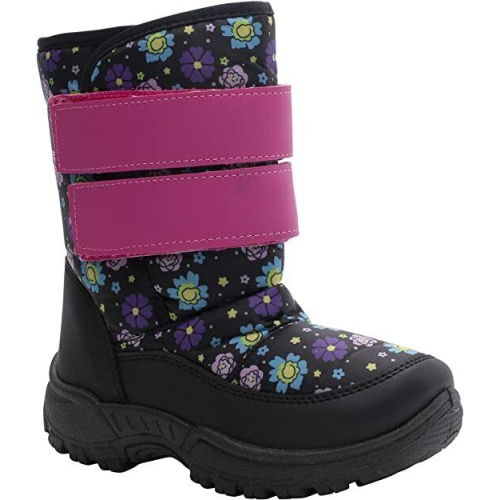
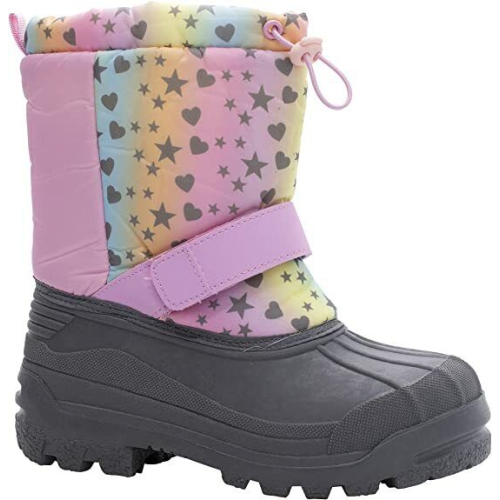
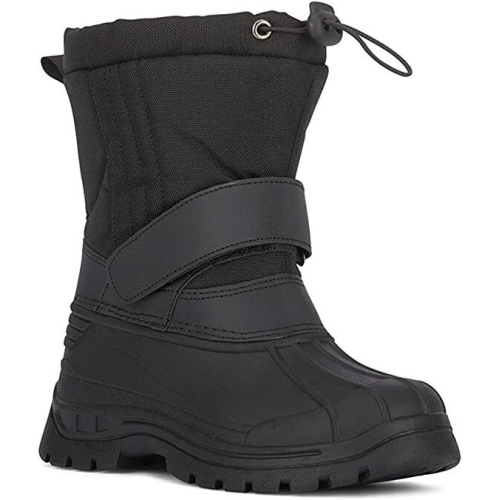
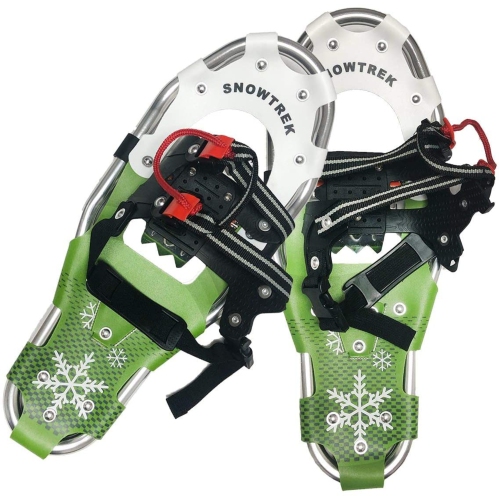
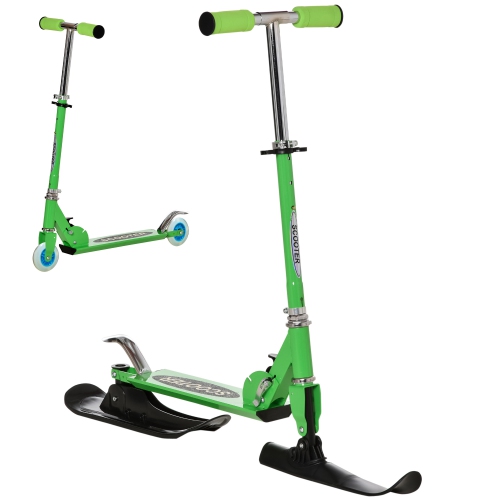
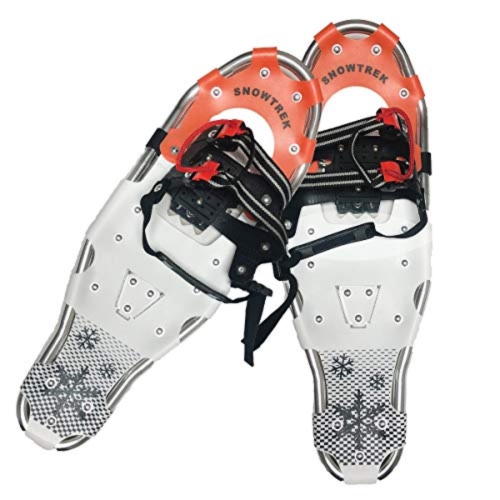
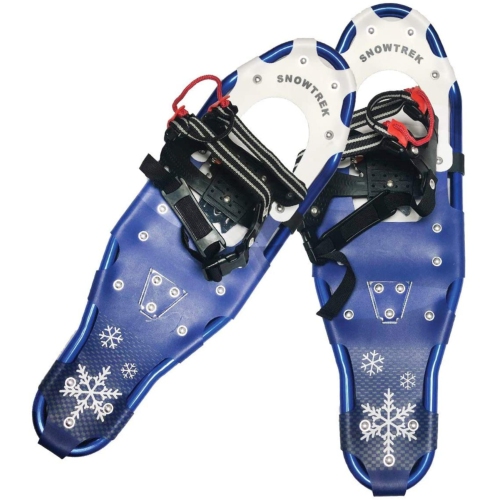
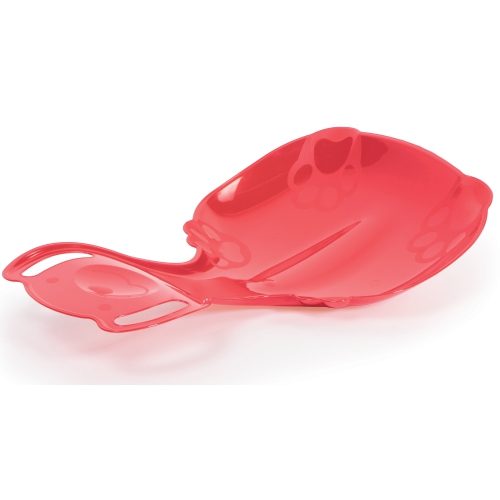
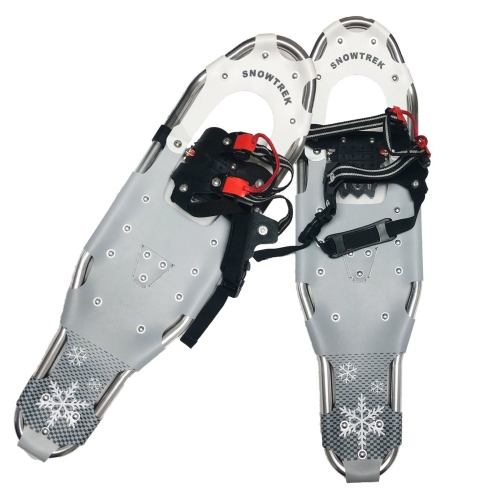
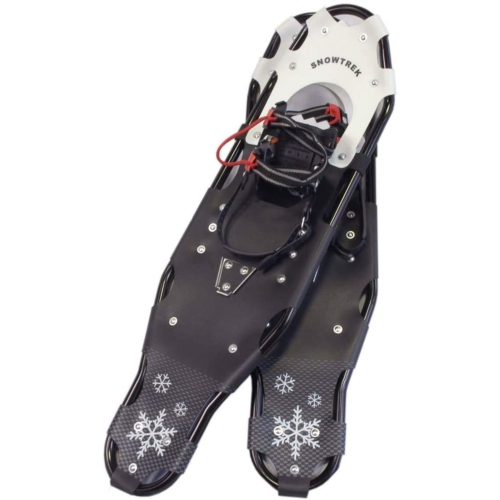
Warm layers and protective gear for winter adventures
Youth snow gear helps children stay warm, dry, comfortable, and ready for outdoor activities during the cooler months. Whether a child is learning to ski, practising snowboarding, building forts in the backyard, walking to school, or enjoying a weekend outing with family, the right combination of clothing and accessories can make time outside more enjoyable. A practical setup usually begins with a comfortable base layer that sits close to the skin without restricting movement. Thermal tops and bottoms made from merino wool or moisture-wicking synthetic materials can help move perspiration away from the body while providing warmth. A lightweight mid-layer, such as fleece, adds insulation without the bulk of a thick sweater, making it easier for children to bend, climb, carry equipment, and move naturally. The outer layer should provide protection from wind, snow, and wet conditions. Look for jackets, snow pants, or one-piece snowsuits with waterproof or snowproof construction, secure closures, adjustable cuffs, and enough room for comfortable layering. Features such as powder skirts can help stop snow from entering around the waist, while ankle gaiters can help keep snow out of boots during sledding, skiing, and play. For younger children, one-piece designs can simplify dressing and offer continuous coverage, while older children may appreciate the flexibility of separate jackets and pants. Adjustable sleeve cuffs, waistbands, and pant hems can help fine-tune the fit over the course of the season, especially when children are growing quickly. Even with adjustable details, clothing should not be excessively oversized, since loose sleeves or long pant legs can interfere with movement and make it harder to manage zippers, boots, or bindings.
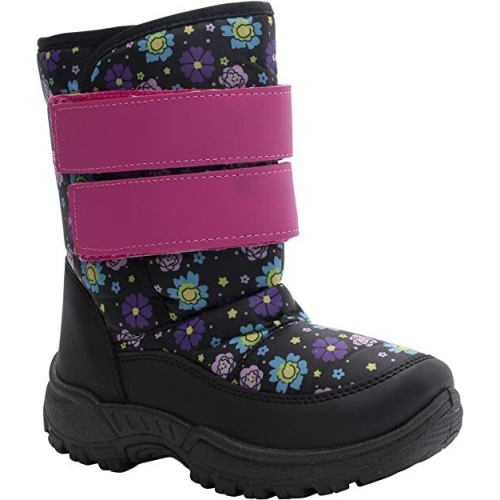
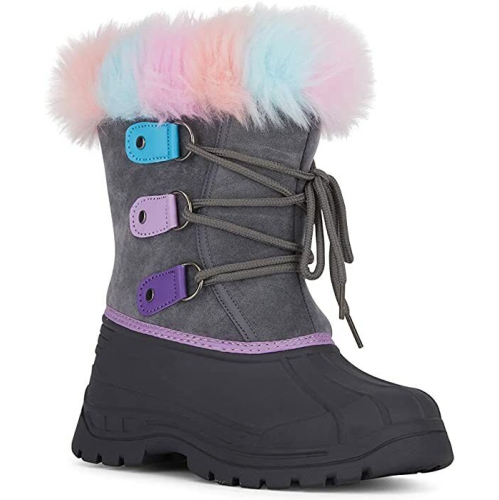
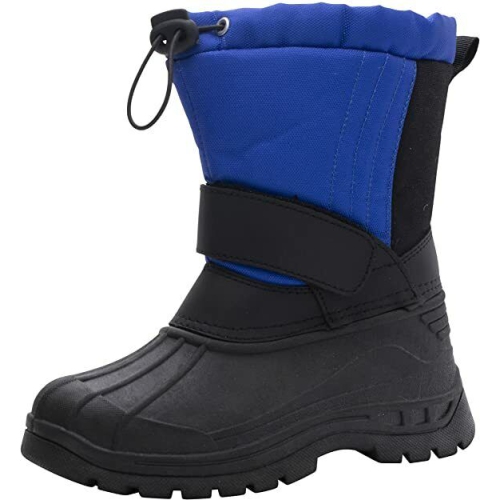
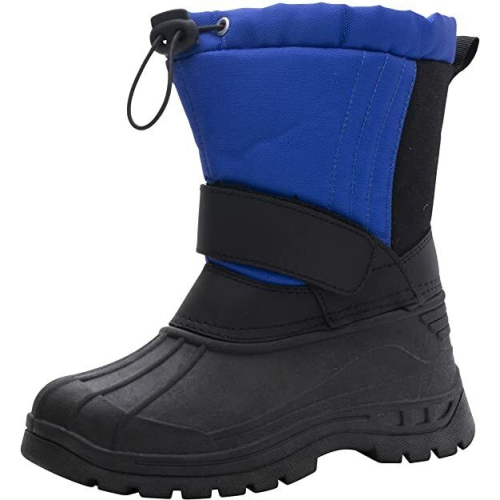
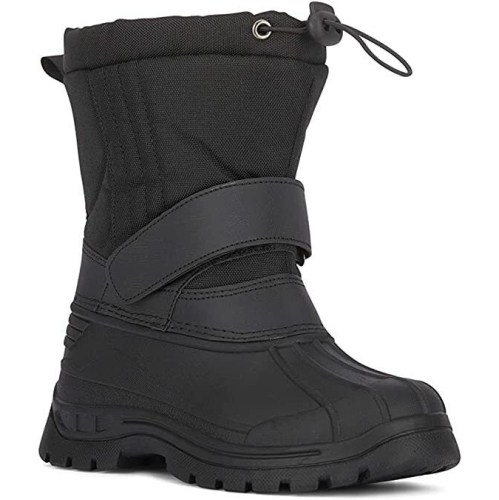
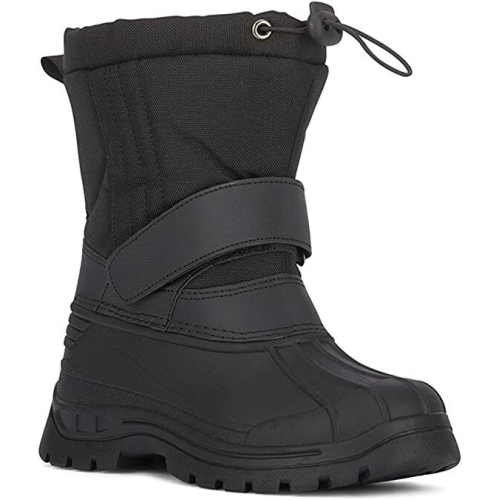
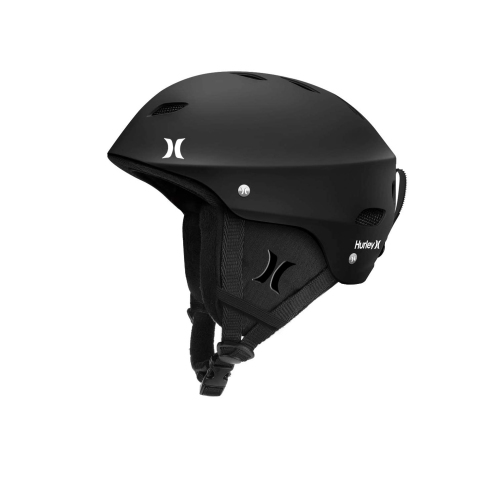
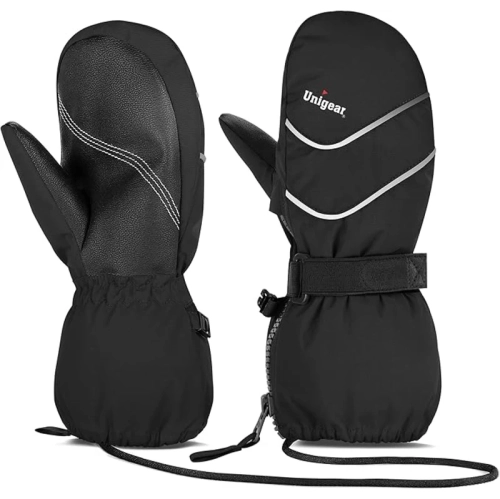
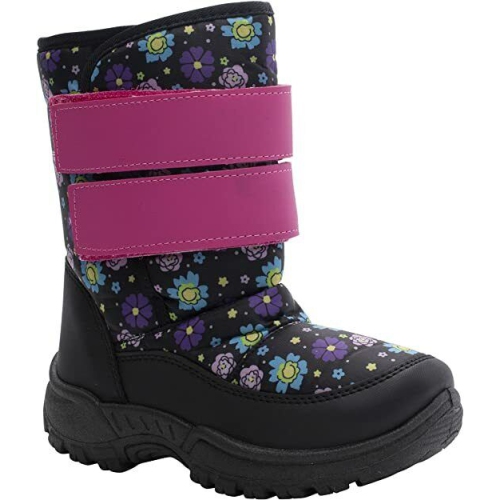
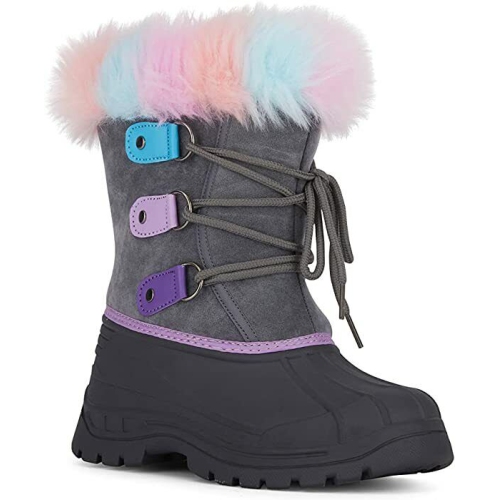
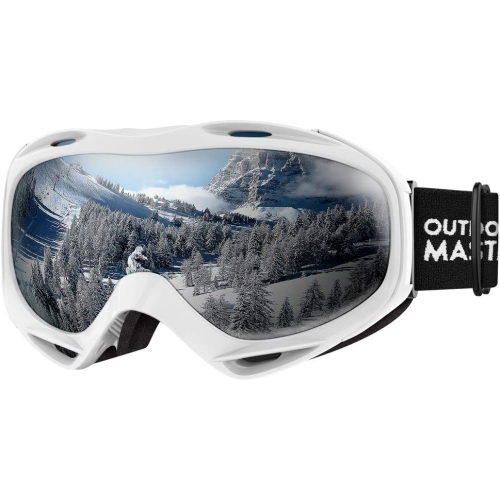
Accessories complete a youth snow gear setup and often make the difference between a comfortable outing and a chilly one. Warm mittens are generally easier for younger children to put on and can offer more warmth than gloves because the fingers share heat; gloves may be preferable for older children who need greater dexterity for buckles, poles, zippers, or a snowboard. Look for cuffs that extend over the sleeve and closures that can be tightened securely. Glove clips, connecting cords, or jacket loops can help keep mittens together when they are removed indoors or during a break. A single pair of well-fitting ski or snow socks is often more comfortable than layering several pairs, which can create pressure points and reduce warmth inside the boot. Socks should reach high enough to remain tucked beneath the pant cuff without bunching. A properly fitted snow helmet is important for children taking part in skiing, snowboarding, or other activities where falls or collisions may occur; select a certified model designed for the intended activity and follow the manufacturer’s fit instructions. Snow goggles can help shield eyes from wind, falling snow, and bright glare while also improving visibility in changing conditions. Anti-fog features, adjustable straps, and compatibility with the child’s helmet can support a more comfortable fit. For everyday winter use, warm neck coverings, insulated footwear, and water-resistant outerwear can help children stay comfortable while waiting for transportation, walking around the neighbourhood, or spending recess outdoors. Explore Kids Snow Boots for footwear designed to help provide warmth, traction, and protection from snow and slush. Before heading out, check that boots are roomy enough for natural movement but not so loose that the heel lifts, and make sure pant cuffs sit securely over or inside the boot as intended.
When choosing youth snow gear, consider the child’s age, size, activity level, and the conditions they are most likely to encounter. A child who spends long periods on a ski hill may need highly protective outerwear, a helmet, goggles, and accessories that stay secure through repeated runs, while a child who mainly plays outdoors or walks to school may benefit from easy-to-use layers that can be adjusted as temperatures change. Look for durable zippers, reinforced knees and seat panels, smooth lining, and simple fasteners that a child can manage independently. Bright colours, reflective details, and distinctive patterns may make outerwear easier to spot at a busy hill or playground, while labelled interior spaces can help reduce mix-ups at school or in shared change rooms. Comfort is also essential: itchy materials, stiff seams, tight cuffs, and difficult closures can discourage children from wearing necessary layers. Let children try on gear while wearing the layers they expect to use, then have them reach, crouch, lift their arms, and sit down to check for a full range of motion. Youth snow gear can also make a thoughtful gift for a child who is joining a family ski trip, starting lessons, playing outdoors more often, or growing into a new season of winter activities. A coordinated combination of base layers, outerwear, warm accessories, and protective equipment can be useful for birthdays, holiday giving, or preparing for a winter getaway. It is helpful to confirm the child’s current measurements, preferred activity, and existing equipment before choosing a gift, particularly for helmets, boots, gloves, and fitted clothing. Proper care can help gear stay ready for repeated use: follow the cleaning instructions, dry wet items thoroughly between outings, inspect closures and seams periodically, and store helmets and goggles where they will not be crushed or scratched. With thoughtful sizing, practical features, and layers suited to the child’s routine, youth snow gear can support warm, confident outdoor play from the first snowfall through the return of milder weather.
Accessories complete a youth snow gear setup and often make the difference between a comfortable outing and a chilly one. Warm mittens are generally easier for younger children to put on and can offer more warmth than gloves because the fingers share heat; gloves may be preferable for older children who need greater dexterity for buckles, poles, zippers, or a snowboard. Look for cuffs that extend over the sleeve and closures that can be tightened securely. Glove clips, connecting cords, or jacket loops can help keep mittens together when they are removed indoors or during a break. A single pair of well-fitting ski or snow socks is often more comfortable than layering several pairs, which can create pressure points and reduce warmth inside the boot. Socks should reach high enough to remain tucked beneath the pant cuff without bunching. A properly fitted snow helmet is important for children taking part in skiing, snowboarding, or other activities where falls or collisions may occur; select a certified model designed for the intended activity and follow the manufacturer’s fit instructions. Snow goggles can help shield eyes from wind, falling snow, and bright glare while also improving visibility in changing conditions. Anti-fog features, adjustable straps, and compatibility with the child’s helmet can support a more comfortable fit. For everyday winter use, warm neck coverings, insulated footwear, and water-resistant outerwear can help children stay comfortable while waiting for transportation, walking around the neighbourhood, or spending recess outdoors. Explore Kids Snow Boots for footwear designed to help provide warmth, traction, and protection from snow and slush. Before heading out, check that boots are roomy enough for natural movement but not so loose that the heel lifts, and make sure pant cuffs sit securely over or inside the boot as intended.
When choosing youth snow gear, consider the child’s age, size, activity level, and the conditions they are most likely to encounter. A child who spends long periods on a ski hill may need highly protective outerwear, a helmet, goggles, and accessories that stay secure through repeated runs, while a child who mainly plays outdoors or walks to school may benefit from easy-to-use layers that can be adjusted as temperatures change. Look for durable zippers, reinforced knees and seat panels, smooth lining, and simple fasteners that a child can manage independently. Bright colours, reflective details, and distinctive patterns may make outerwear easier to spot at a busy hill or playground, while labelled interior spaces can help reduce mix-ups at school or in shared change rooms. Comfort is also essential: itchy materials, stiff seams, tight cuffs, and difficult closures can discourage children from wearing necessary layers. Let children try on gear while wearing the layers they expect to use, then have them reach, crouch, lift their arms, and sit down to check for a full range of motion. Youth snow gear can also make a thoughtful gift for a child who is joining a family ski trip, starting lessons, playing outdoors more often, or growing into a new season of winter activities. A coordinated combination of base layers, outerwear, warm accessories, and protective equipment can be useful for birthdays, holiday giving, or preparing for a winter getaway. It is helpful to confirm the child’s current measurements, preferred activity, and existing equipment before choosing a gift, particularly for helmets, boots, gloves, and fitted clothing. Proper care can help gear stay ready for repeated use: follow the cleaning instructions, dry wet items thoroughly between outings, inspect closures and seams periodically, and store helmets and goggles where they will not be crushed or scratched. With thoughtful sizing, practical features, and layers suited to the child’s routine, youth snow gear can support warm, confident outdoor play from the first snowfall through the return of milder weather.
Top selling and popular products
-
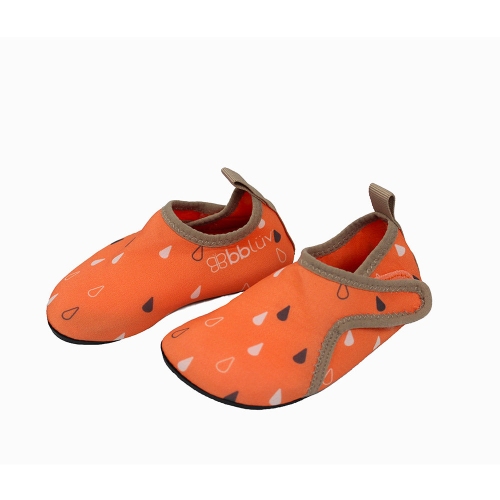 Your price for this item is $17.99
 -
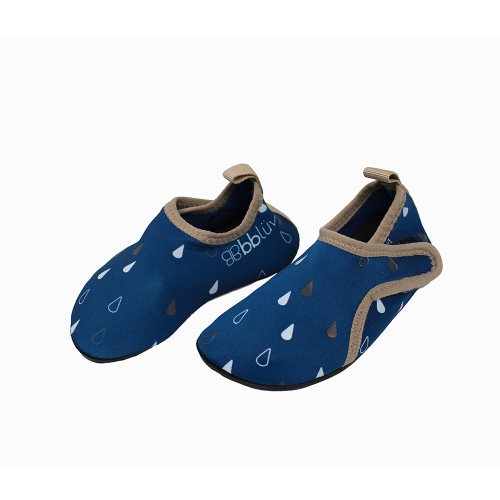 Your price for this item is $17.99
 -
 Your price for this item is $17.99
 -
 Your price for this item is $17.99
 -
 Your price for this item is $29.98
 -
 Your price for this item is $29.98
 -
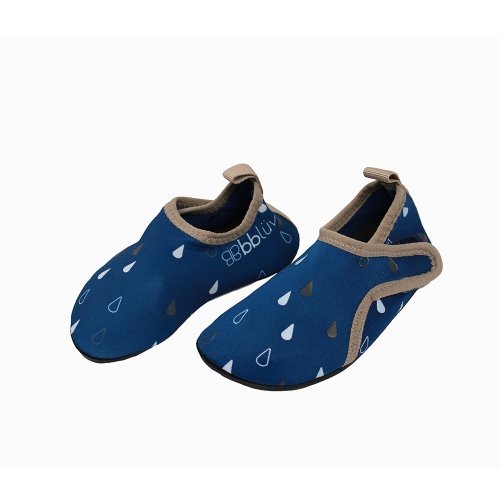 Your price for this item is $17.99
 -
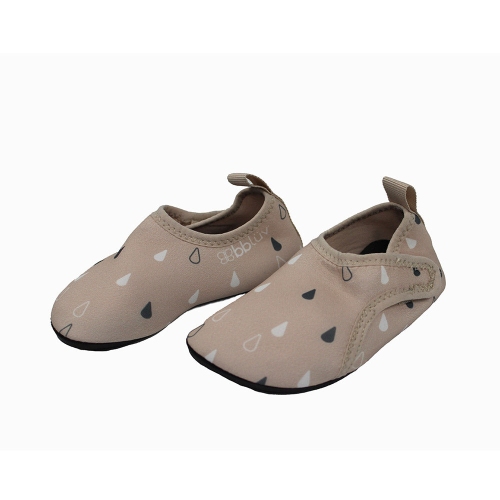 Your price for this item is $17.99
Discover more categories related to Youth Snow Gear
Top Collections:
Pokemon Centers, Kindle Devices, Best Budget Office Chairs, Apple iPhones 16, Canon G7X Cameras, iPhone 15 Apple, Alarm Clock, Refurbished Apple Laptops, Flip Phones, Best Laptops for Writers
Some products may be subject to Environmental Handling Fees
(EHF) depending on your province.
Learn more about EHFs.