Outdoor Sleeping Bags
Get ready for your next outdoor adventure with an essential piece of gear - the outdoor sleeping bag. Whether you're camping, hiking, or simply enjoying a night under the stars, a high-quality sleeping bag is a must-have to ensure a comfortable and restful sleep. Designed to keep you warm and cozy in any weather conditions, these sleeping bags are crafted with durable materials and innovative features. From lightweight options for backpacking to spacious designs for family camping trips, our collection of outdoor sleeping bags has something to suit every adventurer's needs. Explore our range today and get ready to experience the great outdoors in ultimate comfort.
Sort
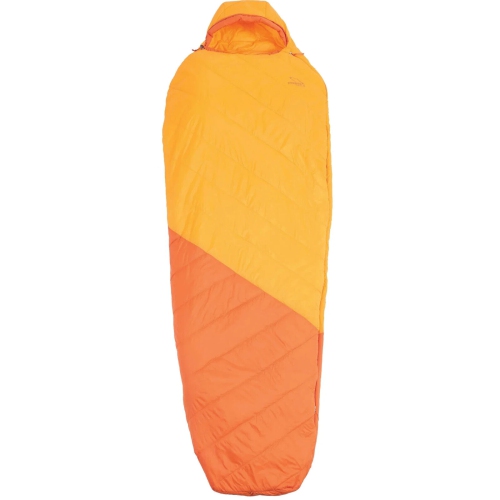
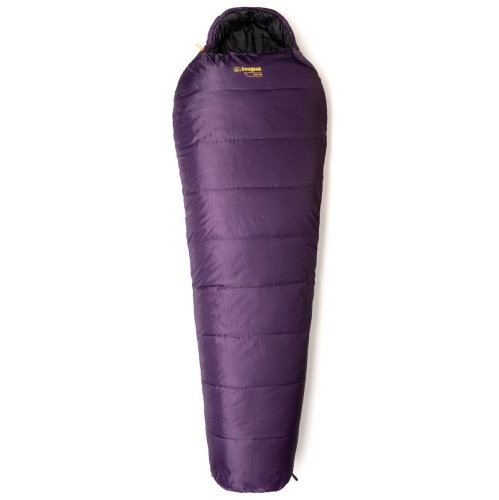
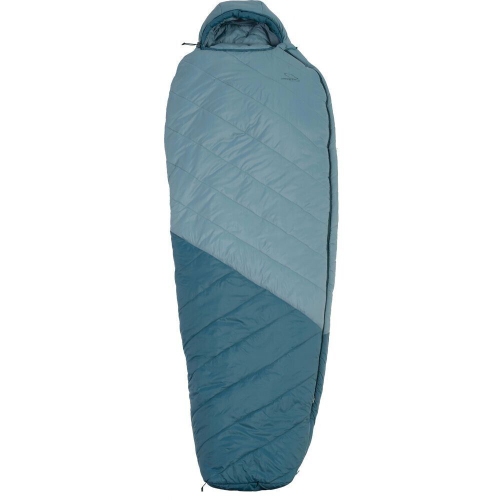


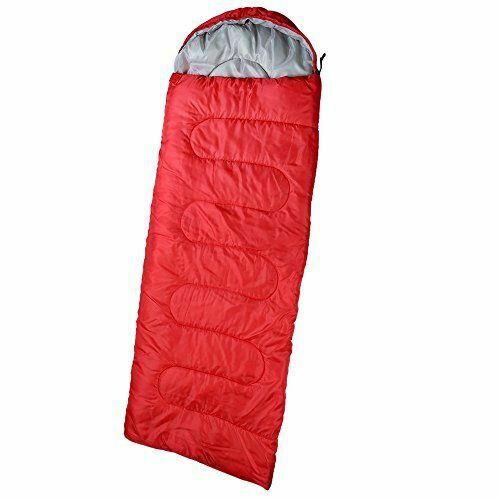
What matters most for warmer nights at camp
Outdoor sleeping bags provide a warm, practical place to rest when you are camping away from home, whether you are spending a weekend at a drive-in campsite, sleeping under the stars on a backcountry route, or setting up a tent in the backyard. The right sleeping bag depends first on where and when you plan to use it. During the cooler months, look for a temperature rating that matches the lowest conditions you expect, rather than the average daytime forecast. A bag rated for 0°C may be suitable for mild shoulder-season nights, while colder destinations call for a lower rating and additional insulation. Temperature ratings are useful points of comparison, but personal comfort varies based on clothing, tent conditions, sleeping pad insulation, humidity, and how readily you feel the cold. A sleeping pad is especially important because it separates your body from the cool ground and can make a noticeable difference in warmth. For mild-weather trips, a lighter bag may be easier to carry and more comfortable when temperatures remain above freezing. For warmer destinations and balmy nights, browse Summer Camping Sleeping Bags for options suited to less demanding conditions. When the forecast is changeable, consider a bag with a hood, draft collar, insulated zipper area, or a design that allows ventilation from the foot or side. These details help you adjust your comfort without having to leave your sleeping space in the middle of the night.
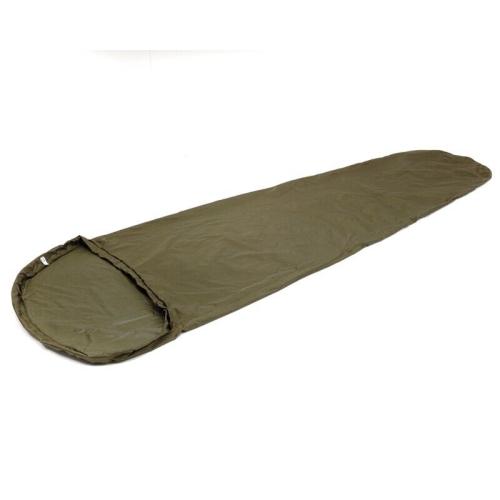
The shape of an outdoor sleeping bag affects warmth, mobility, packed size, and overall comfort. Mummy bags taper toward the feet and fit more closely around the body, helping retain heat while reducing excess material and weight. Their streamlined shape is popular with hikers and backpackers who carry their equipment over long distances, although some campers prefer the close fit for cold-weather use. Rectangular sleeping bags offer more room to move and can feel familiar for people who shift positions frequently, read before bed, or prefer a less enclosed sleeping space. They generally take up more room in a vehicle or pack and may not conserve body heat as efficiently as a tapered design, making them a natural choice for car camping and spacious tent setups. Some designs sit between these two shapes, providing extra width around the shoulders or feet without becoming fully rectangular. Pay attention to the bag’s length and shoulder or hip measurements, particularly when shopping for taller campers, children, or anyone who prefers room for layered clothing. Insulation is another major consideration. Down insulation is light, compressible, and warm for its weight, making it appealing for backpacking and compact packing. It can lose much of its loft when soaked, so it needs careful protection from rain, condensation, and damp tent walls. Synthetic insulation is often more affordable, dries more quickly, and continues to provide warmth when conditions are humid or the fill becomes slightly damp. It can be bulkier than down, but that extra packed size may be a worthwhile trade-off for family camping, occasional use, or trips where storage space is readily available. A stuff sack can make transport easier, while a larger storage sack is preferable for keeping the bag lofted between outings.
Outdoor sleeping bags are useful for a wide range of campers and can also make thoughtful gifts for someone preparing for a first camping trip, joining a youth outdoor programme, or upgrading worn equipment. A family member who enjoys festivals, fishing trips, canoeing, or rustic cabin stays may appreciate a versatile bag that is simple to pack and easy to use. For children, choose a size that provides warmth without excessive empty space, since a bag that is too large may be less effective at retaining heat; also consider durable zippers, easy-clean fabrics, and a design they can open independently. Adults planning a road trip may place greater value on generous dimensions, a comfortable lining, and a bag that can be unzipped flat for use as a blanket. Backpackers may prioritize low weight, a compact packed size, and a close-fitting hood over extra room. Before purchasing, think about the coldest realistic sleeping conditions, the distance the bag will travel, how often it will be used, and where it will be stored. At camp, change into dry base layers before getting into the bag, keep damp outerwear outside the sleeping area, and use the hood or drawcord to reduce heat loss around your head and shoulders. Avoid breathing inside the bag, as moisture can collect in the insulation, and air it out fully after each trip before storing it loosely in a cool, dry place. With the right shape, fill, temperature rating, and features, an outdoor sleeping bag can make a tent feel inviting as the evening air cools, from the first crackle of the campfire to the quiet hours before sunrise.
The shape of an outdoor sleeping bag affects warmth, mobility, packed size, and overall comfort. Mummy bags taper toward the feet and fit more closely around the body, helping retain heat while reducing excess material and weight. Their streamlined shape is popular with hikers and backpackers who carry their equipment over long distances, although some campers prefer the close fit for cold-weather use. Rectangular sleeping bags offer more room to move and can feel familiar for people who shift positions frequently, read before bed, or prefer a less enclosed sleeping space. They generally take up more room in a vehicle or pack and may not conserve body heat as efficiently as a tapered design, making them a natural choice for car camping and spacious tent setups. Some designs sit between these two shapes, providing extra width around the shoulders or feet without becoming fully rectangular. Pay attention to the bag’s length and shoulder or hip measurements, particularly when shopping for taller campers, children, or anyone who prefers room for layered clothing. Insulation is another major consideration. Down insulation is light, compressible, and warm for its weight, making it appealing for backpacking and compact packing. It can lose much of its loft when soaked, so it needs careful protection from rain, condensation, and damp tent walls. Synthetic insulation is often more affordable, dries more quickly, and continues to provide warmth when conditions are humid or the fill becomes slightly damp. It can be bulkier than down, but that extra packed size may be a worthwhile trade-off for family camping, occasional use, or trips where storage space is readily available. A stuff sack can make transport easier, while a larger storage sack is preferable for keeping the bag lofted between outings.
Outdoor sleeping bags are useful for a wide range of campers and can also make thoughtful gifts for someone preparing for a first camping trip, joining a youth outdoor programme, or upgrading worn equipment. A family member who enjoys festivals, fishing trips, canoeing, or rustic cabin stays may appreciate a versatile bag that is simple to pack and easy to use. For children, choose a size that provides warmth without excessive empty space, since a bag that is too large may be less effective at retaining heat; also consider durable zippers, easy-clean fabrics, and a design they can open independently. Adults planning a road trip may place greater value on generous dimensions, a comfortable lining, and a bag that can be unzipped flat for use as a blanket. Backpackers may prioritize low weight, a compact packed size, and a close-fitting hood over extra room. Before purchasing, think about the coldest realistic sleeping conditions, the distance the bag will travel, how often it will be used, and where it will be stored. At camp, change into dry base layers before getting into the bag, keep damp outerwear outside the sleeping area, and use the hood or drawcord to reduce heat loss around your head and shoulders. Avoid breathing inside the bag, as moisture can collect in the insulation, and air it out fully after each trip before storing it loosely in a cool, dry place. With the right shape, fill, temperature rating, and features, an outdoor sleeping bag can make a tent feel inviting as the evening air cools, from the first crackle of the campfire to the quiet hours before sunrise.
Top selling and popular products
-
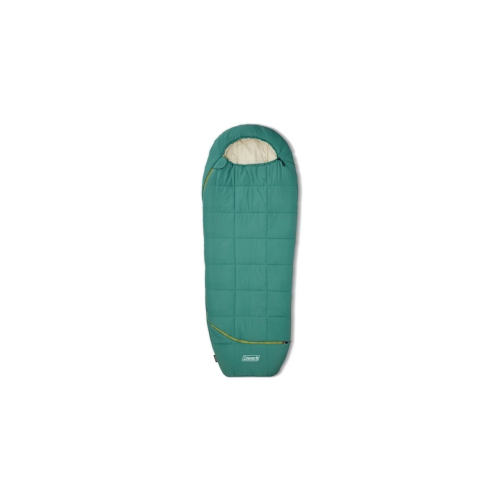 Your price for this item is $149.99
 -
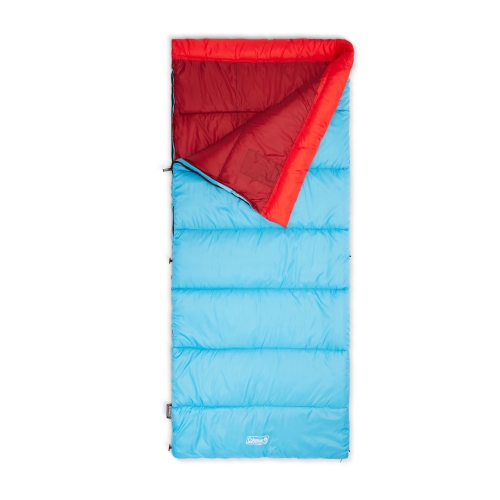 Your price for this item is $134.99
 -
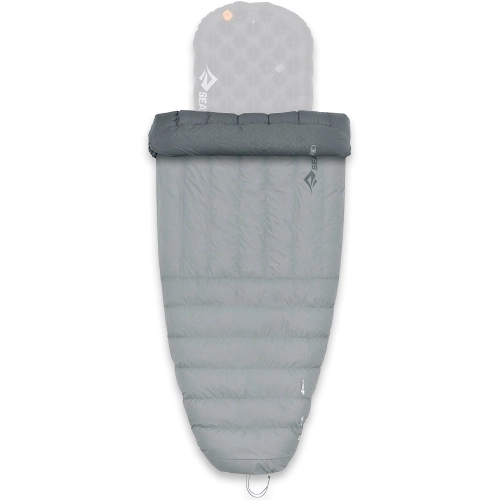 Your price for this item is $378.95
 -
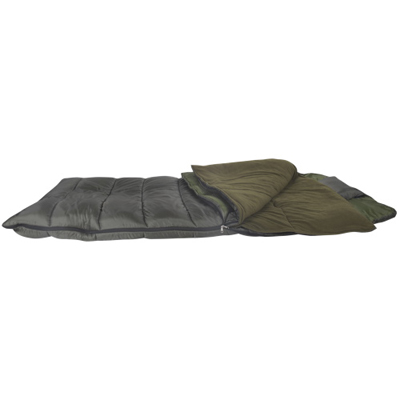 Your price for this item is $219.99
 -
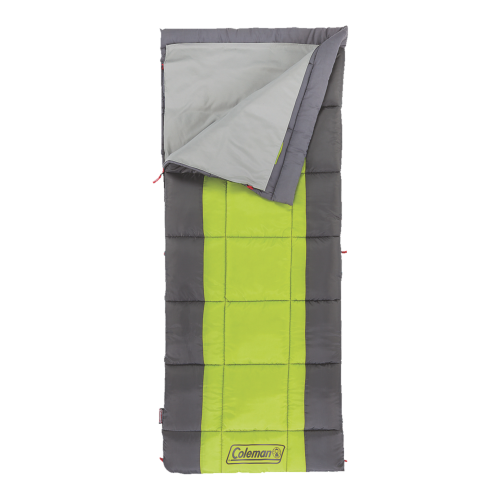 Your price for this item is $90
 -
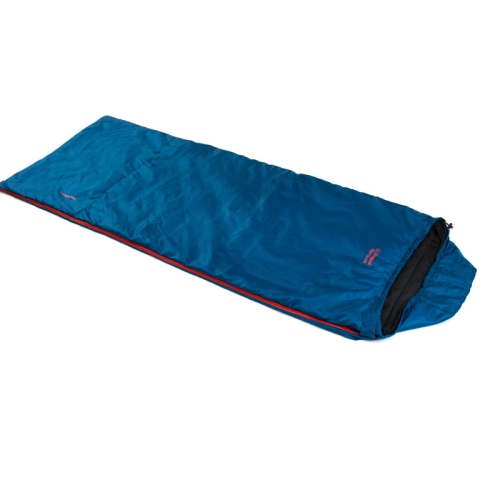 Your price for this item is $124.95
 -
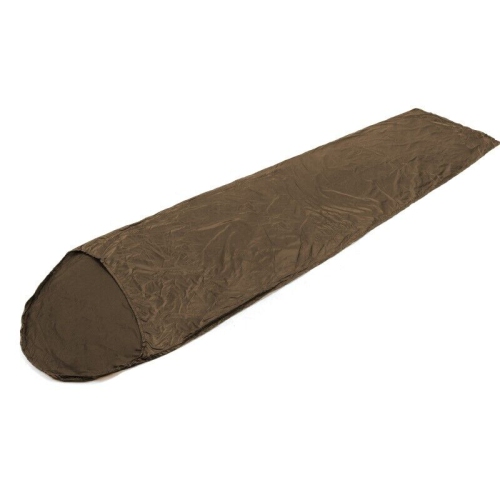 Your price for this item is $99.95
 -
 Your price for this item is $99.95
Discover more categories related to Outdoor Sleeping Bags
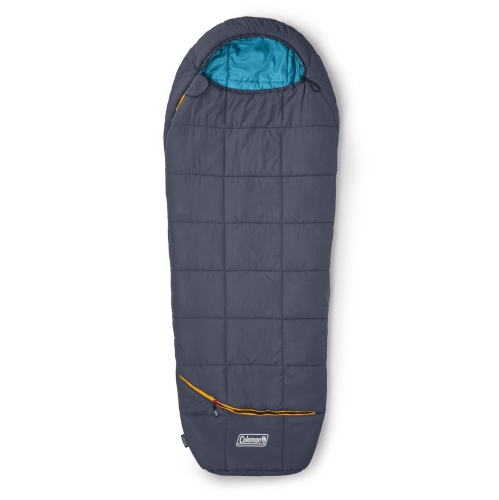
Top Collections:
Pokemon Centers, Kindle Devices, Best Budget Office Chairs, Apple iPhones 16, Canon G7X Cameras, iPhone 15 Apple, Alarm Clock, Refurbished Apple Laptops, Flip Phones, Best Laptops for Writers
Some products may be subject to Environmental Handling Fees
(EHF) depending on your province.
Learn more about EHFs.