Stainless Steel Fittings
Stainless steel fittings are essential components for a wide range of applications, offering durability and a sleek, modern look. Whether you're upgrading your home's plumbing system, working on an industrial project, or enhancing your automotive setup, these fittings provide reliable performance and resistance to corrosion. Explore our collection of stainless steel fittings to find the perfect match for your needs, ensuring a seamless connection in any environment. With various sizes and configurations available, achieving optimal functionality and style has never been easier.
Sort
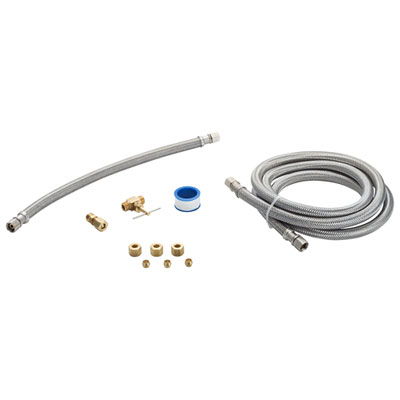
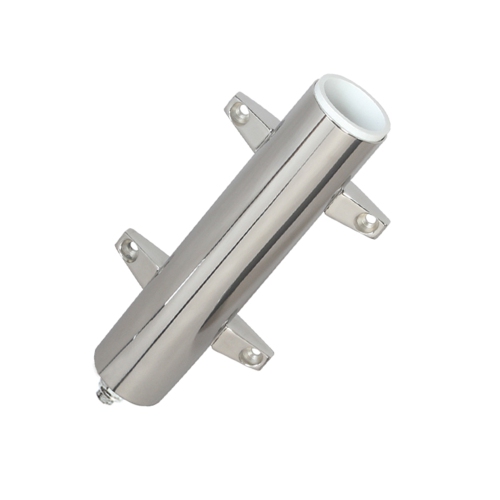
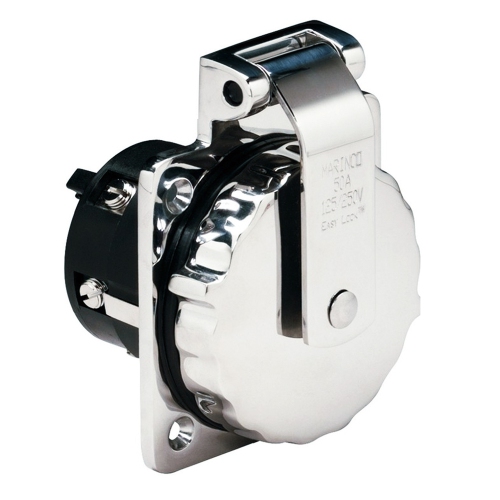
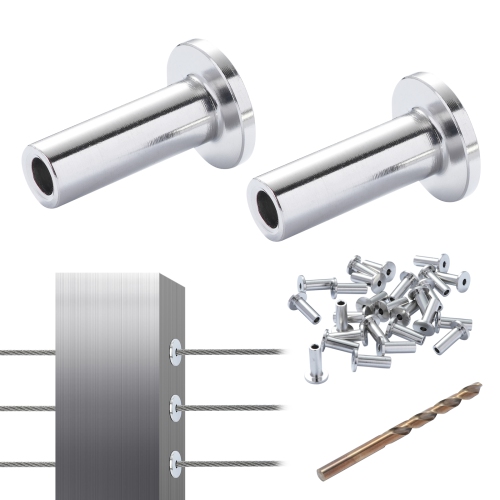
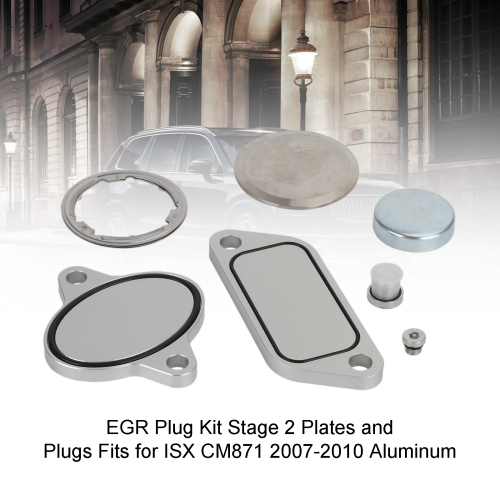
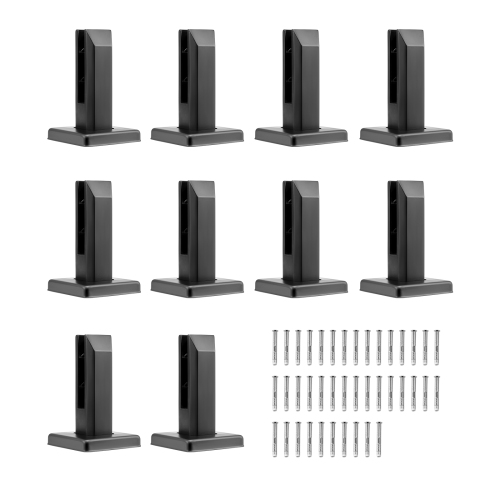
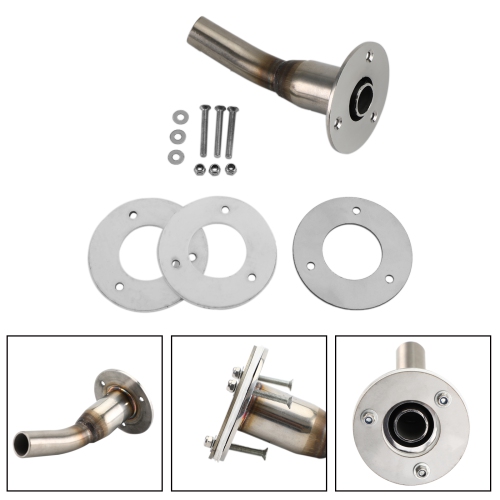
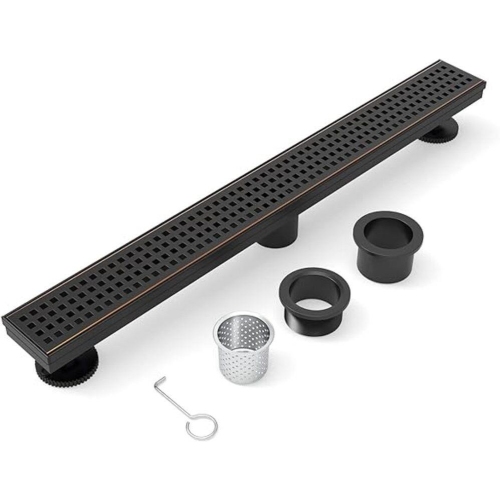
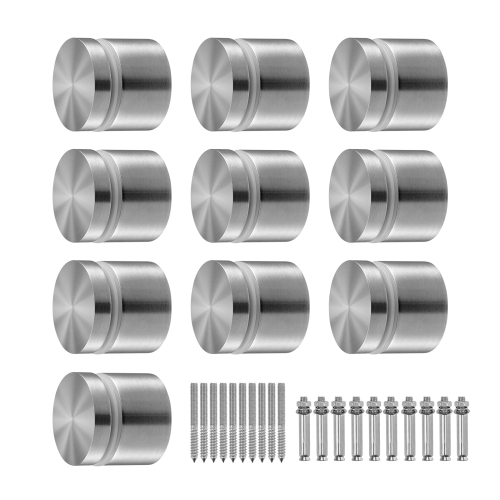
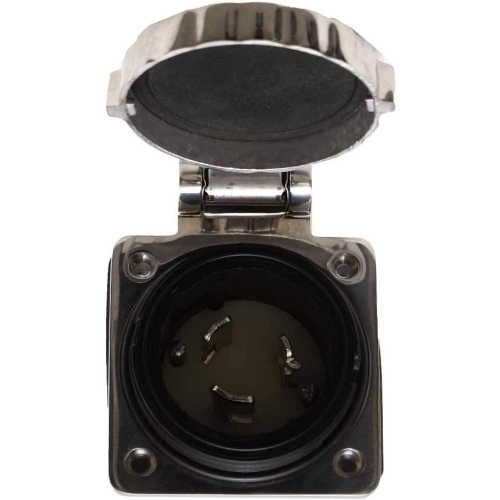
Reliable connections depend on the right fit and rating
Stainless steel fittings are used to connect, redirect, adapt, terminate, or control sections of piping in residential, commercial, industrial, hydraulic, marine, and workshop systems. They can help join two pipes, change the direction of a line, reduce or increase its diameter, create a branch, or close an unused connection. Common shapes include couplings, unions, elbows, tees, crosses, reducers, bushings, adapters, nipples, caps, and plugs. A 45° elbow can create a gradual change in direction, while a 90° elbow is useful where a line needs to turn around a corner or follow the layout of a cabinet, wall, machine, or equipment rack. Tees and crosses divide flow between multiple lines, reducers and bushings connect different pipe sizes, and caps or plugs provide a finished closure for an open end. Because stainless steel offers strong corrosion resistance and a clean, durable surface, these fittings are often selected for areas exposed to moisture, condensation, cleaning products, temperature changes, or demanding operating conditions. They may be used around water heaters, pumps, filtration equipment, air compressors, food-service installations, workshops, process equipment, and outdoor systems. The best choice depends on the fluid or gas being carried, the pipe material, the operating temperature, the pressure, and the connection method already used in the system. Stainless steel fittings are not interchangeable solely because they share the same nominal size; thread standards, dimensions, wall thickness, and sealing surfaces all need to match. Before purchasing, note the pipe’s outside diameter or nominal pipe size, the fitting size, the thread type, and whether the connection is male, female, threaded, compression, press-to-connect, socket-weld, or butt-weld. A careful measurement at the planning stage can prevent the familiar frustration of reaching the final connection and discovering that the fitting is the wrong gender, angle, or standard.
Material grade is another important consideration. Type 304 stainless steel is a common choice for general-purpose applications because it provides good resistance to rust and corrosion in many indoor and outdoor settings. Type 316 stainless steel includes molybdenum, which can provide improved resistance in environments exposed to salt, chlorides, and certain chemicals, making it a frequent consideration for coastal locations, marine equipment, commercial kitchens, and more demanding process applications. Neither grade should be treated as suitable for every chemical, temperature, or pressure condition, so consult the relevant specifications when the system carries anything other than ordinary water or air. Fittings should also be selected according to their pressure rating and temperature rating, rather than by appearance or material alone. Lower-pressure plumbing and utility connections may use fittings identified by a class rating such as Class 150, while forged high-pressure fittings can be rated for substantially higher service pressures, including 3,000, 6,000, or more PSI depending on the design and standard. Ratings can change with temperature, fitting configuration, thread type, and installation method, so the rating should meet or exceed the requirements of the complete system. A compact fitting in a tight utility space may be practical for a water line, but it is not automatically appropriate for a hydraulic circuit or pressurized gas installation. Compatibility matters as well: joining dissimilar metals can contribute to galvanic corrosion in the presence of moisture, and some fluids can affect seals, gaskets, thread compounds, or tubing materials. For threaded connections, use an approved sealant or specialized PTFE tape that is compatible with the application, applying it carefully so material does not enter the flow path. Stainless steel threads can gall, meaning the mating surfaces seize or damage one another during tightening. A suitable anti-seize lubricant and controlled hand-tightening followed by the manufacturer’s recommended tightening method can help reduce that risk. Avoid forcing a fitting with a wrench when the threads feel misaligned; a connection that starts crooked may leak, cross-thread, or become difficult to remove later.
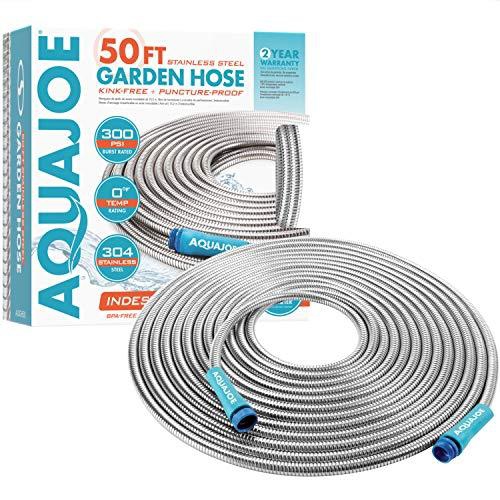
Choosing fittings is often a practical exercise in picturing how the finished system will sit and function. In a compact laundry or utility area, a homeowner may use an elbow and a union to keep a line close to the wall while leaving enough access for future servicing. In a workshop, a tee may split an air line to a second tool, while a shut-off arrangement allows one branch to be isolated without interrupting the rest of the system. During cooler months, outdoor plumbing and equipment may face greater exposure to condensation, freezing temperatures, and contraction, making proper support, insulation, drainage, and freeze protection just as important as the fitting itself. For marine or coastal use, choosing a suitable corrosion-resistant grade and checking every connection regularly can help maintain dependable performance in salty air and spray. Fittings can also be paired with flexible lines where movement, vibration, or awkward alignment makes rigid pipe difficult to install; browse Stainless Steel Hoses for another connection option when the application calls for added flexibility. Stainless steel fittings are useful purchases for plumbers, maintenance professionals, contractors, machinists, facilities teams, and experienced do-it-yourself users who are repairing, extending, or reorganizing a piping system. They can be a thoughtful addition to a workshop supply cabinet as well, particularly for someone who regularly maintains pumps, compressors, water systems, or fabrication projects, although the fitting should be chosen for a specific pipe size and application rather than given as a generic accessory. Installation should follow local codes and the equipment manufacturer’s instructions, especially for natural gas, propane, steam, refrigeration, potable-water, and high-pressure systems. After assembly, inspect the joint, open the system gradually, and check for leaks using an approved method; never rely on hand feel alone, and never test a gas connection with an open flame. Keeping a few matching couplings, elbows, adapters, and caps on hand can make routine maintenance easier, but a complete and dependable result comes from confirming grade, size, connection style, pressure rating, seal compatibility, and intended use before placing each fitting into service.
Material grade is another important consideration. Type 304 stainless steel is a common choice for general-purpose applications because it provides good resistance to rust and corrosion in many indoor and outdoor settings. Type 316 stainless steel includes molybdenum, which can provide improved resistance in environments exposed to salt, chlorides, and certain chemicals, making it a frequent consideration for coastal locations, marine equipment, commercial kitchens, and more demanding process applications. Neither grade should be treated as suitable for every chemical, temperature, or pressure condition, so consult the relevant specifications when the system carries anything other than ordinary water or air. Fittings should also be selected according to their pressure rating and temperature rating, rather than by appearance or material alone. Lower-pressure plumbing and utility connections may use fittings identified by a class rating such as Class 150, while forged high-pressure fittings can be rated for substantially higher service pressures, including 3,000, 6,000, or more PSI depending on the design and standard. Ratings can change with temperature, fitting configuration, thread type, and installation method, so the rating should meet or exceed the requirements of the complete system. A compact fitting in a tight utility space may be practical for a water line, but it is not automatically appropriate for a hydraulic circuit or pressurized gas installation. Compatibility matters as well: joining dissimilar metals can contribute to galvanic corrosion in the presence of moisture, and some fluids can affect seals, gaskets, thread compounds, or tubing materials. For threaded connections, use an approved sealant or specialized PTFE tape that is compatible with the application, applying it carefully so material does not enter the flow path. Stainless steel threads can gall, meaning the mating surfaces seize or damage one another during tightening. A suitable anti-seize lubricant and controlled hand-tightening followed by the manufacturer’s recommended tightening method can help reduce that risk. Avoid forcing a fitting with a wrench when the threads feel misaligned; a connection that starts crooked may leak, cross-thread, or become difficult to remove later.
Choosing fittings is often a practical exercise in picturing how the finished system will sit and function. In a compact laundry or utility area, a homeowner may use an elbow and a union to keep a line close to the wall while leaving enough access for future servicing. In a workshop, a tee may split an air line to a second tool, while a shut-off arrangement allows one branch to be isolated without interrupting the rest of the system. During cooler months, outdoor plumbing and equipment may face greater exposure to condensation, freezing temperatures, and contraction, making proper support, insulation, drainage, and freeze protection just as important as the fitting itself. For marine or coastal use, choosing a suitable corrosion-resistant grade and checking every connection regularly can help maintain dependable performance in salty air and spray. Fittings can also be paired with flexible lines where movement, vibration, or awkward alignment makes rigid pipe difficult to install; browse Stainless Steel Hoses for another connection option when the application calls for added flexibility. Stainless steel fittings are useful purchases for plumbers, maintenance professionals, contractors, machinists, facilities teams, and experienced do-it-yourself users who are repairing, extending, or reorganizing a piping system. They can be a thoughtful addition to a workshop supply cabinet as well, particularly for someone who regularly maintains pumps, compressors, water systems, or fabrication projects, although the fitting should be chosen for a specific pipe size and application rather than given as a generic accessory. Installation should follow local codes and the equipment manufacturer’s instructions, especially for natural gas, propane, steam, refrigeration, potable-water, and high-pressure systems. After assembly, inspect the joint, open the system gradually, and check for leaks using an approved method; never rely on hand feel alone, and never test a gas connection with an open flame. Keeping a few matching couplings, elbows, adapters, and caps on hand can make routine maintenance easier, but a complete and dependable result comes from confirming grade, size, connection style, pressure rating, seal compatibility, and intended use before placing each fitting into service.
Top selling and popular products
-
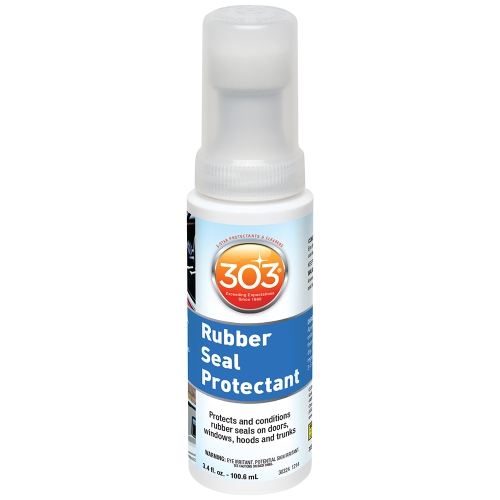 Your price for this item is $30.59
 -
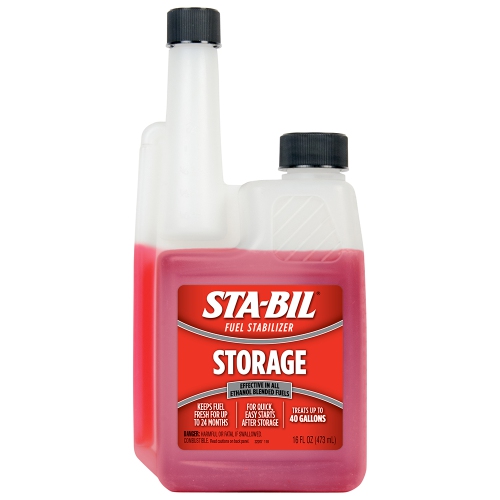 Your price for this item is $30.54
 -
 Your price for this item is $38.85
 -
 Your price for this item is $92.99
 -
 Your price for this item is $844.91
 -
 Your price for this item is $909.33
 -
 Your price for this item is $30.62
 -
 Your price for this item is $34.93
Discover more categories related to Stainless Steel Fittings

Top Collections:
Pokemon Centers, Kindle Devices, Best Budget Office Chairs, Apple iPhones 16, Best Laptops for Writers, iPhone 15 Apple, Canon G7X Cameras, Refurbished Apple Laptops, Alarm Clock, Motorola Razr Phones
Some products may be subject to Environmental Handling Fees
(EHF) depending on your province.
Learn more about EHFs.