Water Toys for The Lake
Looking to make a splash on your next lake adventure? Look no further than our wide selection of water toys designed to take your fun in the sun to the next level. Whether you're seeking adrenaline-pumping thrills or simply want to relax and soak up the rays, we've got you covered. From inflatable rafts and paddleboards to water trampolines and kayaks, our collection of water toys offers endless possibilities for enjoyment on the open water. So gear up, dive in, and get ready for an unforgettable summer experience at the lake!
Sort
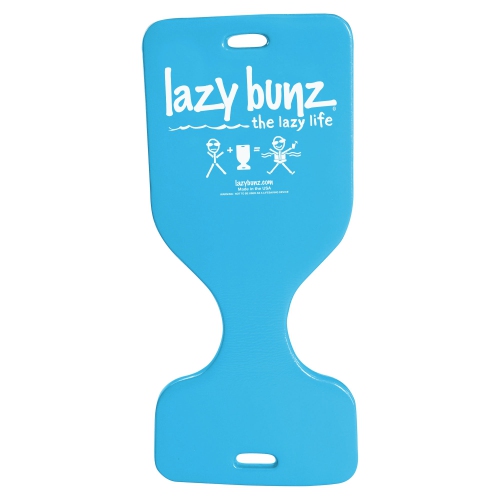
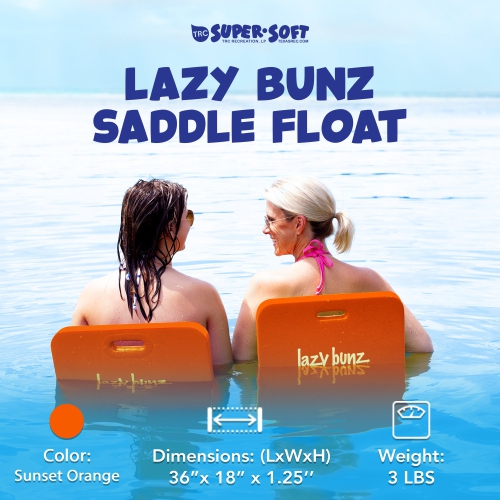
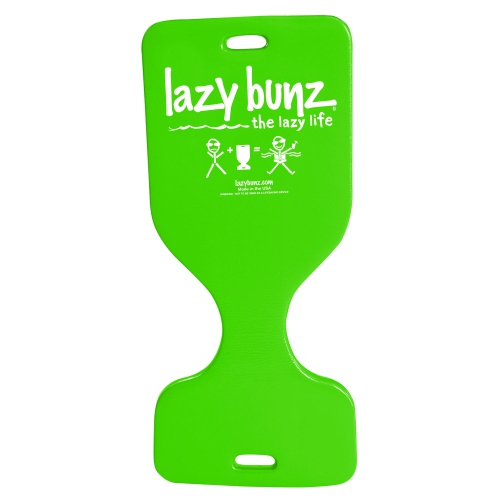
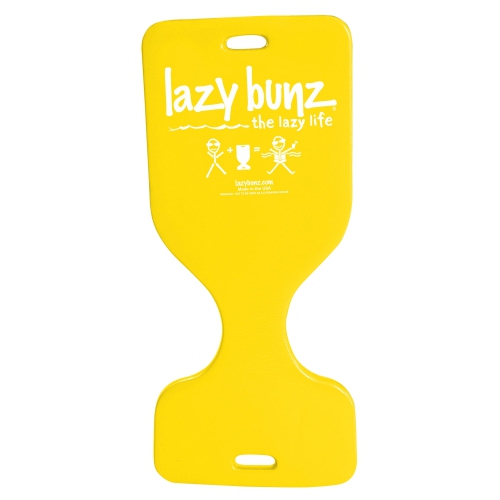
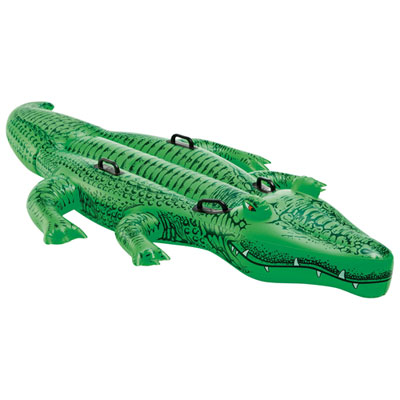
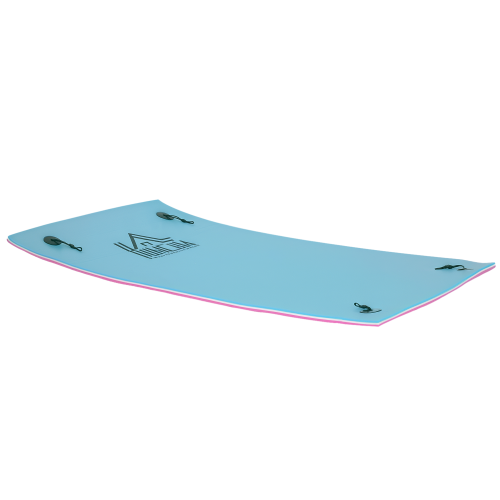
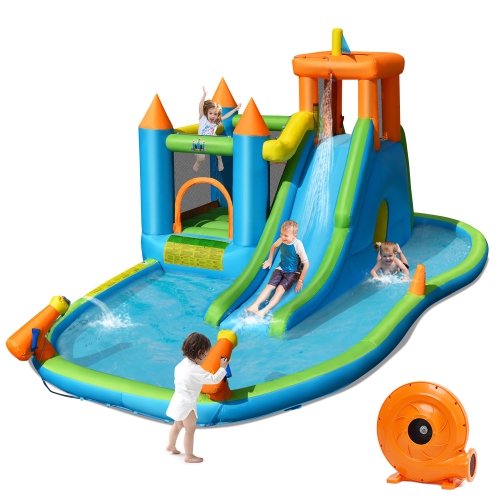
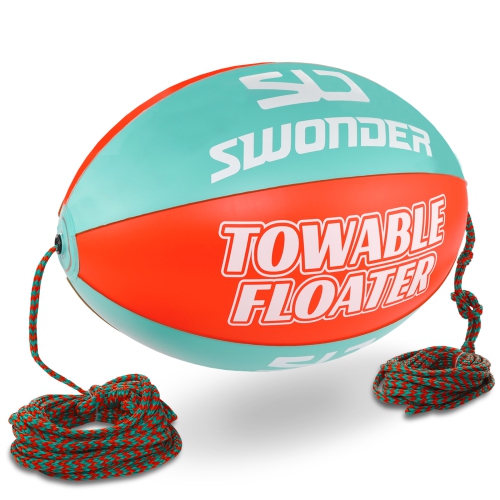


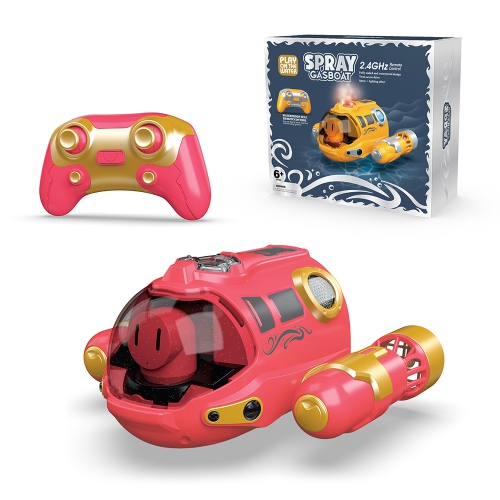
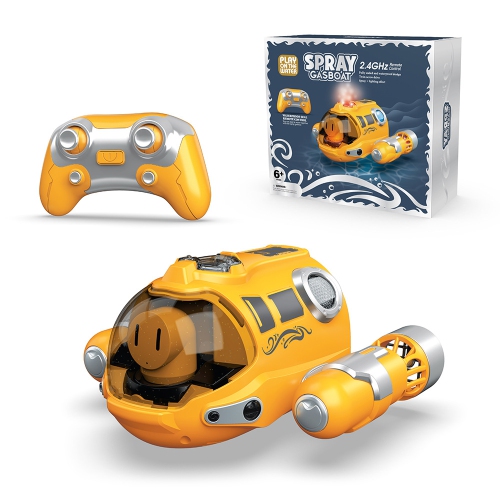
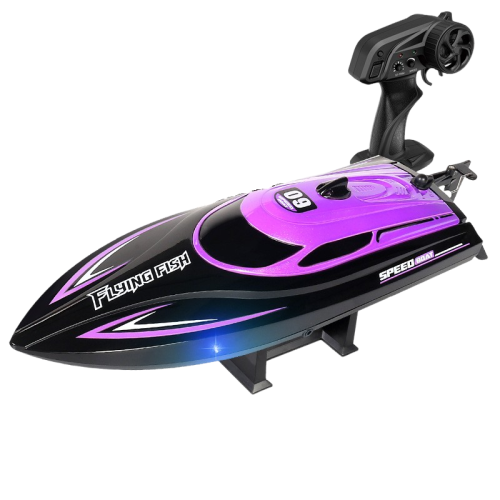
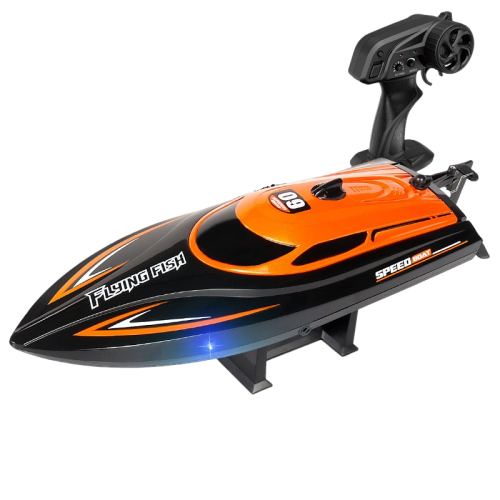
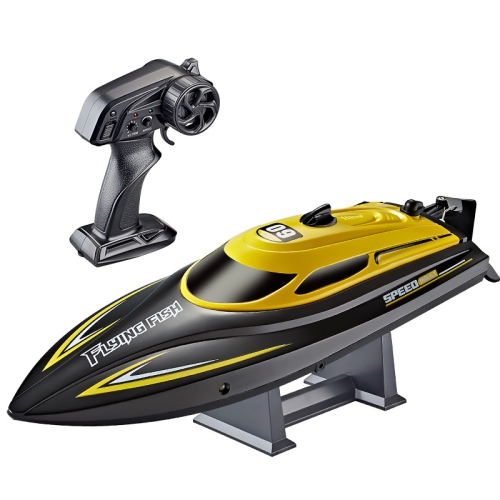
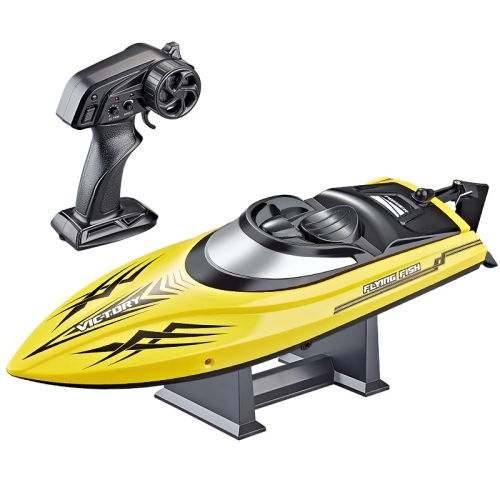
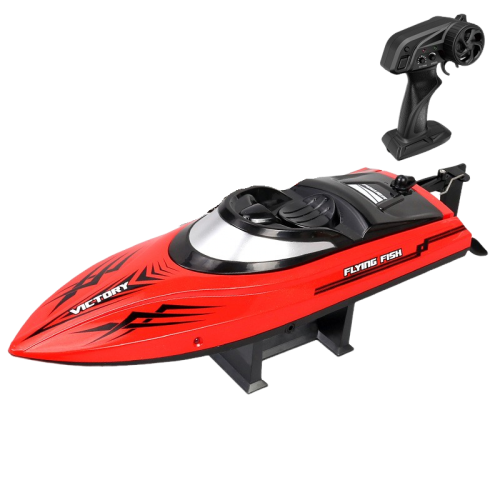
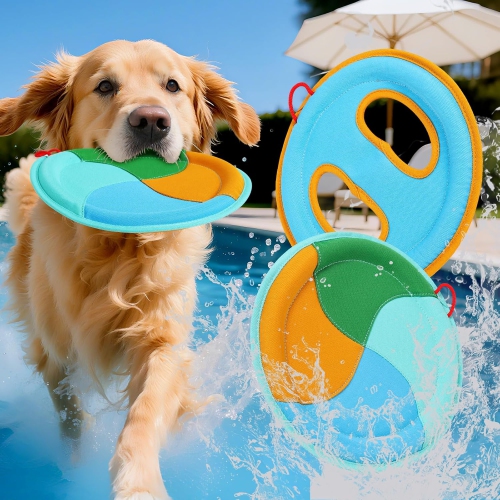



Relaxed floating and towable thrills call for different setups
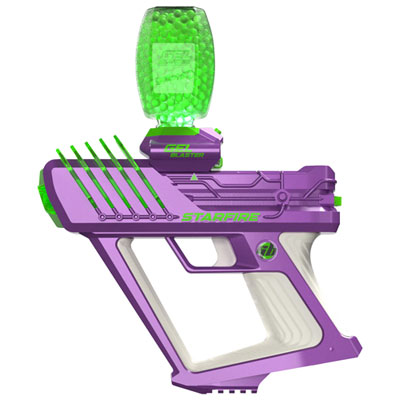
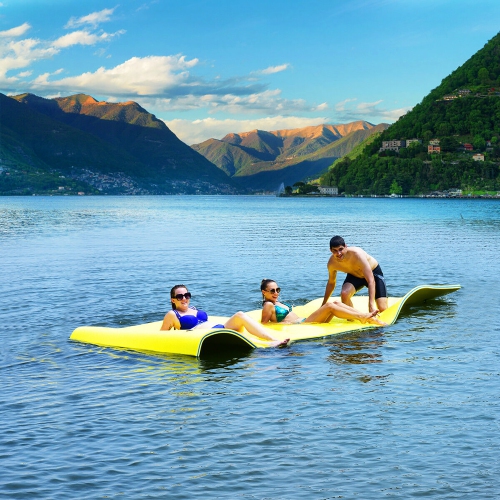
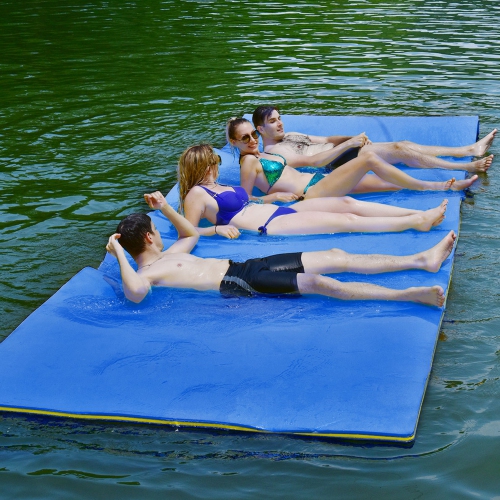
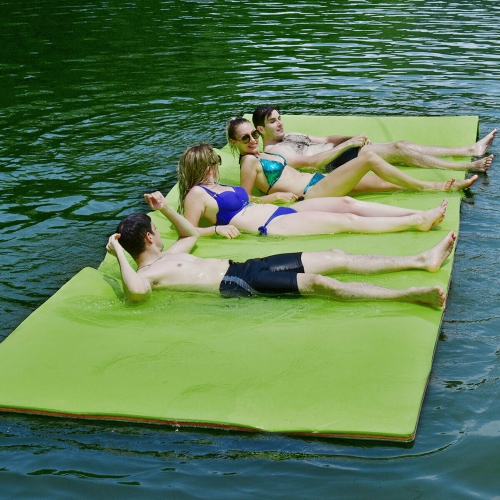
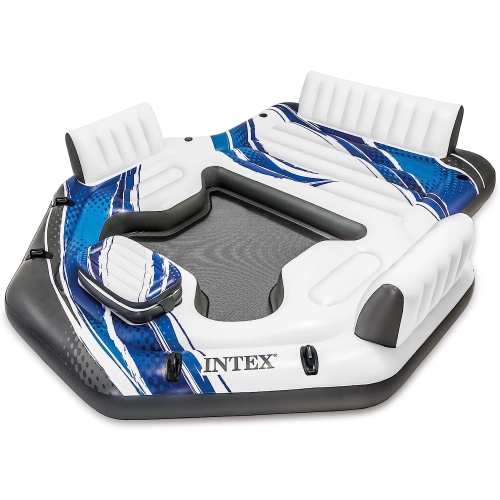
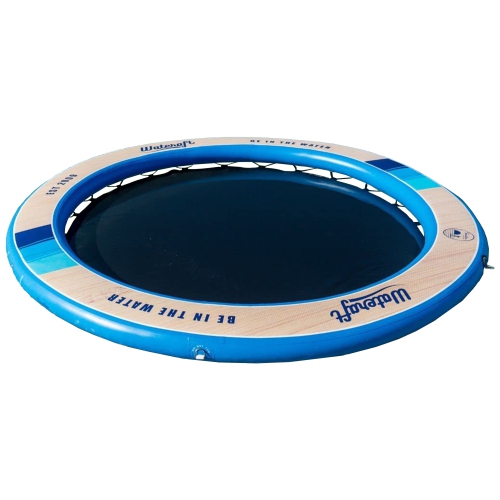
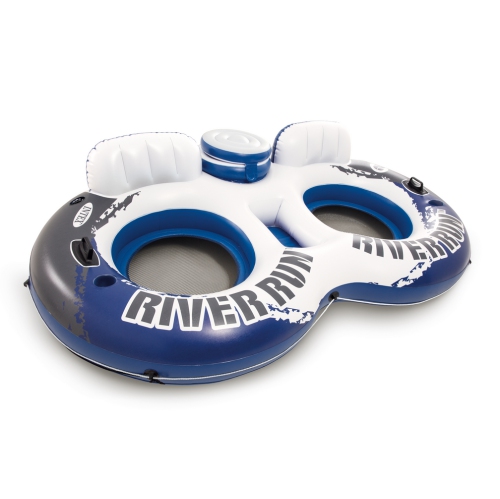
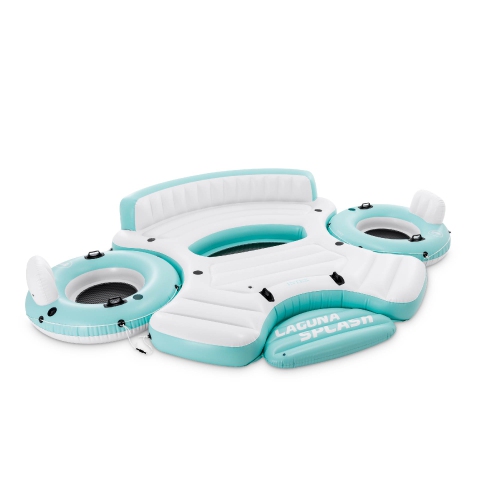
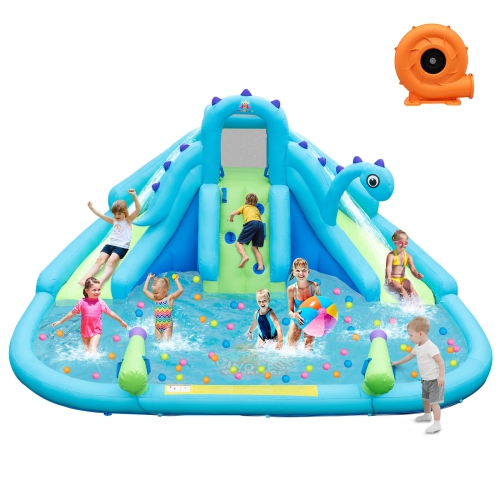
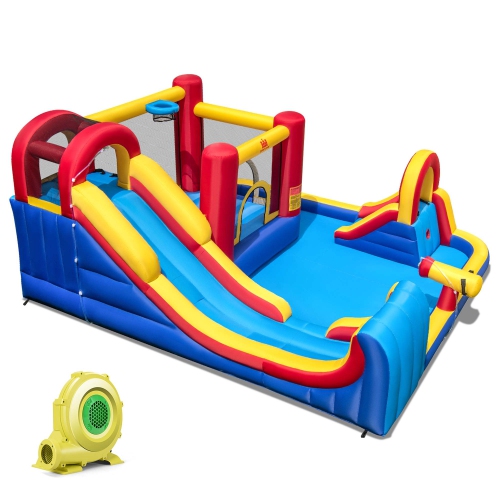
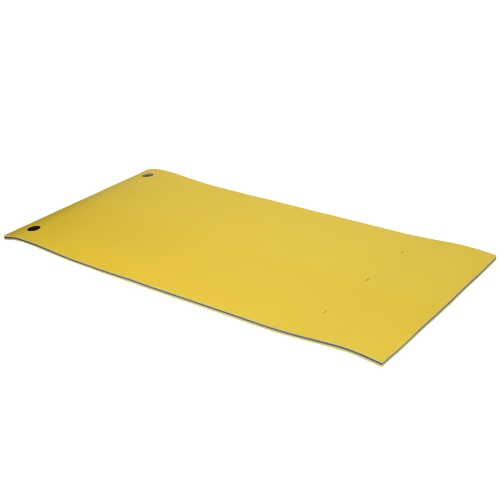
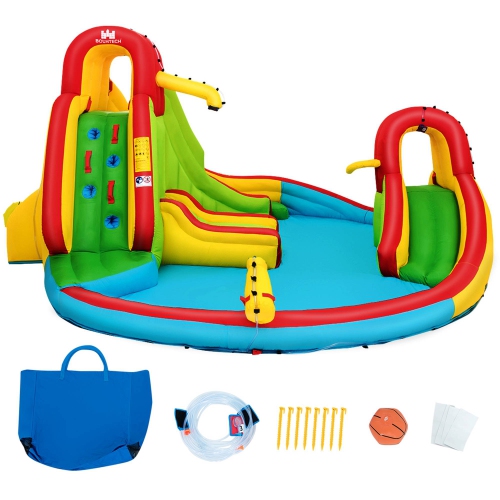
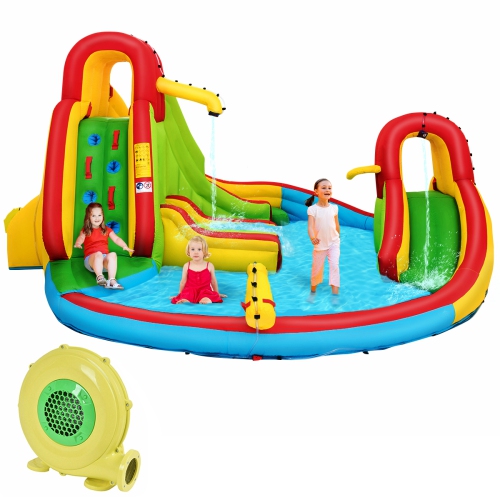
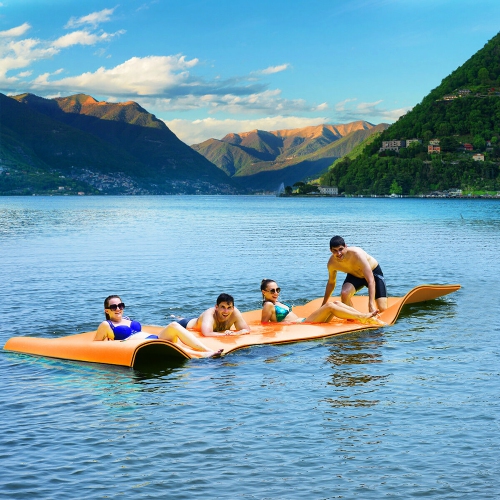
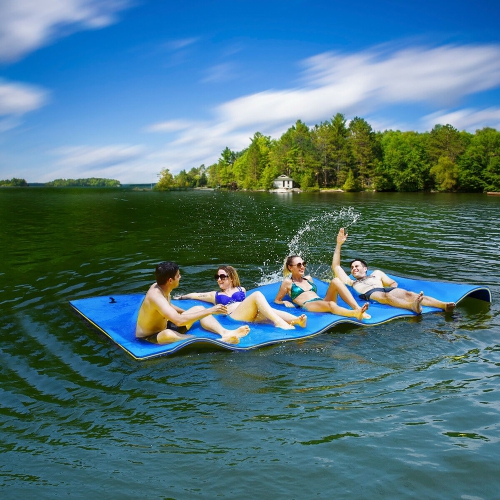
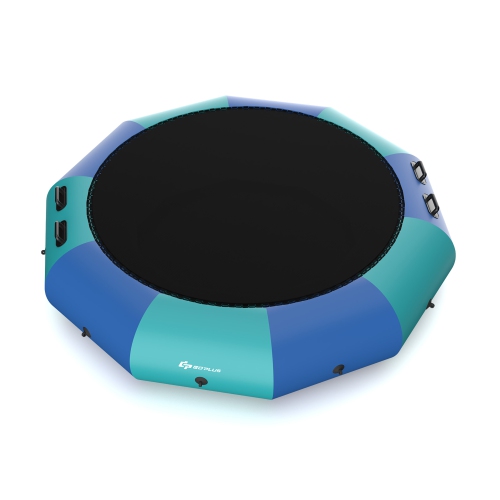
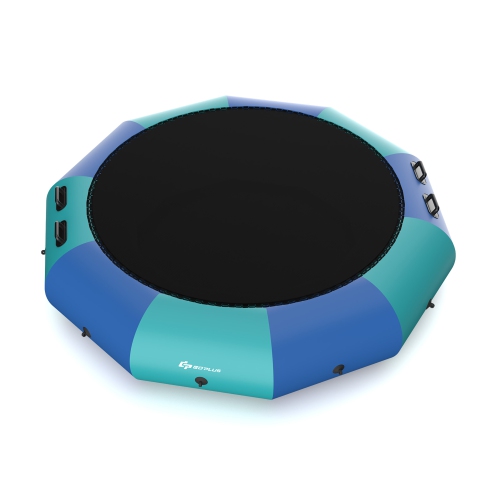
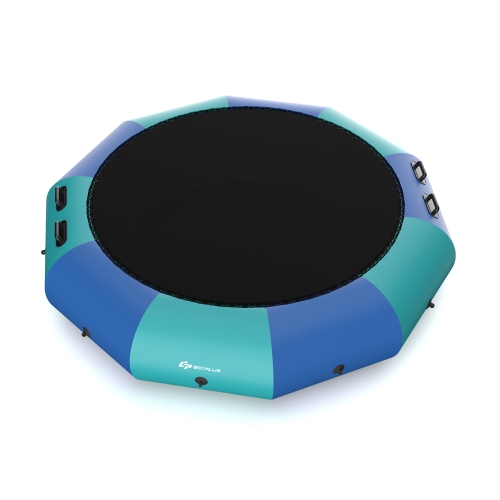
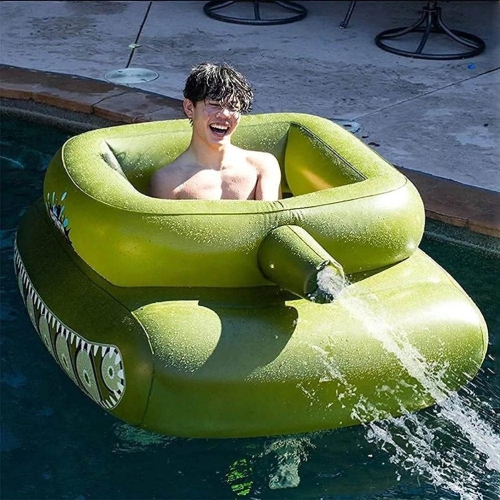
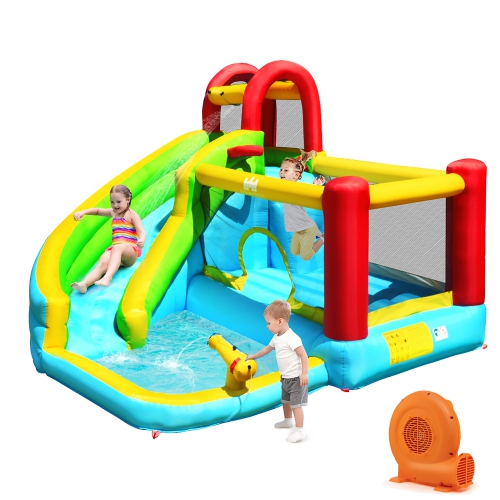
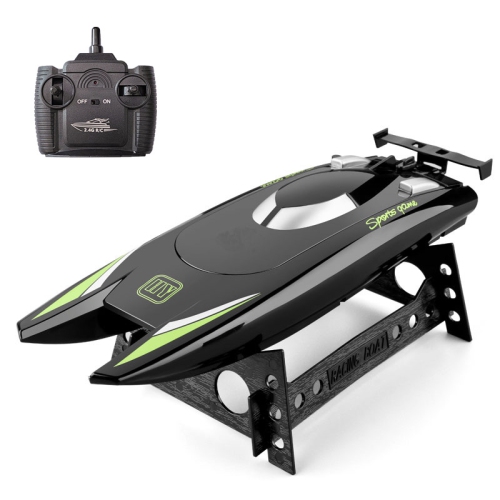
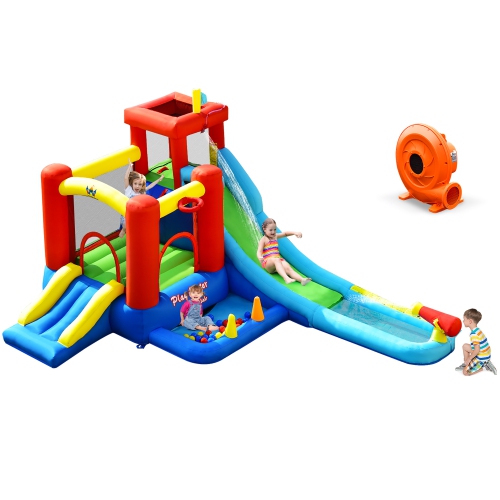
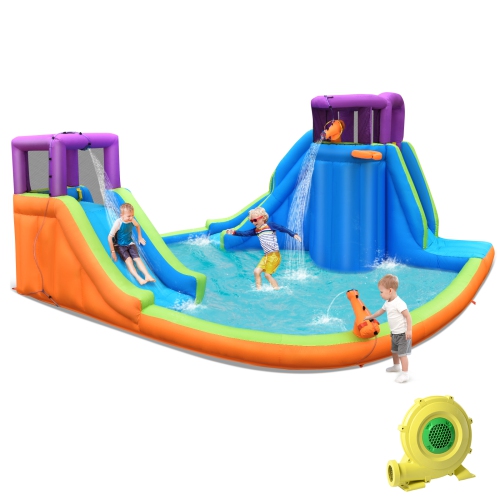
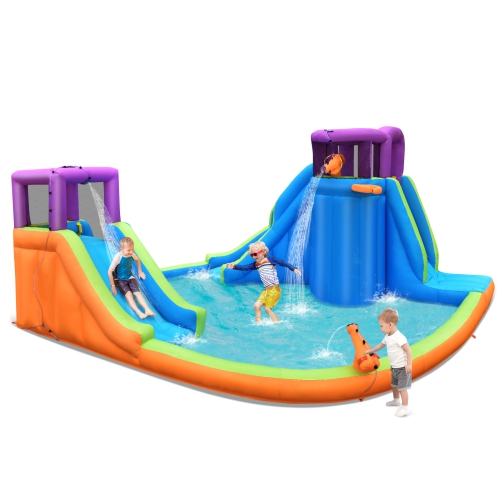
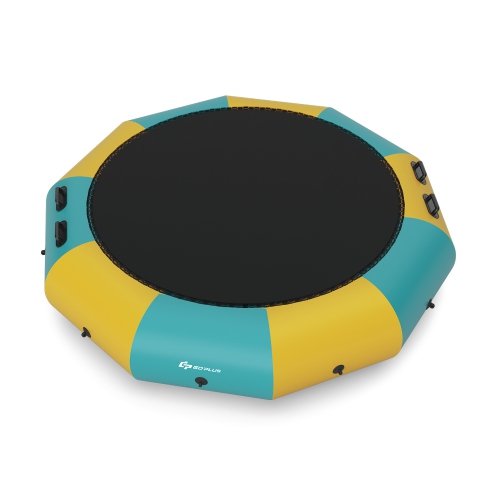
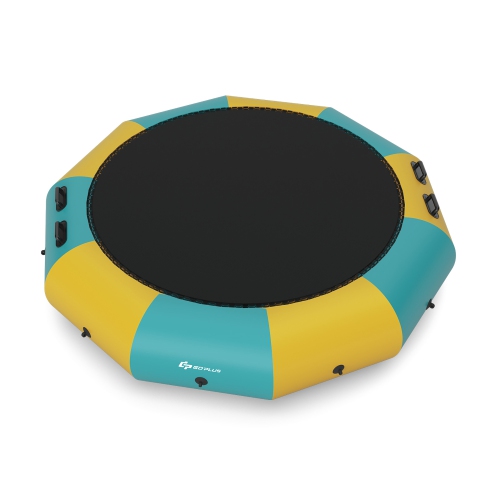
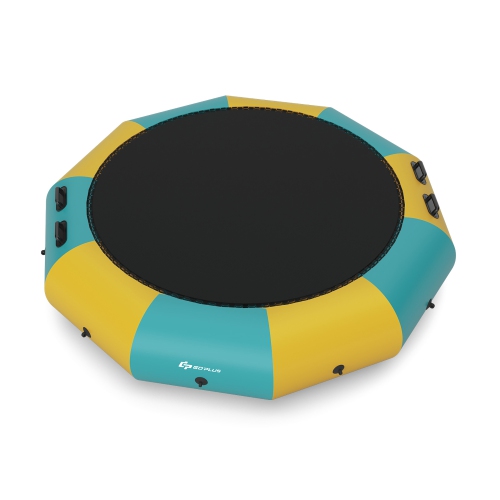
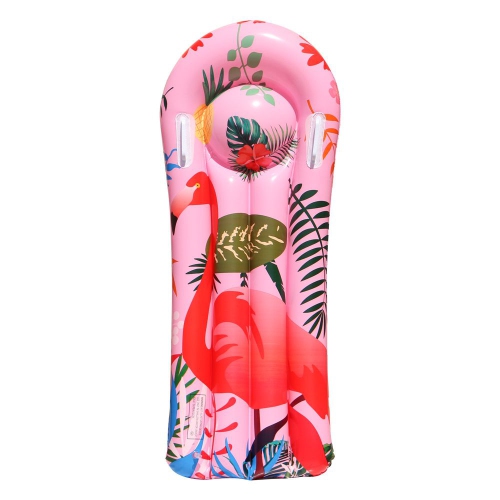
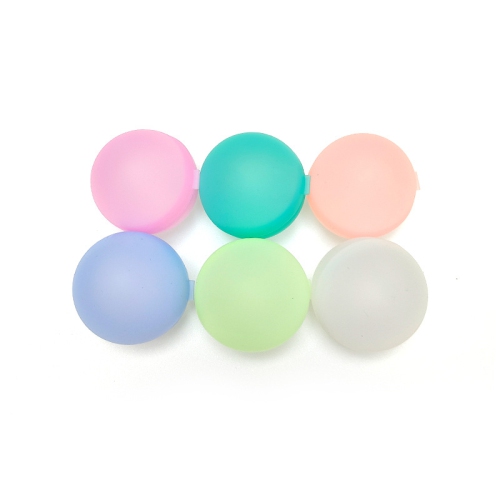
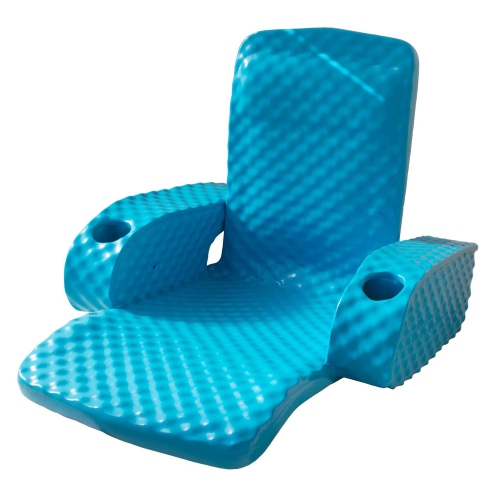
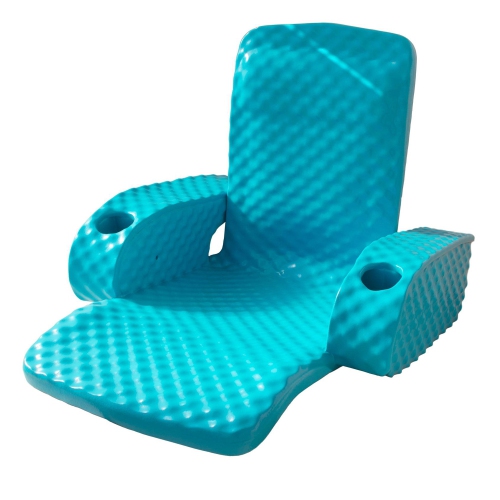
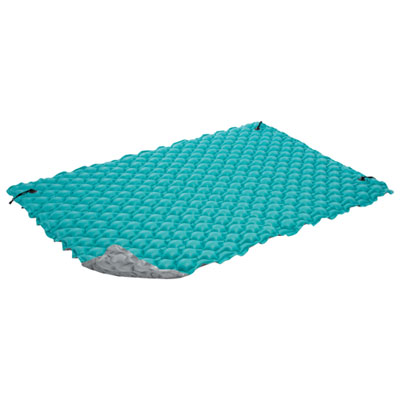
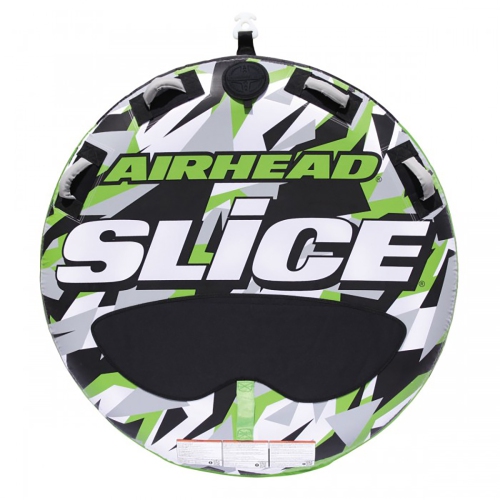
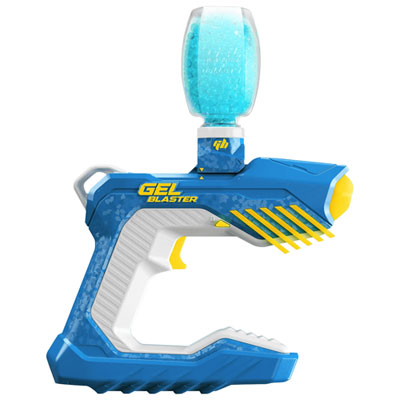
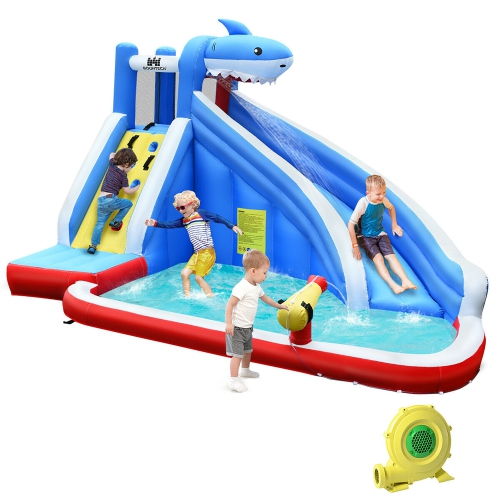
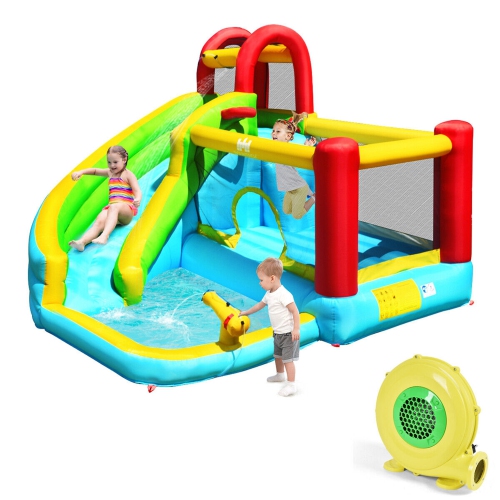
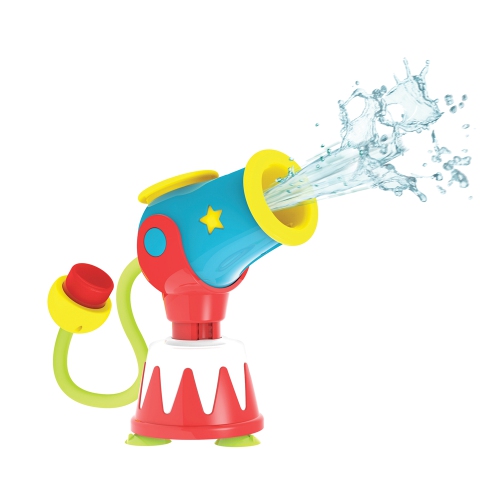
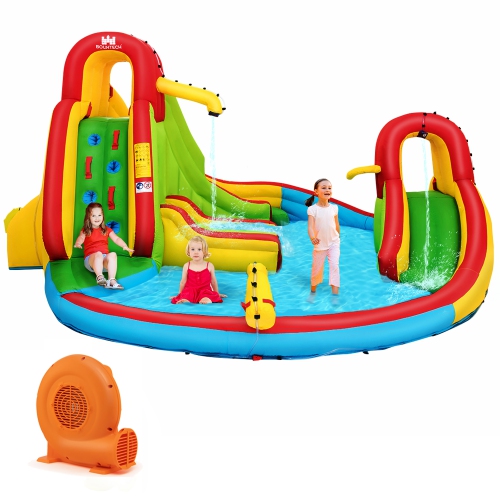
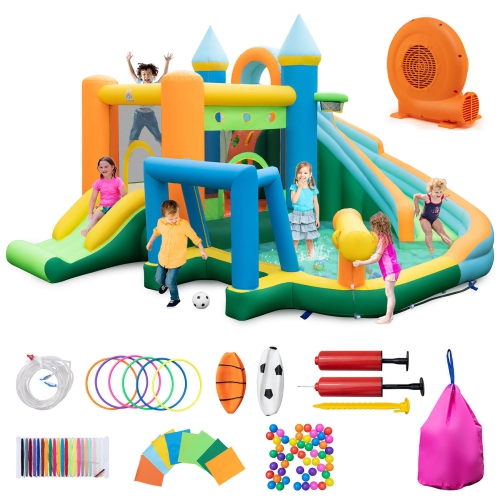
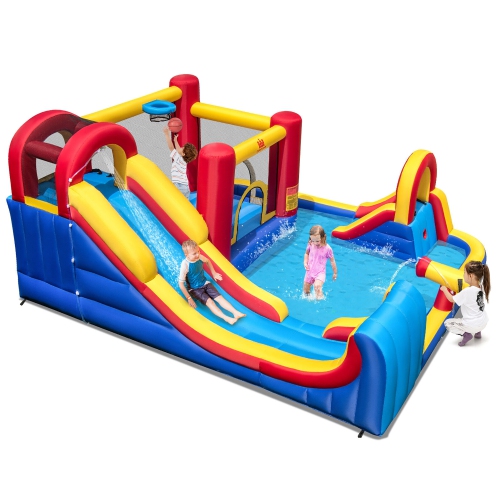
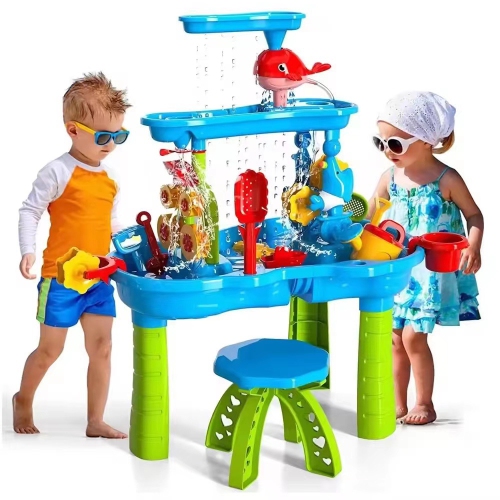
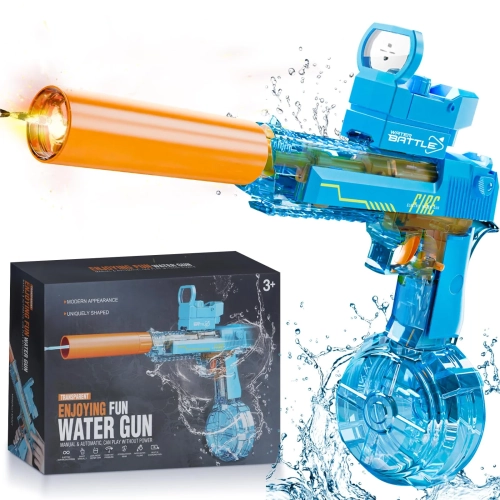
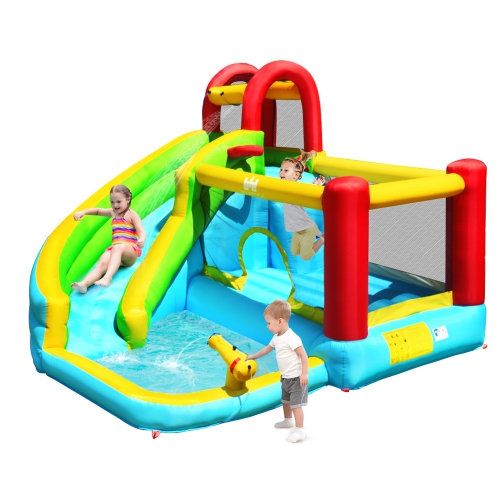
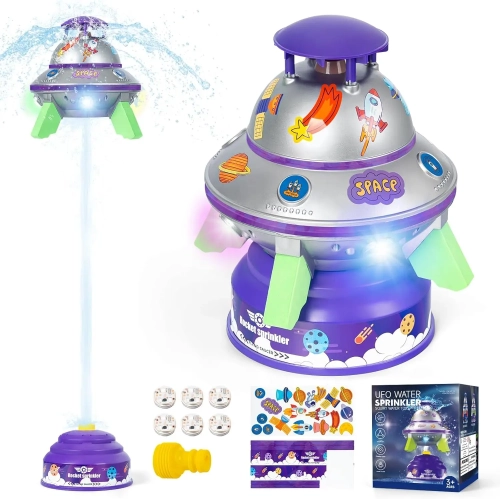
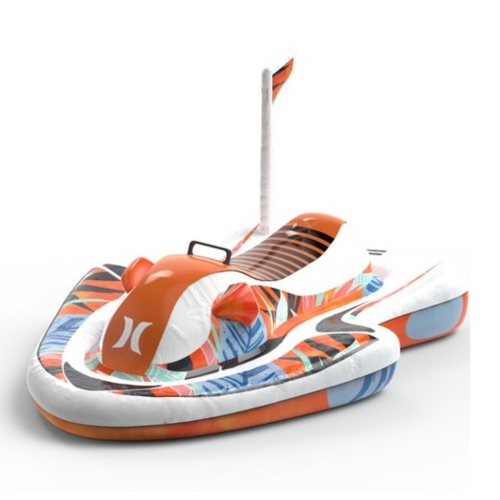
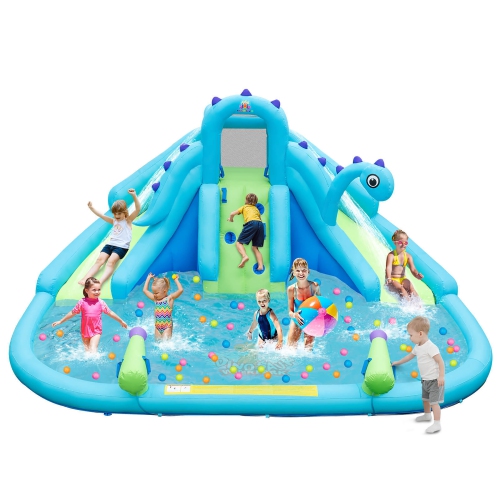
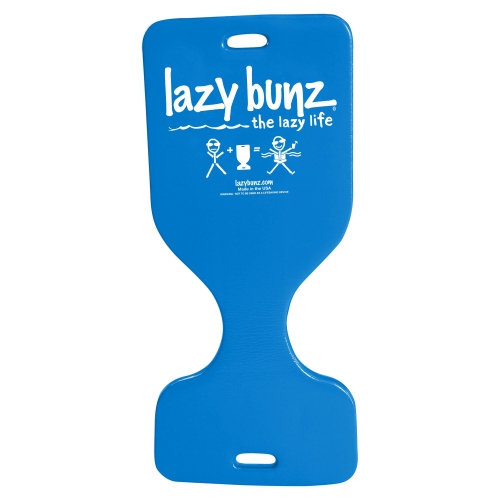
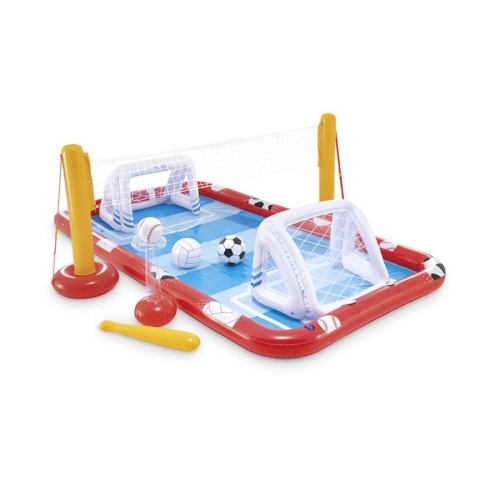
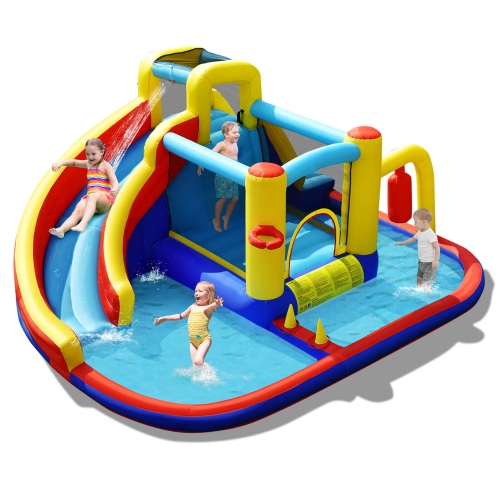
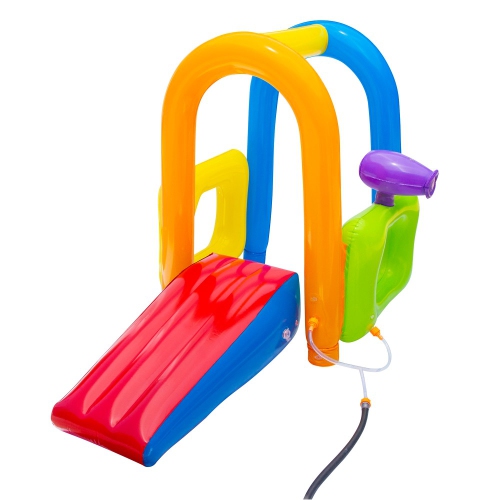
Water toys for the lake bring together floating loungers, foam mats, towable tubes, inflatable play platforms, and water games, with different designs suited to relaxing, active play, or boat-powered rides. The biggest distinction is how and where each type is meant to be used. A floating lounger offers a place to stretch out within a designated swimming area, while a broad foam mat creates a shared surface for resting and climbing aboard. Floating games and soft water balls keep the activity closer to shore, where families can enjoy short rounds of catch without needing a boat or a large setup. Towables serve a different purpose: they are built for use behind a suitable motorboat and require compatible towing equipment, an attentive driver, a spotter, and riders who meet the manufacturer’s requirements. Larger inflatable bouncers and play structures need enough space, suitable water depth, and an approved anchoring arrangement, making them better suited to locations where their installation requirements can be met. Paddleboards add another kind of lake recreation, giving users a standing or kneeling platform for exploring permitted areas at their own pace, although they are watercraft rather than ordinary pool toys. Matching the activity to the setting makes a noticeable difference. A compact floating game can be practical for a family carrying everything down a public beach path, while a larger mat may suit a cottage with room to roll it up and store it between outings. For a mixed-age group, separate activities often work better than expecting one float to accommodate every swimmer. Younger children may enjoy simple, closely supervised play near shore, while teens and adults may prefer balance challenges, group games, or towable rides. Anyone browsing Water Toys for Adults can consider the same distinction between laid-back floating and more physically demanding activities. The most useful choice is one that fits the users’ abilities, the access point, and the way the group actually spends time at the lake.
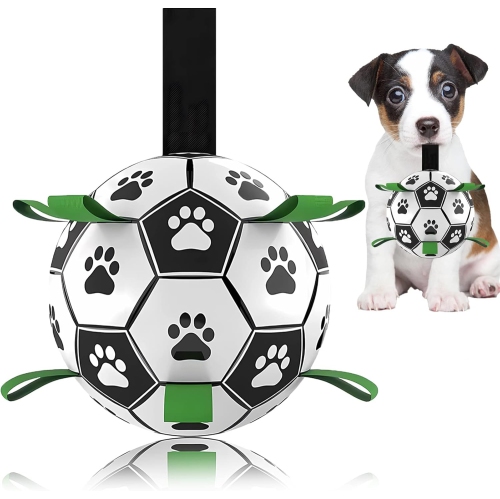
Materials and construction help determine how water toys feel in use, how much handling they can tolerate, and how easily they travel. Inflatable designs often use PVC or other flexible materials, with welded seams and valves that hold air under the conditions specified by the manufacturer. Some towables add a woven fabric cover to protect the inflatable chamber, along with reinforced handles and riding surfaces designed for repeated contact. Construction varies, so a recreational float should never be treated as a towable simply because it has a handle or an attachment point. Closed-cell foam mats provide flotation without inflation and are often rolled for storage, but their larger packed shape can take up considerable space in a vehicle or shed. Foam surfaces can also be damaged by sharp objects, rough dragging, and concentrated pressure. For inflatables, chamber layout, valve access, and pump compatibility affect setup as much as overall size. A large platform may look convenient on the water yet require more time to inflate, carry, and dry than a smaller float. Dimensions deserve particular attention when several people will share a toy: the usable surface, maximum load, and permitted number of users all matter, and a stated weight capacity does not replace the rider limit. On towables, the riding position changes the experience. Seated, kneeling, and prone designs place different demands on grip, balance, and body strength, so age guidance alone is not enough to establish a good fit. Handles should be reachable, and the intended riding position should feel manageable for the user. For floating games, comfortable grip, visible colours, and pieces that are easy to retrieve can make casual play more enjoyable. A soft ball that is easy to hold with wet hands suits a different game from a larger floating target that needs space around it. As gifts for cottage hosts, families, or friends who enjoy lake outings, compact games and easily stored floats can be thoughtful choices when their intended use and age suitability are known.
Care, storage, and safe setup are part of owning lake water toys, particularly when they are carried over sand, loaded into a vehicle, or used by several people throughout an outing. Before use, check seams, valves, handles, covers, and attachment points for damage, and follow the stated inflation pressure rather than judging firmness by touch alone. Use only designated towing or anchoring points for their stated purpose; an ordinary grab handle is not a substitute. The launch area matters too. Broken shells, gravel, splintered dock boards, and fishing tackle can puncture or scrape materials before a toy even reaches the water. Carrying rather than dragging equipment helps protect its underside. Once play is finished, remove grit and rinse away lake residue with fresh water, then clean according to the care label. Allow surfaces, folds, and fabric covers to dry thoroughly before packing to help prevent mildew and lingering odours. Deflate and fold inflatables as directed, roll foam mats without forcing tight creases, and store equipment away from sharp tools, pests, and prolonged direct sunlight. Repair methods depend on the material and the location of the damage; a patch intended for one type of inflatable may not suit another, and damaged load-bearing or towing components need particular caution. On the water, toys do not replace swimming skills, close supervision, or a properly fitted, approved lifejacket or personal flotation device appropriate to the activity and wearer. Children need active adult supervision even in shallow areas, and weak swimmers should not rely on a recreational float for support. Wind can move a lightweight inflatable away from shore faster than expected, so a sheltered, designated swimming area is generally more suitable for casual floating than exposed open water. Keep play clear of boat traffic, docks, underwater hazards, and anchoring lines, and follow local rules as well as product instructions. With the right fit between equipment, users, and location, lake toys can support everything from a gentle afternoon float to an energetic group game without making transport, setup, or cleanup more complicated than necessary.
Materials and construction help determine how water toys feel in use, how much handling they can tolerate, and how easily they travel. Inflatable designs often use PVC or other flexible materials, with welded seams and valves that hold air under the conditions specified by the manufacturer. Some towables add a woven fabric cover to protect the inflatable chamber, along with reinforced handles and riding surfaces designed for repeated contact. Construction varies, so a recreational float should never be treated as a towable simply because it has a handle or an attachment point. Closed-cell foam mats provide flotation without inflation and are often rolled for storage, but their larger packed shape can take up considerable space in a vehicle or shed. Foam surfaces can also be damaged by sharp objects, rough dragging, and concentrated pressure. For inflatables, chamber layout, valve access, and pump compatibility affect setup as much as overall size. A large platform may look convenient on the water yet require more time to inflate, carry, and dry than a smaller float. Dimensions deserve particular attention when several people will share a toy: the usable surface, maximum load, and permitted number of users all matter, and a stated weight capacity does not replace the rider limit. On towables, the riding position changes the experience. Seated, kneeling, and prone designs place different demands on grip, balance, and body strength, so age guidance alone is not enough to establish a good fit. Handles should be reachable, and the intended riding position should feel manageable for the user. For floating games, comfortable grip, visible colours, and pieces that are easy to retrieve can make casual play more enjoyable. A soft ball that is easy to hold with wet hands suits a different game from a larger floating target that needs space around it. As gifts for cottage hosts, families, or friends who enjoy lake outings, compact games and easily stored floats can be thoughtful choices when their intended use and age suitability are known.
Care, storage, and safe setup are part of owning lake water toys, particularly when they are carried over sand, loaded into a vehicle, or used by several people throughout an outing. Before use, check seams, valves, handles, covers, and attachment points for damage, and follow the stated inflation pressure rather than judging firmness by touch alone. Use only designated towing or anchoring points for their stated purpose; an ordinary grab handle is not a substitute. The launch area matters too. Broken shells, gravel, splintered dock boards, and fishing tackle can puncture or scrape materials before a toy even reaches the water. Carrying rather than dragging equipment helps protect its underside. Once play is finished, remove grit and rinse away lake residue with fresh water, then clean according to the care label. Allow surfaces, folds, and fabric covers to dry thoroughly before packing to help prevent mildew and lingering odours. Deflate and fold inflatables as directed, roll foam mats without forcing tight creases, and store equipment away from sharp tools, pests, and prolonged direct sunlight. Repair methods depend on the material and the location of the damage; a patch intended for one type of inflatable may not suit another, and damaged load-bearing or towing components need particular caution. On the water, toys do not replace swimming skills, close supervision, or a properly fitted, approved lifejacket or personal flotation device appropriate to the activity and wearer. Children need active adult supervision even in shallow areas, and weak swimmers should not rely on a recreational float for support. Wind can move a lightweight inflatable away from shore faster than expected, so a sheltered, designated swimming area is generally more suitable for casual floating than exposed open water. Keep play clear of boat traffic, docks, underwater hazards, and anchoring lines, and follow local rules as well as product instructions. With the right fit between equipment, users, and location, lake toys can support everything from a gentle afternoon float to an energetic group game without making transport, setup, or cleanup more complicated than necessary.
Top selling and popular products
-
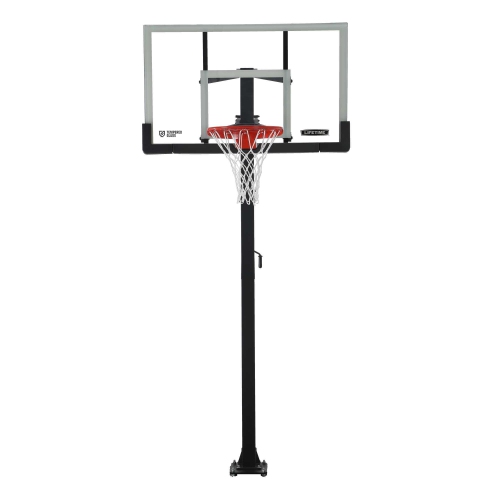 Your price for this item is $1499.99
 -
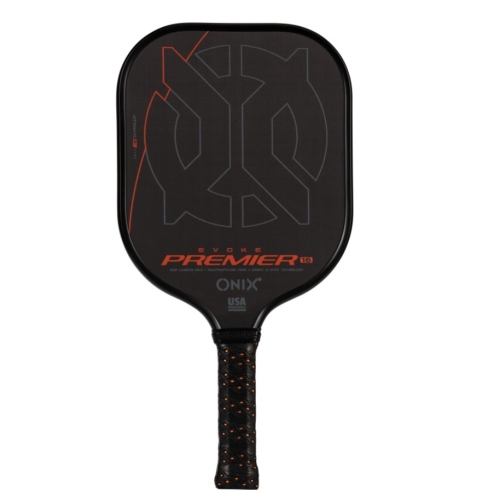 Your price for this item is $139.99
 -
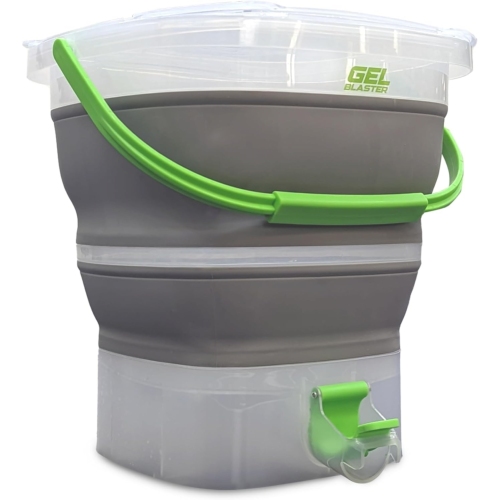 Your price for this item is $34.99
 -
 Your price for this item is $996.99
 -
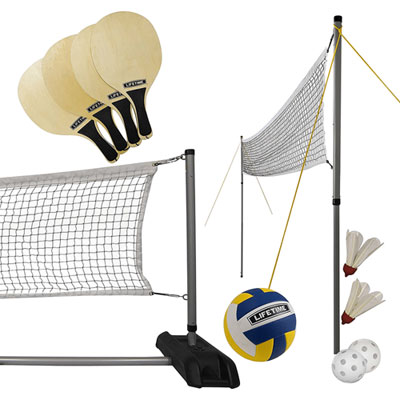 Your price for this item is $216.98
 -
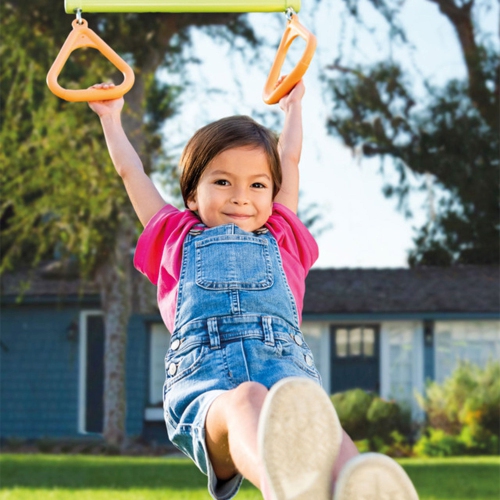 Your price for this item is $347.99
 -
 Your price for this item is $289.99
 -
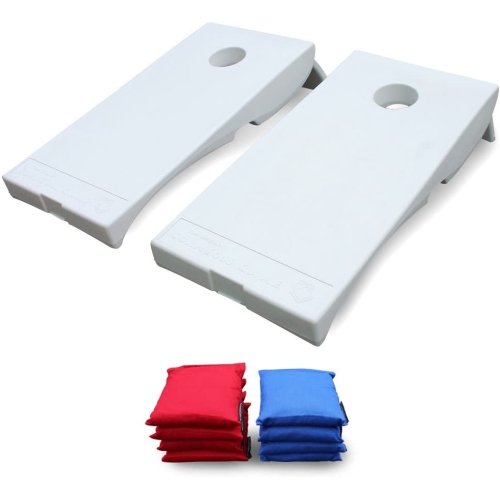 Your price for this item is $399.99
Discover more categories related to Water Toys for The Lake
Top Collections:
Pokemon Centers, Kindle Devices, Best Budget Office Chairs, Apple iPhones 16, Canon G7X Cameras, iPhone 15 Apple, Alarm Clock, Refurbished Apple Laptops, Flip Phones, Best Laptops for Writers
Some products may be subject to Environmental Handling Fees
(EHF) depending on your province.
Learn more about EHFs.