Stainless Steel Chimney Range Hoods

Find stainless steel chimney range hoods to help clear cooking smoke, steam, and odours while complementing your kitchen’s appliances. Browse chimney-style designs and compare widths, ventilation options, fan speeds, and noise levels to choose a hood that suits your cooktop and installation requirements.
Read More

Sort

A kitchen focal point that captures cooking fumes

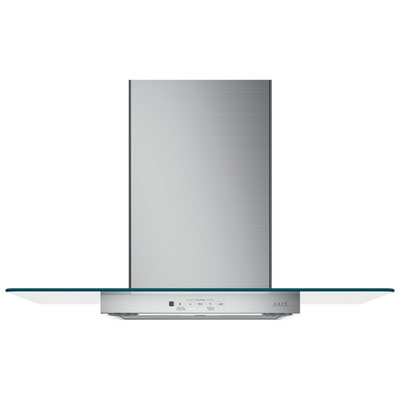
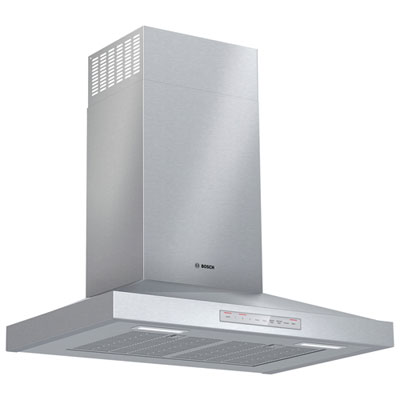
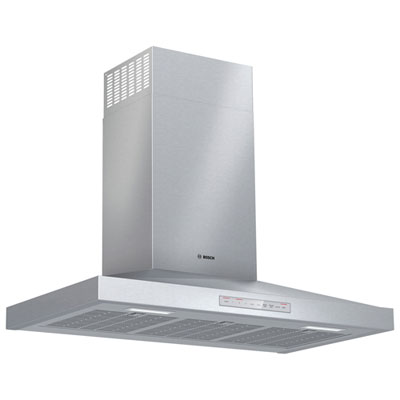
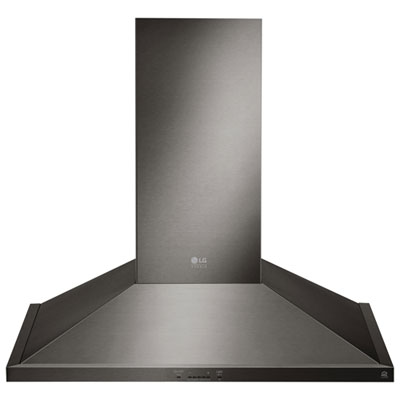
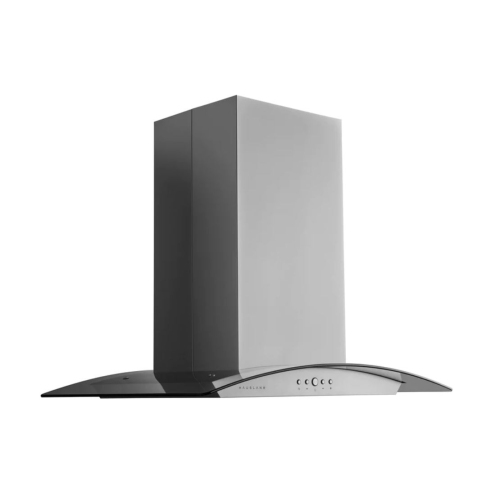
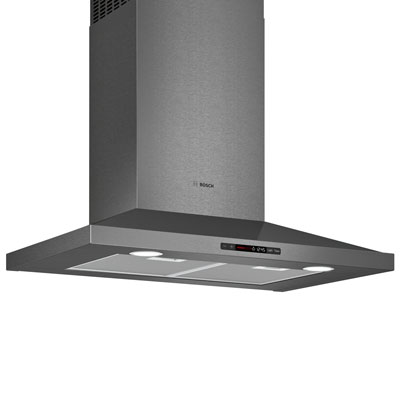
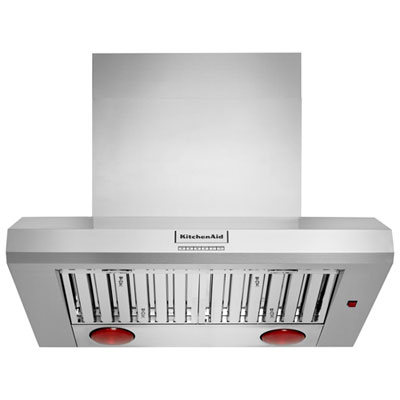
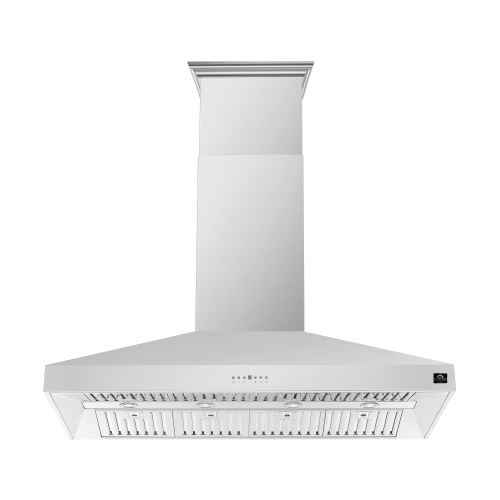
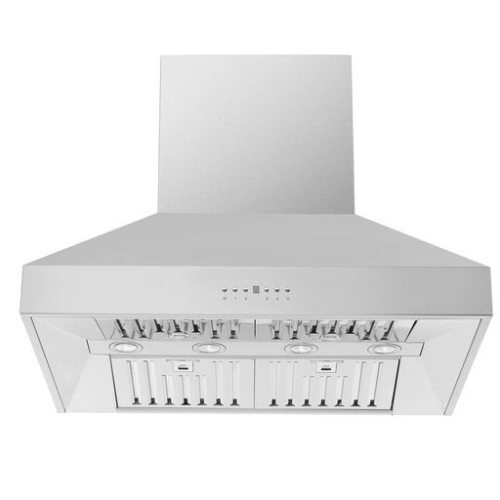
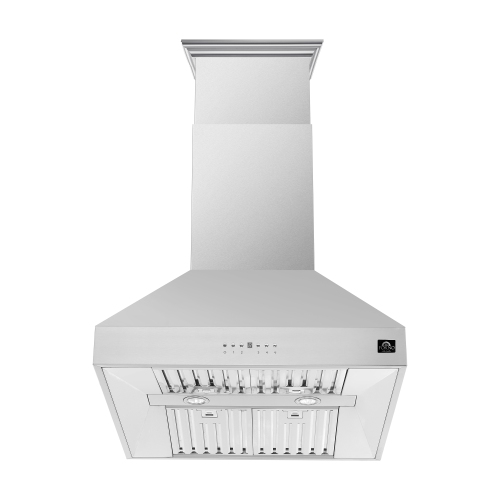
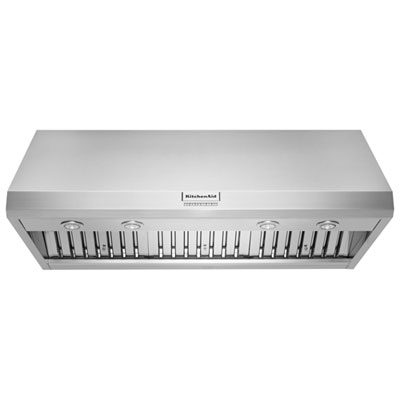
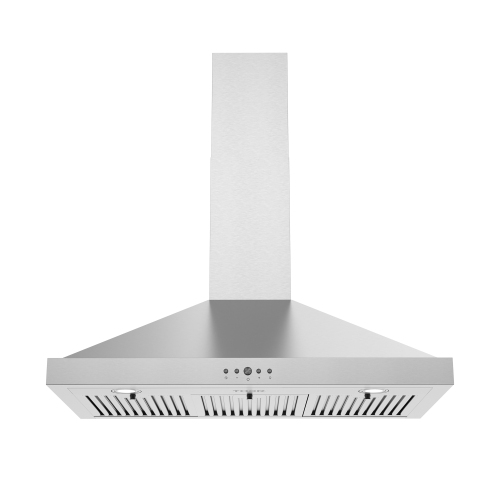
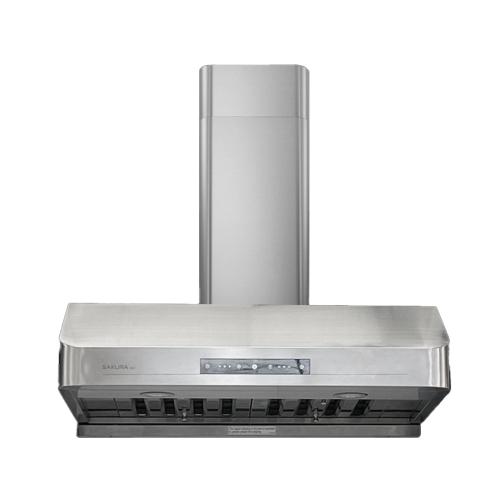
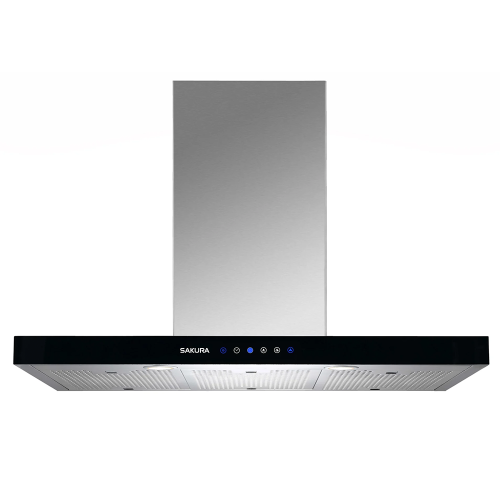
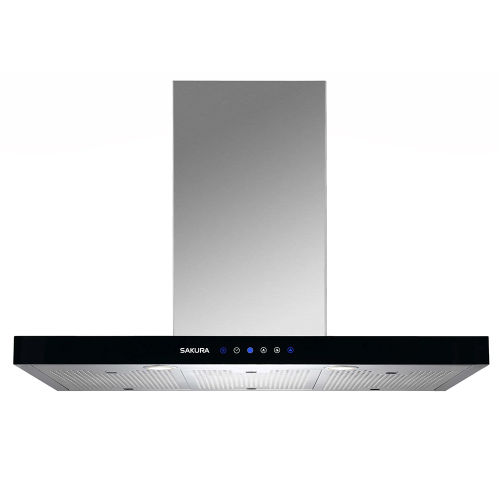
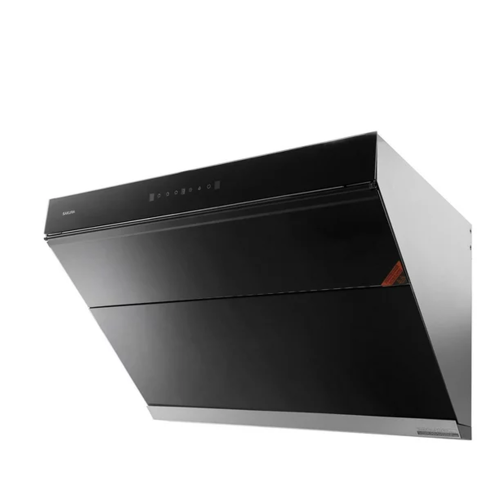
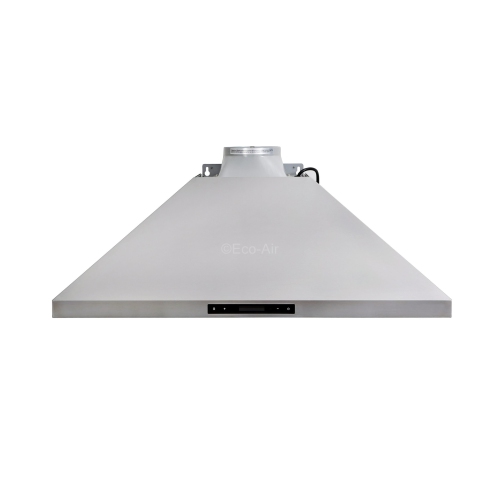
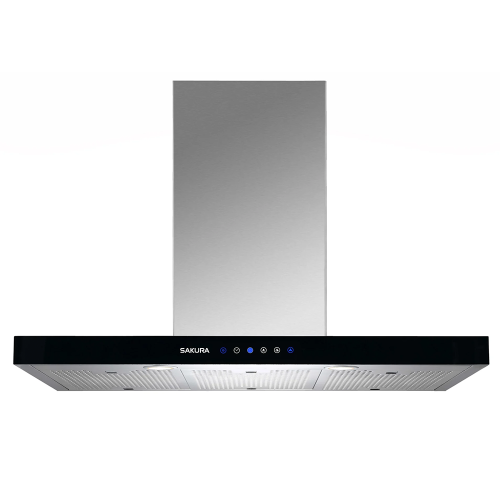
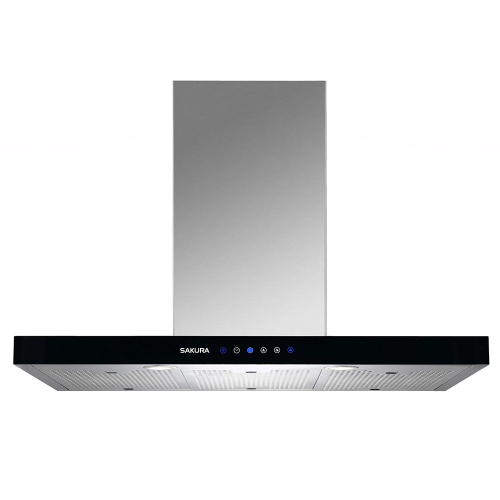
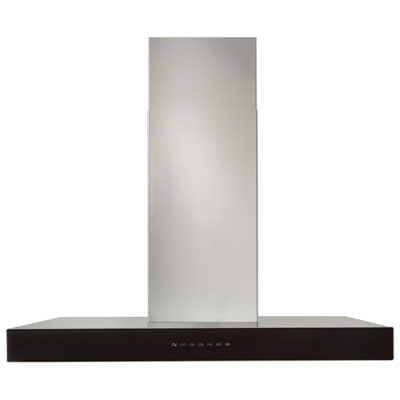
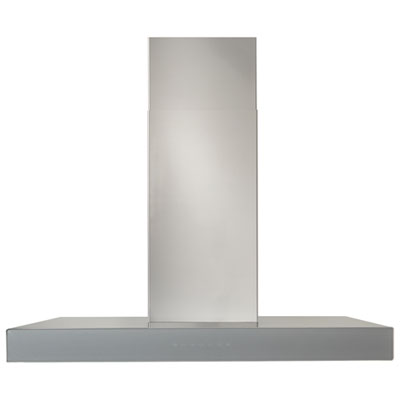
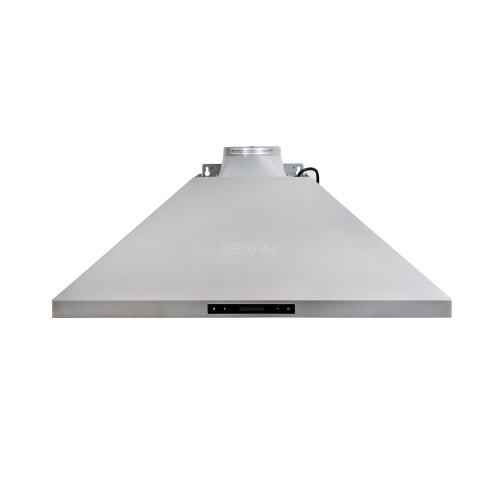
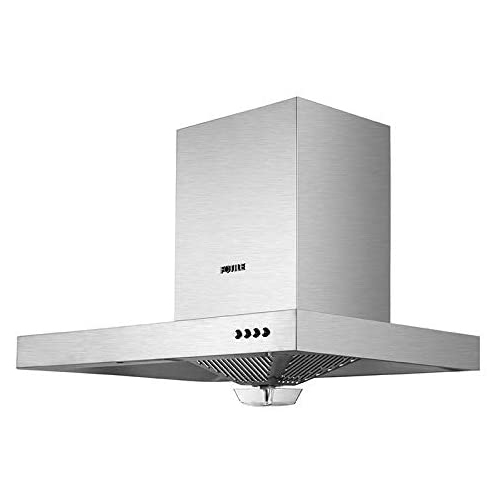
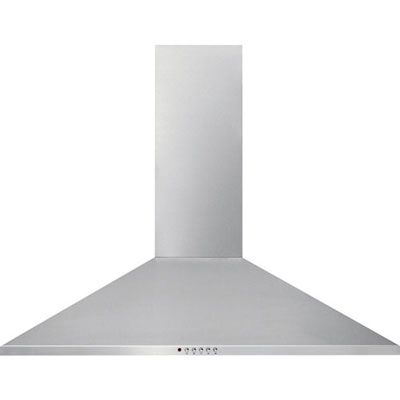
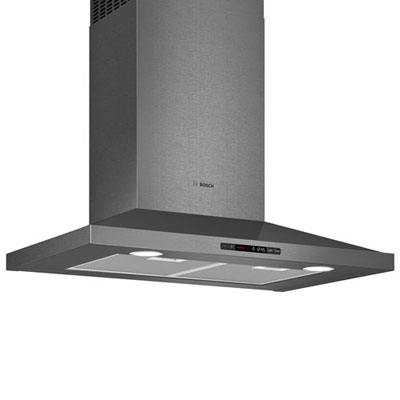
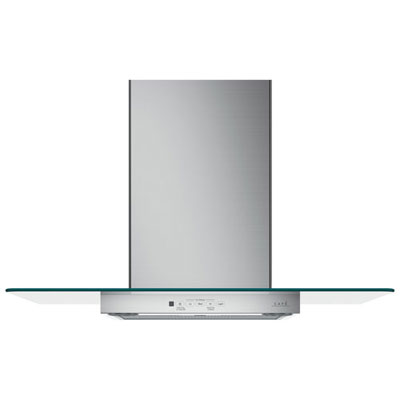
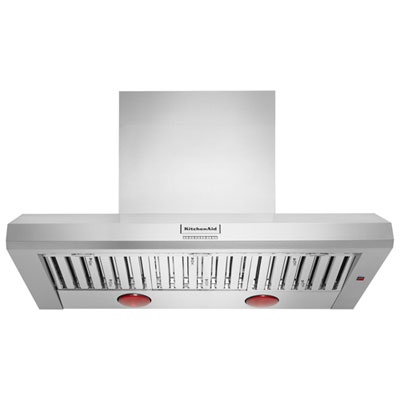
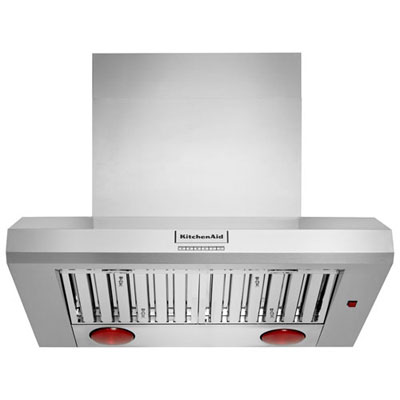
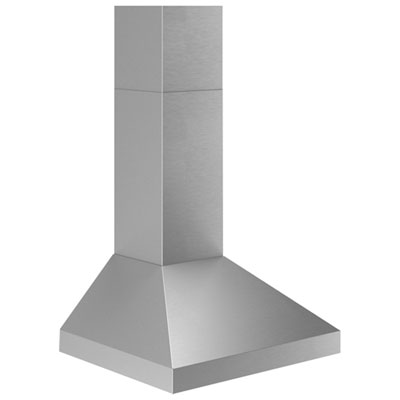
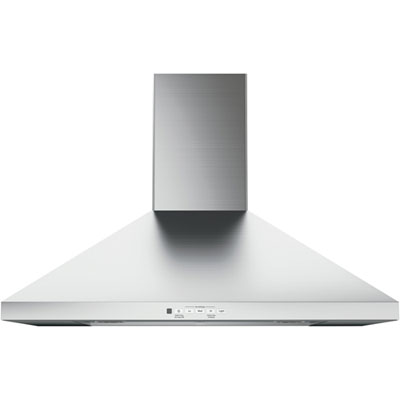
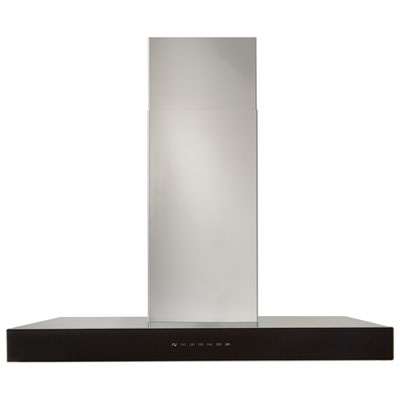
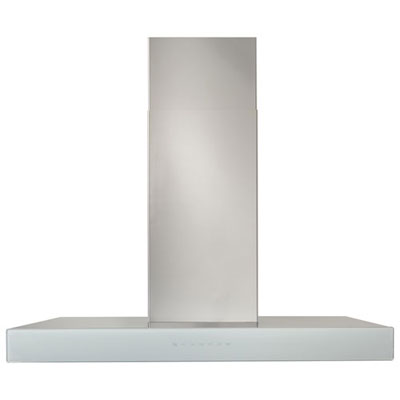
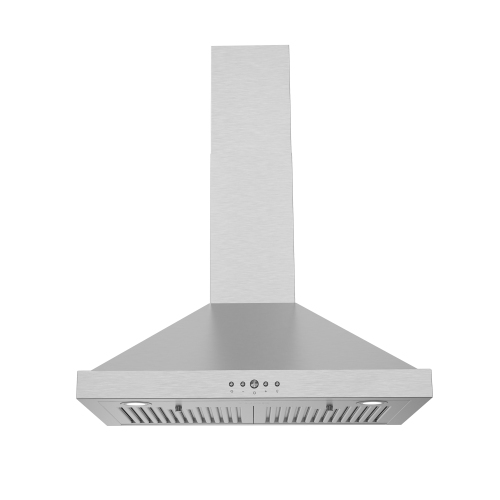
Stainless steel chimney range hoods combine kitchen ventilation with a visible architectural feature above a range or cooktop. Their defining shape pairs a canopy that captures rising cooking fumes with a vertical chimney section that typically conceals the ductwork. The stainless steel finish coordinates naturally with other kitchen appliances, while the exposed chimney creates a focal point where an upper cabinet might otherwise sit. Canopies range from traditional pyramid shapes to slim, angular profiles and designs with glass accents, giving this category a place in both classic and contemporary kitchens. Wall-mounted versions sit above cooking surfaces positioned against a wall, while island versions are designed for ceiling installation over a freestanding cooking area. For kitchens with a range against the wall, stainless steel wall mount range hoods offer a closely related selection to explore. Beyond appearance, the practical purpose is to capture grease particles, cooking odours and airborne by-products near their source. A ducted hood carries captured air outside; a ductless configuration filters and returns air to the kitchen. That distinction matters when choosing ventilation for frequent stir-fries, pan-seared fish or a cooktop with several pots simmering at once. Stainless steel is well suited to the exposed surfaces of a hood because it is durable and can be cleaned regularly, though it is not immune to fingerprints, scratches or staining. Brushed finishes have a directional grain that softens reflections, while smoother finishes can look brighter under kitchen lighting. The grade and thickness of the steel, the quality of seams and edges, and the construction of the filter supports all contribute to how substantial a hood feels during everyday use. These appliances are a practical consideration for home cooks updating a kitchen, households replacing an older ventilation unit, and renovators planning a more open arrangement above the cooking surface. Their fixed installation makes fit and compatibility more important than appearance alone.

The right fit starts with the cooking surface, the room layout and the installation requirements of both appliances. A chimney range hood should generally be at least as wide as the cooktop, with any additional coverage determined by the hood manufacturer's specifications and the cooking appliance's ventilation needs. A 30-inch hood is a common match for a 30-inch cooking surface, while a 36-inch cooking surface generally calls for a hood at least that wide; fuel type alone does not determine the correct size. Canopy depth also matters because a shallow hood may provide less coverage over front burners. Required clearance above the cooktop varies, particularly between gas and electric installations, so the specified mounting height should be checked before positioning the chimney or preparing the wall. Ceiling height, chimney adjustment range and the space needed for duct connections affect whether the assembly will fit neatly. Some installations need a compatible chimney extension, and a sloped ceiling may require additional planning. Ventilation performance is commonly expressed in cubic feet per minute, or CFM, which describes airflow rather than guaranteeing how effectively a hood will capture every cooking plume. Suitable airflow depends on cooking habits, appliance output, canopy coverage and the duct route. Frequent high-heat searing creates different demands from boiling pasta or reheating soup. Duct diameter, unnecessary bends and a long exhaust run can restrict airflow, making the installation as important as the fan rating. Higher-capacity exhaust systems may also require make-up air provisions under applicable building requirements. Ducted ventilation removes captured air and moisture from the kitchen, whereas ductless operation does not exhaust either outdoors. Convertible hoods can support more than one installation method, but recirculation may require a separately specified filter kit. In a condo or another building with shared systems, alterations to exterior venting can also require approval. Confirming the permitted vent route, electrical connection and structural support with a qualified installer helps avoid a hood that suits the kitchen visually but cannot be installed as intended.
Day-to-day usability often comes down to the details touched, heard and cleaned after cooking. Multiple fan speeds let the airflow suit the task, from a low setting during gentle simmering to a stronger setting when several burners are in use. Sound ratings deserve attention in kitchens that open onto a dining or living area, especially where conversation continues while dinner is being prepared. Noise may be listed in decibels or sones, and comparisons are most useful when they refer to equivalent operating speeds and test conditions; a low-speed rating should not be treated as the sound level at maximum airflow. Built-in lighting illuminates the cooking surface, making it easier to check browning in a skillet or see into a deep pot. LED lighting, dimming options and the position of the lights vary by design, as do push-button, touch and other control layouts. Accessible controls and filters that release without awkward manoeuvring can make a noticeable difference during routine use. Grease filtration commonly uses metal mesh or baffle filters. Mesh filters capture grease across layers of fine material, while baffle filters redirect airflow through shaped channels to separate grease from the passing air. Both need regular cleaning, and dishwasher suitability should be confirmed in the care instructions rather than assumed. In recirculating installations, charcoal filters help reduce odours and typically require replacement on the manufacturer's schedule; they do not replace the grease filters. Cleaning frequency also depends on cooking habits, since daily frying can leave deposits faster than occasional light use. For the outer stainless steel surfaces, a soft cloth and an approved cleaner used along the grain help preserve the finish. Abrasive pads and unsuitable chemical cleaners can mark the metal, while moisture left around seams can leave visible residue. Removable parts, accessible lighting components and clear maintenance instructions make ongoing care more manageable. Together, appropriate sizing, a workable venting arrangement, comfortable sound levels and straightforward cleaning give stainless steel chimney range hoods their lasting value as everyday kitchen fixtures.
Read More

FAQ

Some products may be subject to Environmental Handling Fees (EHF) depending on your province. Learn more about EHFs.