Doll House for Kids
Transform playtime into a world of imagination and creativity with our delightful selection of doll houses for kids. These enchanting miniature homes offer endless opportunities for storytelling and role-playing, sparking the imagination of children and providing hours of engaging entertainment. Whether you’re looking for a cozy cottage or a grand mansion, our diverse range ensures there's something to captivate every young mind. Made with attention to detail and designed to inspire, these doll houses encourage social skills, creativity, and fine motor development. Dive into a magical realm where fun knows no bounds and where every little adventure begins at home.
Sort
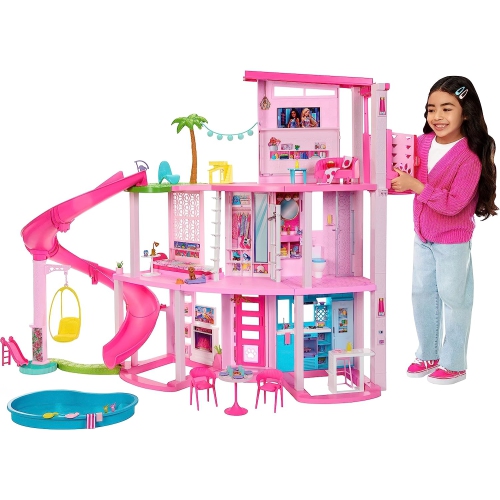
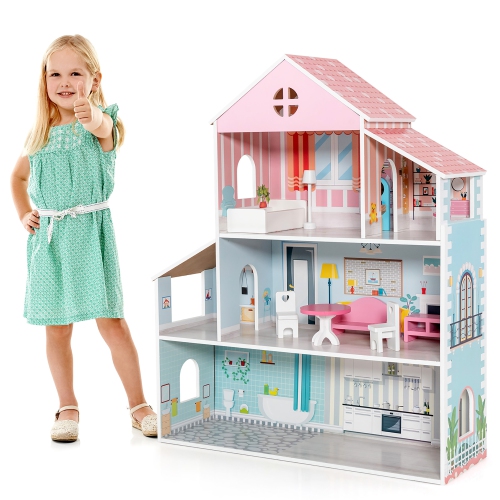
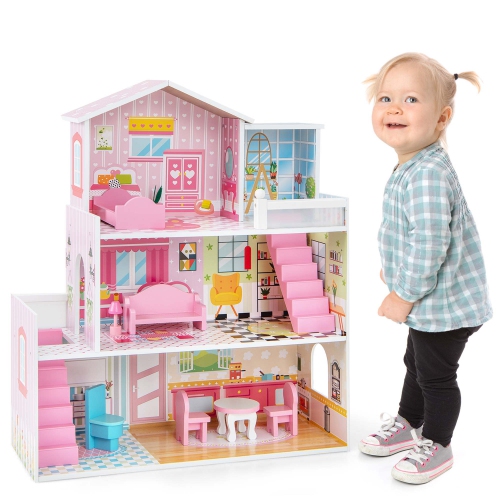
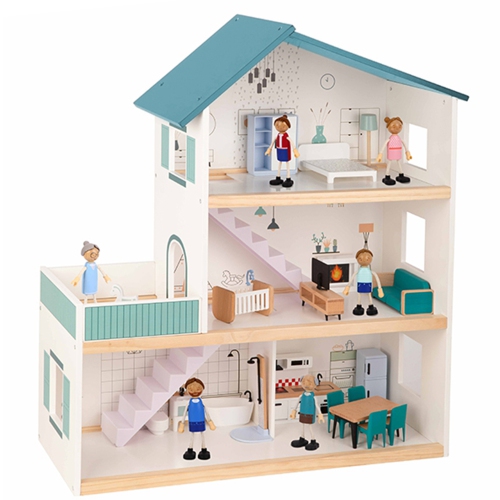
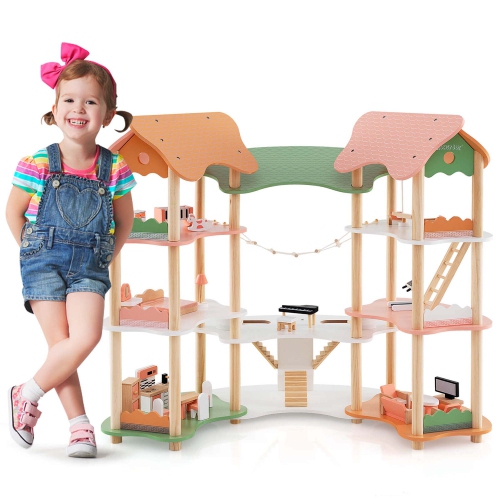
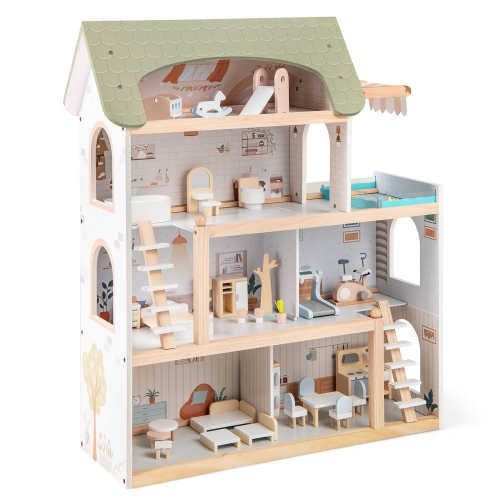
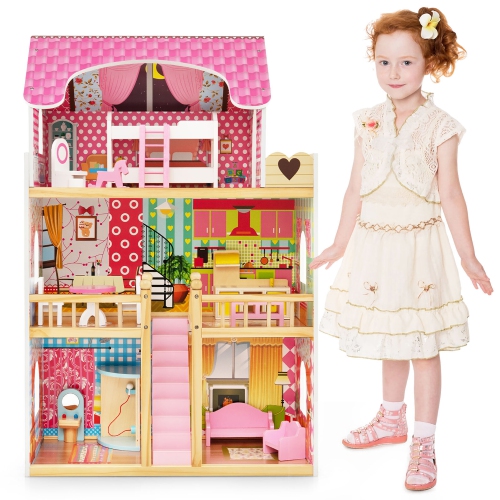
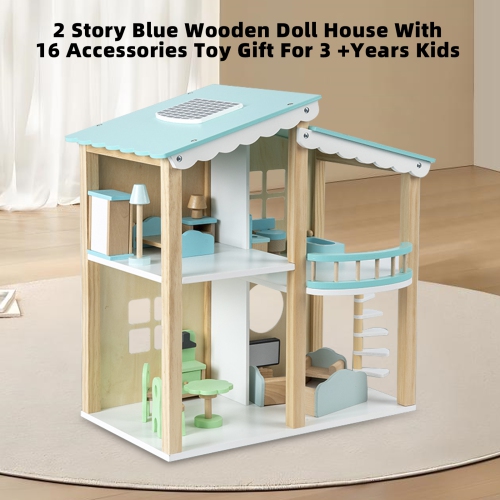
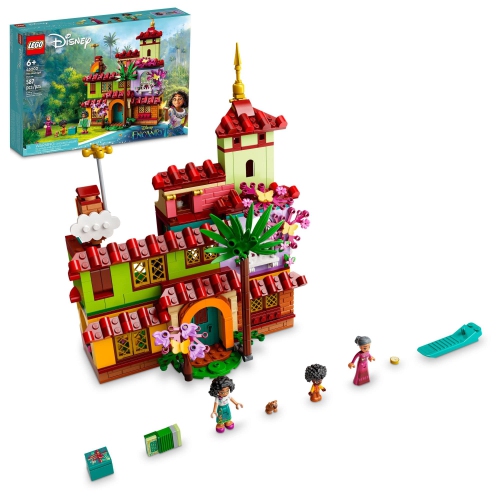
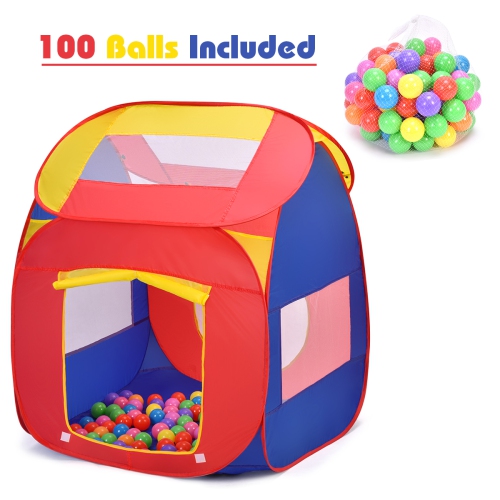
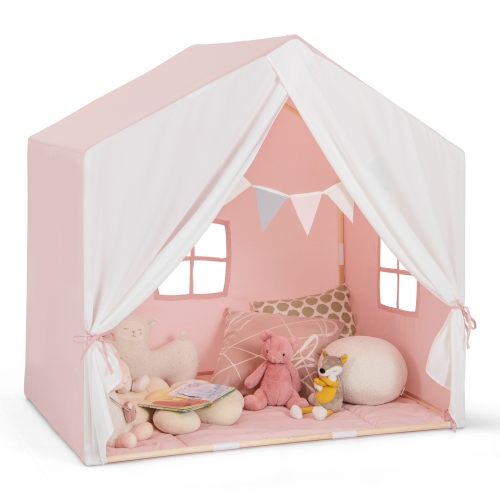
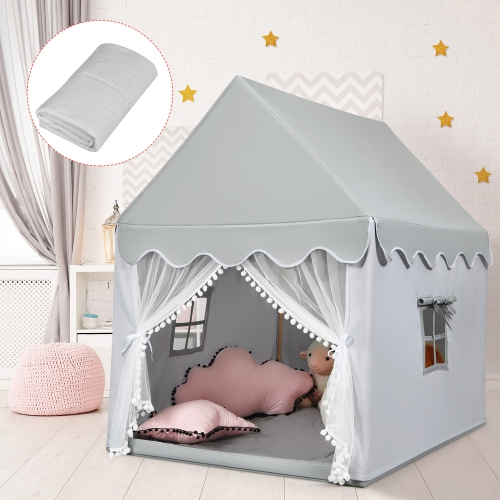
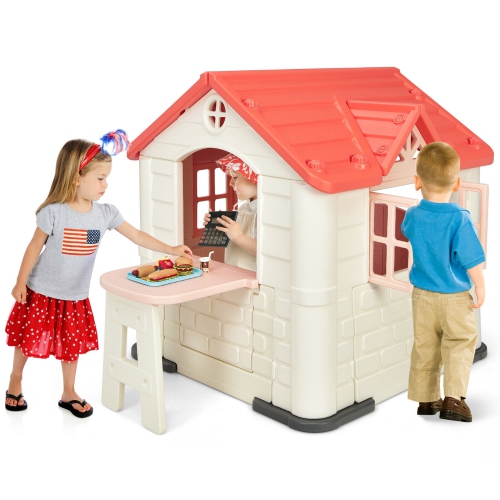
Open-ended pretend play grows through rooms, figures, and stories
Doll houses for kids create a small, hands-on world where imagination can take the lead. A child might arrange a family around the kitchen table, tuck a favourite figure into bed, or spend an afternoon moving furniture from room to room while inventing a story to match. These play sets can support open-ended pretend play, giving children room to practise everyday routines, explore relationships, and express ideas through characters and settings they control. Some are designed as compact homes with several rooms, while others include multiple levels, outdoor areas, stairways, balconies, or spaces that can be rearranged as play develops. When browsing doll houses for kids, consider the child’s age, the amount of floor or tabletop space available, and how the set will fit into the rest of their toy collection. A smaller design may be easier to store in a bedroom or playroom, while a larger house can become a central activity for siblings and friends. It is also worth considering the scale of the accessories the child already enjoys, since compatible furniture and figures can make it easier to build a detailed pretend home over time. For younger children, look for sturdy construction, smooth edges, easy-to-handle components, and age-appropriate pieces; for older children, more intricate layouts and smaller accessories may add detail and encourage longer, more involved storytelling. Clear assembly instructions and a stable base can make setup more straightforward for adults, especially when the doll house is intended to remain in one location. If the play area is shared with other toys, features such as foldable sections, removable parts, or a manageable footprint may help keep the space organized between play sessions.
A doll house can be an engaging gift for a birthday, a special family occasion, or a child settling into a new bedroom or play area. It can also be a thoughtful choice for children who enjoy role-play, decorating, building scenes, or creating stories with figures and small accessories. The appeal often grows with the child: at first, they may focus on opening doors, placing furniture, and moving characters through the rooms, then gradually begin creating more detailed narratives involving meals, bedtime, visitors, pets, celebrations, and make-believe adventures. Adults can join in without taking over by offering a few prompts, such as suggesting that a character is preparing for a rainy afternoon indoors or that the family needs to arrange a room before guests arrive. Children can then decide what happens next, which helps make the activity feel personal rather than scripted. Doll houses can also support shared play between siblings, cousins, and friends, with one child arranging the rooms while another develops the characters and dialogue. During the cooler months, when indoor activities become an important part of the daily routine, a doll house can provide a screen-free way to settle into quiet play after school or on a weekend afternoon. I have seen children return to the same miniature room repeatedly, changing just one detail—a chair near a window, a blanket on a bed, or a table set for dinner—and then build an entirely new story around it. Those small changes give the play a sense of continuity while leaving plenty of room for fresh ideas.
When choosing among doll houses for kids, think about how the set will be used in everyday life rather than only how it looks at first glance. A house with accessible rooms may be easier for small hands to reach, while an open-back design can let several children play from different sides. The number and type of accessories can affect the experience as well; furniture, figures, kitchen items, beds, and decorative details may help children begin playing immediately, while a more open set may suit families who already have a collection of compatible toys. Check the recommended age range and supervise play when the set contains small parts, particularly around younger children who may still put objects in their mouths. It is helpful to choose a location where the doll house can remain assembled, since leaving it ready for play can encourage children to return to it spontaneously. If space is limited, measure the intended area before purchasing and consider how the house will be stored when the room needs to be used for other activities. Families looking for other forms of imaginative, small-world play may also enjoy exploring a Kids Playhouse, especially when a child likes creating rooms, routines, and make-believe spaces of their own. Whether it becomes a shared family activity or a quiet corner for independent play, a well-chosen doll house can bring storytelling, arranging, and everyday imagination together in a format children can revisit throughout the seasons.
A doll house can be an engaging gift for a birthday, a special family occasion, or a child settling into a new bedroom or play area. It can also be a thoughtful choice for children who enjoy role-play, decorating, building scenes, or creating stories with figures and small accessories. The appeal often grows with the child: at first, they may focus on opening doors, placing furniture, and moving characters through the rooms, then gradually begin creating more detailed narratives involving meals, bedtime, visitors, pets, celebrations, and make-believe adventures. Adults can join in without taking over by offering a few prompts, such as suggesting that a character is preparing for a rainy afternoon indoors or that the family needs to arrange a room before guests arrive. Children can then decide what happens next, which helps make the activity feel personal rather than scripted. Doll houses can also support shared play between siblings, cousins, and friends, with one child arranging the rooms while another develops the characters and dialogue. During the cooler months, when indoor activities become an important part of the daily routine, a doll house can provide a screen-free way to settle into quiet play after school or on a weekend afternoon. I have seen children return to the same miniature room repeatedly, changing just one detail—a chair near a window, a blanket on a bed, or a table set for dinner—and then build an entirely new story around it. Those small changes give the play a sense of continuity while leaving plenty of room for fresh ideas.
When choosing among doll houses for kids, think about how the set will be used in everyday life rather than only how it looks at first glance. A house with accessible rooms may be easier for small hands to reach, while an open-back design can let several children play from different sides. The number and type of accessories can affect the experience as well; furniture, figures, kitchen items, beds, and decorative details may help children begin playing immediately, while a more open set may suit families who already have a collection of compatible toys. Check the recommended age range and supervise play when the set contains small parts, particularly around younger children who may still put objects in their mouths. It is helpful to choose a location where the doll house can remain assembled, since leaving it ready for play can encourage children to return to it spontaneously. If space is limited, measure the intended area before purchasing and consider how the house will be stored when the room needs to be used for other activities. Families looking for other forms of imaginative, small-world play may also enjoy exploring a Kids Playhouse, especially when a child likes creating rooms, routines, and make-believe spaces of their own. Whether it becomes a shared family activity or a quiet corner for independent play, a well-chosen doll house can bring storytelling, arranging, and everyday imagination together in a format children can revisit throughout the seasons.
Top selling and popular products
-
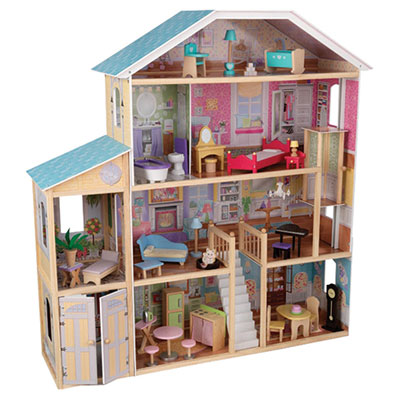 Your price for this item is $289.99
 -
 Your price for this item is $84.33
 -
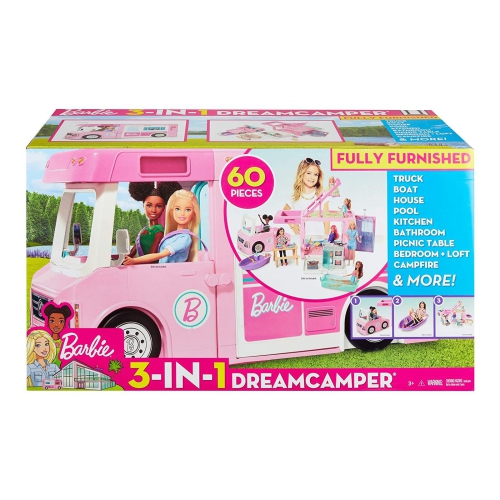 Your price for this item is $229
 -
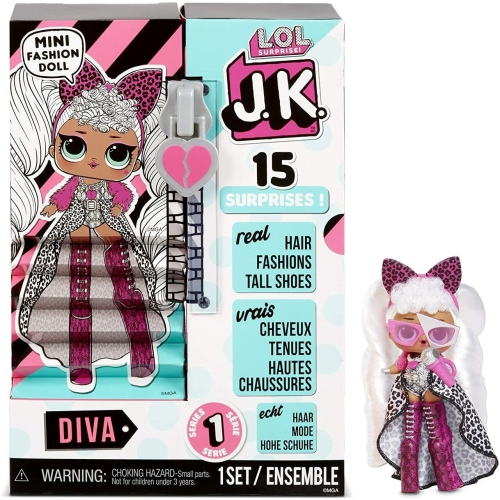 Your price for this item is $42.99
 -
 Your price for this item is $28.74
 -
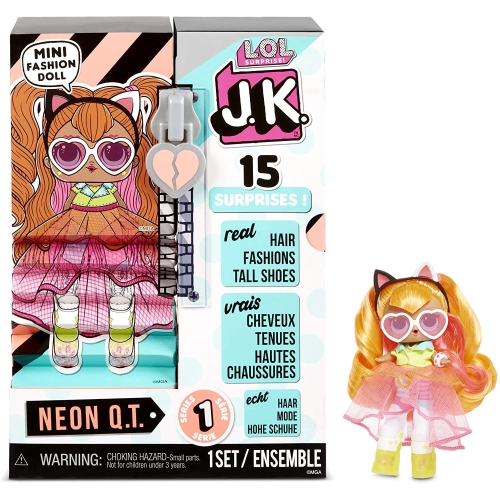 Your price for this item is $42.97
 -
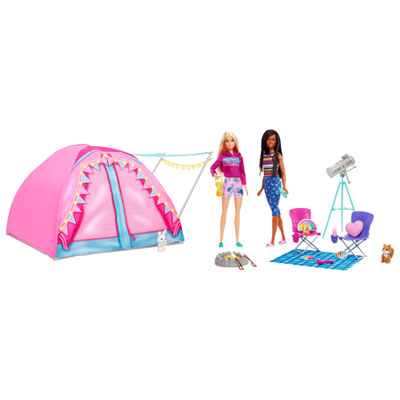 Your price for this item is $74.98
 -
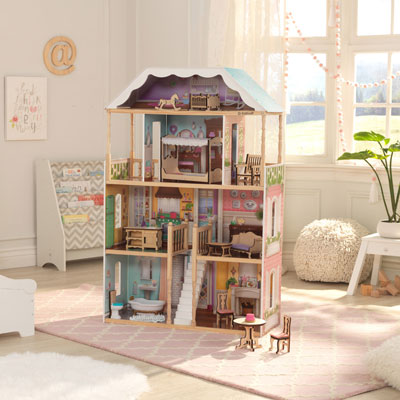 Your price for this item is $179.99
Discover more categories related to Doll House for Kids
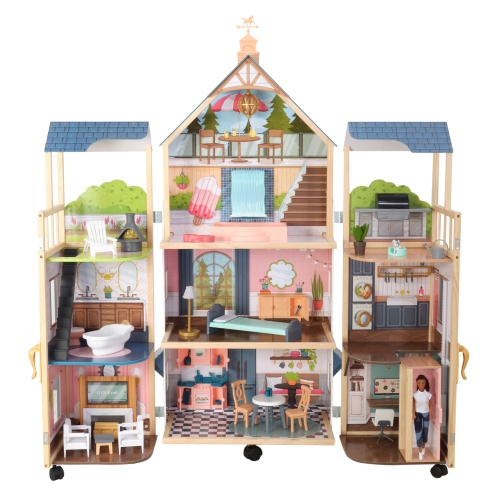
Top Collections:
Pokemon Centers, Kindle Devices, Best Budget Office Chairs, Apple iPhones 16, Best Laptops for Writers, iPhone 15 Apple, Canon G7X Cameras, Refurbished Apple Laptops, Alarm Clock, Motorola Razr Phones
Some products may be subject to Environmental Handling Fees
(EHF) depending on your province.
Learn more about EHFs.