Shape Sorter Toys
Shape sorter toys are a delightful way to engage young minds, combining fun and learning in one colorful package. These interactive toys help develop essential skills such as hand-eye coordination, problem-solving, and fine motor abilities. With a variety of shapes and vibrant colors, shape-sorter toys captivate children's attention while encouraging them to explore and discover. Perfect for playtime, they offer endless opportunities for imaginative play and educational growth. Whether you're looking to introduce basic geometric concepts or simply want to keep little hands busy, shape sorter toys are a fantastic addition to any playroom.
Sort

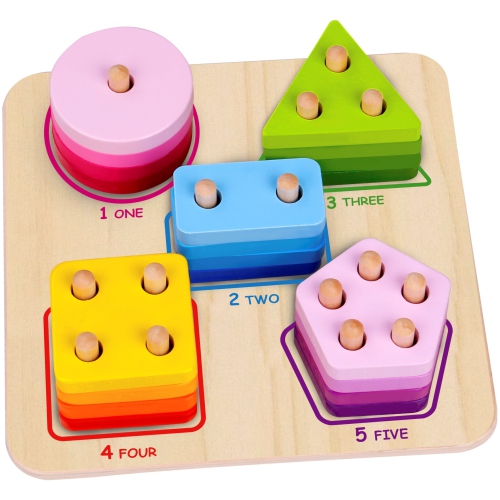
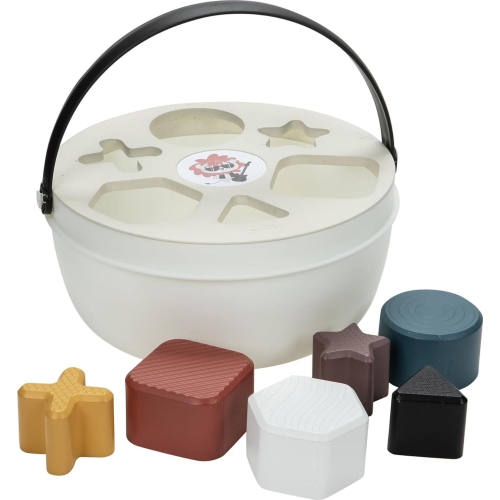
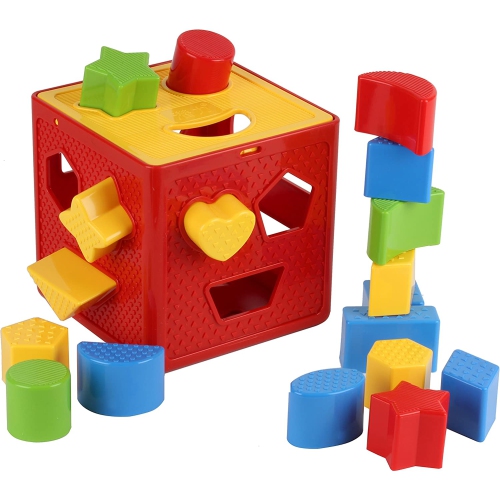
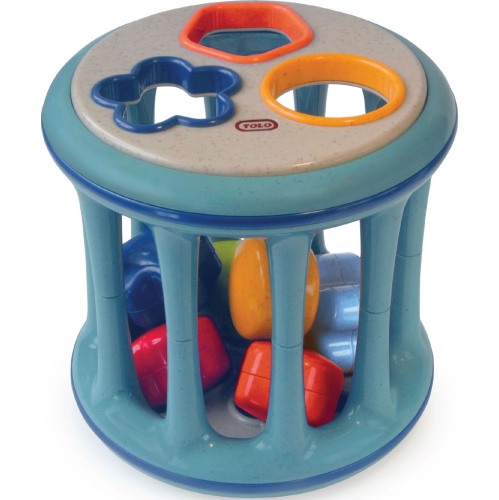
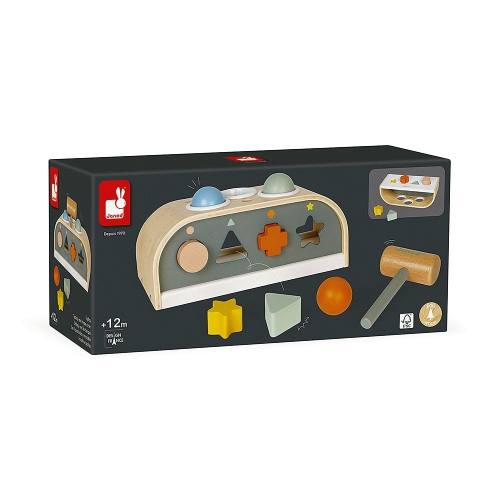
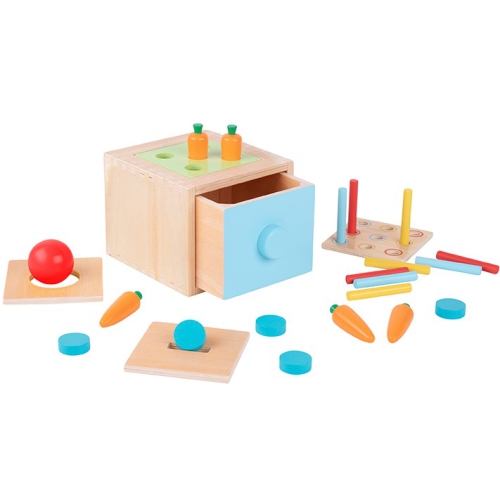
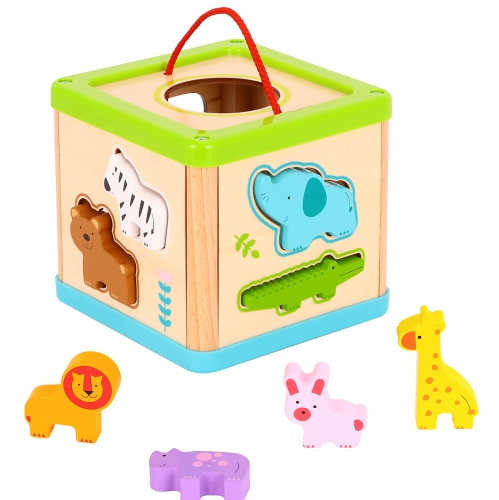

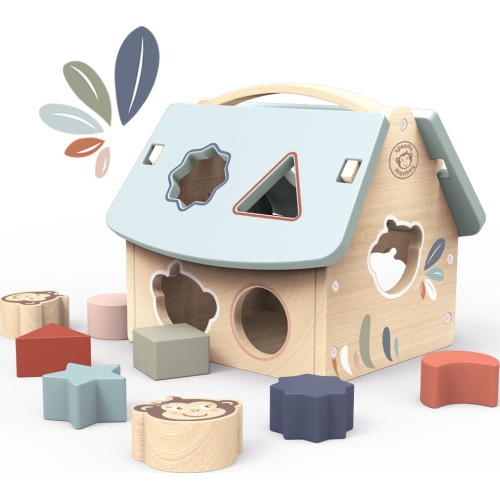
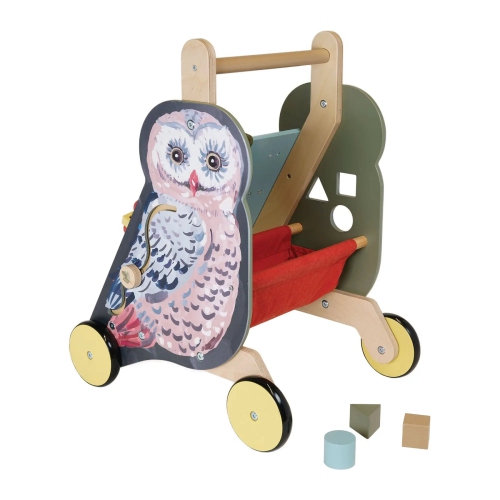
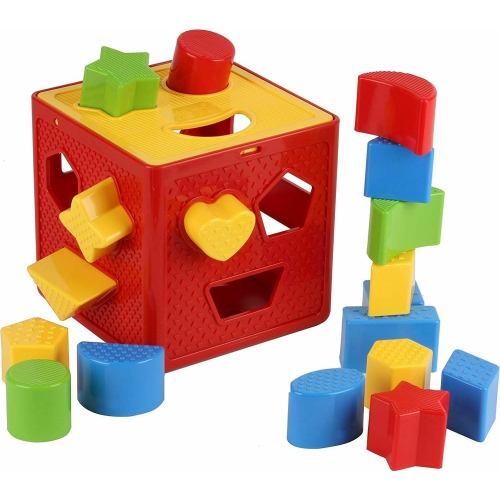
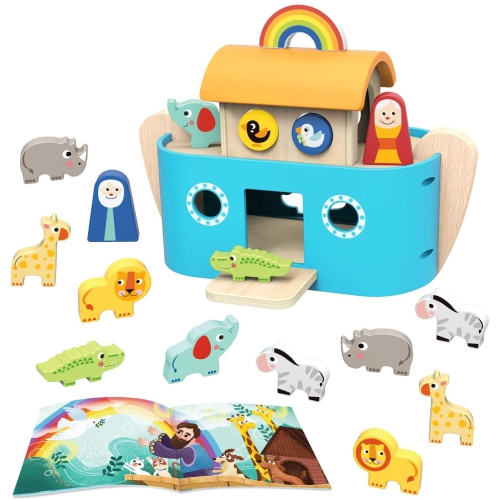
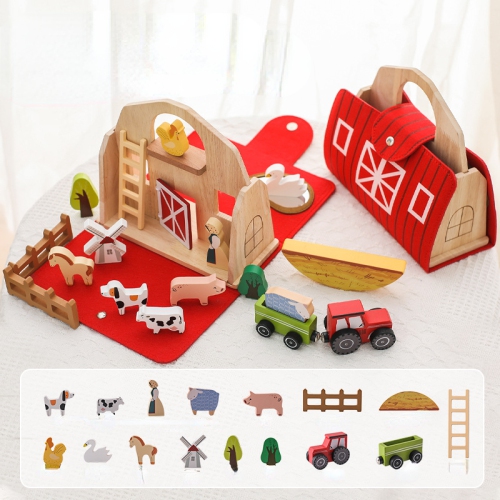
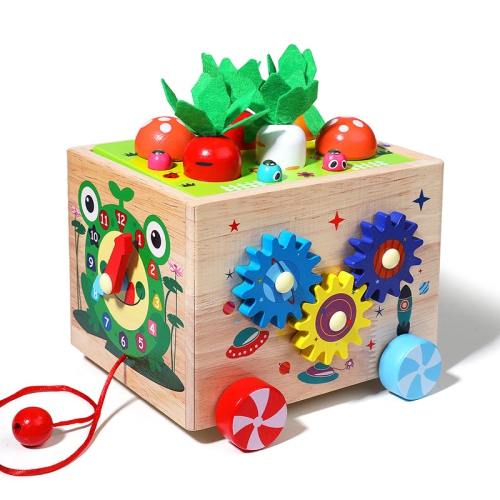
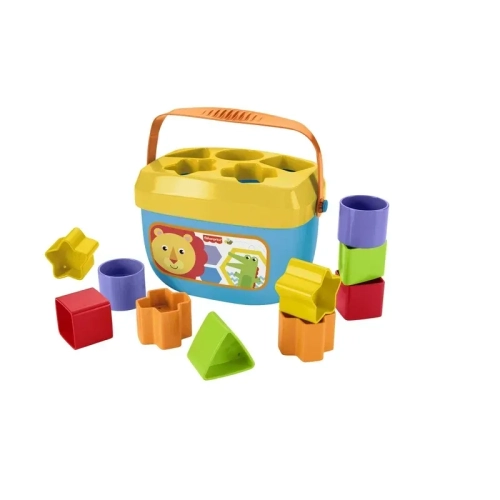
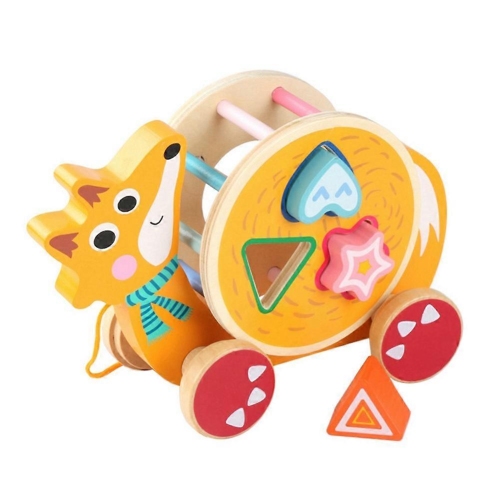
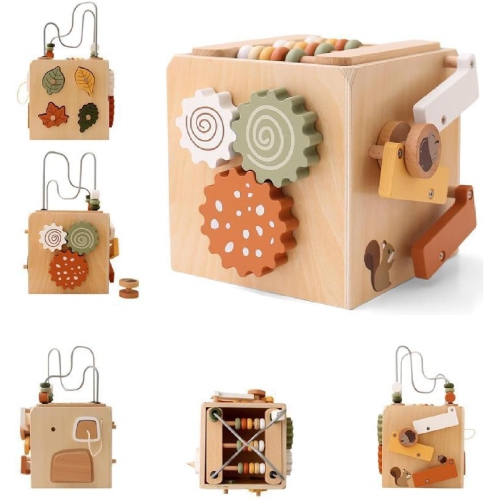
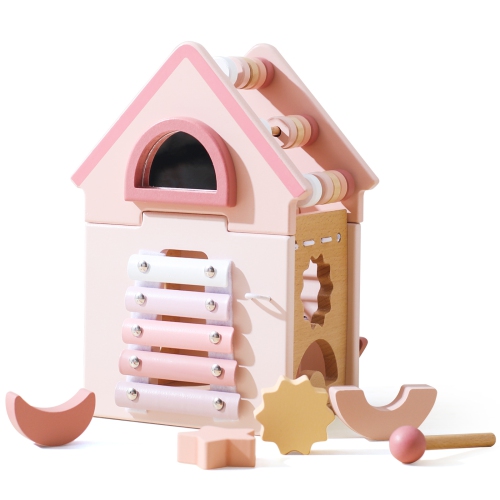
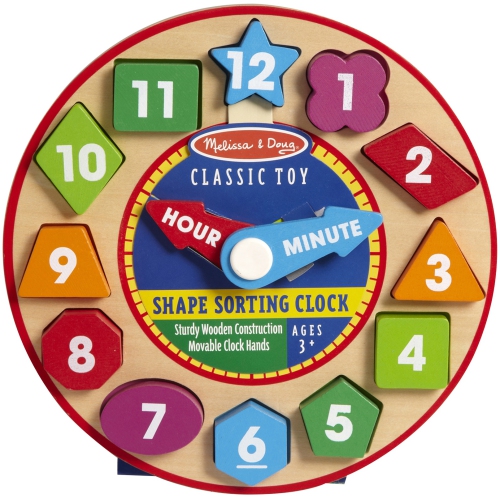
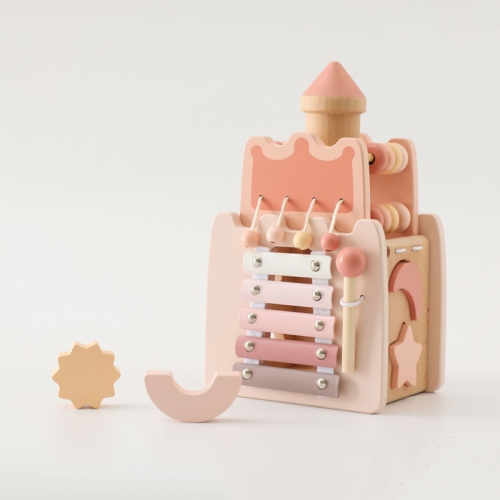
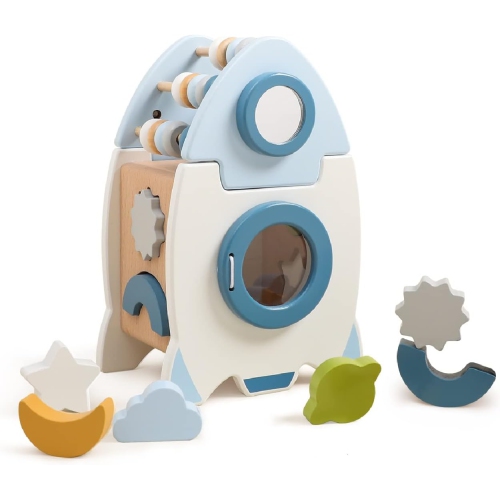
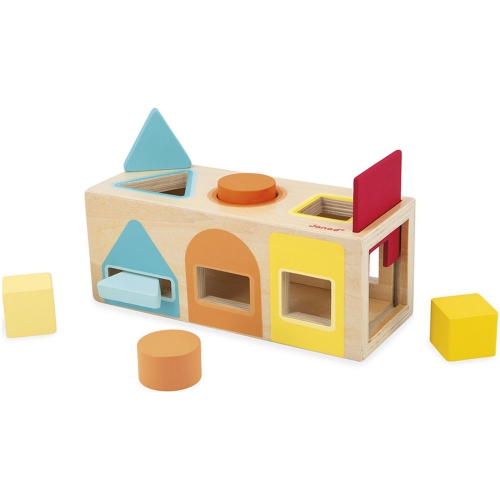
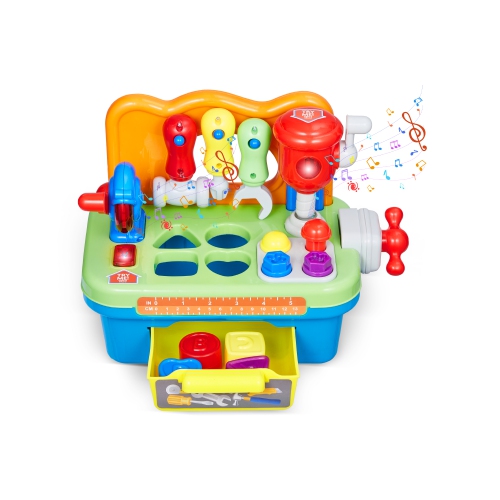

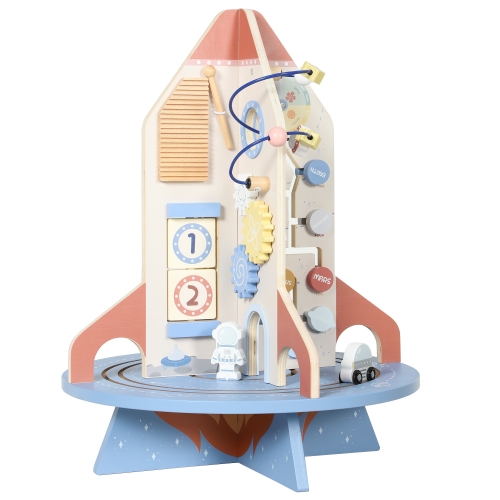
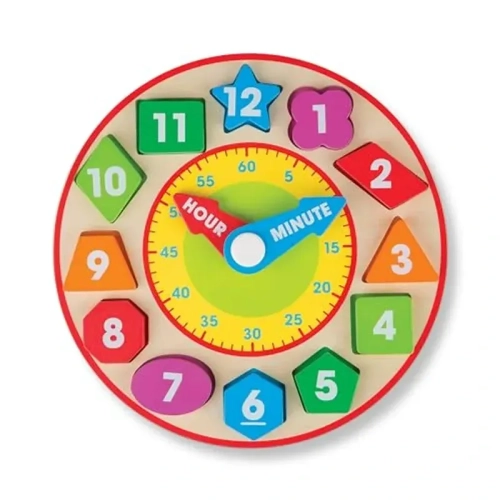

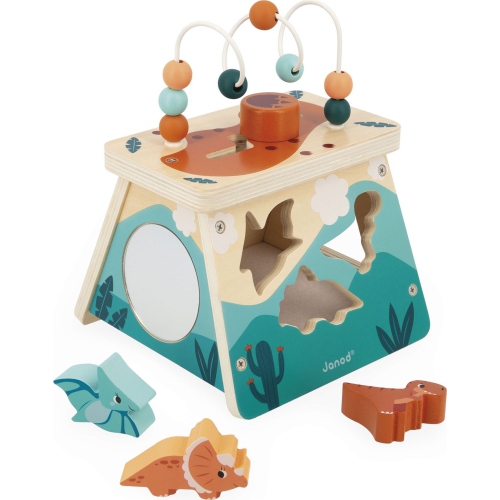
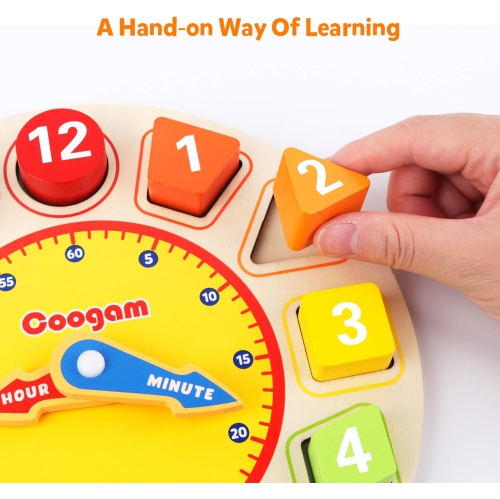
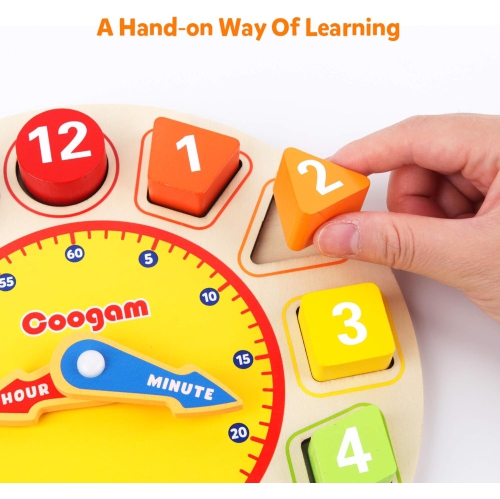
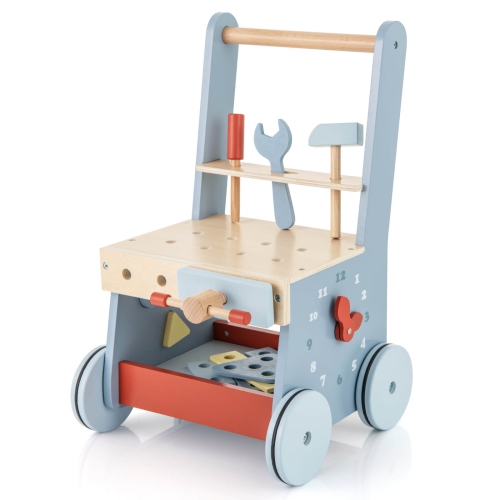
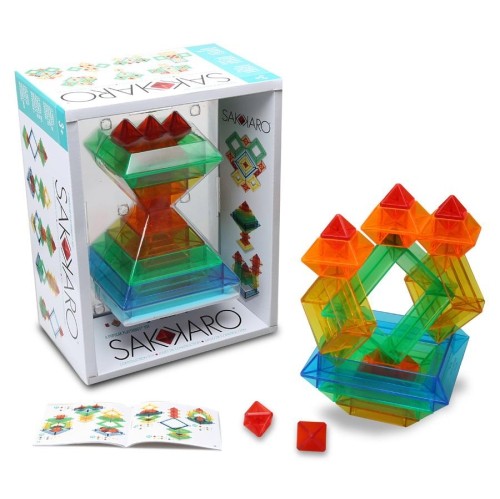
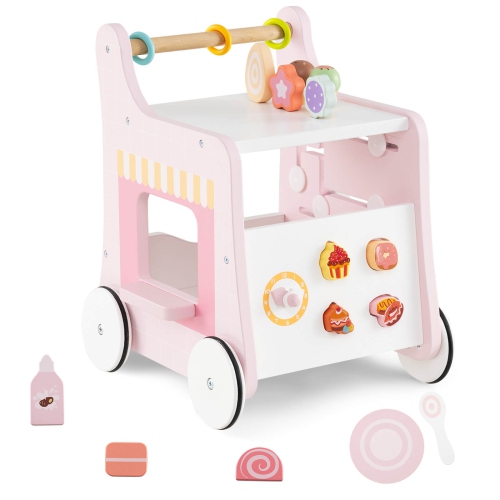
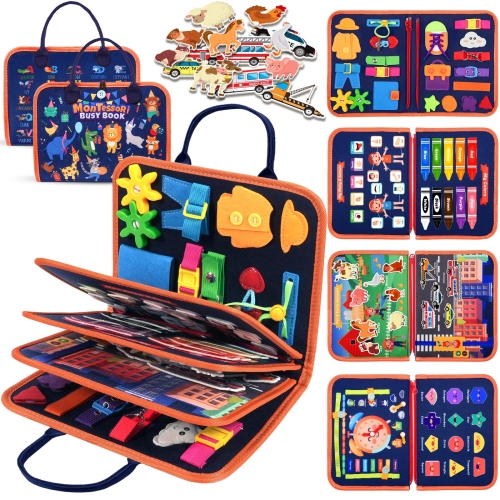
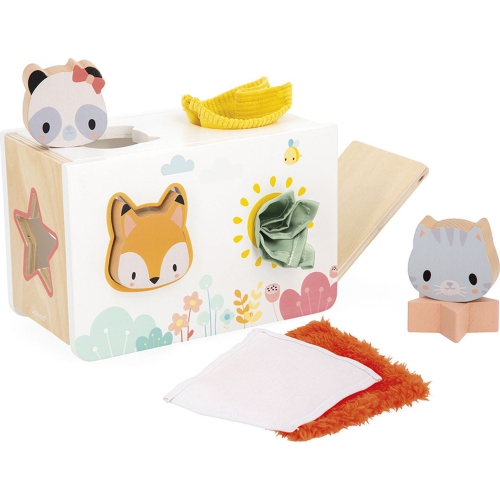
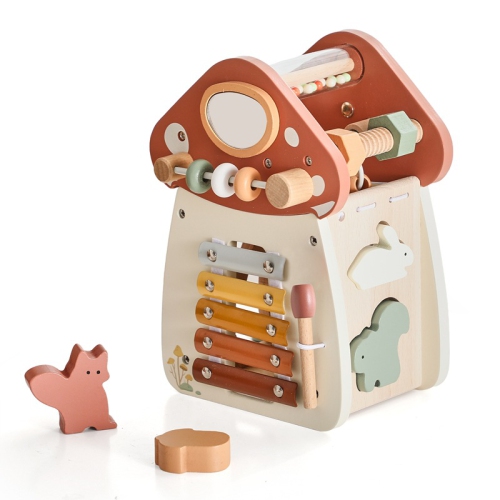
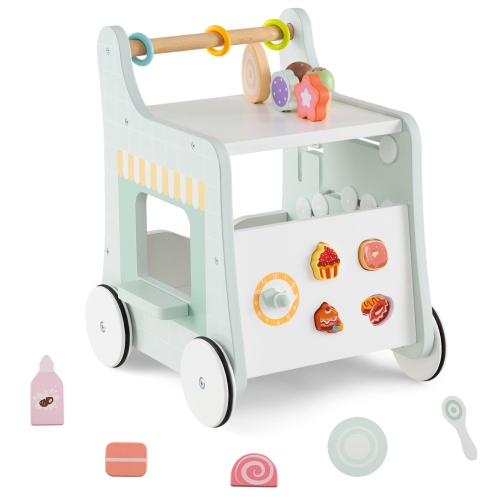

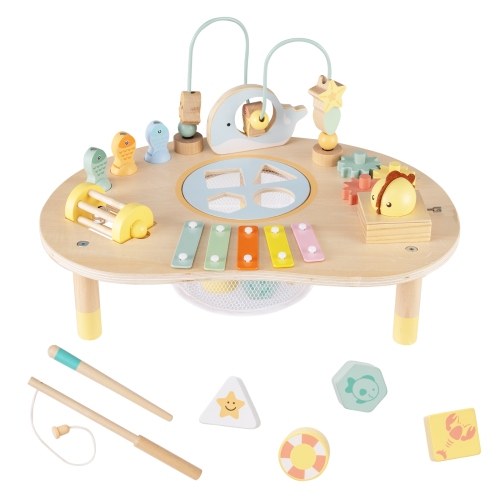
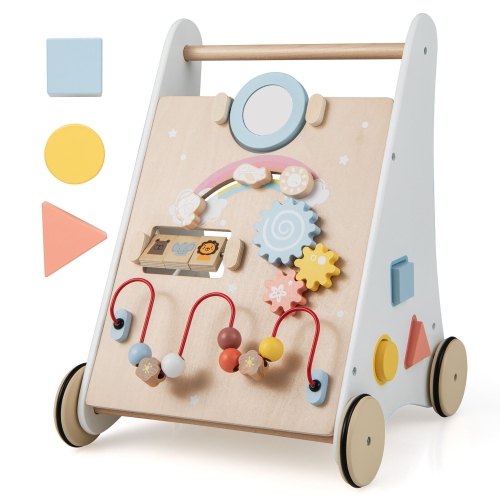
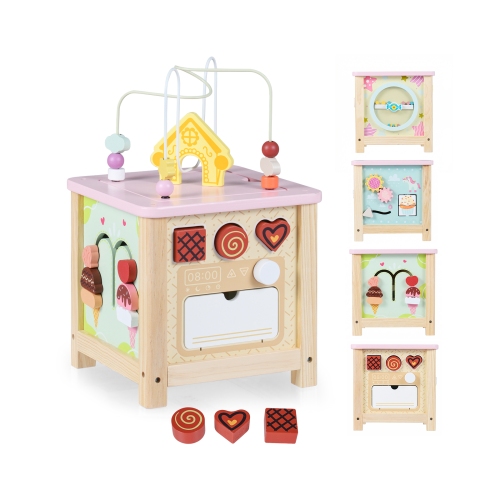
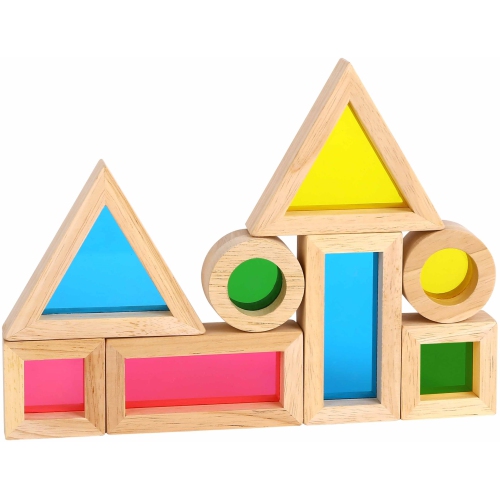
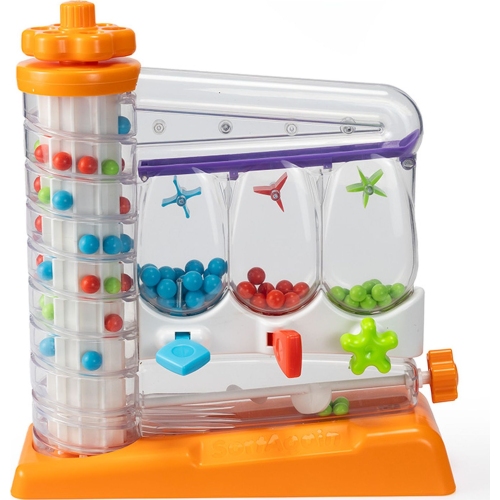
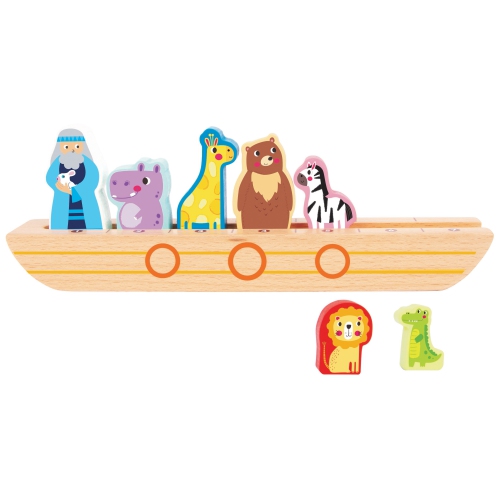
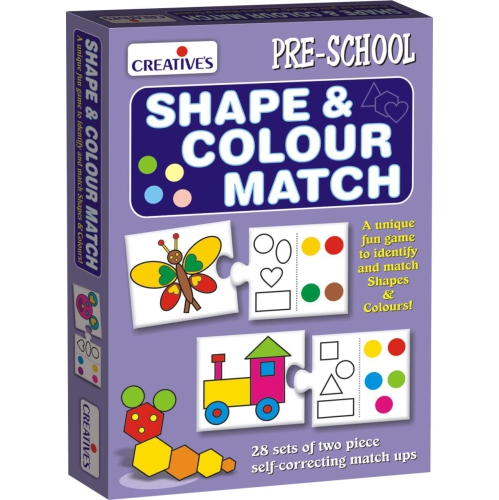
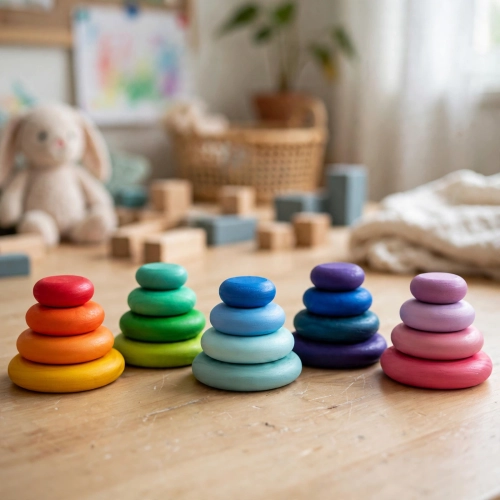
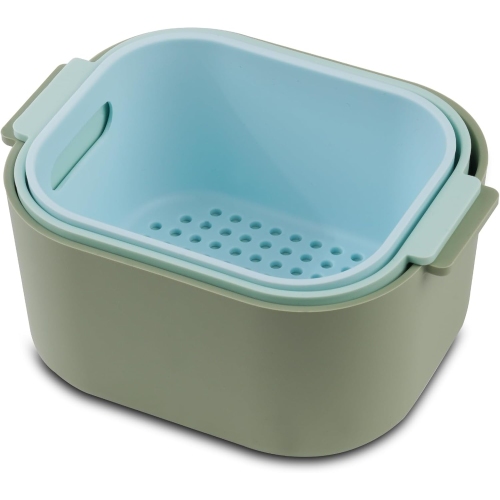

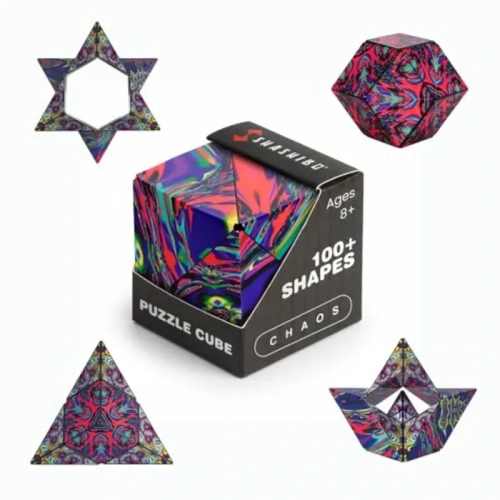
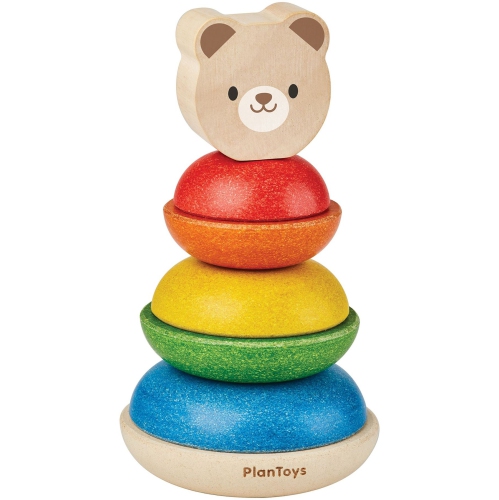
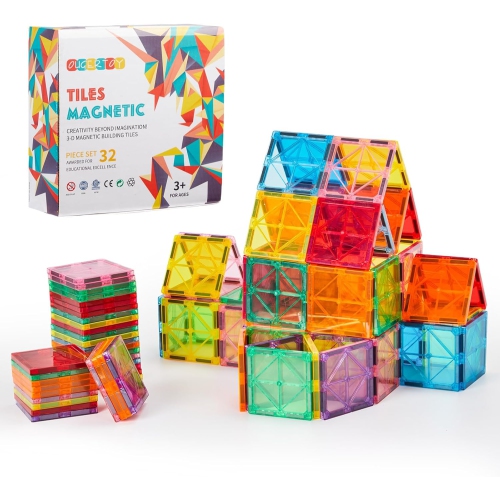
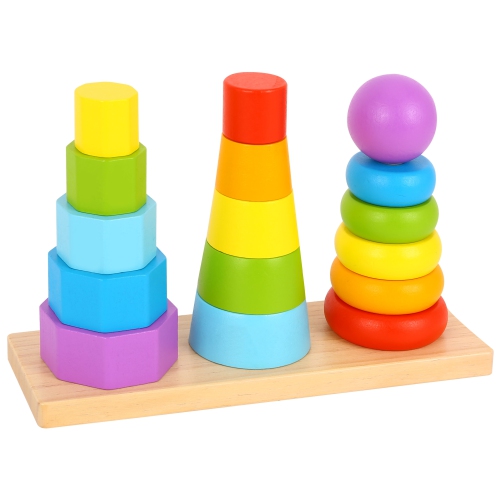
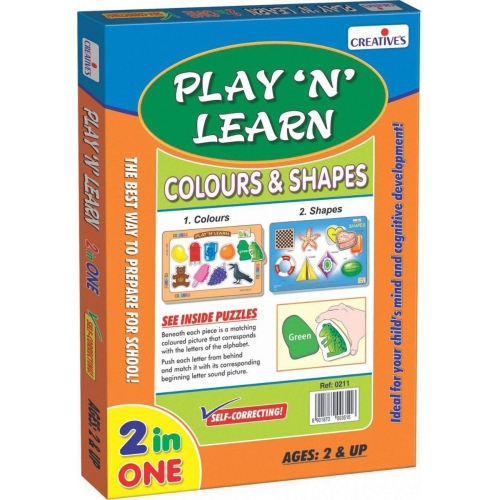
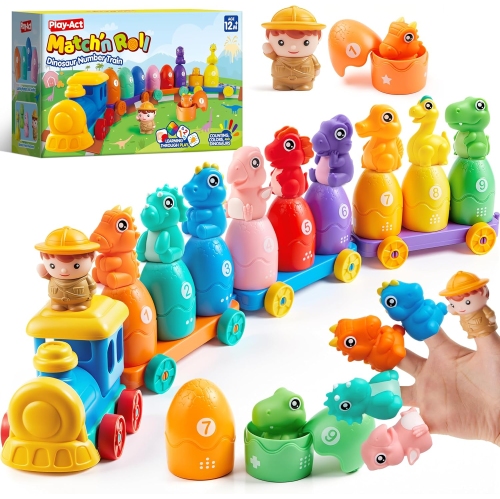
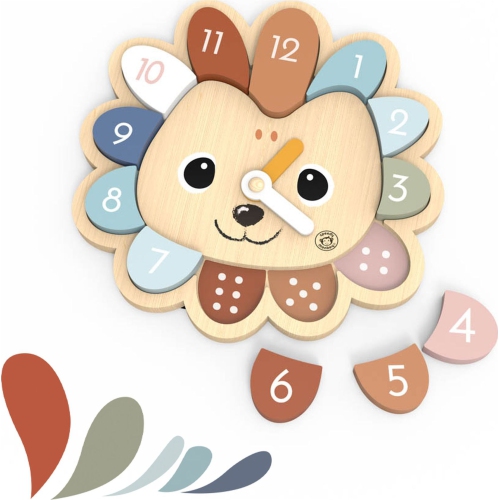


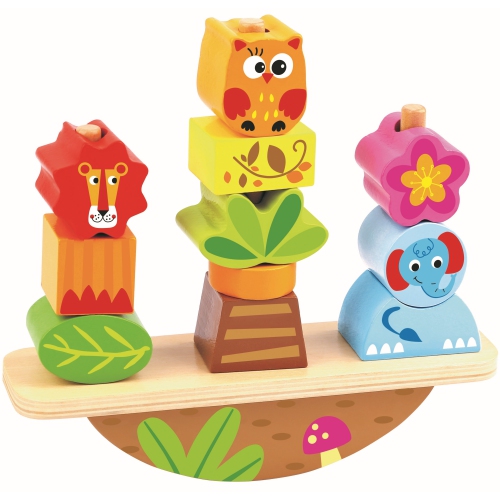

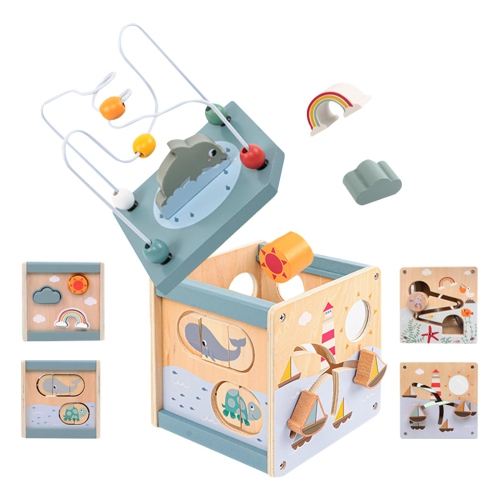
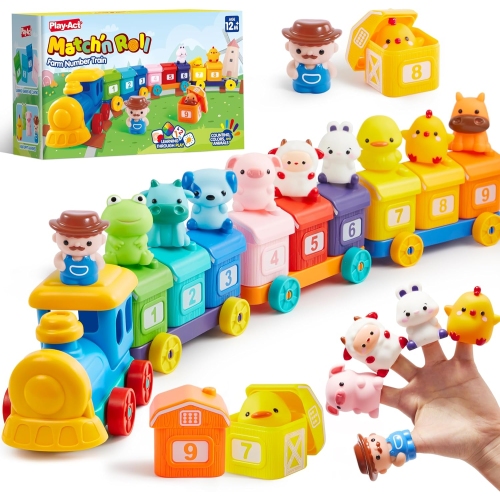

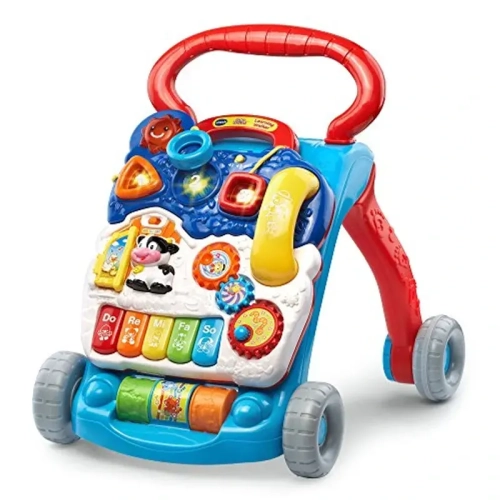
Small turns and satisfying drops build early matching skills
Shape sorter toys give babies and toddlers a hands-on way to explore how objects fit together. The basic idea is simple: a child matches a three-dimensional piece to an opening with the same outline, then pushes or drops it through. That small action brings together visual matching, hand-eye coordination, fine motor control, and early problem-solving. A circle may slip into place with little adjustment, while a triangle needs another turn before its corners line up. Through repeated attempts, children practise noticing differences, rotating objects, and adjusting their movements rather than relying on force. The appeal also extends beyond getting the match right. Emptying a container, hearing a block land inside, and gathering the pieces for another round can be just as engaging as the sorting itself. Depending on their age and interests, children might begin by holding pieces, transferring them between hands, or taking them out of an open container before attempting to match any openings. Later, the same play can include naming colours, comparing shapes, counting pieces, and following simple directions. These are possibilities for play rather than fixed developmental milestones; children approach the task at different paces, and the manufacturer’s age recommendation remains an important starting point. A sorter with only a few clearly different shapes can make the relationship between piece and opening easier to see. Designs with more openings or similar-looking pieces add complexity for children who already enjoy matching. Shape sorting toys suit shared play with a parent or caregiver as well as child-led exploration with appropriate supervision. Sitting beside a child and turning a piece slowly can demonstrate the movement without completing every match for them. A brief description such as “the square has corners” connects a word to something the child can see and touch. Leaving time for another attempt keeps the focus on discovery, with the satisfying drop of a correctly placed piece providing its own reward.
Materials, construction, and the way a sorter fits small hands all influence everyday use. Wooden shape sorters often have a firm, substantial feel, with pieces that make a distinct sound as they pass through the openings. Smooth edges, sound joints, and an intact finish are important details, particularly when pieces are handled repeatedly or brought towards the mouth. Plastic sorters can be lighter to lift and carry, and many have surfaces that are straightforward to wipe clean. Their durability depends on the construction, including the strength of lids, hinges, handles, and any moving sections. Fabric designs offer a softer feel and may include textured surfaces or a bag-style container, although their cleaning requirements can differ between the outer fabric and the sorting pieces. No material alone determines whether a toy is suitable for a particular child. The age rating, piece dimensions, overall design, and condition matter together. Pieces should be easy for the intended user to grasp without presenting a small-parts hazard, and toys intended for older children should stay separate from a younger sibling’s playthings. For children under three, avoiding small parts is especially important. The fit between the piece and its matching opening also affects the experience. A well-aligned piece should pass through with manageable pressure; an awkward angle or a very tight fit can make an otherwise simple task frustrating. Larger pieces with easy-to-hold contours may suit a child still developing a controlled grip, while a stable base helps keep the container from tipping during an attempt. Access to the inside deserves attention, too. A lid that an adult must remove every time creates a different play routine from an opening a child can operate safely. Containers with built-in storage can keep matching pieces together between sessions, but the lid or closure still needs to suit the child’s abilities. Where designs include sounds, lights, or additional activities, those features change the play experience rather than automatically making the sorting task more useful. Battery-powered toys also require securely closed battery compartments and care according to the manufacturer’s instructions.
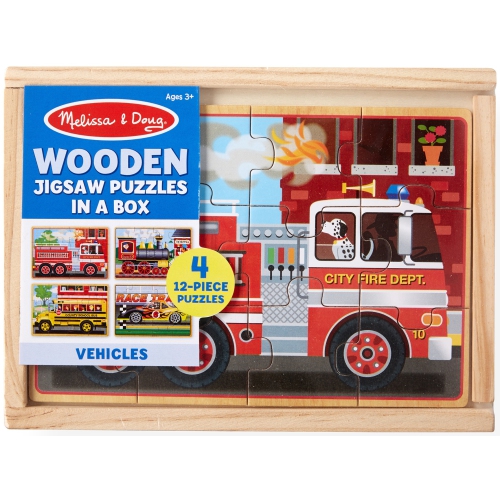
The best fit for a household often comes down to where and how the toy will be used. A compact sorter can be practical for supervised play away from home, provided its pieces stay together and are large enough for the child using it. A broader activity-style design needs more floor space and may suit a dedicated play area where a child can reach the openings without stretching awkwardly. For shared family spaces, a container that holds all its own pieces makes tidying simpler and reduces the chance of finding a missing triangle beneath the sofa. Keeping the full set together also preserves the matching task: an opening with no corresponding piece can interrupt an otherwise enjoyable round of play. Care should follow the instructions for each material and component. Wooden parts generally should not be soaked unless the manufacturer specifically permits it, while fabric sections may have separate washing and drying directions. Plastic construction does not necessarily mean a toy is dishwasher-safe or suitable for immersion, especially if it contains electronics. Regular checks for cracks, splinters, loose seams, peeling finishes, or damaged closures help identify when a toy needs to be removed from use. Shape sorters can make thoughtful birthday or baby shower gifts when the recommended age and the recipient’s stage of play are considered; a toy chosen for later use should be set aside until appropriate. For families building a small collection of matching activities, Shape Puzzles offer a related experience, with pieces commonly placed into outlines or recesses rather than passed through a container. Both formats invite children to compare edges and adjust orientation, but the hand movements and visual cues differ. A sorter can also remain interesting after its basic matches become familiar. Grouping the pieces by colour, finding a named shape, or taking turns dropping one piece at a time adds variety without requiring every session to become a lesson. Clear shapes, comfortable handling, dependable construction, and manageable care help make this familiar toy a useful part of everyday play.
Top selling and popular products
-
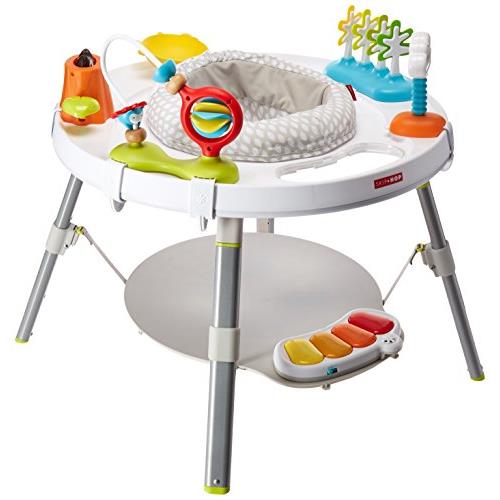 Your price for this item is $299.13
-
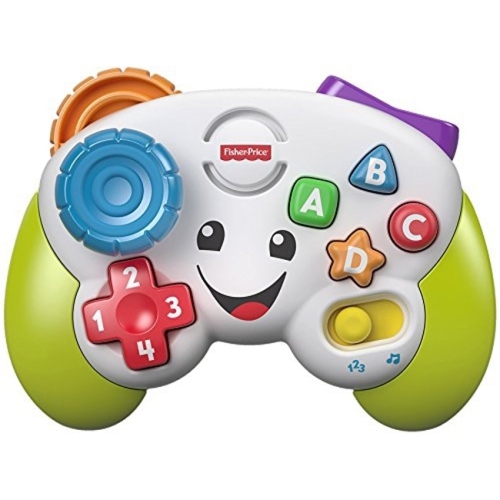 Your price for this item is $24.28
-
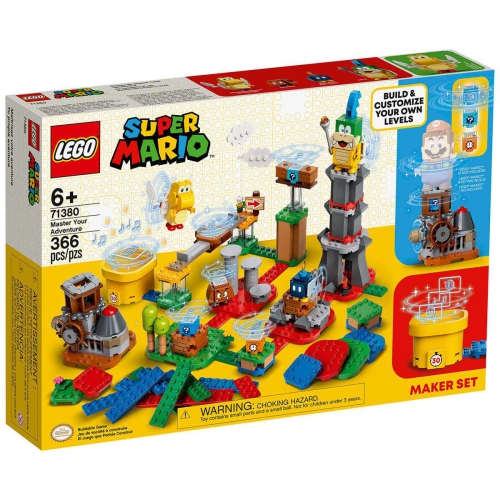 Your price for this item is $103.27
-
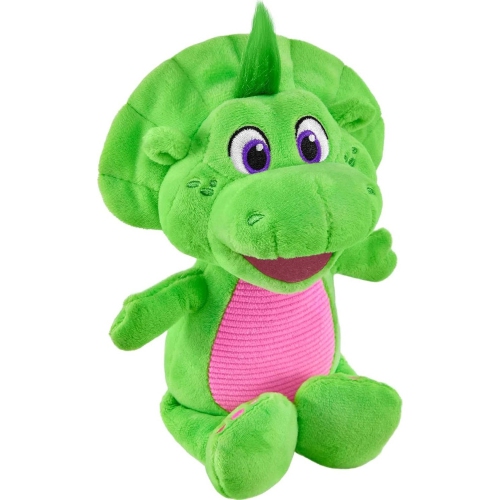 Your price for this item is $17.24
-
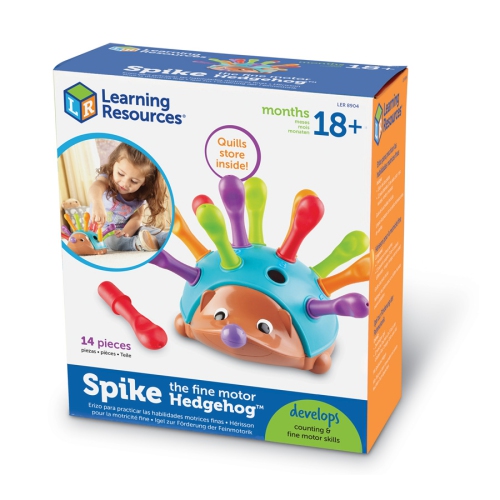 Your price for this item is $56.13
-
 Your price for this item is $19.99
-
 Your price for this item is $29.99
-
 Your price for this item is $39.99
Discover more categories related to Shape Sorter Toys

Top Collections:
Pokemon Centers, Kindle Devices, Best Budget Office Chairs, Canon G7X Cameras, Apple iPhones 16, Samsung Galaxy Phones, Refurbished Apple Laptops, Laptops for Students, iPhone 15 Apple, Budget Smartphones
Some products may be subject to Environmental Handling Fees
(EHF) depending on your province.
Learn more about EHFs.