Squishy Animals
Get ready to dive into a world of delightful squishiness with our collection of squishy animals! Perfect for stress relief, playtime, or simply adding a touch of whimsy to your space, these adorable companions are sure to bring smiles all around. Whether you're looking for a cuddly friend for your desk or a charming addition to your child's toy collection, there's a squishy animal waiting to capture your heart. Explore the variety and find the perfect one that suits your style and needs. Each squishy animal offers a unique charm that's impossible to resist, making them fantastic gifts or collectibles for all ages.
Sort
![TOMY Club Mocchi-Mocchi Animal Crossing Celeste Large 14" Squishy Plush []](https://multimedia.bbycastatic.ca/multimedia/products/500x500/174/17449/17449552.jpeg)
![TOMY Club Mochi-Mochi Animal Crossing Blathers Large 15" Squishy Plush []](https://multimedia.bbycastatic.ca/multimedia/products/500x500/174/17449/17449467.jpeg)
![TOMY Club Mochi-Mochi Animal Crossing Kk Slider Large 15" Squishy Plush [] Great addition to Tom Nook and Isabelle](https://multimedia.bbycastatic.ca/multimedia/products/500x500/174/17449/17449319.jpeg)
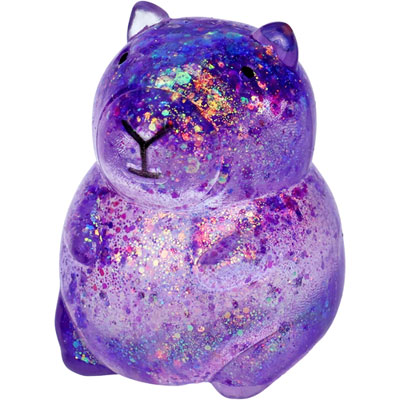

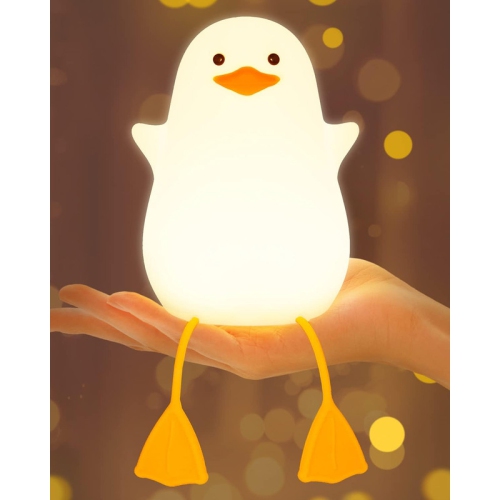
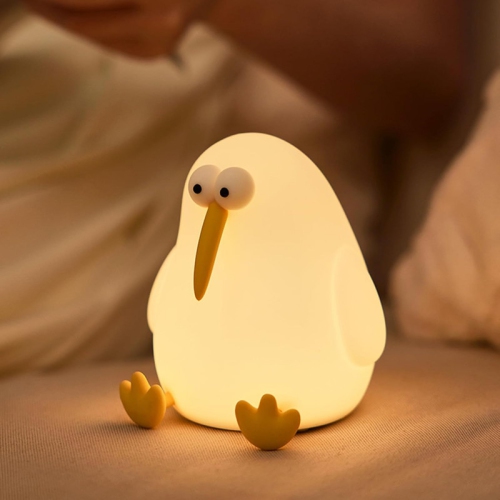
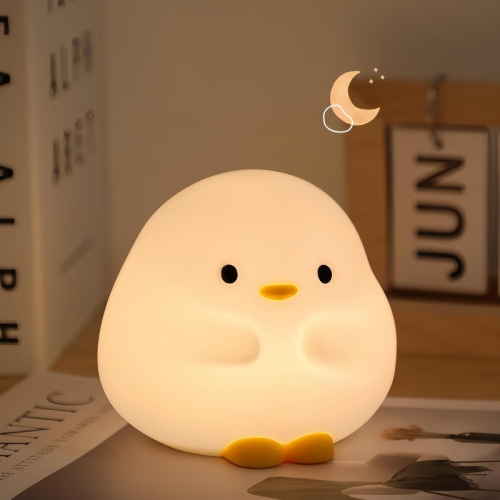
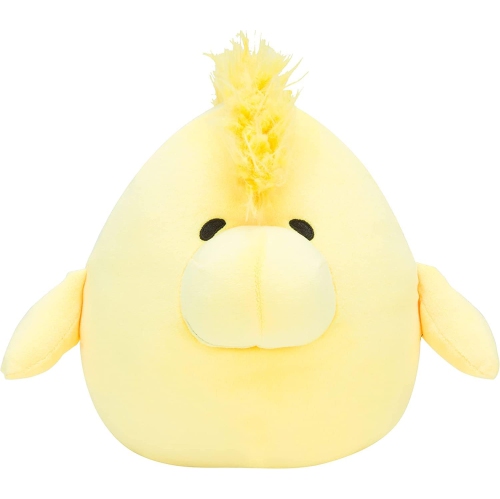
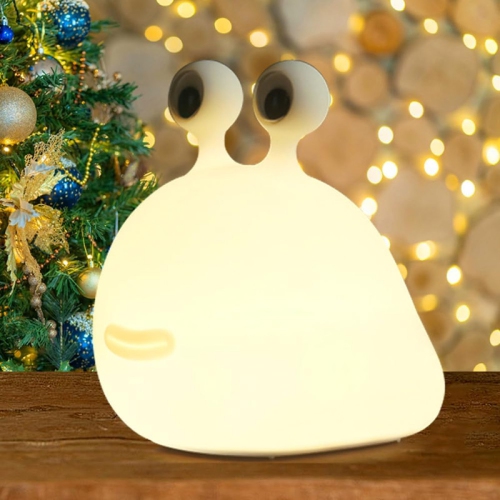
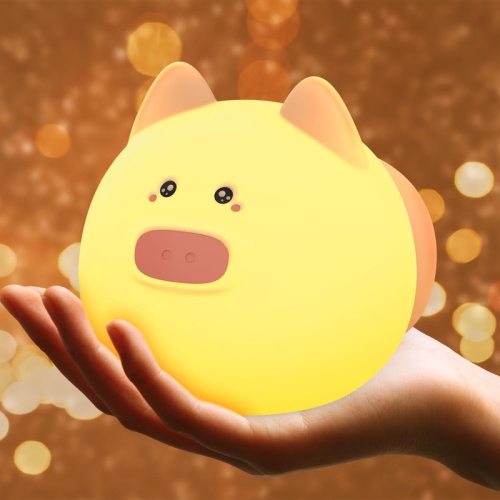
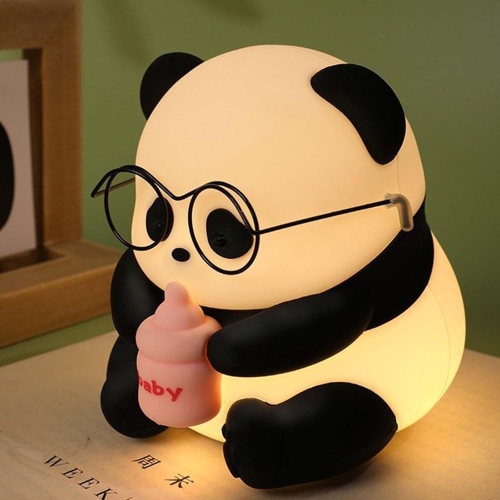
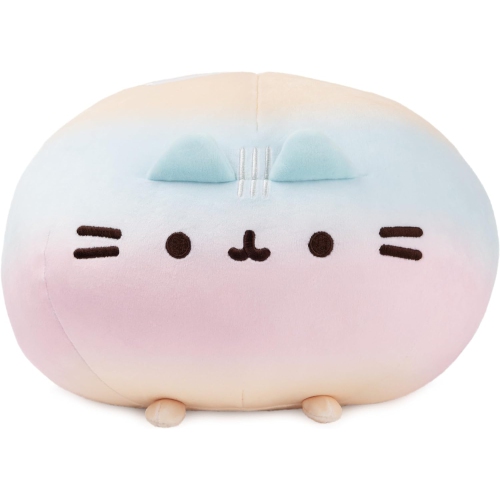
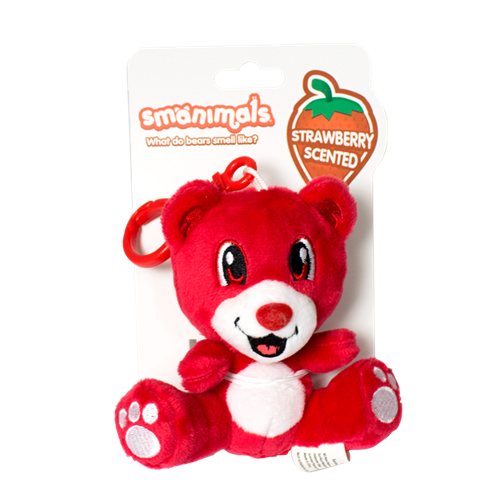

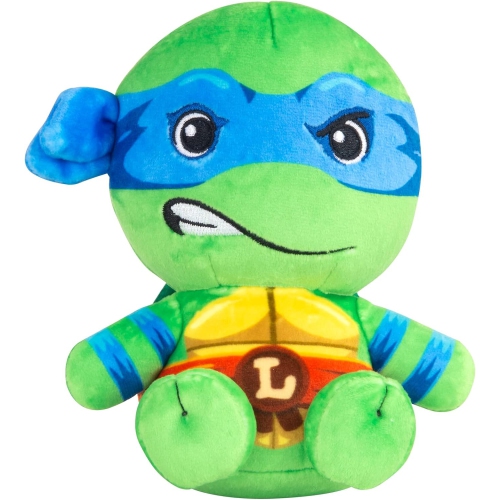
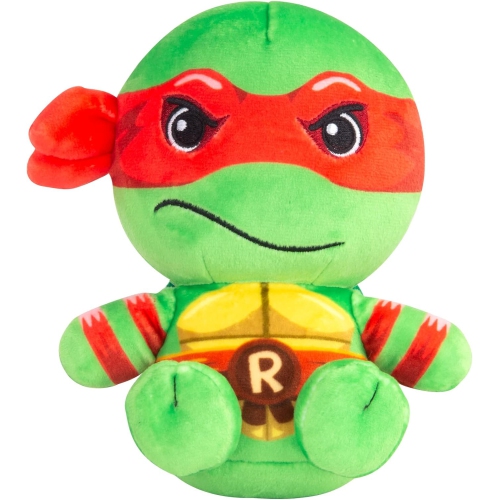
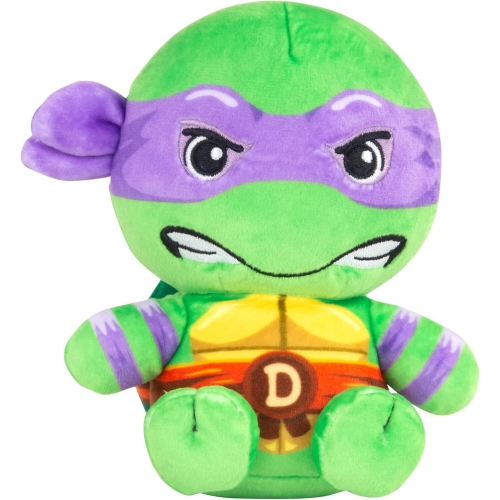
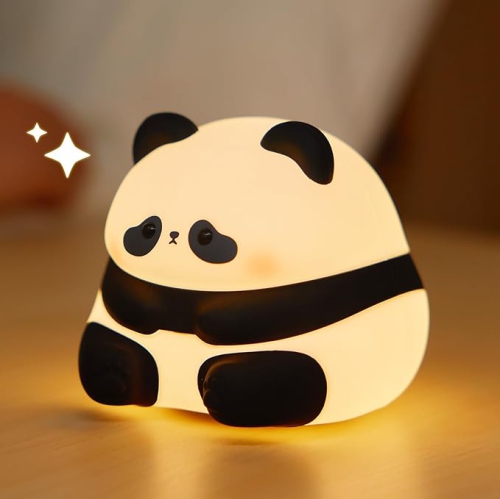
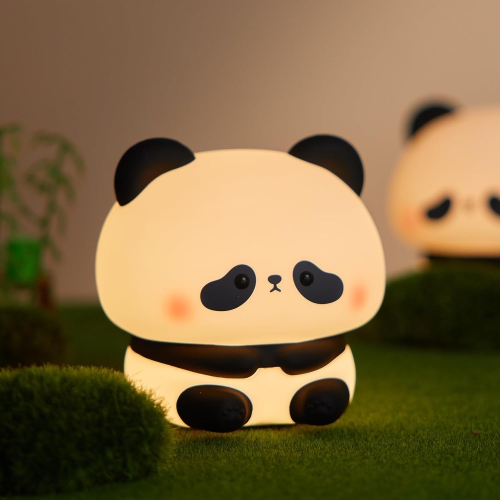
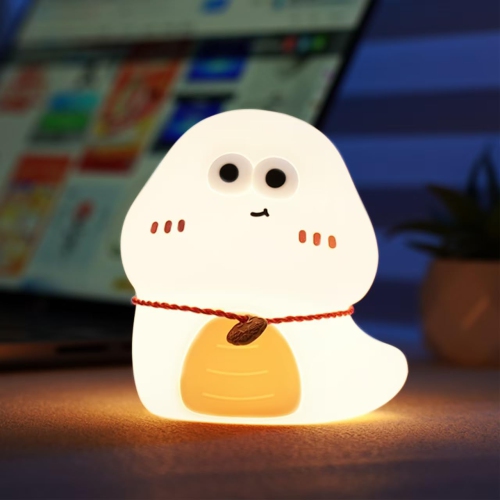
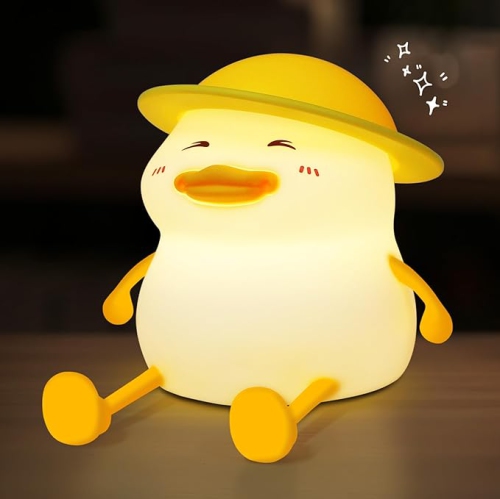
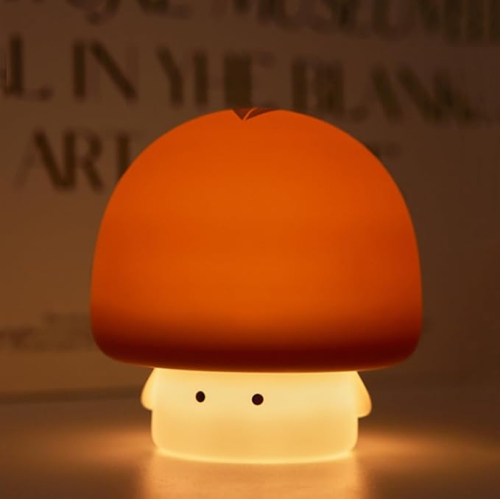
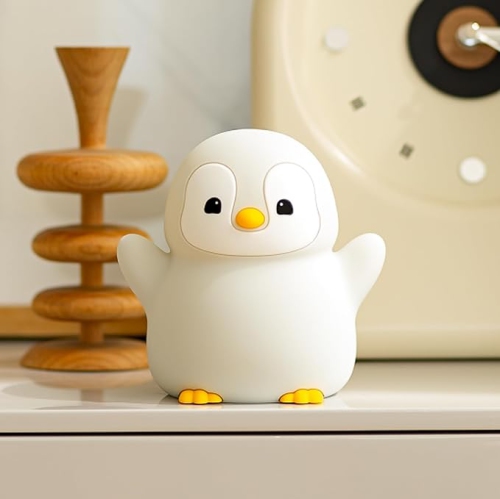
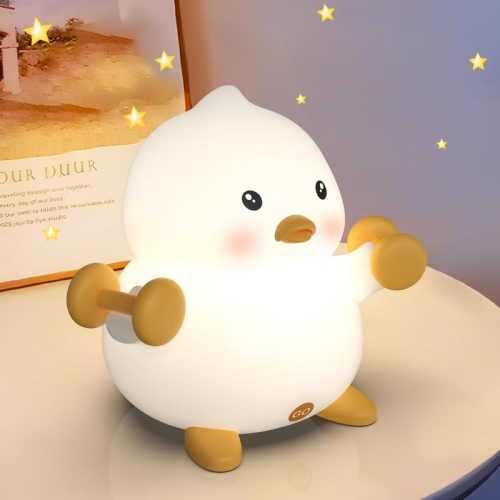
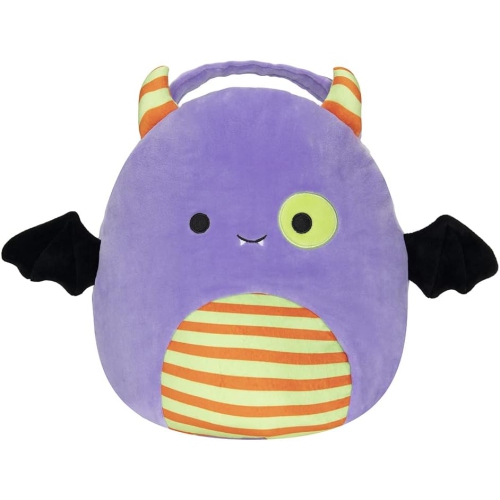
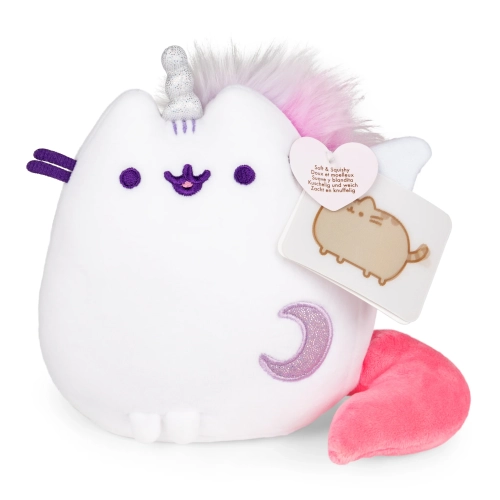
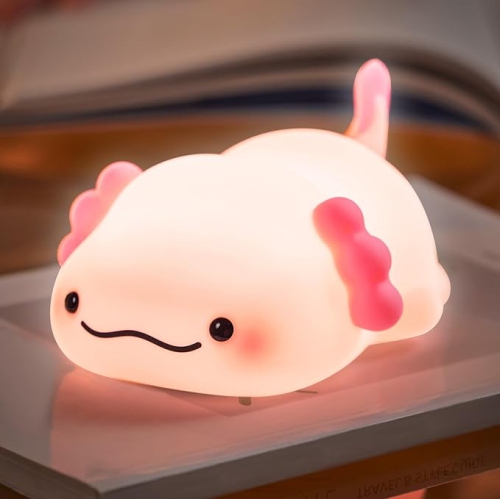
![TOMY Club Mochi-Mochi My Hero Academia Deku Mask Large 15" Squishy Plush []](https://multimedia.bbycastatic.ca/multimedia/products/500x500/174/17449/17449338.jpeg)
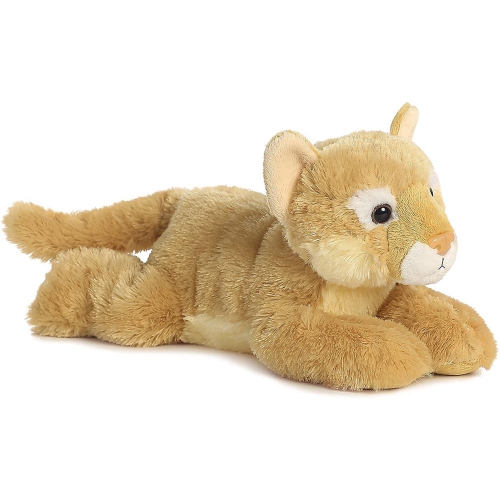


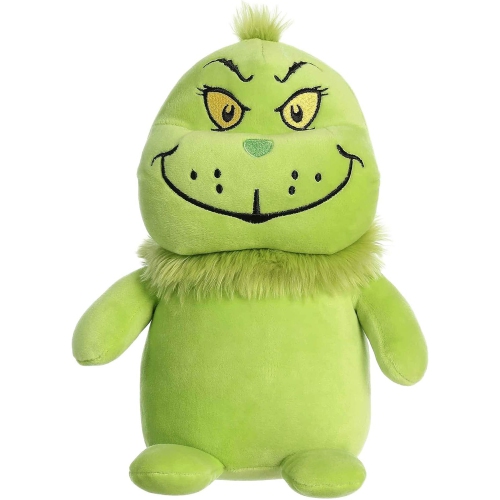
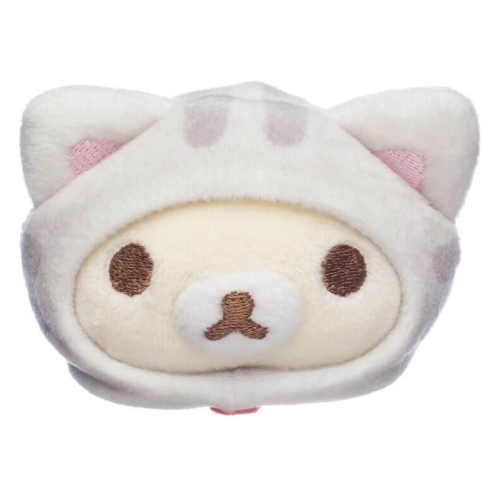
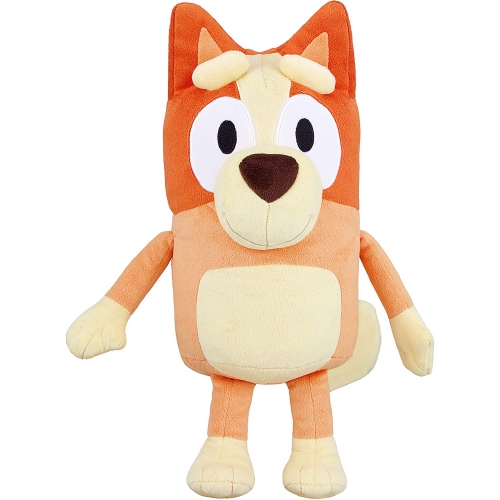
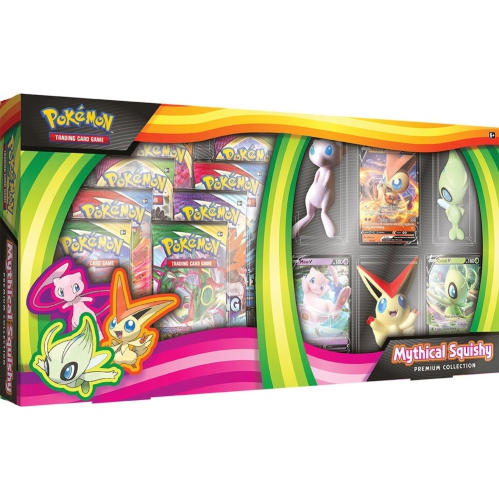
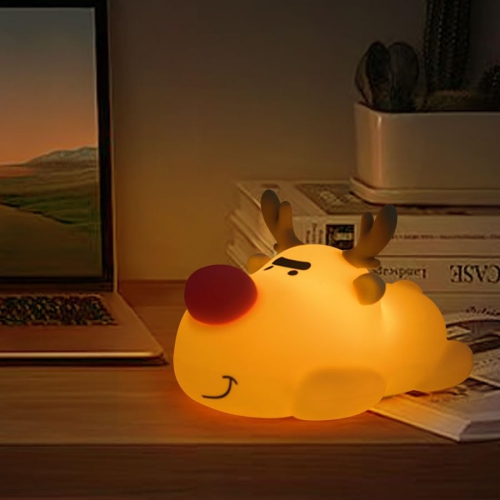

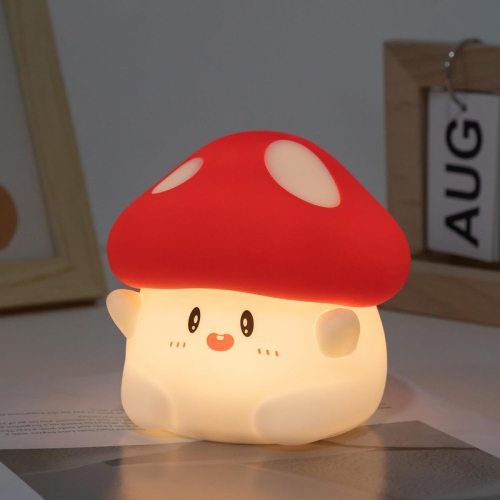
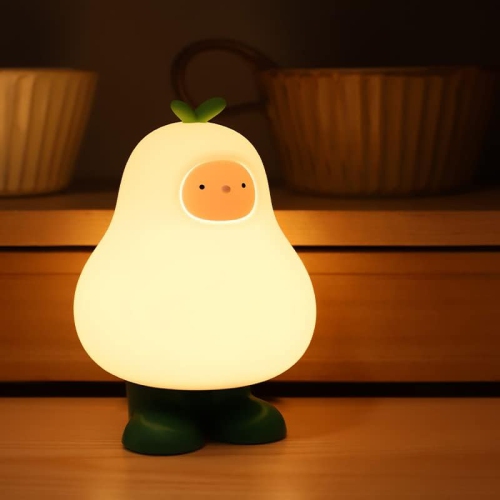

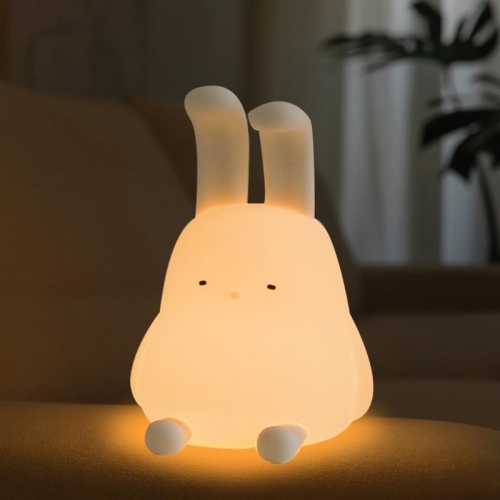
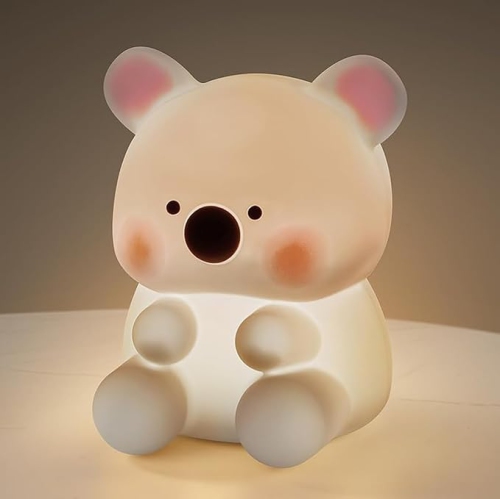

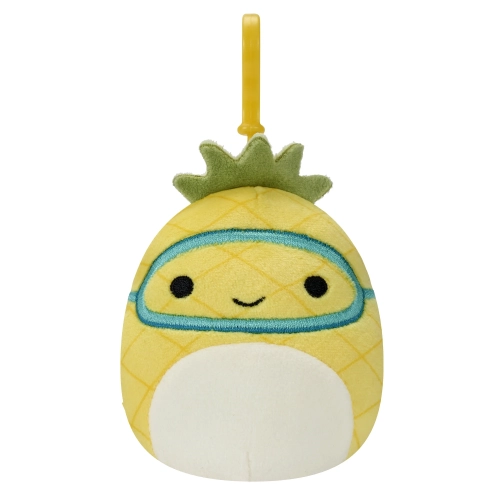
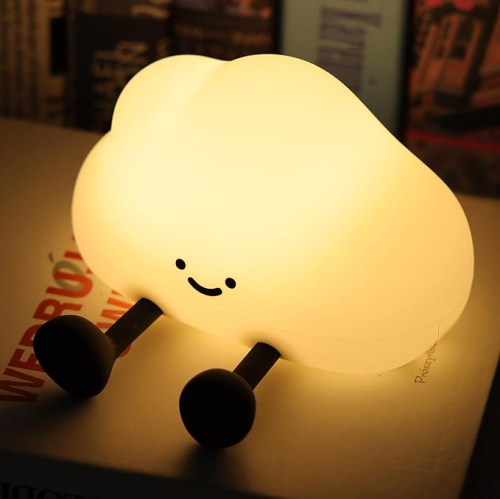

Why similar animal toys can feel so different
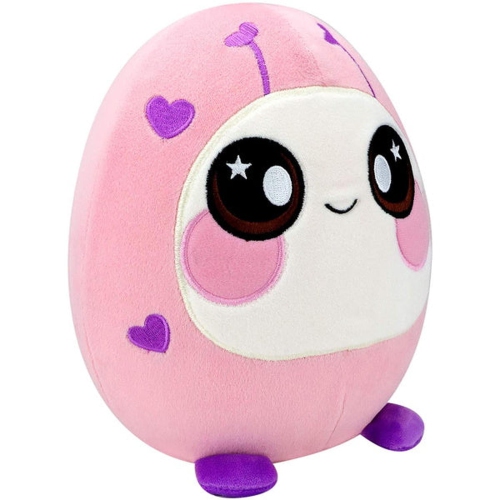
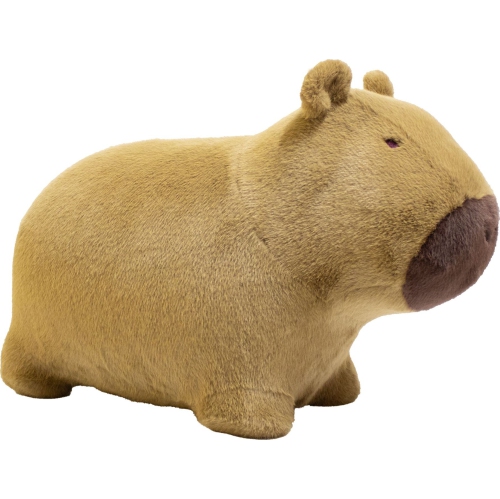
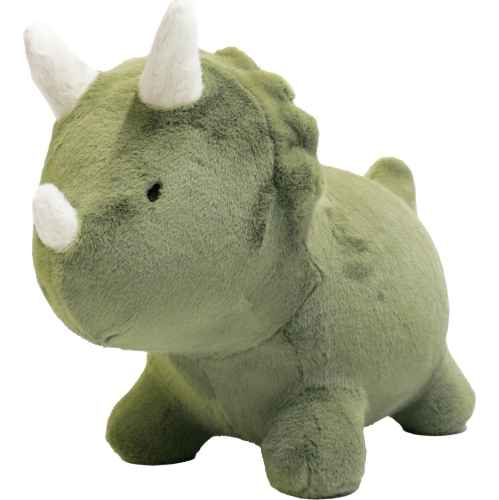
Squishy animals are soft, squeezable toys shaped like familiar creatures, from rounded cats and floppy-eared rabbits to turtles and other sea life. Their appeal comes from the combination of a friendly animal design and a texture that changes under gentle pressure: some compress slowly, some stretch slightly, and others feel pillowy in the palm. Common types include slow-rise foam animals, small mochi-style squishies, flexible gel-filled designs, and soft plush animals with compressible filling. Each offers a different tactile experience, so the material matters as much as the shape. Slow-rise foam, often made from polyurethane, gradually returns to its original form after a squeeze, making the movement itself part of the fun. Mochi-style animals generally have a soft, rubbery feel and may be slightly tacky, though their exact material varies. Some flexible designs use silicone or another pliable outer material, while filled versions have a sealed shell around a gel or liquid centre. Plush versions pair a fabric exterior with soft filling for a larger, more cushion-like squeeze. These differences explain why two animal toys of a similar size can feel quite different in the hand. A smooth, springy surface gives a different sensation from velvety fabric, and a slow-return foam shape behaves differently from a flexible filled toy. Animal squishies belong to the wider family of Squishy Toys, with creature-inspired shapes adding personality to the sensory experience. Rounded bodies, tiny paws, textured shells, and stitched or printed faces can make them enjoyable to look at as well as hold. For someone who likes to keep their hands occupied while listening to music, taking a short study break, or sitting through a long conversation, that simple combination can be appealing. They can also support imaginative play, with children giving their animals names, arranging little groups, or inventing stories around them. Their role is straightforward: they offer something soft and engaging to squeeze, hold, and play with, rather than serving as a treatment for stress or anxiety.
The most useful squishy animal is one whose size, firmness, and surface suit the person using it. A small shape may rest neatly in one palm, while a larger plush version is better suited to two-handed squeezing or holding against the body during quiet play. For smaller hands, a bulky or very firm toy may be difficult to compress comfortably. Someone who enjoys gentle resistance may prefer a yielding texture, while another person may like a firmer squeeze and a more noticeable return to shape. Surface details matter, too: raised features can provide extra texture, but long ears, narrow tails, and projecting limbs may be more vulnerable to damage when pulled. A compact, rounded shape is often easier to handle without tugging on delicate parts. Intended use helps narrow the differences further. At a desk, a quiet squishy can give idle hands a simple task, although strongly scented materials, sticky surfaces, or toys that make sounds may not suit a shared space. In a classroom, any fidget toy should fit the teacher’s expectations and the child’s needs; even a silent toy can be distracting if it rolls across the desk or becomes part of a game. For travel, a suitable pouch can keep a small animal separate from crumbs and loose belongings, provided the toy’s care directions allow that storage method. Squishy animals can make thoughtful gifts for animal lovers, older children, teens, and adults who enjoy tactile objects, with the design chosen around a favourite creature or preferred texture. They can also suit birthday party favours when each toy is appropriate for the recipients’ ages and retains its safety information. Age labels deserve particular attention with miniature squishies, detachable parts, and filled designs. Small toys can pose a choking hazard, and a soft texture does not make a product suitable for babies or toddlers. These toys are not teethers or pet toys, and they should not be chewed. Children who tend to mouth objects need an option specifically designed and labelled for that intended use.
Care and durability depend on the construction, so cleaning directions should come from the individual toy’s label rather than from its appearance alone. A smooth, rubbery animal may look washable, but foam, fabric, coatings, seams, and fillings can all react differently to water. Some mochi-style toys can be gently washed as directed and left to dry fully, while others require a different approach. A tacky surface can pick up lint, hair, and dust, making clean hands and a clean play surface especially helpful. Slow-rise foam is more susceptible to tears, punctures, and surface wear than its soft feel might suggest; twisting it tightly or digging fingernails into it can leave lasting damage. Unless the care instructions say otherwise, avoid soaking foam, scrubbing printed features, or using harsh cleaners. Plush squishies may allow spot cleaning or machine washing, but the filling and any attached details determine which method is appropriate. Filled animals need particular care around sharp objects and rough play because a split seam or punctured shell can release the contents. Before handing one to a child, check for cracks, loose pieces, damaged seams, or leakage, and stop using a toy that shows damage. Gentle squeezing within the toy’s intended range will generally be easier on it than stretching, biting, or pulling at narrow features. Storage also makes a difference: keep toys away from excessive heat and direct sunlight, follow any instructions about contact with painted or finished surfaces, and avoid leaving soft shapes crushed beneath heavy belongings. During the cooler months, when more play and downtime happen indoors, a designated tray or pouch can help keep small animals together and off the floor. With realistic expectations about wear and a little routine care, squishy animals can be enjoyable companions for quiet breaks, imaginative games, or a few minutes of hands-on play. The strongest match is not necessarily the biggest or softest one, but the animal whose feel, proportions, and care needs fit naturally into the recipient’s day.
The most useful squishy animal is one whose size, firmness, and surface suit the person using it. A small shape may rest neatly in one palm, while a larger plush version is better suited to two-handed squeezing or holding against the body during quiet play. For smaller hands, a bulky or very firm toy may be difficult to compress comfortably. Someone who enjoys gentle resistance may prefer a yielding texture, while another person may like a firmer squeeze and a more noticeable return to shape. Surface details matter, too: raised features can provide extra texture, but long ears, narrow tails, and projecting limbs may be more vulnerable to damage when pulled. A compact, rounded shape is often easier to handle without tugging on delicate parts. Intended use helps narrow the differences further. At a desk, a quiet squishy can give idle hands a simple task, although strongly scented materials, sticky surfaces, or toys that make sounds may not suit a shared space. In a classroom, any fidget toy should fit the teacher’s expectations and the child’s needs; even a silent toy can be distracting if it rolls across the desk or becomes part of a game. For travel, a suitable pouch can keep a small animal separate from crumbs and loose belongings, provided the toy’s care directions allow that storage method. Squishy animals can make thoughtful gifts for animal lovers, older children, teens, and adults who enjoy tactile objects, with the design chosen around a favourite creature or preferred texture. They can also suit birthday party favours when each toy is appropriate for the recipients’ ages and retains its safety information. Age labels deserve particular attention with miniature squishies, detachable parts, and filled designs. Small toys can pose a choking hazard, and a soft texture does not make a product suitable for babies or toddlers. These toys are not teethers or pet toys, and they should not be chewed. Children who tend to mouth objects need an option specifically designed and labelled for that intended use.
Care and durability depend on the construction, so cleaning directions should come from the individual toy’s label rather than from its appearance alone. A smooth, rubbery animal may look washable, but foam, fabric, coatings, seams, and fillings can all react differently to water. Some mochi-style toys can be gently washed as directed and left to dry fully, while others require a different approach. A tacky surface can pick up lint, hair, and dust, making clean hands and a clean play surface especially helpful. Slow-rise foam is more susceptible to tears, punctures, and surface wear than its soft feel might suggest; twisting it tightly or digging fingernails into it can leave lasting damage. Unless the care instructions say otherwise, avoid soaking foam, scrubbing printed features, or using harsh cleaners. Plush squishies may allow spot cleaning or machine washing, but the filling and any attached details determine which method is appropriate. Filled animals need particular care around sharp objects and rough play because a split seam or punctured shell can release the contents. Before handing one to a child, check for cracks, loose pieces, damaged seams, or leakage, and stop using a toy that shows damage. Gentle squeezing within the toy’s intended range will generally be easier on it than stretching, biting, or pulling at narrow features. Storage also makes a difference: keep toys away from excessive heat and direct sunlight, follow any instructions about contact with painted or finished surfaces, and avoid leaving soft shapes crushed beneath heavy belongings. During the cooler months, when more play and downtime happen indoors, a designated tray or pouch can help keep small animals together and off the floor. With realistic expectations about wear and a little routine care, squishy animals can be enjoyable companions for quiet breaks, imaginative games, or a few minutes of hands-on play. The strongest match is not necessarily the biggest or softest one, but the animal whose feel, proportions, and care needs fit naturally into the recipient’s day.
Top selling and popular products
-
 Your price for this item is $79.99
 -
![TOMY Club Mochi-Mochi Super Mario Piranha Plant Large 15" Squishy Plush []](https://multimedia.bbycastatic.ca/multimedia/products/500x500/179/17903/17903081.jpeg) Your price for this item is $72.99
Your price for this item is $72.99 -
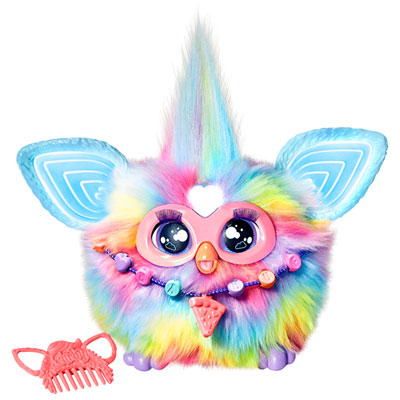 Your price for this item is $60.95
 -
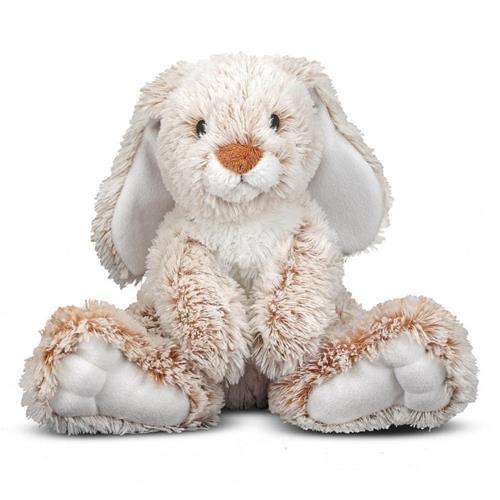 Your price for this item is $38.99
 -
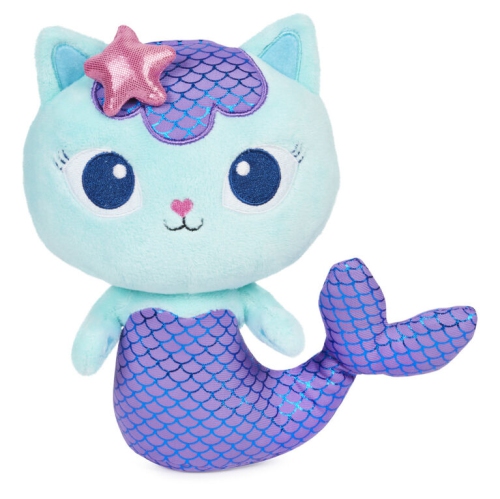 Your price for this item is $37.99
 -
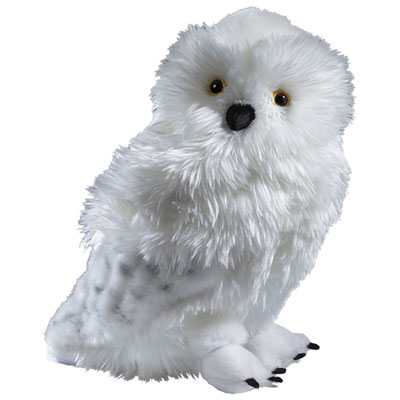 Your price for this item is $34.99
 -
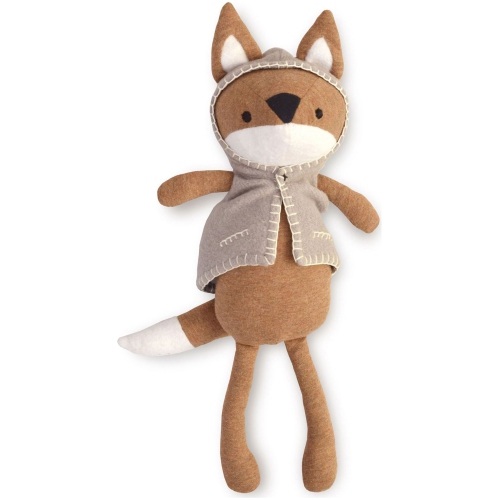 Your price for this item is $34.98
 -
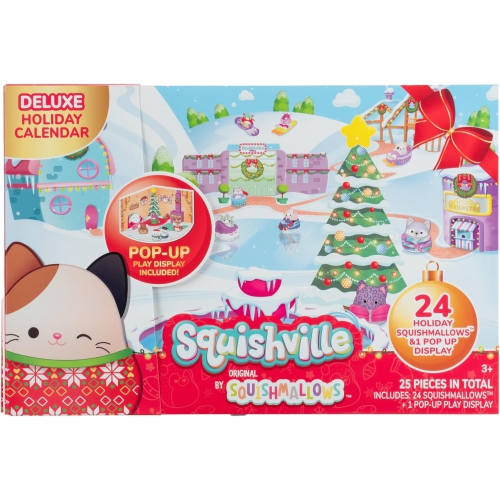 Your price for this item is $35
Discover more categories related to Squishy Animals
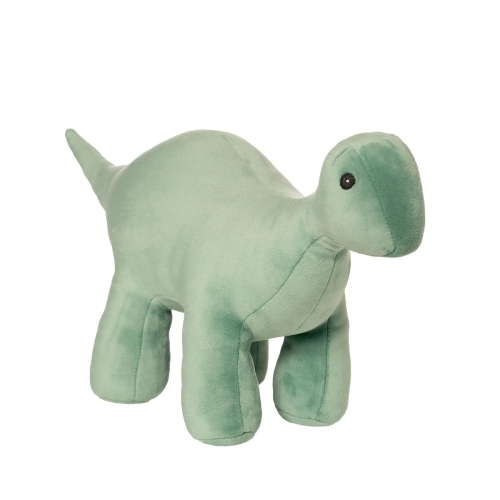
Top Collections:
Pokemon Centers, Kindle Devices, Best Budget Office Chairs, Apple iPhones 16, Best Laptops for Writers, iPhone 15 Apple, Canon G7X Cameras, Refurbished Apple Laptops, Alarm Clock, Motorola Razr Phones
Some products may be subject to Environmental Handling Fees
(EHF) depending on your province.
Learn more about EHFs.