Tablette Garde Robe
Optimisez l’organisation de votre espace avec une tablette garde robe, idéale pour maximiser le rangement dans votre penderie ou dressing. Pratique et polyvalente, la tablette garde robe vous aide à garder vos vêtements, accessoires et chaussures bien ordonnés et facilement accessibles. Que vous souhaitiez ajouter des étagères supplémentaires ou réaménager votre placard, découvrez une variété d’options adaptées à tous les besoins de rangement. Trouvez la solution parfaite pour transformer votre espace et profiter d’un intérieur mieux organisé grâce à la tablette garde robe.
Sort
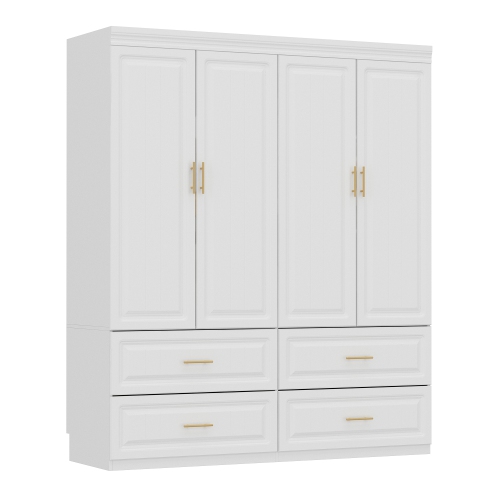
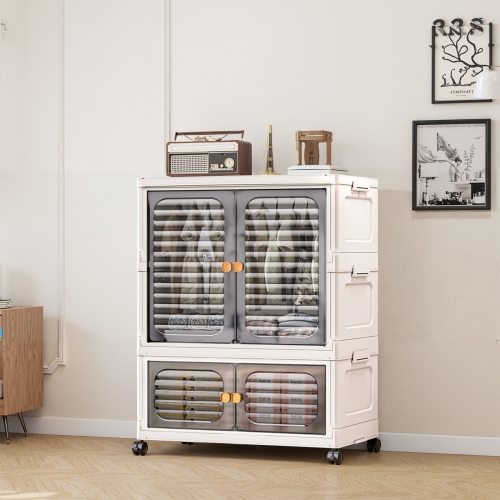
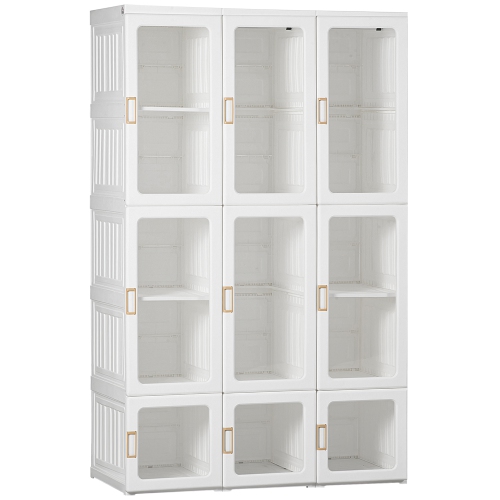
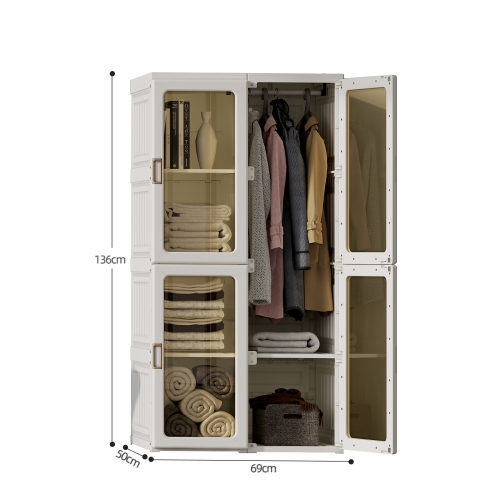
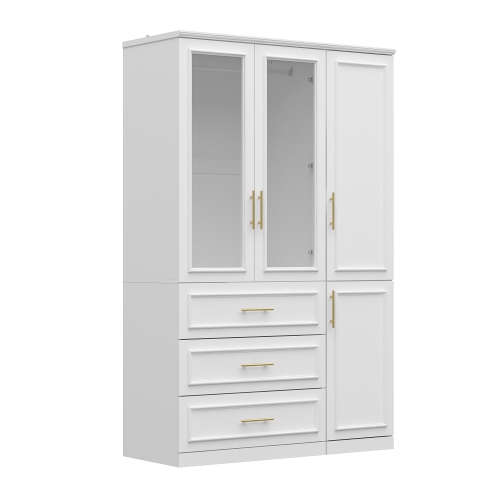
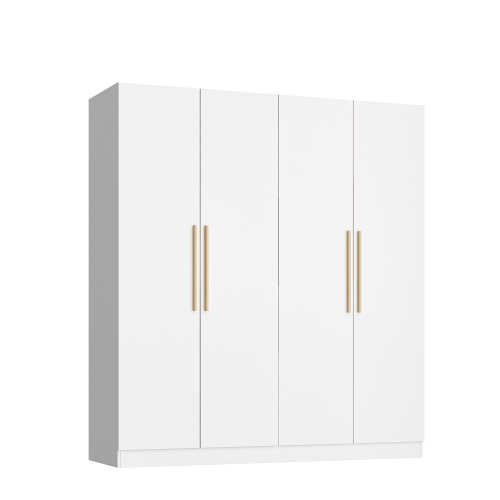
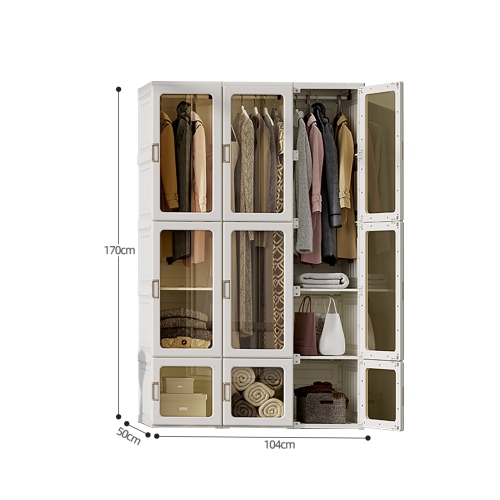
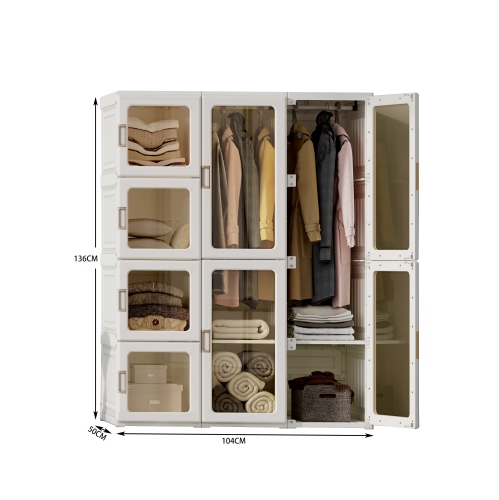
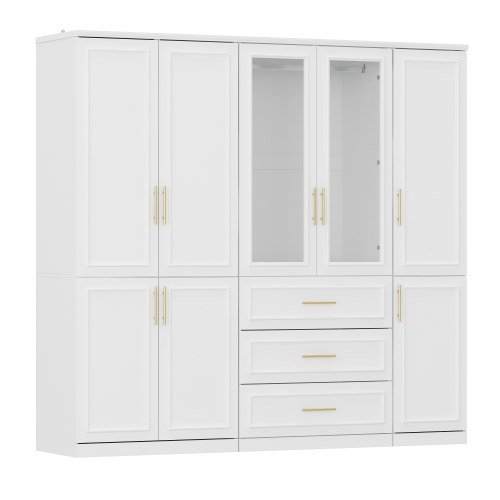
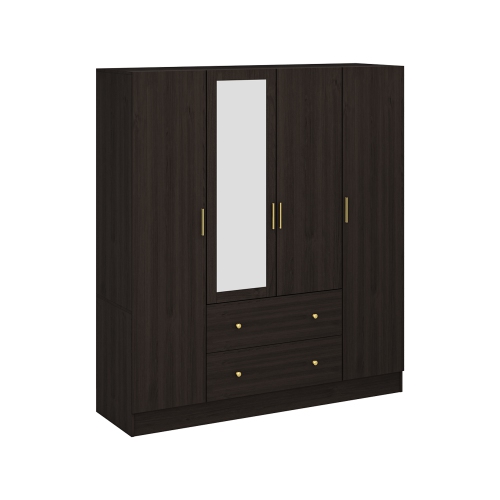
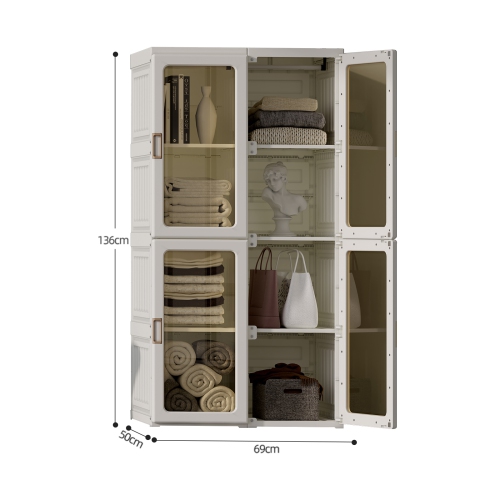
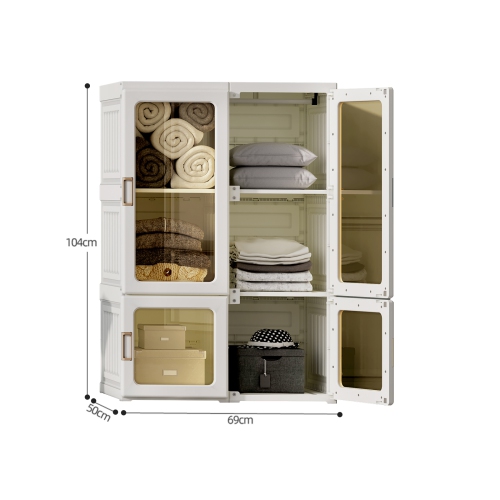
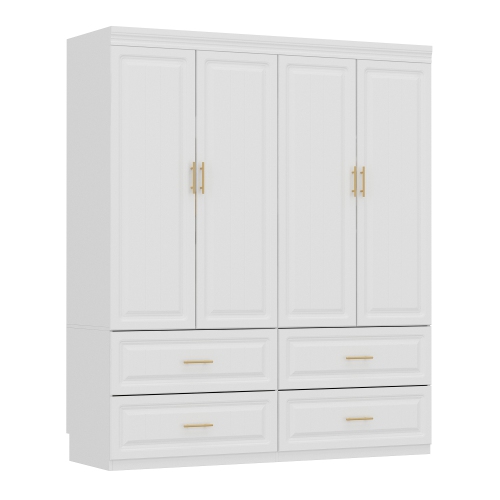
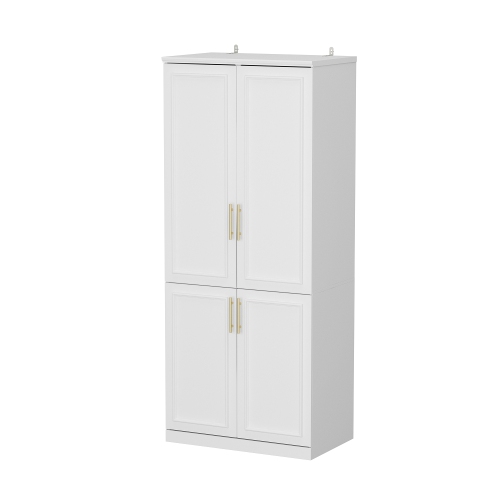
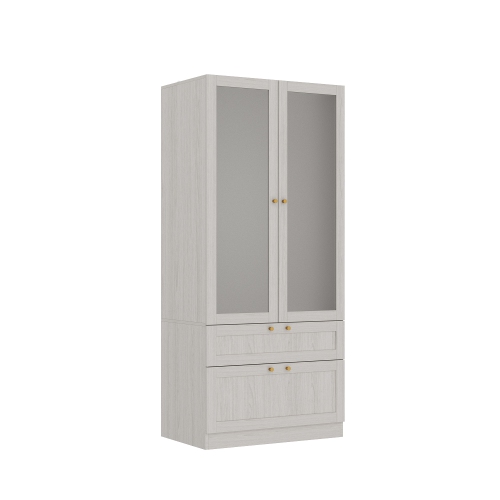
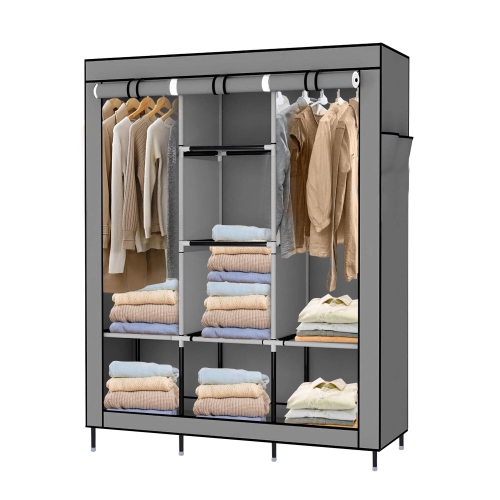
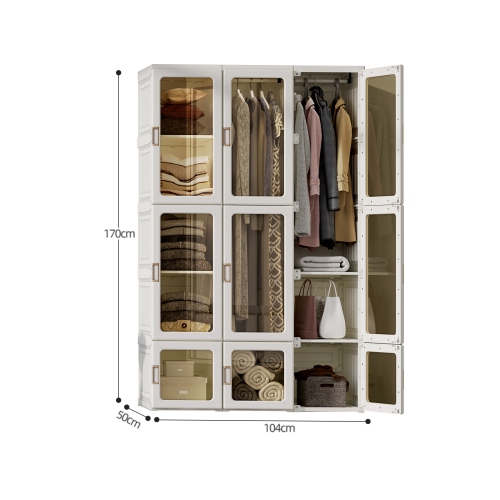
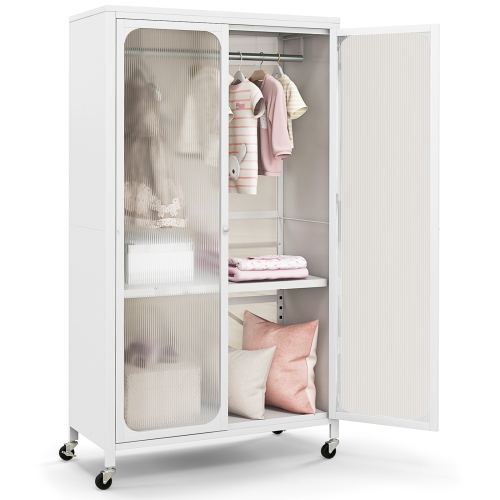
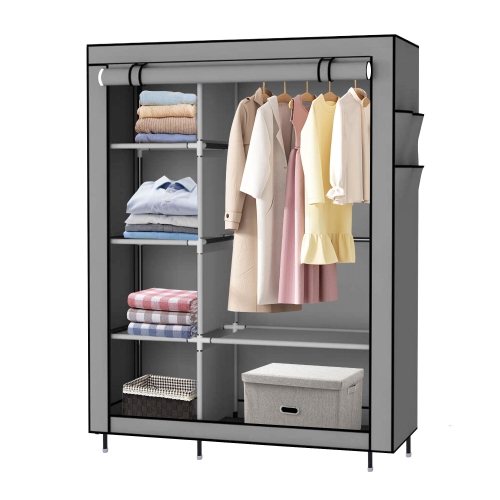
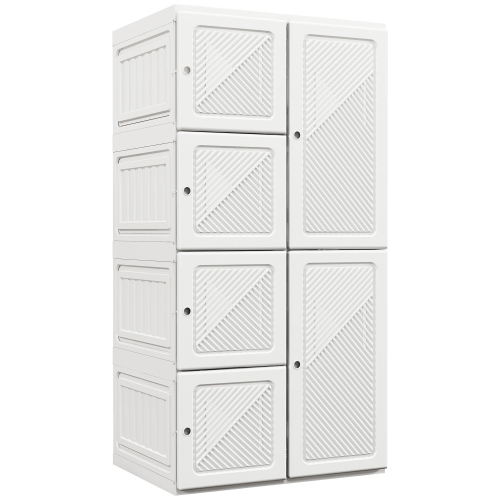
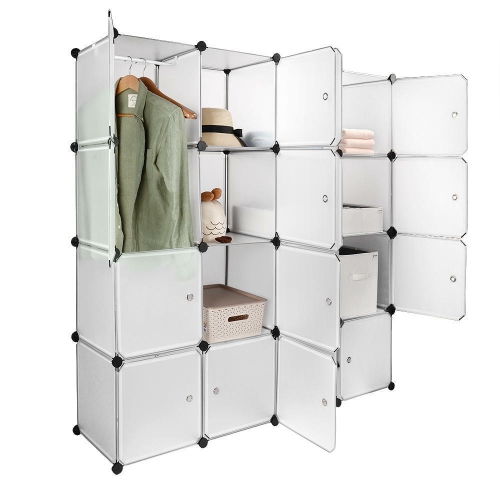
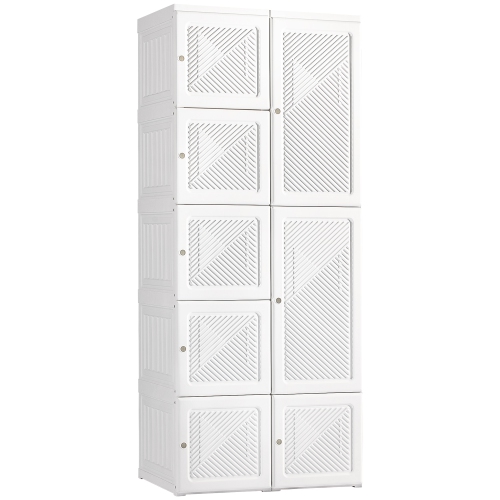
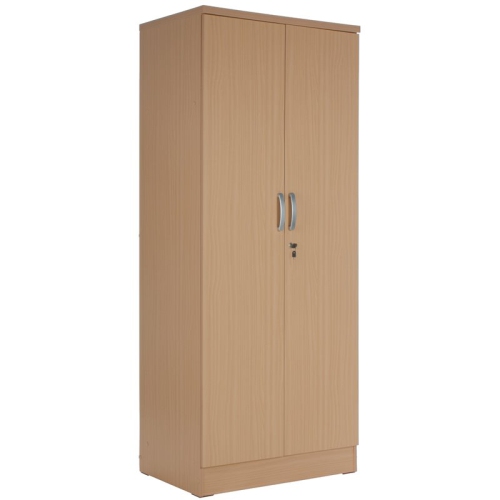
Well-spaced shelves make folded essentials easier to reach
Closet shelves turn the open space inside a wardrobe into useful storage for folded clothing, bedding, footwear, and everyday accessories. Rather than leaving everything on hangers or in a tall pile on the floor, shelving creates separate levels that make belongings easier to see and reach. A shelf above a hanging rail can hold spare blankets or less frequently used bags, while a series of lower shelves gives sweaters, jeans, and towels a place of their own. The main distinctions between closet shelves are their material, dimensions, mounting method, and supported weight. Solid shelves provide a continuous surface for neatly folded garments and smaller belongings; wire shelves have an open structure that allows air to circulate around stored contents. Wood, melamine-faced panels, and coated steel each suit different storage needs and interior finishes. In a bedroom wardrobe, a smooth, solid shelf can keep a stack of fine knits level without leaving impressions from an open grid. In a hallway closet, coated wire shelving can provide a practical place for baskets, hats, and spare linens, provided the spacing suits what is being stored. Shelving also helps shared closets feel less crowded by giving each person a defined section rather than a single mixed stack. For families, reachable shelves can make it easier for children to put away their own clothing, while adults may prefer to keep occasional-use belongings higher up. During the cooler months, space for thicker sweaters, scarves, and extra bedding can be particularly useful. The aim is not necessarily to add as many shelves as possible: enough clearance to lift out a folded blanket or remove a basket comfortably often makes storage more usable than tightly packed compartments. A well-proportioned arrangement leaves room for both the contents and the small movements involved in putting them away.
Material and construction influence how a closet shelf looks, feels, and performs over time. Solid wood has a natural grain and can bring warmth to an open wardrobe, although its care requirements depend on the finish, and changes in humidity may affect it. Melamine-faced shelving typically has a smooth surface over a manufactured wood core, making it easy to wipe away ordinary dust and helping folded fabrics slide into place. Its edges and any exposed core need protection from lingering moisture, especially where damp footwear or recently washed belongings might be nearby. Wire shelving is commonly made from steel with a protective coating, though the coating and construction vary. The open grid reduces the broad horizontal surface on which dust can settle, but closely spaced supports or a compatible liner may be useful for small objects that would otherwise sit unevenly. Shelf thickness, span, bracket spacing, and the supporting structure all matter when considering durability. A long shelf carrying several stacks of heavy bedding needs appropriate support; material alone does not establish how much weight an installed shelf can safely hold. The manufacturer's load rating and installation requirements are more useful than judging strength by appearance. Weight limits may also assume an evenly distributed load rather than one heavy object placed in the centre. For everyday care, a soft cloth and a cleaning method suited to the finish help remove dust without scratching the surface or damaging the coating. Spills should be dried promptly, and clothing should be fully dry before being put away. Occasional checks for loose fittings, damaged edges, or changes in shelf alignment can help identify wear before it affects everyday use. In a busy household, gently rounded or properly finished edges are also worth noting because bags, sleeves, and folded textiles repeatedly pass over the front of each shelf. These details contribute to storage that stays comfortable to use, not simply tidy at first glance.
Fit involves more than the wall-to-wall width of a closet. Shelf depth affects whether doors close properly, hanging clothes have enough clearance, and belongings at the back remain accessible. A deep shelf may suit bulky bedding, but smaller folded garments can disappear behind a front row if the space is difficult to reach. Door tracks, hinges, skirting boards, hanging rails, and uneven corners can all influence the usable dimensions. In a freestanding wardrobe, replacement or additional shelves need to match the cabinet's internal measurements and support system; a panel with approximately the right width is not necessarily compatible with its shelf pins or fittings. Wall-mounted closet shelves depend on brackets, tracks, anchors, or other hardware appropriate to both the shelf and the wall construction. Adjustable systems offer flexibility when storage needs change, allowing space once used for short stacks of clothing to accommodate taller baskets or bulkier linens. Fixed shelving can provide a straightforward layout when the intended contents are unlikely to change. No-drill designs may be useful in some spaces, but their suitability still depends on the supporting surfaces, dimensions, and stated capacity. Renters also need to consider the conditions of their tenancy before making permanent changes. Related shelving for storage outside a closet can be explored through Tablette Murale, while wardrobe interiors call for particular attention to door clearance and access around clothing. For a compact bedroom, shelves positioned beside a hanging section can keep folded essentials close at hand without taking up additional floor space. In a linen closet, spacing that accommodates a complete folded towel stack makes daily routines simpler. In a shared entryway, separate levels can keep gloves and hats from getting mixed together. People settling into a first apartment, reorganizing a family home, or adapting a spare room for guests may all benefit from shelving matched to the way the space is actually used. The most practical arrangement balances accessible everyday storage with room for less frequently needed belongings, giving each shelf a clear purpose without making the closet feel difficult to navigate.
Material and construction influence how a closet shelf looks, feels, and performs over time. Solid wood has a natural grain and can bring warmth to an open wardrobe, although its care requirements depend on the finish, and changes in humidity may affect it. Melamine-faced shelving typically has a smooth surface over a manufactured wood core, making it easy to wipe away ordinary dust and helping folded fabrics slide into place. Its edges and any exposed core need protection from lingering moisture, especially where damp footwear or recently washed belongings might be nearby. Wire shelving is commonly made from steel with a protective coating, though the coating and construction vary. The open grid reduces the broad horizontal surface on which dust can settle, but closely spaced supports or a compatible liner may be useful for small objects that would otherwise sit unevenly. Shelf thickness, span, bracket spacing, and the supporting structure all matter when considering durability. A long shelf carrying several stacks of heavy bedding needs appropriate support; material alone does not establish how much weight an installed shelf can safely hold. The manufacturer's load rating and installation requirements are more useful than judging strength by appearance. Weight limits may also assume an evenly distributed load rather than one heavy object placed in the centre. For everyday care, a soft cloth and a cleaning method suited to the finish help remove dust without scratching the surface or damaging the coating. Spills should be dried promptly, and clothing should be fully dry before being put away. Occasional checks for loose fittings, damaged edges, or changes in shelf alignment can help identify wear before it affects everyday use. In a busy household, gently rounded or properly finished edges are also worth noting because bags, sleeves, and folded textiles repeatedly pass over the front of each shelf. These details contribute to storage that stays comfortable to use, not simply tidy at first glance.
Fit involves more than the wall-to-wall width of a closet. Shelf depth affects whether doors close properly, hanging clothes have enough clearance, and belongings at the back remain accessible. A deep shelf may suit bulky bedding, but smaller folded garments can disappear behind a front row if the space is difficult to reach. Door tracks, hinges, skirting boards, hanging rails, and uneven corners can all influence the usable dimensions. In a freestanding wardrobe, replacement or additional shelves need to match the cabinet's internal measurements and support system; a panel with approximately the right width is not necessarily compatible with its shelf pins or fittings. Wall-mounted closet shelves depend on brackets, tracks, anchors, or other hardware appropriate to both the shelf and the wall construction. Adjustable systems offer flexibility when storage needs change, allowing space once used for short stacks of clothing to accommodate taller baskets or bulkier linens. Fixed shelving can provide a straightforward layout when the intended contents are unlikely to change. No-drill designs may be useful in some spaces, but their suitability still depends on the supporting surfaces, dimensions, and stated capacity. Renters also need to consider the conditions of their tenancy before making permanent changes. Related shelving for storage outside a closet can be explored through Tablette Murale, while wardrobe interiors call for particular attention to door clearance and access around clothing. For a compact bedroom, shelves positioned beside a hanging section can keep folded essentials close at hand without taking up additional floor space. In a linen closet, spacing that accommodates a complete folded towel stack makes daily routines simpler. In a shared entryway, separate levels can keep gloves and hats from getting mixed together. People settling into a first apartment, reorganizing a family home, or adapting a spare room for guests may all benefit from shelving matched to the way the space is actually used. The most practical arrangement balances accessible everyday storage with room for less frequently needed belongings, giving each shelf a clear purpose without making the closet feel difficult to navigate.
Top selling and popular products
-
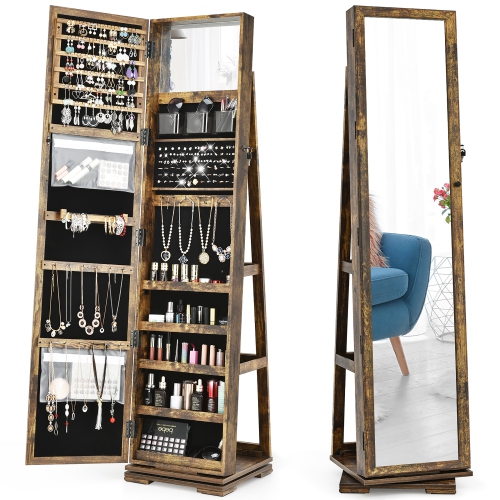 Your price for this item is $224.99
 -
 Your price for this item is $289.99
 -
 Your price for this item is $169.99
 -
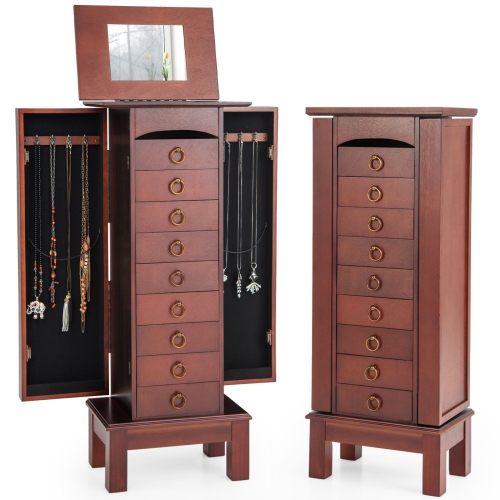 Your price for this item is $199.99
 -
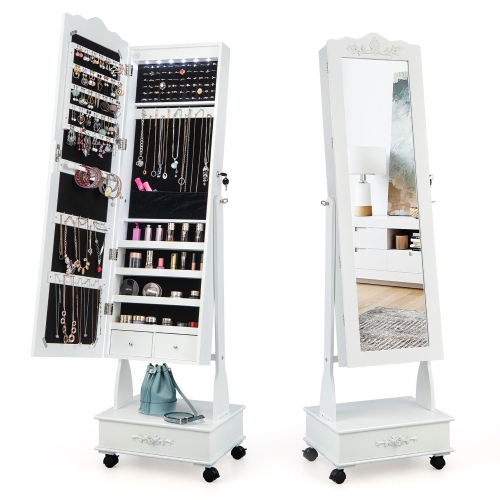 Your price for this item is $189.99
 -
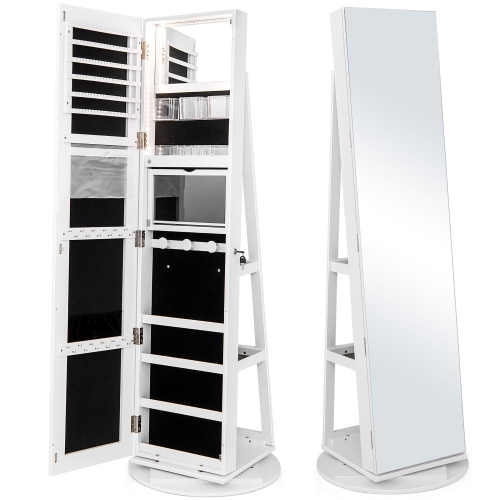 Your price for this item is $199.99
 -
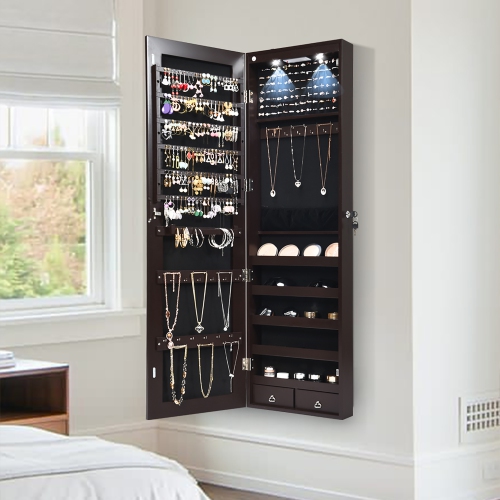 Your price for this item is $169.99
 -
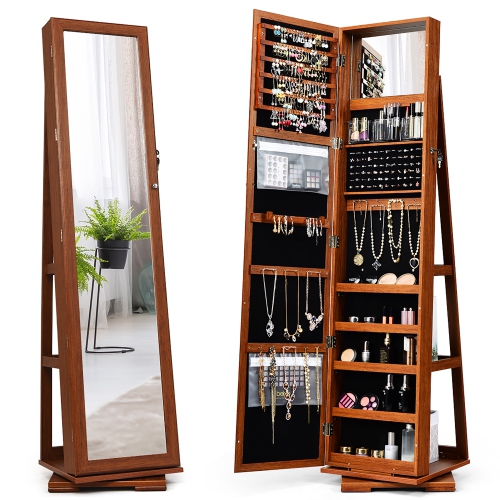 Your price for this item is $229.99
Discover more categories related to Tablette Garde Robe

Top Collections:
Pokemon Centers, Kindle Devices, Best Budget Office Chairs, Apple iPhones 16, Best Laptops for Writers, iPhone 15 Apple, Canon G7X Cameras, Refurbished Apple Laptops, Alarm Clock, Motorola Razr Phones
Some products may be subject to Environmental Handling Fees
(EHF) depending on your province.
Learn more about EHFs.