Through the Wall Air Conditioners for Large Rooms

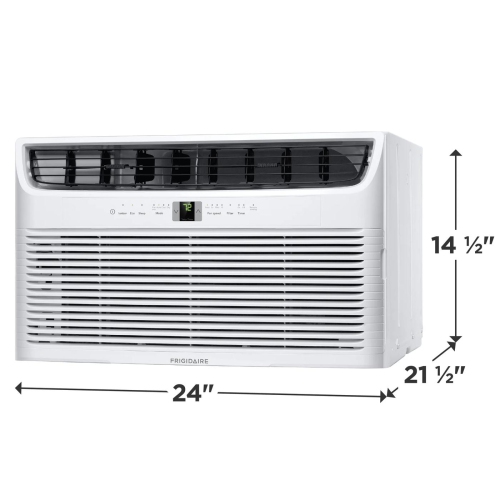
Through-the-wall air conditioners for large rooms offer a fixed cooling option without occupying a window. Browse units with your room’s square footage in mind, and compare cooling capacity, wall sleeve dimensions, and electrical requirements to find a suitable fit for your space and installation.
Read More

Sort

Through the Wall Air Conditioners for Large Rooms
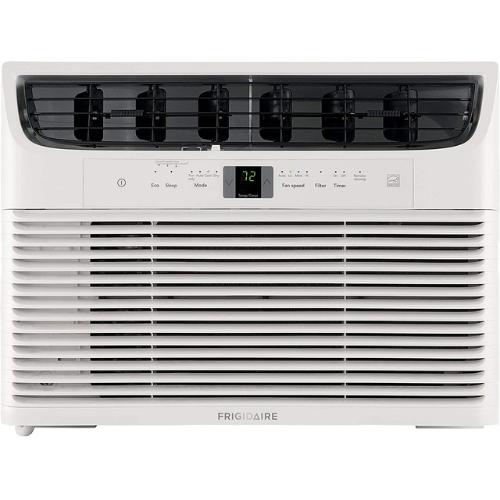
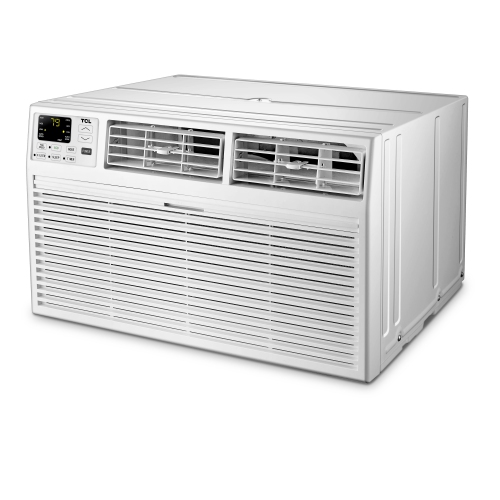
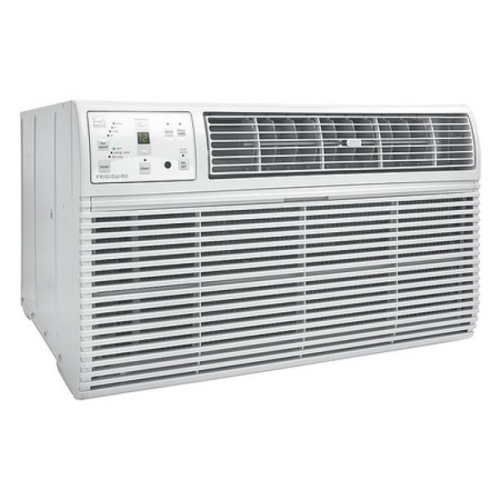
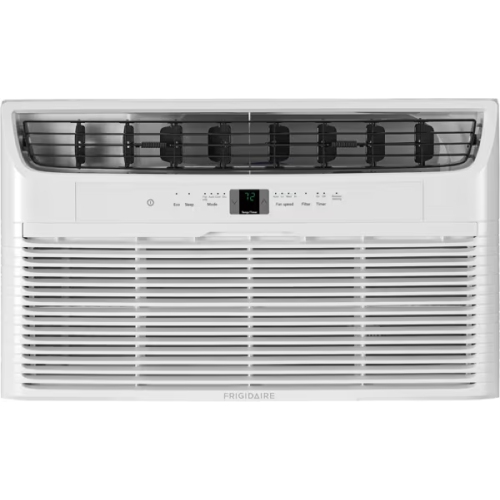
Through the Wall Air Conditioners for Large Rooms offer a dedicated cooling option for spacious living rooms, open-plan dining areas, and larger bedrooms where summer heat tends to linger. Installed through an exterior wall in a compatible sleeve, these units leave the window free for daylight and the view outside, while keeping floor space clear of a portable unit and its exhaust hose. That can make a noticeable difference in a busy family room, where furniture, toys, and everyday foot traffic already compete for space. Picture a sunny living area that feels comfortable for an afternoon of reading, then stays inviting when everyone gathers for a film in the evening. Choosing the right cooling capacity is central to that comfort. Look at each unit’s rated room coverage and cooling output in BTUs, then consider ceiling height, afternoon sun, insulation, and how openly the room connects to adjoining spaces. A large room with tall ceilings and west-facing windows may have different cooling needs from a similarly sized room on a shaded lower floor. More power is not automatically better: an oversized unit may cool too quickly to remove enough moisture, while an undersized one may struggle to reach the set temperature.
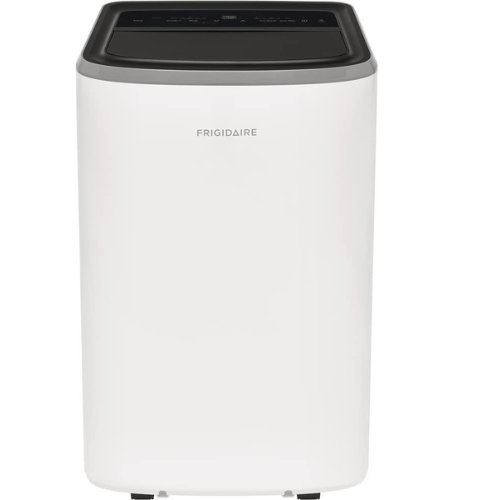
Fit and installation deserve just as much attention as cooling capacity, particularly when replacing an older through-the-wall air conditioner. Measure the existing wall opening and sleeve, but do not rely on dimensions alone; sleeve compatibility, ventilation clearances, and the manufacturer’s installation requirements all matter. Some models require a specific sleeve, and the sleeve may be sold separately. Window air conditioners and through-the-wall models are not automatically interchangeable, since their airflow paths and mounting requirements can differ. For a new installation, a qualified professional can assess the wall location, structural considerations, weather sealing, drainage, and any electrical work needed. Check the unit’s voltage, plug type, and circuit requirements before buying, rather than assuming the nearest outlet will be suitable. Renters and condo owners should also confirm that building rules allow an exterior-wall installation and obtain any required approvals. Getting these details settled early helps avoid the frustration of having a new air conditioner arrive only to discover that the opening, sleeve, or electrical supply needs additional work.

Everyday features help distinguish units that look similar on paper. In a large bedroom, published sound ratings, sleep settings, and the ability to dim display lights may matter more than a long list of controls. In a living room, adjustable louvers, multiple fan speeds, and a remote control can make it easier to direct air where people sit without sending a cold stream straight at the sofa. A programmable timer lets you schedule operation around your routine, while models with Wi-Fi connectivity may offer convenient app-based adjustments. Check the available settings on each model, including whether it provides a separate dehumidifying mode for muggy days. Easy-to-access, washable filters are also worth looking for, especially in rooms that see plenty of daily use; keeping filters clean according to the manufacturer’s instructions helps maintain airflow. Compare published energy-use information alongside cooling performance and noise levels to find a balance that suits your household. Whether you are outfitting a shared living space, replacing an ageing unit, or helping a family member make a large bedroom more comfortable, the best fit is one that matches the room, the installation, and the way the space is used.

Read More

FAQ

Some products may be subject to Environmental Handling Fees (EHF) depending on your province. Learn more about EHFs.