24V Ride On Toys
Explore the exciting world of 24V ride-on toys at Best Buy! These high-powered electric vehicles are perfect for little adventurers who crave thrilling outdoor experiences. From mini cars to rugged trucks, our selection of 24V ride-on toys offers a wide range of options to suit almost every child's taste and preference. With their realistic features, sturdy construction, and easy-to-use controls, these toys provide endless hours of fun and imaginative play. Whether your little one dreams of cruising around the neighborhood or embarking on thrilling off-road adventures, our collection of 24V ride-on toys is sure to delight both kids and parents alike.
Sort
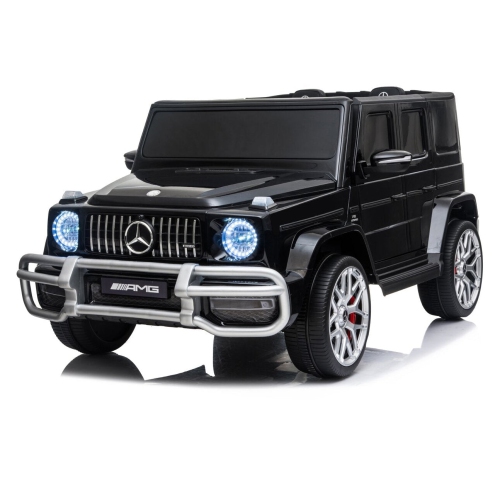
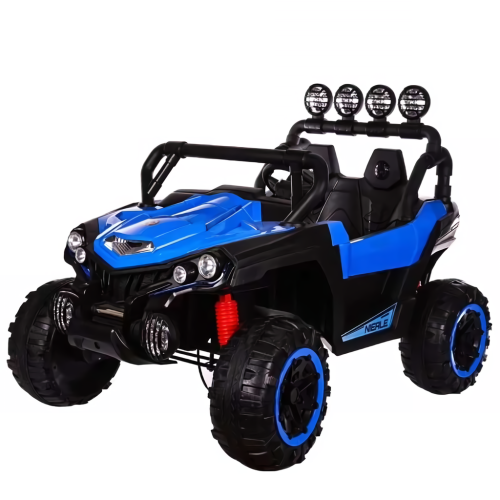
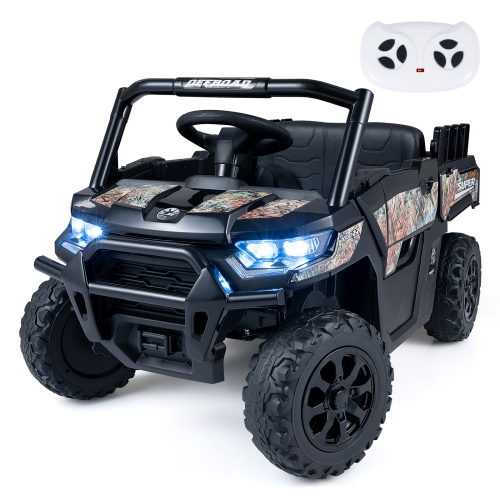
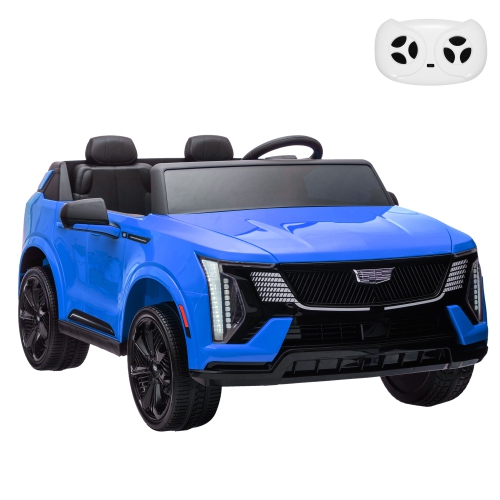
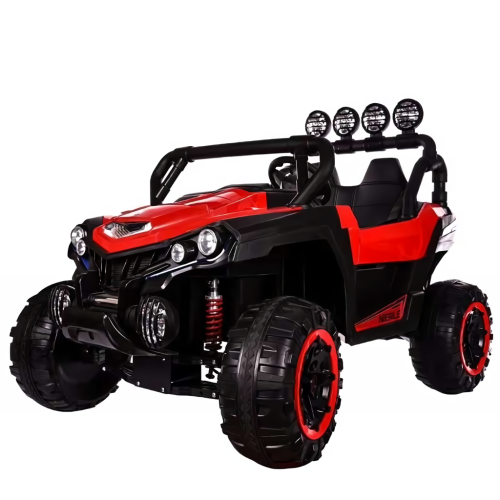
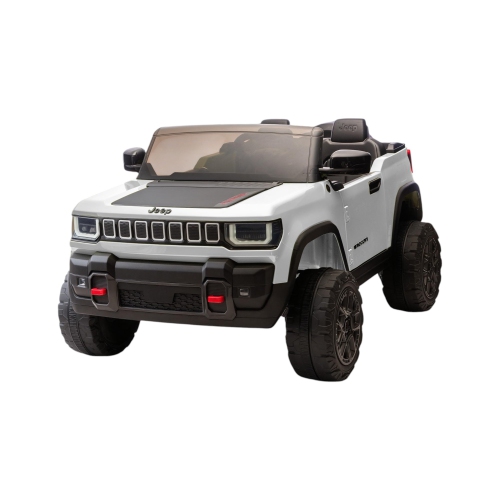
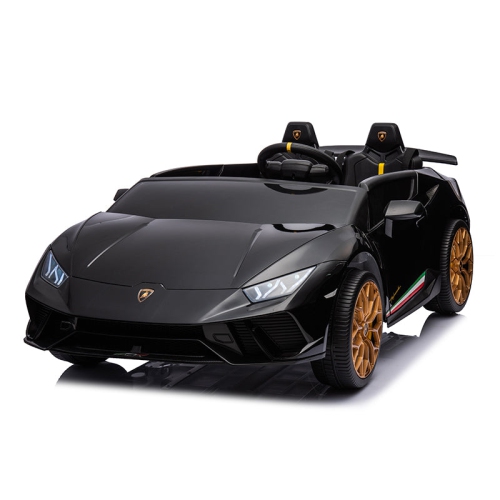
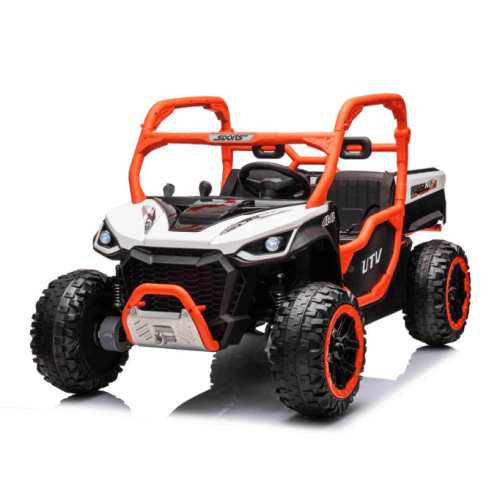
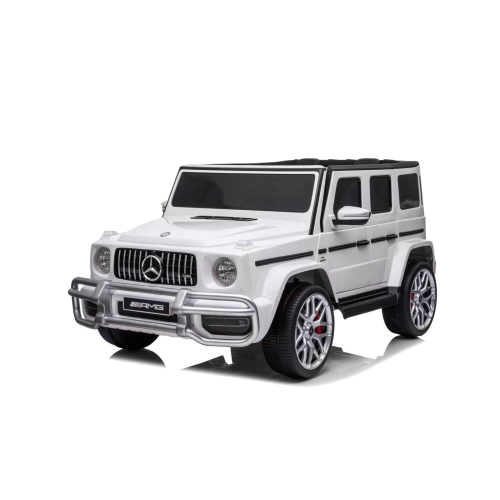
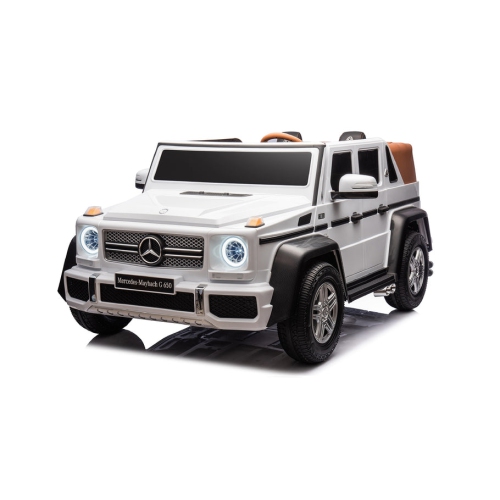
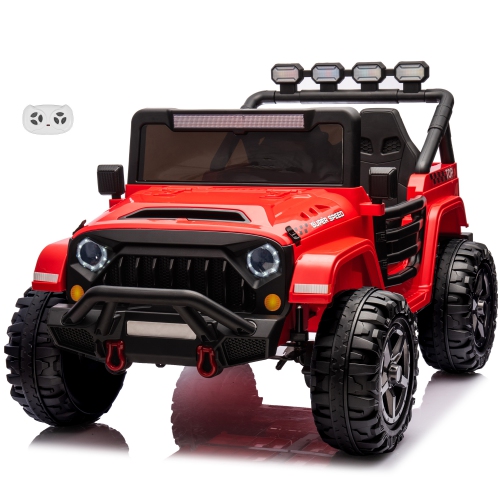
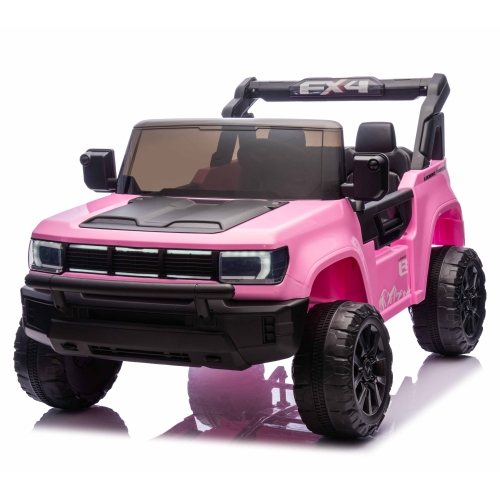
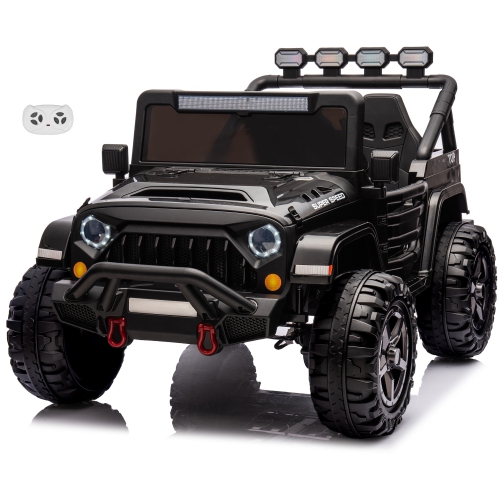
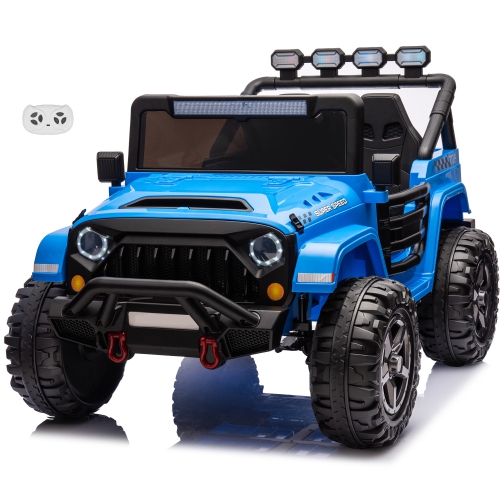
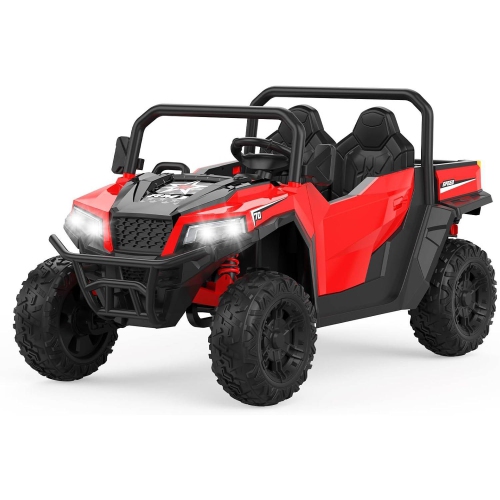
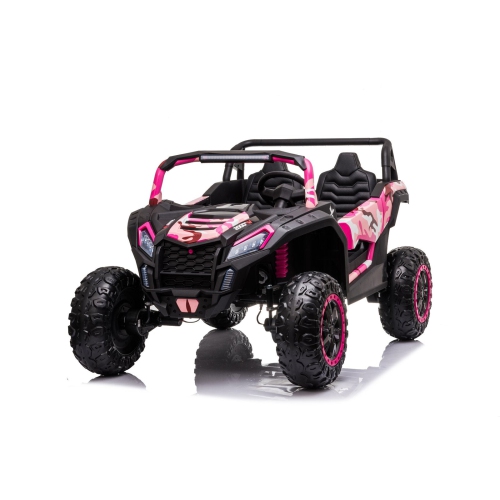
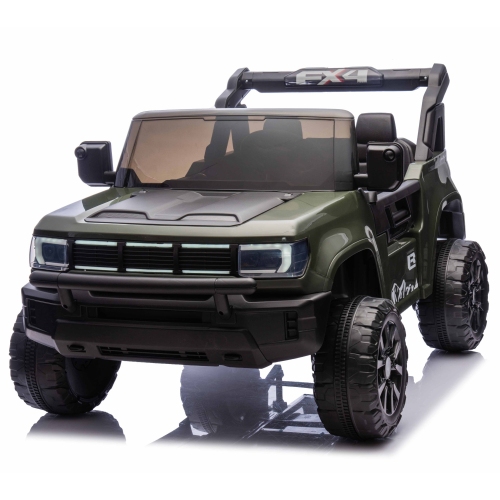
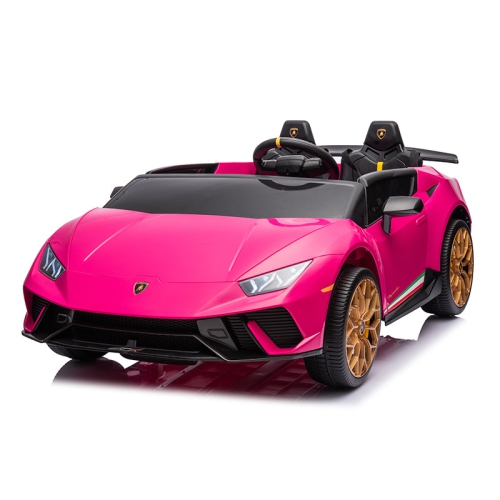
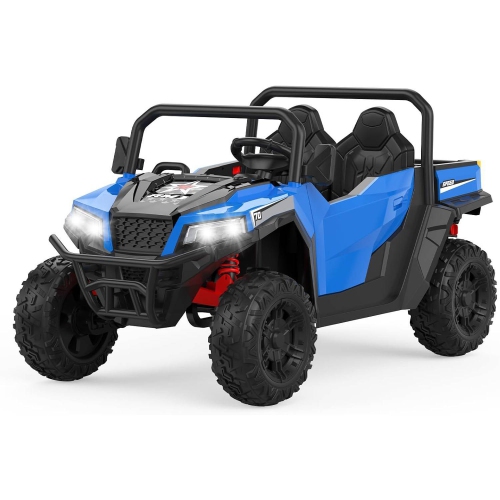
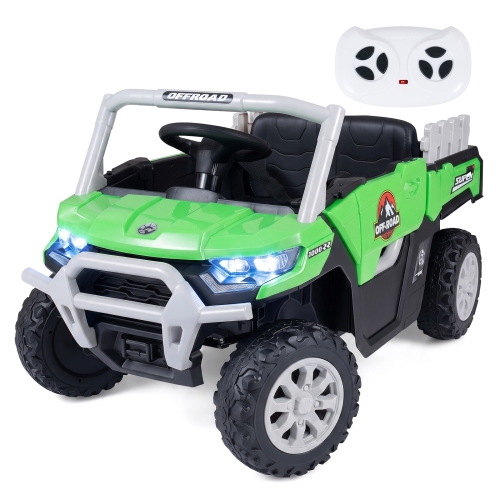
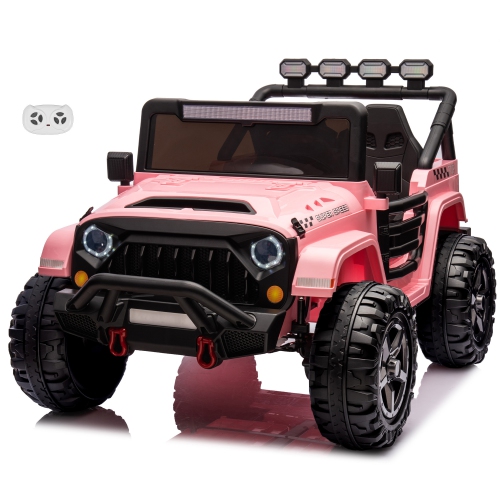
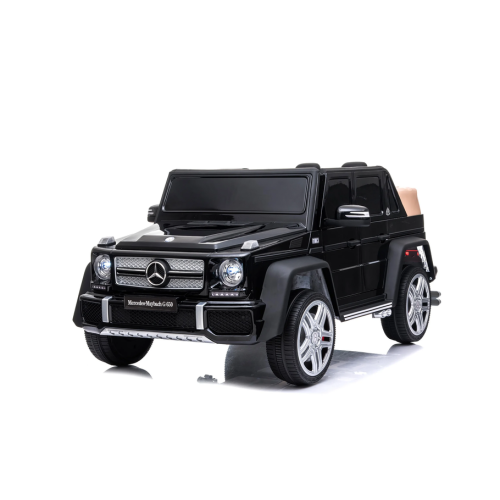
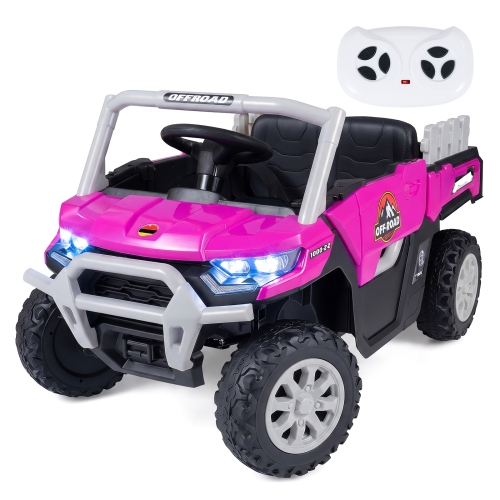
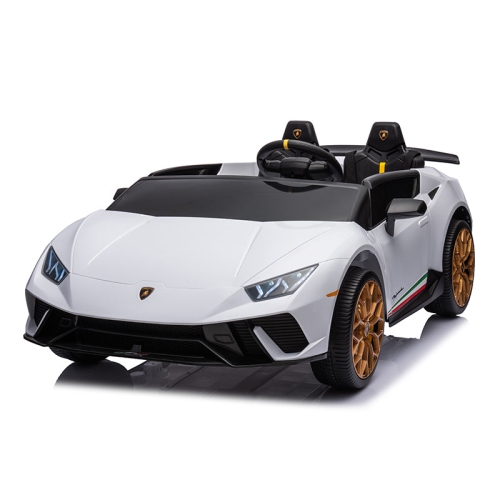
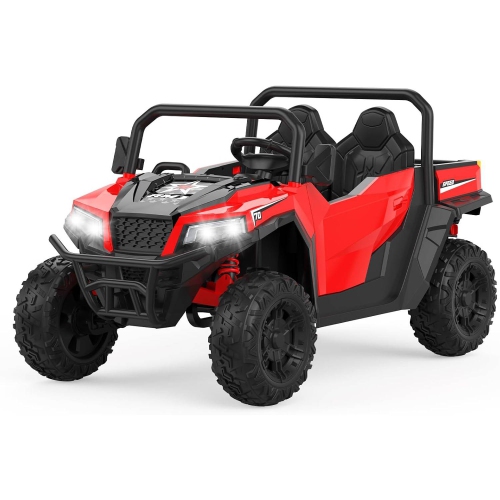
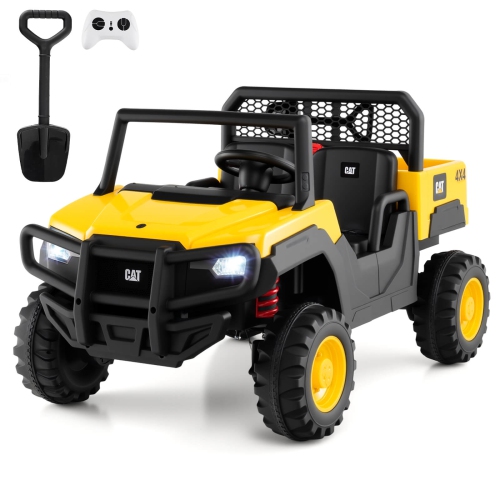
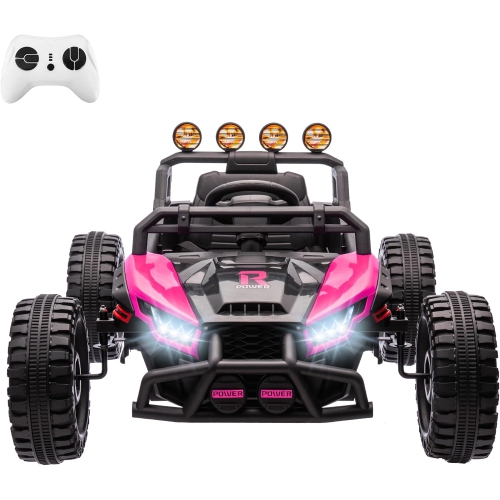
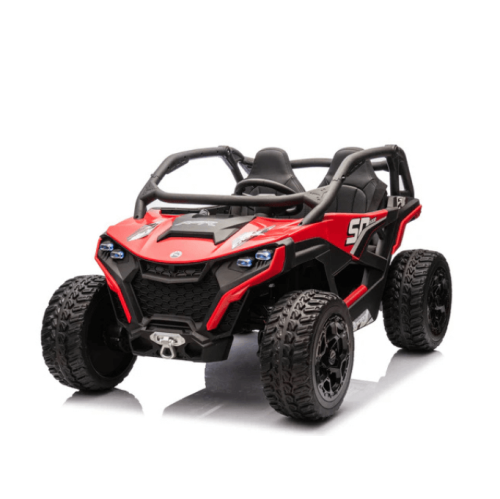
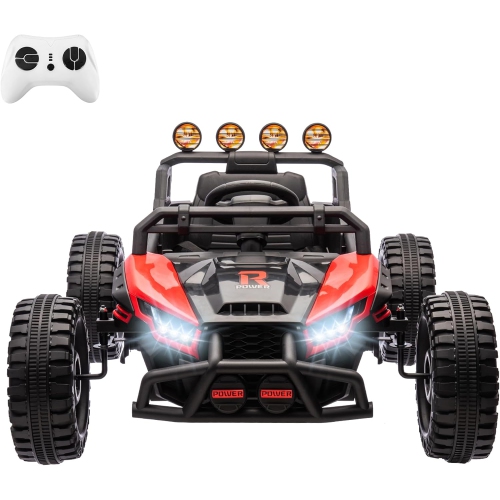
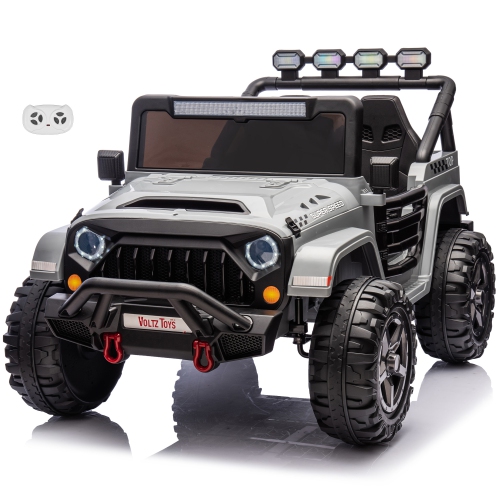
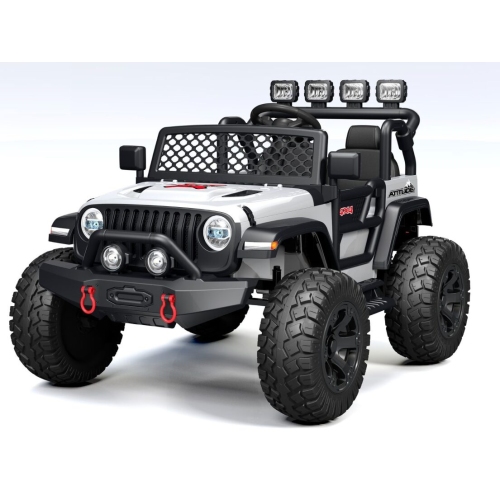
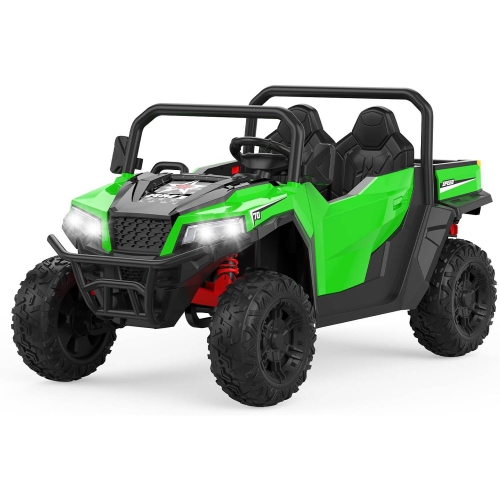
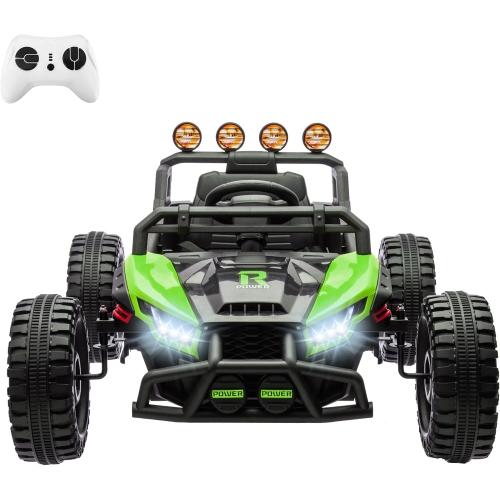
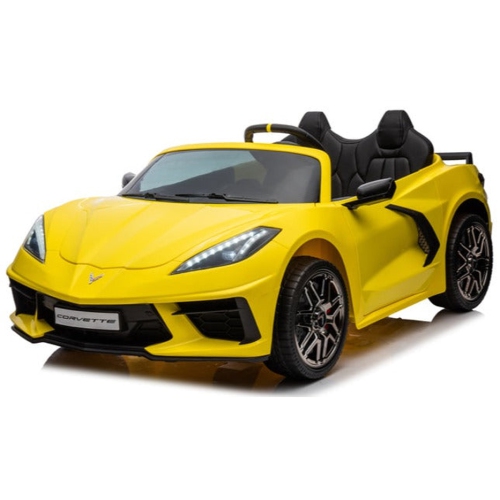
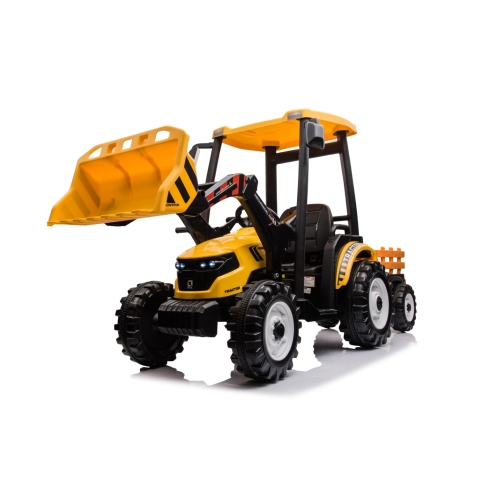
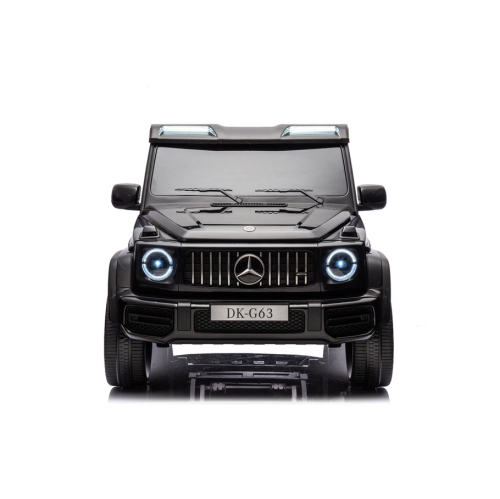
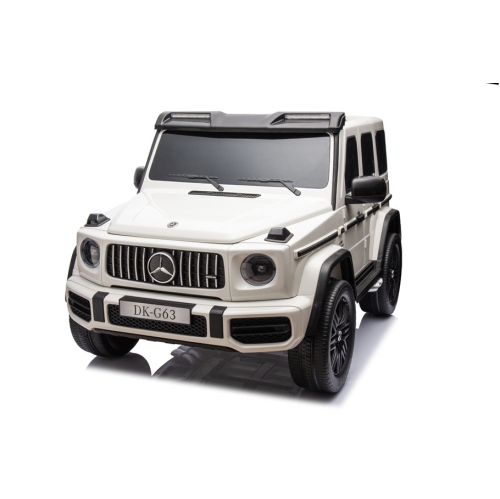
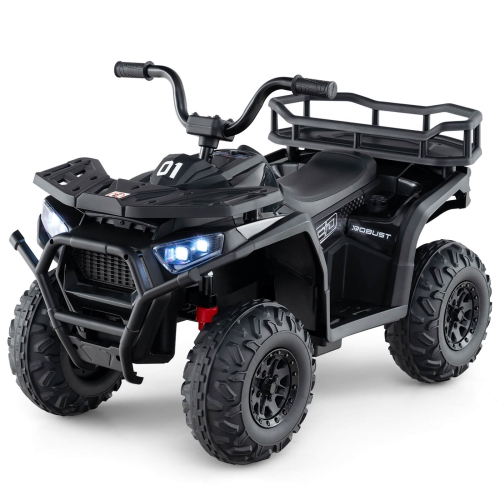
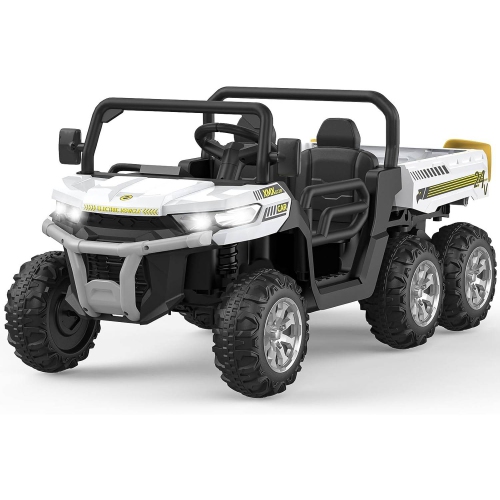
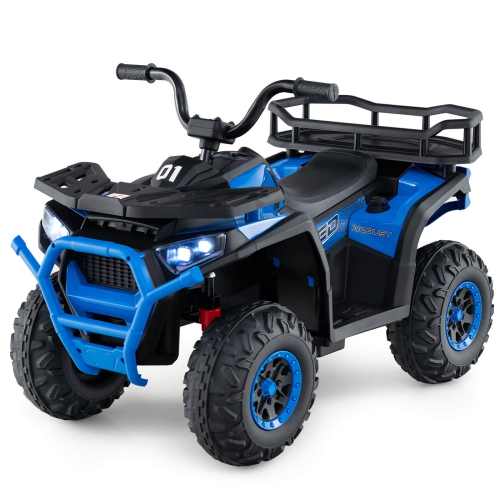
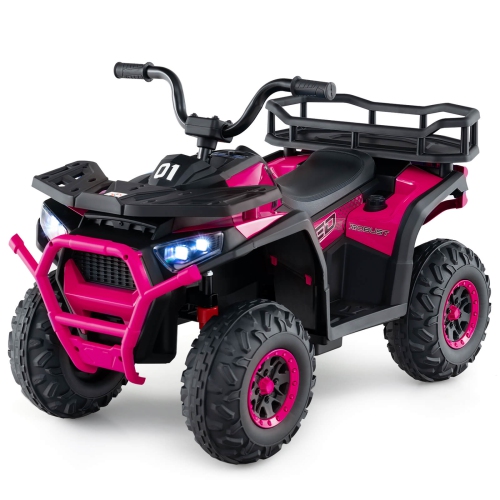
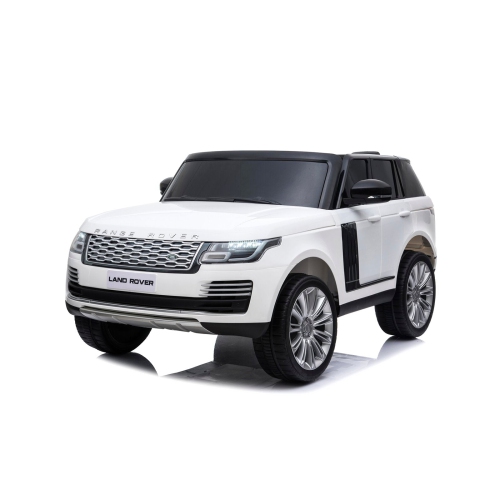
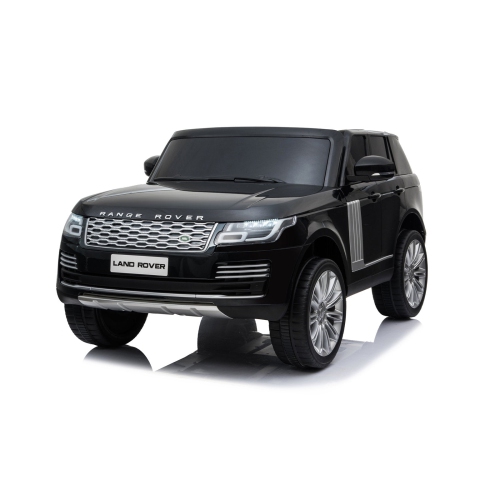
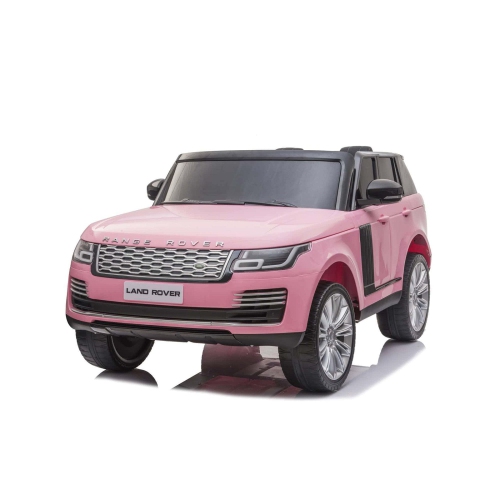
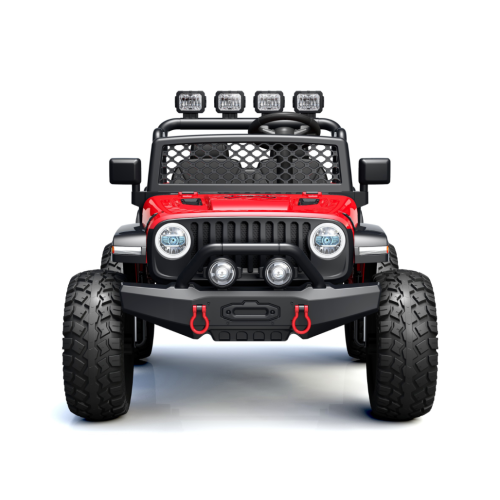
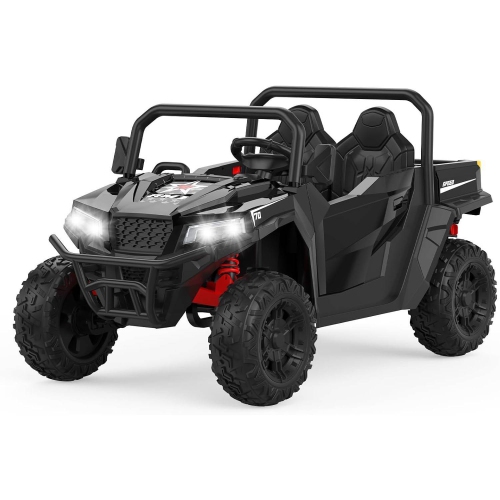
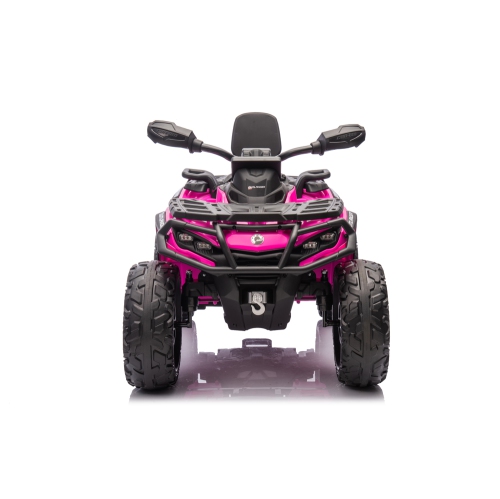

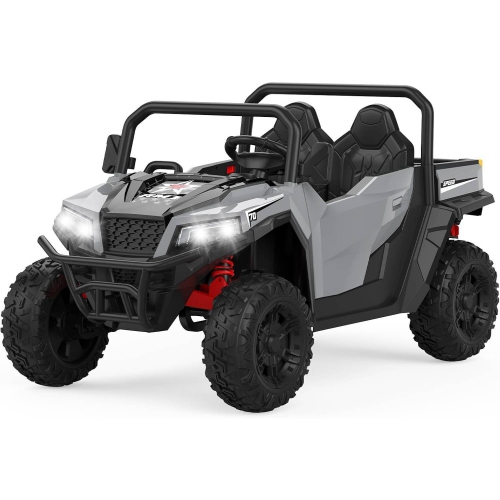
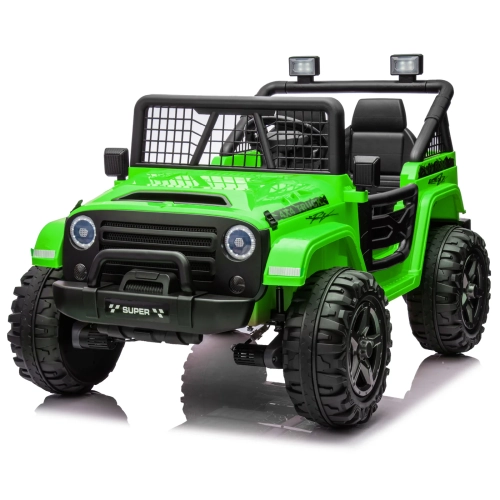
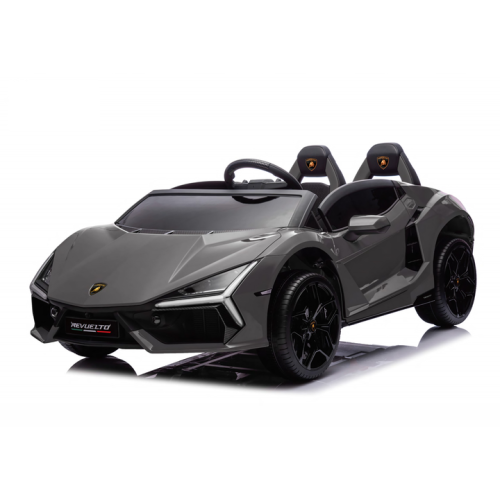
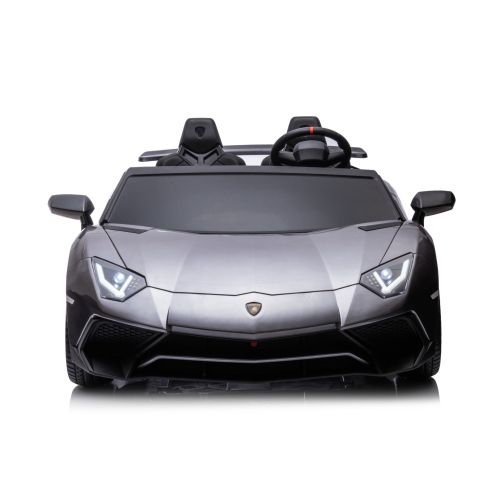
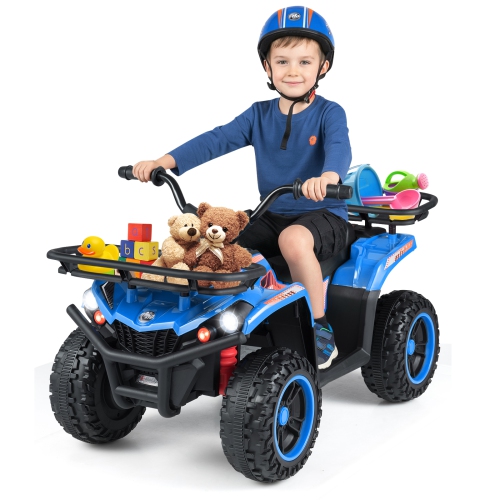
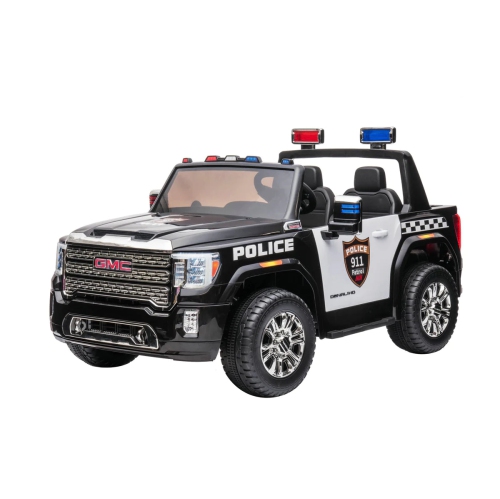
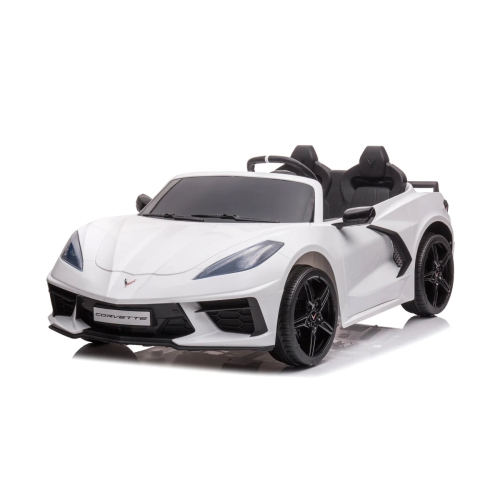
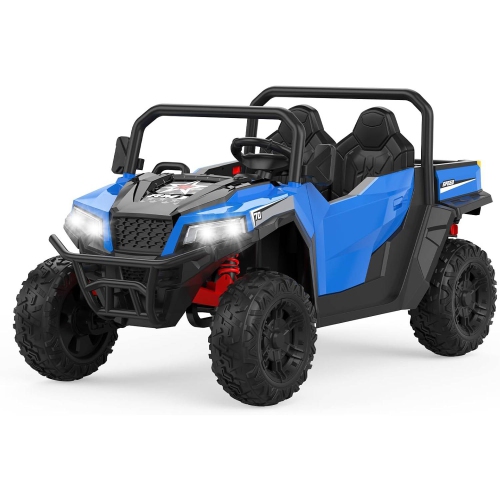
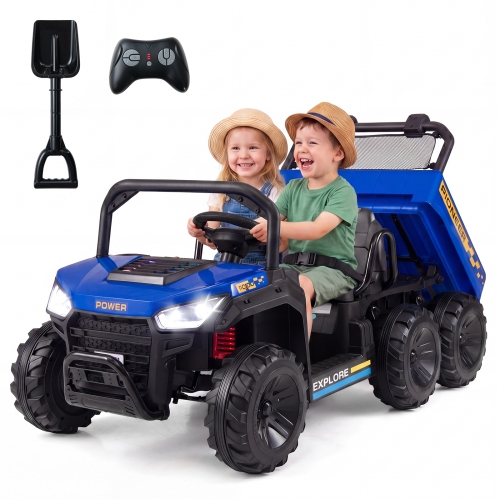
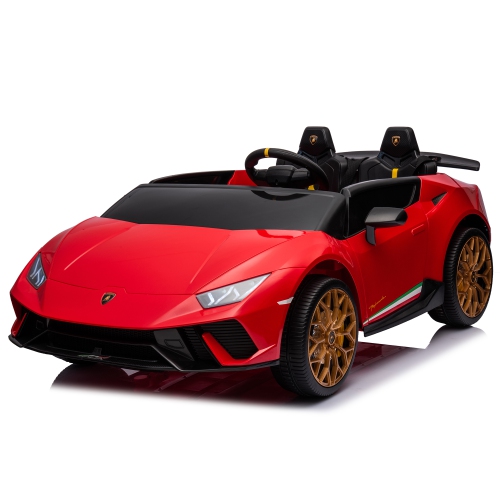
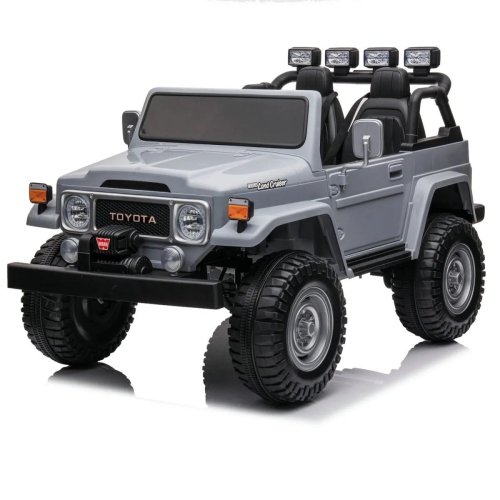
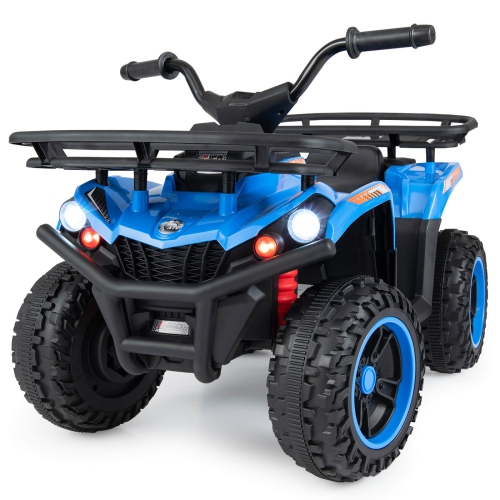
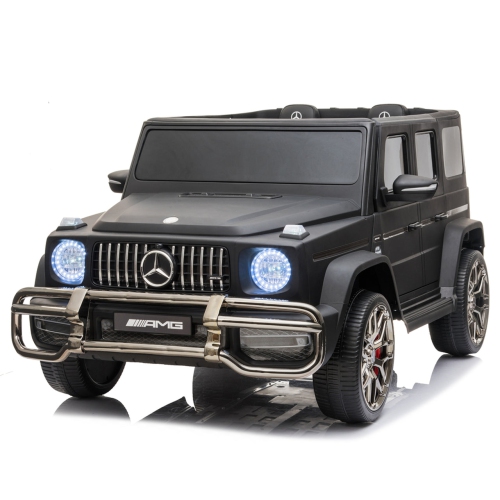
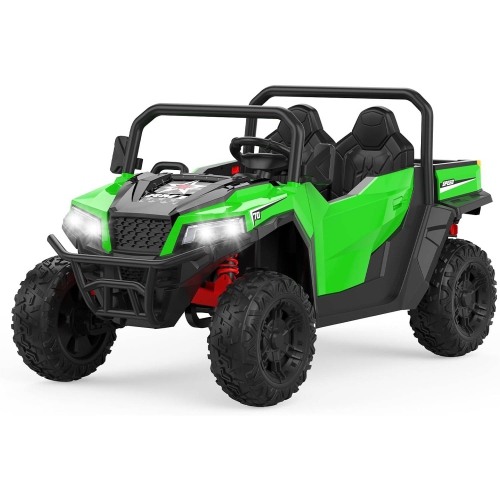
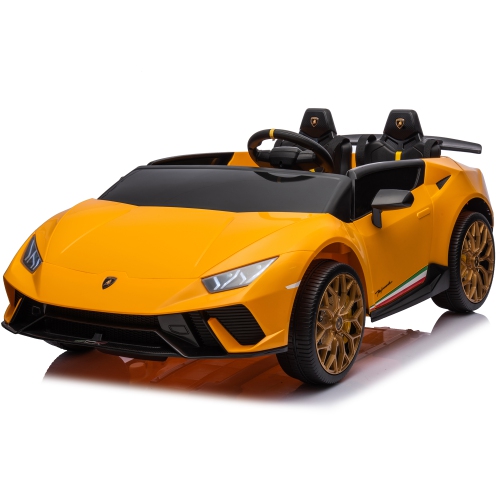
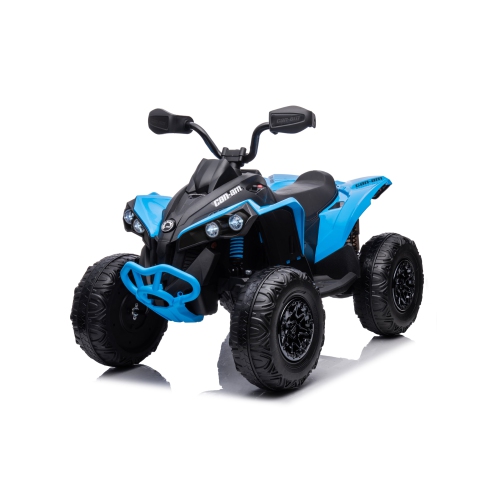
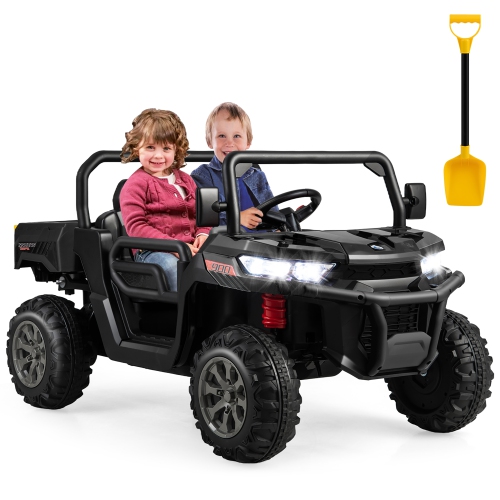
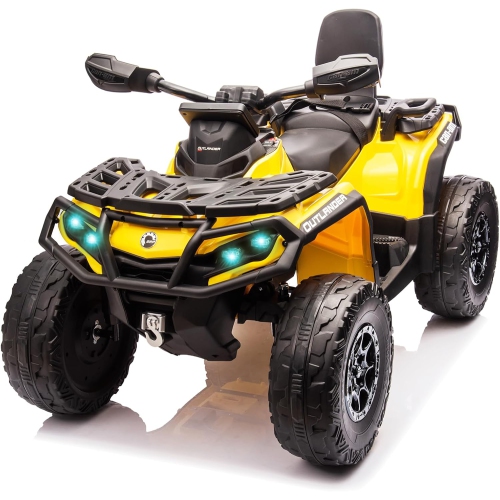
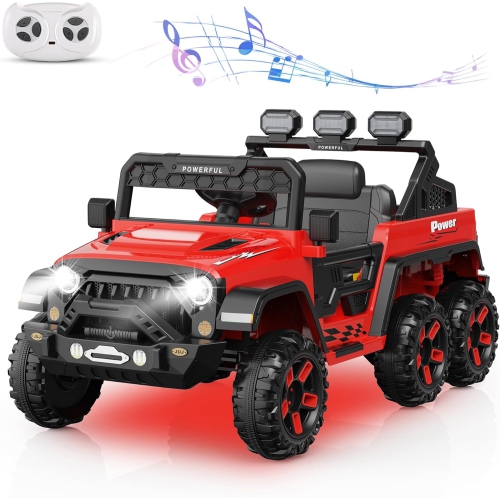
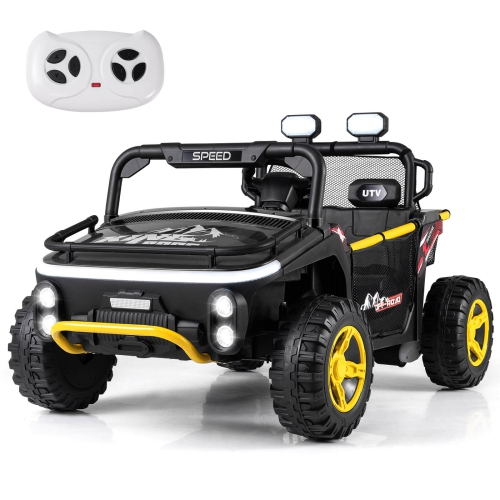

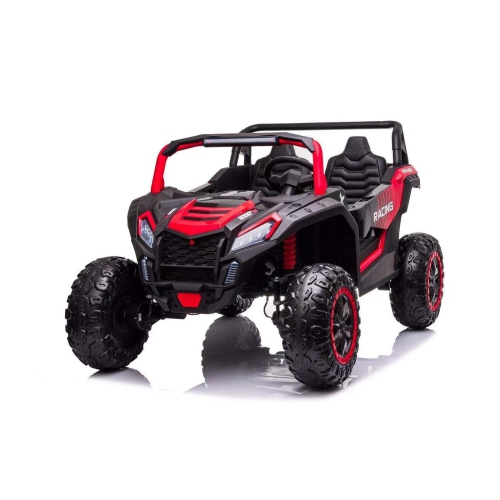
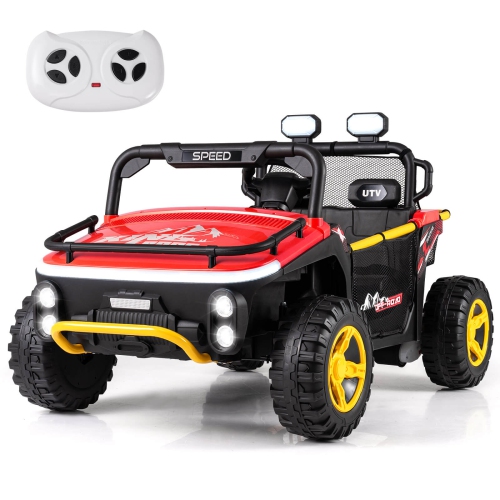
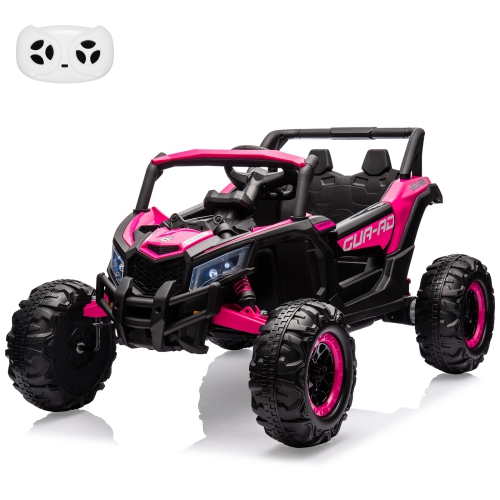
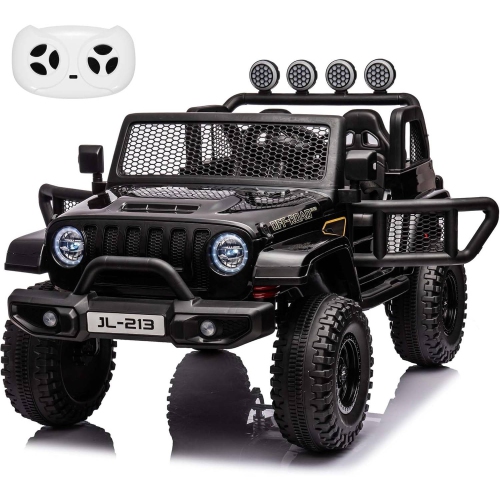
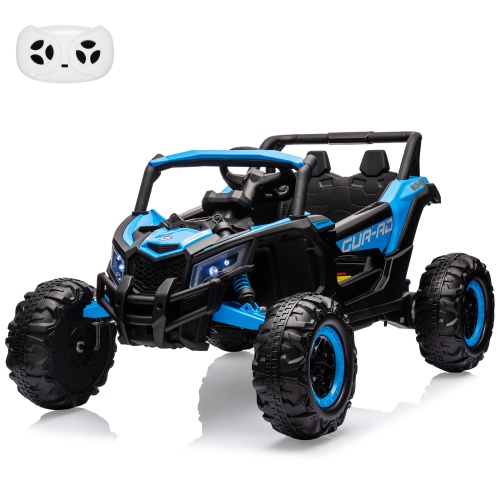
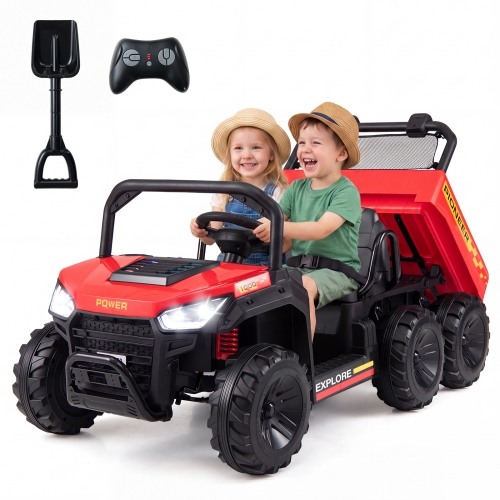
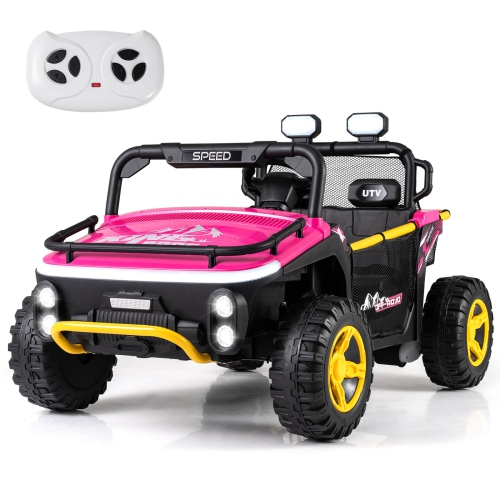
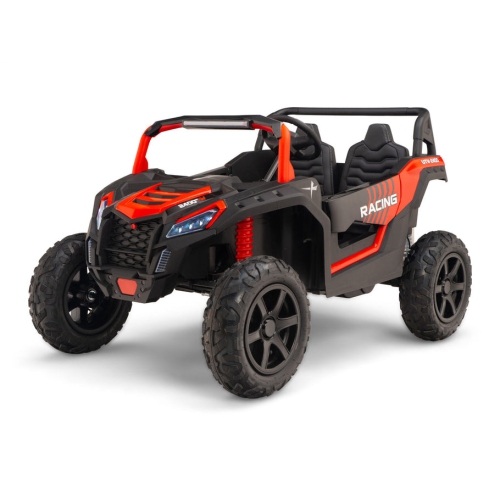
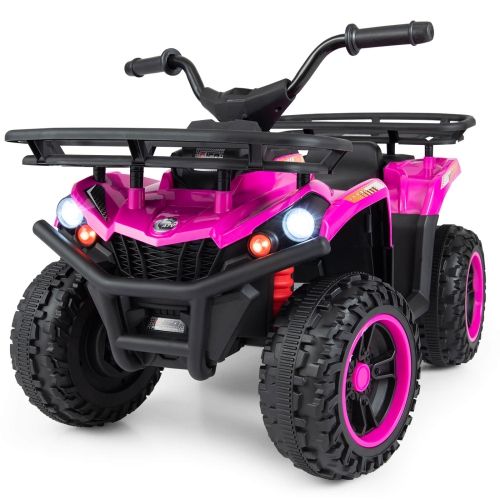
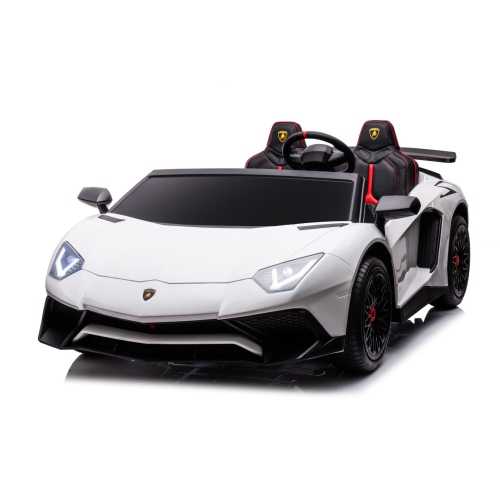
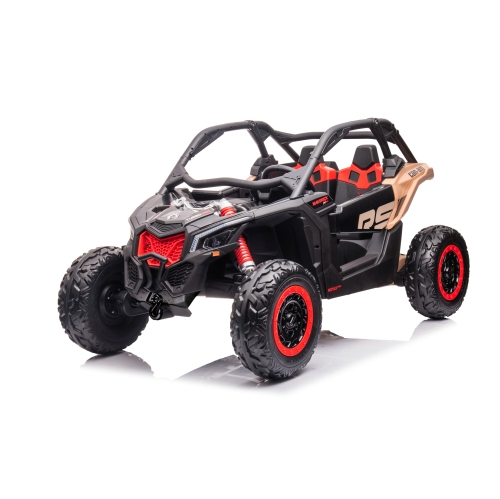
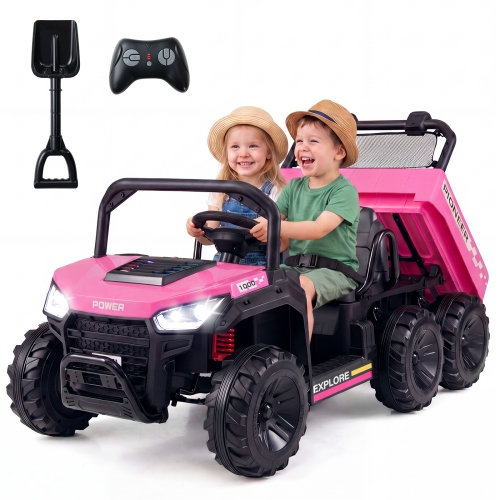
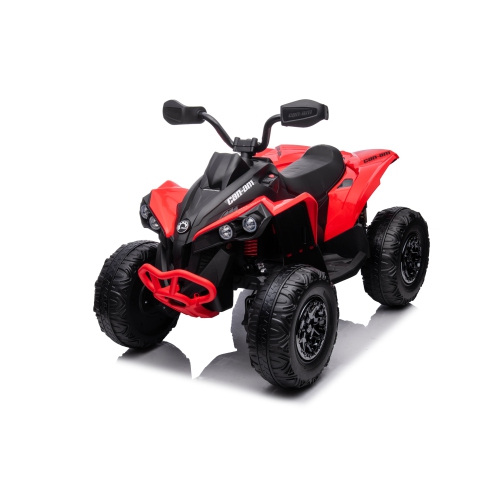
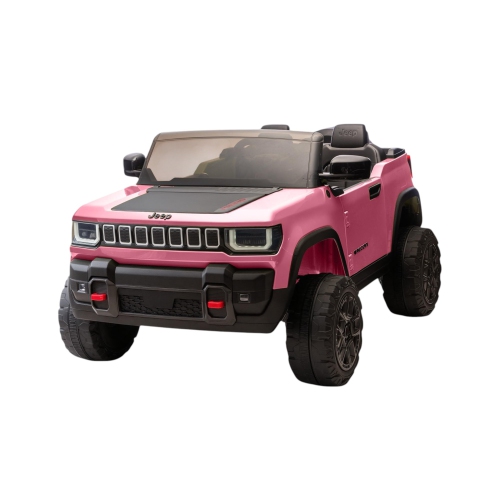
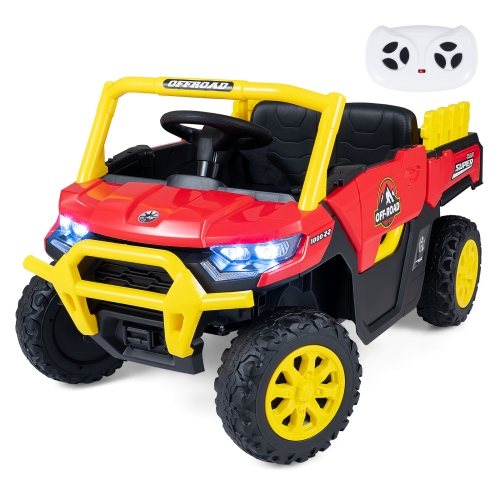
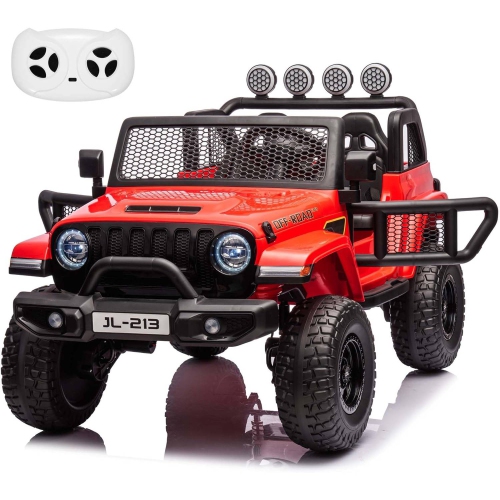
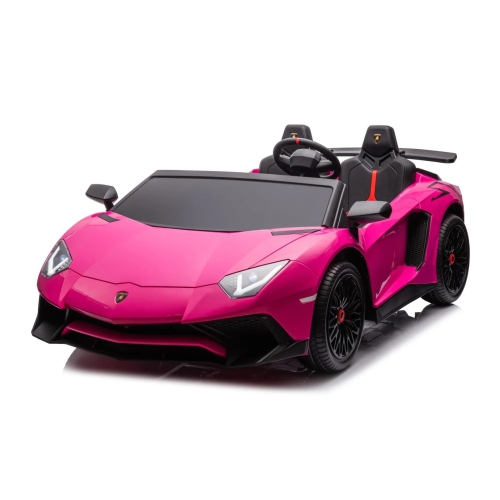
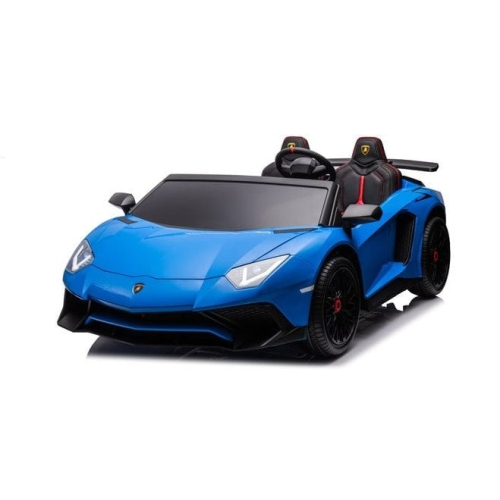
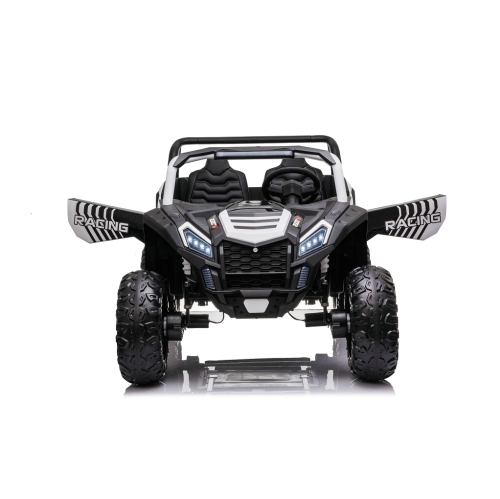
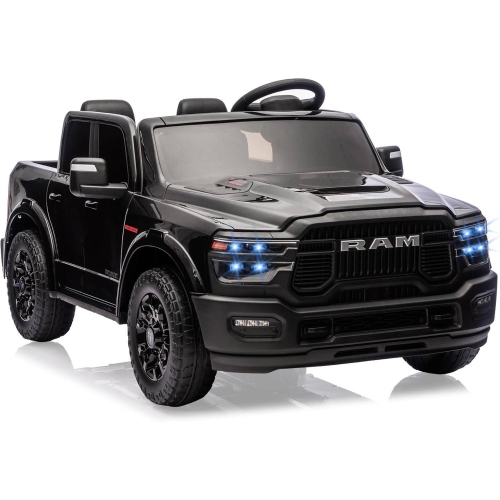
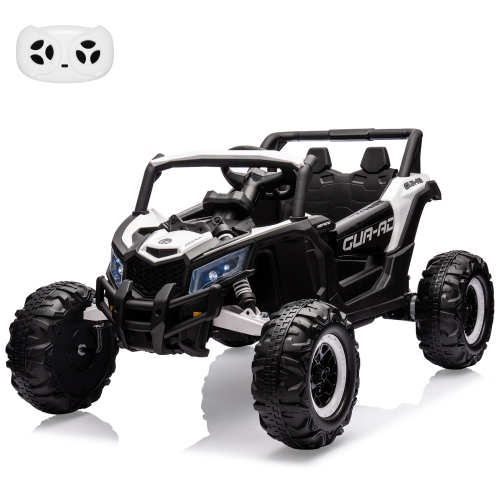
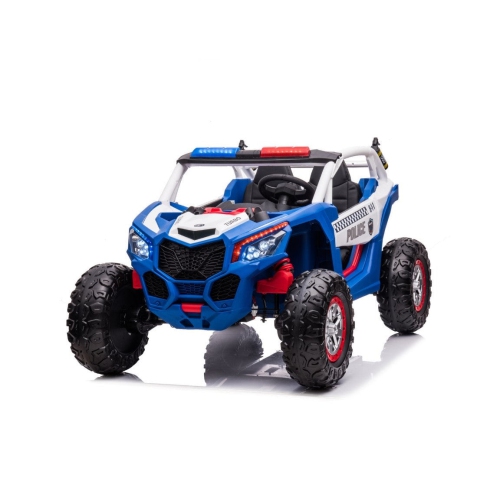
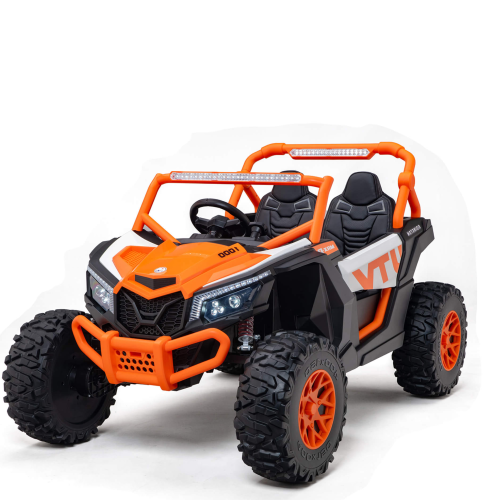
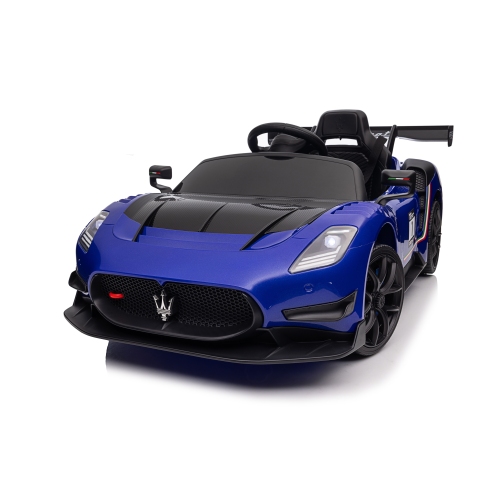
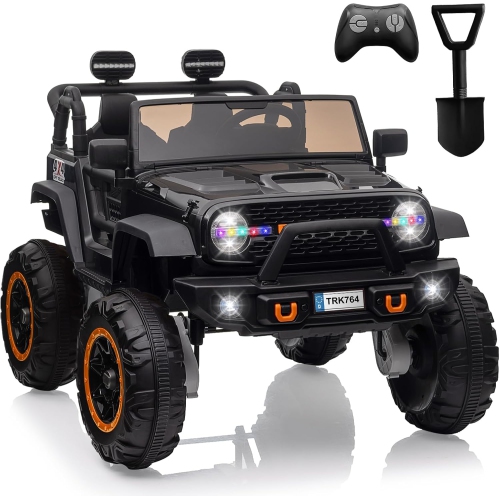
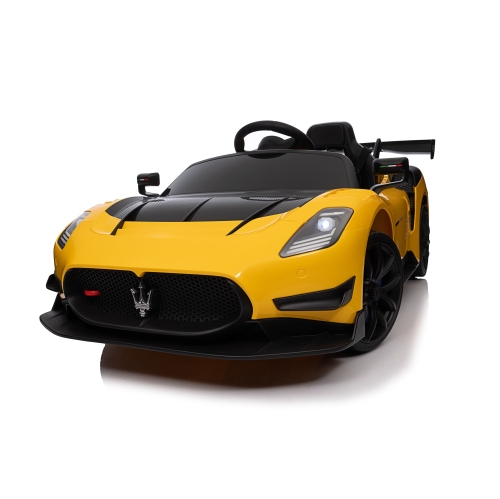
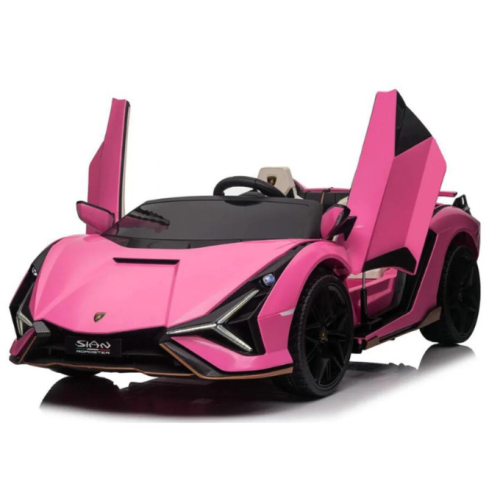
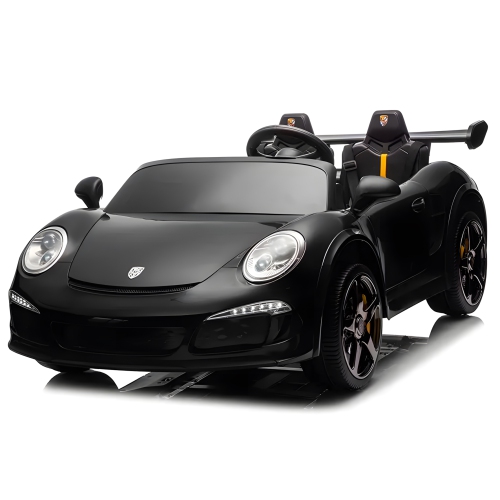
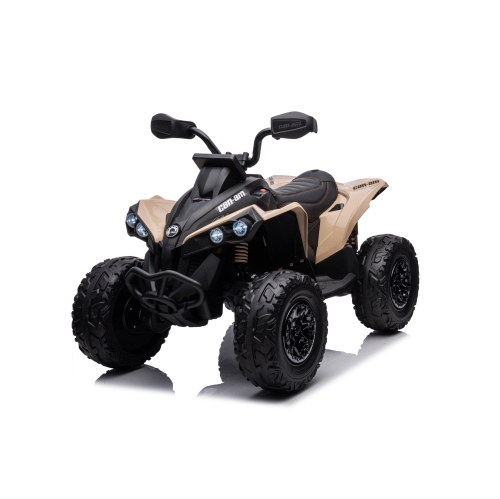
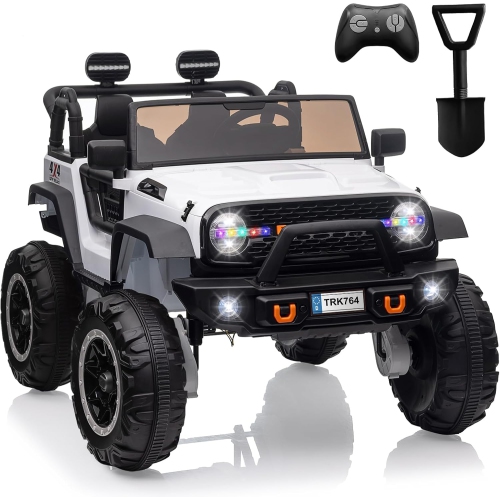
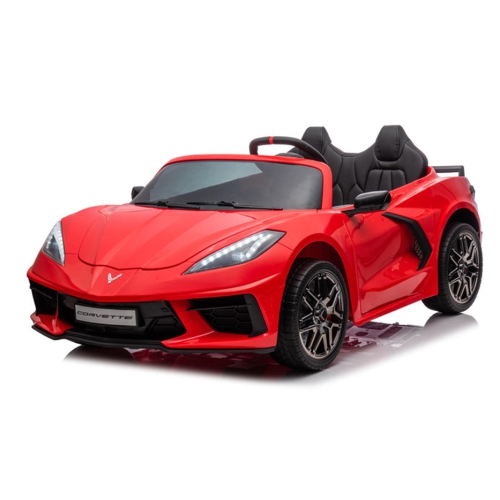
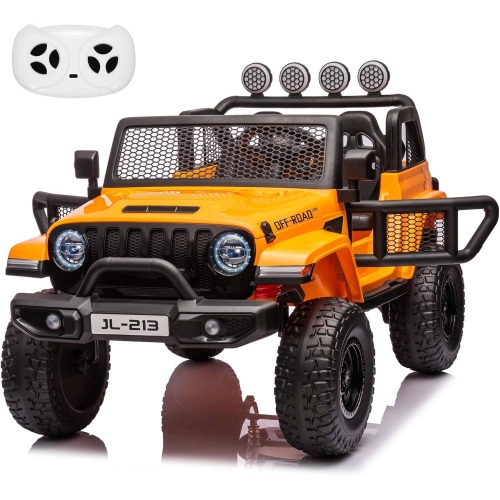
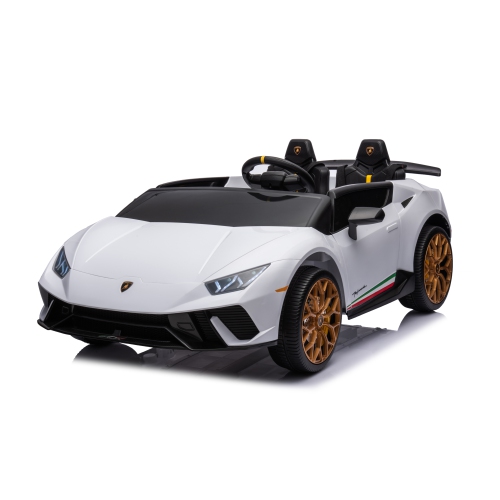
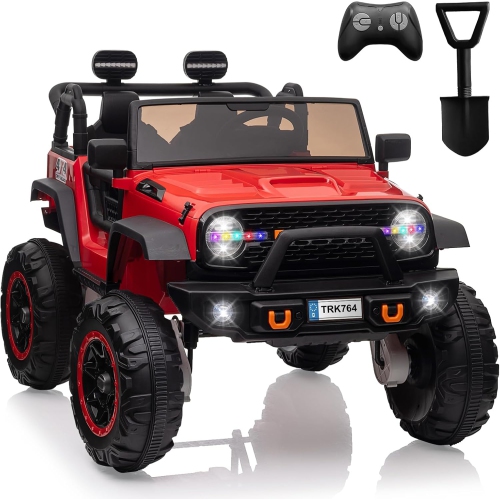
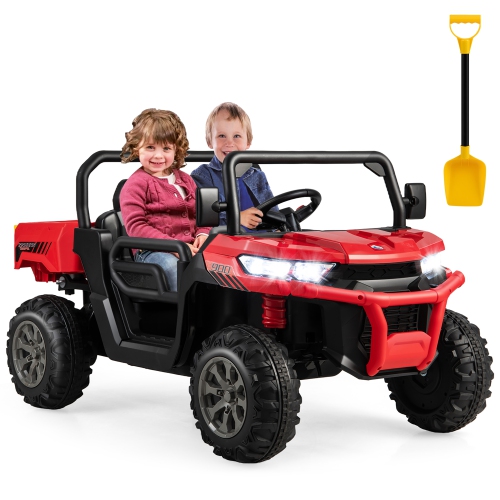
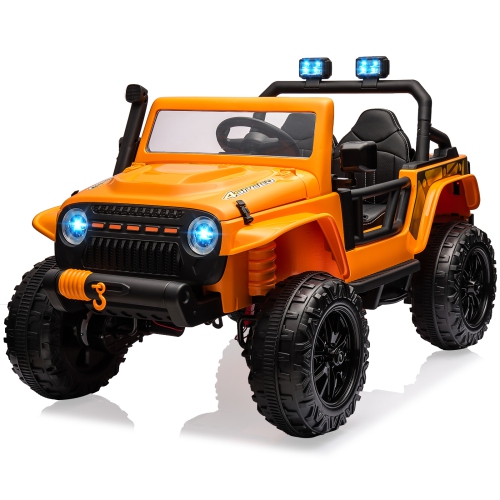

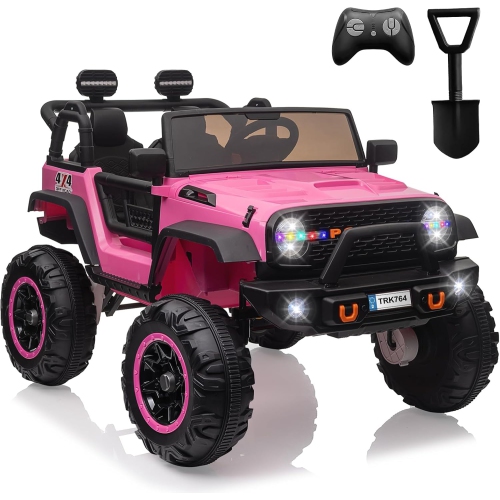

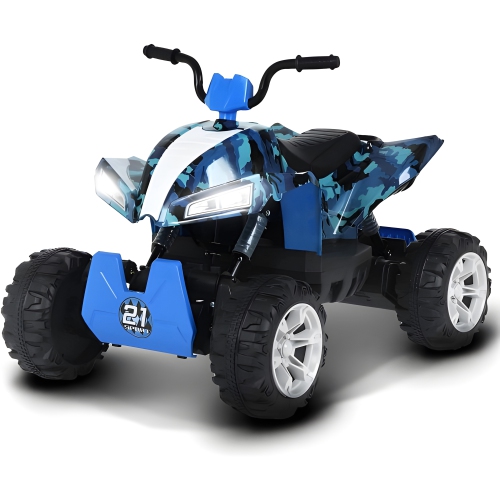
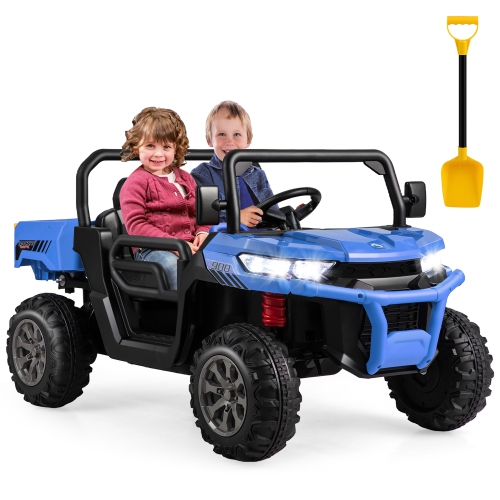
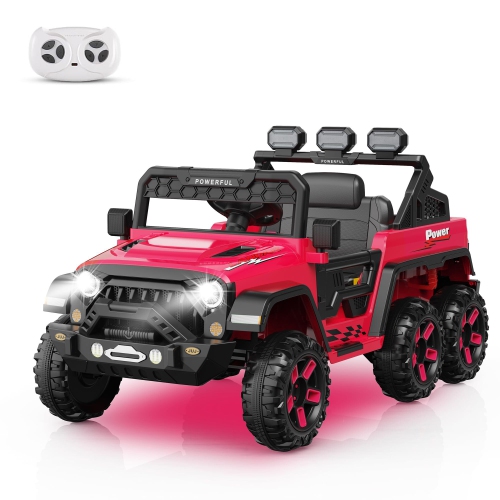
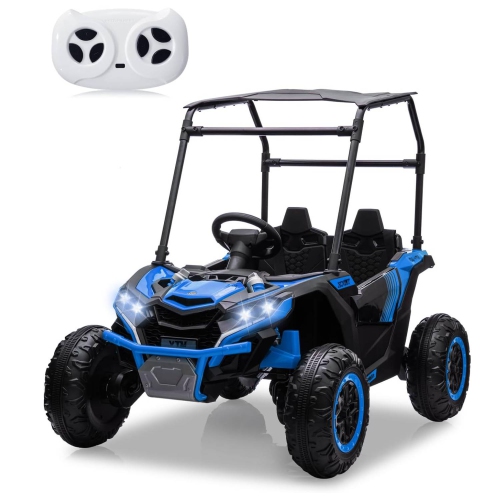
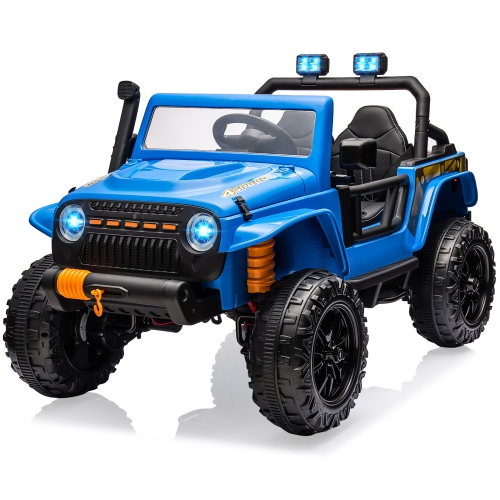
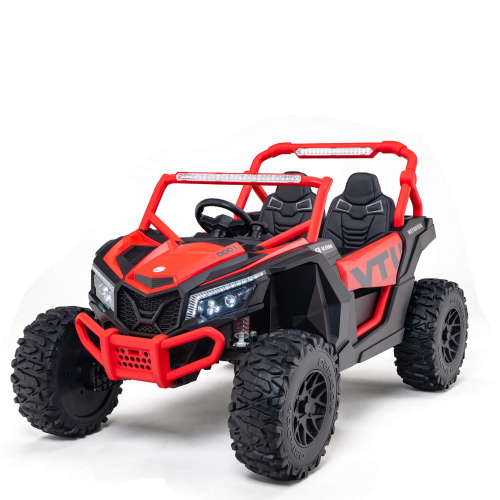
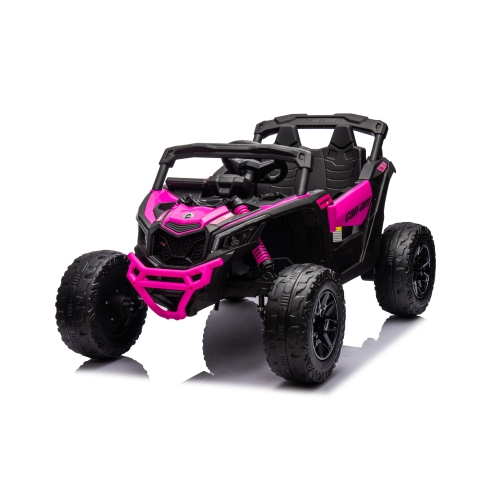
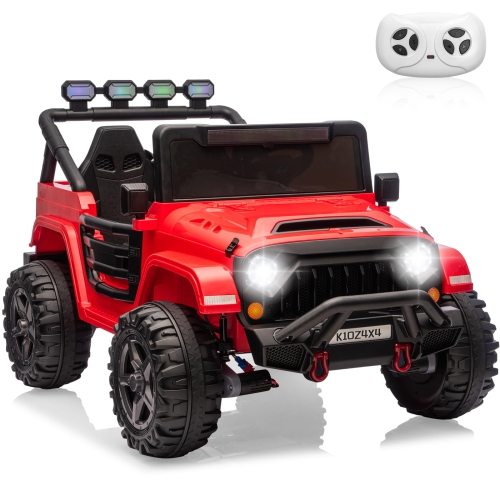
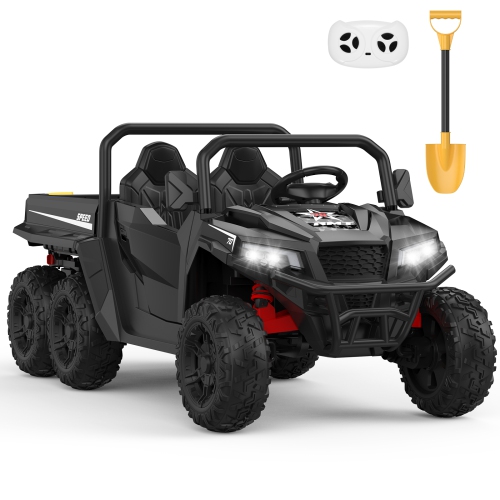
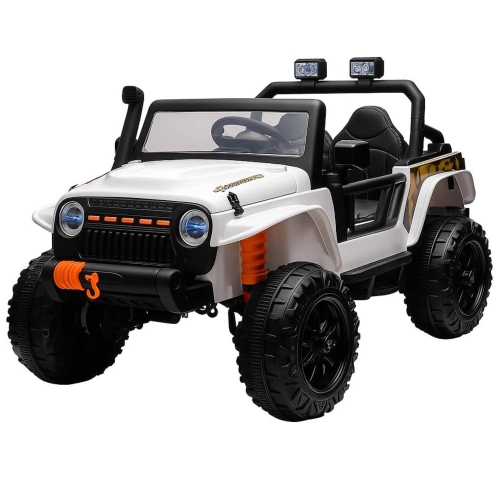
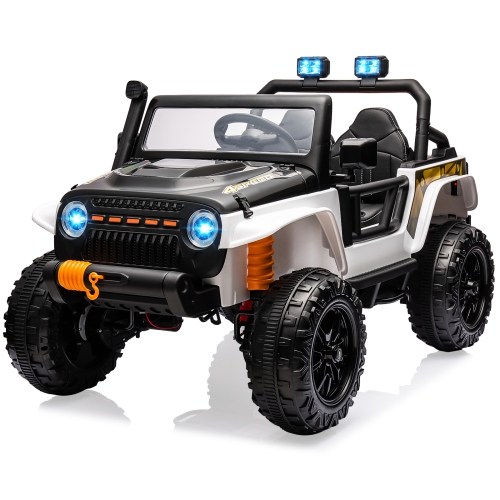
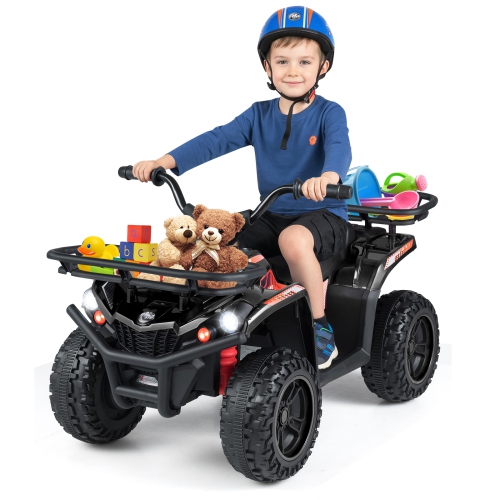
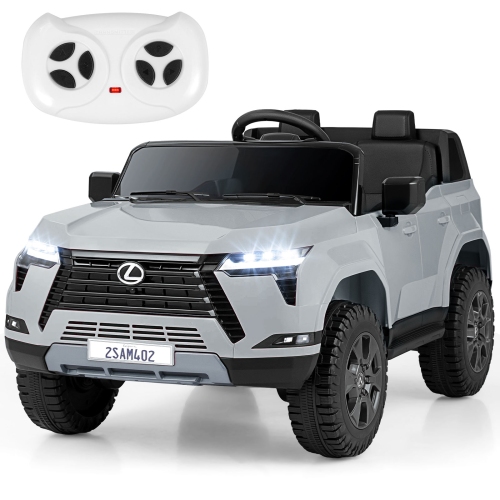
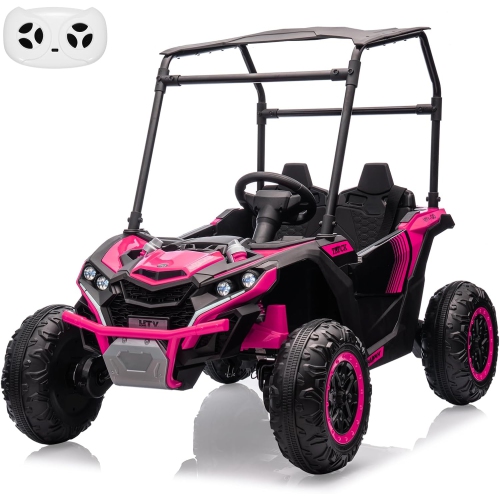
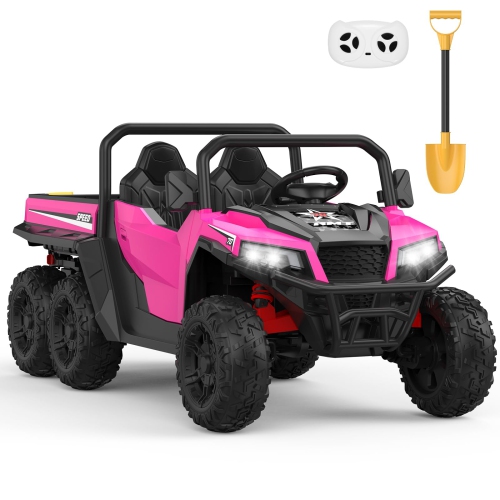
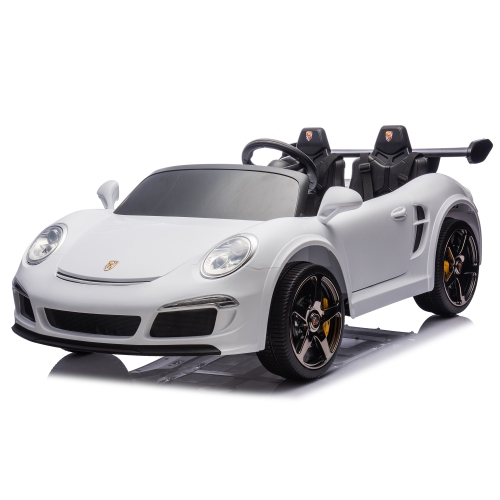
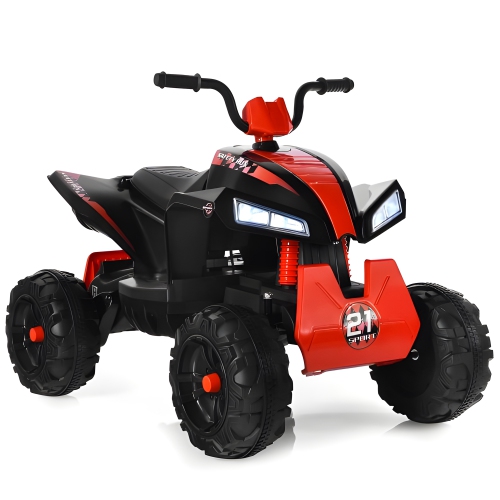
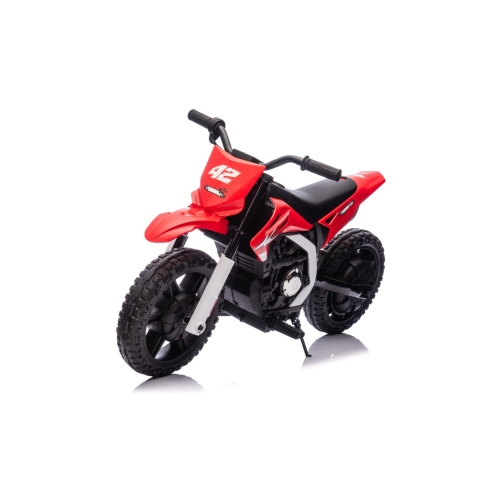
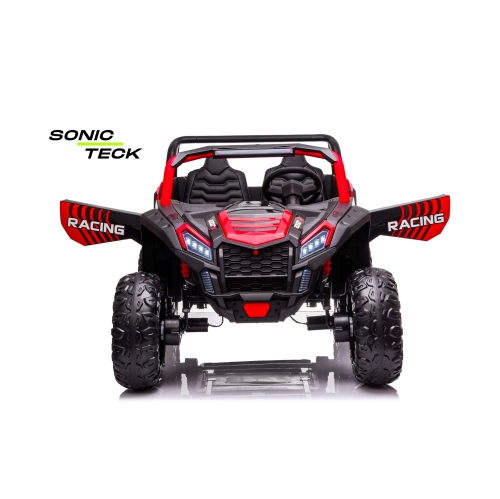
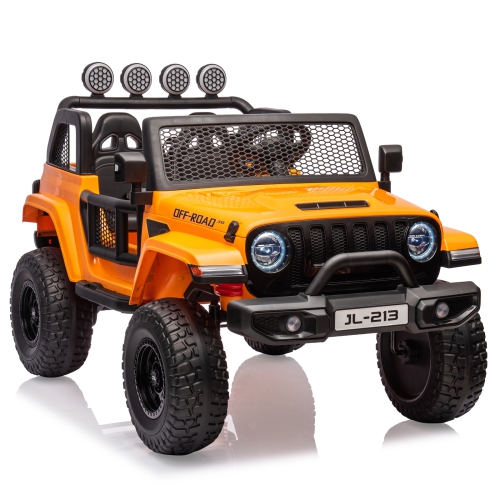
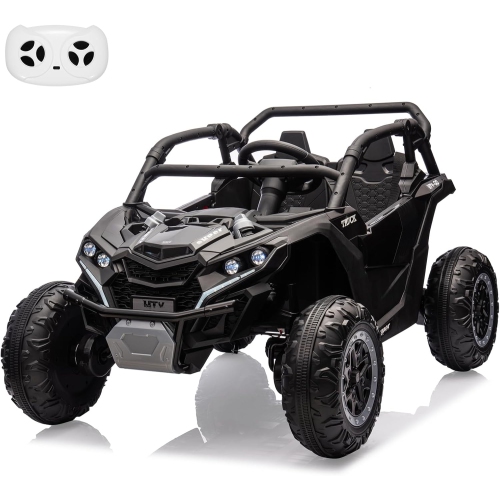
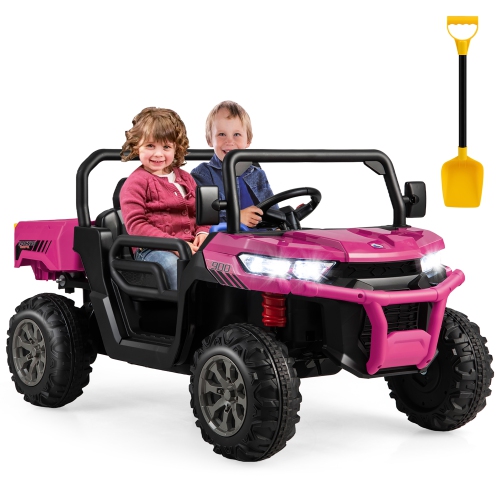
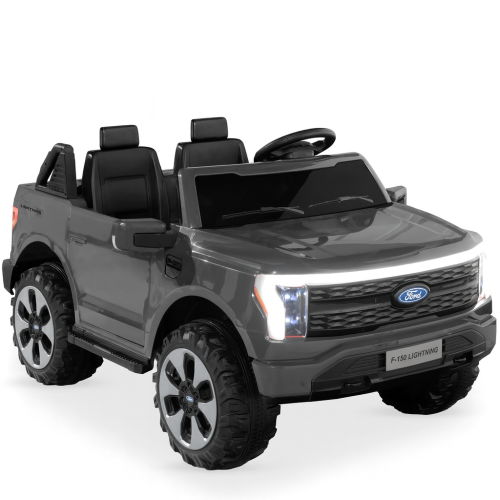
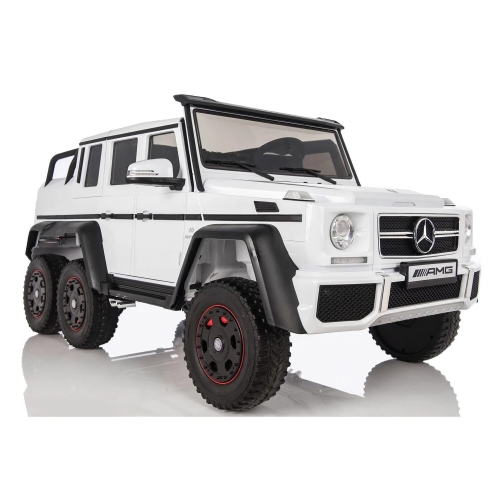
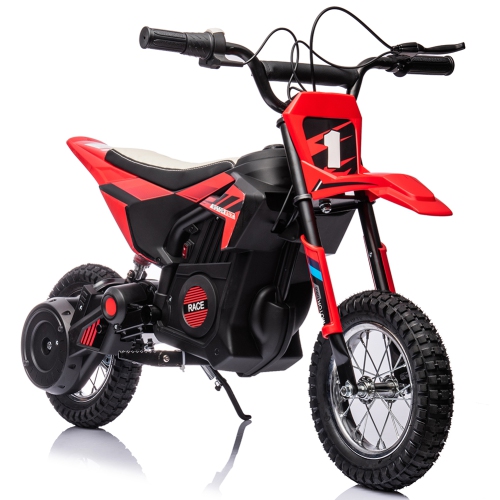
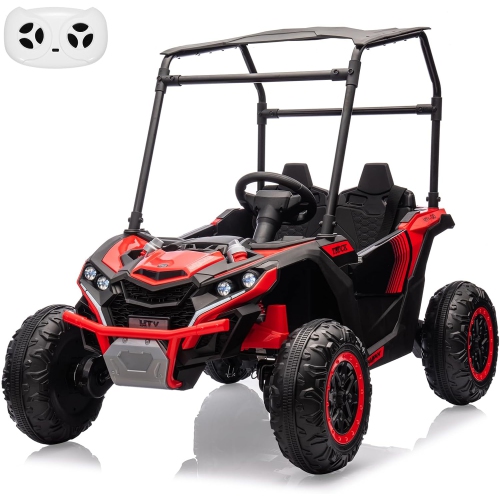
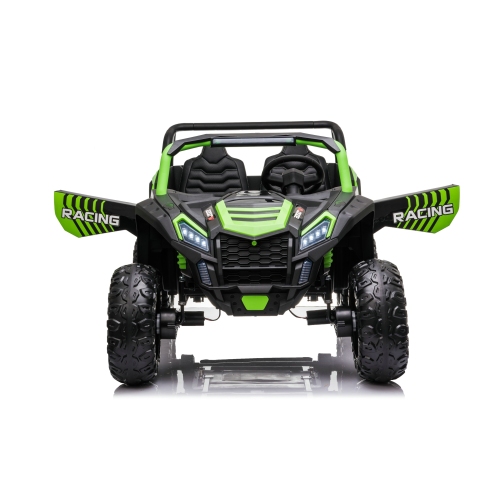
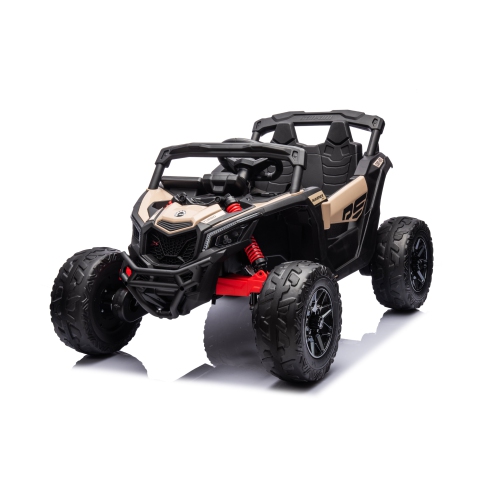
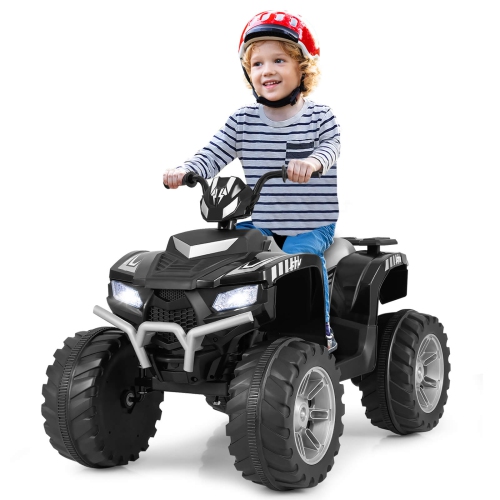
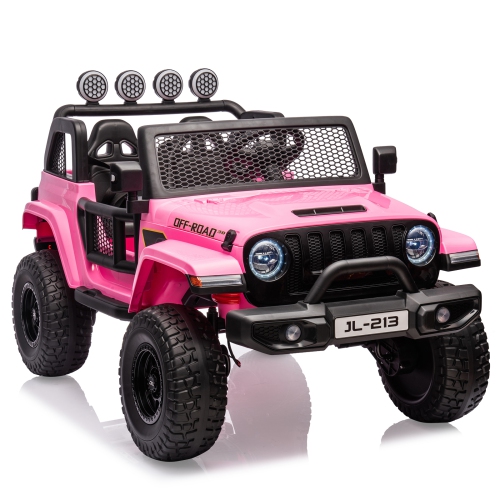
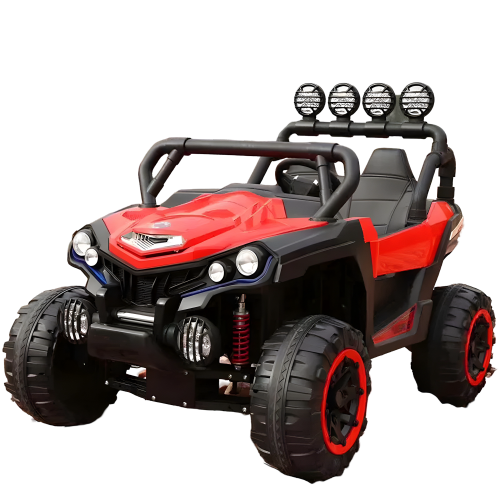
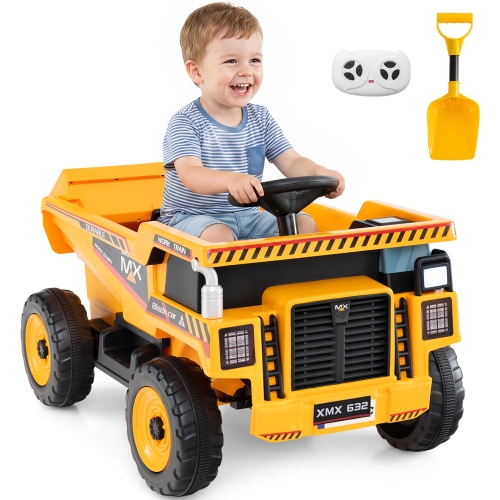
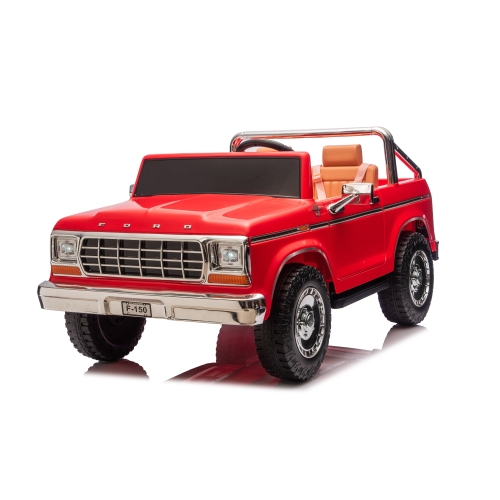
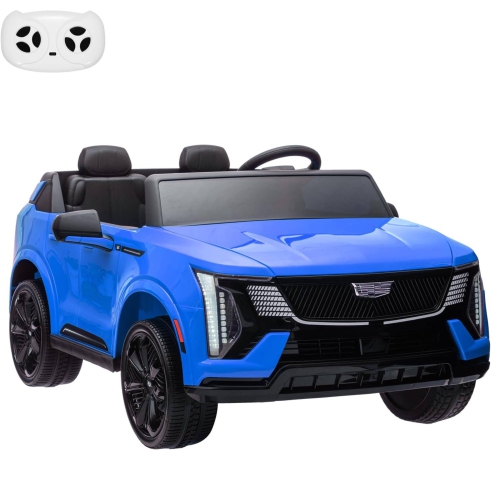
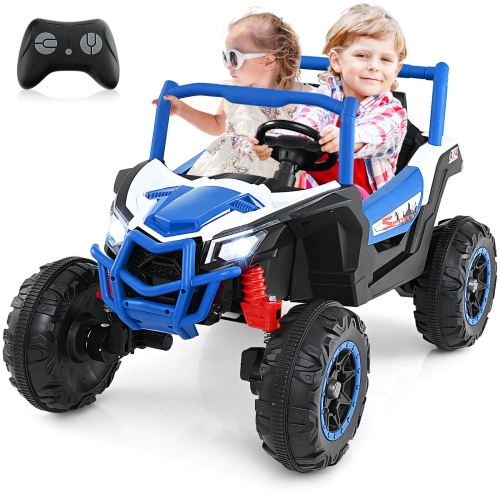
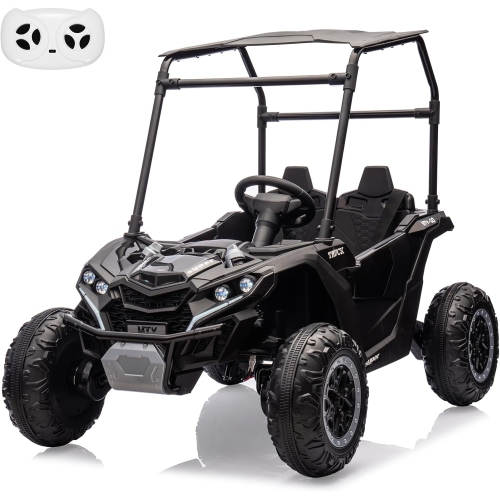
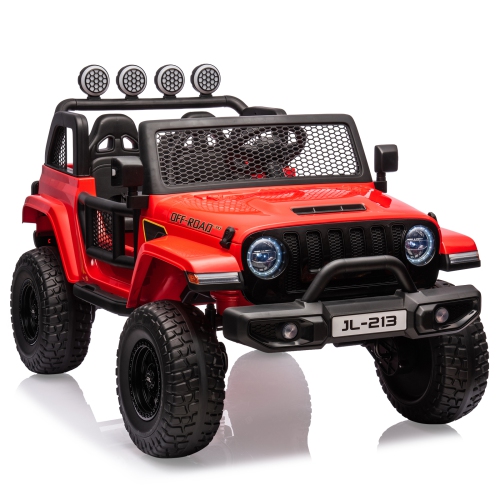
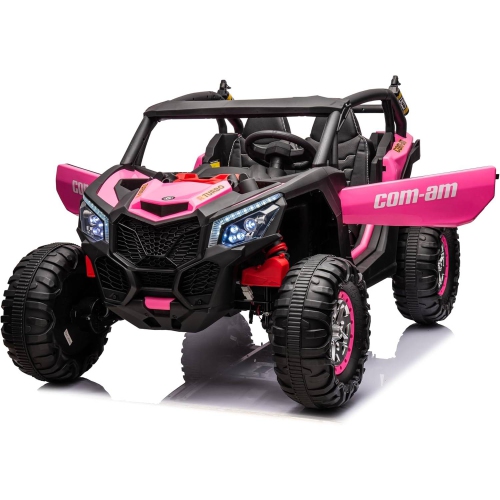
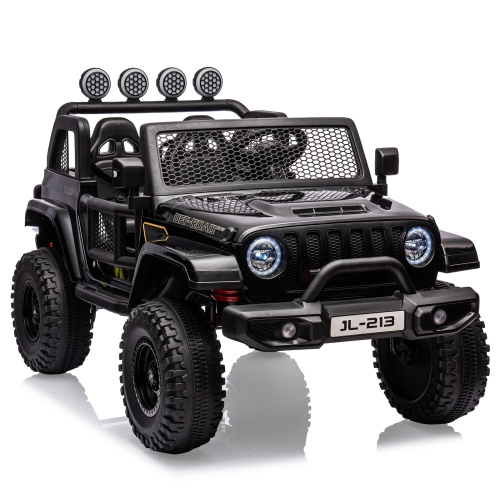
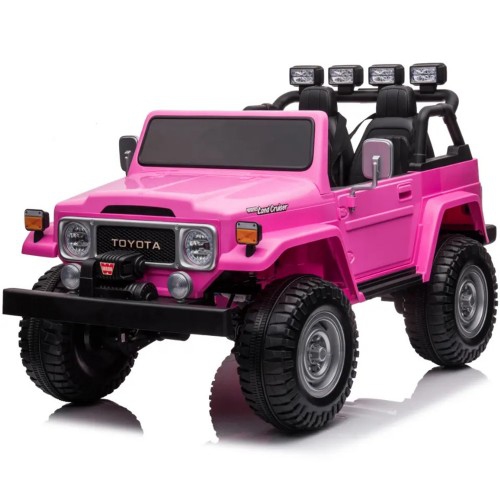

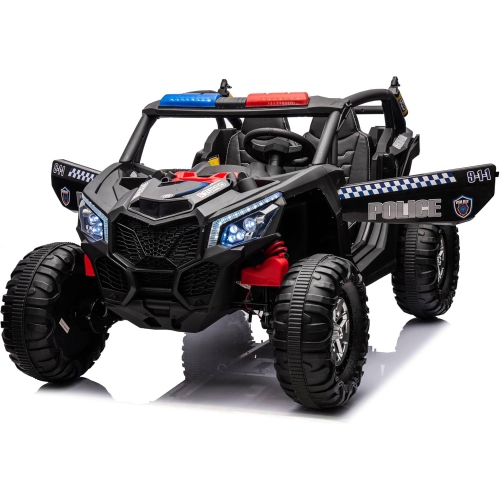
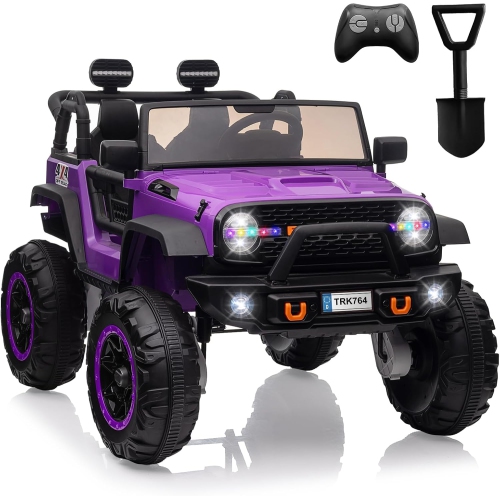
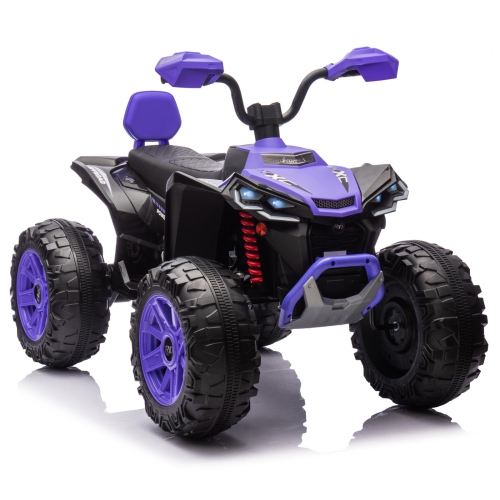
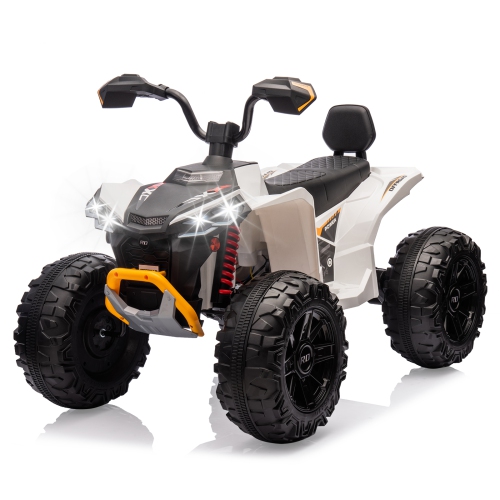

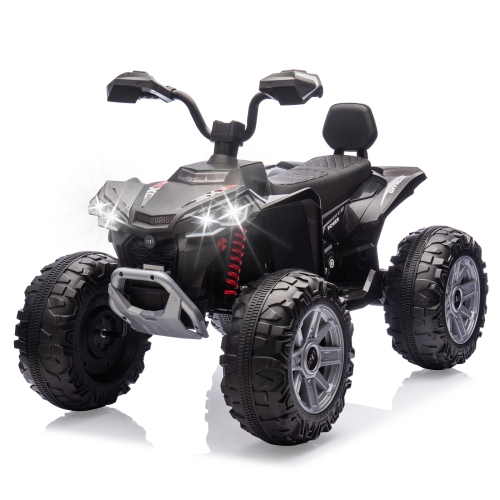
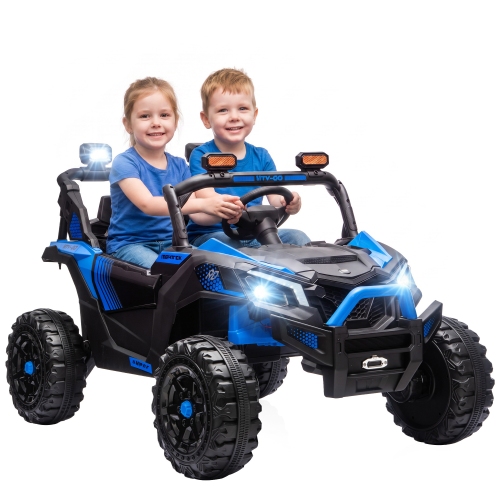
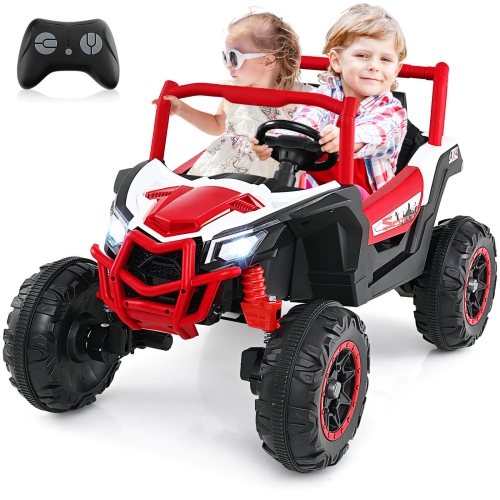
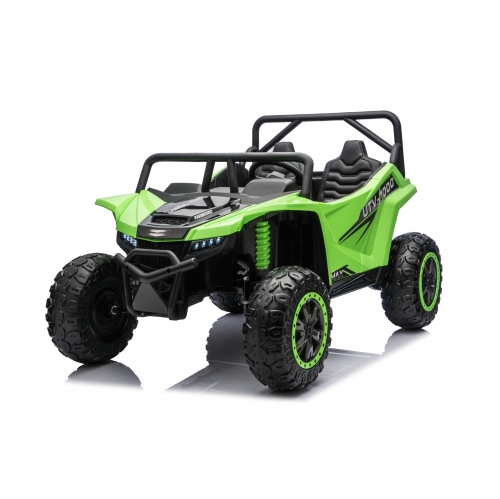
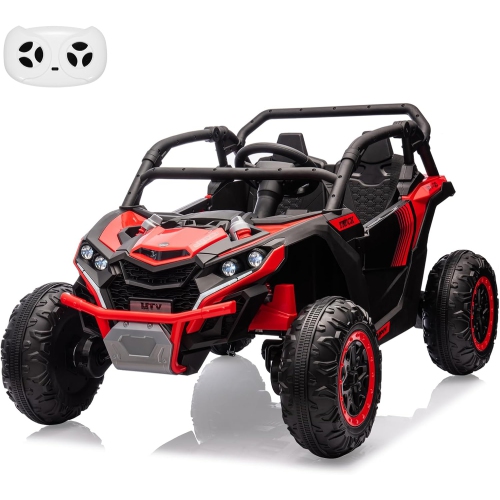
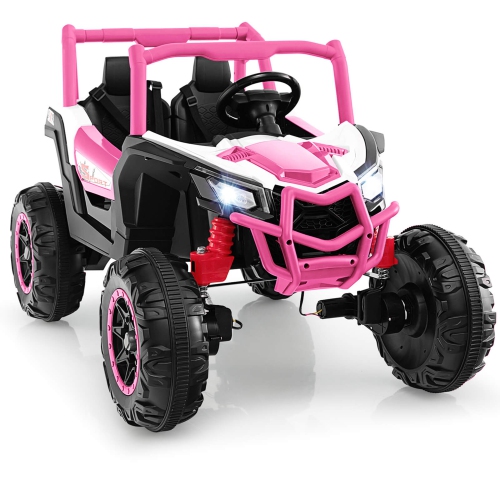
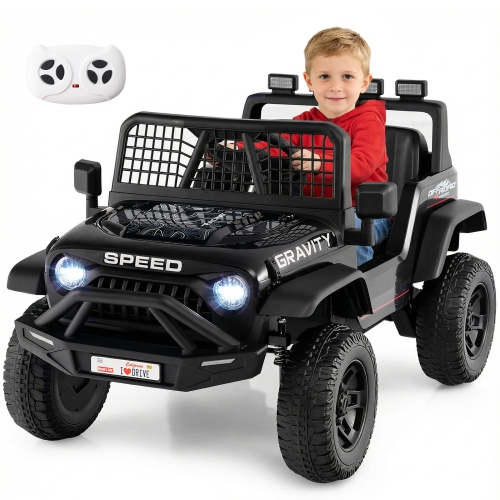
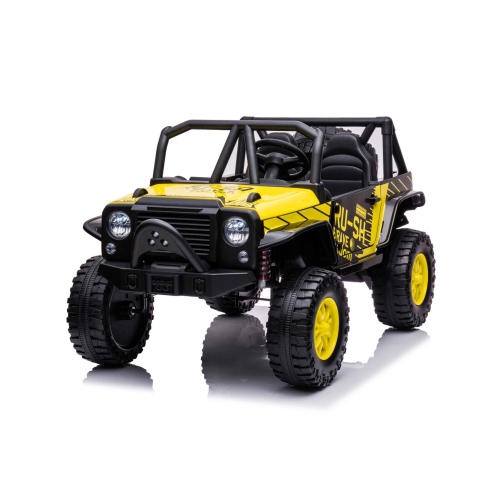
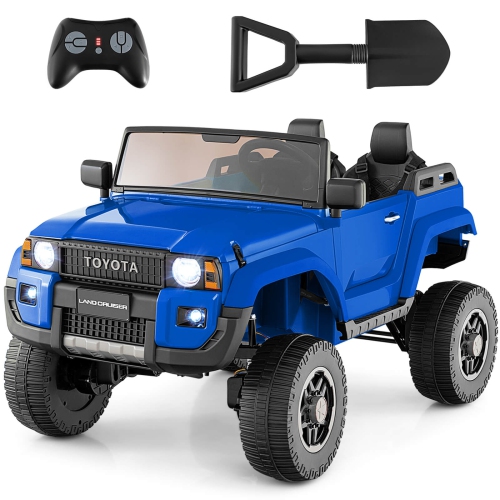
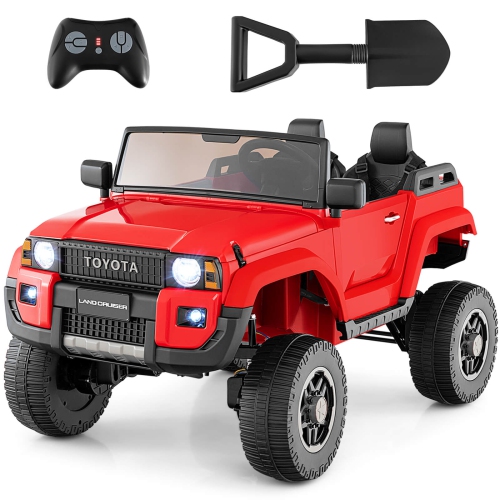
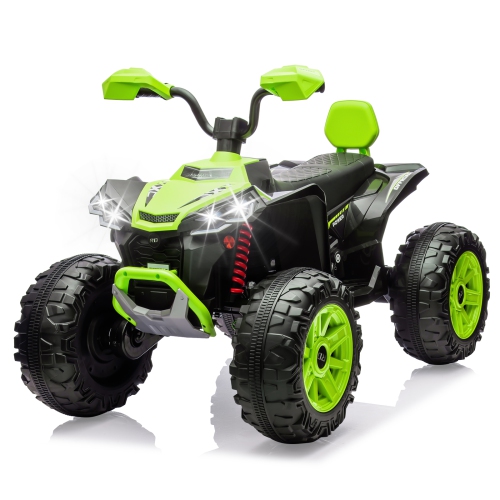
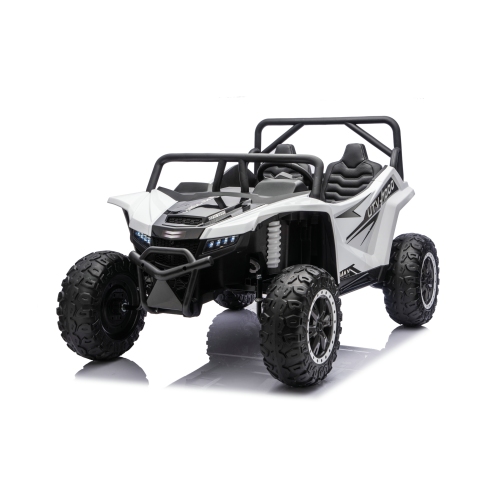
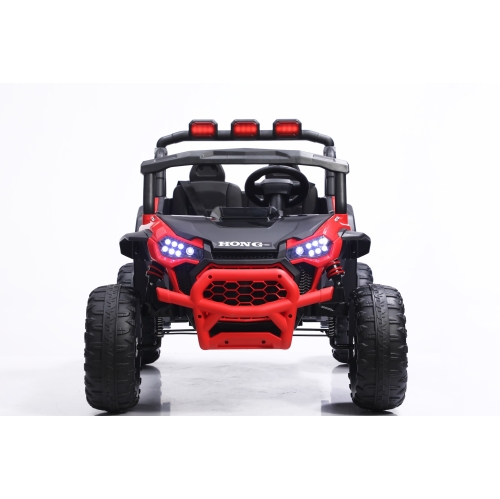
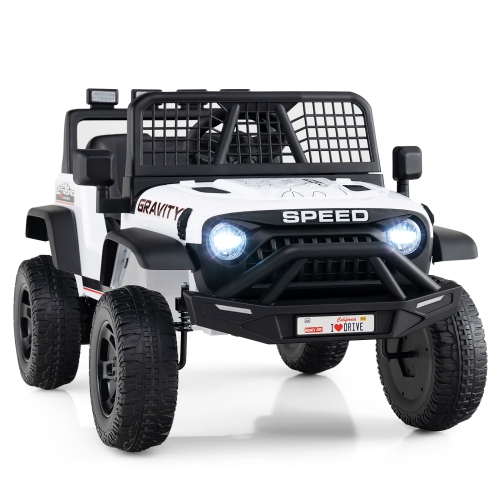
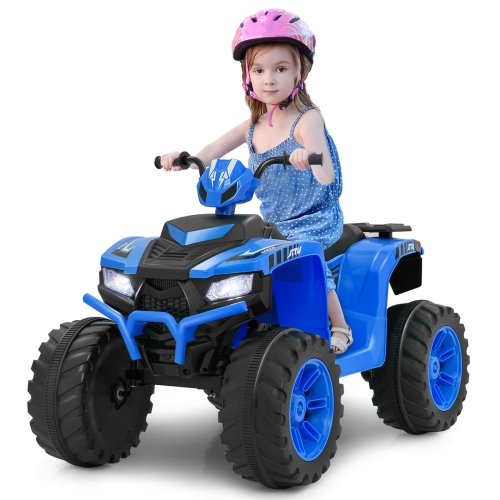
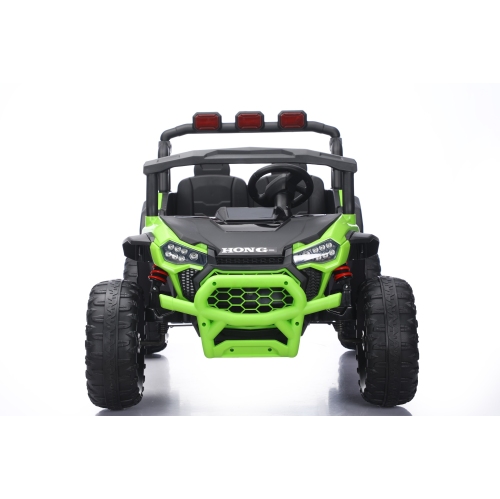
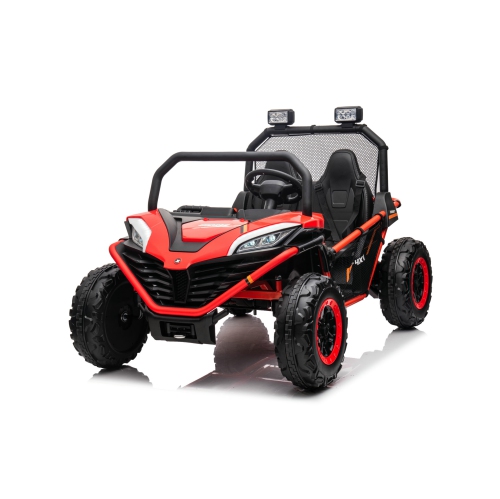
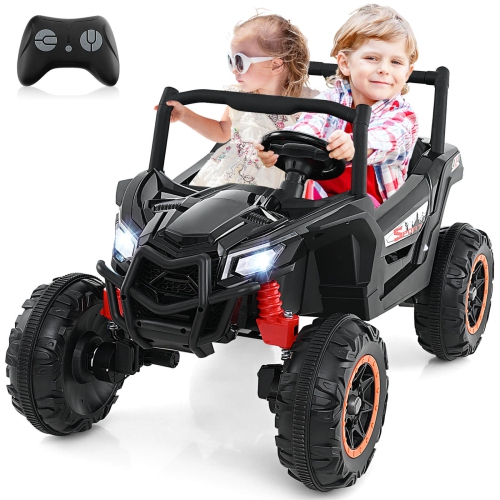
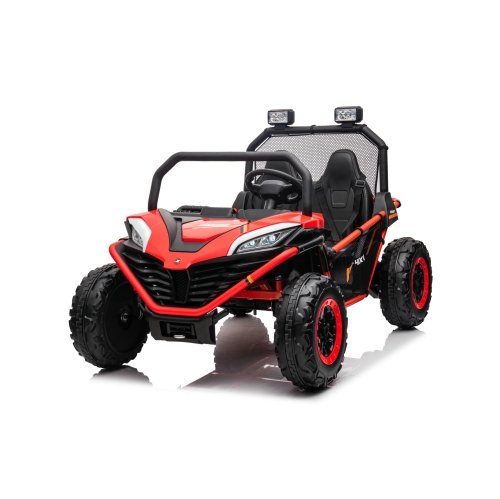
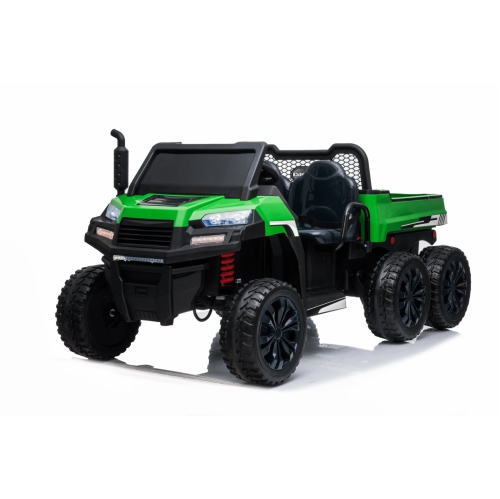
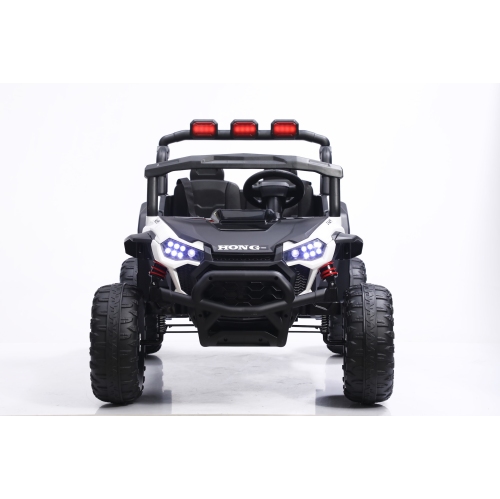
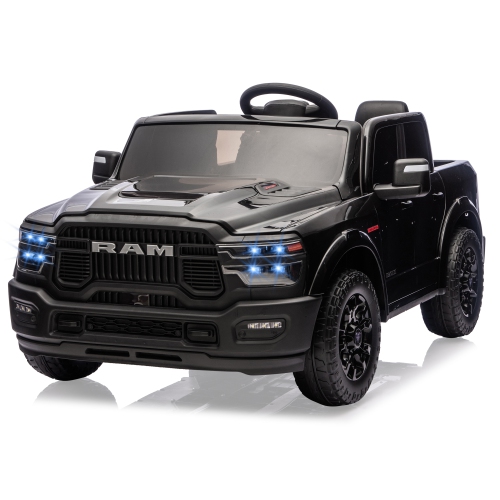
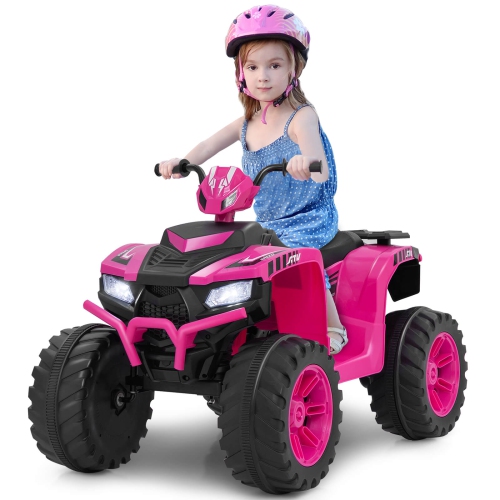
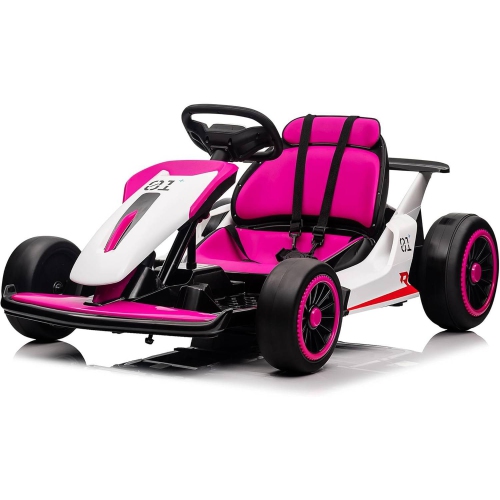
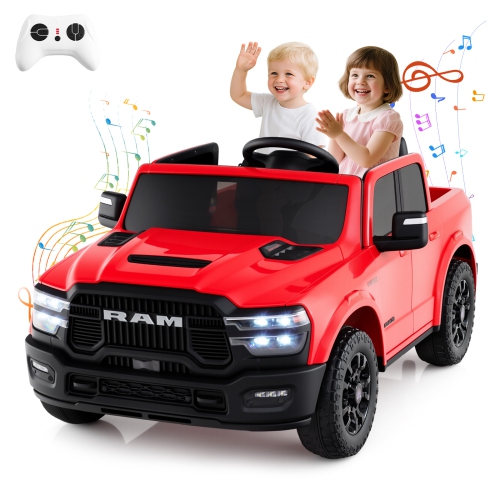
Stronger motors for supervised outdoor adventures and exploration
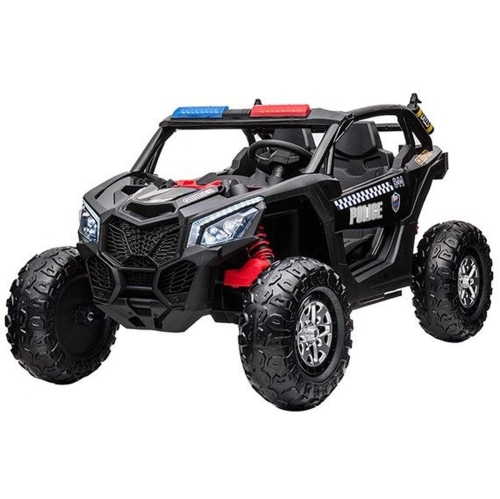
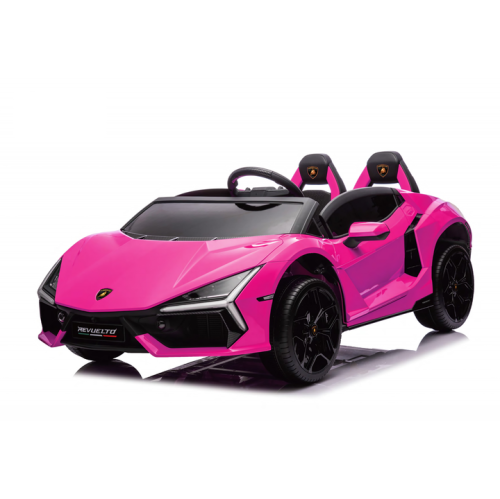
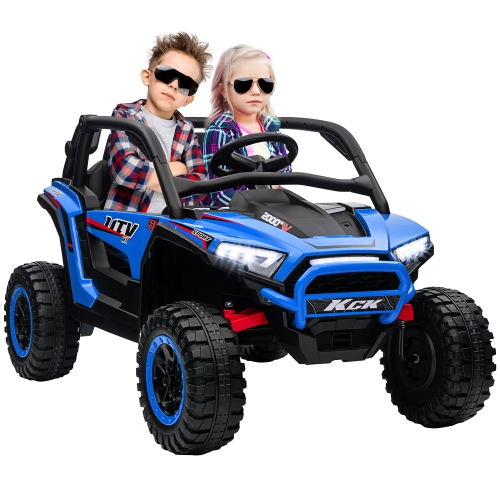
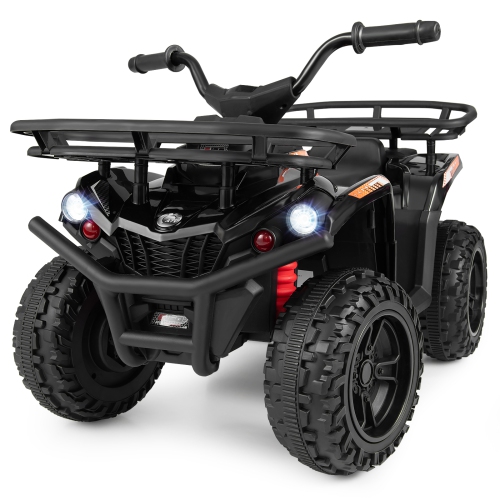
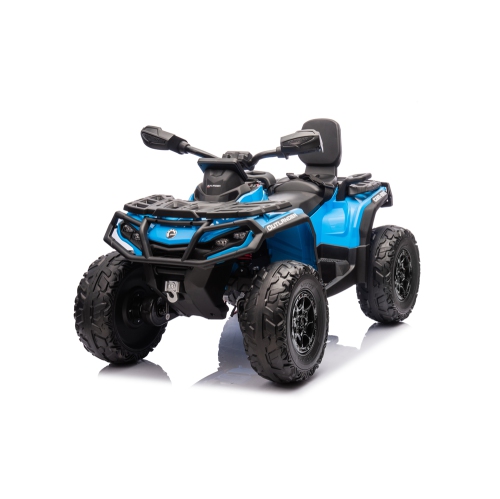
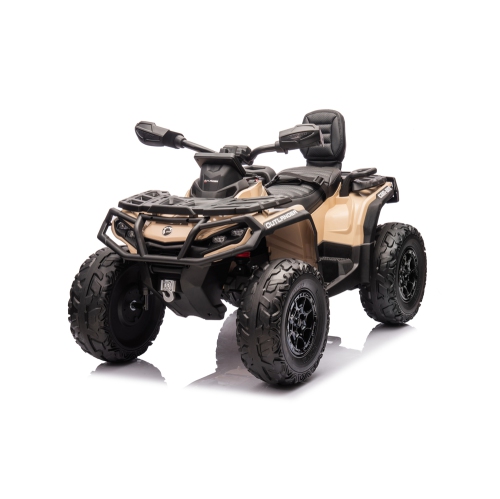
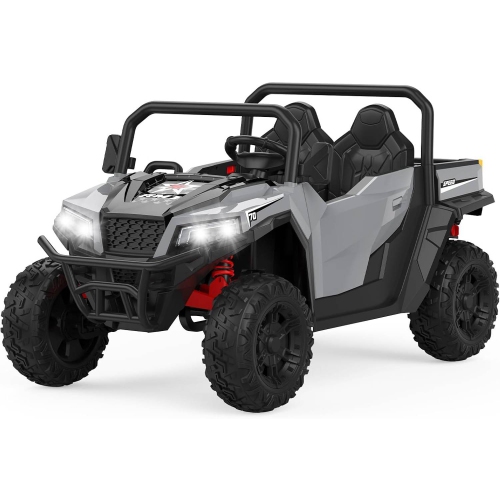
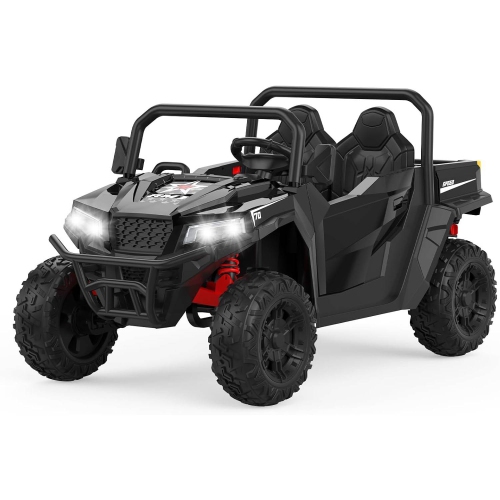
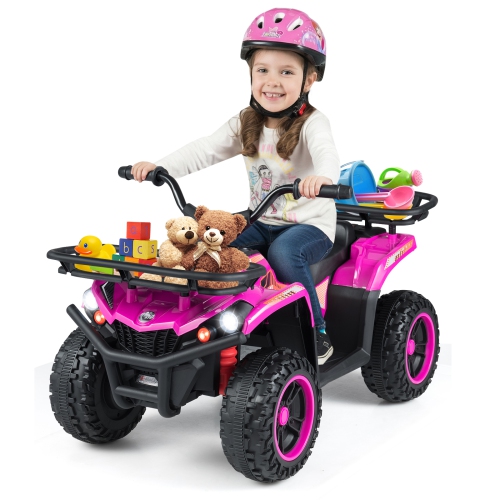
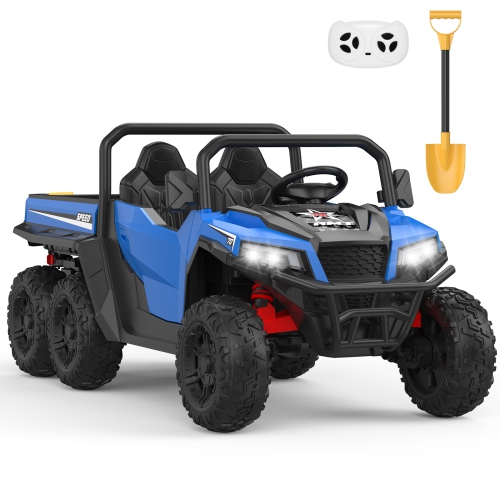
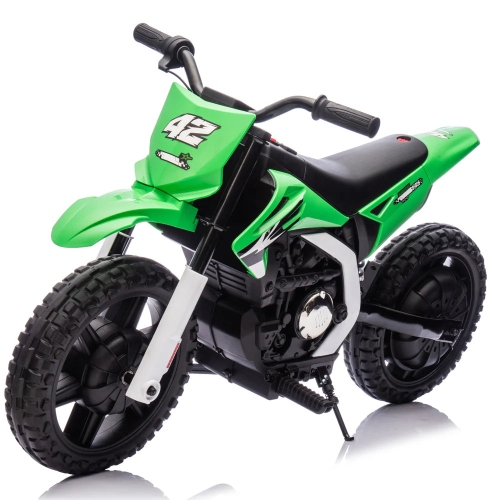
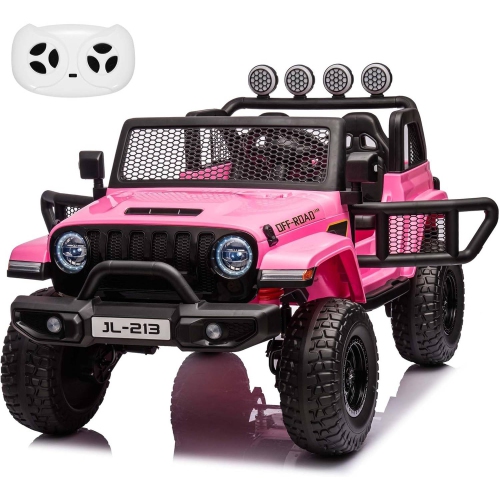
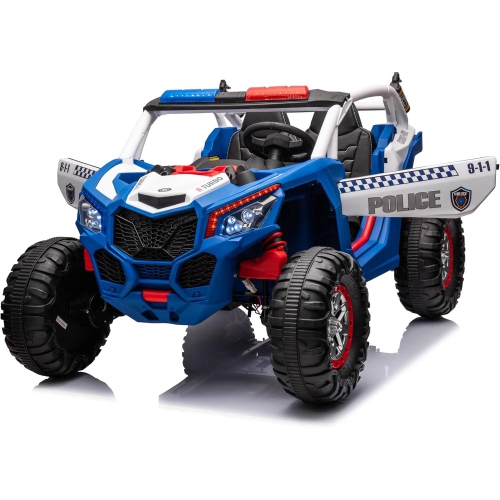
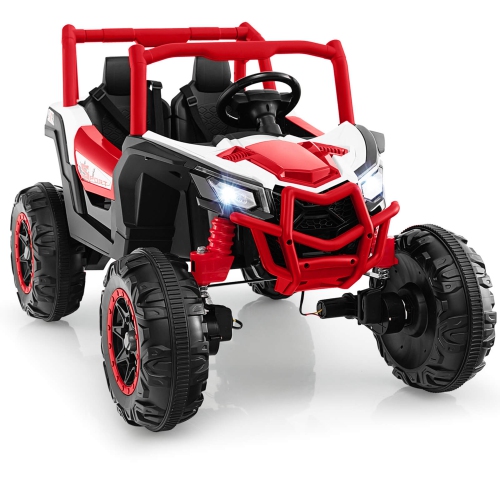
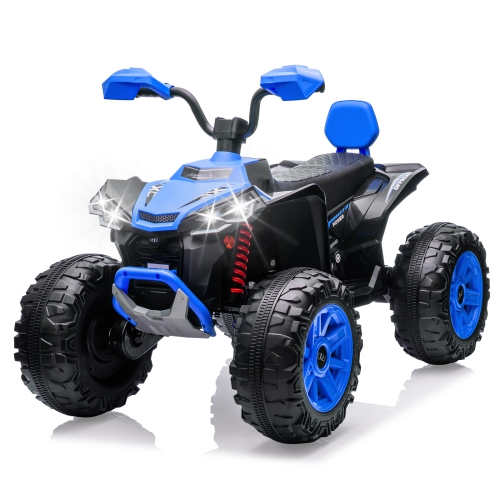
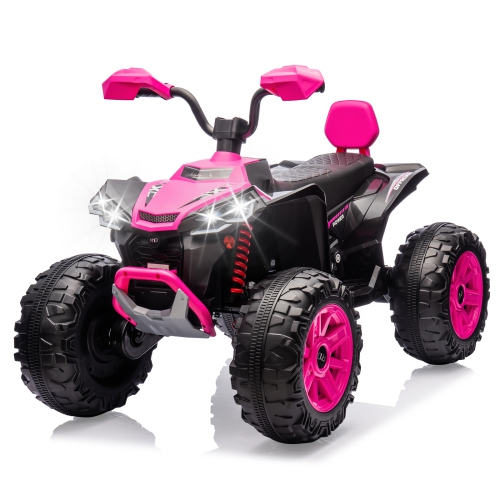
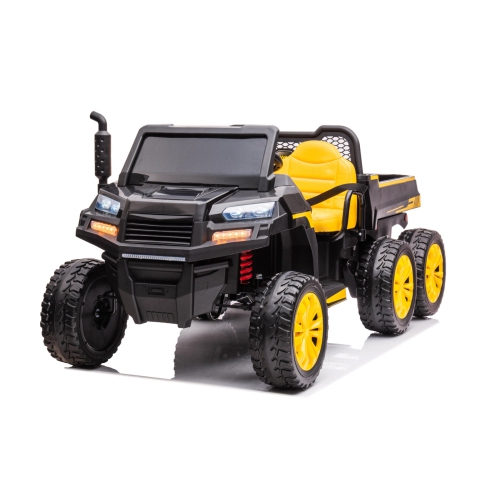
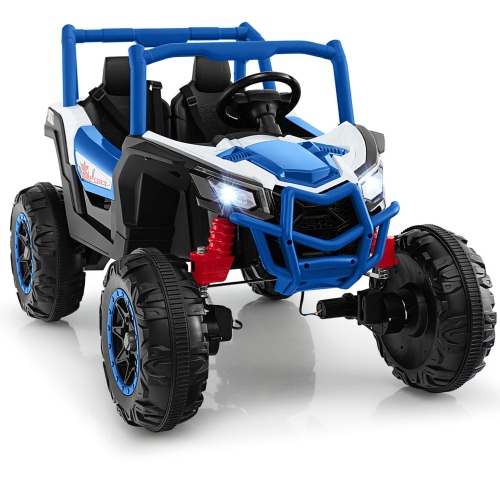
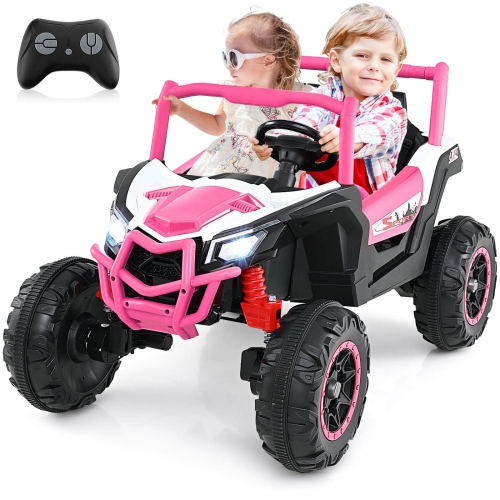
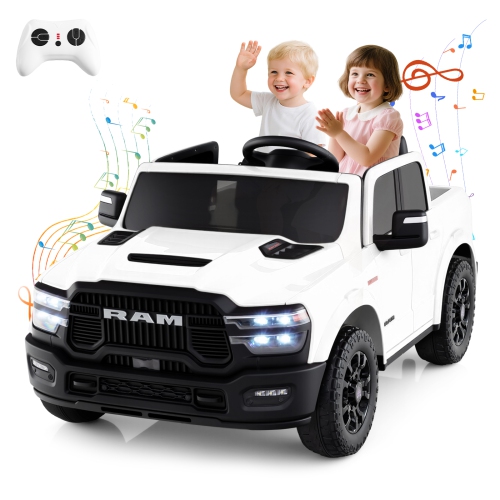
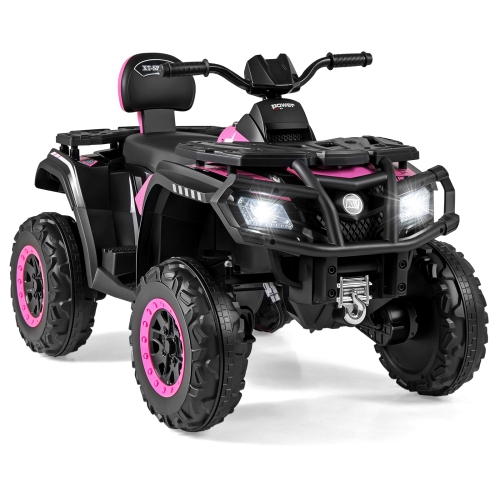
24V ride-on toys are battery-powered vehicles designed to give older children a more capable, engaging driving experience. Compared with lower-voltage ride-on toys, 24V models generally offer stronger motors, more responsive acceleration, and improved performance on outdoor surfaces such as lawns, compacted dirt, gravel paths, and gently sloped driveways. Depending on the design, speed can commonly fall in the 5 to 9 mph range, although the actual top speed, run time, weight capacity, and terrain performance vary by model. This added power makes 24V ride-on toys a popular choice for children who have outgrown simpler ride-on vehicles and are ready for a little more independence during supervised outdoor play. They can also make memorable gifts for birthdays, special occasions, or family celebrations, particularly for children who enjoy vehicles, imaginative adventures, construction play, or exploring the backyard. Styles range from off-road-inspired UTVs and dune buggies to pickup trucks, tractors, utility vehicles, sports cars, and specialty designs that encourage pretend play. Some have open seating and rugged-looking details for trips across the grass, while others focus on realistic dashboards, doors, lights, sounds, and automotive styling. A 24V ride-on toy can turn an ordinary afternoon into a make-believe expedition: a child may load toys into a rear cargo area, drive along a garden path, or take a sibling on a slow lap around the yard while an adult keeps watch nearby. Before choosing a vehicle, consider the child’s age, height, confidence, and ability to follow basic instructions, rather than relying on voltage alone. Manufacturer recommendations should always be followed, and children should use these toys with active adult supervision, appropriate protective equipment, and plenty of clear space away from roads, stairs, ponds, traffic, and other hazards.
One of the main advantages of 24V ride-on toys is their flexibility for outdoor terrain. Their higher-voltage systems and dual-motor configurations, when included, can provide better torque than many 12V options, helping the vehicle move more confidently over grass, packed earth, and slight inclines. They are not intended to replace an all-terrain vehicle, and performance can be affected by the rider’s weight, the surface, battery charge, weather, and the slope of the area, so a level, open play space is the best place to begin. Families with more than one child may appreciate a two-seater design, which can let siblings or friends share the experience, provided the vehicle’s seating and weight limits allow it. A single-seat model may be easier to manoeuvre in a smaller yard and can offer a more focused driving experience. Look closely at the controls as well. Some vehicles use a foot pedal and steering wheel, while others include forward and reverse controls, multiple speed settings, or a parental remote control that allows an adult to stop or guide the toy when needed. A remote can be especially useful while a child is learning, playing near other people, or building confidence with steering and braking. Other details may include working LED lights, horn or engine sounds, built-in music, Bluetooth connectivity, seat belts, soft-start acceleration, suspension, rubberized tires, and storage compartments. These features can add realism and convenience, but the most important considerations remain safe operation, suitable sizing, manageable speed, and a battery system that fits the family’s routine. Charging time and run time are worth checking before purchase, particularly if the toy will be used during longer outdoor play sessions. Keep the charger and battery away from moisture, follow the charging instructions, and store the vehicle in a dry location during cooler months or wet weather. A quick inspection of the tires, steering, seat belts, controls, and battery connections before each outing can help keep play comfortable and predictable.
Choosing among 24V ride-on toys often comes down to how and where the child will use the vehicle. An off-road-style UTV or dune buggy may suit a spacious yard and a child who enjoys adventurous pretend play, while a truck-style vehicle may appeal to children who like hauling toys, helping with make-believe jobs, or acting out camping and construction scenarios. A sports-car-inspired design can bring a sense of occasion to driveway play, and a tractor or utility-themed vehicle may fit naturally into imaginative farm or backyard games. Consider the available storage space as well as the play area, since these vehicles can be substantial and may need to be moved indoors or under cover when not in use. Battery-powered ride-on toys are often best enjoyed on dry, mild days, although broad seasonal use is possible when the ground is clear and conditions are suitable. During cooler months, children may spend shorter periods outdoors, making quick supervised rides around a driveway or sheltered yard more practical than extended excursions. If the toy is intended as a gift, think beyond the appearance and match the vehicle’s size and features to the recipient’s everyday environment. A child with access to a large lawn may benefit from stronger terrain performance, while a child with a compact outdoor area may be happier with a more manoeuvrable model and adjustable speed settings. Younger riders who are approaching the recommended age range may need more hands-on guidance, whereas experienced riders may be ready for two-seat layouts, more advanced controls, or realistic accessories. For households comparing voltage levels, 6V Ride On Toys may be a better fit for smaller children or simpler, lower-speed play, while 24V ride-on toys are generally intended for children seeking more power and outdoor capability. Whichever style suits the family, setting clear boundaries, wearing a properly fitted helmet, keeping both hands and feet inside the vehicle, and using the toy only in approved areas can help make every ride a safer, more enjoyable part of playtime.
One of the main advantages of 24V ride-on toys is their flexibility for outdoor terrain. Their higher-voltage systems and dual-motor configurations, when included, can provide better torque than many 12V options, helping the vehicle move more confidently over grass, packed earth, and slight inclines. They are not intended to replace an all-terrain vehicle, and performance can be affected by the rider’s weight, the surface, battery charge, weather, and the slope of the area, so a level, open play space is the best place to begin. Families with more than one child may appreciate a two-seater design, which can let siblings or friends share the experience, provided the vehicle’s seating and weight limits allow it. A single-seat model may be easier to manoeuvre in a smaller yard and can offer a more focused driving experience. Look closely at the controls as well. Some vehicles use a foot pedal and steering wheel, while others include forward and reverse controls, multiple speed settings, or a parental remote control that allows an adult to stop or guide the toy when needed. A remote can be especially useful while a child is learning, playing near other people, or building confidence with steering and braking. Other details may include working LED lights, horn or engine sounds, built-in music, Bluetooth connectivity, seat belts, soft-start acceleration, suspension, rubberized tires, and storage compartments. These features can add realism and convenience, but the most important considerations remain safe operation, suitable sizing, manageable speed, and a battery system that fits the family’s routine. Charging time and run time are worth checking before purchase, particularly if the toy will be used during longer outdoor play sessions. Keep the charger and battery away from moisture, follow the charging instructions, and store the vehicle in a dry location during cooler months or wet weather. A quick inspection of the tires, steering, seat belts, controls, and battery connections before each outing can help keep play comfortable and predictable.
Choosing among 24V ride-on toys often comes down to how and where the child will use the vehicle. An off-road-style UTV or dune buggy may suit a spacious yard and a child who enjoys adventurous pretend play, while a truck-style vehicle may appeal to children who like hauling toys, helping with make-believe jobs, or acting out camping and construction scenarios. A sports-car-inspired design can bring a sense of occasion to driveway play, and a tractor or utility-themed vehicle may fit naturally into imaginative farm or backyard games. Consider the available storage space as well as the play area, since these vehicles can be substantial and may need to be moved indoors or under cover when not in use. Battery-powered ride-on toys are often best enjoyed on dry, mild days, although broad seasonal use is possible when the ground is clear and conditions are suitable. During cooler months, children may spend shorter periods outdoors, making quick supervised rides around a driveway or sheltered yard more practical than extended excursions. If the toy is intended as a gift, think beyond the appearance and match the vehicle’s size and features to the recipient’s everyday environment. A child with access to a large lawn may benefit from stronger terrain performance, while a child with a compact outdoor area may be happier with a more manoeuvrable model and adjustable speed settings. Younger riders who are approaching the recommended age range may need more hands-on guidance, whereas experienced riders may be ready for two-seat layouts, more advanced controls, or realistic accessories. For households comparing voltage levels, 6V Ride On Toys may be a better fit for smaller children or simpler, lower-speed play, while 24V ride-on toys are generally intended for children seeking more power and outdoor capability. Whichever style suits the family, setting clear boundaries, wearing a properly fitted helmet, keeping both hands and feet inside the vehicle, and using the toy only in approved areas can help make every ride a safer, more enjoyable part of playtime.
Top selling and popular products
-
 Your price for this item is $150.99
 -
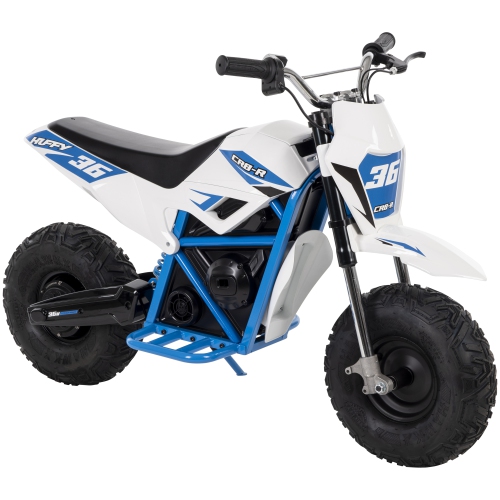 Your price for this item is $799.99
 -
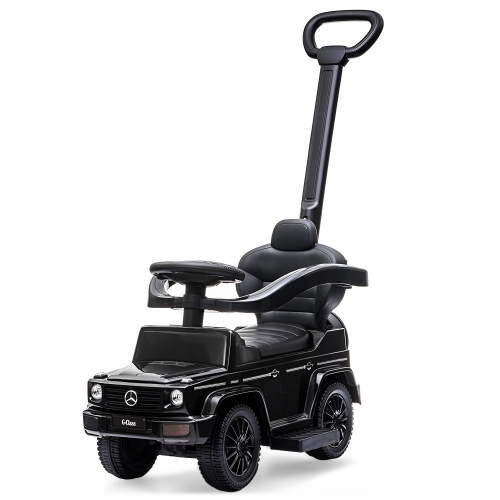 Your price for this item is $141.99
 -
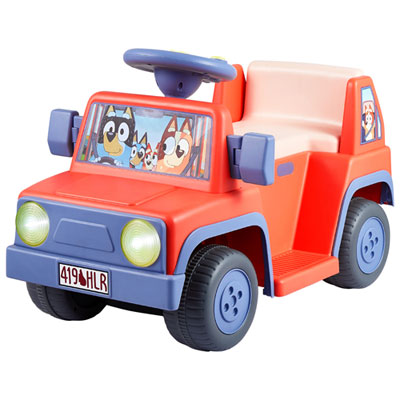 Your price for this item is $199.99
 -
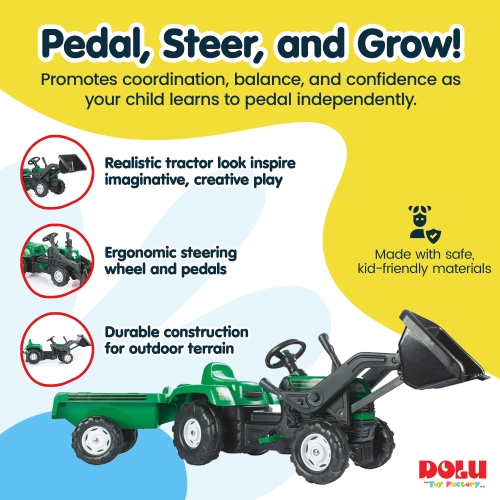 Your price for this item is $205.99
 -
 Your price for this item is $199.99
 -
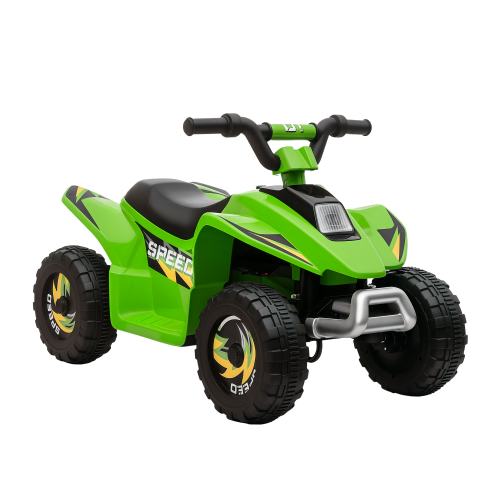 Your price for this item is $82.95
 -
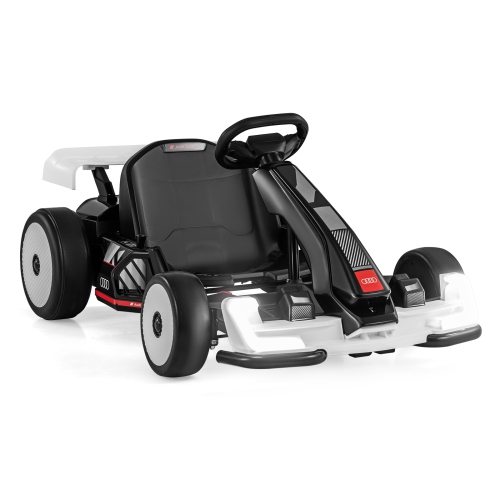 Your price for this item is $449.99
Discover more categories related to 24V Ride On Toys
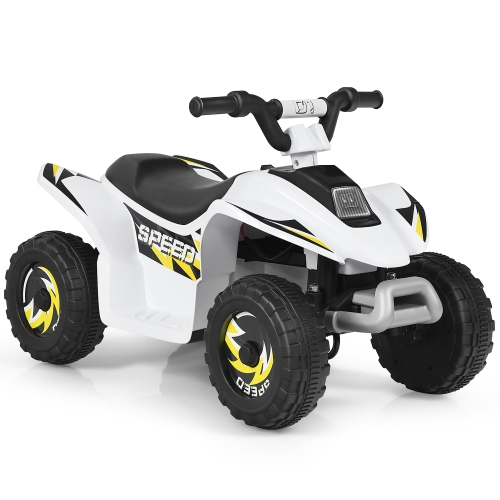
Top Collections:
Pokemon Centers, Kindle Devices, Best Budget Office Chairs, Canon G7X Cameras, Apple iPhones 16, Samsung Galaxy Phones, Refurbished Apple Laptops, Laptops for Students, iPhone 15 Apple, Budget Smartphones
Some products may be subject to Environmental Handling Fees
(EHF) depending on your province.
Learn more about EHFs.