ABC Toys
Discover a world of fun and learning with our diverse selection of toys designed to spark imagination and creativity. Whether you're looking for educational toys that challenge young minds or playful gadgets that bring joy to playtime, there's something for every child and every occasion. From interactive games that engage the whole family to solo adventures that inspire independent exploration, these toys are crafted to entertain while fostering essential skills. Dive into our collection and find the perfect addition to your child's toy box, ensuring hours of enjoyment and discovery.
Sort
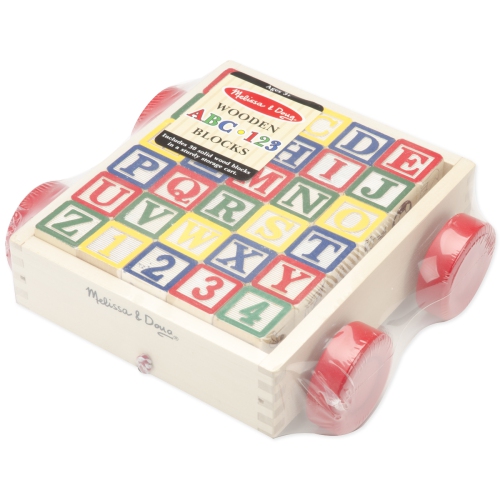
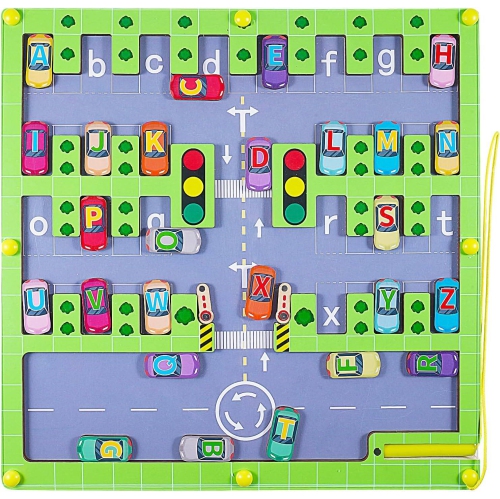
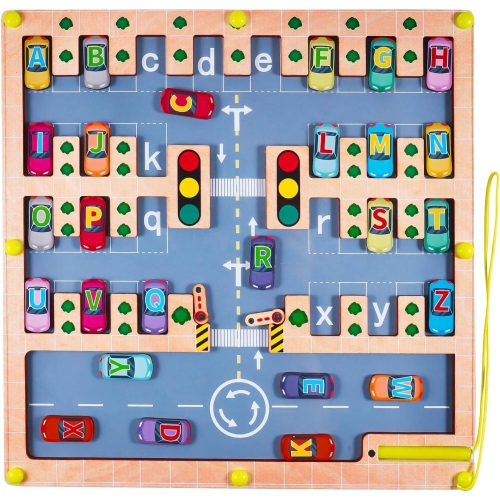
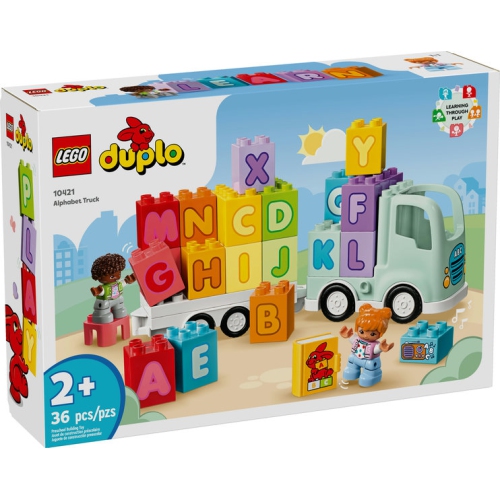
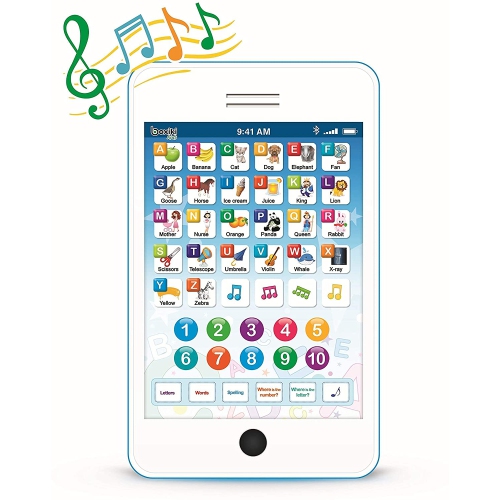
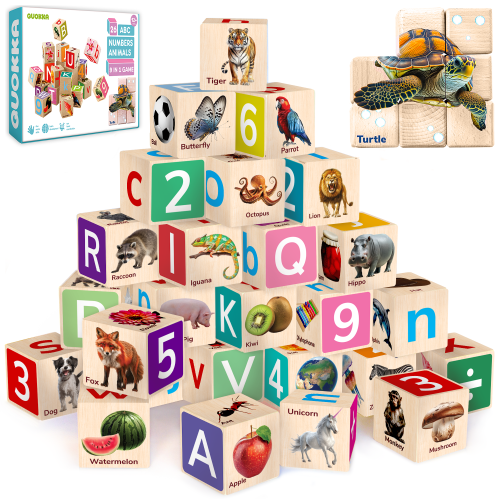
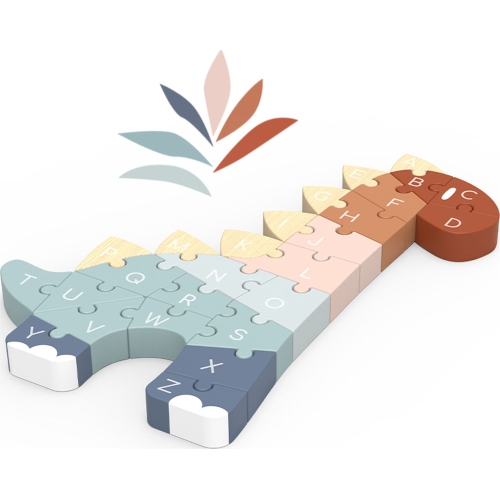
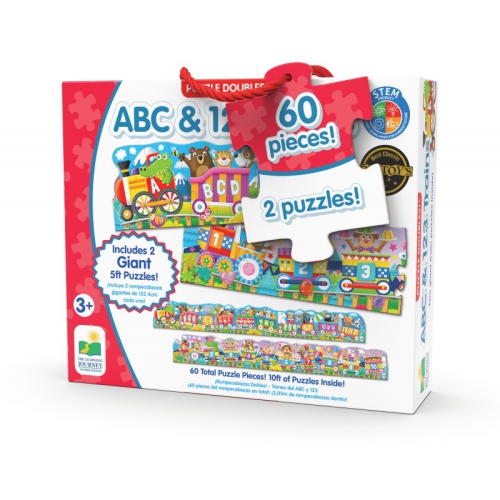
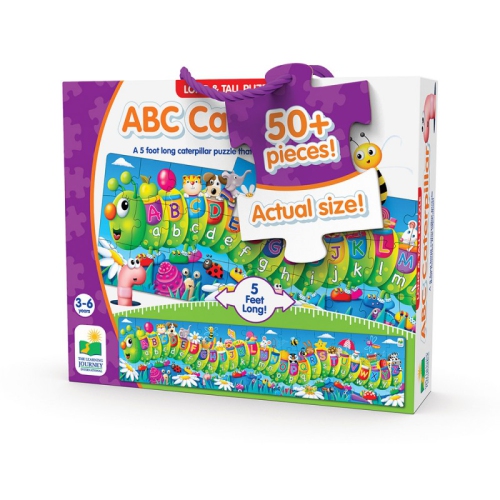
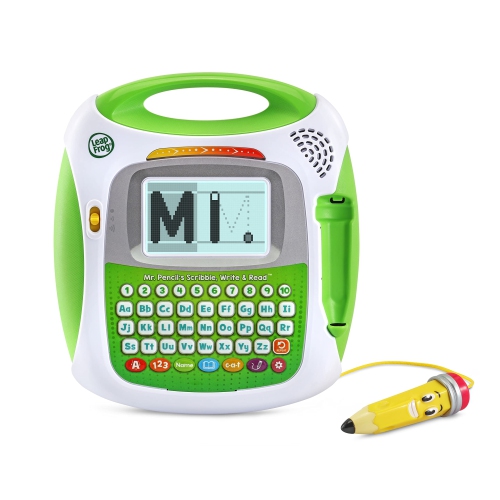

Letters take shape through hands-on play
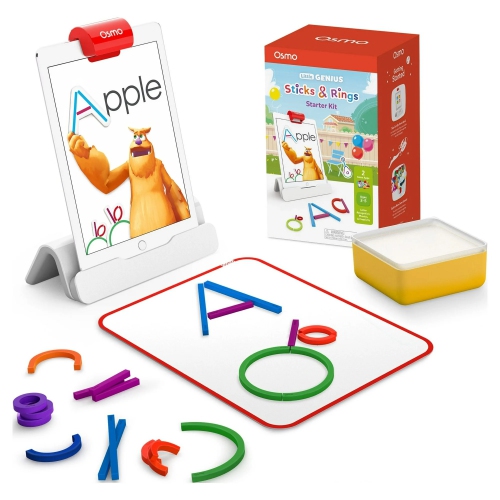
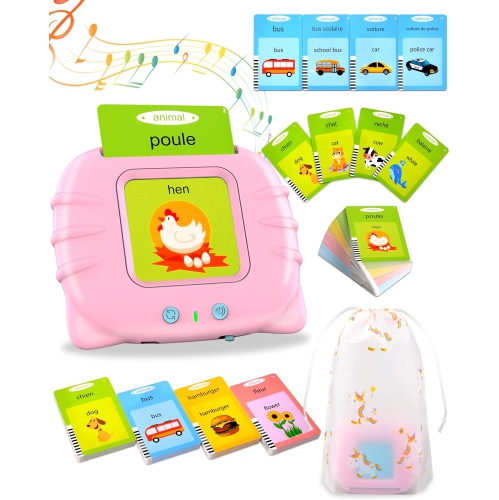
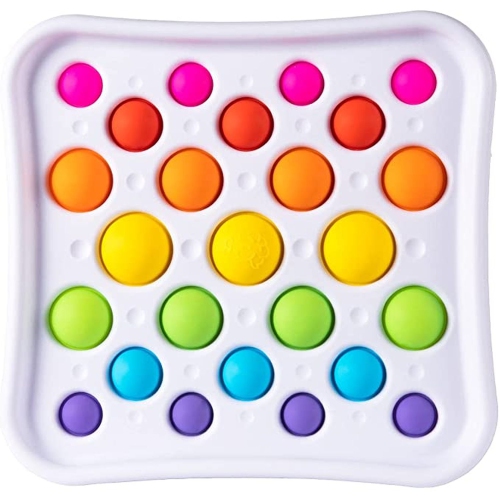
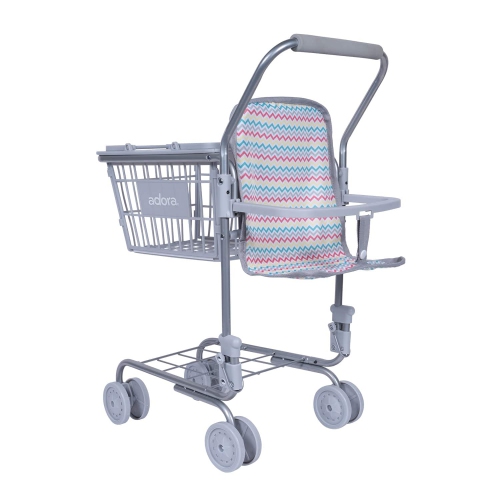
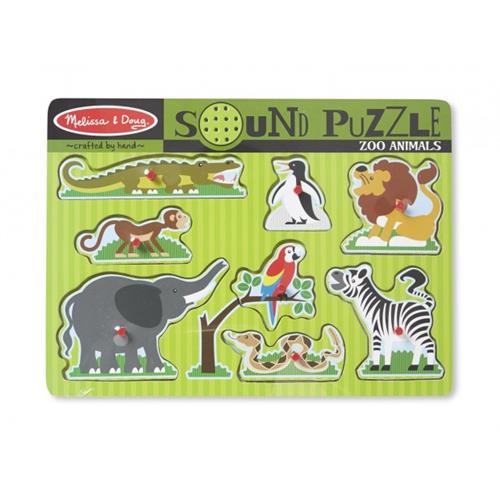
ABC toys introduce the alphabet through hands-on play, pairing letters with shapes, pictures, sounds, or objects that children can explore at their own pace. Often called alphabet toys or letter-learning toys, they turn an abstract symbol into something a child can hold, turn over, fit into a space, or connect with a familiar word. The category includes alphabet blocks, letter puzzles, matching activities, and interactive learning toys, with different formats suited to different stages of childhood. A toddler might enjoy stacking chunky letter blocks without paying much attention to the characters printed on them, while a preschooler may begin picking out the first letter of their name or matching a capital letter with its lowercase partner. Both kinds of play have a place: familiarity can grow through repeated, relaxed contact rather than a fixed sequence of lessons. Clear lettering, recognizable pictures, and manageable amounts of detail help keep the alphabet at the centre of the activity. A picture of an apple beside an A gives an adult something concrete to name, while a removable letter offers another way to notice its outline. Uppercase and lowercase letters serve different purposes, so sets that show both can support conversations about why the same letter sometimes looks different in a name, a book, or a sign. Letter names and letter sounds are also distinct, and sound-based toys vary in how they present them. Some focus on naming the alphabet; others add spoken words, songs, or simple sound associations. These features can prompt conversation and repetition, but alphabet play does not need electronic feedback to be engaging. A child tracing a raised letter with a fingertip, finding two matching shapes, or arranging letters beside a favourite picture book is already exploring useful connections between written symbols and everyday language. The most meaningful interactions often come from small discoveries shared with a parent, caregiver, sibling, or early childhood educator.
Age suitability matters as much as the learning theme, particularly when alphabet toys have loose pieces, removable parts, or battery-powered features. The manufacturer’s age recommendation and safety information should be the starting point, since a toy that suits a preschooler may contain pieces unsuitable for a baby or younger toddler. Large, easy-to-grip shapes can be more manageable for small hands, while puzzles with more pieces or closer-fitting connections may appeal to children ready for a greater challenge. Fit is practical here: a letter that settles into its space without excessive force allows a child to keep trying, whereas fiddly connections can interrupt the activity. For children still exploring objects by mouthing them, Toys for Babies offers a related category to consider alongside each toy’s stated age range and intended use. Materials influence how an alphabet toy feels, sounds, and holds up to repeated handling. Wooden pieces often have a firm, substantial feel, moulded plastic can accommodate rounded shapes and fitted connections, and fabric designs offer a softer surface. None of these materials alone establishes suitability; construction, finish, piece size, and care instructions are just as important. Smooth edges, intact seams, securely attached components, and legible letters are useful details to look for. Everyday durability also depends on the activity. Blocks may be stacked and toppled repeatedly, puzzle pieces may slide across a table, and matching sets may be packed away after every session. Printed or raised markings need to remain clear enough for continued use, and storage that keeps a complete set together makes repeat play simpler. Cleaning methods differ by material and construction, especially when a toy includes electronics. Follow the manufacturer’s care directions rather than assuming that every surface can be soaked or put in a dishwasher. Battery compartments should remain securely closed, and toys with magnets require particular attention to age restrictions and checks for damaged or missing parts. Regular inspection helps identify loose pieces, cracks, or worn surfaces before the next play session.
The best match for a child’s daily play is not necessarily the alphabet toy with the most activities. A simple set with clear letters can leave room for sorting, storytelling, and imaginative arrangements, while a talking toy may appeal to a child who enjoys hearing a prompt and responding. Volume controls and an off switch can make sound features easier to share in a family living space, and checking the spoken language helps ensure that songs, letter names, and vocabulary suit the household. In homes where children hear both English and French, the language setting deserves attention because letter names and sound associations differ. Visual presentation matters too: strong contrast, uncluttered pictures, and letters that are easy to distinguish can make an activity more approachable. Colour can help children sort pieces, although matching a letter by its shape is a different task from matching by colour alone. These small differences give familiar toys more than one use. During floor play, an adult might place two letters beside each other and name them; at a table, an older child might search for the letters in a family member’s name. Pulling apart connected pieces, turning a puzzle shape, and stacking blocks provide opportunities to practise hand coordination alongside alphabet familiarity. Picture-and-letter pairings can also invite vocabulary-rich conversation about animals, food, vehicles, and other recognizable subjects. There is no need to turn every session into a test or expect a child to master the alphabet on a timetable. Short exchanges that follow the child’s interest can keep the experience playful. ABC toys can make thoughtful birthday gifts for toddlers and preschoolers when the age range, piece size, and level of challenge fit the recipient. For shared playrooms or early learning spaces, easy cleaning, straightforward storage, and enough room for children to handle pieces together are especially useful. At home, a tray, pouch, or dedicated shelf space can keep letters from disappearing between sessions. A well-matched alphabet toy earns its place through repeated use, whether that means building a wobbly tower, finding a familiar initial, or making the first tentative arrangements of letters into words.
Age suitability matters as much as the learning theme, particularly when alphabet toys have loose pieces, removable parts, or battery-powered features. The manufacturer’s age recommendation and safety information should be the starting point, since a toy that suits a preschooler may contain pieces unsuitable for a baby or younger toddler. Large, easy-to-grip shapes can be more manageable for small hands, while puzzles with more pieces or closer-fitting connections may appeal to children ready for a greater challenge. Fit is practical here: a letter that settles into its space without excessive force allows a child to keep trying, whereas fiddly connections can interrupt the activity. For children still exploring objects by mouthing them, Toys for Babies offers a related category to consider alongside each toy’s stated age range and intended use. Materials influence how an alphabet toy feels, sounds, and holds up to repeated handling. Wooden pieces often have a firm, substantial feel, moulded plastic can accommodate rounded shapes and fitted connections, and fabric designs offer a softer surface. None of these materials alone establishes suitability; construction, finish, piece size, and care instructions are just as important. Smooth edges, intact seams, securely attached components, and legible letters are useful details to look for. Everyday durability also depends on the activity. Blocks may be stacked and toppled repeatedly, puzzle pieces may slide across a table, and matching sets may be packed away after every session. Printed or raised markings need to remain clear enough for continued use, and storage that keeps a complete set together makes repeat play simpler. Cleaning methods differ by material and construction, especially when a toy includes electronics. Follow the manufacturer’s care directions rather than assuming that every surface can be soaked or put in a dishwasher. Battery compartments should remain securely closed, and toys with magnets require particular attention to age restrictions and checks for damaged or missing parts. Regular inspection helps identify loose pieces, cracks, or worn surfaces before the next play session.
The best match for a child’s daily play is not necessarily the alphabet toy with the most activities. A simple set with clear letters can leave room for sorting, storytelling, and imaginative arrangements, while a talking toy may appeal to a child who enjoys hearing a prompt and responding. Volume controls and an off switch can make sound features easier to share in a family living space, and checking the spoken language helps ensure that songs, letter names, and vocabulary suit the household. In homes where children hear both English and French, the language setting deserves attention because letter names and sound associations differ. Visual presentation matters too: strong contrast, uncluttered pictures, and letters that are easy to distinguish can make an activity more approachable. Colour can help children sort pieces, although matching a letter by its shape is a different task from matching by colour alone. These small differences give familiar toys more than one use. During floor play, an adult might place two letters beside each other and name them; at a table, an older child might search for the letters in a family member’s name. Pulling apart connected pieces, turning a puzzle shape, and stacking blocks provide opportunities to practise hand coordination alongside alphabet familiarity. Picture-and-letter pairings can also invite vocabulary-rich conversation about animals, food, vehicles, and other recognizable subjects. There is no need to turn every session into a test or expect a child to master the alphabet on a timetable. Short exchanges that follow the child’s interest can keep the experience playful. ABC toys can make thoughtful birthday gifts for toddlers and preschoolers when the age range, piece size, and level of challenge fit the recipient. For shared playrooms or early learning spaces, easy cleaning, straightforward storage, and enough room for children to handle pieces together are especially useful. At home, a tray, pouch, or dedicated shelf space can keep letters from disappearing between sessions. A well-matched alphabet toy earns its place through repeated use, whether that means building a wobbly tower, finding a familiar initial, or making the first tentative arrangements of letters into words.
Top selling and popular products
-
 Your price for this item is $35.99
 -
 Your price for this item is $30.99
 -
 Your price for this item is $37.99
 -
 Your price for this item is $27.99
 -
 Your price for this item is $16.95
 -
 Your price for this item is $94.99
 -
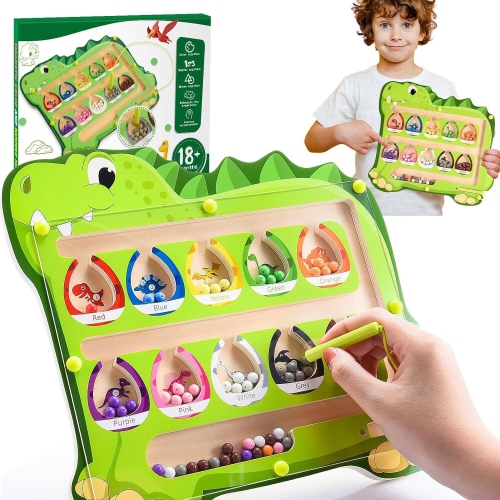 Your price for this item is $28.99
 -
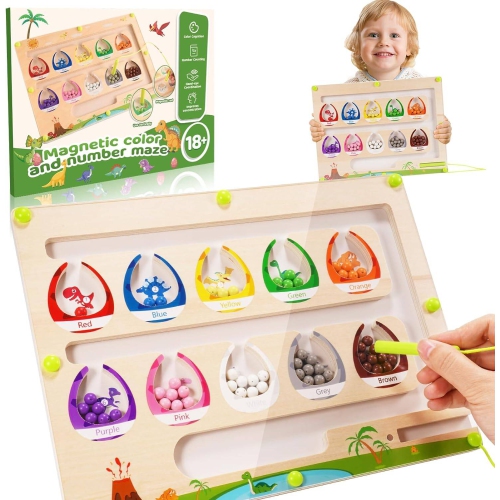 Your price for this item is $28.99
Discover more categories related to ABC Toys

Top Collections:
Pokemon Centers, Kindle Devices, Best Budget Office Chairs, Apple iPhones 16, Best Laptops for Writers, iPhone 15 Apple, Canon G7X Cameras, Refurbished Apple Laptops, Alarm Clock, Motorola Razr Phones
Some products may be subject to Environmental Handling Fees
(EHF) depending on your province.
Learn more about EHFs.