Anime Model Kits
Looking to bring your favorite anime characters to life? Look no further than our collection of anime model kits. These kits offer a unique and creative way to immerse yourself in the world of anime, allowing you to build and customize your very own figurines. Whether you're a seasoned collector or just starting out, our selection of anime model kits has something for everyone. From popular series to rare finds, you'll find a wide range of options to choose from. Get ready to unleash your inner otaku and create stunning displays that showcase your love for all things anime.
Sort
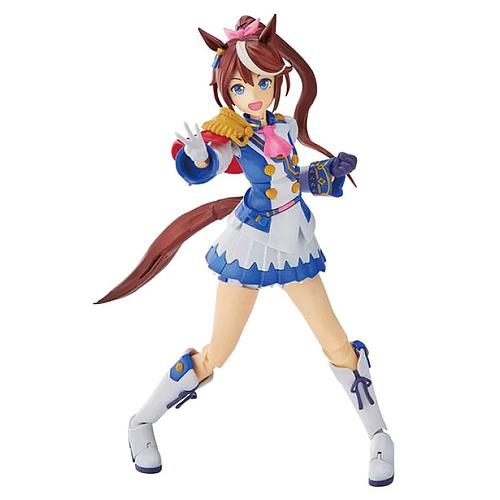
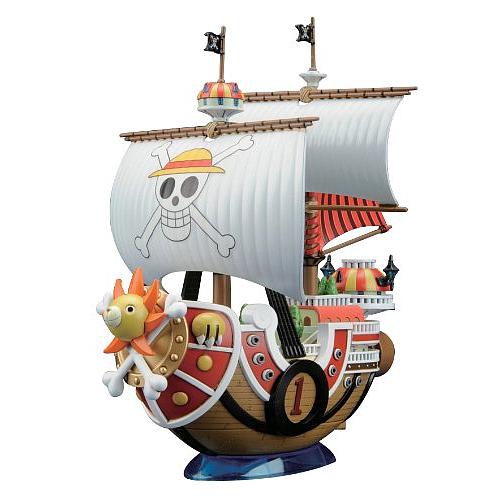
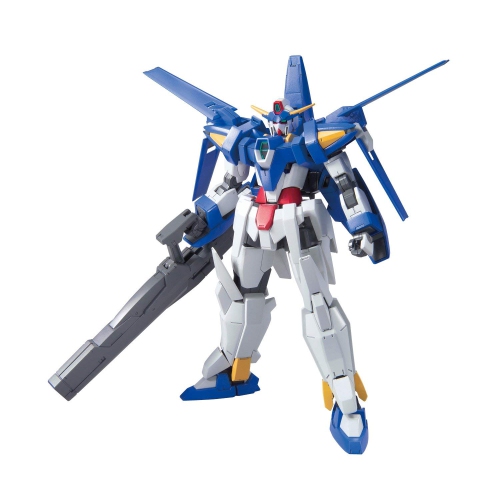
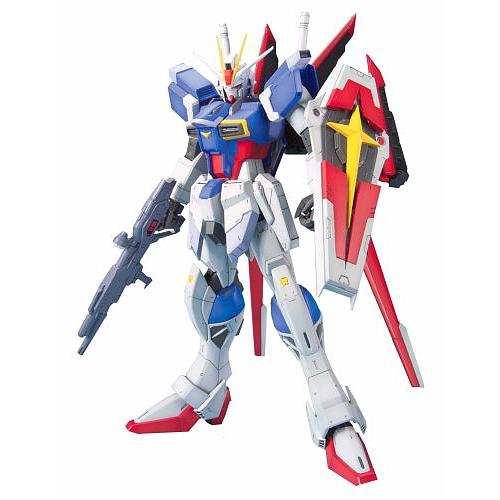
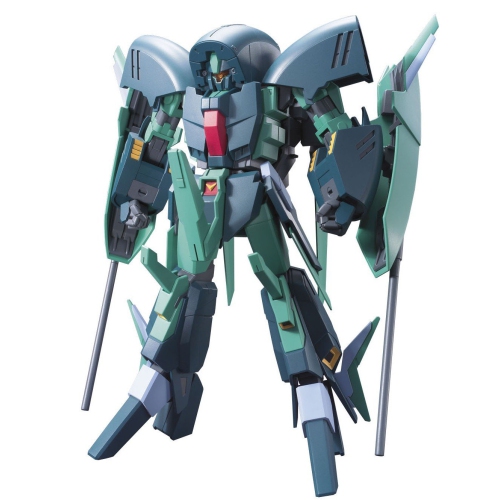

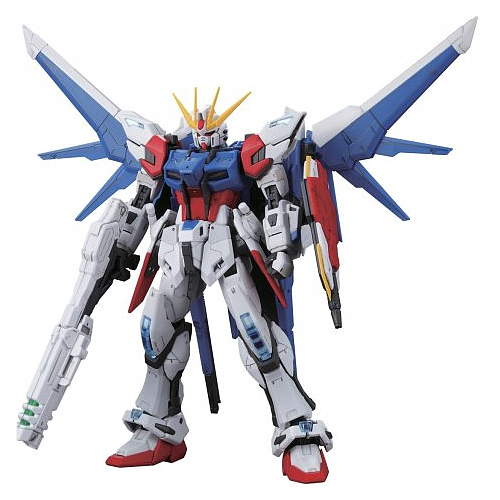
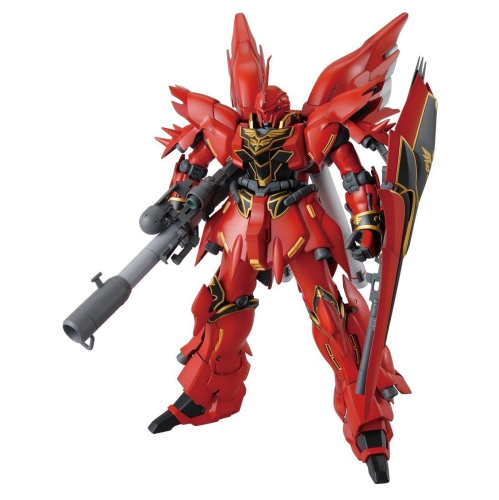
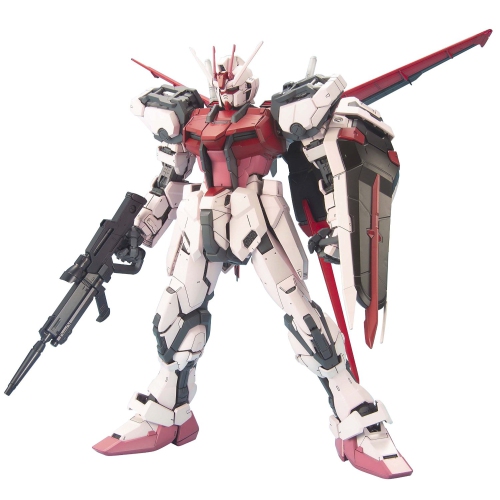
![Neon Genesis Evangelion Rei Ayanami Plugsuit Style Dt-160 14" Figure [Wave]](https://multimedia.bbycastatic.ca/multimedia/products/500x500/174/17449/17449189.jpeg)
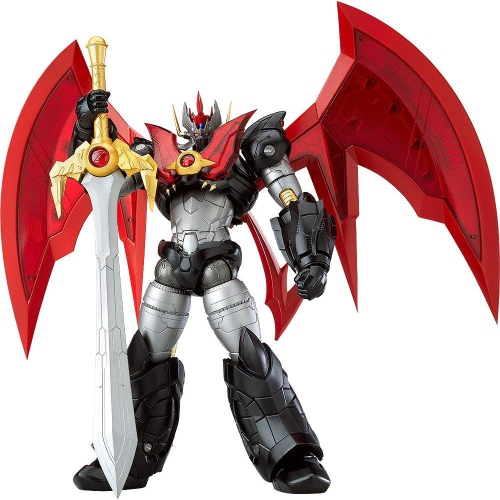
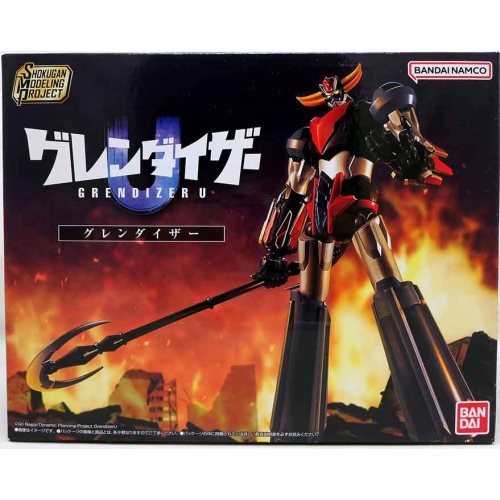
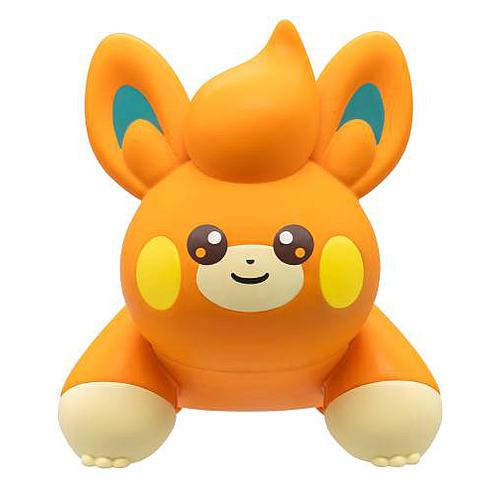
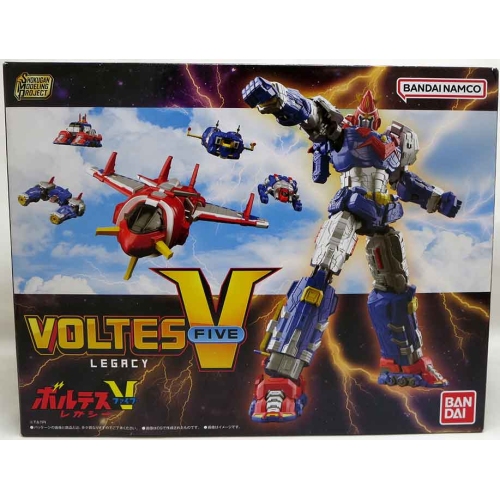
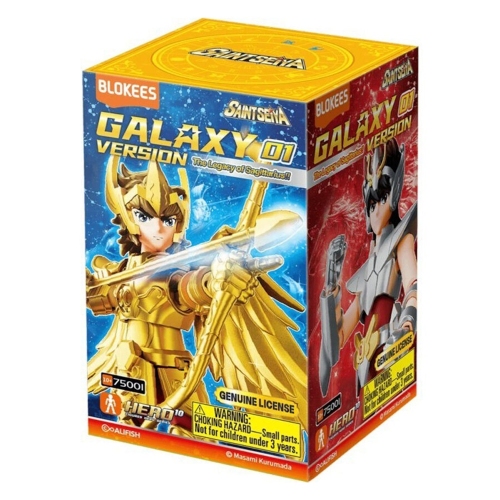
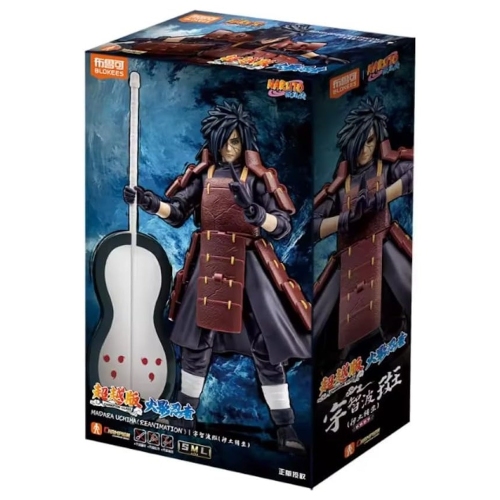
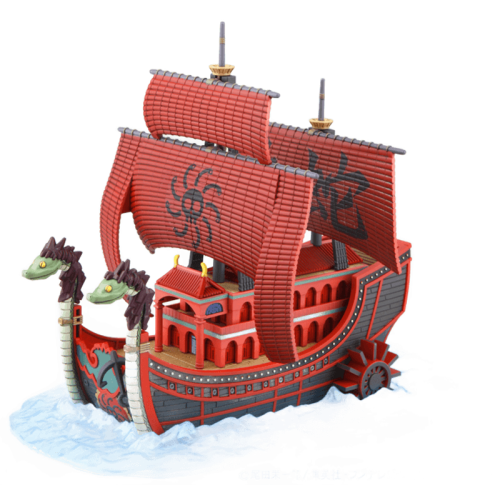
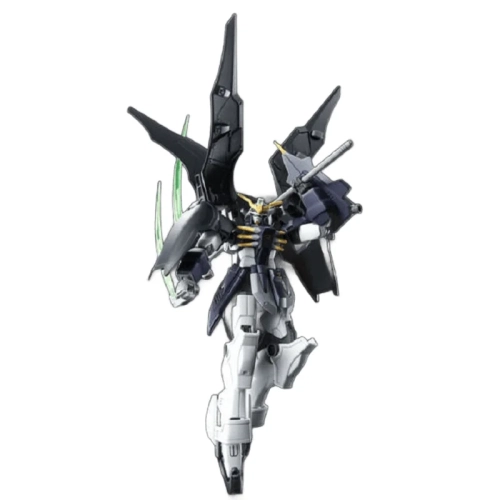
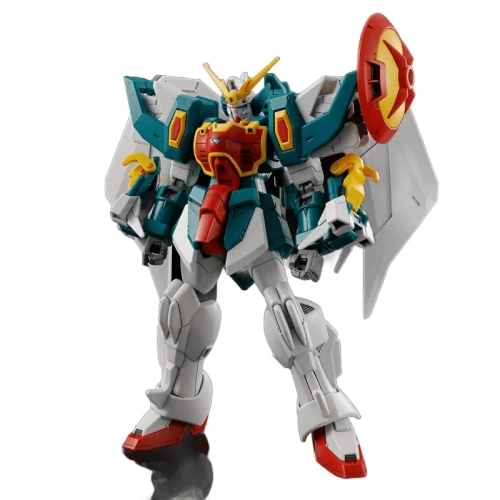
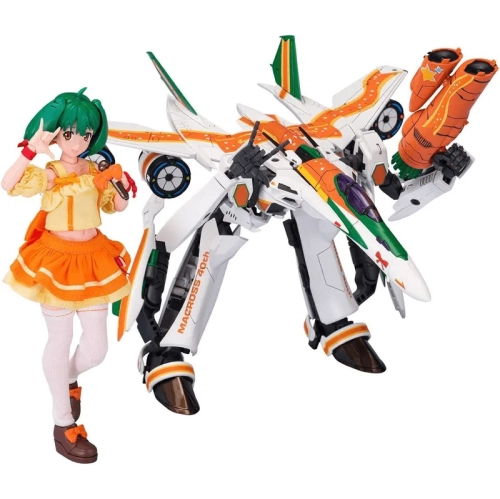
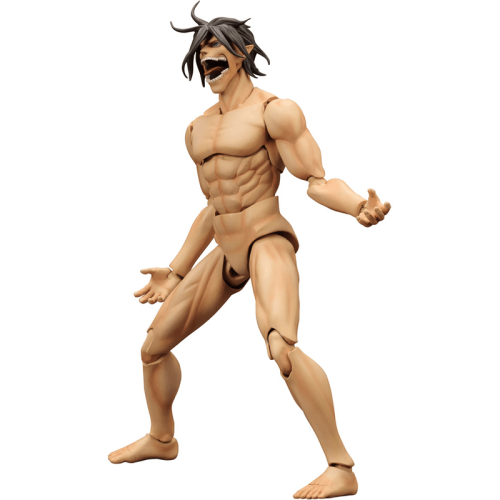
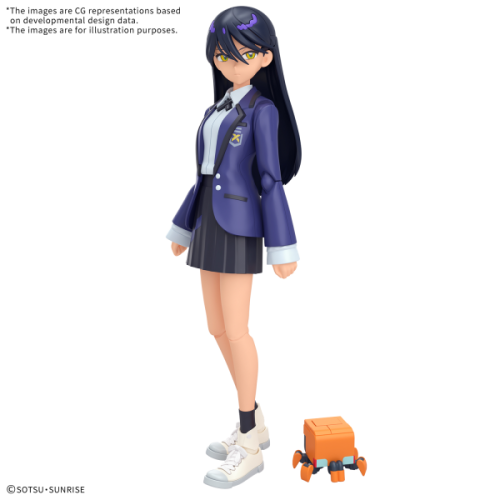
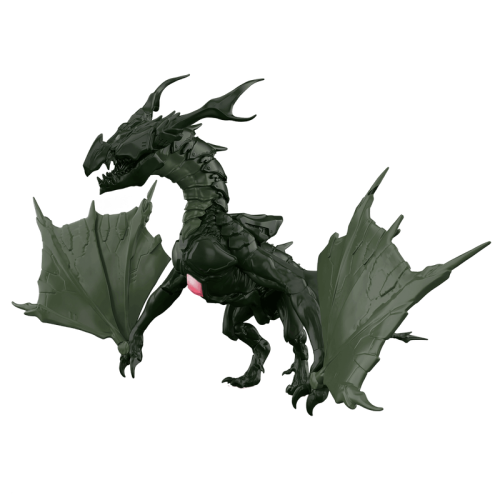
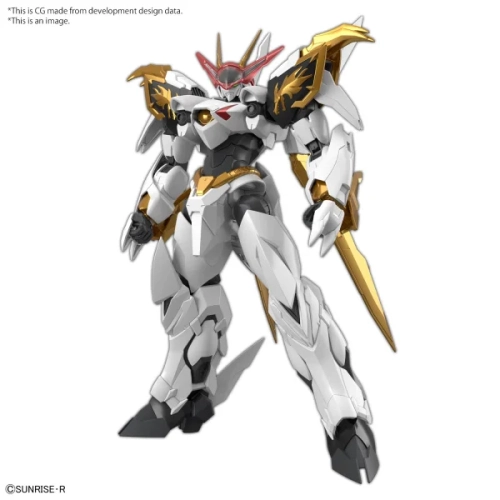
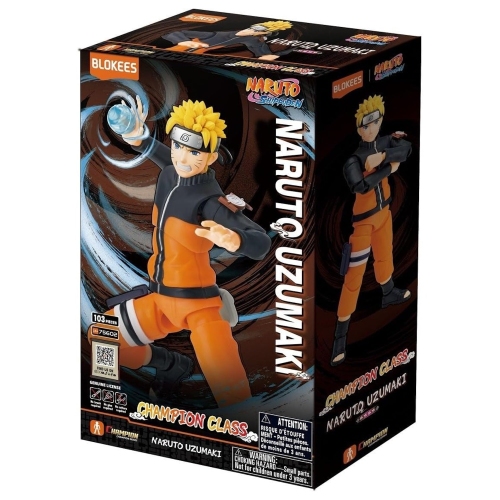
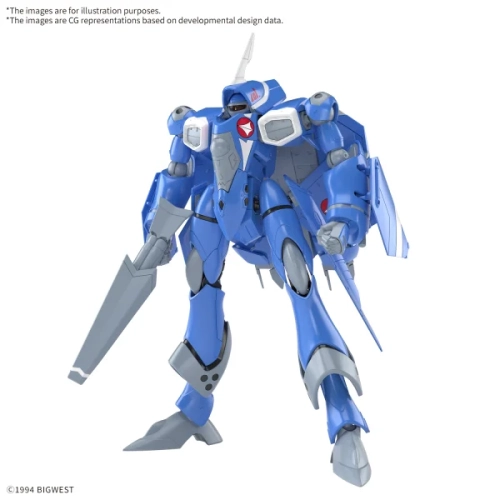
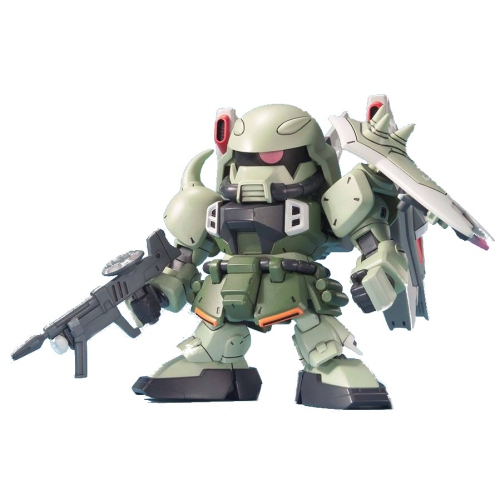
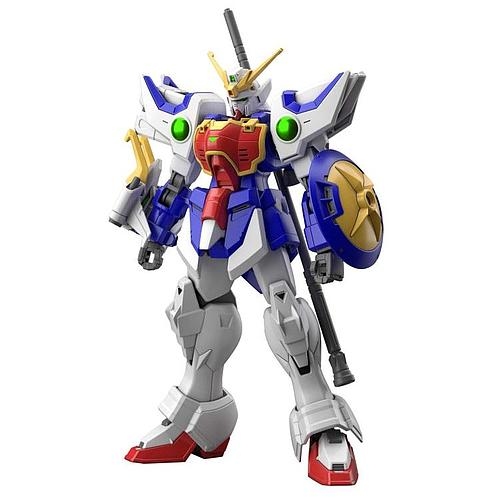
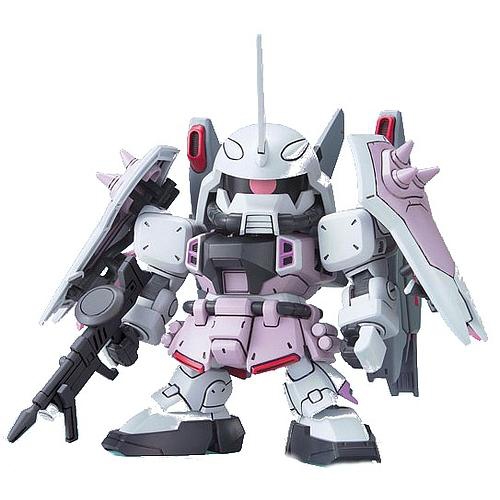
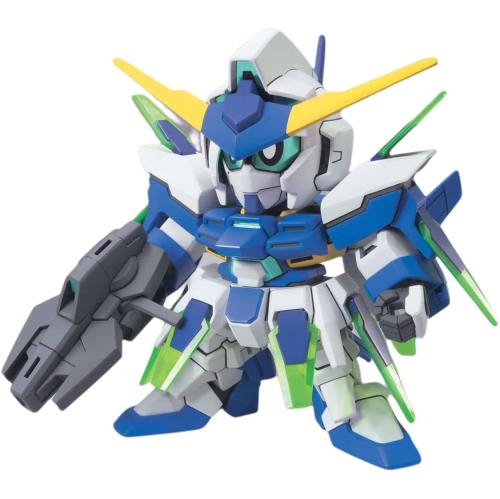
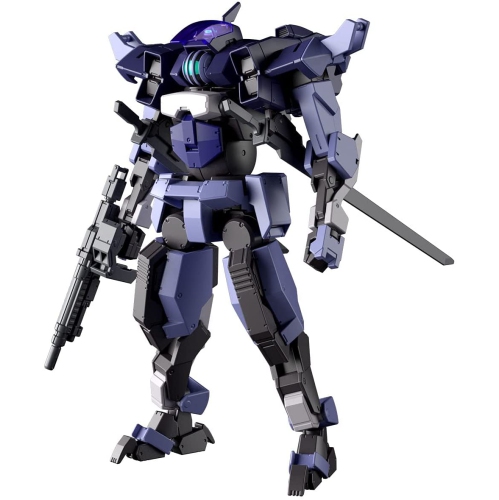
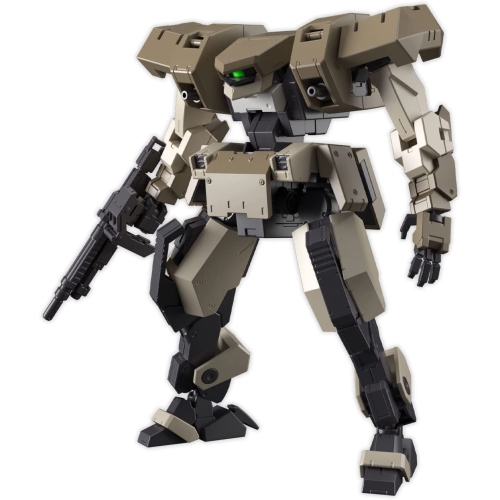
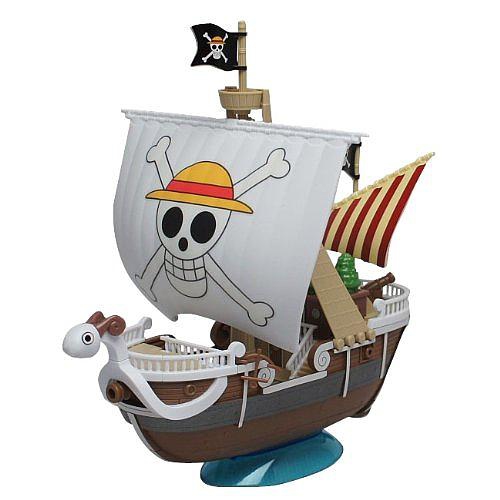
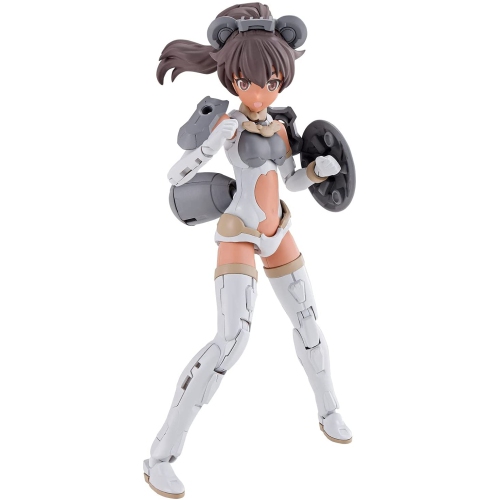
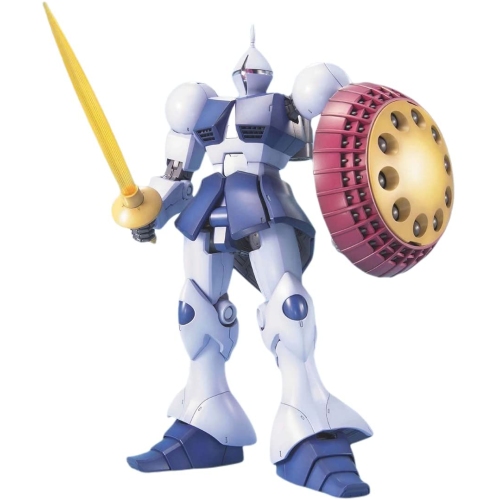
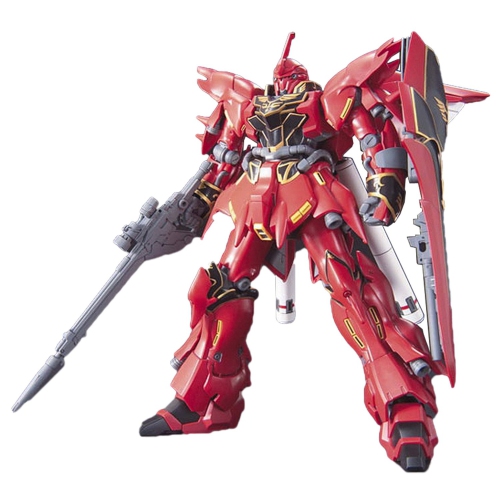
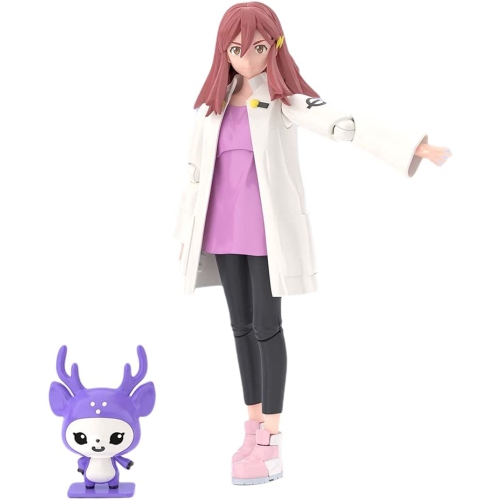
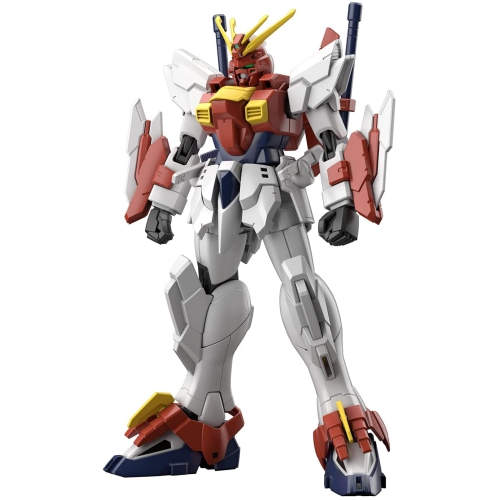
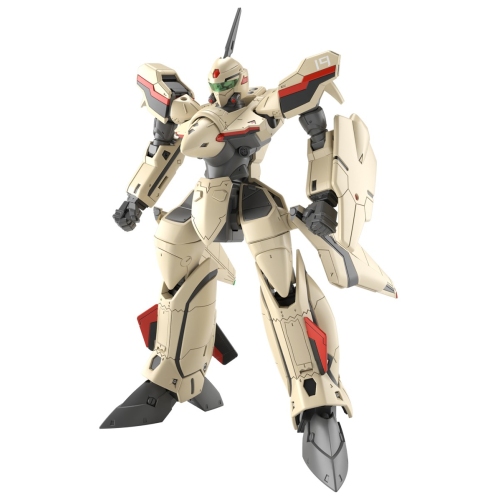
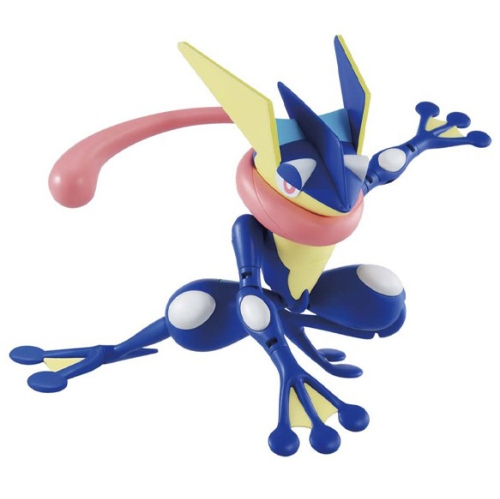
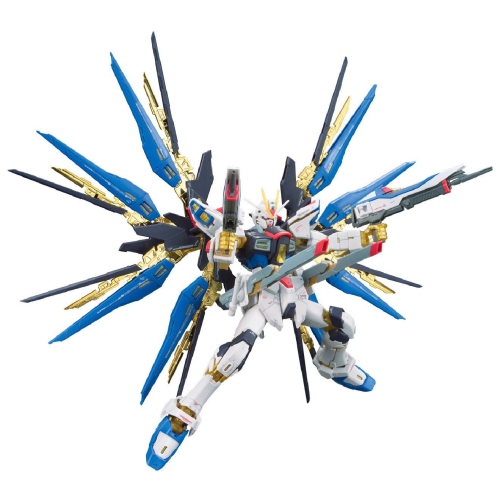
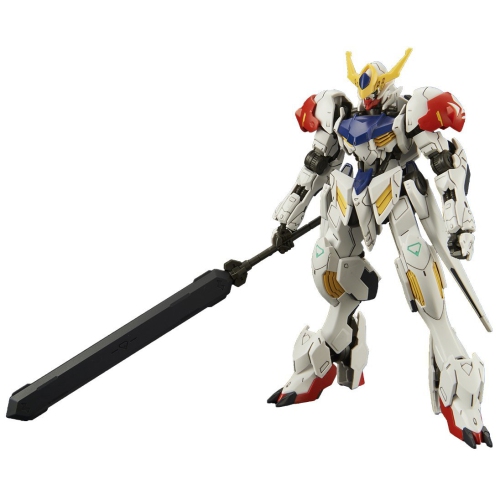

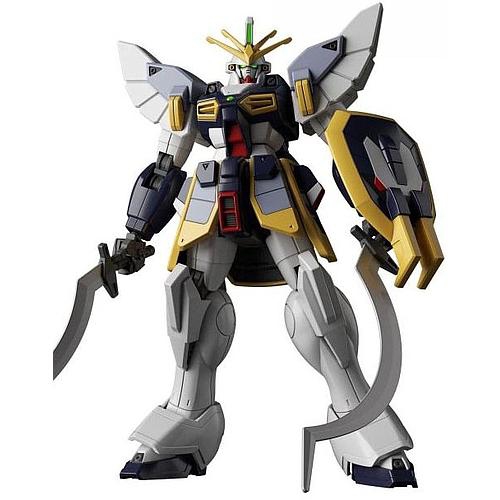
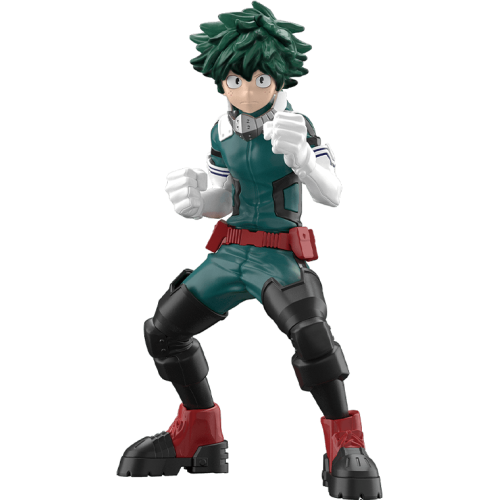
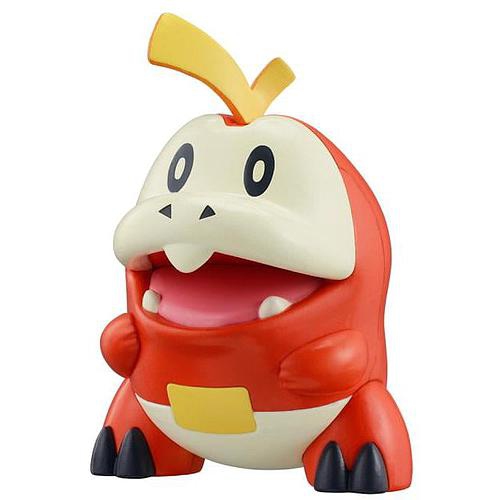
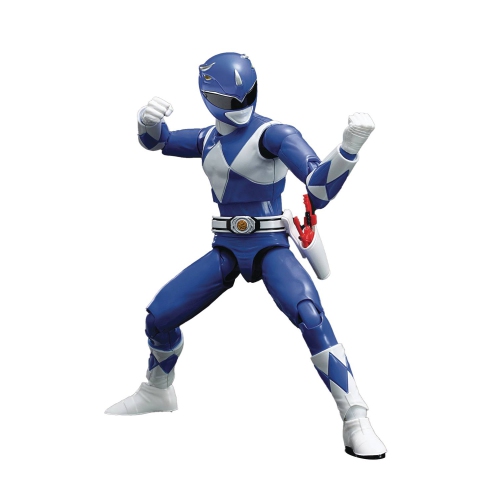
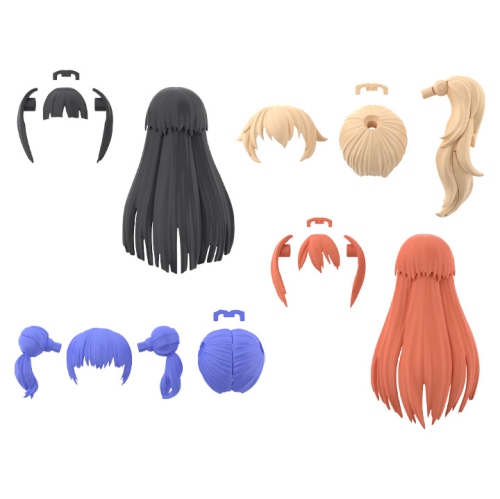
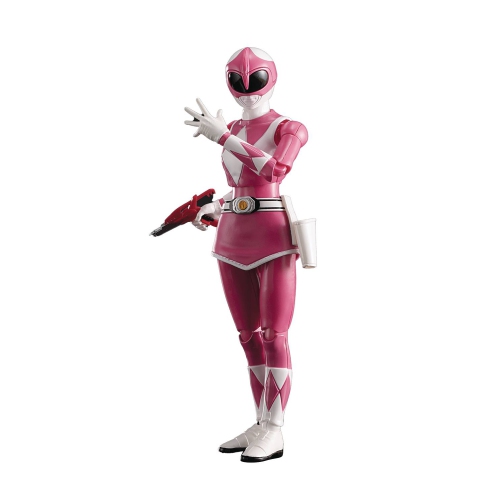
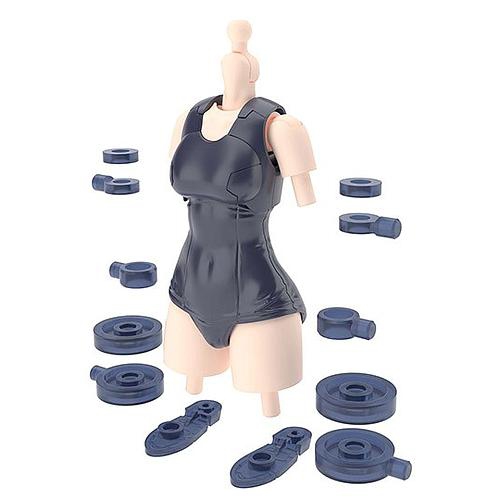
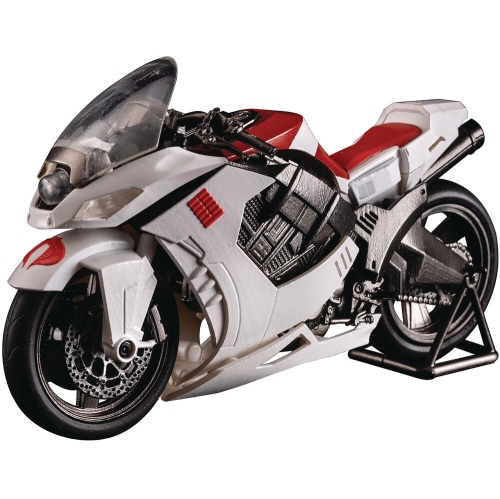
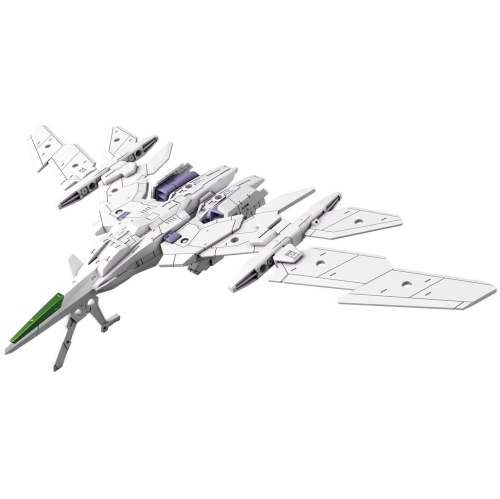
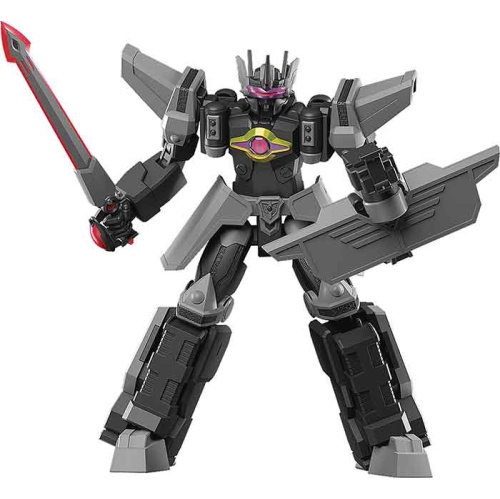
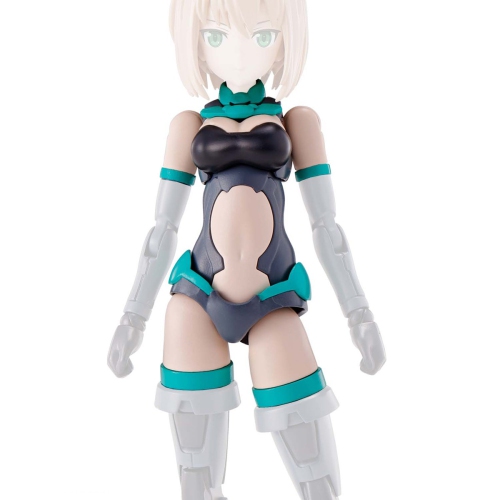
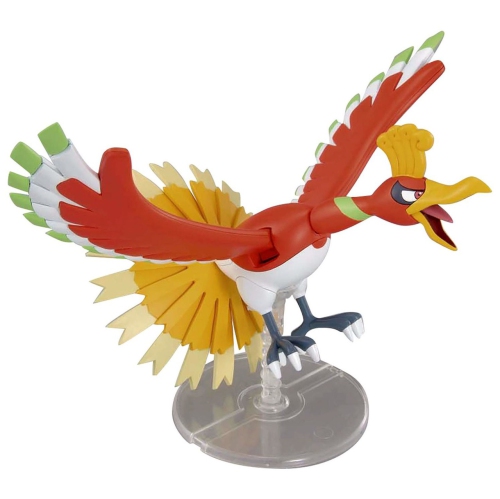
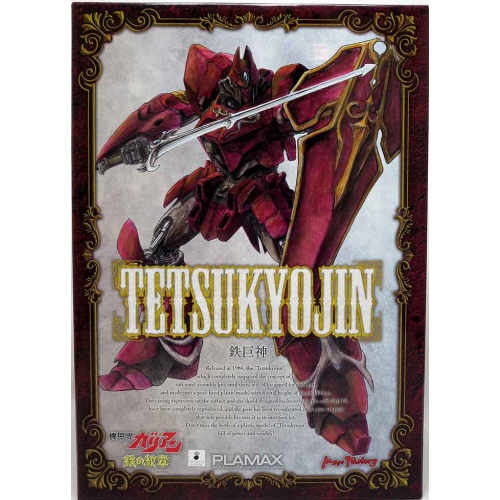
From illustrated designs to detailed builds worth displaying
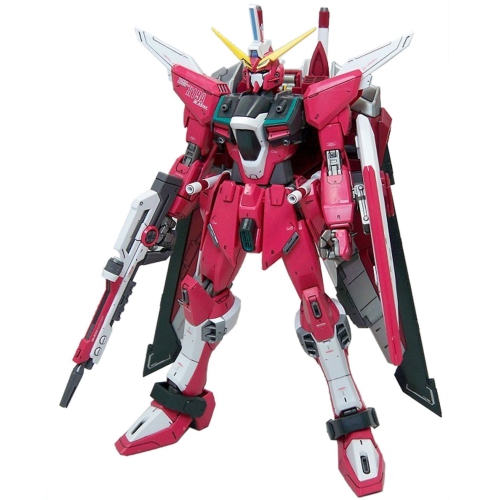
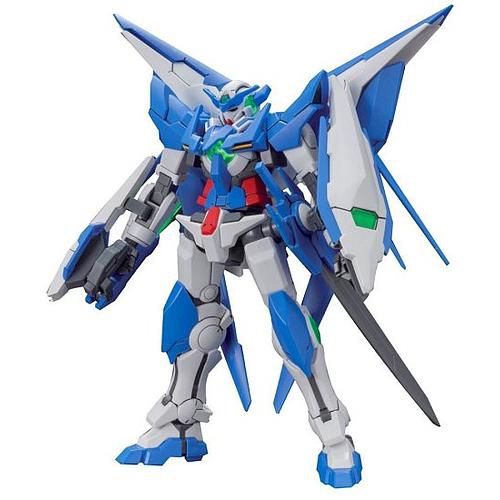
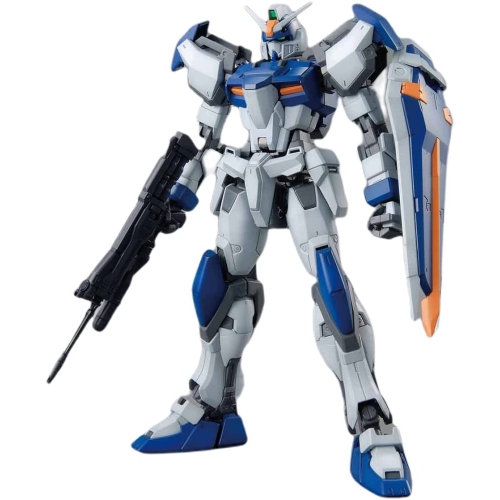
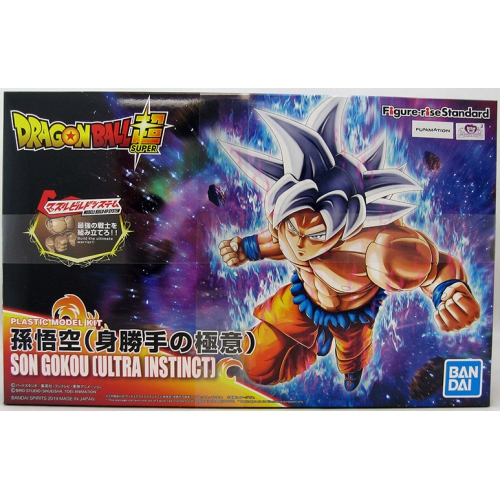
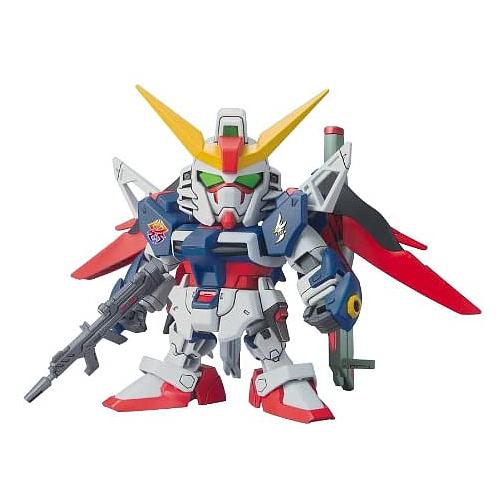
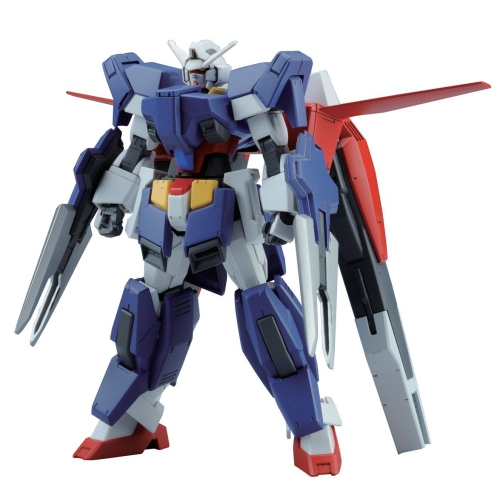
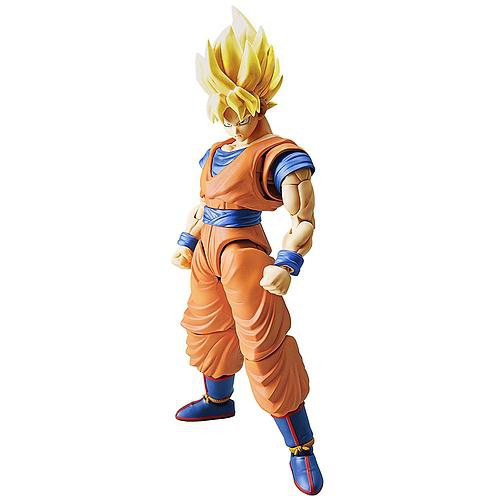
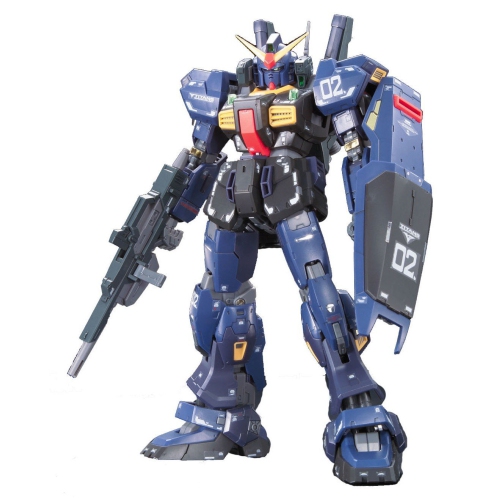
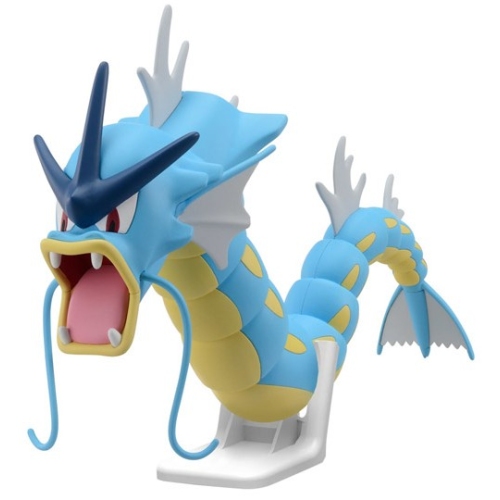
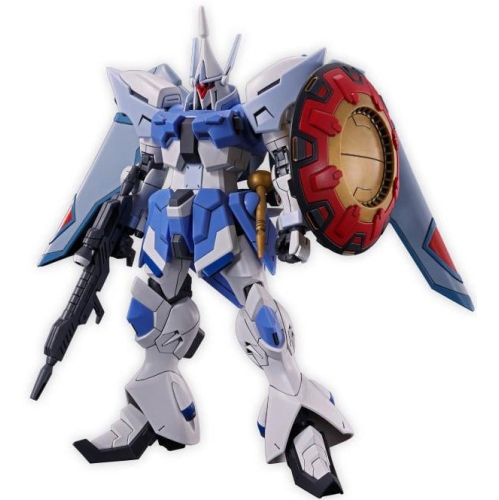
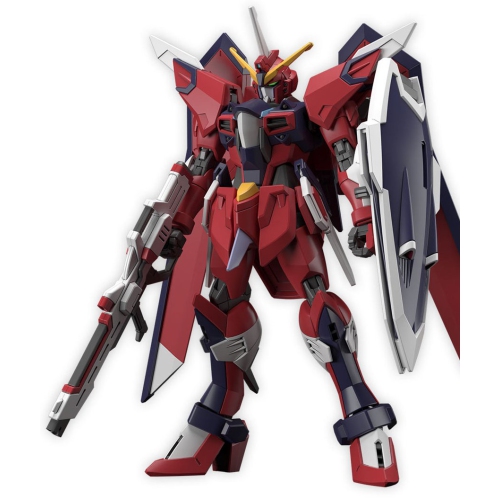
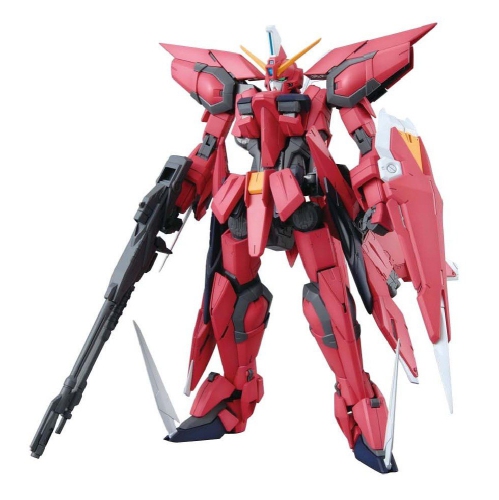
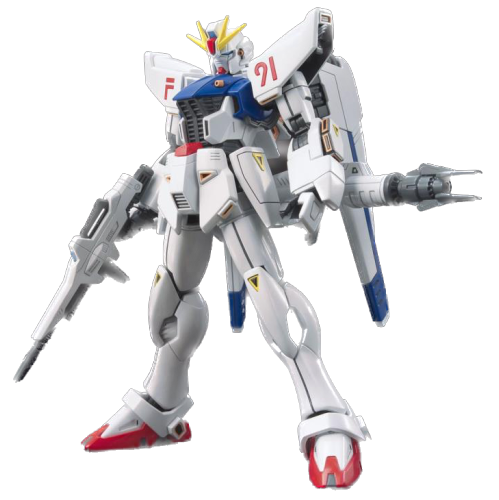
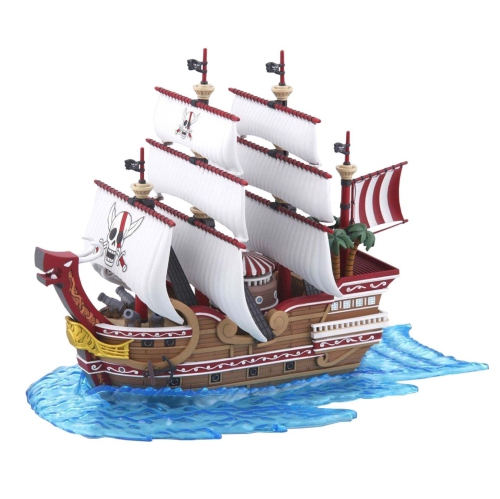
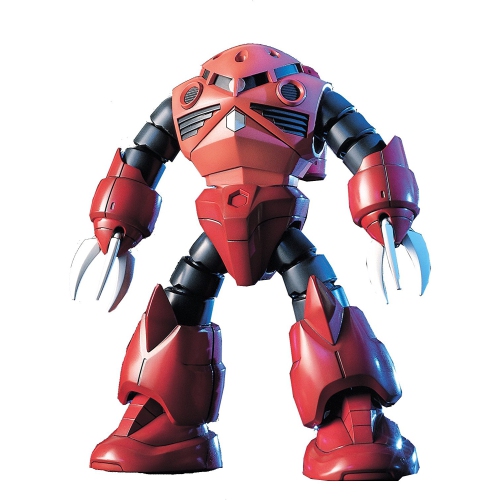
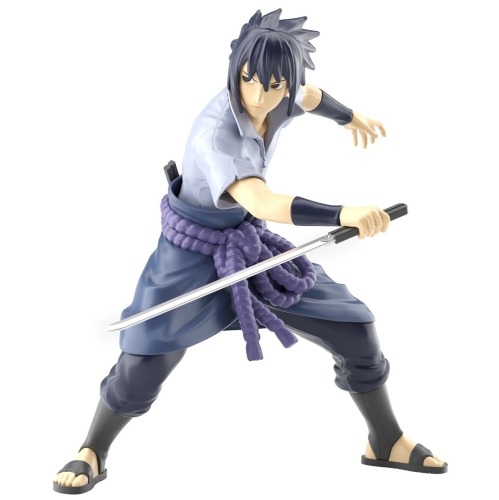
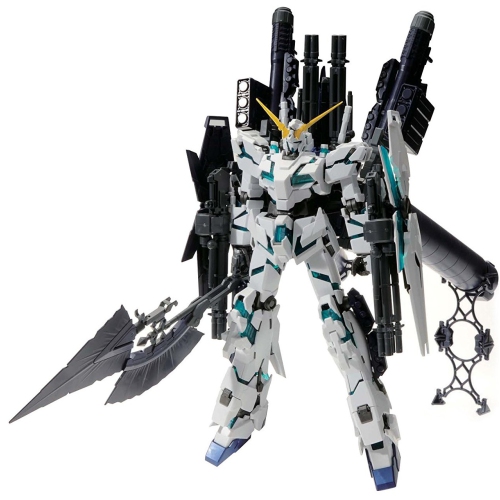
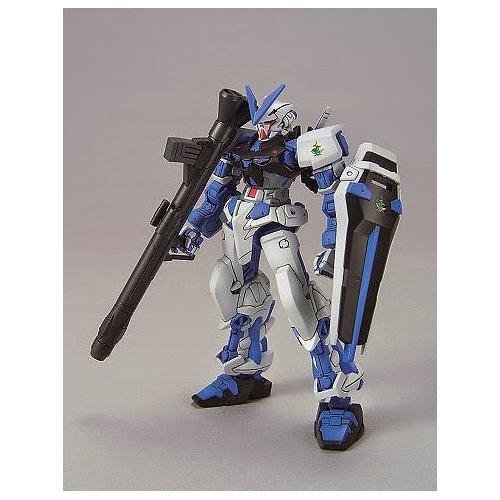
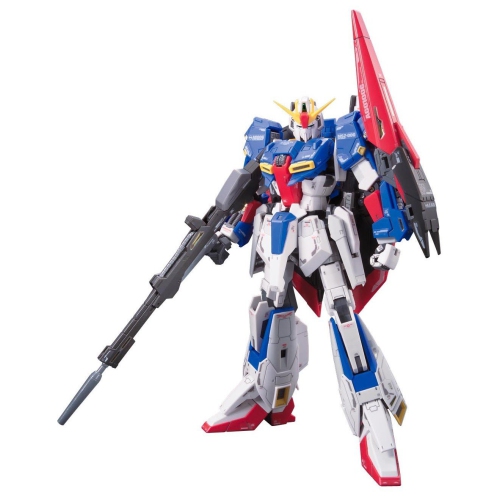
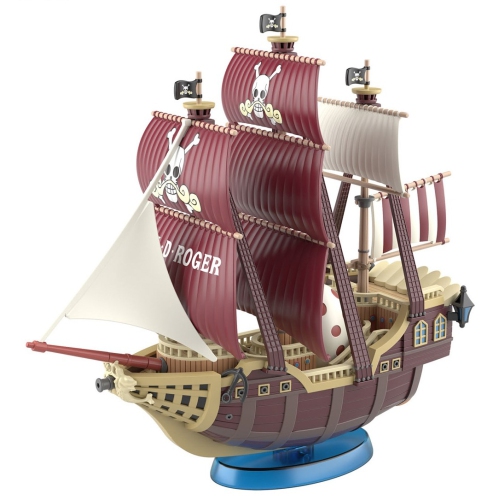
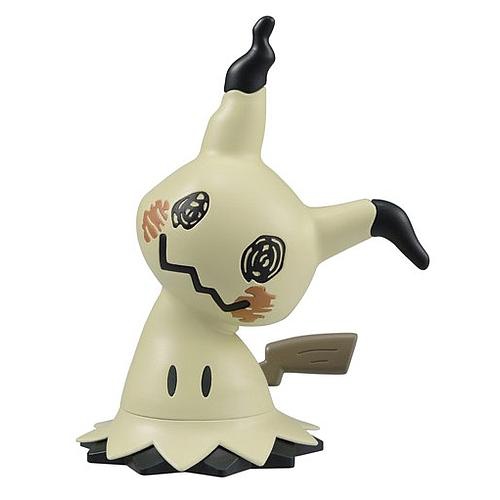
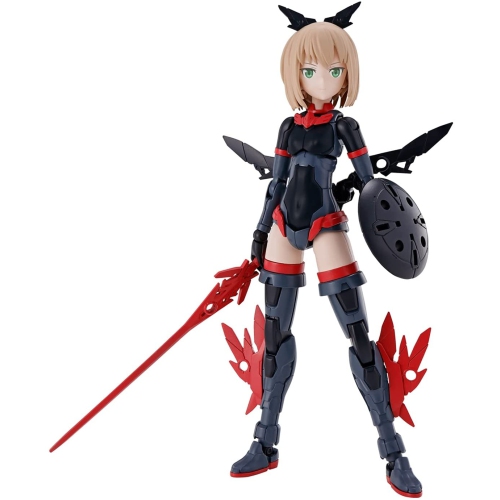
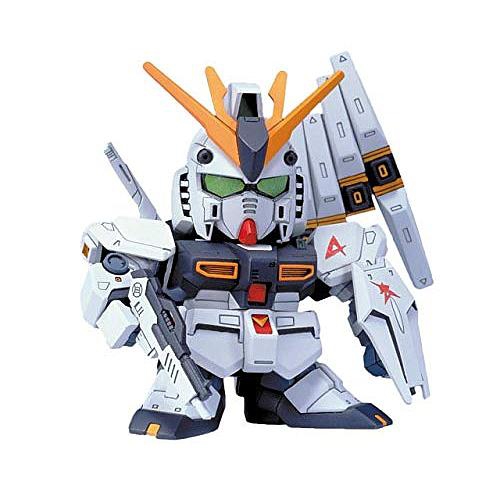
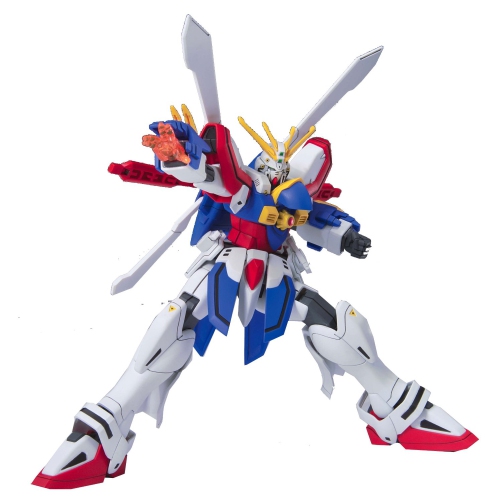
Anime model kits bring the visual character of animation into a hands-on hobby, turning illustrated designs into three-dimensional pieces with shape, texture, and presence. Rather than arriving as finished figures, these kits invite builders to assemble the subject themselves, from the main structure to the small details that give it personality. The appeal lies as much in the process as in the finished display: a sharply shaped silhouette, neatly fitted armour panels, or a carefully arranged pose can make a familiar design feel tangible. Subjects can include characters, mechanical creations, vehicles, and other designs associated with animated worlds, with different kits placing different emphasis on articulation, surface detail, or faithful proportions. Some are designed for straightforward assembly with relatively few parts, while others involve intricate layers and a longer, more focused build. Many plastic kits use injection-moulded polystyrene, and some incorporate other plastics or flexible components for joints and moving sections. Moulded colours can establish the main appearance without painting, although the colour separation and finishing requirements vary. Snap-fit construction may allow assembly without glue, but that feature should never be assumed for every kit. Other designs require adhesive, painting, or additional finishing to achieve the appearance shown on the packaging. Scale is another useful distinction, though the stated scale alone does not tell the whole story. A compact character and an oversized fictional machine can occupy very different amounts of shelf space even when their scale ratios match. Finished dimensions, including extended accessories or spread-out poses, give a clearer sense of how a model will fit beside books, framed artwork, or an existing collection. For builders drawn particularly to mechanical subjects, anime robot model kits offer a more focused theme, where layered panels, joint construction, and mechanical silhouettes are central to the appeal. Across the wider category, the strongest match is often a subject the builder enjoys paired with an assembly style that suits their patience, experience, and preferred level of involvement.
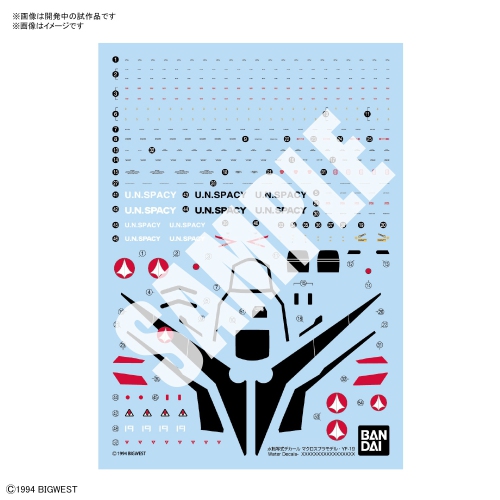
The building experience depends on more than the number of pieces in the box. Larger parts can be easier to handle, but a large finished model is not necessarily a simple project; hidden structures, tiny connectors, and repeated assemblies can add complexity. A smaller kit may offer a satisfying introduction when its instructions are clear and its construction is uncomplicated, while a more experienced hobbyist may enjoy carefully aligning multiple layers or refining visible joins. Part fit matters both during assembly and after completion. Well-aligned connections help preserve the intended shape, and joints need the right balance between movement and support if the model is meant to hold different poses. Tight-fitting parts generally benefit from careful inspection rather than extra force, especially around narrow pegs or delicate edges. Plastic parts are commonly attached to frames called runners, and appropriate hobby nippers can help separate them cleanly. Small attachment marks may remain, making fine sanding tools useful for builders who want a smoother finish. Tools, adhesive, and paint are not necessarily included, so package contents and assembly requirements are important details when comparing kits. A clear tabletop with good lighting makes it easier to distinguish similar pieces, while a shallow tray can keep small components from slipping out of reach. That setup is especially useful for someone who builds in short sessions and needs to put the project away between stages. Finishing options add another layer of choice. Depending on the kit, details may come from stickers, waterslide decals, moulded textures, or optional paintwork. A builder who enjoys assembly more than finishing may prefer strong colour separation in the parts themselves, while someone interested in customization may value surfaces that reward careful painting. Any paint, adhesive, or clear finish needs to be compatible with the material involved, since unsuitable formulations can affect the surface or weaken certain plastics. These differences shape whether a kit feels like a relaxed assembly project, a detailed craft activity, or a canvas for personal interpretation.
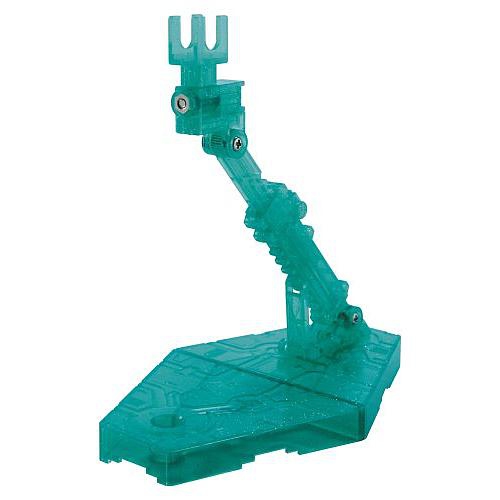
Once assembled, anime model kits are generally best treated as display pieces unless the manufacturer identifies them as suitable for play. Articulated limbs and interchangeable parts can make posing enjoyable, but small tabs, pointed details, and thin accessories may not withstand frequent handling. A model with broad feet and a balanced stance may sit comfortably on a level shelf, while a more dramatic pose may need a compatible support stand. Stands are not always included, and their attachment points and weight limits need to suit the finished model. Space around the display matters too: an extended arm or long accessory can project farther than the main body and catch on a sleeve when nearby objects are moved. For someone arranging several builds together, a little separation helps each silhouette stand out and reduces accidental contact. Routine care is usually simple, with a soft brush offering a gentle way to lift dust from panel lines and recessed areas. Strong cleaners, rough cloths, and unnecessary moisture can damage finishes or disturb applied details, so care should reflect the materials and any paint or decals used. Direct sunlight and prolonged heat exposure can also affect plastics and finishes over time. Keeping spare parts, alternate hands, and unused accessories in labelled compartments makes future pose changes easier, while retaining the instructions helps with identifying components or checking an assembly later. As gifts, these kits can suit anime fans, collectors, craft enthusiasts, and people who enjoy precise, hands-on projects. Familiarity with the recipient’s interests is helpful, but so is knowing whether they want a manageable first build or a demanding project with room for customization. Age ratings deserve attention because small pieces and any required cutting tools may make a kit unsuitable for younger children without appropriate supervision. For a shared build, clearly divided assemblies can give each participant a useful task, though delicate finishing may still need an experienced hand. The result is a display with a personal connection: not simply an image from a favourite fictional world, but a physical object shaped by the builder’s time, choices, and attention to detail.
The building experience depends on more than the number of pieces in the box. Larger parts can be easier to handle, but a large finished model is not necessarily a simple project; hidden structures, tiny connectors, and repeated assemblies can add complexity. A smaller kit may offer a satisfying introduction when its instructions are clear and its construction is uncomplicated, while a more experienced hobbyist may enjoy carefully aligning multiple layers or refining visible joins. Part fit matters both during assembly and after completion. Well-aligned connections help preserve the intended shape, and joints need the right balance between movement and support if the model is meant to hold different poses. Tight-fitting parts generally benefit from careful inspection rather than extra force, especially around narrow pegs or delicate edges. Plastic parts are commonly attached to frames called runners, and appropriate hobby nippers can help separate them cleanly. Small attachment marks may remain, making fine sanding tools useful for builders who want a smoother finish. Tools, adhesive, and paint are not necessarily included, so package contents and assembly requirements are important details when comparing kits. A clear tabletop with good lighting makes it easier to distinguish similar pieces, while a shallow tray can keep small components from slipping out of reach. That setup is especially useful for someone who builds in short sessions and needs to put the project away between stages. Finishing options add another layer of choice. Depending on the kit, details may come from stickers, waterslide decals, moulded textures, or optional paintwork. A builder who enjoys assembly more than finishing may prefer strong colour separation in the parts themselves, while someone interested in customization may value surfaces that reward careful painting. Any paint, adhesive, or clear finish needs to be compatible with the material involved, since unsuitable formulations can affect the surface or weaken certain plastics. These differences shape whether a kit feels like a relaxed assembly project, a detailed craft activity, or a canvas for personal interpretation.
Once assembled, anime model kits are generally best treated as display pieces unless the manufacturer identifies them as suitable for play. Articulated limbs and interchangeable parts can make posing enjoyable, but small tabs, pointed details, and thin accessories may not withstand frequent handling. A model with broad feet and a balanced stance may sit comfortably on a level shelf, while a more dramatic pose may need a compatible support stand. Stands are not always included, and their attachment points and weight limits need to suit the finished model. Space around the display matters too: an extended arm or long accessory can project farther than the main body and catch on a sleeve when nearby objects are moved. For someone arranging several builds together, a little separation helps each silhouette stand out and reduces accidental contact. Routine care is usually simple, with a soft brush offering a gentle way to lift dust from panel lines and recessed areas. Strong cleaners, rough cloths, and unnecessary moisture can damage finishes or disturb applied details, so care should reflect the materials and any paint or decals used. Direct sunlight and prolonged heat exposure can also affect plastics and finishes over time. Keeping spare parts, alternate hands, and unused accessories in labelled compartments makes future pose changes easier, while retaining the instructions helps with identifying components or checking an assembly later. As gifts, these kits can suit anime fans, collectors, craft enthusiasts, and people who enjoy precise, hands-on projects. Familiarity with the recipient’s interests is helpful, but so is knowing whether they want a manageable first build or a demanding project with room for customization. Age ratings deserve attention because small pieces and any required cutting tools may make a kit unsuitable for younger children without appropriate supervision. For a shared build, clearly divided assemblies can give each participant a useful task, though delicate finishing may still need an experienced hand. The result is a display with a personal connection: not simply an image from a favourite fictional world, but a physical object shaped by the builder’s time, choices, and attention to detail.
Top selling and popular products
-
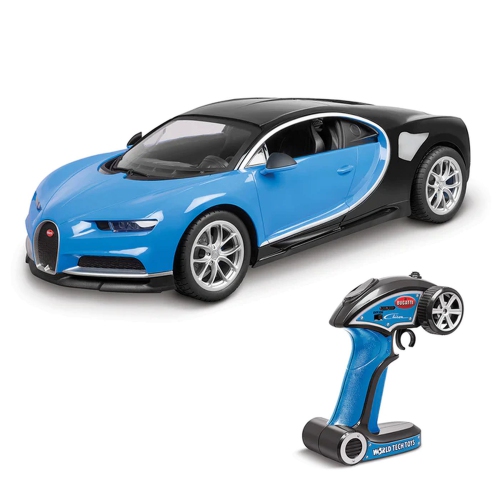 Your price for this item is $119.99
 -
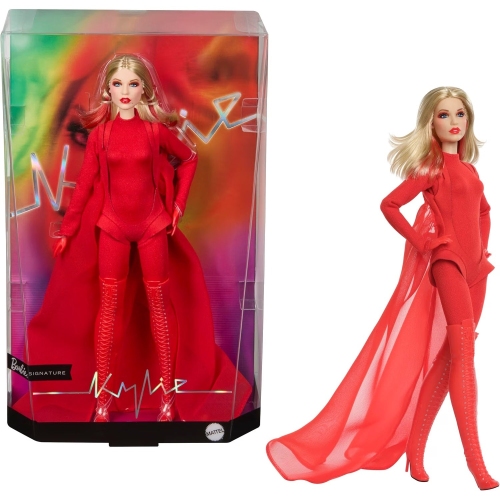 Your price for this item is $103.49
 -
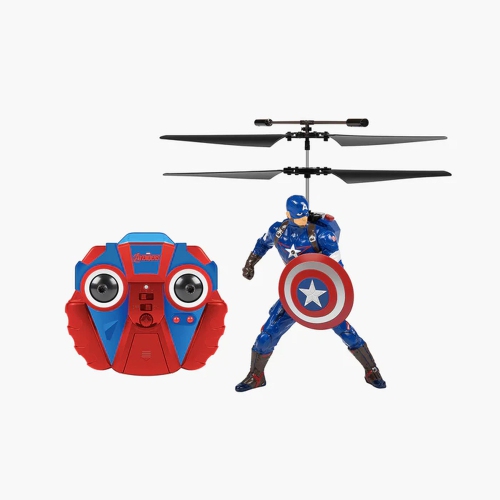 Your price for this item is $59.99
 -
 Your price for this item is $6
 -
 Your price for this item is $13.79
 -
 Your price for this item is $16
 -
 Your price for this item is $69.99
 -
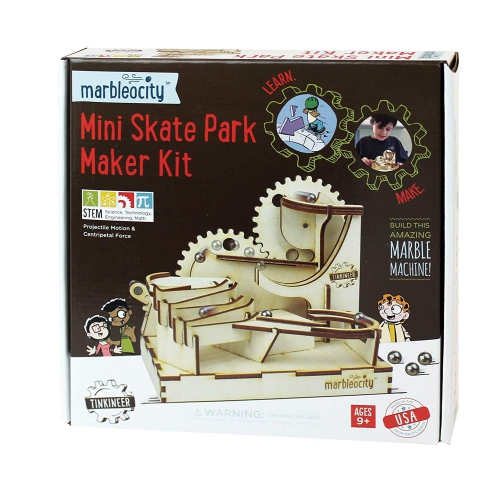 Your price for this item is $38.21
Discover more categories related to Anime Model Kits
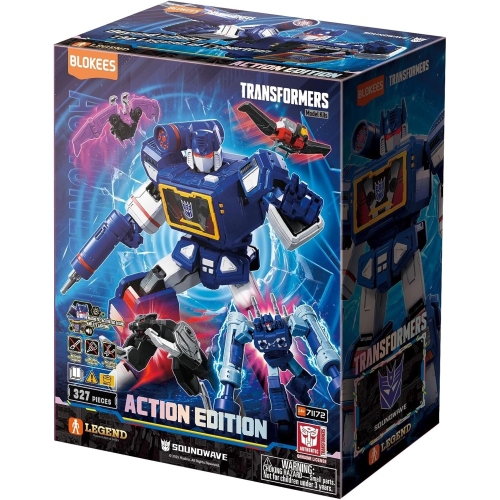
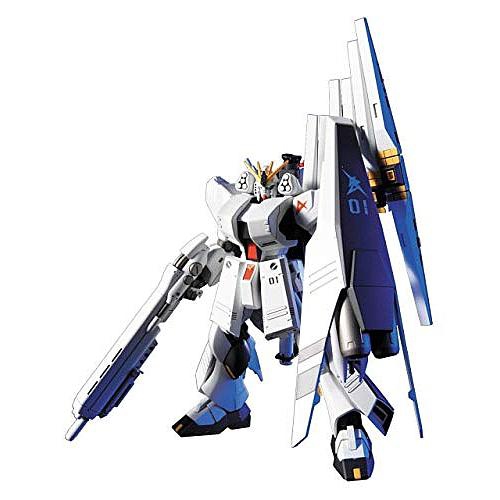
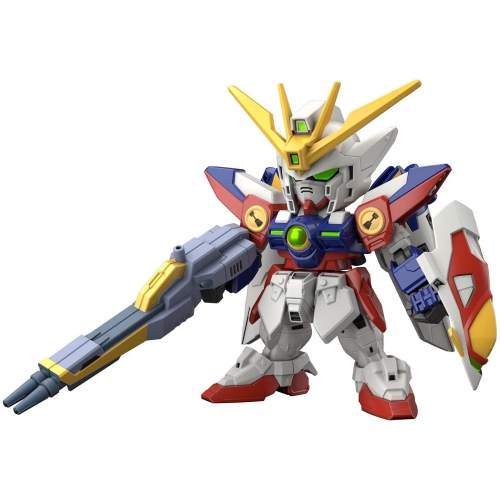
Top Collections:
Pokemon Centers, Kindle Devices, Best Budget Office Chairs, Apple iPhones 16, Best Laptops for Writers, iPhone 15 Apple, Canon G7X Cameras, Refurbished Apple Laptops, Alarm Clock, Motorola Razr Phones
Some products may be subject to Environmental Handling Fees
(EHF) depending on your province.
Learn more about EHFs.