Anime Robot Action Figures
Anime Robot Action Figures bring dynamic style and excitement to any collection, capturing the imagination of fans and collectors alike. Perfect for display or play, these figures showcase intricate designs inspired by popular anime series. Whether you're looking to expand your collection or searching for the ideal gift, Anime Robot Action Figures offer endless possibilities for creativity and fun. Explore a wide variety of options to find the perfect addition to your display shelf or action figure lineup.
Sort



![GUNDAM Universe 6 Inch Action Figure Robot Spirits - Setsuna F. Seiei Gnt-0000 00 Qan[T] Gu-30](https://multimedia.bbycastatic.ca/multimedia/products/500x500/174/17499/17499011.jpeg)
How mechanical design brings memorable mecha poses to life
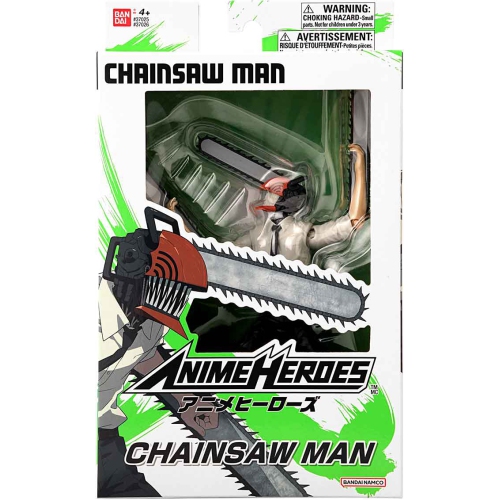
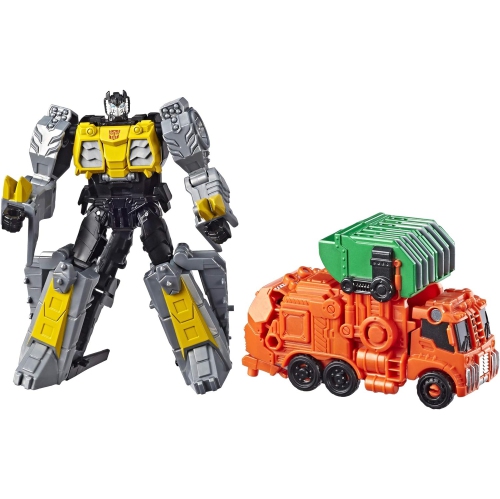
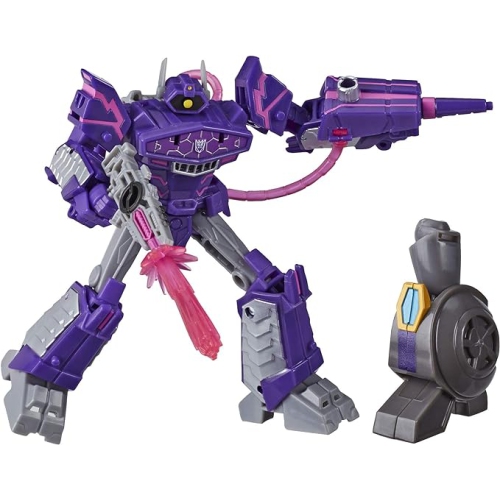
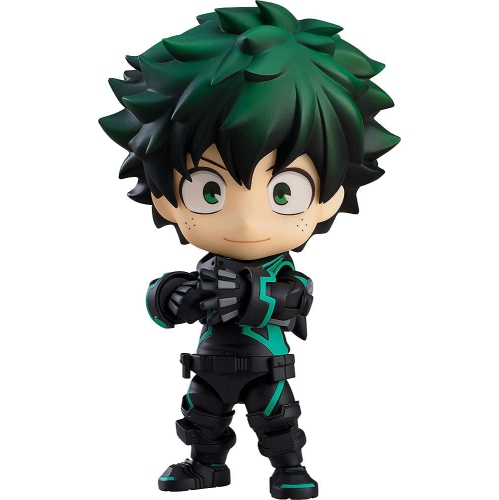
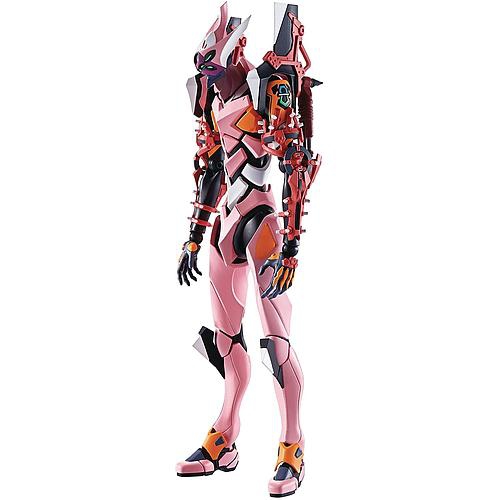
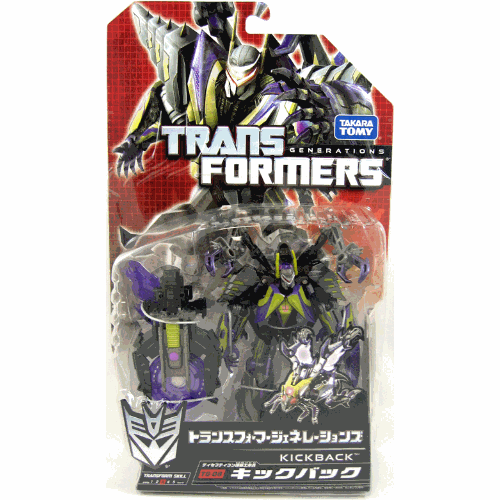
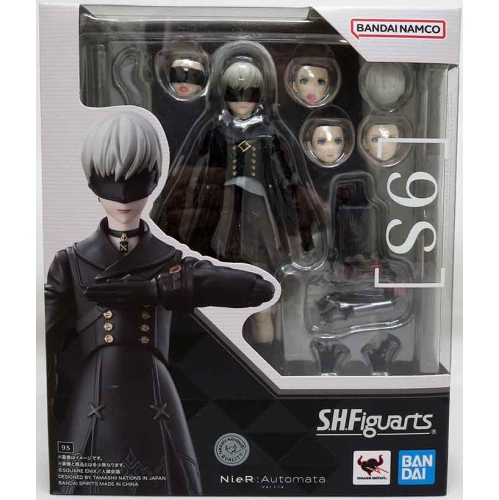
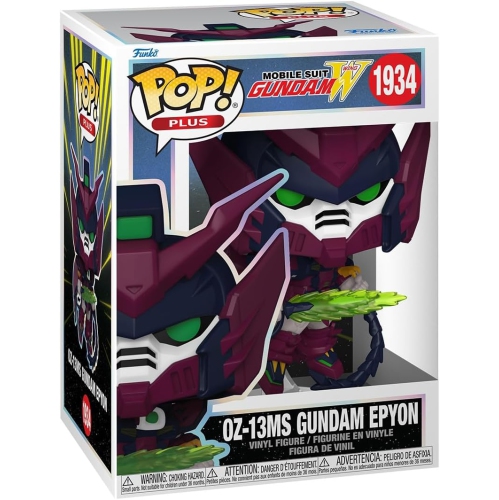
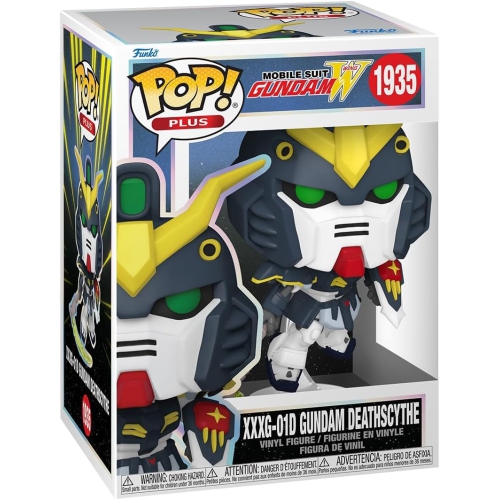
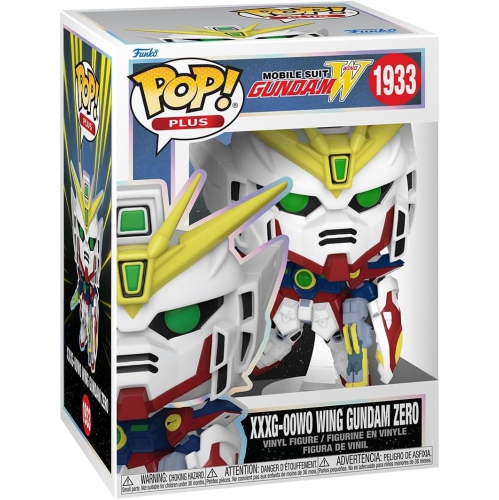
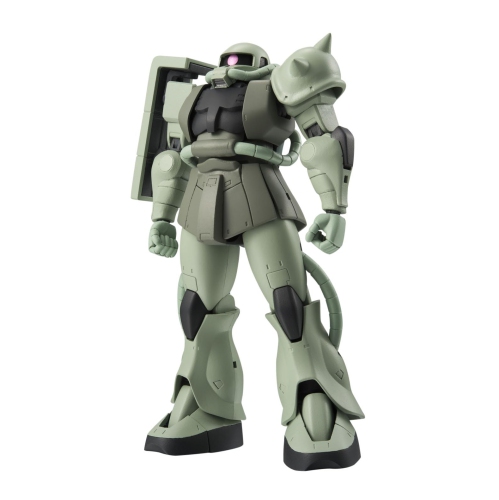
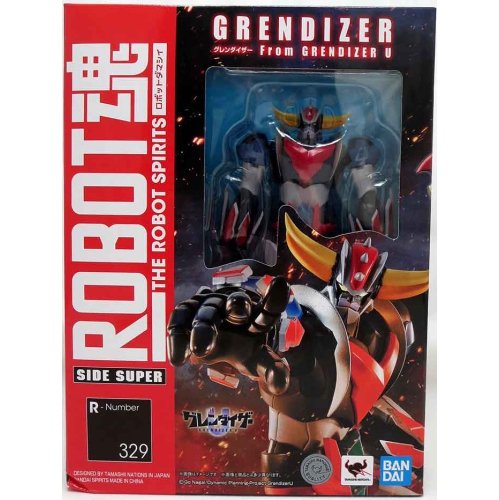
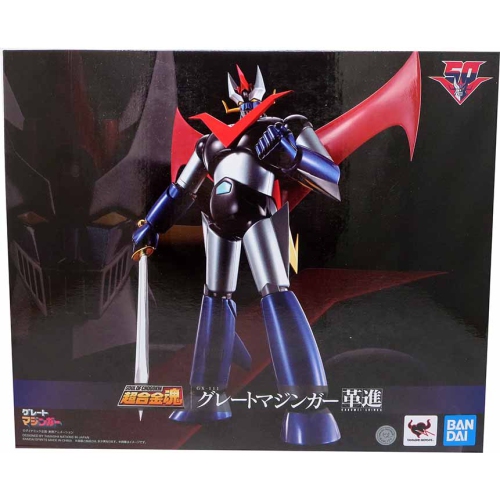
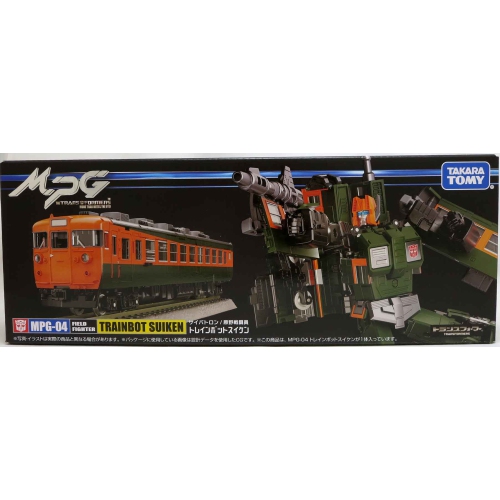
Anime robot action figures are poseable collectibles inspired by the mechanical characters and piloted machines seen in Japanese animation. Often called mecha figures, they translate animated designs into three-dimensional forms, from broad-shouldered robots with bold blocks of colour to slender machines covered in layered armour and panel lines. Their appeal comes from both the engineering and the character of the design: a familiar helmet shape, an oversized shoulder plate, or a distinctive silhouette can bring a memorable scene to mind without any movement at all. Articulated joints add another dimension, allowing a robot to stand at attention, brace behind a shield, or lean into a carefully balanced action pose. Some designs emphasize the rounded shapes and heroic proportions associated with classic animation, while others feature angular armour, exposed mechanical details, and more intricate surface finishes. Neither approach is inherently more detailed or more suitable for collecting; the appeal depends on the artwork and screen appearance a fan prefers. Anime robot action figures also differ from static statues and buildable model kits. A finished action figure generally arrives largely assembled and is designed for posing, although accessories or smaller components may still need attaching. A model kit typically requires assembly, and its tools, finishing needs, and intended handling can differ considerably. That distinction matters for someone who wants a display-ready collectible rather than a building project. Within the wider world of Anime Action Figures, robot figures offer a particular focus on mechanical styling, joint design, and the relationship between a machine’s shape and its movement. They can appeal to animation fans, collectors of mechanical designs, and people who enjoy arranging miniature scenes. A single robot can serve as a striking desk display, while a group with complementary heights and colours can create a cohesive shelf without needing an elaborate backdrop. Recognizable silhouettes and readable poses often make more impact than a crowded arrangement of accessories, especially when the display is viewed from across a room.
Materials, articulation, and construction help determine how an anime robot action figure feels in hand and behaves on display. Depending on the design, a figure may combine rigid plastics, more flexible plastic components, and die-cast metal parts. Rigid plastic can support crisp armour edges and fine mechanical detail, while flexible materials may be used where a little give is useful. Metal components add weight and can give a figure a substantial feel, but weight alone does not establish quality or durability. Joint construction, paint application, part fit, and balance all matter. A heavier torso, for example, places different demands on the hips and ankles than a lightweight one, particularly in a wide stance. Articulation is about useful movement rather than simply the number of joints. Shoulder clearance, elbow bend, hip range, and ankle tilt affect whether a robot can hold a convincing pose while keeping its feet planted. Large armour panels may limit that movement even when the underlying joint has a broad range. Interchangeable hands, shields, effect pieces, and other accessories can expand display options when included, but their attachment points need careful handling. A hand designed to grip a particular accessory should fit securely without excessive force. Transforming and combining figures introduce another layer of mechanical interest, with sections that fold, rotate, or connect to create a different configuration. Those mechanisms can require a precise sequence of steps, so they are not automatically suited to frequent or rough handling. Physical dimensions are equally important: listed height may not account for extended wings, a raised accessory, or a wide-legged pose. On a shallow shelf, a compact standing arrangement may work better than an airborne scene that needs a support arm and broad base. Scale labels can offer context, but actual measurements are more useful when comparing robots whose fictional heights differ. A display stand, when compatible, can support poses that would otherwise be unstable; its attachment method and weight limits remain important, especially for figures with substantial metal content or large accessories.
Intended use is an important part of finding the right balance between intricate detail and everyday handling. Some anime robot action figures are designed as toys for age-appropriate play, while others are collectibles intended primarily for older fans and adult display. A robot’s colourful appearance does not establish that it is suitable for a young child. Age ratings, small-part warnings, pointed components, and the complexity of moving sections provide more useful context. For a gift recipient who enjoys recreating action scenes, accessible articulation and sturdy accessory connections may be more meaningful than tiny surface markings. Someone who prefers a tidy display cabinet may value a clean paint finish, consistent proportions, and a pose that holds its shape over time. Familiarity with the recipient’s favourite animation style also helps: a retro-inspired robot with simple armour shapes has a different presence from a densely detailed machine with multiple equipment attachments. Care is usually straightforward, but delicate finishes and small connections benefit from patience. A soft, clean brush can lift dust from panel lines and recessed areas, while a dry microfibre cloth is useful on accessible surfaces when the maker’s care directions allow it. Harsh cleaners and abrasive cloths can damage painted or printed details. Supporting a limb close to the joint while adjusting it reduces strain on neighbouring parts, and resistance is a reason to stop rather than twist harder. Loose accessories are easier to keep track of in labelled compartments, separated so that painted surfaces do not rub together. For longer-term display, a stable shelf away from direct sunlight helps protect both the arrangement and its finish. Cabinets can reduce dust buildup, though figures still need enough clearance that doors and adjacent collectibles do not catch projecting parts. Keeping any supplied supports, alternate hands, and assembly directions together makes later changes less frustrating. With thoughtful placement and gentle handling, the appeal of an anime robot figure remains in the details: the angle of its visor, the layered armour around a bent knee, and the sense of movement captured in a still pose.
Materials, articulation, and construction help determine how an anime robot action figure feels in hand and behaves on display. Depending on the design, a figure may combine rigid plastics, more flexible plastic components, and die-cast metal parts. Rigid plastic can support crisp armour edges and fine mechanical detail, while flexible materials may be used where a little give is useful. Metal components add weight and can give a figure a substantial feel, but weight alone does not establish quality or durability. Joint construction, paint application, part fit, and balance all matter. A heavier torso, for example, places different demands on the hips and ankles than a lightweight one, particularly in a wide stance. Articulation is about useful movement rather than simply the number of joints. Shoulder clearance, elbow bend, hip range, and ankle tilt affect whether a robot can hold a convincing pose while keeping its feet planted. Large armour panels may limit that movement even when the underlying joint has a broad range. Interchangeable hands, shields, effect pieces, and other accessories can expand display options when included, but their attachment points need careful handling. A hand designed to grip a particular accessory should fit securely without excessive force. Transforming and combining figures introduce another layer of mechanical interest, with sections that fold, rotate, or connect to create a different configuration. Those mechanisms can require a precise sequence of steps, so they are not automatically suited to frequent or rough handling. Physical dimensions are equally important: listed height may not account for extended wings, a raised accessory, or a wide-legged pose. On a shallow shelf, a compact standing arrangement may work better than an airborne scene that needs a support arm and broad base. Scale labels can offer context, but actual measurements are more useful when comparing robots whose fictional heights differ. A display stand, when compatible, can support poses that would otherwise be unstable; its attachment method and weight limits remain important, especially for figures with substantial metal content or large accessories.
Intended use is an important part of finding the right balance between intricate detail and everyday handling. Some anime robot action figures are designed as toys for age-appropriate play, while others are collectibles intended primarily for older fans and adult display. A robot’s colourful appearance does not establish that it is suitable for a young child. Age ratings, small-part warnings, pointed components, and the complexity of moving sections provide more useful context. For a gift recipient who enjoys recreating action scenes, accessible articulation and sturdy accessory connections may be more meaningful than tiny surface markings. Someone who prefers a tidy display cabinet may value a clean paint finish, consistent proportions, and a pose that holds its shape over time. Familiarity with the recipient’s favourite animation style also helps: a retro-inspired robot with simple armour shapes has a different presence from a densely detailed machine with multiple equipment attachments. Care is usually straightforward, but delicate finishes and small connections benefit from patience. A soft, clean brush can lift dust from panel lines and recessed areas, while a dry microfibre cloth is useful on accessible surfaces when the maker’s care directions allow it. Harsh cleaners and abrasive cloths can damage painted or printed details. Supporting a limb close to the joint while adjusting it reduces strain on neighbouring parts, and resistance is a reason to stop rather than twist harder. Loose accessories are easier to keep track of in labelled compartments, separated so that painted surfaces do not rub together. For longer-term display, a stable shelf away from direct sunlight helps protect both the arrangement and its finish. Cabinets can reduce dust buildup, though figures still need enough clearance that doors and adjacent collectibles do not catch projecting parts. Keeping any supplied supports, alternate hands, and assembly directions together makes later changes less frustrating. With thoughtful placement and gentle handling, the appeal of an anime robot figure remains in the details: the angle of its visor, the layered armour around a bent knee, and the sense of movement captured in a still pose.
Top selling and popular products
-
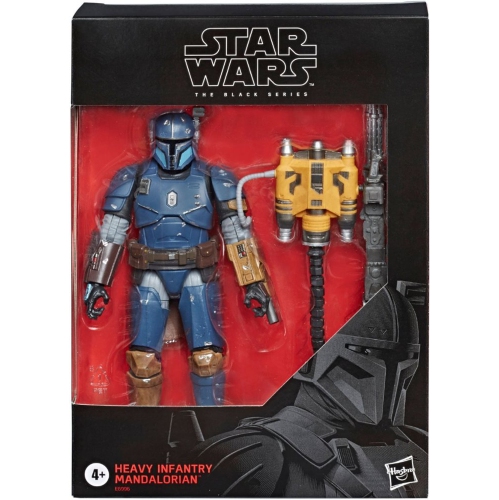 Your price for this item is $35.64
 -
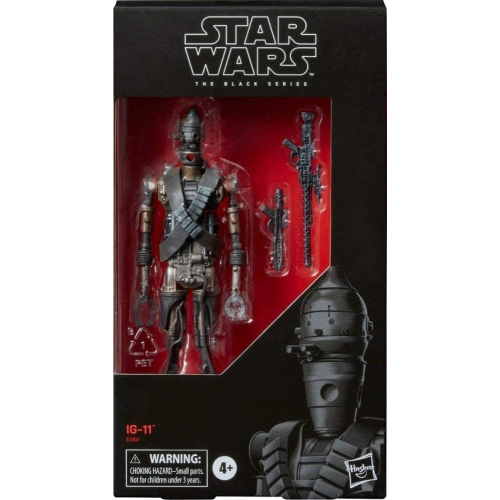 Your price for this item is $32.19
 -
 Your price for this item is $92
 -
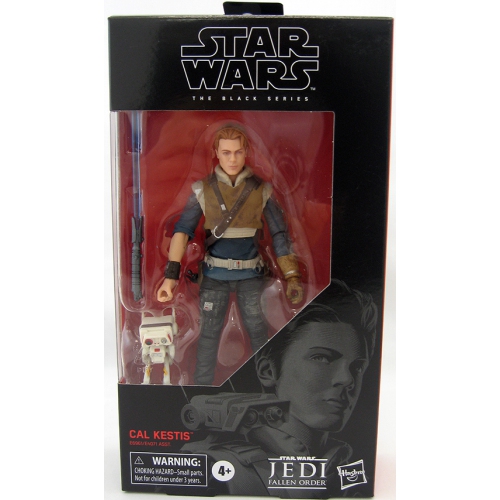 Your price for this item is $41.39
 -
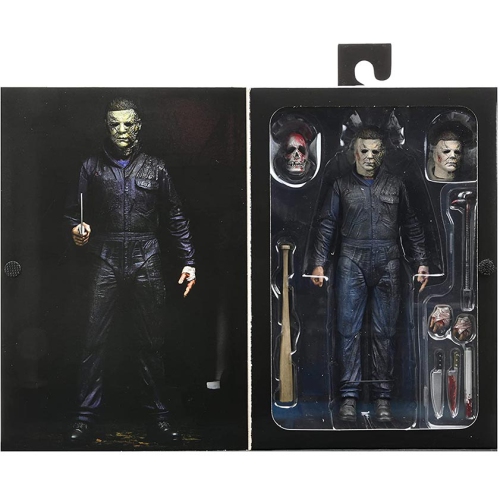 Your price for this item is $81
 -
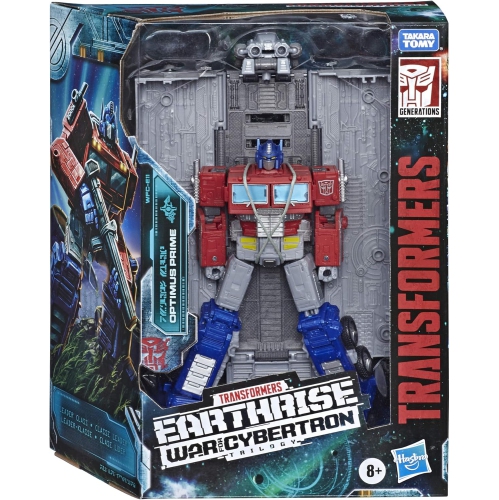 Your price for this item is $79.97
 -
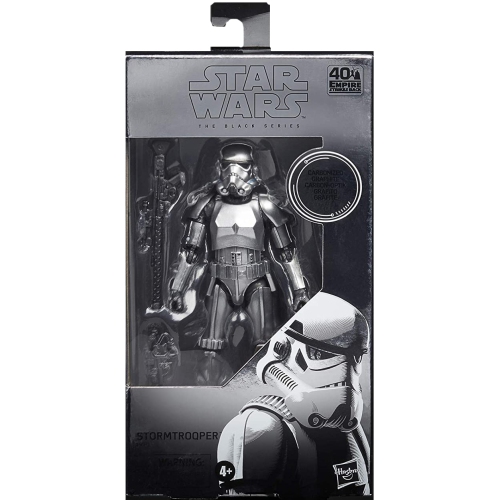 Your price for this item is $46
 -
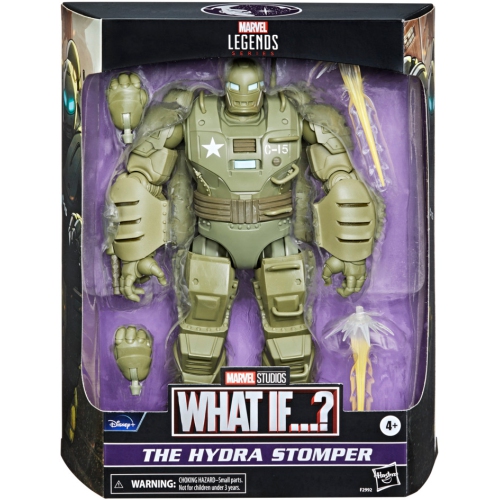 Your price for this item is $73.59
Discover more categories related to Anime Robot Action Figures
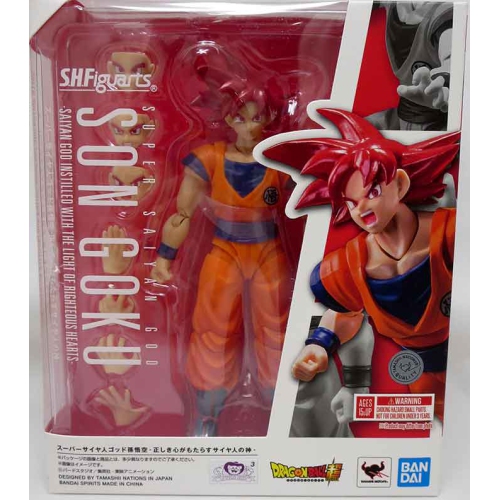
Top Collections:
Pokemon Centers, Kindle Devices, Best Budget Office Chairs, Apple iPhones 16, Best Laptops for Writers, iPhone 15 Apple, Canon G7X Cameras, Refurbished Apple Laptops, Alarm Clock, Motorola Razr Phones
Some products may be subject to Environmental Handling Fees
(EHF) depending on your province.
Learn more about EHFs.