Baby Toys Canada
Discover a world of joy and learning with our delightful selection of baby toys in Canada. Carefully curated to spark curiosity and imagination, these toys are perfect for engaging little ones in endless fun while supporting their developmental milestones. Whether you're looking for colorful sensory toys, interactive playsets, or cuddly companions, you'll find a variety of options that cater to every stage of your baby's growth. Explore our collection to find the perfect toys that will bring smiles and giggles to your home while ensuring safe and enriching playtime experiences.
Sort
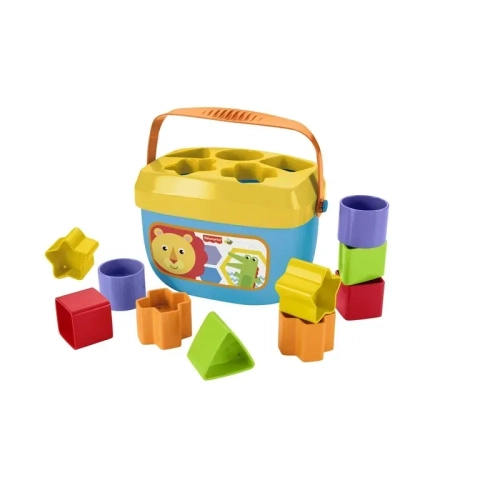
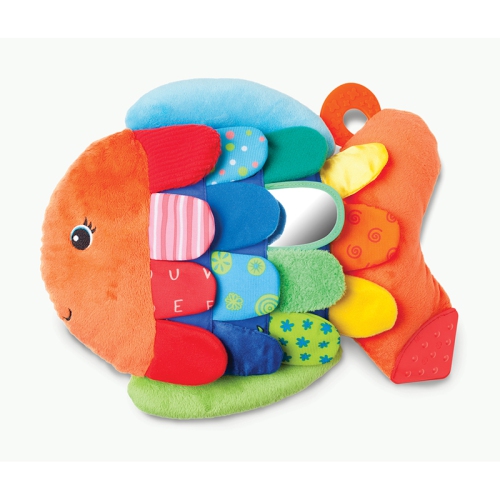
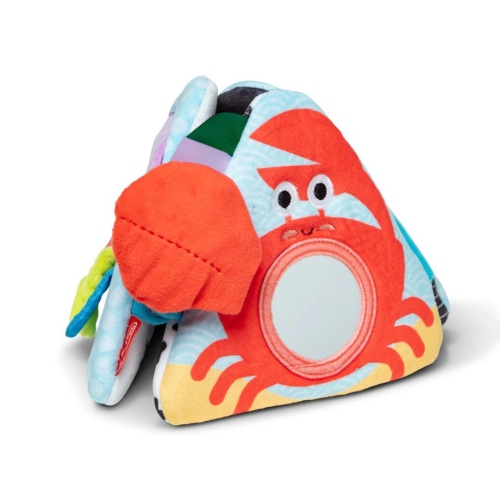
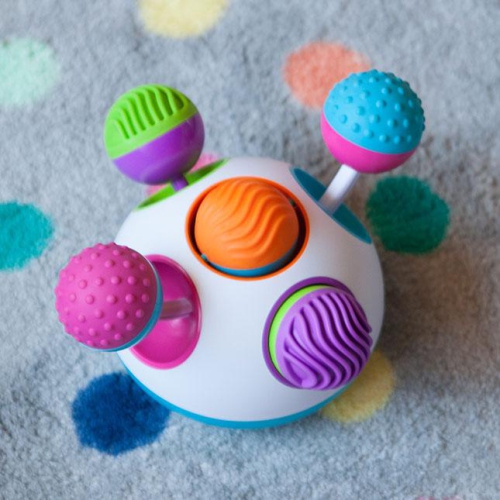
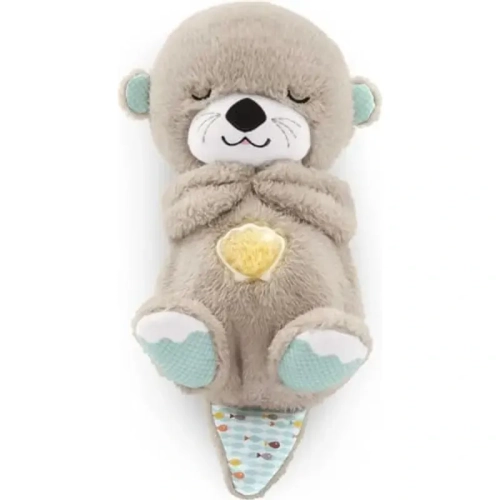
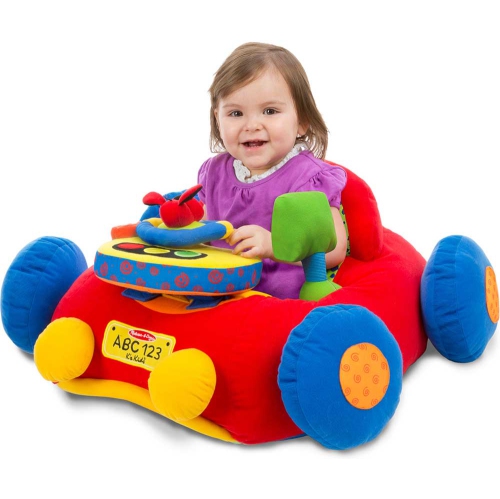
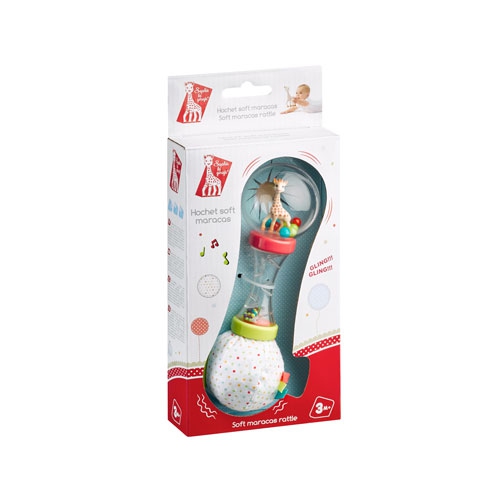
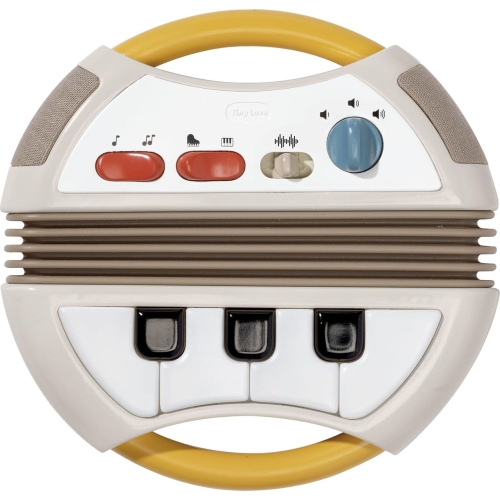
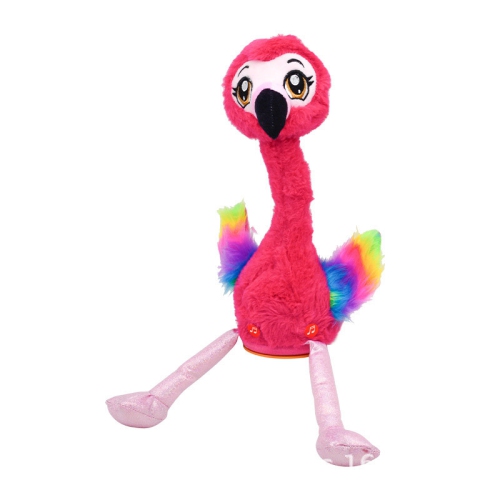
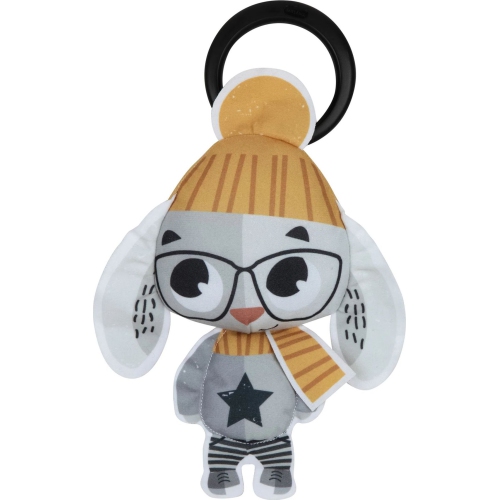

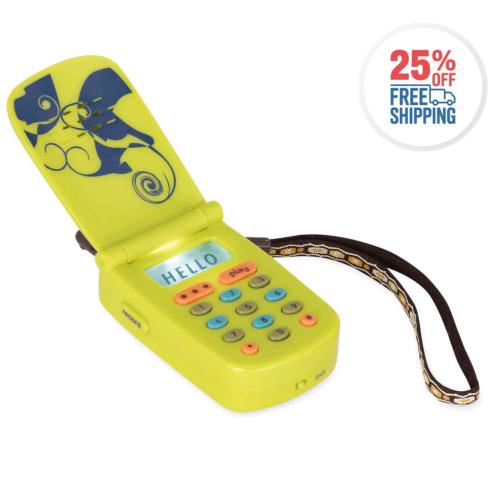
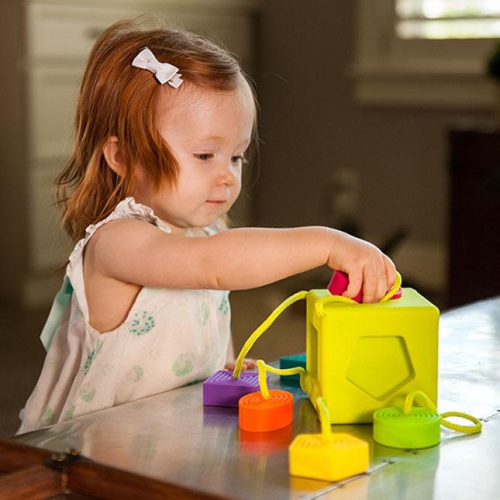
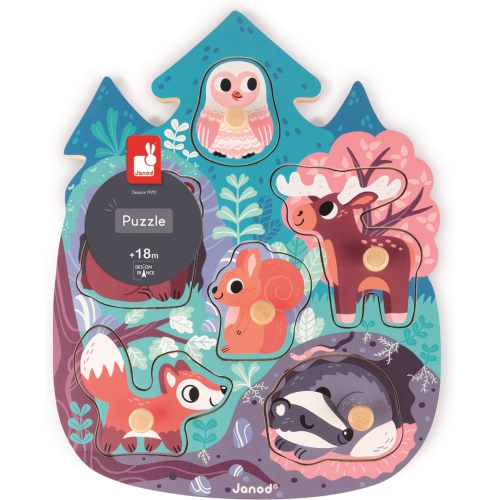
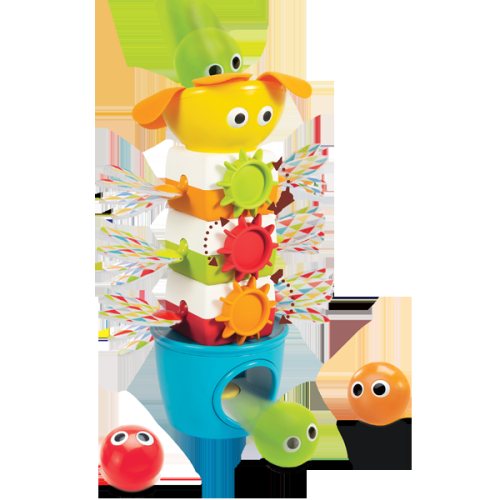

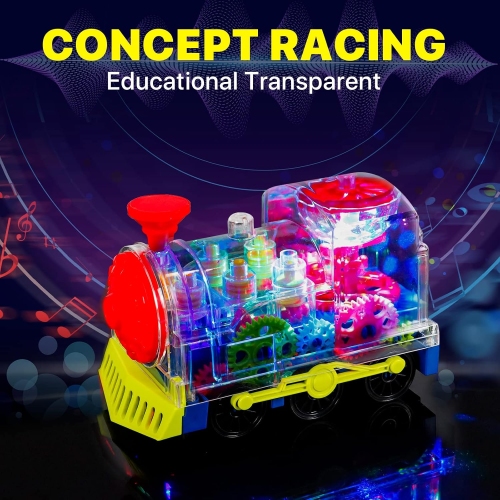
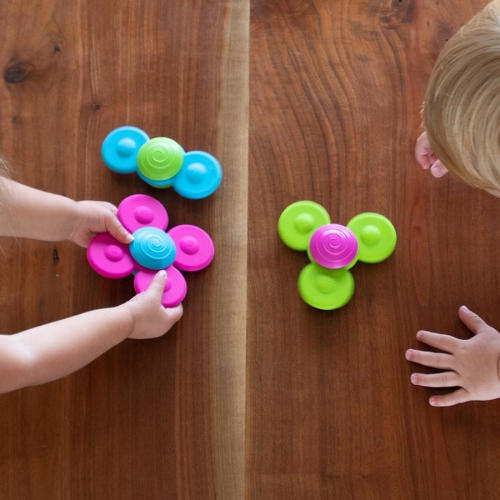
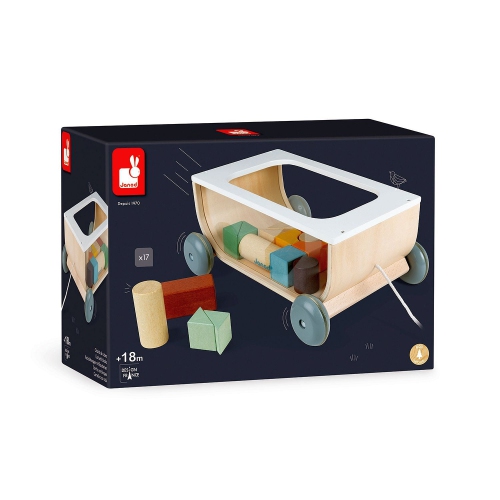
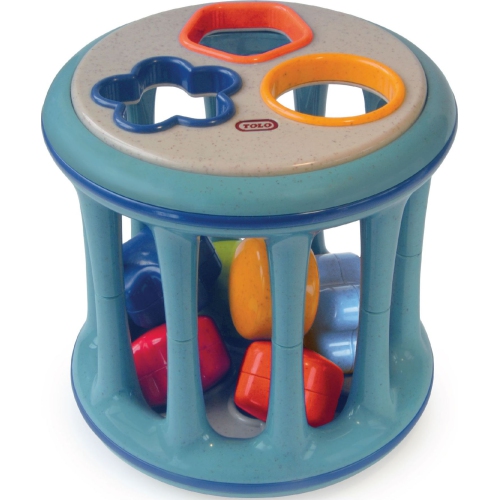
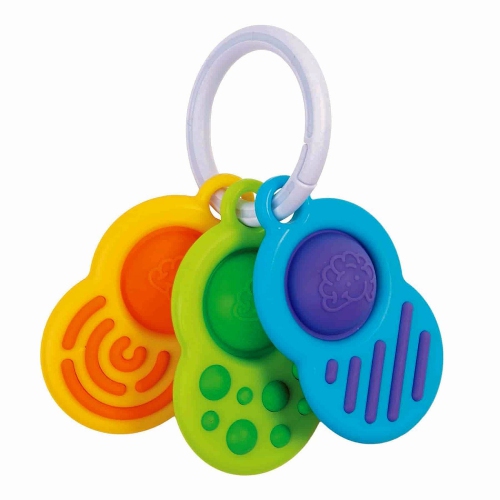
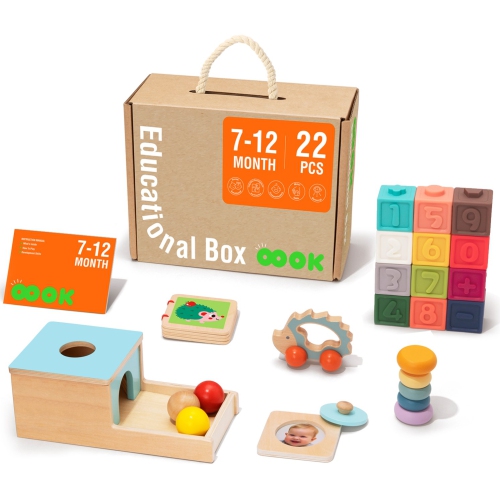
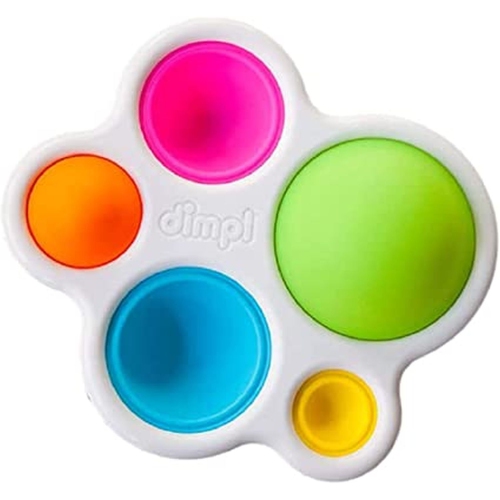
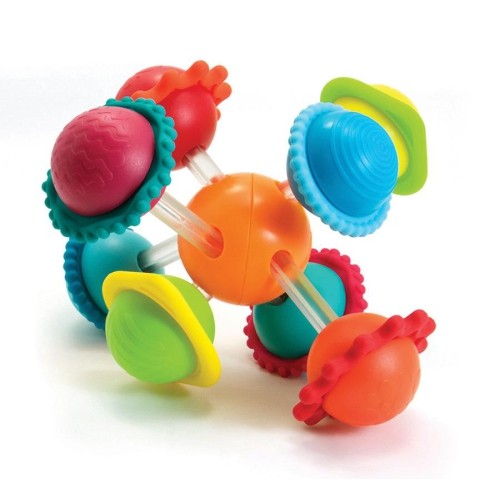
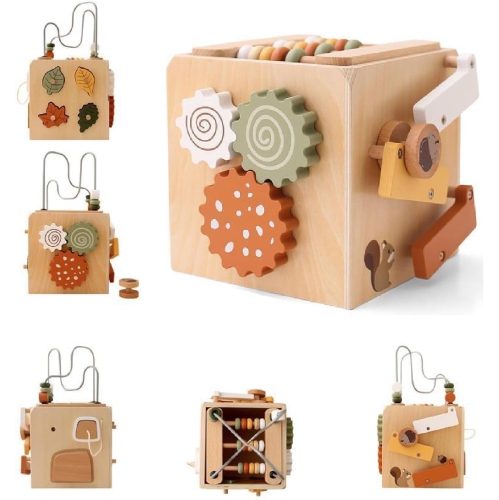
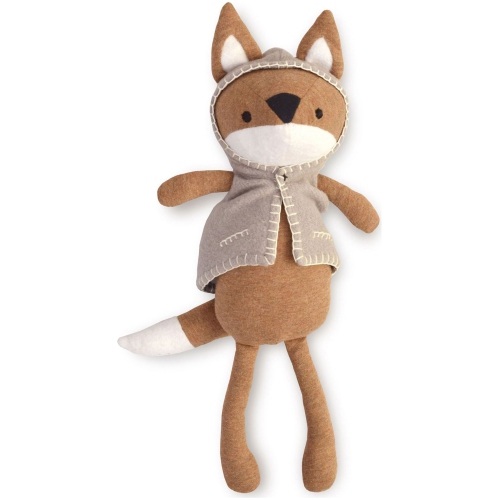
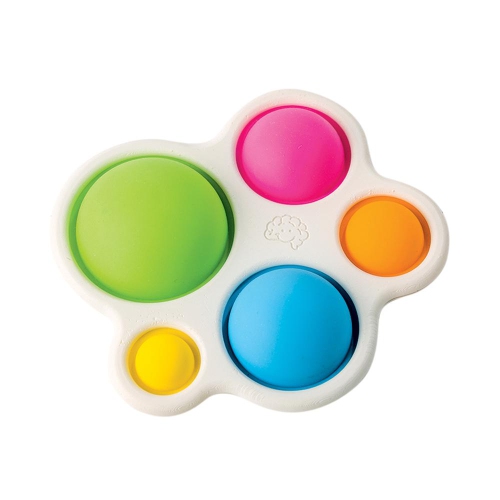
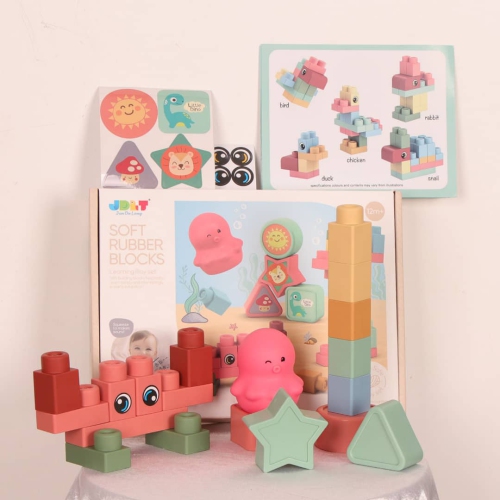
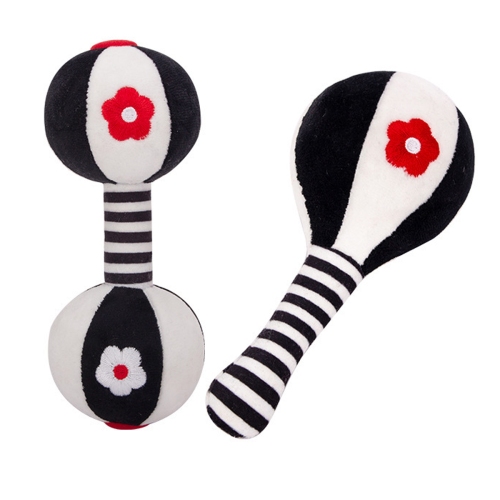
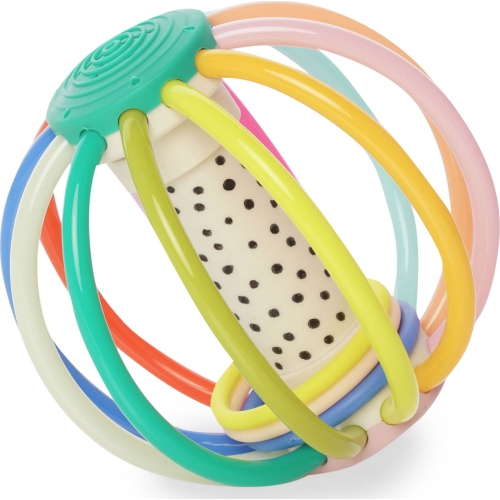
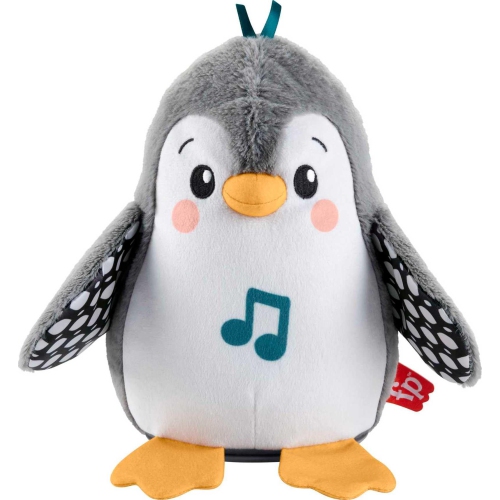
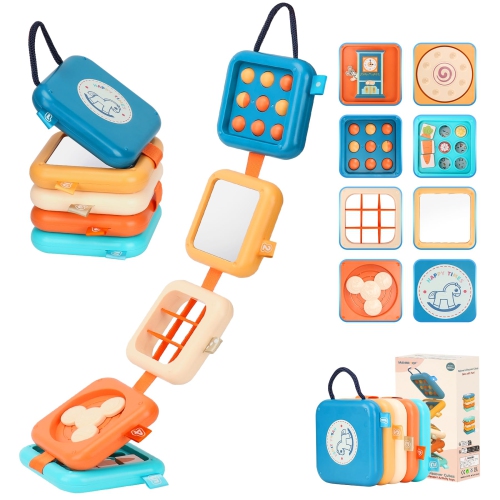
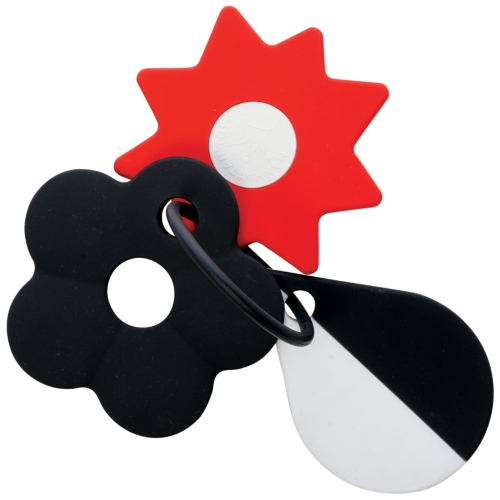
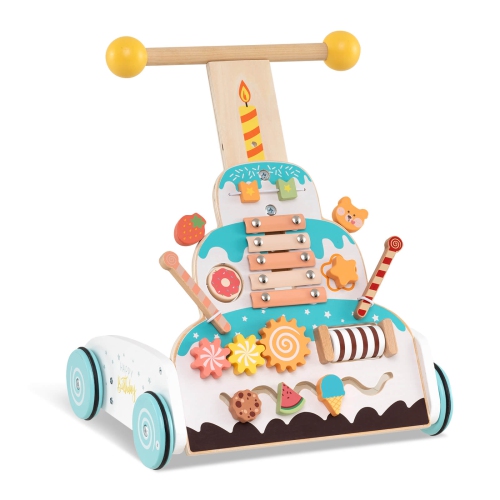
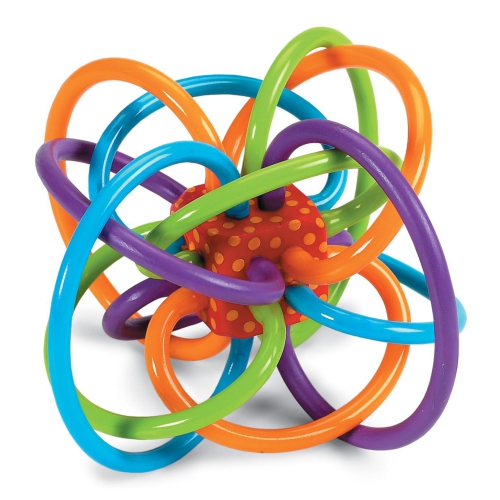
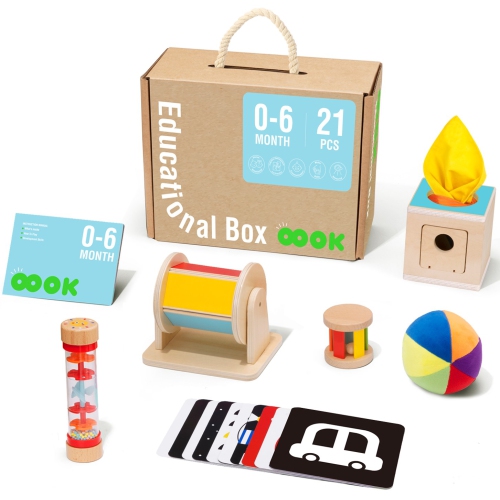
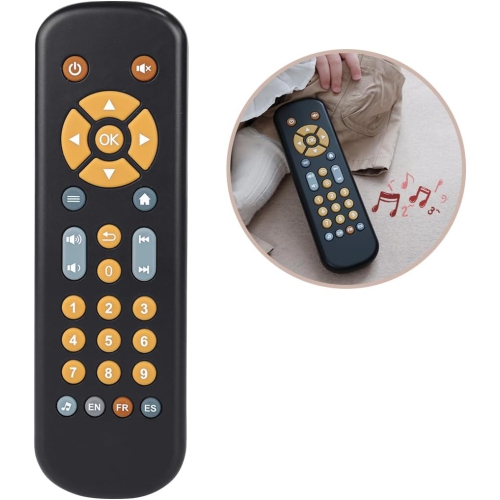
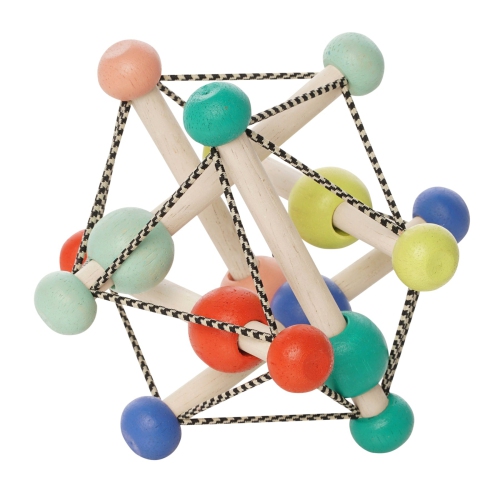
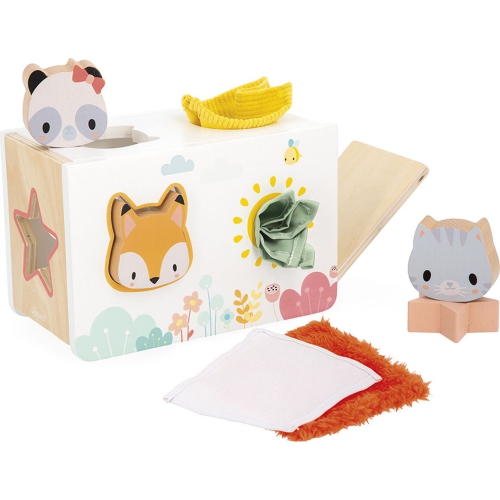
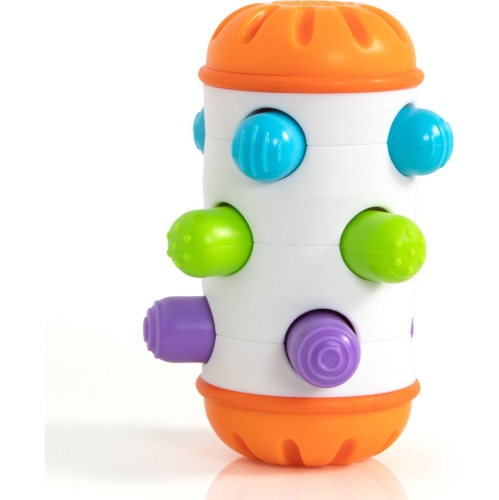
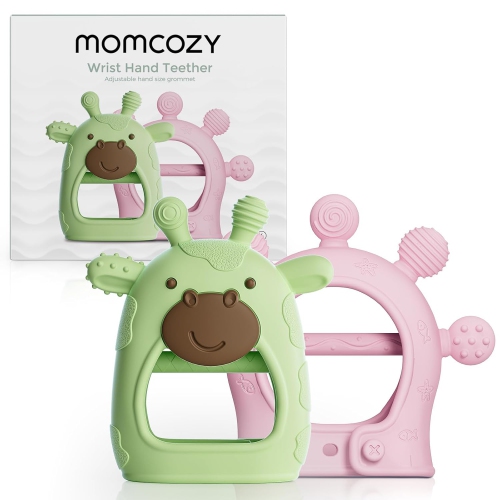
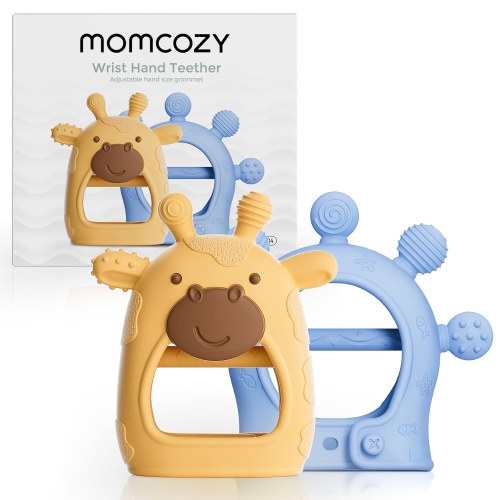
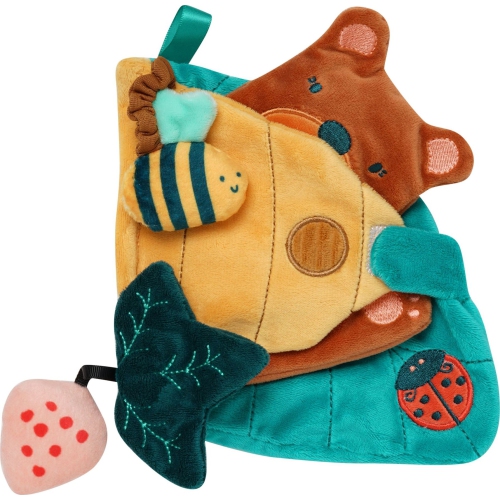
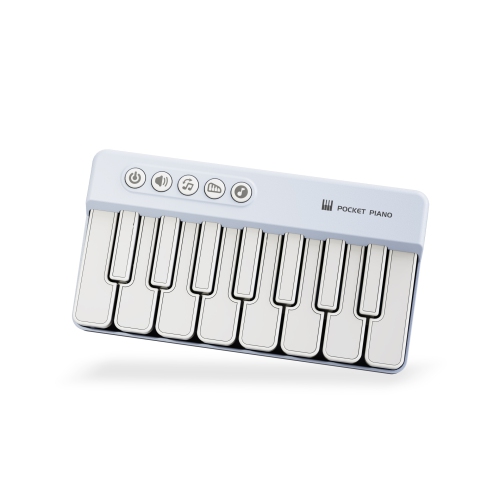
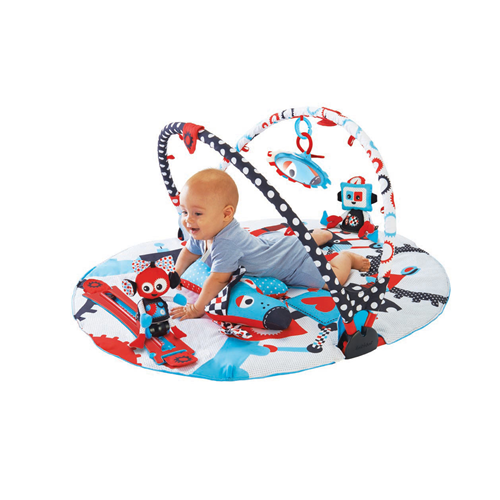
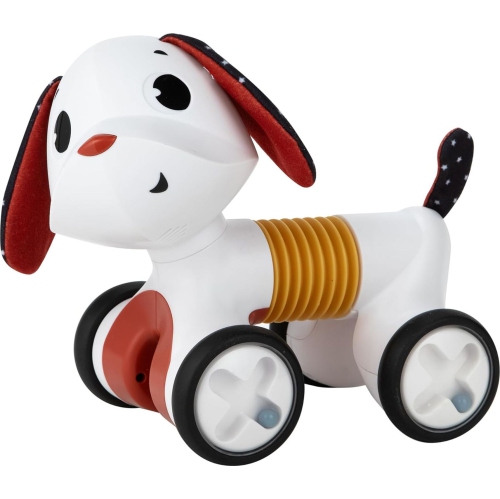
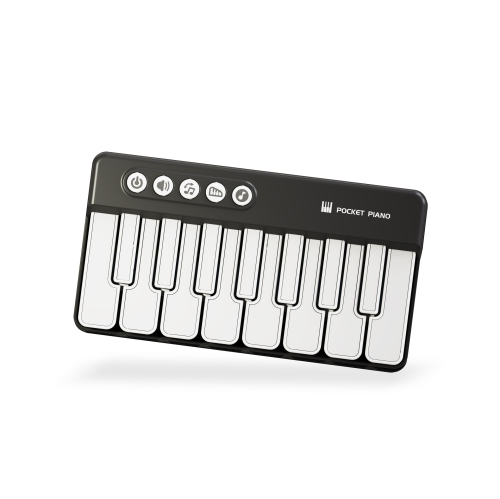
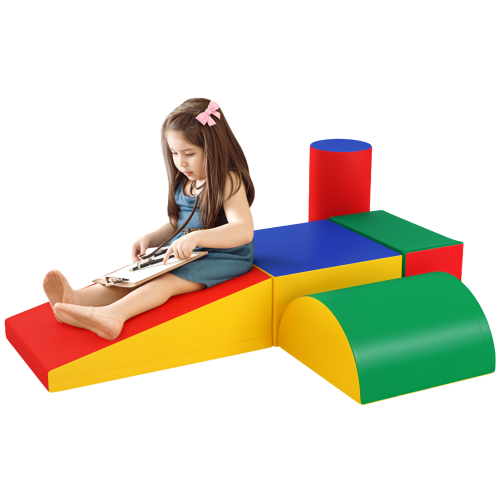

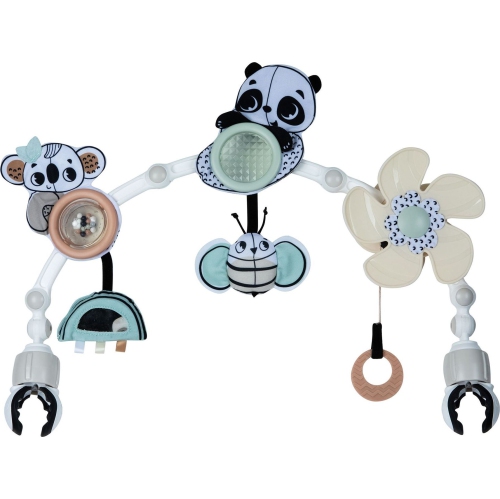
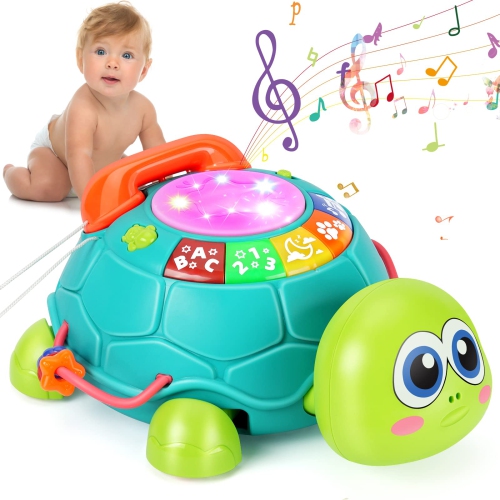
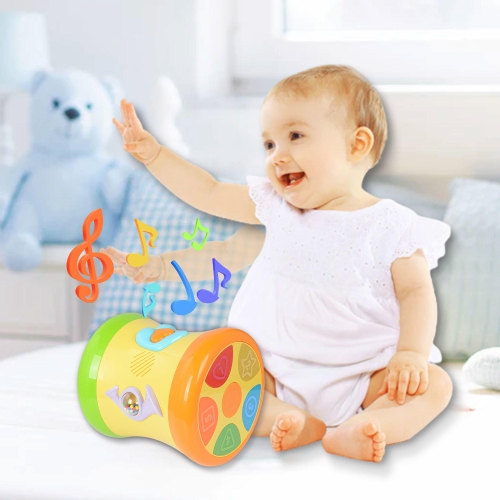
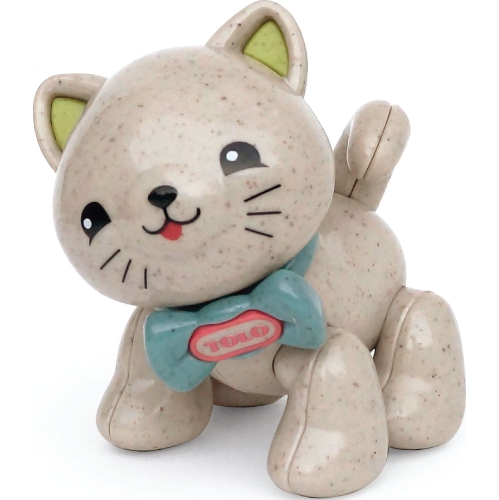
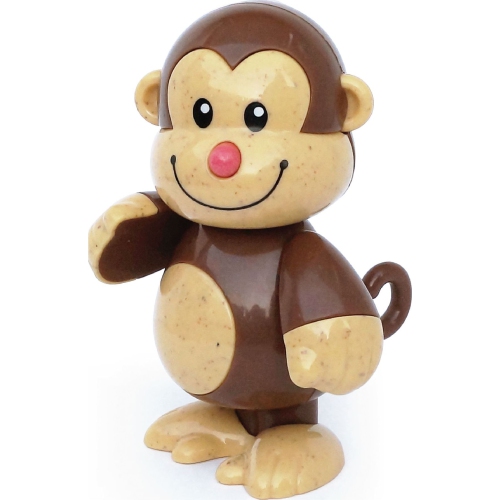
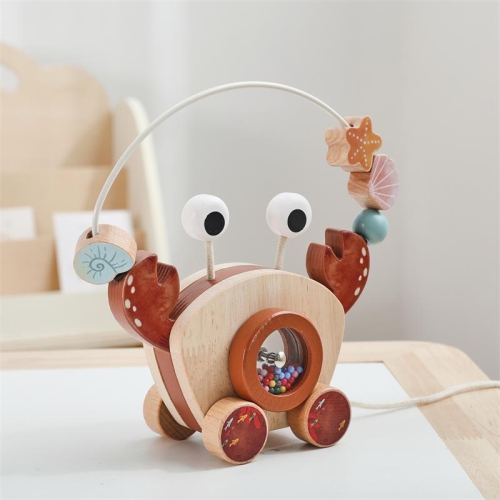
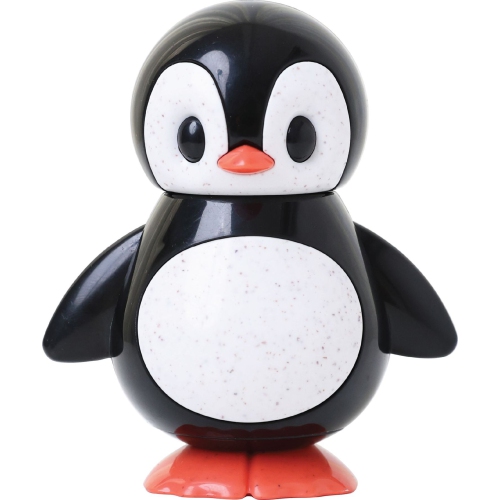
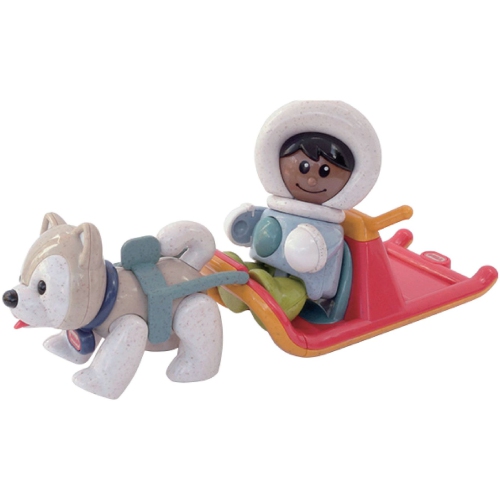
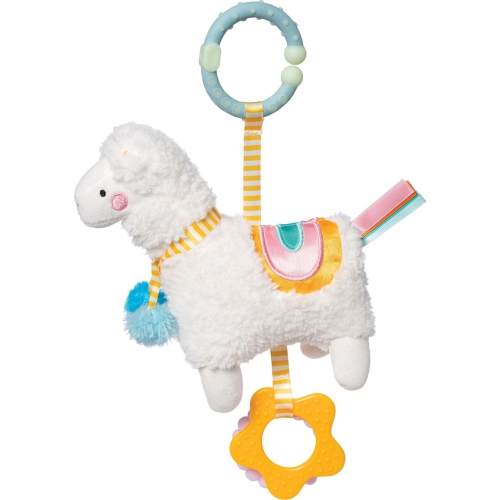
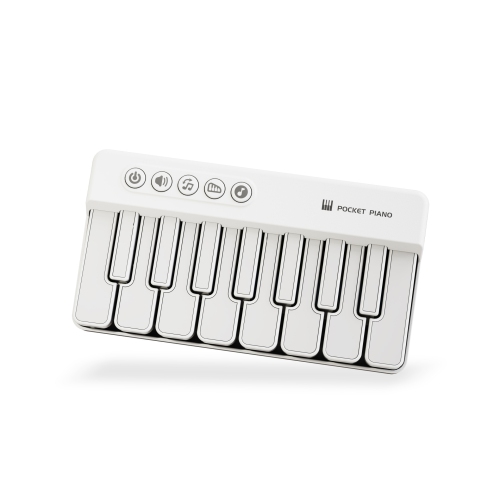
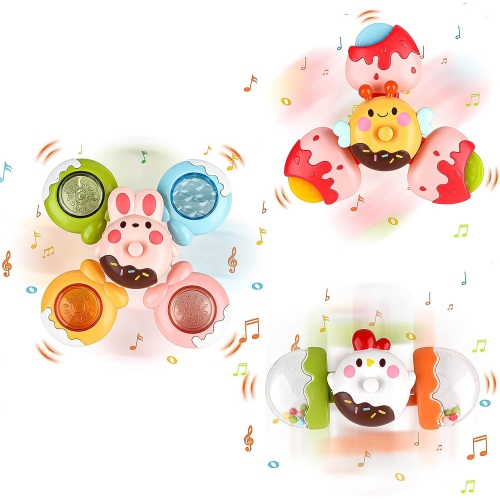
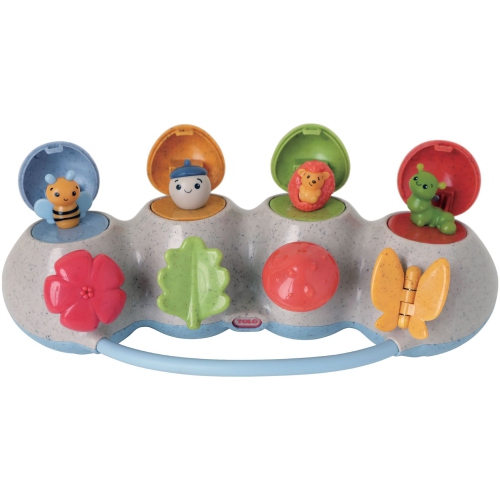
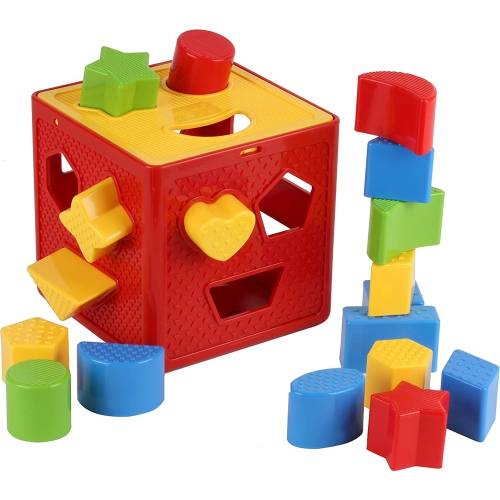
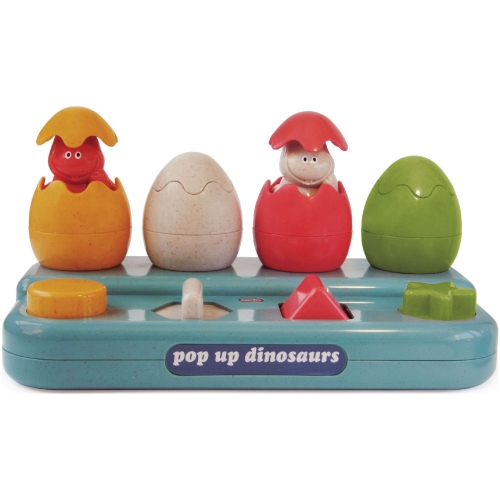
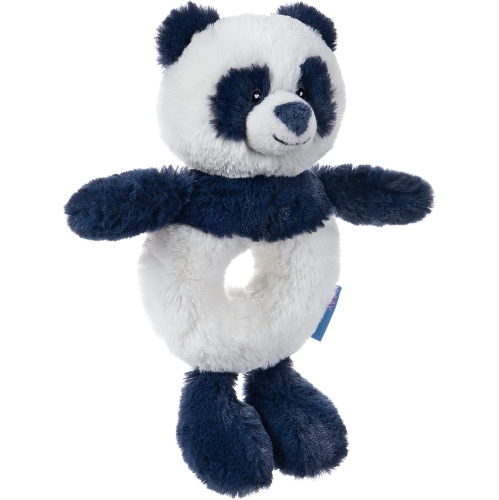
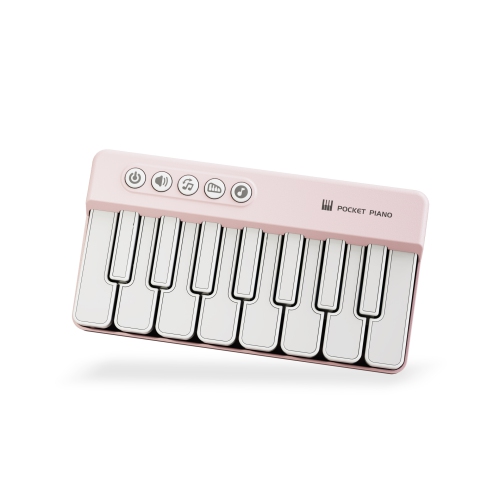
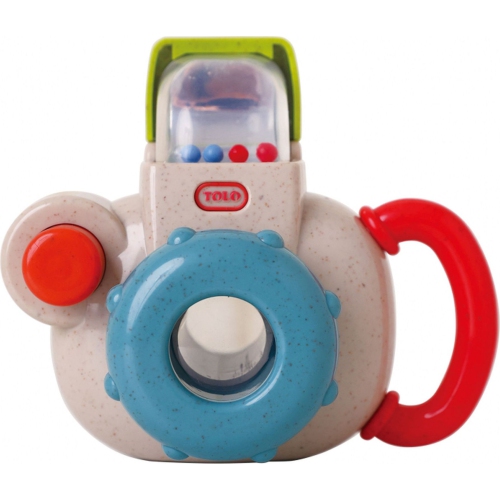
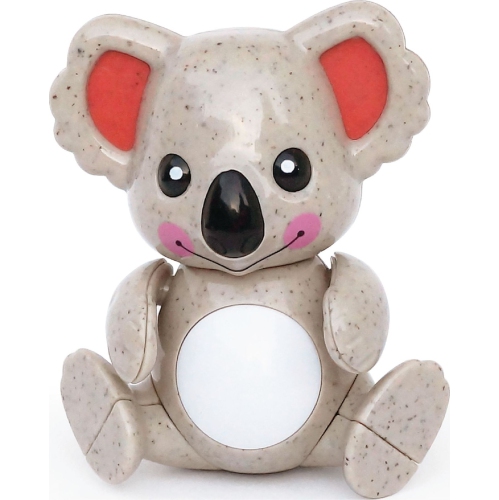
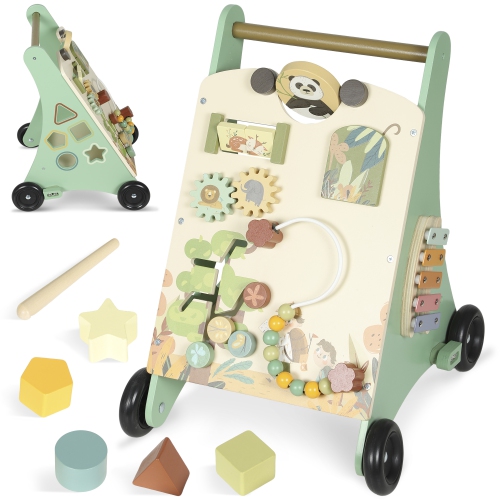
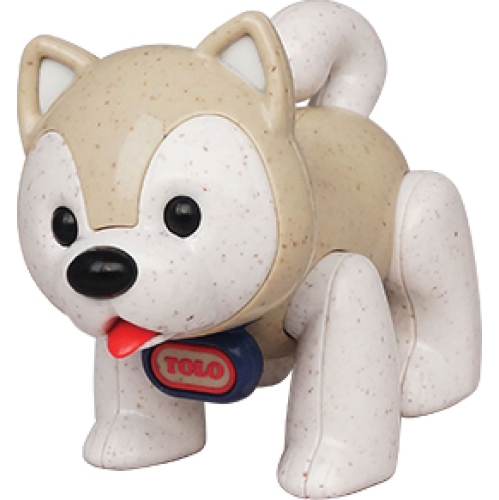
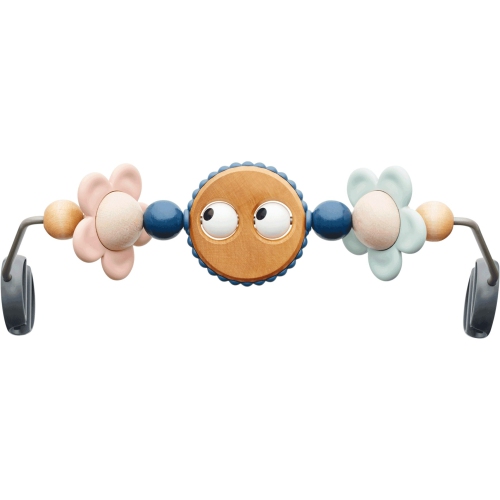
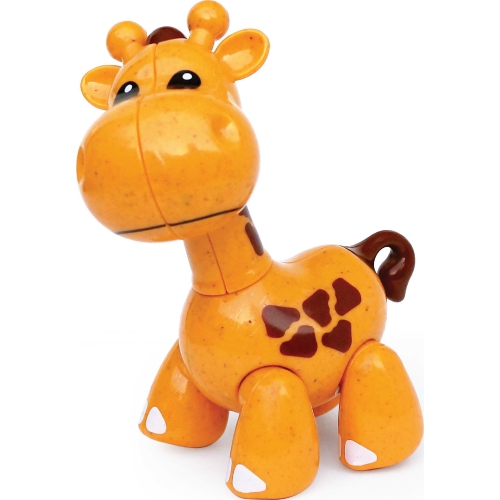
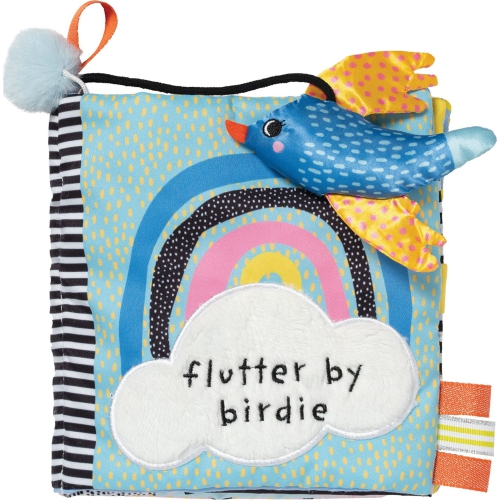
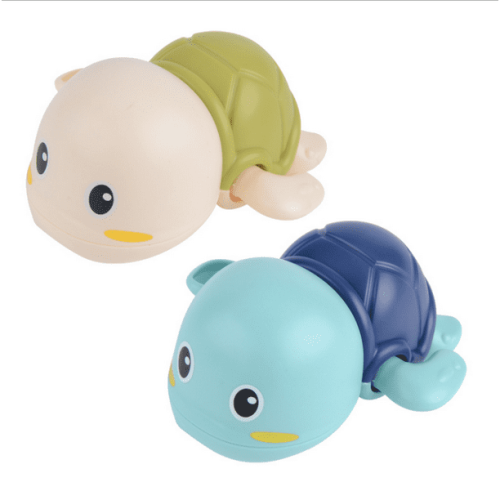
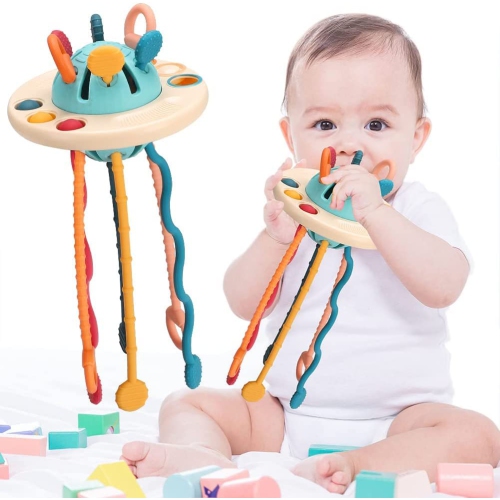
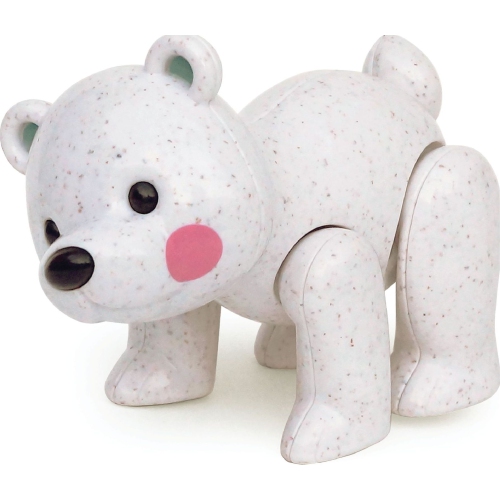
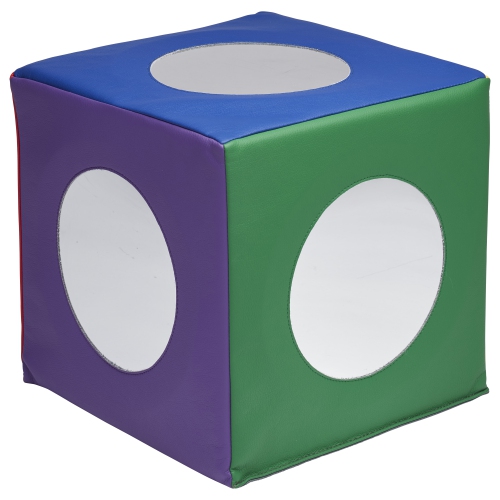
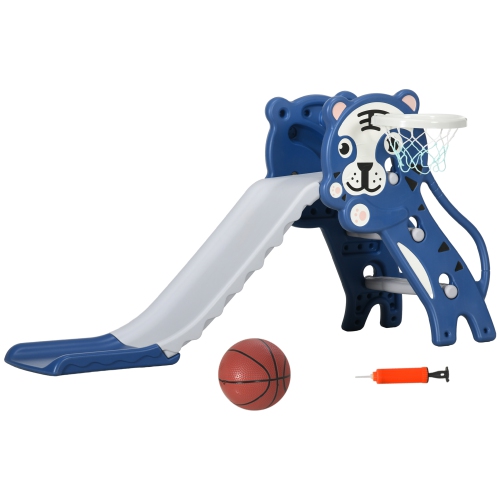

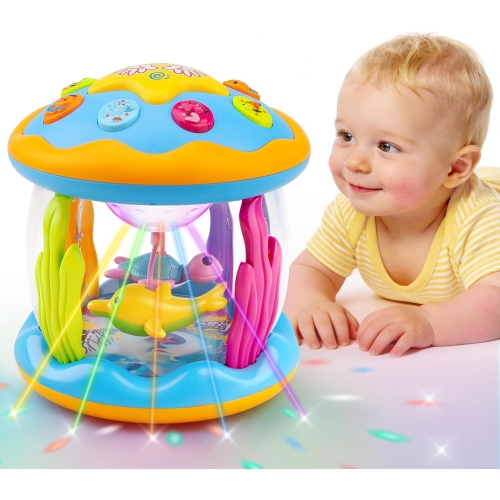
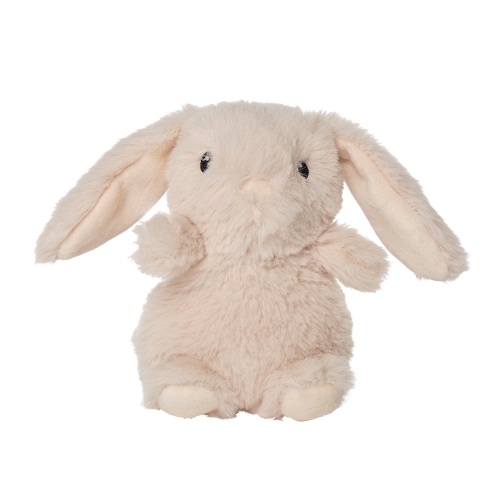
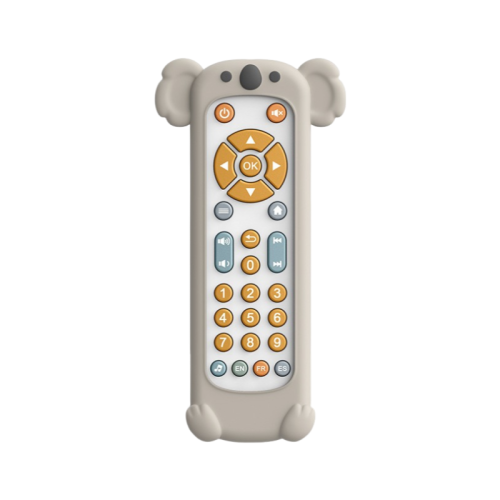
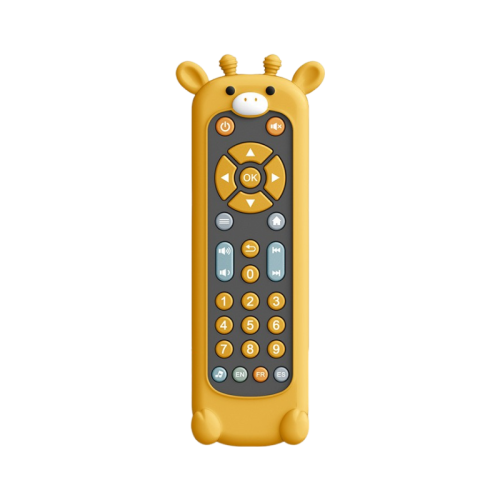
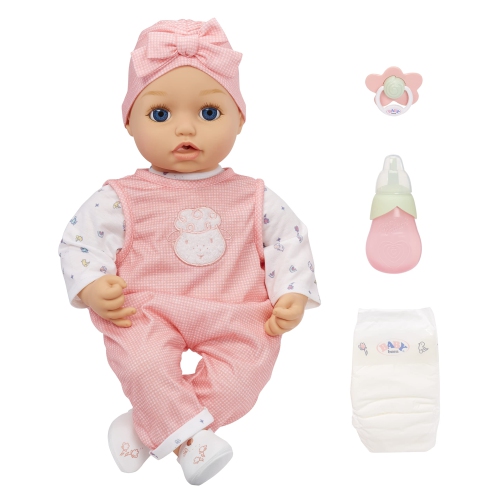
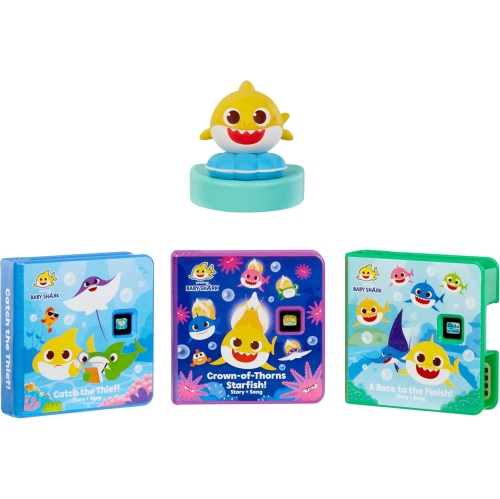
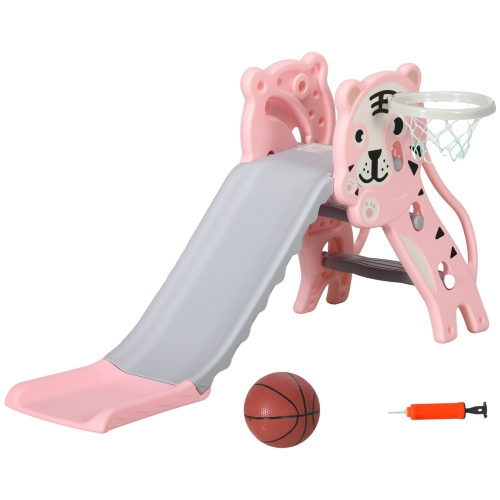
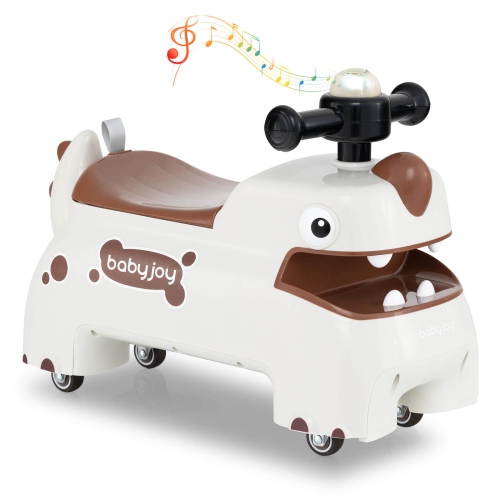
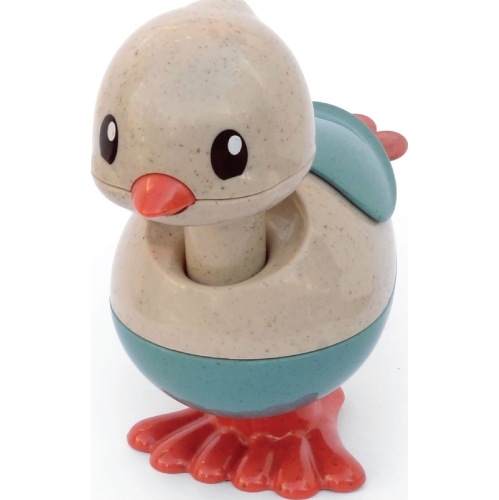
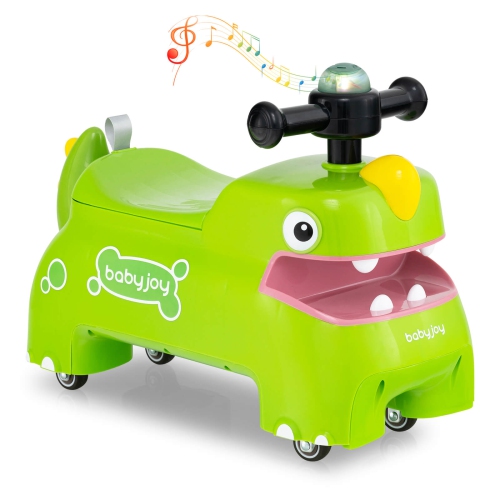
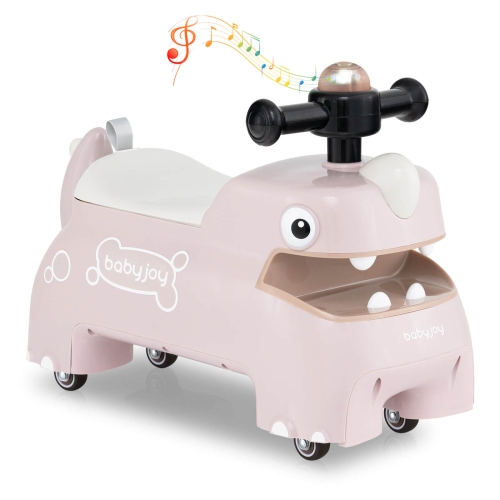
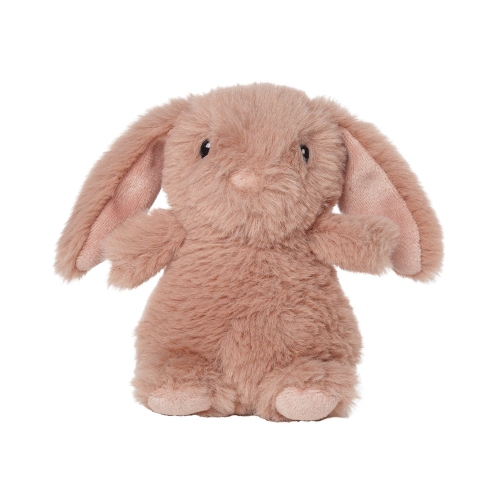
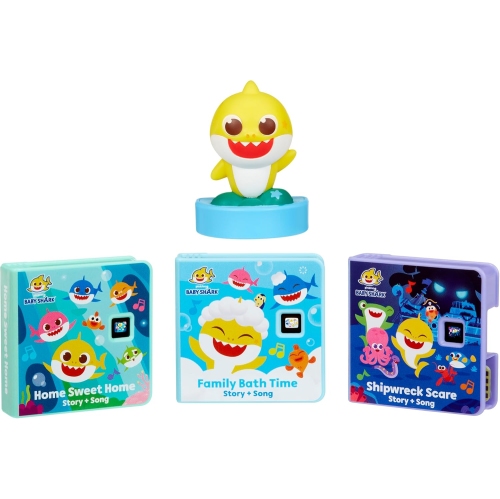
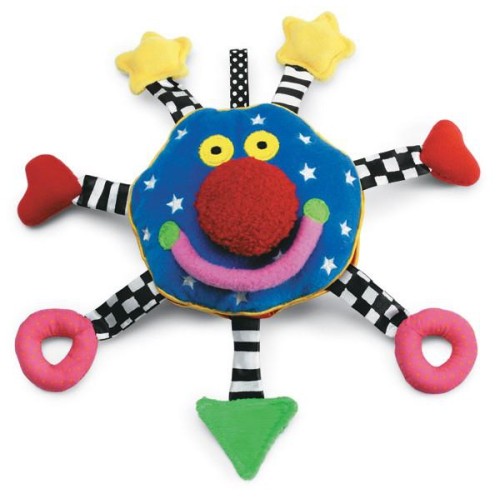
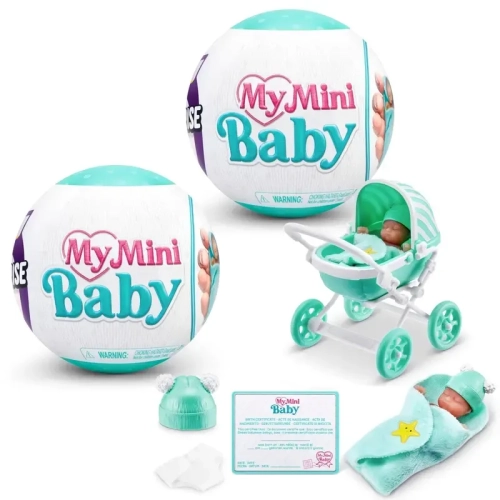
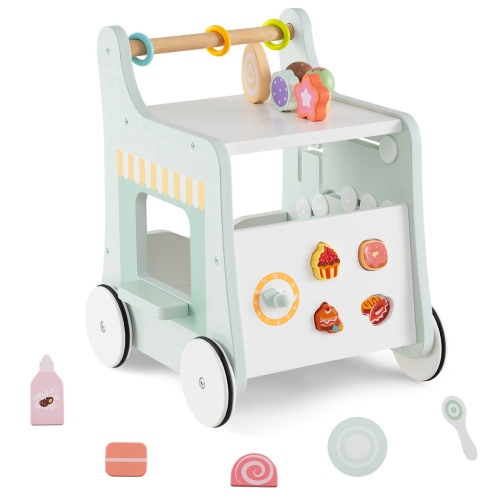
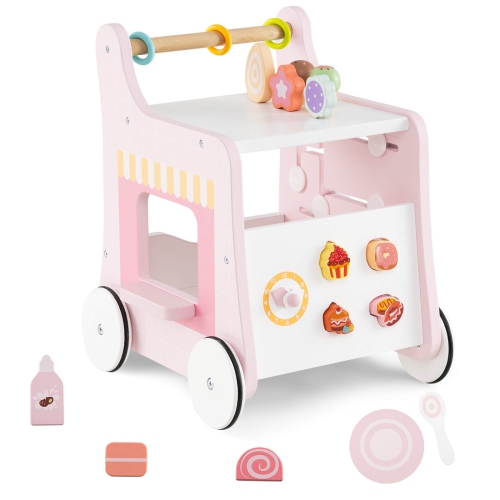

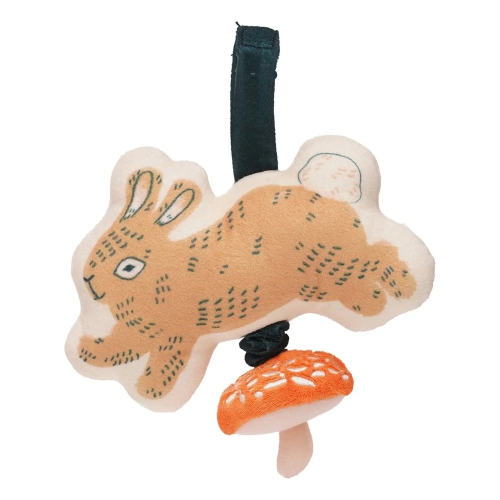
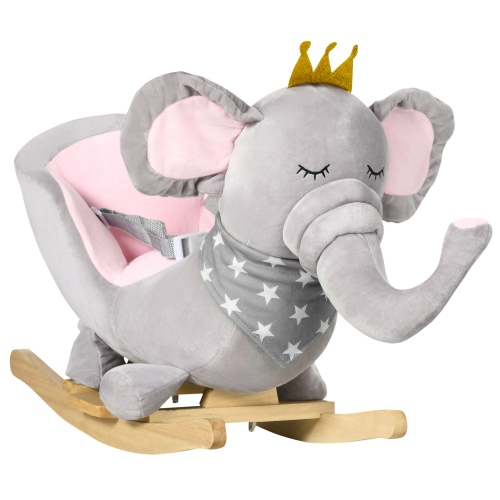
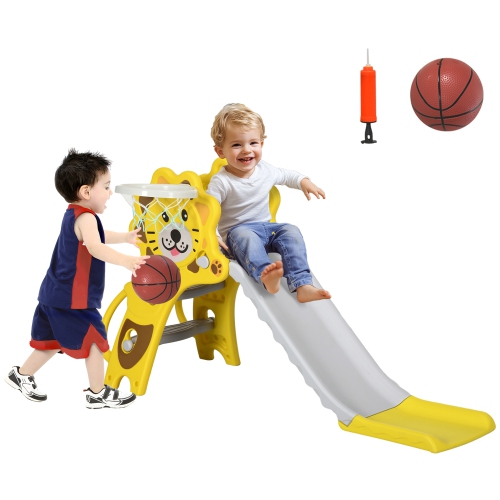
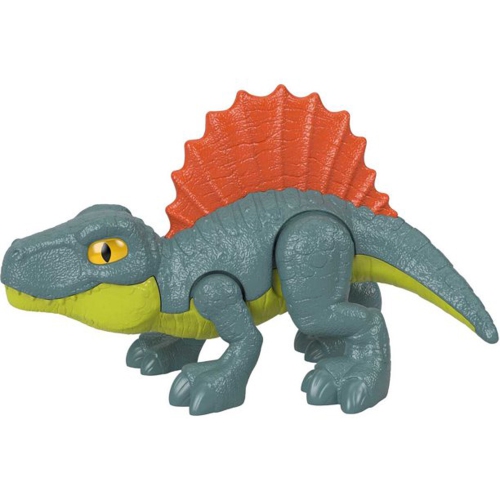
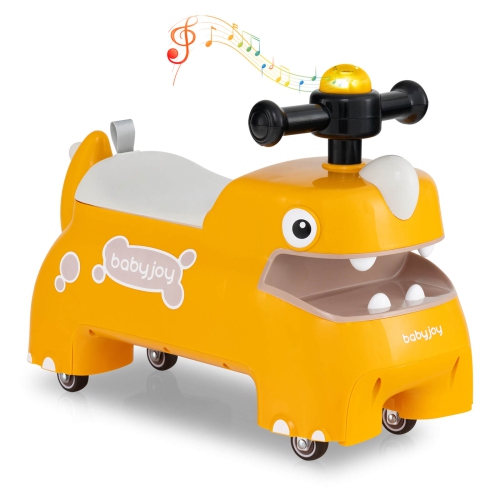
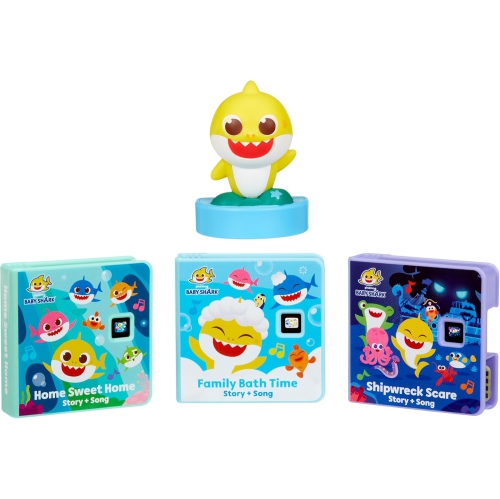
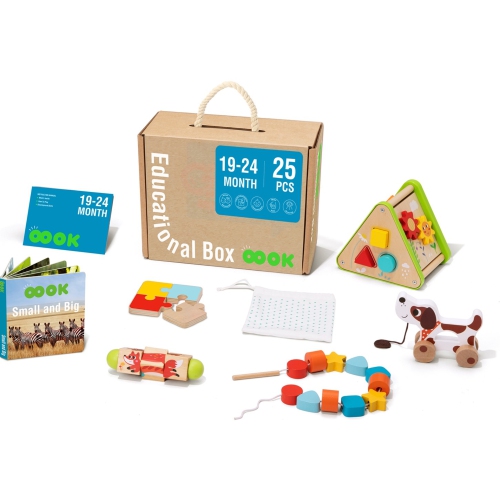
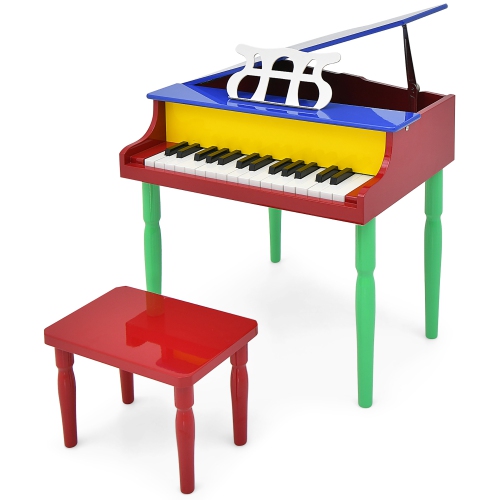
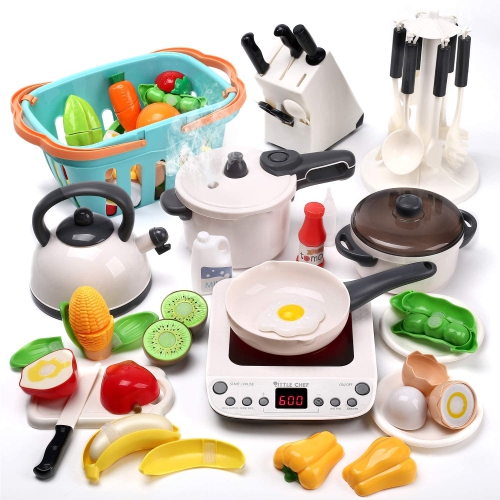
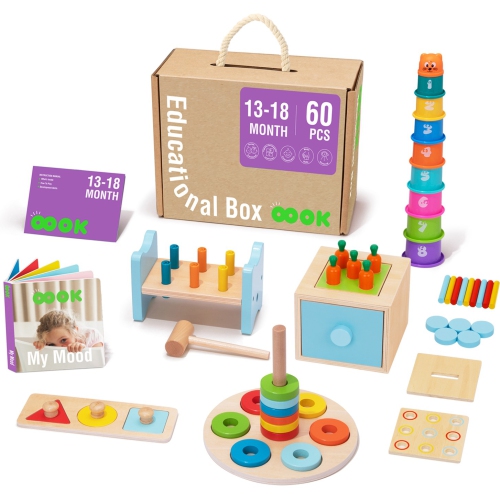
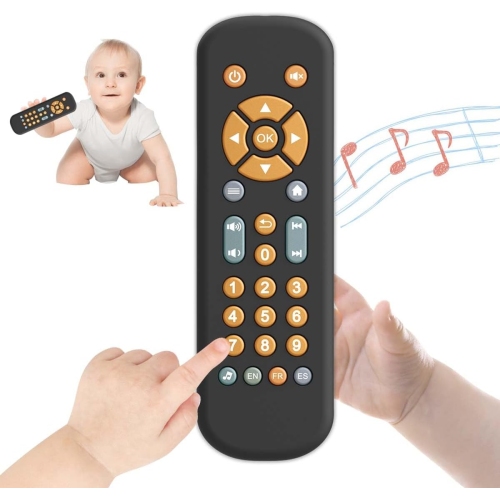
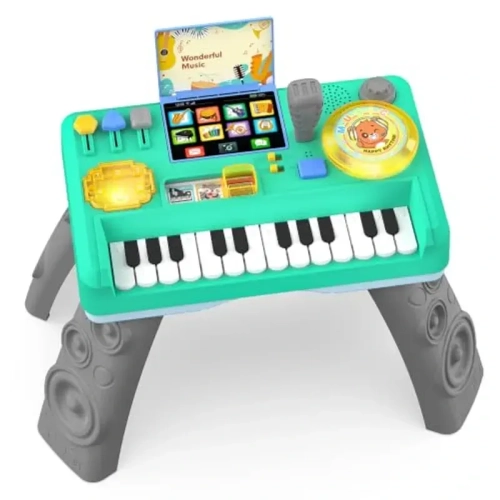
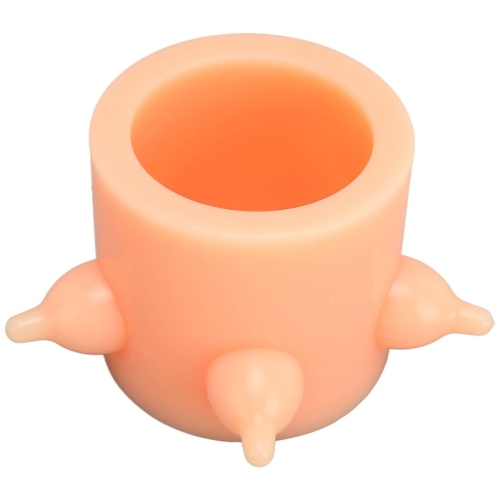
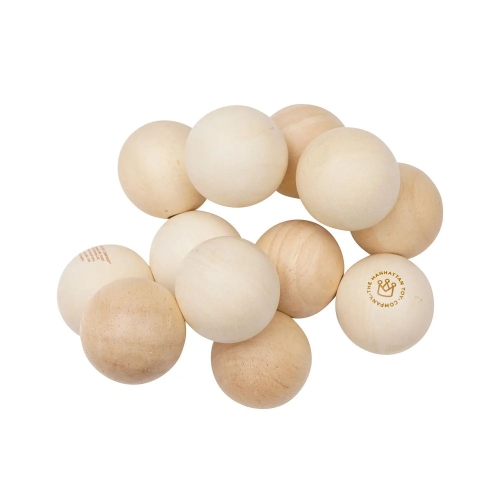
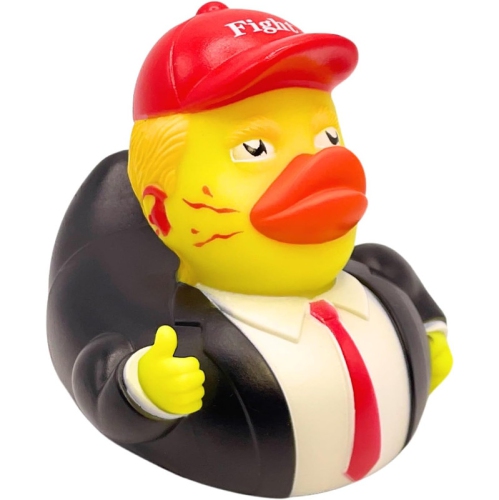
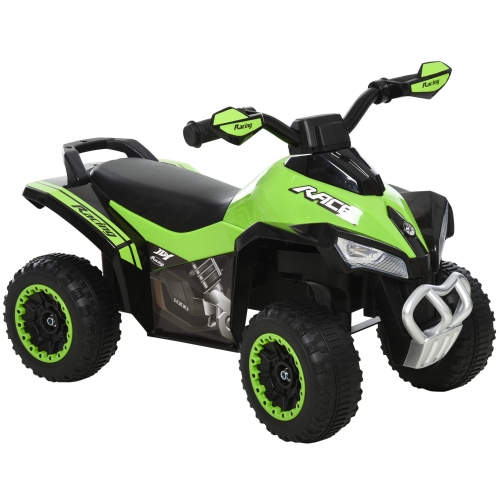
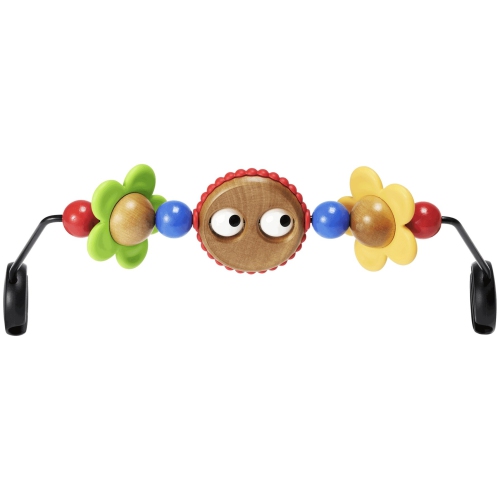
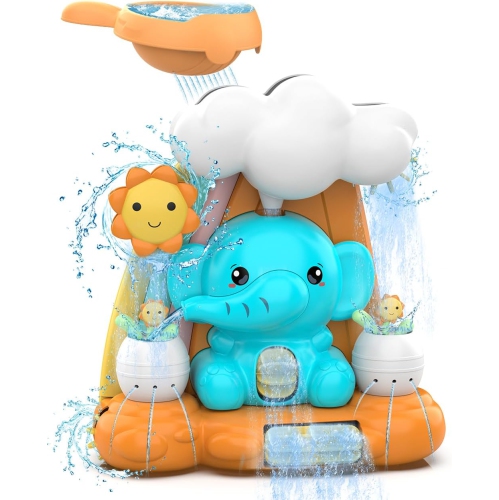
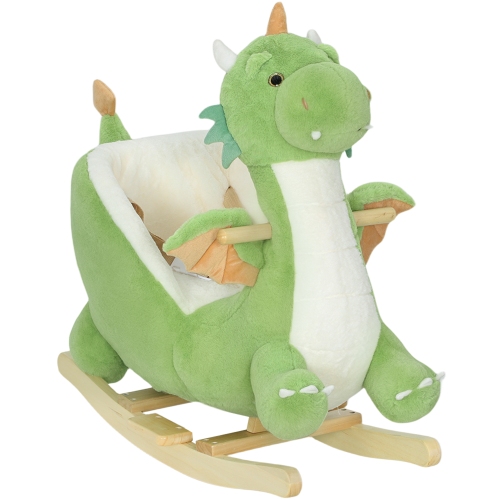
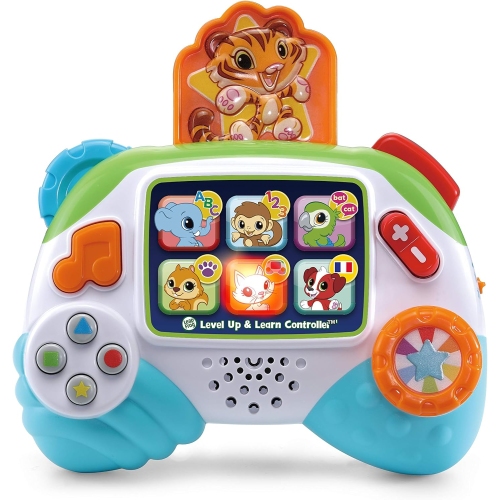
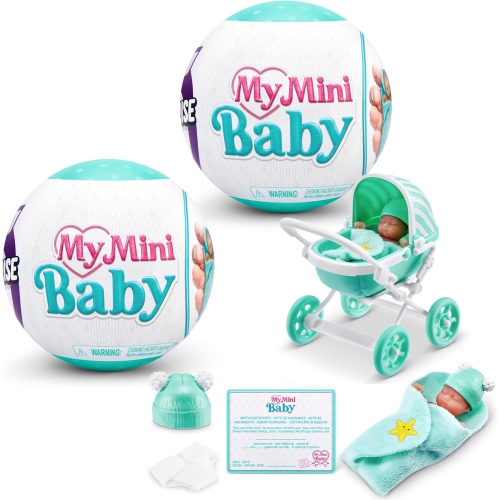
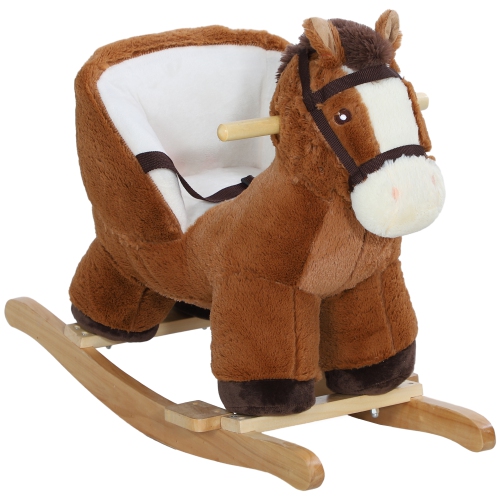
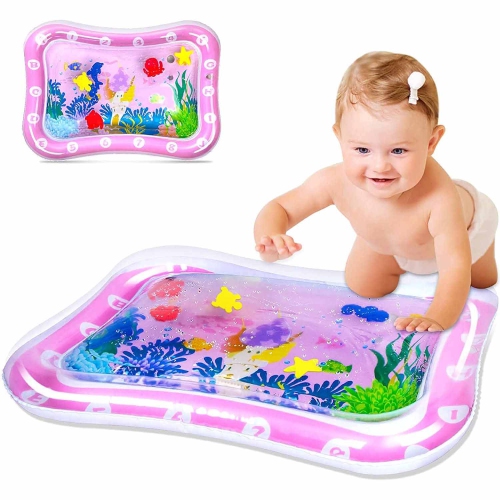
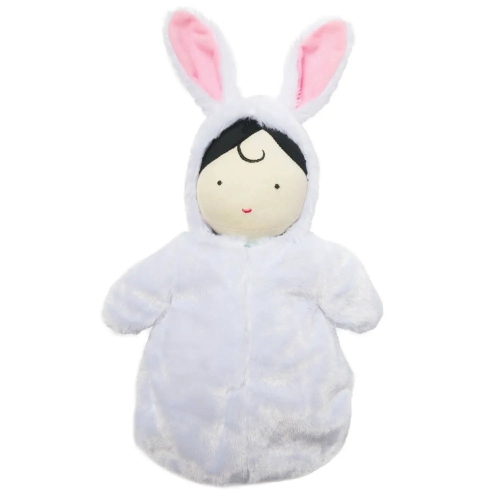
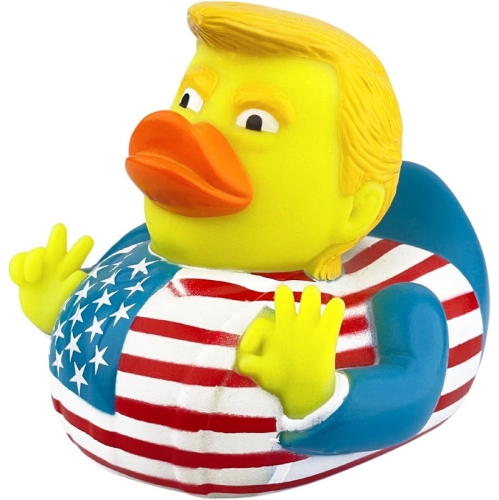
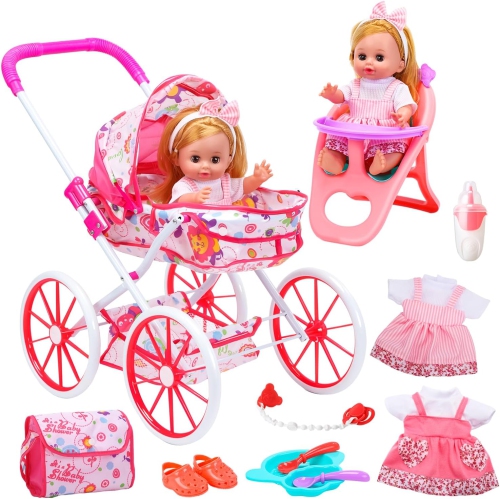
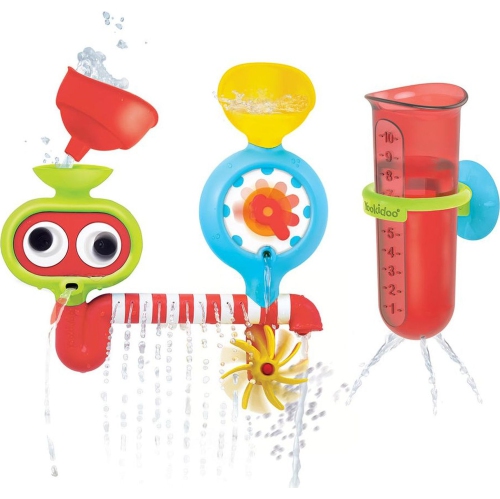
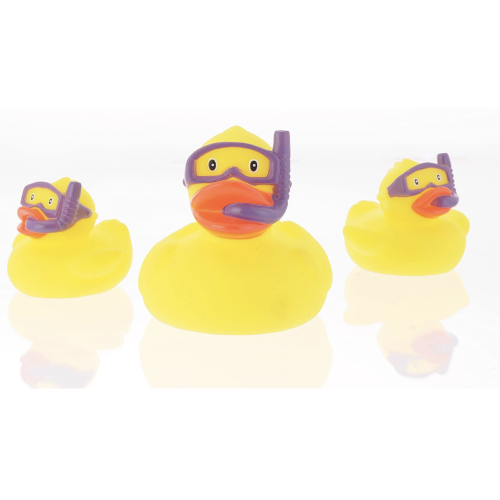
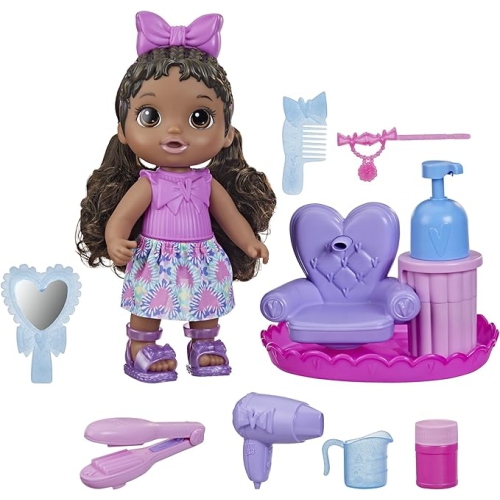
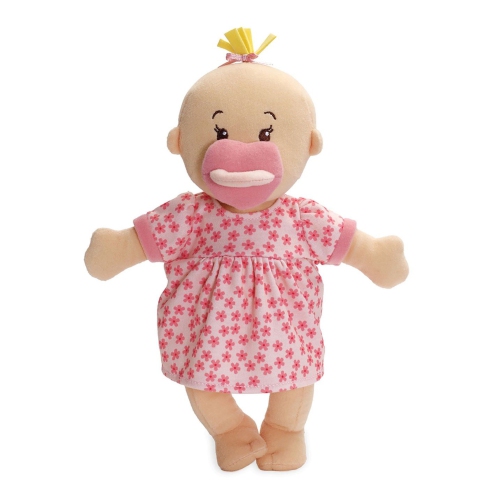
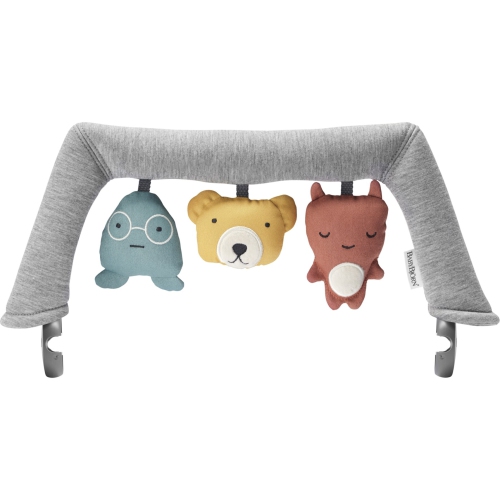
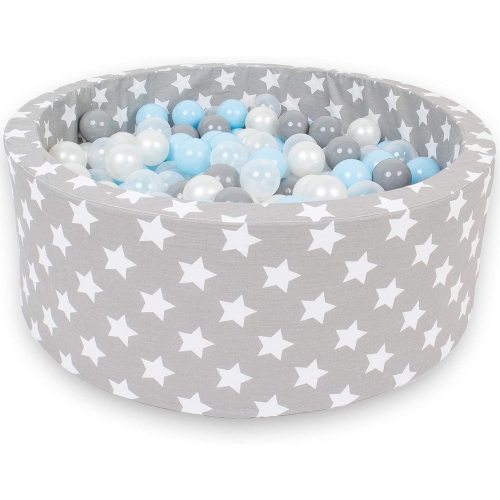
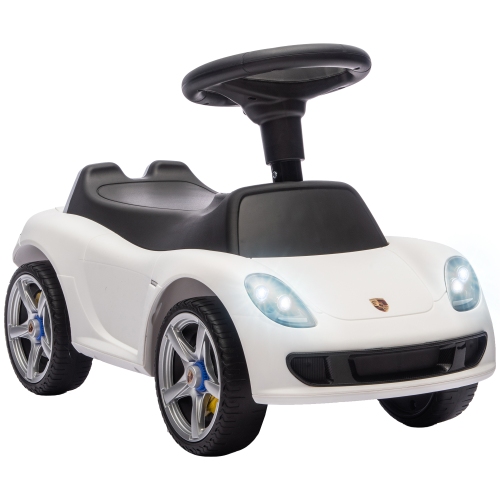
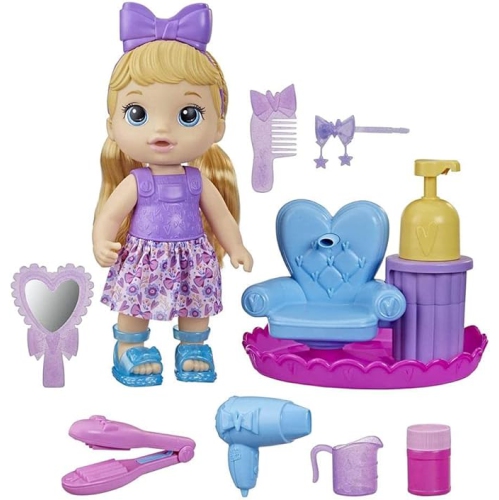
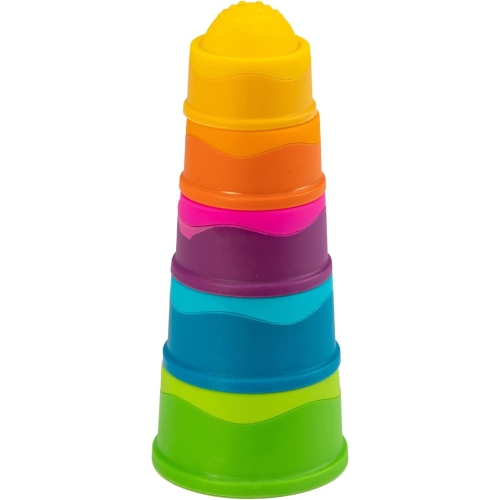
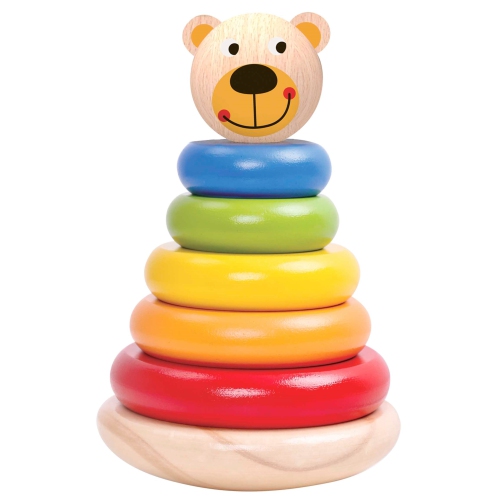
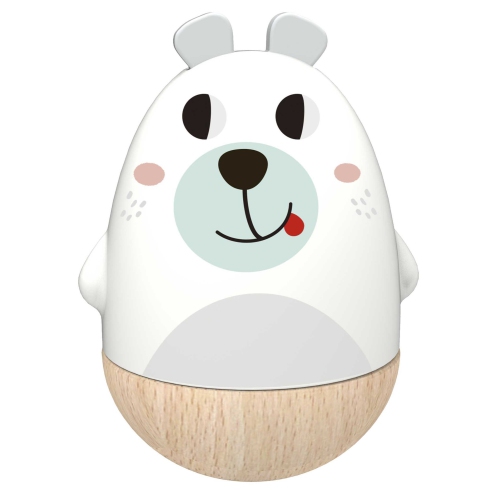
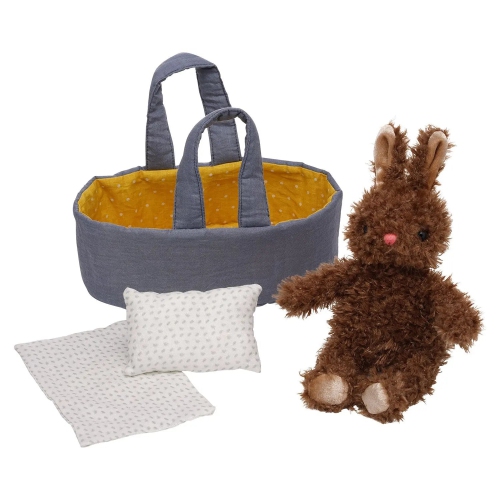
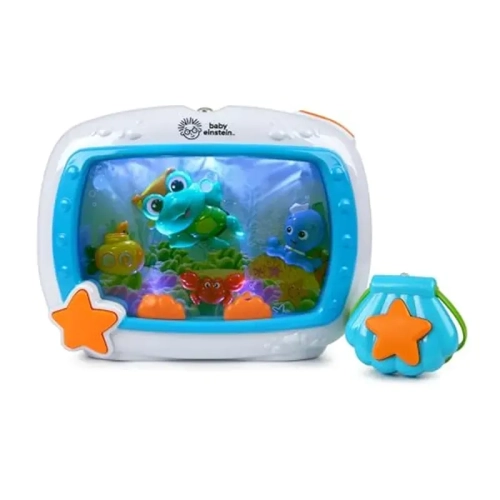
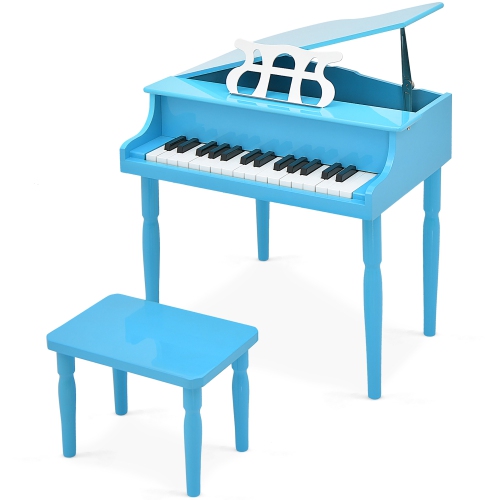
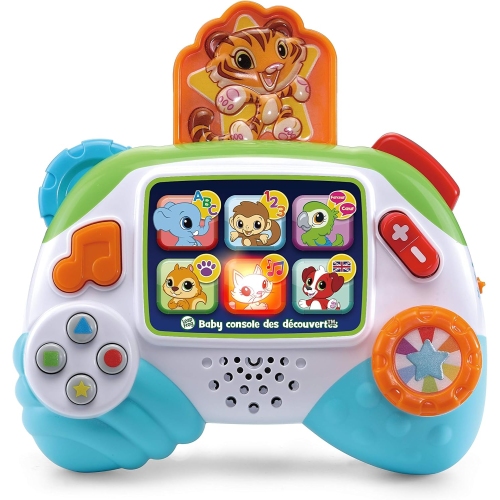
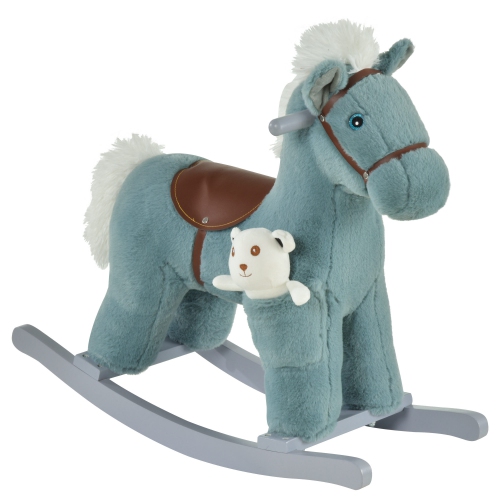
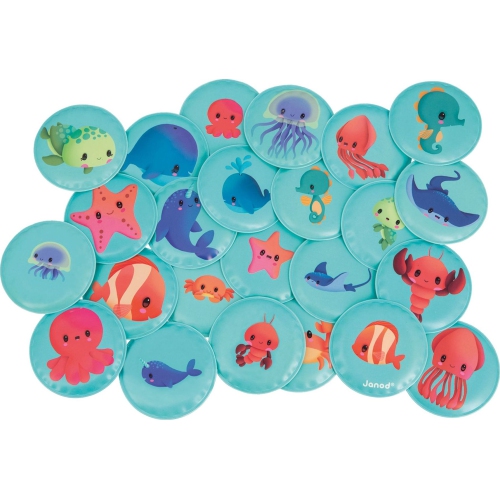
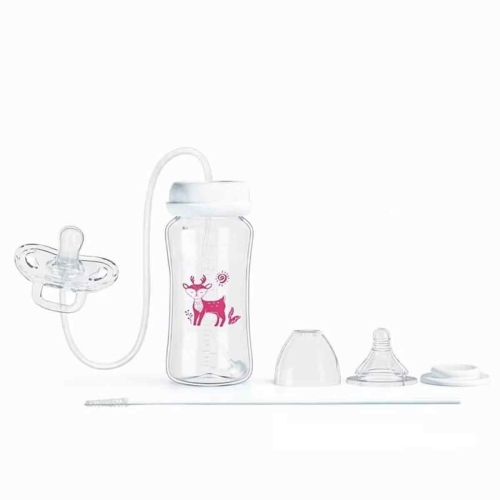
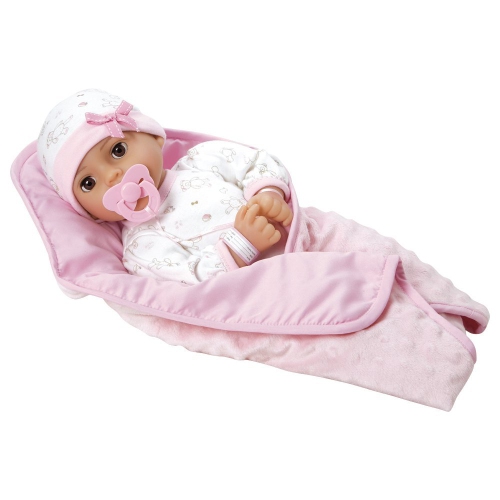
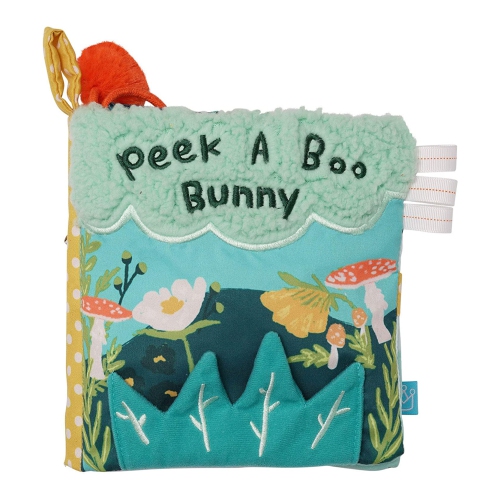
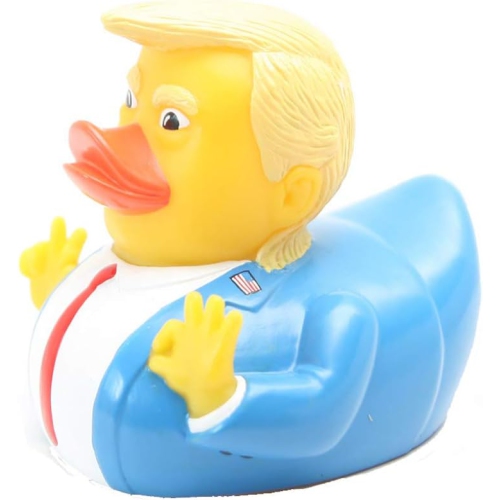
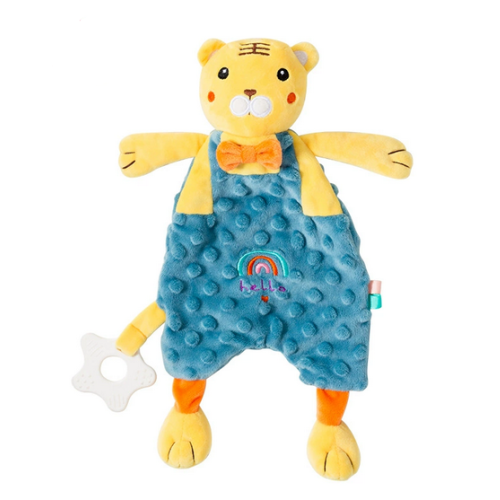
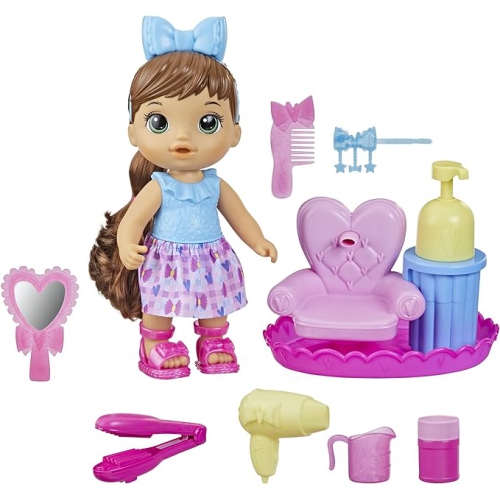
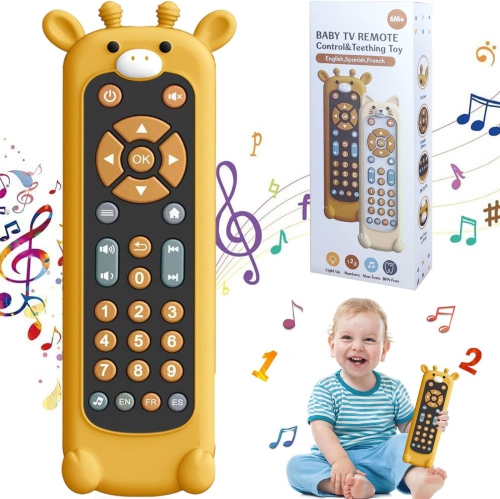
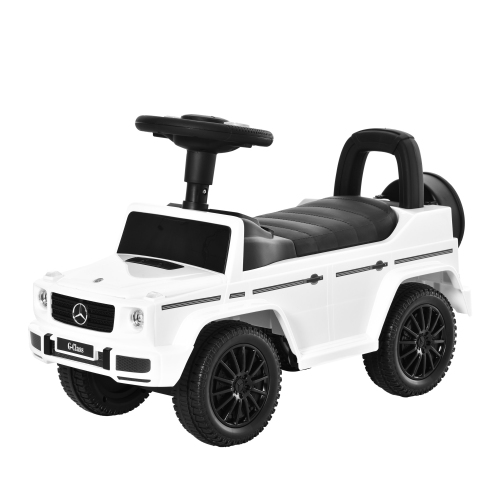
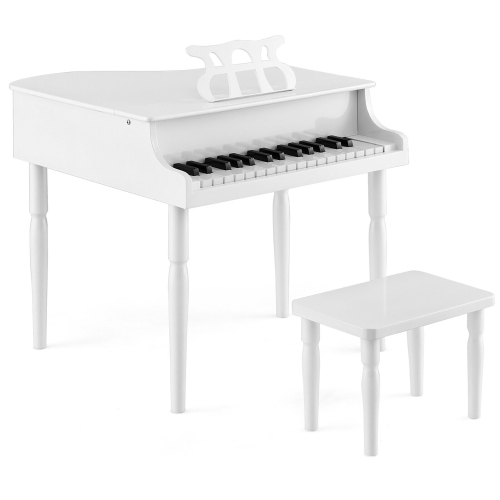
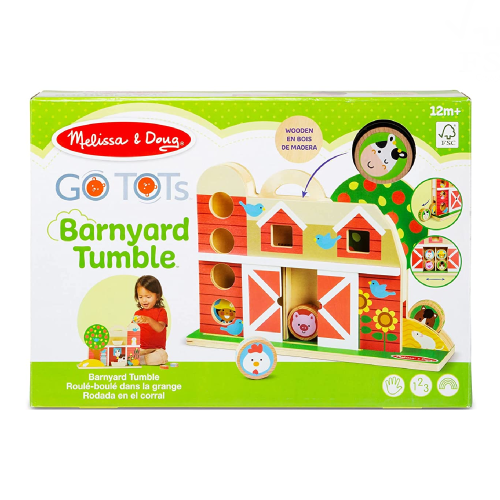
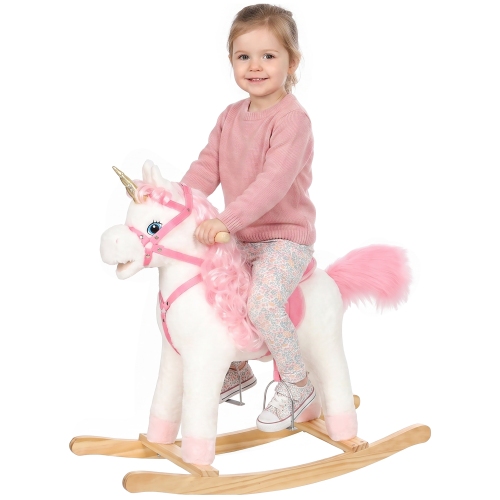
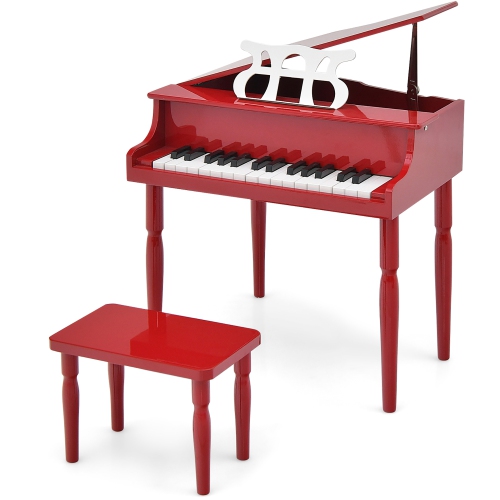
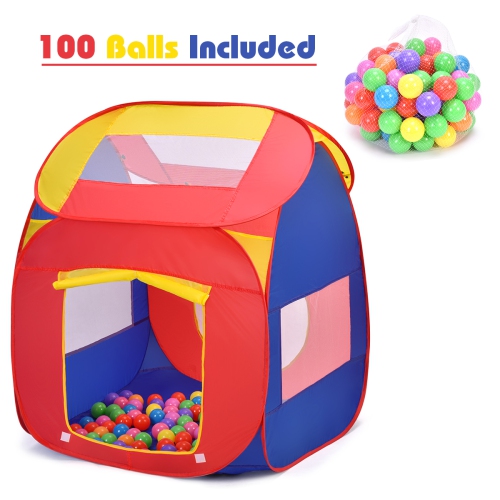
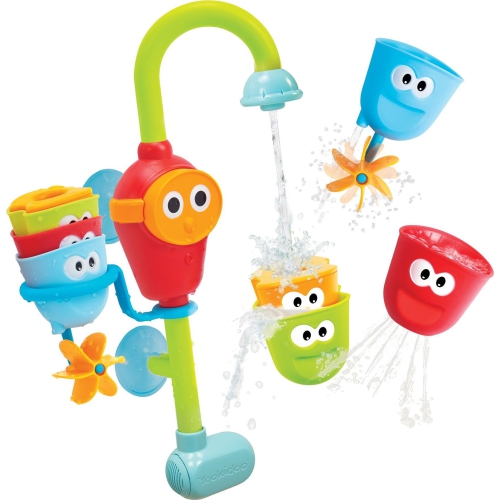
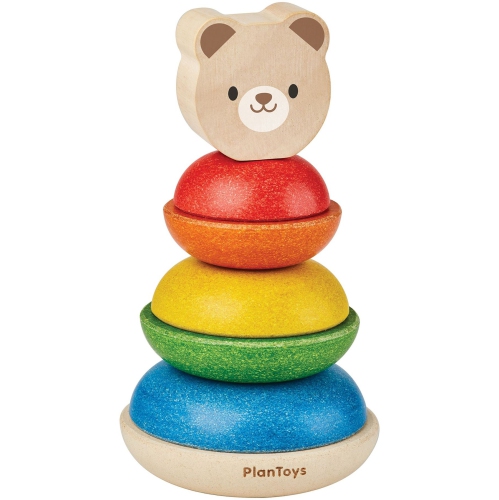
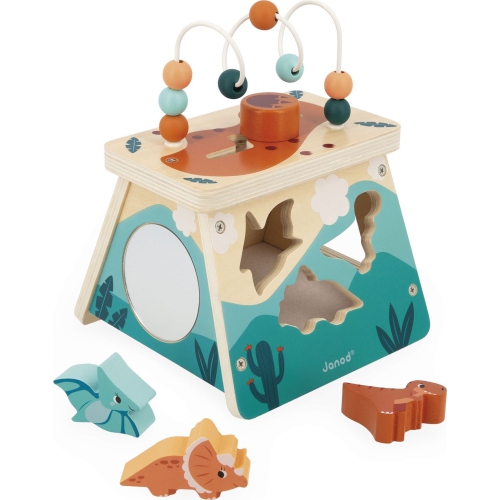
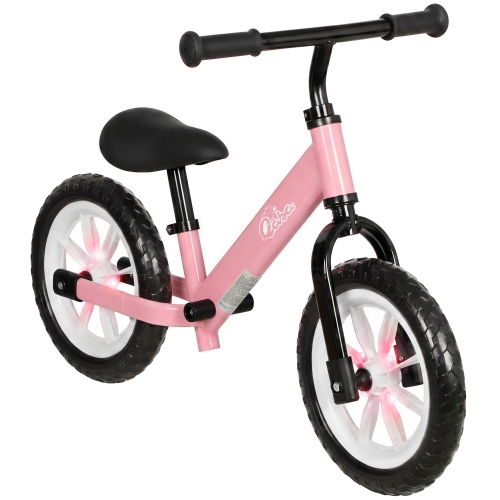
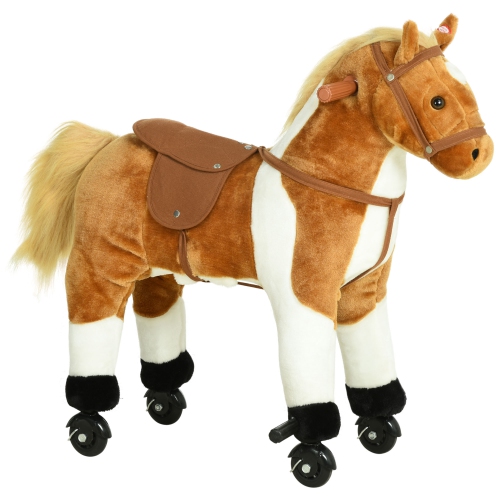
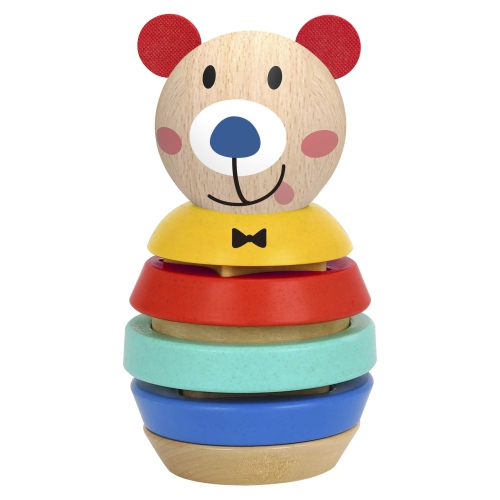

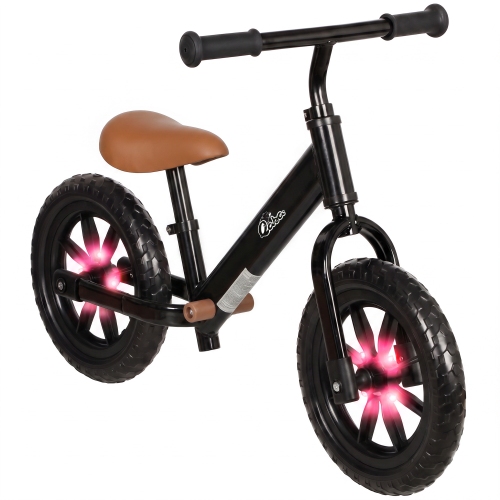
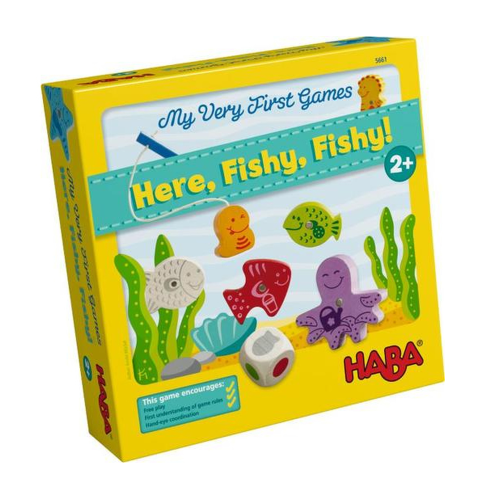

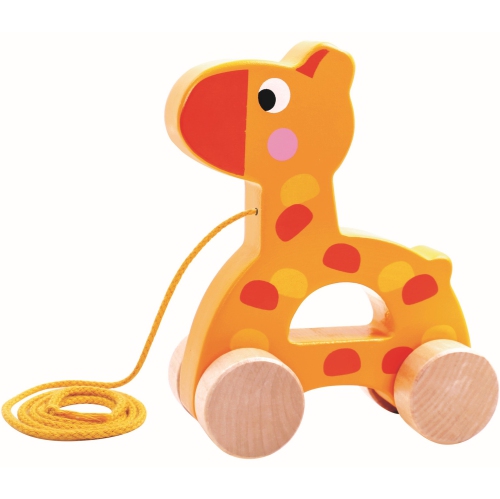
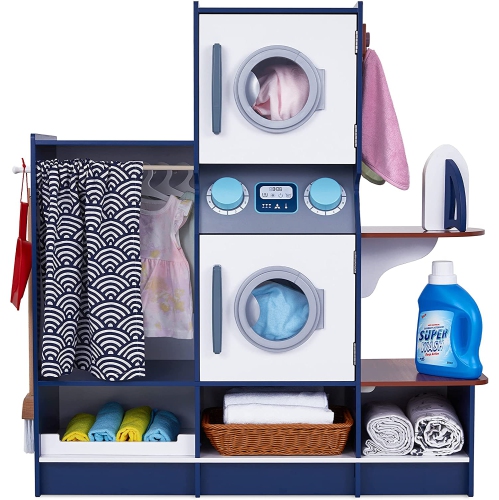
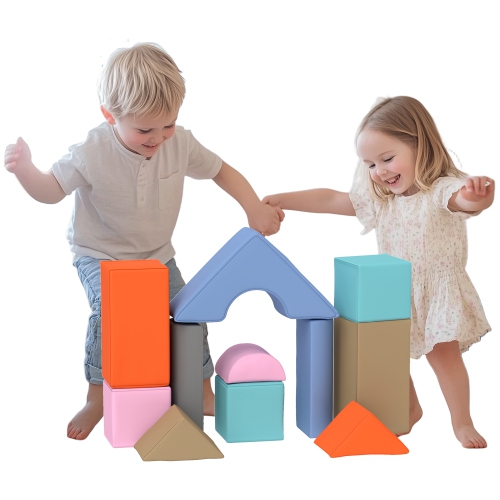
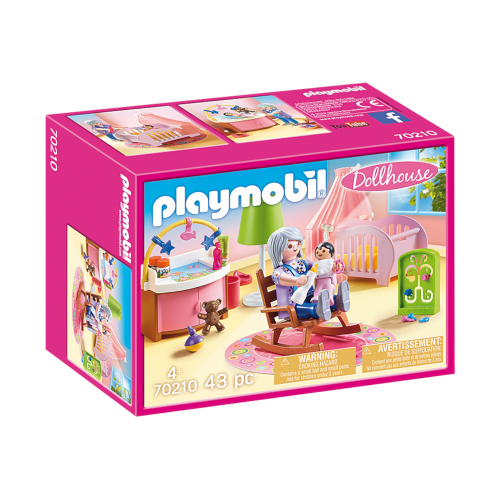
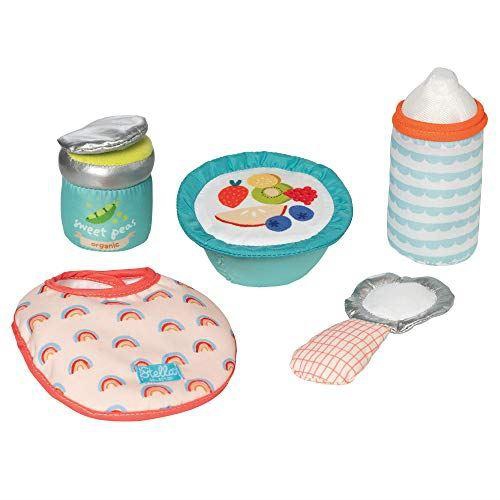
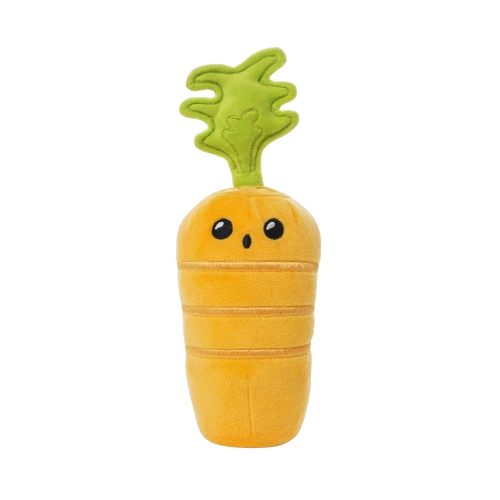
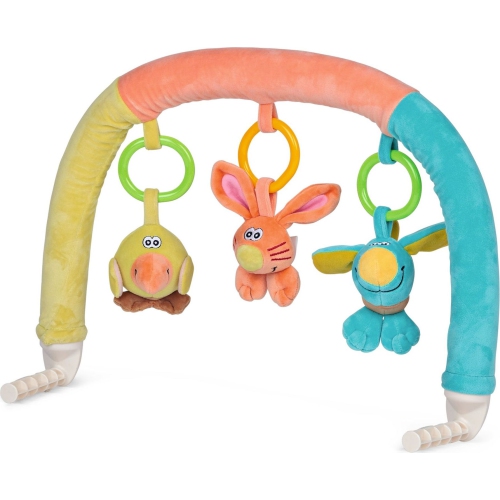
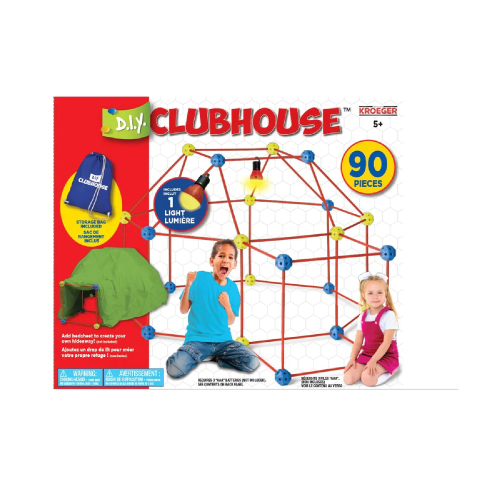
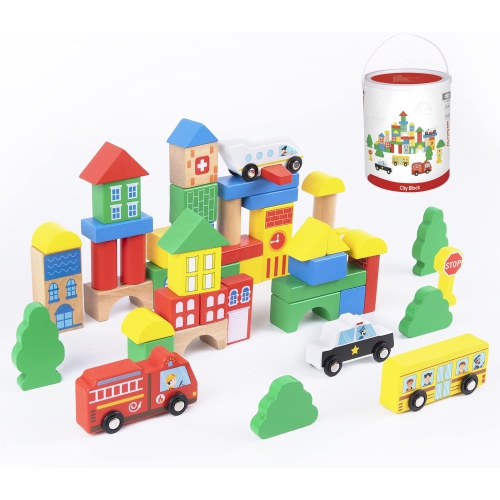
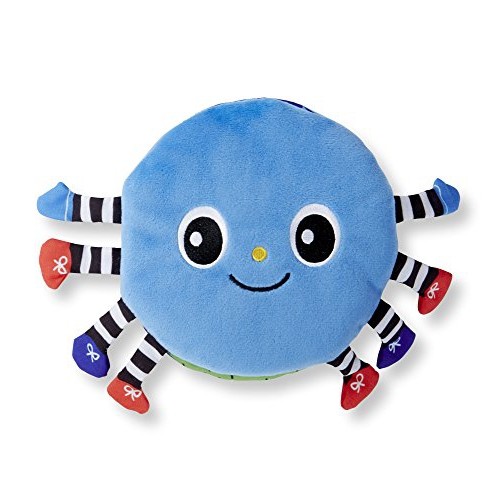
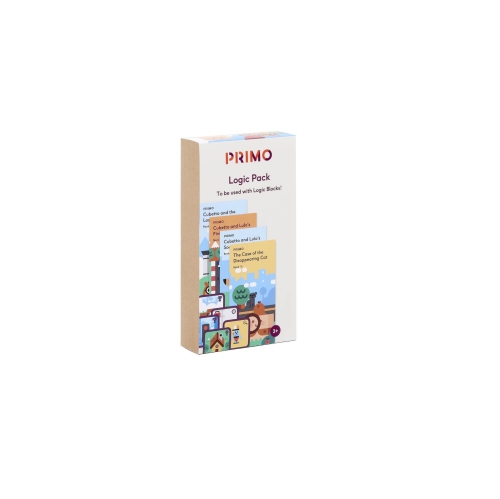
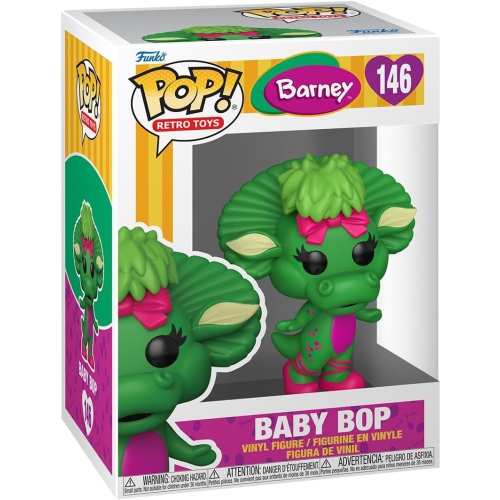
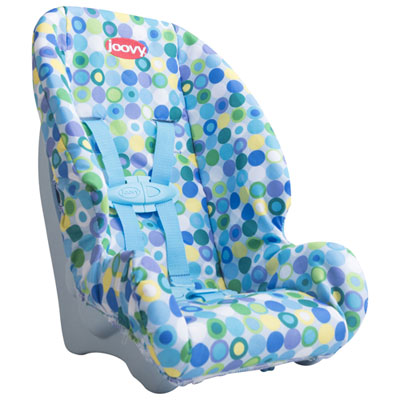
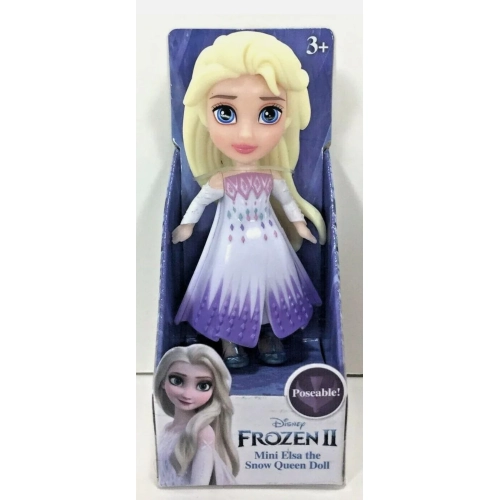
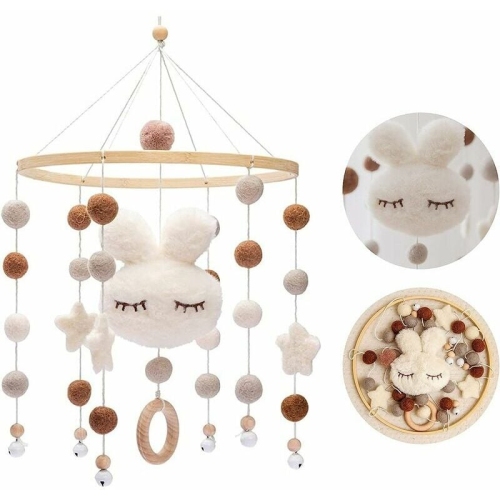
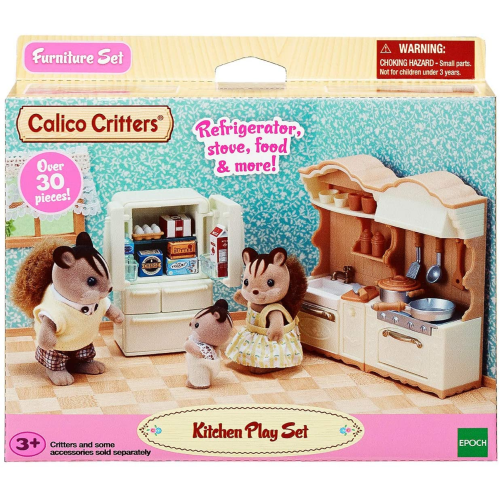
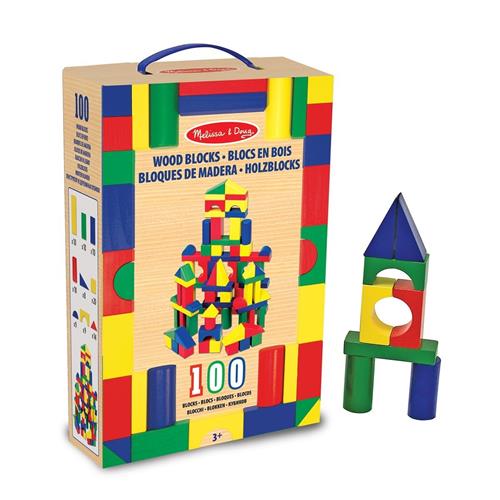
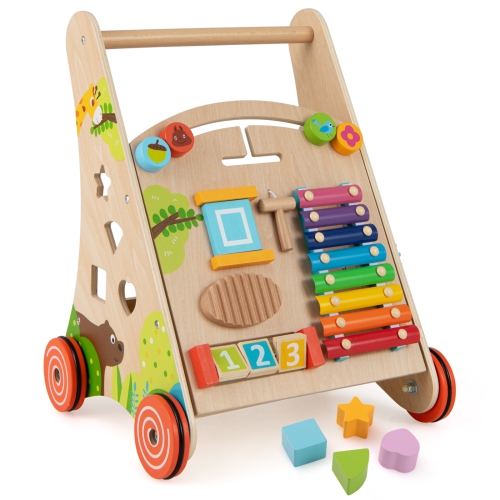
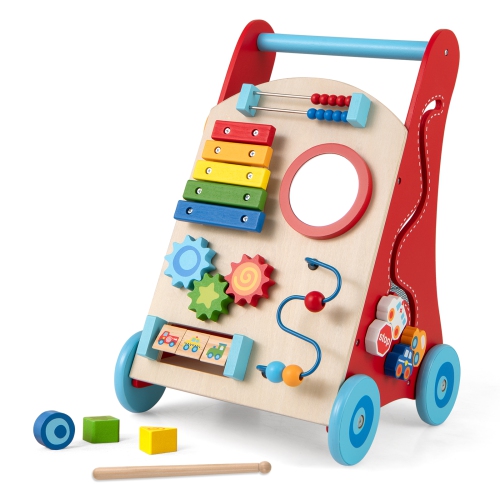

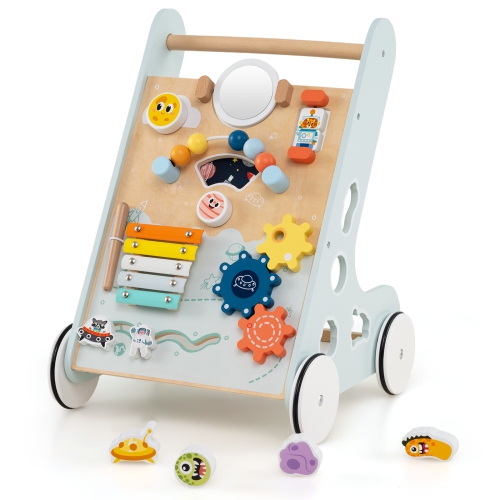
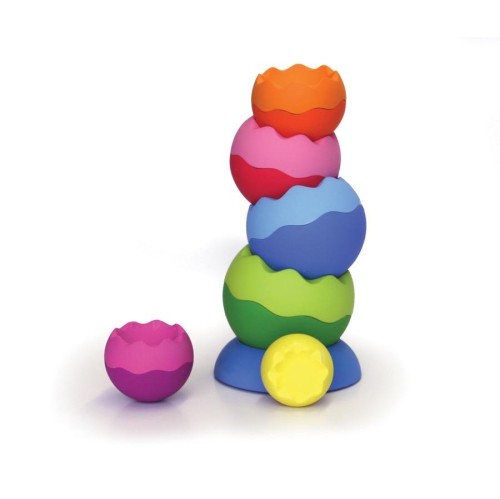
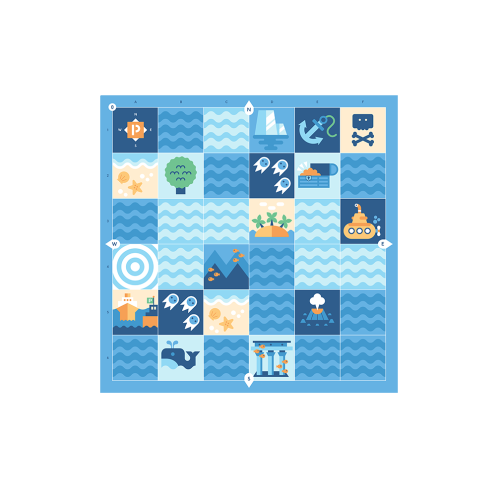
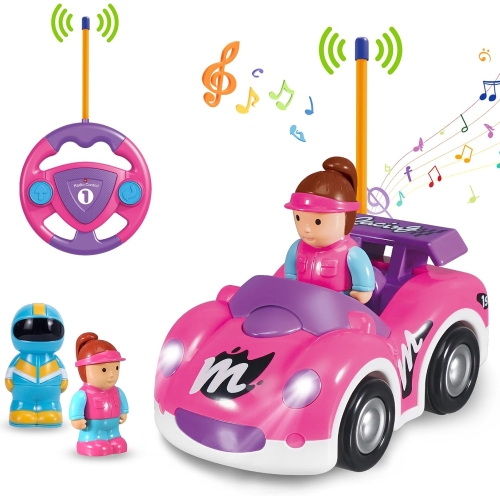
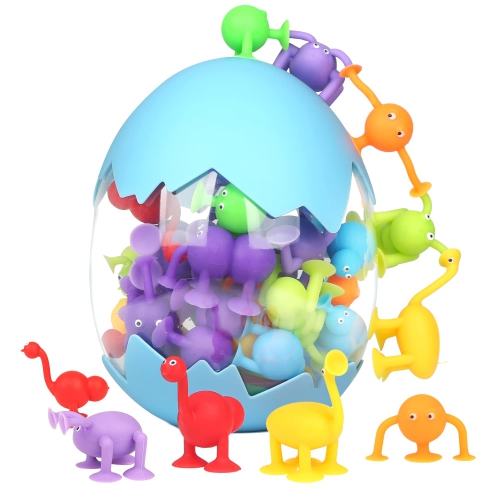
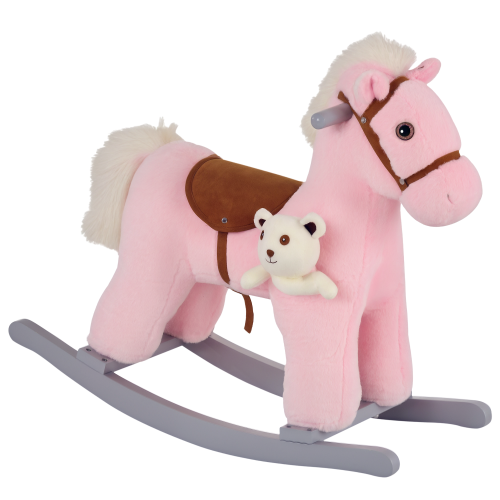
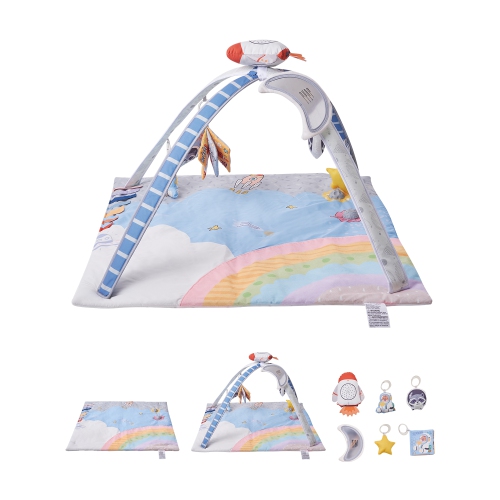
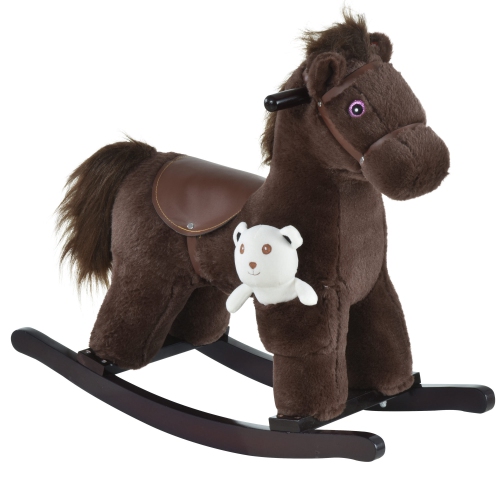
Age-appropriate play supports sensory exploration and early milestones
Choosing baby toys in Canada is about finding engaging, age-appropriate ways for little ones to explore the world around them. In the early months, babies learn through looking, listening, reaching, grasping, mouthing and kicking, so simple toys with clear patterns, gentle sounds and easy-to-hold shapes can become meaningful parts of everyday play. High-contrast designs may help capture a young baby’s attention, while lightweight rattles and graspable toys encourage early hand movements and hand-eye coordination. Teethers can offer a comforting option during the months when sore gums make babies more eager to chew, and toys with varied textures invite little fingers to explore smooth, ridged, crinkled and soft surfaces. Soft toys can provide a familiar source of comfort during quiet moments, although they should always be used according to age and sleep-safety recommendations. As babies grow, activity toys and play mats can support tummy time, reaching, rolling and seated play, giving them a dedicated space to practise new movements. Musical toys and sound-making toys may encourage listening, vocalizing and turn-taking when a parent or caregiver joins in. For families looking to create a rich mix of tactile, visual and auditory experiences, Sensory Toys Canada offers another way to explore play options designed around discovery and the senses.
Age guidance is one of the most important considerations when choosing baby toys. A toy that suits a newborn’s visual development may not offer enough challenge for a baby who is learning to sit, crawl or pull up, while a toy intended for an older infant may include features that are not appropriate for younger children. Check the manufacturer’s recommended age range and consider the child’s individual stage, abilities and play habits. Babies often investigate toys with their mouths, so look for sturdy construction, secure components and materials made for regular handling. Avoid toys with loose pieces, small detachable parts, long cords or other features that could create a choking, strangulation or entanglement hazard. Regularly inspect toys for cracks, tears, loose stitching, damaged seals or parts that have become detached through enthusiastic use. Cleanability matters as well, particularly for teethers, bath-friendly toys and play items that travel between rooms, daycares and grandparents’ homes. Some toys can be wiped clean, while others may be washable or suitable for more thorough sanitizing; always follow the care instructions rather than assuming that every material can be submerged or placed in a washing machine. Keeping a small selection of toys within easy reach can make floor play more inviting, but rotating them every so often can help maintain a baby’s interest without filling the play area. During warmer weather, families may carry compact toys to a shaded patio, cottage or park, while cooler months often bring more indoor floor play, visits with relatives and cosy afternoons at home. In every setting, active supervision remains important, and toys should be used on a stable, age-appropriate surface away from stairs, pets, hot drinks and other household hazards.
Baby toys can also be thoughtful gifts for new parents, grandparents, relatives, friends and caregivers who want to celebrate a birth, shower, first birthday or another early milestone. For a newborn gift, consider simple sensory features, soft colours or high-contrast patterns and shapes that are easy for a small hand to grasp. For a baby who is becoming more mobile, activity-focused toys can complement tummy time, sitting practice and early reaching. When shopping for someone else’s child, it helps to consider the family’s space, routines and preferences. A compact toy may be especially useful in an apartment, nursery or travel bag, while a larger activity item may suit a dedicated playroom. Gifts that are easy to wipe down can be practical for busy households, and toys with more than one way to play can continue to hold a child’s attention as their skills develop. Musical features, textures, mirrors, movement and cause-and-effect interactions can all inspire shared play, whether an adult is helping a baby shake, press, pull, stack or follow an interesting sound. Parents and caregivers may also use baby toys to build small rituals into the day: a few minutes of tummy time after a nap, quiet floor play before a bath, or a familiar soft toy during story time. The best choice is not necessarily the busiest or most elaborate option; it is one that fits the baby’s developmental stage, feels comfortable in the home and gives caregivers an inviting way to connect through play. A carefully chosen selection of baby toys can support early discovery while creating the cheerful, everyday moments families remember.
Age guidance is one of the most important considerations when choosing baby toys. A toy that suits a newborn’s visual development may not offer enough challenge for a baby who is learning to sit, crawl or pull up, while a toy intended for an older infant may include features that are not appropriate for younger children. Check the manufacturer’s recommended age range and consider the child’s individual stage, abilities and play habits. Babies often investigate toys with their mouths, so look for sturdy construction, secure components and materials made for regular handling. Avoid toys with loose pieces, small detachable parts, long cords or other features that could create a choking, strangulation or entanglement hazard. Regularly inspect toys for cracks, tears, loose stitching, damaged seals or parts that have become detached through enthusiastic use. Cleanability matters as well, particularly for teethers, bath-friendly toys and play items that travel between rooms, daycares and grandparents’ homes. Some toys can be wiped clean, while others may be washable or suitable for more thorough sanitizing; always follow the care instructions rather than assuming that every material can be submerged or placed in a washing machine. Keeping a small selection of toys within easy reach can make floor play more inviting, but rotating them every so often can help maintain a baby’s interest without filling the play area. During warmer weather, families may carry compact toys to a shaded patio, cottage or park, while cooler months often bring more indoor floor play, visits with relatives and cosy afternoons at home. In every setting, active supervision remains important, and toys should be used on a stable, age-appropriate surface away from stairs, pets, hot drinks and other household hazards.
Baby toys can also be thoughtful gifts for new parents, grandparents, relatives, friends and caregivers who want to celebrate a birth, shower, first birthday or another early milestone. For a newborn gift, consider simple sensory features, soft colours or high-contrast patterns and shapes that are easy for a small hand to grasp. For a baby who is becoming more mobile, activity-focused toys can complement tummy time, sitting practice and early reaching. When shopping for someone else’s child, it helps to consider the family’s space, routines and preferences. A compact toy may be especially useful in an apartment, nursery or travel bag, while a larger activity item may suit a dedicated playroom. Gifts that are easy to wipe down can be practical for busy households, and toys with more than one way to play can continue to hold a child’s attention as their skills develop. Musical features, textures, mirrors, movement and cause-and-effect interactions can all inspire shared play, whether an adult is helping a baby shake, press, pull, stack or follow an interesting sound. Parents and caregivers may also use baby toys to build small rituals into the day: a few minutes of tummy time after a nap, quiet floor play before a bath, or a familiar soft toy during story time. The best choice is not necessarily the busiest or most elaborate option; it is one that fits the baby’s developmental stage, feels comfortable in the home and gives caregivers an inviting way to connect through play. A carefully chosen selection of baby toys can support early discovery while creating the cheerful, everyday moments families remember.
Top selling and popular products
-
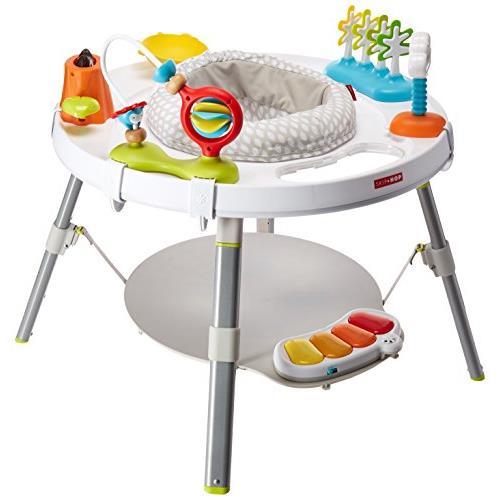 Your price for this item is $299.13
 -
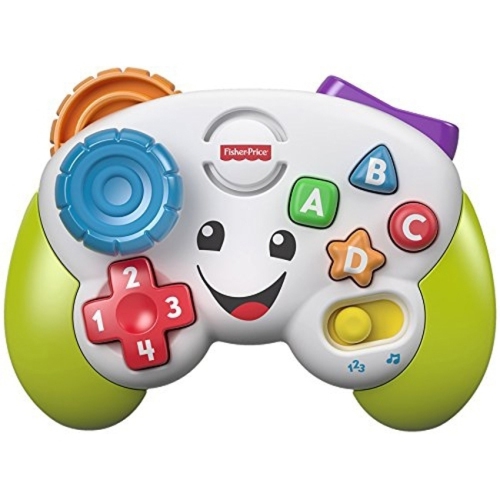 Your price for this item is $24.28
 -
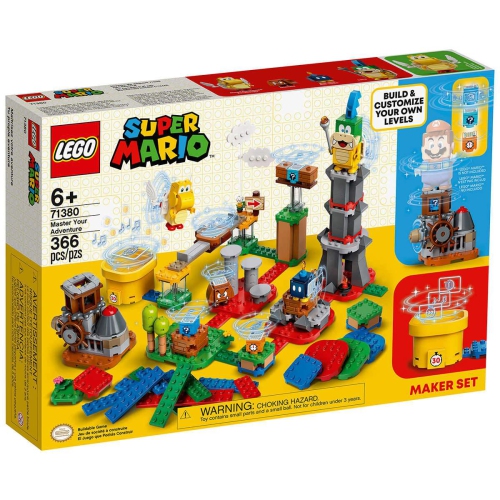 Your price for this item is $103.27
 -
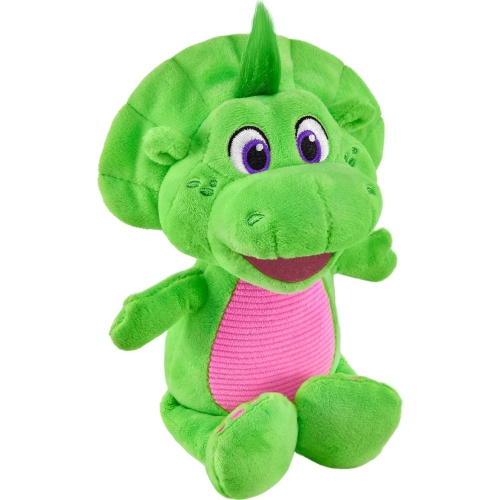 Your price for this item is $17.24
 -
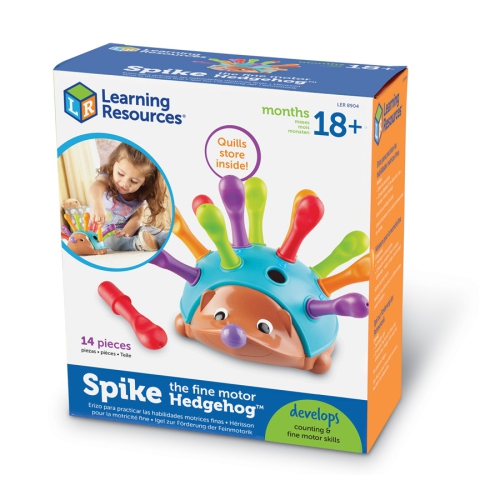 Your price for this item is $56.13
 -
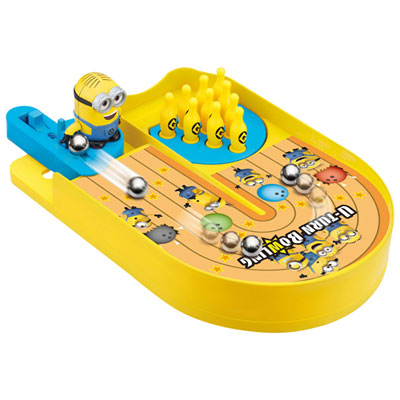 Your price for this item is $19.99
 -
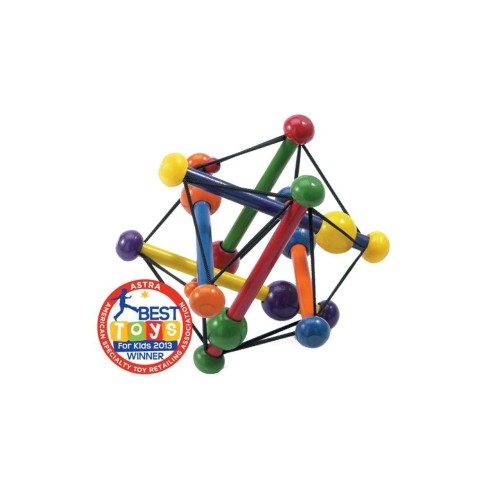 Your price for this item is $29.99
 -
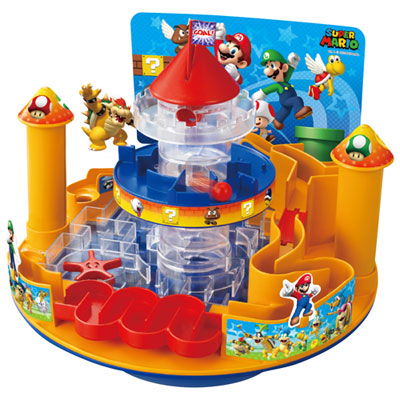 Your price for this item is $39.99
Discover more categories related to Baby Toys Canada
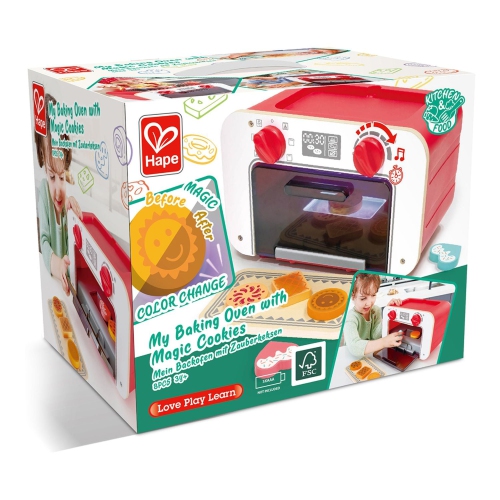
Top Collections:
Pokemon Centers, Kindle Devices, Best Budget Office Chairs, Canon G7X Cameras, Apple iPhones 16, Samsung Galaxy Phones, Refurbished Apple Laptops, Laptops for Students, iPhone 15 Apple, Budget Smartphones
Some products may be subject to Environmental Handling Fees
(EHF) depending on your province.
Learn more about EHFs.