Back To School Microscopes
Find back-to-school microscopes for classroom lessons, science projects, and at-home learning. Compare options by magnification, ease of use, and included accessories to choose a microscope suited to your student’s grade level and the specimens they plan to study.



FAQ
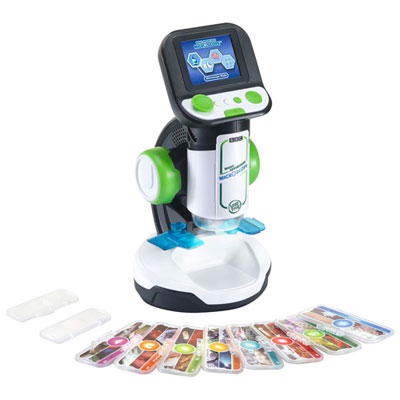
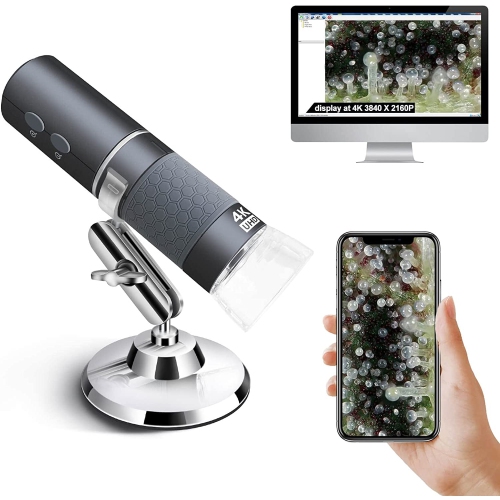
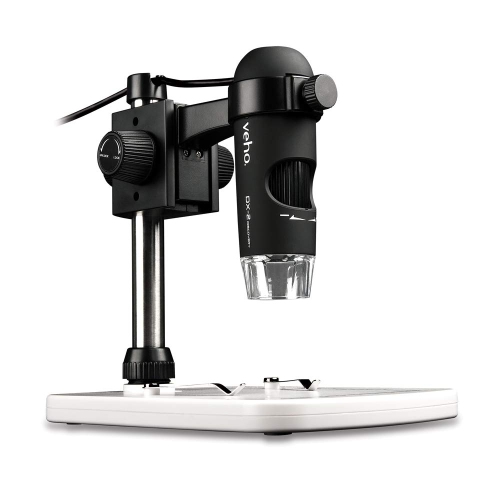
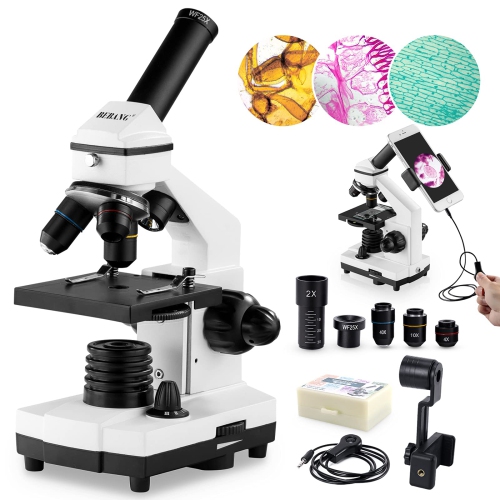
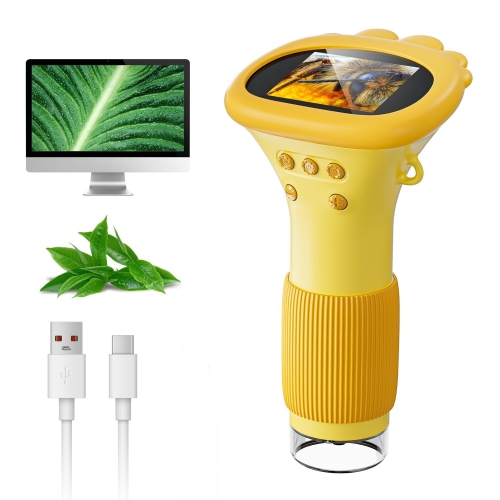
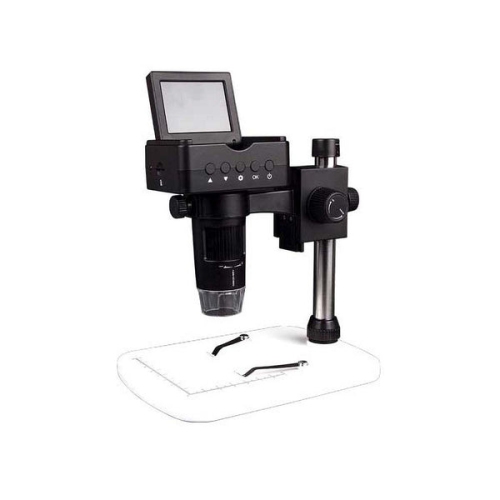
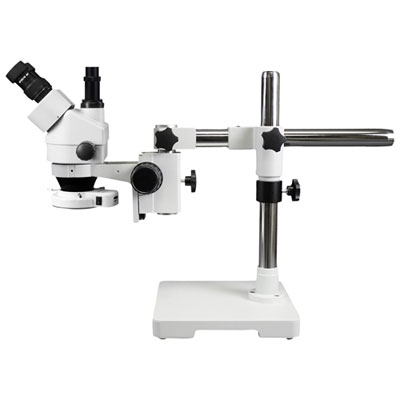
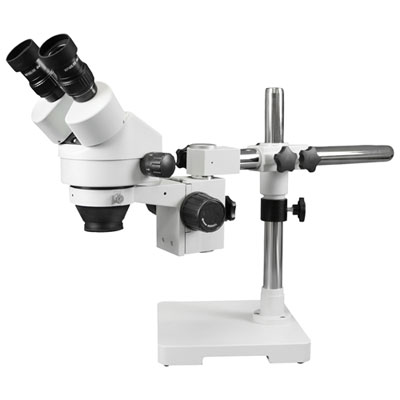
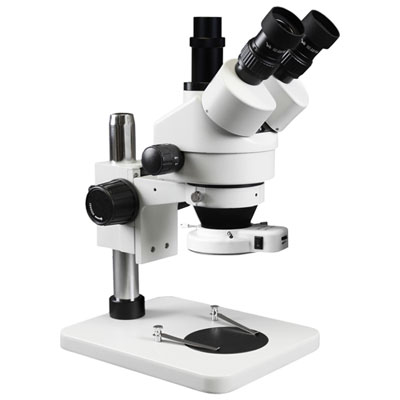
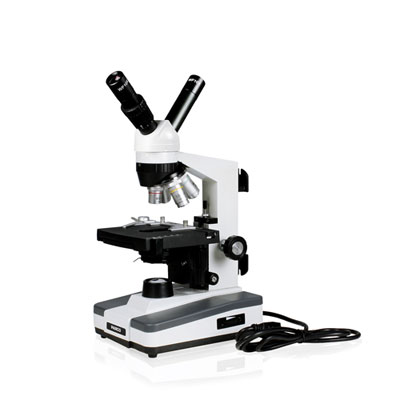
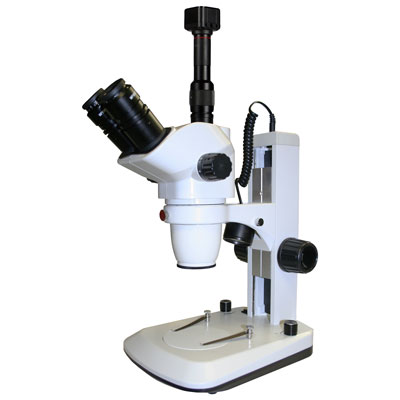
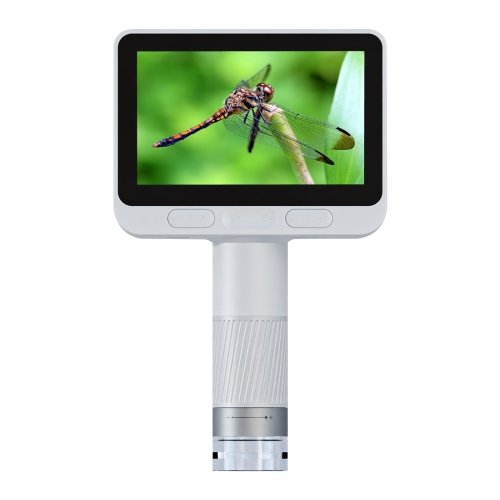
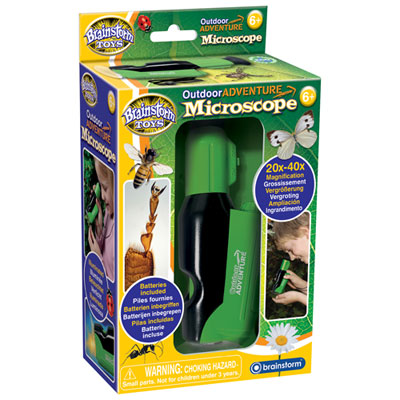
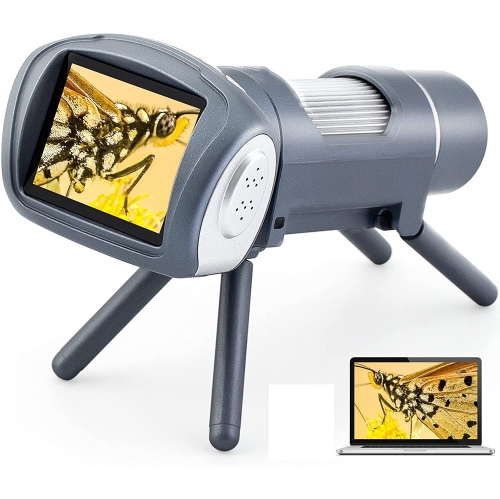
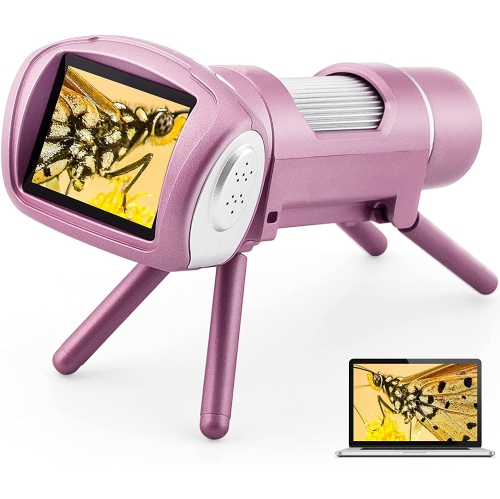
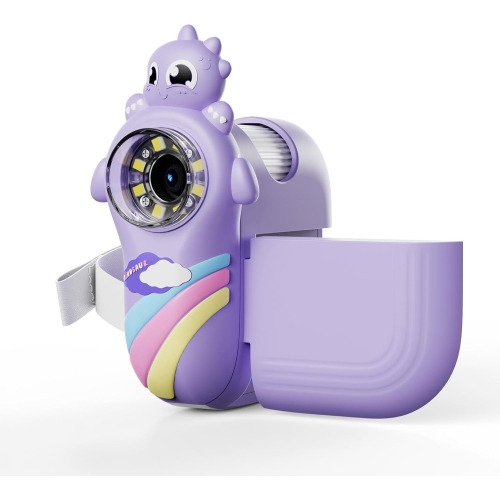
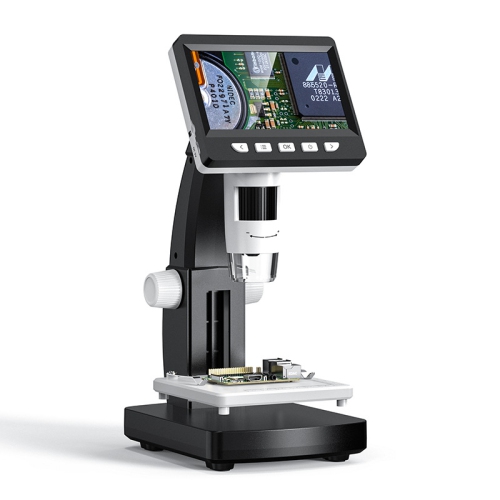
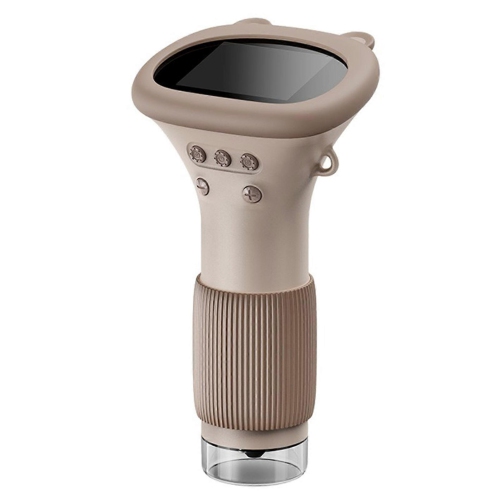
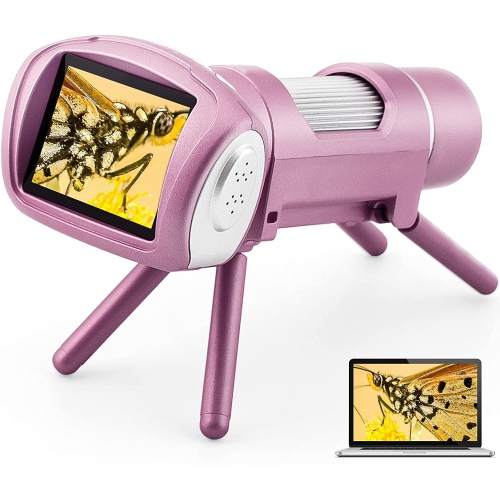
Compound microscopes are commonly used in biology classes to examine thin specimens on slides, such as plant cells. Stereo microscopes provide a three-dimensional view of objects such as leaves, rocks and insects. Digital microscopes display images on a screen and can support assignments that involve capturing observations.
Useful features include adjustable lighting, straightforward focus controls and a stable stage that holds specimens securely. For slide-based biology work, multiple objective lenses and fine-focus adjustment offer flexibility when examining different specimens. Match the microscope type to the activities outlined in the student's course.
A digital microscope can let students view specimens on a compatible computer or built-in screen. Models with image capture or video recording allow students to document observations for lab reports and presentations. Check operating system compatibility, connection requirements and included software when choosing one.
Prepared slides provide ready-to-view examples for practising observation skills. Blank slides, cover slips and droppers are useful for preparing specimens during class activities. Lens paper and a dust cover help with routine care, while a notebook gives students a place to record observations and sketch what they see.
Transmitted lighting shines through a specimen from below and is commonly used with thin samples on slides. Reflected lighting illuminates an object from above, making it useful for examining surfaces such as minerals or leaves. Some microscopes offer both lighting options for different classroom activities.
Top selling and popular products
Discover more categories related to Back To School Microscopes
Some products may be subject to Environmental Handling Fees (EHF) depending on your province. Learn more about EHFs.