Barbie Toys
Barbie toys offer endless opportunities for imaginative play, inspiring creativity and storytelling in children of all ages. With a diverse range of dolls, accessories, and playsets, these toys allow kids to explore different roles and scenarios, from glamorous fashion adventures to exciting career pursuits. Whether designing dream homes or embarking on thrilling journeys, Barbie toys provide the perfect platform for young minds to dream big and express themselves through fun and engaging play. Discover the magic of Barbie toys and watch your child's imagination soar.
Sort
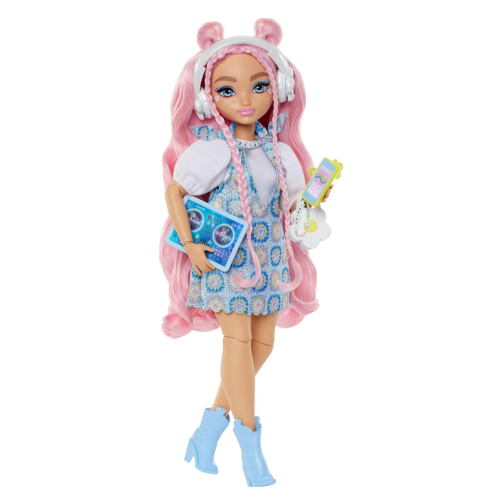
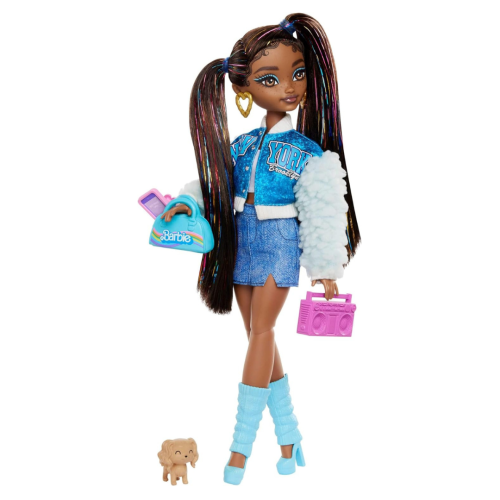
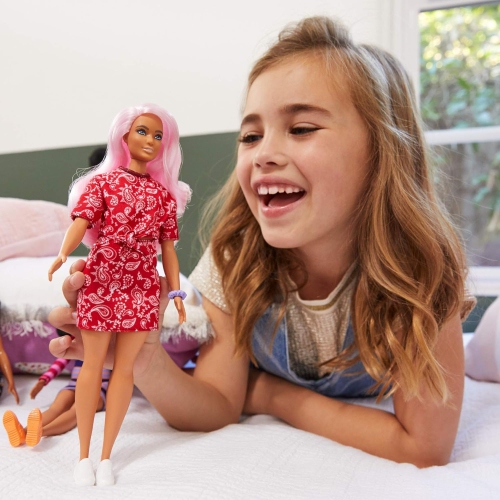
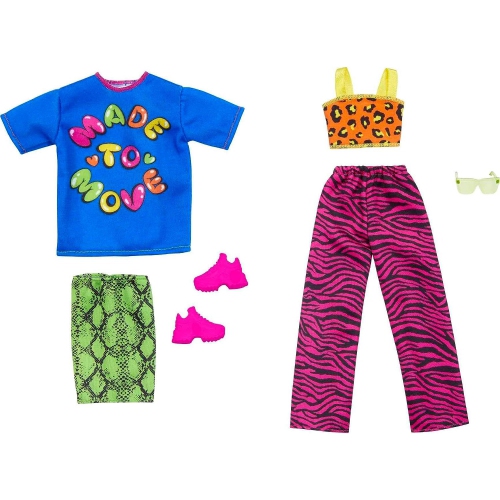
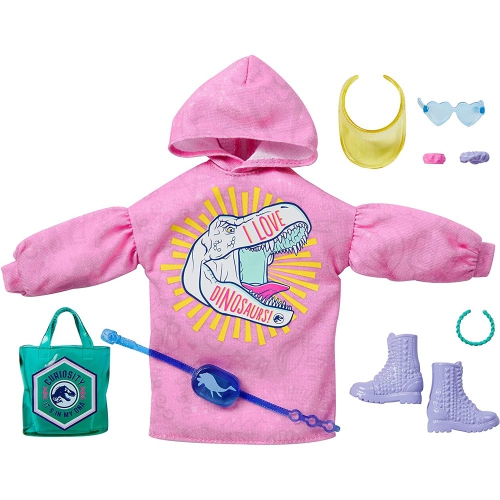
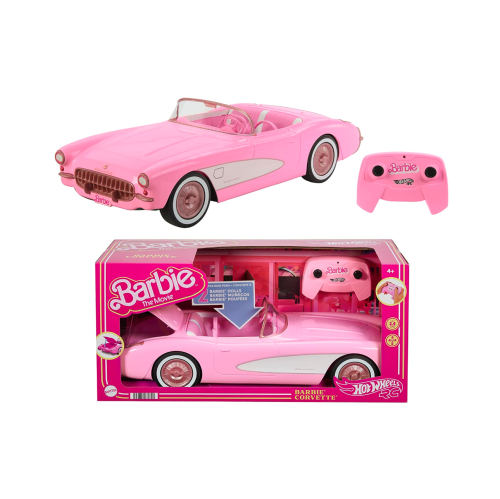
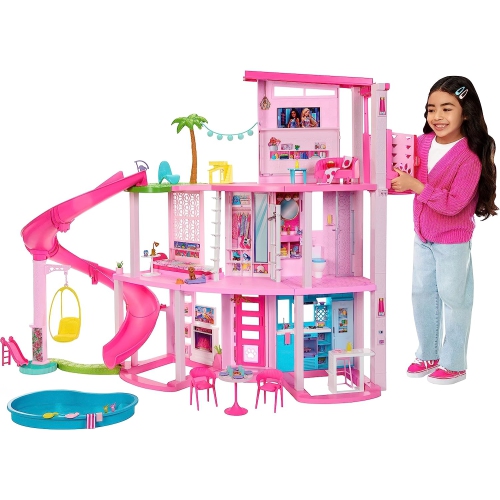

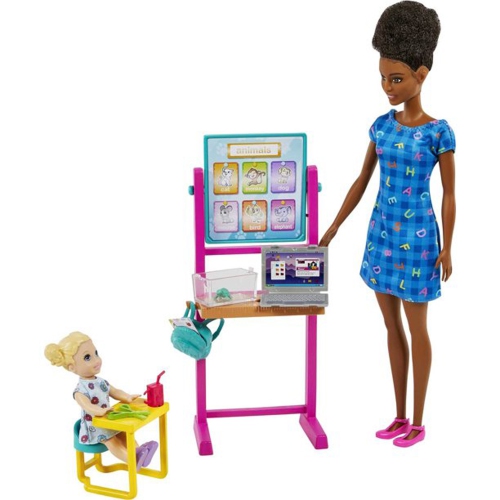
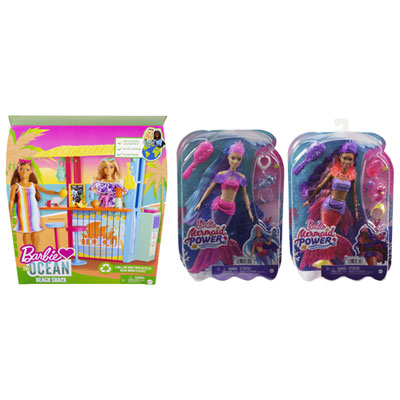
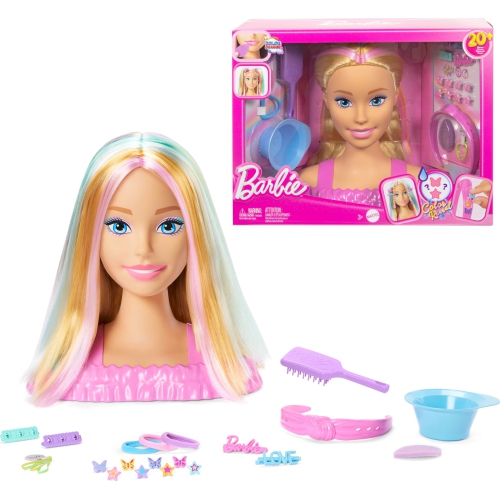
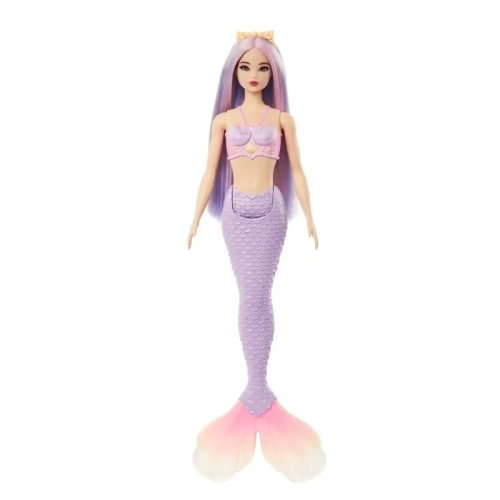
Stories, styles, and settings for imaginative play
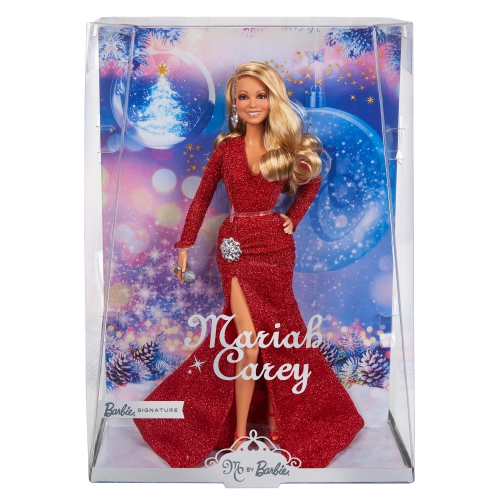
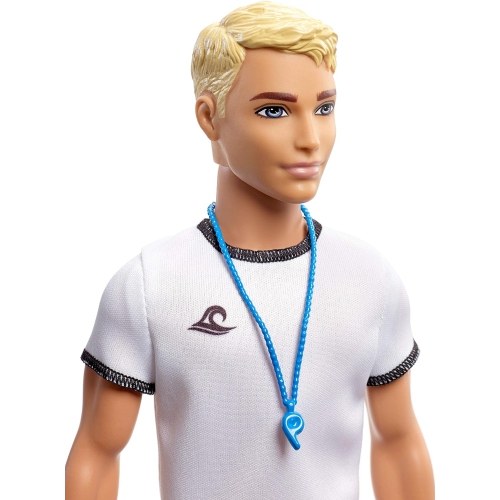
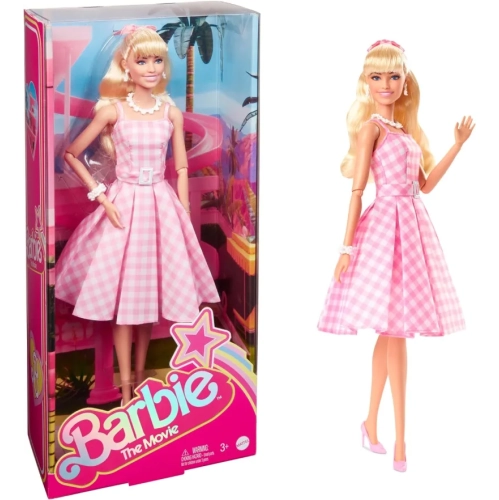
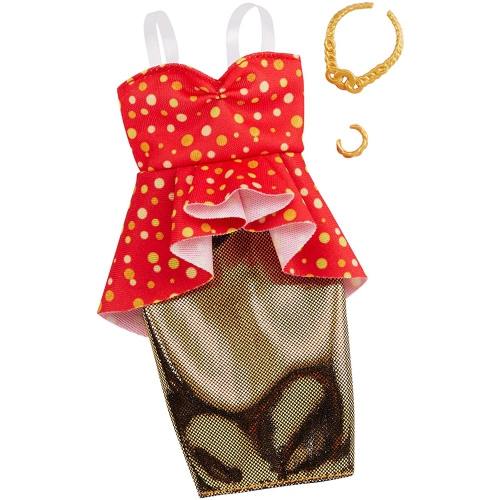
Barbie toys have been part of imaginative play for generations, beginning with the introduction of the original fashion doll in 1959. Since then, the range has grown to include dolls with different appearances, body types, hairstyles, outfits, interests, and career themes, along with accessories, vehicles, animals, and detailed play environments. This variety gives children many ways to build stories that reflect everyday life, big ambitions, favourite colours, and completely made-up adventures. One child may enjoy creating outfits and arranging a wardrobe, while another may turn a doll into a doctor, athlete, teacher, artist, chef, or explorer. There is no single way to play, which is part of the lasting appeal. Children can use these toys for independent storytelling, collaborative games with siblings and friends, or imaginative role-play with other toys already in their collection. Younger children may appreciate simple dolls and easy-to-handle accessories, while older children may look for more detailed clothing, themed characters, and play features that support longer, more involved stories. When choosing Barbie toys, consider the child’s age, interests, dexterity, and preferred style of play. A doll with a few accessories can be a good starting point for open-ended creativity, while a larger set can provide a ready-made setting for pretend play. It is also worth checking the recommended age range and the size of smaller accessories, particularly when shopping for younger children. For families buying a gift, think about what the recipient already enjoys: fashion, animals, travel, music, home design, careers, or storytelling can all help guide the choice. A doll dressed for a particular activity may encourage role-play around familiar routines, while a character with a distinctive hairstyle, outfit, or vocation can help a child imagine new possibilities. Barbie toys can also make thoughtful gifts for birthdays, celebrations, or special occasions because they are easy to personalize and can grow into a broader collection over time. During the warmer seasons, dolls and accessories can join pretend picnics, backyard adventures, and travel-themed games; during the cooler months, they can become part of indoor scenes built with blankets, cushions, craft materials, and everyday household items. Keeping a small basket or storage container nearby can help make tidying easier while allowing outfits and accessories to remain accessible for the next story.
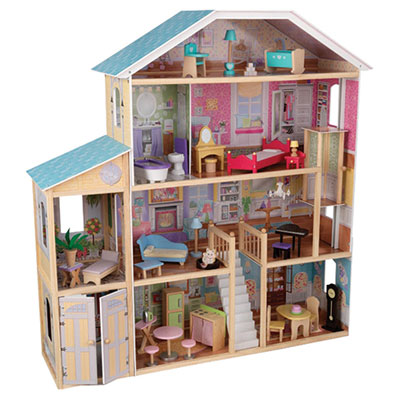
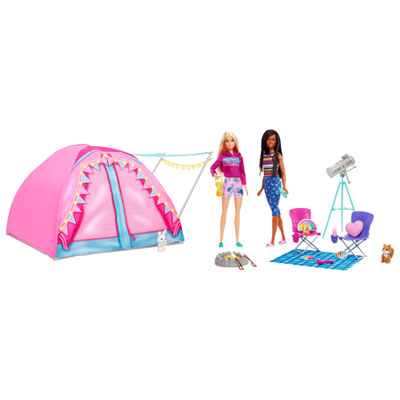
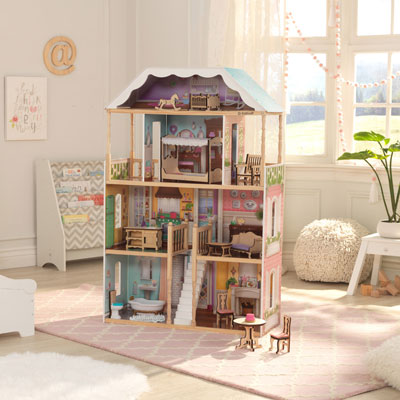
For children who enjoy building a world around their dolls, a play environment can add structure without limiting creativity. Browse Barbie Playsets to find settings that can support scenes at home, on the road, at work, or during imaginative outings. A playset with rooms, furniture, or activity areas can encourage children to practise sequencing and problem-solving as they decide where characters live, what they are doing, and how each part of the story connects. Transforming features, movable pieces, and accessories can make play feel more active, while smaller details such as dishes, grooming items, bags, or work tools can inspire realistic everyday scenarios. Children often bring their own experiences into this kind of play, recreating a visit to a salon, a family meal, a day at school, or a trip with relatives, then changing the ending to suit their imagination. Open-ended storytelling can also support communication as children explain character roles, negotiate shared ideas, and create dialogue for different scenes. For group play, consider choosing items that offer several roles or activities so that more than one child can participate comfortably. If the toy is intended as a gift, matching the complexity of the set to the recipient’s attention span can make the experience more enjoyable; a simpler scene may be easier for a beginner to arrange, while a child who already has several dolls may welcome a more elaborate setting or new characters to expand existing stories. Storage is another practical consideration, especially when a collection includes shoes, brushes, jewellery, food pieces, or other small accessories that can disappear between play sessions. A dedicated drawer, pouch, or compartmented box can keep pieces together and make it easier for children to take responsibility for organizing their toys. Look for combinations that fit the way the child actually plays rather than choosing based only on appearance. Some children spend hours changing outfits and styling hair, some prefer acting out family and friendship stories, and others are happiest arranging furniture, planning adventures, or collecting characters with different looks and interests. Barbie toys can accommodate all of these play styles, making them suitable for children who are discovering imaginative play as well as those who have already developed a detailed world of their own.
For children who enjoy building a world around their dolls, a play environment can add structure without limiting creativity. Browse Barbie Playsets to find settings that can support scenes at home, on the road, at work, or during imaginative outings. A playset with rooms, furniture, or activity areas can encourage children to practise sequencing and problem-solving as they decide where characters live, what they are doing, and how each part of the story connects. Transforming features, movable pieces, and accessories can make play feel more active, while smaller details such as dishes, grooming items, bags, or work tools can inspire realistic everyday scenarios. Children often bring their own experiences into this kind of play, recreating a visit to a salon, a family meal, a day at school, or a trip with relatives, then changing the ending to suit their imagination. Open-ended storytelling can also support communication as children explain character roles, negotiate shared ideas, and create dialogue for different scenes. For group play, consider choosing items that offer several roles or activities so that more than one child can participate comfortably. If the toy is intended as a gift, matching the complexity of the set to the recipient’s attention span can make the experience more enjoyable; a simpler scene may be easier for a beginner to arrange, while a child who already has several dolls may welcome a more elaborate setting or new characters to expand existing stories. Storage is another practical consideration, especially when a collection includes shoes, brushes, jewellery, food pieces, or other small accessories that can disappear between play sessions. A dedicated drawer, pouch, or compartmented box can keep pieces together and make it easier for children to take responsibility for organizing their toys. Look for combinations that fit the way the child actually plays rather than choosing based only on appearance. Some children spend hours changing outfits and styling hair, some prefer acting out family and friendship stories, and others are happiest arranging furniture, planning adventures, or collecting characters with different looks and interests. Barbie toys can accommodate all of these play styles, making them suitable for children who are discovering imaginative play as well as those who have already developed a detailed world of their own.
Top selling and popular products
-
 Your price for this item is $289.99
 -
 Your price for this item is $84.33
 -
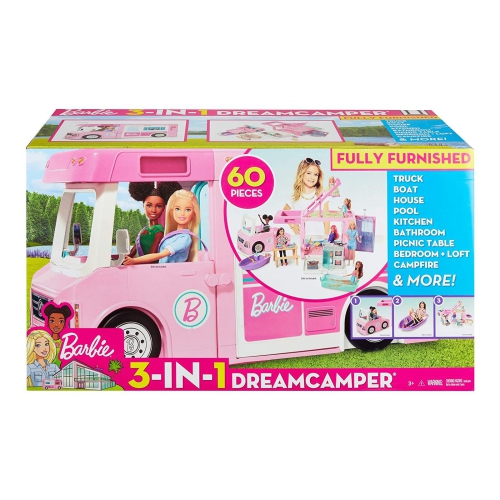 Your price for this item is $229
 -
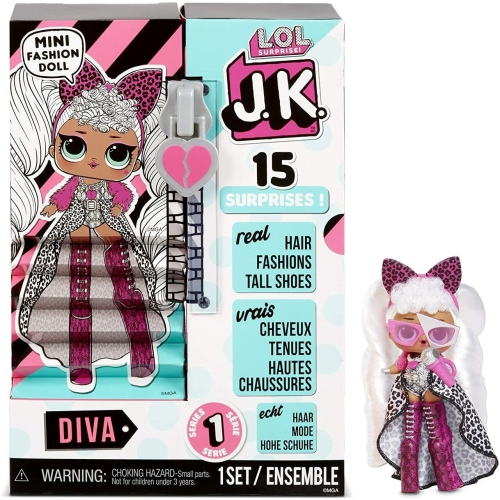 Your price for this item is $42.99
 -
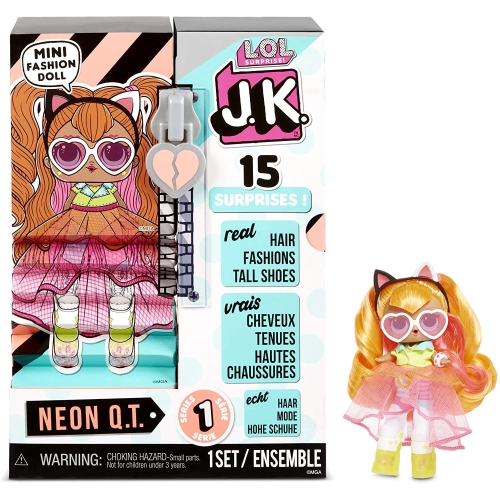 Your price for this item is $42.97
 -
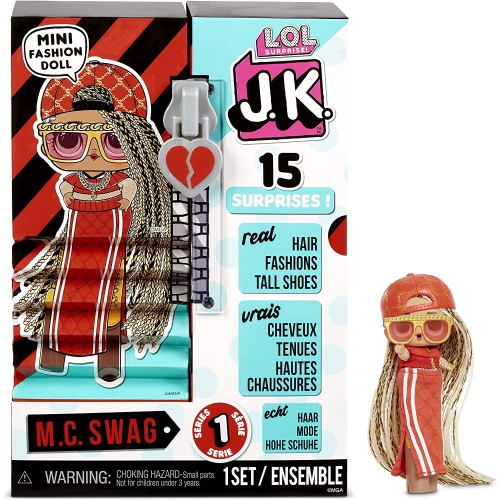 Your price for this item is $42.02
 -
 Your price for this item is $74.98
 -
 Your price for this item is $179.99
Discover more categories related to Barbie Toys
Top Collections:
Pokemon Centers, Kindle Devices, Best Budget Office Chairs, Canon G7X Cameras, Apple iPhones 16, Samsung Galaxy Phones, Refurbished Apple Laptops, Laptops for Students, iPhone 15 Apple, Budget Smartphones
Some products may be subject to Environmental Handling Fees
(EHF) depending on your province.
Learn more about EHFs.