Bracelet Beads
Elevate your style with our exquisite collection of bracelet beads, designed to add a touch of elegance and individuality to your accessories. Whether you're looking to create a personalized bracelet or enhance an existing piece, our wide range of beads offers endless possibilities for customization. From vibrant colors to intricate designs, these beads are perfect for expressing your unique personality and creating eye-catching jewelry that is sure to turn heads. Explore our selection of bracelet beads and unleash your creativity today!
Sort
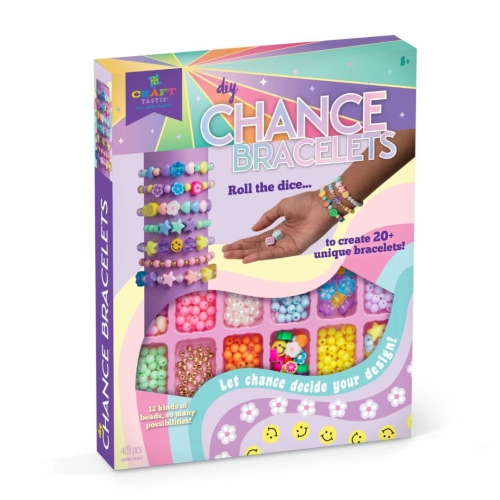
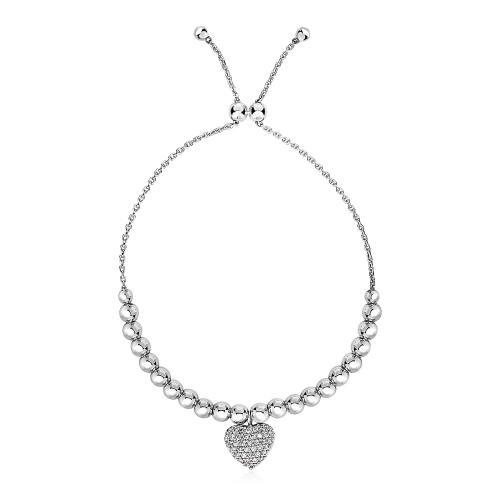
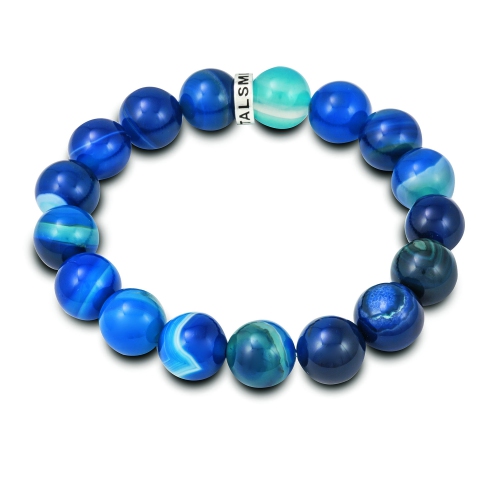
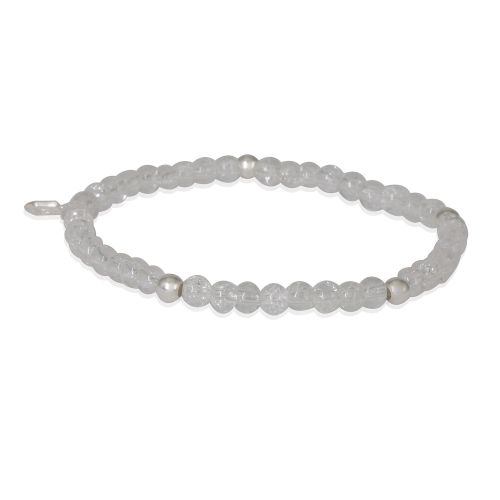
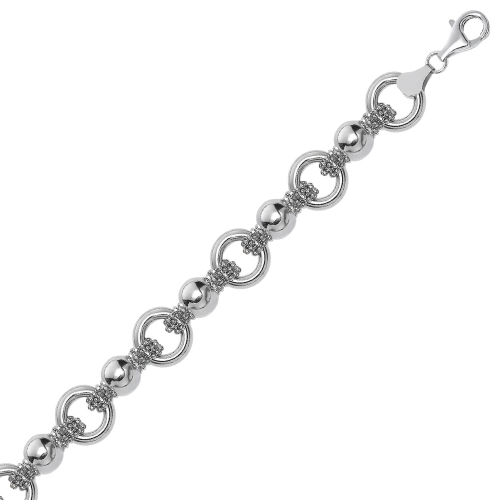
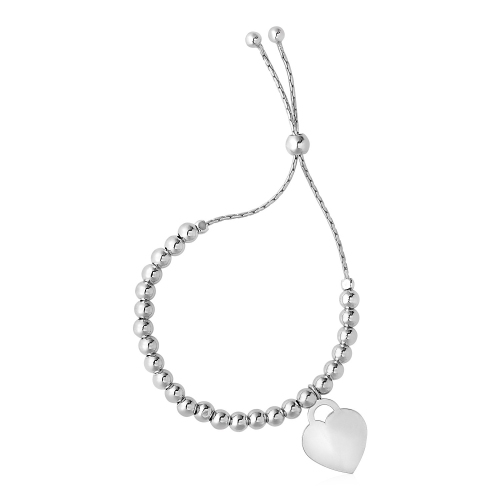
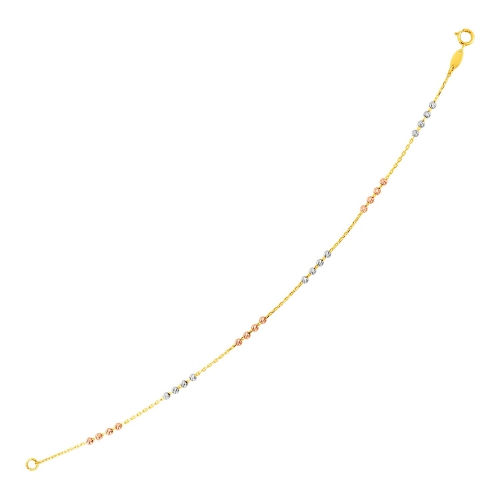
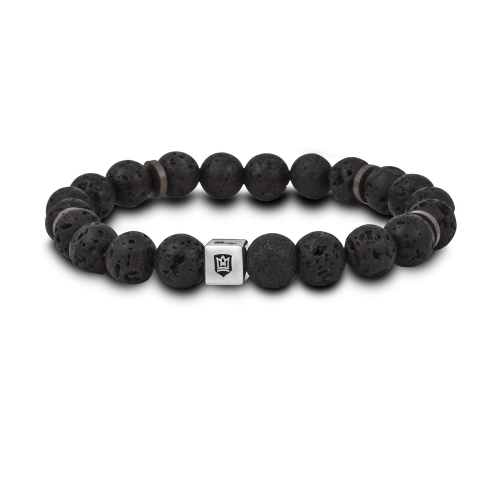
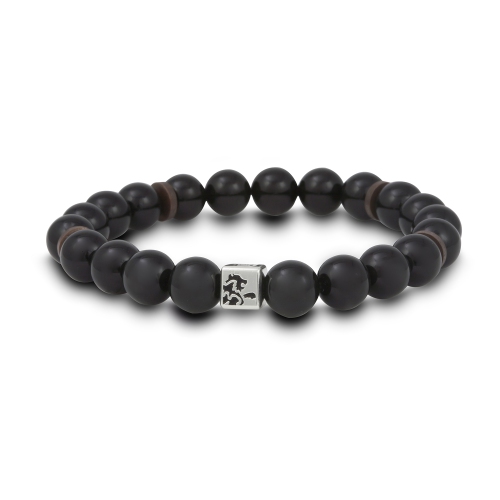
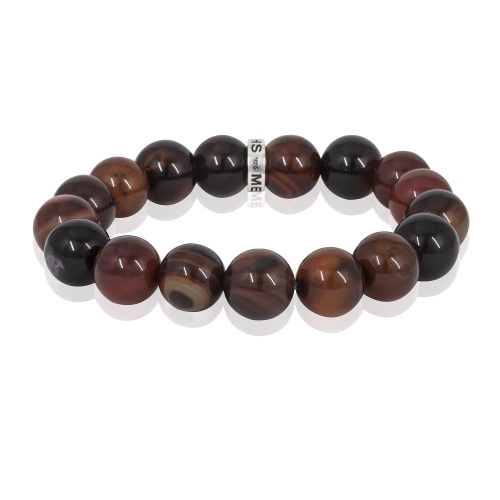
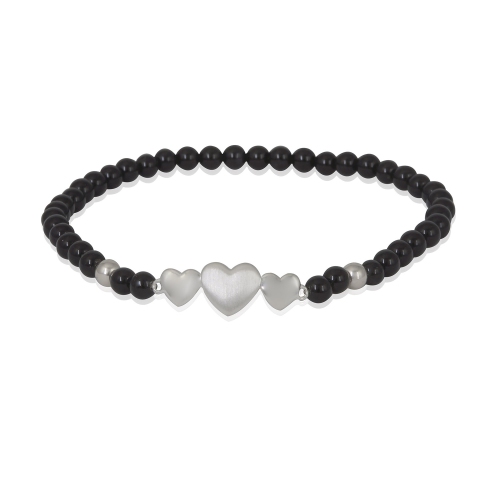
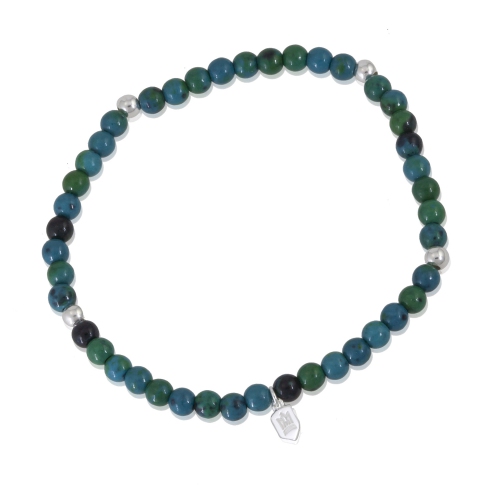
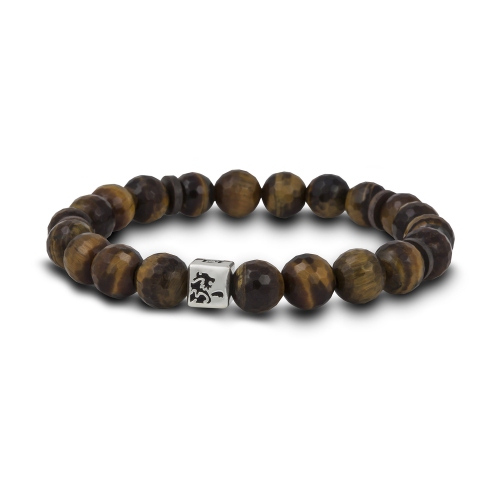
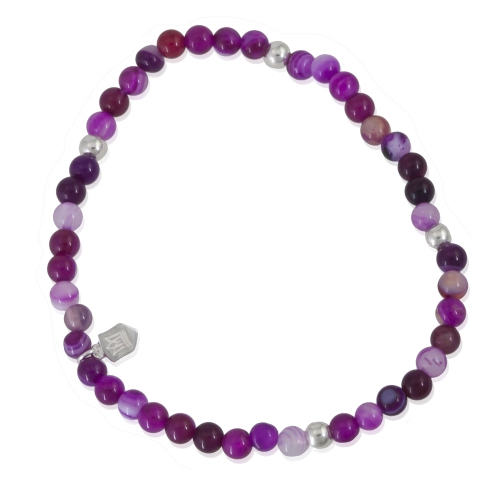
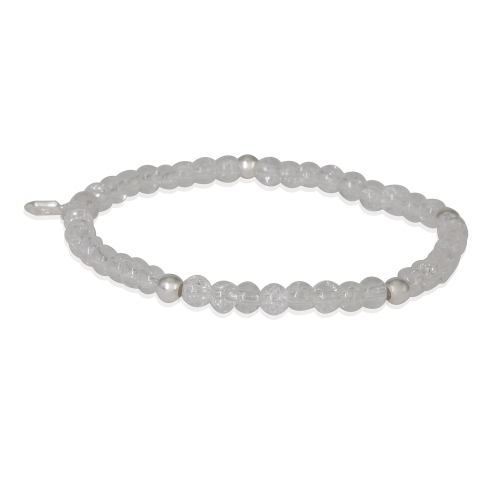
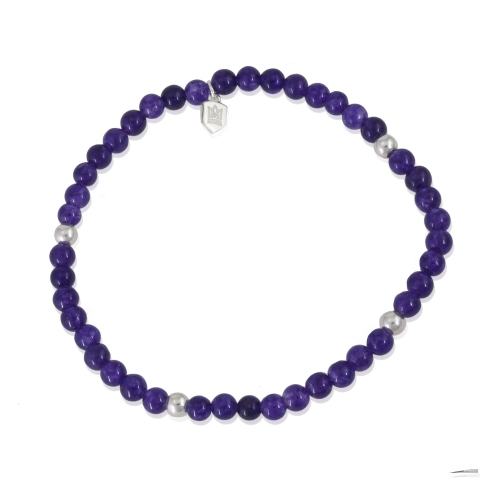
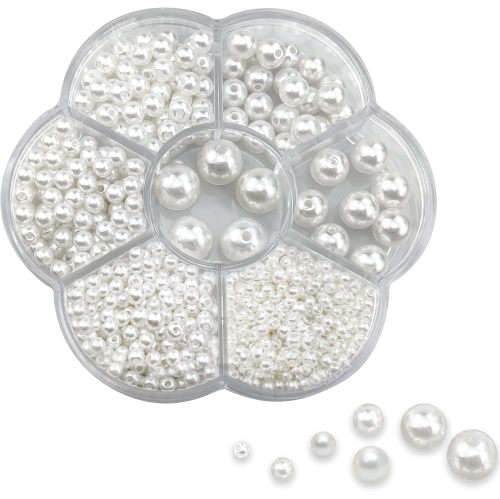
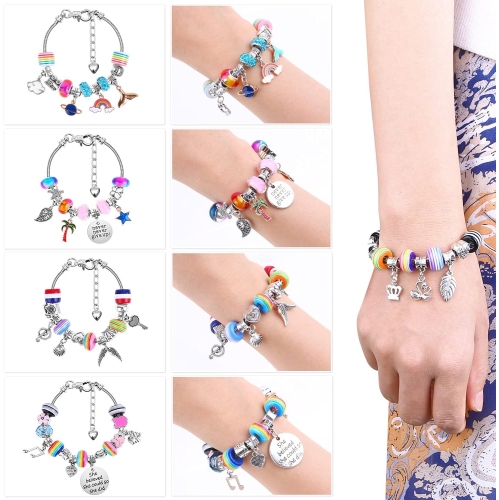
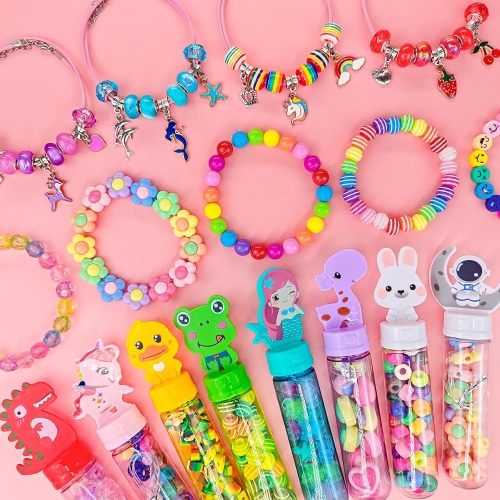
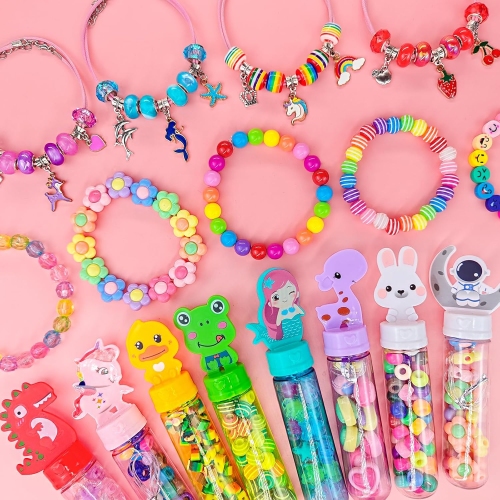
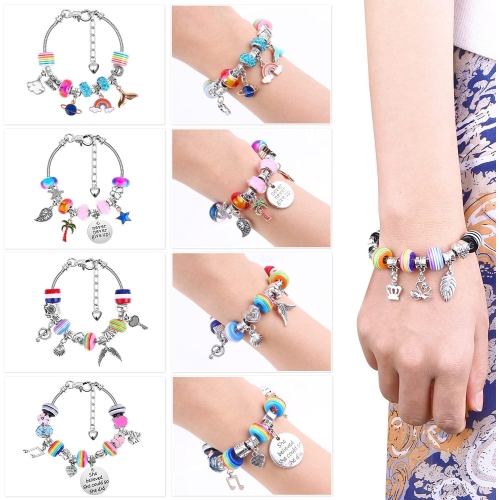
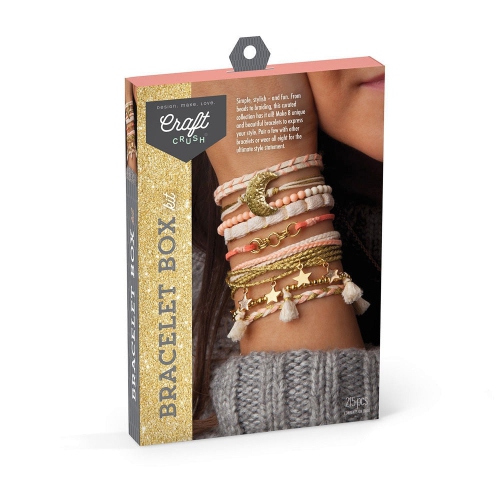
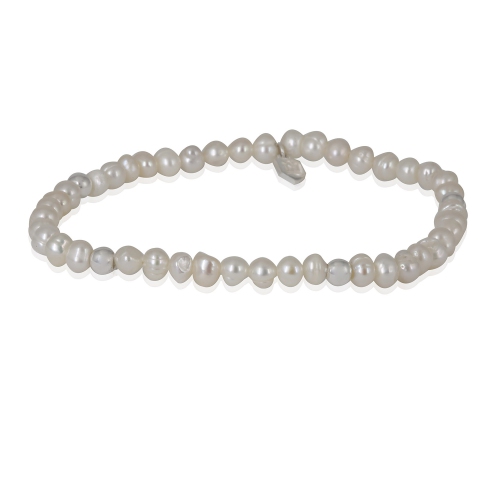
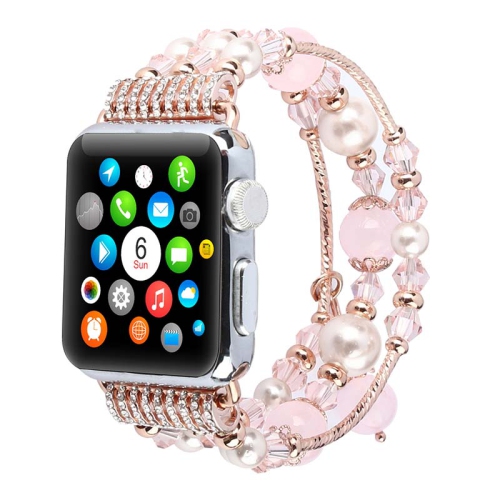
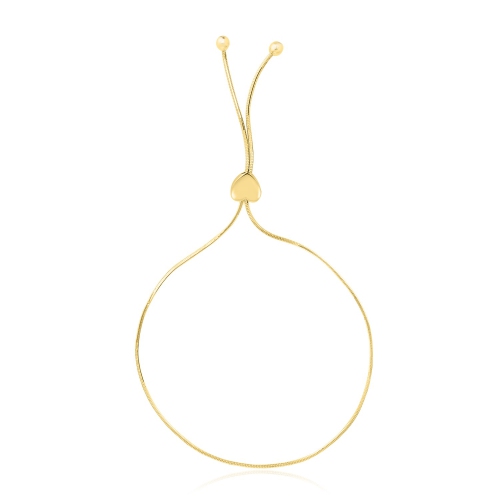
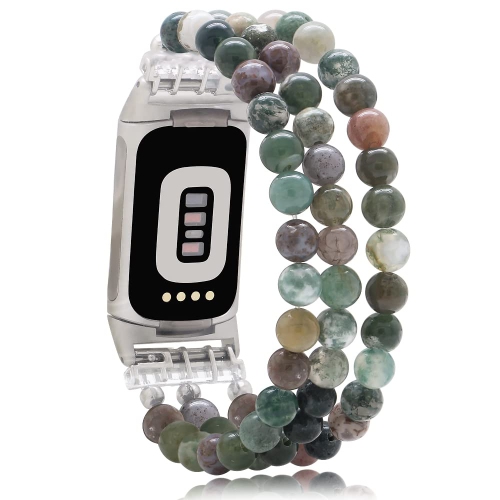
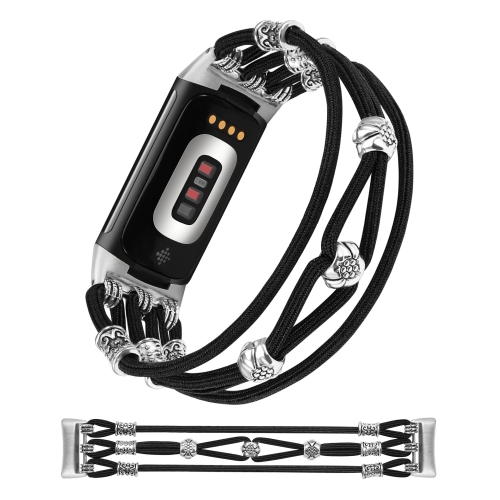
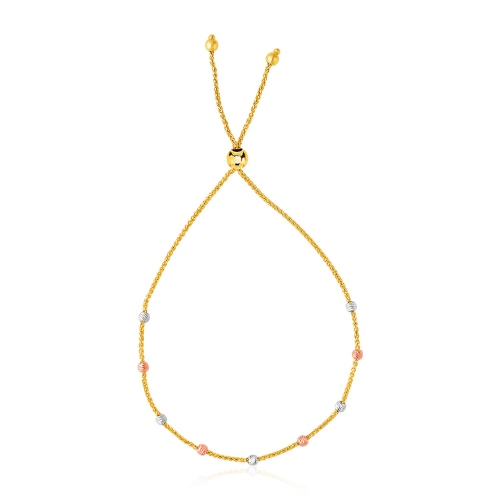
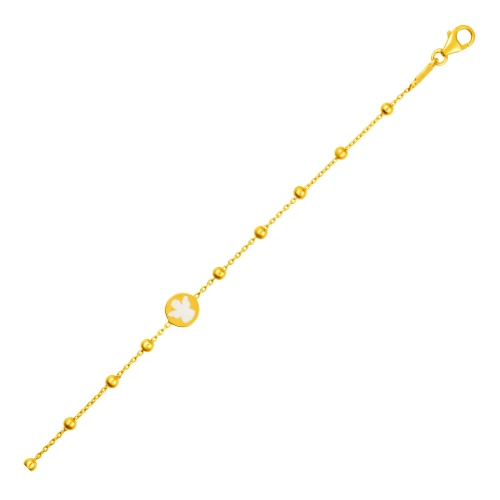
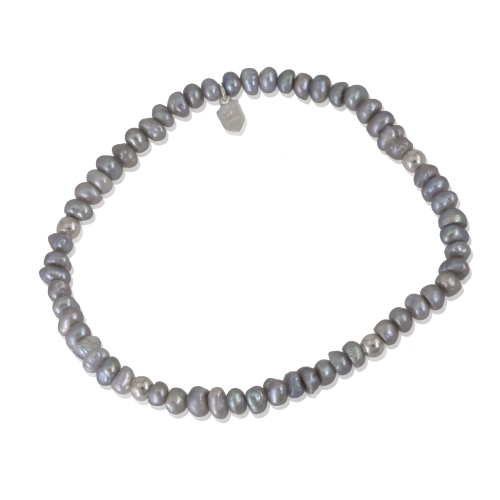
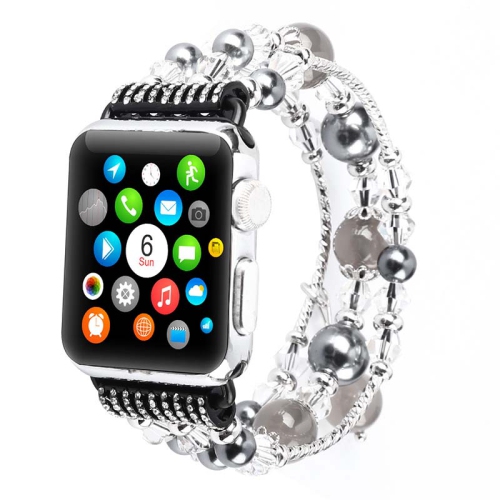
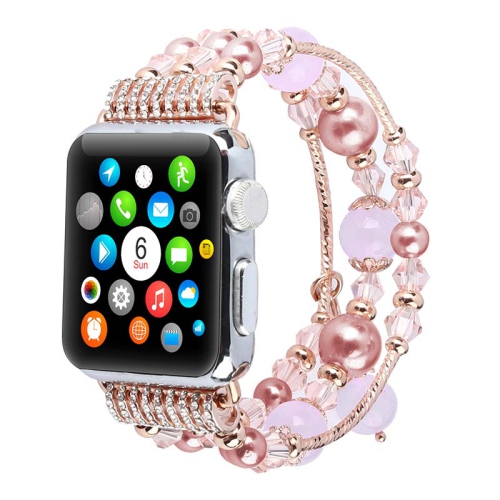
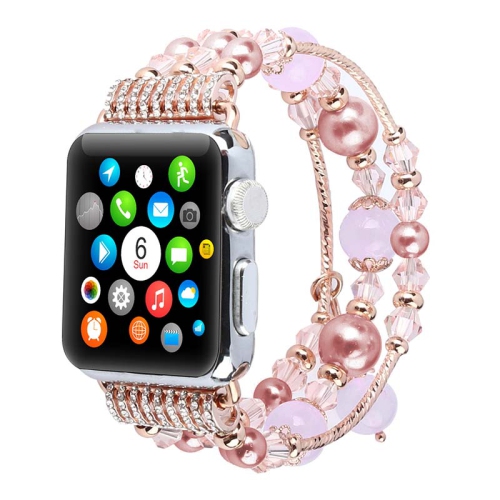
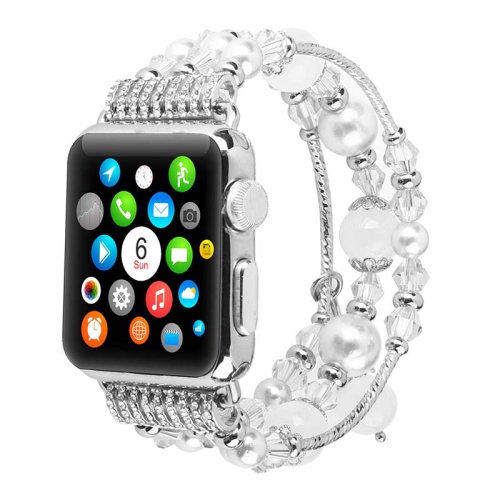
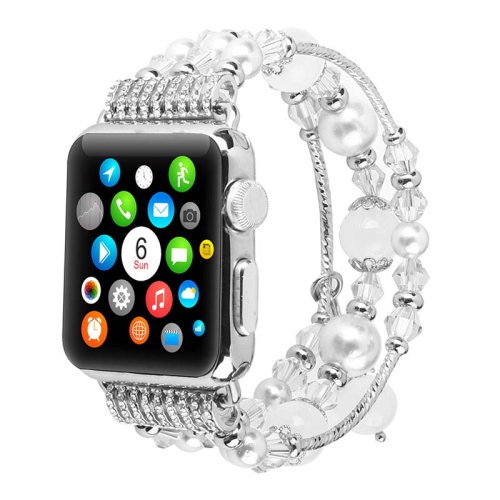
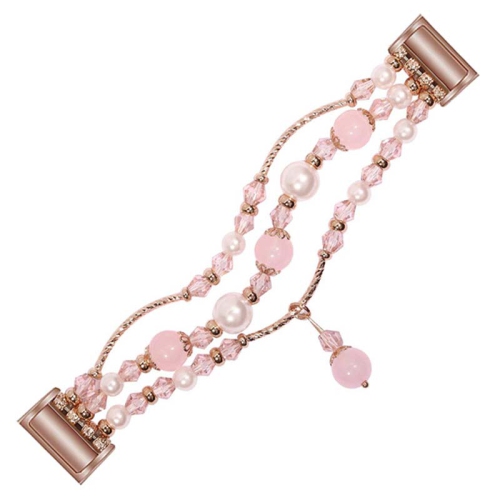
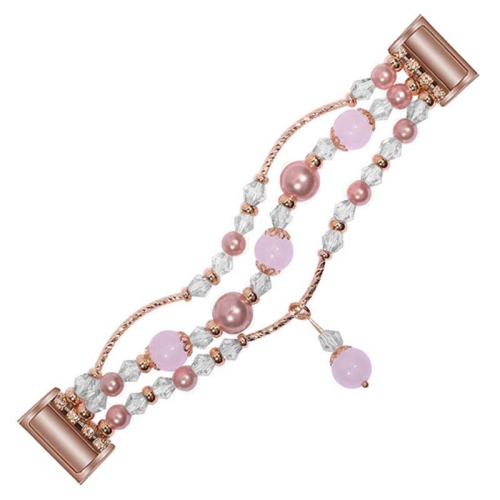
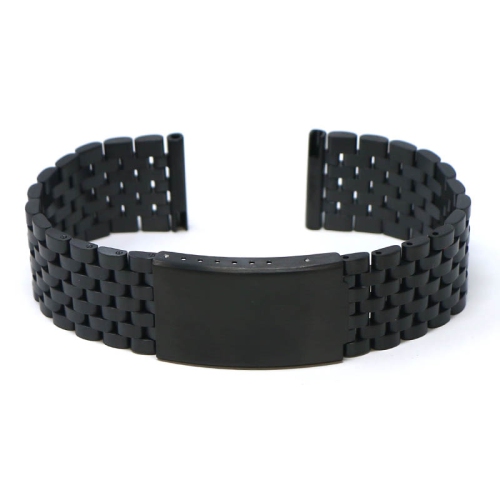
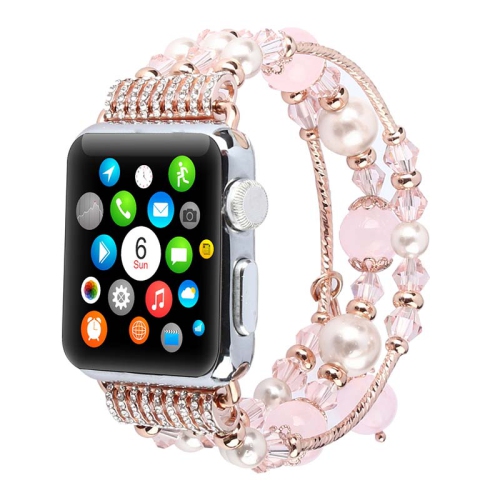
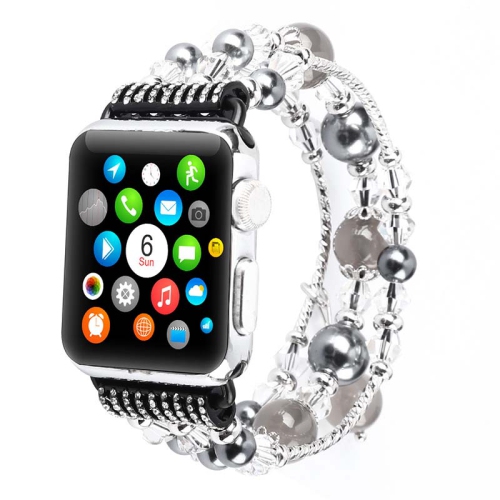
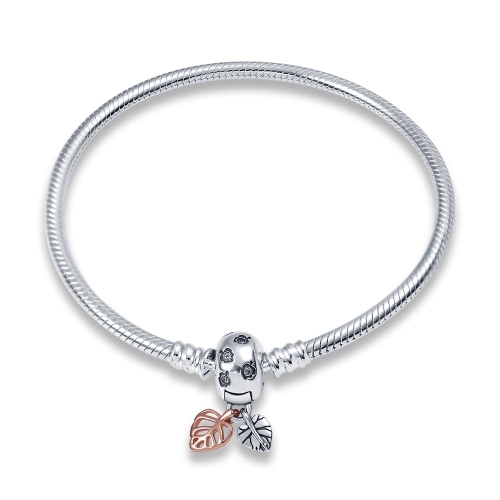
How bead details shape a bracelet’s look and fit
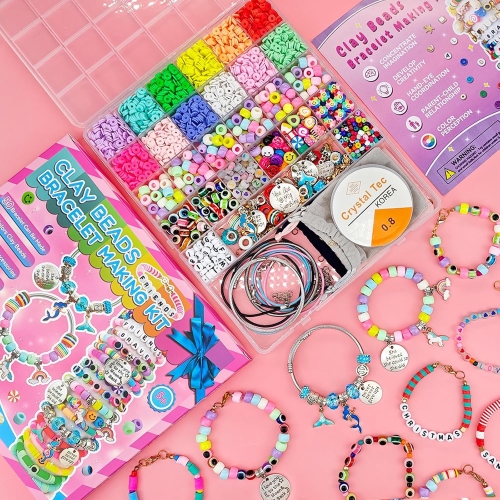
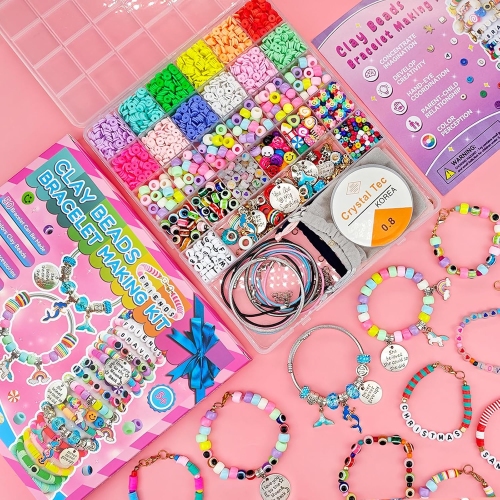
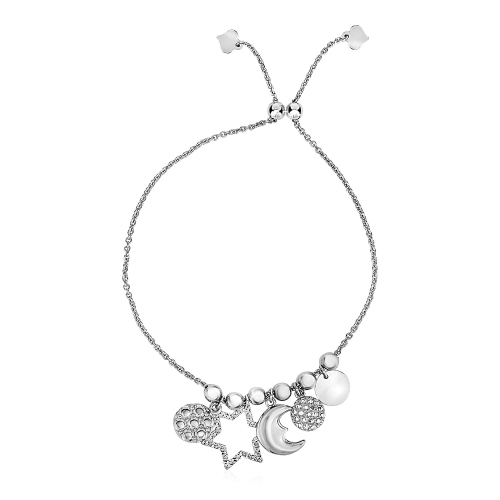
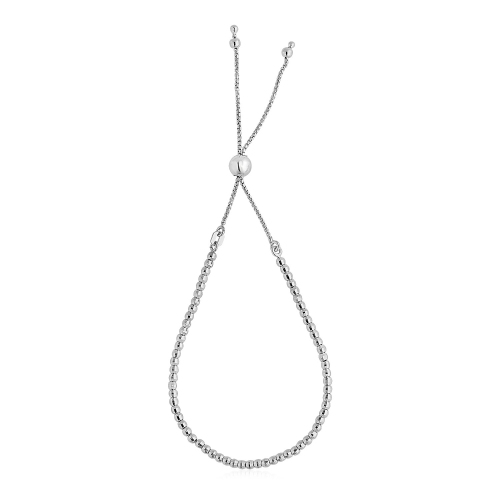
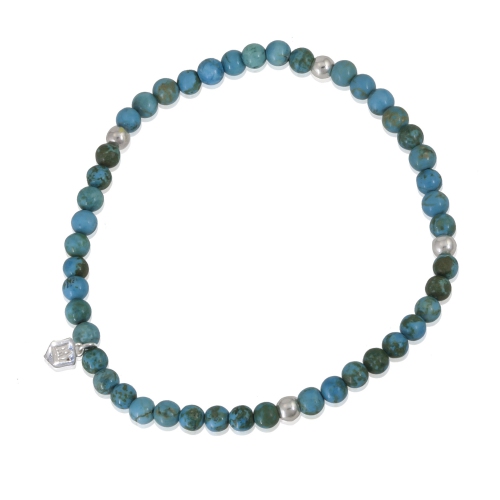
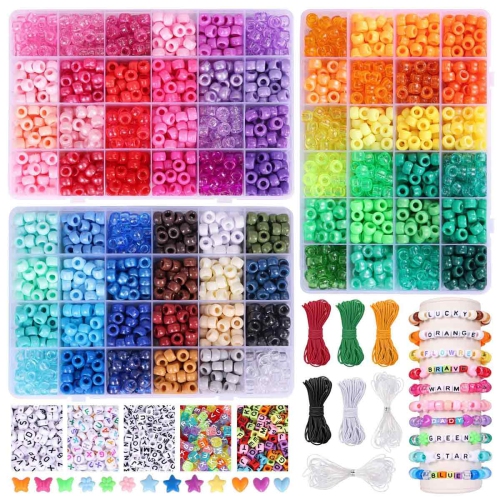
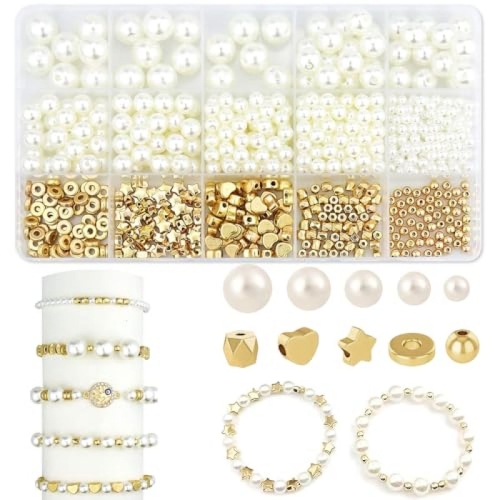
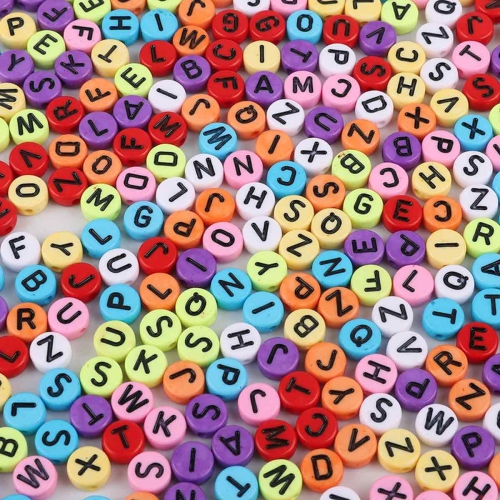
Bracelet beads are the individual components used to create beaded wrist jewellery, from simple stretch bracelets to woven designs and charm bracelets with interchangeable details. Their material, shape, size, and hole diameter all influence how a finished piece looks, feels, and fits together. Glass beads can bring clear colour, soft translucence, or a glossy finish, while acrylic and resin beads offer a lighter feel, particularly in larger shapes. Wood beads have a softer sheen and visible grain that suits understated designs. Gemstone beads introduce natural pattern and variation, so two beads described as the same stone may differ in tone, markings, or clarity. Metal beads and spacers add contrast between colours or frame a central accent without requiring a complicated pattern. Small seed beads lend themselves to fine strands and woven textures; rounded beads create a familiar, balanced silhouette; and faceted surfaces catch light as the wrist moves. Letter beads can spell out a name, initials, or a short message, making them a personal detail in friendship bracelets and handmade gifts. The distinction between loose bracelet beads and finished jewellery is useful: loose beads are components for making or modifying a piece, while Bead Bracelets are finished accessories for wearing or gifting. Within bead-making supplies, coordinated mixes can help establish a colour palette, while a single bead style allows for repetition and a more uniform result. A strand of small matte beads creates a different impression from a bracelet built around large polished shapes, even when both use the same colour. Those visual differences make beads appealing to beginners trying a first project, experienced jewellery makers refining a design, and anyone adding a personal accent to a bracelet they already own. Surface finishes also matter: an opaque bead gives solid colour, a transparent bead lets the threading material show through, and a pearlescent coating creates a gentle glow. These details help shape a design that feels deliberate rather than simply assembled.
Compatibility is just as important as appearance when choosing beads for bracelets. The bead hole needs to accommodate the cord, wire, or chain, with enough room for any additional passes required by the design. A bead suitable for a single strand of elastic may not work for a woven pattern that passes thread through the same opening several times. Large-hole beads intended for certain bracelet systems also need to fit over the relevant chain ends or attachment points; a similar-looking shape does not guarantee a match. Bead dimensions are usually given in millimetres, and the difference between smaller and larger beads affects both weight and fit. Larger beads occupy more space around the wrist, so a bracelet made with them generally needs more overall length than a fine strand to achieve a comparable fit. The wrist measurement, preferred looseness, fastening method, and bead size all contribute to the finished length. A close-fitting bracelet can feel tidy during everyday tasks, while a looser strand moves more freely and may sit lower on the hand. For someone who types throughout the day, smooth, lightweight beads may feel less intrusive against a desk than bulky shapes or raised accents. Elastic cord supports slip-on designs, while beading wire is often used with clasps and suitable finishing components. Neither approach is universally stronger: performance depends on the materials, the weight of the beads, and how securely the bracelet is finished. Smooth bead holes help limit abrasion, whereas rough edges can wear down a strand over time. Material sensitivities deserve attention, especially when metal beads, spacers, or clasps rest directly against the skin. Stated material information is more useful than appearance alone, since a silver-coloured finish does not establish the metal underneath. For children’s crafting, age suitability and supervision are essential. Loose beads are small parts and can present a choking hazard, so they belong out of reach of babies and young children. Comfortable proportions and secure construction matter whether the intended result is a playful name bracelet or a restrained accessory for daily wear.
Care and durability vary across bead materials, making the composition of the whole bracelet more important than the toughness of any one component. Glass can resist everyday surface wear but may chip if struck against a hard edge. Softer stones may scratch more readily, while dyed, plated, or coated beads can lose their finish through repeated rubbing or contact with personal-care products. Acrylic is lightweight, although its surface can develop scuffs; unfinished wood may absorb moisture or oils and change in appearance. Manufacturer care directions should take priority, particularly for treated stones and mixed-material designs. A soft cloth is often a practical starting point for removing surface residue, while soaking or using strong jewellery cleaners may be unsuitable for the beads, the finish, or the threading material. Removing a bracelet before swimming, bathing, or cleaning helps reduce unnecessary exposure to water and chemicals. Elastic and thread also benefit from gentle handling: rolling a stretch bracelet over the hand rather than pulling it wide can limit strain. Keeping completed bracelets separate from sharper jewellery helps prevent scratches, and divided storage makes loose beads easier to sort by size, colour, and material. Small compartments are particularly useful when a project combines nearly identical shades or includes tiny spacers that would otherwise disappear beneath larger beads. For gifts, bracelet beads offer room for thoughtful personalization without requiring an elaborate design. A recipient’s favourite colour, initials, or preference for matte rather than glossy finishes can shape a piece that feels considered. Friends might wear matching palettes with different patterns, while a maker can adapt the same basic design to several wrist sizes. A handmade bracelet marking a birthday, graduation, or shared achievement can carry meaning through those small choices. Beads also suit quiet individual crafting and supervised group activities where each person creates a distinct result. Whether the goal is a delicate everyday strand, a colourful friendship bracelet, or a bold layered accessory, compatible components, comfortable proportions, and appropriate care help make the finished piece enjoyable to wear.
Compatibility is just as important as appearance when choosing beads for bracelets. The bead hole needs to accommodate the cord, wire, or chain, with enough room for any additional passes required by the design. A bead suitable for a single strand of elastic may not work for a woven pattern that passes thread through the same opening several times. Large-hole beads intended for certain bracelet systems also need to fit over the relevant chain ends or attachment points; a similar-looking shape does not guarantee a match. Bead dimensions are usually given in millimetres, and the difference between smaller and larger beads affects both weight and fit. Larger beads occupy more space around the wrist, so a bracelet made with them generally needs more overall length than a fine strand to achieve a comparable fit. The wrist measurement, preferred looseness, fastening method, and bead size all contribute to the finished length. A close-fitting bracelet can feel tidy during everyday tasks, while a looser strand moves more freely and may sit lower on the hand. For someone who types throughout the day, smooth, lightweight beads may feel less intrusive against a desk than bulky shapes or raised accents. Elastic cord supports slip-on designs, while beading wire is often used with clasps and suitable finishing components. Neither approach is universally stronger: performance depends on the materials, the weight of the beads, and how securely the bracelet is finished. Smooth bead holes help limit abrasion, whereas rough edges can wear down a strand over time. Material sensitivities deserve attention, especially when metal beads, spacers, or clasps rest directly against the skin. Stated material information is more useful than appearance alone, since a silver-coloured finish does not establish the metal underneath. For children’s crafting, age suitability and supervision are essential. Loose beads are small parts and can present a choking hazard, so they belong out of reach of babies and young children. Comfortable proportions and secure construction matter whether the intended result is a playful name bracelet or a restrained accessory for daily wear.
Care and durability vary across bead materials, making the composition of the whole bracelet more important than the toughness of any one component. Glass can resist everyday surface wear but may chip if struck against a hard edge. Softer stones may scratch more readily, while dyed, plated, or coated beads can lose their finish through repeated rubbing or contact with personal-care products. Acrylic is lightweight, although its surface can develop scuffs; unfinished wood may absorb moisture or oils and change in appearance. Manufacturer care directions should take priority, particularly for treated stones and mixed-material designs. A soft cloth is often a practical starting point for removing surface residue, while soaking or using strong jewellery cleaners may be unsuitable for the beads, the finish, or the threading material. Removing a bracelet before swimming, bathing, or cleaning helps reduce unnecessary exposure to water and chemicals. Elastic and thread also benefit from gentle handling: rolling a stretch bracelet over the hand rather than pulling it wide can limit strain. Keeping completed bracelets separate from sharper jewellery helps prevent scratches, and divided storage makes loose beads easier to sort by size, colour, and material. Small compartments are particularly useful when a project combines nearly identical shades or includes tiny spacers that would otherwise disappear beneath larger beads. For gifts, bracelet beads offer room for thoughtful personalization without requiring an elaborate design. A recipient’s favourite colour, initials, or preference for matte rather than glossy finishes can shape a piece that feels considered. Friends might wear matching palettes with different patterns, while a maker can adapt the same basic design to several wrist sizes. A handmade bracelet marking a birthday, graduation, or shared achievement can carry meaning through those small choices. Beads also suit quiet individual crafting and supervised group activities where each person creates a distinct result. Whether the goal is a delicate everyday strand, a colourful friendship bracelet, or a bold layered accessory, compatible components, comfortable proportions, and appropriate care help make the finished piece enjoyable to wear.
Top selling and popular products
-
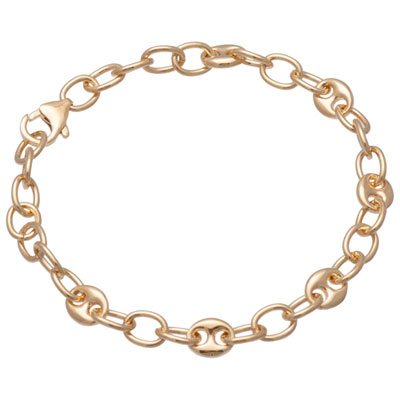 Your price for this item is $59.95
 -
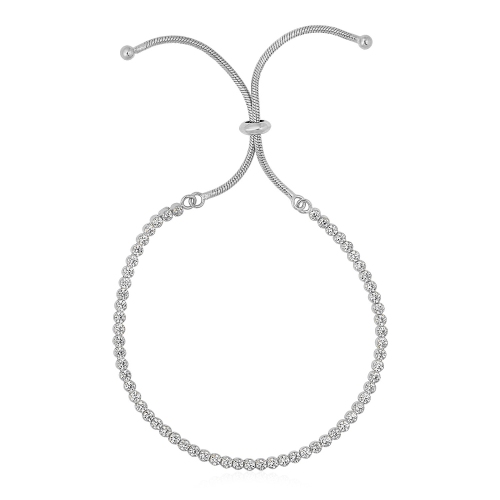 Your price for this item is $779.74
 -
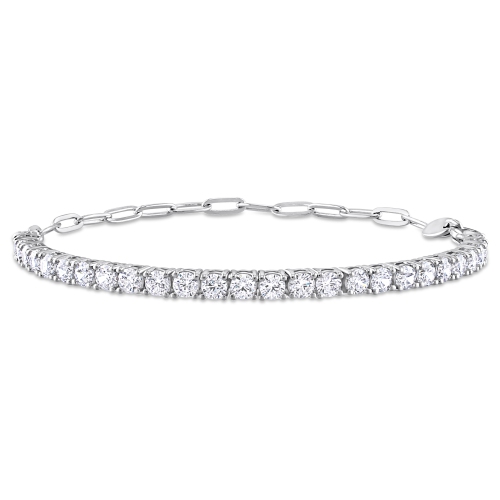 Your price for this item is $84.99
 -
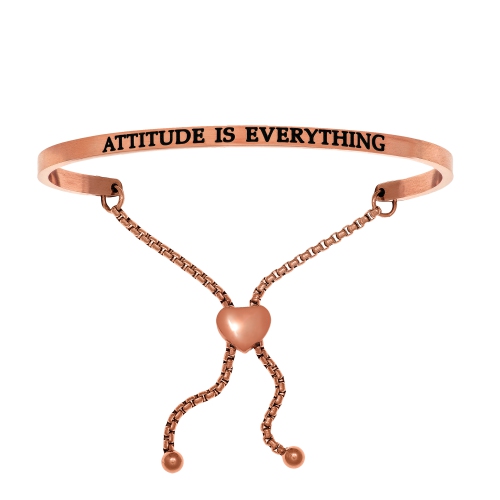 Your price for this item is $61.06
 -
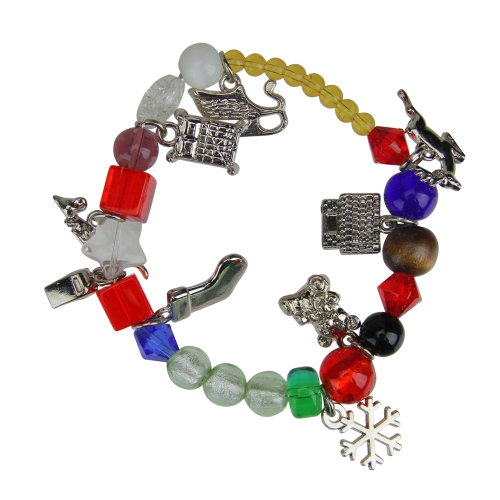 Your price for this item is $22.49
 -
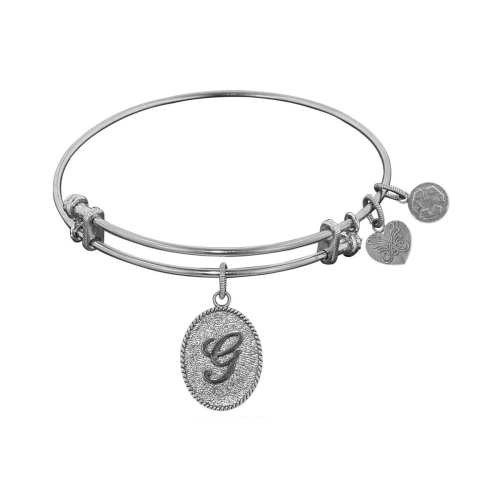 Your price for this item is $39.14
 -
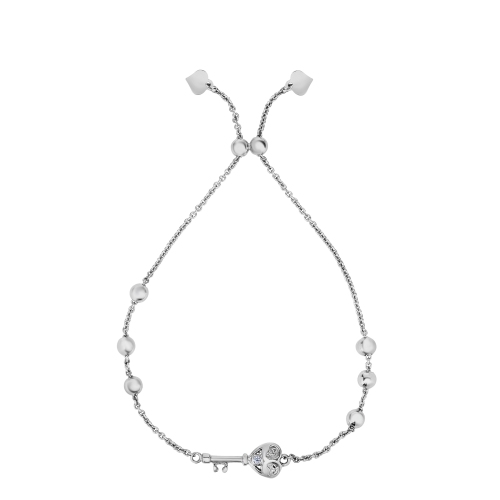 Your price for this item is $36.01
 -
 Your price for this item is $435.25
Discover more categories related to Bracelet Beads
Top Collections:
Pokemon Centers, Kindle Devices, Best Budget Office Chairs, Apple iPhones 16, Canon G7X Cameras, iPhone 15 Apple, Alarm Clock, Refurbished Apple Laptops, Flip Phones, Best Laptops for Writers
Some products may be subject to Environmental Handling Fees
(EHF) depending on your province.
Learn more about EHFs.