Children's Electric Trucks
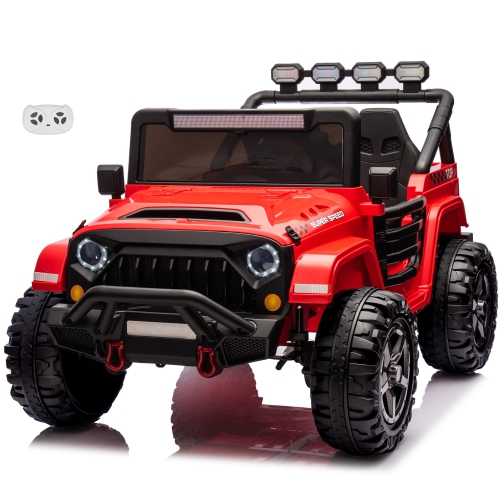
Looking for a thrilling and adventurous ride-on toy for your little one? Look no further than our collection of children's electric trucks. These pint-sized vehicles are designed to bring joy, excitement, and endless fun to your child's playtime. With their realistic features, sturdy construction, and easy-to-use controls, these electric trucks will make your child feel like they're driving the real deal. Whether they're zooming around the backyard or exploring the neighborhood, these electric trucks will ignite their imagination and provide hours of entertainment. Get ready to watch your child's face light up with delight as they embark on thrilling adventures in their very own electric truck.


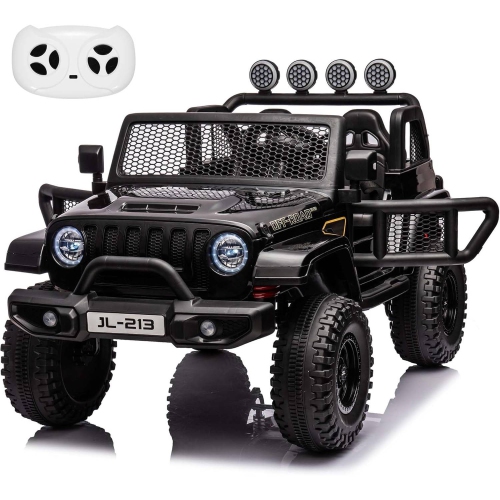


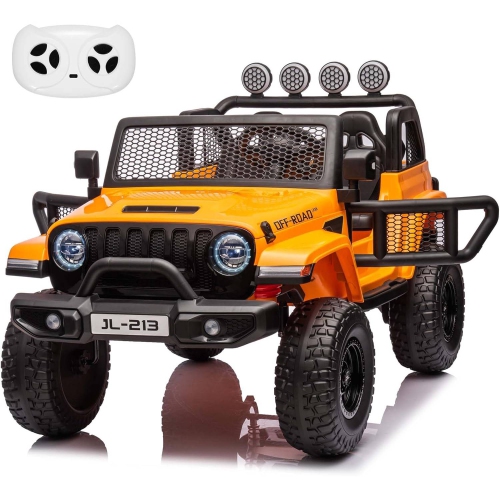


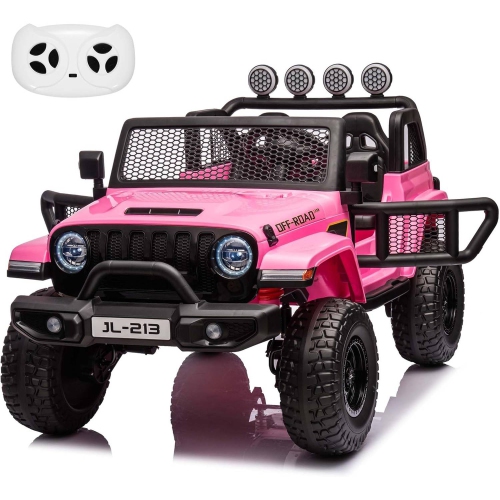


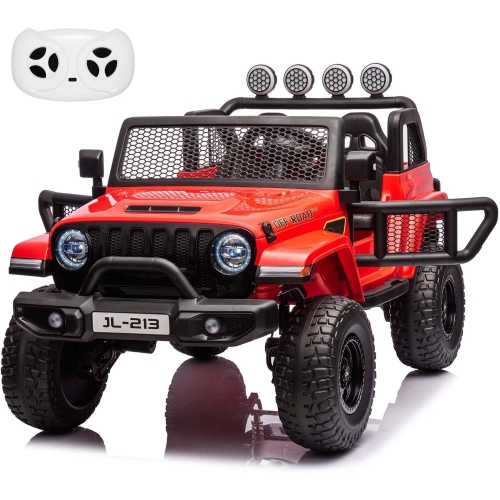


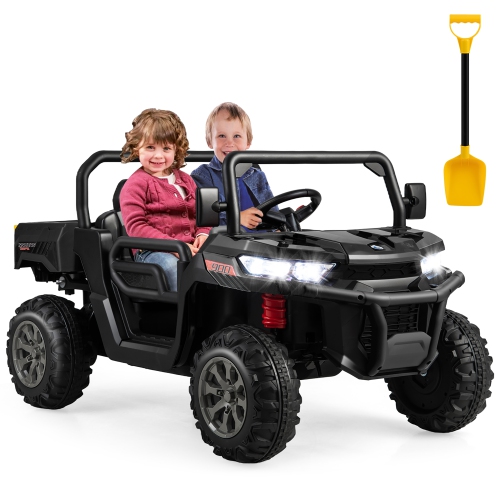


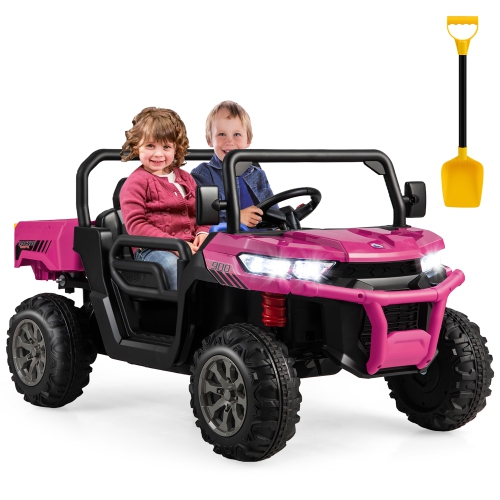
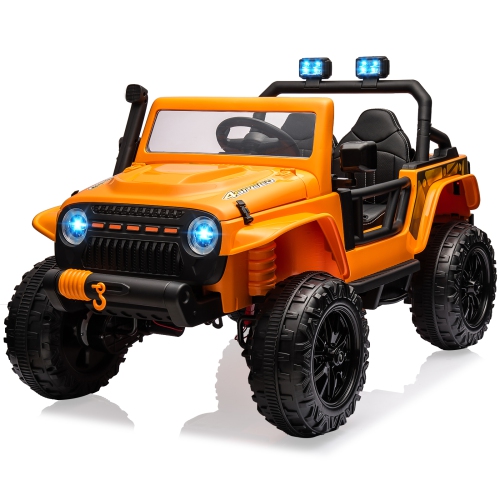
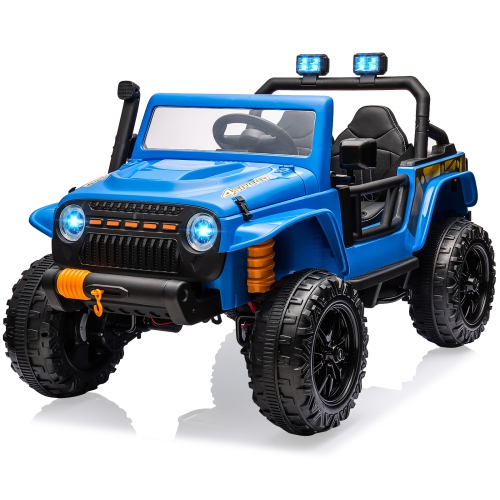


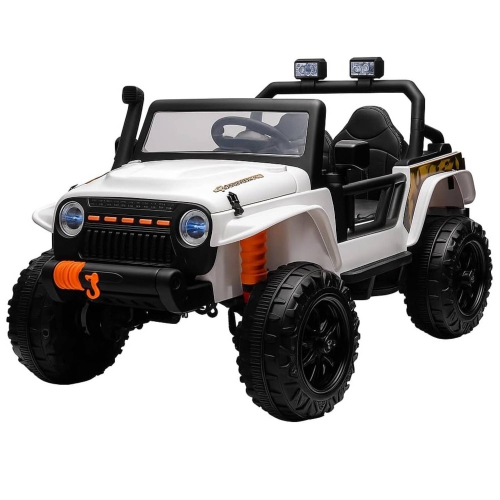
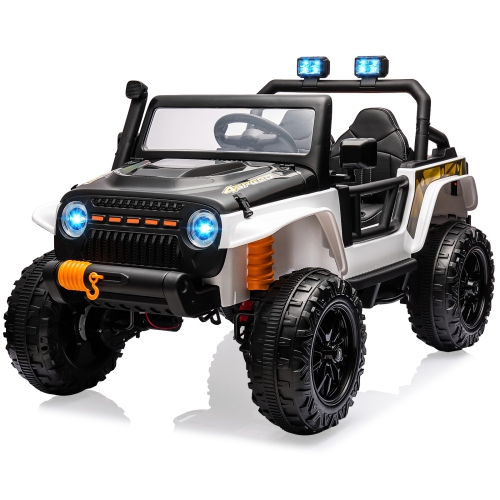
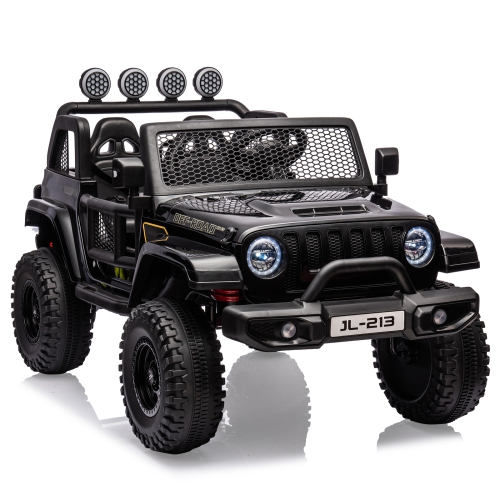
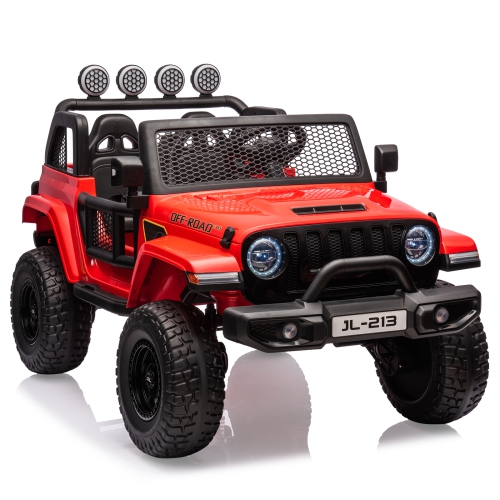






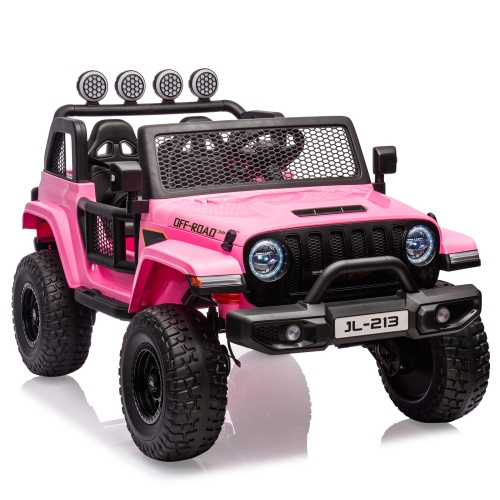
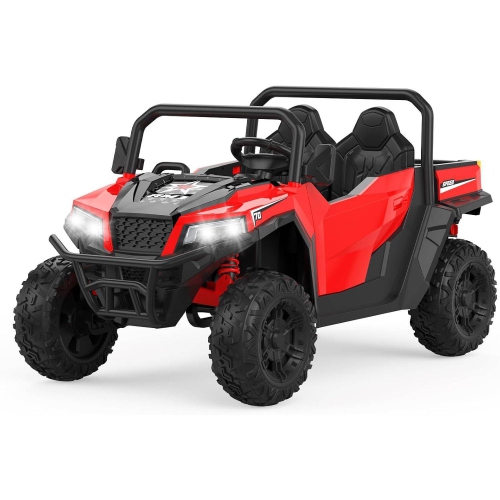


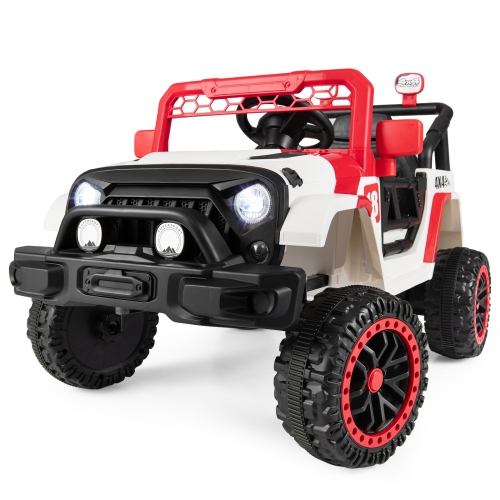
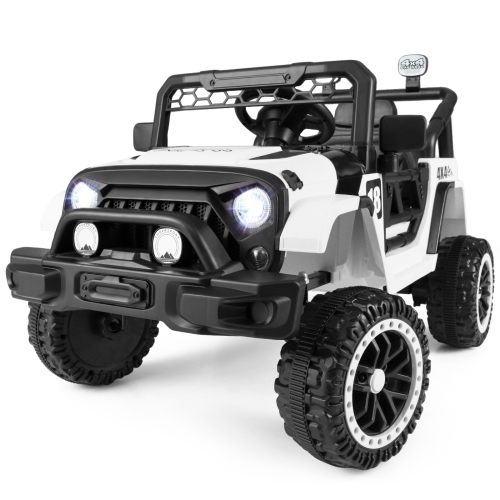


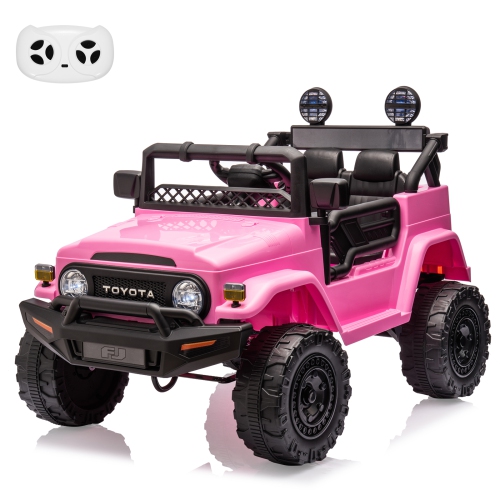
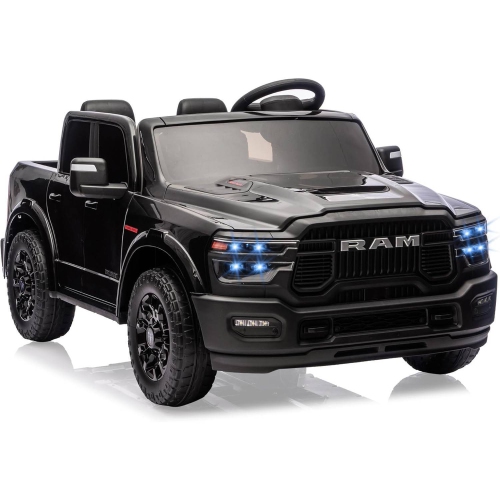


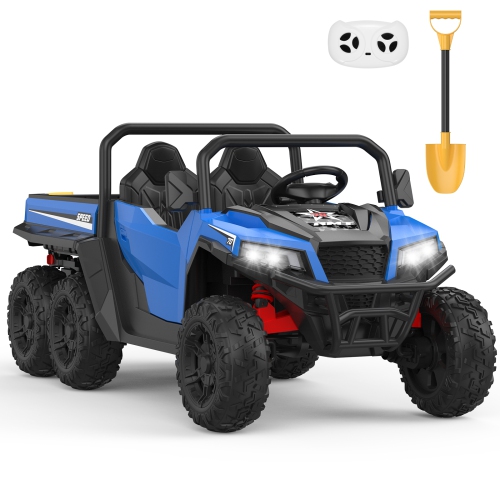


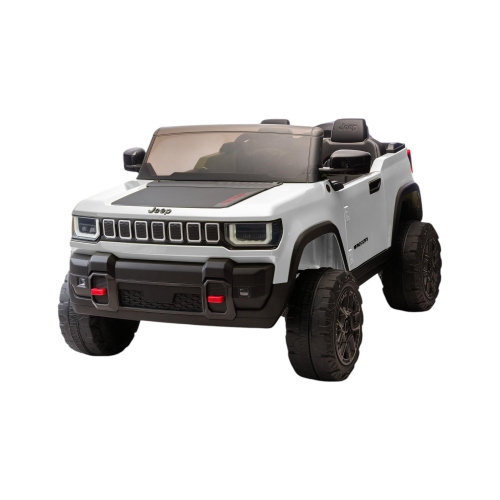




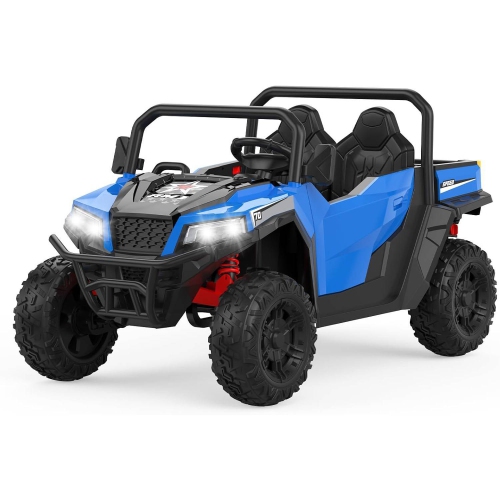


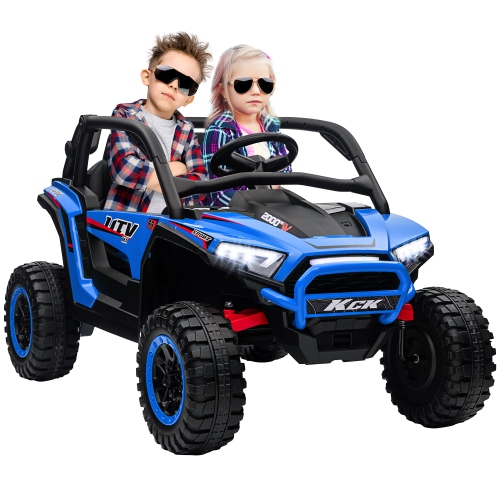


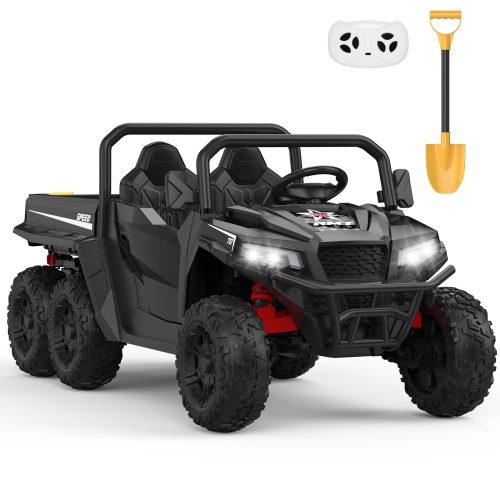
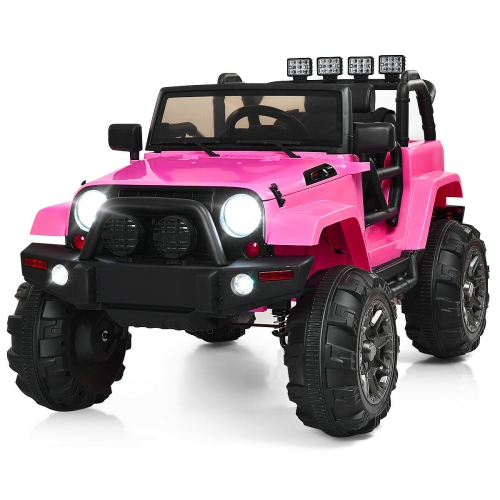


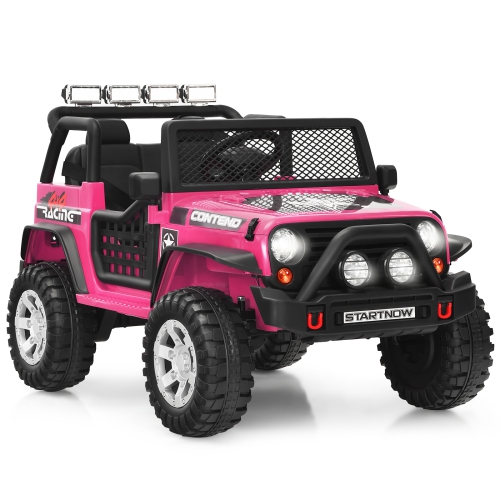


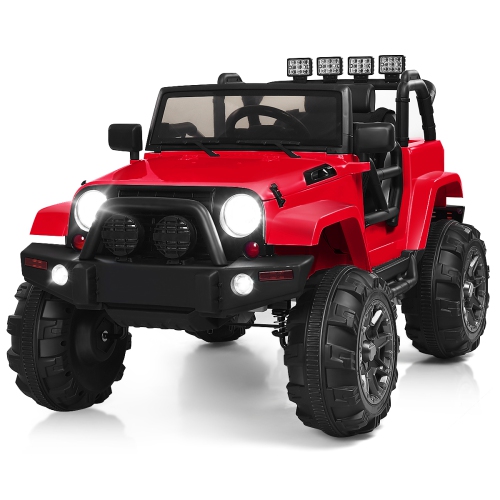

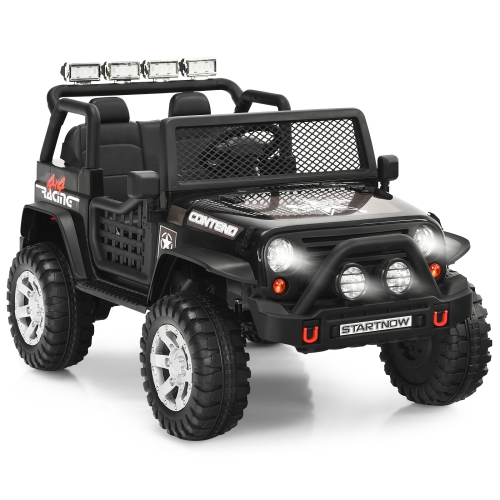
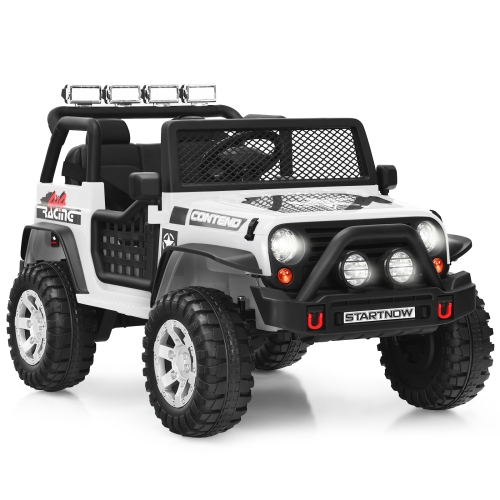

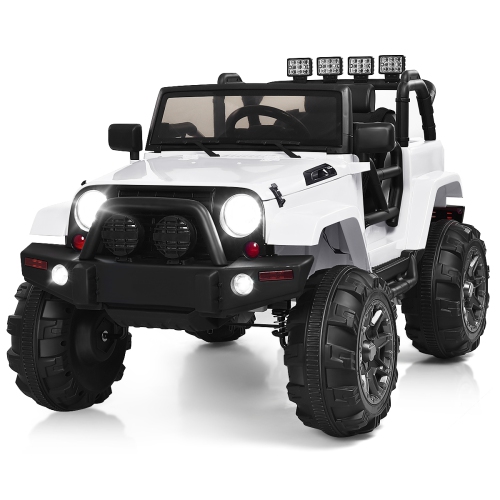
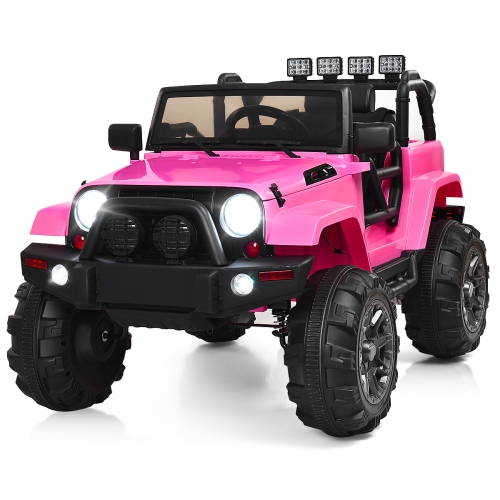


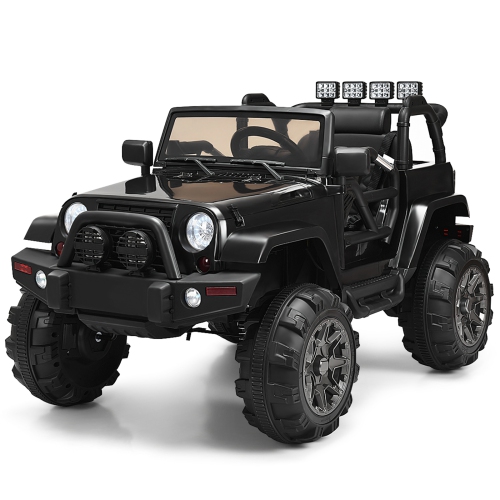
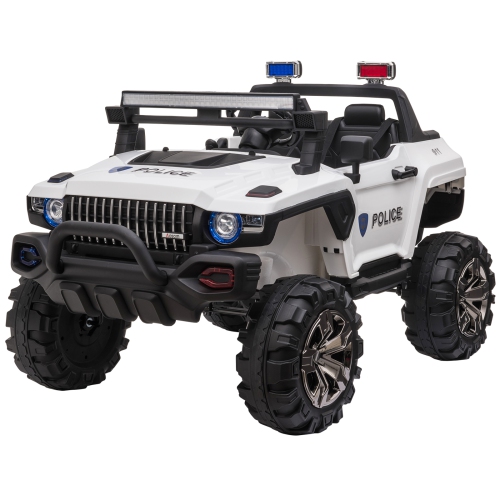
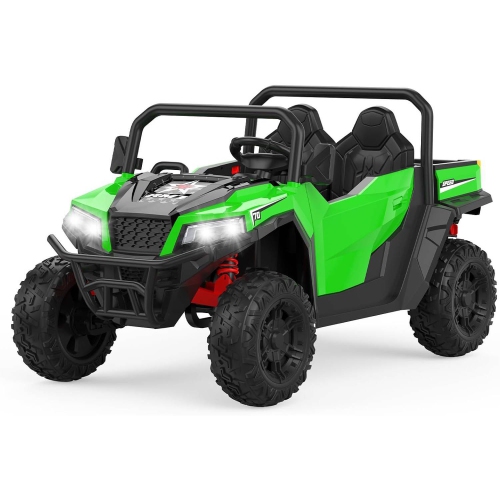
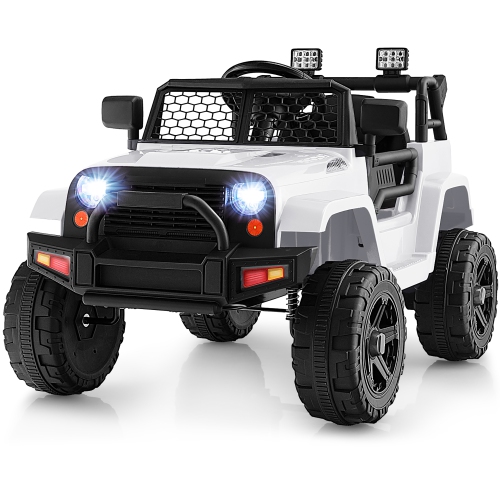
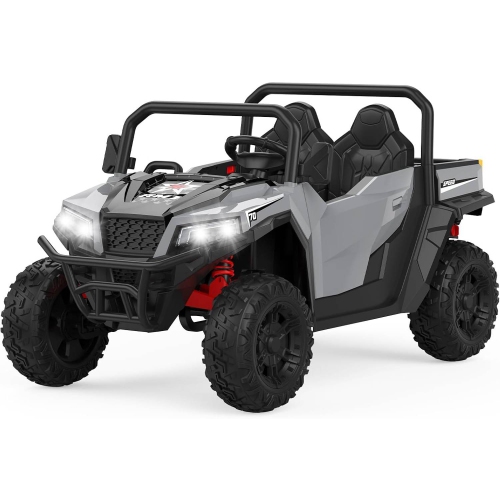
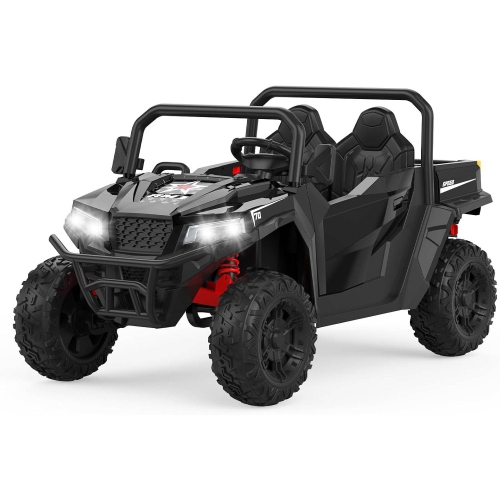
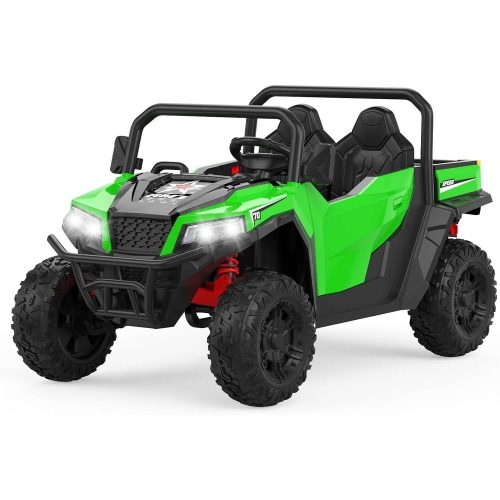

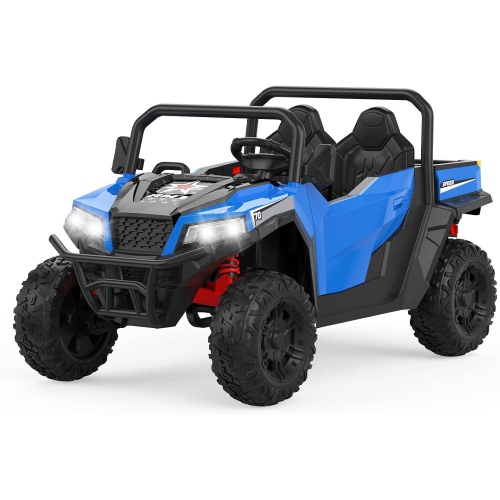
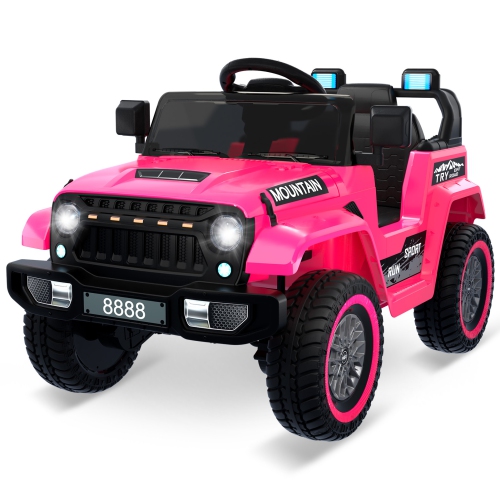
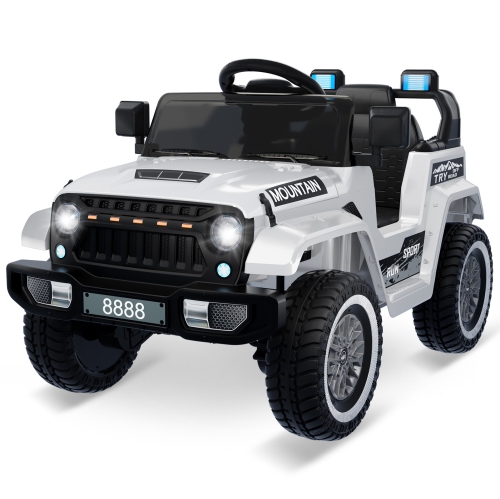
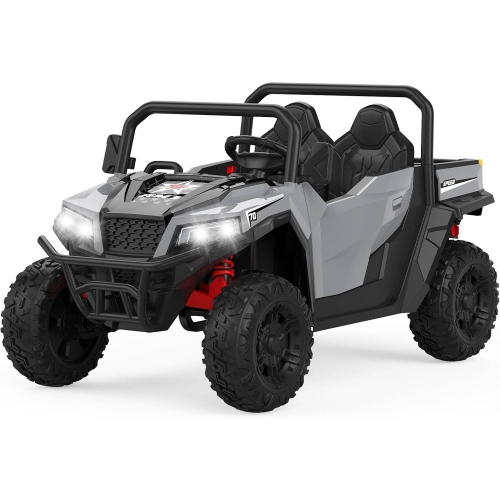


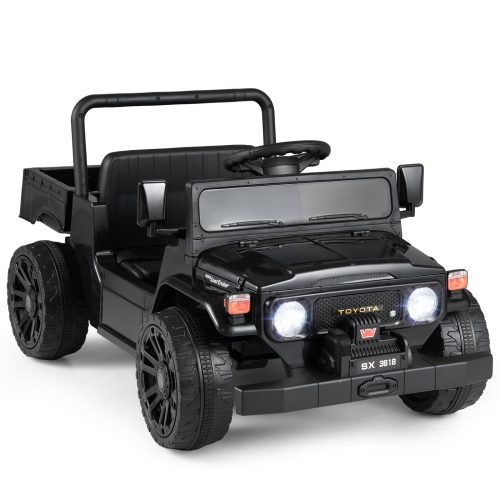
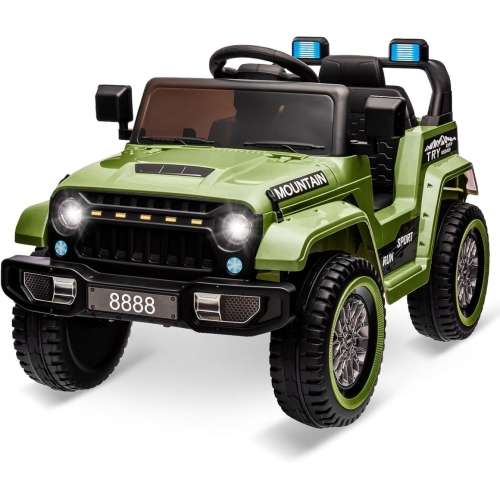
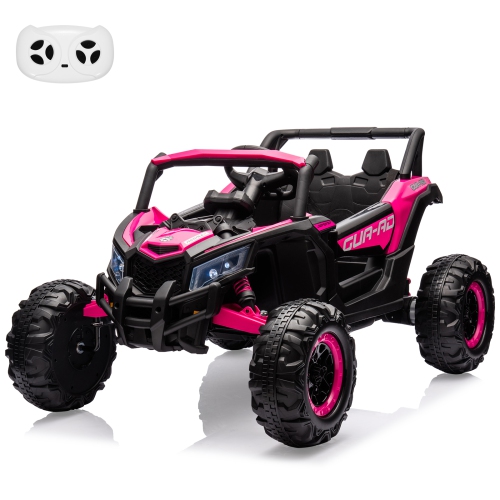


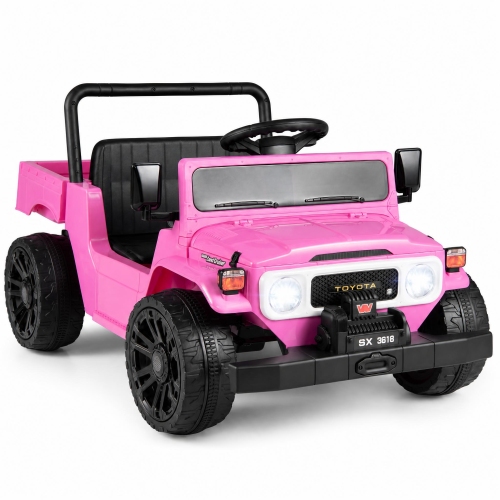
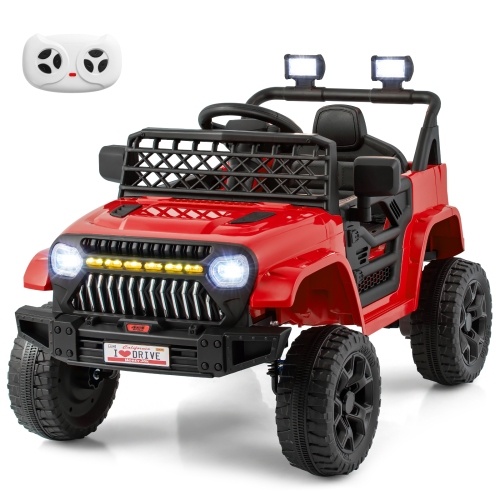

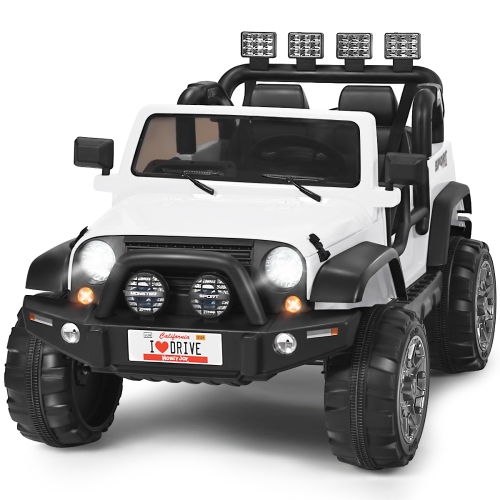
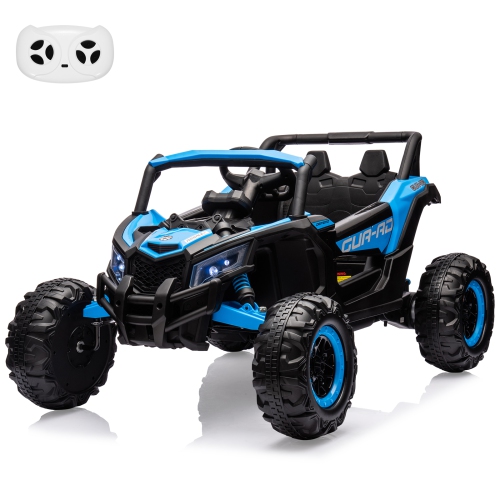


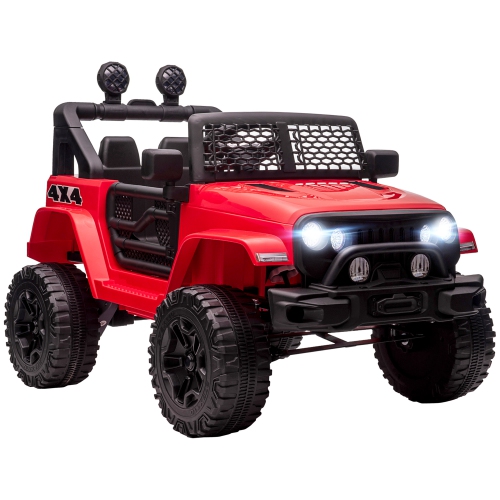
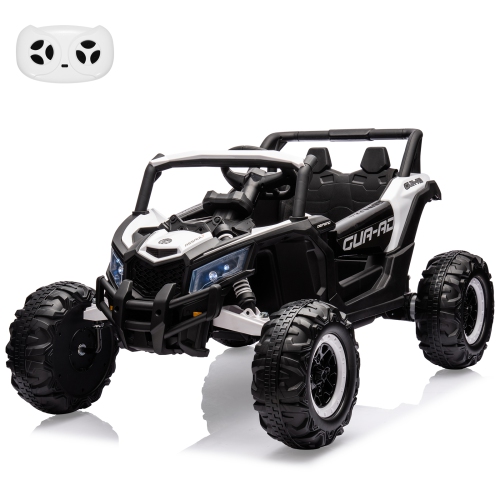


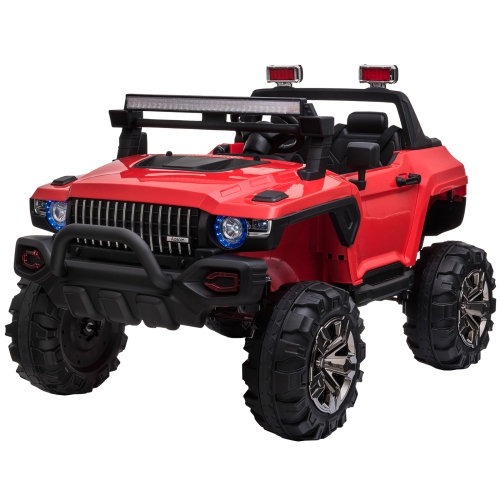

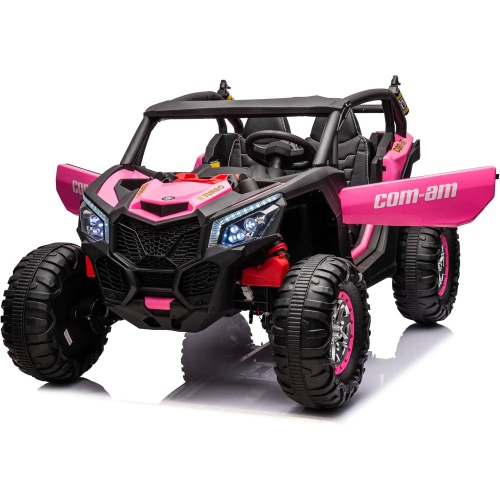
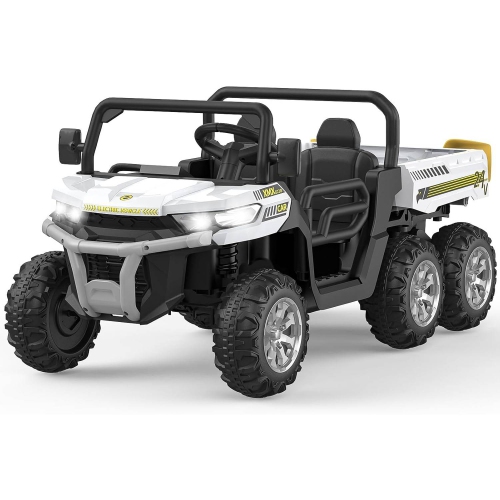
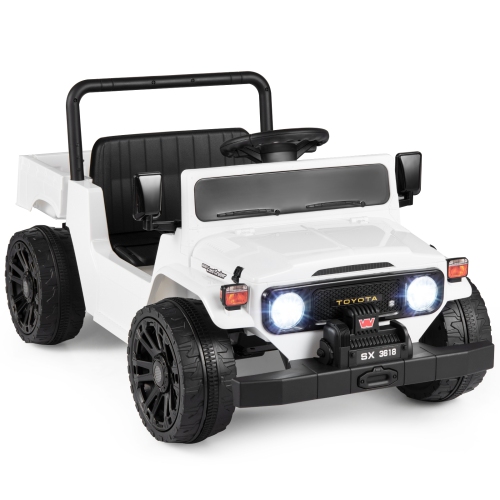




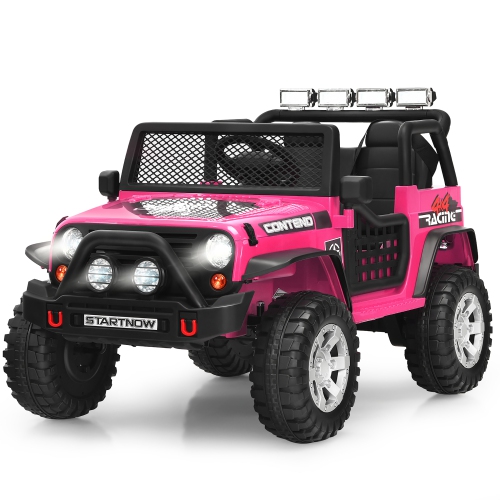
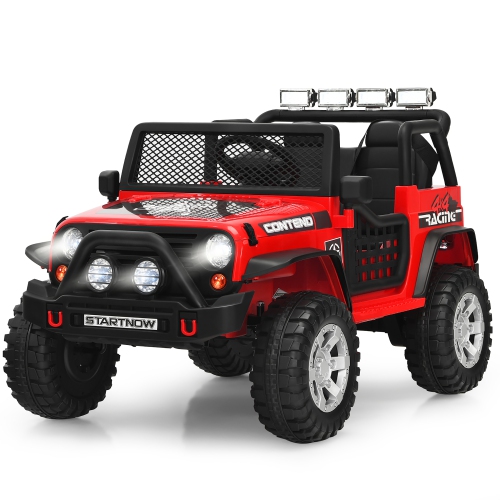
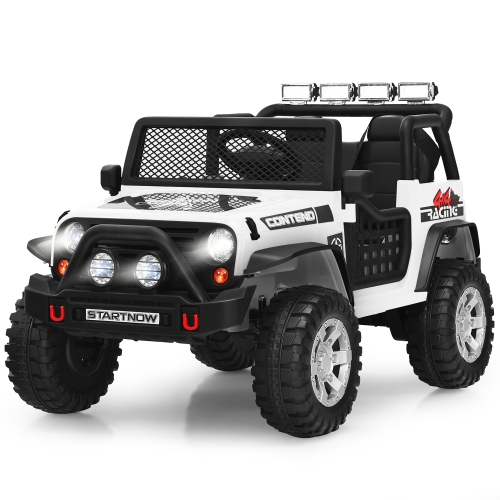
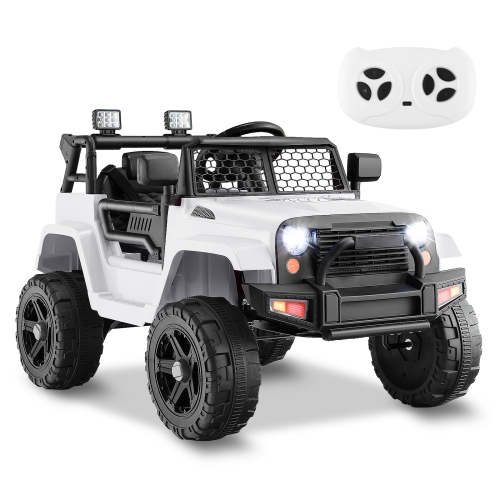
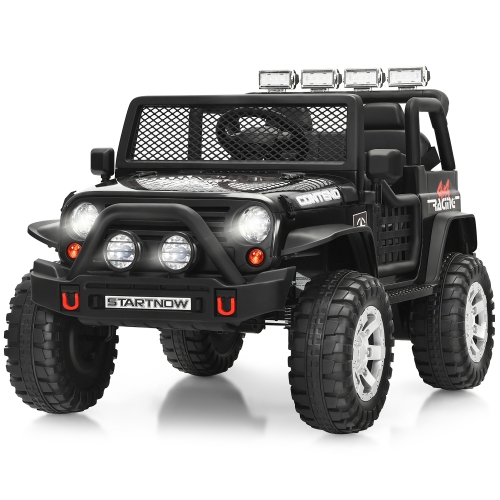
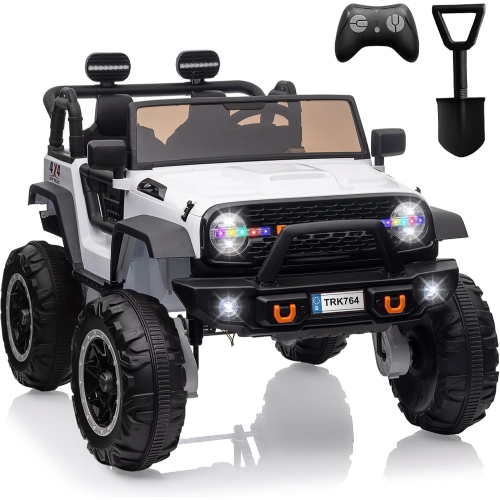
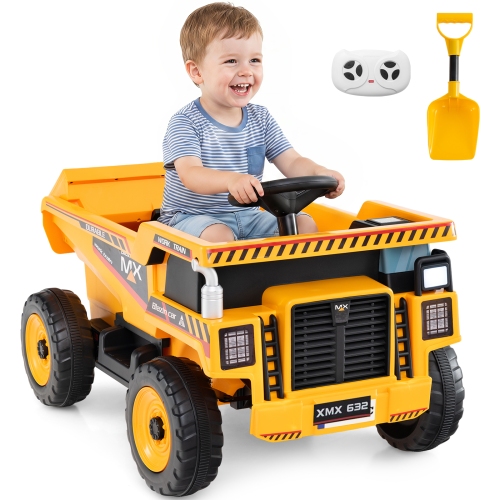
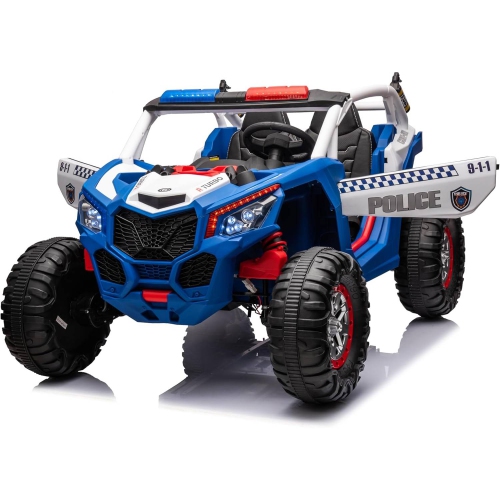

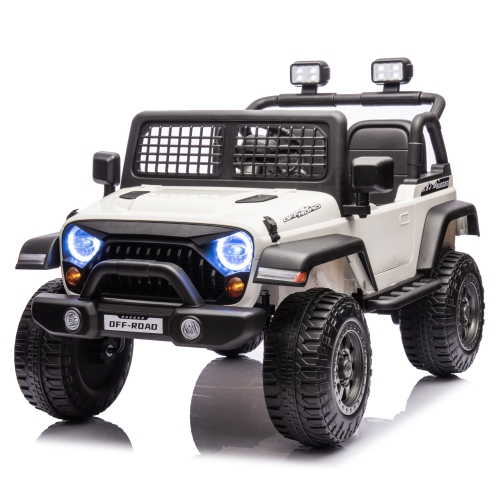
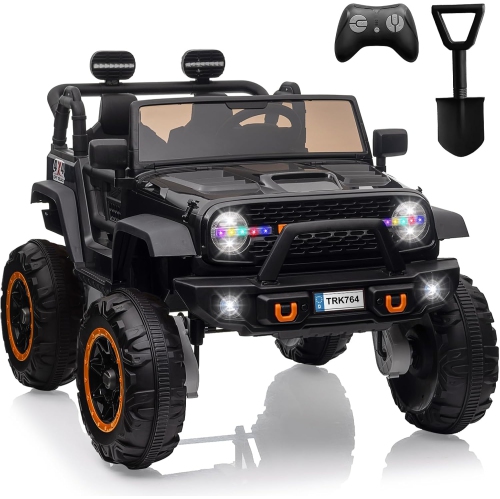
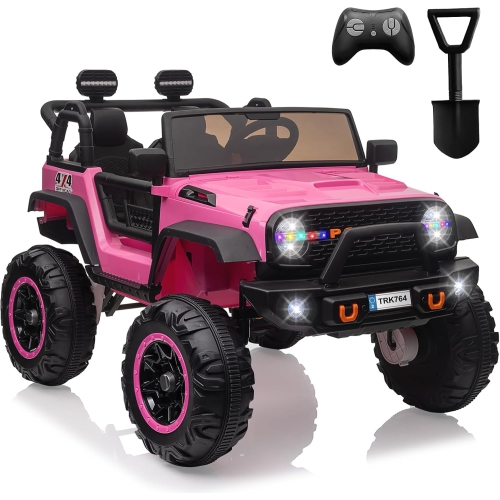
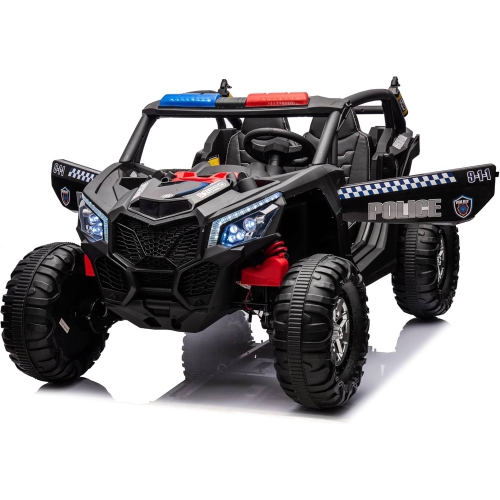

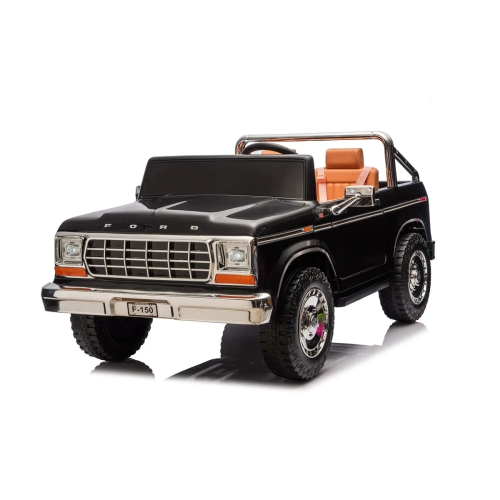


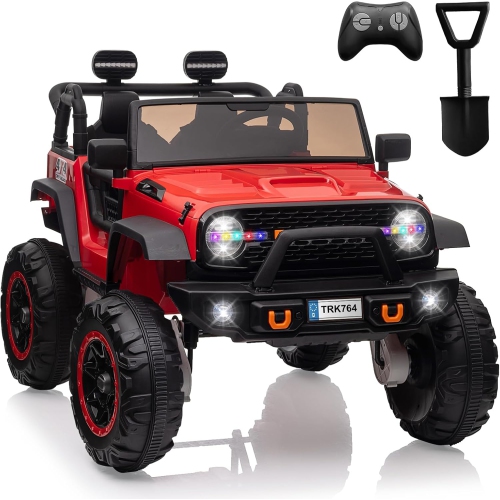


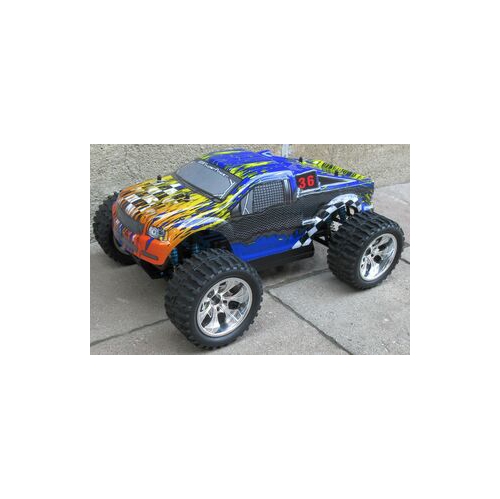

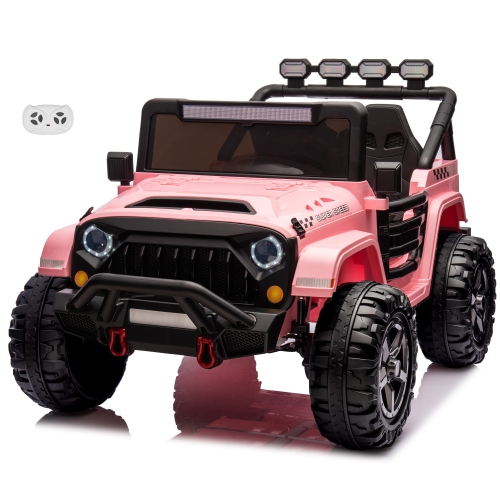

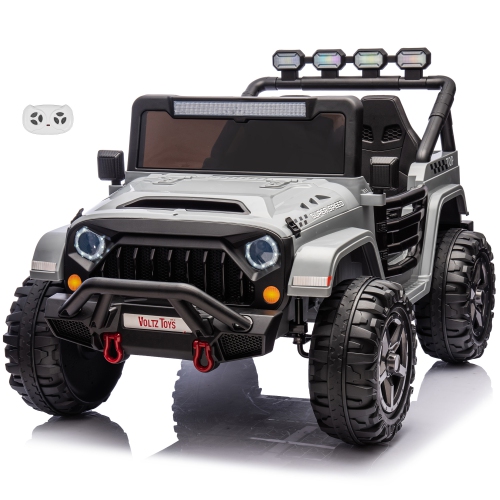


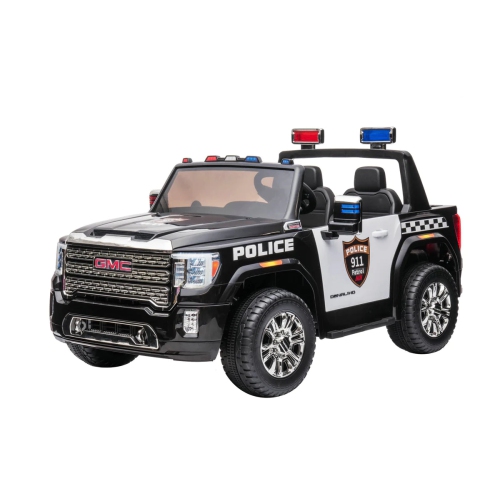
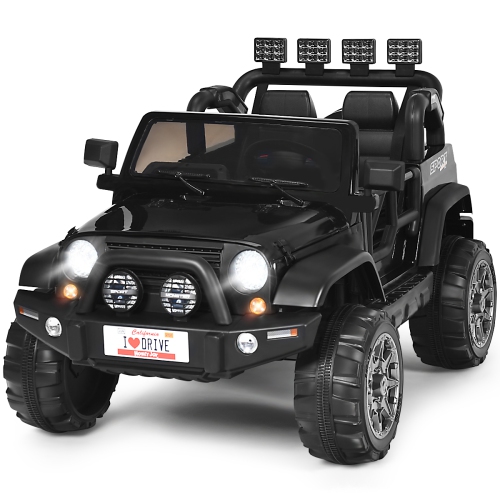
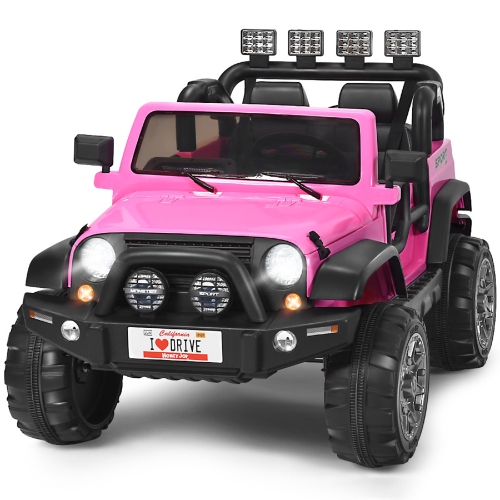
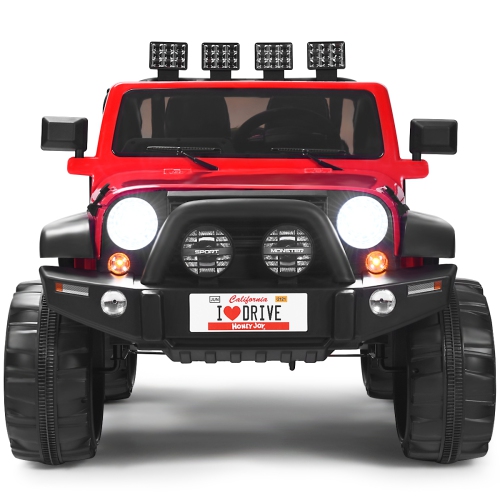
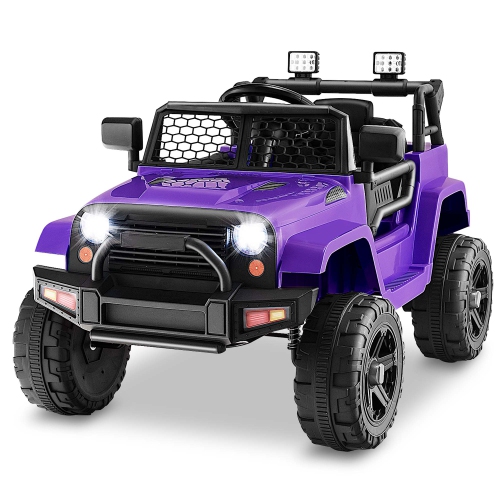
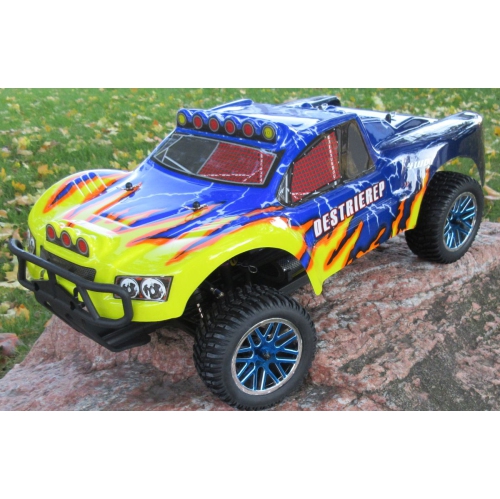


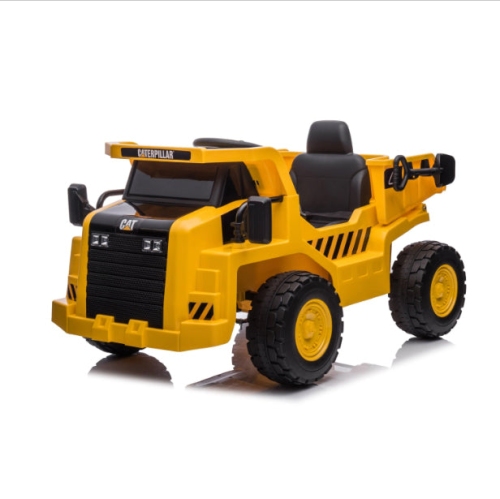

Little drivers need more than pickup styling
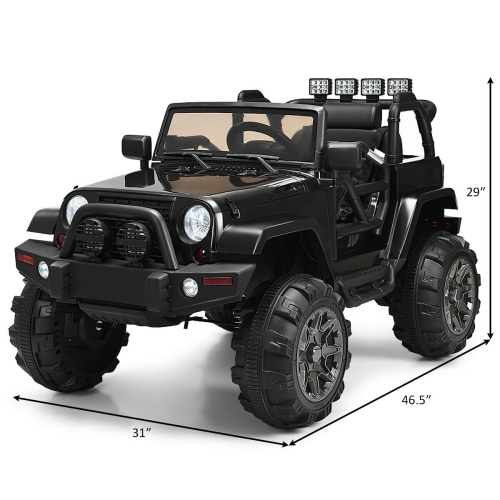
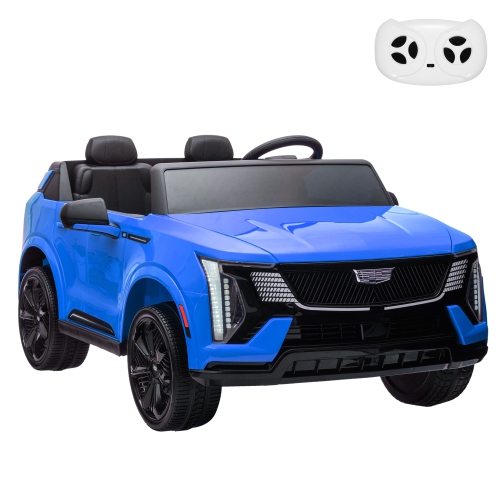
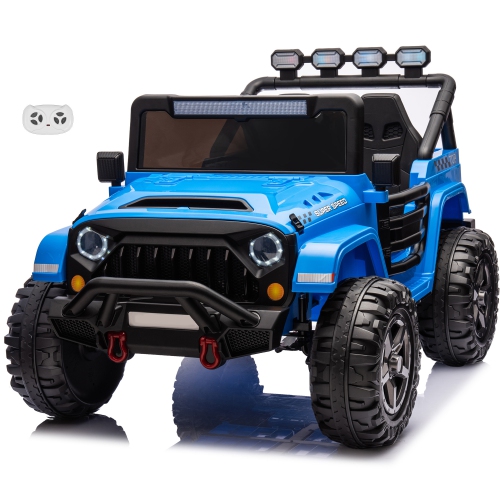
Fit makes a noticeable difference to both comfort and control in a children’s electric truck. The rider needs enough legroom to sit naturally, reach the pedal without stretching, and turn the steering wheel comfortably while remaining properly seated. Seat width, backrest support, the height of the door opening, and the position of any restraint are worth considering alongside the overall dimensions. Manufacturer age guidance and maximum rider weight remain essential limits, even when a child appears to fit inside the cabin. For two riders, the combined load must stay within the truck’s stated capacity, including any permitted cargo. The child’s ability to follow directions, stop when asked, and keep hands and feet inside the vehicle also matters. Some trucks offer selectable speeds, gradual acceleration, or a parental remote control. Gradual acceleration can make starting feel less abrupt, while a remote may allow an adult to steer, adjust speed, or stop the vehicle, depending on its functions. Not every remote provides the same controls, and it does not replace close adult supervision. The adult should understand how the truck responds to both the remote and the onboard controls before a child takes a turn. Riding space is another part of the fit: a truck needs room to turn and stop, not simply enough width to pass through a doorway. A level, enclosed area away from traffic, stairs, pools, and drop-offs is a more suitable setting than a sloped driveway or a path shared with moving vehicles. Outdoor use should follow the manufacturer’s surface restrictions; rugged styling is not proof that a toy can handle uneven ground. Indoor use is appropriate only where permitted and where there is ample clear space around furniture and other people. Properly fitted protective equipment, including a helmet where directed by the manufacturer or local requirements, belongs alongside suitable footwear and an attentive adult. These are ride-on toys for supervised play, not vehicles for public-road travel or substitutes for walking safely with a caregiver.
Materials and construction influence how an electric ride-on truck feels in use and how well it stands up to repeated play. Moulded plastic body panels are common, often paired with metal structural components and wheel assemblies designed for the truck’s specified load. Secure panel connections, sturdy door latches, and protected wiring matter more to everyday durability than decorative trim alone. Tyres may be made from moulded plastic, EVA foam, or rubber, with different tread patterns and levels of cushioning. Their performance depends on the tyre construction, driving surface, vehicle weight, and motor system together; an aggressive tread pattern does not guarantee traction on loose ground. Suspension, where included, may soften small bumps, but it does not make the truck suitable for jumps, steep slopes, or unrestricted off-road use. Battery care is equally important to dependable operation. Running time varies with rider weight, speed, surface, stopping and starting, and battery condition, so a stated run time is best understood in the context of the manufacturer’s test conditions. Charging should be handled by an adult using the specified compatible charger and the instructions supplied with the truck. A damaged battery, frayed charging cable, or loose electrical connection needs attention before further use, and charging should stop if there are signs of a fault. Regular care can stay straightforward: wipe suitable surfaces with a soft cloth as directed, clear debris from the wheels, and check accessible fasteners, restraints, pedals, and steering components for wear or looseness. Electrical sections should not be soaked or sprayed, and storage should keep the truck dry and out of the way of household traffic. The vehicle’s footprint matters here, too, particularly when it must fit through a gate or share storage space with bicycles. Assembly requirements, access to replacement parts, and the location of the charging port can all affect how easily a family incorporates the truck into ordinary routines. With a suitable fit, a clear riding area, and consistent adult oversight, an electric truck can offer a satisfying blend of pretend work, simple driving play, and the small thrill of having a steering wheel of one’s own.
Top selling and popular products
-
 Your price for this item is $150.99
-
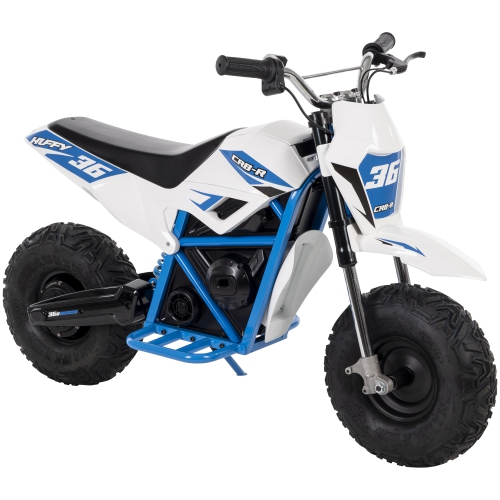 Your price for this item is $799.99
-
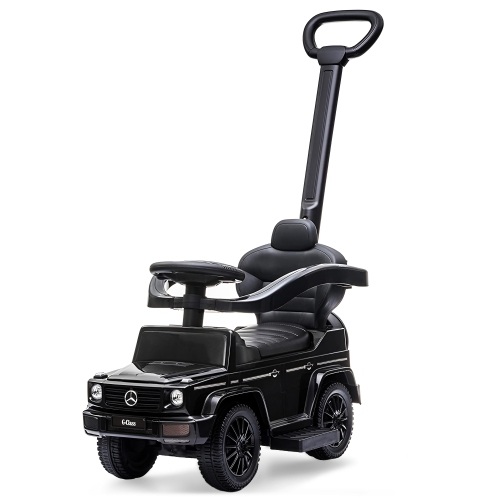 Your price for this item is $141.99
-
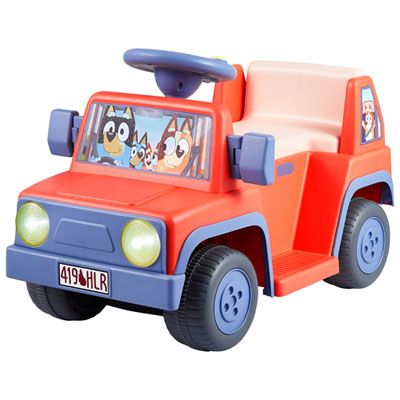 Your price for this item is $199.99
-
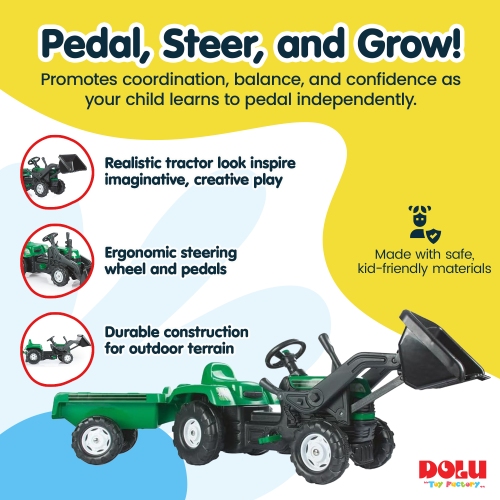 Your price for this item is $205.99
-
 Your price for this item is $199.99
-
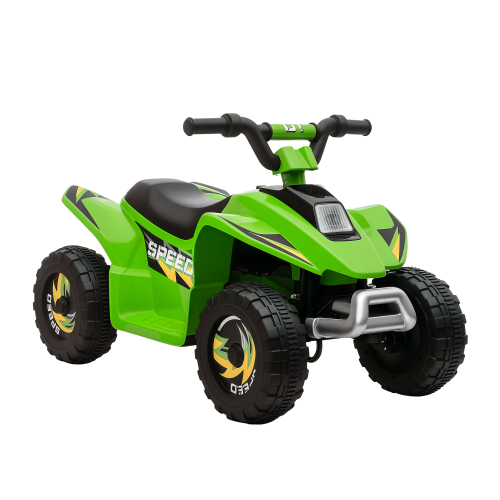 Your price for this item is $82.95
-
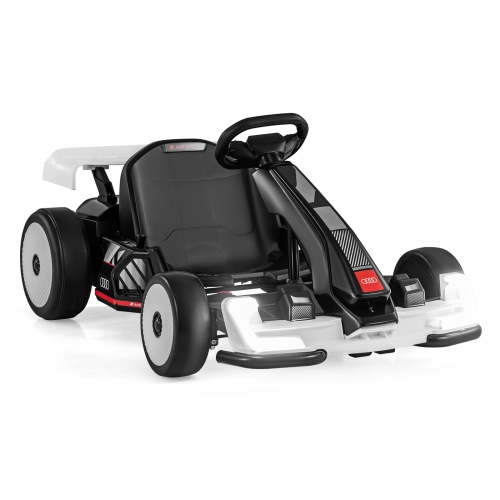 Your price for this item is $449.99

