Creative Journals
Explore a world of creativity and inspiration with our collection of creative journals. Whether you're an aspiring writer, an avid doodler, or simply looking for a place to jot down your thoughts, these journals are the perfect companions for capturing your ideas. With a variety of sizes, designs, and features to choose from, you'll find the ideal journal to suit your unique style and needs. Let your imagination run wild as you embark on a journey of self-expression and reflection with our selection of creative journals.
Sort

![THE COOP Space Invaders Retro Journal []](https://multimedia.bbycastatic.ca/multimedia/products/500x500/173/17306/17306595.jpeg)
A personal space for words, images, and hands-on making
Creative journals are personal spaces for combining words, images and hands-on making. Unlike a traditional notebook intended mainly for written notes, a creative journal can hold a sketch beside a paragraph, a painted background beneath a poem, or a page layered with photographs, stickers, ticket stubs and carefully chosen bits of paper. Some are designed primarily for art journaling, with pages that can accommodate pencils, markers, ink, paint and collage materials. Others are better suited to writing, with lined or lightly ruled pages that encourage daily reflections, poetry, observations and free-flowing thoughts. There are also mixed-media journals with sturdy pages for switching between wet and dry techniques, making them useful for anyone who does not want to limit their practice to one medium. The right format depends on the way the journal will be used. Artists who enjoy broad brushstrokes or layered colour may appreciate heavier paper and a binding that opens flat, while someone who writes on the go may prefer a lighter journal that slips easily into a tote or backpack. Spiral bindings can provide more flexibility when a page needs to lie completely open, whereas a traditional bound journal can offer a more book-like experience and a satisfying sense of progress as the pages fill. Blank pages leave room for sketches, lettering and unconventional layouts; lined pages offer a gentle structure for writing; and journals with prompts can help turn a quiet moment into a regular creative habit. When comparing options, consider paper texture, page thickness, cover durability, the amount of space available and whether the journal feels comfortable to hold. A smooth surface can suit fine-line drawing and handwriting, while a slightly textured page may add character to pencil, pastel or dry-brush work. If paint, glue or ink will be part of the process, look for pages made to handle mixed media and allow adequate drying time between layers.
Creative journaling can fit into many routines and appeal to a wide range of ages and interests. A beginner may use a journal to practise simple shapes, collect colour combinations or write a few lines about the day without worrying about making every page look polished. An experienced maker may treat the book as a portable studio for testing compositions, developing characters, planning craft projects or exploring a new technique. Writers can use one for morning pages, story fragments, travel memories or observations gathered during a walk. People who enjoy illustration might fill it with botanical studies, architectural details, fashion sketches or imaginative scenes. A junk journal-inspired approach can bring together keepsakes such as postcards, labels, photographs, handwritten notes and paper ephemera, creating a layered record of places visited and moments worth remembering. Prompt-based journals are especially helpful during the cooler months, when a warm drink, a favourite pen and a few uninterrupted minutes can make an inviting creative ritual. As the weather warms, the same journal can travel to a park bench, patio or holiday destination for quick sketches and spontaneous notes. Creative journals also make thoughtful gifts because they leave room for the recipient’s own personality. A student can use one to explore ideas outside the classroom, a new writer can develop a daily practice, and a friend who enjoys crafts can turn each spread into a small visual project. For a gift, consider the person’s existing interests and preferred tools rather than choosing only by appearance. Someone who loves drawing may value open pages and durable paper, while a keen storyteller may prefer a lined format or prompts that encourage reflection. A journal with a distinctive cover can feel personal, but the interior matters just as much: a beautiful exterior is less useful if the paper does not suit the recipient’s pens, paints or preferred style.
Getting started does not require an elaborate setup. Choose one or two comfortable tools, leave the first page unpressured, and begin with something familiar, such as describing the view from a window, drawing a favourite object or writing down a phrase that stayed with you. A page can be as simple as a block of colour paired with three sentences, or as detailed as a layered collage built over several sessions. Try dividing a spread into sections for words, sketches and collected details, or let the composition develop without a fixed plan. Date entries when keeping track of a creative habit, and use the margins for small notes about colours, materials or ideas to revisit later. If the blank page feels intimidating, prompts can provide a useful starting point: describe a sound, draw an object using only lines, record a memorable conversation, or create a page inspired by the changing light outdoors. Keep practical details in mind when choosing accessories and materials. Pens should match the paper to avoid smudging or show-through, adhesives should allow enough working time for arranging layers, and paints or markers may need pages with greater absorbency. A journal intended for daily carrying should have a secure cover and binding, while one kept at a desk can be selected for generous page space and a more substantial construction. Exploring Creative Journaling Supplies can make it easier to find compatible tools for writing, drawing, lettering and mixed-media work. Whether it becomes a private record, an art portfolio in progress, a place for creative experiments or a heartfelt gift, a creative journal offers a welcoming way to turn everyday impressions into something tangible.
Creative journaling can fit into many routines and appeal to a wide range of ages and interests. A beginner may use a journal to practise simple shapes, collect colour combinations or write a few lines about the day without worrying about making every page look polished. An experienced maker may treat the book as a portable studio for testing compositions, developing characters, planning craft projects or exploring a new technique. Writers can use one for morning pages, story fragments, travel memories or observations gathered during a walk. People who enjoy illustration might fill it with botanical studies, architectural details, fashion sketches or imaginative scenes. A junk journal-inspired approach can bring together keepsakes such as postcards, labels, photographs, handwritten notes and paper ephemera, creating a layered record of places visited and moments worth remembering. Prompt-based journals are especially helpful during the cooler months, when a warm drink, a favourite pen and a few uninterrupted minutes can make an inviting creative ritual. As the weather warms, the same journal can travel to a park bench, patio or holiday destination for quick sketches and spontaneous notes. Creative journals also make thoughtful gifts because they leave room for the recipient’s own personality. A student can use one to explore ideas outside the classroom, a new writer can develop a daily practice, and a friend who enjoys crafts can turn each spread into a small visual project. For a gift, consider the person’s existing interests and preferred tools rather than choosing only by appearance. Someone who loves drawing may value open pages and durable paper, while a keen storyteller may prefer a lined format or prompts that encourage reflection. A journal with a distinctive cover can feel personal, but the interior matters just as much: a beautiful exterior is less useful if the paper does not suit the recipient’s pens, paints or preferred style.
Getting started does not require an elaborate setup. Choose one or two comfortable tools, leave the first page unpressured, and begin with something familiar, such as describing the view from a window, drawing a favourite object or writing down a phrase that stayed with you. A page can be as simple as a block of colour paired with three sentences, or as detailed as a layered collage built over several sessions. Try dividing a spread into sections for words, sketches and collected details, or let the composition develop without a fixed plan. Date entries when keeping track of a creative habit, and use the margins for small notes about colours, materials or ideas to revisit later. If the blank page feels intimidating, prompts can provide a useful starting point: describe a sound, draw an object using only lines, record a memorable conversation, or create a page inspired by the changing light outdoors. Keep practical details in mind when choosing accessories and materials. Pens should match the paper to avoid smudging or show-through, adhesives should allow enough working time for arranging layers, and paints or markers may need pages with greater absorbency. A journal intended for daily carrying should have a secure cover and binding, while one kept at a desk can be selected for generous page space and a more substantial construction. Exploring Creative Journaling Supplies can make it easier to find compatible tools for writing, drawing, lettering and mixed-media work. Whether it becomes a private record, an art portfolio in progress, a place for creative experiments or a heartfelt gift, a creative journal offers a welcoming way to turn everyday impressions into something tangible.
Top selling and popular products
-
 Your price for this item is $14.99
 -
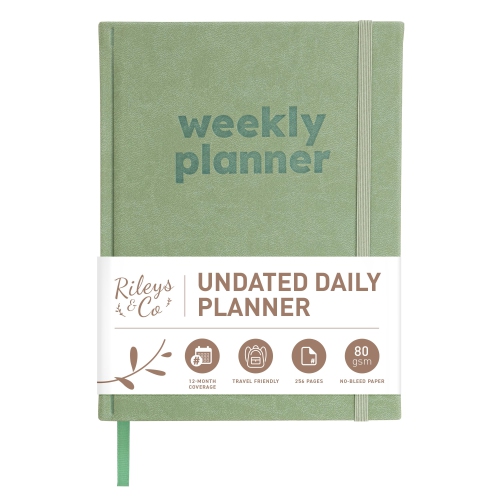 Your price for this item is $14.99
 -
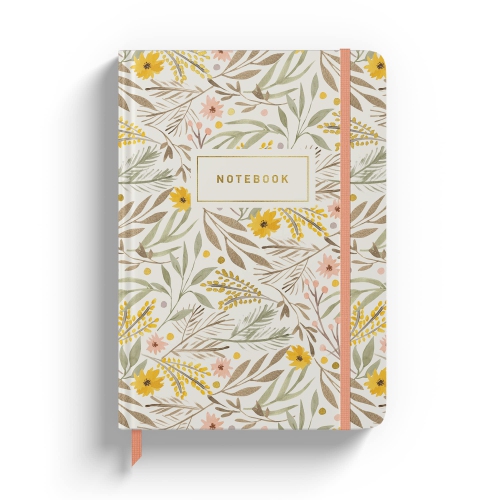 Your price for this item is $19.99
 -
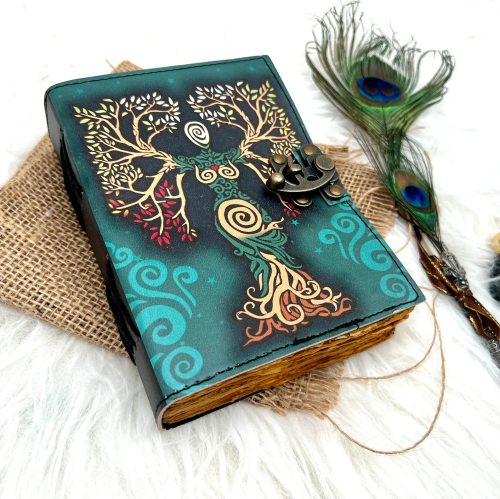 Your price for this item is $49
 -
 Your price for this item is $72.62
 -
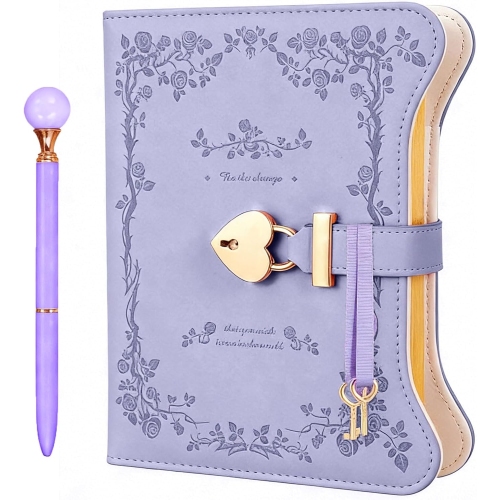 Your price for this item is $29.74
 -
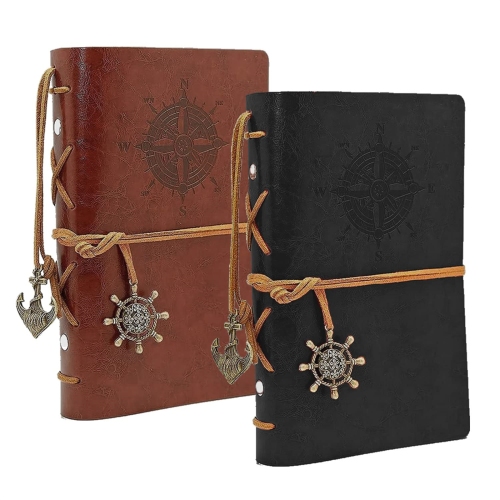 Your price for this item is $26.77
 -
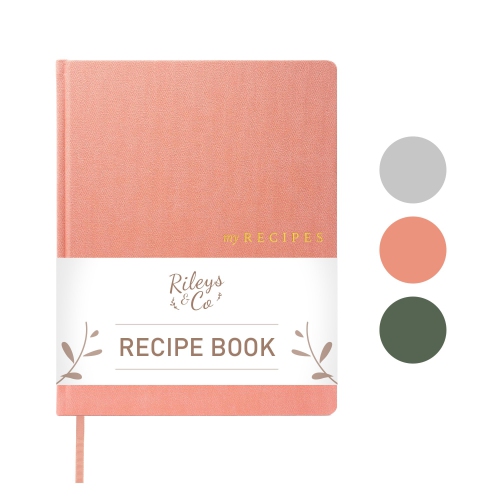 Your price for this item is $25.99
Discover more categories related to Creative Journals
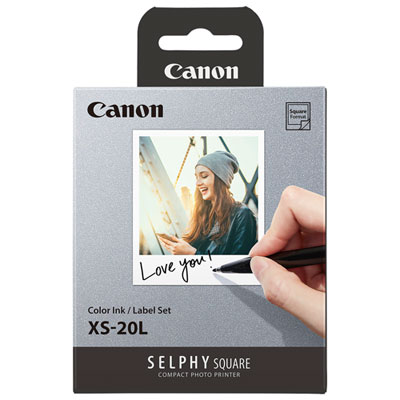
Top Collections:
Pokemon Centers, Kindle Devices, Best Budget Office Chairs, Apple iPhones 16, Best Laptops for Writers, iPhone 15 Apple, Canon G7X Cameras, Refurbished Apple Laptops, Alarm Clock, Motorola Razr Phones
Some products may be subject to Environmental Handling Fees
(EHF) depending on your province.
Learn more about EHFs.