Dungeons and Dragons Adventure Books
Discover a captivating selection of Dungeons and Dragons Adventure Books designed to ignite your imagination and enhance your tabletop gaming experience. Whether you're a seasoned Dungeon Master or new to the world of role-playing, these adventure books offer endless possibilities for creative storytelling and thrilling quests. Dive into richly detailed narratives, explore mysterious realms, and bring your campaigns to life with expertly crafted content found in Dungeons and Dragons Adventure Books.
Sort
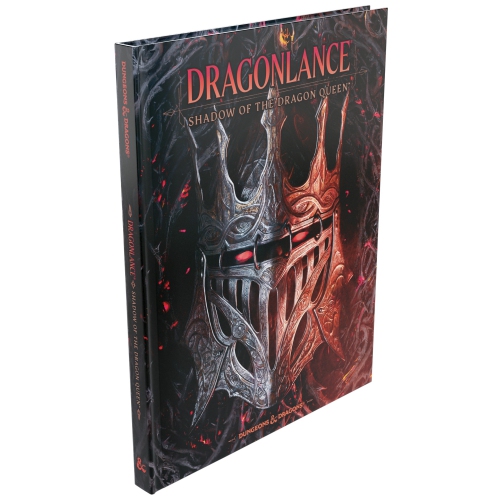
![WIZARDS OF THE COAST Dungeons & Dragons Rpg: D&d Rules Expansion Gift Set - Alternate Cover [Hardcover Book]](https://multimedia.bbycastatic.ca/multimedia/products/500x500/160/16011/16011596.jpeg)

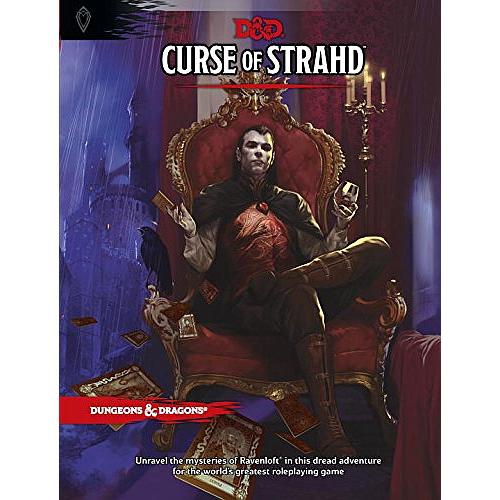
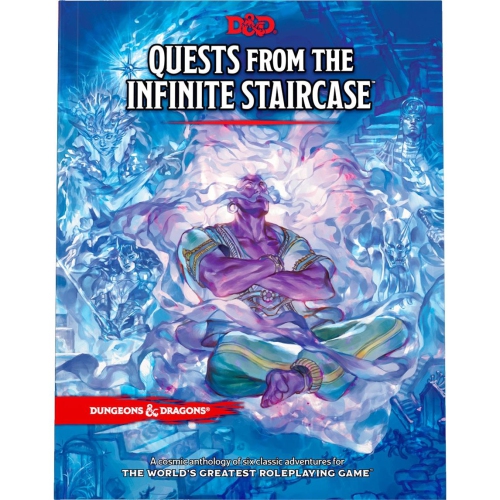
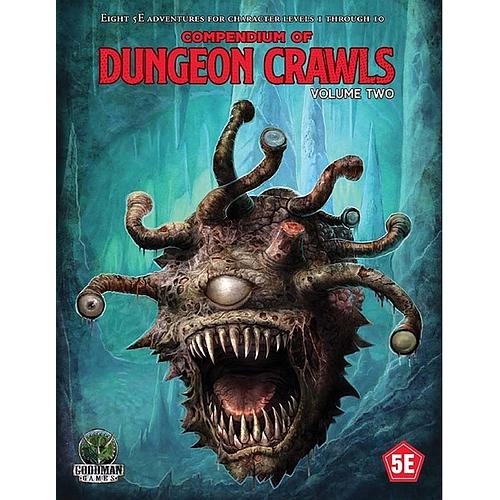
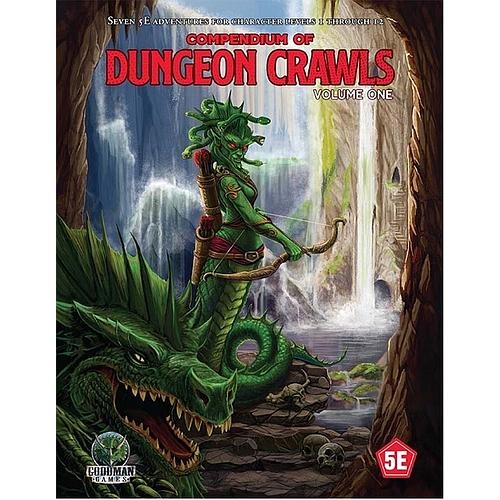
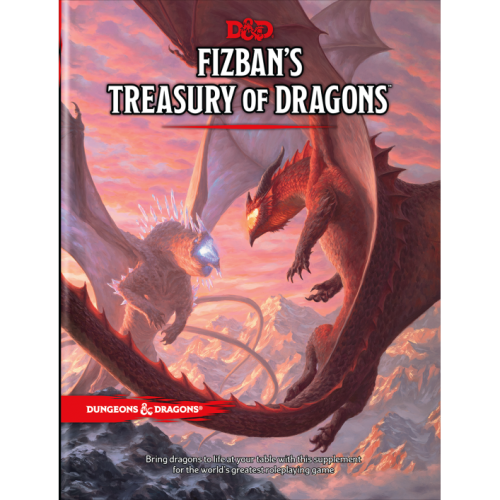
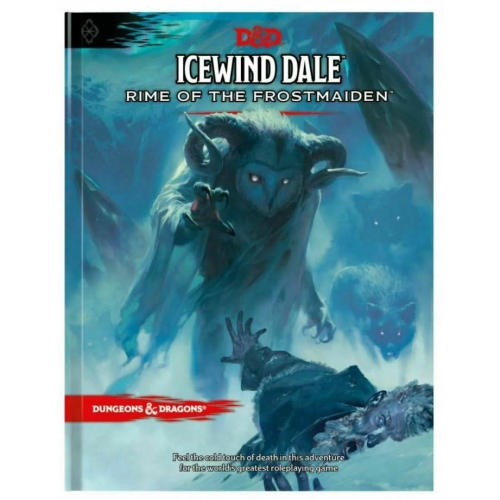
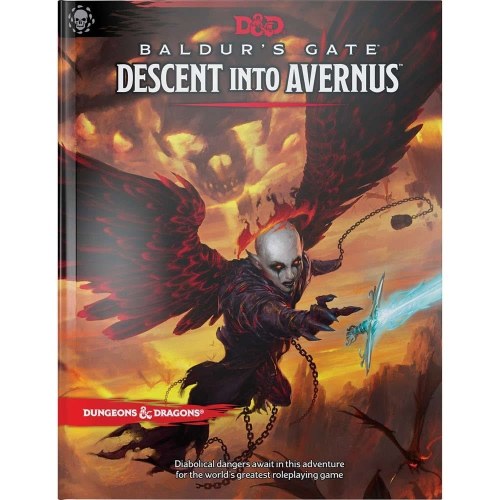
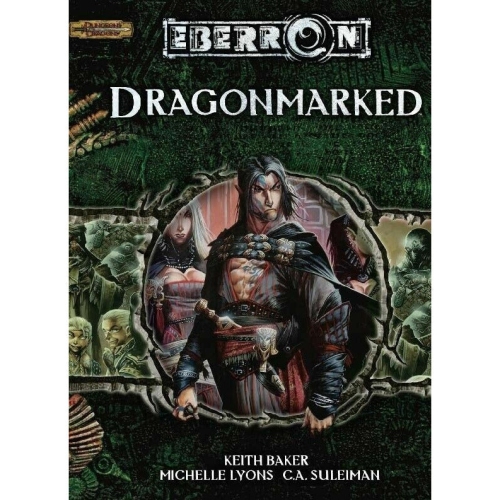
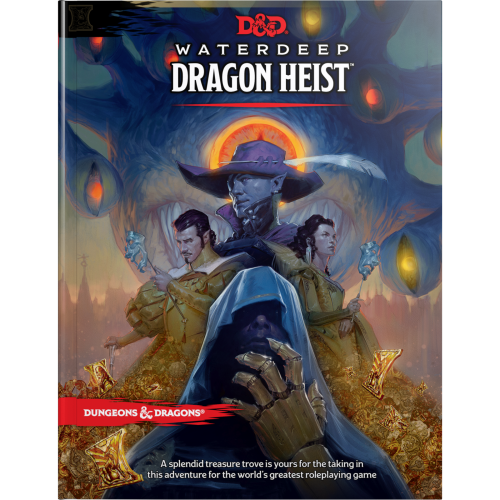
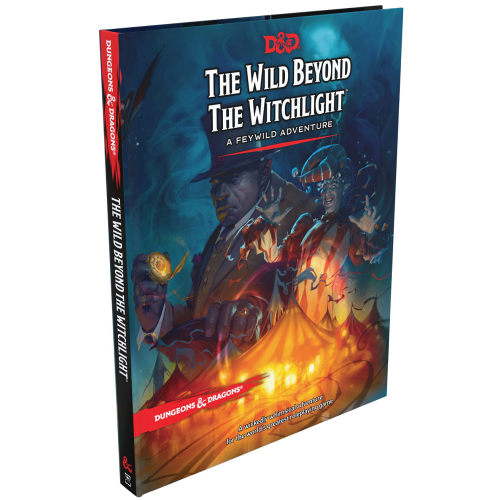
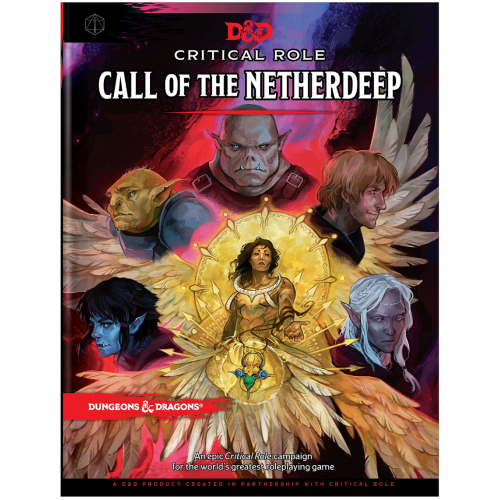
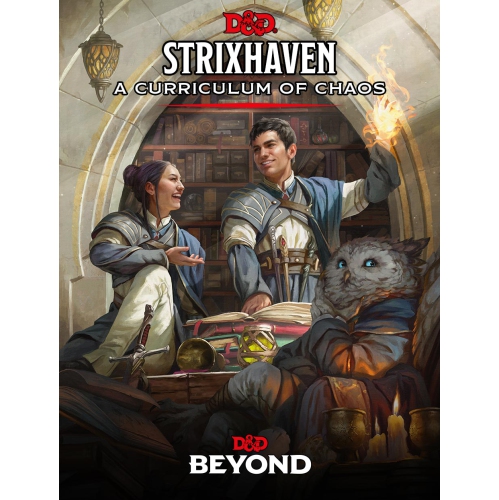
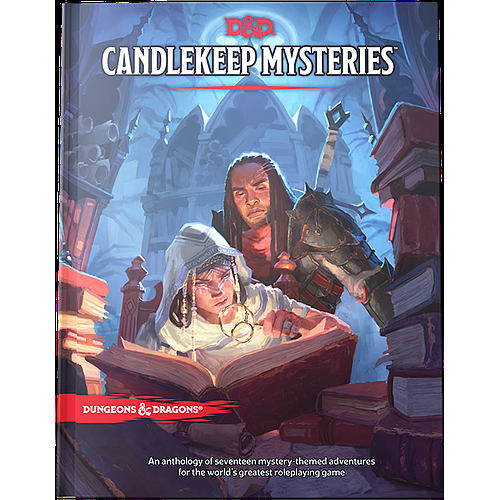
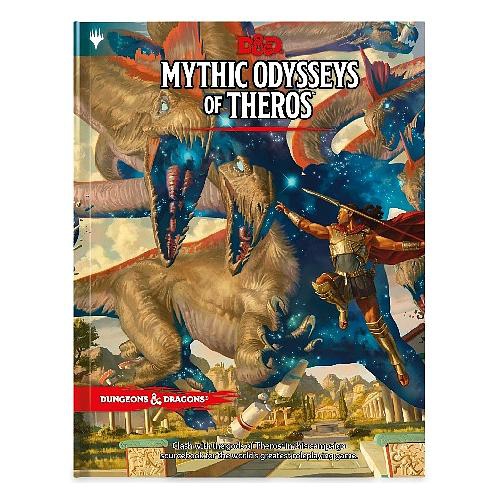
Ready-made stories shaped by the choices at your table
Dungeons and Dragons adventure books bring ready-made stories, locations, characters, and challenges to a tabletop role-playing game. Unlike a novel, an adventure book describes situations that players can approach in different ways, with their decisions helping shape what happens next. Unlike a core rulebook, it focuses primarily on playable scenarios rather than the complete rules for creating characters and resolving actions. The Dungeon Master, often called the DM, uses the adventure to present the world, portray its inhabitants, and respond to the group’s choices. Players might negotiate passage through a guarded gate, follow clues beneath an abandoned tower, or discover that a supposed enemy has a convincing reason to ask for help. Adventure books generally fall into a few useful formats: full-length campaigns with connected story arcs, anthologies containing several shorter adventures, and introductory adventures designed to ease a new group into play. A campaign can support an ongoing story across many sessions, while a shorter adventure may suit a single gathering or a brief change of pace between longer storylines. Actual playing time depends on the group’s pace, the length of each session, and how much time players spend exploring and talking in character. Some books combine an adventure with substantial setting information, giving the DM places and personalities to reuse after the main storyline ends. Others concentrate on a tightly defined challenge, such as solving a disappearance or navigating a dangerous ruin. Contents vary, but commonly include location descriptions, maps, encounter details, treasure, and information about non-player characters. The book’s stated edition, recommended character levels, and expected party size are important points of fit. An adventure written for beginning characters serves a different purpose from one built around experienced heroes with powerful abilities. Many adventure books also assume access to separate rules references, dice, and character sheets; a bound adventure is not necessarily a complete game on its own.
The appeal of a fantasy adventure book often comes down to the kind of evening it helps create around the table. Exploration-heavy stories give players unfamiliar places to investigate, with branching passages, hidden chambers, and discoveries that reward attention. Mysteries put more weight on clues, conversations, and connections between events. Adventures centred on intrigue may involve competing groups, uncertain loyalties, and decisions whose consequences unfold over several sessions. Combat-focused scenarios offer tactical challenges, while many longer campaigns mix all these elements rather than committing to just one. A group that enjoys debating whom to trust may find plenty to discuss in a busy trading city; another may prefer a clearly defined expedition into a fortress with a shared objective. Structure matters as much as setting. A fairly direct sequence of events can make an introductory adventure easier to follow, whereas an open-ended region gives players more freedom to choose their next destination and can ask more improvisation of the DM. Neither approach removes player choice, but each places different demands on preparation. Clear chapter organization, readable maps, concise character descriptions, and easy-to-find encounter information can make a meaningful difference during play. When a player unexpectedly questions a minor shopkeeper, a short description of that character’s motives can be more useful than pages of background. Similarly, a labelled map helps the DM understand how locations connect without interrupting the conversation for a long search. Short-adventure collections can be particularly flexible for groups whose attendance varies, or for experienced DMs looking for a side story to weave into an existing campaign. Although individual adventures may stand alone, some need adjustments to character level or background before fitting another story. Tone and content are also worth considering, especially for younger players or mixed-age family groups. Recommended ages, reading demands, and content descriptions help distinguish an approachable introduction from a complex adventure with unsettling themes. Reading portions aloud, tracking several characters, and interpreting game terms are common parts of using these books, so suitability depends on more than the fantasy artwork on the cover.
As physical books, tabletop adventures are working references as well as something to read for inspiration. They may travel to a friend’s dining table, sit beside a notebook through a lengthy session, or be opened repeatedly to the same map. Hardcover editions generally provide a firm outer structure for frequent handling, while softcover formats can be lighter to carry with other game supplies. Dimensions, page count, print size, and layout all affect everyday use. A large page can give maps and illustrations more room, but it also occupies more space on a table already holding dice trays, character sheets, and snacks. Some editions include separate maps or handouts; these should be treated as book-specific features rather than assumed contents. Maps intended for the DM may reveal secret doors or other information that players should not see, while player-facing materials are designed for sharing. Bookmarks and a separate campaign notebook make it easier to track progress without writing over printed text. Supporting the spine rather than forcing a book flat, handling pages with clean, dry hands, and keeping drinks away from the play area help protect it through repeated use. Loose sheets and maps are easier to keep together in a suitable folder, particularly when a book moves between homes. Adventure books can be thoughtful gifts for someone who enjoys running games, building fictional worlds, or bringing friends together for collaborative storytelling. For a player who does not run sessions, an adventure may be less suitable because reading it could reveal a story the group intends to play. Knowing the recipient’s preferred edition, existing books, and taste in adventures helps make the gift more personal. Related Role Playing Game Books can provide broader context through rules references, character options, and setting material. Within that larger hobby, adventure books have a distinct purpose: they give the table a shared starting point, with enough detail to support play and enough room for the group to make the story its own.
The appeal of a fantasy adventure book often comes down to the kind of evening it helps create around the table. Exploration-heavy stories give players unfamiliar places to investigate, with branching passages, hidden chambers, and discoveries that reward attention. Mysteries put more weight on clues, conversations, and connections between events. Adventures centred on intrigue may involve competing groups, uncertain loyalties, and decisions whose consequences unfold over several sessions. Combat-focused scenarios offer tactical challenges, while many longer campaigns mix all these elements rather than committing to just one. A group that enjoys debating whom to trust may find plenty to discuss in a busy trading city; another may prefer a clearly defined expedition into a fortress with a shared objective. Structure matters as much as setting. A fairly direct sequence of events can make an introductory adventure easier to follow, whereas an open-ended region gives players more freedom to choose their next destination and can ask more improvisation of the DM. Neither approach removes player choice, but each places different demands on preparation. Clear chapter organization, readable maps, concise character descriptions, and easy-to-find encounter information can make a meaningful difference during play. When a player unexpectedly questions a minor shopkeeper, a short description of that character’s motives can be more useful than pages of background. Similarly, a labelled map helps the DM understand how locations connect without interrupting the conversation for a long search. Short-adventure collections can be particularly flexible for groups whose attendance varies, or for experienced DMs looking for a side story to weave into an existing campaign. Although individual adventures may stand alone, some need adjustments to character level or background before fitting another story. Tone and content are also worth considering, especially for younger players or mixed-age family groups. Recommended ages, reading demands, and content descriptions help distinguish an approachable introduction from a complex adventure with unsettling themes. Reading portions aloud, tracking several characters, and interpreting game terms are common parts of using these books, so suitability depends on more than the fantasy artwork on the cover.
As physical books, tabletop adventures are working references as well as something to read for inspiration. They may travel to a friend’s dining table, sit beside a notebook through a lengthy session, or be opened repeatedly to the same map. Hardcover editions generally provide a firm outer structure for frequent handling, while softcover formats can be lighter to carry with other game supplies. Dimensions, page count, print size, and layout all affect everyday use. A large page can give maps and illustrations more room, but it also occupies more space on a table already holding dice trays, character sheets, and snacks. Some editions include separate maps or handouts; these should be treated as book-specific features rather than assumed contents. Maps intended for the DM may reveal secret doors or other information that players should not see, while player-facing materials are designed for sharing. Bookmarks and a separate campaign notebook make it easier to track progress without writing over printed text. Supporting the spine rather than forcing a book flat, handling pages with clean, dry hands, and keeping drinks away from the play area help protect it through repeated use. Loose sheets and maps are easier to keep together in a suitable folder, particularly when a book moves between homes. Adventure books can be thoughtful gifts for someone who enjoys running games, building fictional worlds, or bringing friends together for collaborative storytelling. For a player who does not run sessions, an adventure may be less suitable because reading it could reveal a story the group intends to play. Knowing the recipient’s preferred edition, existing books, and taste in adventures helps make the gift more personal. Related Role Playing Game Books can provide broader context through rules references, character options, and setting material. Within that larger hobby, adventure books have a distinct purpose: they give the table a shared starting point, with enough detail to support play and enough room for the group to make the story its own.
Top selling and popular products
-
 Your price for this item is $14.99
 -
 Your price for this item is $34.99
 -
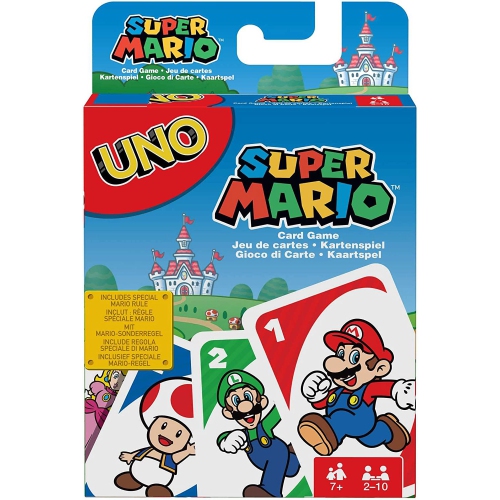 Your price for this item is $15
 -
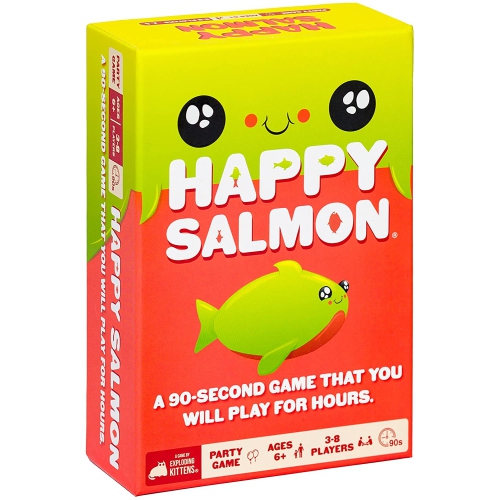 Your price for this item is $21.99
 -
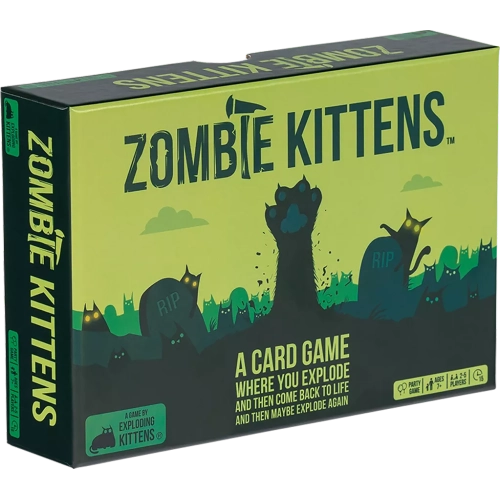 Your price for this item is $34.99
 -
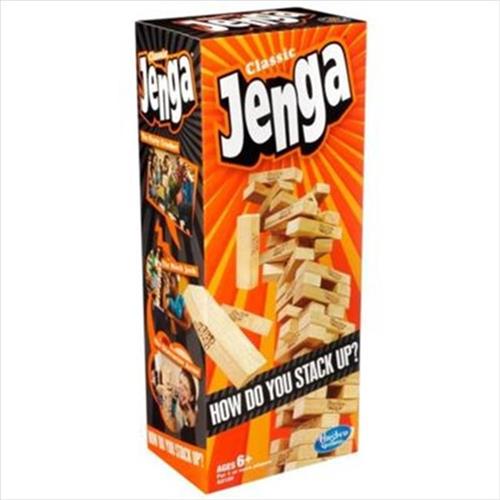 Your price for this item is $35.59
 -
 Your price for this item is $17.8
 -
 Your price for this item is $31.99
Discover more categories related to Dungeons and Dragons Adventure Books
Top Collections:
Pokemon Centers, Kindle Devices, Best Budget Office Chairs, Apple iPhones 16, Canon G7X Cameras, iPhone 15 Apple, Alarm Clock, Refurbished Apple Laptops, Flip Phones, Best Laptops for Writers
Some products may be subject to Environmental Handling Fees
(EHF) depending on your province.
Learn more about EHFs.