Easy Board Games for Preschoolers
Easy Board Games For Preschoolers make playtime both fun and engaging, helping little ones develop important skills while they enjoy quality time with family and friends. Designed with young children in mind, these games offer simple rules and colorful pieces that capture attention and spark imagination. Whether for rainy days indoors or lively gatherings, Easy Board Games For Preschoolers provide the perfect way to introduce kids to the joy of tabletop gaming.
Sort
![ASMODEE Dixit Kids [Board Game, 3-6 Players]](https://multimedia.bbycastatic.ca/multimedia/products/500x500/199/19968/19968519.jpeg)
Short turns and simple rules invite shared play
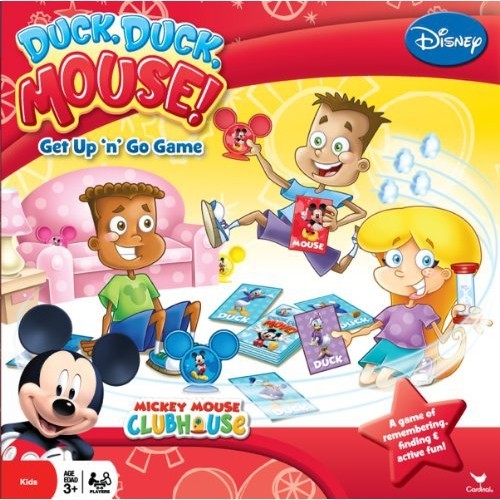
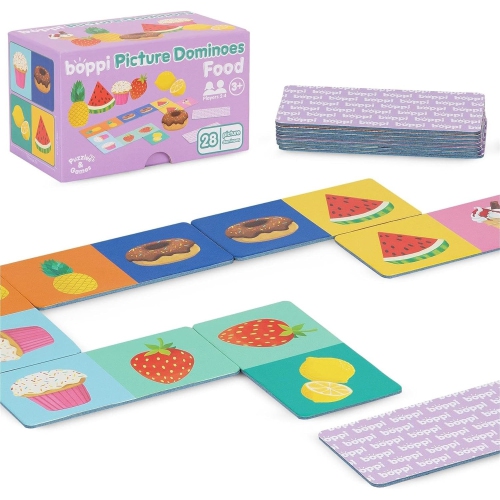
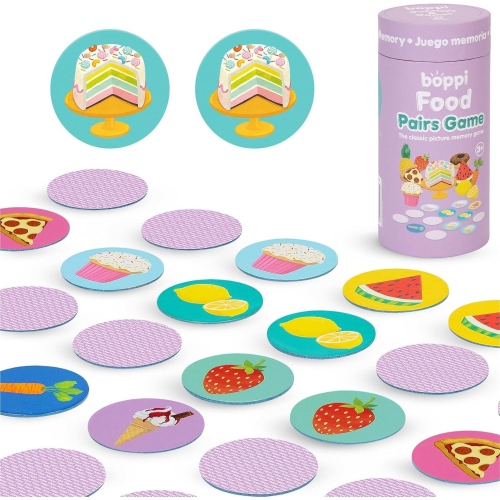
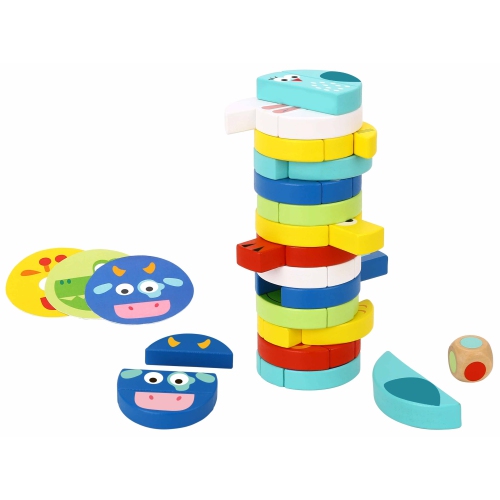
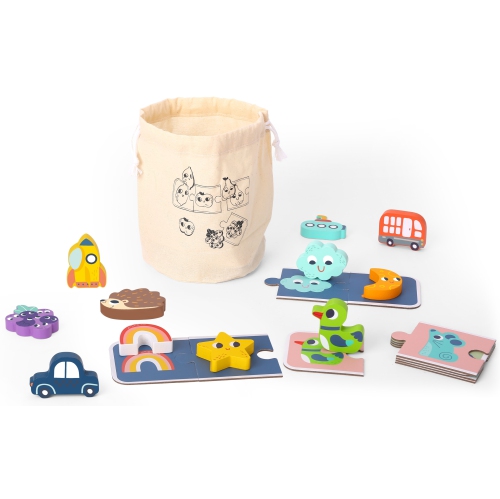
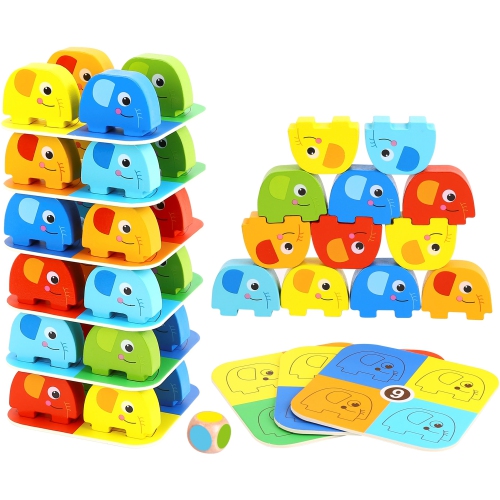
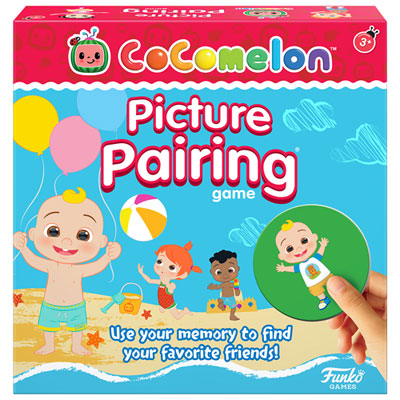
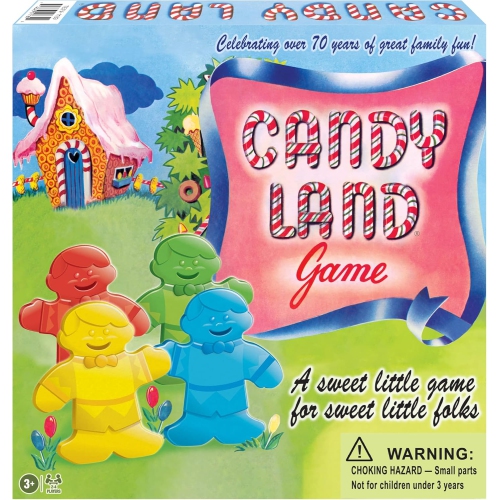
Easy board games for preschoolers bring young children into shared play through simple rules, clear pictures, and short turns. Colour matching, picture matching, counting, and moving a piece along a path are common activities, often with little or no reading required. The most approachable formats give children one main action to follow at a time: draw a card, find the matching colour, or move a marker a few spaces. That familiar rhythm leaves room to practise waiting, listening, and making small choices without keeping several rules in mind. Preschoolers vary in their language, attention, and hand skills, so the age guidance on the packaging is a starting point rather than a promise that every child will find a game equally easy. A child who enjoys sorting objects may settle into a matching game quickly, while another may prefer a game built around animals, food, or a simple shared story. Clear illustrations and distinct shapes can make the board easier to follow, particularly when colours are paired with symbols instead of being the only way to tell spaces apart. For children who are not yet reading, picture-based instructions on cards and boards help keep an adult from having to explain every move. Play length matters, too. A short round with an obvious finish is often a better fit for the time between an afternoon snack and dinner than a game with many stages. Published play times are estimates; the first few rounds may take longer while everyone learns what to do. Quick setup and a small number of components make it easier to bring a game to the table without losing a young player’s interest. Whether played with a parent, grandparent, caregiver, or sibling, a straightforward preschool board game can turn a small stretch of indoor time into a shared activity with a beginning, a few satisfying decisions, and an ending children can understand.
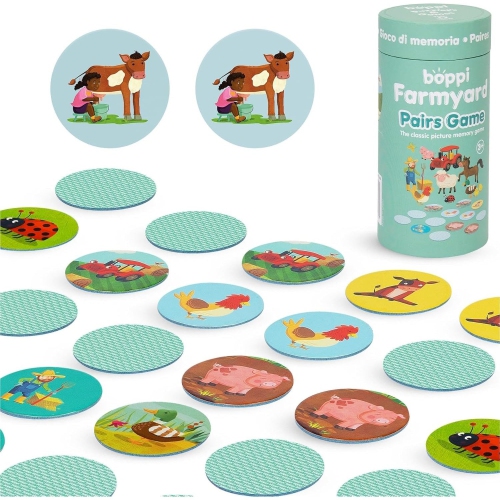
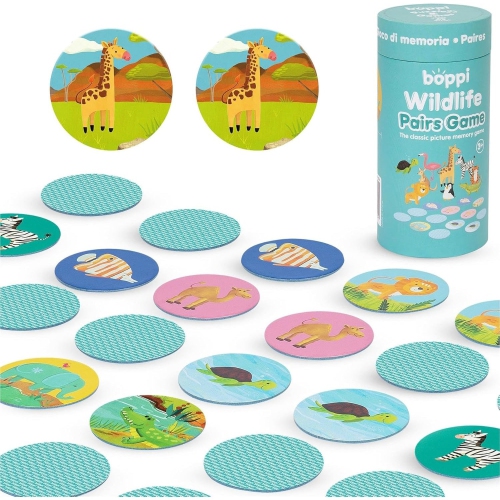
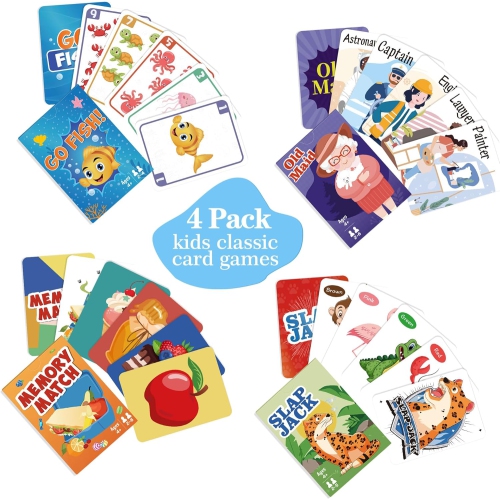
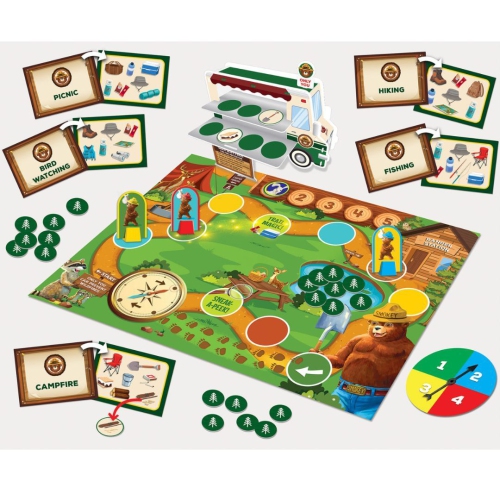
Different game formats offer different ways to participate. Cooperative board games give players a shared goal, such as completing a task before a marker reaches the end of a track. Everyone contributes to the same outcome, which can suit children who are still learning how to handle winning and losing. These games still involve following rules and taking turns, but an adult can talk through a choice alongside a child without acting as an opponent. Simple competitive games introduce a different experience: each player follows the same rules while working towards an individual finish. Formats that keep every player involved until the end avoid leaving one preschooler watching while others continue. Neither style removes every disappointment, but short rounds make another attempt feel manageable. Matching games invite children to notice details in pictures, colours, or shapes, while counting games can provide practice saying one number for each space or object. Memory-based play adds the task of remembering where a picture was last seen. Moving sturdy pieces, turning cards, or using a simple spinner also gives small hands something purposeful to do, though the amount of dexterity required should suit the child. Large pieces can be easier to grasp, and a board that stays flat helps prevent accidental bumps from interrupting a turn. These activities offer opportunities to practise skills through play; they do not need to feel like a lesson or meet a particular learning target. At a family table, an older sibling might help name a picture while a younger child places the matching piece. In a preschool or childcare setting, a small group may benefit from a clearly defined turn order and components that are easy to share. Player count is worth checking, since a game intended for two people will feel different from one designed for several participants. Families planning for mixed ages can also explore Best Board Games for Kids for broader play interests, while keeping reading demands, rules, and handling needs appropriate for the youngest person taking part.
Materials, construction, and storage influence how well preschool board games hold up to repeated play. Thick cardboard boards and tiles can feel substantial without being heavy, although their edges and printed surfaces need protection from spills and bending. Wooden components may offer a comfortable grip and reassuring weight, while plastic pieces can be lightweight and easy to handle; cleaning methods depend on the finish and the manufacturer’s directions. Smooth edges, securely attached parts, and sturdy board folds are useful details when components will be handled often. Large illustrations, uncluttered layouts, and a clear contrast between spaces can make the playing area easier to understand from different seats around the table. The physical fit matters as much as the rules: a wide board needs enough room for children to reach their pieces without leaning across someone else’s turn. Floor play may work well with a firm, flat surface, while a small table can help keep cards and markers within reach. Age labels and small-parts warnings remain essential, especially in homes where younger siblings may pick up loose pieces. A larger-looking component is not automatically suitable for a child who still puts objects in their mouth, and adult supervision does not replace following the stated age restrictions. For everyday care, dry hands and a drink-free playing area help protect paper-based parts. Follow the supplied cleaning instructions rather than soaking boards or applying cleaning products to printed surfaces. Let any cleaned components dry fully before packing them away, and check periodically for cracked pieces, peeling layers, or damaged edges. A box with practical compartments or separate storage sections can make setup and tidying less frustrating, particularly when several similar pieces need to stay together. Before choosing a game as a birthday or holiday gift, consider the child’s interests, the ages of likely playmates, and whether an adult will usually join in. Familiar themes and manageable rules can be more useful than a long list of activities. During the cooler months, a durable, easy-to-learn board game fits naturally into quiet afternoons, family visits, and the everyday pleasure of gathering around a table together.
Different game formats offer different ways to participate. Cooperative board games give players a shared goal, such as completing a task before a marker reaches the end of a track. Everyone contributes to the same outcome, which can suit children who are still learning how to handle winning and losing. These games still involve following rules and taking turns, but an adult can talk through a choice alongside a child without acting as an opponent. Simple competitive games introduce a different experience: each player follows the same rules while working towards an individual finish. Formats that keep every player involved until the end avoid leaving one preschooler watching while others continue. Neither style removes every disappointment, but short rounds make another attempt feel manageable. Matching games invite children to notice details in pictures, colours, or shapes, while counting games can provide practice saying one number for each space or object. Memory-based play adds the task of remembering where a picture was last seen. Moving sturdy pieces, turning cards, or using a simple spinner also gives small hands something purposeful to do, though the amount of dexterity required should suit the child. Large pieces can be easier to grasp, and a board that stays flat helps prevent accidental bumps from interrupting a turn. These activities offer opportunities to practise skills through play; they do not need to feel like a lesson or meet a particular learning target. At a family table, an older sibling might help name a picture while a younger child places the matching piece. In a preschool or childcare setting, a small group may benefit from a clearly defined turn order and components that are easy to share. Player count is worth checking, since a game intended for two people will feel different from one designed for several participants. Families planning for mixed ages can also explore Best Board Games for Kids for broader play interests, while keeping reading demands, rules, and handling needs appropriate for the youngest person taking part.
Materials, construction, and storage influence how well preschool board games hold up to repeated play. Thick cardboard boards and tiles can feel substantial without being heavy, although their edges and printed surfaces need protection from spills and bending. Wooden components may offer a comfortable grip and reassuring weight, while plastic pieces can be lightweight and easy to handle; cleaning methods depend on the finish and the manufacturer’s directions. Smooth edges, securely attached parts, and sturdy board folds are useful details when components will be handled often. Large illustrations, uncluttered layouts, and a clear contrast between spaces can make the playing area easier to understand from different seats around the table. The physical fit matters as much as the rules: a wide board needs enough room for children to reach their pieces without leaning across someone else’s turn. Floor play may work well with a firm, flat surface, while a small table can help keep cards and markers within reach. Age labels and small-parts warnings remain essential, especially in homes where younger siblings may pick up loose pieces. A larger-looking component is not automatically suitable for a child who still puts objects in their mouth, and adult supervision does not replace following the stated age restrictions. For everyday care, dry hands and a drink-free playing area help protect paper-based parts. Follow the supplied cleaning instructions rather than soaking boards or applying cleaning products to printed surfaces. Let any cleaned components dry fully before packing them away, and check periodically for cracked pieces, peeling layers, or damaged edges. A box with practical compartments or separate storage sections can make setup and tidying less frustrating, particularly when several similar pieces need to stay together. Before choosing a game as a birthday or holiday gift, consider the child’s interests, the ages of likely playmates, and whether an adult will usually join in. Familiar themes and manageable rules can be more useful than a long list of activities. During the cooler months, a durable, easy-to-learn board game fits naturally into quiet afternoons, family visits, and the everyday pleasure of gathering around a table together.
Top selling and popular products
-
 Your price for this item is $14.99
 -
 Your price for this item is $34.99
 -
 Your price for this item is $15
 -
 Your price for this item is $21.99
 -
 Your price for this item is $34.99
 -
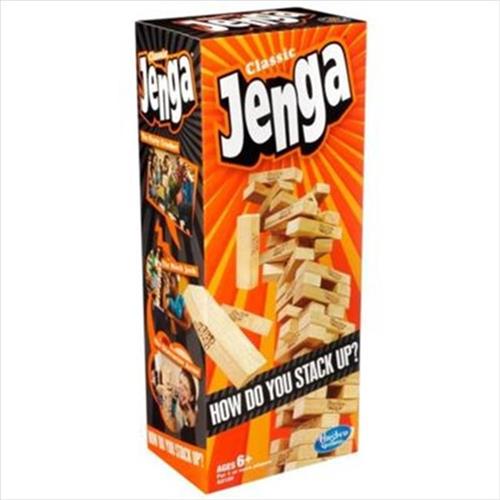 Your price for this item is $28.16
 -
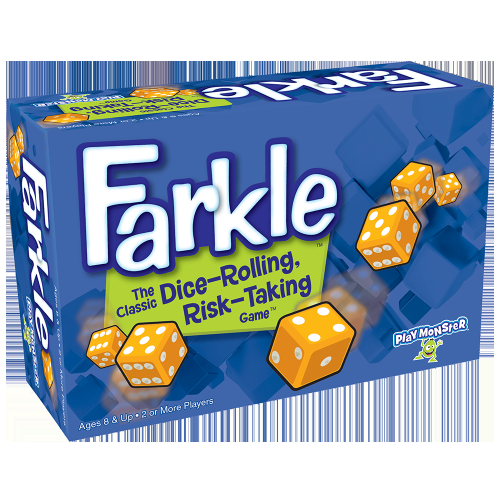 Your price for this item is $20.93
 -
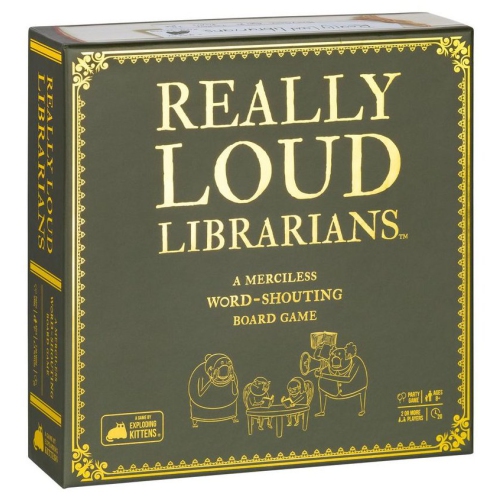 Your price for this item is $29.99
Discover more categories related to Easy Board Games for Preschoolers
Top Collections:
Pokemon Centers, Budget 4K TVs, Best Budget Office Chairs, Kindle Devices, Canon G7X Cameras, Apple iPhones 16, iPhone 15 Apple, Laptops for Business Work, Xiaomi Phones, Flip Phones
Some products may be subject to Environmental Handling Fees
(EHF) depending on your province.
Learn more about EHFs.